20 Miscast Leads in Otherwise Great Films


Some movies have everything working at a high level, from direction and design to editing and score, yet the lead casting becomes a talking point all its own. Sometimes it is an accent that never quite lands, sometimes it is a physical mismatch with a famous literary description, and sometimes it is a vocal demand that stretches a star beyond their usual lane. The films below still delivered strong craft, cultural impact, or major awards, which is why they continue to be celebrated even as the lead choice keeps coming up in conversations.
Each entry focuses on clear background details that shaped the role, from training and production choices to documented reactions at the time. You will see box office outcomes, awards recognition, and behind the scenes facts that explain why the casting drew attention, while also showing how well the rest of the movie worked around it.
‘Interview with the Vampire’ (1994)

Author Anne Rice publicly objected to Tom Cruise as Lestat during production, then praised his performance after release and even took out ads to say so. The film adapted the first of her novels with Neil Jordan directing and filmed across the United States and the United Kingdom with elaborate period design.
The production opened to strong business worldwide and earned Academy Award nominations for crafts. Cruise prepared with dialect work and movement coaching to match the character’s aristocratic bearing, while the studio partnered his star power with Brad Pitt in the co lead to anchor a prestige horror release.
‘Les Misérables’ (2012)
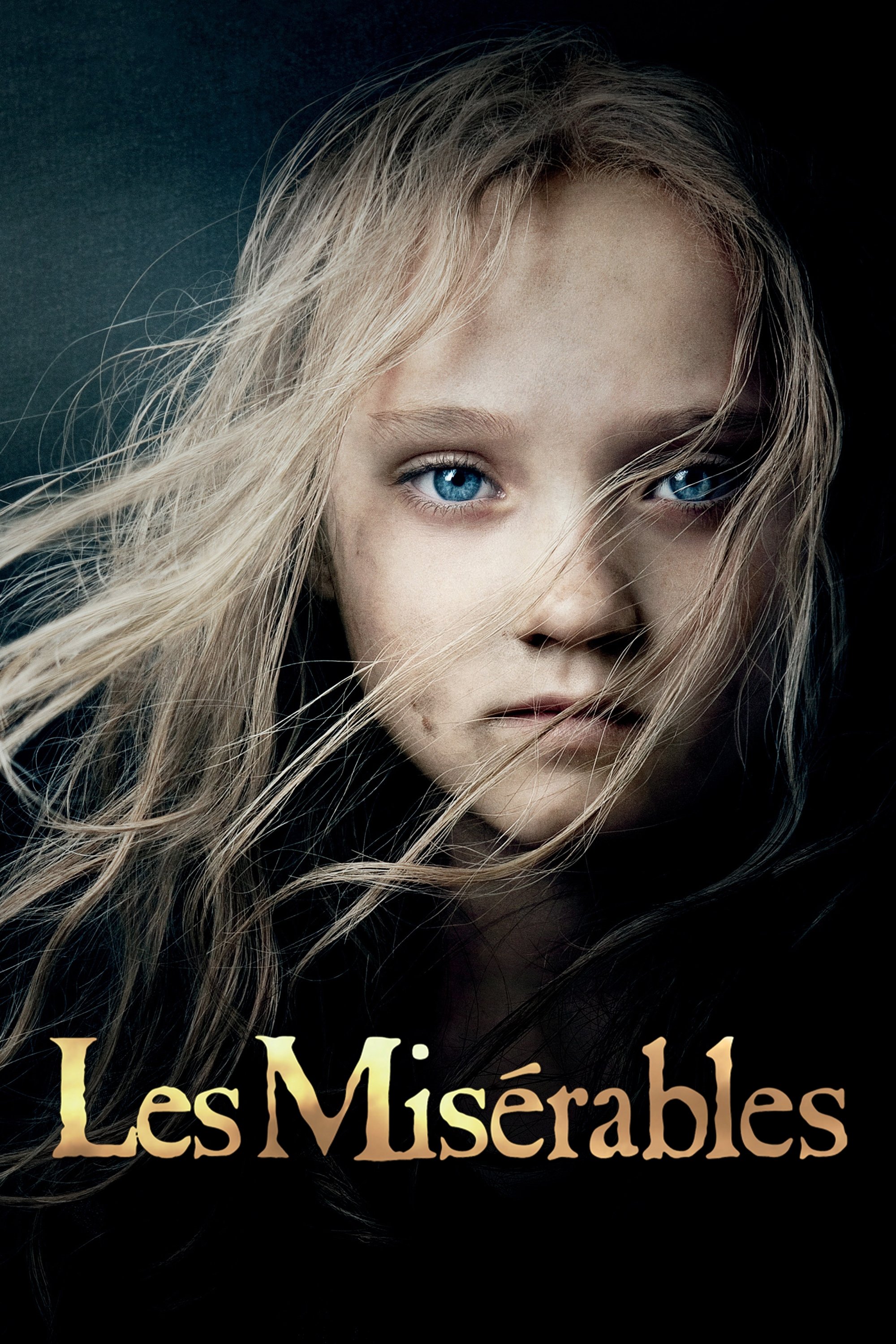
Russell Crowe came to the role of Javert as a rock vocalist rather than a stage baritone and performed live on set along with the rest of the cast, which was a distinctive choice for a movie musical. Director Tom Hooper recorded the singing in real time to favor acting choices over pre recorded polish.
The film drew large audiences and multiple awards, including Oscars for Anne Hathaway, sound, and makeup and hairstyling. Crowe worked with vocal coaches through rehearsals and publicity, while the production emphasized realism with extended close ups and long takes to keep the singing and drama tightly linked.
‘Mamma Mia!’ (2008)
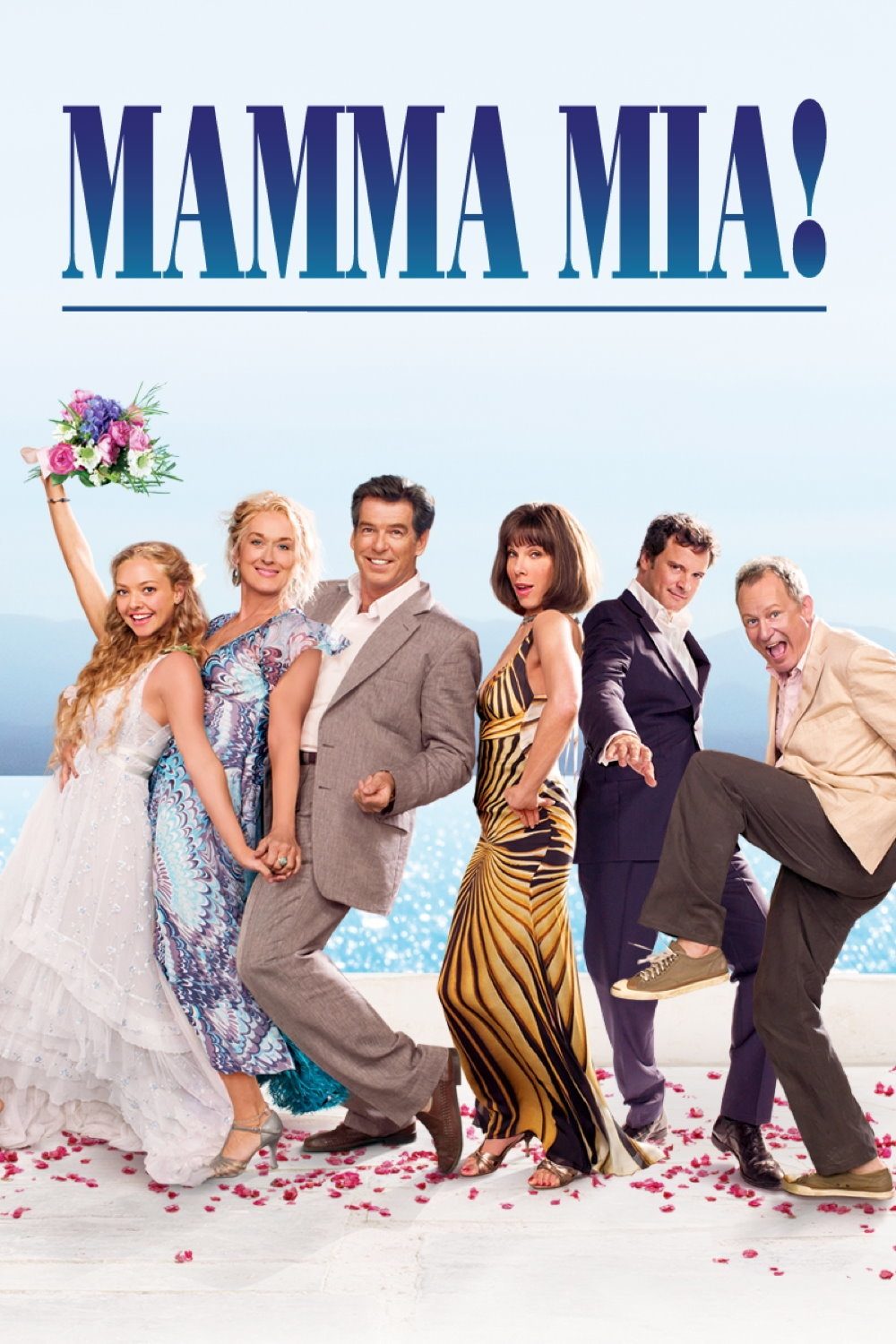
Pierce Brosnan signed on without a background in professional musical theater and learned the songs during a tight rehearsal window. The production recorded much of the singing with the cast together to capture energy, then polished tracks in post to fit the pop sound of ABBA.
The movie became a global hit and helped revive jukebox musicals on film, eventually spawning a sequel with returning stars. Filming took place in Greece and at British stages, and the release strategy leaned on summertime programming and sing along screenings that transformed it into an audience participation favorite.
‘Gangs of New York’ (2002)
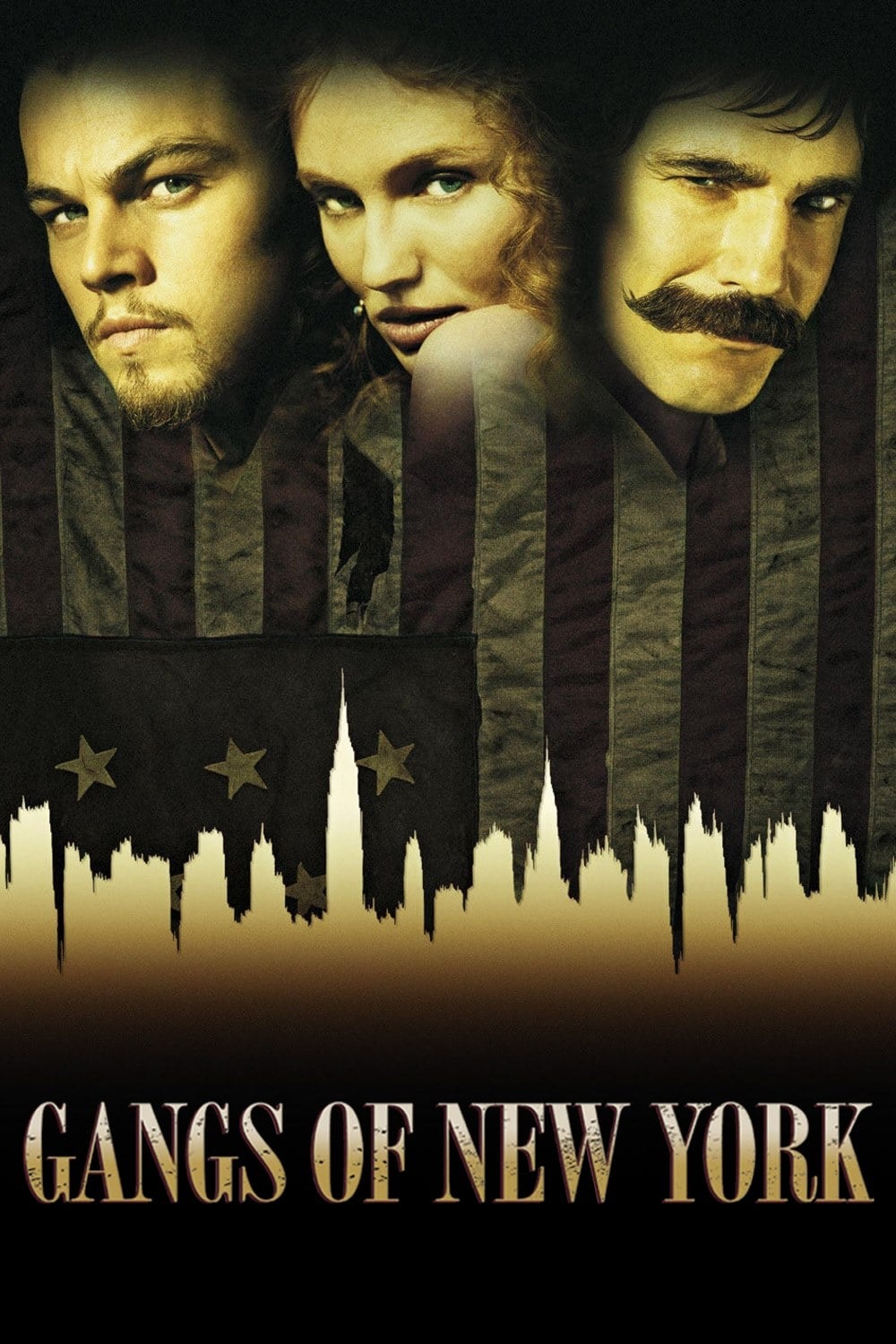
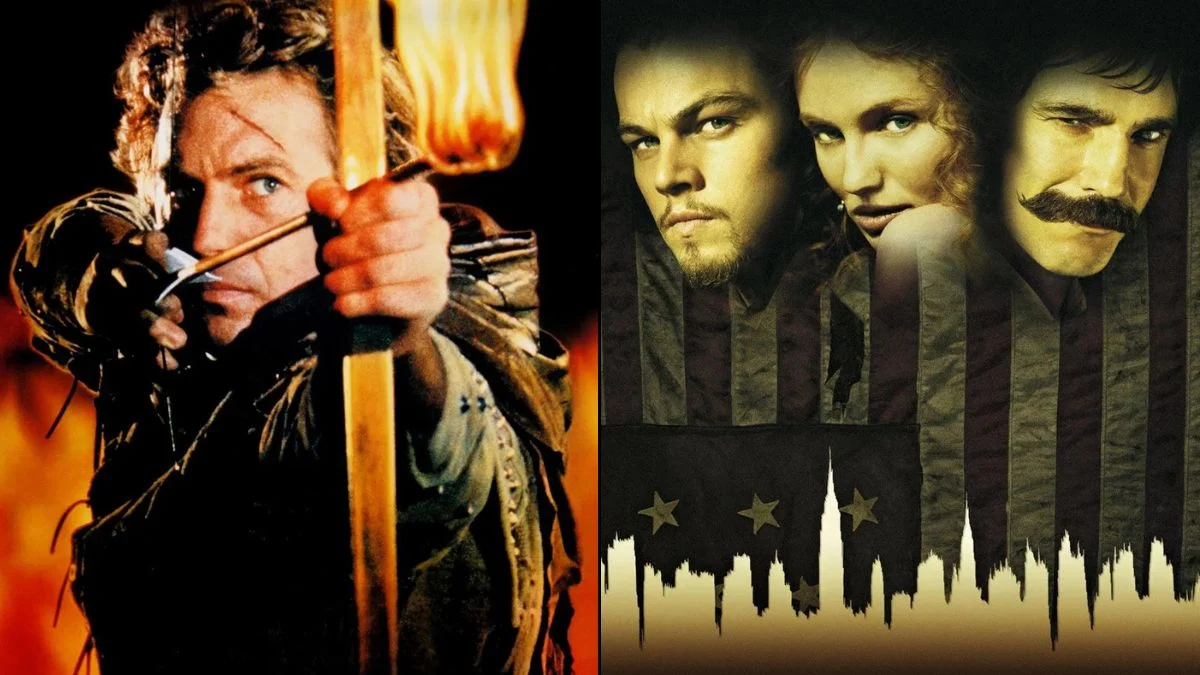
Leonardo DiCaprio played Amsterdam Vallon while still in his twenties and trained intensively with dialect coaches to find the period New York speech patterns Martin Scorsese wanted. The film built an entire Five Points district at Cinecittà Studios, which shaped the scale and movement of the performances.
The movie received ten Academy Award nominations and widespread recognition for production design and Daniel Day Lewis as Bill the Butcher. DiCaprio prepared with boxing and knife work, while the shoot’s long schedule and massive sets placed unusual physical demands on the cast compared with contemporary urban dramas.
‘Robin Hood: Prince of Thieves’ (1991)
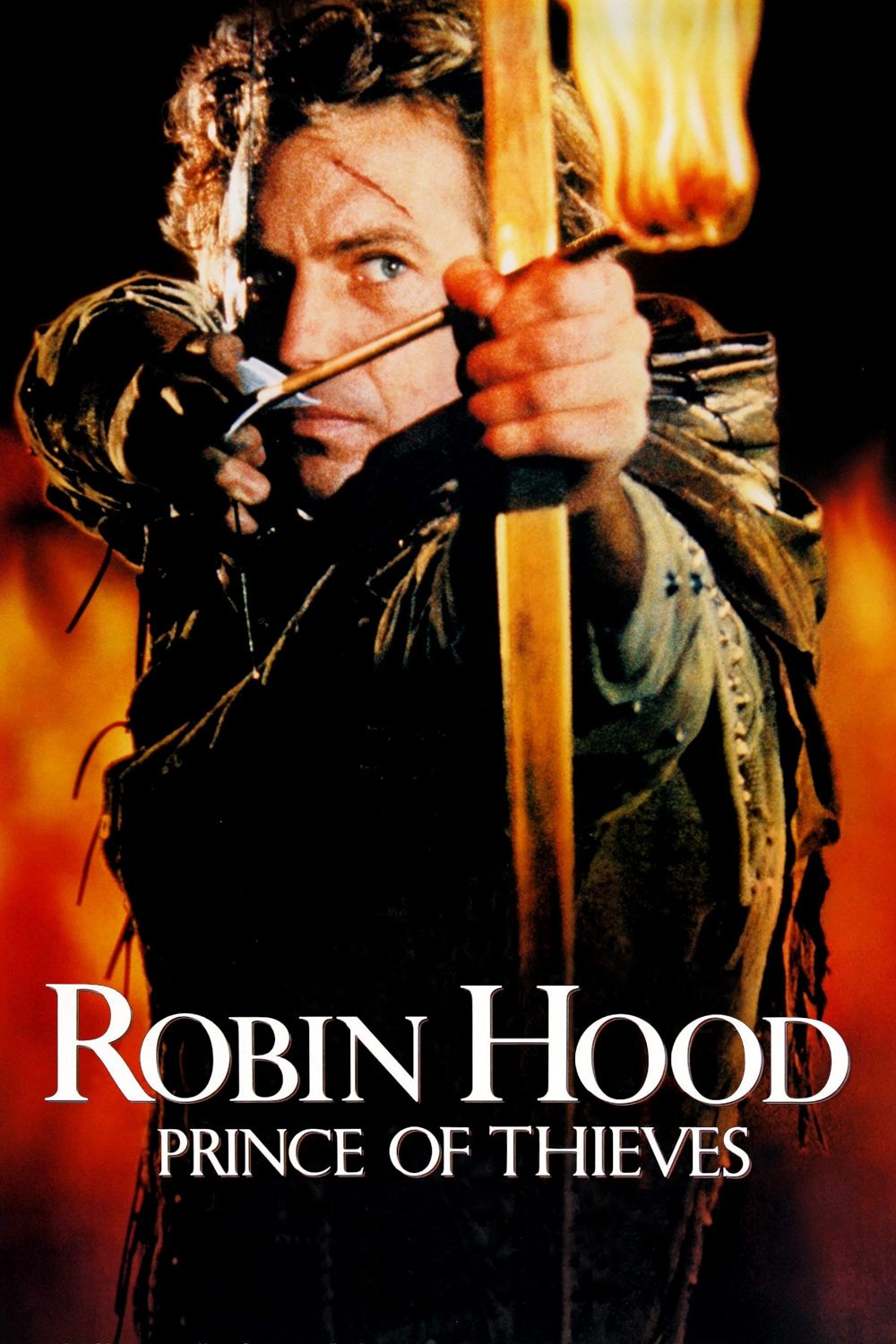
Kevin Costner filmed in England with a mostly British supporting cast, and early reports noted dialect coaching during rehearsals. In the finished film he largely used his natural speaking voice, which contrasted with the period setting and the accents around him.
The movie was a major box office success and became one of the most watched titles of the year worldwide. It also produced a chart topping theme song and a memorable supporting turn by Alan Rickman, while location shoots at castles and forests across the United Kingdom gave the adventure a grand scale.
‘Valkyrie’ (2008)
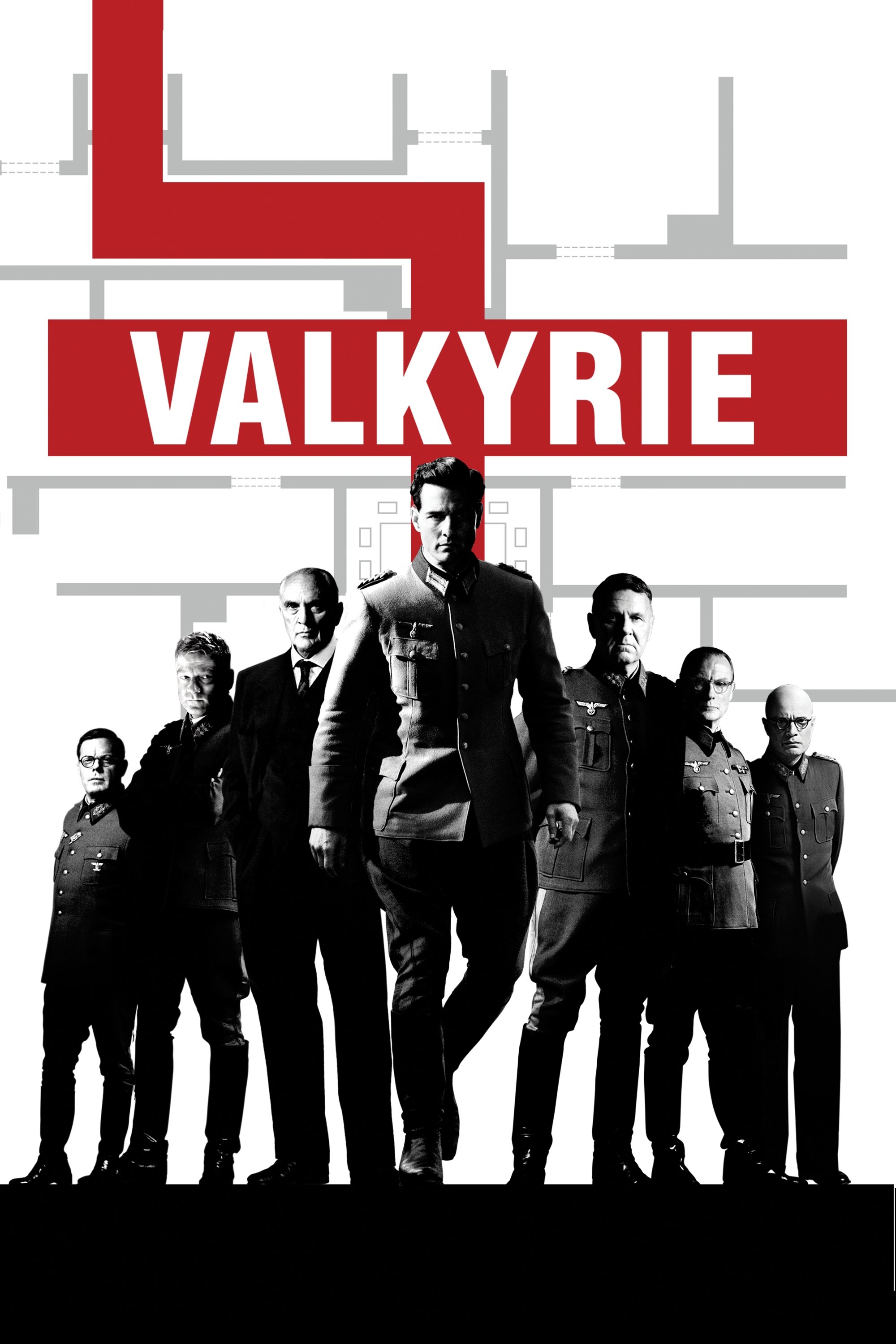
Tom Cruise portrayed Claus von Stauffenberg in a project that drew attention in Germany before release, partly due to concerns over filming access to historic sites. The production ultimately shot at real locations associated with the July plot, including the Bendlerblock memorial.
The film performed respectably worldwide and kept a tight procedural focus on the operation’s planning and execution. Cruise worked with military advisers to handle the eye patch, uniform, and posture of a career officer, while the ensemble of German and British actors reinforced the historical framing around the central role.
‘Evita’ (1996)
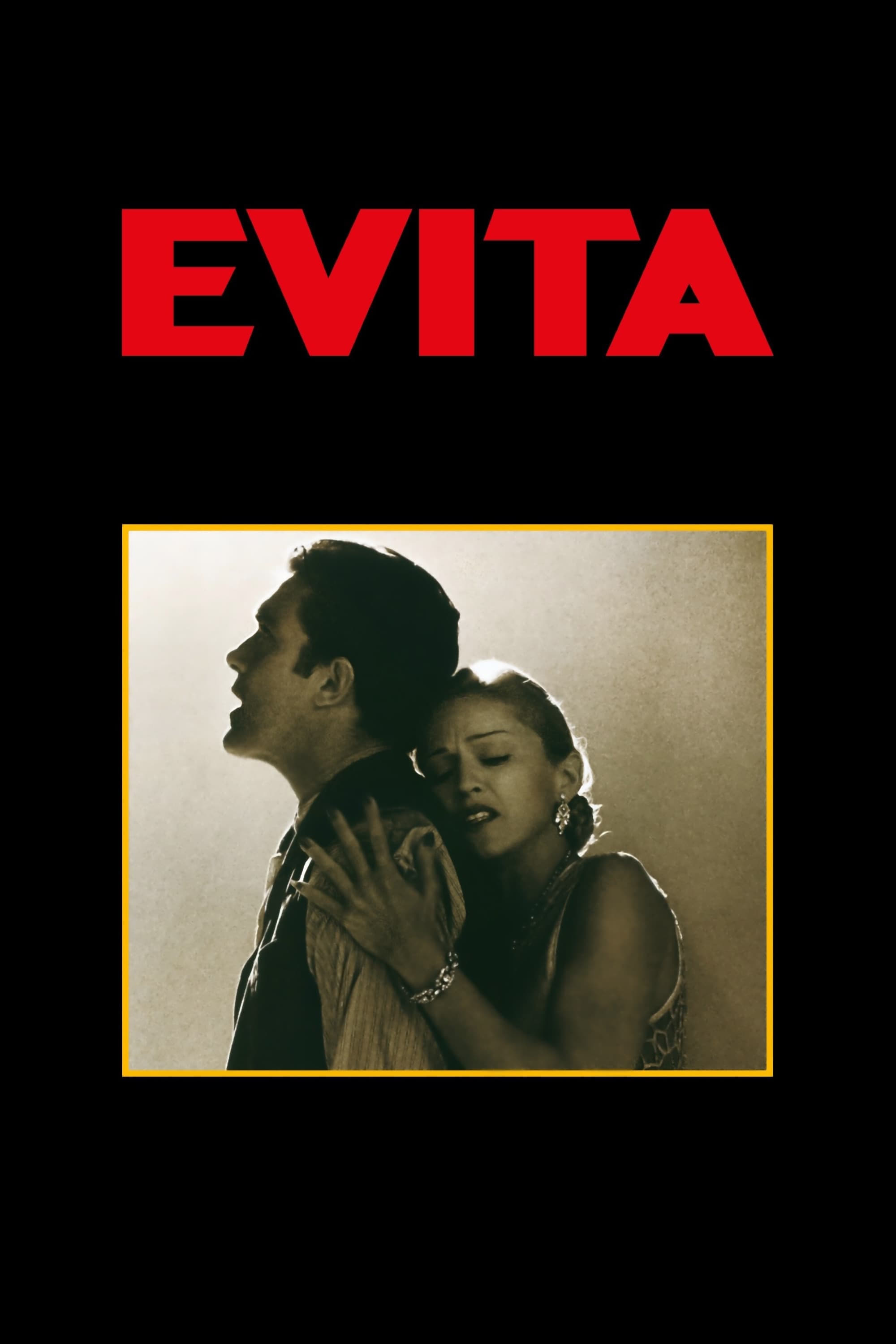
Madonna trained extensively for the vocal demands of Andrew Lloyd Webber and Tim Rice’s score and recorded the full role after months of preparation. The creative team added a new song for the film version, and the movie mixed studio sessions with location shoots in Argentina and Hungary.
The film won major awards for music and received significant attention during awards season. Its release brought renewed interest in the stage show and in the real life story, while the production design and costumes recreated mid century Buenos Aires with large crowd scenes and detailed period wardrobes.
‘The Phantom of the Opera’ (2004)
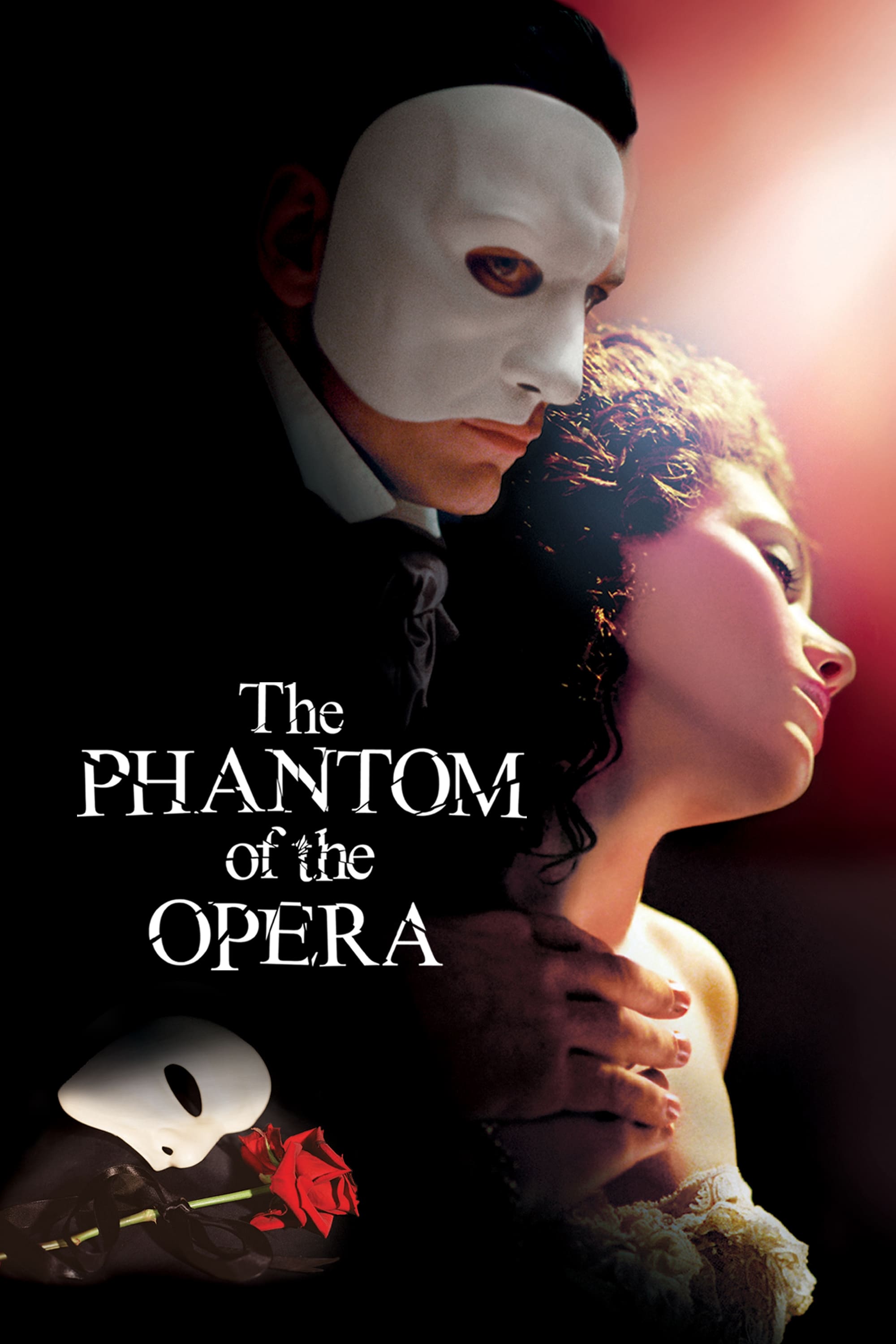
Gerard Butler had limited formal vocal training before taking on the title role and worked with coaches for months to shape the sound. Joel Schumacher staged the musical with sweeping sets and practical effects, emphasizing the gothic romance that had defined the stage phenomenon.
The film earned Academy Award nominations in crafts and found a substantial audience on home release after a steady theatrical run. Butler’s preparation included breath control, phrasing, and on set singing that matched the production’s choice to keep performances intimate and cinematic rather than purely theatrical.
‘The Great Gatsby’ (2013)
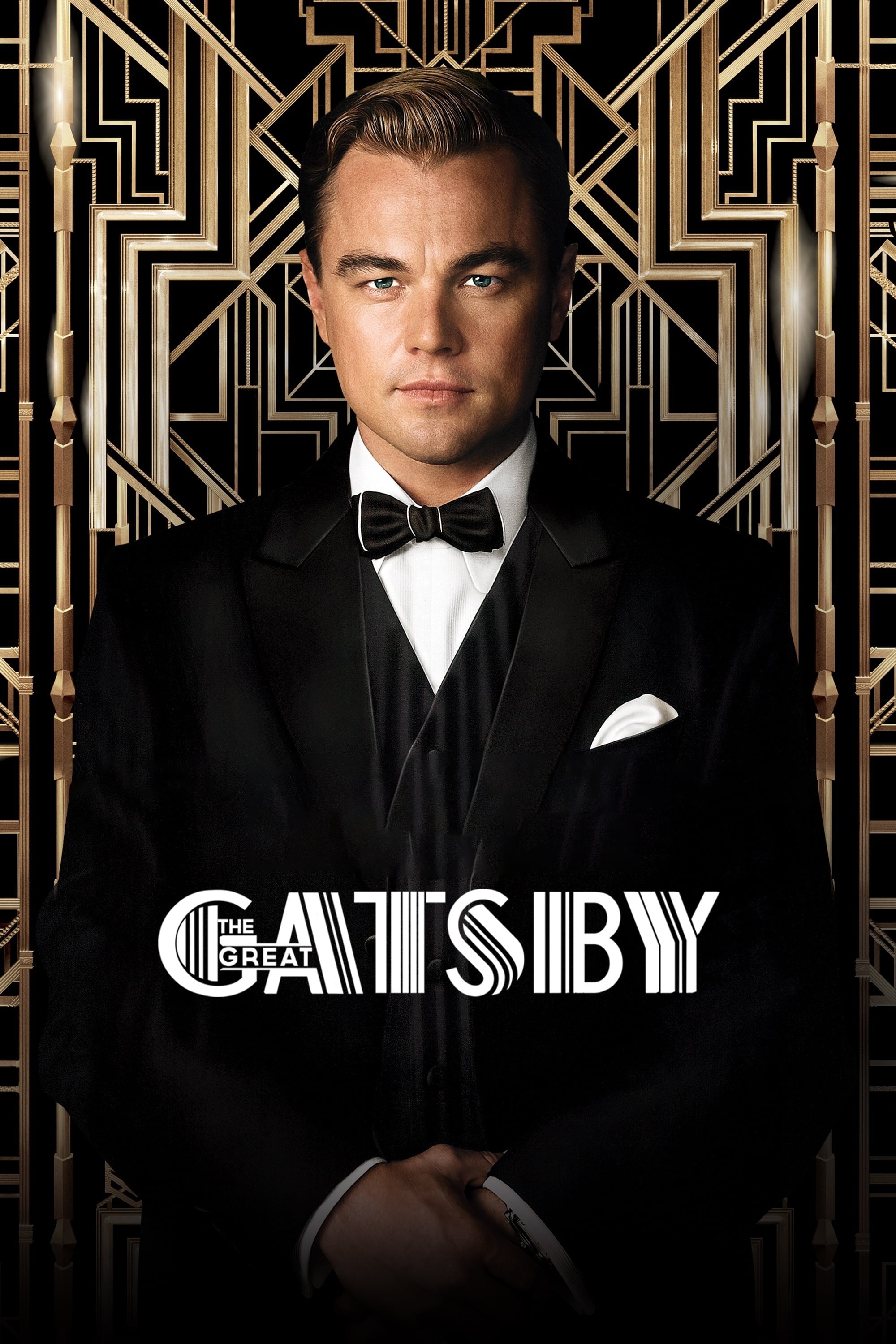
Tobey Maguire played Nick Carraway in a version that leaned on 3D imagery and modern music supervision to reframe the Jazz Age setting. Maguire was older than Nick as written, which shaped the character’s outsider perspective alongside the lavish design choices of Baz Luhrmann’s approach.
The film won Oscars for production design and costumes and performed strongly at the global box office. It blended practical sets with digital extensions to create Long Island mansions and New York skylines, while the soundtrack curation brought contemporary artists into a classic literary adaptation.
‘The Last Samurai’ (2003)
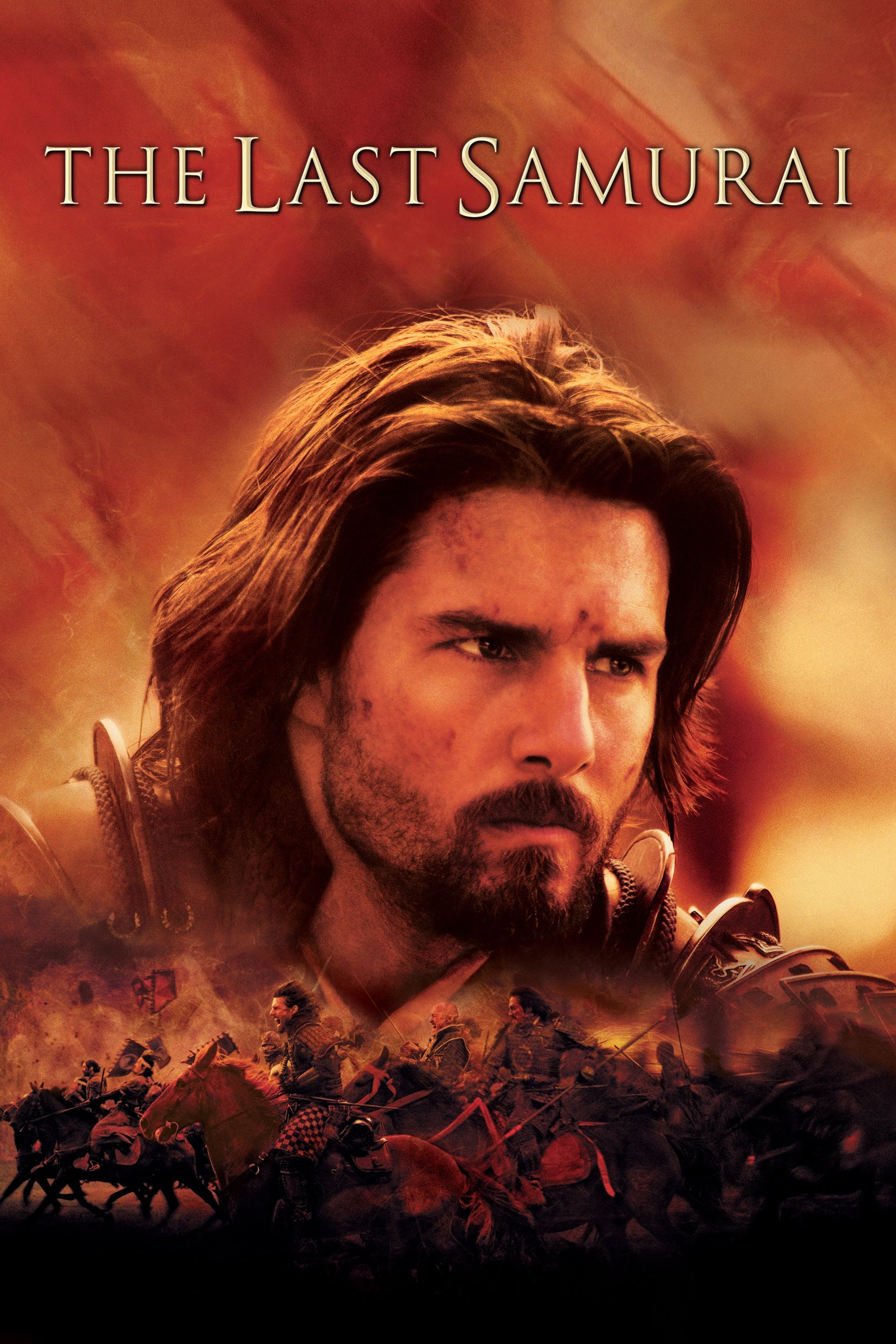
Tom Cruise devoted months to sword training, horseback riding, and language study to portray an American officer drawn into the world of Meiji era Japan. The production brought in martial arts instructors and cultural advisers to build battlefield sequences with large numbers of armored extras.
The movie earned multiple award nominations and found a significant audience in Japan and worldwide. The filming combined New Zealand landscapes with Japanese locations, and the costume team constructed detailed armor sets that were both functional for action and historically grounded for close up photography.
‘Memoirs of a Geisha’ (2005)
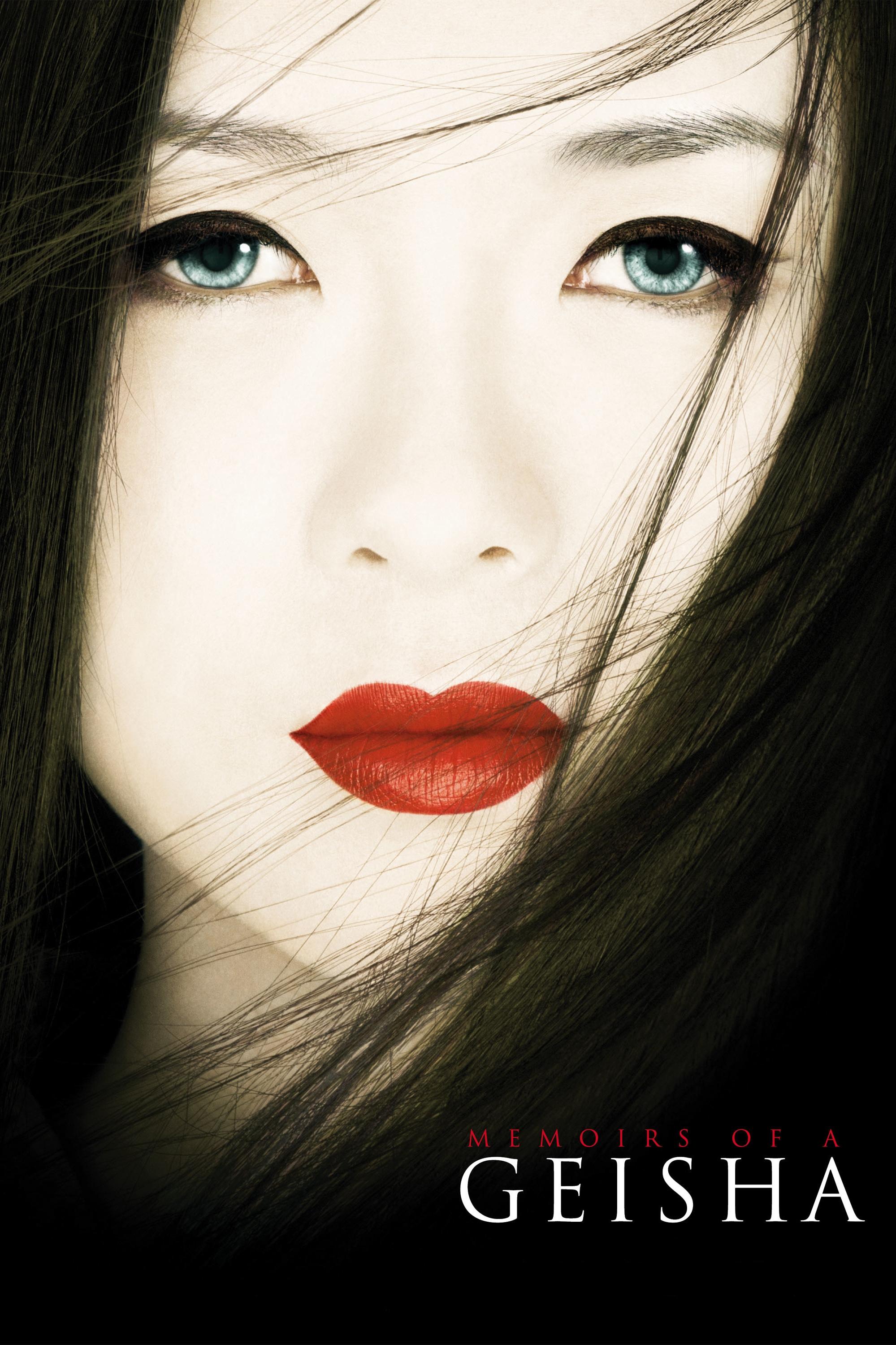
Zhang Ziyi starred in an English language adaptation of a best seller and trained in traditional dance and etiquette for months before shooting. Casting drew debate because several principal Japanese roles were played by Chinese actresses, which became part of the conversation around the release.
The film earned multiple Oscars in crafts and was widely noted for cinematography, costumes, and production design. It built elaborate teahouse and street sets to stage performance scenes, while John Williams’s score added another awards season anchor to a visually meticulous studio production.
‘The Danish Girl’ (2015)
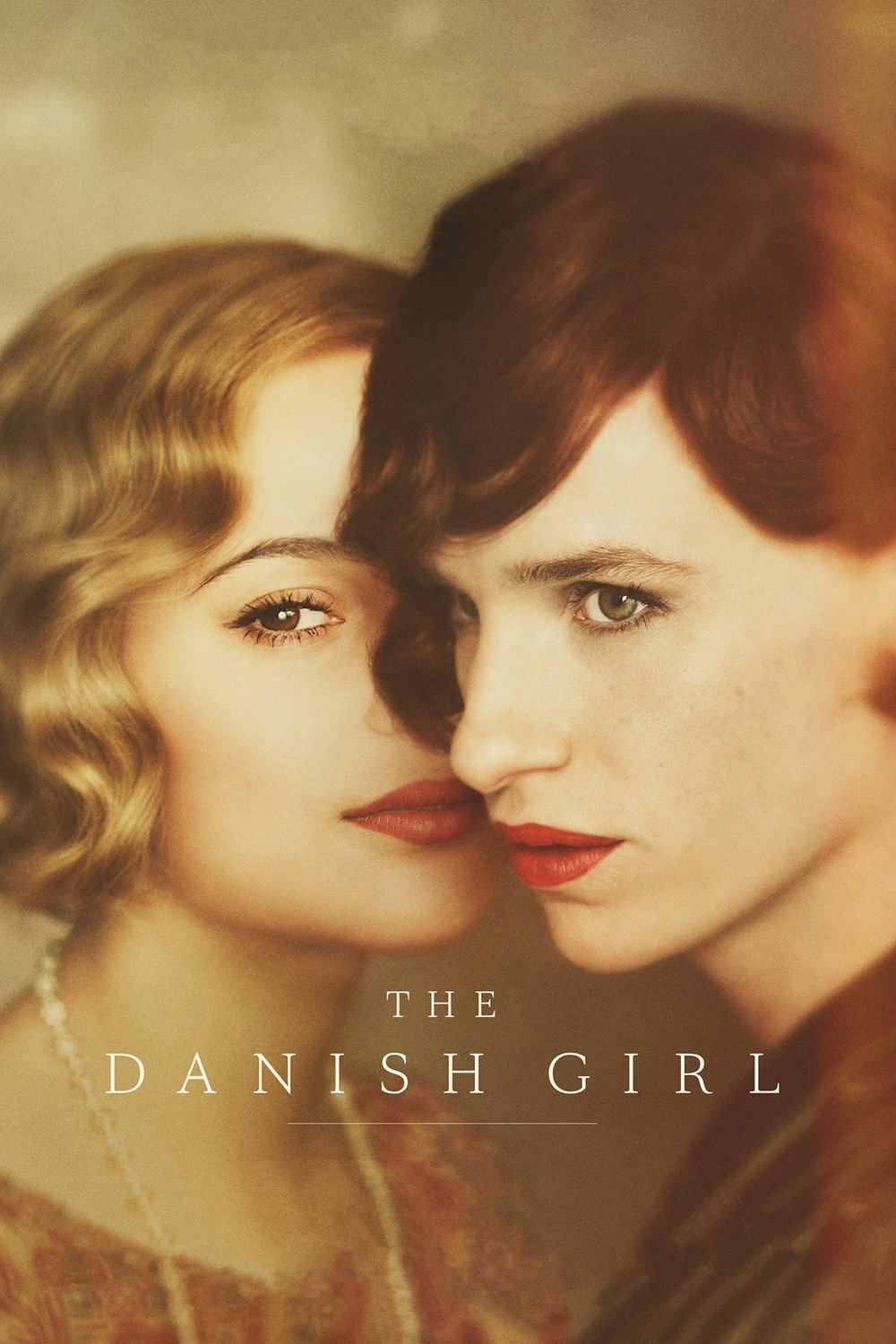
Eddie Redmayne prepared for Lili Elbe by working with transgender consultants, a movement coach, and vocal guidance to map a timeline across different stages of identity and presentation. The movie dramatized a real pioneering figure in gender confirmation history with careful attention to period detail.
The film received several Academy Award nominations, with Alicia Vikander winning for supporting actress. It was shot across European locations that doubled for early twentieth century Copenhagen and Paris, and its production design used warm interiors and art palettes that echoed the world of painters at the center of the story.
‘Jack Reacher’ (2012)
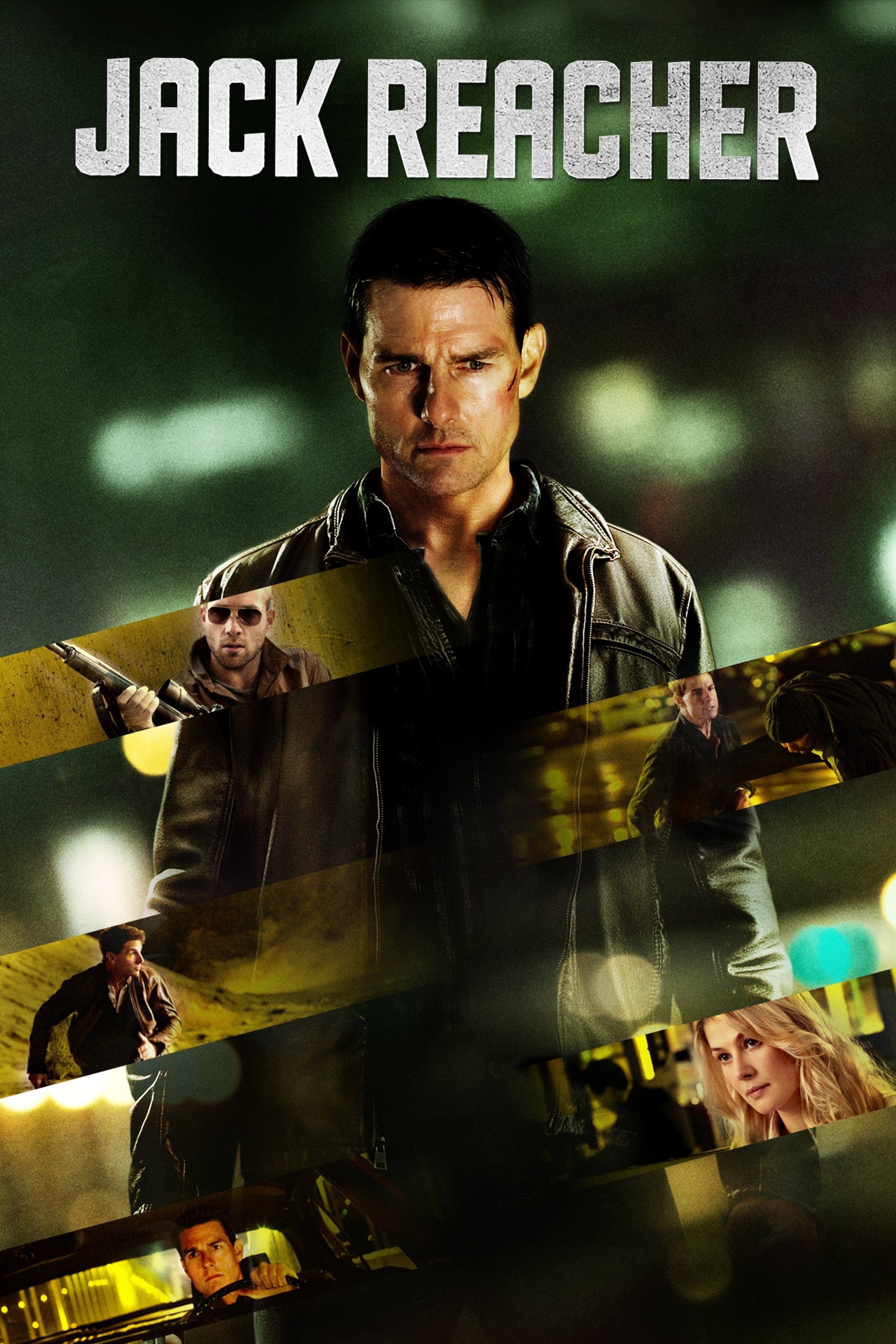
Tom Cruise took on a character described in the novels as very tall and physically imposing, which became a frequent topic among fans after the casting announcement. Author Lee Child noted in interviews that size in the books also served as a metaphor for presence, which the adaptation aimed to convey through stillness and staging.
The movie adapted the novel One Shot and launched a screen franchise with a brisk, grounded style. It performed well at the global box office, used practical car chases and hand to hand fights, and later paved the way for a separate television interpretation that returned to the character’s larger frame from the page.
‘Hannibal’ (2001)
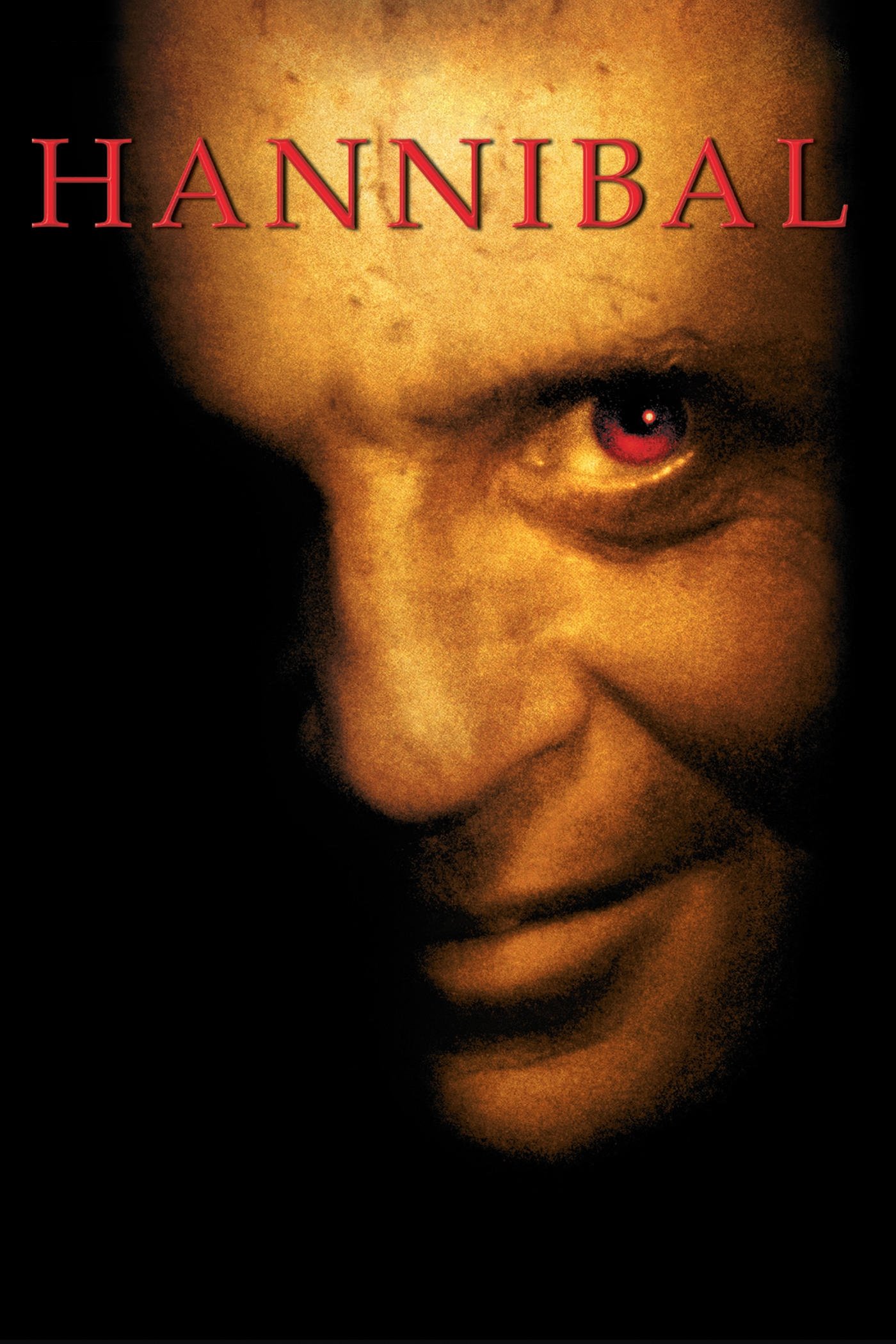
Julianne Moore stepped into the role of Clarice Starling after Jodie Foster chose not to return, which created a visible change for audiences familiar with the earlier film. Moore studied the character’s speech and posture and worked with Ridley Scott to position Clarice at a later stage in her career.
The movie opened to very strong business and renewed interest in Thomas Harris’s novels. It was shot across the United States and Italy with lavish locations, and it brought back Anthony Hopkins while shifting tone toward operatic set pieces that highlighted the production’s scale and art direction.
‘My Fair Lady’ (1964)
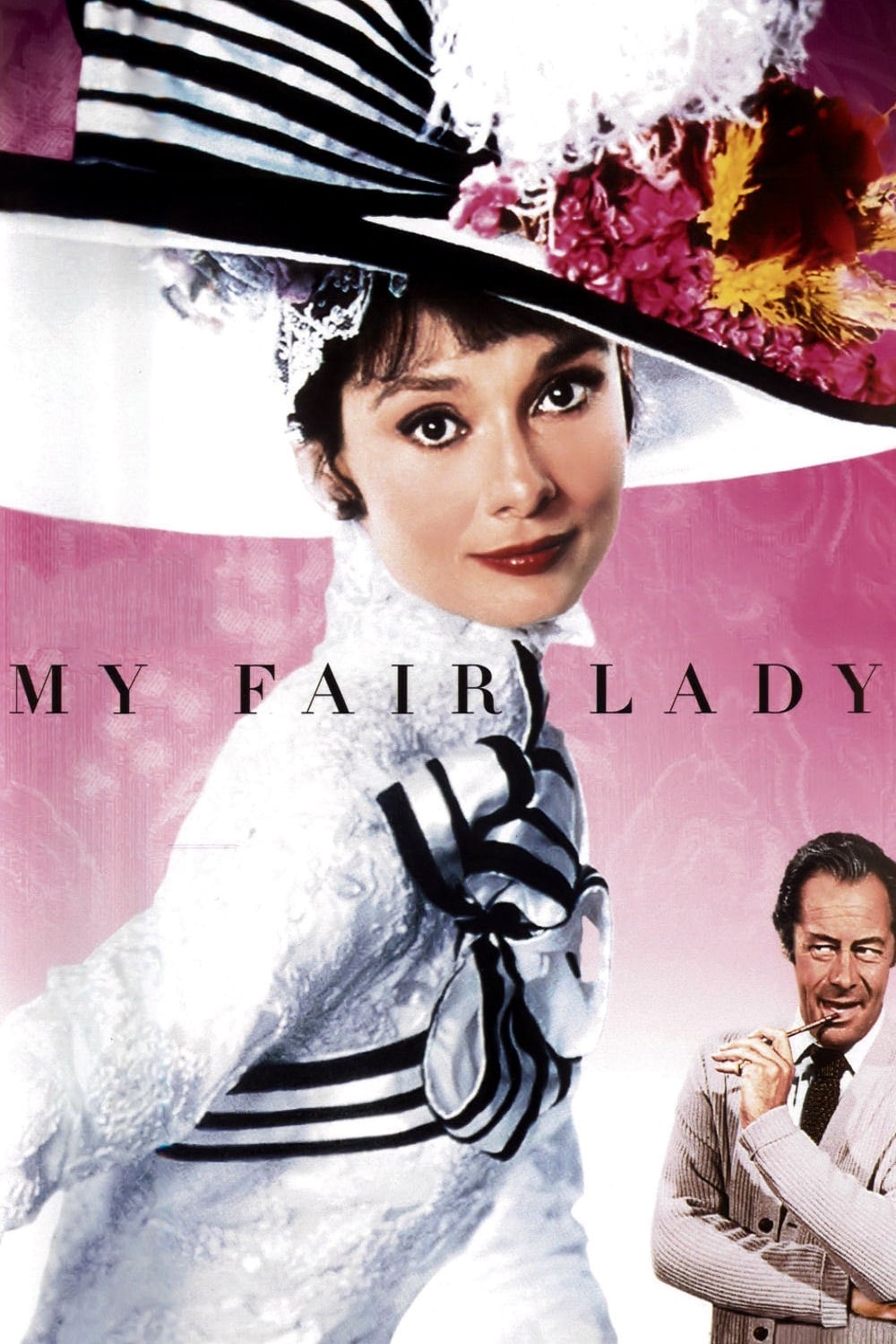
Audrey Hepburn played Eliza Doolittle on film after Julie Andrews created the role on stage, and the studio opted for Hepburn to anchor the movie adaptation. Marni Nixon dubbed Hepburn’s singing in most numbers, which became one of the most discussed elements of the production.
The film won eight Academy Awards including best picture and was mounted with extensive sets and costuming to recreate Edwardian London. Rex Harrison brought his stage performance to the screen as Higgins, while the recording process blended spoken singing with orchestral tracks to match the musical’s distinct style.
‘West Side Story’ (1961)
Natalie Wood starred as Maria, and her vocals were also dubbed by Marni Nixon for the final soundtrack. Casting a non Latina actress in a Puerto Rican role reflected common practices of the period and has been widely documented in coverage of the movie’s production history.
The film won ten Academy Awards and became a landmark in screen musicals. Jerome Robbins and Robert Wise blended location photography with choreographed numbers on large sets, and the release helped cement the show’s music as a standard for school and community productions for decades.
‘Grease’ (1978)
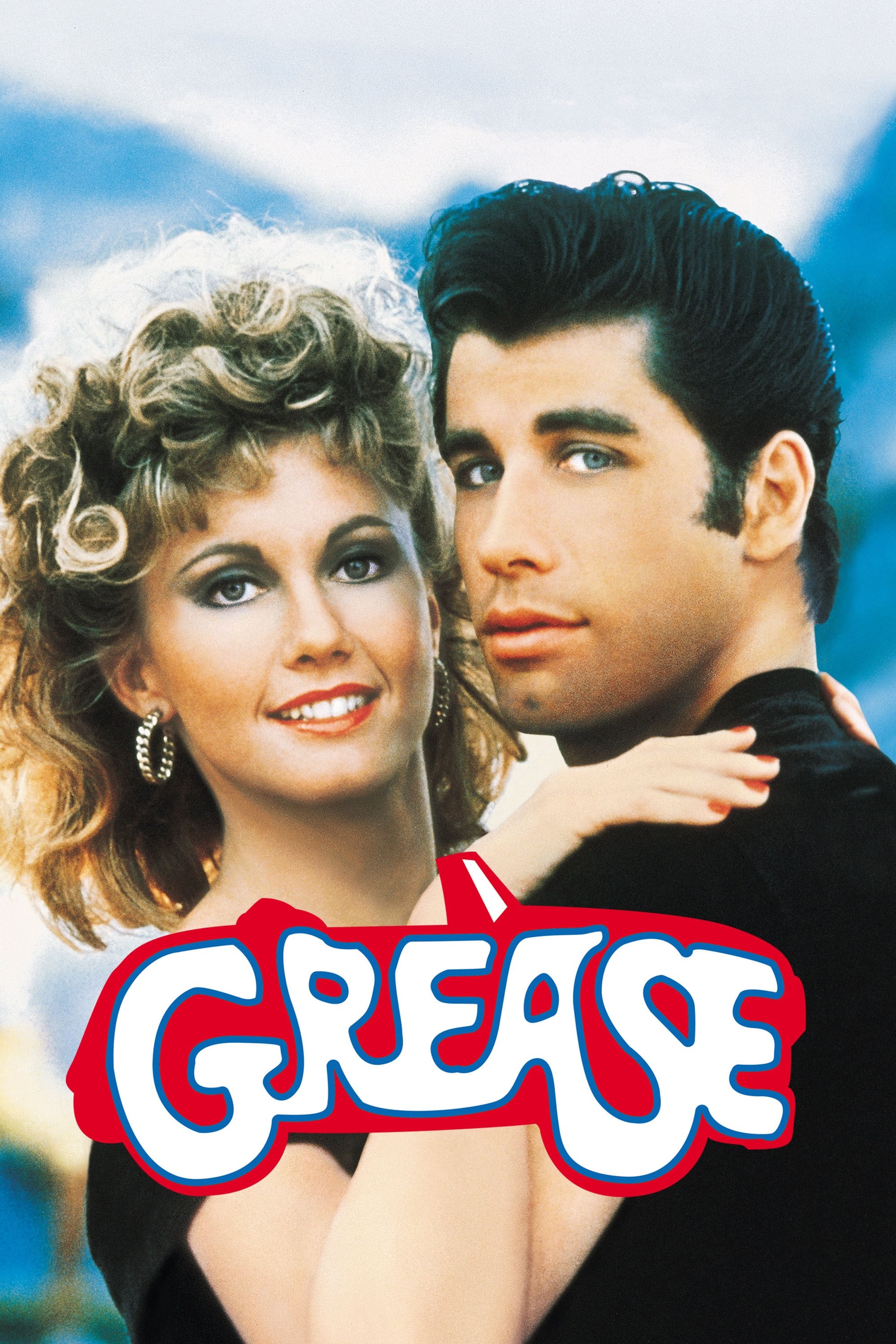
Olivia Newton John was in her late twenties and John Travolta was in his mid twenties while playing high school seniors, which shaped the film’s casting profile. Newton John requested that her role be rewritten as Australian to fit her natural accent, and the creative team adjusted dialogue and backstory.
The movie became a phenomenon and for many years stood as the top grossing live action musical worldwide. Its soundtrack dominated radio, the production embraced bright color and stylized choreography, and the summer release strategy helped turn it into a repeat viewing staple.
‘Cleopatra’ (1963)
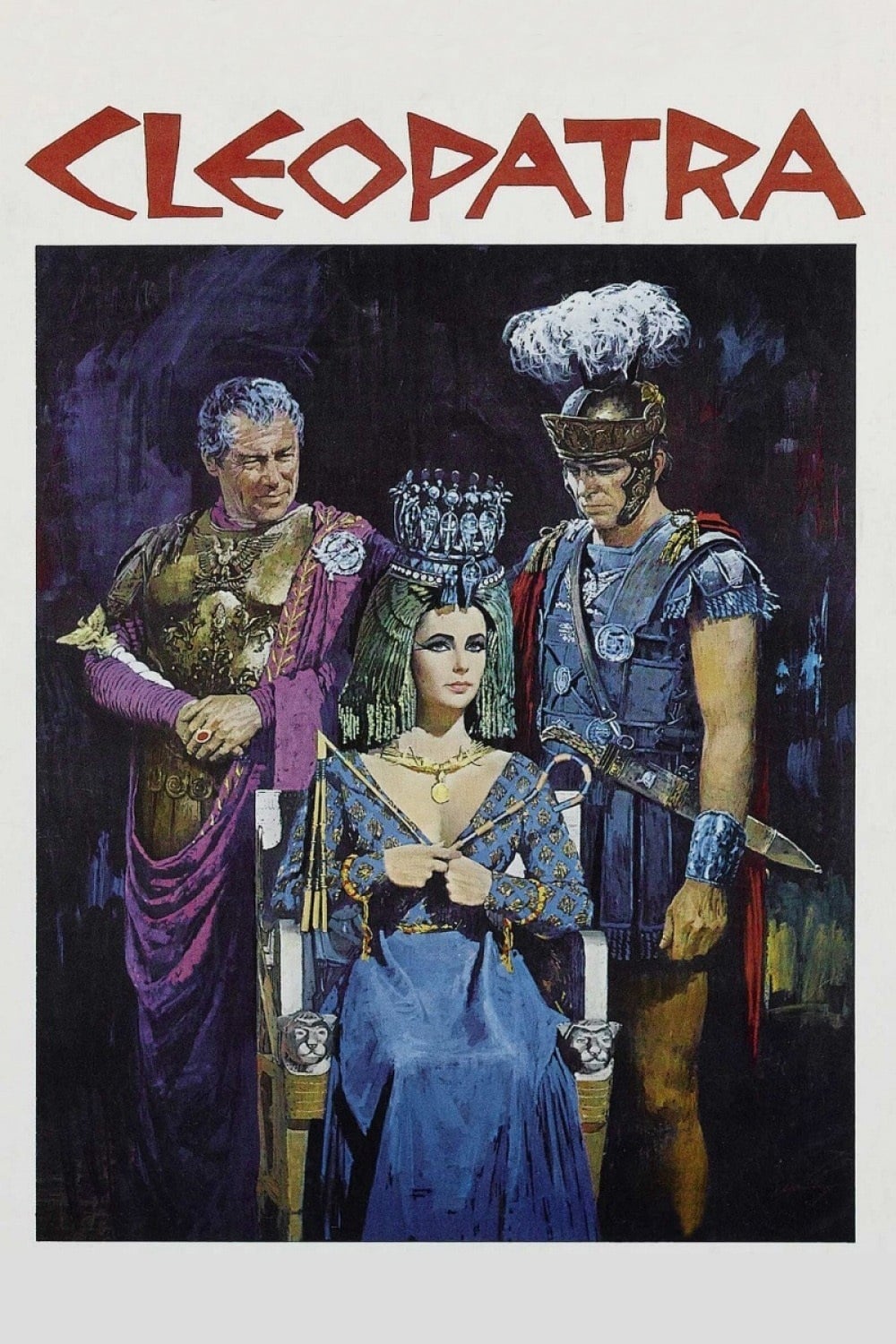
Elizabeth Taylor’s casting as Cleopatra drew attention from the start due to the scale of the production and the historical figure’s cultural lineage. The movie’s long schedule and health setbacks for its star were widely reported and contributed to a record setting budget for its time.
The film won several Oscars in crafts and remains famous for colossal sets and costumes. It premiered as a prestige epic with roadshow engagements, and its box office run stretched over time as the studio sought to recoup costs through theatrical reissues and international bookings.
‘The Untouchables’ (1987)
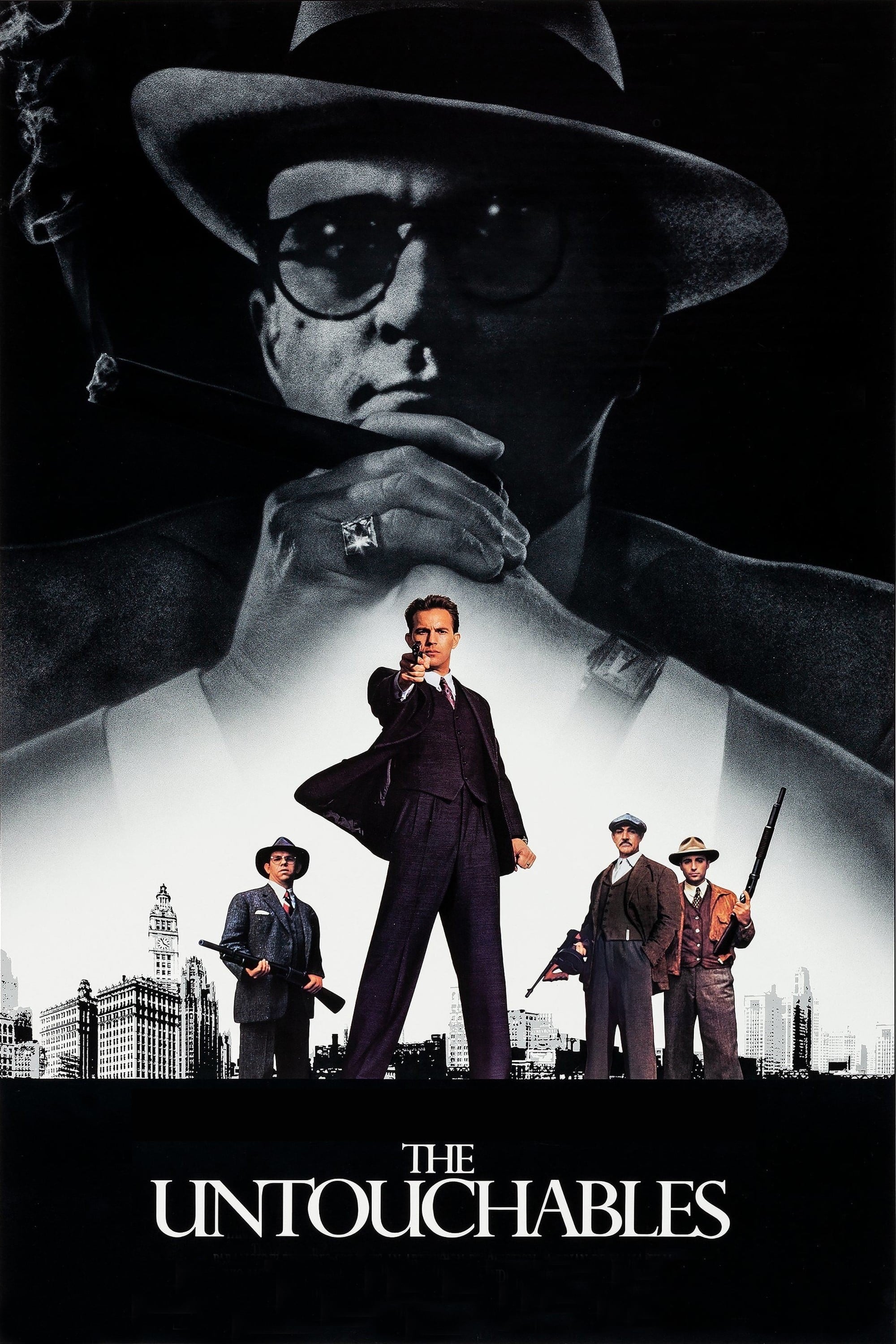
Kevin Costner played Eliot Ness in a stylized crime drama that emphasized visual design and a strong supporting cast. He worked with consultants on period procedure and firearms handling, while the script shaped Ness as a straight arrow counterpoint to the flamboyant criminals.
The movie earned Sean Connery an Oscar and was celebrated for set pieces that echoed silent film influences. It shot across Chicago landmarks and constructed key interiors to stage tense stand offs, with Ennio Morricone’s score giving the film a distinctive musical identity.
‘Bram Stoker’s Dracula’ (1992)
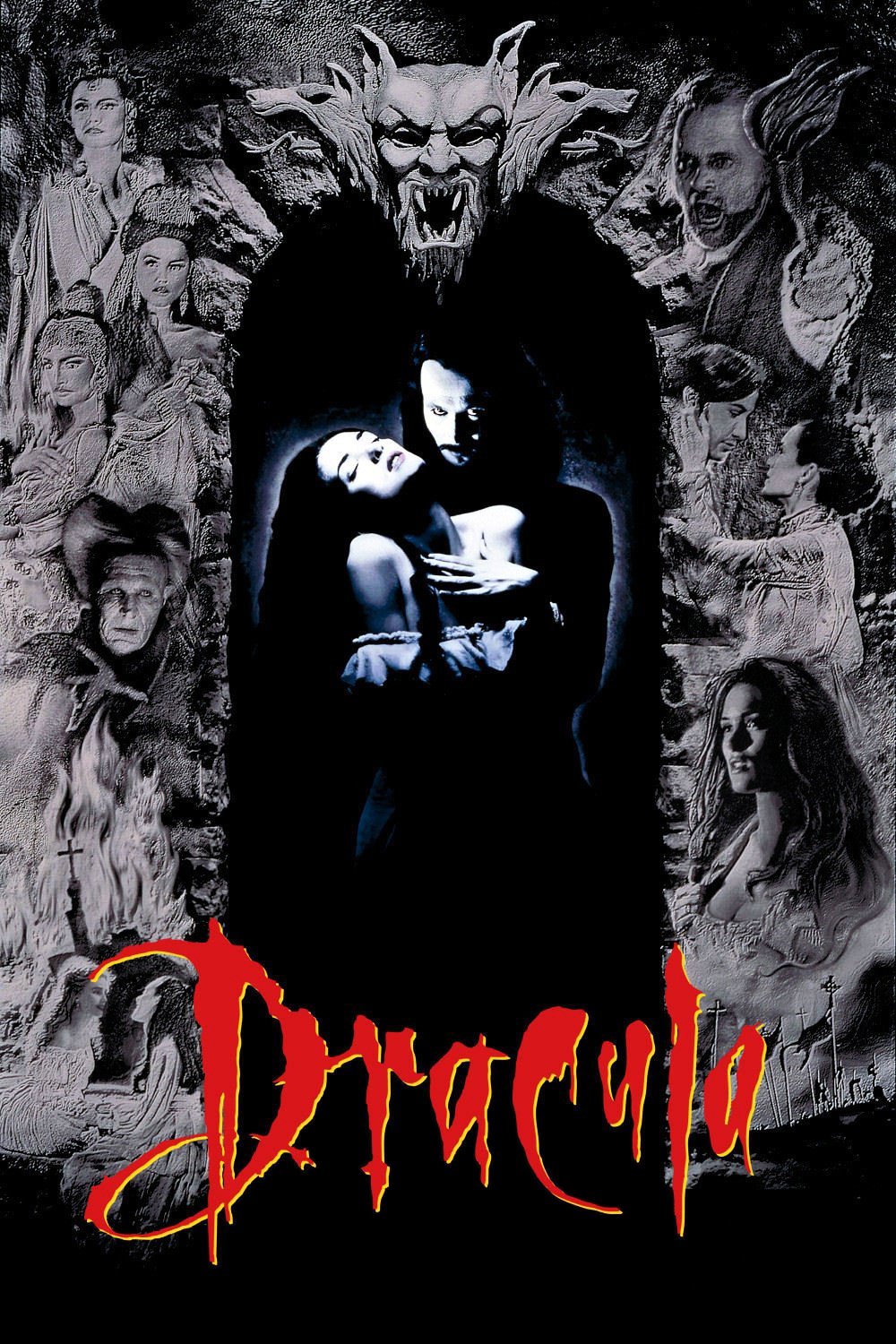
Keanu Reeves took on Jonathan Harker with a formal English accent that required intensive coaching during a stacked year of projects. The role placed him among veteran stage actors and a director who favored operatic delivery and heightened style.
The film won three Academy Awards in crafts and became a touchstone for practical effects and in camera illusions. It was shot on soundstages with elaborate miniatures and lighting tricks, while costuming by Eiko Ishioka defined the visual vocabulary that later vampire films often referenced.
Share the one you think belongs on this list and tell us why in the comments.