20 Overhyped Performances We’d Recast


Hype can build around a performance for many reasons, from heavy marketing to franchise momentum and awards chatter. This list gathers roles that drew big attention while raising long running debates about casting fit, vocal demands, accent choices, or character interpretation based on verifiable production and reception details.
Each entry focuses on concrete facts such as who directed the project, how key scenes were made, what edits or reshoots changed the final cut, and how the release performed or evolved over time. The aim is to show the context behind what audiences saw and why a different casting route might have aligned more closely with the material.
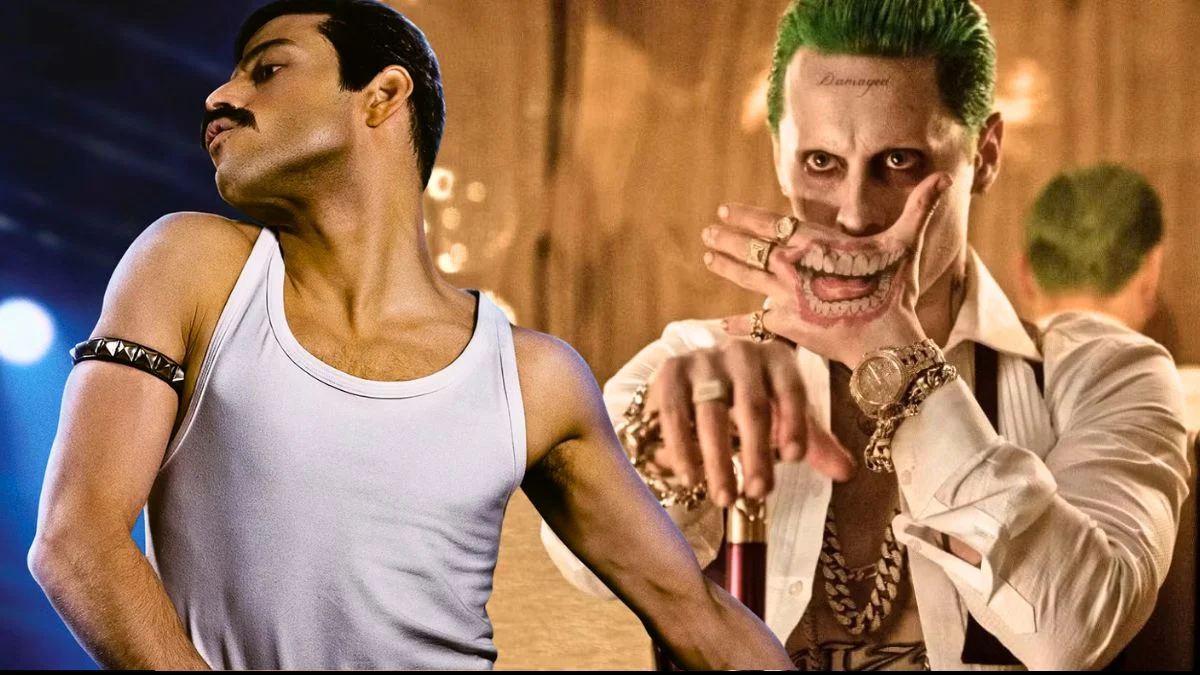
Rami Malek in ‘Bohemian Rhapsody’ (2018)
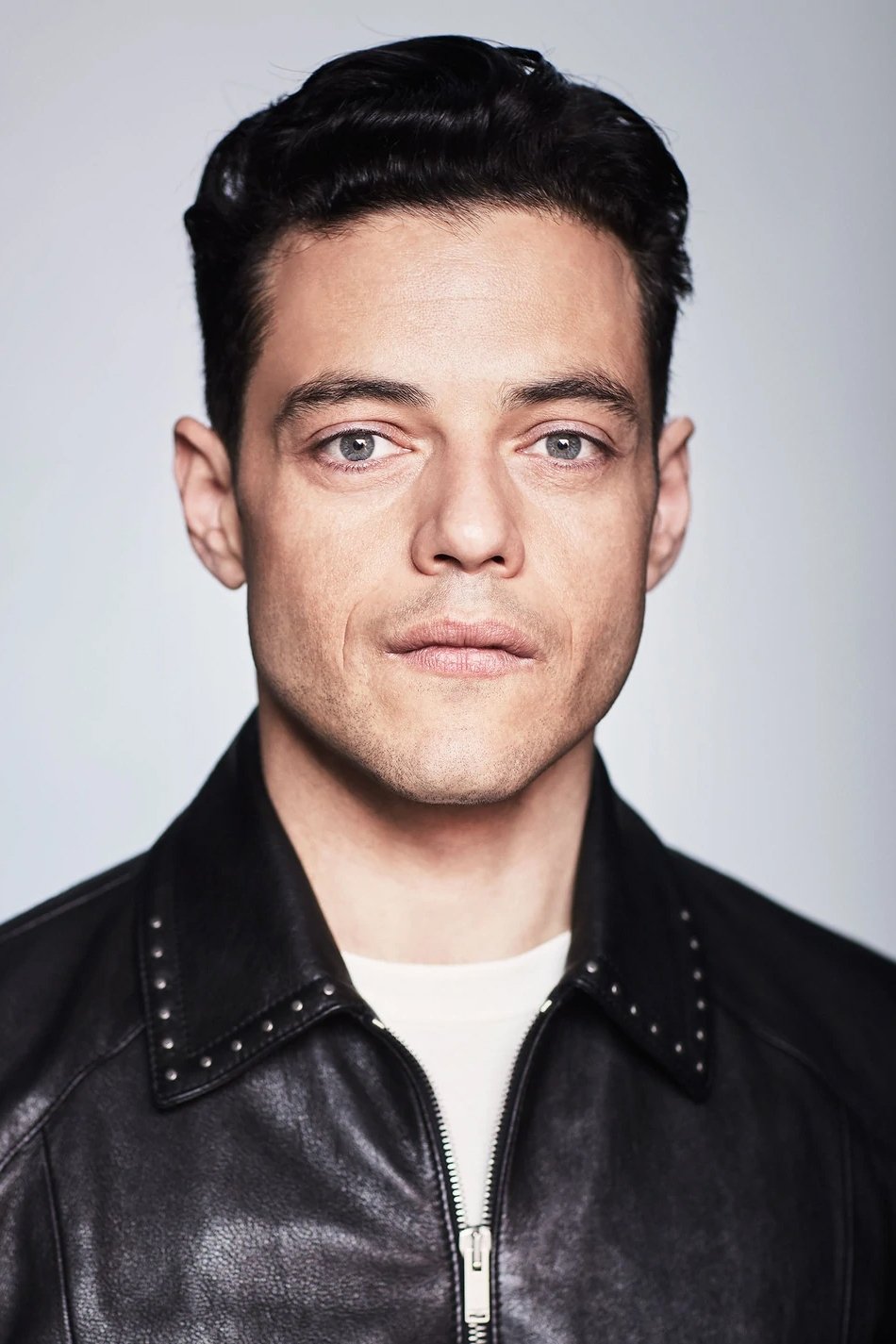
The production used original Freddie Mercury vocals with additional tracks by Marc Martel while Malek performed on set and wore prosthetic teeth designed to mirror Mercury’s distinctive bite. Bryan Singer retained director credit even though Dexter Fletcher completed filming after a late stage change, and the release became a major box office success with wide awards recognition.
Key sequences recreated the Live Aid set with detailed stage builds and large scale crowd replication. The script compressed timelines and combined real events to form a traditional music biopic arc that centered on concert preparation and band dynamics.
Jared Leto in ‘Suicide Squad’ (2016)
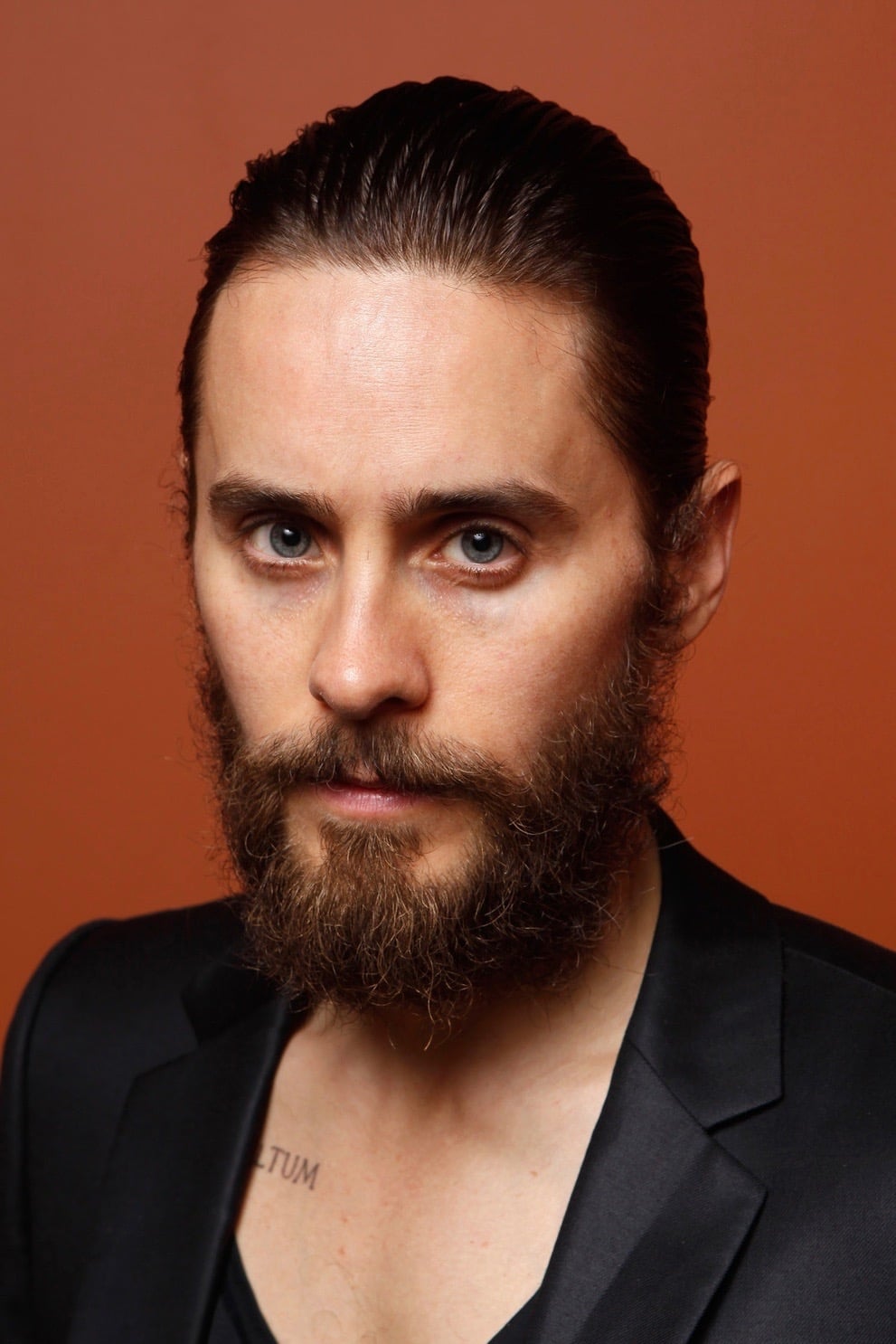
David Ayer directed the film during a period of extensive reshoots and competing edits that cut the Joker’s presence compared with early promotional materials. Leto’s widely publicized preparation contrasted with a final cut that positioned Harley Quinn and the core team as the narrative focus.
The soundtrack strategy and visual design leaned into bright color palettes, tattoo iconography, and stylized costuming. The film won an Academy Award for makeup and hairstyling, which reflected the importance of character looks across the ensemble.
Russell Crowe in ‘Les Misérables’ (2012)
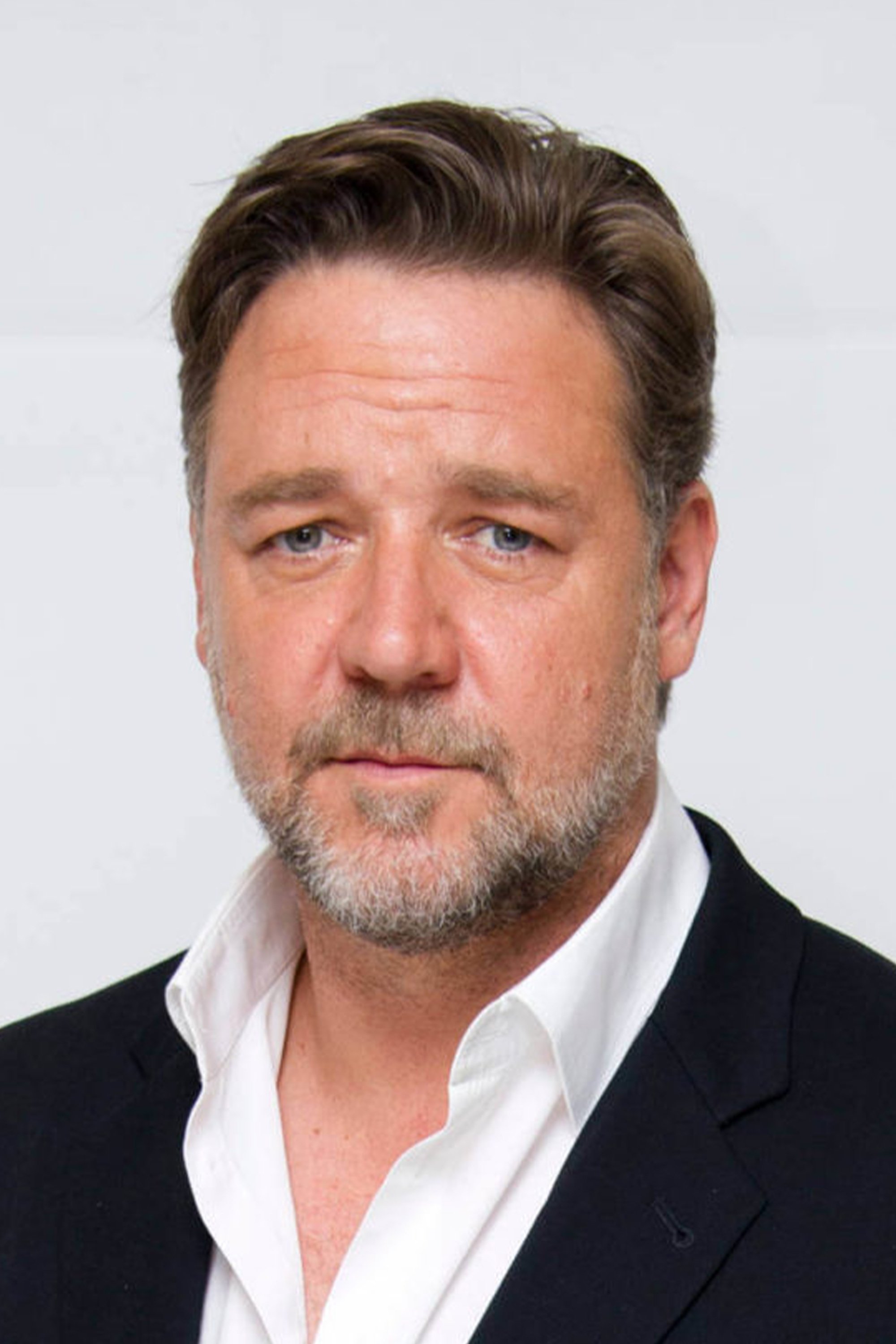
Tom Hooper recorded vocals live on set, so Crowe’s performance as Javert was captured in real time with piano guide tracks and later orchestral overlays. The method prioritized acting continuity and phrasing choices that matched on camera emotion rather than studio polish.
Large practical sets and digital extensions portrayed Paris streets, the prison ship, and the barricade layout. The film earned multiple Academy Awards, with particular attention paid to the integration of live vocals and period production design.
Sofia Coppola in ‘The Godfather Part III’ (1990)

Sofia Coppola stepped into the role of Mary Corleone after Winona Ryder left the production near the start of filming. The release drew awards nominations and later became part of a renewed conversation when Francis Ford Coppola issued a revised version.
The recut titled ‘Mario Puzo’s The Godfather Coda The Death of Michael Corleone’ adjusted scene order and emphasis to change rhythm and character focus. The new structure reframed the family storyline and repositioned the final act.
Johnny Depp in ‘The Lone Ranger’ (2013)
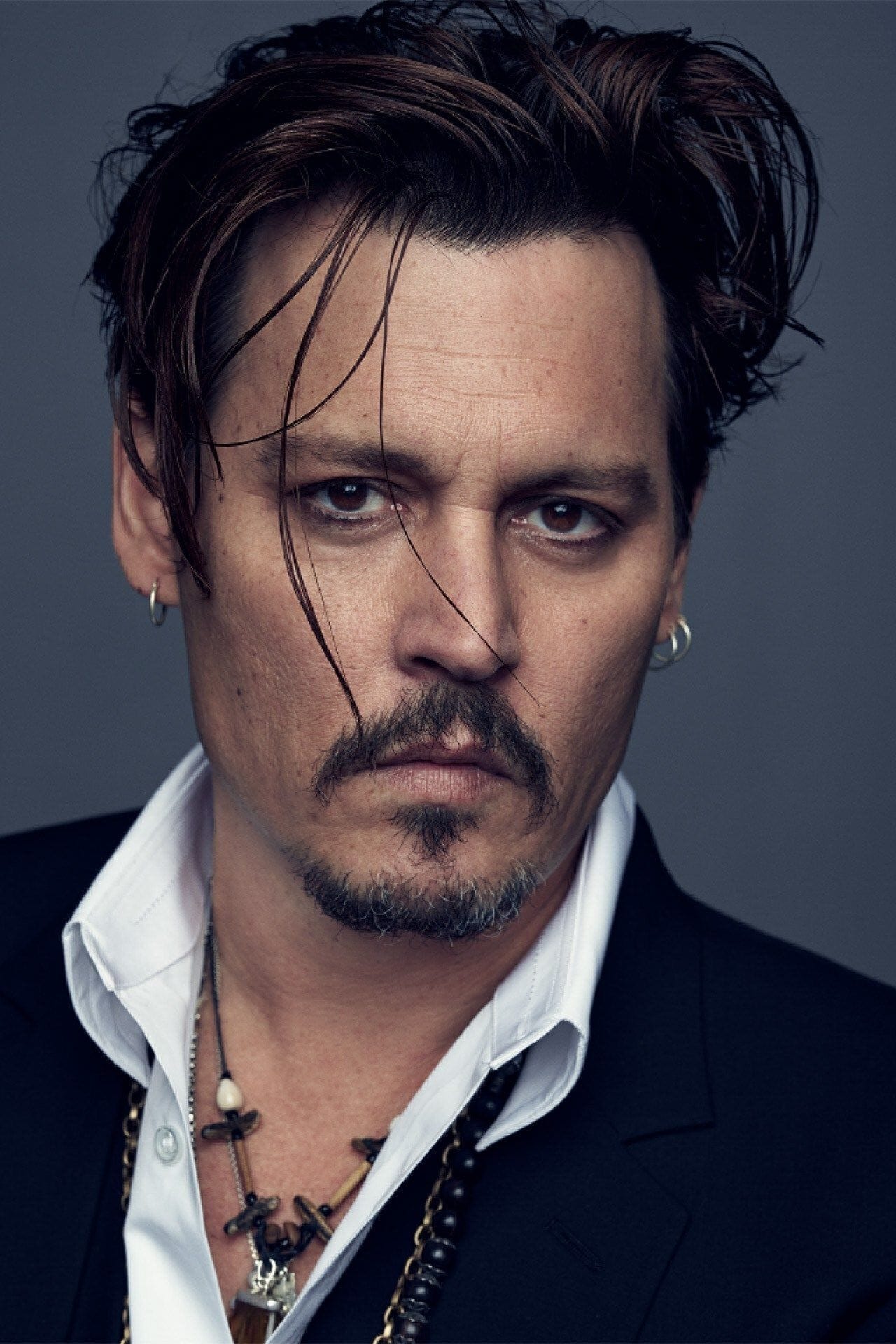
Gore Verbinski directed the revival with desert location work, large train set pieces, and a distinctive makeup and wardrobe concept for Tonto that drew on a contemporary painting reference. Armie Hammer played the title character while the story attempted to relaunch a classic property for modern audiences.
The film carried a high budget and sparked sustained discussion about cultural representation and casting choices. Despite significant stunt work and scale, the worldwide earnings fell short of typical franchise launch targets for the studio.
Jesse Eisenberg in ‘Batman v Superman: Dawn of Justice’ (2016)
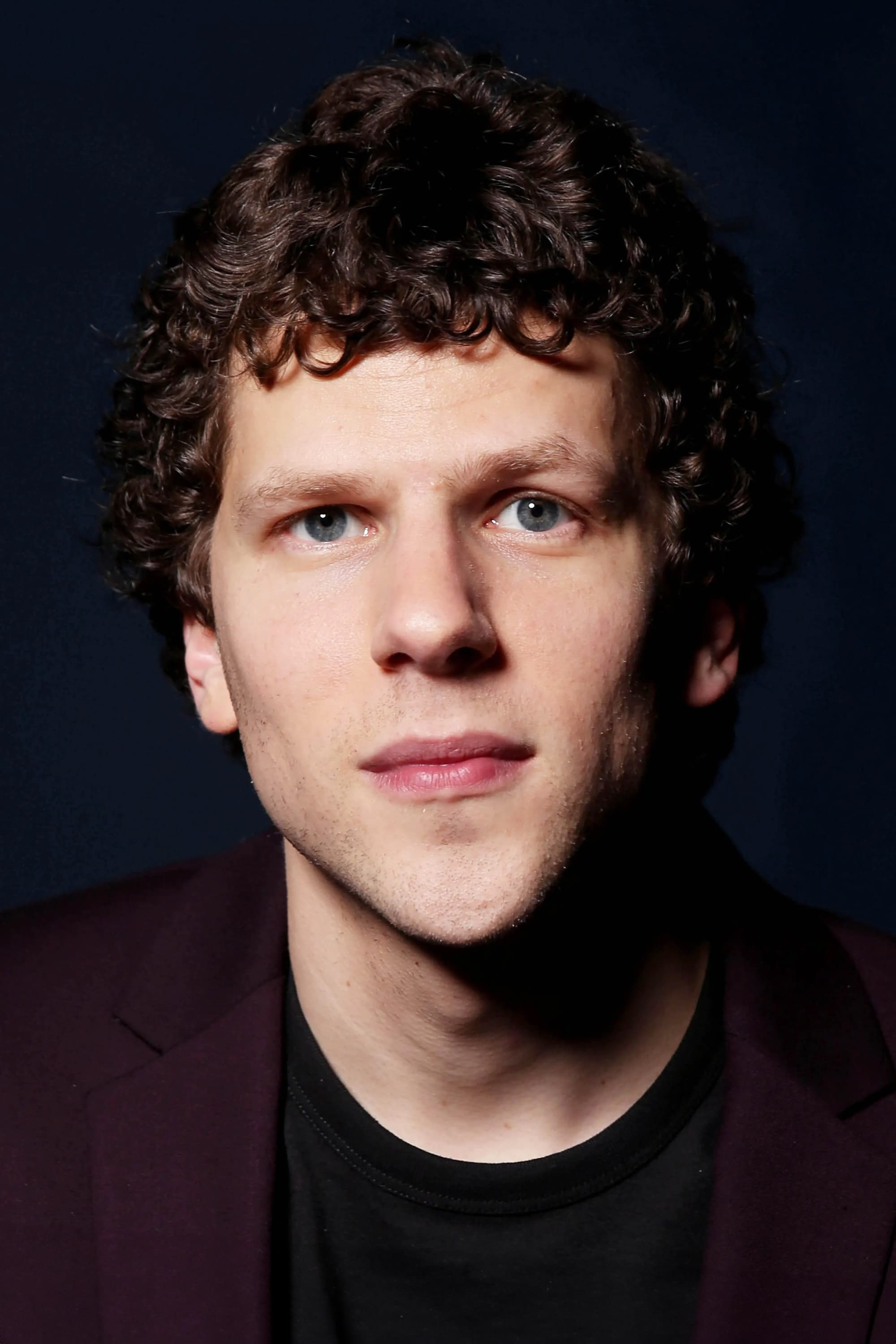
Zack Snyder presented Lex Luthor as a tech age heir and public philanthropist identified as Alexander Luthor Jr, with rapid dialogue and mannerisms that echoed startup culture. The character’s plotline connected corporate access to alien artifacts with plans that targeted both Batman and Superman.
Key beats tied Luthor to metahuman surveillance files and the creation of Doomsday using Kryptonian technology. After the credits the film teased future alliances that set up later entries in the shared universe.
Cameron Diaz in ‘Annie’ (2014)

Will Gluck moved the story to contemporary New York and reworked song arrangements with music producers that included Jay Z. Cameron Diaz approached Miss Hannigan through a comedic lens suited to a modern setting and a radio friendly soundtrack.
The cast featured Quvenzhané Wallis, Jamie Foxx, and Rose Byrne while the plot folded in social media and citywide publicity stunts. Location shooting and bright costuming supported a pop oriented reintroduction of the stage musical.
Kevin Costner in ‘Robin Hood: Prince of Thieves’ (1991)
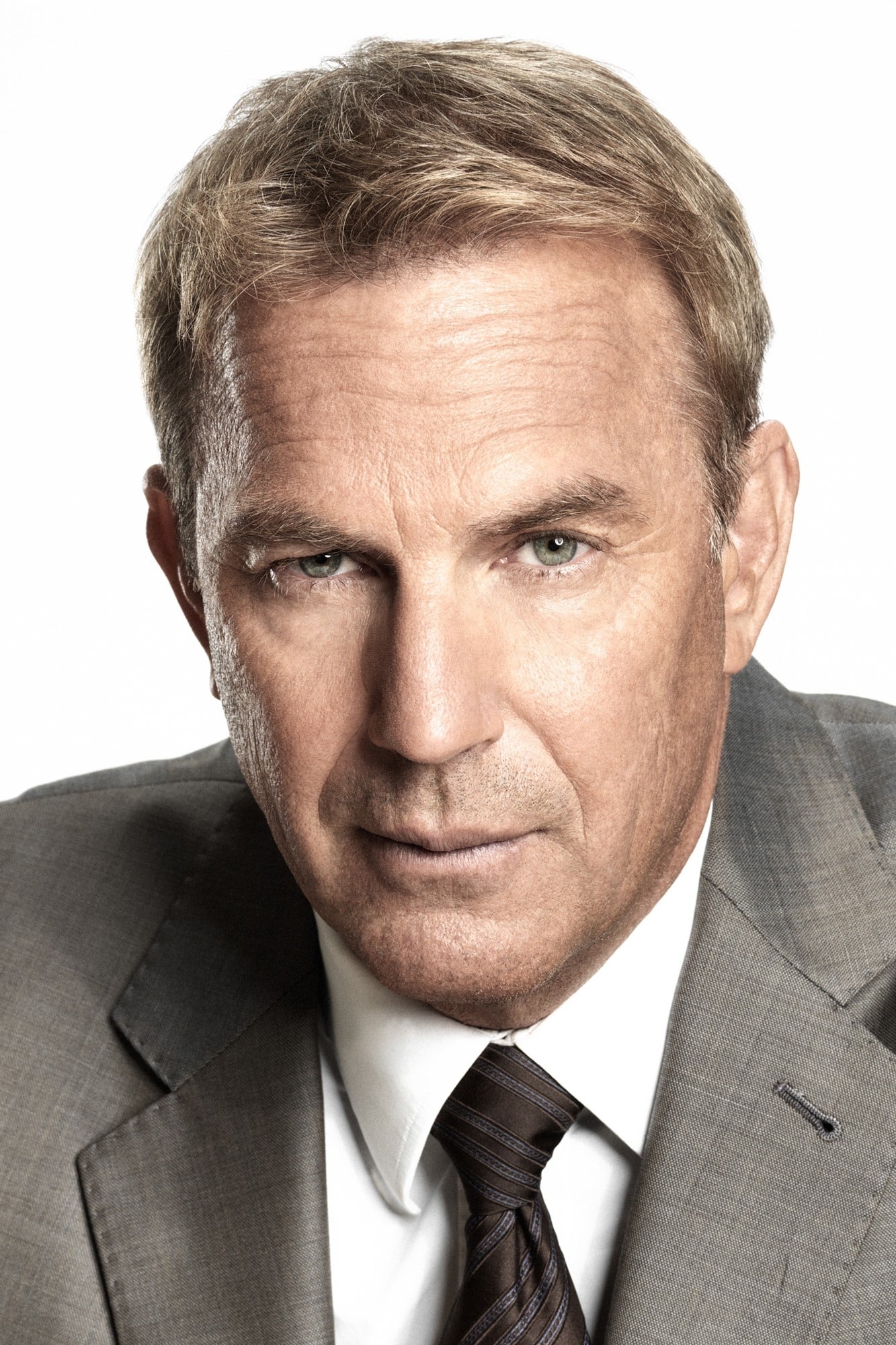
Kevin Reynolds built large medieval sets for Sherwood Forest ambushes, castle sieges, and village life. The film paired Costner’s Robin Hood with Alan Rickman’s Sheriff of Nottingham, whose performance drew strong awards attention in the United Kingdom.
A chart topping original song expanded the film’s cultural reach and supported a long theatrical run. Dialect choices and accent consistency became an ongoing talking point alongside the movie’s action driven pacing.
Pierce Brosnan in ‘Mamma Mia!’ (2008)
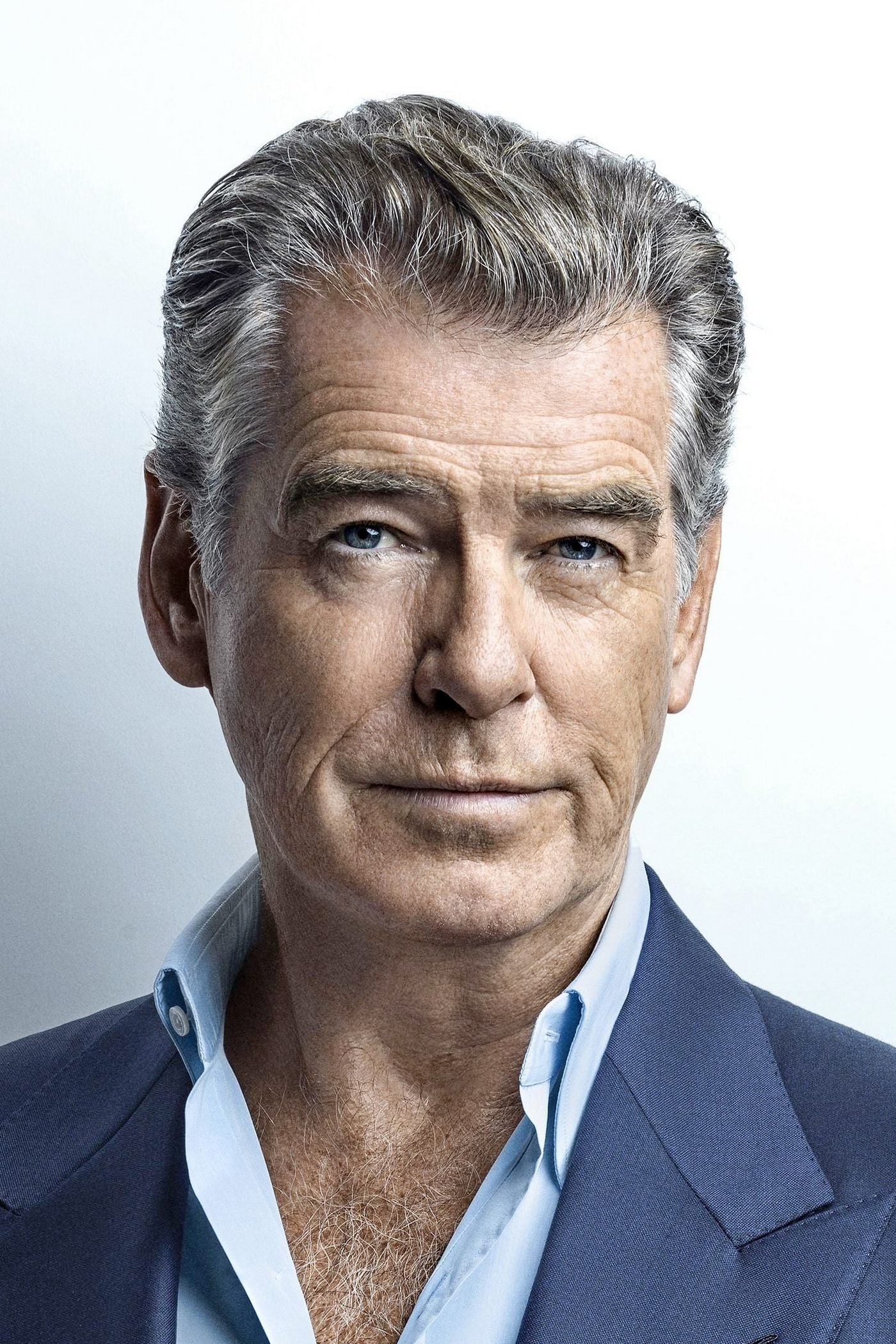
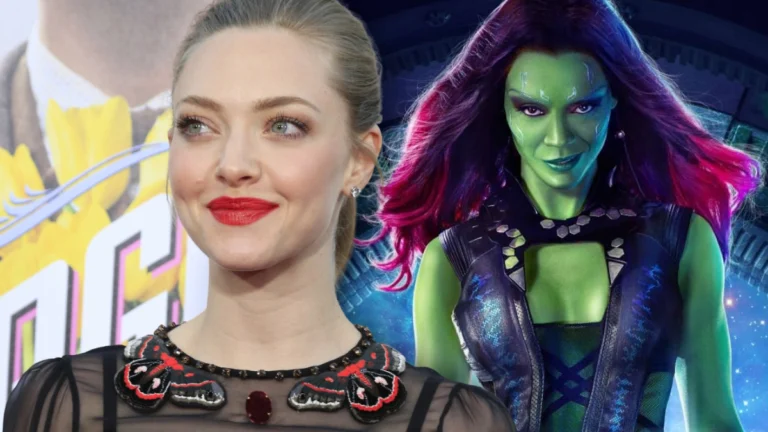
Phyllida Lloyd filmed on Greek islands with saturated production design and scenic vistas that framed ensemble numbers. Pierce Brosnan recorded his own vocals for group and solo sequences alongside Meryl Streep, Amanda Seyfried, and a large supporting cast.
Choreography and camera coverage emphasized movement and location appeal over close mic studio perfection. The film’s success led to a sequel that split its timeline between earlier years and the present day reunion.
Halle Berry in ‘Catwoman’ (2004)
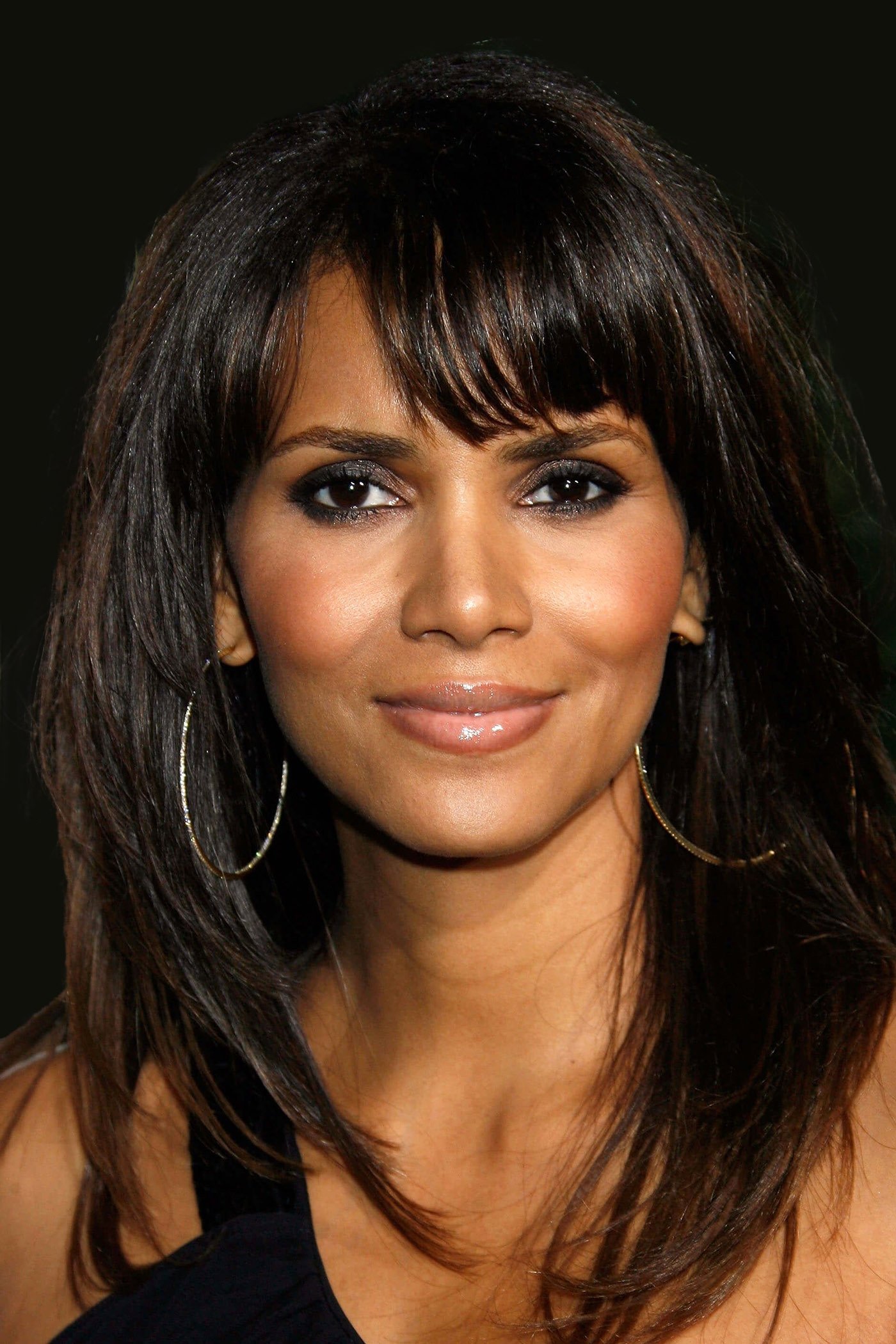
The film presented a standalone version of the character under director Pitof, separate from Gotham continuity used in other adaptations. Halle Berry accepted a Razzie in person after release, which kept media attention on the project well beyond opening weekend.
Production design relied on stylized cityscapes with digital augmentation and intricate wire assisted movement for climbing and fight beats. Costuming and origin details diverged from the Selina Kyle interpretation known from comics and television.
John Wayne in ‘The Conqueror’ (1956)
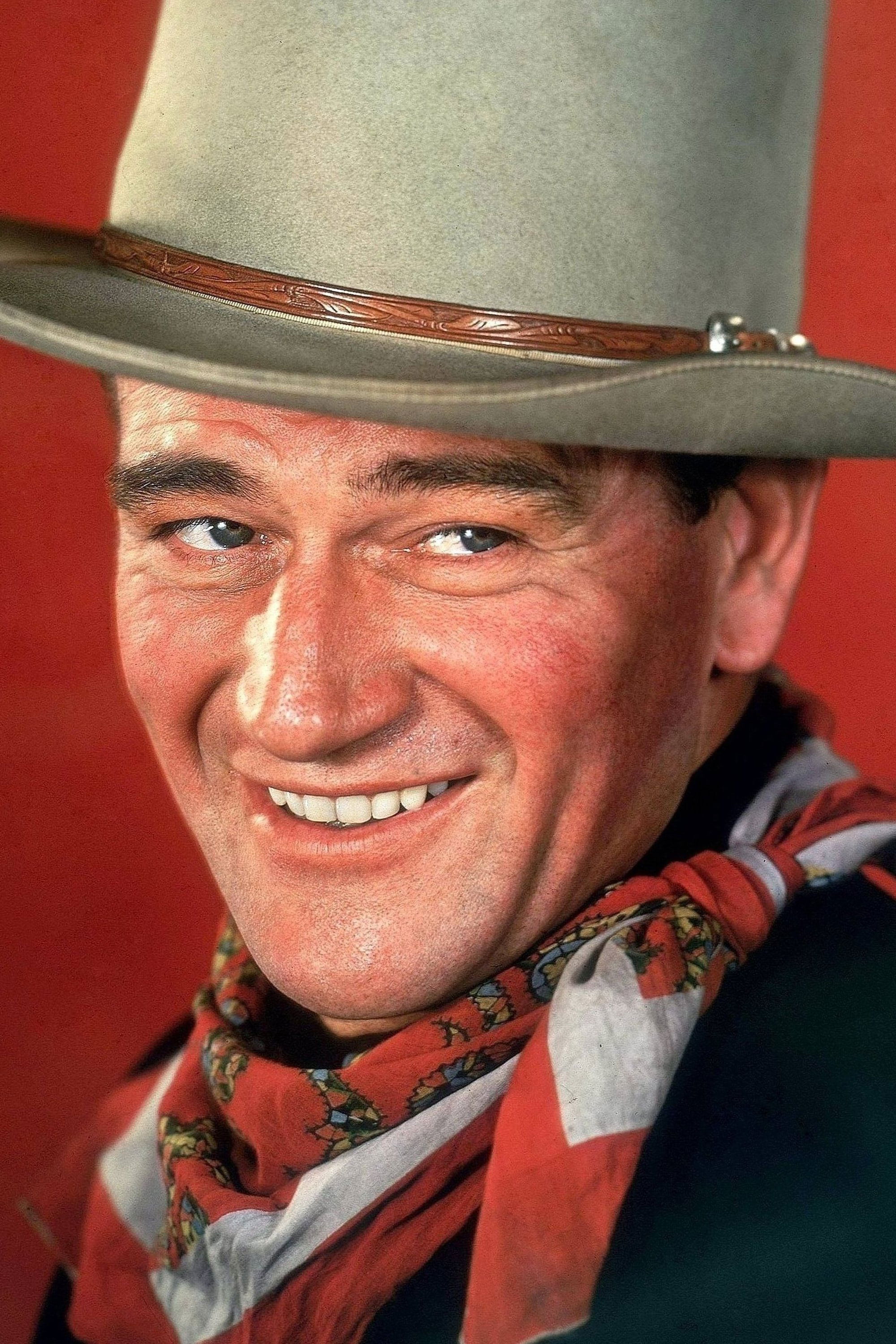
Howard Hughes produced the historical epic with extensive horseback battle scenes and heavy costume work. John Wayne portrayed Temujin while the team shot on locations near St George in Utah, an area later associated with downwind exposure from nuclear testing.
The movie has been cited frequently in discussions of casting accuracy for real world cultures. Its later television circulation kept the title in public view and turned it into a recurring case study in mid century studio decision making.
Scarlett Johansson in ‘Ghost in the Shell’ (2017)
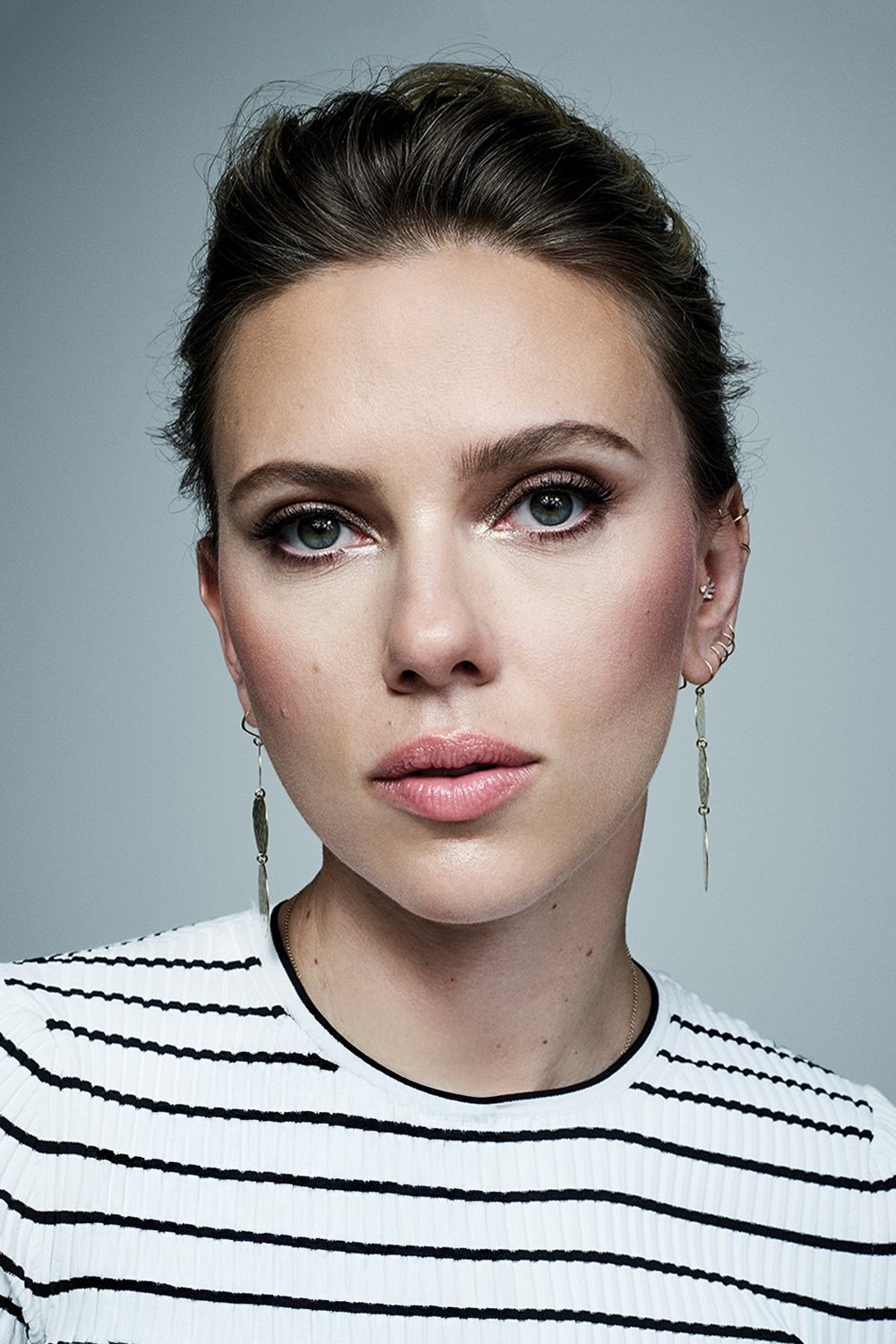
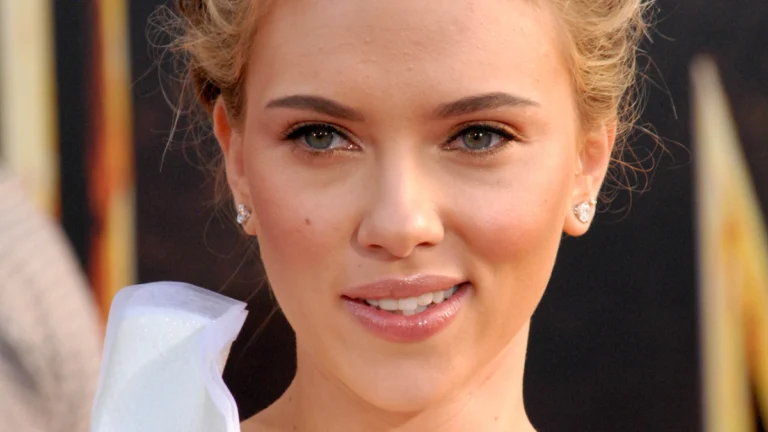
Rupert Sanders adapted the Japanese manga and anime with neon cityscapes, practical suits, and layered digital composites. Johansson played a character introduced as Mira Killian with a plot that tied identity transfer to corporate experimentation.
The production blended holographic signage, stunt work, and high detail city plates to create a dense urban future. Casting sparked a long debate about source origins and character identity that continued across the marketing cycle and release window.
Gerard Butler in ‘The Phantom of the Opera’ (2004)
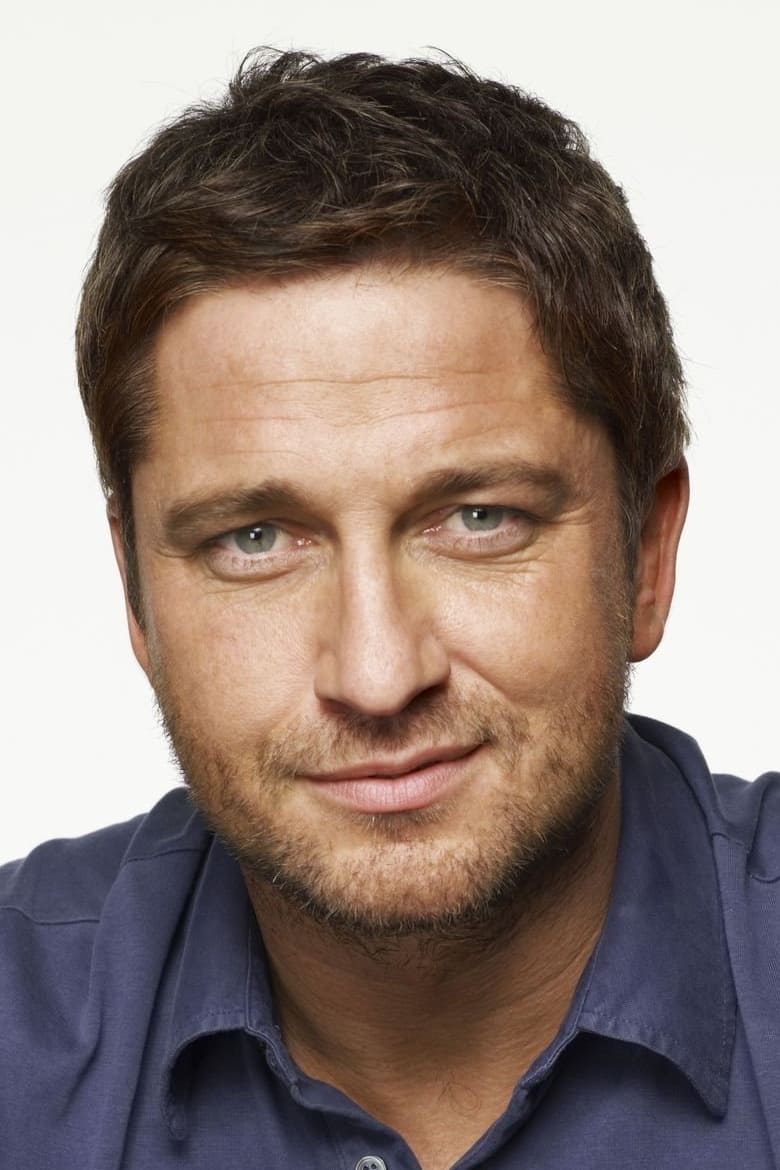
Joel Schumacher’s adaptation of Andrew Lloyd Webber’s musical featured large opera house sets and a multi level underground lair. Gerard Butler trained vocally for the role and recorded numbers that were used in the film’s soundtrack.
Emmy Rossum and Patrick Wilson completed the central triangle while period costumes, set construction, and chandelier effects defined the look. The release earned Academy Award nominations in craft categories that recognized design and music integration.
Dane DeHaan in ‘Valerian and the City of a Thousand Planets’ (2017)
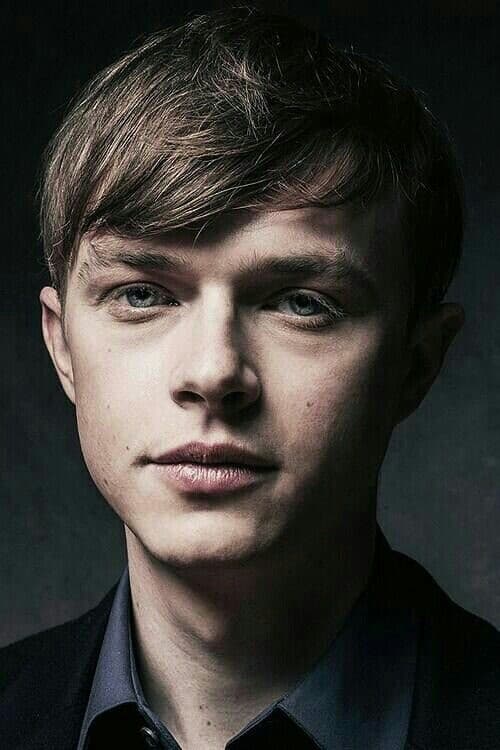
Luc Besson adapted the French comic with elaborate environments on the Alpha space station and a wide range of motion captured species. Dane DeHaan starred opposite Cara Delevingne in a plot that weaved together material from multiple comic arcs.
Financing involved advance sales in many territories to support a high budget production. Despite striking visuals the worldwide totals did not set up a direct sequel of similar scale.
Tom Hardy in ‘The Dark Knight Rises’ (2012)
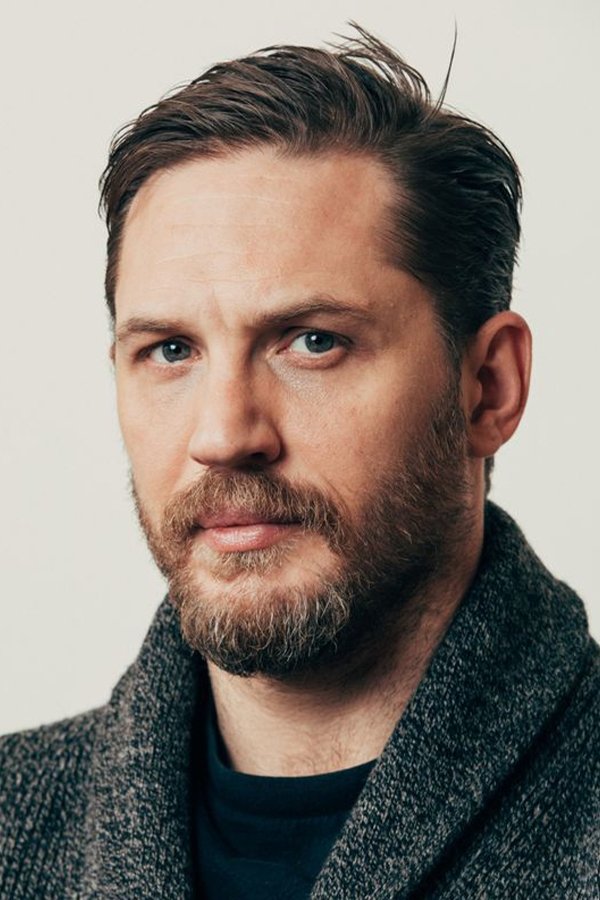
Christopher Nolan cast Hardy as Bane with a mask that altered vowel resonance and projection. Early preview screenings led to adjustments in the sound mix to improve clarity for large format exhibition.
Hardy trained extensively while camera angles and costuming helped boost physical presence. The trilogy closer used extensive IMAX photography, large crowd work, and practical demolitions for stadium and street sequences.
Tom Cruise in ‘The Mummy’ (2017)
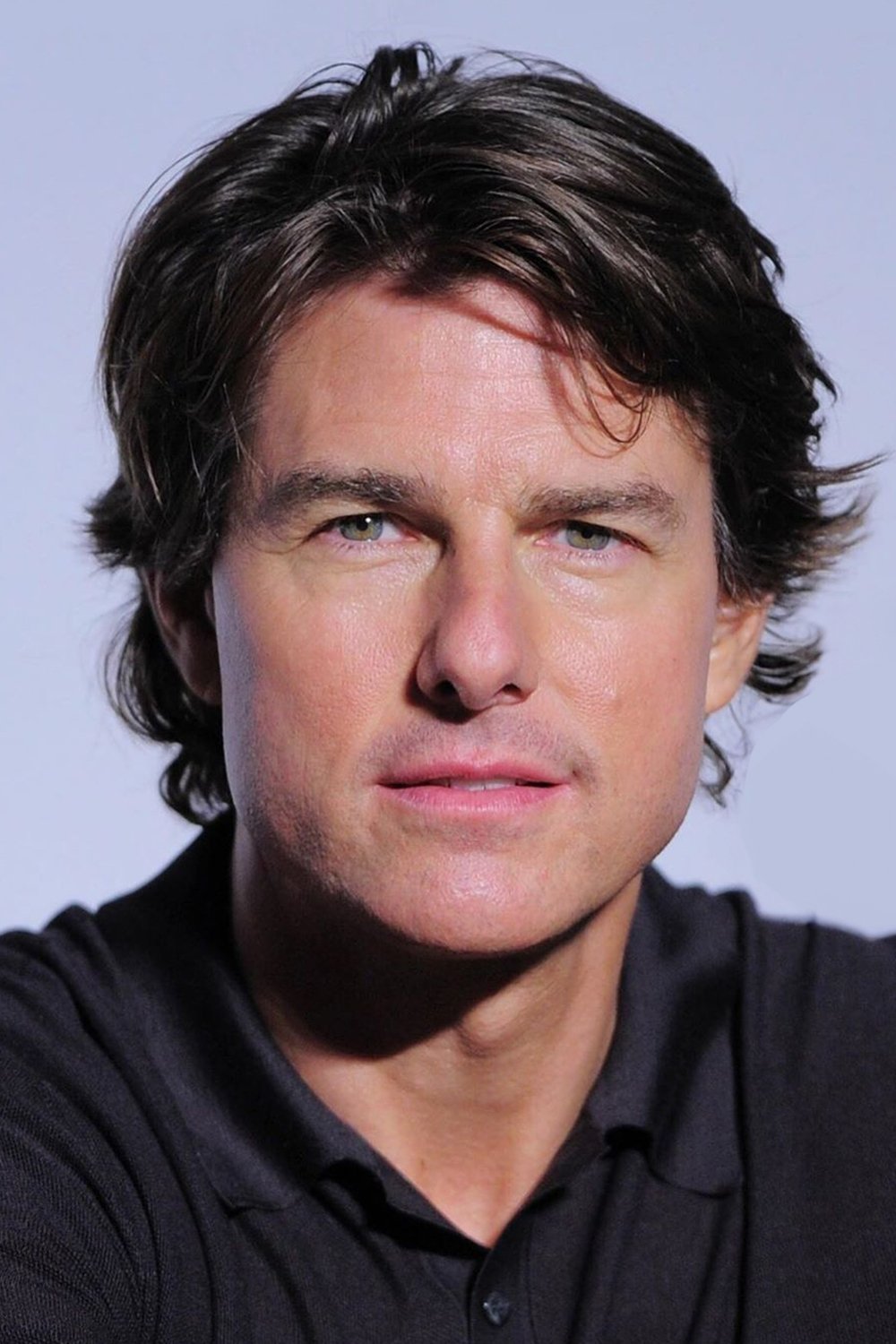
Universal positioned the film as the entry point for a shared universe built around classic monsters, with branding that introduced logos for multiple characters. Tom Cruise played a modern military salvage specialist whose discovery triggers a supernatural chain of events.
Alex Kurtzman directed with a plan that emphasized set piece spectacle including a real aircraft stunt and a zero gravity tumble. After release the studio set aside the broader crossover plan and moved individual monster projects in different directions.
Rooney Mara in ‘Pan’ (2015)
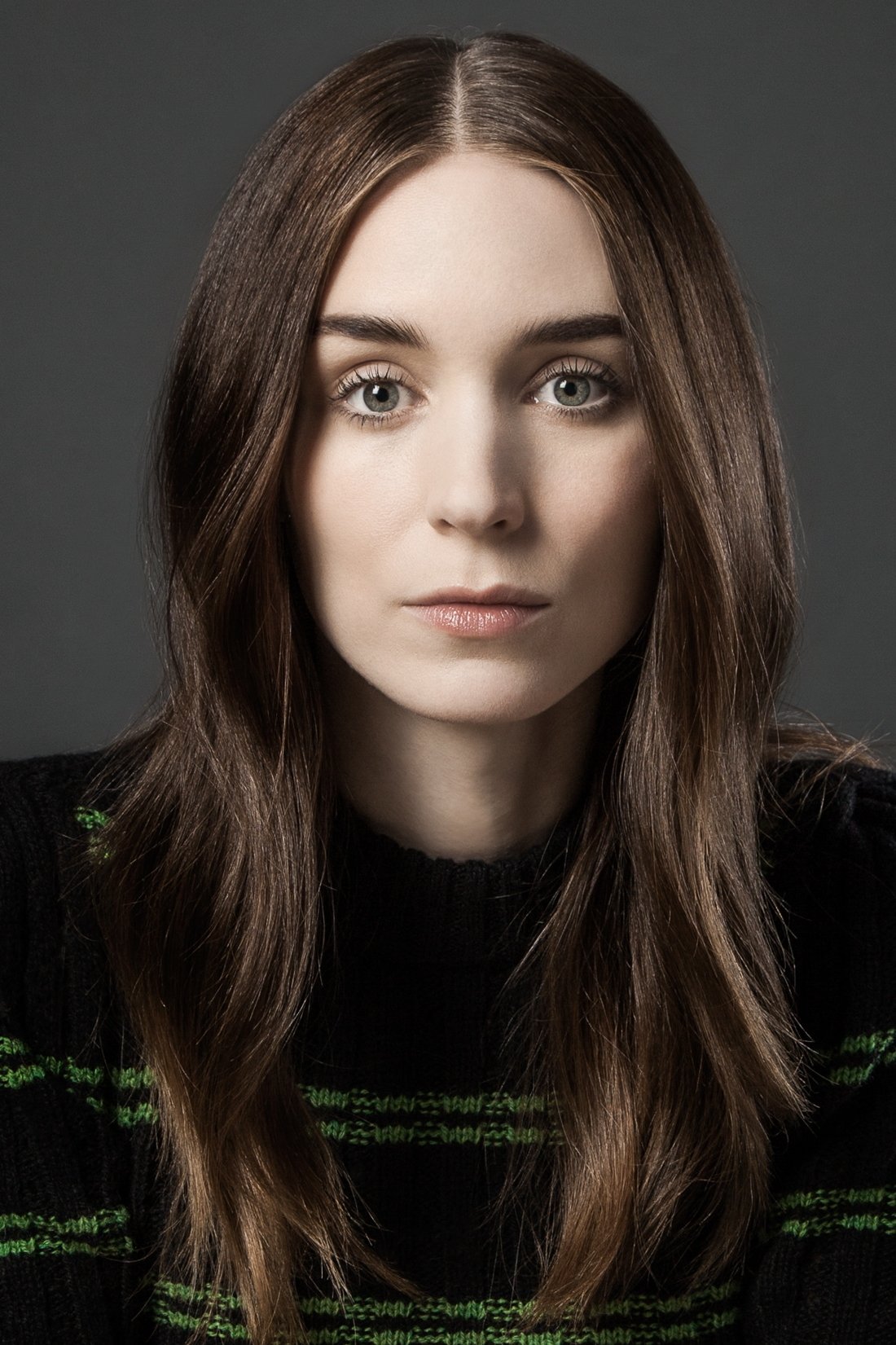
Joe Wright reimagined the origin with aerial ship battles, floating islands, and a mining colony aesthetic. Rooney Mara portrayed Tiger Lily, a decision that drew sustained conversation about authenticity and opportunity for Native representation.
The movie combined practical builds with heavy digital environments to stage large camp gatherings and chases. Box office results fell below production cost levels that typically justify a direct follow up.
Christian Bale in ‘Exodus: Gods and Kings’ (2014)
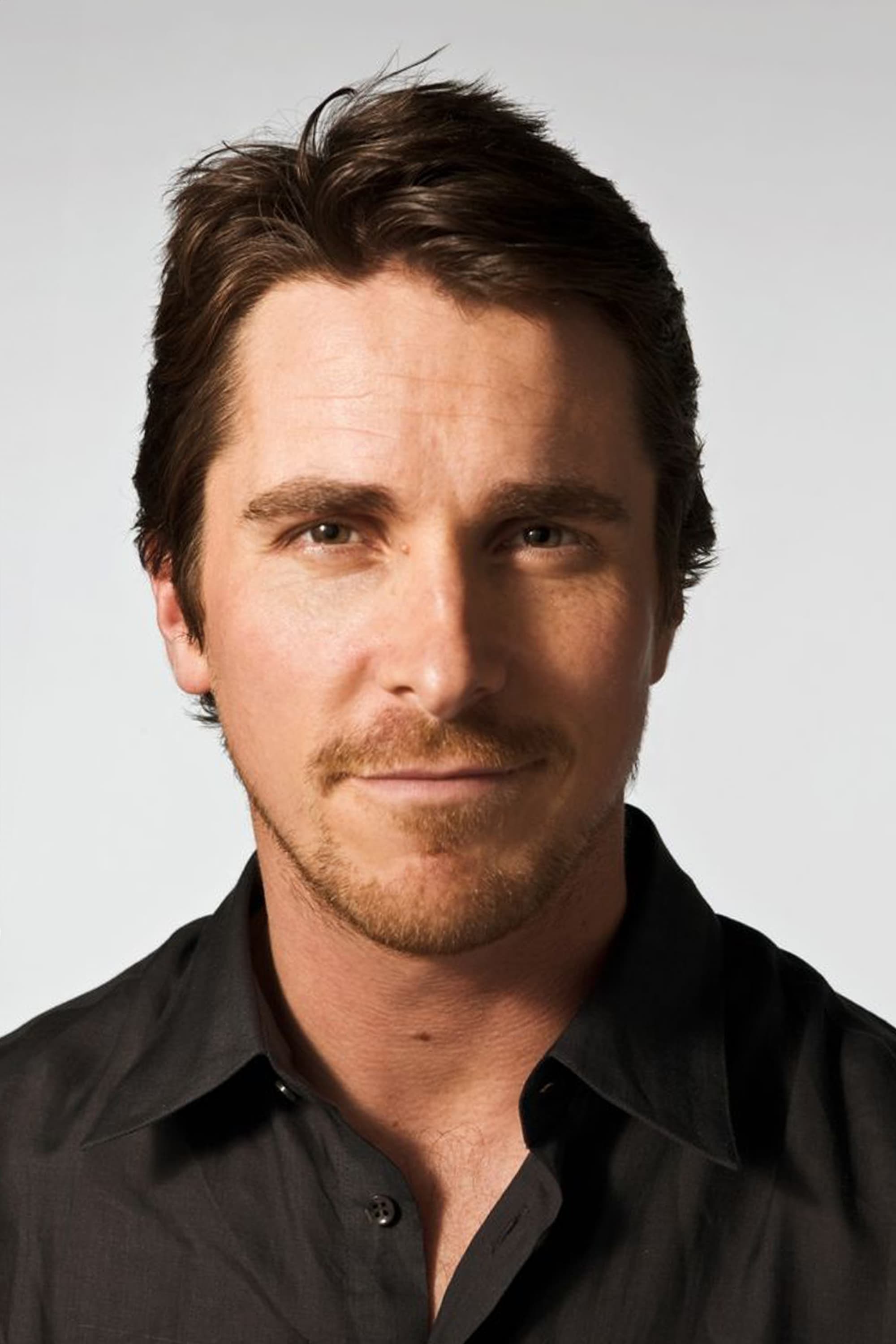
Ridley Scott staged the biblical epic with large water simulations, crowd replication, and desert warfare sequences. Christian Bale led a cast that featured performers from varied backgrounds in roles tied to ancient North Africa and the Near East, which drew ongoing scrutiny over representation.
Marketing centered on scale moments such as the sea crossing and the plagues while also highlighting a grounded military strategy approach. Location shoots and soundstage builds worked together to present fortified cities and caravan routes.
Denise Richards in ‘The World Is Not Enough’ (1999)
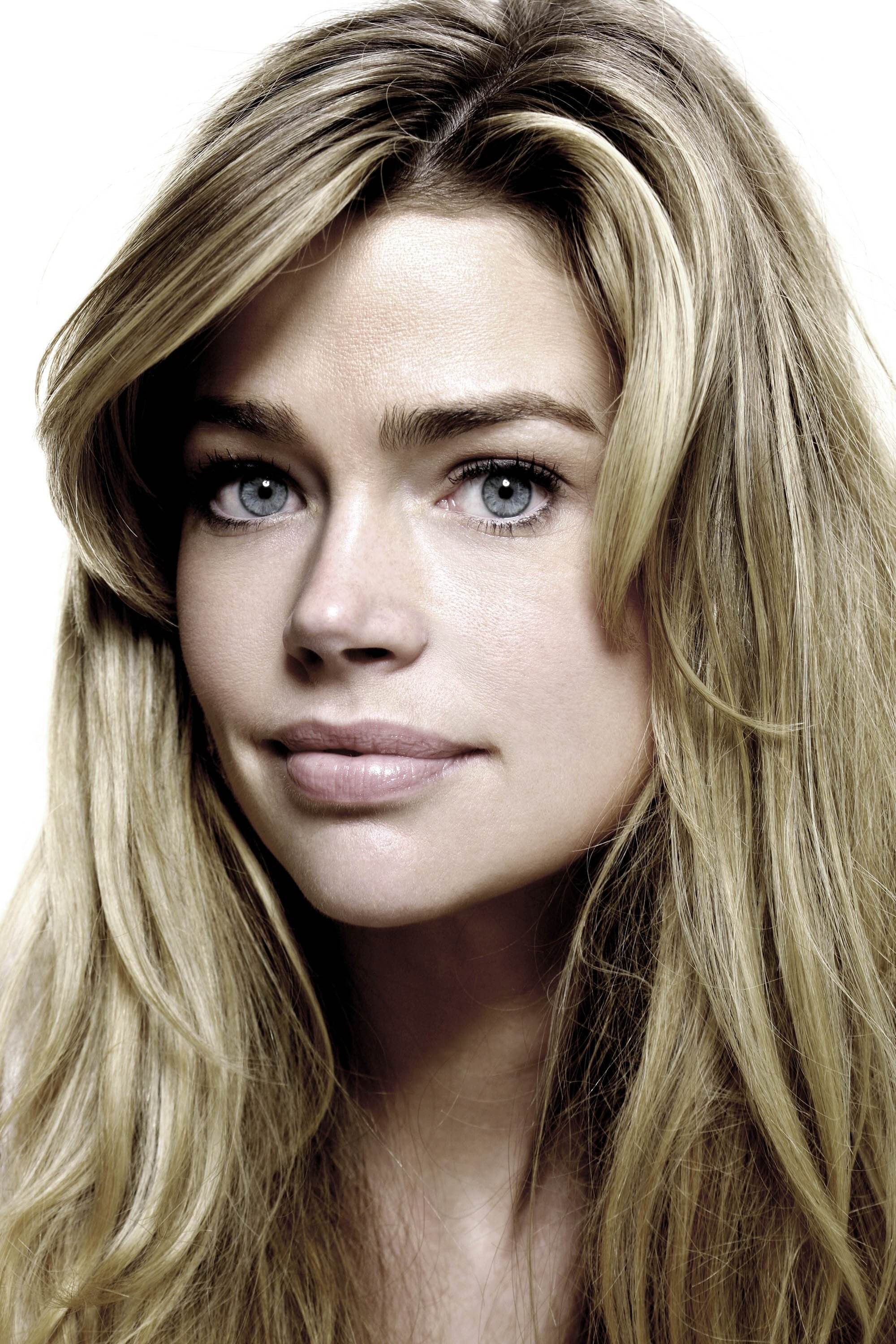
Michael Apted directed the Bond entry around an energy pipeline plot and a media manipulation scheme. Denise Richards played a nuclear physicist introduced during a high stakes operation that linked her expertise to the story’s central threat.
Action highlights included a caviar factory fight and a submarine finale that used a mix of miniatures, practical sets, and digital shots. The film maintained the series momentum and set the stage for the next handoff in the era’s Bond cycle.
Eddie Redmayne in ‘Jupiter Ascending’ (2015)
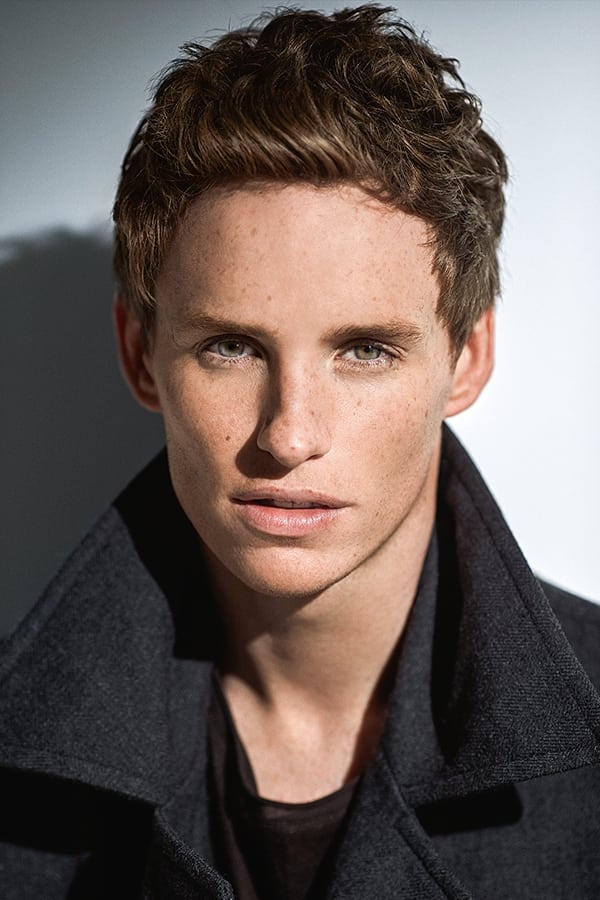
Lana Wachowski and Lilly Wachowski built an original space opera of royal dynasties, gene splicing programs, and resource harvesting. Eddie Redmayne’s Balem Abrasax served as a central antagonist with a vocal delivery that shifted between whispers and sudden bursts, which became a signature feature in promotional clips.
World building relied on ornate costumes, vertical chase sequences through Chicago, and detailed spacecraft designs. The release date moved to allow additional effects work in postproduction, which aligned the schedule with the scale of the action set pieces.
Share the roles you would swap out and who you would cast instead in the comments so we can compare ideas.