20 Years When Voters Crowned the Safe Pick Over a Risky, Better Performance


Awards season often gravitates toward choices that feel familiar. Biographical portraits, prestige period pieces, and campaign friendly narratives tend to collect the most votes once momentum starts to build.
In many of those same years another performance was right there that stretched form, subject, or tone. Below are twenty seasons when the winning turn lined up neatly with voter preferences while a risk forward performance in the field pushed into tougher terrain.
Art Carney
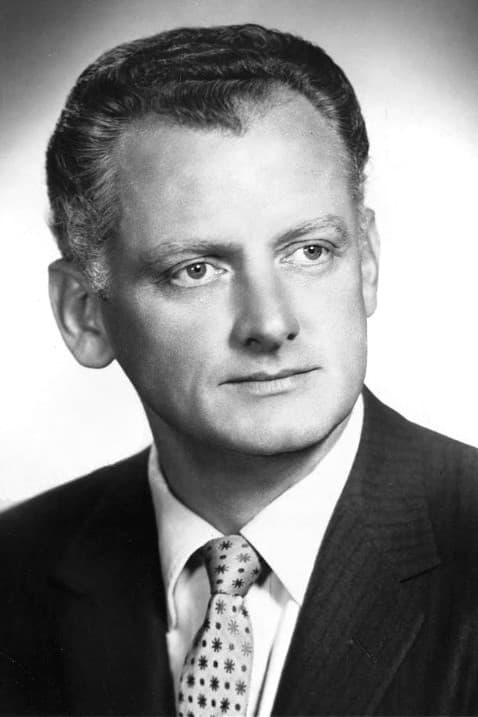
In 1974 Art Carney won Best Actor for ‘Harry and Tonto’, playing a retired New Yorker who heads west with his cat after losing his apartment. The film is a character driven road story directed by Paul Mazursky that focuses on travel, chance encounters, and late life independence across American locations.
That same season Al Pacino extended Michael Corleone’s arc in ‘The Godfather Part II’. The film contrasted timelines and shifted between Senate hearings, family compounds, and backroom decisions to map power, inheritance, and control with a structure that demanded close attention.
Henry Fonda
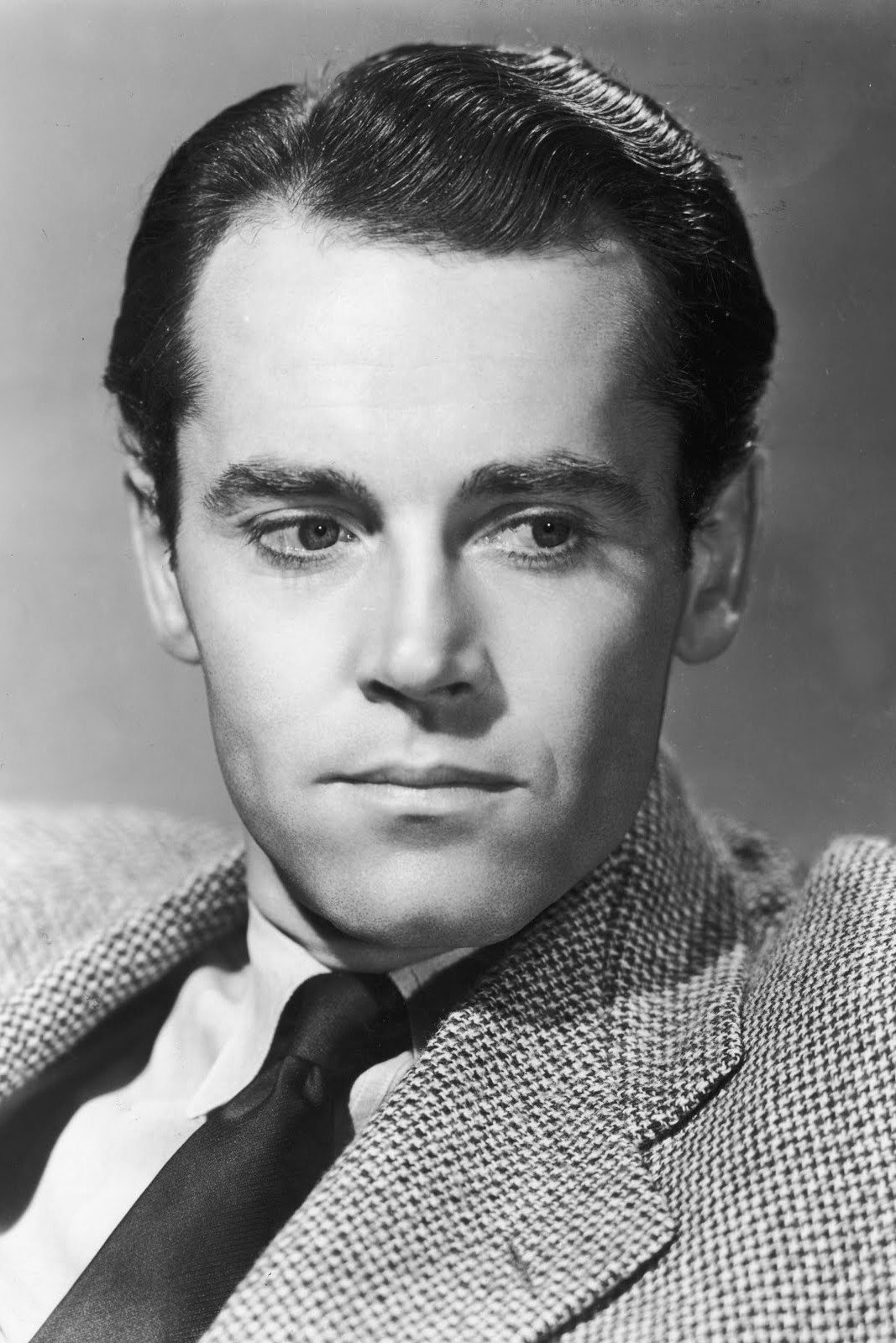
In 1981 Henry Fonda won Best Actor for ‘On Golden Pond’, which centers on a summer visit that brings together a couple and their adult daughter in New England. The production foregrounds reconciliation and routine through quiet scenes on a lake, family conversations, and a setting that supports intergenerational themes.
Warren Beatty portrayed journalist John Reed in ‘Reds’, a historical epic that follows labor movements, artistic circles, and travel across continents. The film braided interviews with dramatic scenes and covered political organizing, publication deadlines, and exile through large scale staging.
Al Pacino
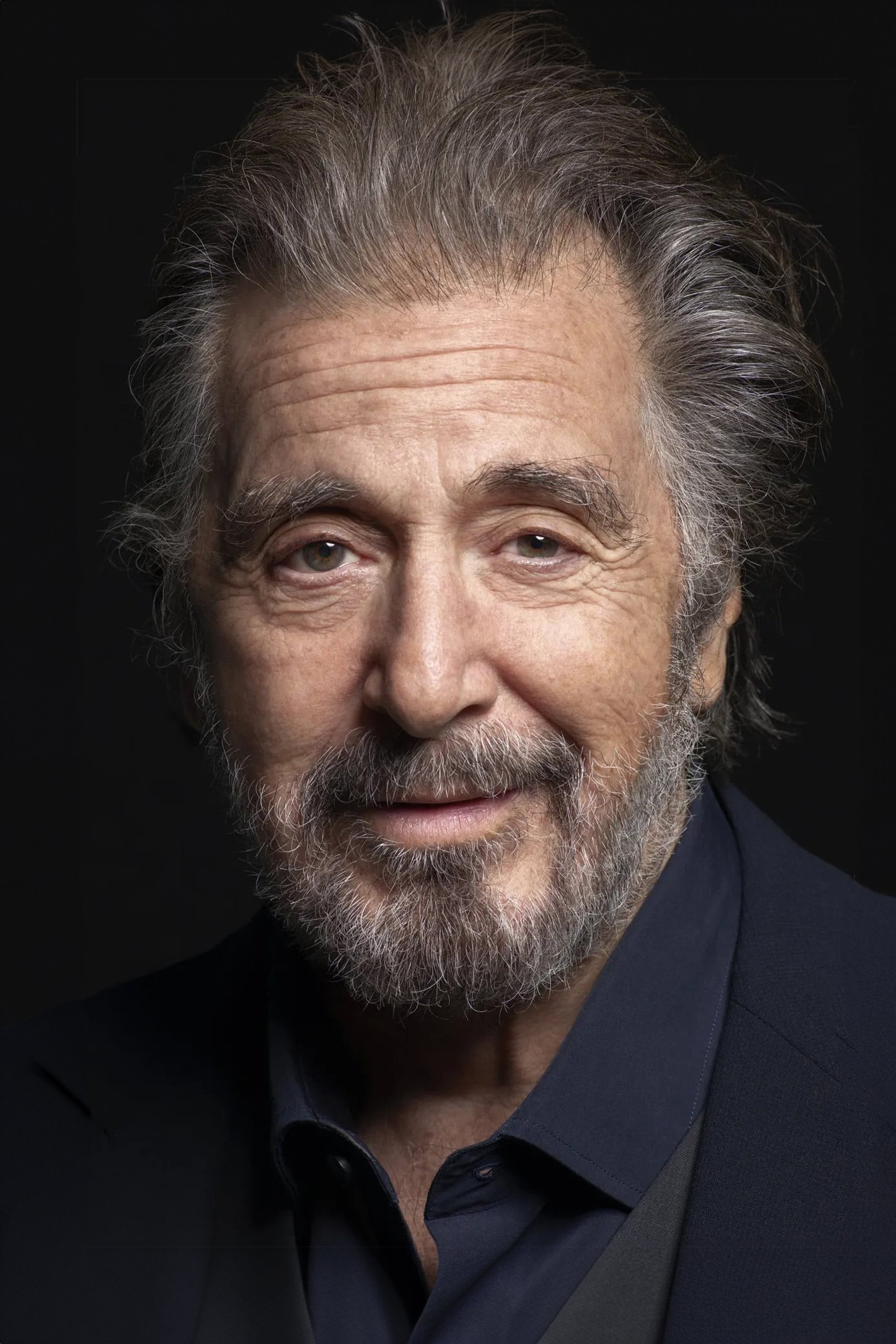
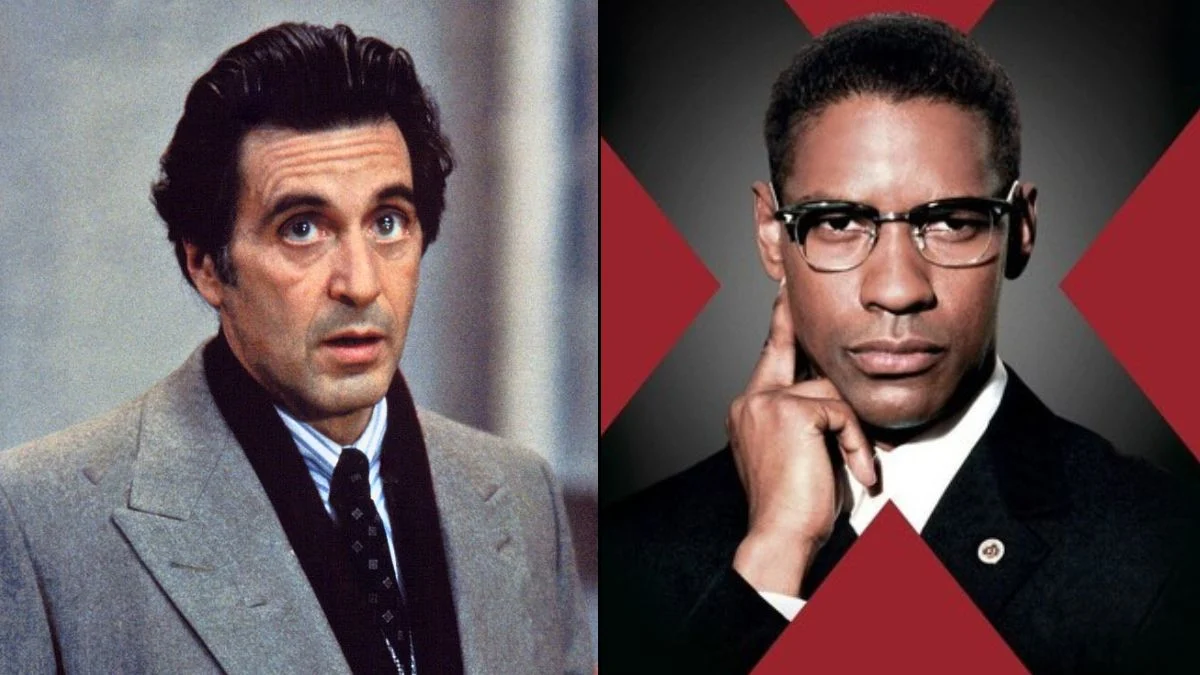
In 1992 Al Pacino won Best Actor for ‘Scent of a Woman’, playing a blind former officer who spends a charged weekend in New York and Boston. The film builds to a school hearing and gives the character extended set pieces in restaurants, hotel suites, and classrooms with emphasis on rhetoric and ceremony.
Denzel Washington traced decades of public and private change in ‘Malcolm X’. The story moves from Boston and Harlem to a pilgrimage abroad and tracks speeches, organizing choices, and shifts in belief across a full life portrait.
Tom Hanks
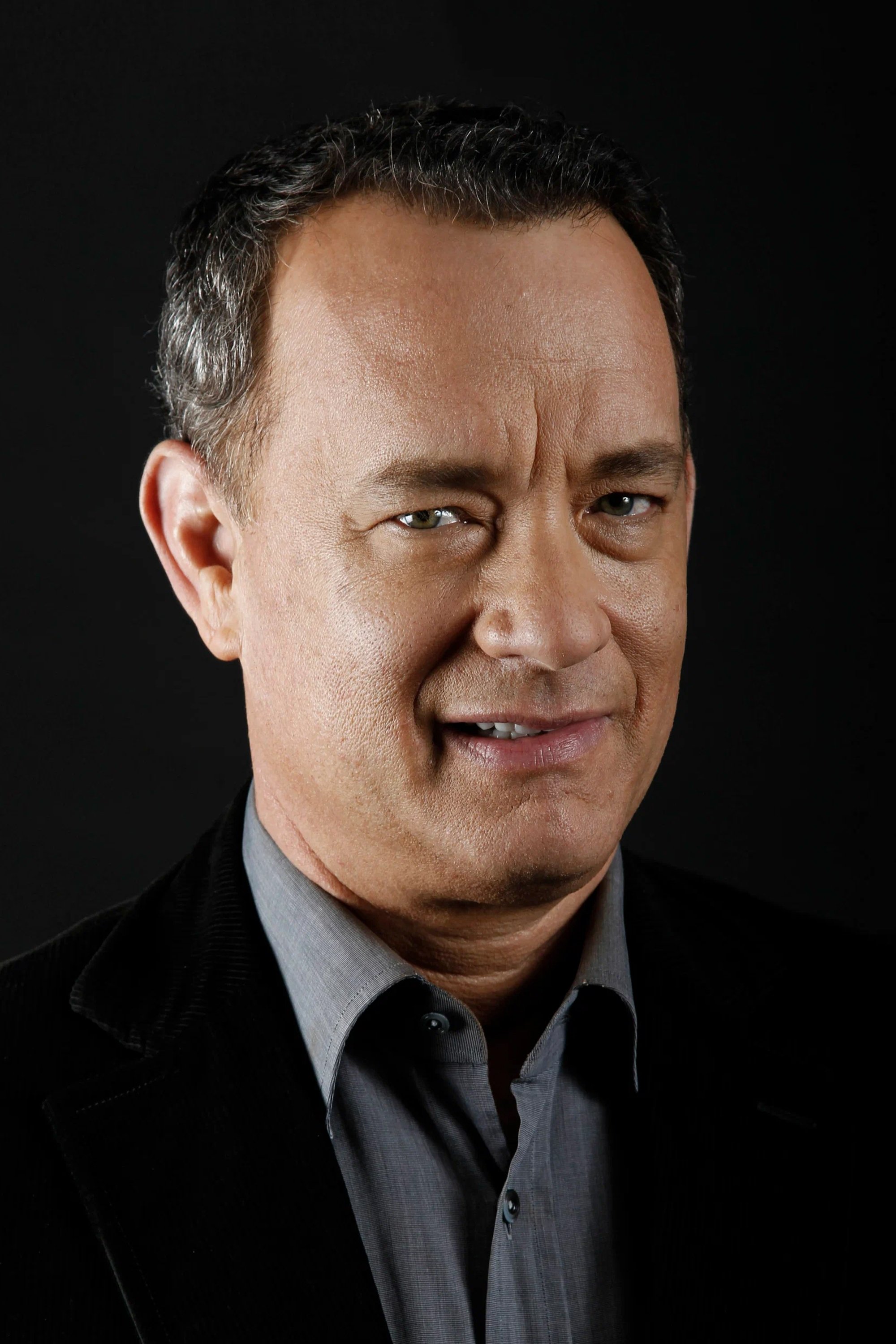
In 1994 Tom Hanks won Best Actor for ‘Forrest Gump’, which follows a man through major American events with visual effects that insert him into archival moments. The film is structured around episodic chapters in the South, Washington, and the Pacific with a constant musical presence.
John Travolta returned to awards focus with ‘Pulp Fiction’, playing a hitman in a nonlinear crime story. The film tells intersecting tales through diner meets, apartment standoffs, and a late night overdose sequence with dialogue heavy scenes that reframe chronology.
Gwyneth Paltrow
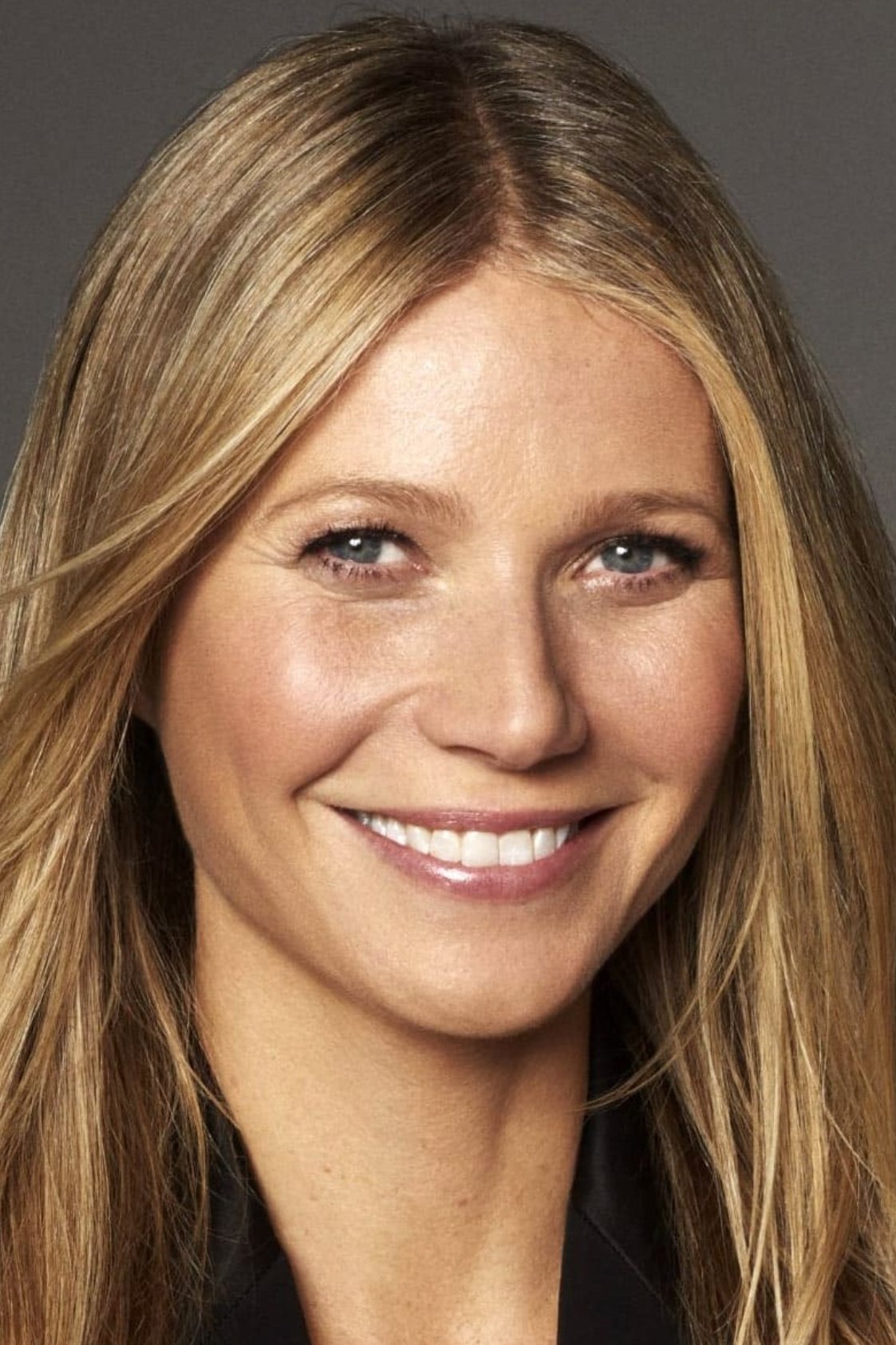
In 1998 Gwyneth Paltrow won Best Actress for ‘Shakespeare in Love’, playing a noblewoman who disguises herself to perform on stage. The production stages Elizabethan theater rehearsals, backstage commerce, and a romantic plotting that connects script pages to performance on opening night.
Cate Blanchett led ‘Elizabeth’ as a young ruler navigating court alliances and threats. The film details council sessions, coded correspondence, and a recalibrated public image while the character consolidates authority.
Michael Caine
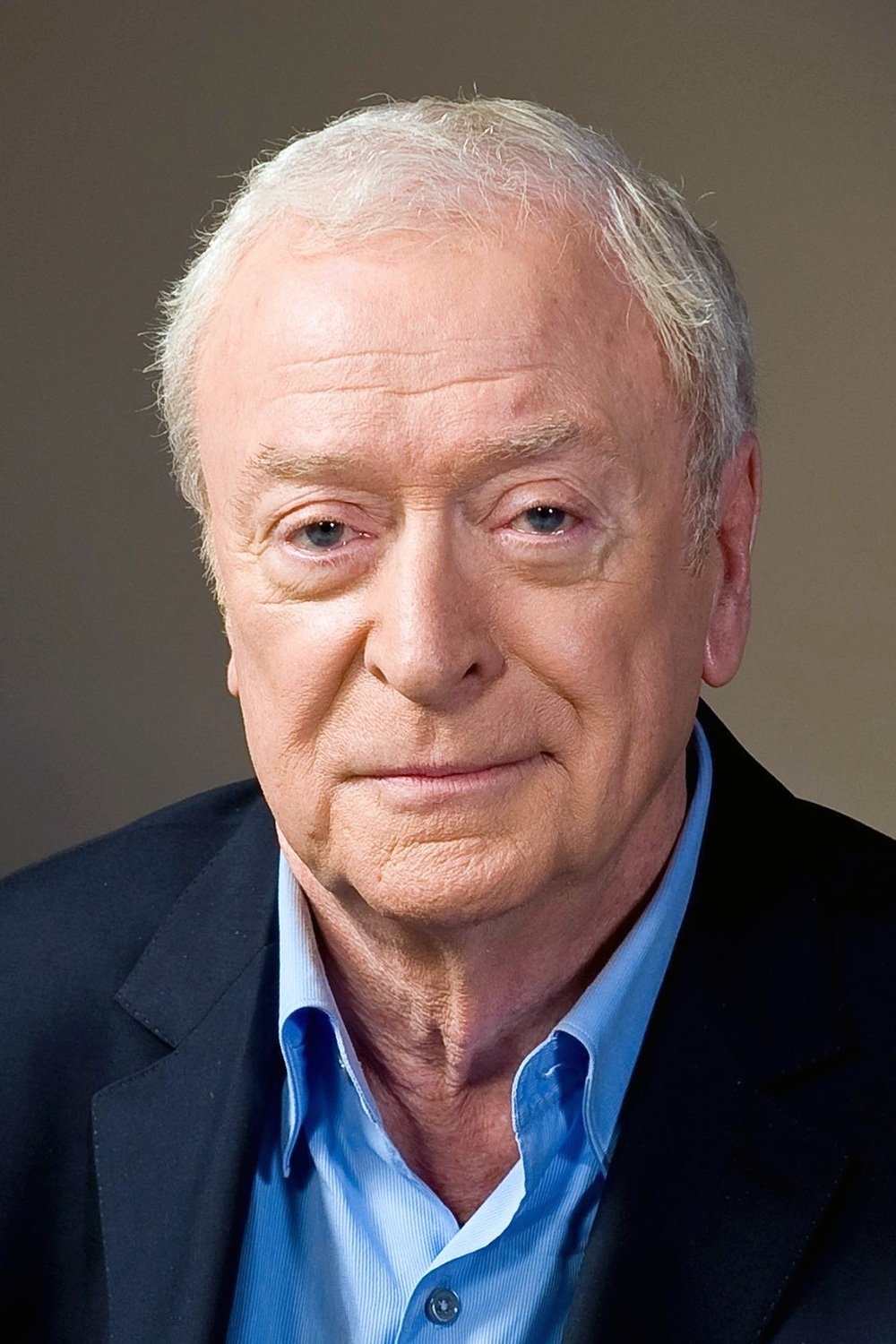
In 1999 Michael Caine won Best Supporting Actor for ‘The Cider House Rules’, portraying a physician who runs an orphanage in Maine. The film adapts a novel into a narrative about mentorship, training, and ethical boundaries with seasonal rhythms and period craft.
Tom Cruise’s turn in ‘Magnolia’ follows a self help pitchman whose public persona collides with a bedside reckoning. The ensemble structure links his arc to a network of Los Angeles stories through long takes, late night radio, and motel rooms.
Nicole Kidman

In 2002 Nicole Kidman won Best Actress for ‘The Hours’, portraying Virginia Woolf during the writing of a novel. The film intercuts three eras and cities, uses a single musical motif, and connects kitchen routines, train rides, and editorial notes to show how creative work meets daily obligation.
Julianne Moore anchored ‘Far from Heaven’ as a suburban homemaker in the 1950s. The production recreates studio era color, lighting, and framing to examine neighborhood surveillance, forbidden relationships, and the social rules that govern appearances.
George Clooney
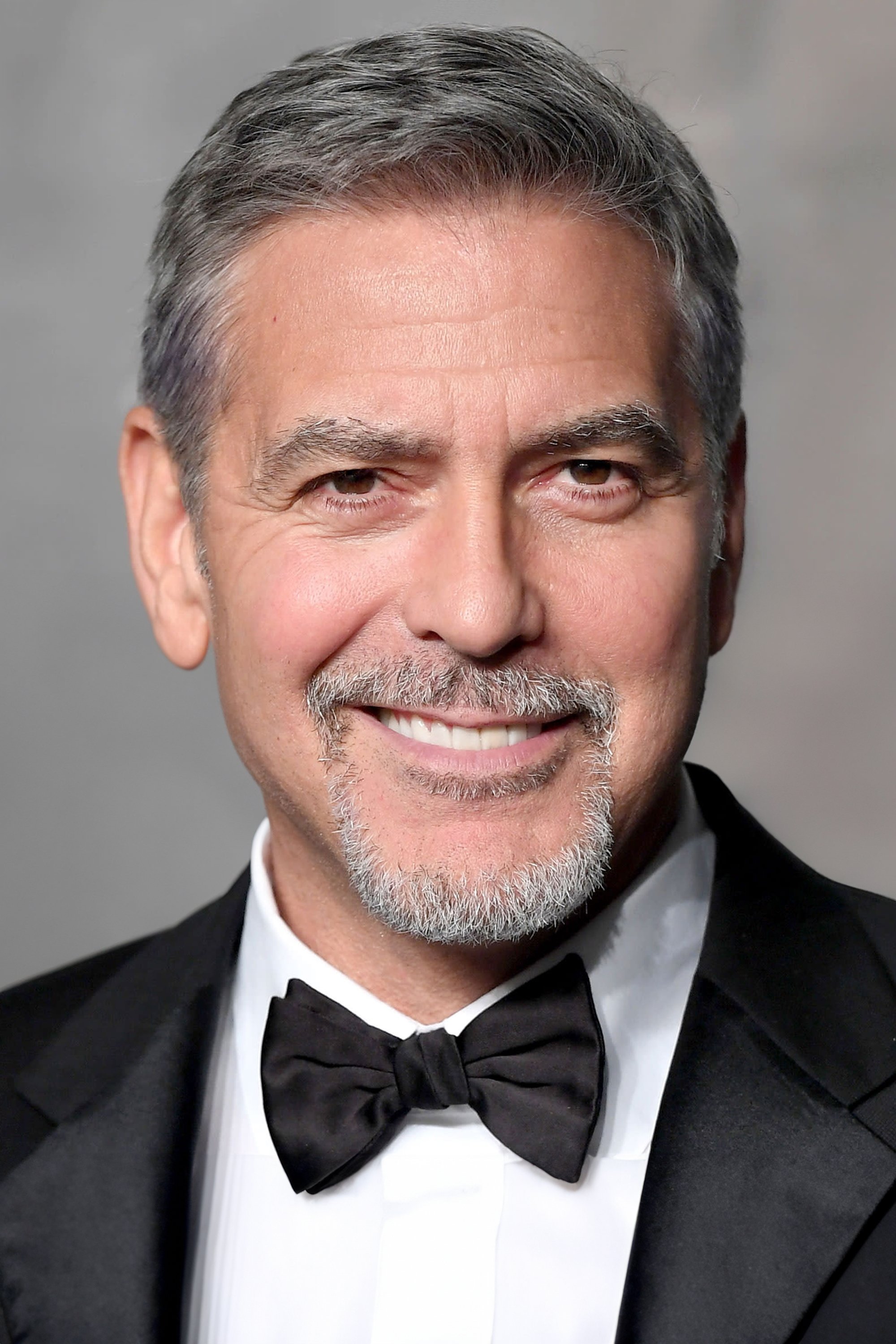
In 2005 George Clooney won Best Supporting Actor for ‘Syriana’, playing an operative drawn into energy policy and covert action. The film uses parallel storylines in Washington, the Persian Gulf, and Europe with meetings, briefings, and field work that tie corporate decisions to consequence.
Jake Gyllenhaal’s role in ‘Brokeback Mountain’ follows a ranch hand over many years of on and off connection. The film situates the character in Wyoming and Texas through seasonal jobs, domestic spaces, and quiet exchanges that accumulate weight over time.
Sean Penn
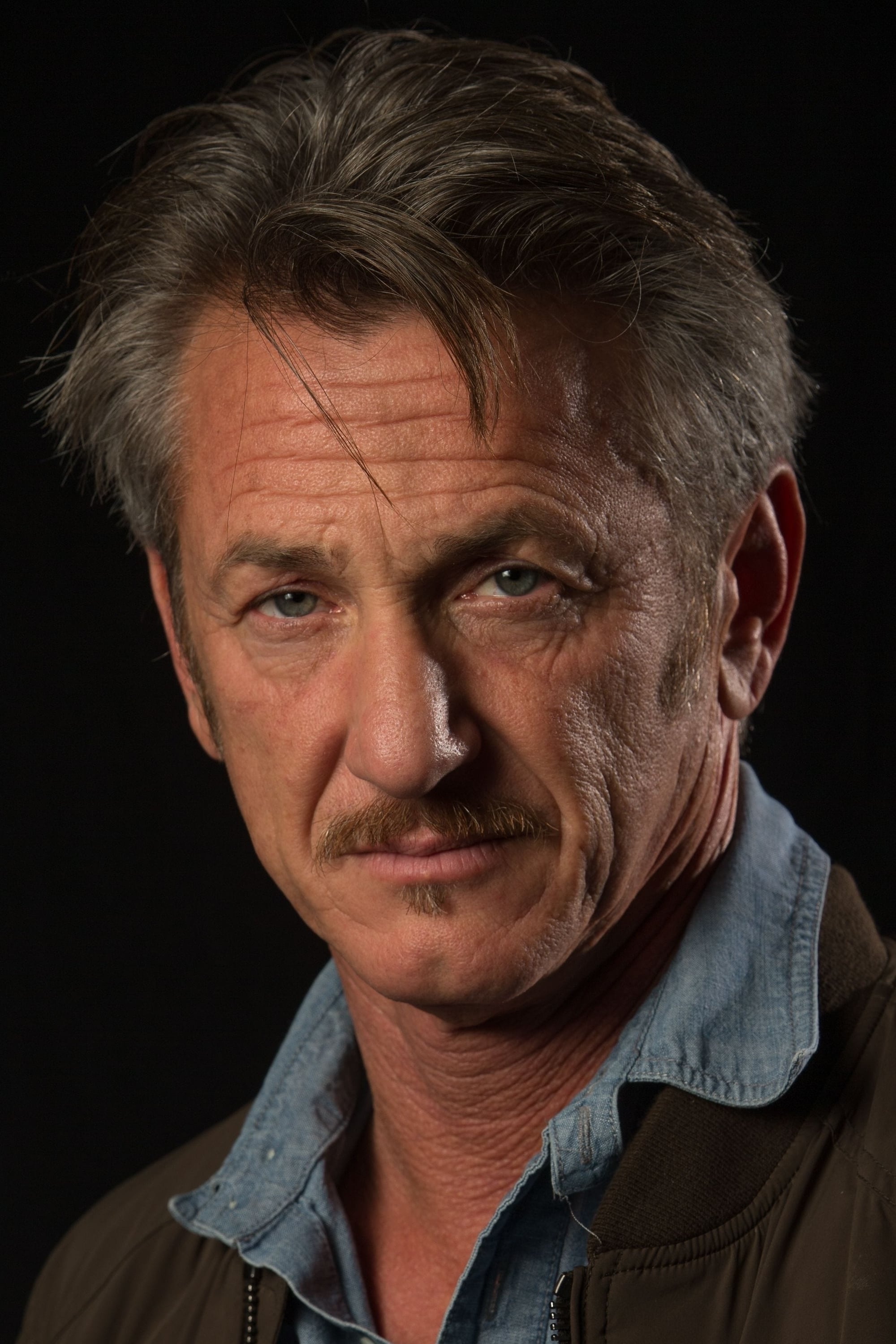
In 2008 Sean Penn won Best Actor for ‘Milk’, portraying a San Francisco supervisor during a period of organizing and public office. The film stages marches, storefront campaign hubs, and city hall coalitions with recreated archival textures.
Mickey Rourke led ‘The Wrestler’ as a regional pro wrestling veteran working small venues and a deli counter while managing health and family distance. The production favors handheld camera work, locker rooms, and strip mall settings to keep the character’s daily labor in view.
Colin Firth
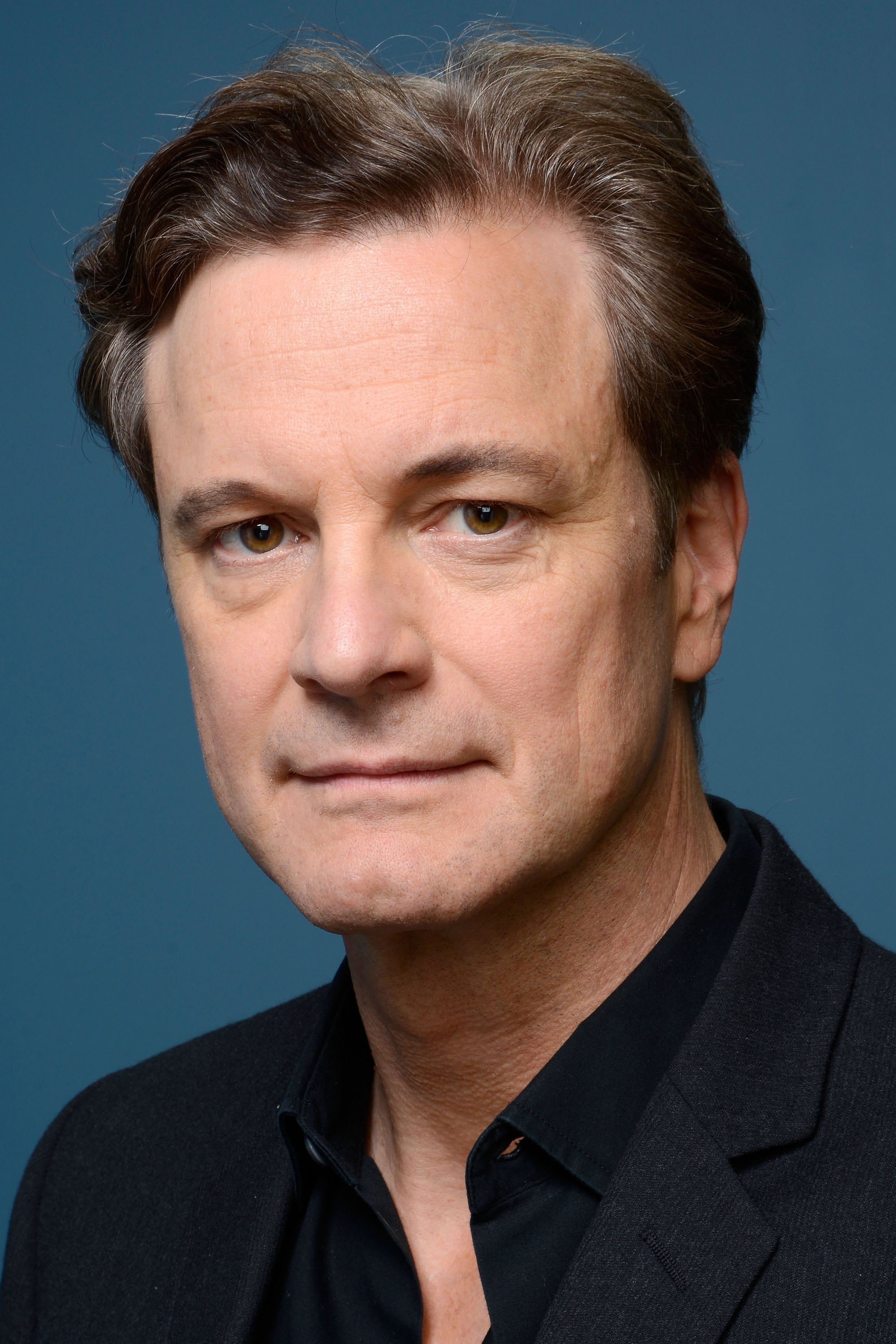
In 2010 Colin Firth won Best Actor for ‘The King’s Speech’, playing a monarch who undertakes intensive therapy to deliver national addresses. The film builds around rehearsal rooms, microphone tests, and a climactic broadcast that tracks technique and trust.
Jesse Eisenberg portrayed the founder of a social platform in ‘The Social Network’. The script moves through depositions, dorm coding sprints, and venture meetings with rapid dialogue that charts ownership, friendship, and growth.
Meryl Streep
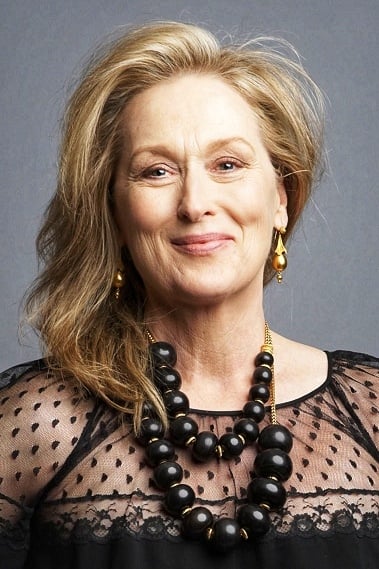
In 2011 Meryl Streep won Best Actress for ‘The Iron Lady’, covering a political career through cabinet rooms and later life reflection. The makeup, hair, and wardrobe teams place the character in multiple decades while the film alternates between public debates and private memory.
Viola Davis’s work in ‘The Help’ centers on a domestic worker in Mississippi who collaborates on a secret book. The film documents church gatherings, kitchens, and interviews that balance risk with the logistics of getting a manuscript finished.
Daniel Day-Lewis
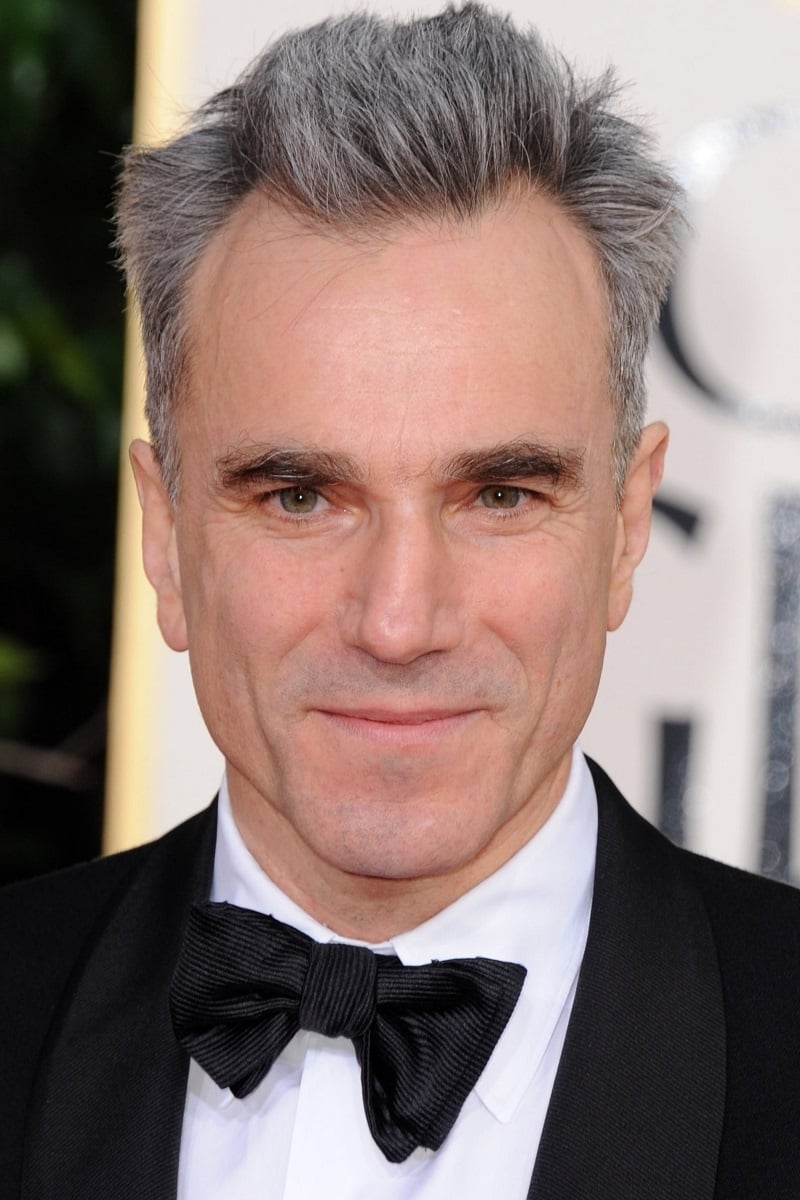
In 2012 Daniel Day-Lewis won Best Actor for ‘Lincoln’, focusing on a legislative push to pass the Thirteenth Amendment. The film emphasizes corridor bargaining, committee votes, and late night strategy with careful attention to procedure and timing.
Joaquin Phoenix led ‘The Master’ as a restless veteran who enters the circle of a charismatic teacher. The story stages audits, photo sessions, and cross country travel to map a volatile bond that resists tidy closure.
J.K. Simmons
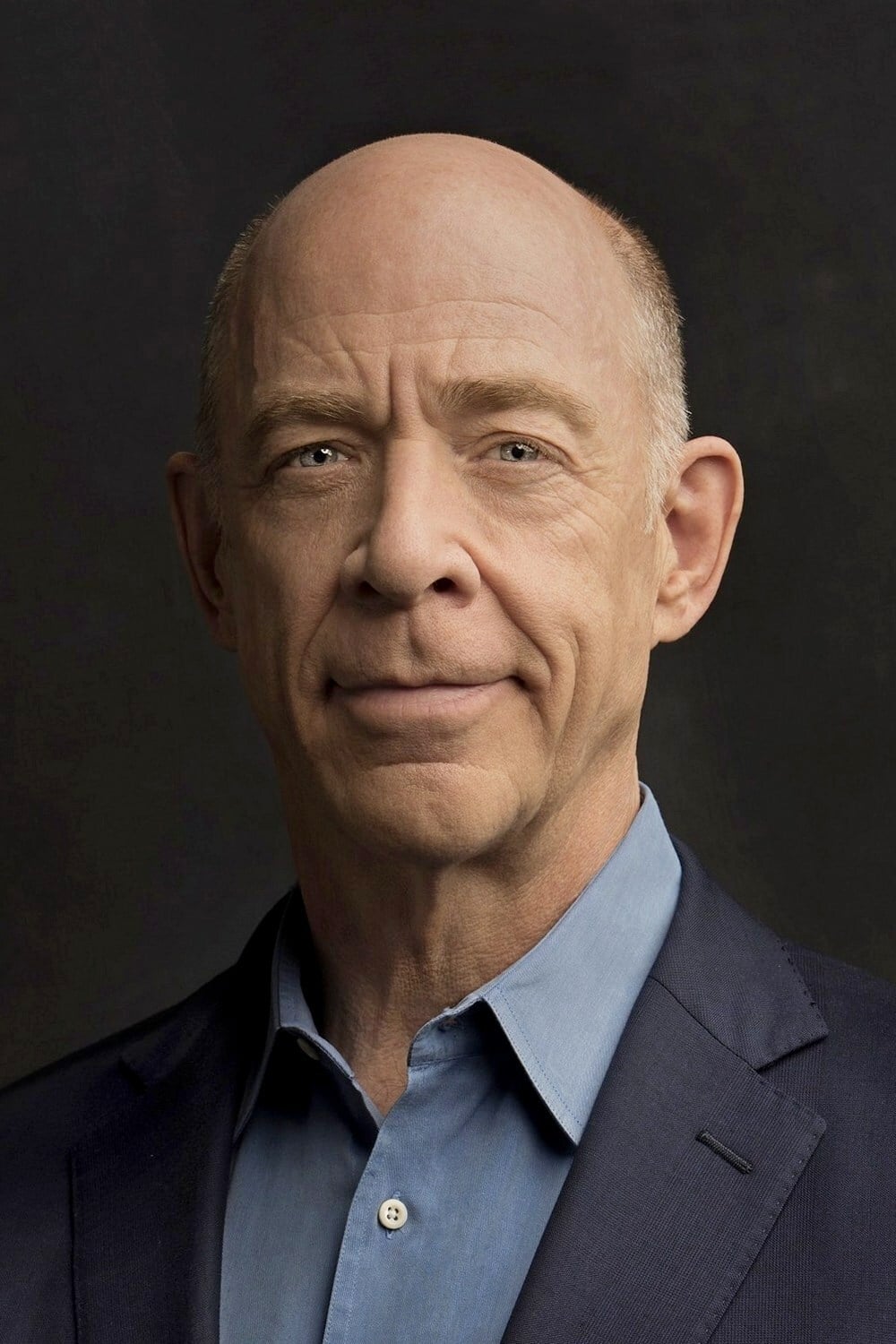
In 2014 J. K. Simmons won Best Supporting Actor for ‘Whiplash’, playing a conservatory instructor whose standards dominate rehearsal rooms and competitions. The film uses sharp cuts, practice sequences, and performance nights to show the costs of chasing precision.
Edward Norton’s role in ‘Birdman’ presents a Broadway star who arrives in previews and challenges control at every beat. The single location flow moves through dressing rooms and stages while the production simulates one continuous shot.
Eddie Redmayne
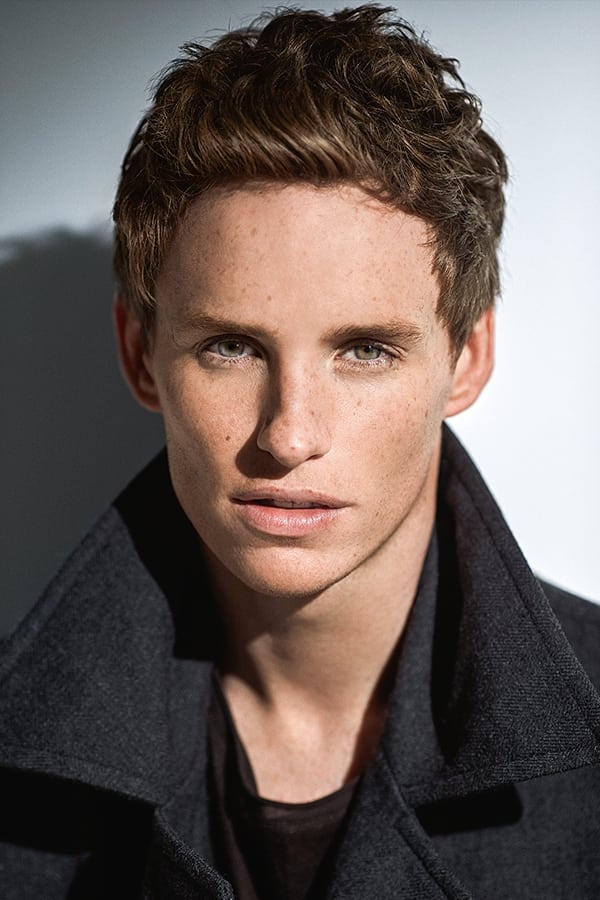
In 2014 Eddie Redmayne won Best Actor for ‘The Theory of Everything’, portraying Stephen Hawking from university days through pathbreaking work and changing mobility. The film stages lectures, family routines, and medical consultations while tracking adaptive tools and support.
Michael Keaton headlined ‘Birdman’ as a former franchise name staging a comeback with a Raymond Carver adaptation. The film compresses days before opening night into a loop of rehearsals, street interludes, and press encounters inside and around a single theater.
Mark Rylance
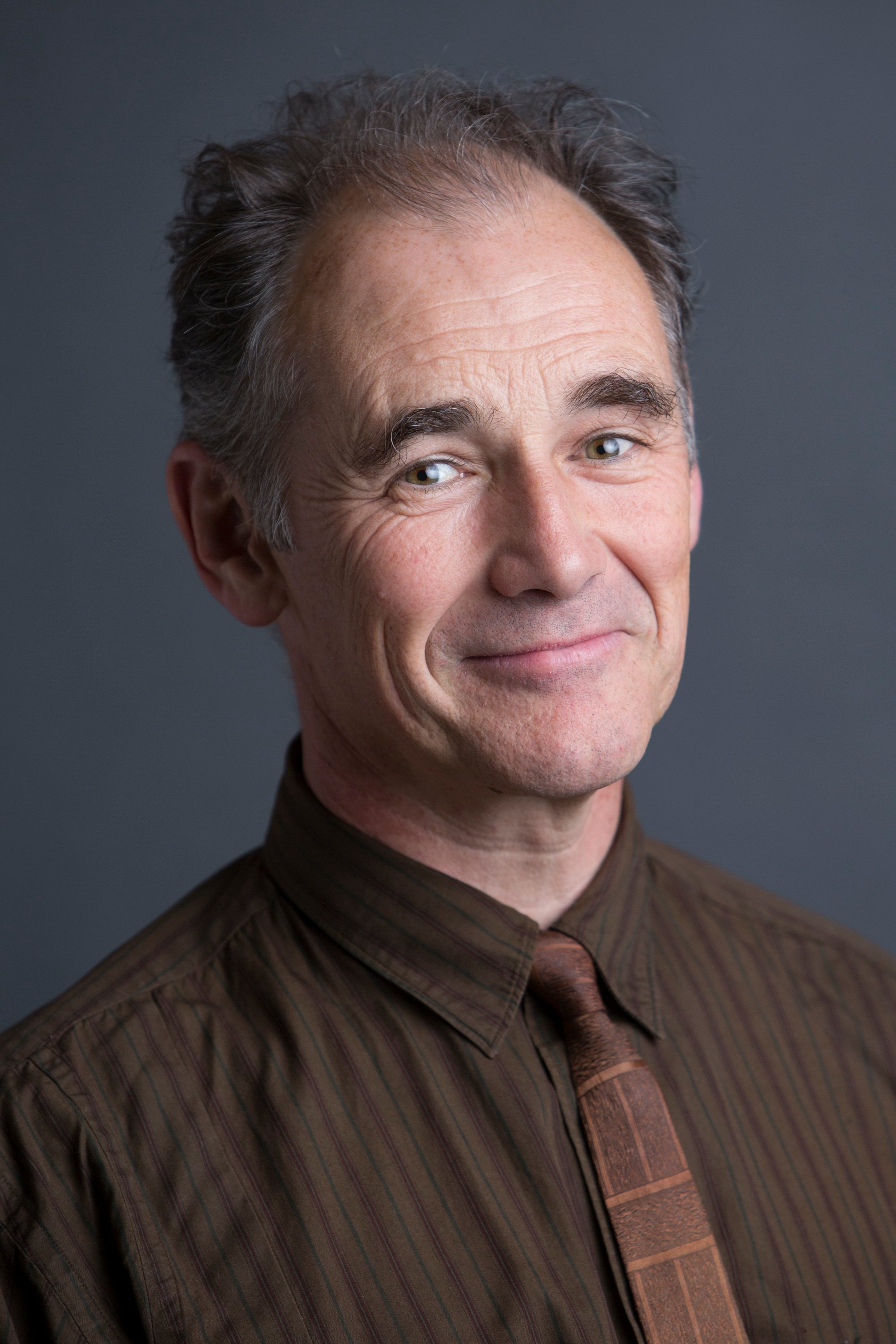
In 2015 Mark Rylance won Best Supporting Actor for ‘Bridge of Spies’, portraying a soft spoken agent whose exchanges set the pace of negotiations. The film turns on courtrooms, prison cells, and a foggy bridge where a swap concludes a long legal and diplomatic process.
Sylvester Stallone returned as Rocky Balboa in ‘Creed’, training a new fighter while managing health and legacy. The production mixes gym drills, neighborhood walks, and ring set pieces that connect mentorship to a fresh title shot.
Emma Stone
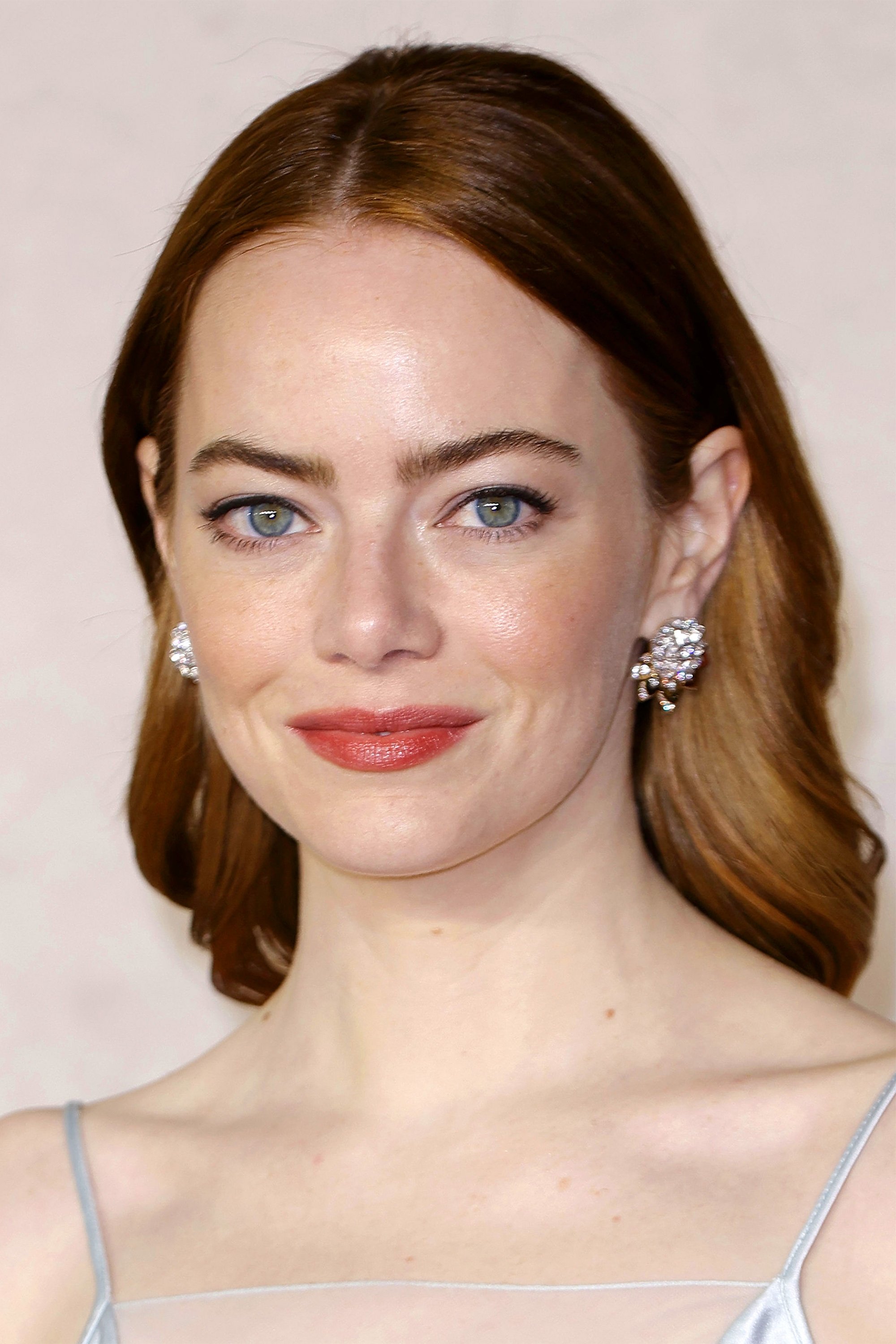
In 2016 Emma Stone won Best Actress for ‘La La Land’, playing an aspiring actor moving through auditions, set jobs, and a relationship with a musician. The film features original songs, studio backlots, and Los Angeles landmarks with careful choreography.
Isabelle Huppert led ‘Elle’ as a video game executive whose response to violence unsettles those around her. The story situates the character in boardrooms, family dinners, and neighborhood watch meetings while mapping choices that stay opaque until late.
Gary Oldman
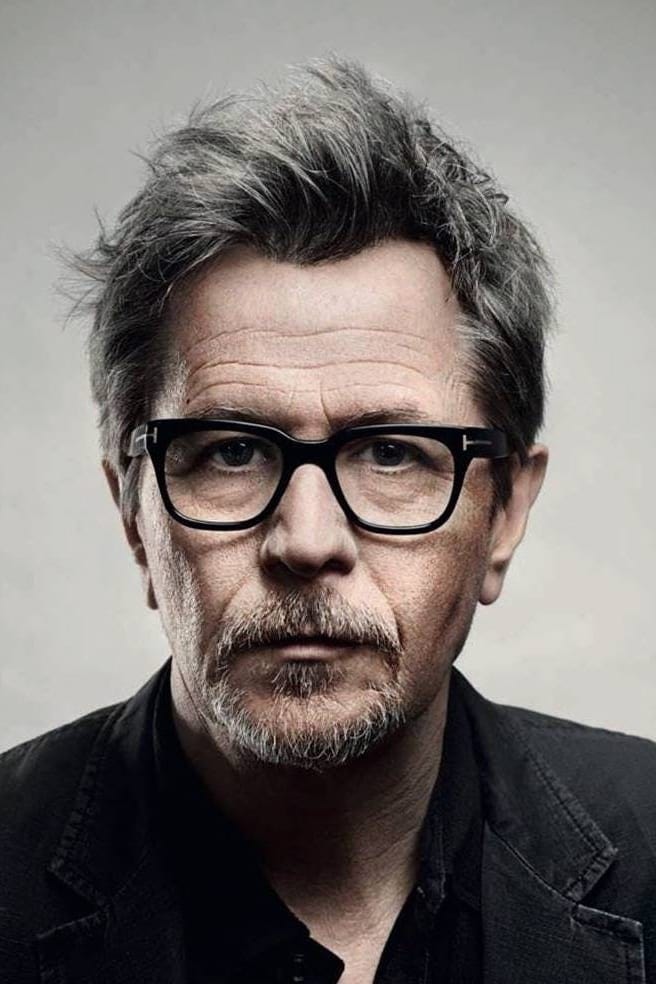
In 2017 Gary Oldman won Best Actor for ‘Darkest Hour’, playing a wartime leader managing speeches, memos, and cabinet disputes during a concentrated period. The film collects parliament sessions, train rides, and underground war rooms with a tight timeline.
Timothée Chalamet’s work in ‘Call Me by Your Name’ observes a summer in northern Italy through lessons, swims, and a goodbye that lingers. The film leans on music practice, bicycle trips, and a final fireplace close up that holds emotion without dialogue.
Laura Dern
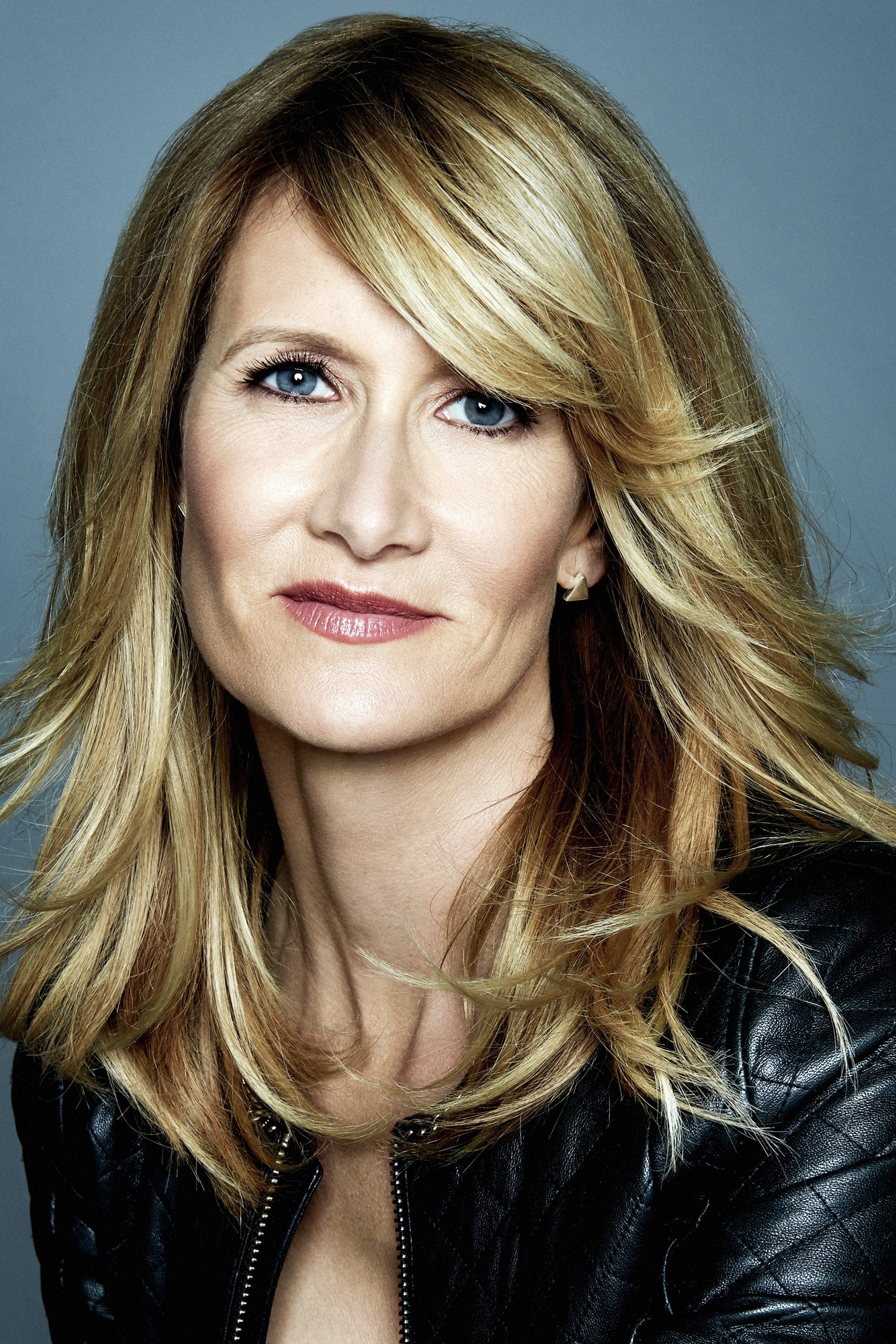
In 2019 Laura Dern won Best Supporting Actress for ‘Marriage Story’, portraying a divorce lawyer steering custody terms through client meetings and court appearances. The film shows how templates, negotiation tactics, and deadlines shape outcomes for families.
Jennifer Lopez anchored ‘Hustlers’ as a dancer who builds a crew that targets high spending clients after the financial crisis. The production draws on an article and tracks training, club routines, and suburban operations while inventorying money flows.
Frances McDormand
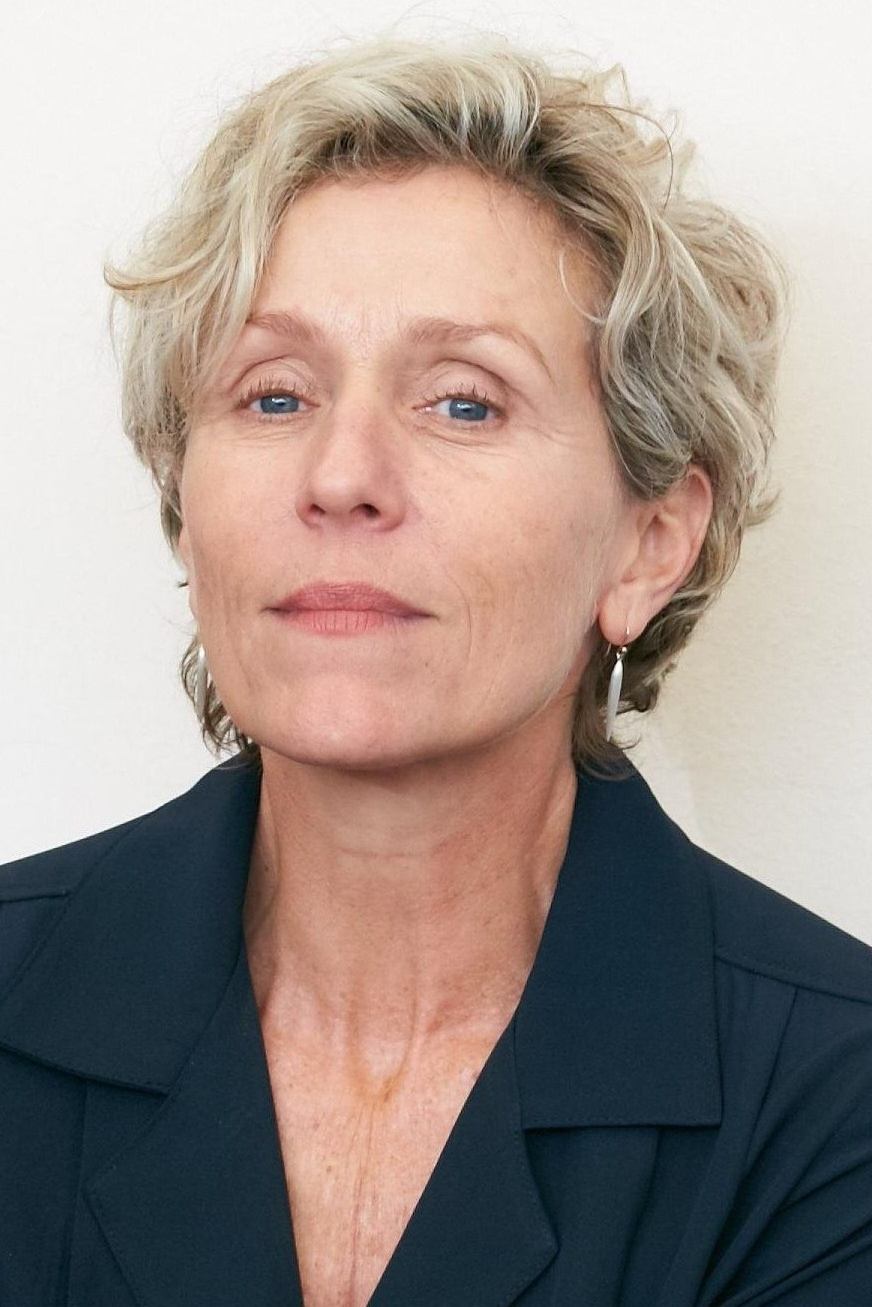
In 2020 Frances McDormand won Best Actress for ‘Nomadland’, playing a seasonal worker traveling between jobs across the American West. The film casts nonactors alongside her, uses real locations, and documents campground life and warehouse shifts.
Carey Mulligan led ‘Promising Young Woman’ as a woman who constructs encounters to confront past failure by institutions and individuals. The story sets its traps through color coded design, coffee shop routines, and measured conversations that escalate.
Jamie Lee Curtis
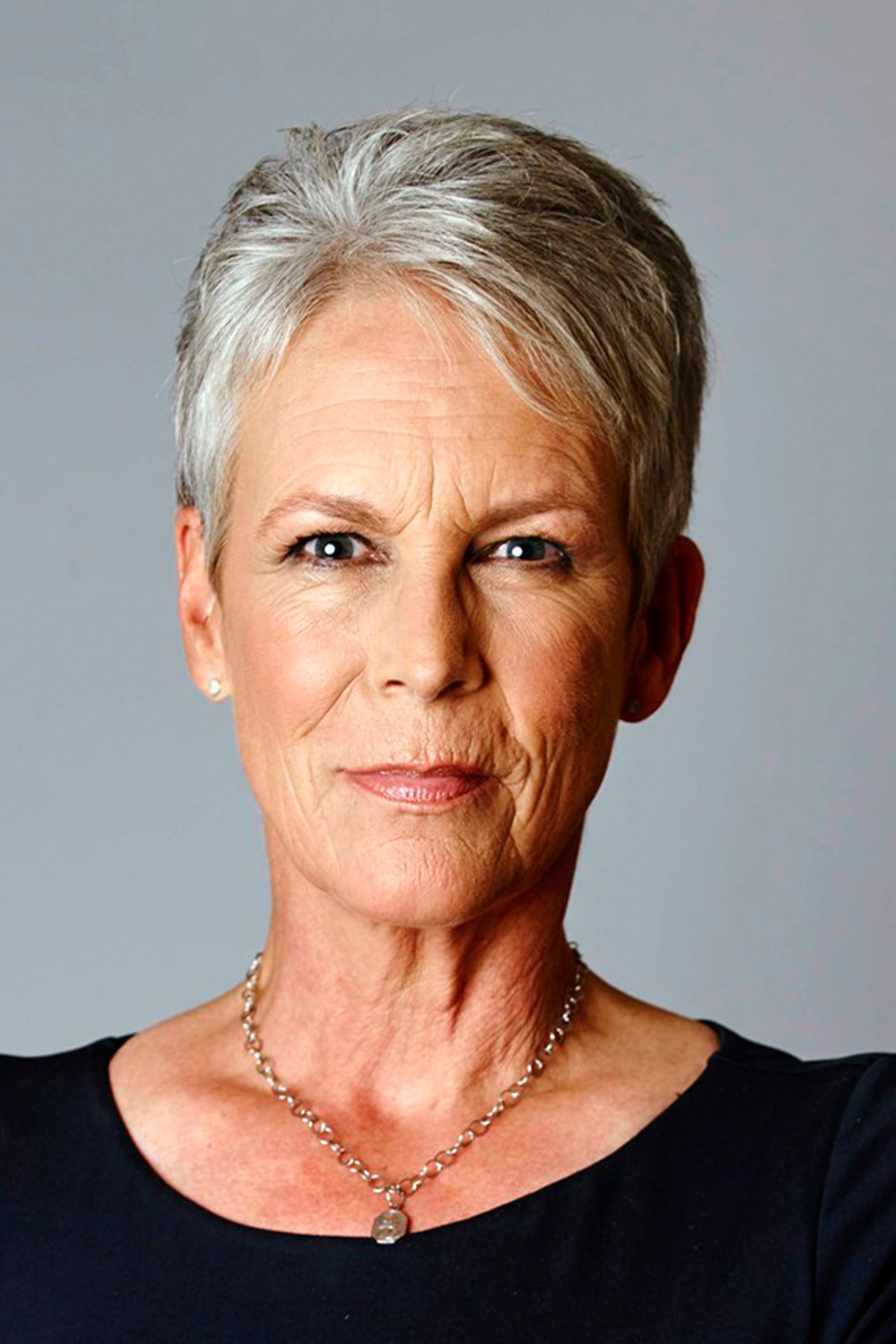
In 2022 Jamie Lee Curtis won Best Supporting Actress for ‘Everything Everywhere All at Once’, portraying an IRS auditor whose multiverse variants collide with a family in crisis. The film combines martial arts choreography, quick cut gags, and emotional beats inside a genre blending framework.
Angela Bassett played a grieving ruler in ‘Black Panther Wakanda Forever’, delivering addresses to councils and leading responses to a new ocean based threat. The film balances ceremony, statecraft, and action while setting the stage for future conflicts.
Tell us which seasons you would swap and which performances you would highlight in the comments.