The 50 Best Blaxploitation Movies

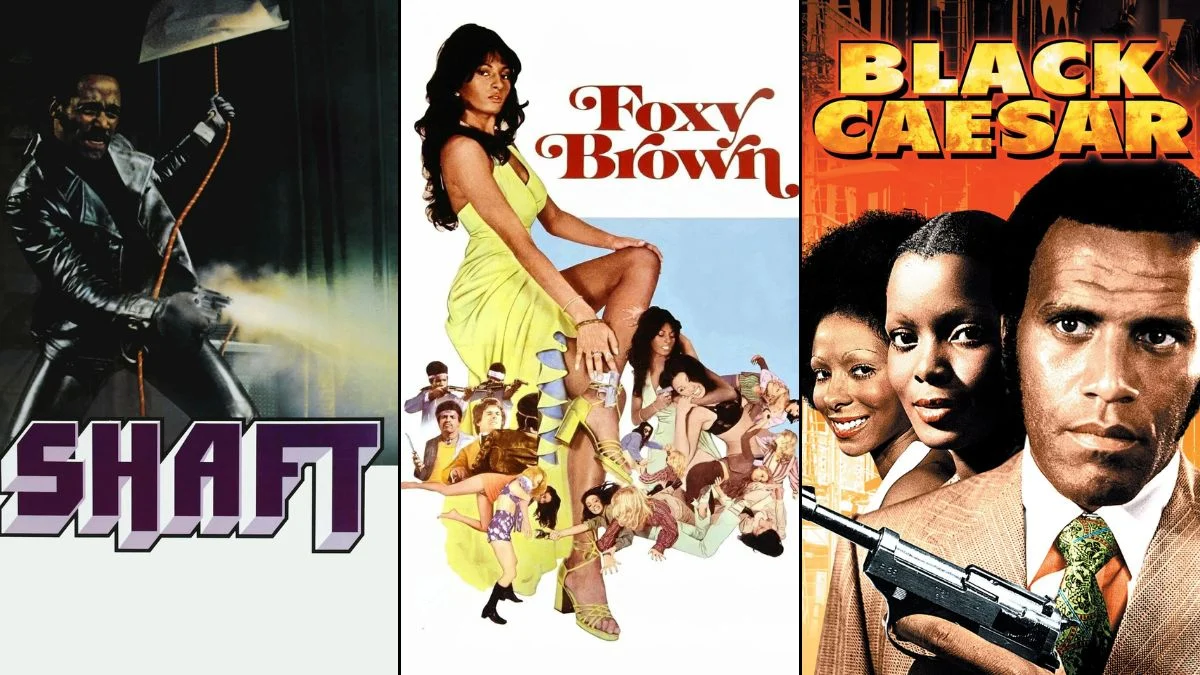

Blaxploitation exploded out of independent storefront theaters and major studio slates in the early seventies and reshaped American genre filmmaking. Filmmakers centered Black leads and Black communities in stories that moved fast, hit hard, and made room for humor, romance, horror, and western grit. These films put street life, hustles, and grassroots resistance on screen with the swagger of pulp storytelling and the craft of sharp direction and cutting edge music.
The sound of blaxploitation mattered as much as the images. Soul and funk scores by legends powered these movies into radio rotation and record stores, while wardrobes, slang, and city locations traveled from neighborhoods to the mainstream. The titles below span crime sagas, martial arts mashups, vampiric chills, and undercover revenge missions, and they map how a movement changed what studio filmmaking could look and sound like.
‘Sweet Sweetback’s Baadasssss Song’ (1971)
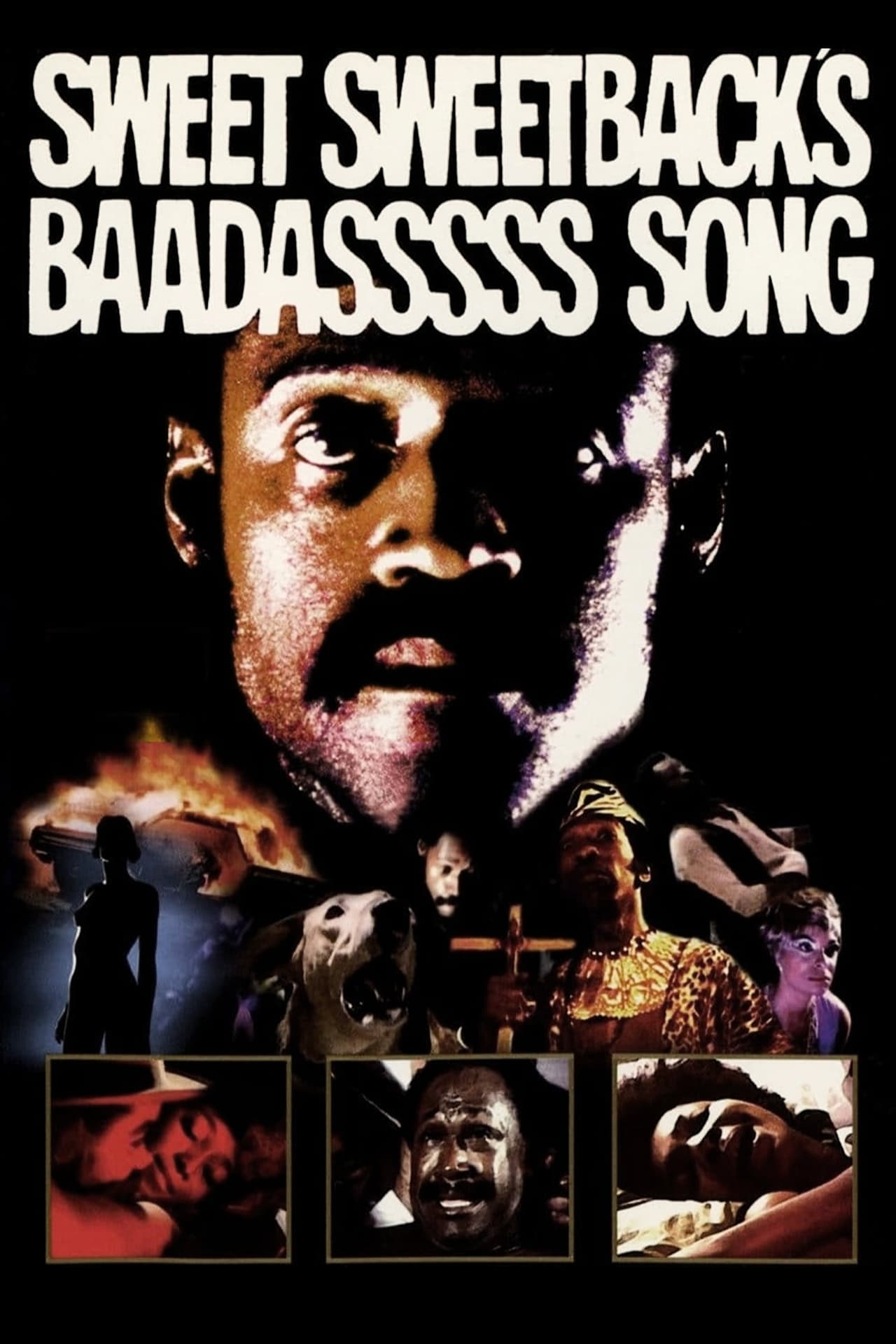
Melvin Van Peebles wrote, directed, scored, and starred in this guerrilla production about a performer who goes on the run after defending a young man from police abuse. Financing came from personal funds and a loan from Bill Cosby, and exhibitors outside the usual studio pipeline helped it reach packed houses.
The soundtrack features early work by Earth Wind and Fire and the movie carried an X rating that the marketing used to its advantage. Its box office performance convinced studios that Black led action could draw national crowds, which cleared the runway for the cycle that followed.
‘Shaft’ (1971)
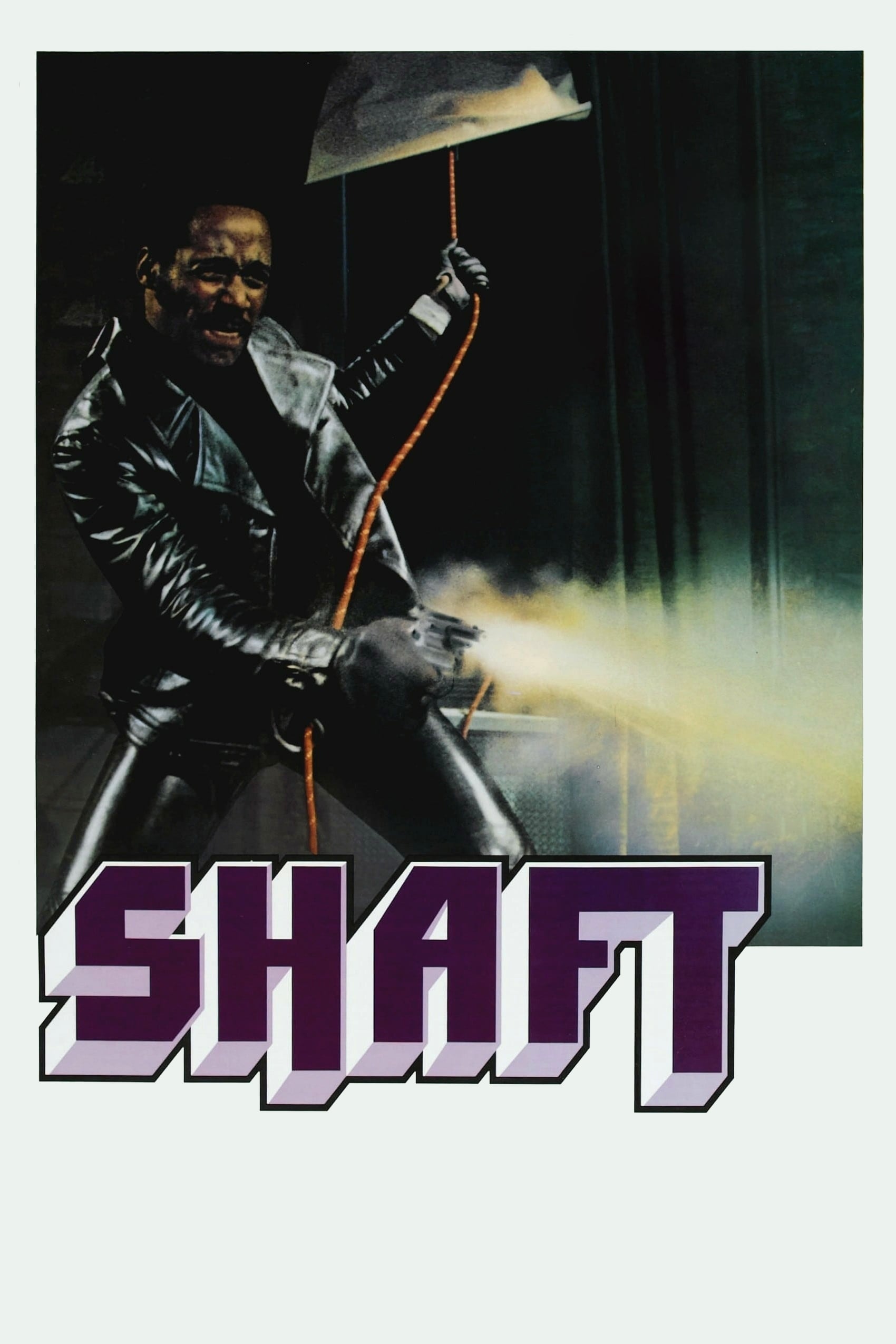
Gordon Parks directed Richard Roundtree as private detective John Shaft working cases from Times Square offices to Harlem blocks. The story draws from the novel by Ernest Tidyman and introduces a character who returned in sequels and later reboots.
Isaac Hayes composed and performed the score, and the title song won an Academy Award. Metro Goldwyn Mayer gave the film a wide release that pushed the character into books, television, and long tail home video circulation.
‘Super Fly’ (1972)
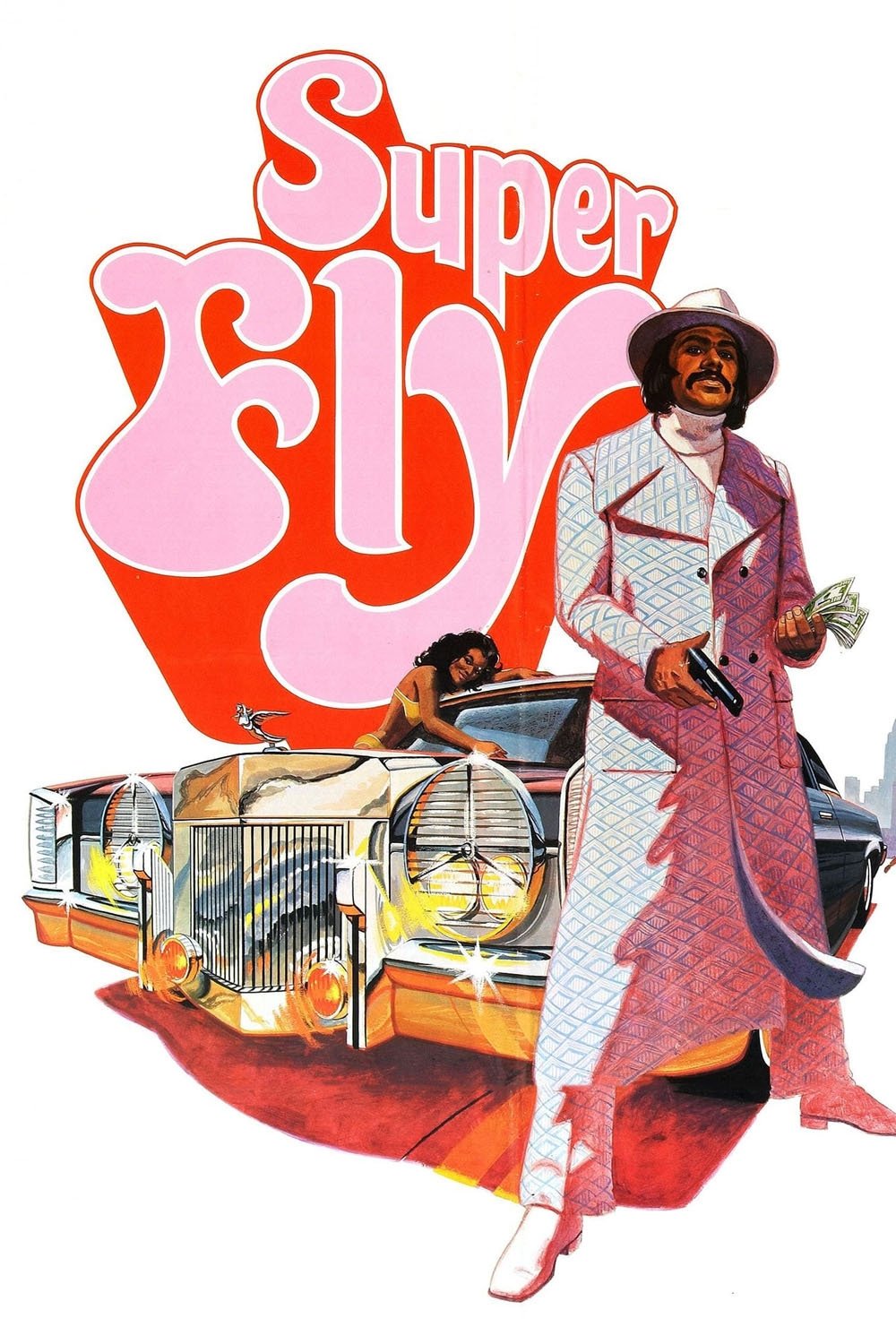
Gordon Parks Jr. directed Ron O’Neal as Youngblood Priest, a cocaine dealer planning one last exit from the business while rivals and police close in. The production shot on New York streets with low cost tactics that kept the pace fast.
Curtis Mayfield’s soundtrack became a hit record with singles that charted high and extended the film’s cultural reach. Warner Bros handled distribution and the movie’s success led to follow ups that continued Priest’s world.
‘Coffy’ (1973)
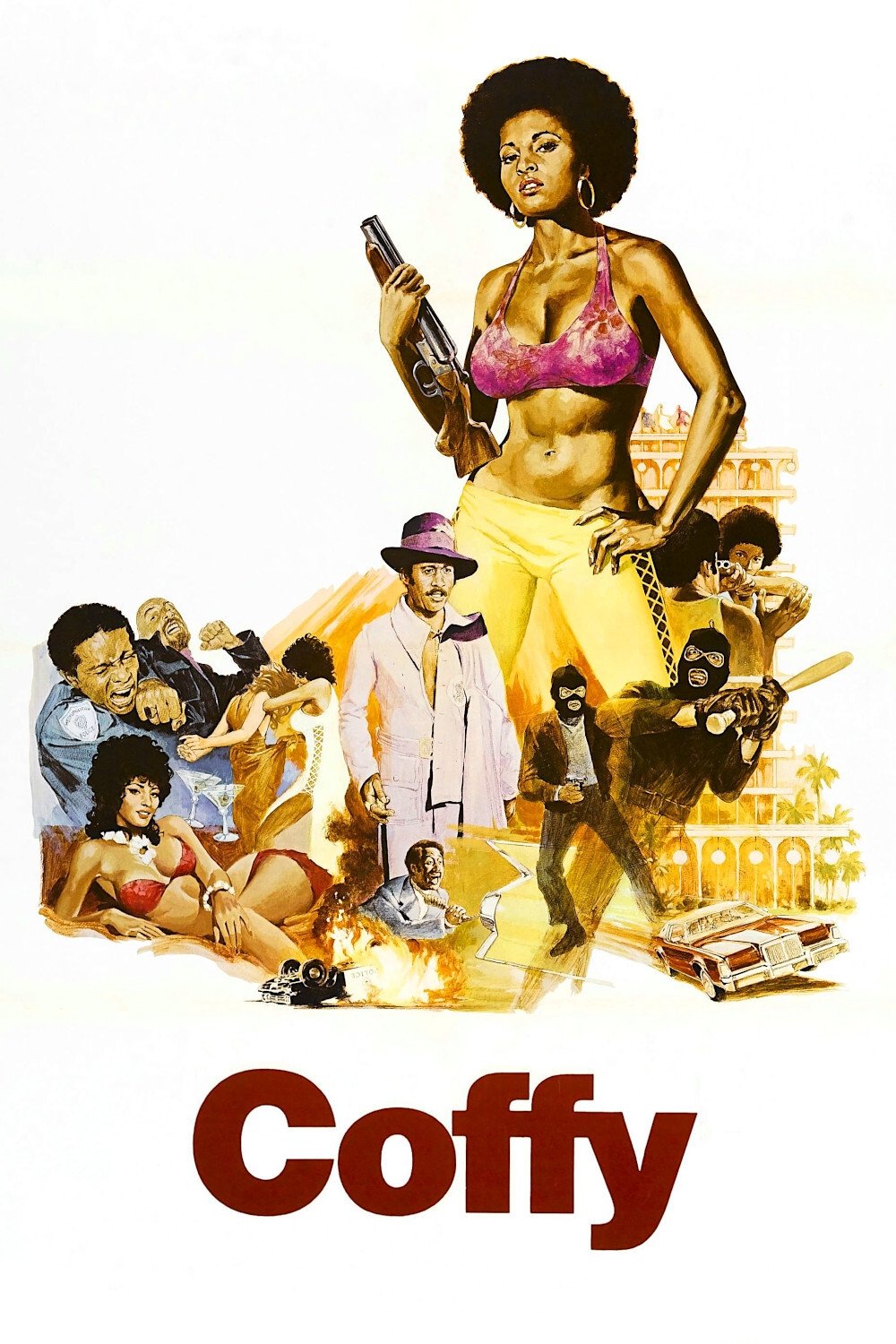
Pam Grier plays a nurse who turns vigilante after her family is harmed by drug pushers, with Jack Hill directing a story that moves from small time operators to political players. American International Pictures backed the film and built Grier into a headline star.
The movie’s set pieces and undercover disguises became signatures of Grier’s collaborations with Hill. Its performance encouraged the studio to develop another vehicle for her with a similar mix of action and undercover strategy.
‘Foxy Brown’ (1974)
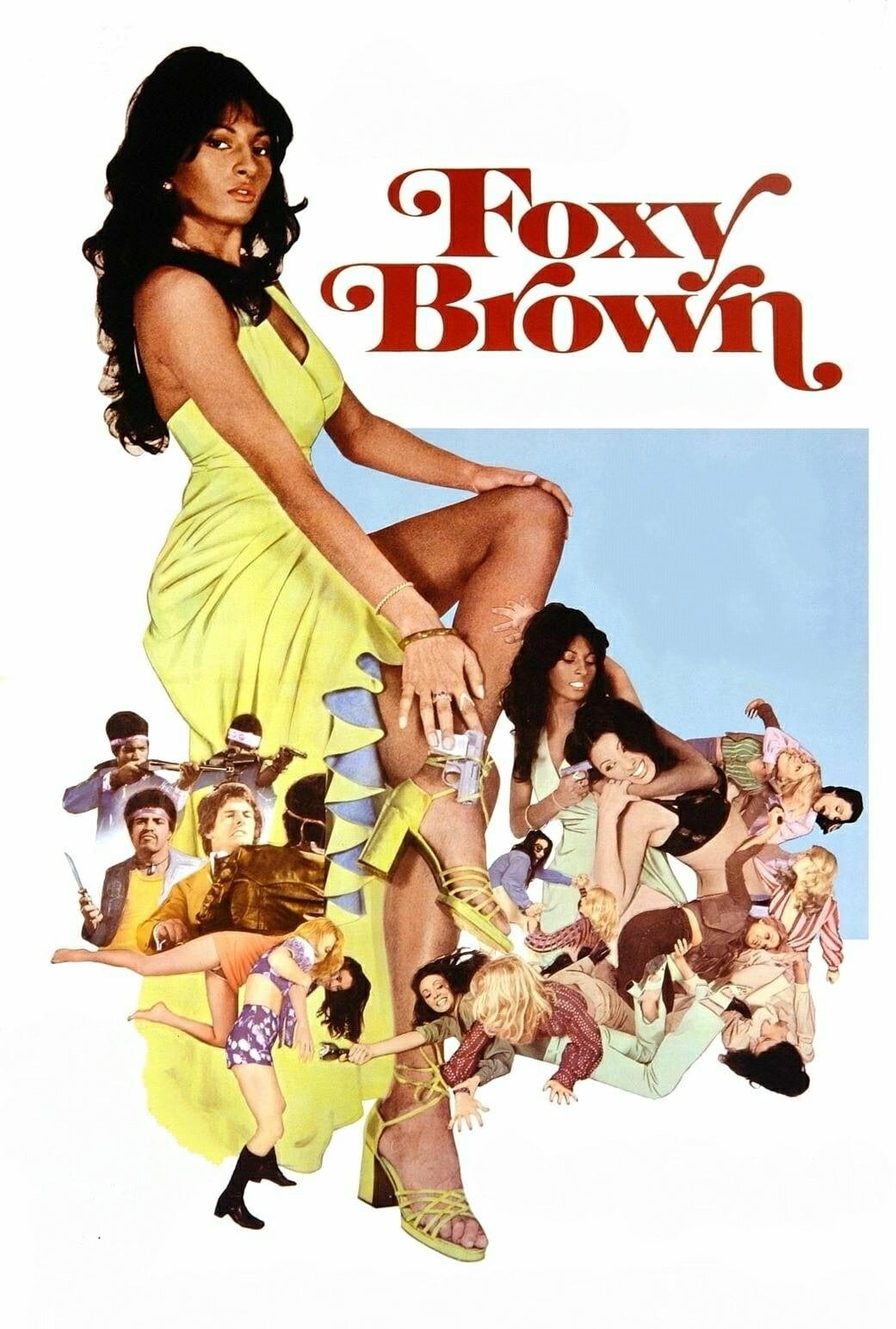
Pam Grier returns with Jack Hill directing a story of an avenger infiltrating a modeling front that hides a vice and narcotics syndicate. The plot tracks her work inside the organization while keeping allies alive on the outside.
Motown artist Willie Hutch delivered the soundtrack album, pairing orchestral funk with theme songs that doubled as radio play. The film cemented Grier’s status as a box office lead and influenced action wardrobes and hair trends for years after release.
‘Cleopatra Jones’ (1973)
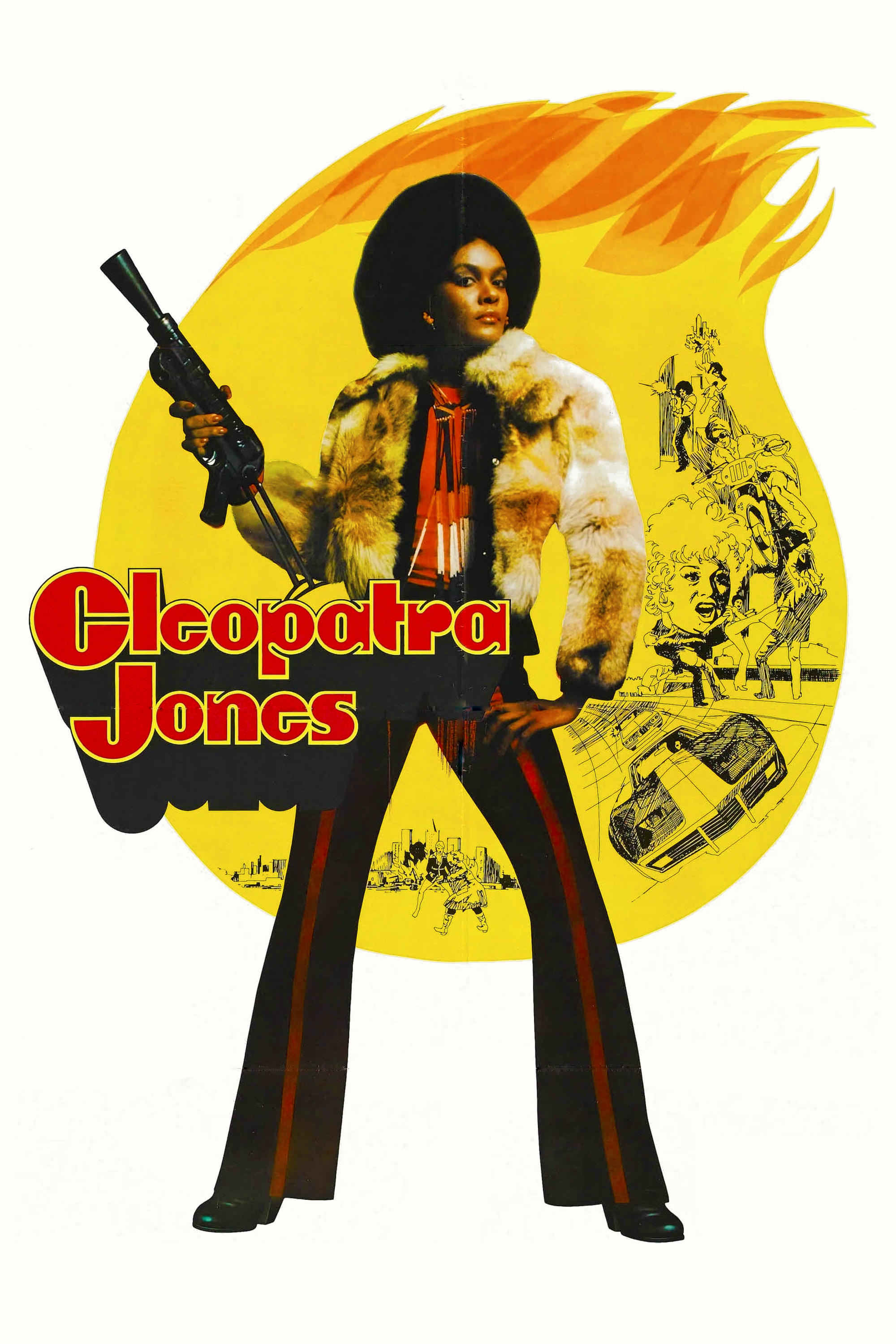
Tamara Dobson stars as a government agent who wages war on international traffickers while protecting community programs at home. The script gives her a sports car, specialized weapons, and a team that extends her reach beyond city limits.
Warner Bros launched the movie with a splashy campaign and audiences embraced Dobson’s towering presence. A sequel titled ‘Cleopatra Jones and the Casino of Gold’ continued the character’s globe trotting missions.
‘Blacula’ (1972)
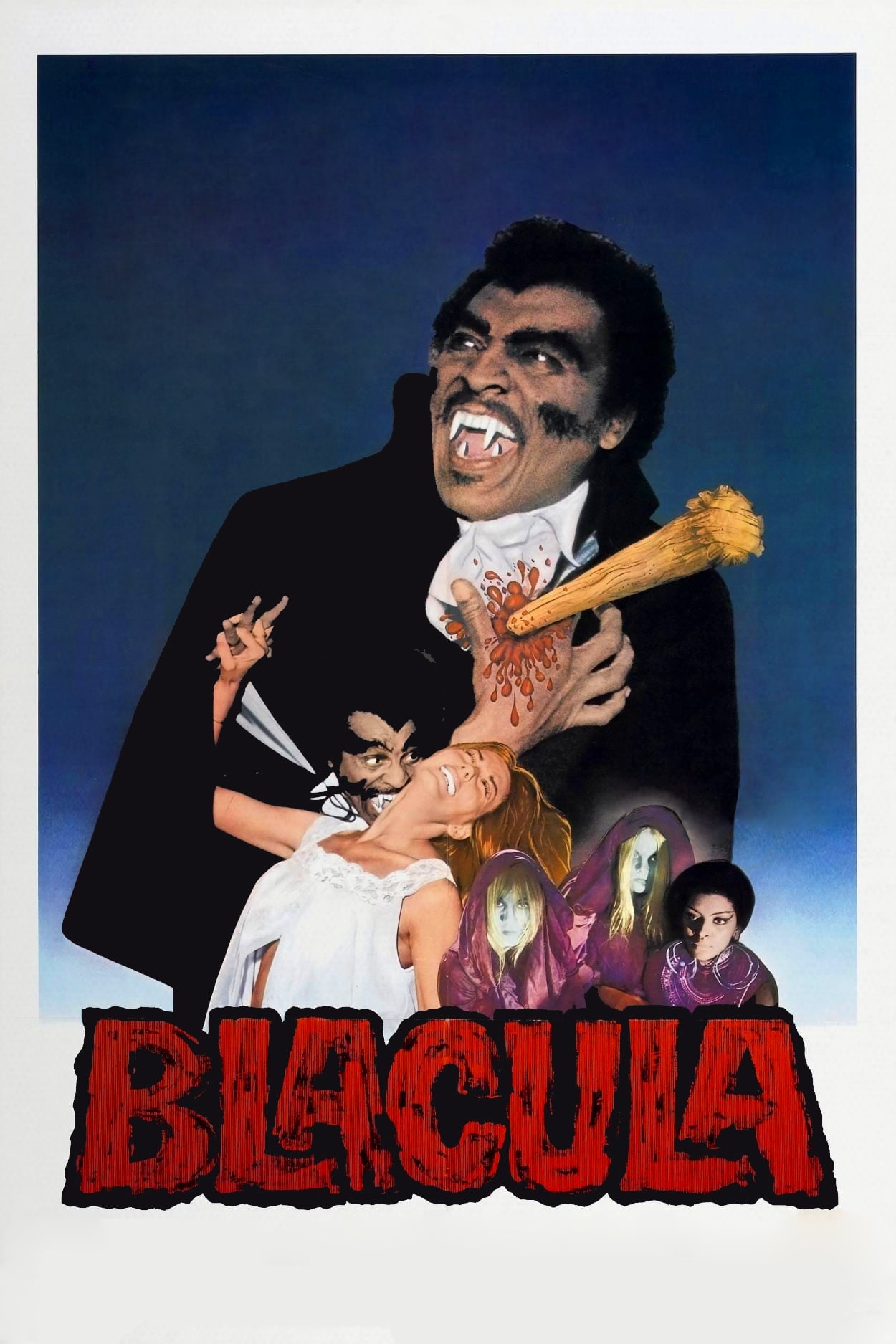
William Marshall plays an African prince cursed by Count Dracula and revived in modern Los Angeles, with William Crain directing a blend of gothic horror and urban police investigation. The film balances nightclub scenes and morgue procedures while the count searches for a lost love.
American International Pictures released the film alongside a sequel titled ‘Scream Blacula Scream’. The score by Gene Page and appearances by the Hues Corporation link the vampire tale to the era’s club culture.
‘Black Caesar’ (1973)
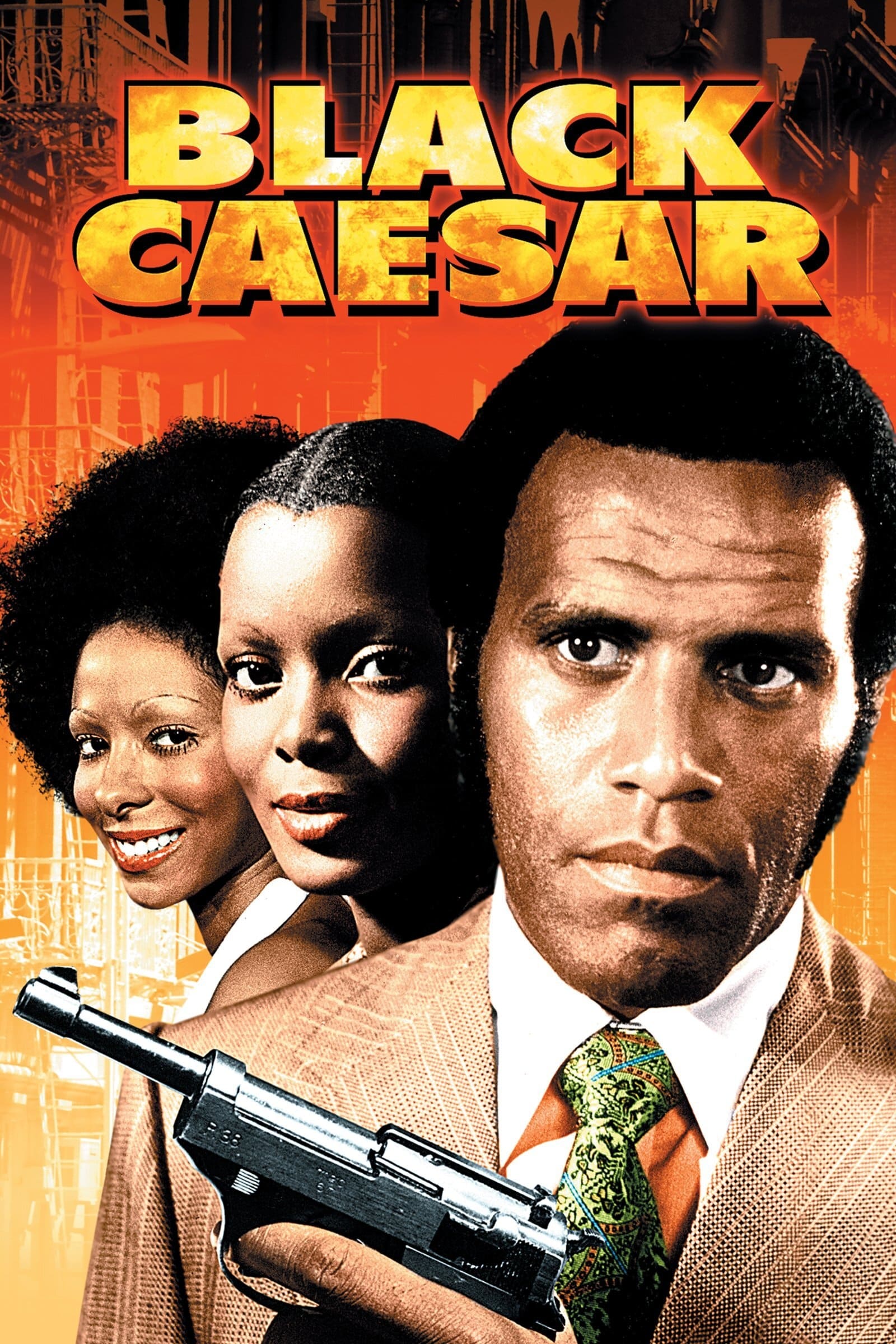
Fred Williamson headlines as Tommy Gibbs, a shoeshine who rises through New York crime families using ledgers and leverage to flip bosses against each other. Larry Cohen writes and directs with location shooting that favors busy sidewalks and cramped offices.
James Brown recorded the soundtrack with the JBs, turning cues into a full studio album. The story continues in ‘Hell Up in Harlem’, which follows the fallout from the ledgers and the shifting alliances they created.
‘The Mack’ (1973)

Max Julien plays Goldie, a hustler who returns from prison and builds a protection network while negotiating with rivals and a community organization. Michael Campus directs scenes shot in Oakland, with Richard Pryor as Slim providing a partner on both the business and street survival fronts.
The production worked with local groups to secure locations and avoid disruptions. Willie Hutch’s soundtrack and the film’s wardrobe design left a strong imprint on music videos and hip hop samples in later decades.
‘Across 110th Street’ (1972)
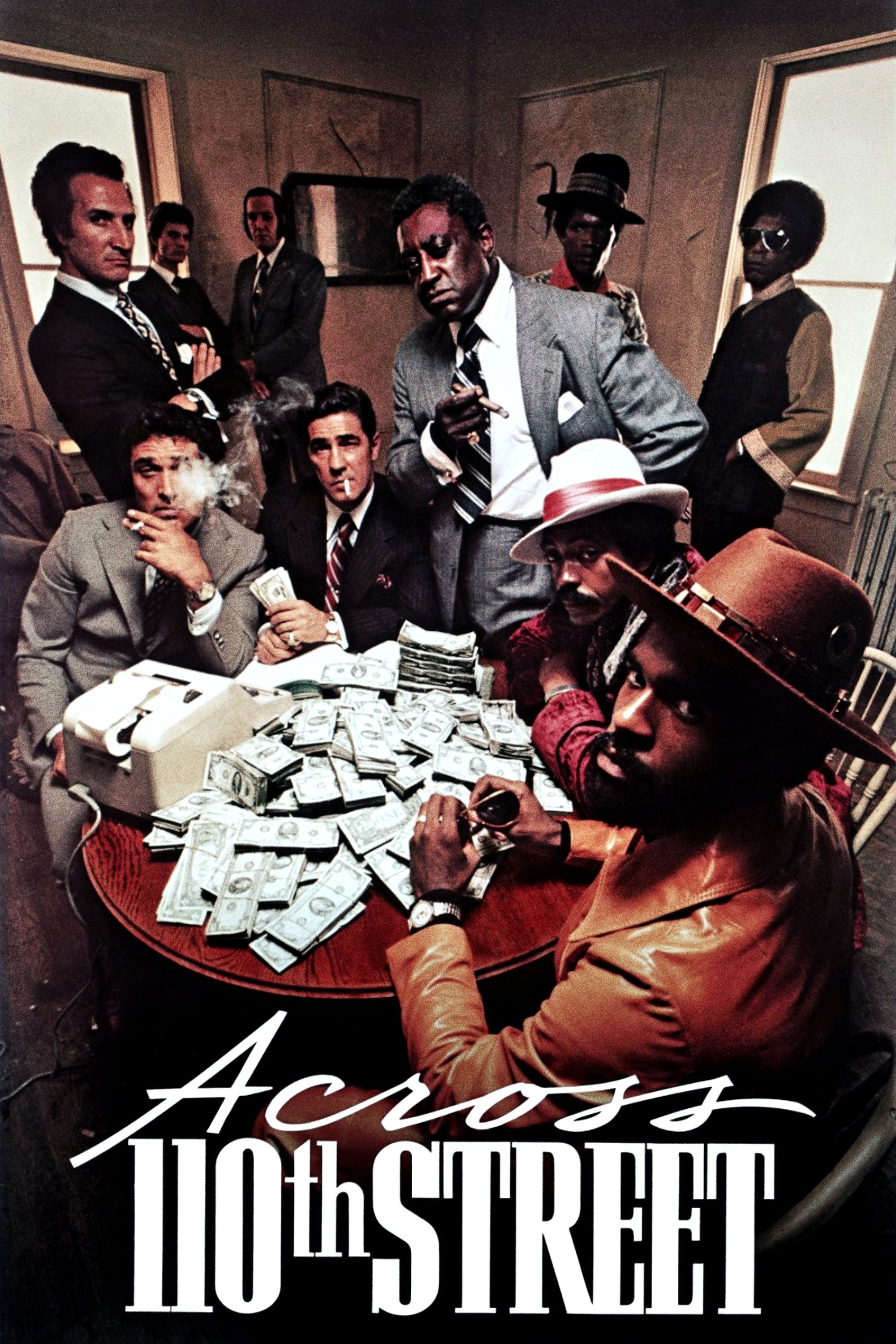
Anthony Quinn and Yaphet Kotto play New York detectives tracking a robbery that pits Italian mobsters against a Black crew, with Barry Shear directing a tense procedural through Harlem and uptown Manhattan. The narrative cross cuts between police work and underworld reprisals.
United Artists distributed the film and Bobby Womack performed the title song that later appeared in other films such as ‘Jackie Brown’. The movie’s mix of location grit and ensemble plotting made it a staple of television syndication.
‘Shaft’s Big Score!’ (1972)
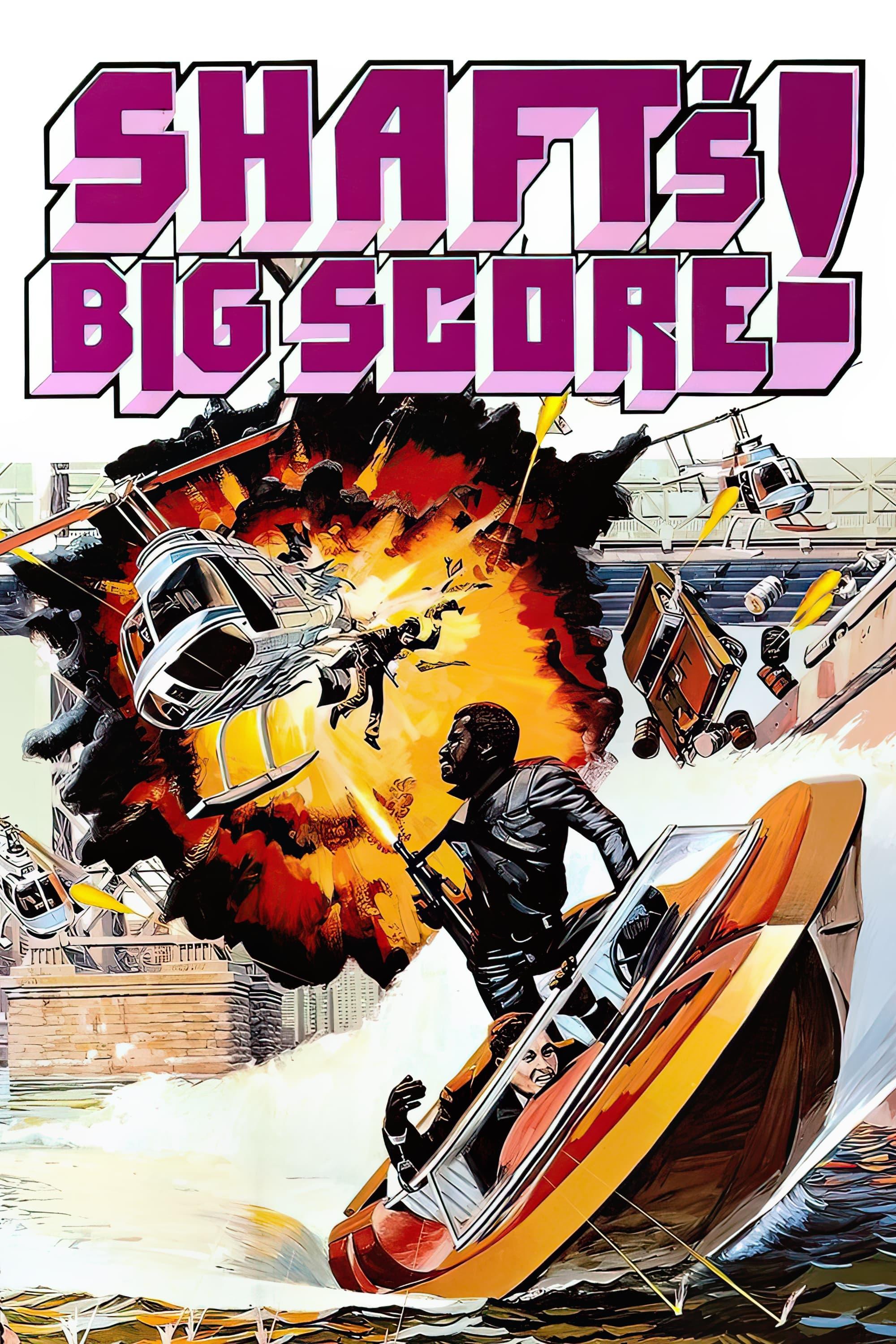
Private investigator John Shaft looks into a friend’s murder that ties into a numbers racket and a fight for control of Harlem territory. The story builds on the first film by moving through waterfront warehouses, uptown offices, and a climactic chase that combines speedboats and helicopters.
The production brought back Gordon Parks to direct and returned Richard Roundtree to the role that made him a franchise lead. The studio expanded the sequel’s location work and released it wide, followed later by another entry that took the character overseas.
‘Shaft in Africa’ (1973)

John Shaft goes undercover to infiltrate a trafficking ring that moves people through North Africa and into Europe. The mission sends him from desert training grounds to Paris safe houses while he works with local contacts to expose the operation.
The film introduced new allies and adversaries and shifted the series away from New York streets to an international setting. The soundtrack featured a single by the Four Tops and the studio used that song in advertising to reach radio audiences.
‘Hell Up in Harlem’ (1973)
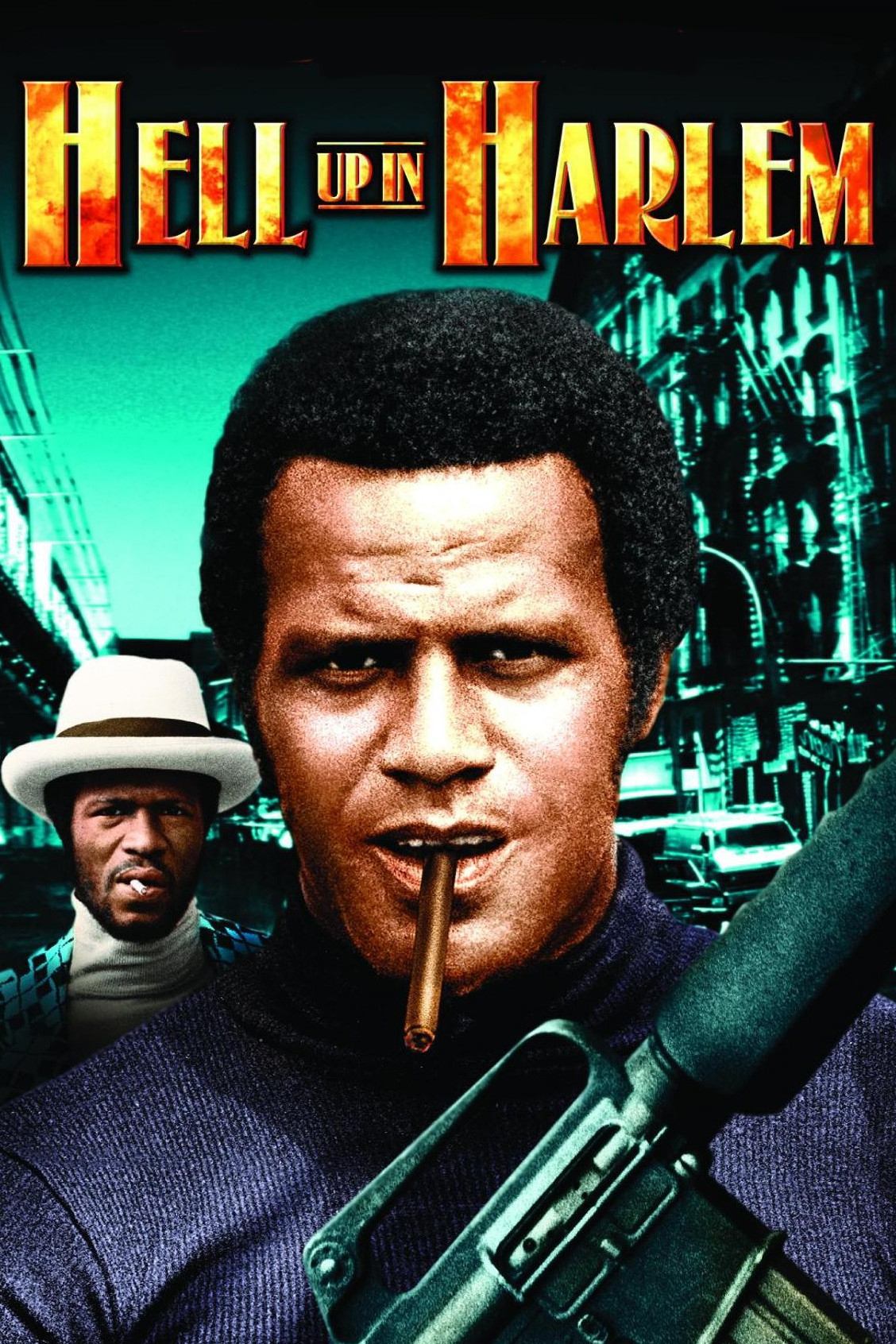
Tommy Gibbs survives an assassination attempt and relocates operations while trying to keep his father alive and rival crews off balance. The plot follows internal betrayals and shifting alliances as ledgers and informants move between factions.
Larry Cohen returned to write and direct and Fred Williamson headlined again opposite Gloria Hendry and Julius Harris. Edwin Starr recorded the soundtrack and the distributor paired the music with trailers to position the film as a direct continuation of ‘Black Caesar’.
‘Slaughter’ (1972)
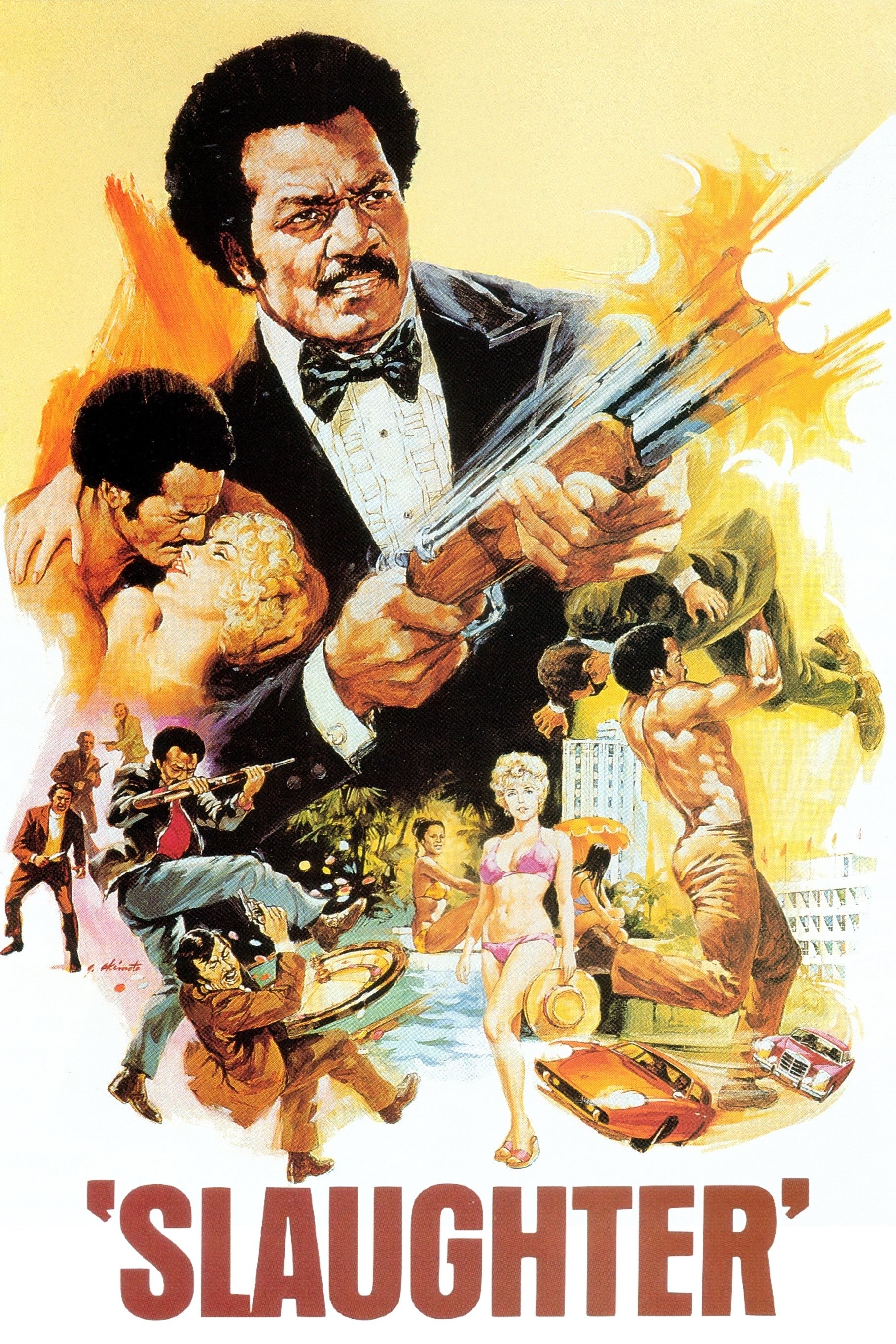
A former Special Forces soldier tracks down the syndicate figures responsible for his parents’ deaths. The investigation leads him from federal briefings to South American hideouts where he forces a showdown with the men financing the hit.
American International Pictures released the film with Jim Brown in the title role and Jack Starrett directing. The production emphasized practical stunts and used on location shooting to keep the action moving between airfields, villas, and city streets.
‘Slaughter’s Big Rip-Off’ (1973)
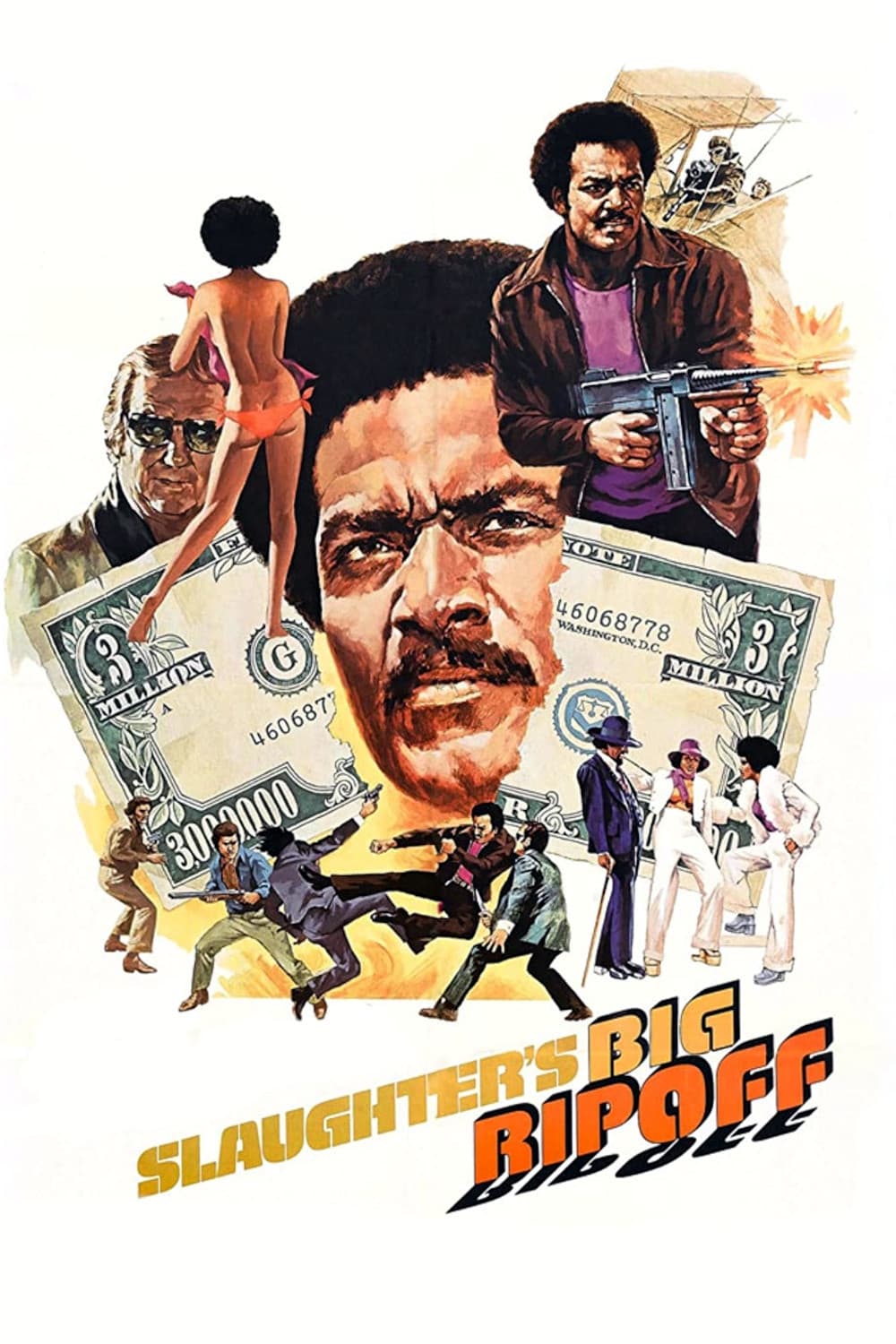
Slaughter returns to Los Angeles to investigate a new conspiracy that reaches into business offices and recording studios. The case brings him into conflict with a slick financier who hires contract killers to stop the inquiry.
Gordon Douglas directed the sequel with Jim Brown back as the lead and Ed McMahon as the antagonist. The studio kept the same branding and released the film quickly to build on the first entry’s audience momentum.
‘Black Belt Jones’ (1974)

A martial arts instructor teams with the daughter of a neighborhood gym owner to defend the school from mob backed developers. The story sets up training sequences, club brawls, and a final fight staged in a car wash.
Robert Clouse directed with Jim Kelly in the lead after his breakout in ‘Enter the Dragon’. Warner Bros handled distribution and the score by Lalo Schifrin blended funk rhythms with fight cues tailored to Kelly’s kicking style.
‘Bucktown’ (1975)
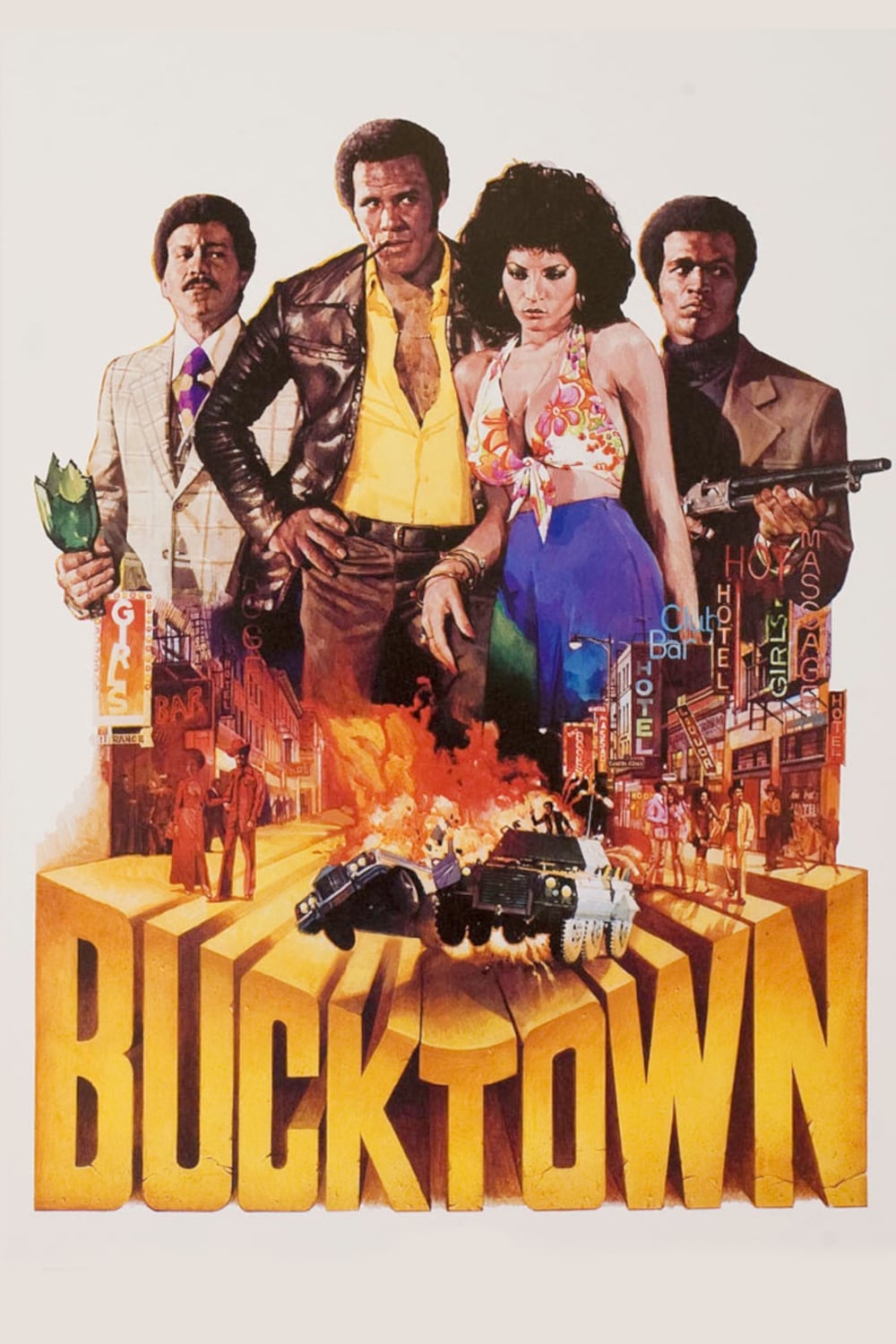
A man travels to a small town to settle his brother’s affairs and opens a nightclub, only to face a corrupt police force that extorts local businesses. He calls in friends to clean up the city, but their methods spark a second power struggle.
Arthur Marks directed with Fred Williamson and Pam Grier leading a cast that included Thalmus Rasulala. American International Pictures released the film and the production shot on Midwestern locations to capture courthouse squares, rural roads, and main street storefronts.
‘Black Gunn’ (1972)
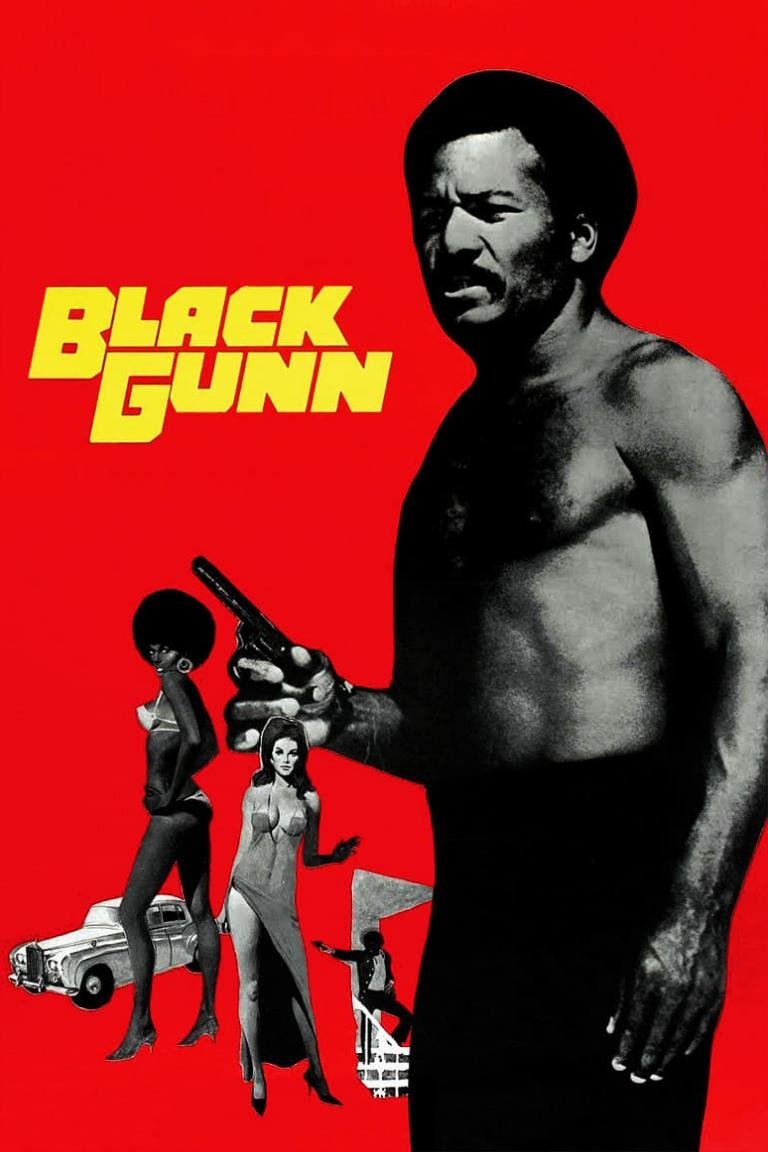
A Los Angeles nightclub owner gets pulled into a war between a Black militant group and organized crime after a robbery hits a mob front. The conflict escalates into drive by attacks and a finale staged in an industrial yard.
Jim Brown stars with Martin Landau and Luciana Paluzzi, and British director Robert Hartford Davis takes the helm. Columbia Pictures distributed the film and promoted its mix of underworld intrigue and urban action set pieces.
‘Hit Man’ (1972)
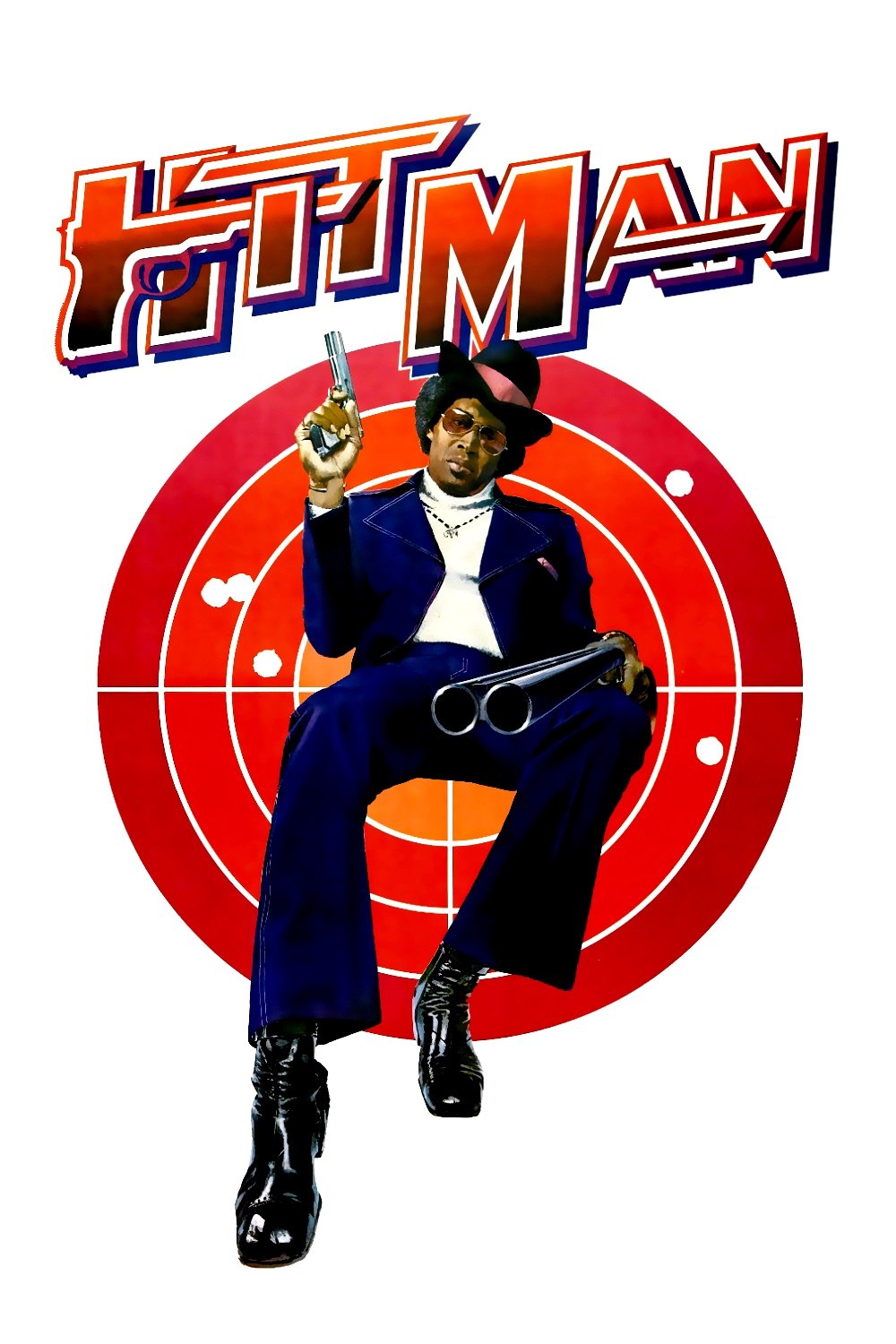
A West Coast enforcer investigates his brother’s death and discovers a pornography ring tied to a crime boss. He moves through pool halls, galleries, and hillside mansions while pressuring insiders to flip.
George Armitage directed this loose remake of ‘Get Carter’ with Bernie Casey in the lead and Pam Grier in a key role. The film relocates the story to Los Angeles and uses local locations to reshape the original’s plot turns for a new audience.
‘The Black Godfather’ (1974)
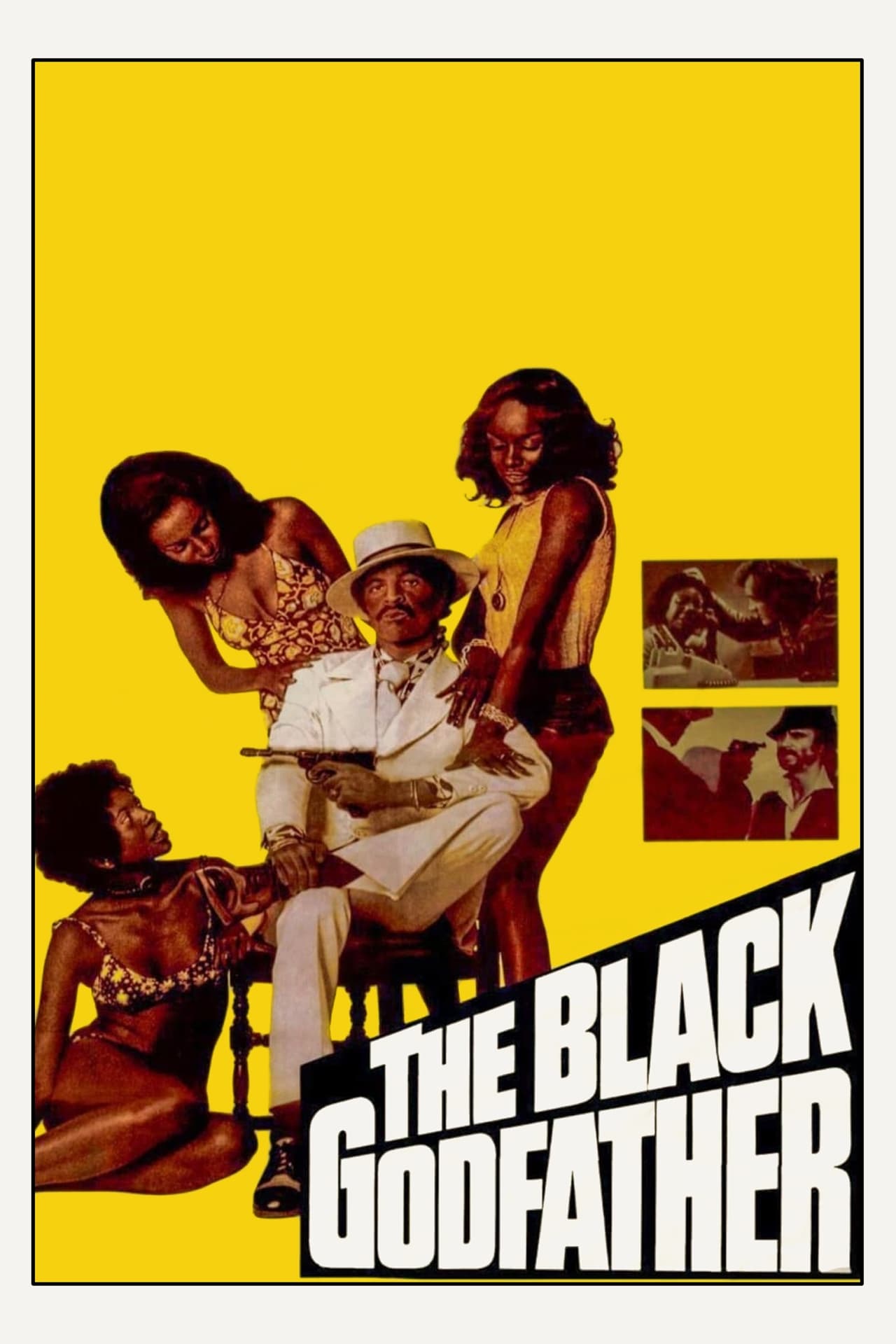
A small time hustler builds his own organization and challenges Italian mob control over neighborhood drug routes. He tries to redirect money into community programs while fending off corrupt officers who want a cut.
John Evans directed with Rod Perry as the rising boss and Don Chastain as the rival. The independent production used guerrilla shooting on Los Angeles streets and leveraged regional distribution to find strong play in urban theaters.
‘Sheba, Baby’ (1975)
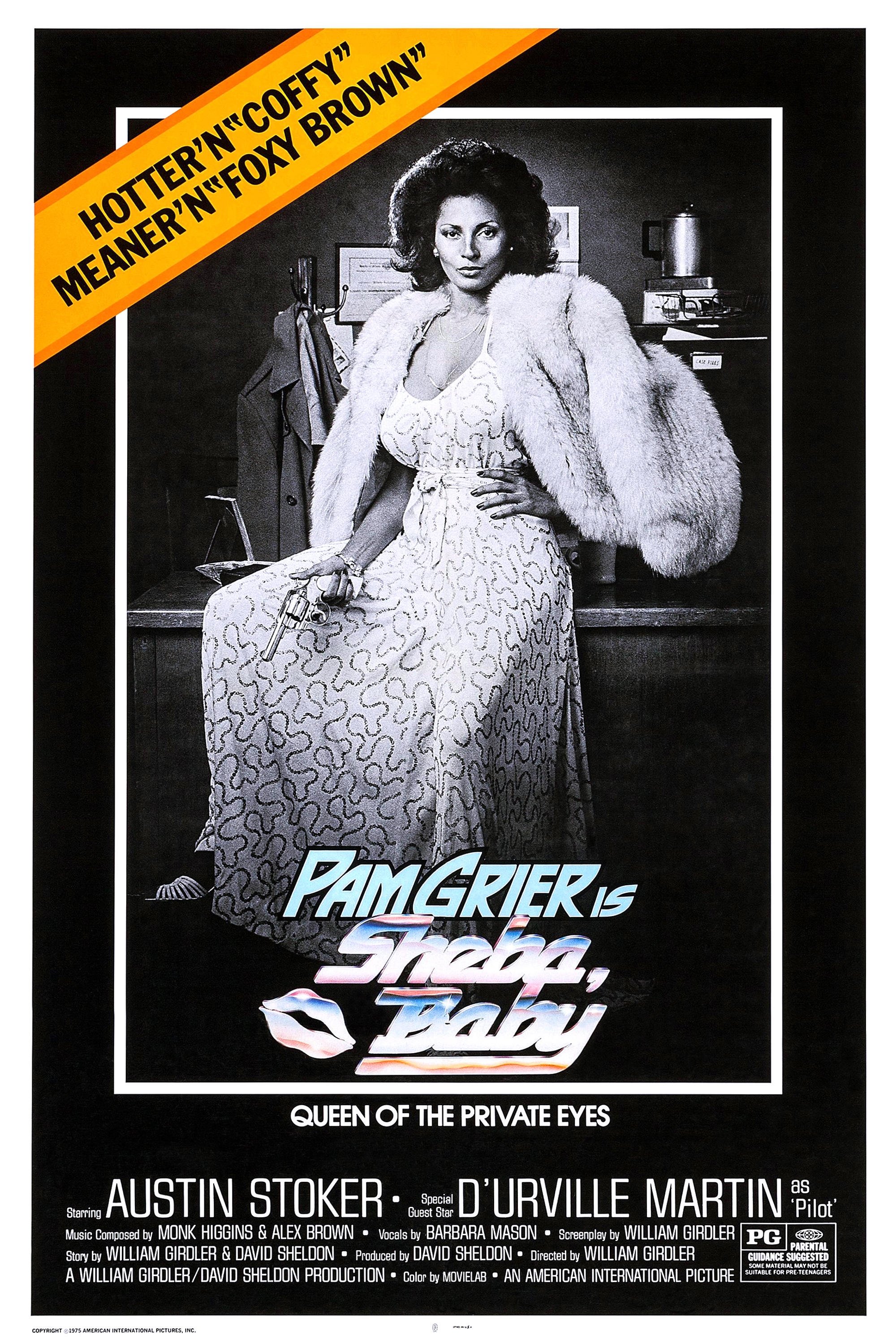
A private investigator returns to her hometown to help her father after a loan company draws the attention of a violent syndicate. The case moves from storefront offices to riverfront marinas as Sheba pressures mid level operators to reveal who is giving the orders.
William Girdler directed with Pam Grier as Sheba Shayne working opposite Austin Stoker and D’Urville Martin. The studio promoted the film around Grier’s action credentials and shot scenes in Louisville and Chicago to show two sides of the operation.
‘The Candy Tangerine Man’ (1975)
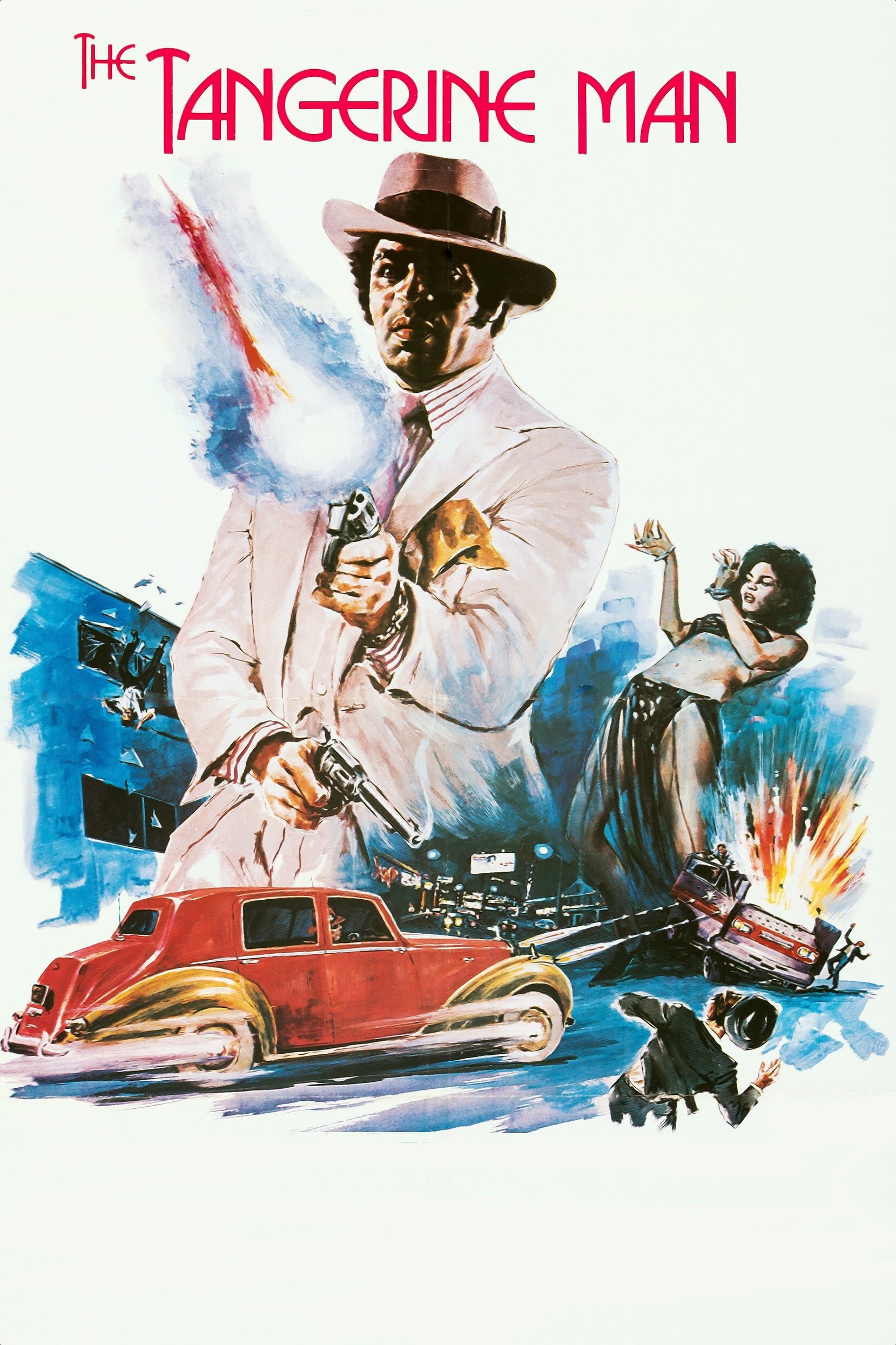
A well known Sunset Strip figure runs an escort business by night while maintaining a quiet family life in the suburbs by day. Rivals and police pressure push him to defend territory while keeping his double identity hidden.
Matt Cimber directed with John Daniels in the lead and Marlo Monte as his closest ally. Crown International Pictures distributed the film and the production made extensive use of Los Angeles nightlife locations along with stretches of the Strip for cruising sequences.
‘Abby’ (1974)
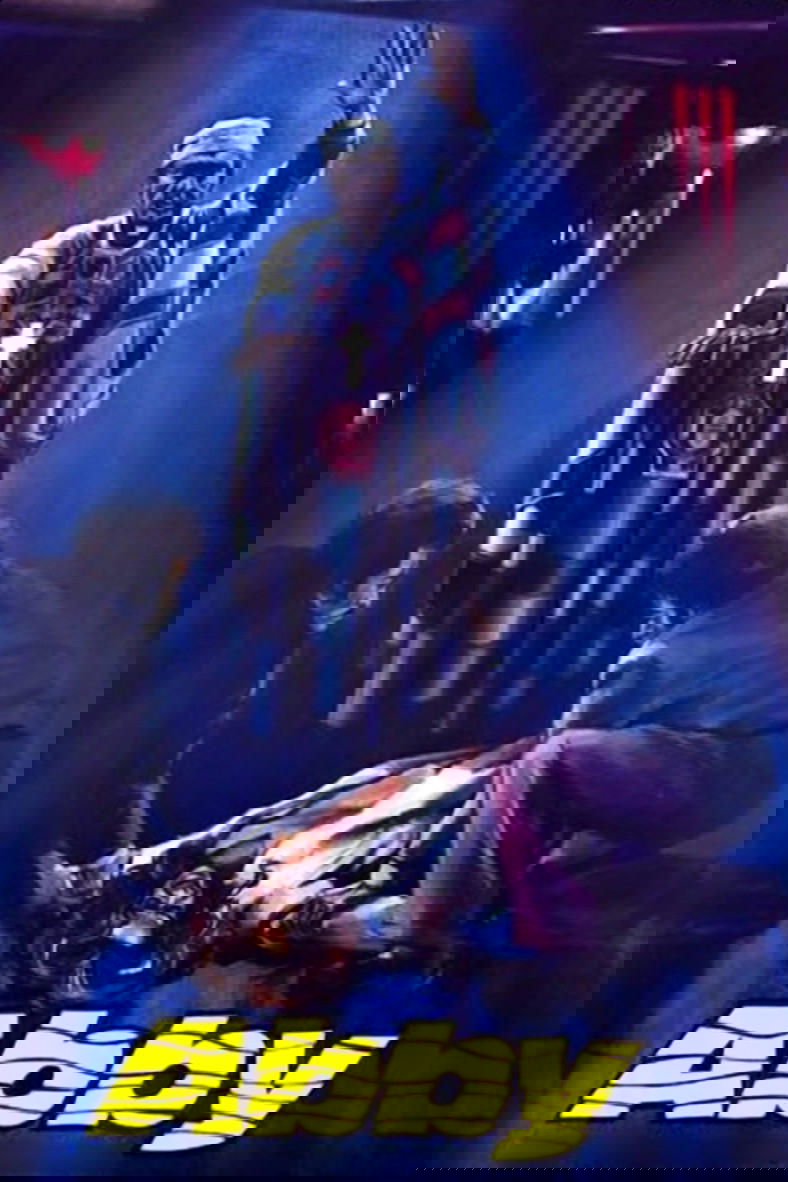
A church counselor becomes possessed after an artifact is opened during a mission, and an expert is called in to confront the force within her. The story sets its exorcism scenes in apartments, churches, and hospital rooms, tying the case to family dynamics.
William Girdler directed with Carol Speed and William Marshall headlining. The movie faced a legal challenge from a major studio over similarities to another possession hit, which led to its removal from many theaters during its run.
‘Dr. Black, Mr. Hyde’ (1976)
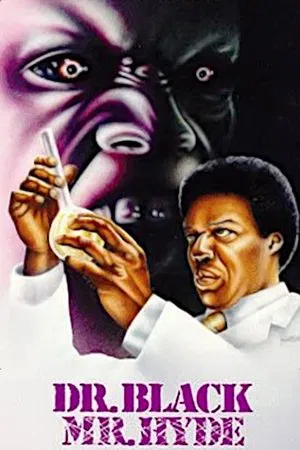
Dimension Pictures Inc.A respected physician experiments with a serum that strengthens the body and alters skin pigment, only to find that the transformation unleashes violent impulses. As attacks spread through Watts, police search for a suspect who seems to blend in and disappear.
William Crain directed with Bernie Casey and Rosalind Cash in central roles. Dimension Pictures released the film and the production used night photography on South Los Angeles streets to stage pursuit scenes and alley confrontations.
‘Ganja & Hess’ (1973)

An anthropologist is stabbed with an ancient dagger and develops a dependence on blood that he hides behind a calm academic routine. He meets Ganja, the wife of his missing assistant, and their relationship becomes the center of the story.
Bill Gunn wrote and directed with Duane Jones and Marlene Clark. The distributor later re edited the film under the title ‘Blood Couple’ for wider play, and restorations returned the original cut to circulation with museum and festival screenings.
‘Petey Wheatstraw’ (1977)
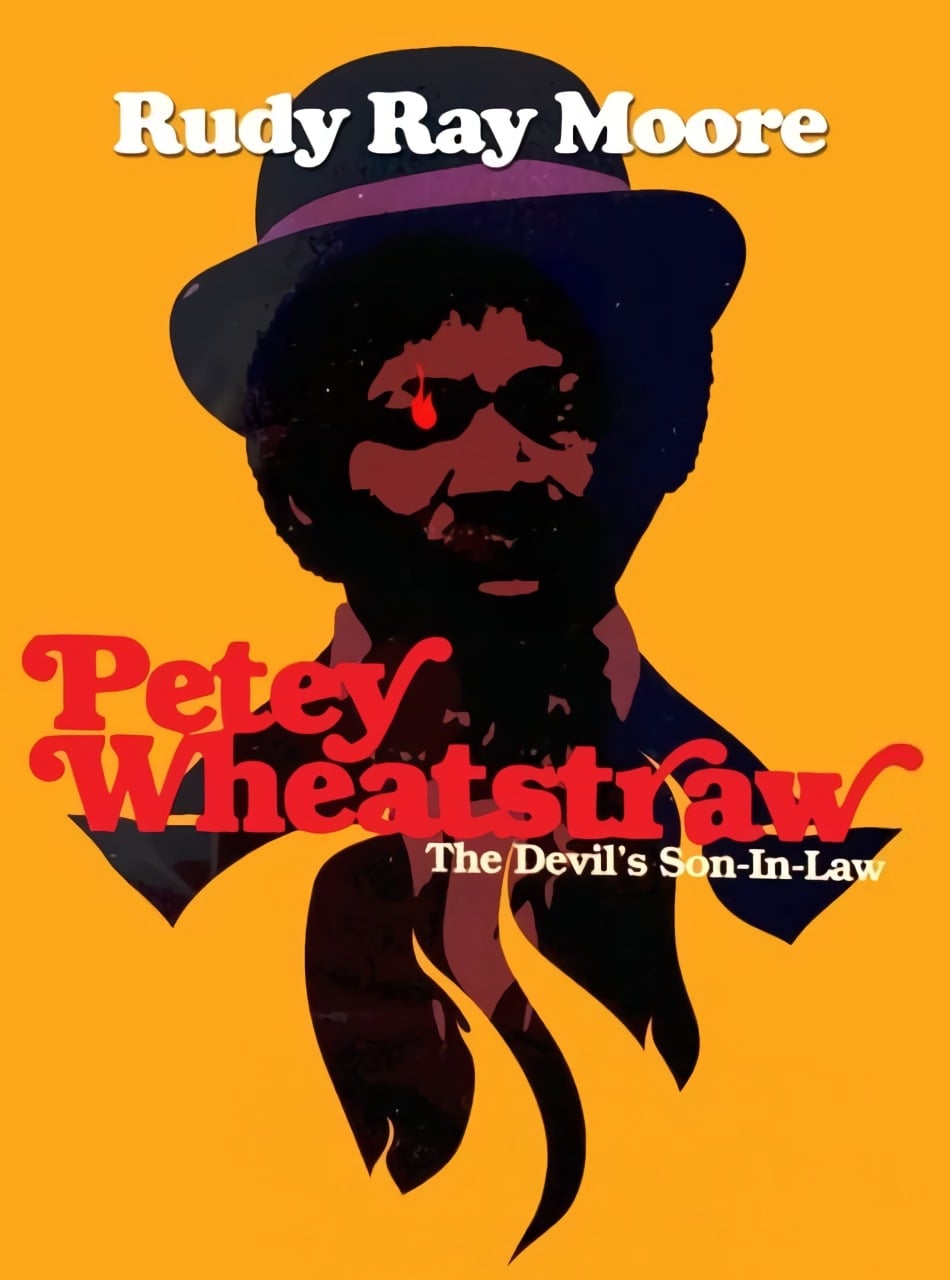
A comedian is killed in a gangland attack and makes a deal to return to life in exchange for marrying the Devil’s daughter. He uses a magical cane to even scores with a rival club owner while trying to escape the wedding day.
Cliff Roquemore directed with Rudy Ray Moore in the lead and Jimmy Lynch as his sidekick. The production mixed nightclub sets with location shooting in Los Angeles and leaned on Moore’s stage routines to shape the action and comic beats.
‘The Human Tornado’ (1976)

Dolemite flees a crooked sheriff and sets up in a new town where he helps a friend defend a nightclub from extortion. The story follows the crew as they outsmart local authorities and a gang that wants the property.
Cliff Roquemore directed the sequel with Rudy Ray Moore returning as Dolemite and Lady Reed back as Queen Bee. Dimension Pictures handled distribution and the film combined fast cut fights with stand up interludes that tie back to Moore’s album material.
‘Blackenstein’ (1973)
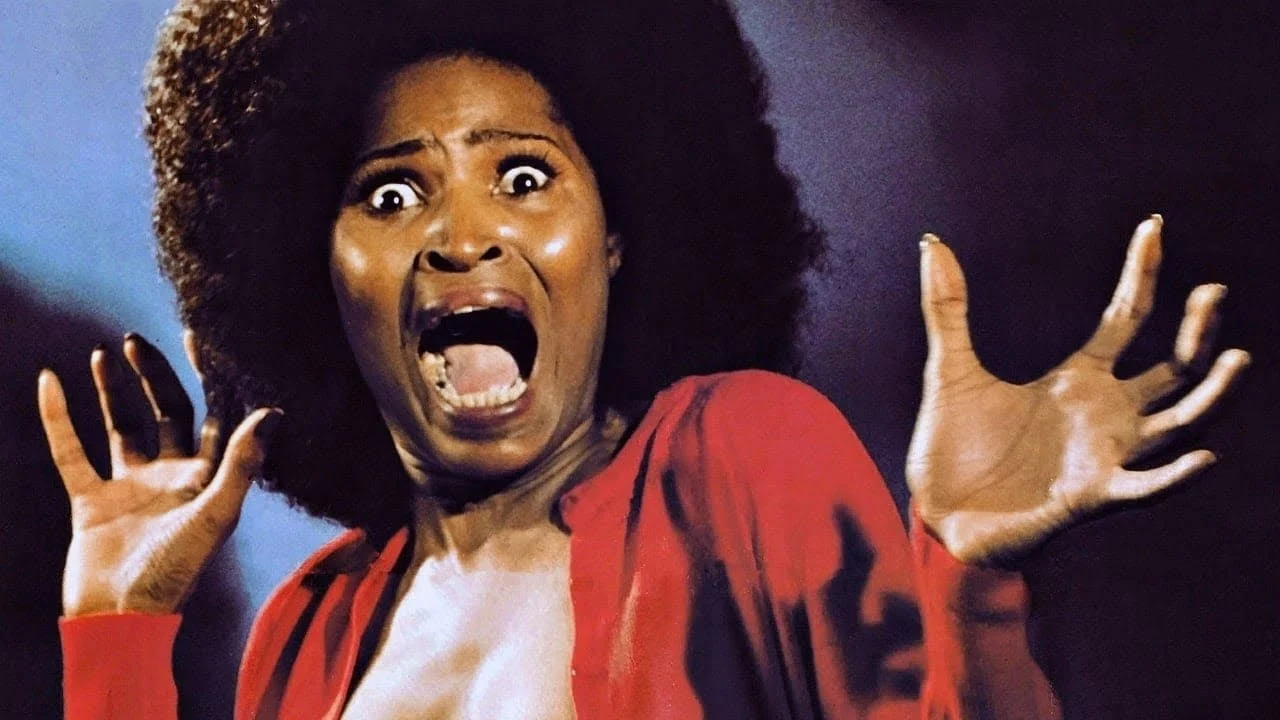
A wounded veteran receives experimental limb transplants in a Beverly Hills lab, but a jealous assistant sabotages the treatment and the patient becomes violent. Police track a series of attacks that lead back to the clinic.
William A. Levey directed with Ivory Stone and John Hart in supporting roles. The production used mansion interiors for the laboratory setting and released the film through independent channels that focused on midnight programs.
‘Thomasine & Bushrod’ (1974)
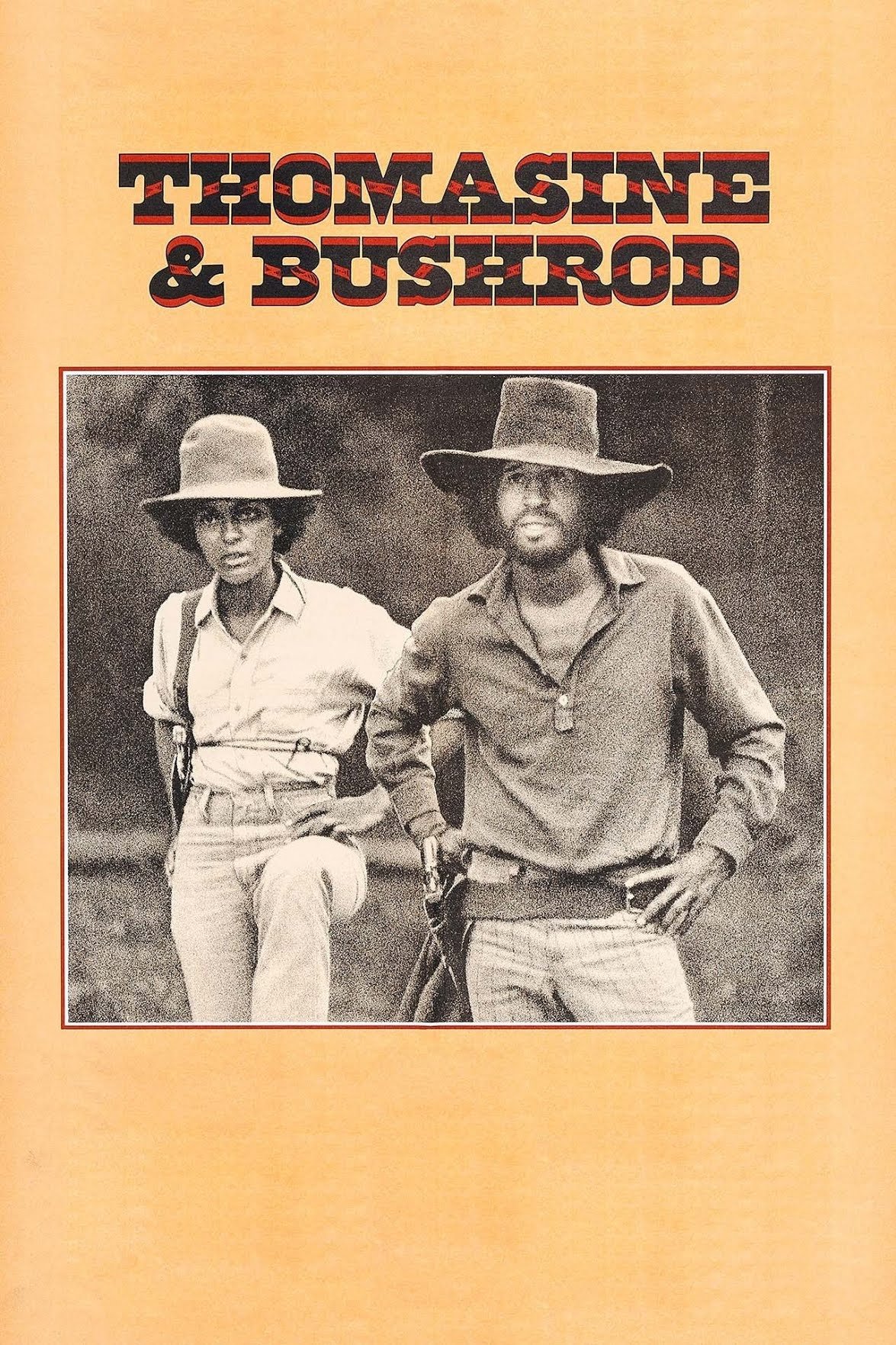
An outlaw couple travels the Southwest robbing banks and sharing the proceeds with poor communities, while a persistent lawman follows their trail. The pair struggle to stay ahead of posses as they balance their public legend with private plans.
Gordon Parks Jr. directed with Max Julien and Vonetta McGee, reuniting after ‘The Mack’. Columbia Pictures released the film and the production combined desert landscapes with small town streets to deliver a Black western that mirrors Depression era folk tales.
‘Detroit 9000’ (1973)
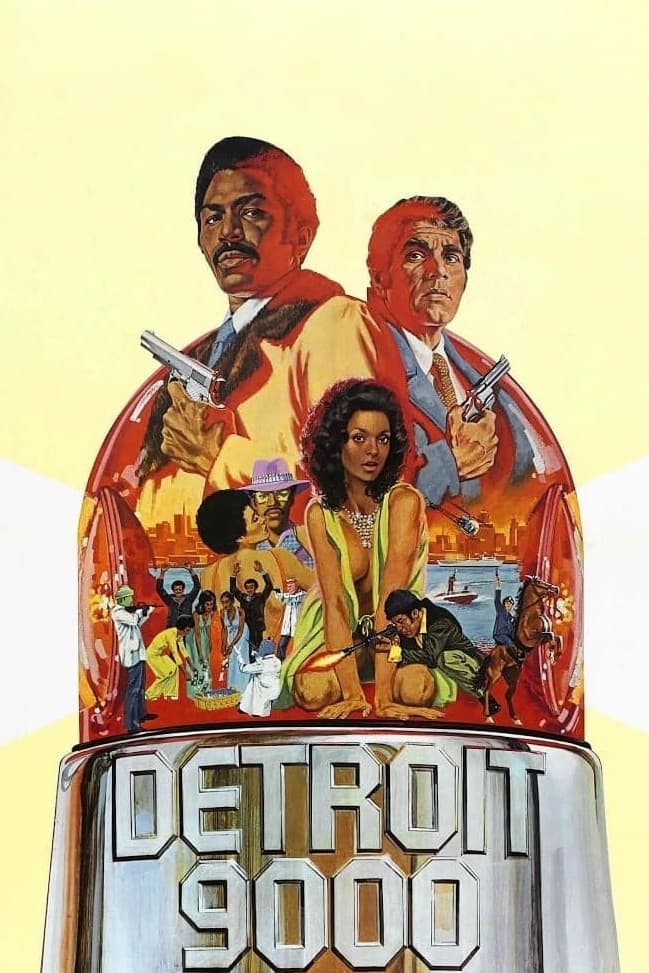
A brazen heist hits a political fundraiser and two Detroit detectives from different backgrounds team up to find the crew. The case moves through campaign offices, auto plants, and Motown era clubs as suspects try to play both sides.
Arthur Marks directed with Hari Rhodes and Alex Rocco leading the investigation. The movie was shot on Detroit locations with assistance from city agencies and later received a national reissue that brought it to new theaters years after the original run.
‘Dolemite’ (1975)
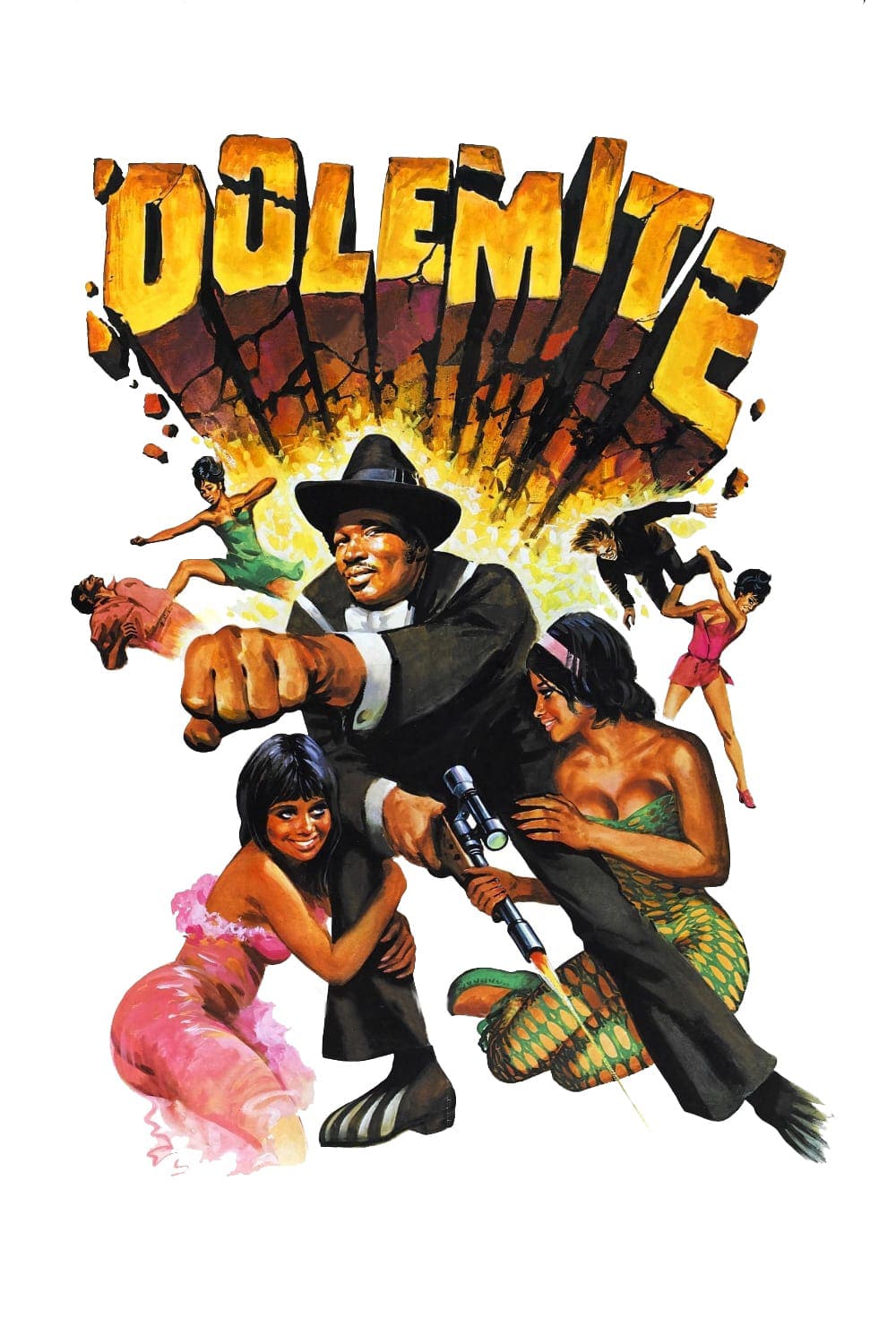
Rudy Ray Moore brings his stage persona to the screen as nightclub owner and folk hero Dolemite, framed by corrupt officials and forced to clean up his city with karate and rhymes. D’Urville Martin directs and also appears on screen as the rival Willie Green.
Dimension Pictures released the film and its success led to sequels including ‘The Human Tornado’ and ‘Petey Wheatstraw’. The dialogue and comic routines traveled into stand up albums and sampling culture.
‘Truck Turner’ (1974)
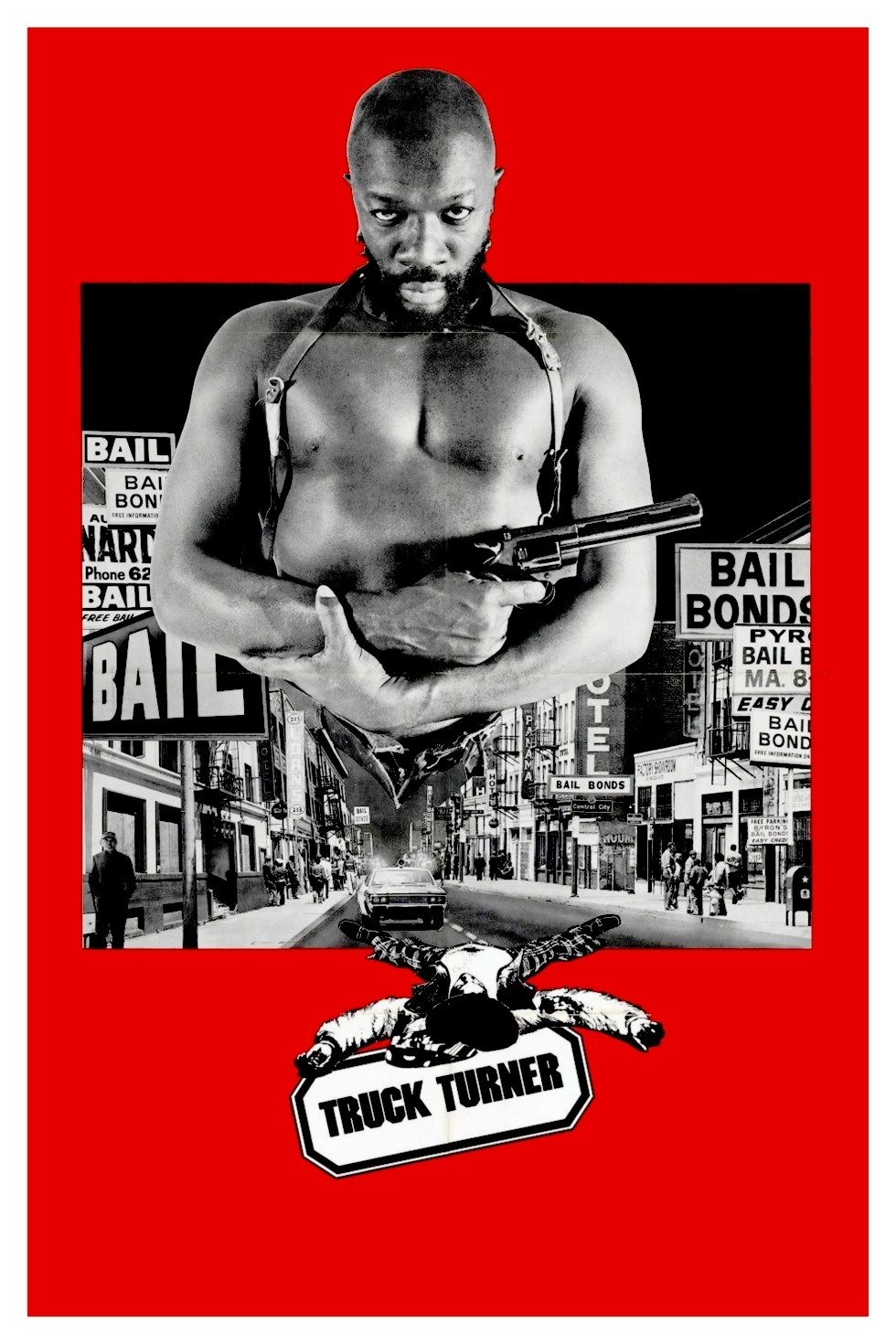
Isaac Hayes stars as bounty hunter Mack Truck Turner, a former pro athlete who chases a bail jumper and ignites a turf grab by local madams and gang bosses. Jonathan Kaplan directs chases through downtown streets and apartment complexes with crisp stunt work.
Hayes composed the score and songs, creating an album that pairs with his other soundtrack work of the era. Yaphet Kotto and Nichelle Nichols deliver memorable antagonists whose moves push Turner into a final showdown.
‘Three the Hard Way’ (1974)
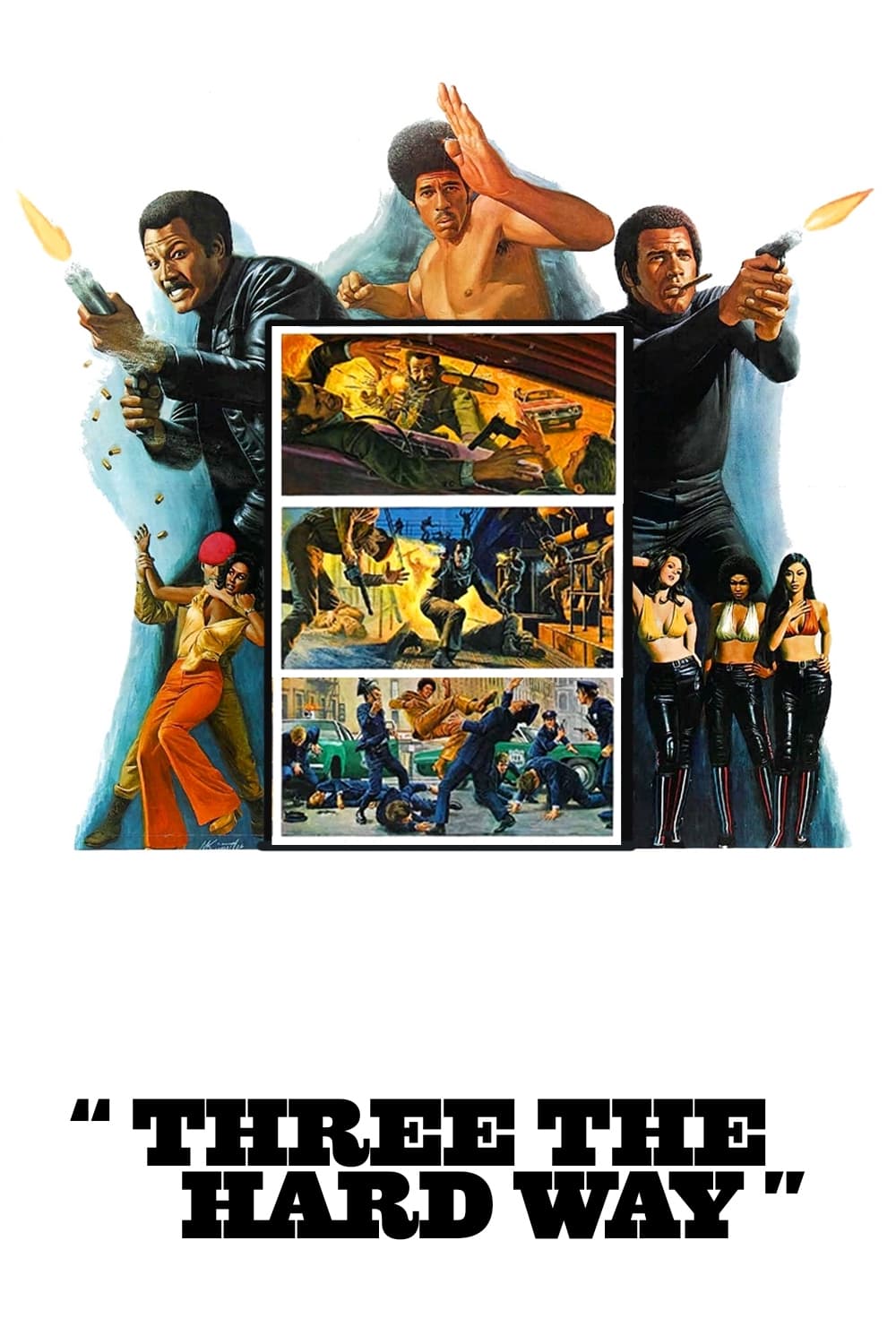
Jim Brown, Fred Williamson, and Jim Kelly team up to stop a terror plot targeting city water systems in Black neighborhoods. Gordon Parks Jr. directs a cross country chase that strings together safe houses, shootouts, and martial arts showcases.
The production gives each lead a specialty and then interlocks those skills in the action scenes. The movie’s success led to more team ups for the trio in later pictures, extending their box office draw.
‘Trouble Man’ (1972)
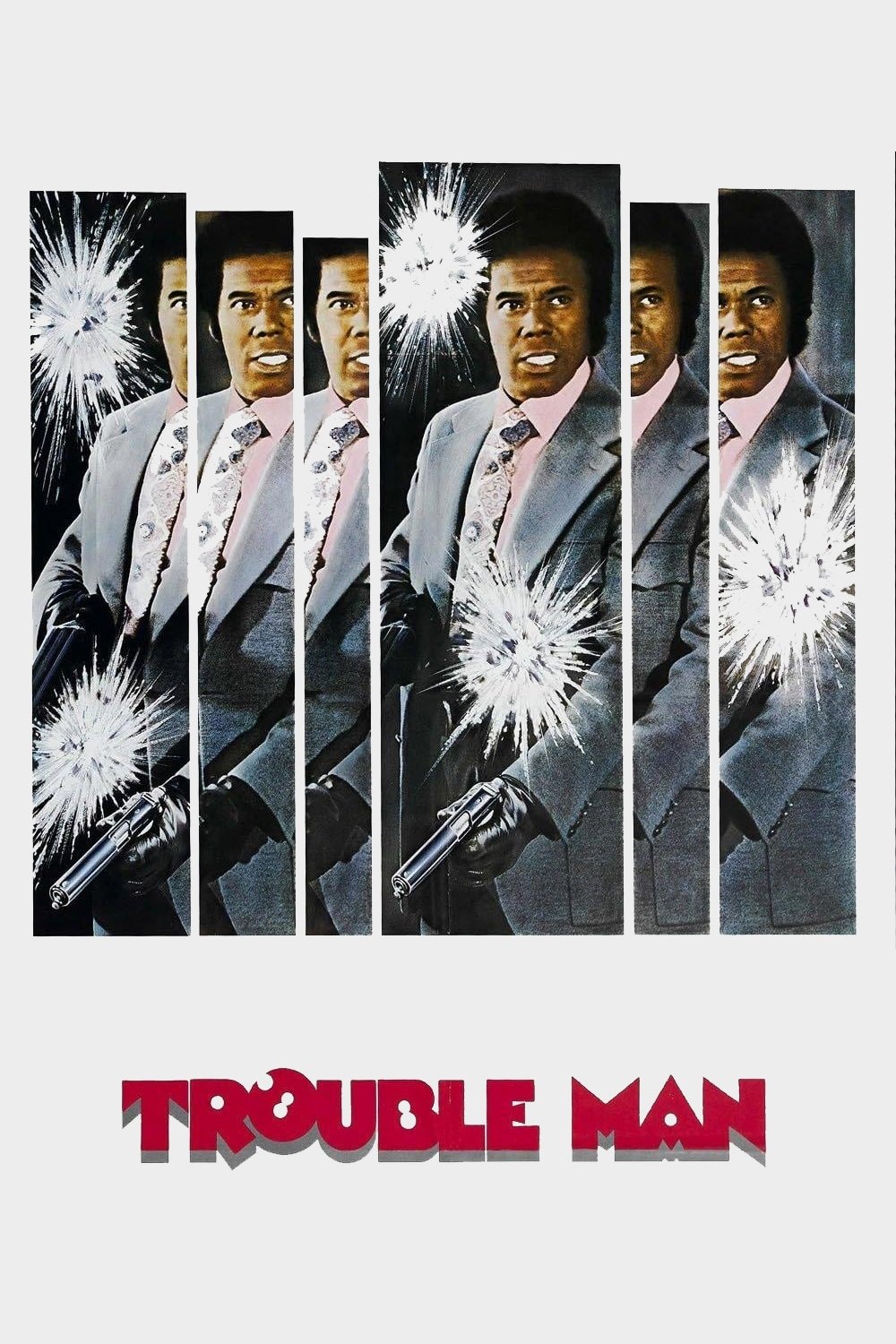
Robert Hooks plays private fixer Mr. T, a South Central operator who solves problems for a price until a setup forces him to outmaneuver both gangsters and police. Ivan Dixon directs a sleek caper that moves through pool halls, offices, and nightspots.
Marvin Gaye delivered a concept album as the soundtrack, with themes that mirror the character’s code and routines. Twentieth Century Fox distributed the film and used the music to anchor advertising across radio and print.
‘The Spook Who Sat by the Door’ (1973)
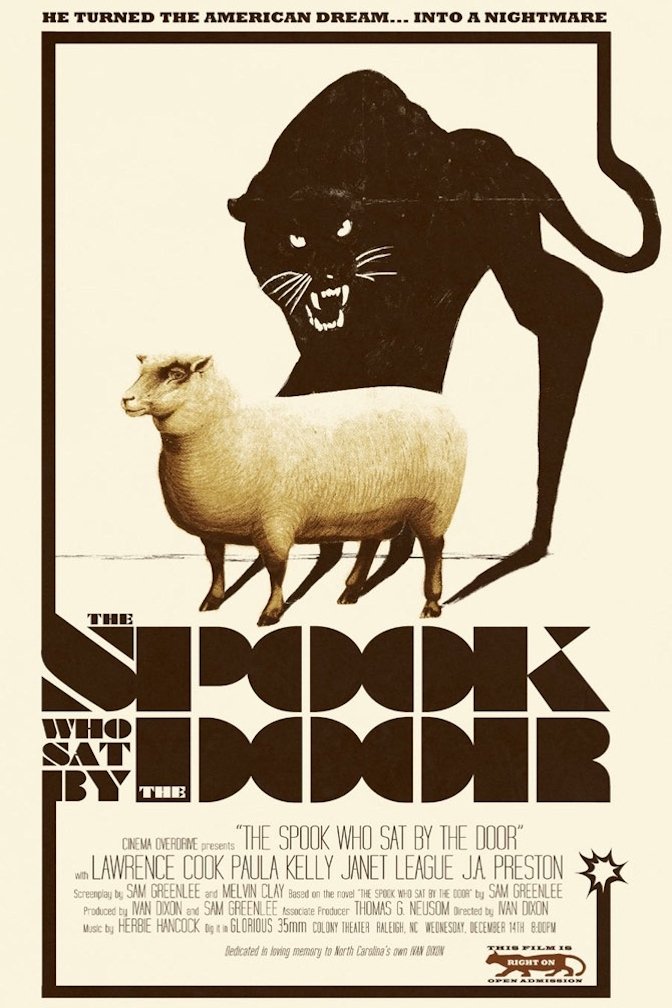
Ivan Dixon directs this adaptation of Sam Greenlee’s novel about a former intelligence recruit who uses training to organize street level resistance. Filmed largely in Chicago, it ties covert skills to community networks and local politics.
The movie faced distribution pushback that limited its initial run, yet prints circulated through campus and community screenings. Its impact shows up in later films that connect government programs to neighborhood realities.
‘Willie Dynamite’ (1974)
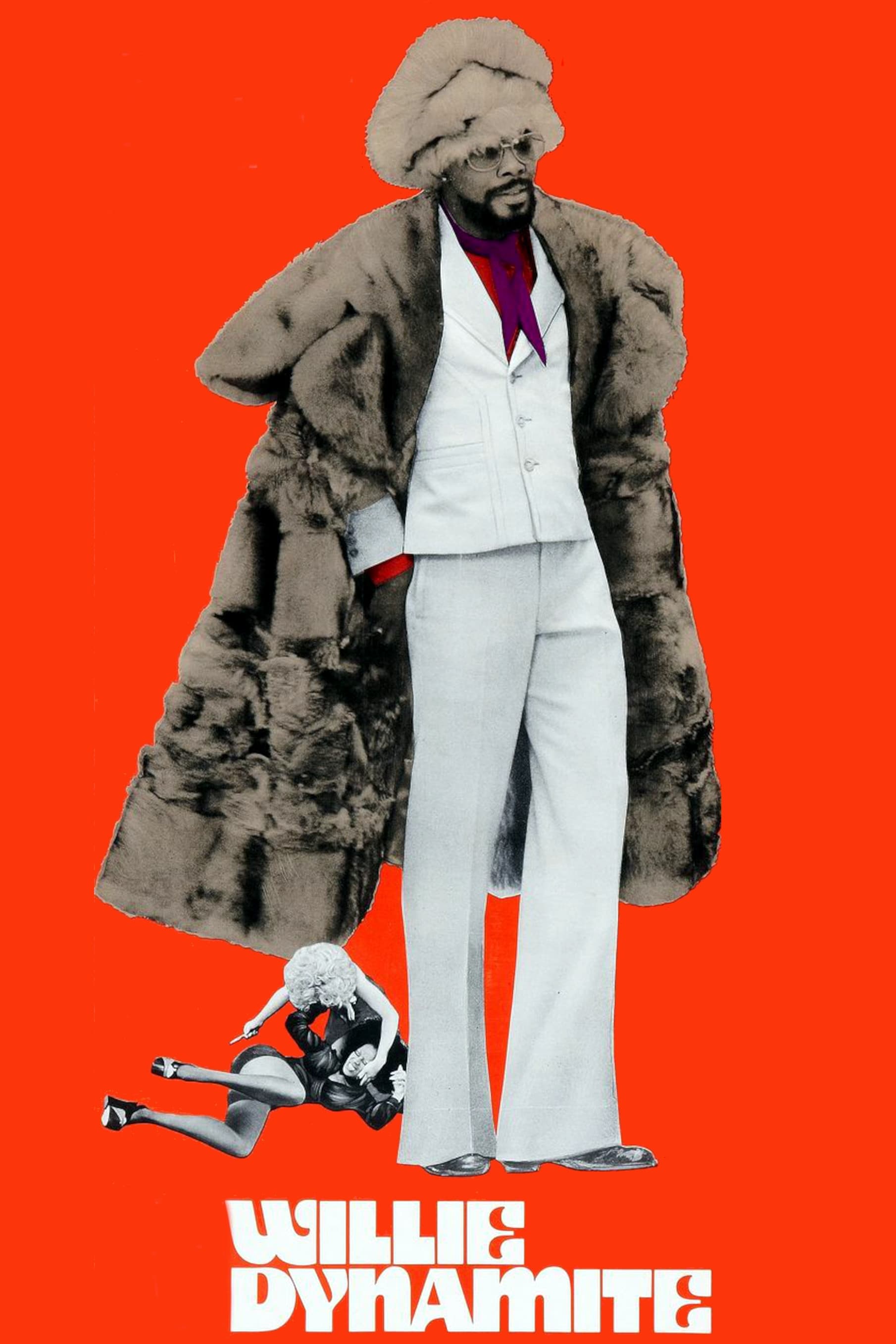
Roscoe Orman plays Willie, an ambitious pimp whose empire collides with law enforcement and social workers pressing for exits from exploitation. Gilbert Moses directs a story that shows courtrooms, precincts, and fashion shows as parts of the same ecosystem.
Universal Pictures backed the release and the wardrobe team created standout looks that set the character apart from rivals. Orman later became widely known for long running television work, which drew renewed attention to this earlier performance.
‘Cleopatra Jones and the Casino of Gold’ (1975)
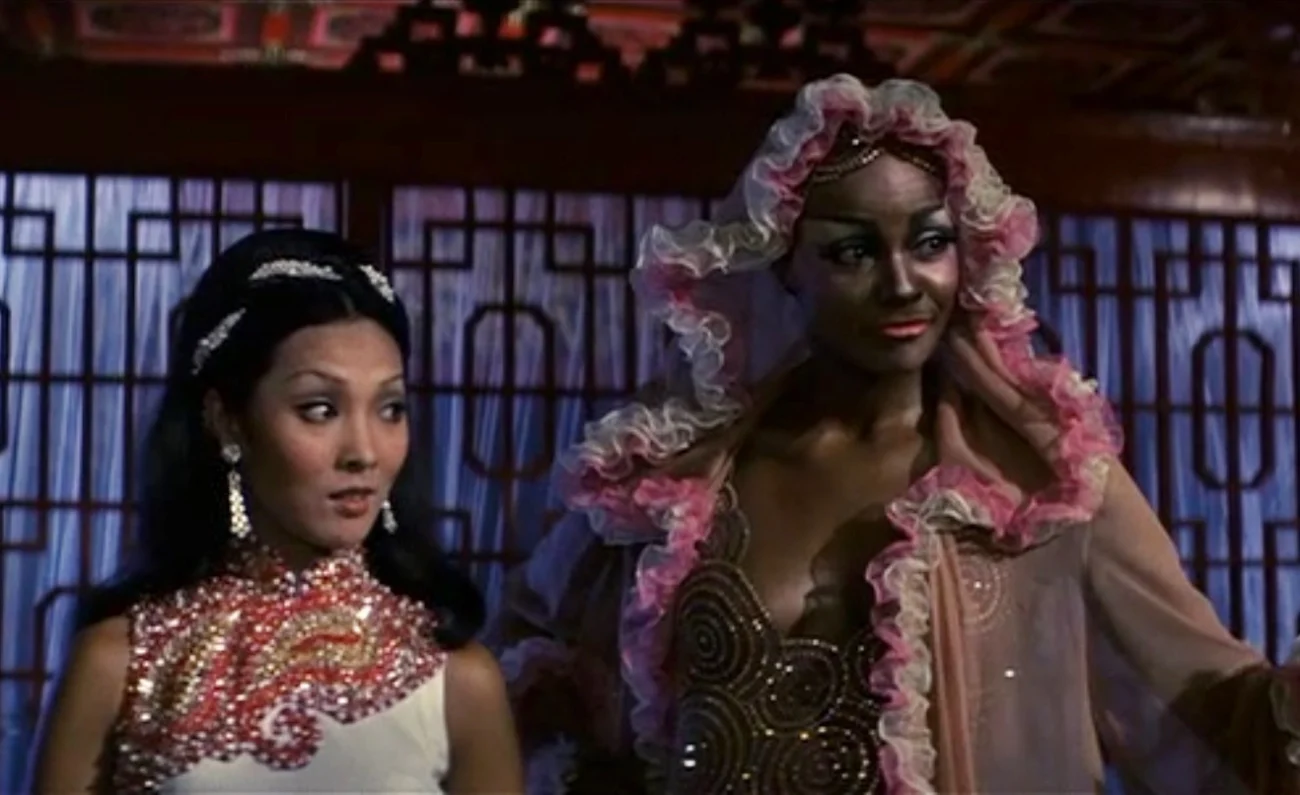
Tamara Dobson returns as a government agent whose search for kidnapped allies leads from Hong Kong streets to a Macau gambling palace controlled by a crime boss known as the Dragon Lady. The mission links local detectives, martial arts schools, and smuggling routes while the investigation works its way up the chain of command.
The production shifted the series to East Asia with location shooting in ports, markets, and high rise hotels. Warner Bros released the film as a direct sequel, promoted Dobson’s wardrobe and stunt work, and expanded the character’s network with new partners on the ground.
‘Hammer’ (1972)

A club fighter gets noticed by a manager who can move him into bigger bouts, only to learn that the backing comes with strings tied to a criminal outfit. As the purses grow, pressure from fixers forces a choice between a straight path and a fast payout.
Fred Williamson headlines with scenes staged in training gyms, locker rooms, and arenas that mirror West Coast boxing circuits. United Artists handled distribution and the filmmakers used practical fight choreography to keep the story anchored in the business of prizefighting.
‘The Final Comedown’ (1972)

A young activist drifts from campus meetings into street confrontations as clashes with police escalate around a neighborhood coalition. Flashbacks trace how he arrived at a breaking point while negotiations, raids, and informants reshape the group from the inside.
Oscar Williams directed for New World Pictures and later footage was added for a reissue under an alternate title to broaden regional play. Billy Dee Williams and D’Urville Martin lead a cast that moves between community centers, safe apartments, and courthouse hallways.
‘Black Samson’ (1974)
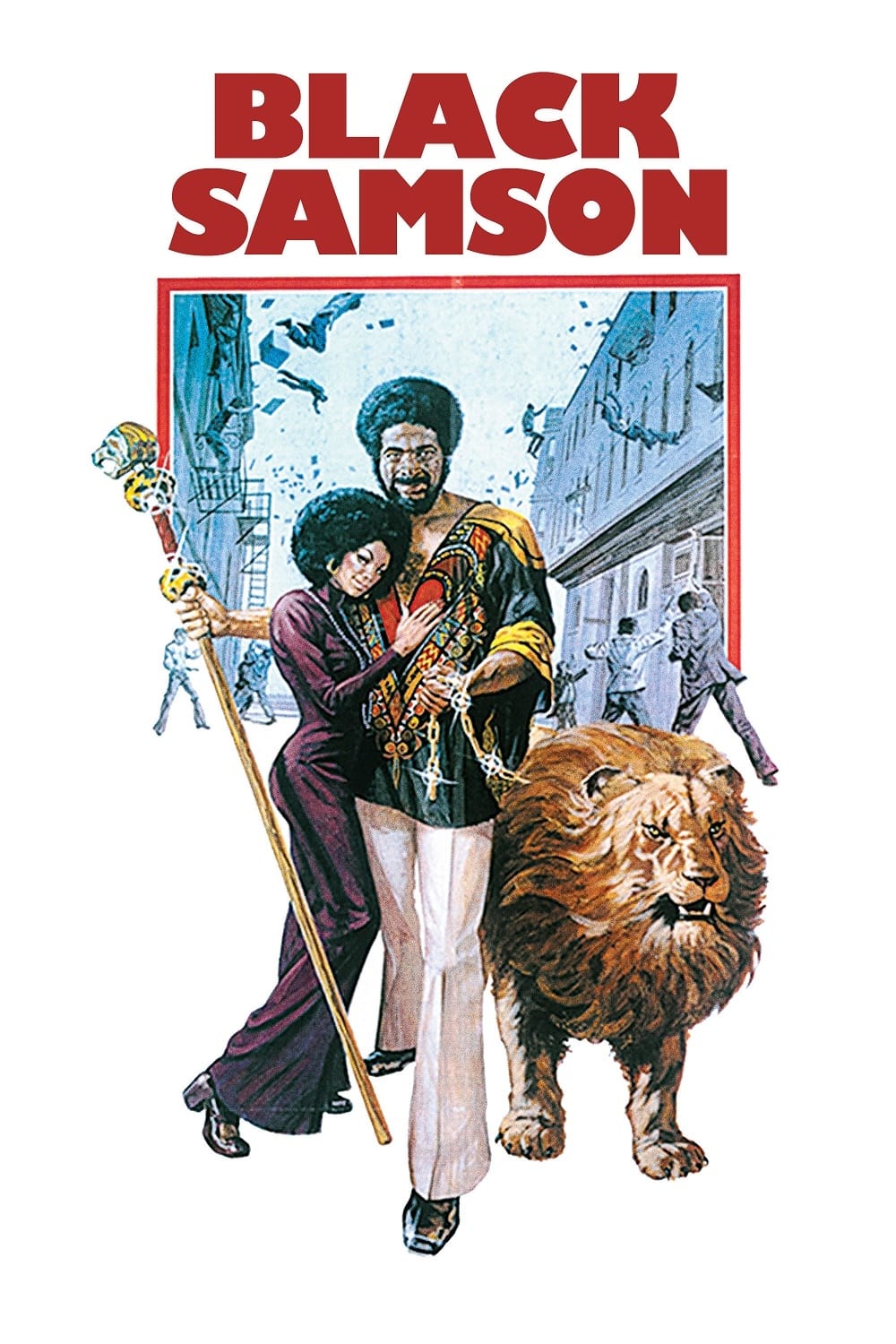
A nightclub owner who keeps a lion in his office tries to keep peace in his neighborhood until a drug crew pushes into the area. When talks fail, his club becomes the line that separates small businesses from the out of town syndicate that wants the block.
Rockne Tarkington stars opposite William Smith with action set on Los Angeles streets, warehouses, and alleyways. Warner Bros distributed the film and the production leaned on practical stunts along with the club’s live band to tie music to the setting.
‘TNT Jackson’ (1974)
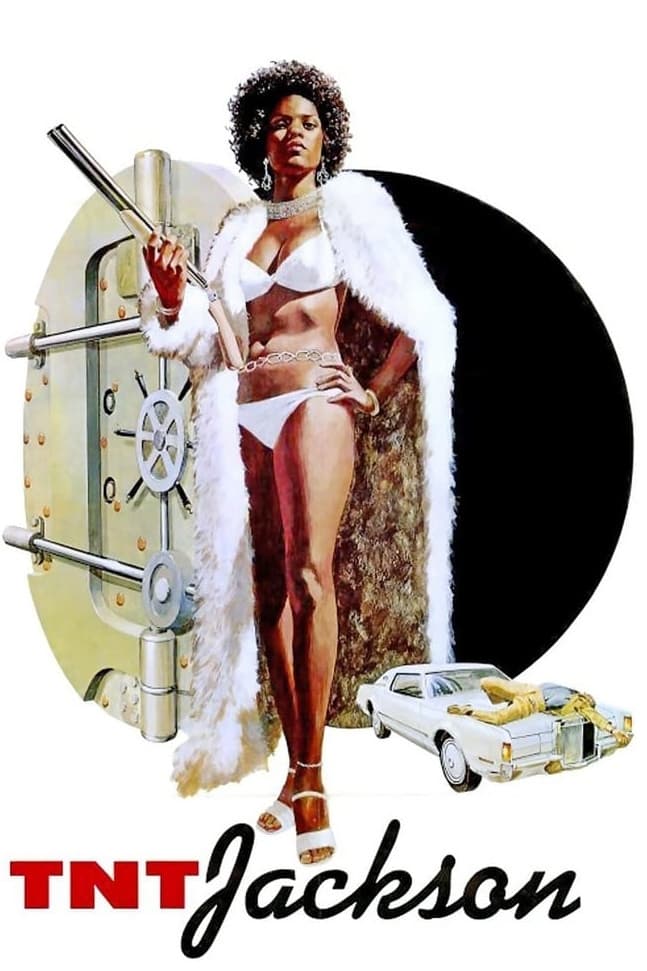
A woman flies to Hong Kong to find her missing brother and discovers a heroin ring that uses fashion showrooms and backroom deals as cover. She works her way through the organization using undercover jobs and quick strikes in alleys and nightclubs.
Cirio H Santiago directed for New World Pictures and shot in the Philippines and Hong Kong to stretch the budget across multiple districts. Jeannie Bell leads the cast with fight choreography that mixes karate, street brawling, and prop work in cramped interiors.
‘Disco Godfather’ (1979)
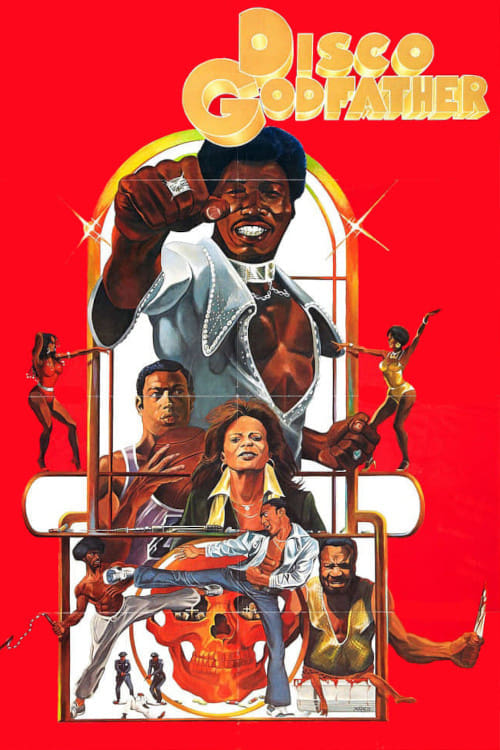
A former star deejay runs a community club and launches a campaign against angel dust after a family member is harmed by the drug. The plot links dance floor scenes to hospital wards and police briefings as informants map the supply chain.
Rudy Ray Moore plays Tucker Williams and J Robert Wagoner directed with location work across South Los Angeles. Dimension Pictures released the film and paired it with a soundtrack that features club numbers and theme cues tied to the anti drug message.
‘Black Shampoo’ (1976)
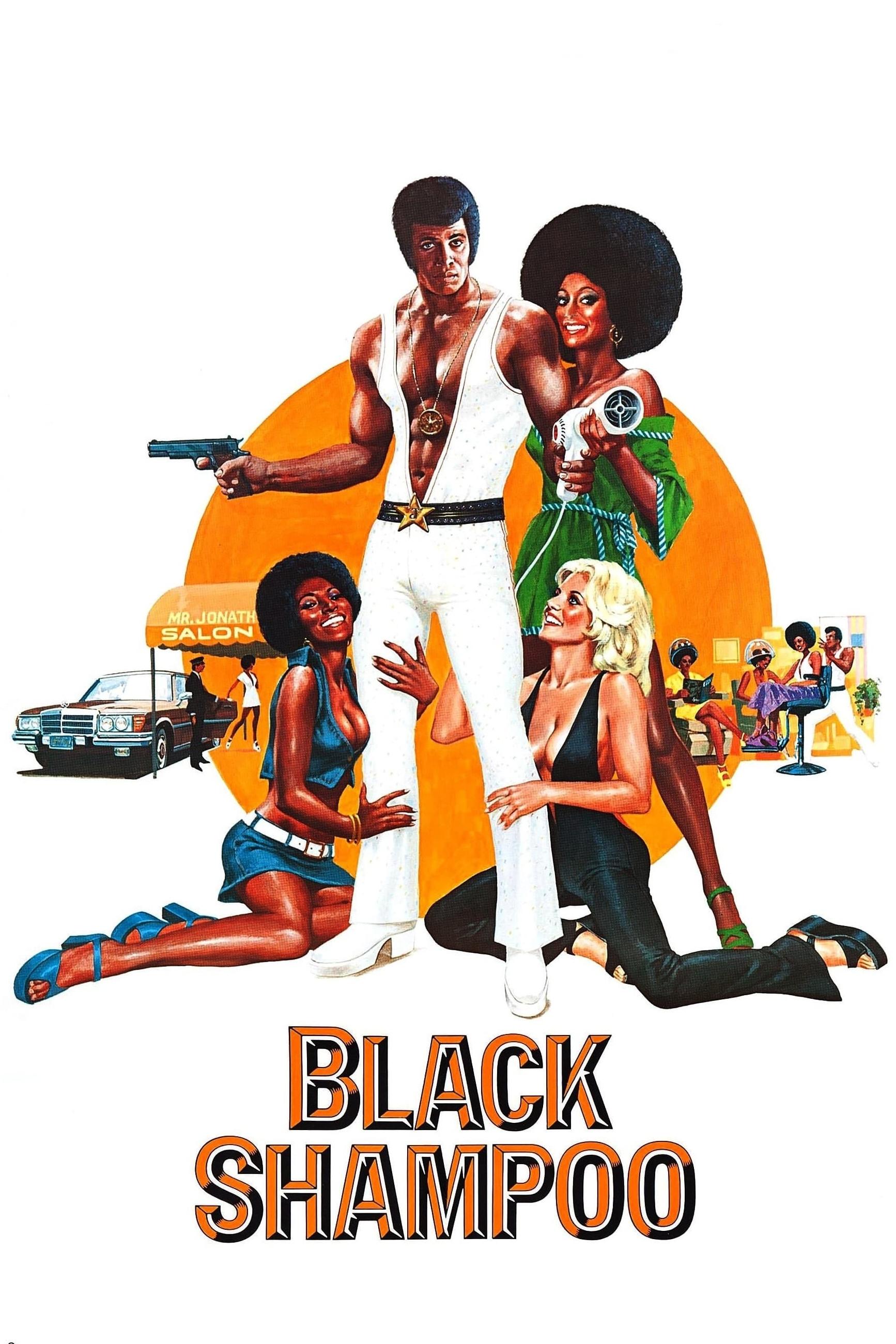
A Beverly Hills hairdresser becomes a target after he refuses to return a client to her mob connected boyfriend. When the salon is attacked, he uses his business network to identify the crew and track the boss behind the harassment.
Greydon Clark directed with John Daniels in the lead and shot in salons, model homes, and canyon roads around Los Angeles. Crown International Pictures handled distribution and marketed the picture by playing off the era’s interest in high end beauty culture and customized vans.
‘The Take’ (1974)
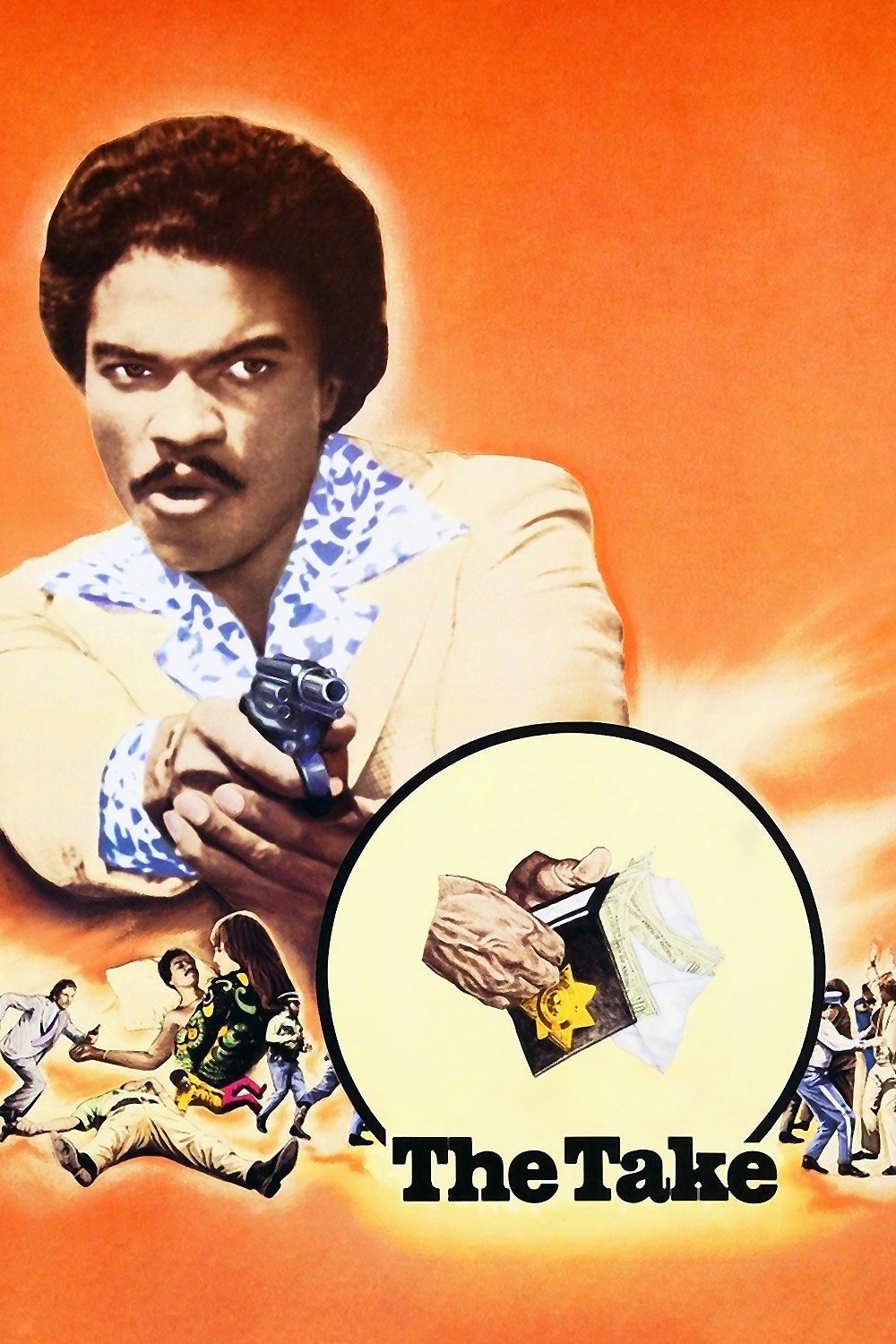
A big city detective transfers to a Southwestern town and immediately tangles with a syndicate that has the local economy in its pocket. Shakedowns, payoffs, and informant deals run alongside a case that tests whether the department will stand up to the pressure.
Billy Dee Williams stars with Eddie Albert and Vic Morrow and the production used New Mexico locations for banks, highways, and municipal offices. Robert Hartford Davis directed and the release emphasized car chases and shootouts that connect precinct work to the broader corruption plot.
‘Bamboo Gods and Iron Men’ (1974)
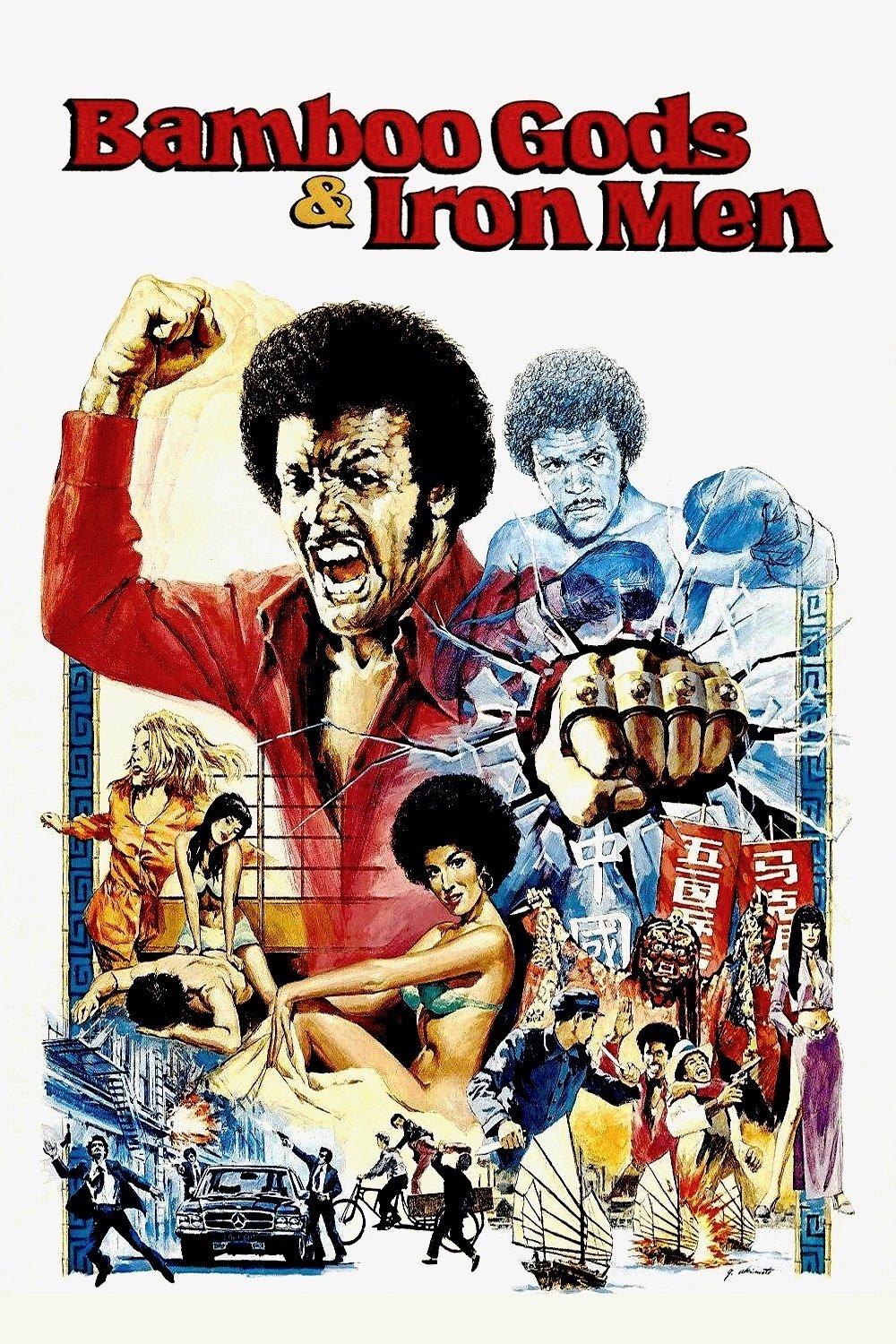
A vacationing couple in Manila is pulled into a scramble over a small statue that contains secrets valuable to a criminal ring. A martial artist steps in to protect them, drawing the attention of a gang that controls docks and warehouses.
James Iglehart headlines an international co production that filmed in Philippine ports, city streets, and rural roads. New World Pictures distributed in the United States and positioned the film for double bills with other action titles that mixed travel locations and fight showcases.
‘Welcome Home Brother Charles’ (1975)
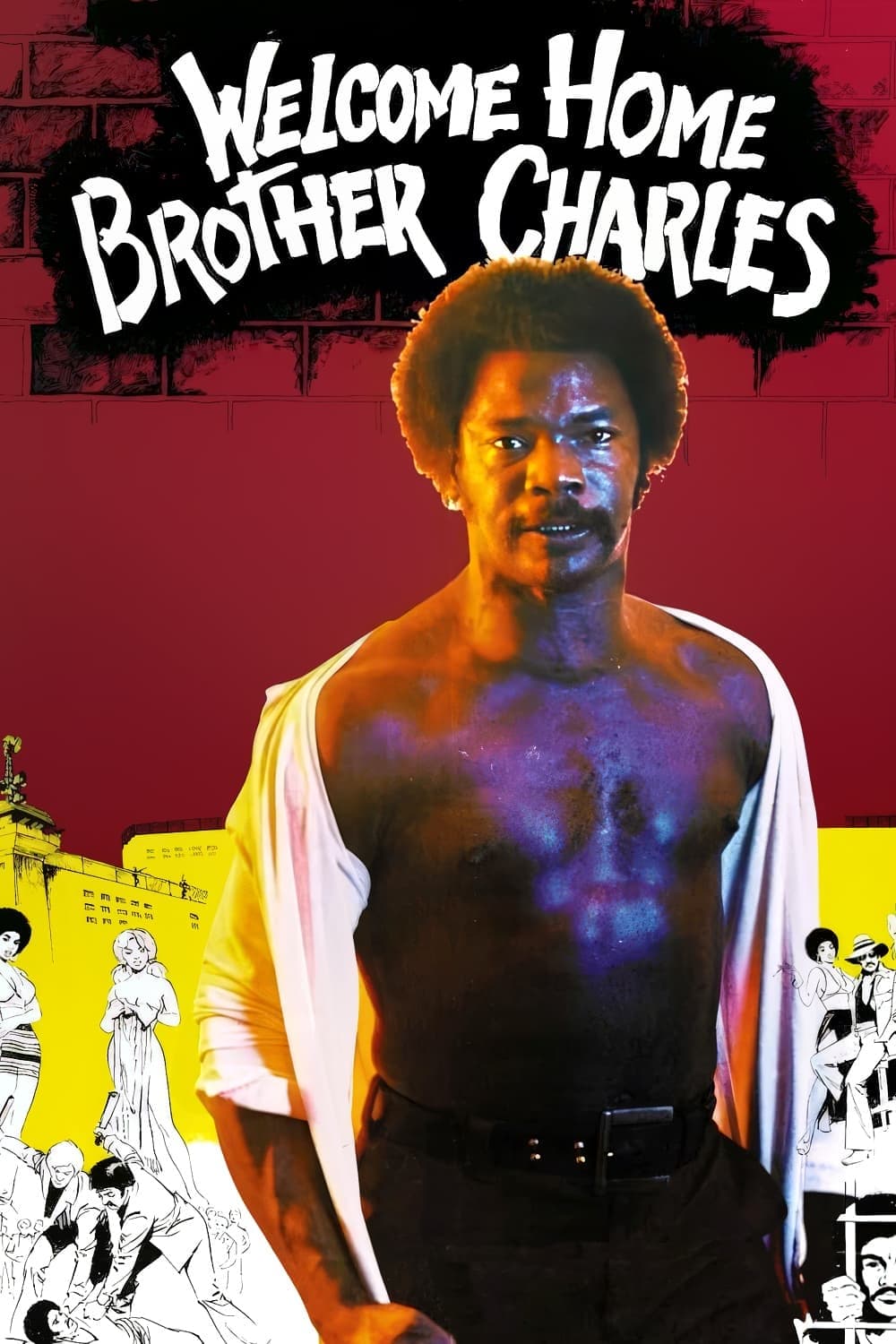
A small time hustler is framed by a racist detective and sent to prison, then returns home determined to expose the officer and the network that supported him. The story tracks his reintegration into neighborhood life while he stalks the people who built the case.
Jamaa Fanaka wrote and directed with shooting across South Los Angeles apartments, storefronts, and court facilities. The film was independently produced, later retitled for some markets, and became part of a trio of early Fanaka features that moved through campus circuits and specialty theaters.
‘J.D.’s Revenge’ (1976)
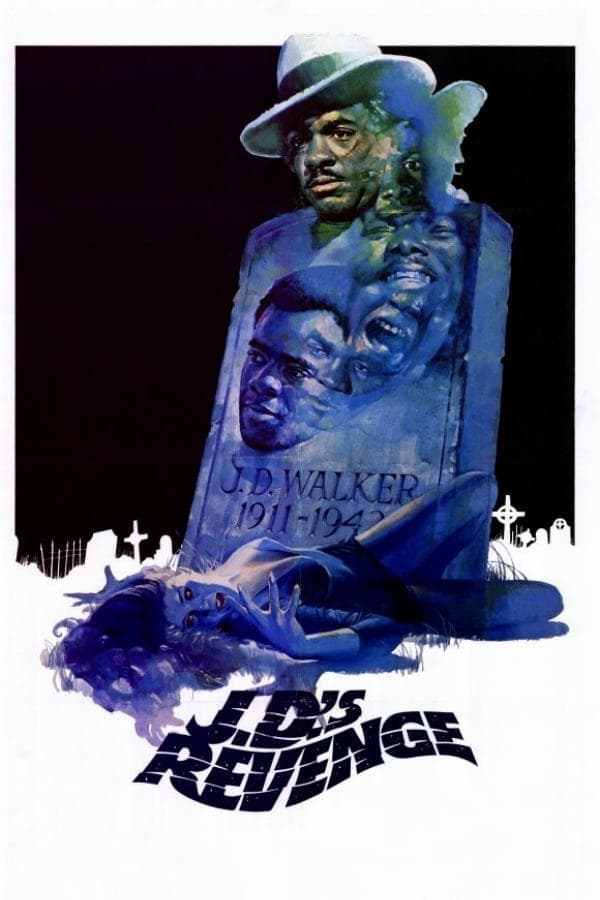
Glynn Turman stars as a graduate student in New Orleans who becomes possessed by the spirit of a murdered hustler, with Louis Gossett Jr. as a minister tied to the old case. Arthur Marks directs a blend of courtroom drama and supernatural horror.
American International Pictures distributed the film and its location work highlights cemeteries, clubs, and French Quarter streets. The movie sits at the intersection of crime mystery and possession tale, a combination that broadened the cycle’s genre range.
‘Sugar Hill’ (1974)
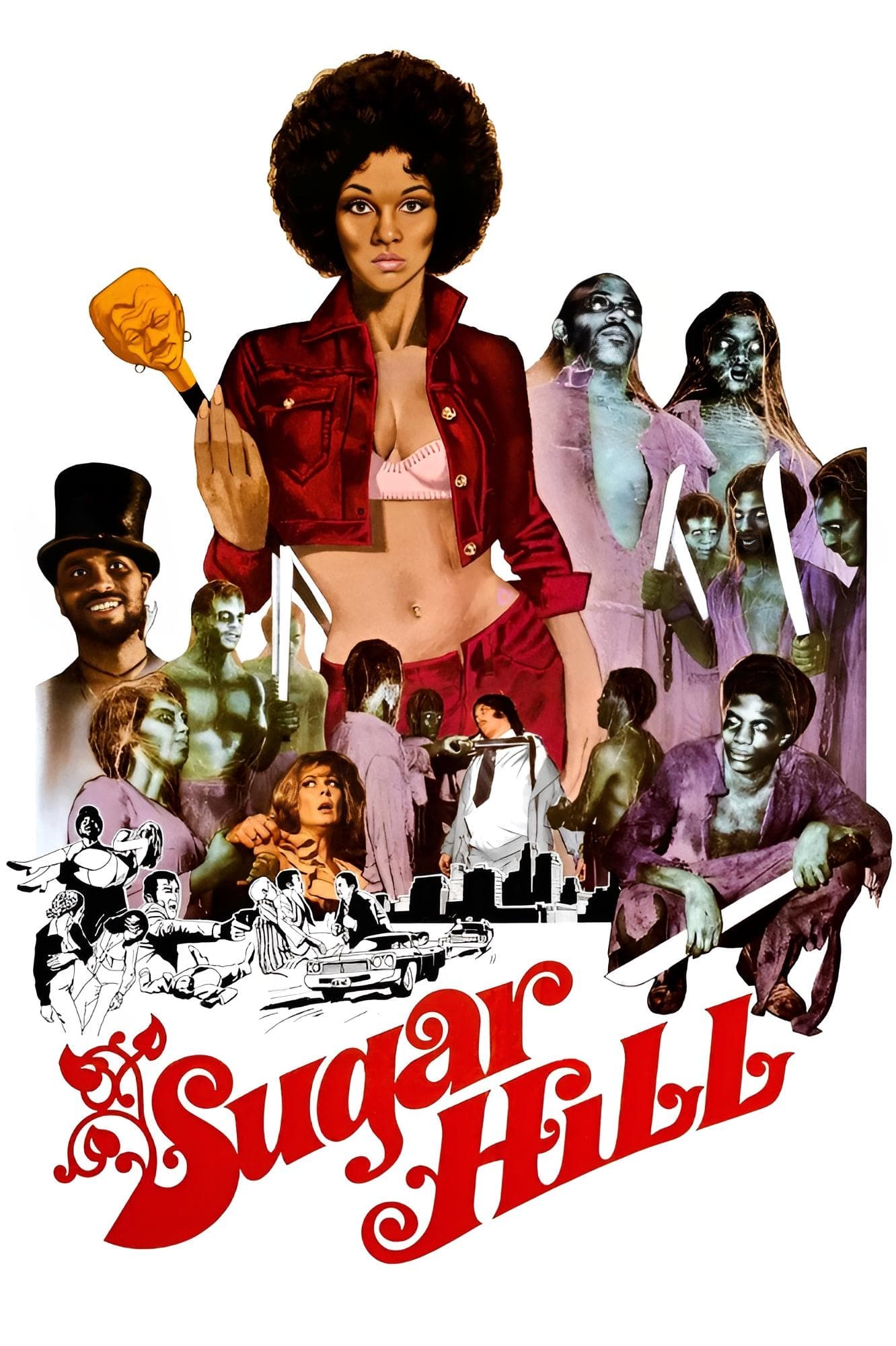
Marki Bey plays Diana Sugar Hill, who turns to voodoo power after gangsters kill her partner, summoning Baron Samedi to raise an army of the undead. Paul Maslansky directs a production that mixes nightclub glitz with graveyard rituals.
American International Pictures released the film and Don Pedro Colley’s performance as Baron Samedi became a fan favorite. The makeup and creature design use traditional zombie imagery with touches drawn from West African and Caribbean folklore.
‘Friday Foster’ (1975)
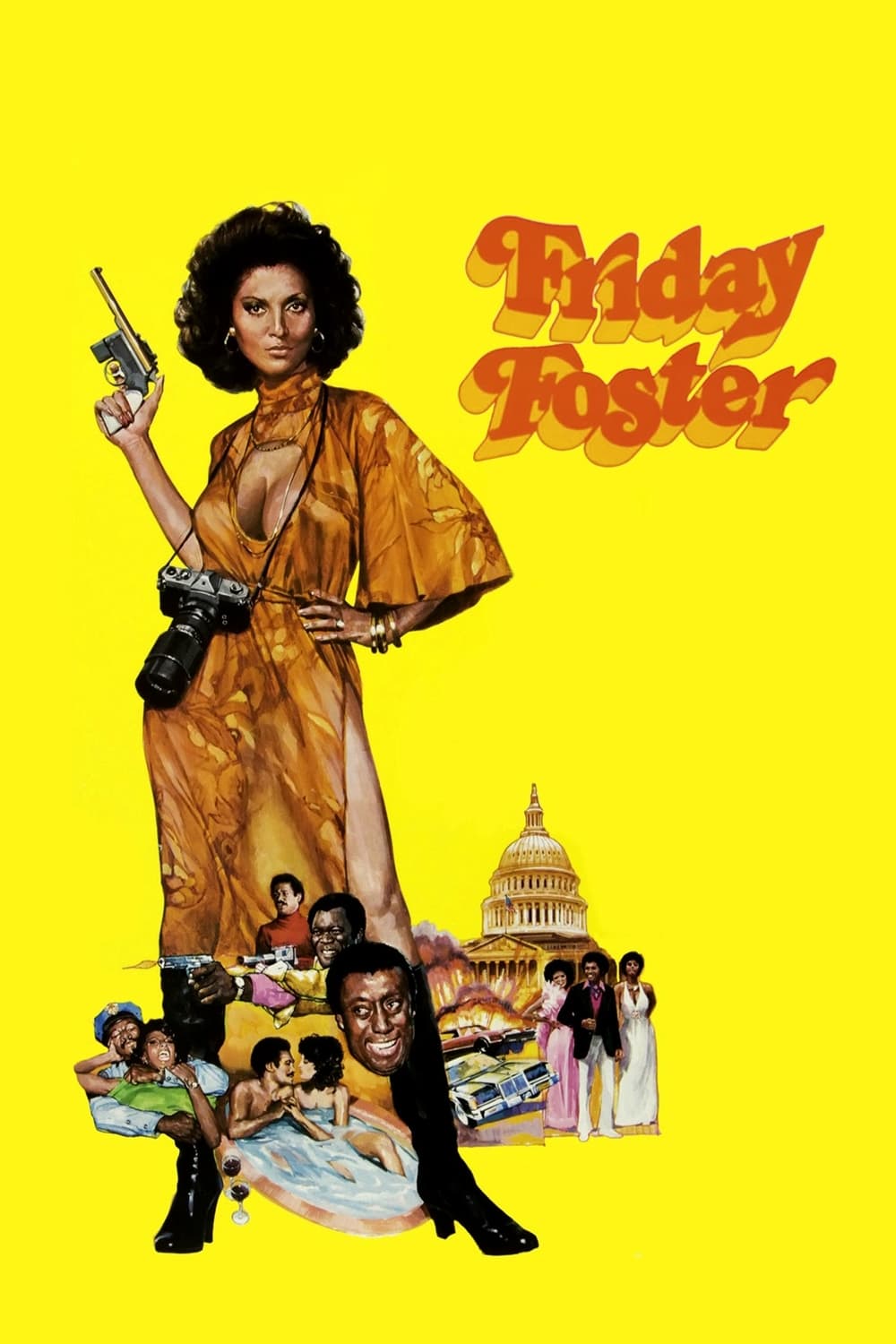
Pam Grier plays a fashion photographer who witnesses an assassination attempt and follows a trail that leads into politics and organized crime. Arthur Marks directs a jet set caper that starts on a runway and moves through mansions and community meetings.
The film adapts the syndicated comic strip of the same name created by Jim Lawrence and Jorge Longarón. AIP assembled a large supporting cast including Yaphet Kotto and Eartha Kitt, giving the story a mix of glamour and menace.
‘Cotton Comes to Harlem’ (1970)

Ossie Davis directs Godfrey Cambridge and Raymond St. Jacques as detectives Gravedigger Jones and Coffin Ed Johnson investigating a charismatic fundraiser whose cash disappears in a robbery. The story adapts a novel by Chester Himes and keeps the humor tight within a busy caper.
The movie performed strongly and helped establish a market for urban crime comedies with Black leads. Its success led to a follow up titled ‘Come Back Charleston Blue’ that brought the detectives back for another case.
Share your picks for the greatest blaxploitation films in the comments and tell us which titles we should add to a future list.