Anime That Rebooted Themselves—and Actually Worked



Reboots in anime are usually about giving a story a full adaptation or a fresh format that better matches the source. When they land, they tidy up continuity, finish unfinished arcs, and bring older hits to new audiences without losing what people came for in the first place.
These successes share a few patterns. Many follow the manga from start to finish with clear pacing. Others rebuild the production from the ground up with new staff, modern tools, or a different medium. Either way, the result is a version that stands on its own and is easy to recommend to viewers starting fresh.
‘Fullmetal Alchemist: Brotherhood’ (2009–2010)
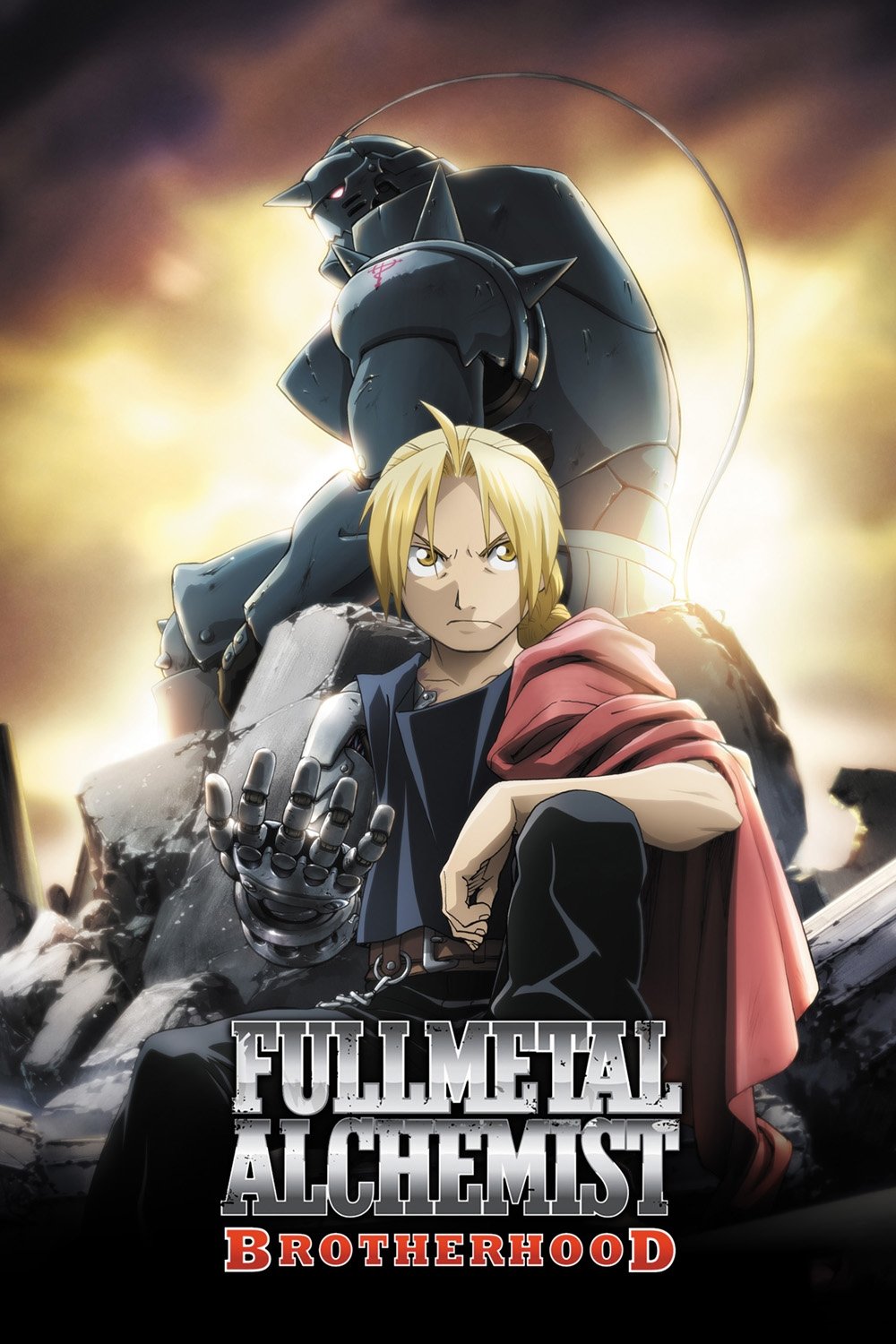
This series adapts the entire manga with 64 episodes produced by Bones and directed by Yasuhiro Irie. It uses consistent pacing from the Resembool prologue through the final conflict and restores characters and plotlines that were missing or altered in the earlier TV run. Music, cast, and staff were organized for a single complete telling that did not need an original ending.
The reboot starts quickly with early arcs compressed, then settles into a steady chapter to episode rhythm. It aligns major revelations, the promised day timeline, and the resolution for the Homunculi with the printed story, which makes it simple for viewers to follow alongside the manga without continuity gaps.
‘Hunter x Hunter’ (2011–2014)
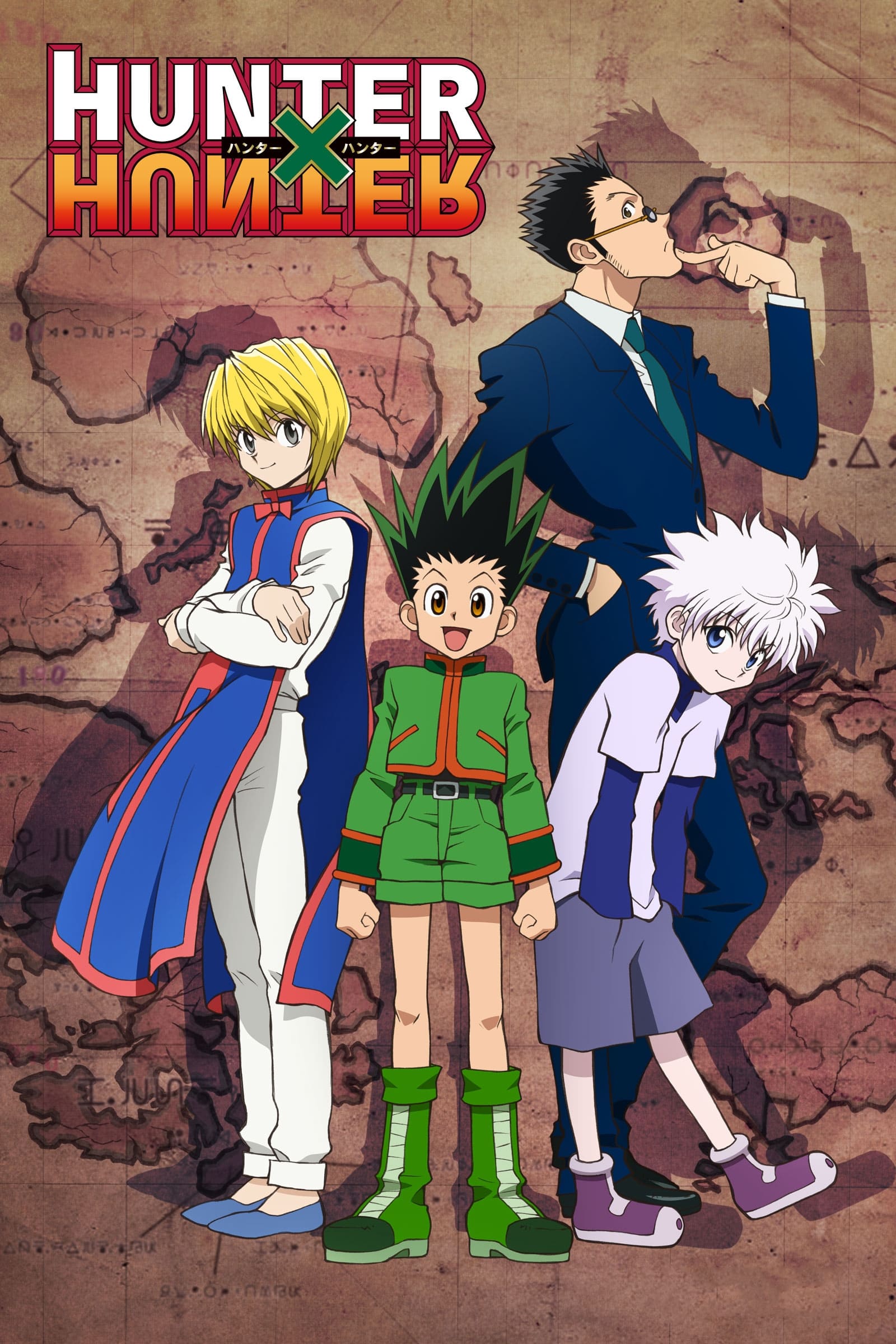
Madhouse produced this version with 148 episodes under director Hiroshi Koujina. It begins at the start of the story and runs through the Election arc, covering the Hunter Exam, Heavens Arena, Yorknew City, Greed Island, and Chimera Ant arcs in order. The production keeps the same core staff through long stretches, which helps tone and visuals remain even across very different story beats.
The adaptation approach favors clean arc boundaries and consistent air schedules. It gives complex arcs like Chimera Ant the episode room they need while keeping earlier arcs brisk. This structure makes it straightforward to watch the entire narrative in one continuous run without switching versions.
‘Fruits Basket’ (2019–2021)
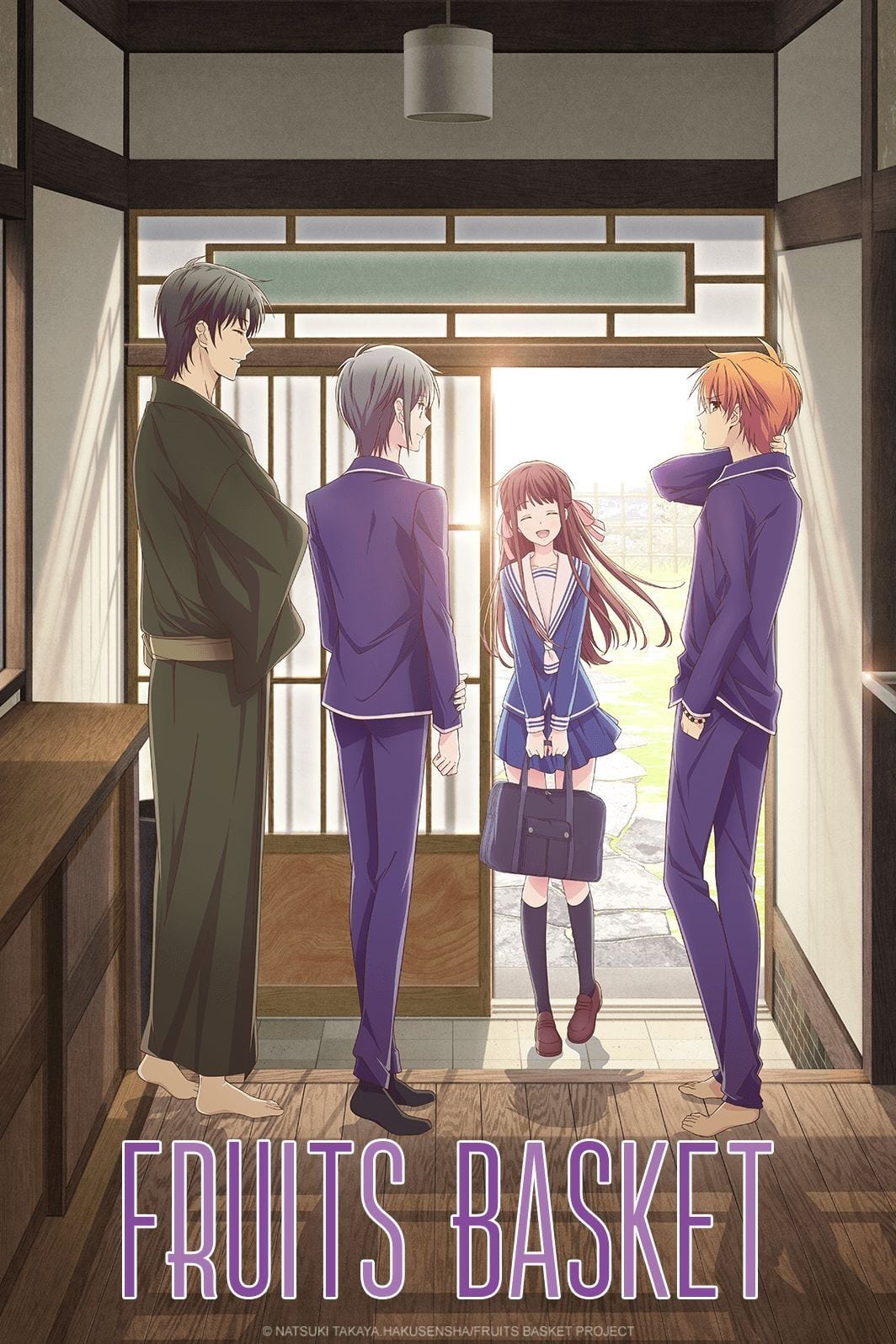
TMS Entertainment rebuilt the series with a three season plan that covers the full manga. The reboot restores storylines that never reached television before and organizes the school year timeline so family introductions, the curse backstory, and the final resolution connect cleanly. The original author Natsuki Takaya oversaw the project to keep character portrayals aligned with the books.
Each season maps to defined chunks of the manga, which helps the show handle a large cast without losing track of key relationships. The final season closes the core plot on screen for the first time, which lets viewers complete the story without jumping to other media.
‘Dororo’ (2019)
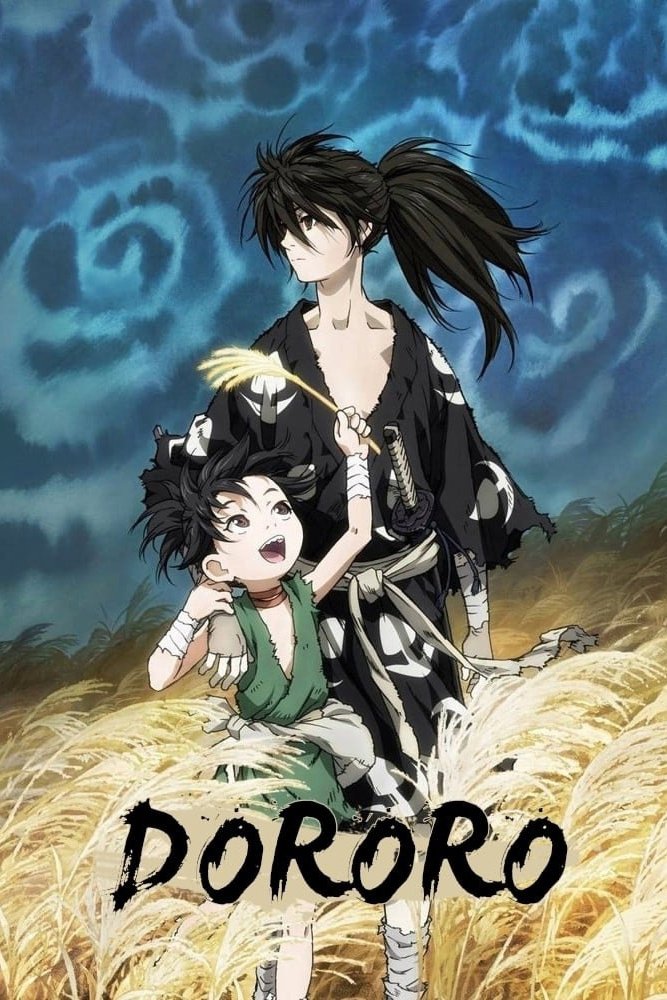
MAPPA and Tezuka Productions reimagined the classic story in a 24 episode format. It keeps the road trip structure of the original while building a clear throughline for Hyakkimaru and Dororo that keeps the journey and its milestones in focus. The production updates character designs and staging while keeping the period setting and the monster of the week rhythm.
The episode plan groups encounters to advance both the limb retrieval goal and the political backdrop at the same time. That balance lets the show reach a definitive ending within one cour pair, which makes this version an easy single season watch.
‘Space Battleship Yamato 2199’ (2012–2013)
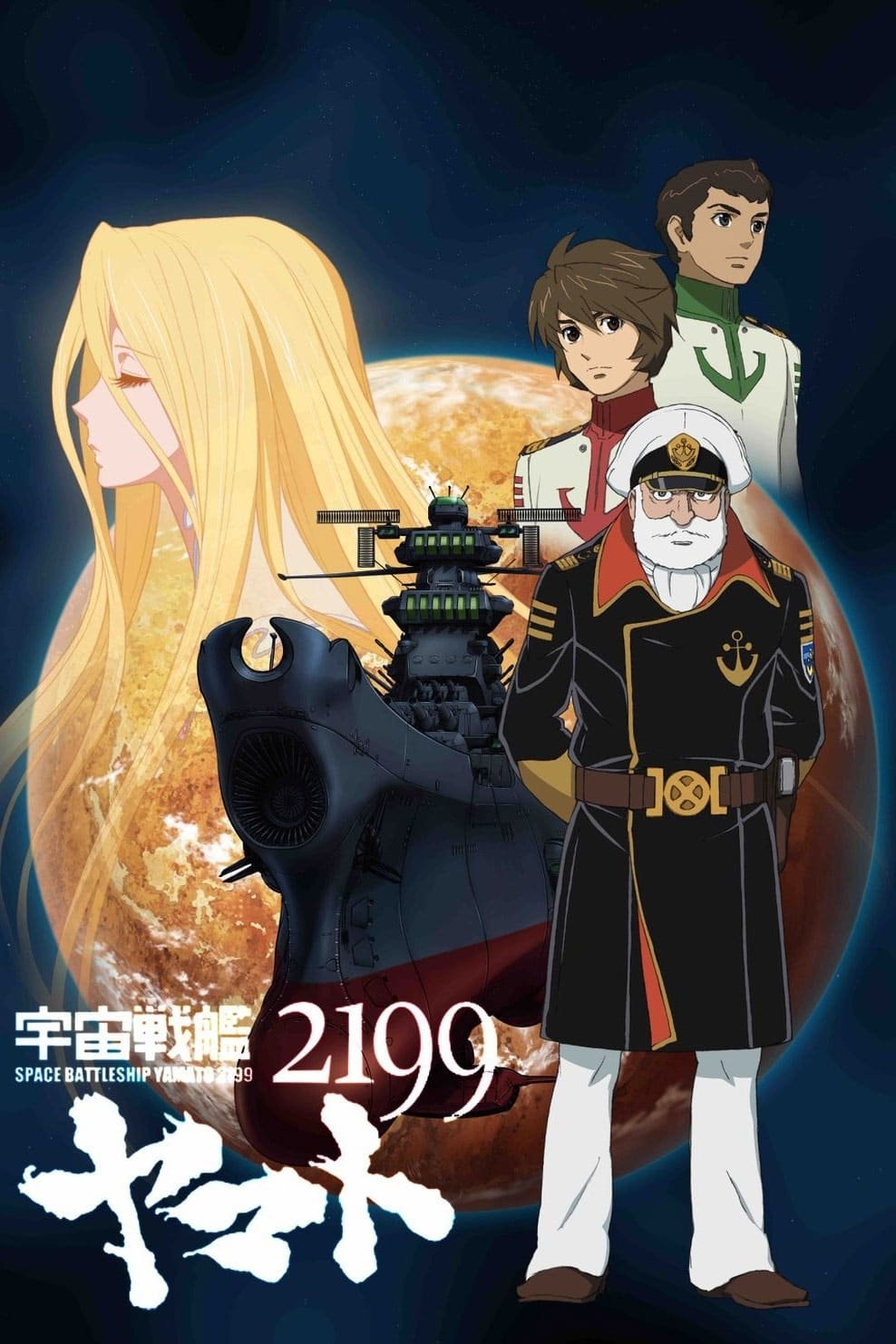
This project retells the original voyage with modern production from Xebec and AIC. It first released as a series of theatrical chapters before a TV broadcast, which allowed high detail space battles and updated science notes. The script refines crew roles, expands supporting characters, and clarifies the Garmillas conflict while preserving the trip to Iscandar structure.
Because the story was planned as a closed route, the pacing fits neatly into the theatrical chapter model and then into weekly TV slots. Viewers can follow the mission episode by episode without filler detours, and continuity flows directly into the follow up projects that continue this timeline.
‘Devilman Crybaby’ (2018)
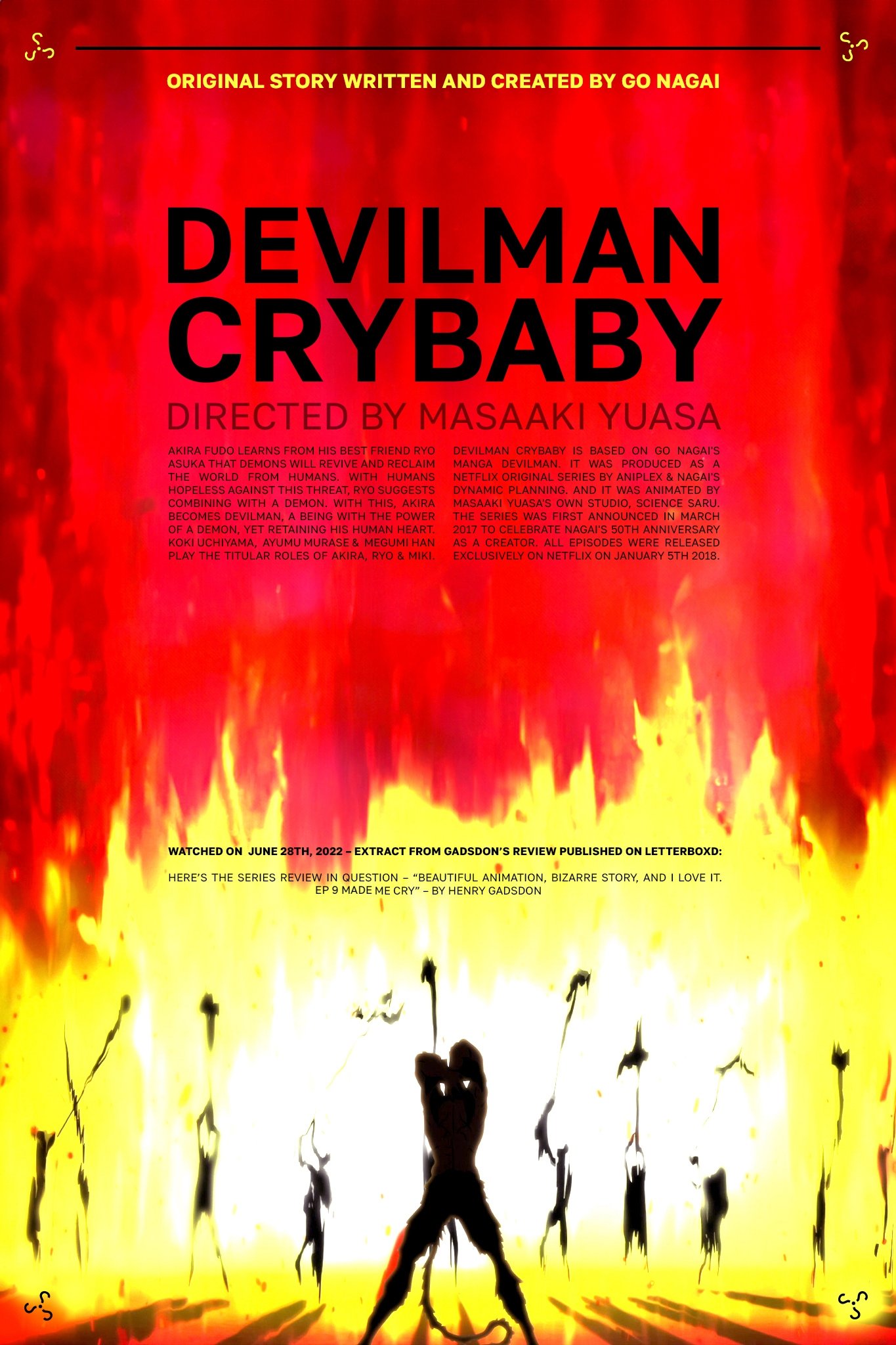
Science SARU adapted the original manga in a 10 episode run directed by Masaaki Yuasa. It moves the setting to contemporary Tokyo and keeps the core plot points from the source while streamlining side stories. The production uses limited animation techniques with strong movement accents to stage action and hallucination scenes in a way that fits the short season length.
The structure places character introductions, the Sabbath event, media escalation, and the finale on a tight schedule. That planning keeps the narrative compact and complete within one release, which helps new viewers finish the full story in a weekend.
‘The Legend of the Galactic Heroes: Die Neue These’ (2018–2024)
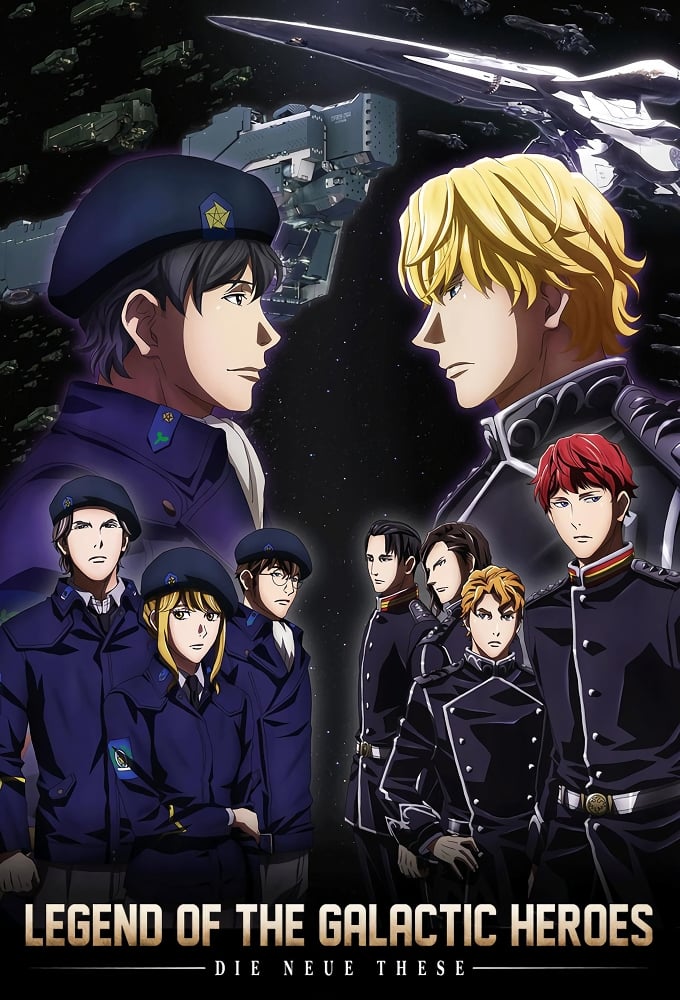
Production I.G restarted the saga with new character designs and CG heavy fleet battles. The project began as a TV season and then continued as film trilogies before returning to broadcast, which allowed longer battle sequences and strategic briefings to play out without time pressure. It retells the early arcs while keeping the political and military threads readable.
This version organizes plotlines by campaign and council session so viewers can track Reinhard and Yang across parallel fronts. The release plan lets large engagements and debate scenes run to natural endpoints, which makes this take accessible even for audiences that never saw the original OVA series.
‘Shaman King’ (2021–2022)
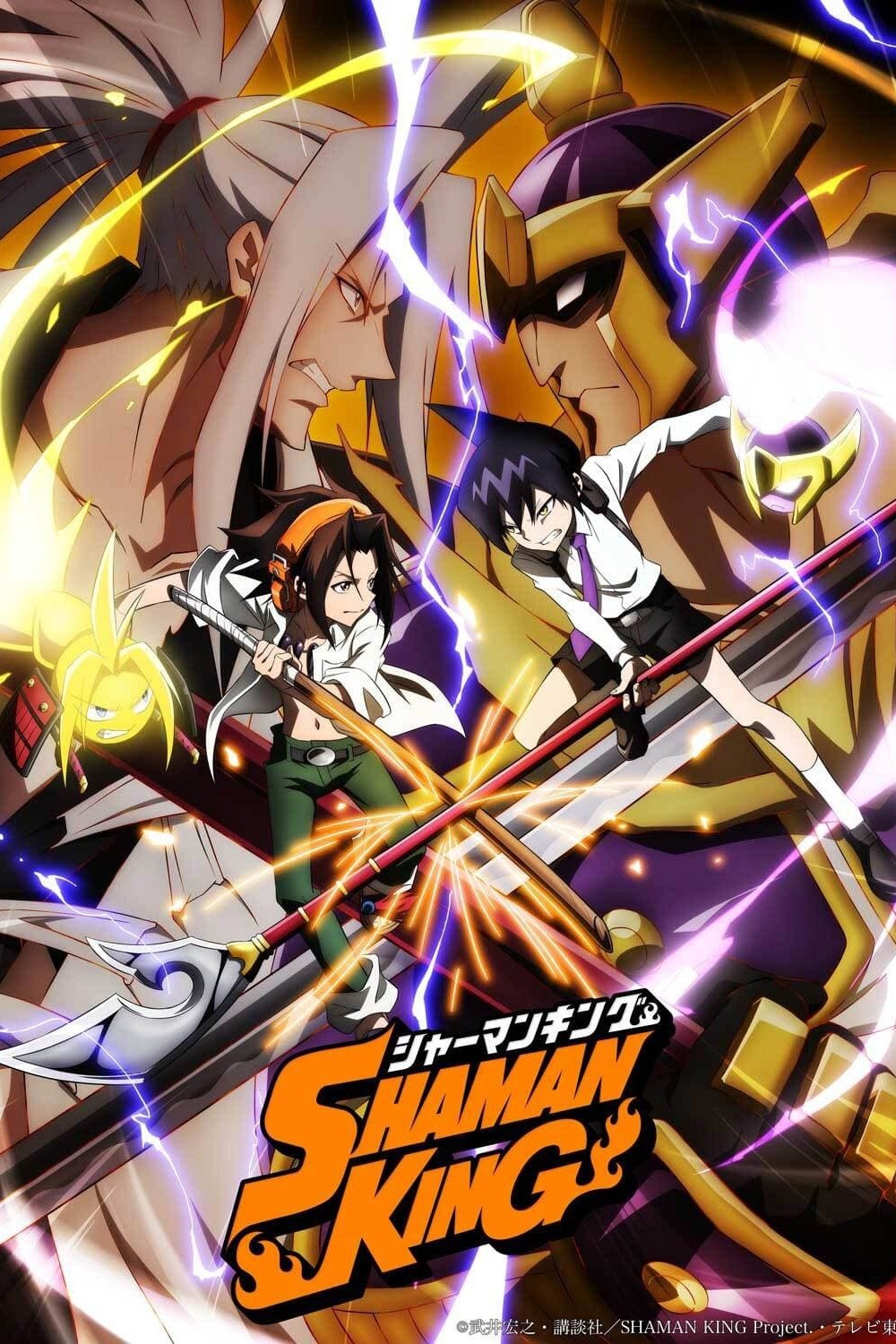
Bridge produced a complete edition adaptation with 52 episodes that follows the final manga version. The show restarts from Yoh’s first matches and proceeds through the Shaman Fight to the concluding arc, bringing in characters and outcomes that were not on screen in the earlier TV run. The episode count was set to finish the story without gaps.
The reboot keeps tournament brackets, training stretches, and backstory reveals in a steady order. That layout helps the series maintain momentum while slotting in the expanded material from the complete manga, which gives viewers a single source watch from start to finish.
‘Urusei Yatsura’ (2022–2024)
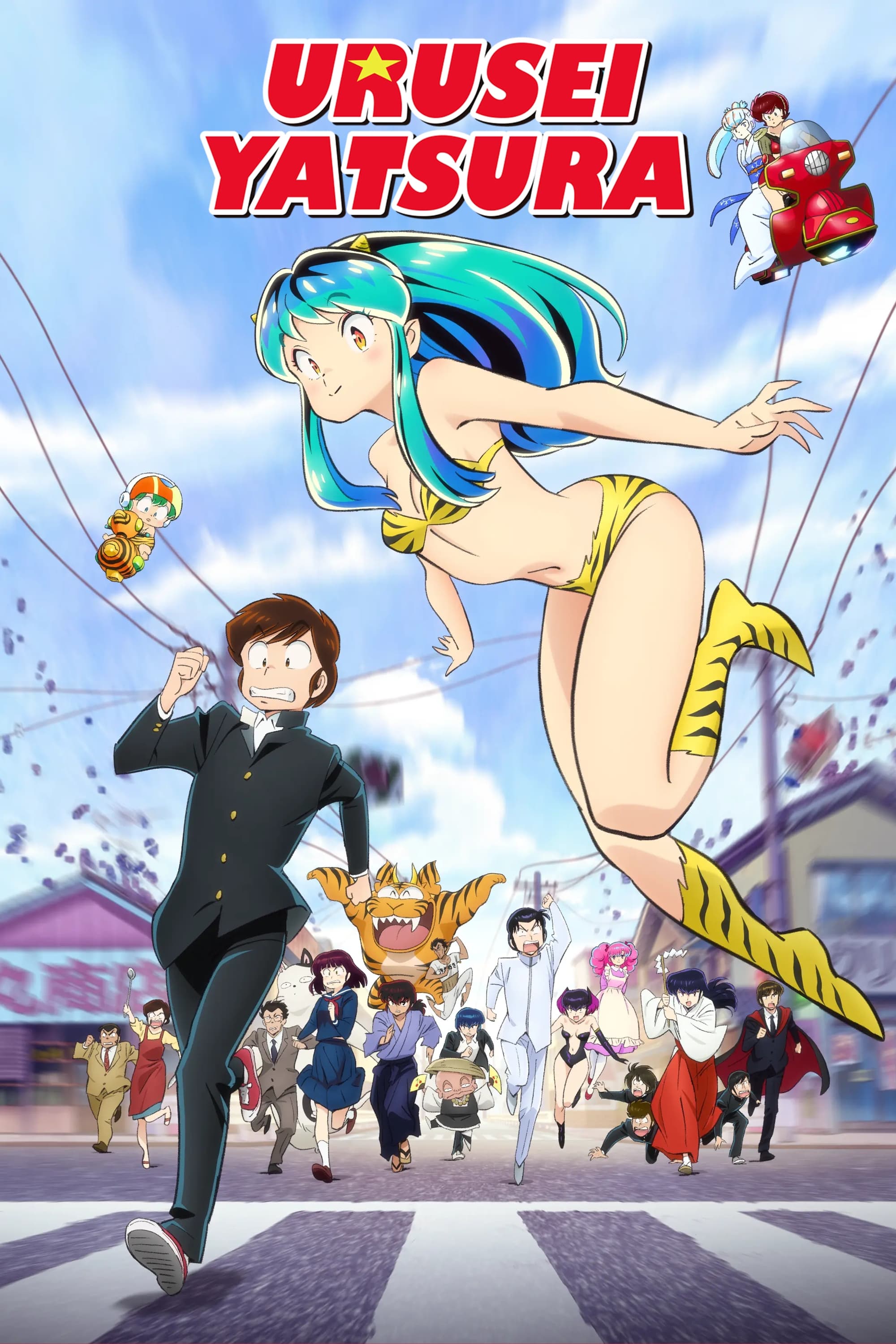
David Production rebuilt the classic comedy with a curated approach that selects manga chapters for modern pacing. Character designs and color styling match contemporary broadcast standards while keeping the recognizability of the original cast. The project rolled out in multiple cours over two years, which gave room to rotate recurring characters and gags without repetition.
Episodes group short stories into themed segments, which makes the watch order friendly for new audiences. The selection covers famous introductions and set pieces early, then cycles through school life, alien tech mishaps, and romance mix ups in a pattern that fits weekly viewing.
‘Trigun Stampede’ (2023)
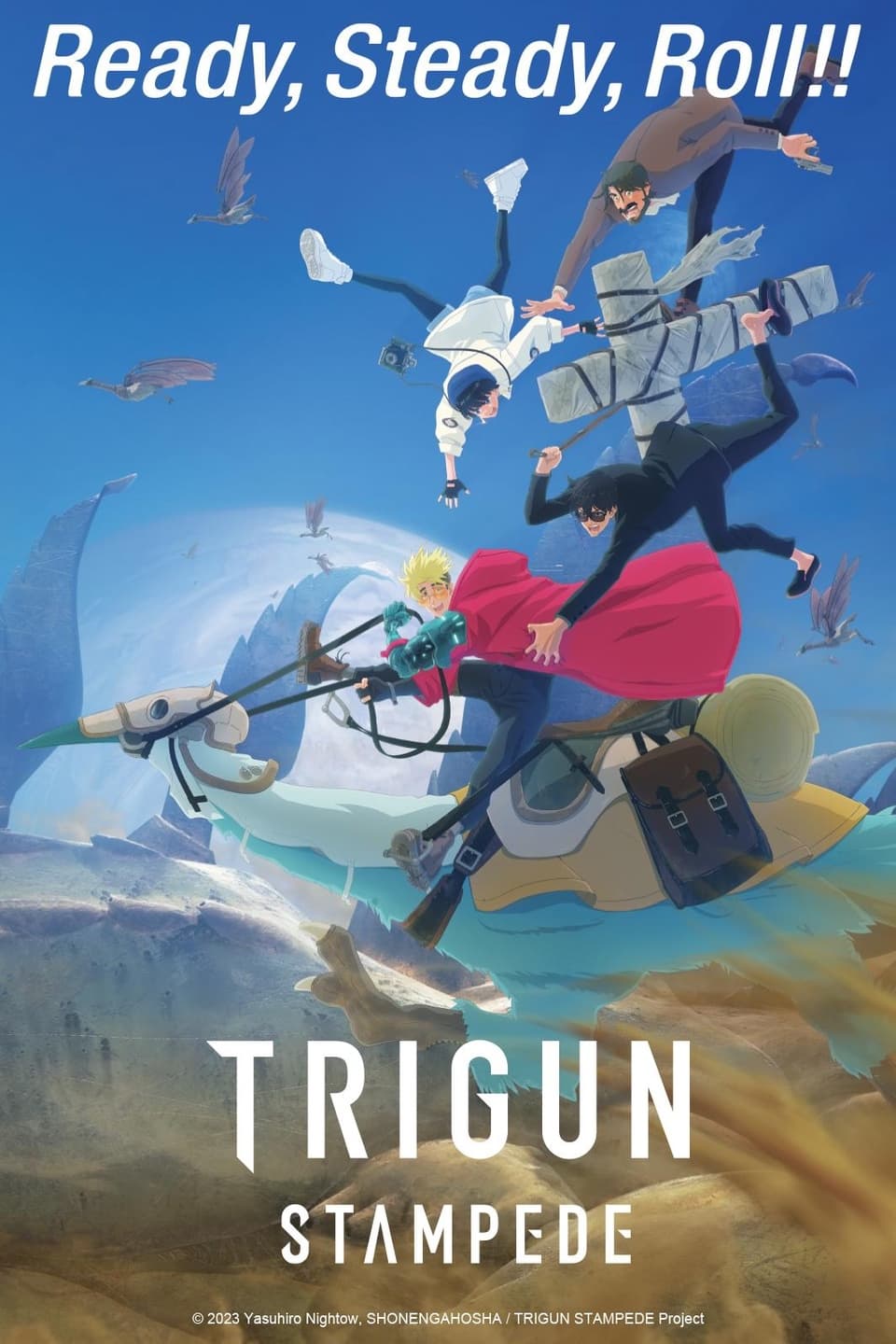
Studio Orange reintroduced the franchise with full CG and a restructured timeline. It foregrounds Vash’s history and the twin conflict earlier while reserving certain classic encounters for late season beats. The production uses long camera moves and readable action staging that suits space western settings and large scale chases.
The season plan builds from town level incidents to corporate and planetary stakes in a straight line. That design allows the show to reach a clear season end while leaving space for follow up material in the same continuity, which simplifies entry for first time viewers.
‘Hellsing Ultimate’ (2006–2012)

This OVA project retells the manga with ten long episodes released over several years by a succession of studios, including Madhouse and later Graphinica. It restores the Millennium arc and related characters that were absent or changed in the earlier TV version. Each volume runs longer than a standard episode, which fits the action and set piece heavy chapters.
Because the release was direct to video, fights and military operations could run to natural conclusions without broadcast limits. The result is a straight adaptation that aligns chapter order with on screen chronology, which lets viewers follow the printed plot without detours.
‘Sailor Moon Crystal’ (2014–2016)
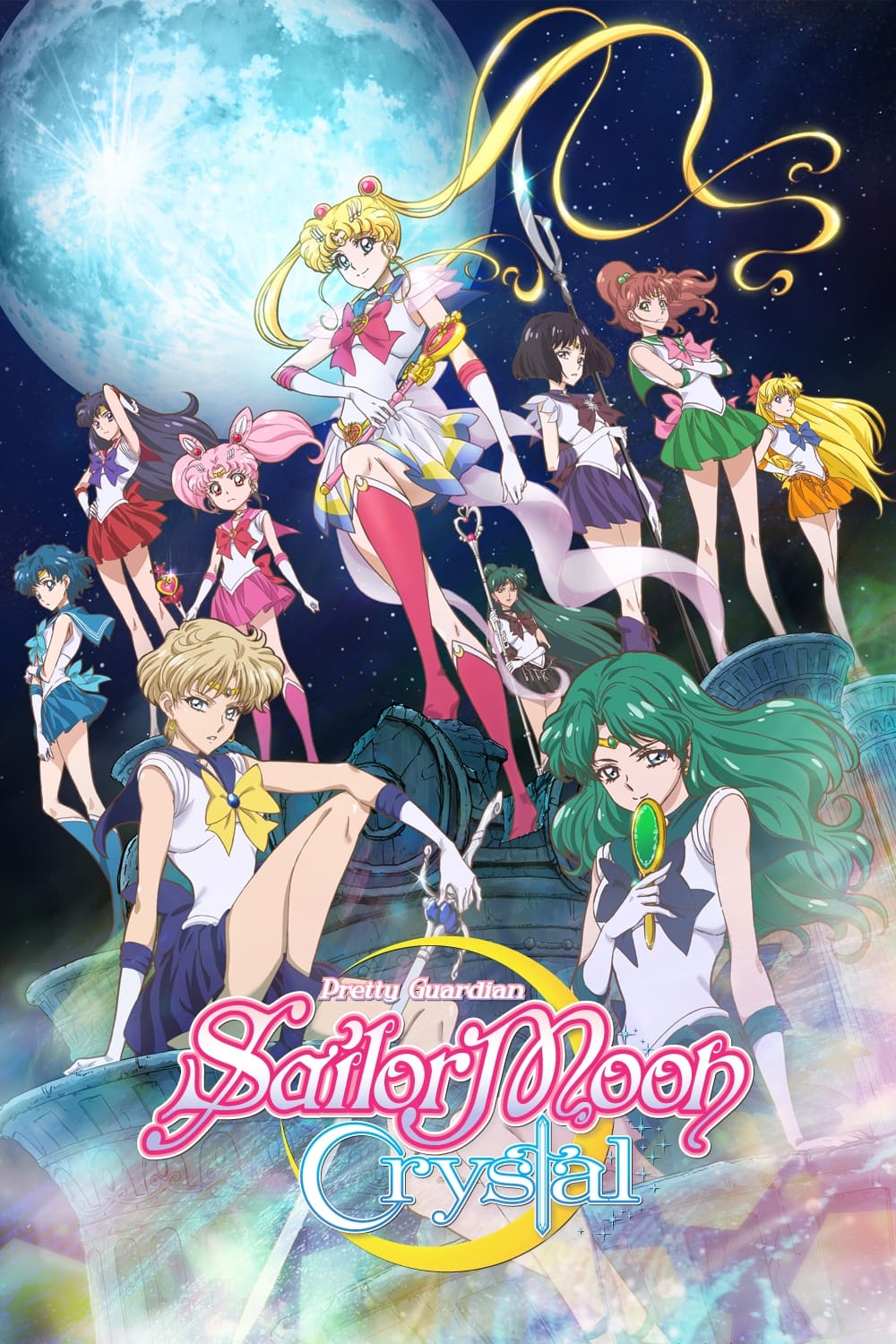
Toei Animation relaunched the series with a manga faithful plan that covers the Dark Kingdom, Black Moon, and Infinity arcs across three seasons. It reorganizes episodes to match chapter beats, adjusts transformations and attacks to original designs, and reserves the Dream and Stars arcs for later films. Voice casting returns key performers while updating others to fit the new schedule.
The structure keeps team growth, enemy reveals, and power ups in the same sequence as the books. That approach makes it easy to map each episode to a specific part of the story, which helps new viewers track the long term plot without needing the earlier TV continuity.
‘Dragon Quest: The Adventure of Dai’ (2020–2022)
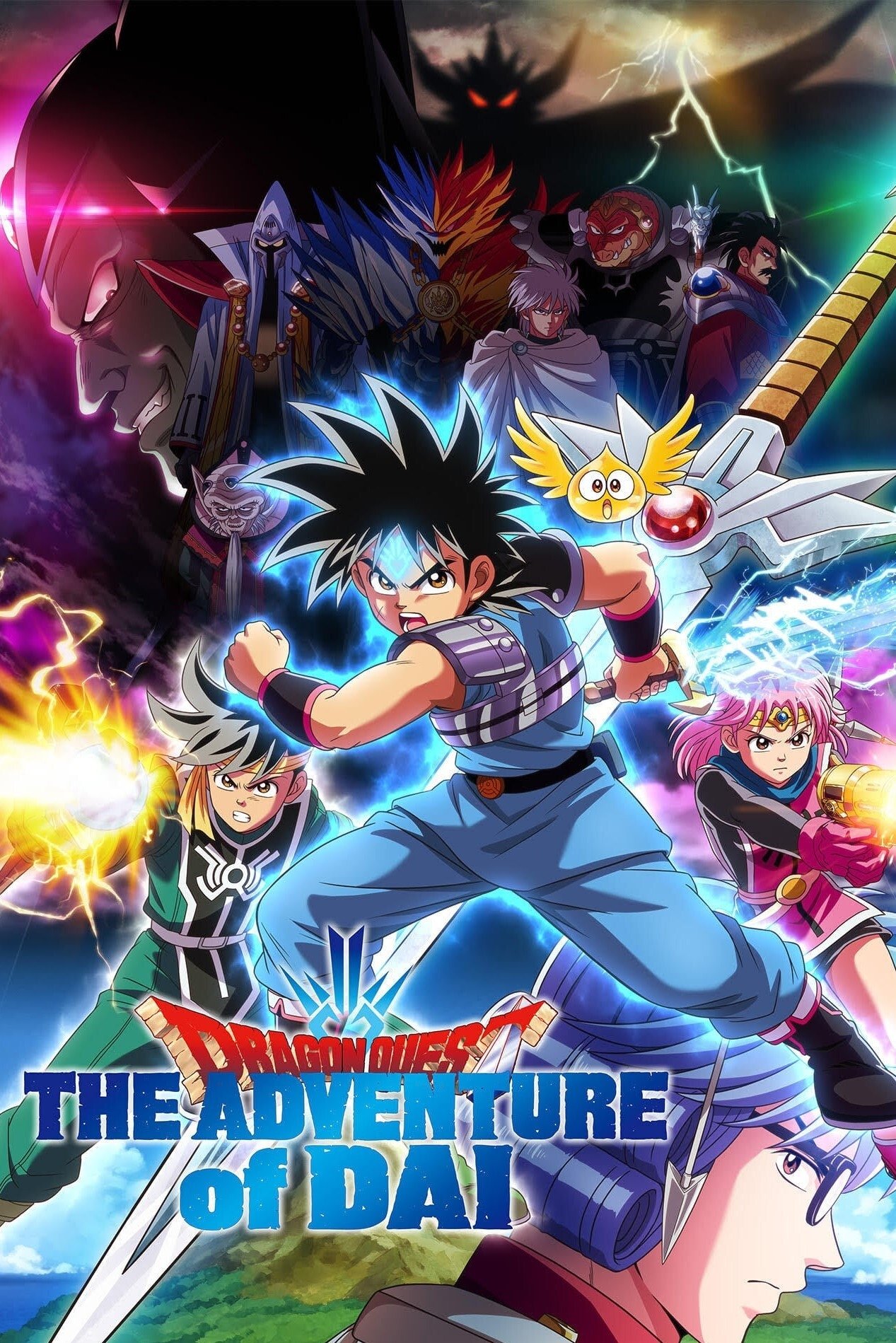
Toei Animation and Square Enix restarted the adaptation with modern tools and a plan to complete the entire manga. The show blends hand drawn elements with CG for weapons and monsters, which supports frequent battles and signature spells. It begins with the childhood island arc and continues through the major empire conflicts without long pauses.
The production set a weekly rhythm that keeps training arcs, party changes, and boss fights in order. With a defined endpoint, it avoids filler and delivers the full quest on television for the first time, which allows viewers to follow the game inspired techniques and progression to completion.
‘Boogiepop and Others’ (2019)
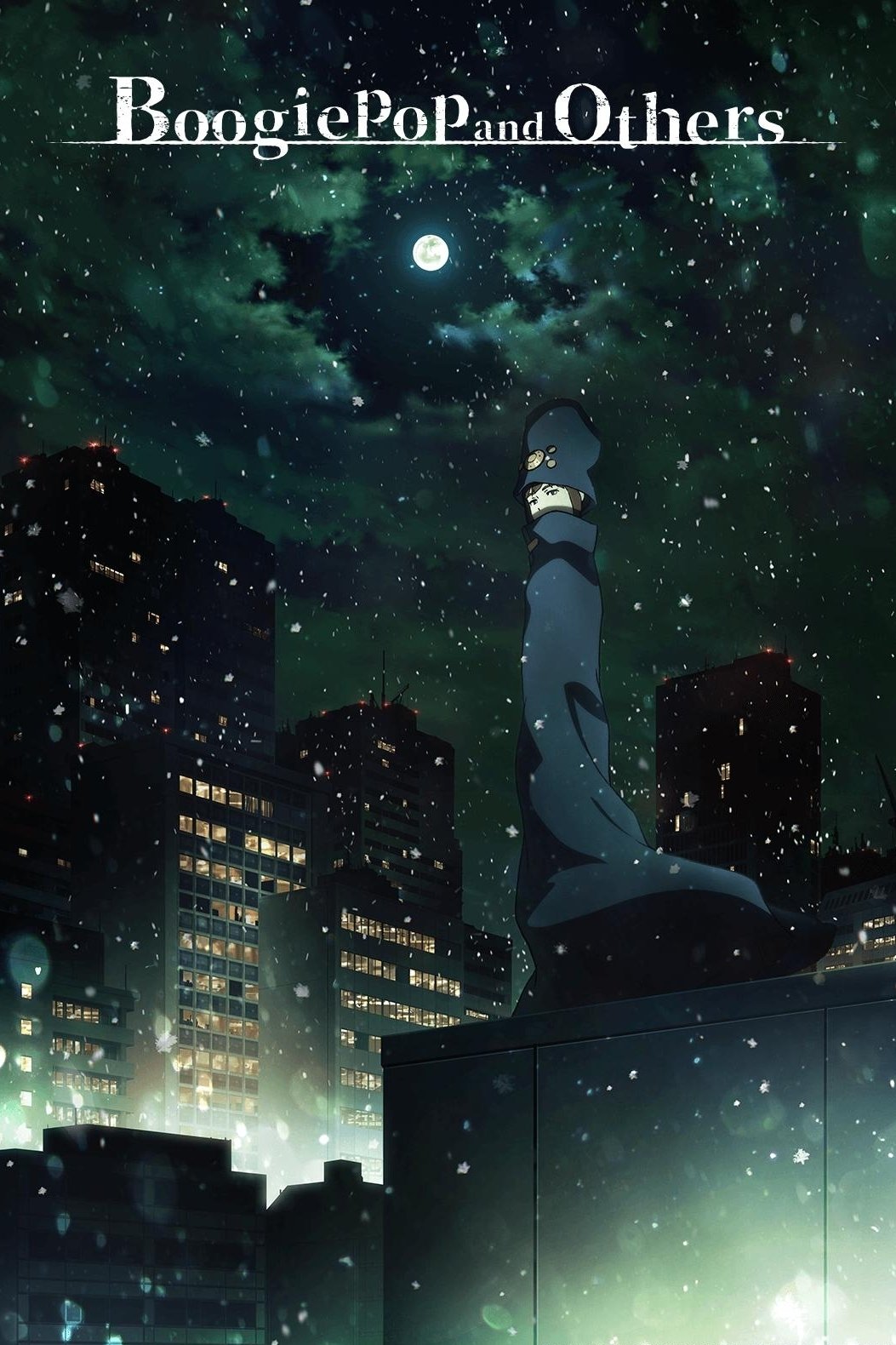
Madhouse returned to the light novels with a fresh adaptation that covers multiple books, including the title volume and several follow ups. The show uses a nonlinear structure with clear episode labels so viewers can place events across timelines and perspectives. It separates this telling from the earlier side story series to focus on the main novel continuity.
Arcs run in blocks that interleave character viewpoints while keeping mystery threads visible. The format invites viewers to piece together school incidents, urban legends, and agency plots in the intended order of the novels, which turns the reboot into a direct path through the source material.
‘Rurouni Kenshin’ (2023–2024)
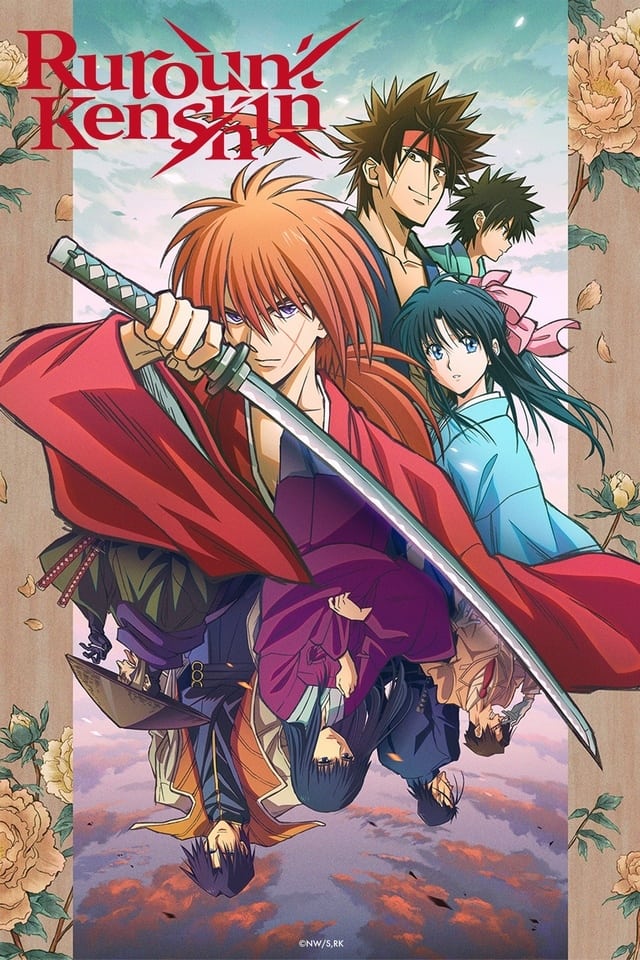
LIDENFILMS rebuilt the historical action series from the beginning with new cast and staff. The adaptation follows the manga structure with revised fight staging and period detail presented with current animation techniques. It starts with Tokyo introductions and proceeds through early arcs with attention to character backstories tied to the setting.
Episodes arrange case files and rival encounters so location changes and story beats align cleanly. The plan sets up later arcs by planting names and factions early, which makes this version a clear entry point for audiences who want a single continuity to follow.
‘Space Battleship Yamato 2202’ (2017–2018)
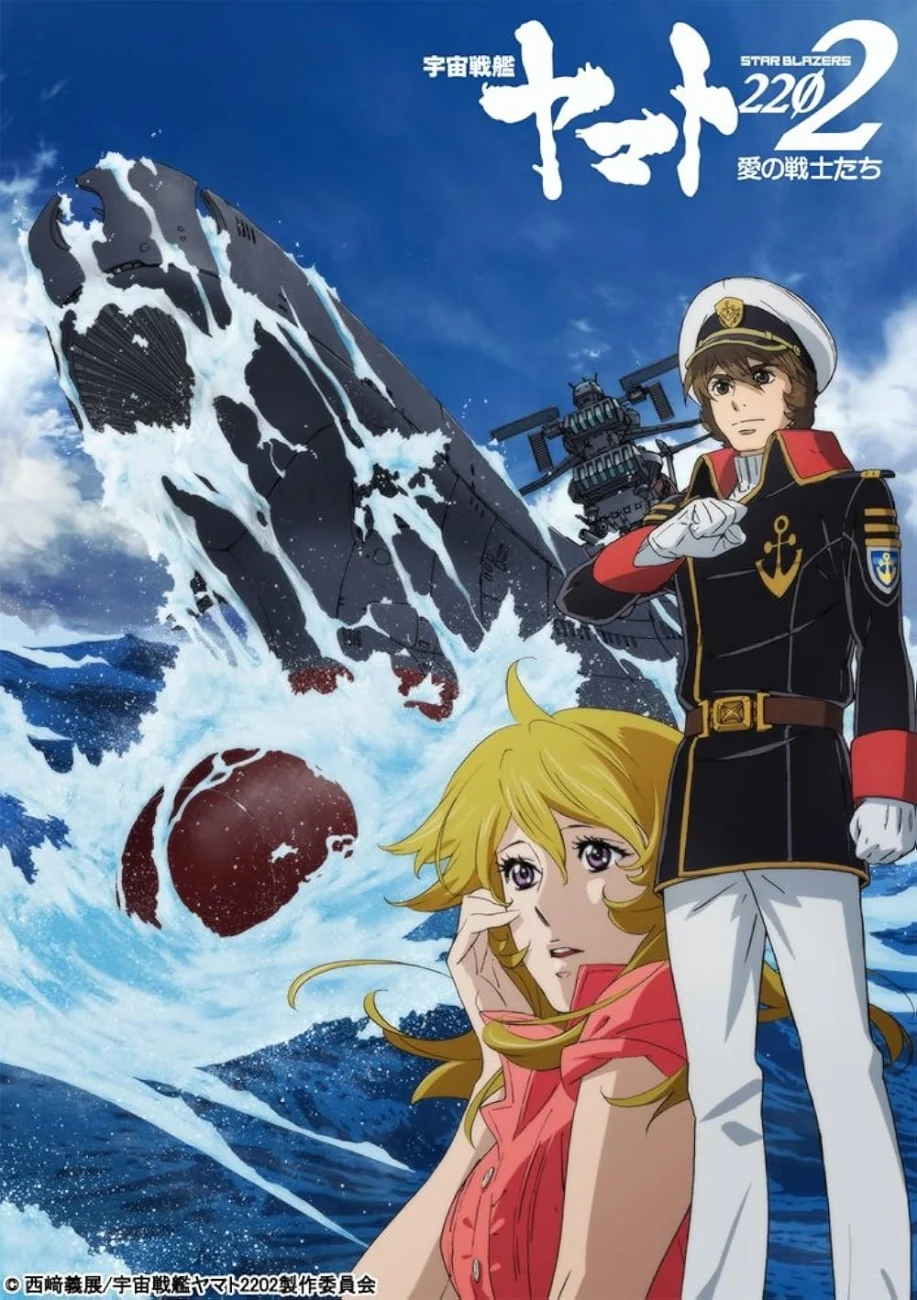
This follow up in the rebooted timeline adapts material inspired by the original sequel while using the updated cast and designs from the prior project. It released as theatrical chapters before TV, which supported large fleet battles and new mecha designs. The story continues the return voyage and examines the consequences of the first mission within the new continuity.
The production keeps political, tactical, and personal threads organized by operation names and ship movements. That structure allows viewers who started with the earlier reboot to continue without confusion, and it completes the major beats associated with this era of the franchise.
Share the anime you would add to this list in the comments.