Legendary Anime Movies You Forgot About (& Need to Rewatch)

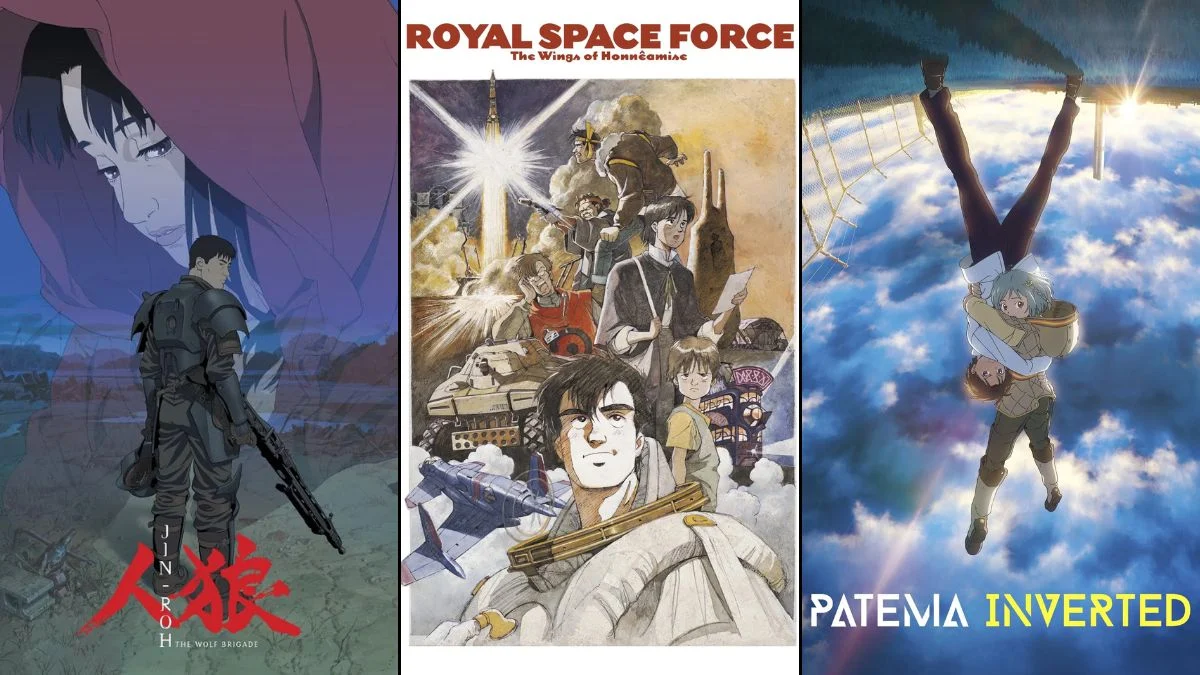

It is easy to remember the same handful of famous anime films while a whole shelf of groundbreaking features sits quietly in the background. These movies shaped styles, launched studios, and pushed techniques that later became standard, yet they often slip past casual memory. Each one offers craft to study and worldbuilding worth another visit.
Below you will find twenty films that left marks on animation, music, visual language, and storytelling approach. You will see debuts that announced major creators, anthologies that tested new voices, and adaptations that reframed classic literature. Every entry includes concrete details on creators, studios, formats, and what made the film distinctive.
‘Angel’s Egg’ (1985)

Director Mamoru Oshii joined artist Yoshitaka Amano to craft a near silent allegory produced at Studio Deen. The film uses painterly backgrounds, stark lighting, and long takes to build atmosphere through image rather than dialogue. The running time sits just over an hour, and the music by Yoshihiro Kanno guides the mood like a whispered narrator.
Distribution started small and home video discovery built its following over time. The design language influenced later projects associated with both creators, and its sparse narrative approach became a reference point in discussions of abstract storytelling in anime.
‘Royal Space Force – The Wings of Honneamise’ (1987)
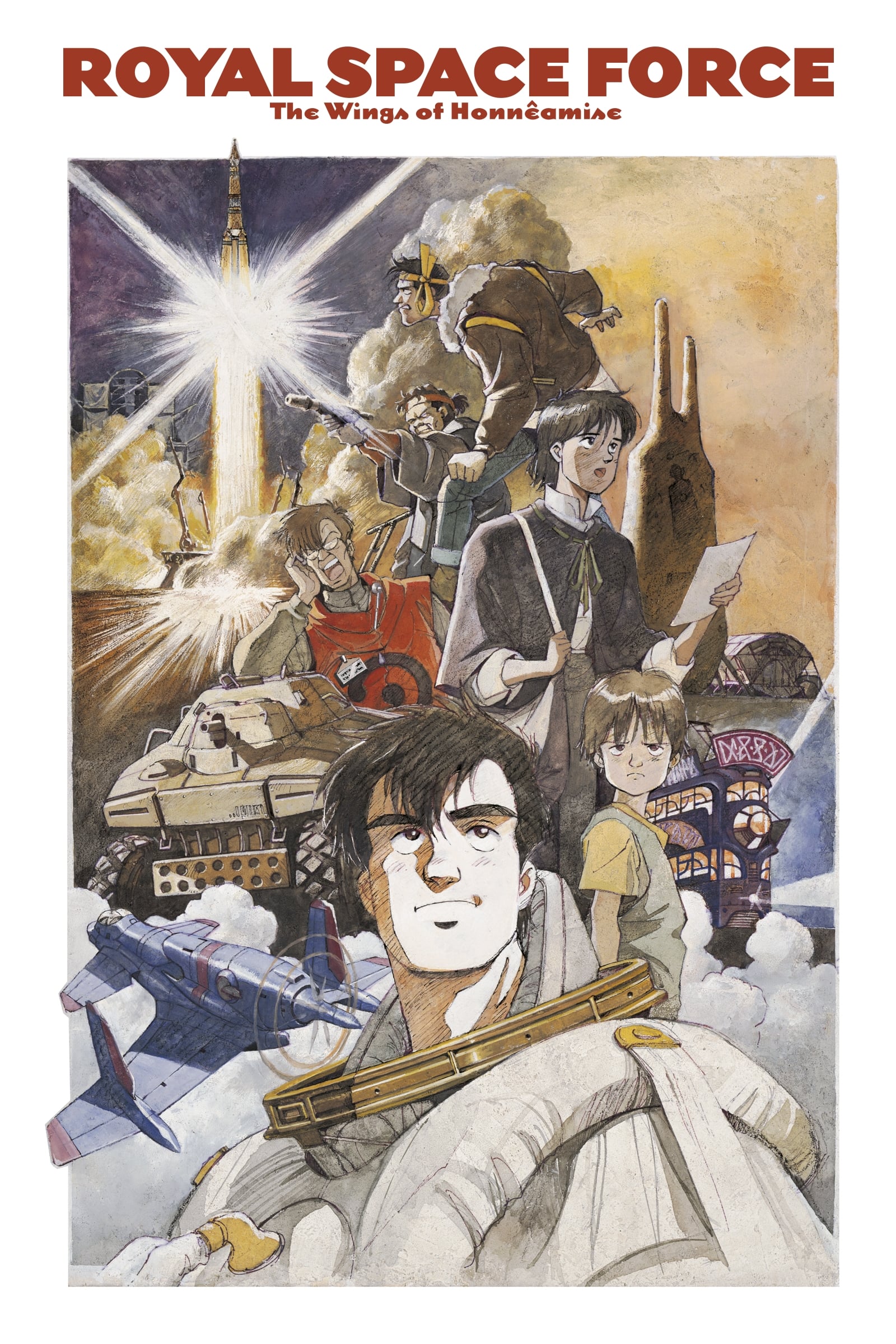
This was the first feature from Gainax, directed by Hiroyuki Yamaga with designs by Yoshiyuki Sadamoto and mechanical work from Hideaki Anno. The film takes place in an alternate world where a struggling nation attempts its first crewed launch, and it treats rocketry with documentary care. Ryuichi Sakamoto composed the score and the production invested heavily in layout and effects animation.
The worldbuilding reaches down to signage, uniforms, and prop technology, which gave animators a full culture to animate rather than a single mission. The project established Gainax as a studio ready for ambitious work and set standards for realistic hardware on screen.
‘Mind Game’ (2004)
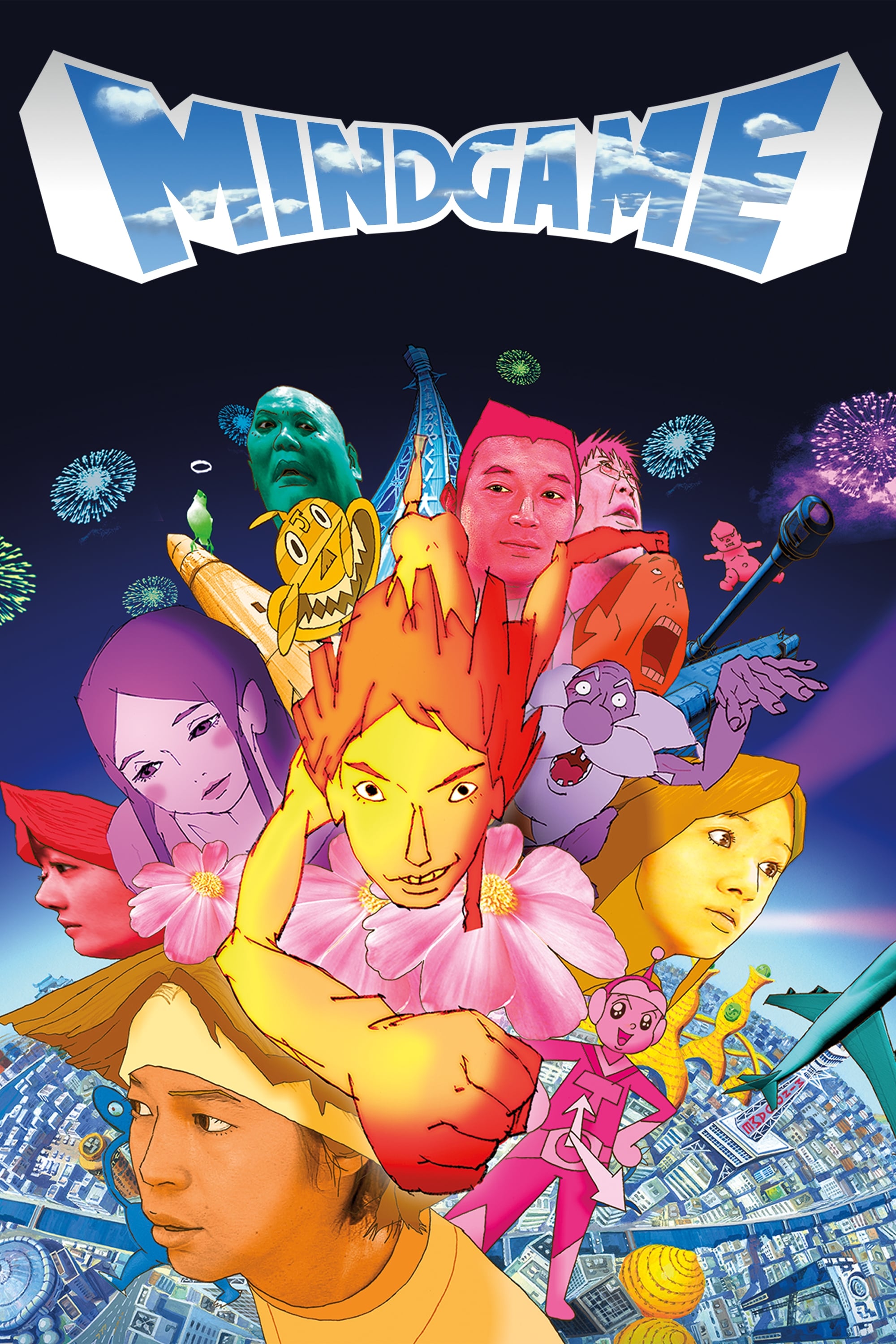
Masaaki Yuasa directed this Studio 4°C feature based on the manga by Robin Nishi. It mixes hand drawn footage, rotoscoped movement, still photographs, and brief live action inserts into a restless collage. Characters morph in scale and shape for emphasis, yet the staging remains readable, which turns experimentation into clear storytelling.
Festival audiences took note of its energy and it became a calling card for Yuasa and his collaborators. The elastic approach to form opened doors for later projects that treated style as a tool for character emotion rather than a fixed brand.
‘Jin-Roh: The Wolf Brigade’ (1999)
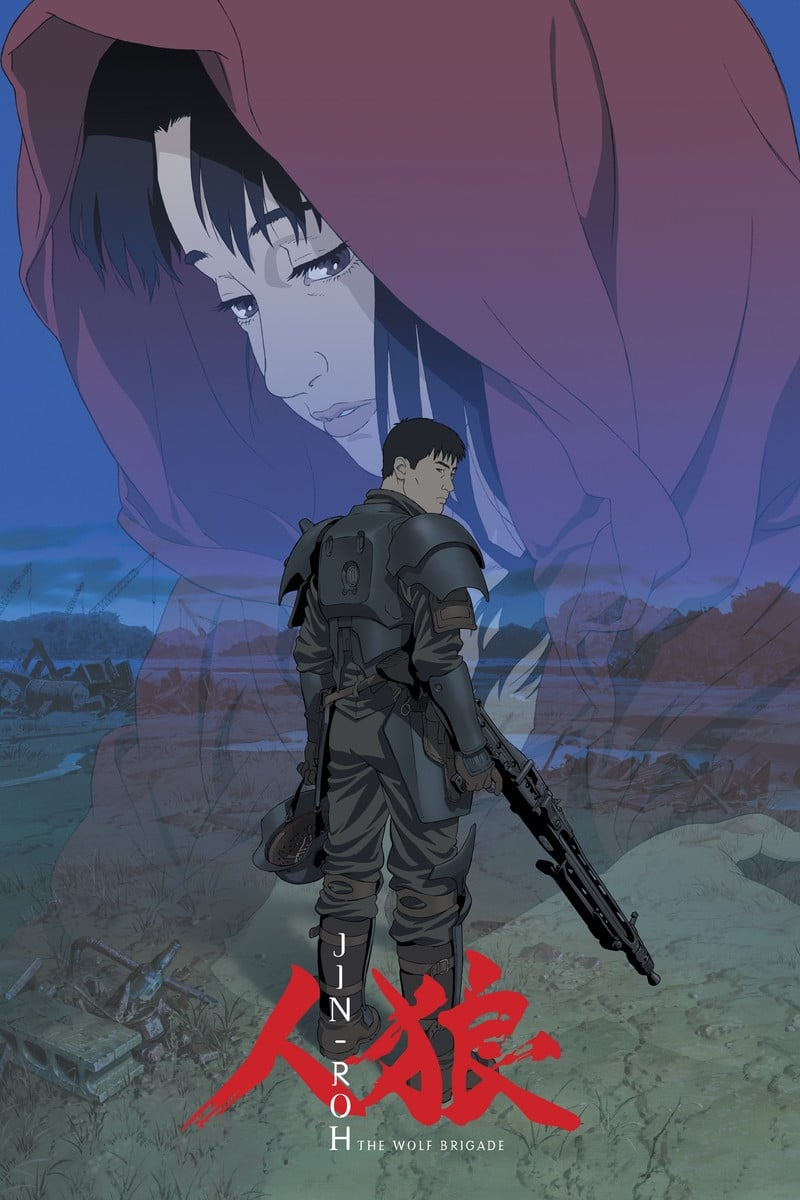
Hiroyuki Okiura directed from a screenplay by Mamoru Oshii within the Kerberos saga, with Production I.G handling animation. The setting imagines a reorganized postwar Tokyo where armored riot police operate in heavy protective gear. The film emphasizes procedure, urban geography, and the physical weight of equipment, which gives action scenes a grounded feel.
Its fairy tale motif connects to political mythmaking and shows how propaganda and personal memory blur. The story later inspired live action reinterpretations outside Japan, which speaks to the durability of its premise and designs.
‘Sword of the Stranger’ (2007)
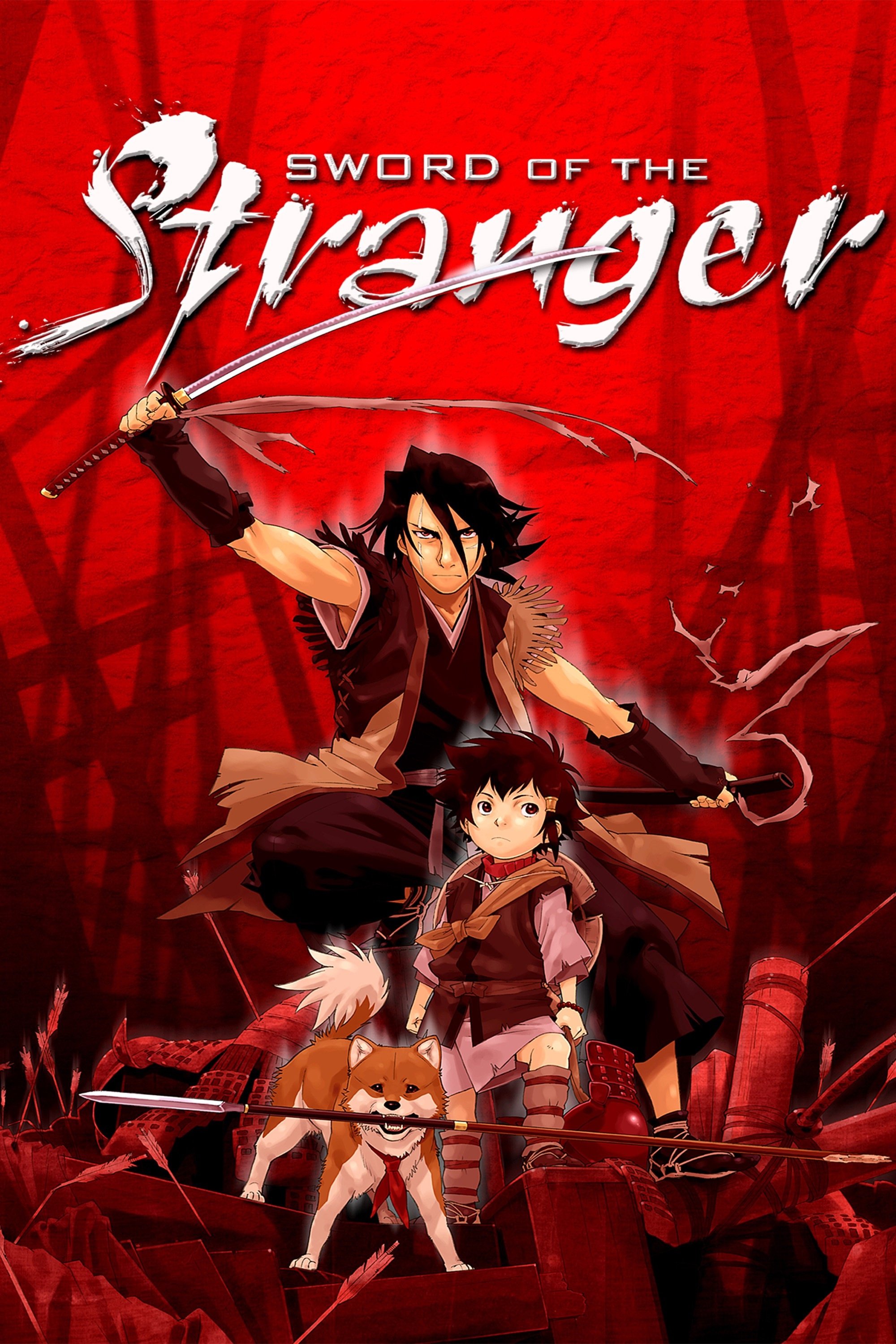
Bones produced this period action feature directed by Masahiro Ando. The film follows a nameless ronin who crosses paths with foreign agents and a hunted child, which sets up a string of tightly choreographed fights. The animation favors readable sword paths and layered timing that lets blades feel fast without losing clarity.
Naoki Sato’s score supports both quiet travel sequences and duels with distinctive motifs. The project is often used in animator breakdowns for its staging choices, especially the final showdown that balances footwork, camera placement, and environment.
‘Patema Inverted’ (2013)
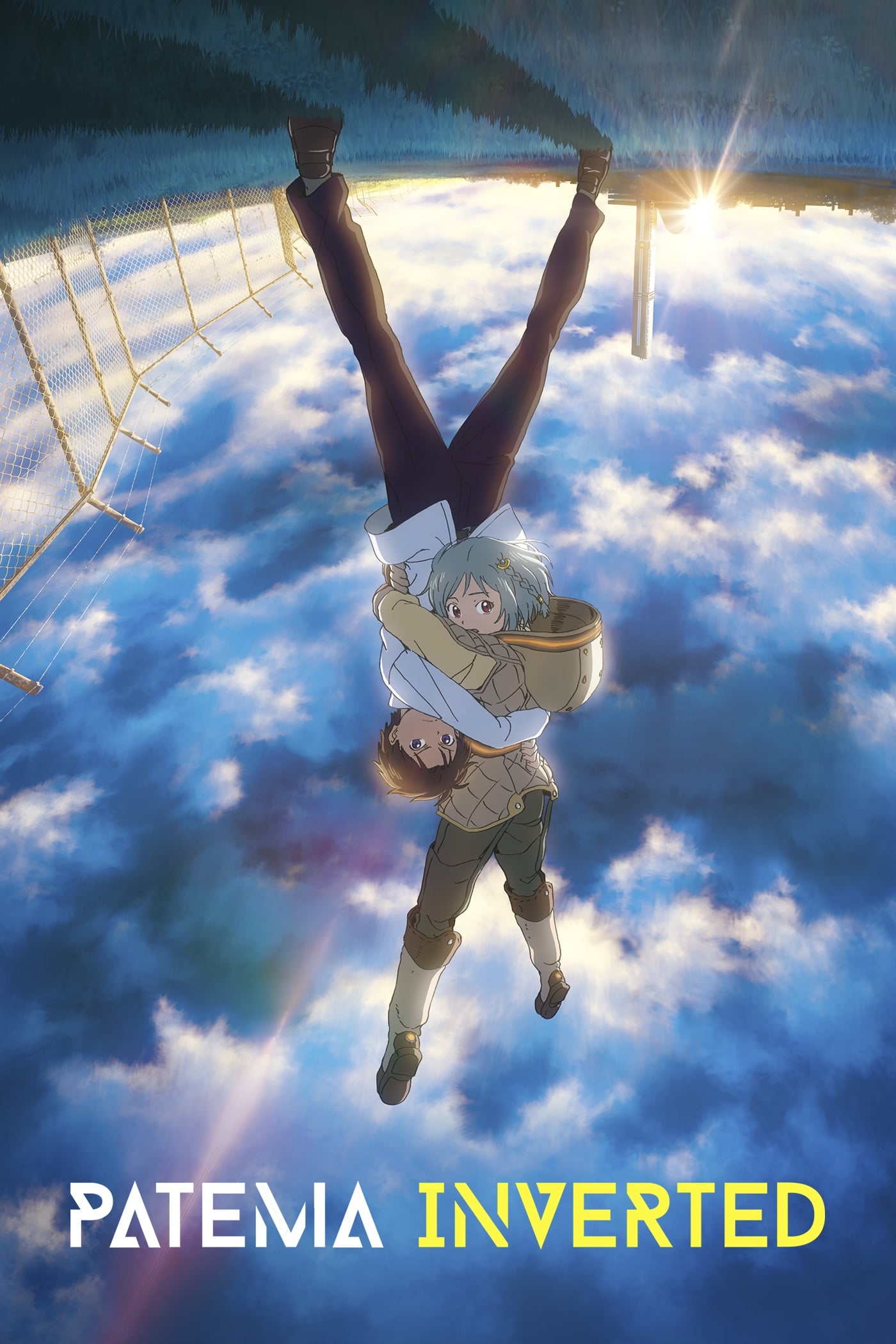
Director Yasuhiro Yoshiura and Studio Rikka built a world where gravity reverses between two human communities. Layout artists planned backgrounds that can flip orientation while still selling depth, and the character animation keeps hair, clothing, and loose objects consistent with each side’s gravity.
Comix Wave joined for distribution and the film expanded a universe first teased in shorts. The production doubles as a study in how perspective tricks can become narrative stakes, since every chase or rescue must account for which way is down.
‘Memories’ (1995)
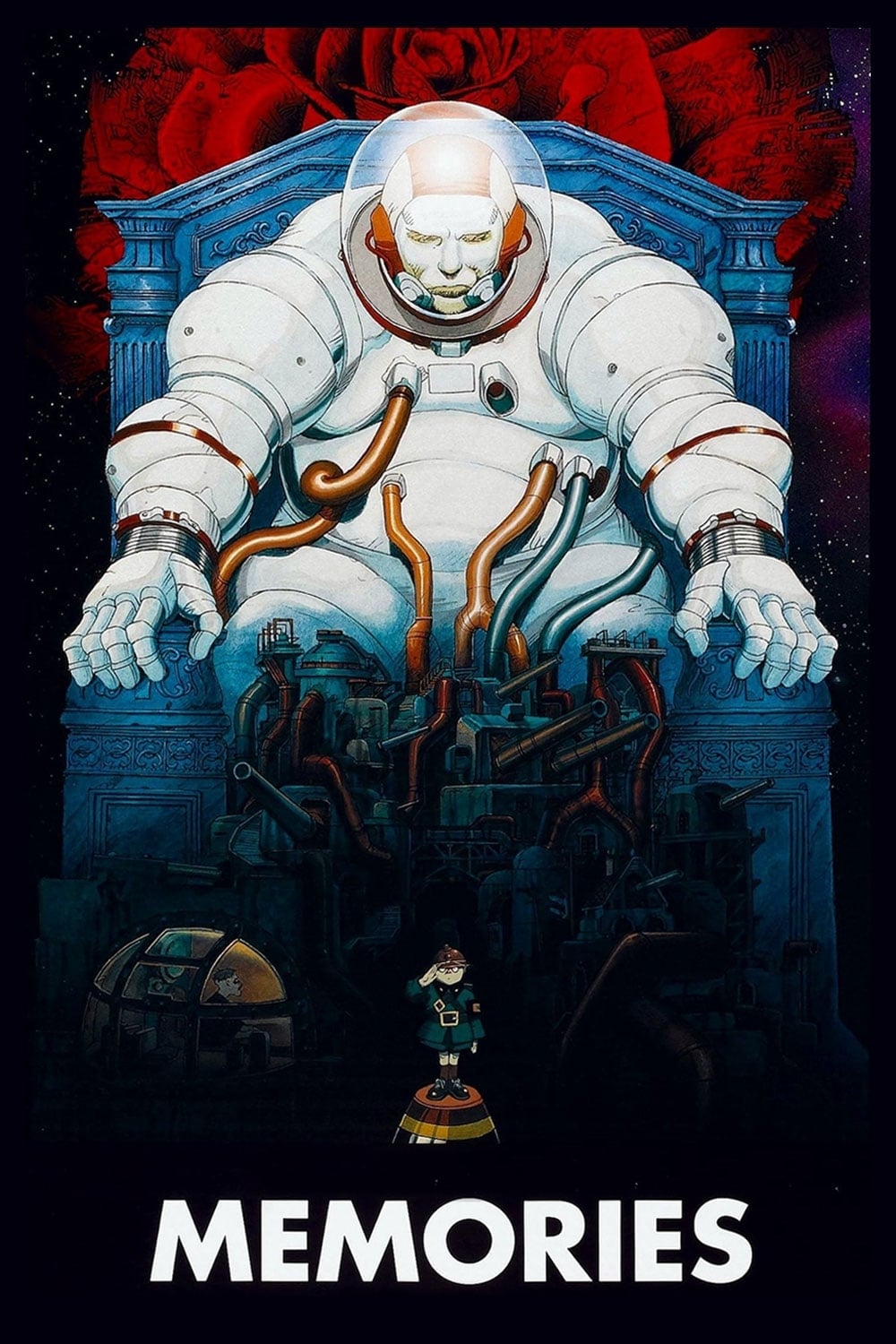
This anthology produced by Katsuhiro Otomo collects three shorts with distinct directors. ‘Magnetic Rose’ comes from Koji Morimoto with music by Yoko Kanno and merges space salvage with opera. ‘Stink Bomb’ is directed by Tensai Okamura and plays a lab accident as escalating disaster. ‘Cannon Fodder’ is directed by Otomo and presents a single city in a continuous staging style.
Each segment explores a different production challenge, from operatic sound design to limited color palettes and elaborate background pans. Together they form a compact survey of mid era techniques at high craft levels.
‘Robot Carnival’ (1987)
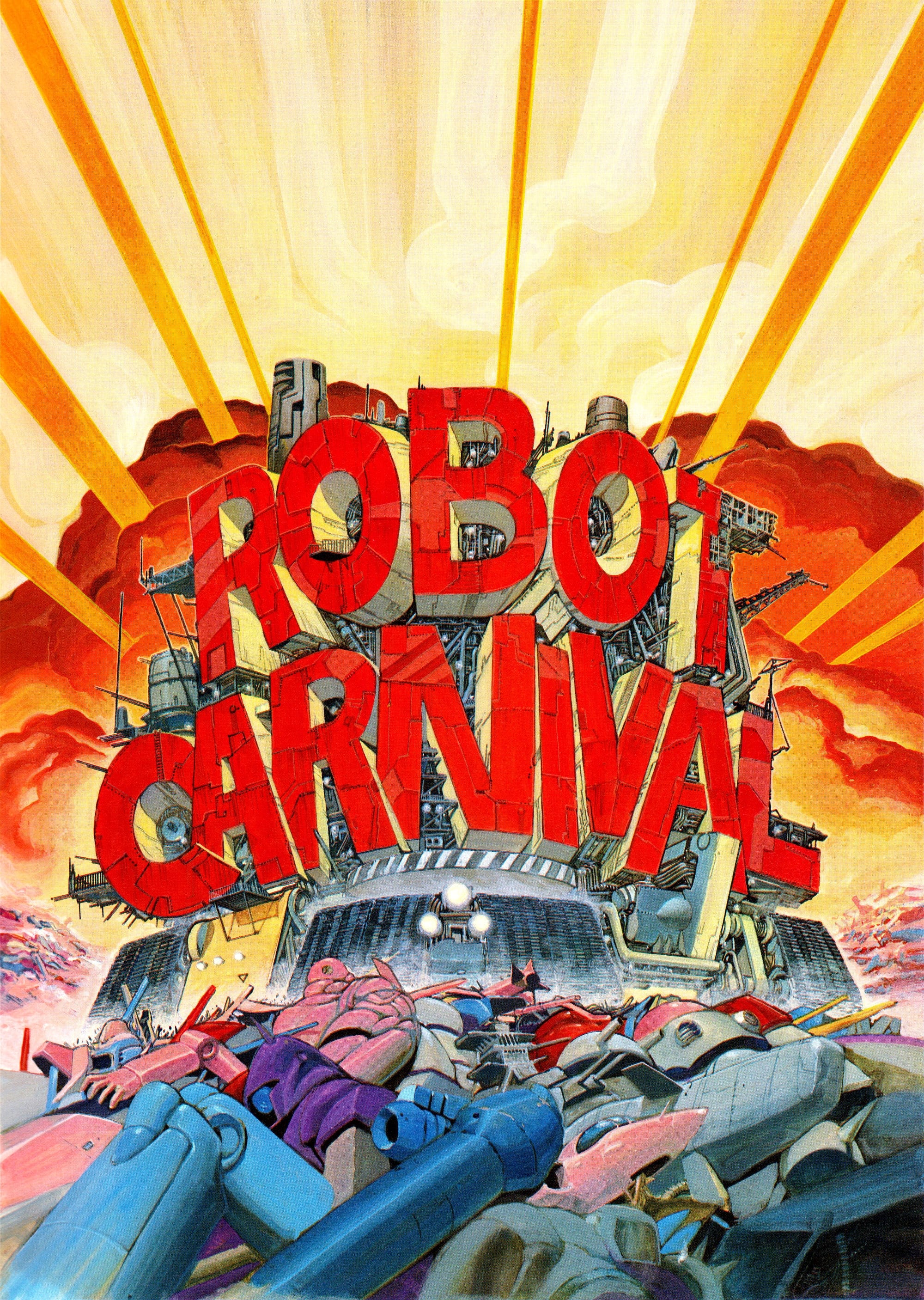
This earlier anthology features segments by Katsuhiro Otomo, Koji Morimoto, Atsuko Fukushima, Hiroyuki Kitazume, and others. Despite varied tones, every short centers on robots in ways that highlight motion study, effects work, and design quirks. Joe Hisaishi contributes a unifying musical identity across the framing device and multiple episodes.
The project offered a showcase for rising animators who later led major features. Restoration work brought the film back to a wider audience, which also preserved a snapshot of experimental energy from its period.
‘Night on the Galactic Railroad’ (1985)

Gisaburo Sugii adapted Kenji Miyazawa’s classic novel and chose to depict the main characters as cats while keeping the original text’s spiritual themes. Backgrounds carry a star filled calm and the train interiors feel tangible, which makes the surreal destinations more striking. Haruomi Hosono composed a minimal and airy score that lets silence do part of the work.
The adaptation preserves the book’s quiet pacing and reflective tone. It is frequently used in classrooms and literary circles when discussing Miyazawa and intertextual references to poetry and myth.
‘Belladonna of Sadness’ (1973)

Director Eiichi Yamamoto led this Mushi Production feature that leans on watercolor tableaux, limited animation, and narration. Rather than chase constant motion, the film builds sequences from illustrated stills and slow camera moves across paintings, which lets composition carry much of the storytelling.
The film’s restoration highlighted its color design and fine line art for new viewers. Music and sound design mix folk and psychedelic cues that place it firmly within a specific creative moment while the visual approach remains singular.
‘Venus Wars’ (1989)
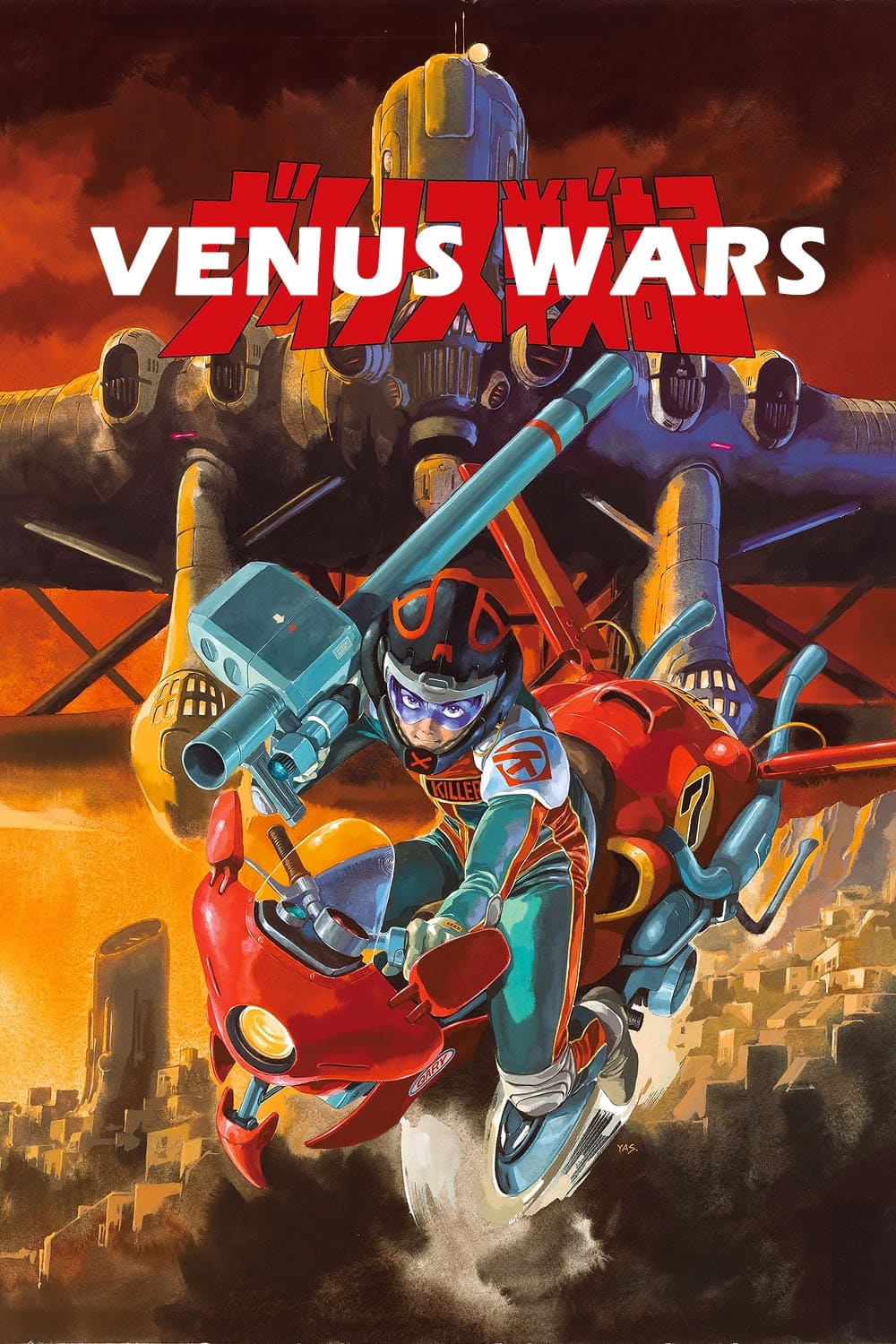
Yoshikazu Yasuhiko adapted his own manga and directed, delivering grounded bike combat on a terraformed Venus. Mechanical designs emphasize weight transfer and traction, so chase scenes track momentum rather than quick cuts alone. Backgrounds show industrial sprawl and dry basins that support military logistics in the setting.
Joe Hisaishi’s score provides rhythmic propulsion for training and battle sequences. The film also demonstrates how to stage group tactics in animation, with units moving as teams rather than as isolated heroes.
‘Metropolis’ (2001)
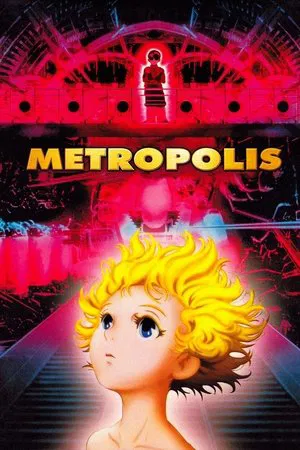
Rintaro directed this adaptation of Osamu Tezuka’s manga with a screenplay by Katsuhiro Otomo. The production blends hand drawn characters with computer assisted backdrops to create a layered city of stacked zones. Character designs follow Tezuka’s rounded style, while architecture and lighting lean into art deco influences.
The film explores class segregation, robotics law, and media spectacle through a detective story. Music selections and large crowd scenes required careful editing and camera planning, which makes it a useful reference for complex urban animation.
‘Colorful’ (2010)
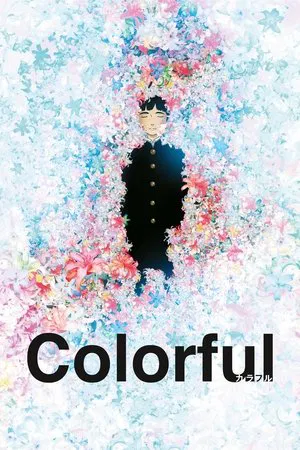
TohoKeiichi Hara directed this feature based on Eto Mori’s novel about a wayward soul given another chance in a teenager’s body. The film treats school life, family strain, and social pressure with careful observation, which asks animators to focus on small gestures and everyday spaces.
The background art recreates ordinary neighborhoods with attention to weather and time of day. The film received recognition at festivals and within domestic awards circles, which helped push Hara’s name beyond his earlier work in family franchises.
‘A Tree of Palme’ (2002)
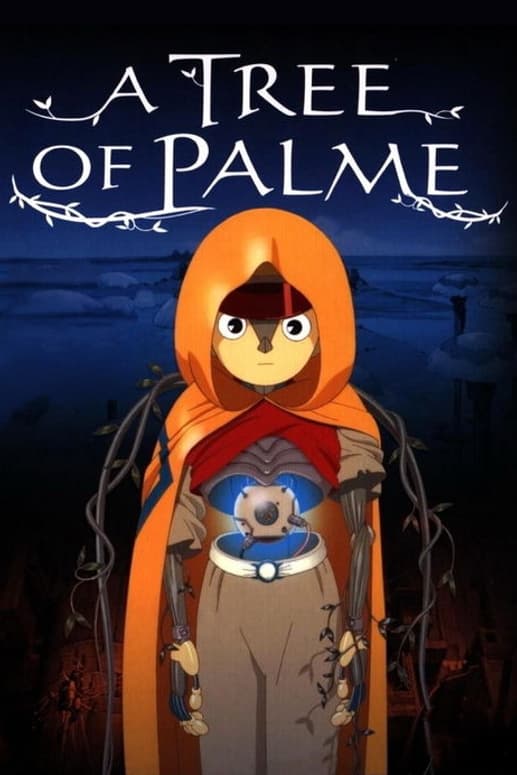
Director Takashi Nakamura loosely reframed the premise of ‘Pinocchio’ into a desert and jungle world filled with relic technology. The film favors elongated silhouettes, textured line work, and a warm color script that shifts with location and mood. Action scenes keep timing slightly off center, which gives movements a dreamlike quality.
The feature screened at major international festivals and drew attention to Nakamura’s dual strength in character acting and effects animation. Its worldbuilding bible is extensive, and that depth shows up in props, costumes, and rituals.
‘Phoenix 2772’ (1980)
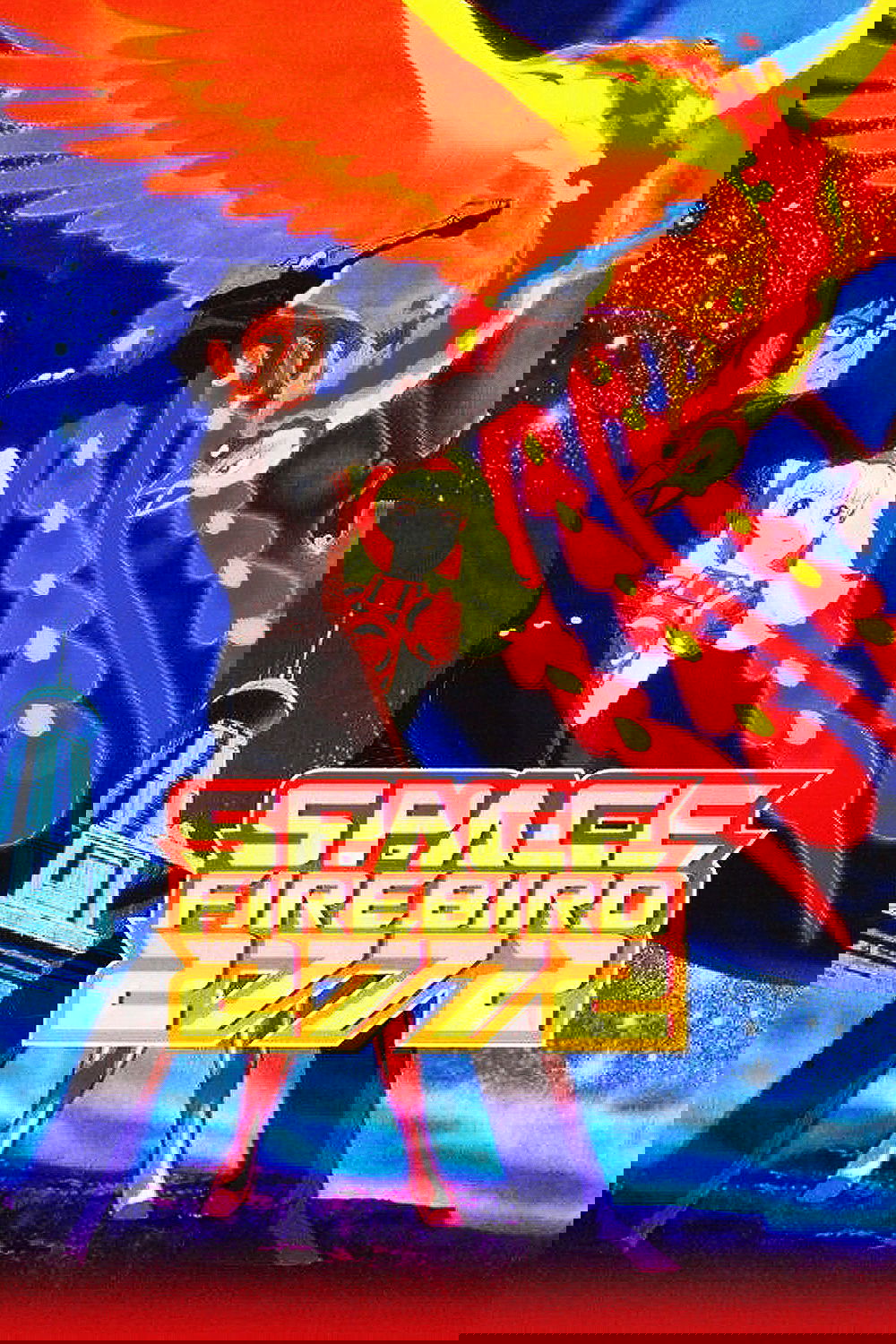
Tezuka Productions brought Osamu Tezuka’s ‘Phoenix’ cycle to the screen with a self contained space adventure. The story follows a boy raised by machines who becomes entangled in a struggle tied to a cosmic firebird, which lets the film move from training grounds to deep space to mythic arenas without breaking tone.
Character designs reflect Tezuka’s trademark shapes while spacecraft and cities push toward sleek futurism. The feature stands as an early long form attempt to translate the breadth of the ‘Phoenix’ saga into a single narrative for theaters.
‘Twilight of the Cockroaches’ (1987)
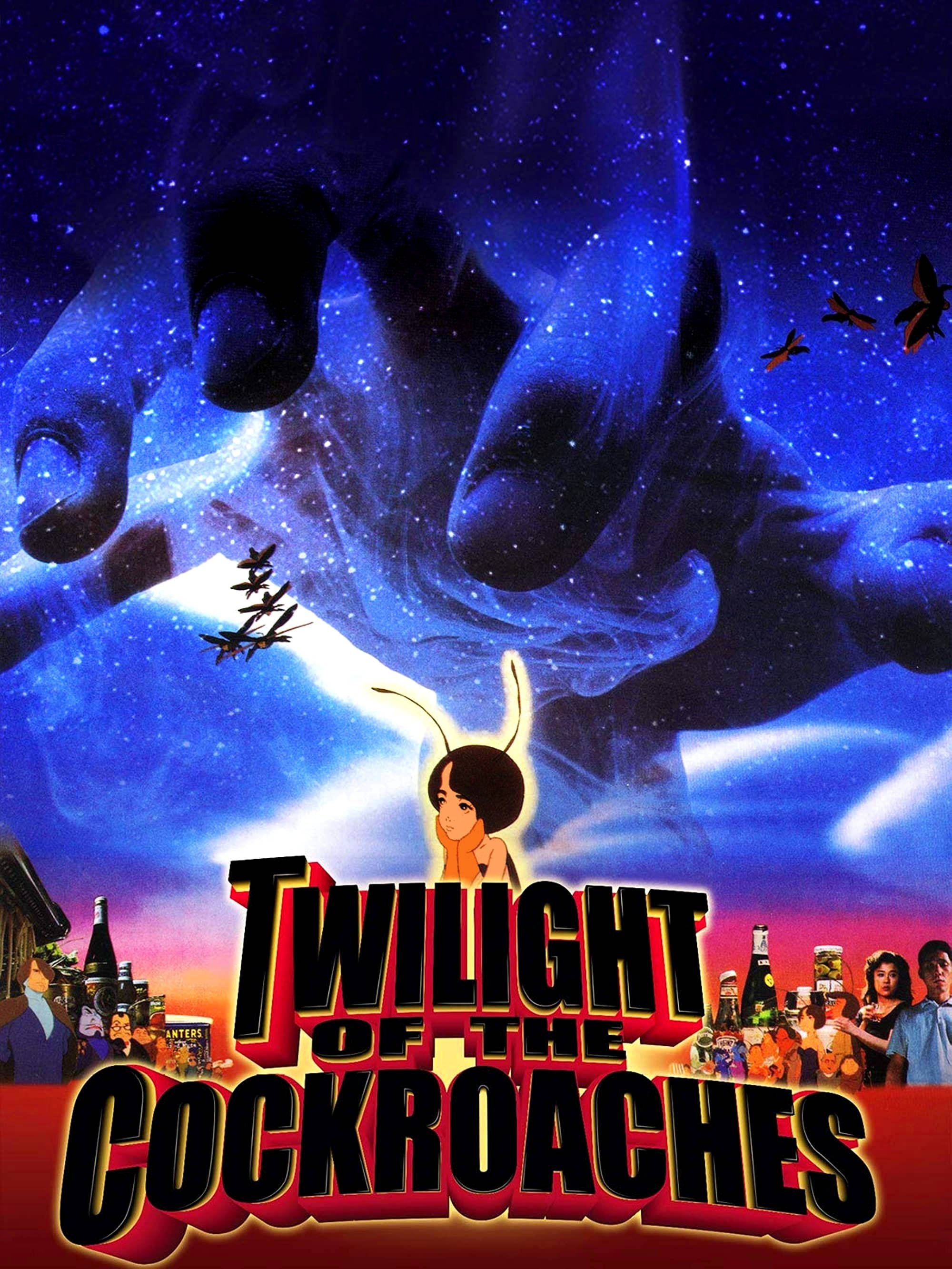
Director Hiroaki Yoshida combined live action plates with cel animated characters to depict a hidden cockroach society living inside a human apartment. The hybrid technique required precise lighting and camera matching, since animated shadows and reflections needed to sit naturally on photographed surfaces.
The film uses the domestic setting to explore conflict, displacement, and uneasy truces. Its production with Madhouse helped refine pipeline steps for mixing formats, which later projects leveraged in more complex composites.
‘X: The Movie’ (1996)
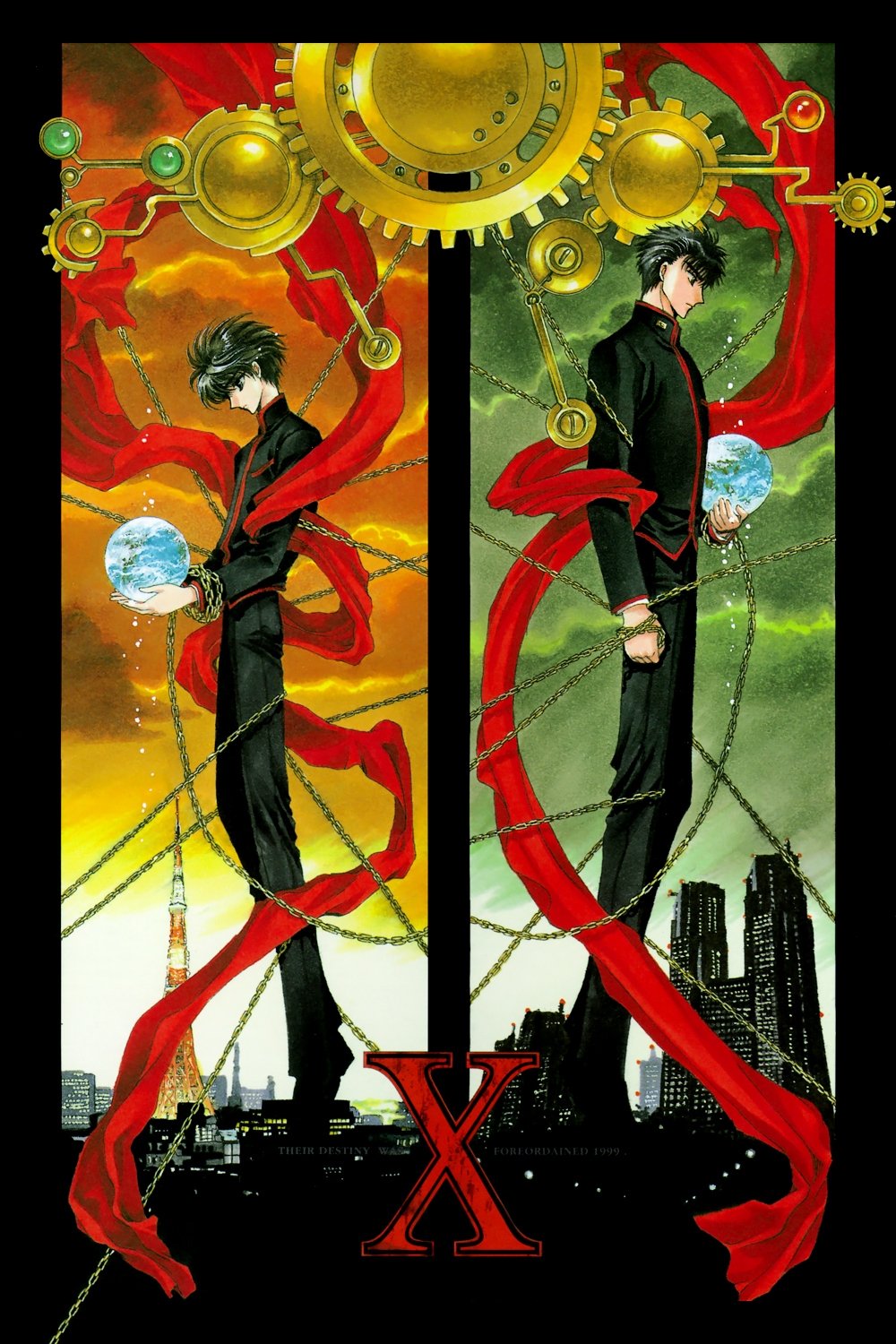
Rintaro directed this feature adaptation of CLAMP’s apocalyptic manga, condensing a sprawling serial into a single theatrical arc. The film presents two factions of gifted fighters whose clashes reshape Tokyo, with iconic set pieces around glass towers and ceremonial spaces.
Character line work remains crisp even during rapid motion and screen fills with debris and cloth effects that track wind and gravity. The movie arrived alongside a larger media push for the property, which makes it a case study in cross format storytelling.
‘Arion’ (1986)
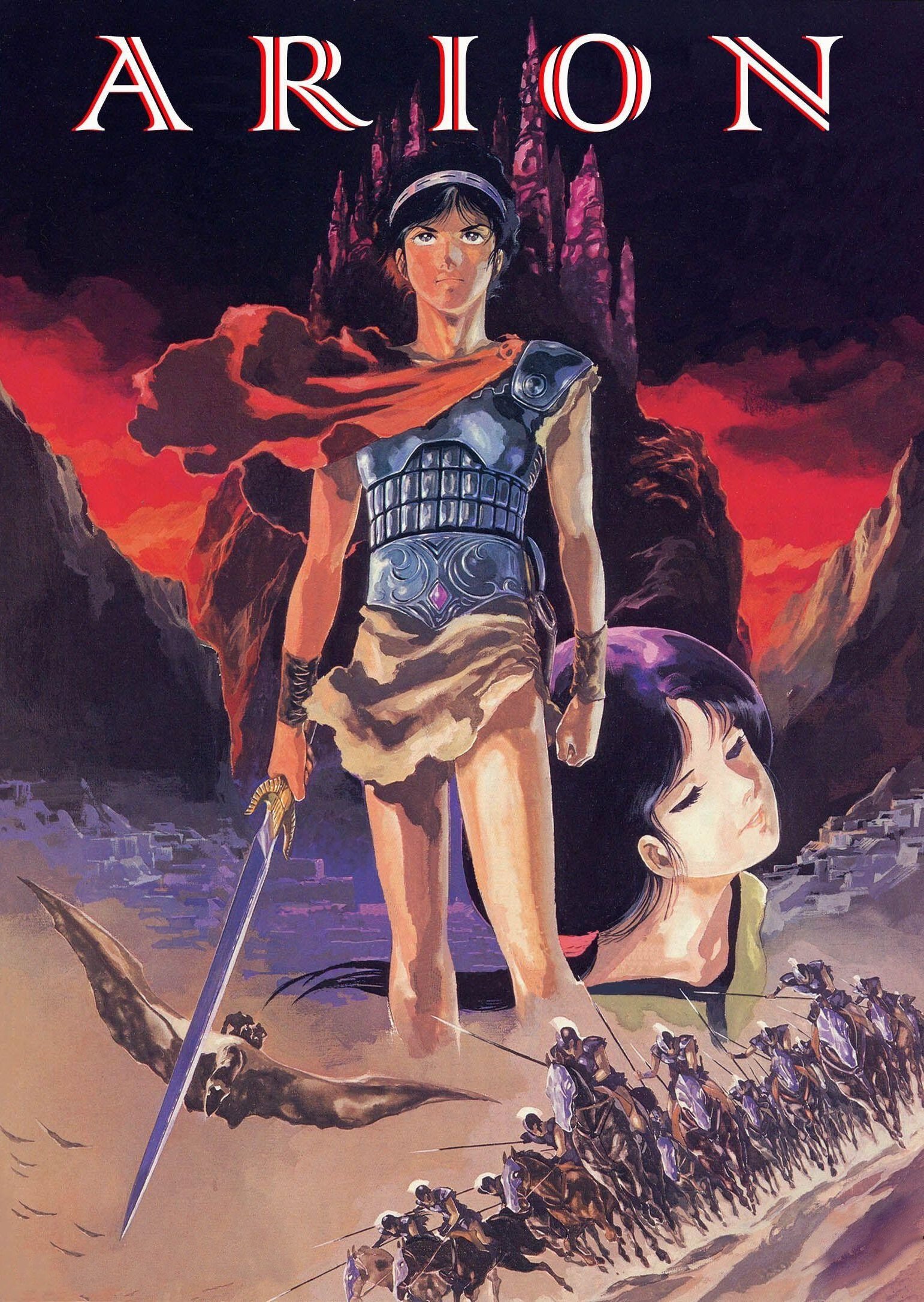
Yoshikazu Yasuhiko adapted and directed this retelling of Greek myths with emphasis on Olympus politics and heroic tragedy. Sunrise handled animation and the production features detailed armor, creatures, and ceremonial architecture that play into large scale battles.
Joe Hisaishi’s music underscores temple scenes and open field confrontations with strong melodic lines. The project showcases how anime interprets classical myth through action choreography, expressive color, and stylized character acting.
‘Wicked City’ (1987)
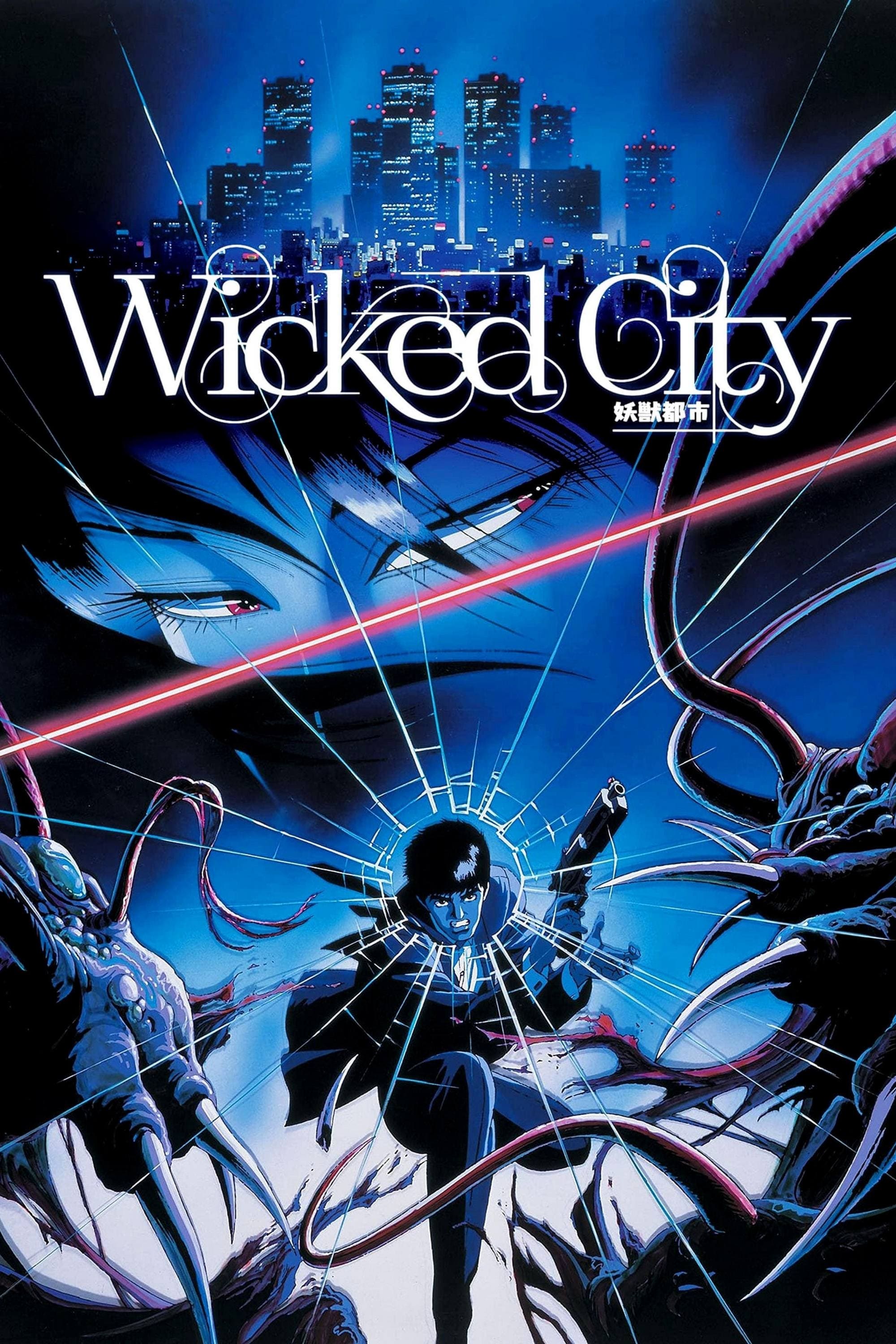
Yoshiaki Kawajiri directed this adaptation of Hideyuki Kikuchi’s novel, setting a secret truce between humans and a parallel demon world inside a neon drenched metropolis. The film is known for elaborate creature animation, complex camera moves, and precise perspective shifts during fights.
Madhouse’s pipeline delivered sharp line art and rich blacks that hold up under low light scenes. The feature became a key reference for urban dark fantasy in animation and influenced later projects from the same director and studio.
‘Little Nemo: Adventures in Slumberland’ (1989)
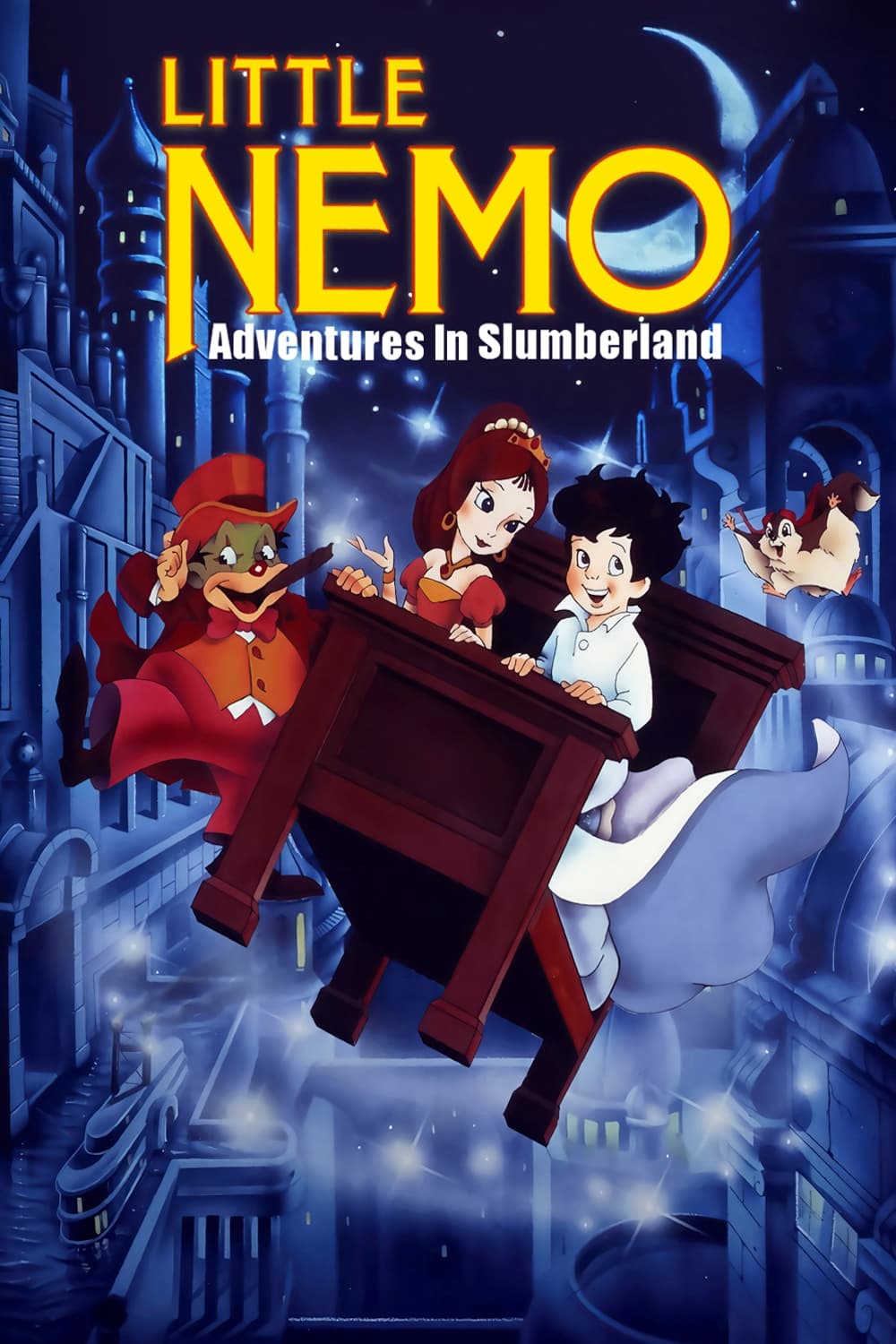
This long gestating coproduction brought together Japanese and American teams to adapt Winsor McCay’s classic comic. Masami Hata and William Hurtz are credited as directors on the final version after multiple development phases that tested different story approaches. The film preserves the comic’s dream logic with shifting scale, playful geography, and elaborate parade sequences.
Music and songs come from the Sherman Brothers, and the production experimented with layout methods to echo McCay’s page compositions on screen. The project also stands as an early lesson in international collaboration workflows for feature animation.
‘The Dagger of Kamui’ (1985)
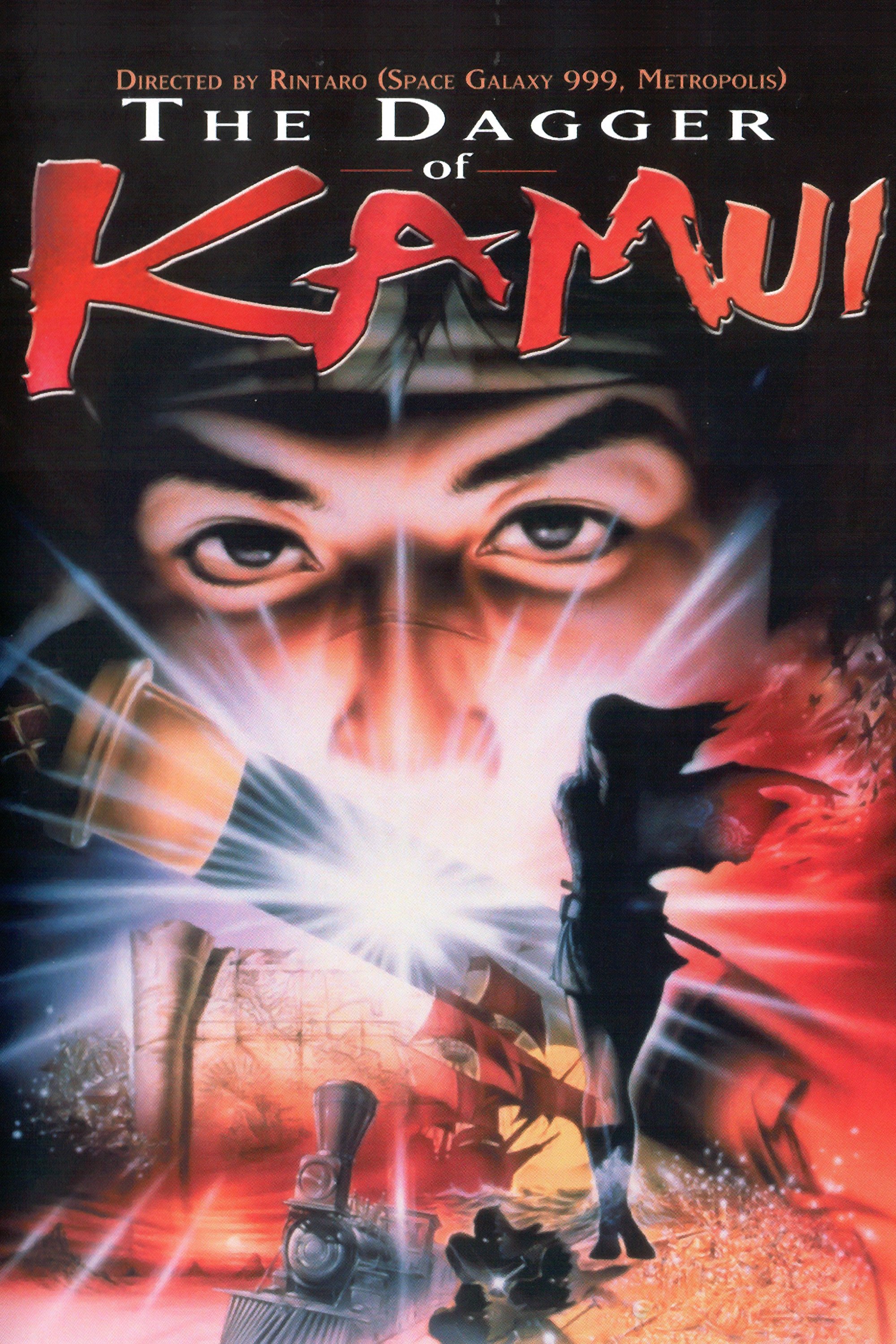
Rintaro directed this sweeping adventure based on Tetsu Yano’s novel and Sanpei Shirato’s manga. The narrative follows a young outcast who learns ninjutsu and uncovers a plot that spans feudal domains and new frontiers. Backgrounds show careful research into coastal villages, mountain passes, and foreign ports, which supports the journey structure.
The film integrates historical figures and travelogue elements with action set pieces that use long takes and quick bursts. Its production scale gave Madhouse room to push effects like water, smoke, and fabric behavior across varied climates.
Share the forgotten anime films you would add to this list in the comments.