15 “Straightwashed” Characters Fans Want Restored to Canon


Some characters were created or later established as queer, only to have that part of their identity minimized or erased in popular adaptations. Straightwashing shows up in films, TV, and localization choices, and it can change how audiences understand a character’s history, relationships, and motivations. When those versions become the most visible, the original intent can get lost.
This list gathers widely discussed examples where a character’s LGBTQ identity is canon in source material or creator statements but was dialed down or sidelined in major screen versions. Each entry explains where the canon stands and where the straightwashing happened, along with the adaptations where fans are asking for faithful restoration.
Mystique
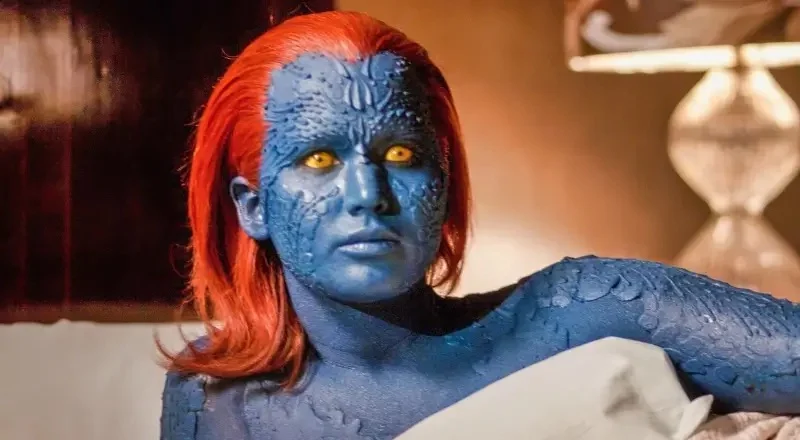
In Marvel comics, Mystique has a long history with Destiny that includes a committed partnership and shared parenting of Rogue. Their relationship was established in stories across decades and has been revisited in modern X-books with direct acknowledgment of their bond.
In the ‘X-Men’ films, Mystique’s romantic life centered on men, most notably Magneto and Beast, with no on-screen reference to Destiny. Fans point to the films as the version most viewers know and want future live-action projects to include her established queer relationship.
Iceman
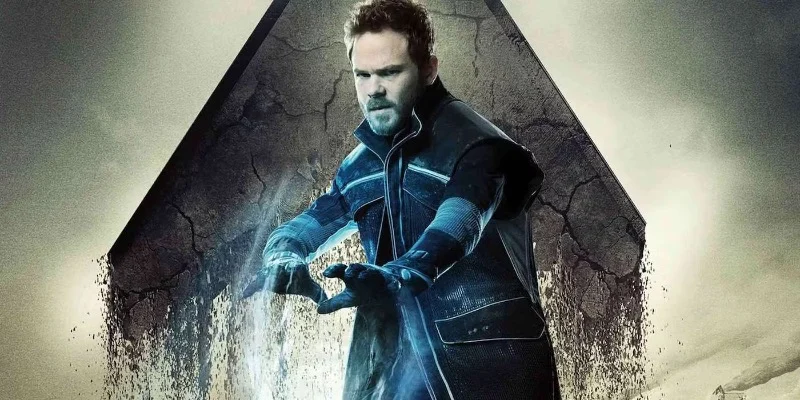
Bobby Drake came out as gay in the comics and has been featured in ongoing stories that explore his dating life, friendships, and role on teams after that milestone. Writers have treated his sexuality as settled canon that informs his character without defining his entire arc.
The ‘X-Men’ film series presented him in relationships with Rogue and later with Kitty Pryde, which meant audiences saw a straight version through several movies. With new screen adaptations on the horizon, readers frequently ask for a portrayal that reflects the comics.
John Constantine
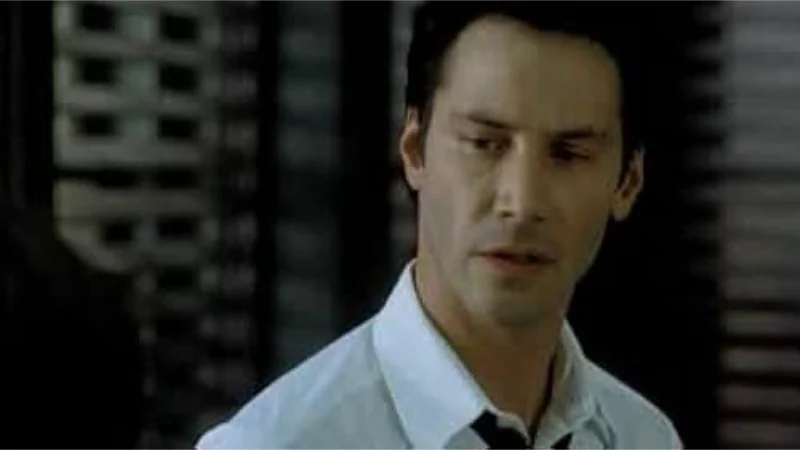
The ‘Hellblazer’ comics have depicted Constantine as bisexual across many runs, referencing past relationships with men and women as part of his messy personal history. That detail appears in character guides and in-story dialogue, making it part of long-standing canon.
On screen, the ‘Constantine’ feature focused on a heterosexual arc, and early TV interpretations were cautious about explicitly labeling him. Later appearances on ‘Legends of Tomorrow’ brought the bisexual canon into view, and fans want that clarity preserved in any new films.
Jughead Jones
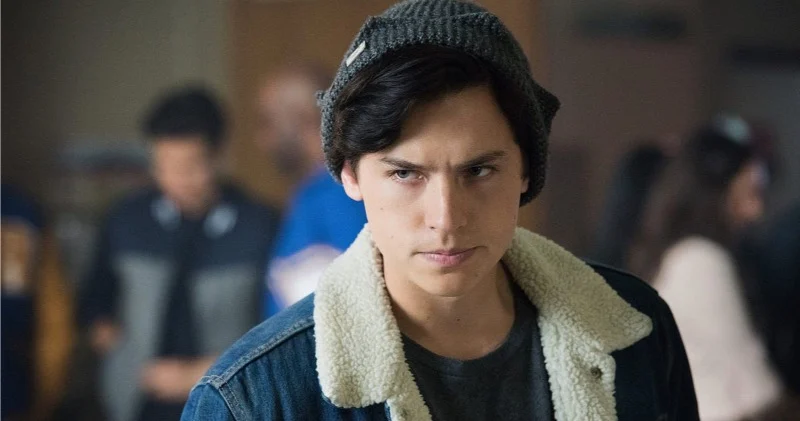
Modern Archie comics reintroduced Jughead with an asexual and aromantic identity in a well-known run that addressed romance expectations directly. That direction became a touchstone for representation in all-ages comics and is referenced in official collections and interviews.
The ‘Riverdale’ series paired Jughead with multiple girlfriends, which created a split between page and screen. Viewers who met the character through the show often missed the asexual canon, and readers continue to call for future adaptations to align with the comics.
Wonder Woman
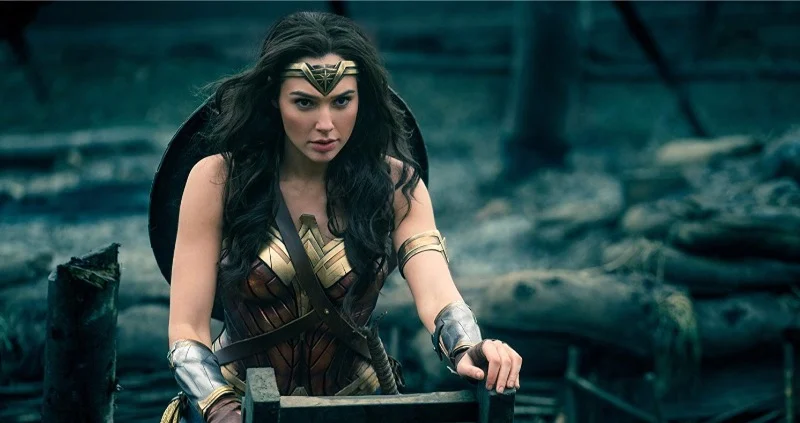
DC writers have confirmed that relationships among Amazons, and Diana’s own capacity for them, are part of canon in the comics. Stories set on Themyscira and in the wider world include same-sex romance as a natural element of her history.
The big screen focused on her relationship with Steve Trevor across multiple films, which kept the character’s queer history off camera. Fans often ask that future movies reflect the inclusive canon visible in her comics era.
Harley Quinn
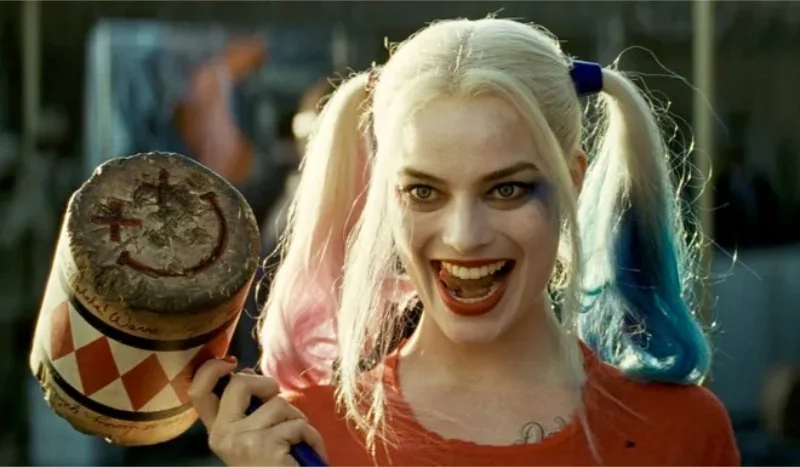
In the comics, Harley’s relationship with Poison Ivy is a central thread, from early hints to fully realized partnerships in recent series. Collections and companion books describe their bond as a foundational part of Harley’s growth away from the Joker.
Live action centered Harley’s story around the Joker and then on her independent arc with fleeting nods to past relationships. While the animated ‘Harley Quinn’ embraces Harley and Ivy together, moviegoers are still waiting for that relationship to appear in film continuity.
Poison Ivy
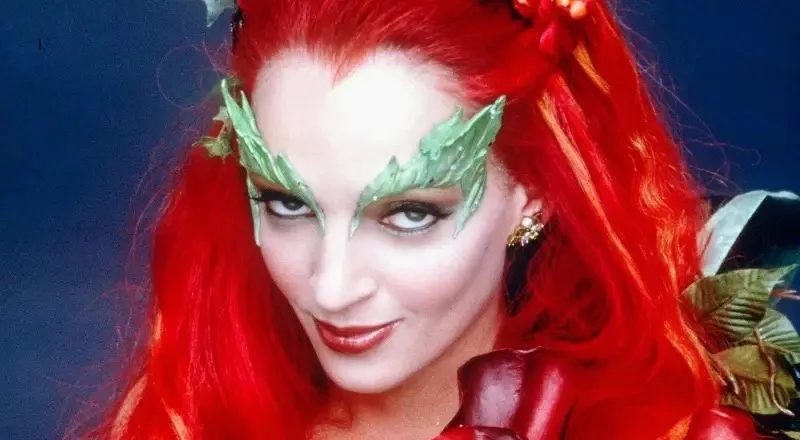
Poison Ivy’s bisexual identity has decades of support in comics, often intertwined with Harley in ways that evolve both characters. Canon materials make clear that her capacity for love is not limited to manipulation plots or pheromone gags.
Film and several TV takes leaned on seduction of men as a villain trope, leaving out her established relationships with women. Viewers point to the animated ‘Harley Quinn’ as proof of concept and want live action to match the source.
Star-Lord
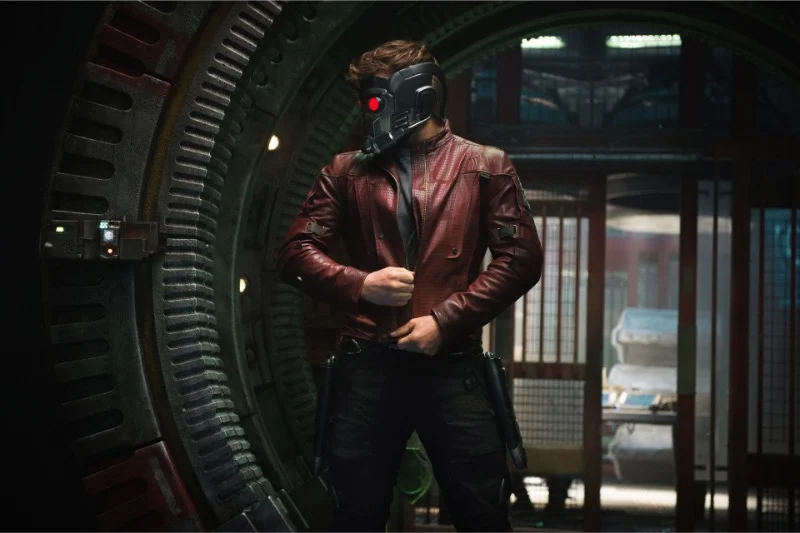
Marvel comics established Peter Quill as bisexual and comfortable in non-monogamous arrangements during a cosmic arc that put him alongside new partners. Subsequent issues have treated that reveal as part of his backstory rather than a one-off twist.
The ‘Guardians of the Galaxy’ films focus on his romance with Gamora without addressing his broader identity. With the character firmly linked to those movies, readers continue to ask for future appearances that reflect his comics canon.
Deadpool
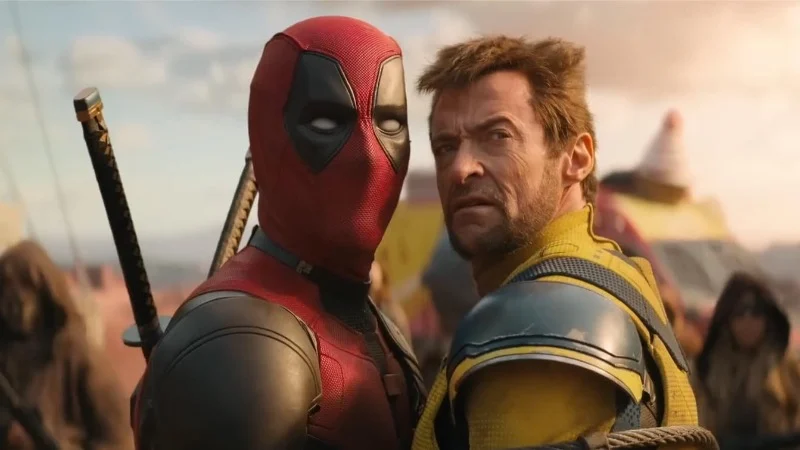
On the page, Deadpool is consistently presented as pansexual, which shows up in flirtation, attraction, and frank acknowledgment across books and handbooks. Writers fold that into his chaotic personality without treating it as a joke.
The first two ‘Deadpool’ films centered his love story with Vanessa, with only brief winks toward attraction beyond that. Fans argue that a character this fearless in the comics can carry explicit confirmation on screen in ways that match the source.
Valkyrie
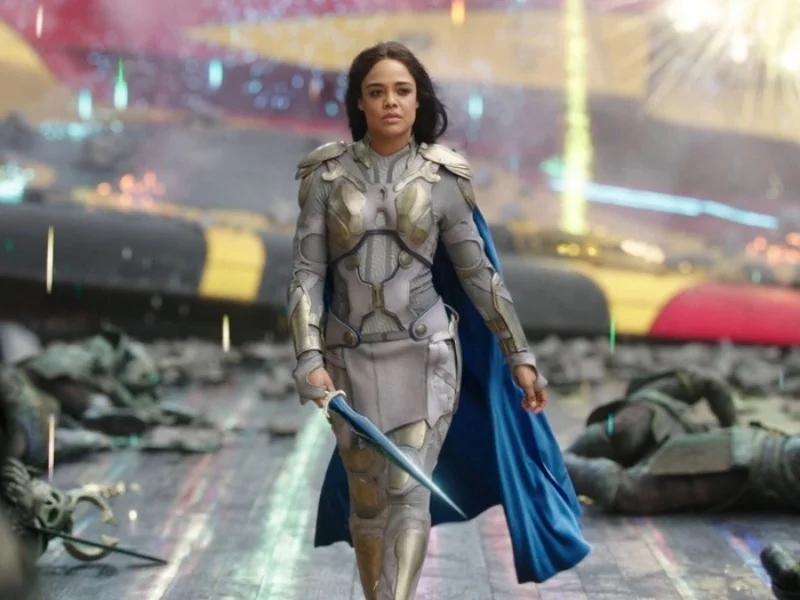
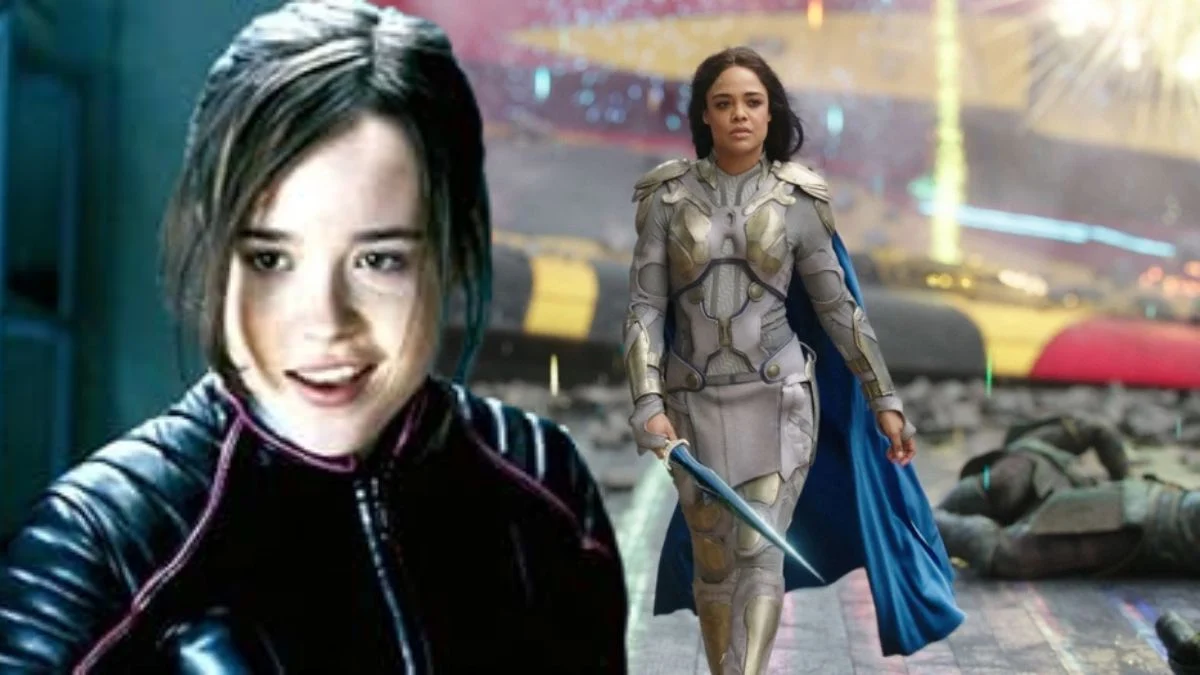
Comics identify Brunnhilde and other Valkyries as bisexual, and storylines have included women she loved and lost. Handbooks and character profiles document that history alongside her Asgardian role.
In the ‘Thor’ films, a scene that referenced a female lover was widely reported as removed during editing, and later entries offered only brief mentions. Viewers welcomed hints but continue to ask for an actual romance that reflects her comics history.
Kitty Pryde
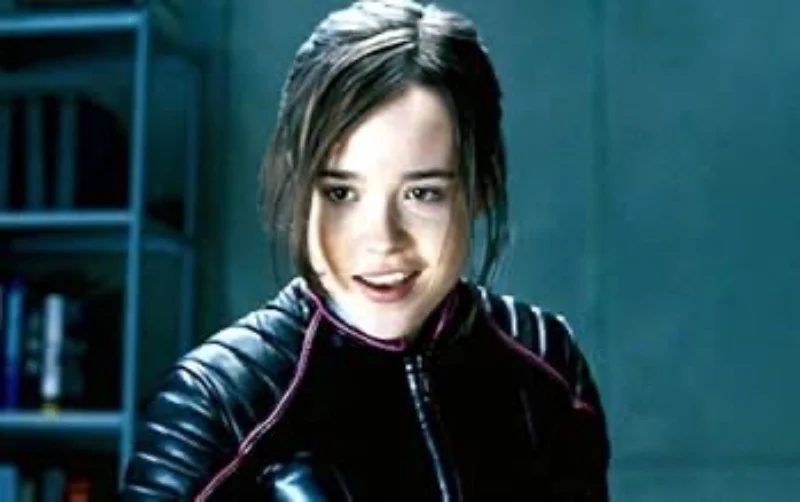
Recent comics confirmed Kitty Pryde’s bisexuality through on-panel relationships and dialogue that reframed years of character development. That shift has since been treated as canon by creative teams and editorial materials.
The earlier ‘X-Men’ movies featured Kitty in a straight teen triangle and never explored anything beyond that. With new adaptations in development, readers want the current comics version represented from the start.
Velma Dinkley
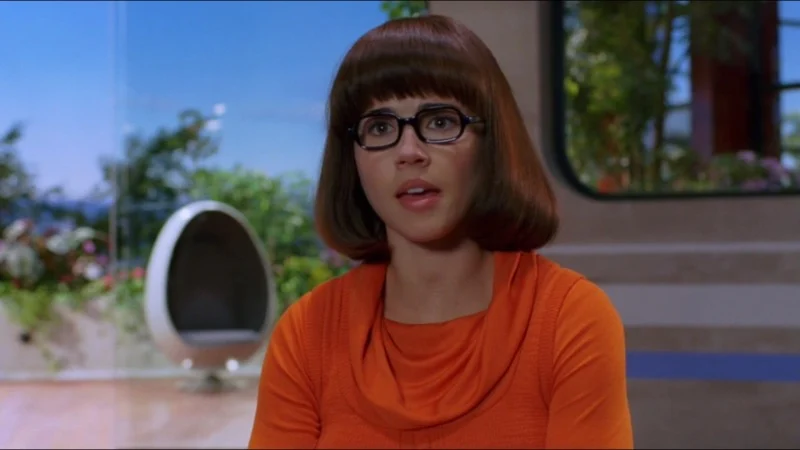
For years, creators discussed Velma’s intended queerness, and recent animated projects finally depicted her crush on a woman as explicit text. Franchise companion materials and interviews have reinforced that characterization.
Older animated shows and several movies paired Velma with male characters, which set public perception for a long time. With newer installments acknowledging her orientation, fans want future film and TV entries to keep that depiction consistent.
Sailor Uranus and Sailor Neptune
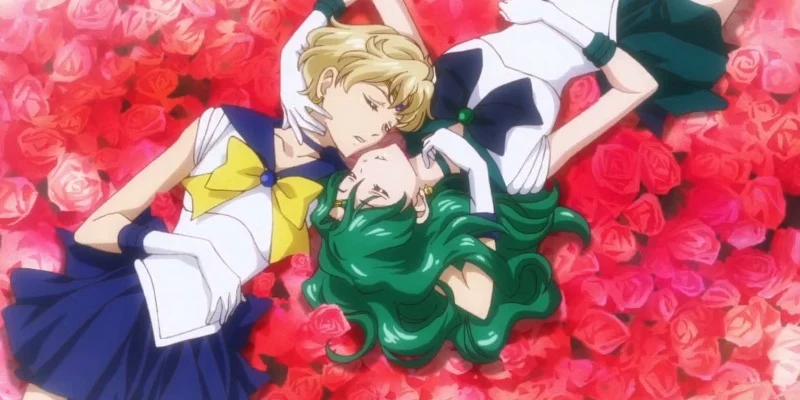
In the original ‘Sailor Moon’ anime and related materials, Haruka Tenoh and Michiru Kaioh are girlfriends with a partnership that supports and defines their arcs. Official guides and interviews affirm that status across releases in Japan.
Early English localizations altered dialogue and marketing to present them as cousins, which changed audience understanding outside Japan. Later dubs and ‘Sailor Moon Crystal’ restored the original intent, and fans continue to call for accurate presentation in every territory.
Zoisite
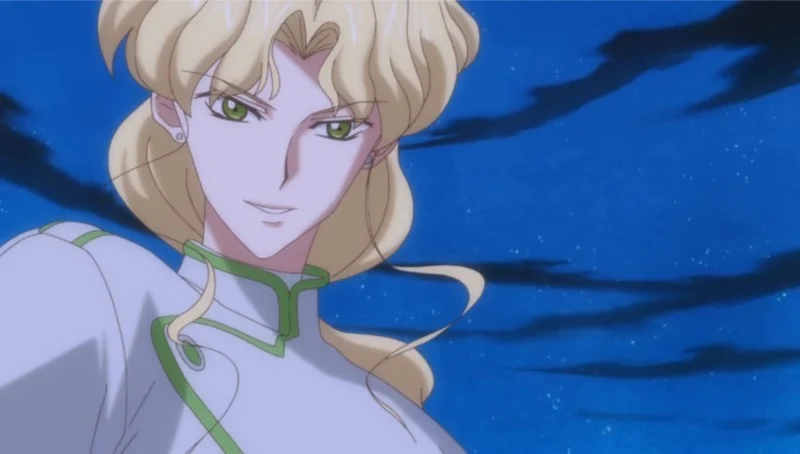
The original ‘Sailor Moon’ portrays Zoisite as male and in a romantic relationship with Kunzite, which appears in multiple episodes and guidebooks. That pairing is part of the show’s tapestry of relationships.
An early English dub changed Zoisite to female, erasing the same-sex relationship for a generation of viewers. Restored versions corrected the change, and fans advocate for those to remain the standard in future releases.
Lando Calrissian
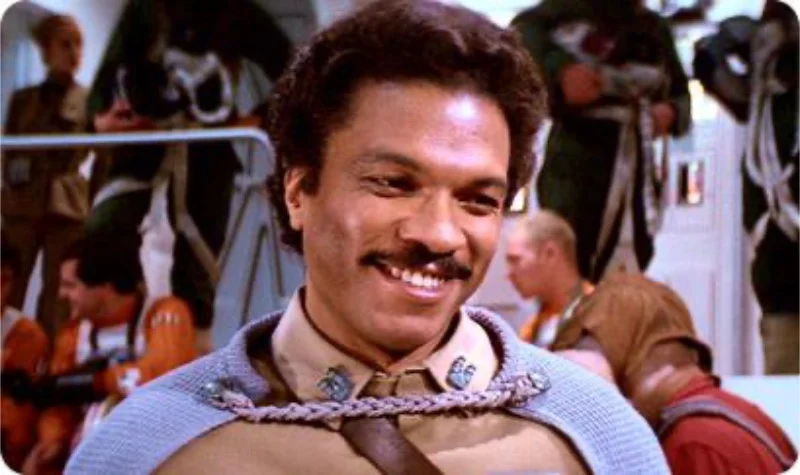
Writers and creatives have described Lando as pansexual within the larger ‘Star Wars’ universe, an interpretation that fits his charm and connections across species and cultures. Tie-in materials and interviews have echoed that understanding.
Films have focused on relationships with women, and even ‘Solo: A Star Wars Story’ kept the idea in subtext. Viewers continue to ask for on-screen confirmation that aligns with the characterization discussed by the people who shape the franchise.
Share which characters you want to see fully restored to their canon selves in the comments.