15 Perfect Casting Choices in Terrible Video Game Movies


Video game adaptations have a mixed track record on the big screen, yet even the roughest productions sometimes land the exact right actor for a key role. The movies below drew plenty of criticism for scripts, effects, or execution, but these casting choices fit the characters’ skills, look, or lore in ways that fans immediately recognized.
Each entry focuses on concrete details like training, production facts, continuity with the games, and how the actors built their performances. The films may be flawed, but the people highlighted here brought notable authenticity to roles that came with decades of expectations and passionate audiences.
Bob Hoskins as Mario in ‘Super Mario Bros.’ (1993)
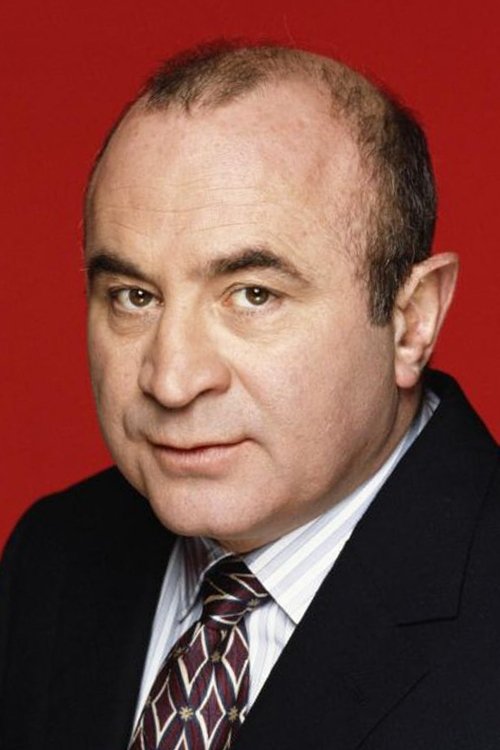
Hoskins stepped into the red cap and overalls to play the Brooklyn plumber, acting opposite John Leguizamo as Luigi and Dennis Hopper as King Koopa. The production built its sprawling Dinohattan set in North Carolina, using a converted industrial space to stage the citywide chase and stunt sequences that define much of the film’s action. Directors Rocky Morton and Annabel Jankel leaned on practical sets and makeup to realize the Mushroom Kingdom in live action.
The film arrived at the start of a wave of game adaptations and struggled with critics and at the box office, yet Hoskins’ work anchored a large ensemble. His scenes track closely with the game’s sibling dynamic, with frequent pair work alongside Leguizamo during plumbing jobs, street chases, and dimension hopping mishaps that tie back to the original platformer’s duo.
Raúl Juliá as M. Bison in ‘Street Fighter’ (1994)
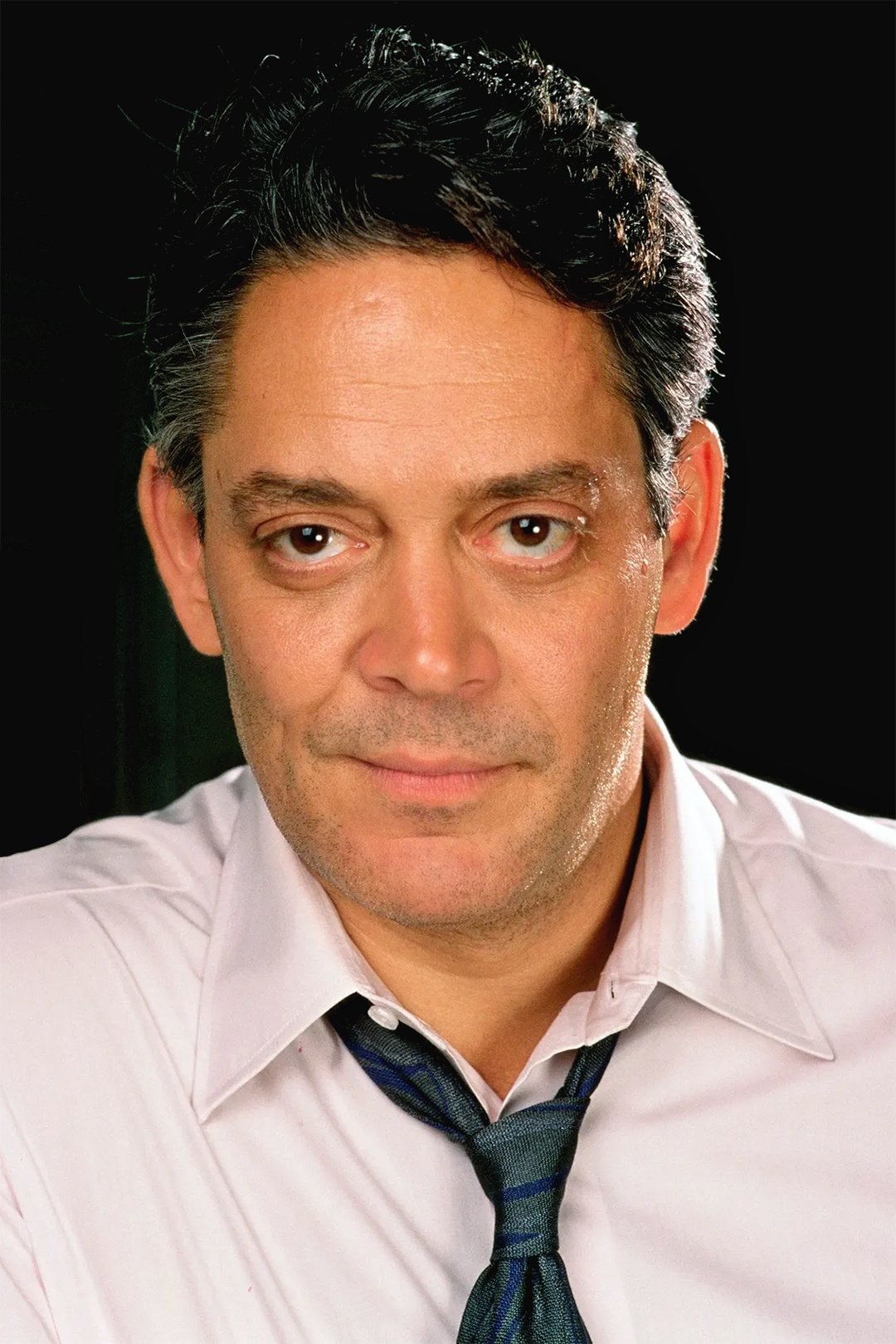
Juliá’s final theatrical role placed him in the iconic crimson uniform as the Shadaloo commander, playing opposite Jean Claude Van Damme’s Guile and Ming Na Wen’s Chun Li. The production used a combination of soundstage work and location shoots to stage Bison’s fortress, while costuming preserved the character’s cap, cape, and insignia from the arcade classic.
Universal Pictures dedicated the film to Juliá’s memory, and his performance anchors the climactic control room and levitation sequences that mirror the character’s game persona. The release became a global commercial success, introducing a wide audience to a large roster of fighters with names, moves, and rivalries drawn from the series.
Angelina Jolie as Lara Croft in ‘Lara Croft: Tomb Raider’ (2001)

Jolie trained extensively in firearms handling, wire work, and acrobatics to play the globe trotting archaeologist, while dialect coaching supported Lara’s accent and speech patterns. Jon Voight appeared as Lara’s father, creating an on screen family connection that tied into flashback sequences and the film’s artifact driven plot.
The production secured high profile locations, including scenes at Angkor in Cambodia, which broadened the film’s archaeological scope and visual authenticity. The movie opened at number one at the domestic box office and later led to a sequel, confirming Lara Croft as a durable live action franchise character.
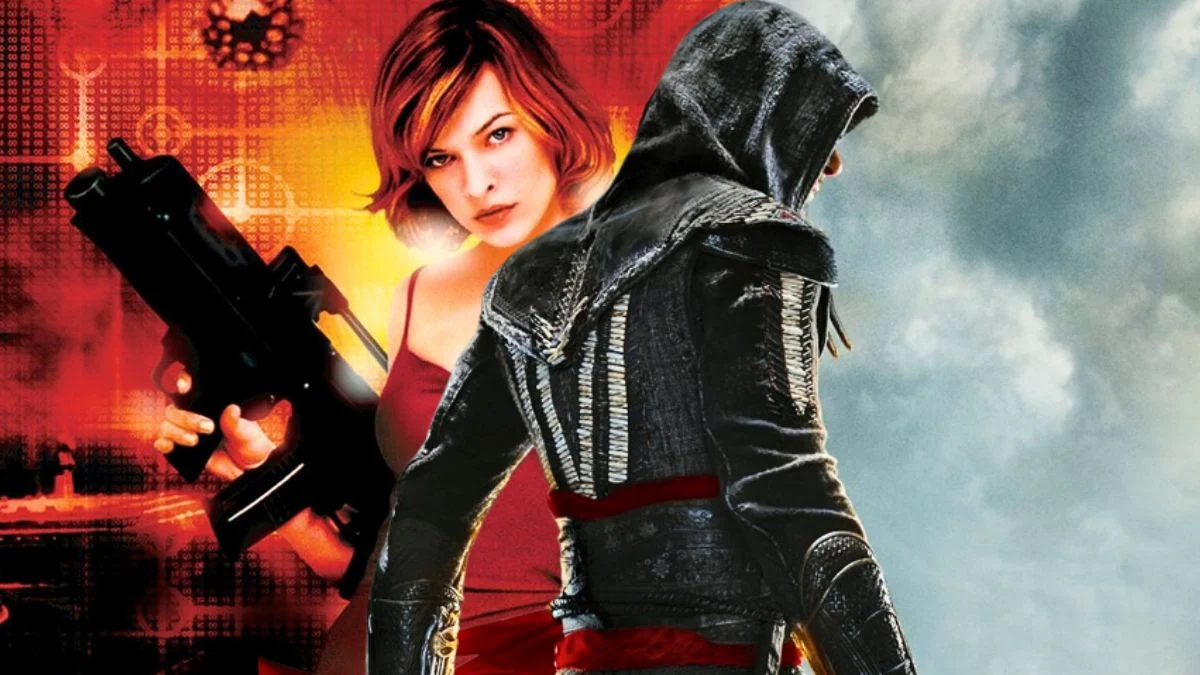
Milla Jovovich as Alice in ‘Resident Evil’ (2002)
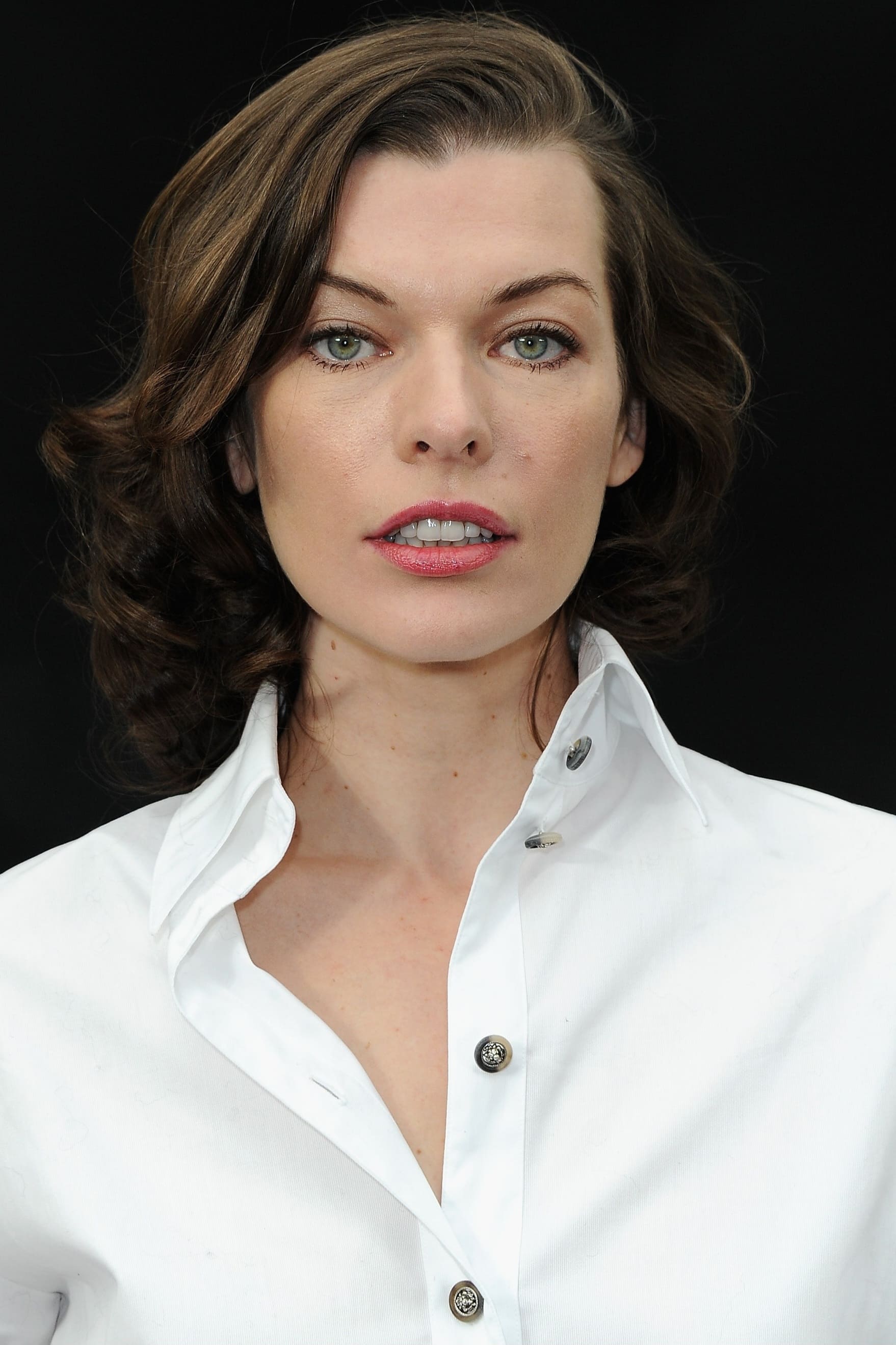
Jovovich portrayed an original protagonist designed for the film continuity, working with director Paul W S Anderson and the stunt team on close quarters combat, wire assisted flips, and firearms drills. The character moves through the Umbrella Corporation’s underground facility, aligning the movie’s timeline with outbreaks and biotech elements from Capcom’s series.
The role launched a long running film saga that spanned multiple sequels and international shoots. Across the series, the production scaled up creature work, stunt design, and practical sets, while continuity references to the T virus, Raccoon City, and Umbrella linked each entry back to the games.
Robin Shou as Liu Kang in ‘Mortal Kombat: Annihilation’ (1997)
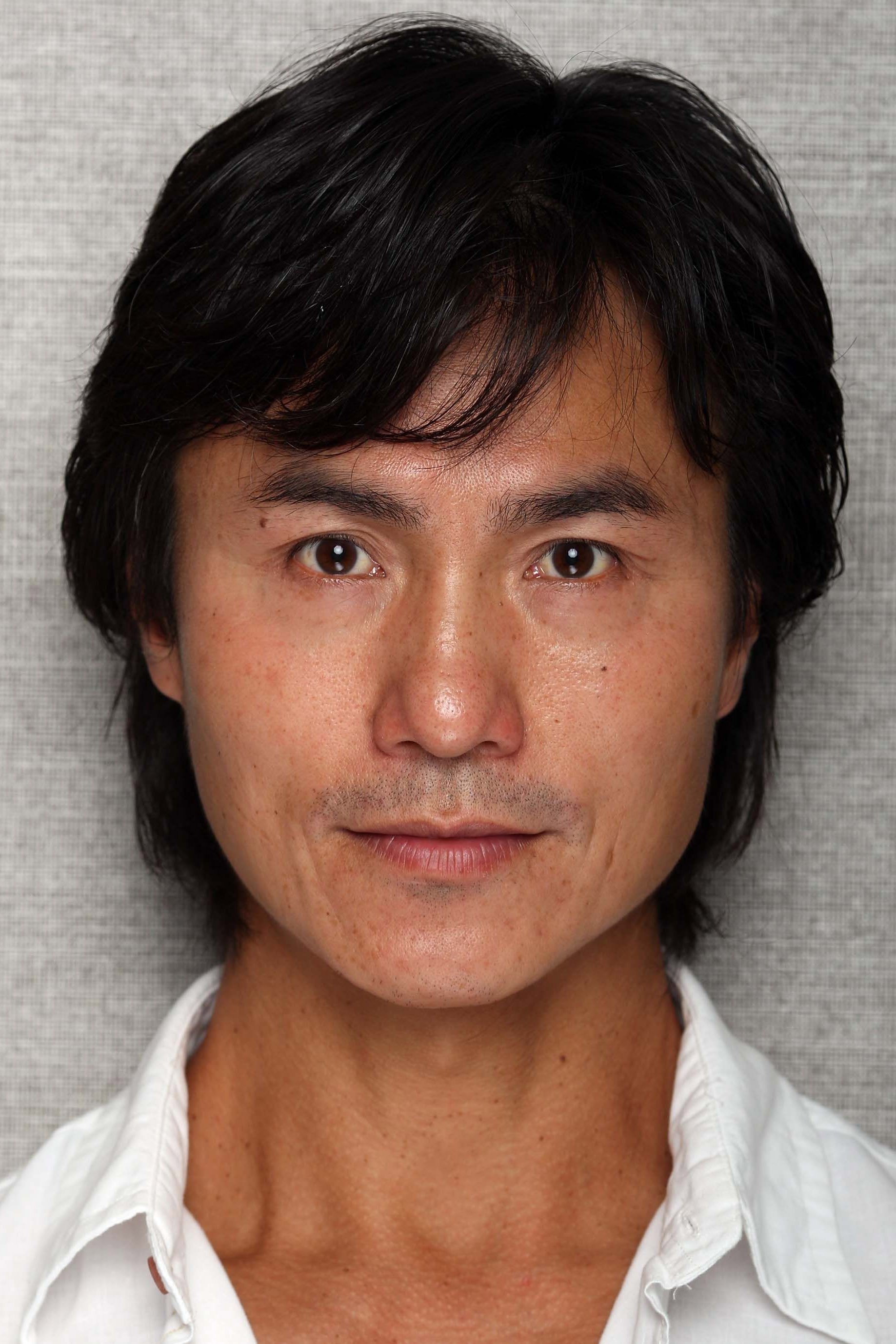
Shou returned as Liu Kang after the first film, bringing a background in Hong Kong action cinema and a history of performing his own fights. The sequel expanded Liu Kang’s move set with bicycle kicks, sweeps, and hand to hand exchanges that reflect the character’s skills from the arcade and console titles.
John R Leonetti directed the follow up, which shot across multiple countries with an emphasis on large group battles and elemental effects. Shou’s scenes with Kitana and Nightwolf tie directly to story arcs from the series, including alliances and trials familiar to long time players.
Timothy Olyphant as Agent 47 in ‘Hitman’ (2007)

Olyphant took on the barcode branded assassin and adopted the character’s suit, posture, and silent movement style, supported by firearm and tactical training. The production team worked up close on reloads, room clearing, and sniper setups to match the character’s stealth heavy approach from the games.
Filming covered several European cities with night shoots that supported the story’s surveillance and pursuit sequences. The movie introduced Interpol investigator characters and rival assassins that trace back to the franchise’s contracts, disguises, and target based structure, and it later paved the way for a separate adaptation with a different lead.
Michael Fassbender as Callum Lynch and Aguilar in ‘Assassin’s Creed’ (2016)
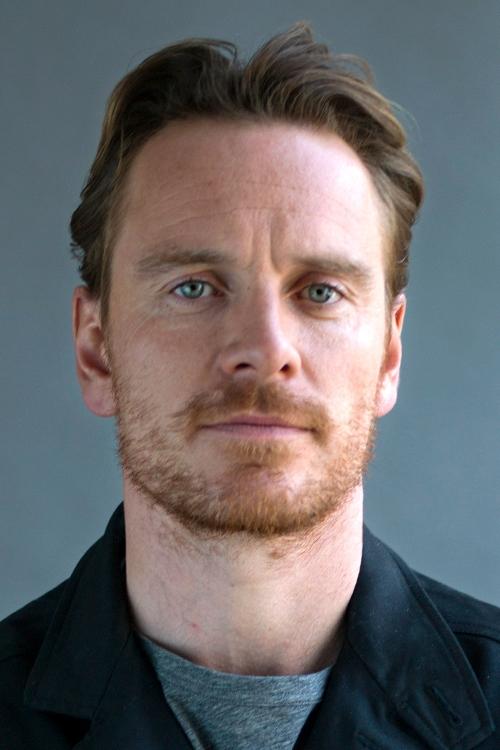
Fassbender served as both star and producer, bridging present day scenes with Animus sessions that project him into the life of an Assassin ancestor. The production staged a practical leap of faith performed by stunt professional Damien Walters, capturing a high free fall without digital doubles to reflect a signature move from the games.
The story splits between a research facility and fifteenth century Spain, incorporating the Brotherhood, Templar opposition, and hidden blade techniques. Costumes for Aguilar’s order followed the series’ layered hoods, bracers, and sashes, while the present day sequences introduced Abstergo devices and a redesigned Animus rig.
Lateef Crowder as Eddy Gordo in ‘Tekken’ (2010)
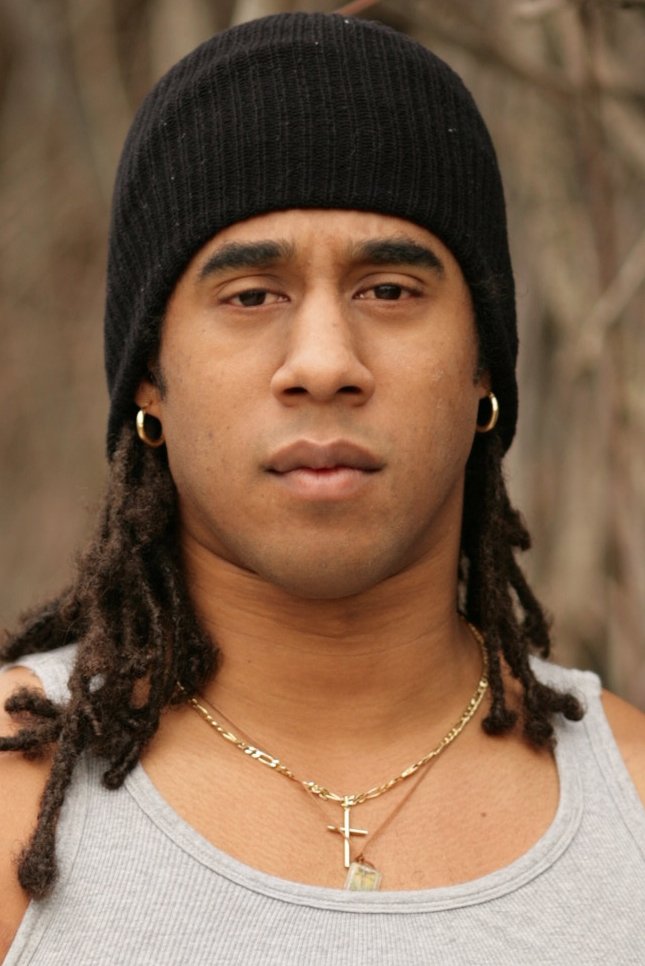
Crowder drew on years of capoeira practice to embody Eddy Gordo’s dance like fighting style, mapping recognizably fluid kicks and inverted spins to live action choreography. His background includes screen fights that highlight capoeira’s sweeps and handstands, which translate cleanly to Eddy’s signature game move set.
The film’s tournament structure places Eddy among a roster of fighters whose styles remain distinct in the ring. Camera placement and lens choices emphasize full body movement so audiences can track au, meia lua, and other capoeira techniques, giving the character visual clarity during multi fighter brackets.
Jaime Pressly as Tina Armstrong in ‘DOA: Dead or Alive’ (2006)
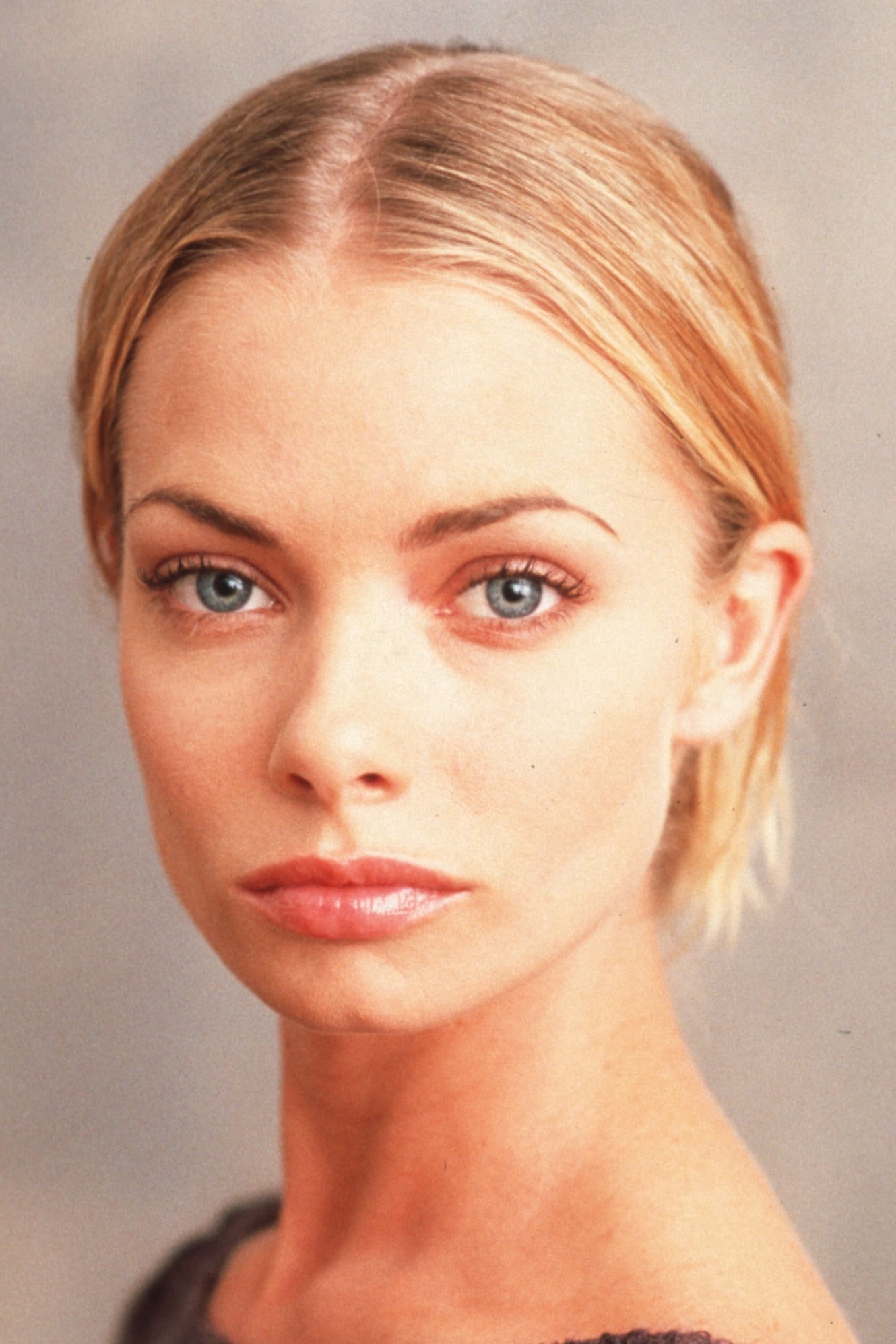
Pressly trained for pro wrestling forms and striking to match Tina Armstrong’s powerhouse persona from the Team Ninja series. The costume department reproduced Tina’s ring gear and casual looks from the games, while the choreography balances suplexes, throws, and rope work with more traditional screen fighting beats.
The production shot across Asian locations with director Corey Yuen coordinating action that prioritizes readability and character specific moves. Tournament rounds pair Tina with rivals drawn from the game’s roster, and the matchups carry over recognizable taunts, stances, and victory beats.
Mark Dacascos as Jimmy Lee in ‘Double Dragon’ (1994)
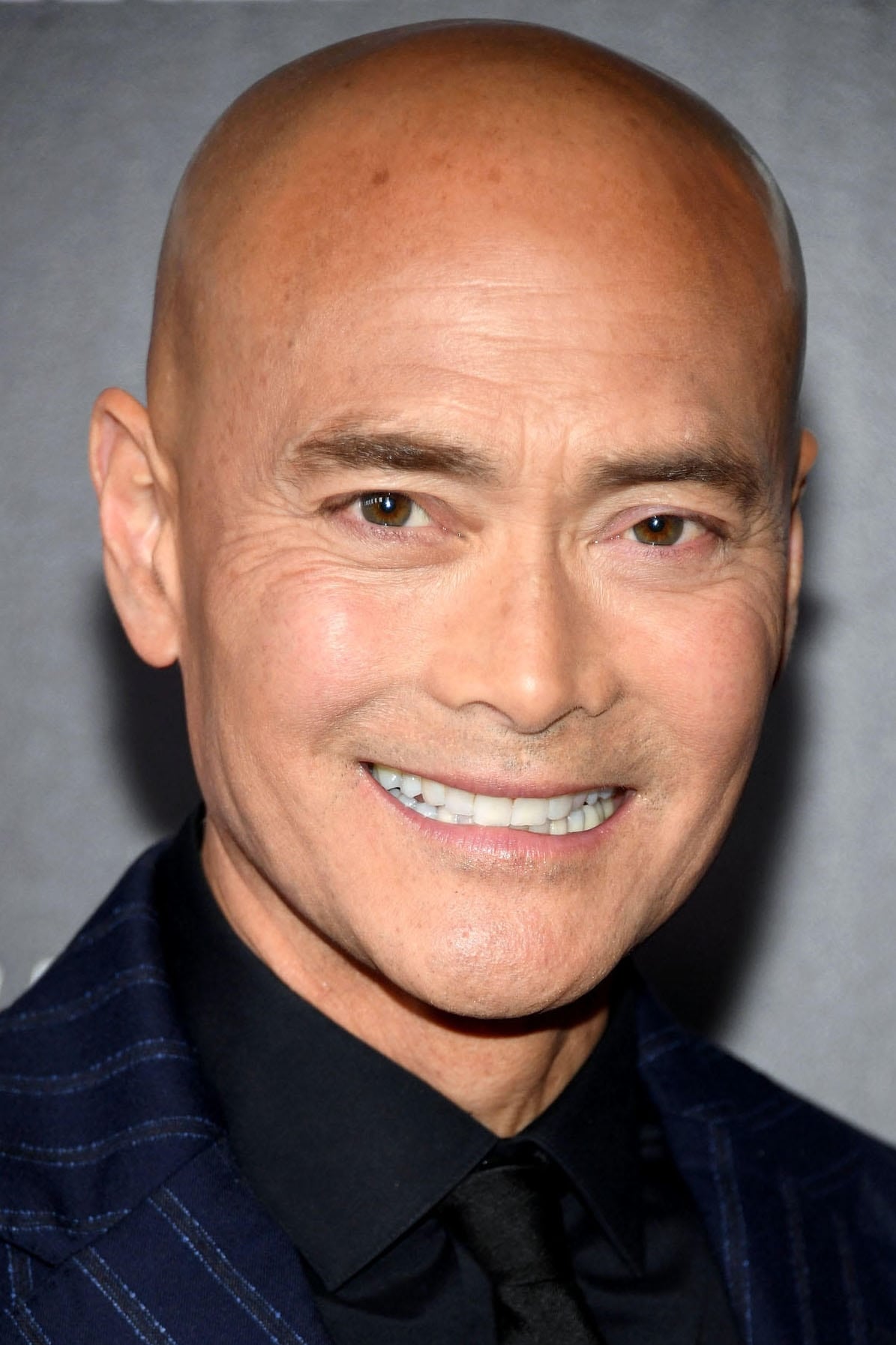
Dacascos brought a deep martial arts background to the role of Jimmy Lee, teaming with Scott Wolf’s Billy Lee to form the brother duo at the center of the story. The film updates the arcade side scroller to a near future setting, keeping the siblings’ cooperative fighting dynamic intact through alley brawls and gang encounters.
Production design reimagines Los Angeles with flooded streets and neon lit hideouts, giving the brothers a distinct urban playground for fight sequences. Dacascos’ screen time includes stick work and empty hand exchanges that nod to the rapid combo chains that defined the original game.
Cary-Hiroyuki Tagawa as Heihachi Mishima in ‘Tekken’ (2010)
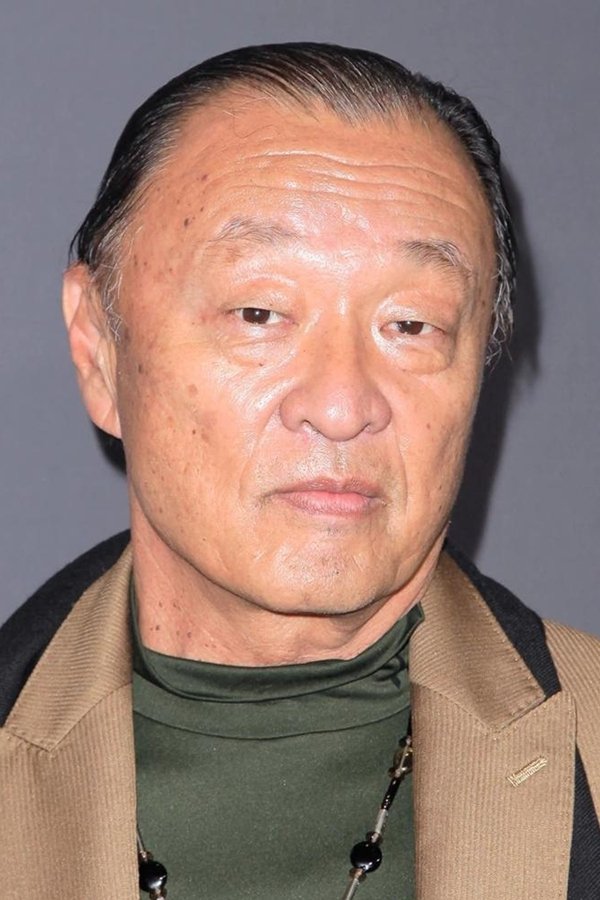
Tagawa stepped into the role of the Mishima Zaibatsu patriarch, complete with the character’s towering hair shape and traditional gi inspired wardrobe. His prior work in game adaptations provided a template for balancing stylized looks with grounded delivery, helping Heihachi read as a commanding presence within the tournament’s corporate backdrop.
Key scenes position Heihachi at the center of the conflict between Jin and Kazuya, reflecting the family power struggle that anchors the series. Boardroom, arena, and private chamber settings allow the character to operate across political and physical spaces that mirror the games’ story mode cutscenes.
Adelaide Clemens as Heather Mason in ‘Silent Hill: Revelation’ (2012)

Clemens portrayed the teenage lead from the third mainline game, wearing Heather’s recognizable orange vest and short skirt while carrying a small arsenal suited to survival horror. Hair, color palette, and accessory choices match the original design, and several locations mirror the shift between normal reality and the rusted otherworld.
The movie employed 3D photography and practical creature effects for encounters with Nurses and other series monsters. Story beats reference Heather’s past, her connection to Alessa, and the cult that drives the town’s ritual, keeping core lore elements intact through the new film narrative.
Tony Jaa as The Hunter in ‘Monster Hunter’ (2020)
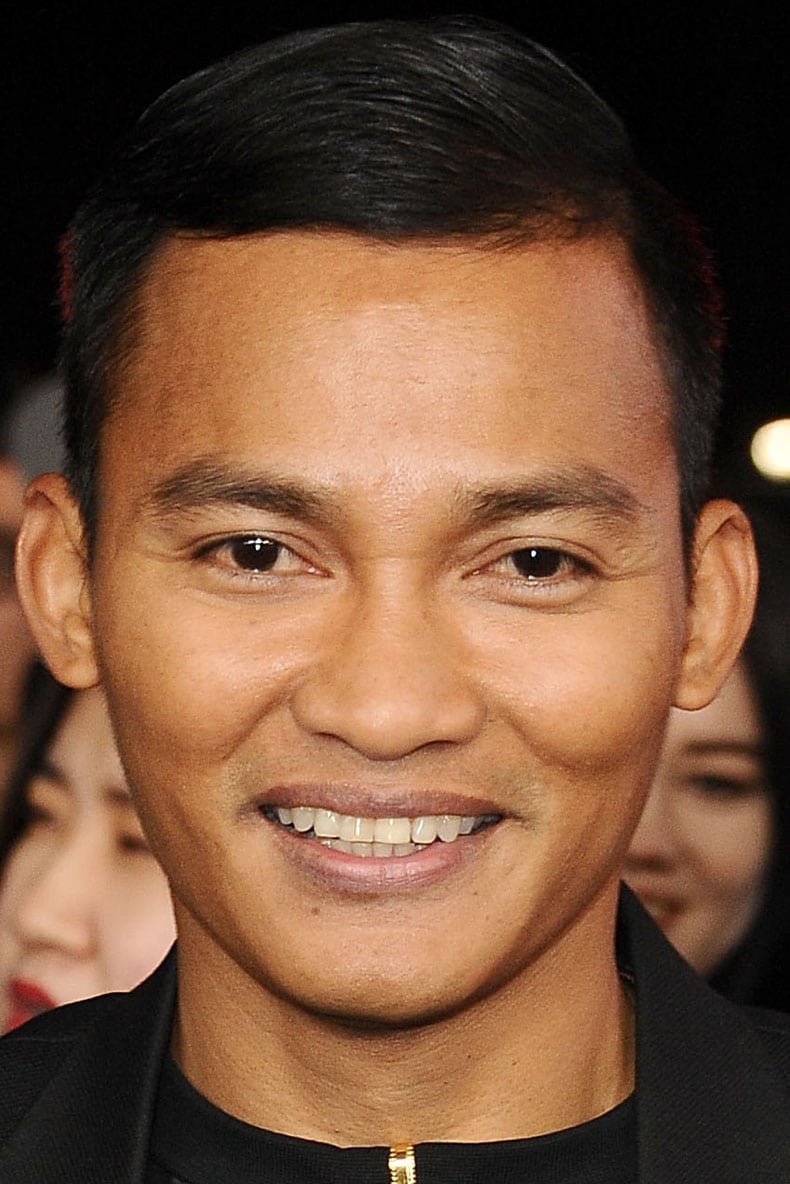
Jaa’s athletic style and stunt experience brought the game’s weapon classes to life, including oversized blades, bows, and duals that require distinctive handling. Training sequences on set focused on stance, draw speed, and recovery steps that make the gear look weighty and functional in live action.
Capcom collaborated on creature designs and behaviors so Rathalos, Nerscylla, and Diablos match in game movement patterns. The shoot spanned desert and scrubland locations that stand in for the franchise’s biomes, and practical rigs helped simulate sand traps, shock impacts, and dust plumes during hunts.
Matthew Lillard as Maniac in ‘Wing Commander’ (1999)
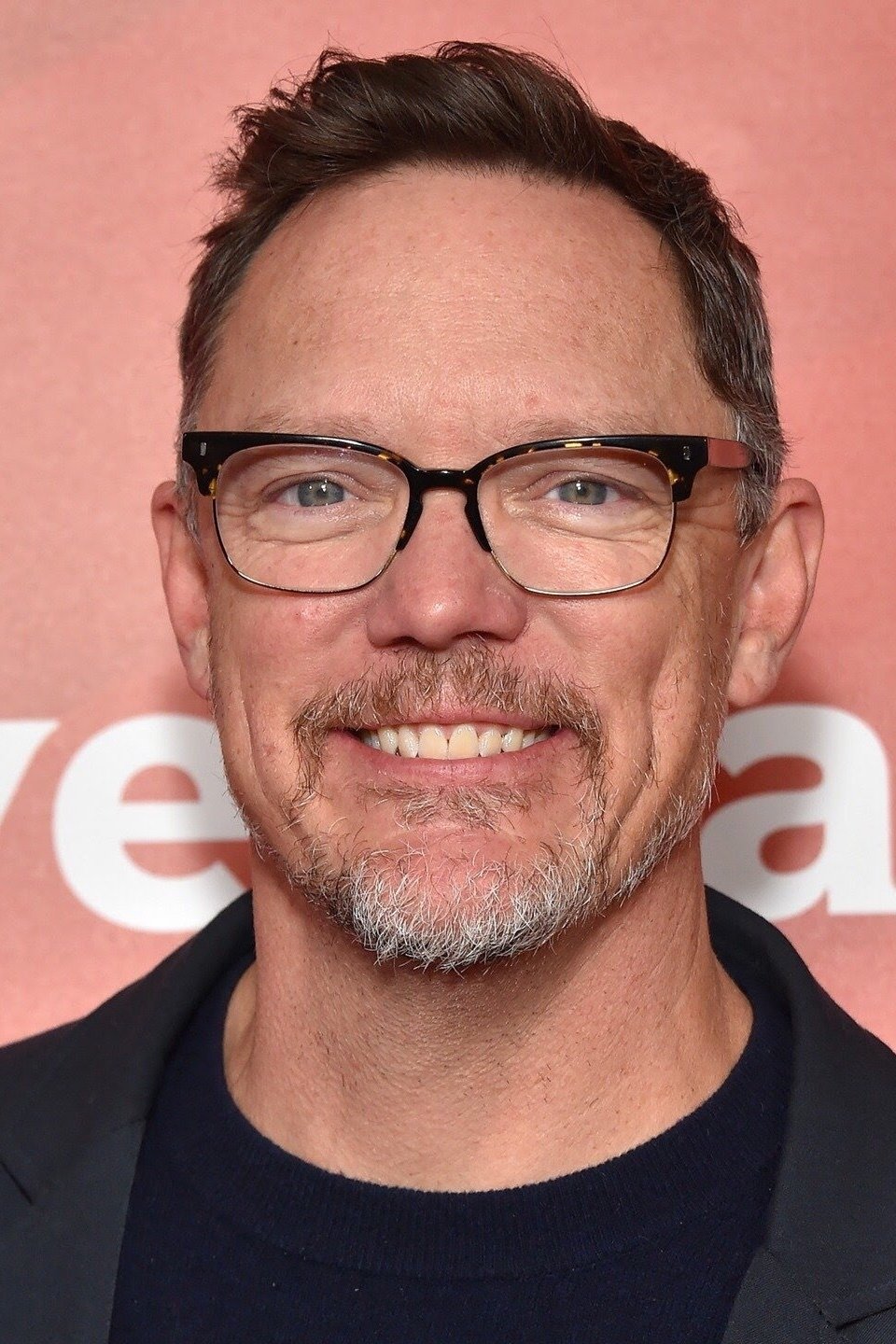
Lillard played hotshot pilot Todd Maniac Marshall, a role familiar to fans of the game’s full motion video entries. The film’s director, series creator Chris Roberts, carried over squadron culture, cockpit chatter, and call signs from the games, placing Maniac within familiar carrier routines and briefing room dynamics.
Aviation set pieces mix miniature work and early digital effects to stage dogfights with the Kilrathi. The cast lineup includes Freddie Prinze Jr and Saffron Burrows, while flight suits, helmets, and hangar sets aim for continuity with the franchise’s established military look.
Toby Kebbell as Durotan in ‘Warcraft’ (2016)
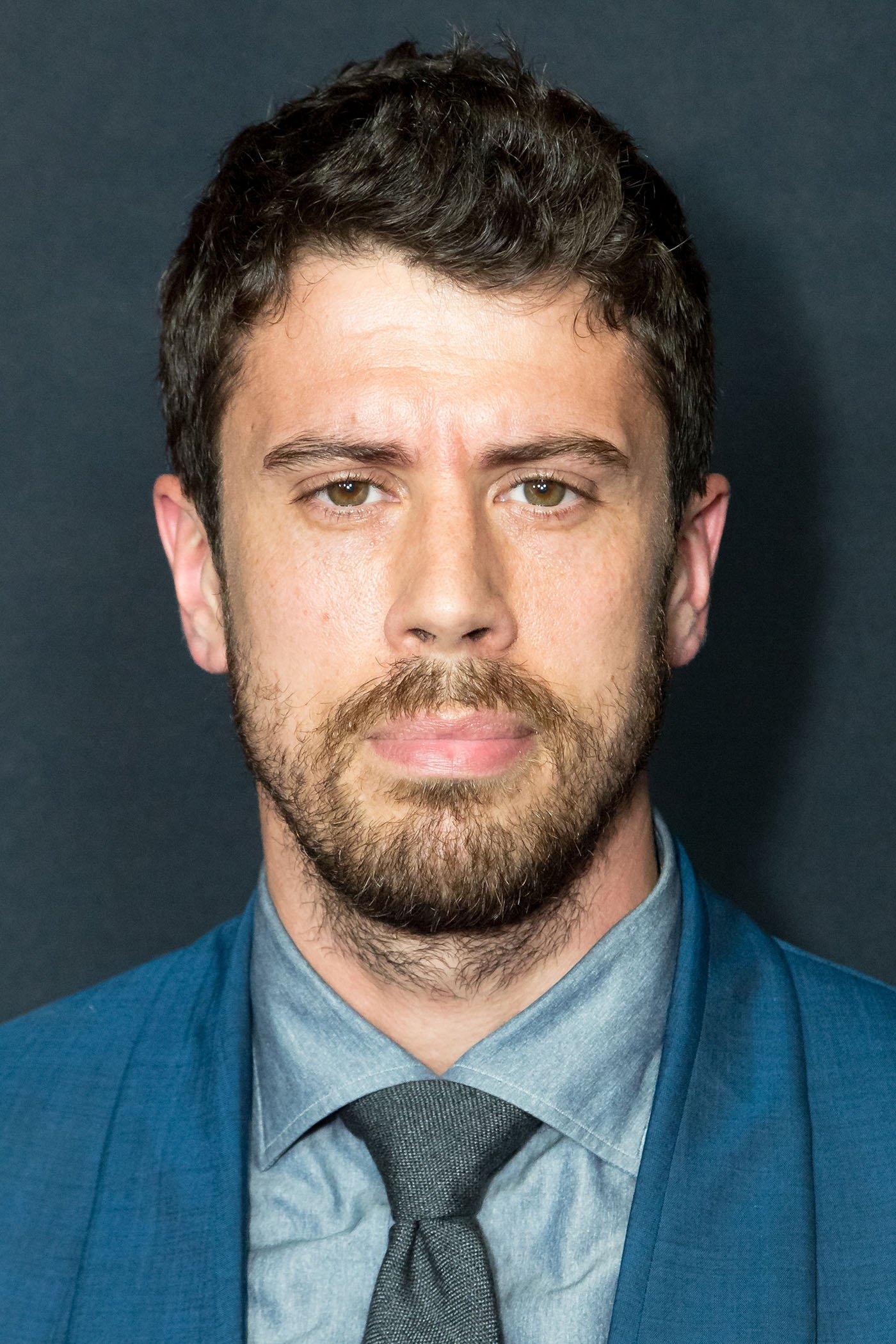
Kebbell performed the orc chieftain through facial capture and full body motion work that Weta Digital translated into Durotan’s on screen presence. Muscle flex, skin fold, and tusk interactions were mapped with high resolution data so the character’s expressions read clearly during close quarters dialogue scenes.
The story follows parallel arcs for Orcs and Humans, with Durotan’s choices driving major turns in the plot. The film released worldwide with especially strong results in select international markets, and it remains a showcase for large scale performance capture applied to characters from a long running game universe.
Robin Shou as Gen in ‘Street Fighter: The Legend of Chun Li’ (2009)
Shou took on the role of master Gen, a mentor figure from the game’s lore with ties to Chun Li’s training. The film presents Gen with a mix of traditional forms and modern screen fighting, pairing staff work, joint locks, and acrobatic transitions during sessions that set up Chun Li’s later confrontations.
The production places Gen within Bangkok settings that reflect the character’s itinerant lifestyle and underground connections. His scenes include instruction, recovery, and pursuit, which map to the mentor archetype established in the series and give the story a clear through line back to the source material.
Share the casting choices you would add in the comments.