20 Racially Problematic Movies You Should Avoid

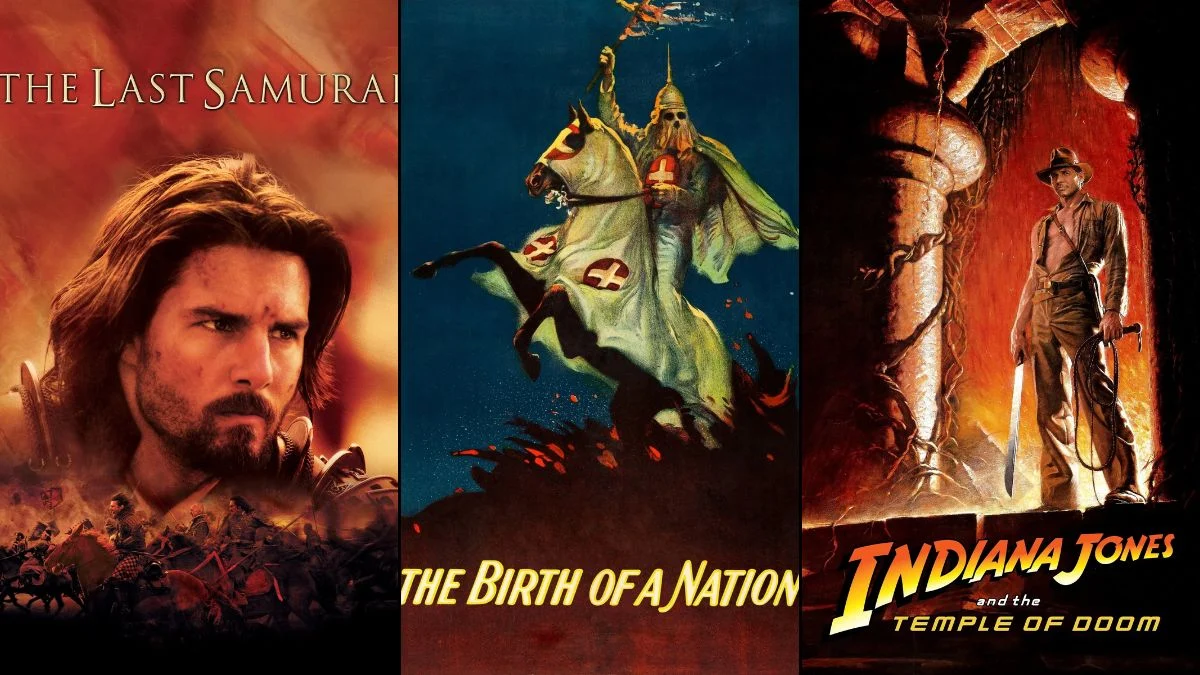

Some films sit in the culture for decades while carrying portrayals that cause real harm. They feature casting choices that erase communities, scripts that recycle stereotypes, or storylines that rewrite history in ways that mislead audiences about race and power.
This list points to specific production facts, characterizations, and distribution decisions that have drawn sustained criticism. It highlights where studios used practices like blackface, brownface, yellowface, whitewashing, and reductive tropes, along with notes on releases, ratings, and industry responses.
‘The Birth of a Nation’ (1915)
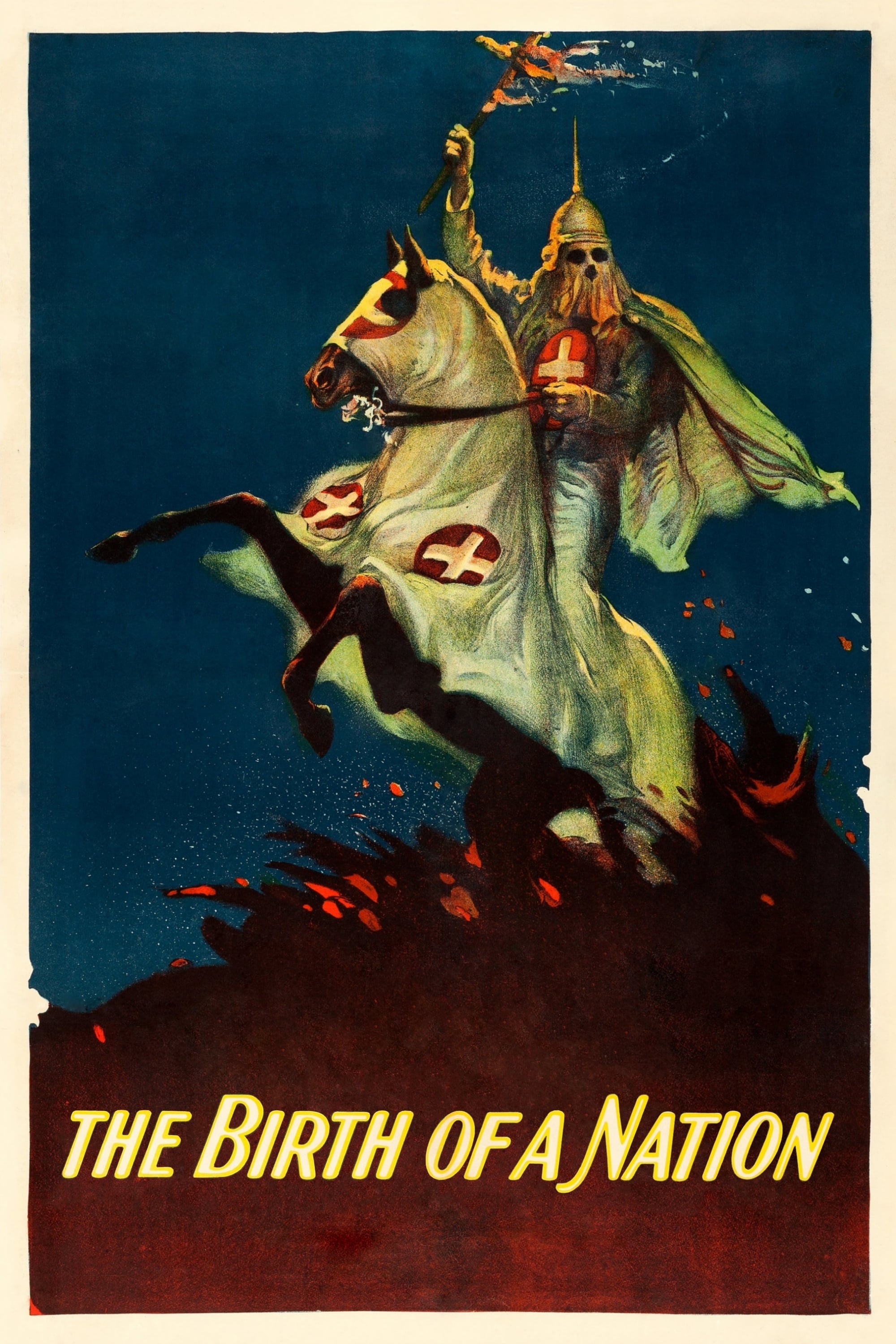
D W Griffith adapted Thomas Dixon Jr’s novel and used white actors in blackface to portray Black characters. The film depicts the Ku Klux Klan as heroic and sets much of its conflict in Reconstruction era America with fabricated scenes presented as historical drama.
Cities across the United States banned screenings after protests from civil rights groups. The movie’s success coincided with a documented surge in Klan activity and it remains a case study in how film techniques can be used to spread racist narratives.
‘Song of the South’ (1946)
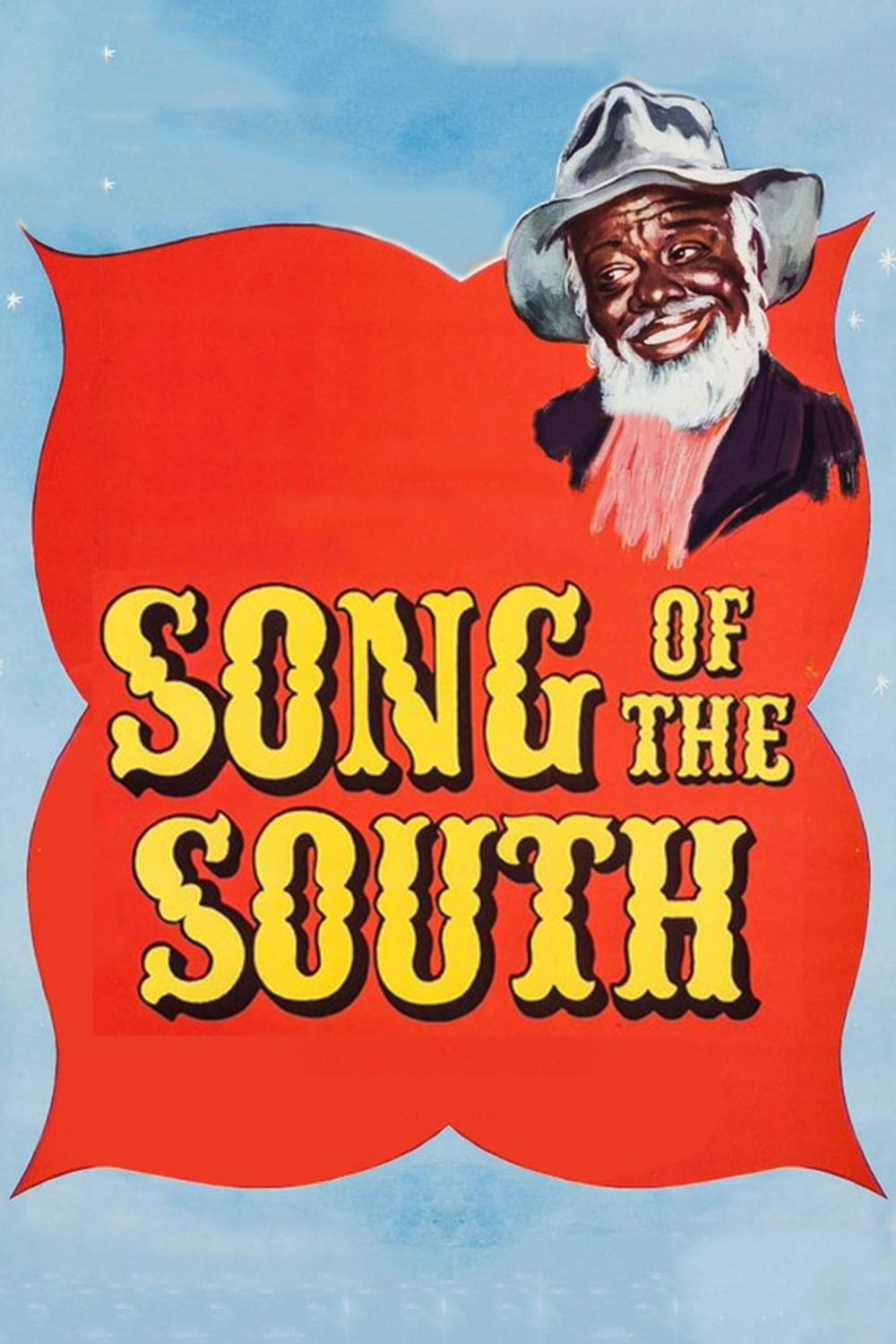
Walt Disney’s live action and animation feature adapts Joel Chandler Harris’s Uncle Remus stories and sets them on a plantation in the post Civil War South without clearly addressing the realities of that setting. The production casts James Baskett as Uncle Remus and surrounds him with idealized depictions of plantation life.
Disney has withheld the film from its streaming service and has not given it a modern wide home release in the United States. The company has also retired park content tied to the property and shifted to material connected to more recent titles.
‘Gone with the Wind’ (1939)
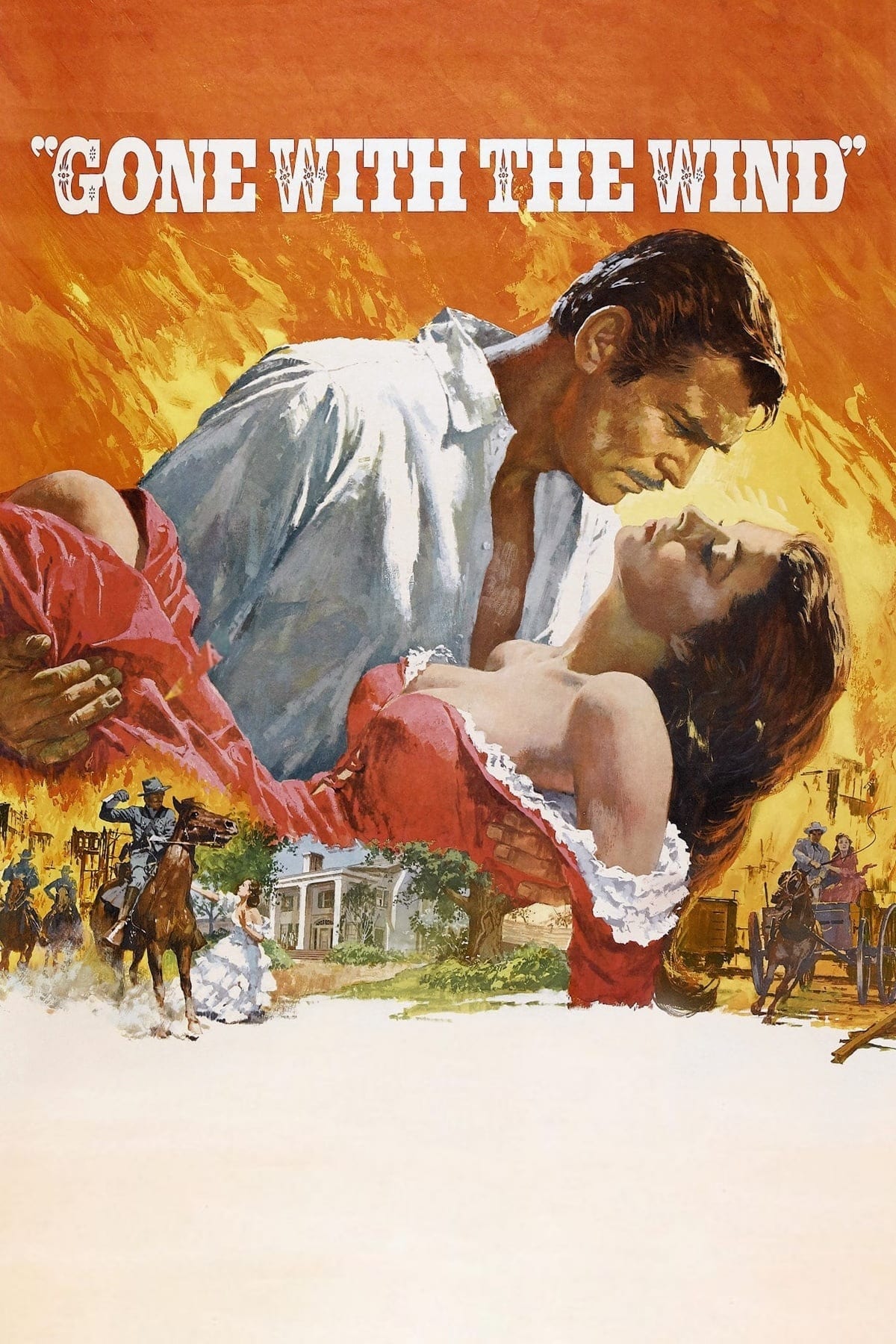
This Civil War epic romanticizes the antebellum South while presenting enslaved people as loyal and content. Hattie McDaniel won an Academy Award for her performance yet the script confines Black characters to subservient roles and erases the violence of slavery.
Modern distributors have added context notes when the film appears on platforms. The movie’s status as a classic often leads to educational use where teachers and curators point out its historical distortions and stereotypes.
‘The Good Earth’ (1937)
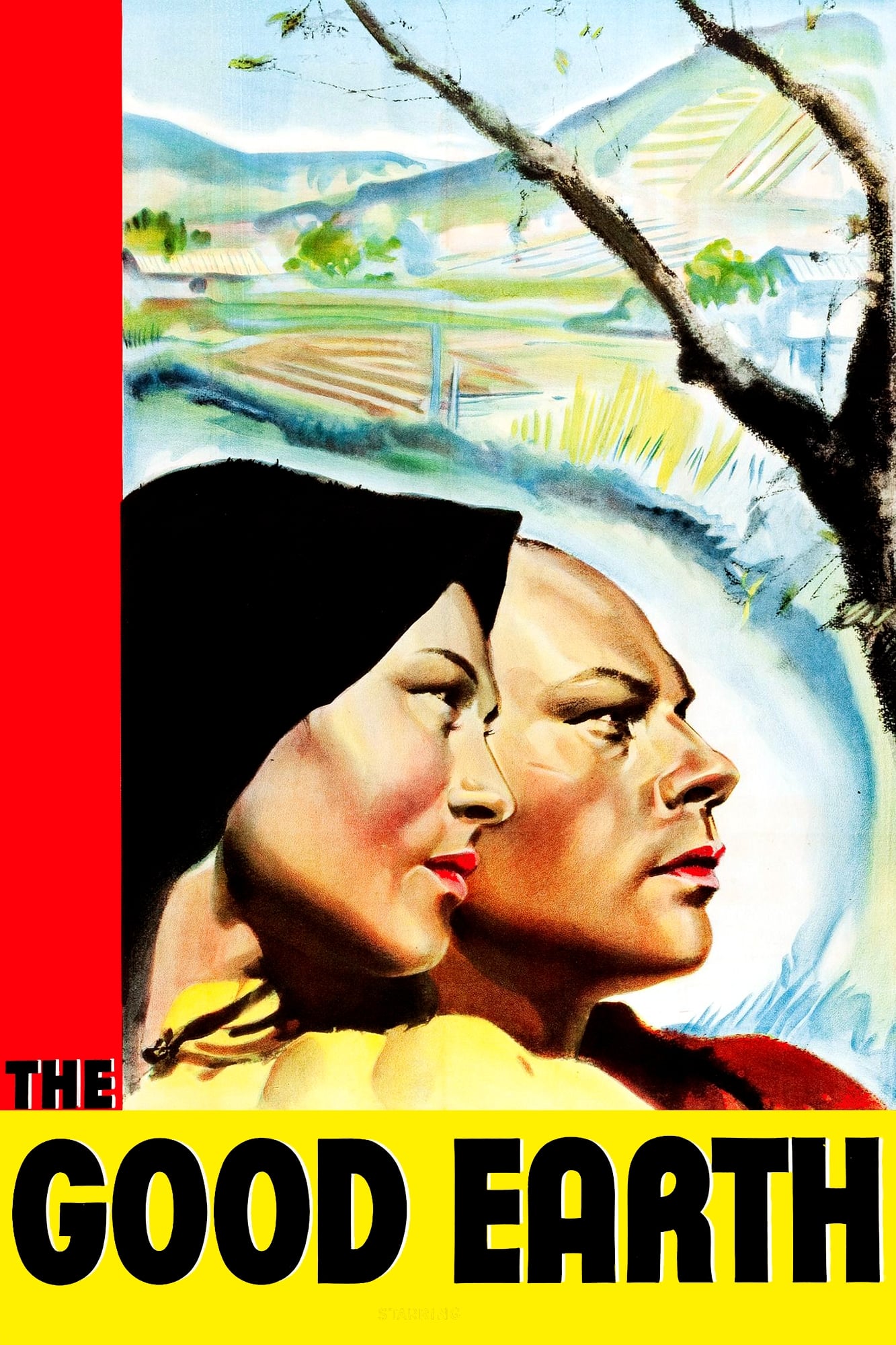
This adaptation of Pearl S Buck’s novel cast Paul Muni and Luise Rainer as Chinese farmers and used heavy makeup to approximate East Asian features. Chinese American star Anna May Wong was not given the lead and was offered a supporting role that she declined.
Rainer won an Academy Award for the performance while Asian actors were largely limited to minor parts. The production has become a prominent example in discussions about Hollywood exclusion and the reliance on yellowface during the studio era.
‘Breakfast at Tiffany’s’ (1961)

The film includes a recurring character played by Mickey Rooney who portrays a Japanese neighbor using prosthetics and exaggerated speech patterns. This depiction does not relate to the main plot yet appears throughout the movie and has been criticized for decades.
Later releases and special screenings have included warnings or panel discussions that explain why the portrayal is offensive. Some broadcasters have edited or contextualized these scenes to address audience concerns.
‘The Party’ (1968)
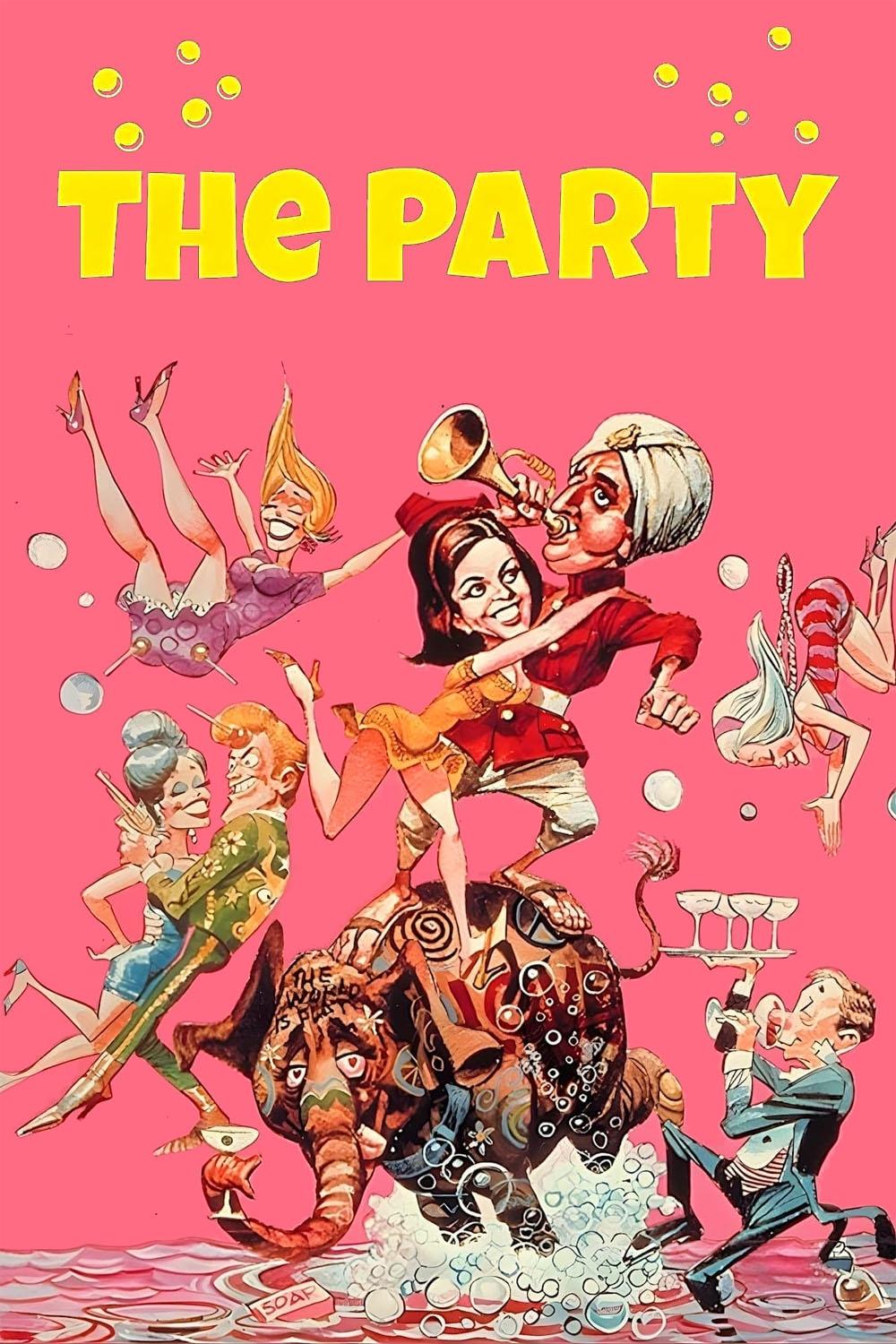
Peter Sellers plays an Indian actor and appears in brownface while adopting a caricatured accent. The production centers on a Hollywood gathering and repeatedly uses the character for broad jokes unrelated to Indian culture.
The role is frequently cited in film history surveys about racially insensitive casting. Modern retrospectives focus on how this performance exemplifies a period when producers hired white stars rather than actors from the communities depicted.
‘Short Circuit’ (1986)
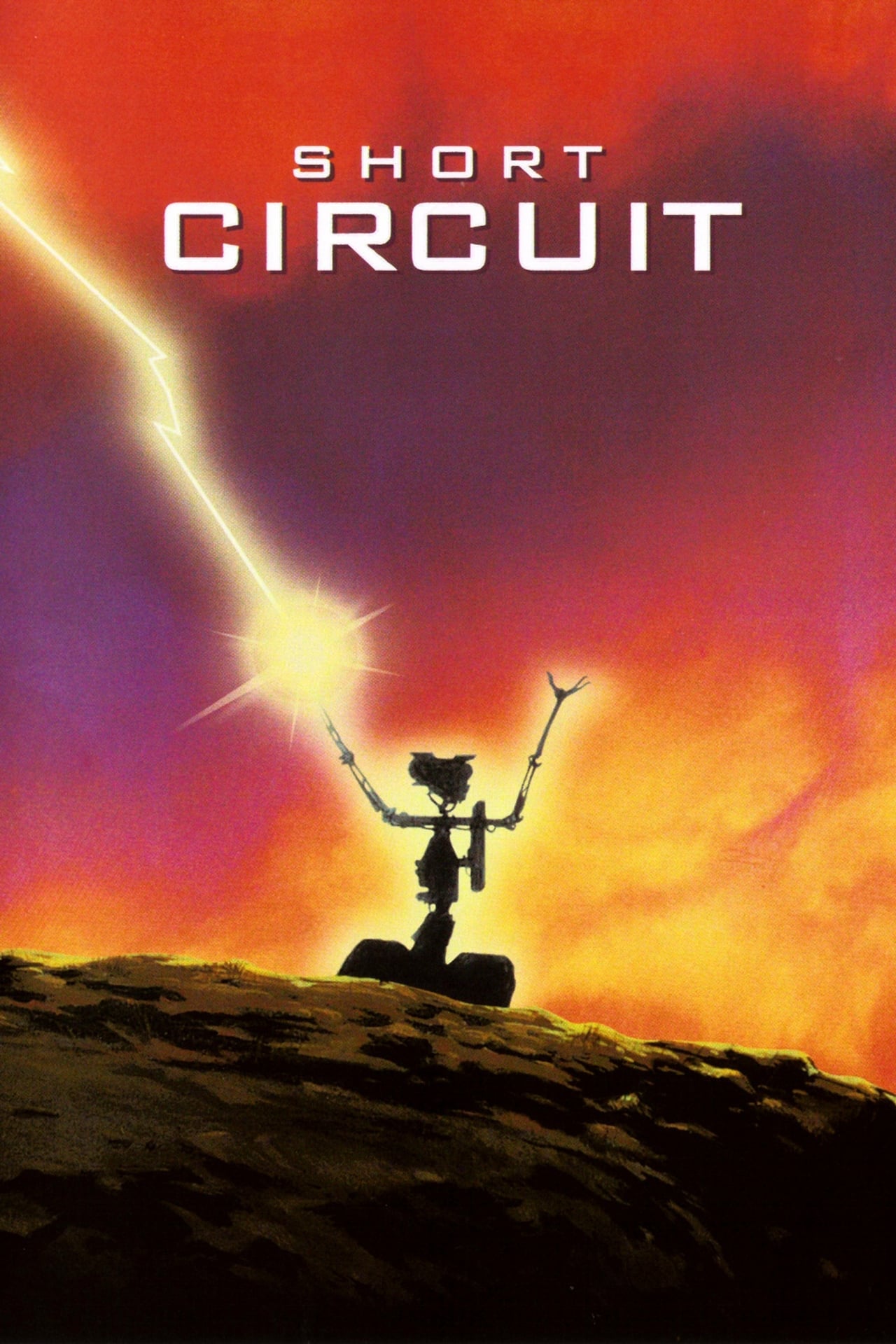
Fisher Stevens plays Ben, a character written as Indian, and wears darker makeup along with an accent. The sequel kept the role and adjusted the character’s surname while keeping the same casting approach.
Interviews and documentaries have acknowledged the decision and the impact it had on South Asian representation. The film is now a common reference in conversations about how comedic parts have reinforced stereotypes.
‘Sixteen Candles’ (1984)
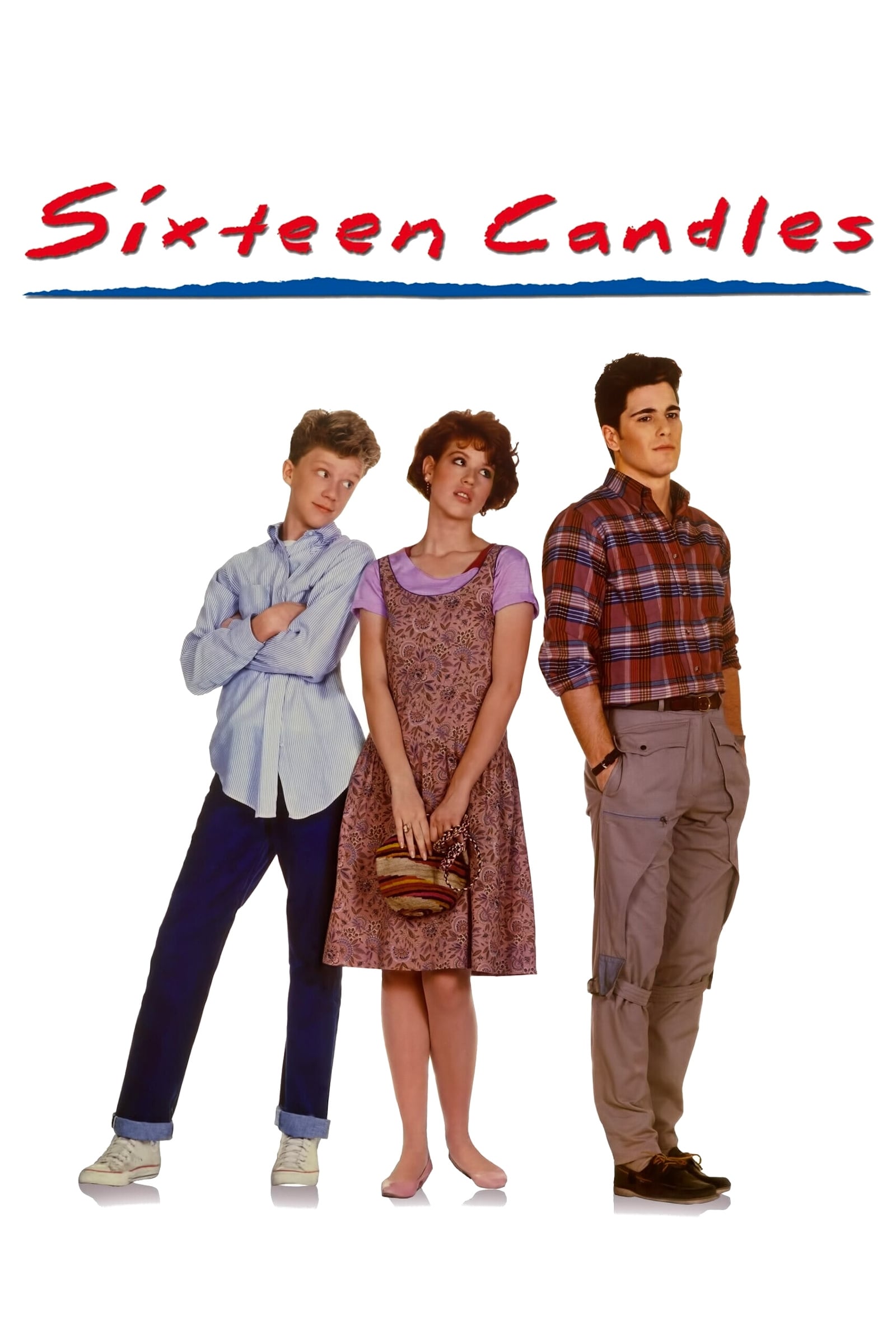
The movie introduces Long Duk Dong as a running gag and assigns him exaggerated behavior and broken English. The character’s scenes are framed as comic relief and often unrelated to the central storyline about a teenager’s birthday.
Asian American advocates have pointed to the role as an example of how popular teen films set templates for ridicule. Cast and crew have discussed the portrayal in later years which has brought renewed attention to its legacy.
‘Indiana Jones and the Temple of Doom’ (1984)
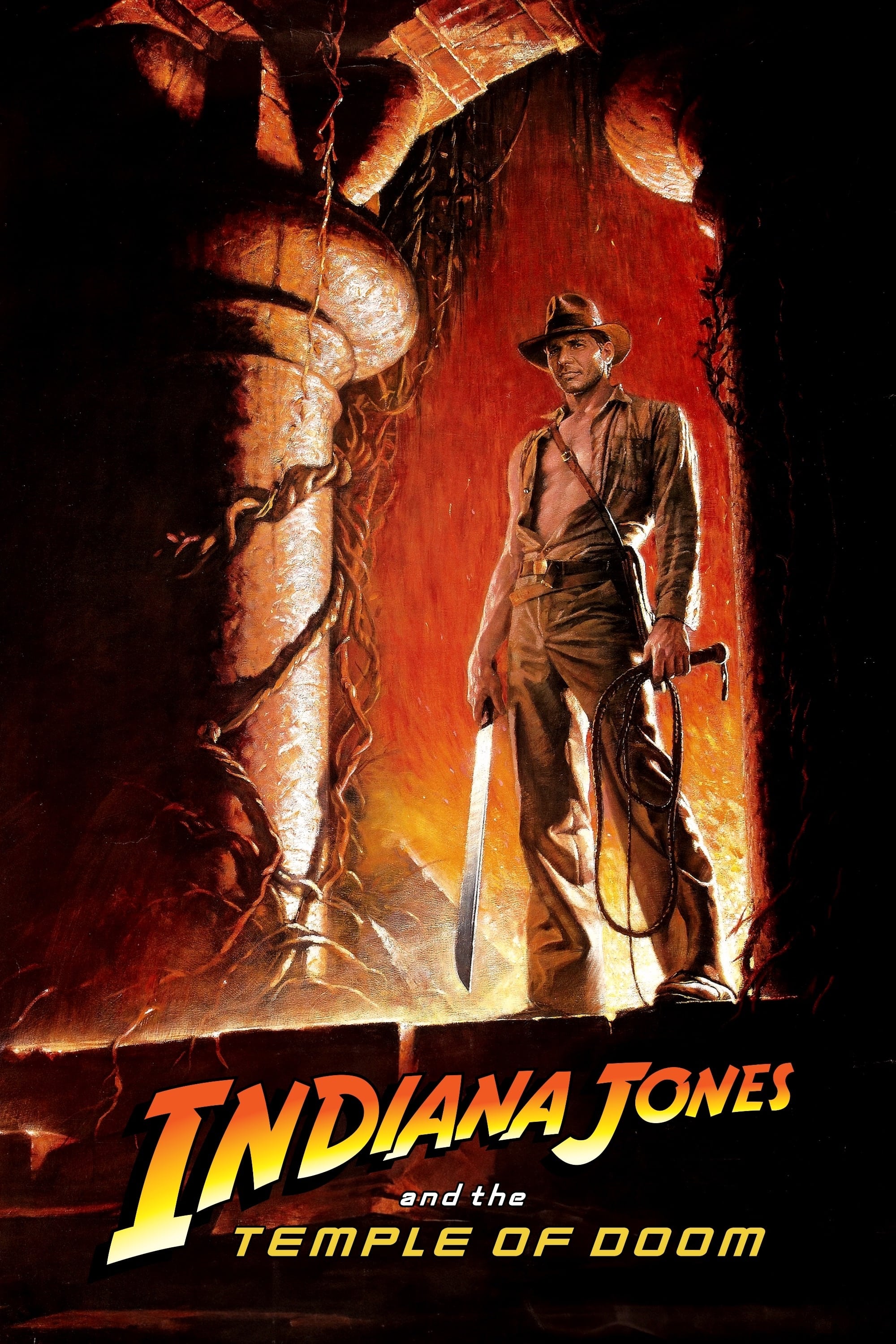
Several set pieces depict Indian culture with invented rituals and sensational imagery. Characters from South Asia are presented as villains or as subjects of ridicule during scenes that mix fantasy with supposed ethnography.
The movie faced backlash on release and encountered censorship issues in India. Its content is now used in coursework that examines how adventure films have expressed colonial views while aiming for mass entertainment.
‘Soul Man’ (1986)
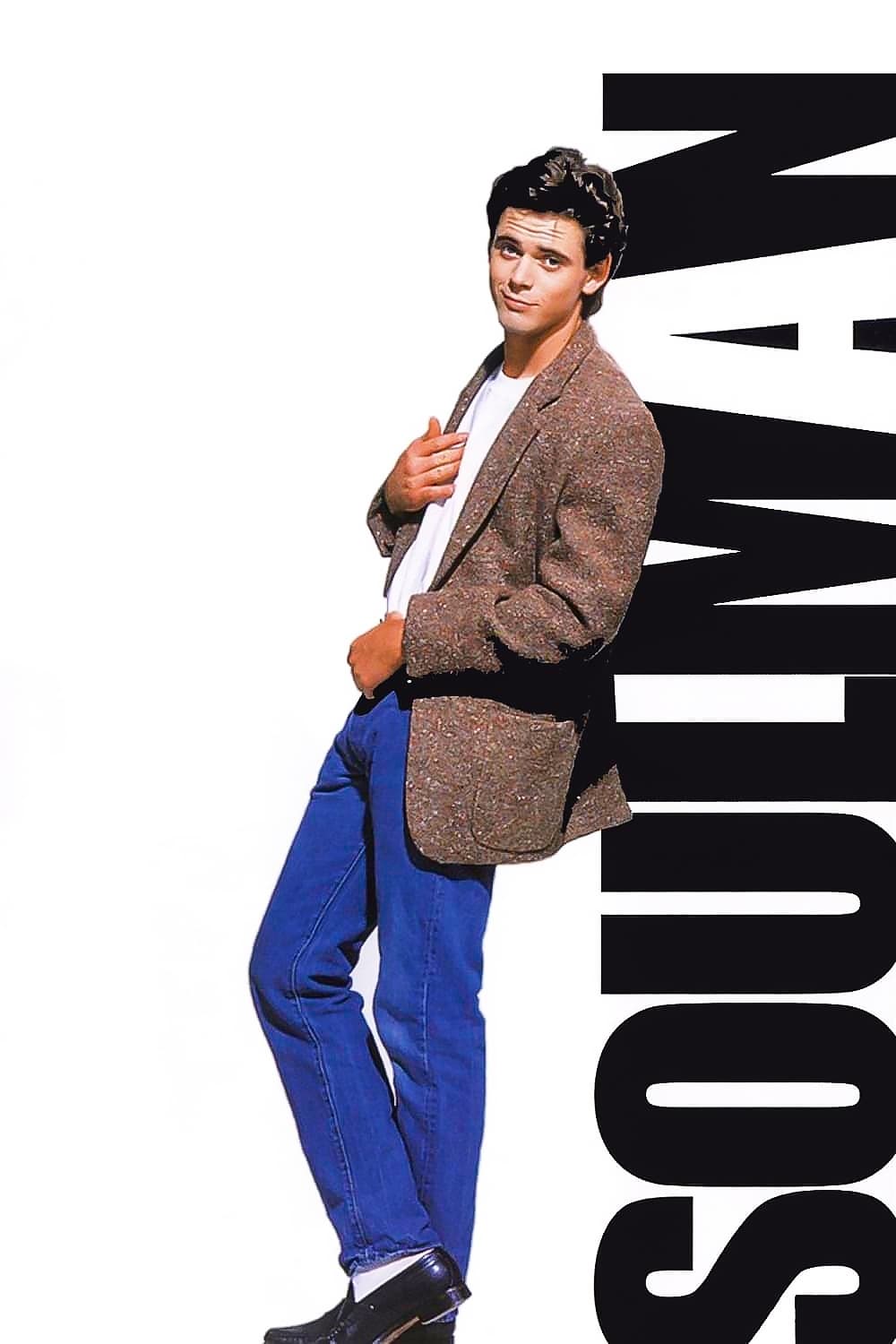
The plot follows a white student who darkens his skin tone to obtain a scholarship meant for Black applicants. The production uses makeup throughout and builds jokes around the deception.
Civil rights groups protested screenings and the controversy overshadowed the release. The film has remained a key example of how blackface persisted in mainstream projects long after the practice had been discredited.
‘The Last Samurai’ (2003)
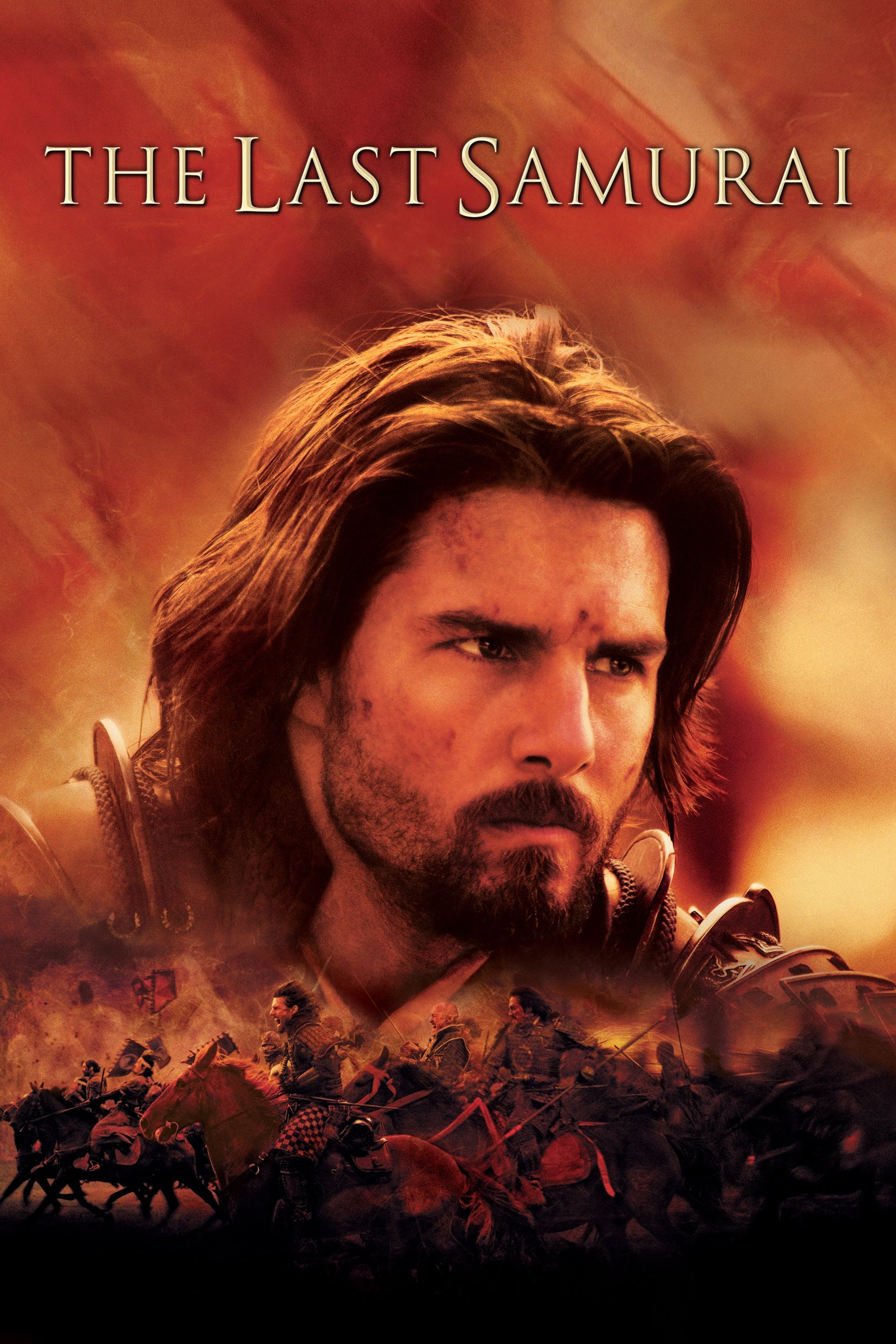
The story centers on an American soldier who becomes close to a samurai community during a period of rapid change in Japan. The narrative assigns him a pivotal role in the climactic conflict and frames the events through his perspective.
Scholars and critics have discussed how the structure sidelines Japanese characters even as it draws on their history. The movie received awards recognition for craft while also prompting debate about the white savior trope in large scale productions.
‘The Last Airbender’ (2010)
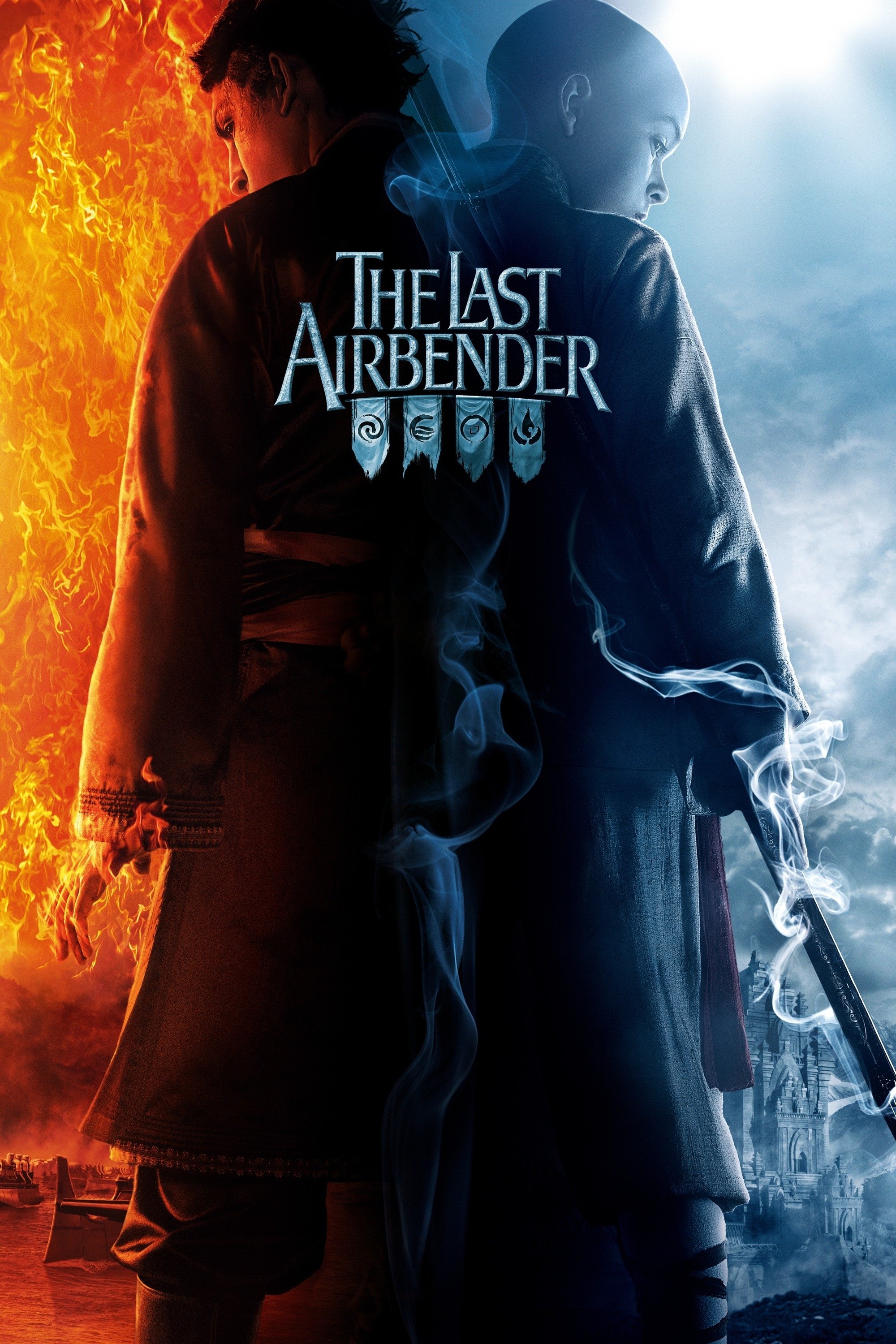
This live action adaptation of the animated series cast mostly white leads in roles inspired by Asian and Inuit cultures. The source material includes distinct clothing and architecture tied to real world traditions that the film reuses with a different cast profile.
Fans organized petition drives and Hollywood watchdog groups documented the casting choices. The movie’s reception reflected both production issues and the unresolved concerns about erasure.
‘Prince of Persia: The Sands of Time’ (2010)
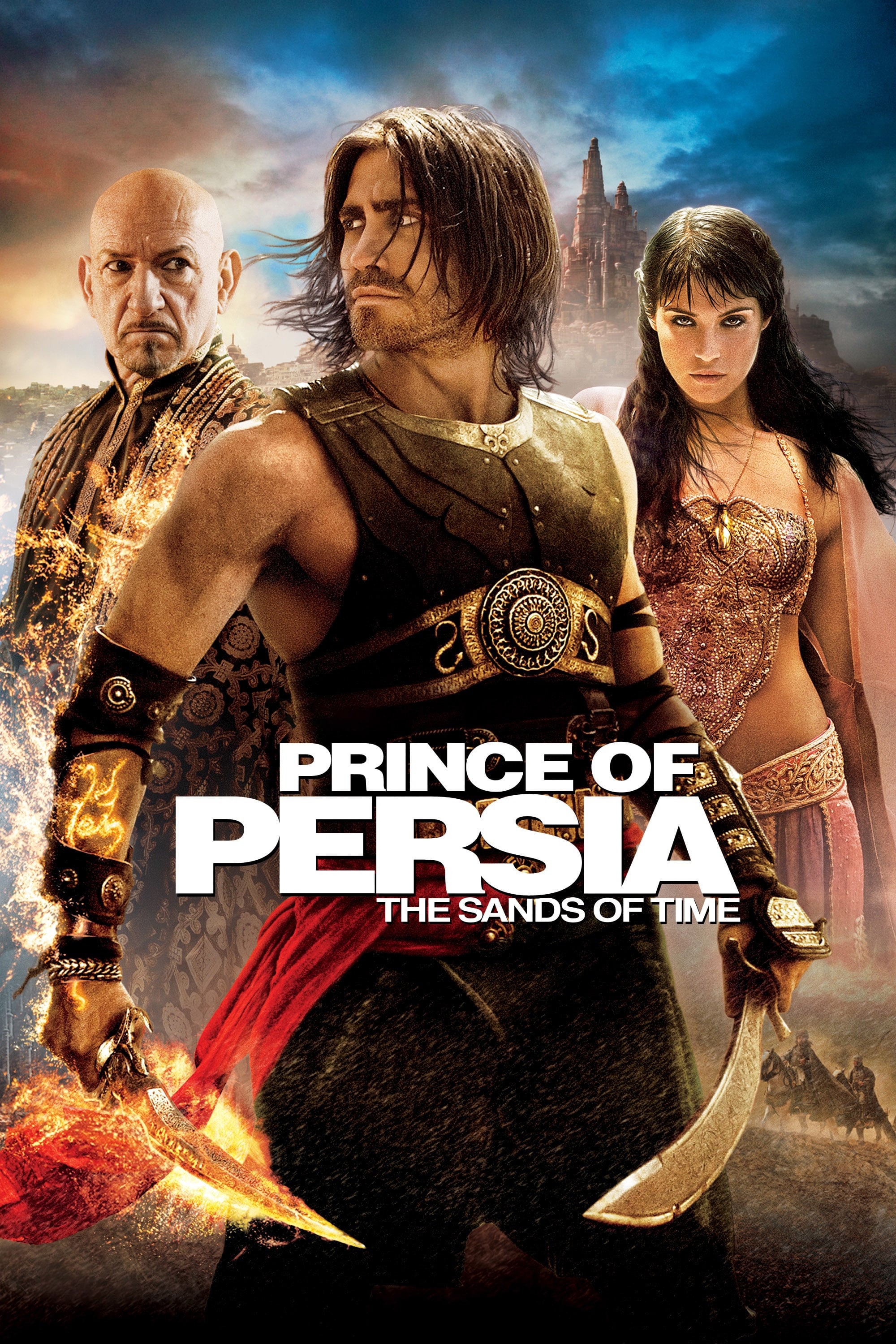
Based on a popular game, the film stars Jake Gyllenhaal as a Persian prince with supporting roles filled by non Persian actors. Marketing leaned on desert imagery and historical references without aligning casting to the setting.
Industry observers and advocacy organizations listed the project among modern whitewashing cases. The film’s global box office did not match internal studio expectations which curtailed any planned follow ups.
‘Aloha’ (2015)

Emma Stone plays a character described as part Hawaiian and part Chinese. The role drew attention because the actor’s background did not match that description and the film uses Hawaii as a backdrop without prioritizing Native Hawaiian voices.
The director acknowledged the criticism and addressed it in public statements. The project is now cited in casting studies that track misrepresentation of Pacific Islander and Asian identities.
‘Ghost in the Shell’ (2017)
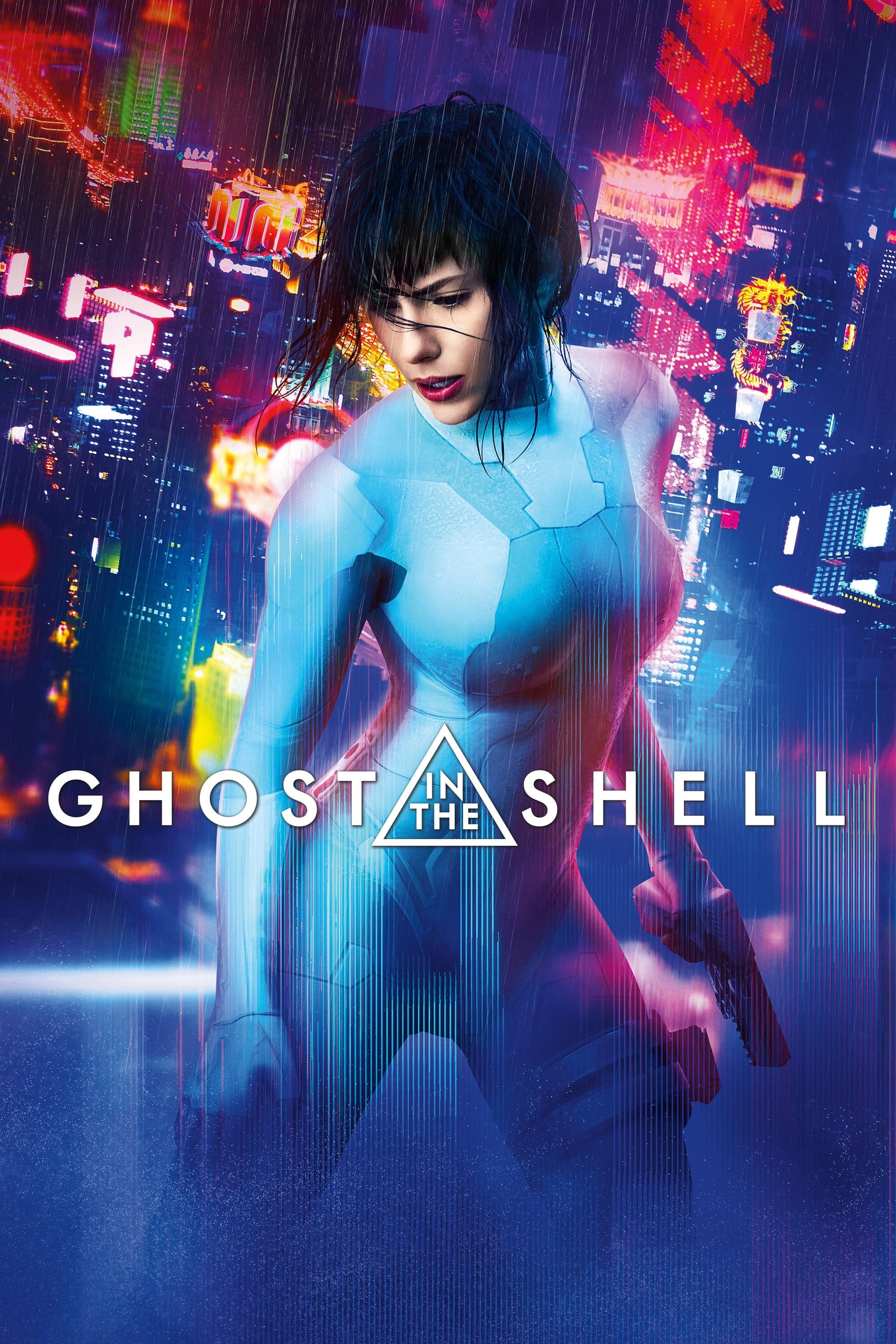
This adaptation of the Japanese manga cast Scarlett Johansson as the lead character while keeping the story’s setting and visual style rooted in Japanese sources. Reports and interviews at the time focused on how the production approached a property closely associated with Japanese creators.
The release ignited extensive conversations about whitewashing and the limits of star driven casting. The movie underperformed in North America and became part of industry case files on how representation choices affect reception.
‘The Lone Ranger’ (2013)
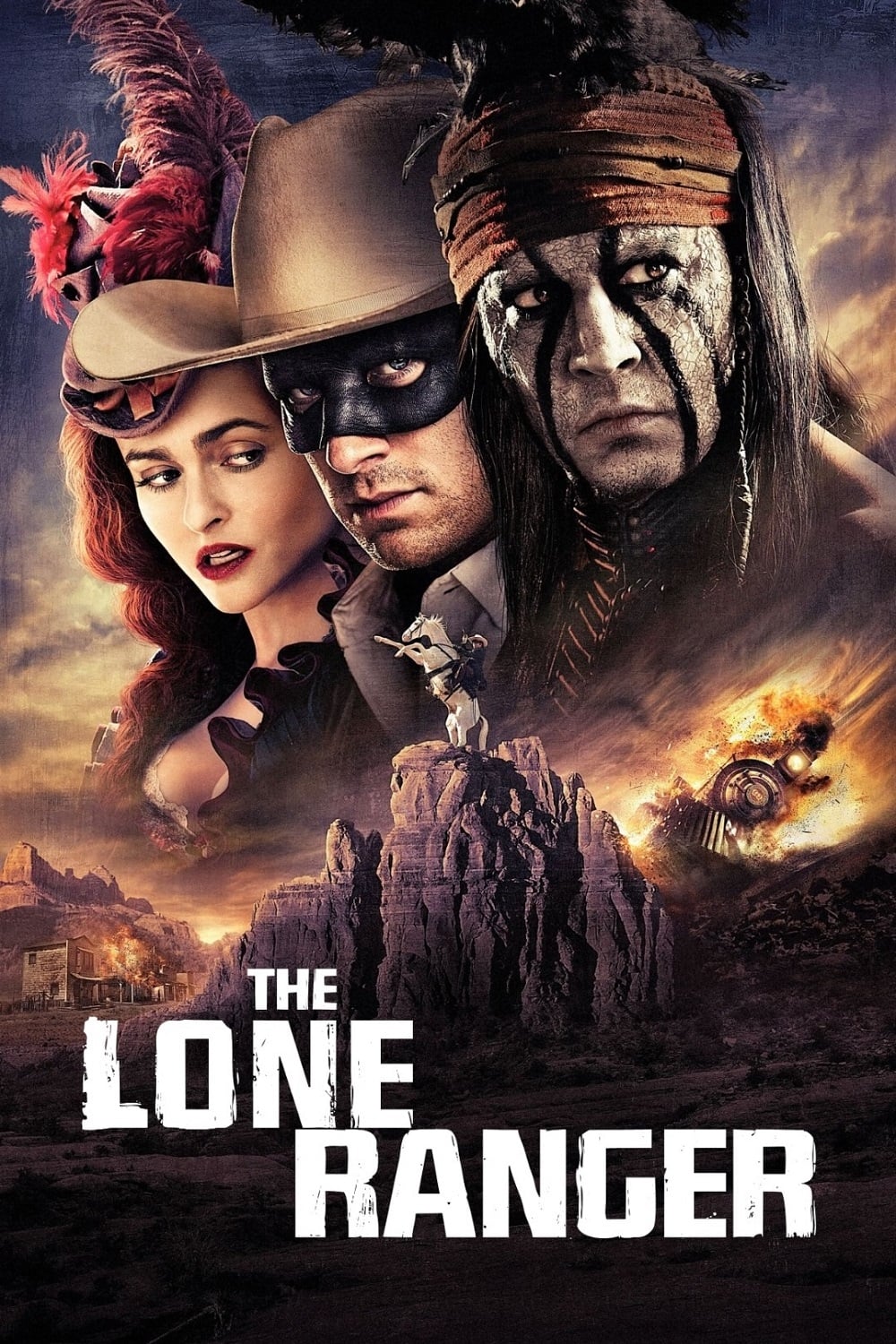
Johnny Depp portrays Tonto, a Native American character, and appears in face paint and costuming drawn from various tribal symbols. The character’s speech and mysticism are used to support the hero’s story rather than develop a distinct Native perspective.
Native advocates and organizations criticized the portrayal and the production’s cultural consultation process. The film’s financial results marked it as a significant loss for the studio and ended plans for a new franchise.
‘Nina’ (2016)
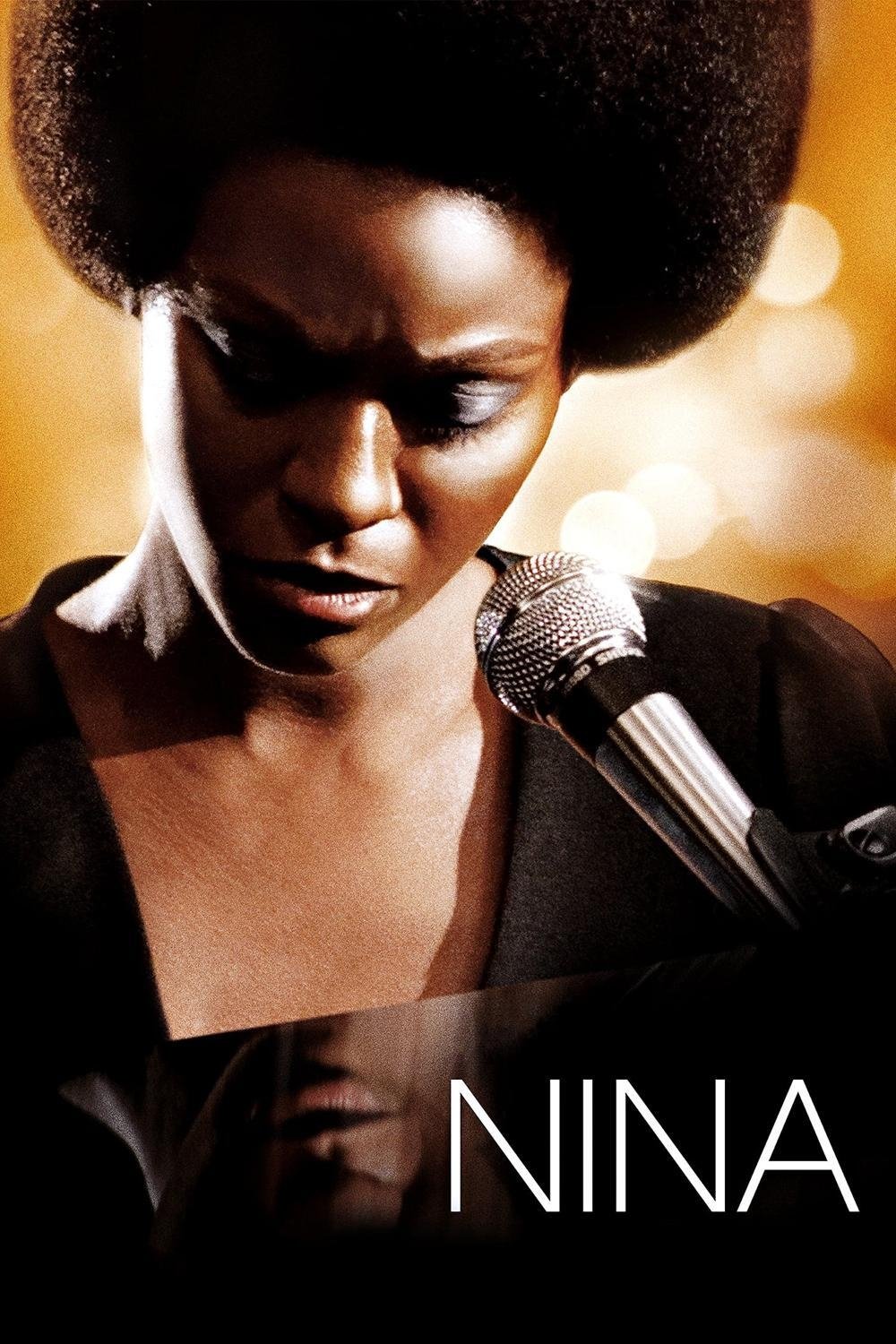
Zoe Saldana plays Nina Simone and the production used darker makeup and a prosthetic nose to alter her appearance. The casting choice overshadowed the music and biographical material that the film set out to present.
Members of Simone’s estate objected to the portrayal and the conversation continued after release. Saldana later expressed regret about accepting the role which has been documented in interviews and profiles.
‘The Conqueror’ (1956)

John Wayne stars as Genghis Khan with a supporting cast made up largely of white actors in roles tied to Mongol history. Makeup and costuming aim to signal ethnicity while the dialogue and staging reflect mid century Hollywood conventions.
The movie also became known for a separate production tragedy linked to a filming location and later illnesses among cast and crew. Within representation studies it remains a primary example of miscasting in historical epics.
‘The Searchers’ (1956)
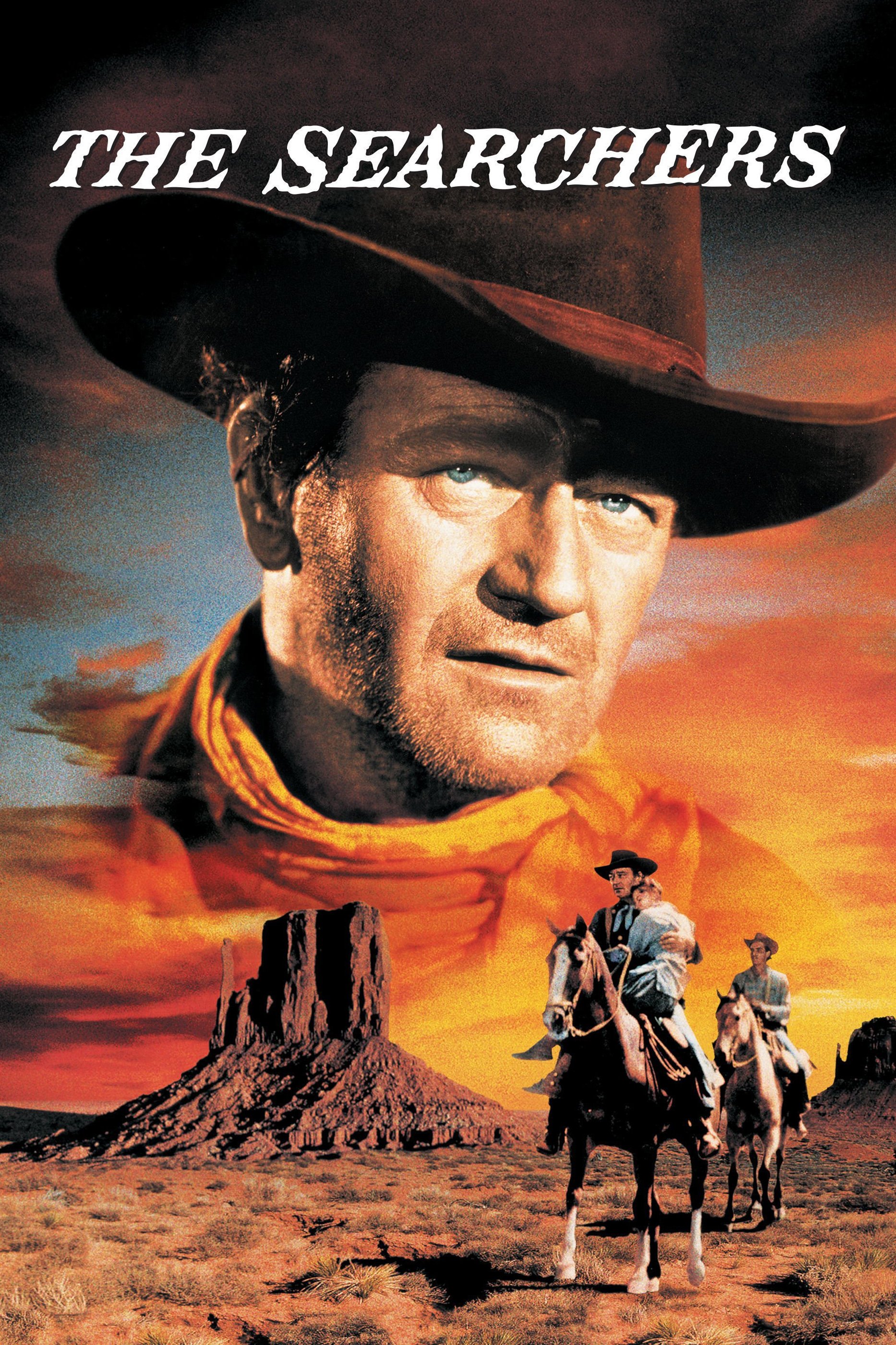
John Ford’s Western follows a man’s long pursuit of his kidnapped niece and presents Comanche characters as a monolithic enemy. Dialogue and plot points depict Native Americans through the lens of settler fear and revenge.
Film schools teach the movie for its craft while also flagging its portrayal of Indigenous peoples. Modern viewers often encounter the work with added context from historians who explain how Westerns shaped public perceptions.
‘Green Book’ (2018)
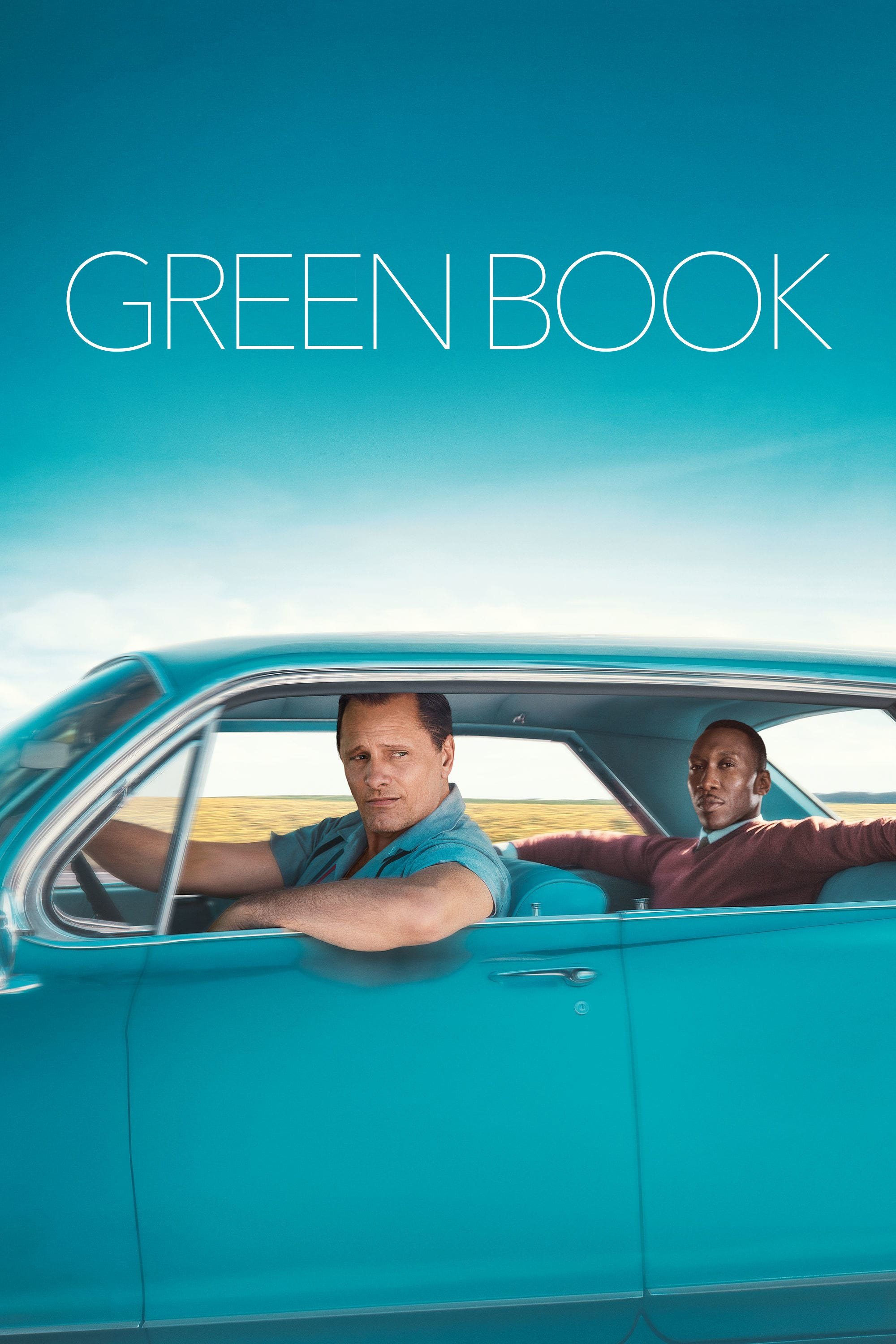
The film pairs pianist Don Shirley with driver Tony Vallelonga during a concert tour in the American South. The script focuses on their developing relationship and frames events through the driver’s memories and family materials.
Members of Shirley’s family publicly challenged parts of the story and contested the portrayal of their relative. The film won major awards which intensified debate about which perspectives tend to receive industry recognition.
Share the titles you think belong on this list and tell us which examples you think most deserve wider discussion in the comments.