Epic Movies Over 4 Hours You’ll Want to Watch

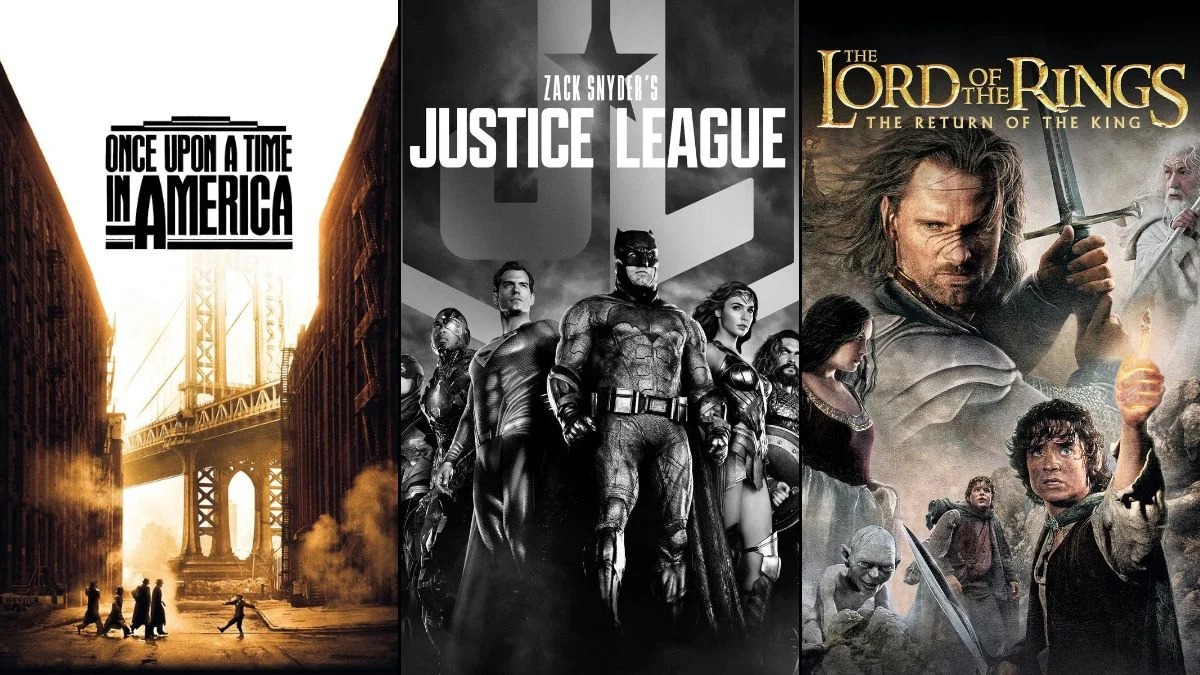

Sometimes the story is simply too big for a standard runtime. These films stretch well past the four hour mark, often with intermissions or natural breakpoints, and they use the extra time for world building, historical scope, or intricate structure. Planning your watch in advance helps, since many of these are presented in parts or include built in pauses.
Runtimes can vary by cut or restoration, so the versions noted here are the ones that clear the four hour threshold. You will also find that several of them were released in multiple formats, such as festival assemblies, television versions, and extended editions that add scenes or entire chapters not included in shorter releases.
‘Cleopatra’ (1963)
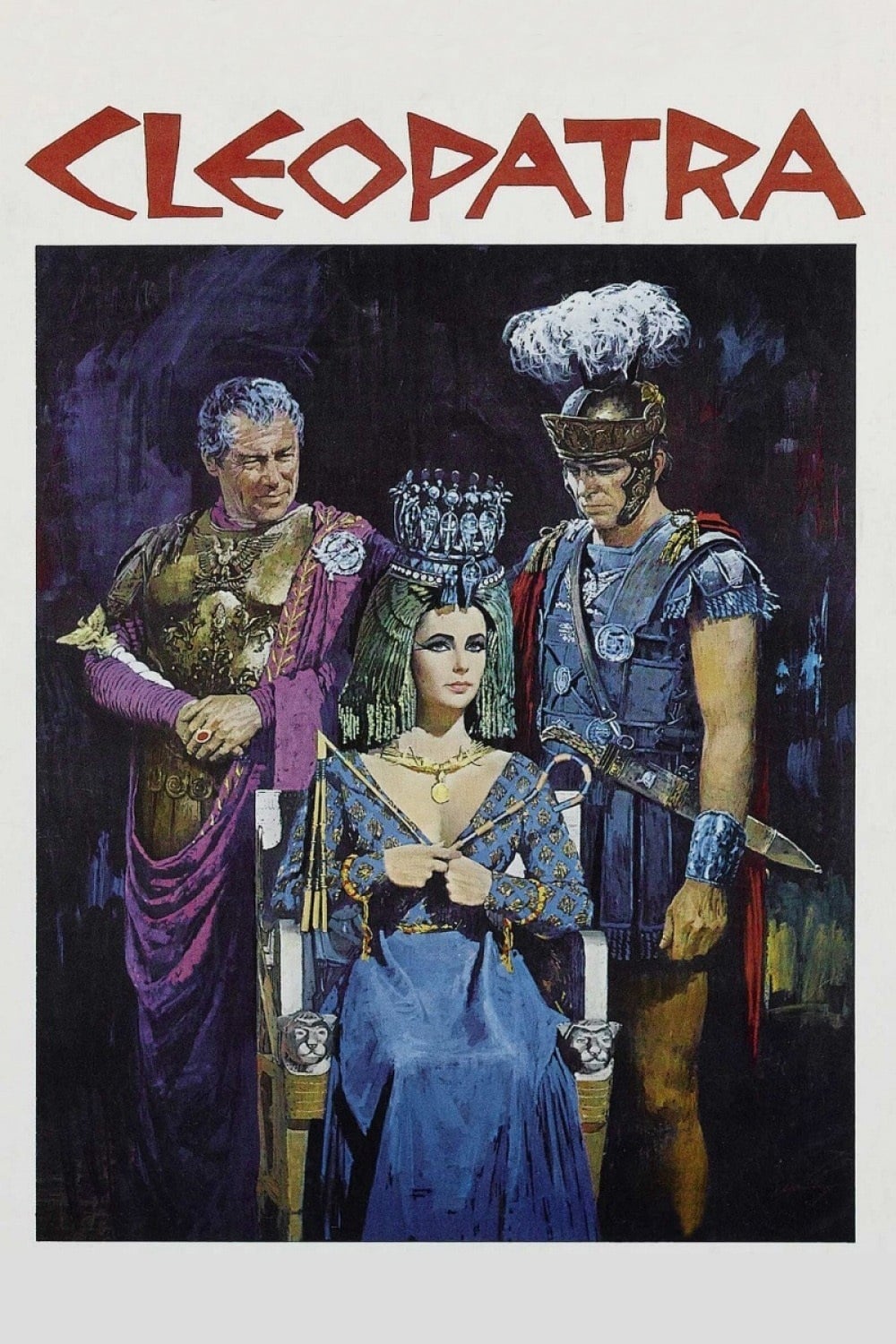
The roadshow version of ‘Cleopatra’ runs about 248 minutes and is typically presented with an overture, an intermission, and exit music. The production was mounted on a grand scale at Cinecittà Studios, with extensive sets and thousands of costumes built for large court and parade sequences.
Joseph L. Mankiewicz directed and Elizabeth Taylor, Richard Burton, and Rex Harrison lead the cast. The film was photographed for large screens and premiered as an event presentation, which is why many modern restorations preserve the show elements along with the extended runtime.
‘Hamlet’ (1996)
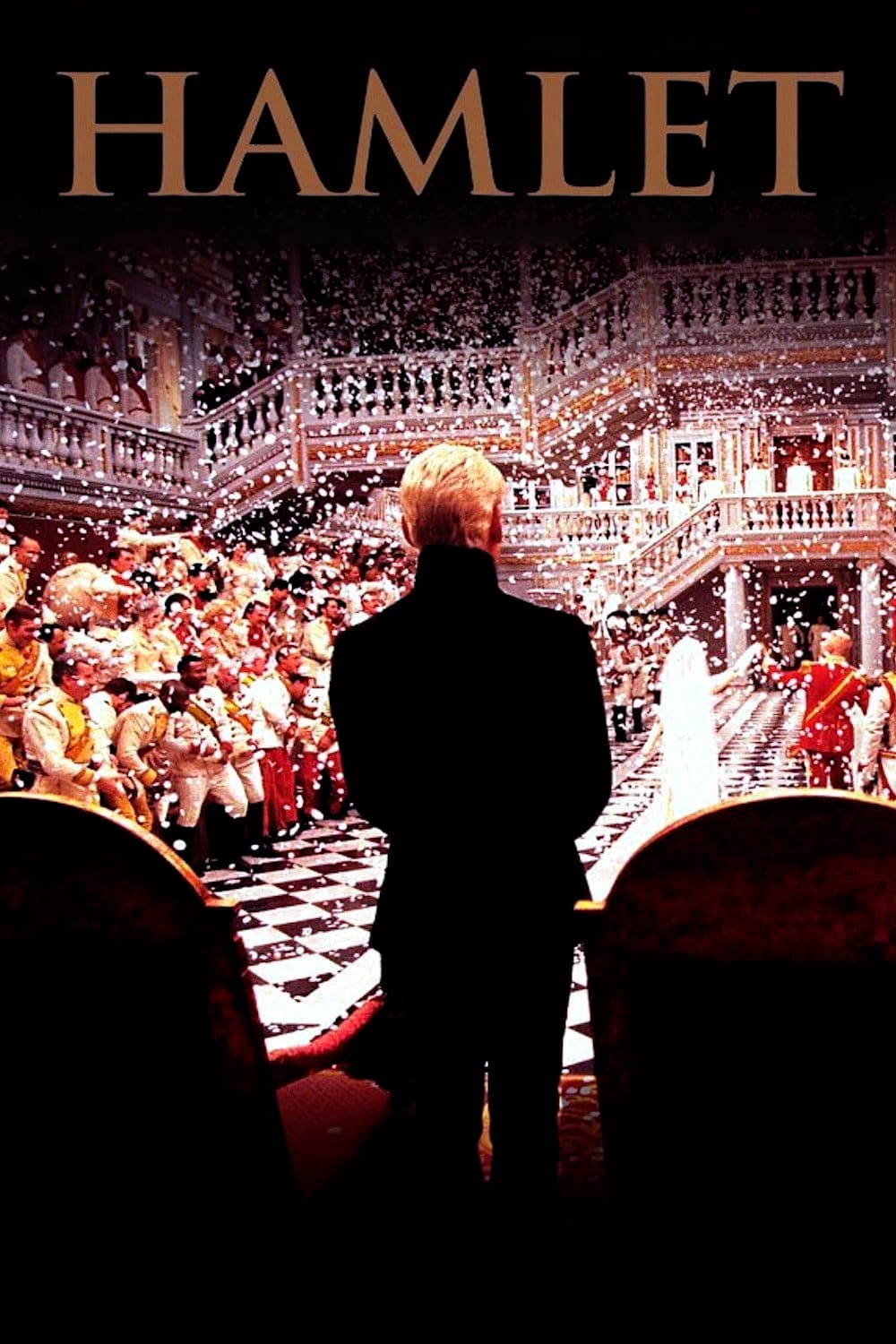
Kenneth Branagh’s ‘Hamlet’ presents the full text of the play and runs about 242 minutes in its complete version. The production was staged and shot to fill a massive palace set, with mirrors and long corridors that allow extended tracking shots and ensemble scenes to play out in real time.
The film features a star packed ensemble that includes Kate Winslet, Derek Jacobi, and Julie Christie. It was photographed on 65 mm for exceptional clarity in wide interior compositions, and many screenings include an intermission to match the roadshow tradition.
‘Once Upon a Time in America’ (1984)
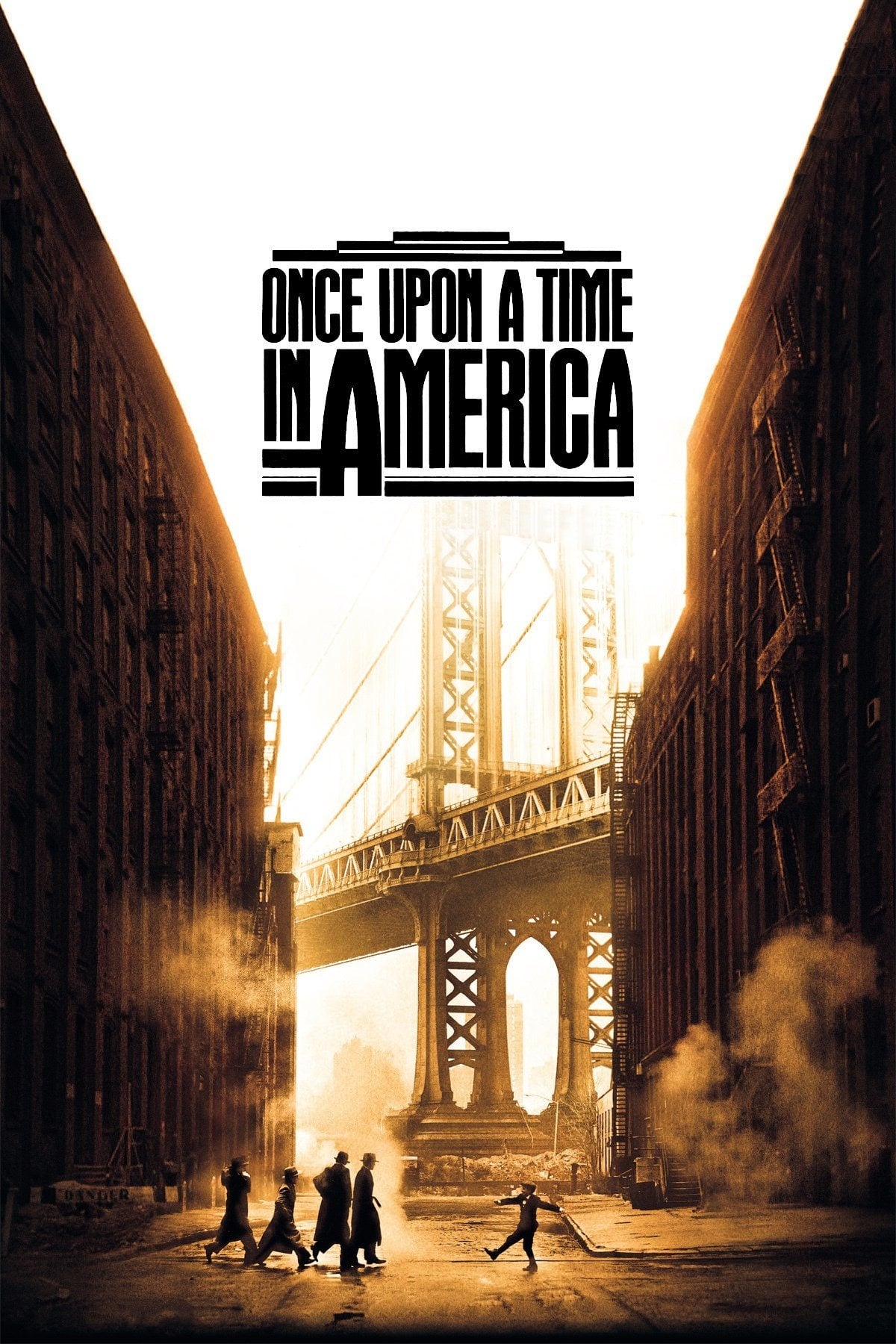
Sergio Leone’s ‘Once Upon a Time in America’ exists in several cuts, and the extended restoration runs about 251 minutes. The longer version restores scenes that develop relationships across different eras, using cross cutting to bridge childhood, young adulthood, and later years.
Robert De Niro and James Woods headline the cast, with a notable score by Ennio Morricone that threads through repeated themes and motifs. The film adapts Harry Grey’s book and uses New York locations and carefully built sets to recreate changing neighborhoods over decades.
‘The Lord of the Rings: The Return of the King’ (2003)
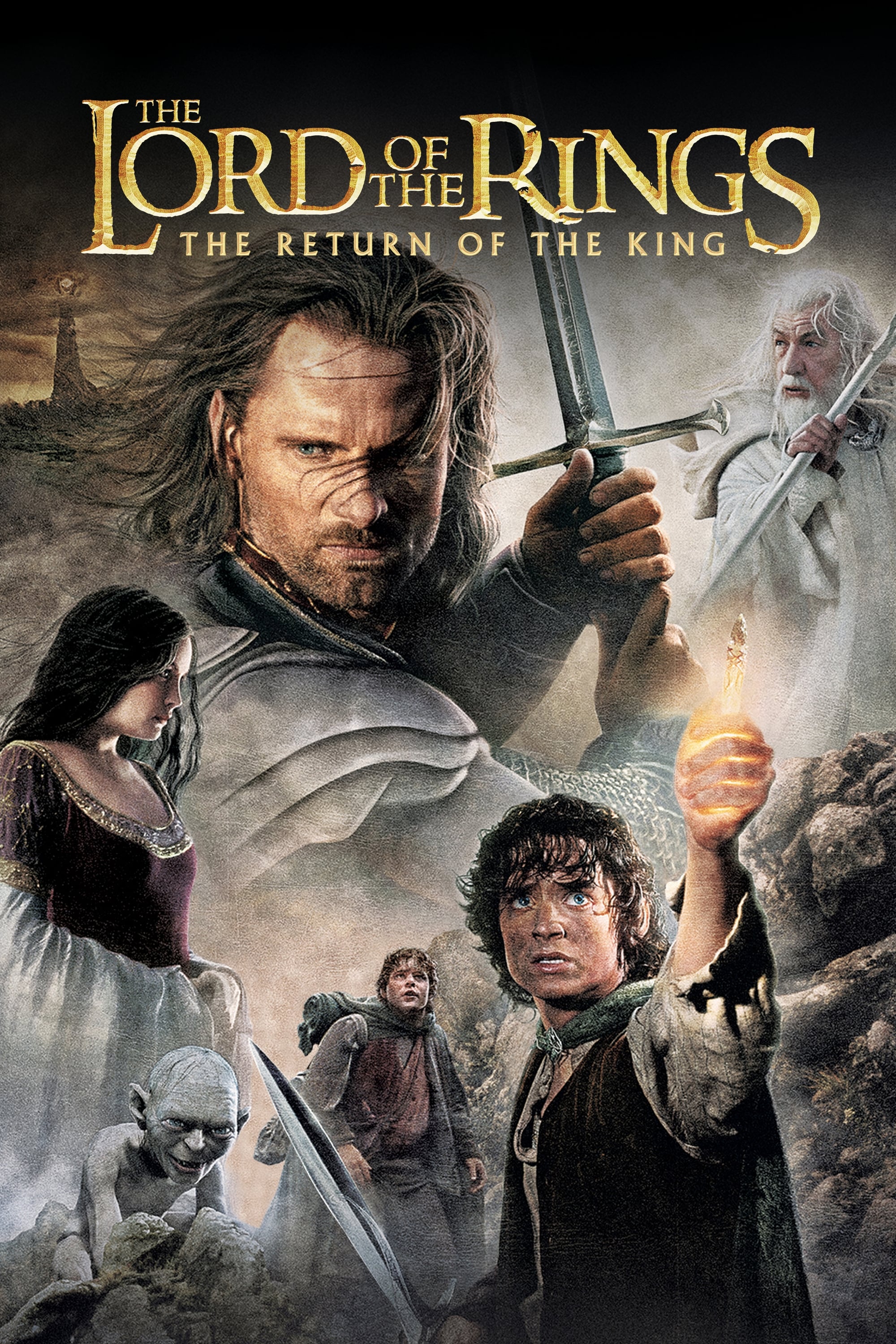
The extended edition of ‘The Lord of the Rings: The Return of the King’ runs about 252 minutes and adds material such as the Saruman confrontation, the Houses of Healing, and the Mouth of Sauron. These scenes expand the journey after the siege of Minas Tirith and deepen several character arcs.
The film was directed by Peter Jackson and features an ensemble that includes Elijah Wood, Ian McKellen, and Viggo Mortensen. The extended cut is organized to play smoothly at home or in special screenings, and it is accompanied by additional score cues recorded to support the new material.
‘Sátántangó’ (1994)
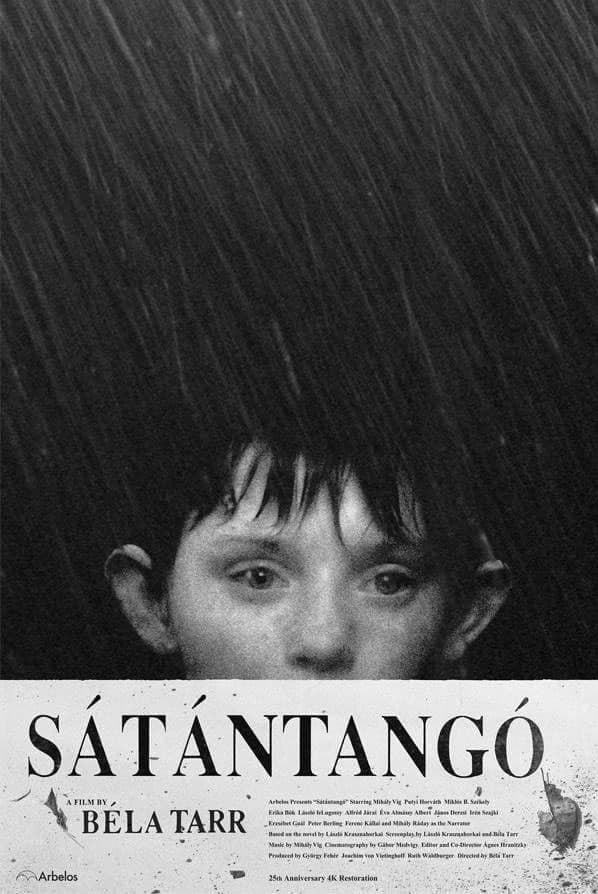
Béla Tarr’s ‘Sátántangó’ runs about 439 minutes and is structured in twelve chapters that move forward and back to revisit events from new angles. The film is in black and white and is known for very long takes that follow characters through interiors, open fields, and rain soaked roads.
It adapts the novel by László Krasznahorkai and is usually exhibited with two intermissions. Dialogue is in Hungarian, and the atmosphere is carried by its spare sound design and recurring accordion themes, which contribute to the careful rhythm of scenes.
‘Shoah’ (1985)
Claude Lanzmann’s ‘Shoah’ runs about 566 minutes and is composed entirely of interviews and present day visits to relevant sites. The film does not use archival footage and instead builds its historical record through testimonies from survivors, witnesses, and former officials.
It was filmed across multiple countries in several languages and is frequently presented in two parts on consecutive days. The production used small crews and discreet recording methods to capture sensitive conversations that would otherwise not have been possible.
‘War and Peace’ (1966–1967)
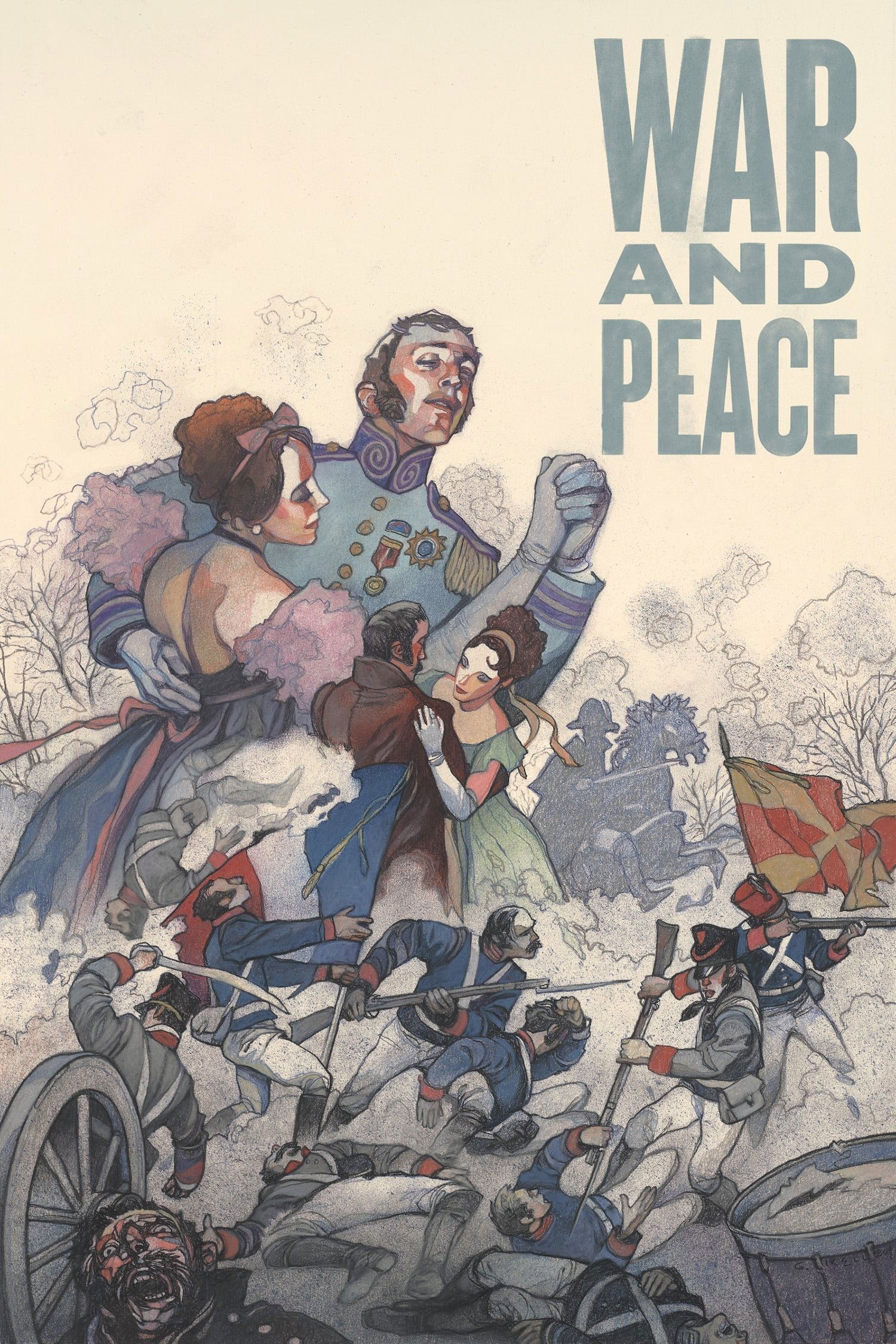
Sergei Bondarchuk’s ‘War and Peace’ runs about 422 minutes across four parts and adapts the entire novel with large scale battle sequences and elaborate ballroom scenes. Thousands of extras were coordinated for battlefield staging along with extensive cavalry and artillery displays.
The film employed large format photography and detailed production design for aristocratic interiors and estate exteriors. Russian language versions are the base for most restorations, and many releases present the work as a unified film with clearly marked part titles.
‘Napoléon’ (1927)
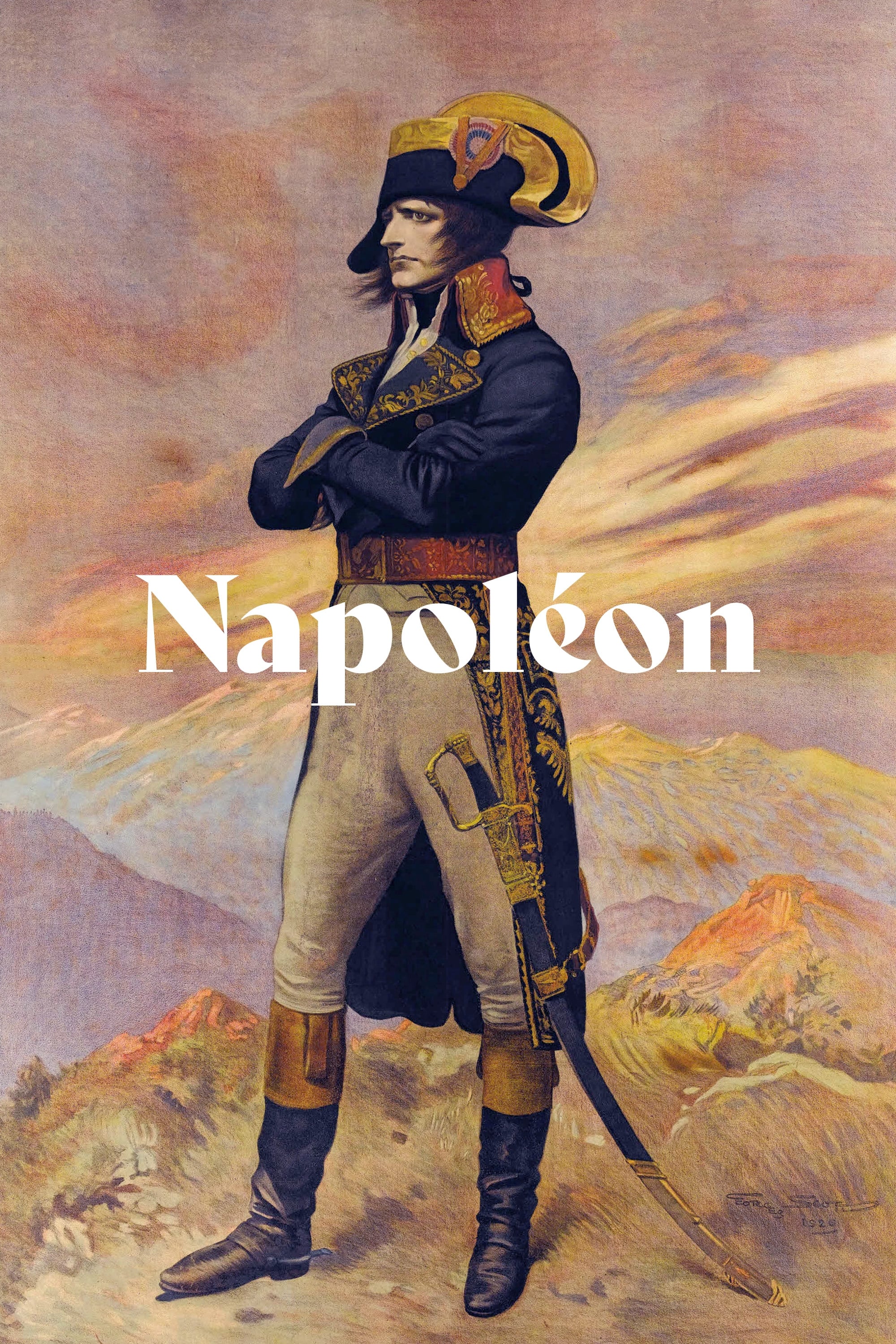
Abel Gance’s silent ‘Napoléon’ reaches about 330 minutes in major restorations, with runtime varying due to frame rate and tint choices used by different archives. The story covers Napoleon’s early life and military rise, culminating in a celebrated finale that expands the image across three adjacent screens.
That three screen sequence, known as a triptych, requires special projection in some venues and is often accompanied by a newly recorded orchestral score. Restorations also reintroduce original color tints and hand colored effects that match contemporary presentation practices.
‘1900’ (1976)
Bernardo Bertolucci’s ‘1900’ runs about 317 minutes in its integral international version and follows two men from the same region whose lives diverge across shifting social movements. The narrative spans rural estates, workers’ struggles, and political realignments across many years.
The cast includes Robert De Niro, Gérard Depardieu, Dominique Sanda, Donald Sutherland, and Burt Lancaster. Some releases divide the film into two parts for theatrical play, while complete editions present the full assembly with a single intermission.
‘Mysteries of Lisbon’ (2010)
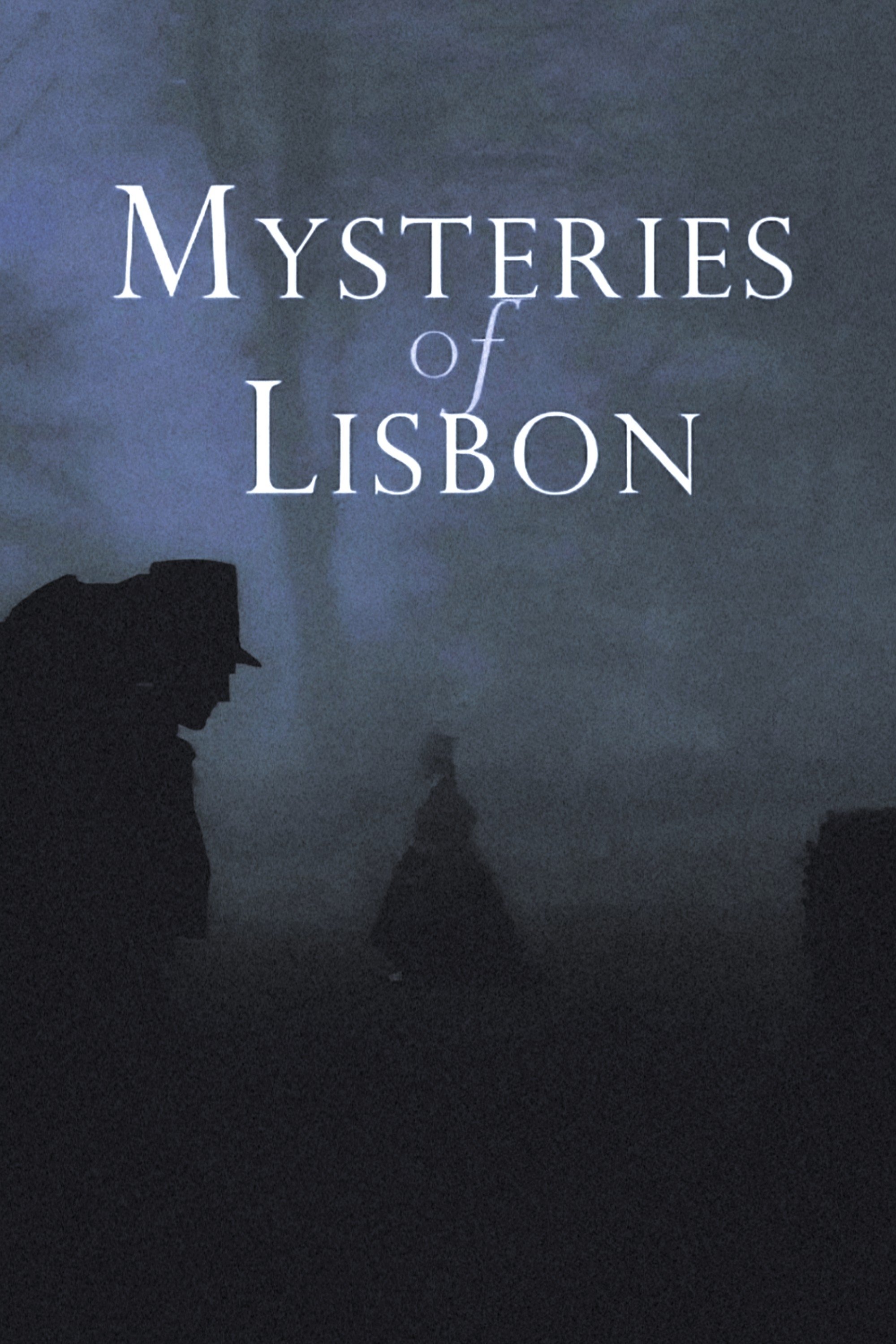
Raúl Ruiz’s ‘Mysteries of Lisbon’ runs about 272 minutes in its theatrical cut and unfolds as a web of interlinked stories that branch from a boarding school student and his hidden parentage. Characters recount past events that open into further episodes, creating a story within story structure.
The film adapts a classic Portuguese novel and moves between Portugal and France with dialogue in multiple languages. A longer television version also exists and expands several subplots that are briefly summarized in the theatrical assembly.
‘Happy Hour’ (2015)
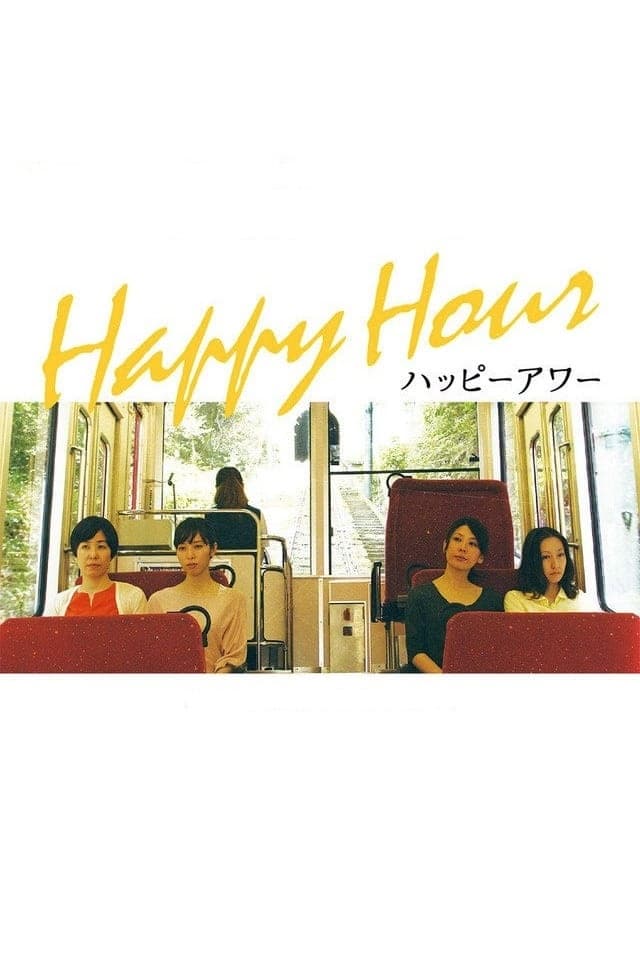
Ryusuke Hamaguchi’s ‘Happy Hour’ runs about 317 minutes and follows four friends in Kobe as their daily routines shift through workshops, trips, and family changes. The film uses extended conversation scenes to track how small decisions alter the course of relationships.
Much of the cast came from acting workshops created for the project, which lent a natural cadence to group scenes. The runtime allows several set pieces to play out in full, including a reading event and a mediation session that both feed into later turns.
‘La Flor’ (2018)
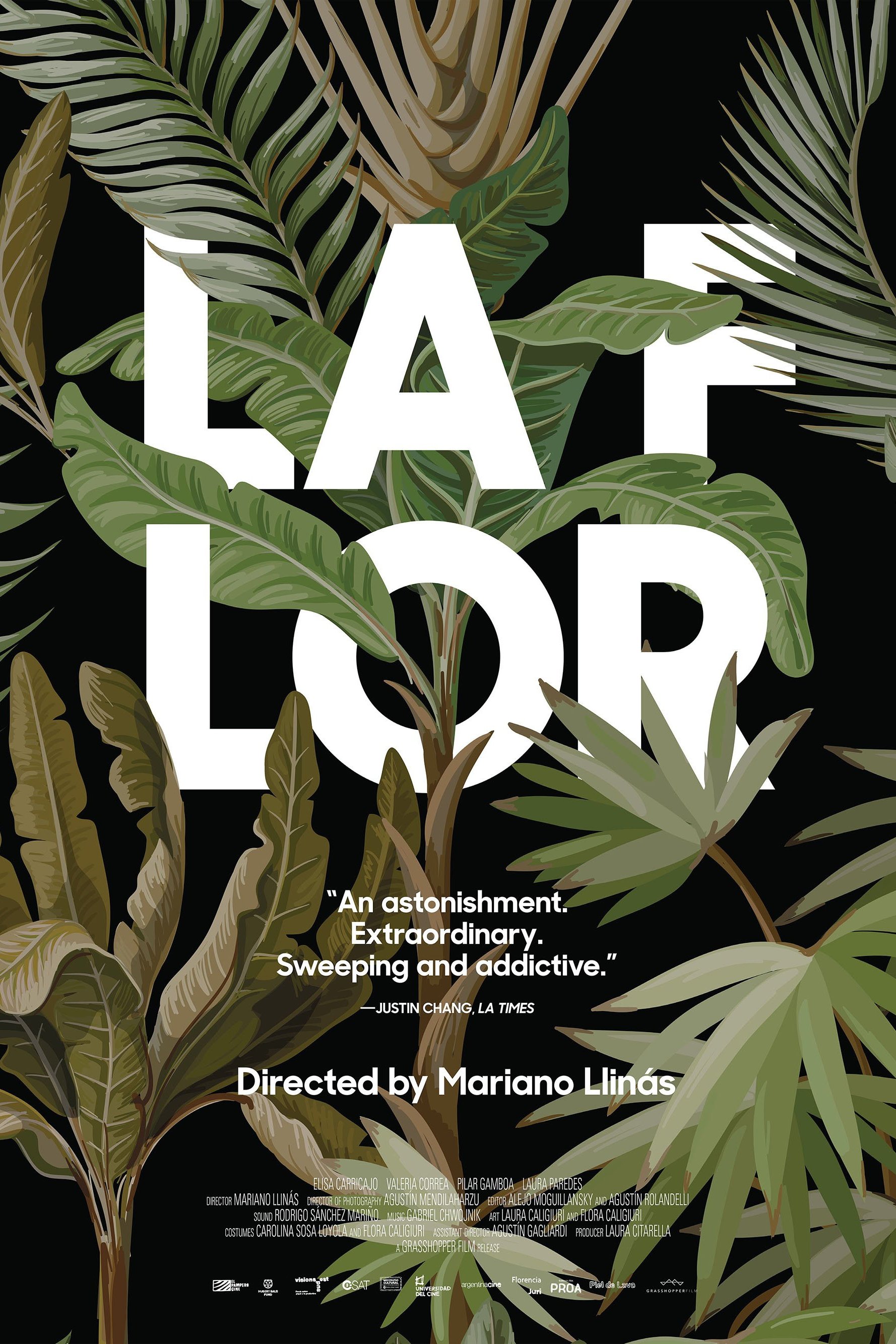
Mariano Llinás’s ‘La Flor’ runs about 808 minutes and is structured as six episodes that each adopt a different genre. The same core acting group appears across the episodes in new roles, and the director appears on screen to explain how the project is organized.
The film is usually screened in three sittings with built in pauses between episodes. Production took place over many years with recurring crews and itinerant locations, which is reflected in the chapter introductions and credits.
‘Hitler: A Film from Germany’ (1977)
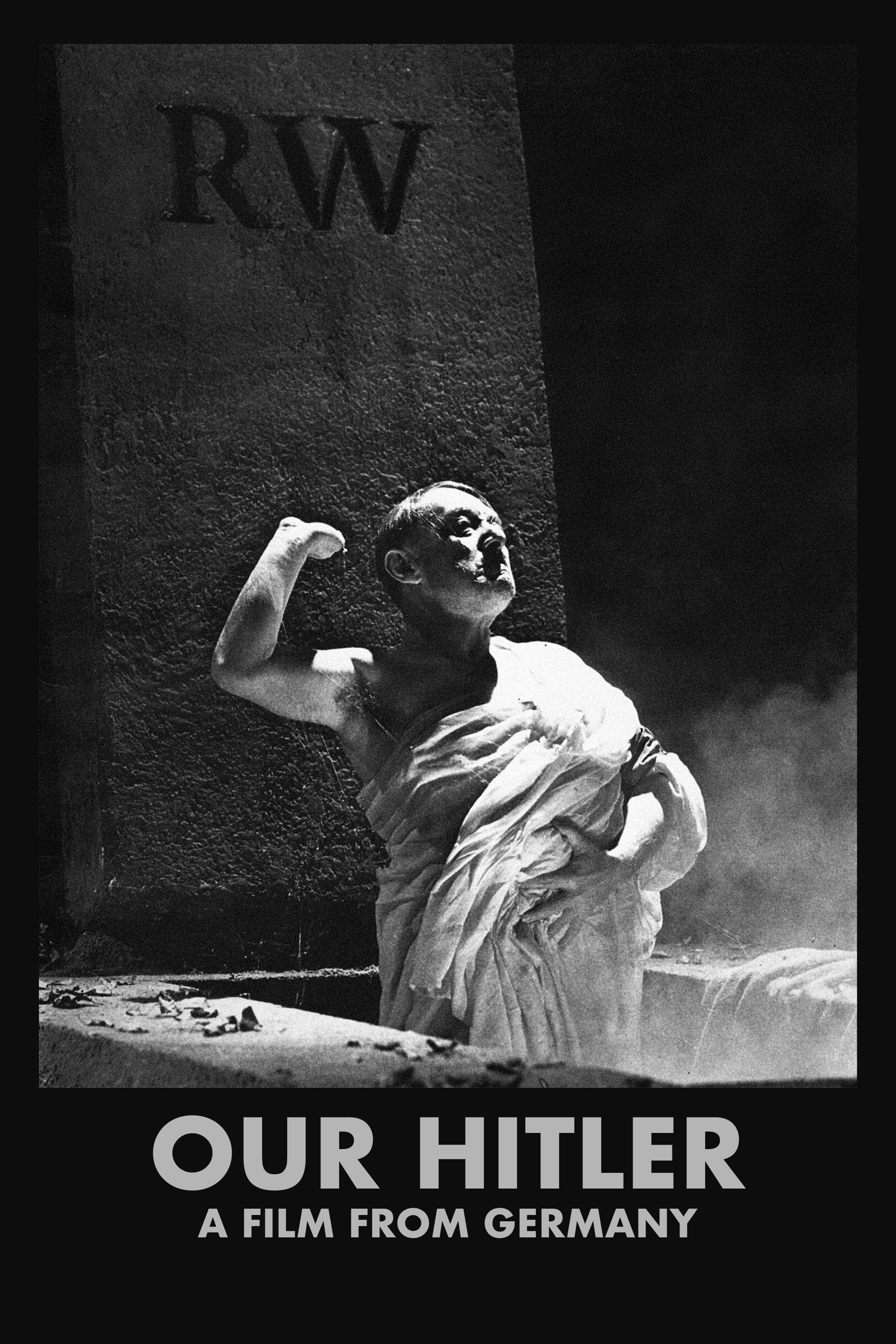
Hans Jürgen Syberberg’s ‘Hitler: A Film from Germany’ runs about 442 minutes and is staged on theatrical sets with performers addressing the camera. The film mixes monologue, puppetry, projected imagery, and music to assemble its collage like approach to subject and myth.
It is often presented in four parts that together form a single work. German is the primary language and major restorations include cleaned dialogue tracks and stabilized image composites to preserve the original staging.
‘Gangs of Wasseypur’ (2012)

Anurag Kashyap’s ‘Gangs of Wasseypur’ originated as two features and is frequently screened as a single film running about 321 minutes for festivals and special events. The story follows families locked in rivalries across multiple generations in the coal and steel regions of eastern India.
The ensemble includes both established and breakout performers, with a soundtrack that pulls from folk styles and classic film songs. Dialogue shifts between Hindi and local dialects, and the long runtime allows multiple character threads to run in parallel and intersect.
‘Zack Snyder’s Justice League’ (2021)
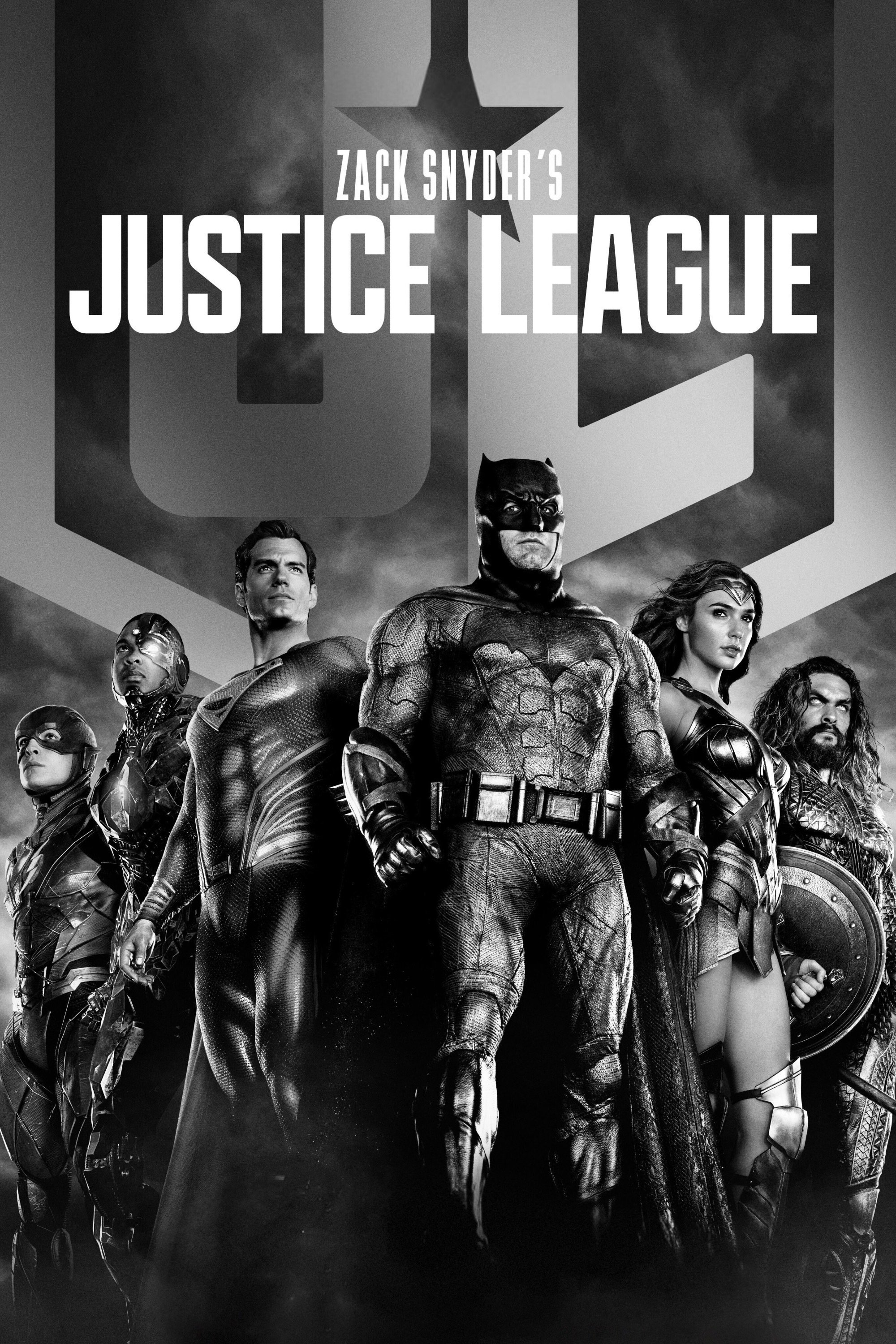
‘Zack Snyder’s Justice League’ runs about 242 minutes and presents the director’s cut assembled from original footage and new finishing work. It is framed in a near square image to preserve composition for tall format screens and includes restored scenes that expand the main plot.
The film is organized into six titled chapters plus an epilogue, which makes planned breaks easy during home viewing. Changes include revised visual effects and character beats that differ from the earlier theatrical version in several key sequences.
Share your favorite ultra long picks in the comments and tell us which version you watched.