10 Fictional Characters Who Went from Hated to Fan Favorites


Some characters arrive on screen with choices or attitudes that rub audiences the wrong way. Sometimes the writing asks us to be patient while the story does the slow work of growth and redemption. When that growth lands, the turnaround can be huge and the character ends up cherished for the very traits that once drew pushback.
This list looks at ten characters who started with rough reception and later earned wide support through consistent storytelling, smart course corrections, and memorable episodes or arcs. Each entry focuses on concrete developments in the text that shifted perception over time.
Zuko

Zuko began as the relentless antagonist of ‘Avatar: The Last Airbender’, hunting Aang to reclaim his honor and enforce the will of the Fire Nation. Early episodes framed him as impulsive and hot tempered, often in sharp contrast to Iroh’s patience and Aang’s idealism. The series steadily revealed the family pressure and abuse that shaped him and gave space for his conflicts with Azula and Ozai to complicate his goals.
Key chapters charted a full moral pivot, including a period of exile and a long struggle with identity that culminated in his decision to teach Aang firebending. Episodes like Zuko’s solitary journey and his eventual alliance with Team Avatar provided specific steps in skill, responsibility, and empathy that anchored a durable shift in audience reception.
Ahsoka Tano

Ahsoka Tano’s debut in ‘Star Wars: The Clone Wars’ introduced a Padawan with a casual nickname for Anakin and a tendency to talk back in the middle of battle. Early reactions to her tone and youth softened as the series put her through difficult campaigns and moral tests that demanded judgment rather than bravado. The Jedi Order’s treatment of her during a high profile investigation became a turning point that grounded her independence.
The character’s later appearances in ‘Star Wars Rebels’, ‘The Mandalorian’, and ‘Ahsoka’ traced a throughline of mentorship, leadership, and measured force use. Concrete milestones included her duel with an old master, her work with rebel cells, and her ongoing search for missing allies, all of which demonstrated experience earned the hard way and helped cement long term goodwill.
Steve Harrington

Steve Harrington entered ‘Stranger Things’ as a popular senior whose choices put friends at risk and whose priorities were firmly centered on his social status. The first season positioned him as an obstacle for other teens who were chasing the truth about Hawkins. The show then put him on the front lines against monsters and government secrecy, which demanded new skills and a different kind of courage.
Subsequent seasons placed Steve in partnerships with younger kids and with co workers who challenged his habits. He took on regular monster hunting duties, protected the Byers and Wheeler groups during crises, and developed an on screen rhythm with Dustin and Robin that grew from shared missions rather than school politics. The shift was driven by repeated actions in dangerous situations and by steady reliability when portals opened and things went wrong.
Jaime Lannister
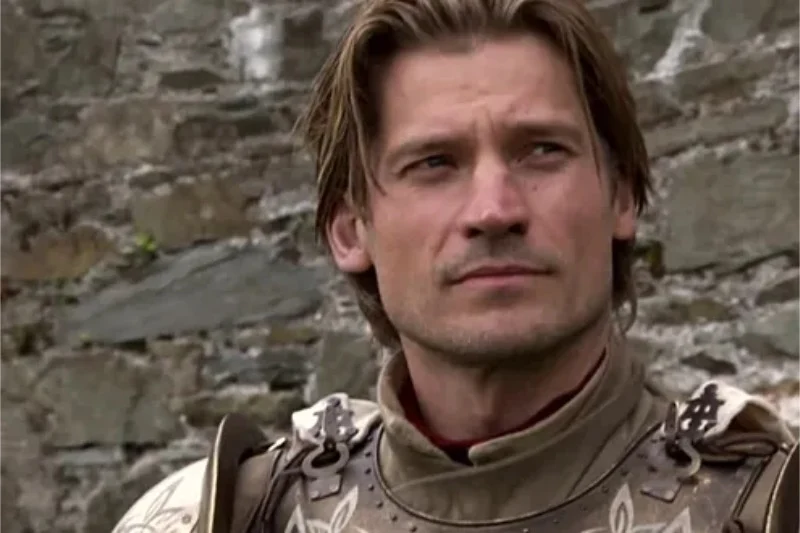
Jaime Lannister opened ‘Game of Thrones’ with a shocking act that framed him as a gilded villain whose knighthood hid terrible choices. Captivity and injury stripped away title and swagger and left the character with a crisis of identity that the series explored across long travel sequences and difficult confessions. His bathhouse admission about the Mad King reframed the Kingslayer label and revealed costs that earlier scenes hid.
Training with Brienne, living with the loss of his sword hand, and enduring the consequences of Lannister politics produced visible change in how Jaime moved through the world. Later seasons gave him command roles, field battles, and debates about oaths and honor that showed practical attempts to live by a code. Those text level details underwrote a broader shift in how viewers assessed him.
Vegeta
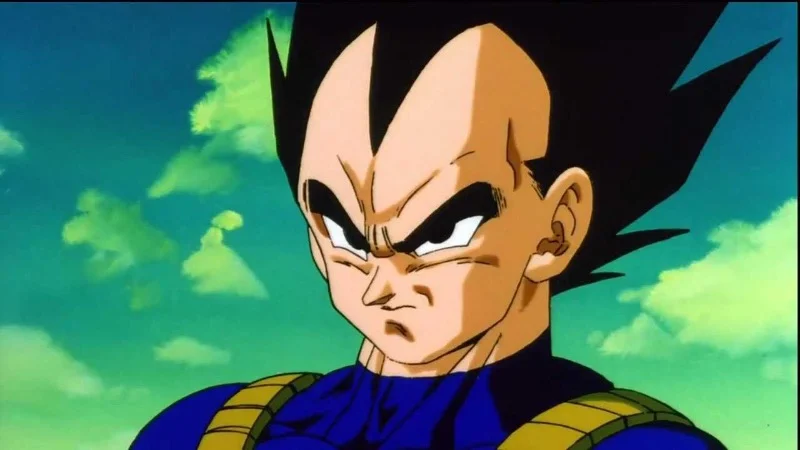
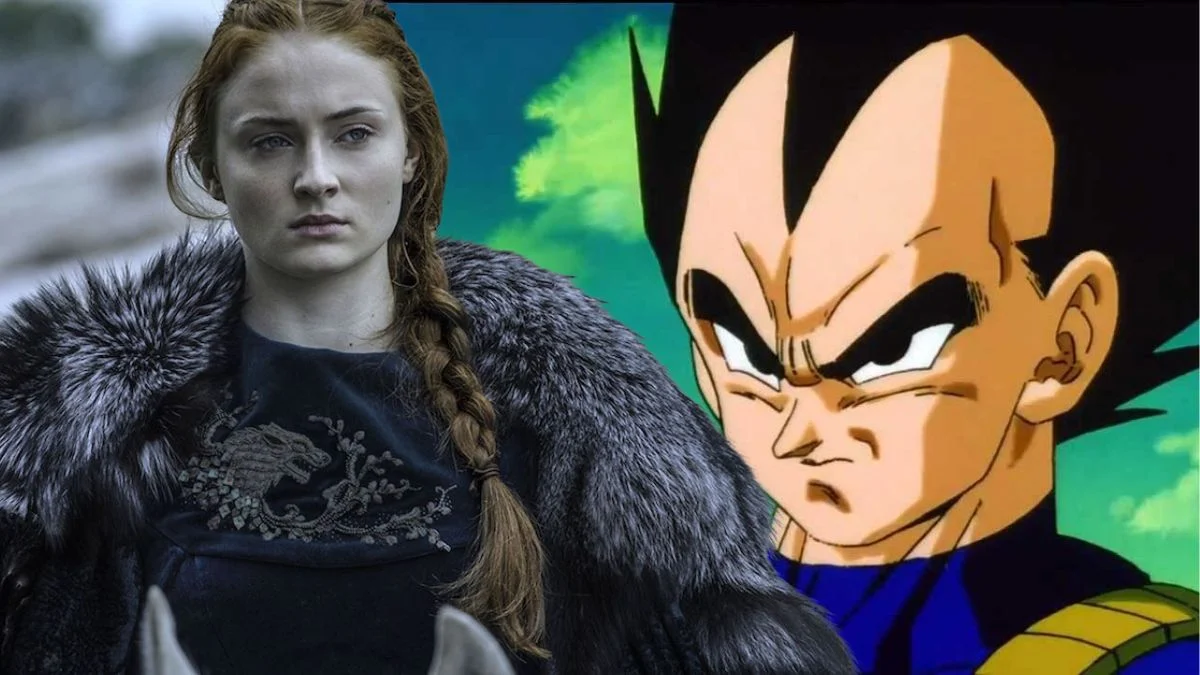
Vegeta arrived in ‘Dragon Ball Z’ as a ruthless Saiyan invader who treated Earth as a proving ground. The Namek and Android arcs forced him into battlefield alliances that did not match his pride, while power ceilings and defeats pressed him to adapt. The Majin episode highlighted a relapse and an atonement that placed family and planetary safety above rivalry.
Across later storylines and into ‘Dragon Ball Super’, Vegeta trained alongside Goku, fought for Earth against gods and tournament foes, and showed consistent involvement in raising Trunks and supporting Bulma’s projects. The text recorded a steady pattern of defense, strategy, and sacrifice, which transformed an early antagonist into a long term protector with distinct techniques and goals.
Spike
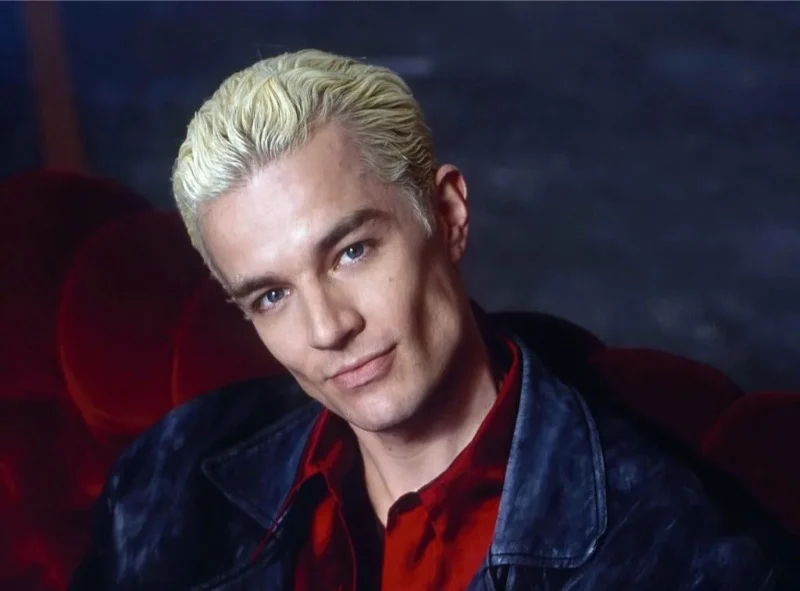
Spike entered ‘Buffy the Vampire Slayer’ as a swaggering Big Bad who tore through Sunnydale with open contempt for its heroes. A government chip that punished violence against humans forced him into uneasy cooperation with the Scoobies and created a path for resourcefulness that did not depend on raw hunting. The writing leaned into detective work, intel gathering, and reluctant teamwork during patrols.
By the time he crossed over to ‘Angel’, Spike had fought for his soul, endured trials, and taken on cases that demanded restraint and planning. Episode arcs documented patrol rotations, demon contracts, and office dynamics that turned a onetime destroyer into a field asset who solved supernatural problems. Concrete tasks, not declarations, drove the change.
Severus Snape
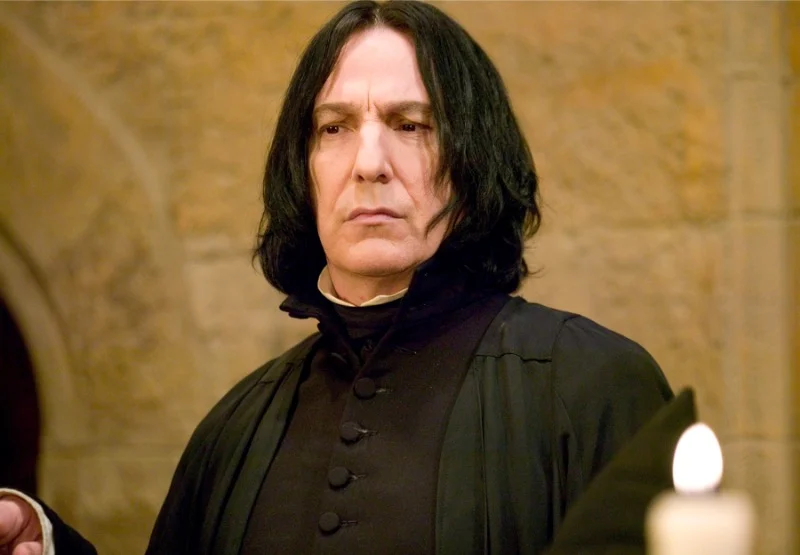
Severus Snape began the ‘Harry Potter’ saga as a hostile teacher who targeted students and appeared linked to the antagonist through dark magic. Classroom scenes and public biases made him an institutional obstacle who complicated the heroes’ school life. The story eventually revealed an undercover role that required strict secrecy and cooperation with opposing forces.
Pensieve memories and a final transfer of knowledge established the timeline of his choices, including vows that guided a killing he did not want and a protection plan that ran across years. Those revelations documented motive, risk, and sacrifice in exact terms and recontextualized earlier cruelty as part of a covert mission, which changed how readers and viewers interpreted his actions.
Negan
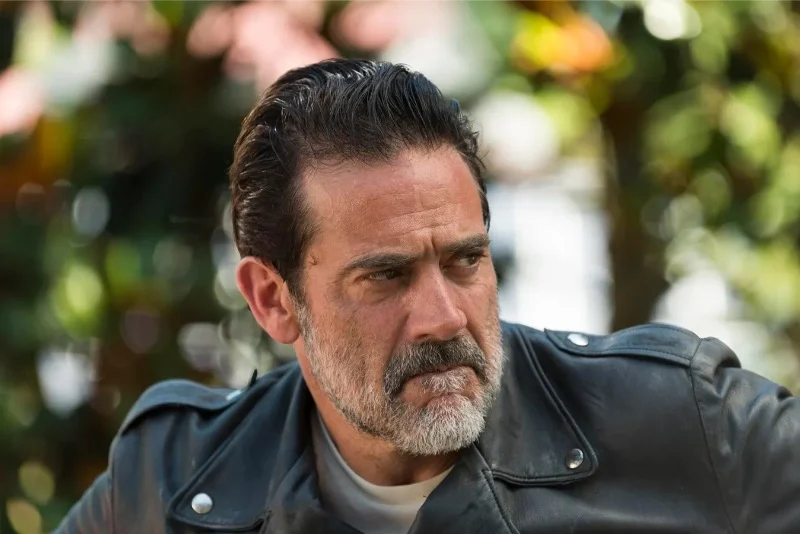
Negan entered ‘The Walking Dead’ with a brutal display that shattered the core group and set strict rules for the communities under his power. The series then tracked his imprisonment and his exposure to daily life inside Alexandria, which replaced dominance with routine and reflection. Encounters with Judith and work details created small but concrete tests that he could pass or fail.
Later episodes showed him defending people from threats that did not answer to anyone’s rules. He negotiated with leaders he had once terrorized and backed joint operations against enemies who targeted everyone. His subsequent journey into ‘The Walking Dead: Dead City’ continued that record with missions that required planning, escort work, and uneasy trust, which grounded a measurable shift in reception.
Wesley Crusher

Wesley Crusher joined ‘Star Trek The Next Generation’ as a gifted teenager on the flagship bridge, which created friction inside the story and in the audience. The show gradually moved him off the command chairs and into Academy tracks, engineering labs, and mentorships that better matched his age and interests. Episodes documented exams, shuttle mishaps, and lessons learned through failure rather than instant brilliance.
A later choice to leave Starfleet and explore a different path tied his arc to the Traveler concept, which the franchise revisited many years afterward. His brief appearance in ‘Star Trek Picard’ confirmed that the character’s journey continued off screen and provided a tidy in universe status update that rewarded long time viewers who had tracked his growth since the early seasons.
Sansa Stark
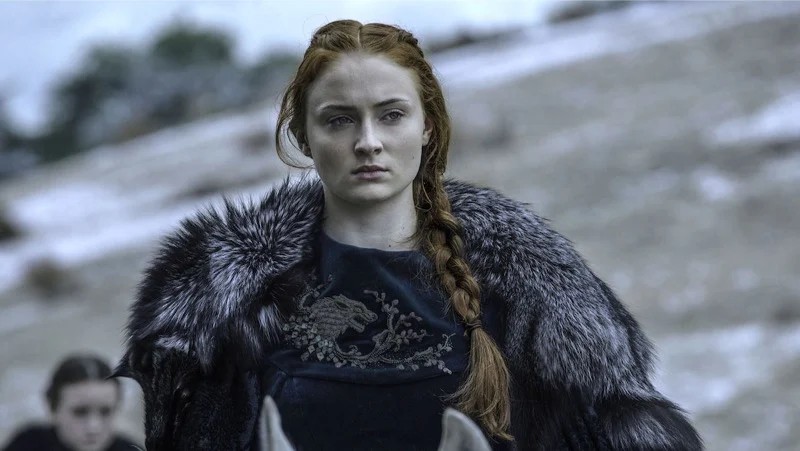
Sansa Stark started ‘Game of Thrones’ as a noble girl who trusted courtly promises and paid for it with captivity, forced engagements, and public humiliation. The series placed her in rooms with political teachers who sharpened her understanding of power and risk. Scenes in King’s Landing, the Vale, and the North documented lessons learned under pressure rather than in safety.
When she returned to Winterfell she applied those lessons to logistics, alliances, and battle planning that changed the North’s fortunes. Her decisions around food stores, banners, and succession were spelled out on screen and led to an independent North with her as its leader. The shift from disempowered pawn to executive authority played out in concrete steps that the camera followed closely.
Share your favorite turnaround in the comments and tell us which character you think deserves a spot if we missed them.