15 Worst Gender-Swapped Movie & TV Roles


Gender swapping a familiar role can refresh a franchise and open new storytelling paths. Studios and showrunners try it for many reasons that include updating older material, balancing ensemble dynamics, or navigating rights issues that limit certain characters. Sometimes the switch slides right into place and the audience barely notices. Other times it becomes the main talking point around a project.
This list looks at well known swaps that arrived with tough outcomes such as cancellations, franchise pivots, weak follow through, or heavy backlash. Each entry focuses on what changed on screen, how the production framed the update, and what happened next for the title or the character. The goal is to lay out the context so readers can see how each decision played out in practice.
The Ghostbusters in ‘Ghostbusters’
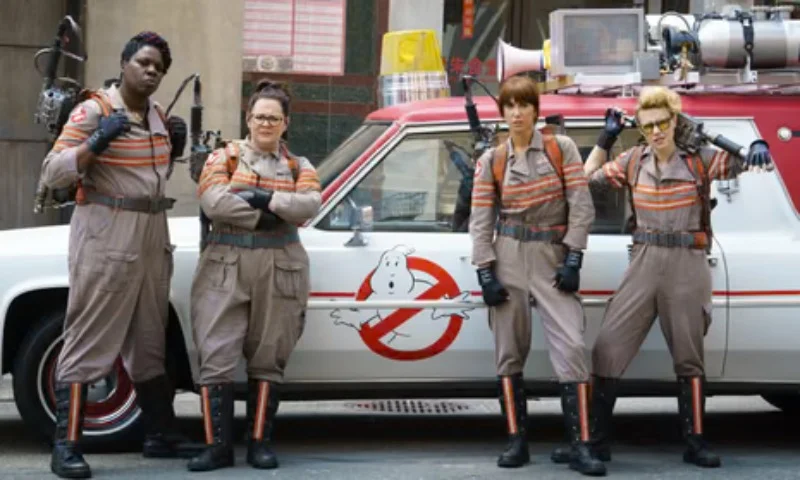
The original films centered on a team of male scientists. The reboot introduced a new continuity with a four woman lineup played by Melissa McCarthy, Kristen Wiig, Kate McKinnon, and Leslie Jones under director Paul Feig. The script built fresh character names and origin beats rather than continuing earlier lore and it brought the original cast back only for cameo roles.
Marketing leaned hard on the new team and on updated tech designs. After release the studio did not move forward with a direct sequel for this continuity and instead steered the brand back to the original timeline with ‘Ghostbusters: Afterlife’ and the follow ups that continued that strand.
Princess Ahmanet in ‘The Mummy’
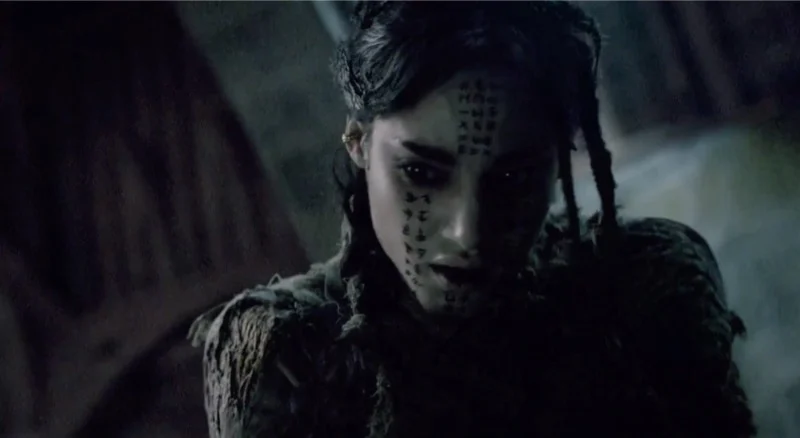
Universal’s classic template featured a male priest raised from the dead. The modern film reimagined the monster as Princess Ahmanet played by Sofia Boutella with Tom Cruise headlining as the human lead. The story folded in broader universe plans by introducing Dr. Jekyll and a secret organization meant to connect future entries.
Following the rollout the studio paused its shared universe strategy and redirected to stand alone projects developed with different creative teams. The shift away from the planned crossover slate left this version of the character without continuation in later titles.
Taskmaster in ‘Black Widow’
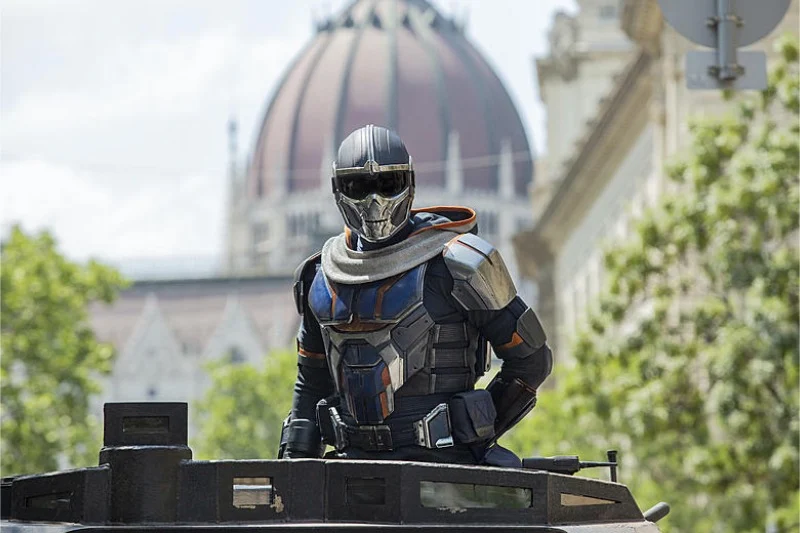
In the comics Taskmaster is Tony Masters, a man whose photographic reflexes let him mimic opponents. The film reframed the identity as Antonia Dreykov, tying the character to the Red Room program and to the villain who runs it. The suit and move set kept the visual copycat concept while the backstory aligned the figure with the film’s central conspiracy.
The production kept the reveal quiet during promotion and emphasized the mystery around the masked figure. After release the choice drew intense debate among viewers and the character did not immediately anchor new arcs across other titles, leaving this portrayal mostly contained within the film’s storyline.
Hobson in ‘Arthur’
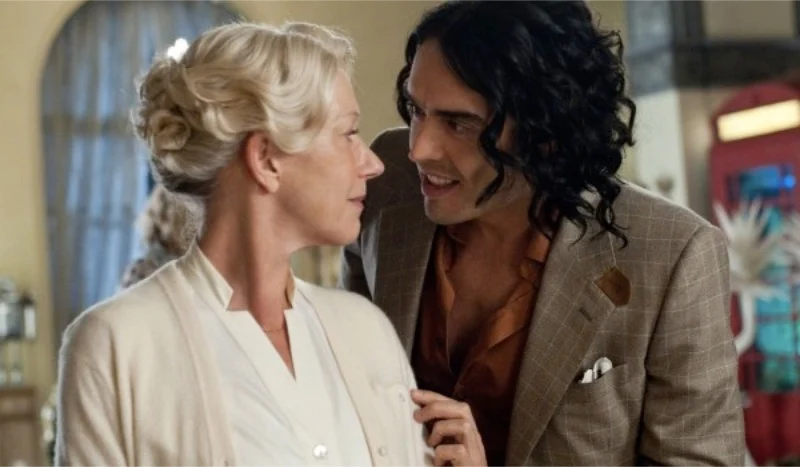
The original comedy featured Hobson as a male valet whose sharp tongue guided the title character. The remake recast the role as a woman with Helen Mirren playing a stern but caring nanny figure. The update kept the mentor space in Arthur’s life while shifting the dynamic to reflect a lifetime caregiver relationship.
The new version did not create follow on installments and the property returned to dormancy after its run. Discussions around the film frequently singled out the changed role as a key example of how the remake diverged from the earlier approach.
Erica Raymond in ‘Jem and the Holograms’
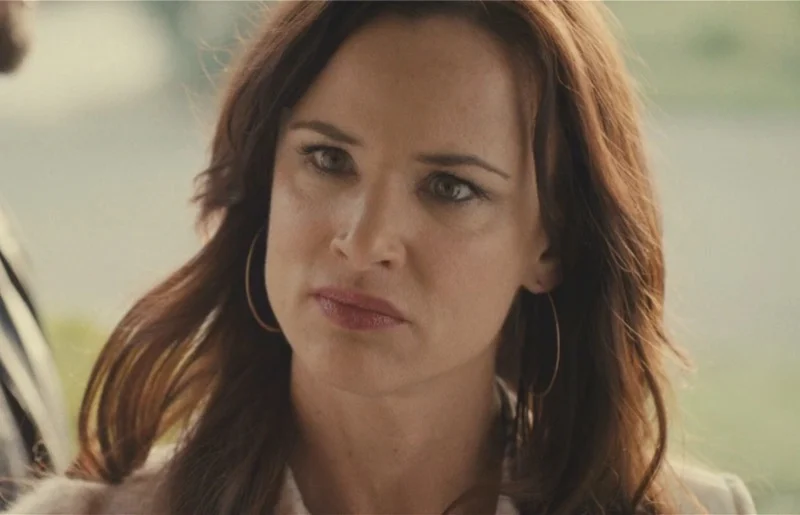
The animated series set Eric Raymond as a male record executive who opposed the band. The live action adaptation switched the character to Erica Raymond portrayed by Juliette Lewis and reframed the conflict around modern social media fame and label control. The story reduced the villainy to a more personal push and pull over image and marketability.
The film’s theatrical presence was short and plans for potential sequels or crossovers with other Hasbro properties were set aside. The update to the antagonist stood out as part of a broad retool that did not carry the brand forward on screen.
Scuttle in ‘The Little Mermaid’
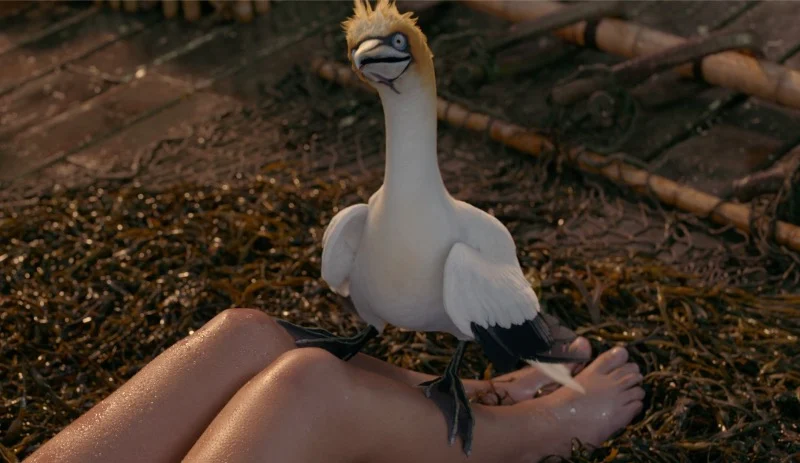
The animated classic presented Scuttle as a male seagull who gave Ariel off base advice about human artifacts. The live action version made Scuttle a northern gannet voiced by Awkwafina and presented the character as female. The redesign altered species, mannerisms, and the way comedic asides broke up scenes.
The new film added a featured musical number for Scuttle and adjusted dialogue rhythms to match the updated comic tone. The change drew wide attention in press tours and on social platforms and became one of the most discussed creative tweaks from page to screen.
The Con Artists in ‘The Hustle’
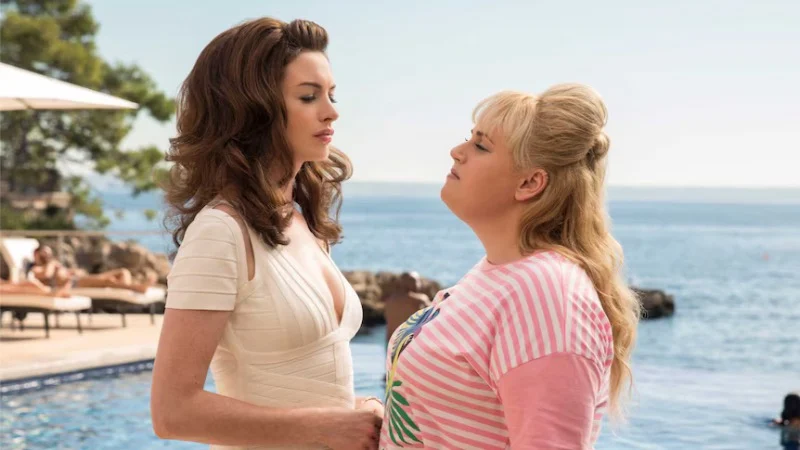
‘The Hustle’ reworks the setup from ‘Dirty Rotten Scoundrels’ and earlier from ‘Bedtime Story’ by flipping the con duo to two women played by Anne Hathaway and Rebel Wilson. The plot keeps the Riviera setting, a rivalry for territory, and a wager that drives the second half of the caper.
Comparisons to the earlier films dominated coverage and the new entry did not expand into a new series. The film’s reception landed well below its predecessors and the title closed out as a one off experiment with the familiar scheme.
The Amnesia Victim in ‘Overboard’
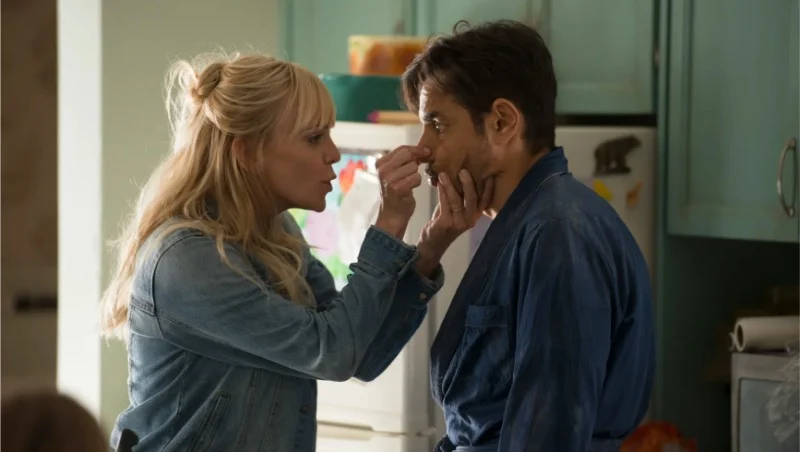
The original comedy centered on a wealthy woman who loses her memory and is convinced she is the mother of a handyman’s children. The remake reversed the setup by making the amnesiac a wealthy man played by Eugenio Derbez with Anna Faris as the working class lead. The film kept the small town setting and built in bilingual scenes that reflected the new star pairing.
Response from reviewers was largely negative and the film’s footprint leaned on specific markets where the cast had strong pull. The premise returned to the shelf after the run and no continuation followed.
Ali Davis in ‘What Men Want’
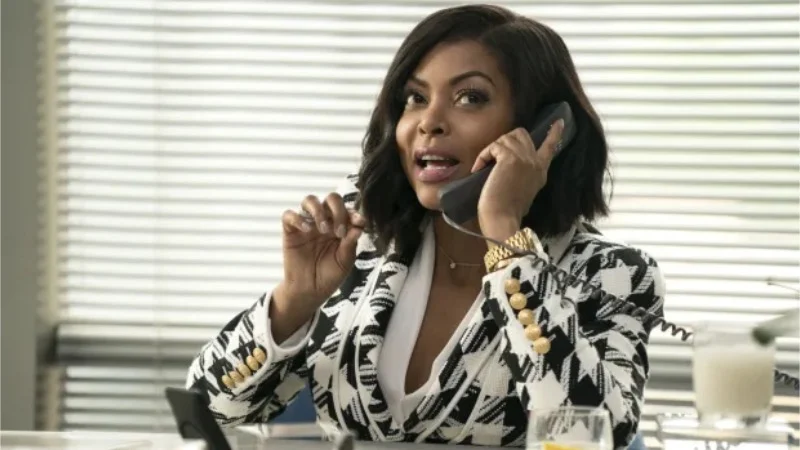
The earlier concept had a male ad executive suddenly able to hear women’s thoughts. The new film flips the idea by following a woman in sports representation who begins hearing men’s thoughts after a mishap. Taraji P. Henson leads the story as Ali Davis with the plot mapping the gift onto locker rooms, draft negotiations, and promotion battles.
The release earned mixed notices and the concept did not evolve into a wider franchise. The film sits as a single entry that inverts the original setup while trading the ad world for pro sports.
Rob Brooks in ‘High Fidelity’
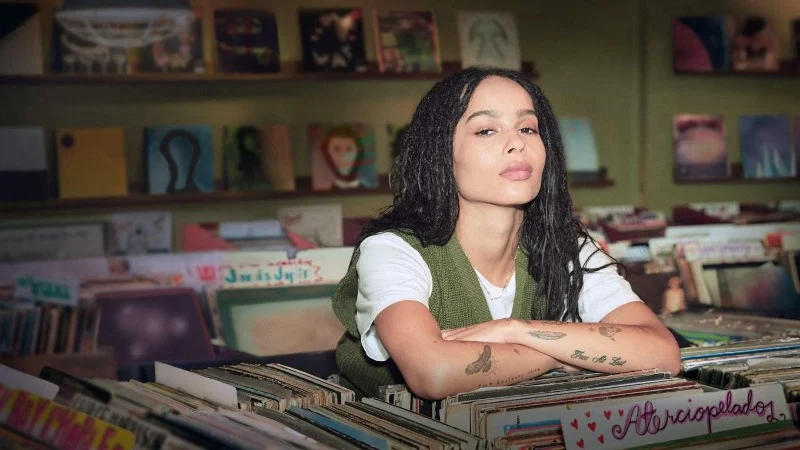
The novel and film follow Rob, a record store owner who revisits past relationships through music. The series reimagines the lead as Robyn Brooks played by Zoë Kravitz and keeps the direct to camera confessions, top five lists, and deep cut soundtrack choices. The shop shifts to a Brooklyn setting with a staff built to mirror the earlier trio dynamic.
Despite strong praise for the cast and curation, the platform canceled the show after one season. The story closed without a follow up and the character has not reappeared in another screen format tied to this adaptation.
Gren in ‘Cowboy Bebop’
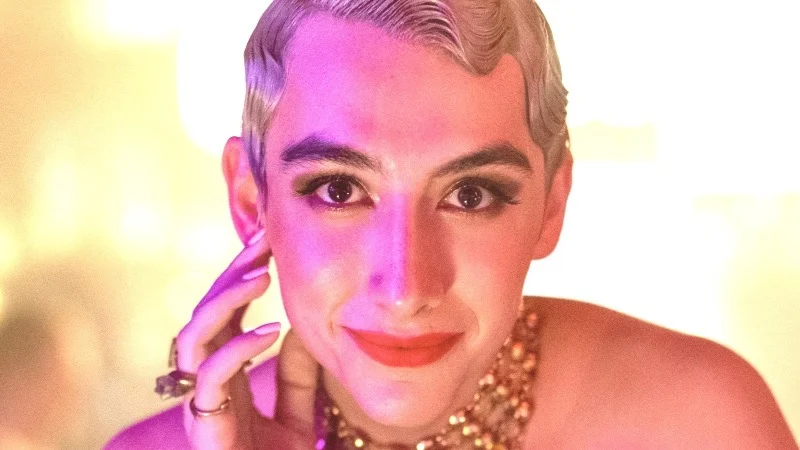
In the anime Gren is a male saxophonist linked to the Titan arc whose past involves military experimentation. The live action series cast Mason Alexander Park and depicted Gren as nonbinary while keeping the character’s place within the nightclub setting and the criminal underworld connections on the space station.
The adaptation ended after one season which halted any planned expansion on Gren’s updated backstory. The change sat within a larger set of departures from the source that defined the show’s identity during its brief run.
Jess Valenzuela in ‘National Treasure: Edge of History’
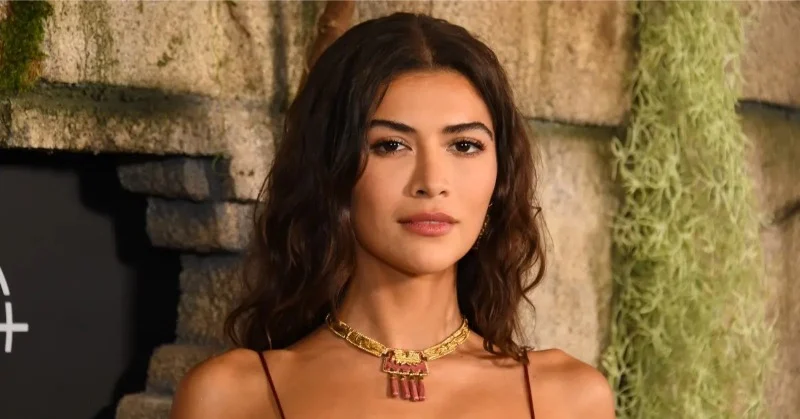
The film series followed Benjamin Gates as he cracked historical puzzles tied to American lore. The series centers on Jess Valenzuela who steps into the treasure hunter role with a new team and a conspiracy that pulls in similar clue solving beats. The episodes weave in references to earlier artifacts while moving the focus to a younger ensemble.
The streamer canceled the show after one season and development attention returned to separate film discussions. With no renewal, this lead did not get a second arc to build out a longer chase.
Lahela “Doogie” Kameāloha in ‘Doogie Kameāloha, M.D.’
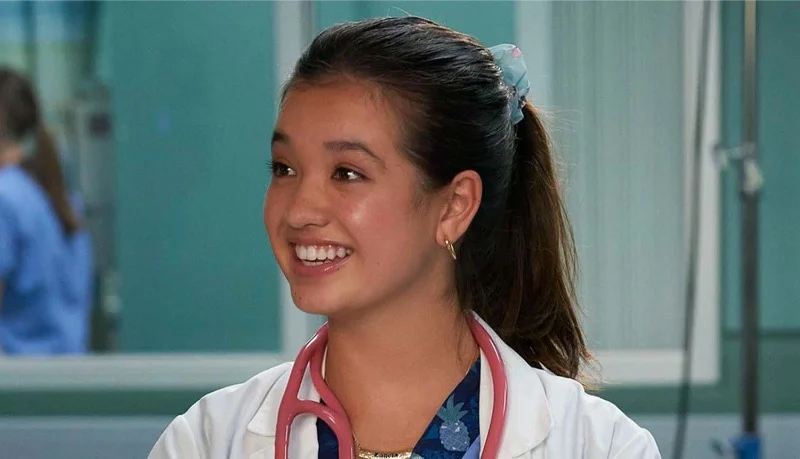
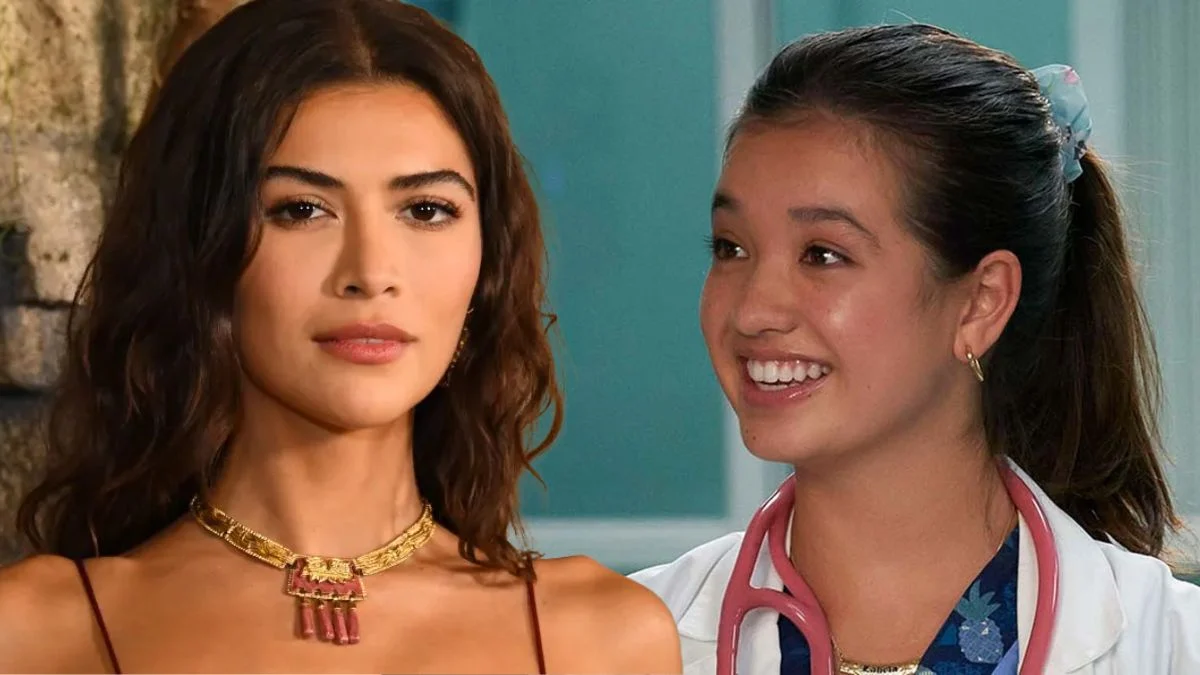
The update takes the teen prodigy doctor mold from ‘Doogie Howser, M.D.’ and places it in a Hawaiian hospital with Peyton Elizabeth Lee as Lahela Kameāloha. The show mirrors the original’s balance of medical cases and personal milestones and uses the Doogie nickname as an in universe nod to the earlier series.
The series ran for two seasons before cancellation. Its version of the role is notable for blending cultural specifics of the setting with the familiar pressures that come with practicing medicine at a very young age.
The Doctor in ‘Doctor Who’
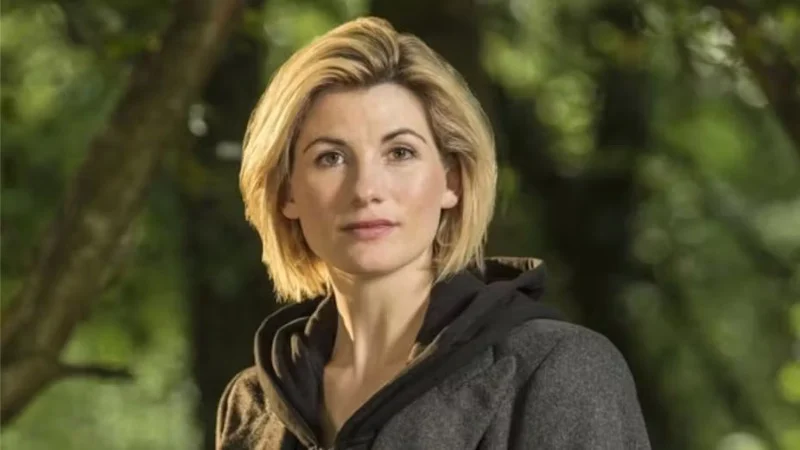
Jodie Whittaker became the first female actor to play the Doctor on television and carried over the core elements that define the character such as regeneration, the TARDIS, and the explorer spirit. New companions and a refreshed production style framed the change as a fresh jumping on point for viewers.
The debut drew very large audiences for the opener then ratings fell across later episodes. The era concluded with specials that handed the keys to the next incarnation and production leadership shifted as the series prepared for its next phase.
Johanna Constantine in ‘The Sandman’
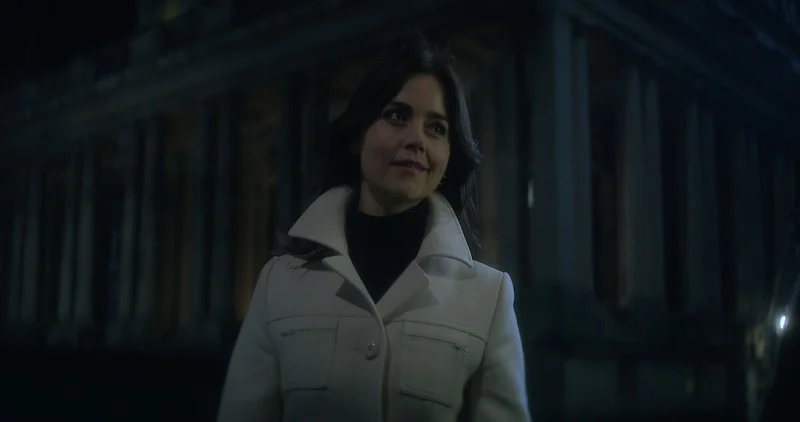
The comics feature John Constantine in the early storyline, but rights conditions and creative choices led the series to use Johanna Constantine instead. Jenna Coleman plays both the present day occult detective and an ancestor with the same family name which allows the show to echo key plot functions without using the exact comics version.
The swap let the adaptation keep major story beats such as the trip to deal with a cursed sand user while aligning with availability of characters for television. The character appears in contained segments that connect to the larger arc and does not continue as a regular beyond those appearances.
Share your picks and let us know which swaps you think did not land in the comments.