Top 15 Western Movie Gunfights



Western gunfights have evolved from quick draws on dusty streets to meticulously staged set pieces that blend performance, camera work, sound, and editing. They often hinge on geography viewers can read at a glance, weapons that function in period accurate ways, and rules of engagement that are clear even when the characters bend them. The result is a kind of cinematic problem solving where timing, distance, and cover decide the outcome.
These fifteen scenes show how filmmakers build tension through space and rhythm, then resolve it with a few decisive shots or a rolling exchange across alleys, rooftops, and doorways. You will find close studies of faces and hands, careful sound design that makes every click count, and sequences that use practical effects and careful stunt planning to ground the violence in a believable world.
‘The Good, the Bad and the Ugly’ (1966)
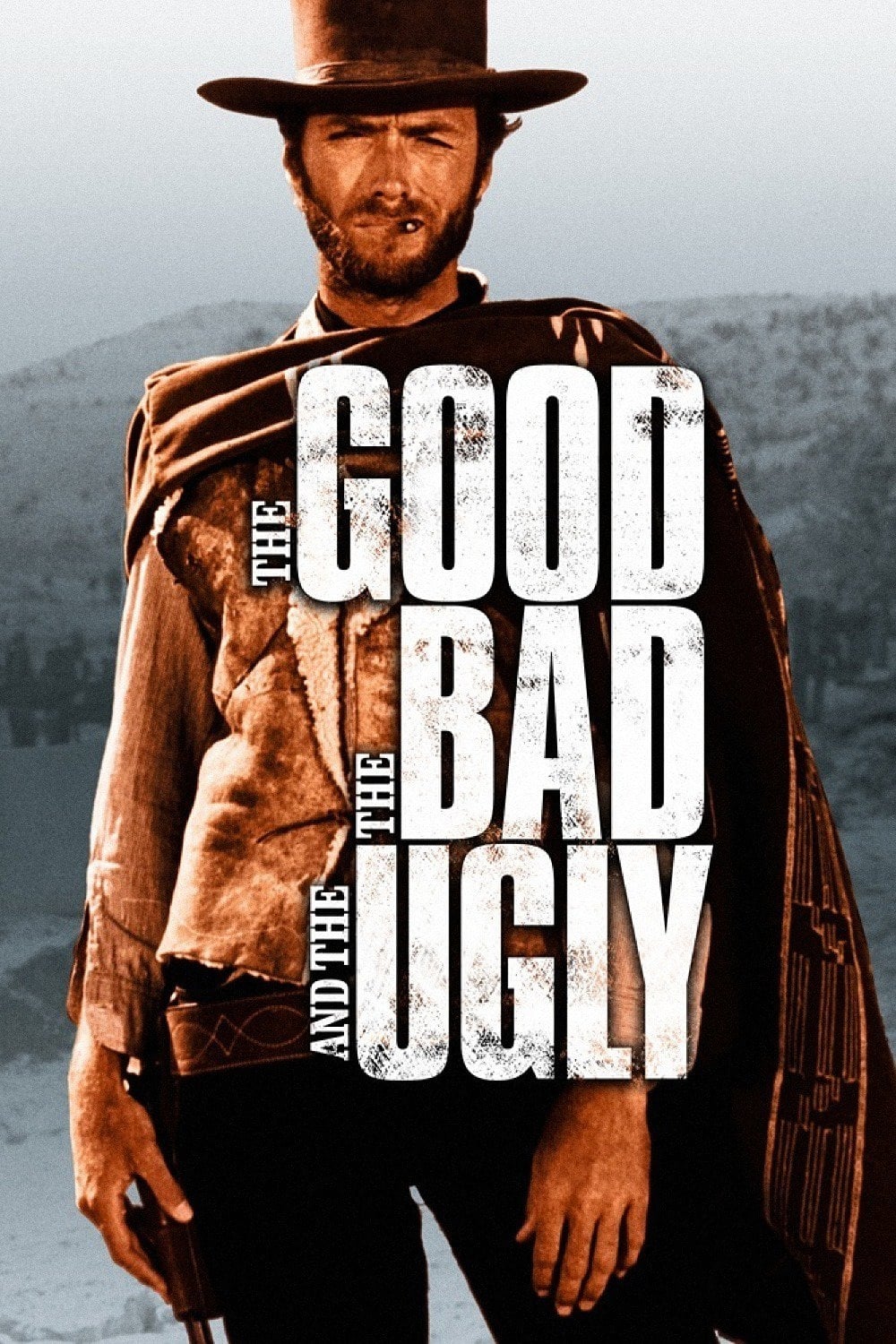
The climactic three way duel at Sad Hill Cemetery sets three shooters at measured distances inside a stone circle, with the camera alternating between extreme close ups and broad overheads to map the space. The characters Blondie, Tuco, and Angel Eyes each control a wedge of ground while the editing compresses time to match the rising tension, and the scene resolves when Tuco discovers his revolver will not fire because the cartridges were removed before the standoff.
Production built the cemetery in northern Spain with concentric paths that guide the blocking, and the score syncs precisely to cuts that tighten as hands hover near holsters. Tonino Delli Colli’s photography favors long lenses that flatten the ring of graves and emphasize eye lines, while the final reveal depends on a simple mechanical truth about unloaded chambers that was set up earlier in the film.
‘Once Upon a Time in the West’ (1968)
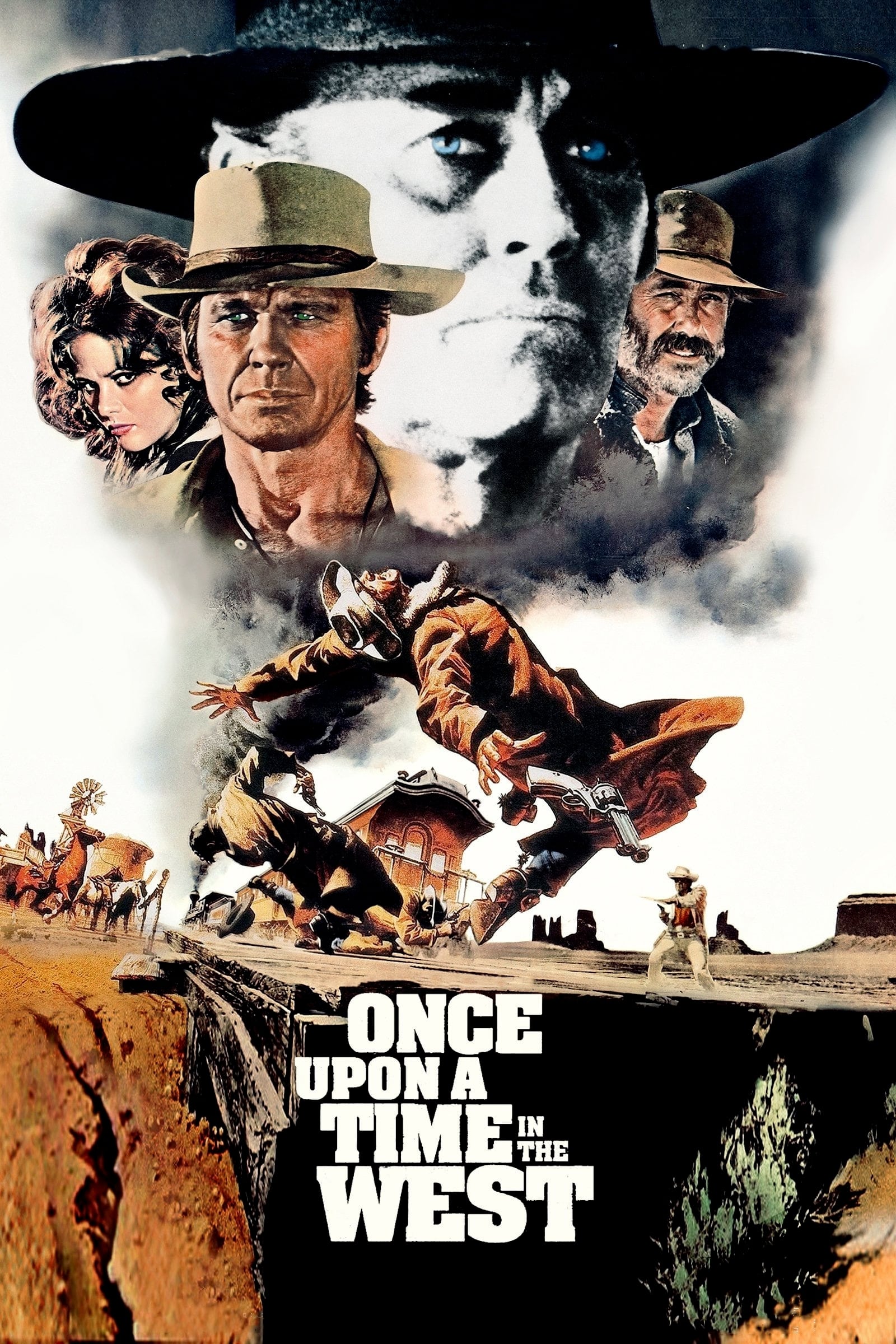
The opening shootout at the small station places three hired guns at different points of cover while a train arrives and leaves, and the waiting stretches long enough that the audience learns the ground as well as the characters do. Harmonica steps down and stands inside the geometry they created, and the exchange ends in a few shots that reward the silent mapping already completed in the prior minutes.
Sergio Leone recorded creaks, wind, and the clack of a telegraph to carry the sequence without dialogue, and the camera stores information in close ups of a fly on a cheek, a squeaking wind pump, and the men’s hands. Wide frames show how far apart the shooters stand, then the cut to gun flashes and bodies dropping reads clearly because the blocking never changes once the train rolls through.
‘Unforgiven’ (1992)
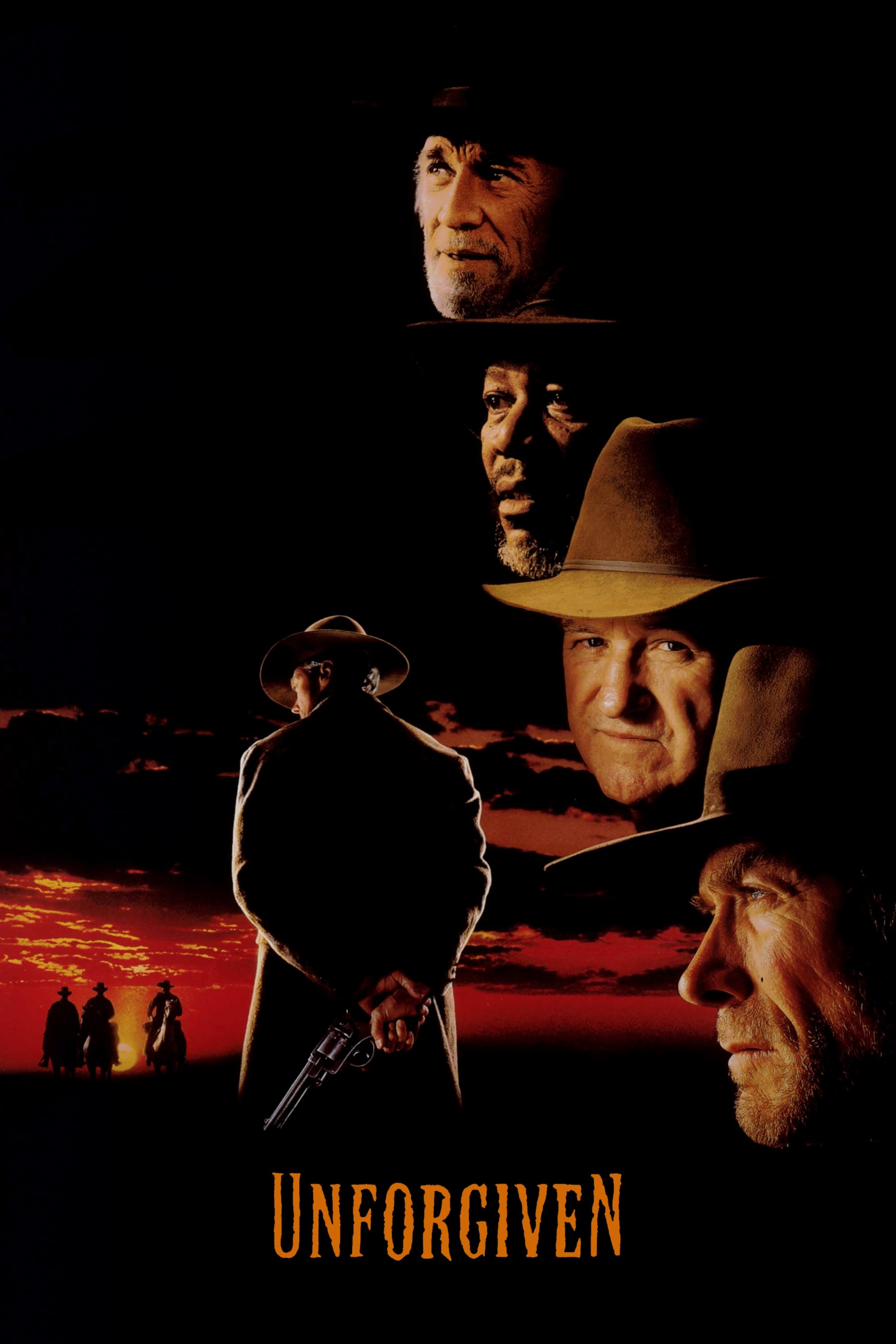
The saloon gunfight in Big Whiskey begins the instant Munny steps through the door and identifies the owner, then it moves through a tight interior where tables, posts, and a long bar dictate lines of fire. The first blast from a large bore shotgun collapses the room into chaos, after which Munny switches to a revolver and clears the space by picking targets who are either exposed or reloading.
Clint Eastwood staged the scene so that muzzle flash, smoke, and ricochet marks give the audience continuous feedback about accuracy and misses. The sound mix highlights heavy shells, clipped commands, and the clatter of spent casings on plank floors, and the set’s low light lets the white of smoke hang in the air long enough to mark where each shot came from.
‘The Wild Bunch’ (1969)
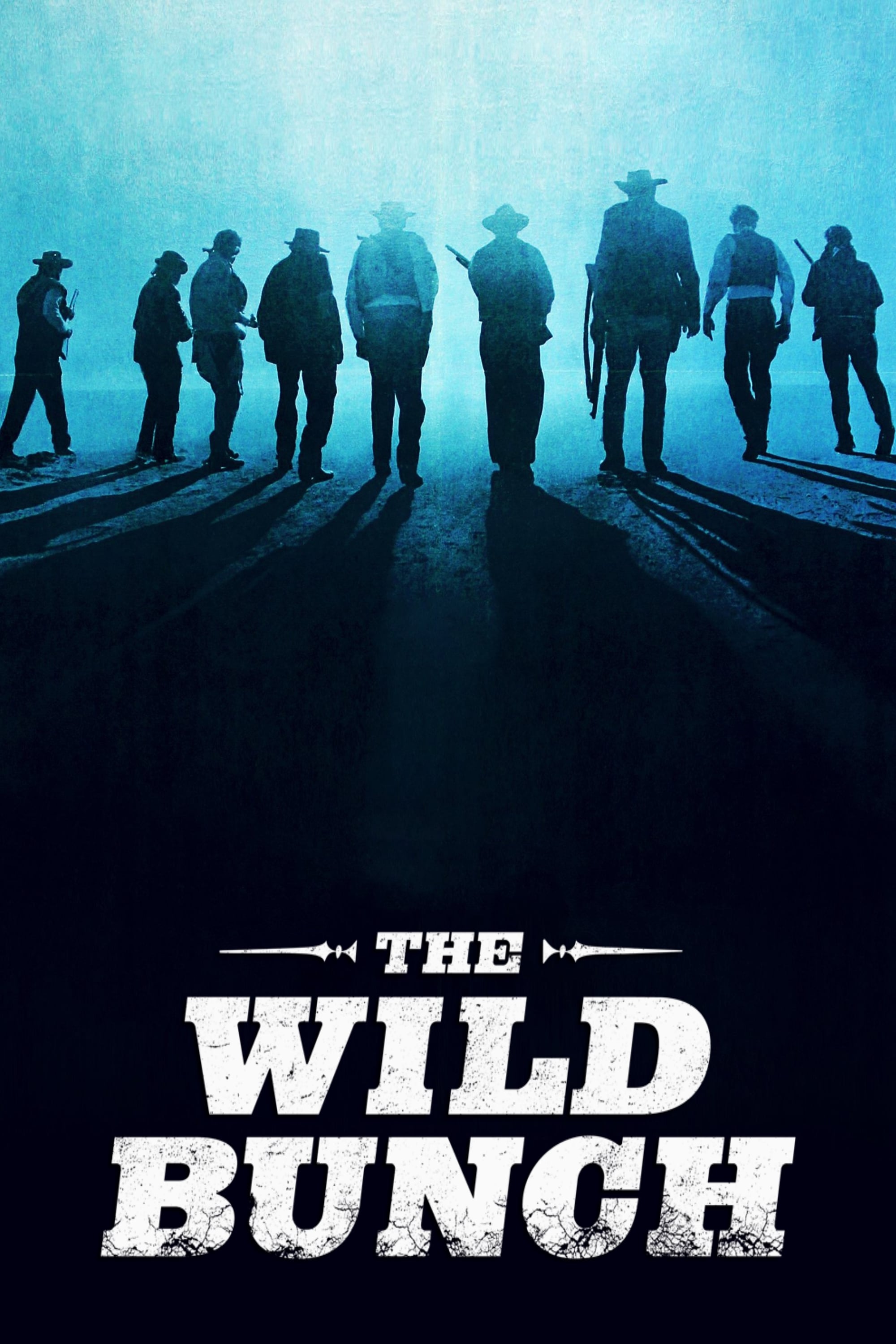
The final confrontation at Mapache’s compound takes place across a courtyard and through doorways where the gang fights soldiers at multiple elevations. The geography of balconies, archways, and an open square makes it possible to pivot from short range revolver work to sustained fire that sweeps entire lanes as the position collapses on itself.
Sam Peckinpah used multiple cameras and high speed photography so impacts and falls could be stretched in time while the action continued in the background. Blood effects, dust bursts, and a water cooled machine gun anchor the sequence in physical cause and effect, and cuts frequently match movement so that the direction of fire remains legible from shot to shot.
‘High Noon’ (1952)
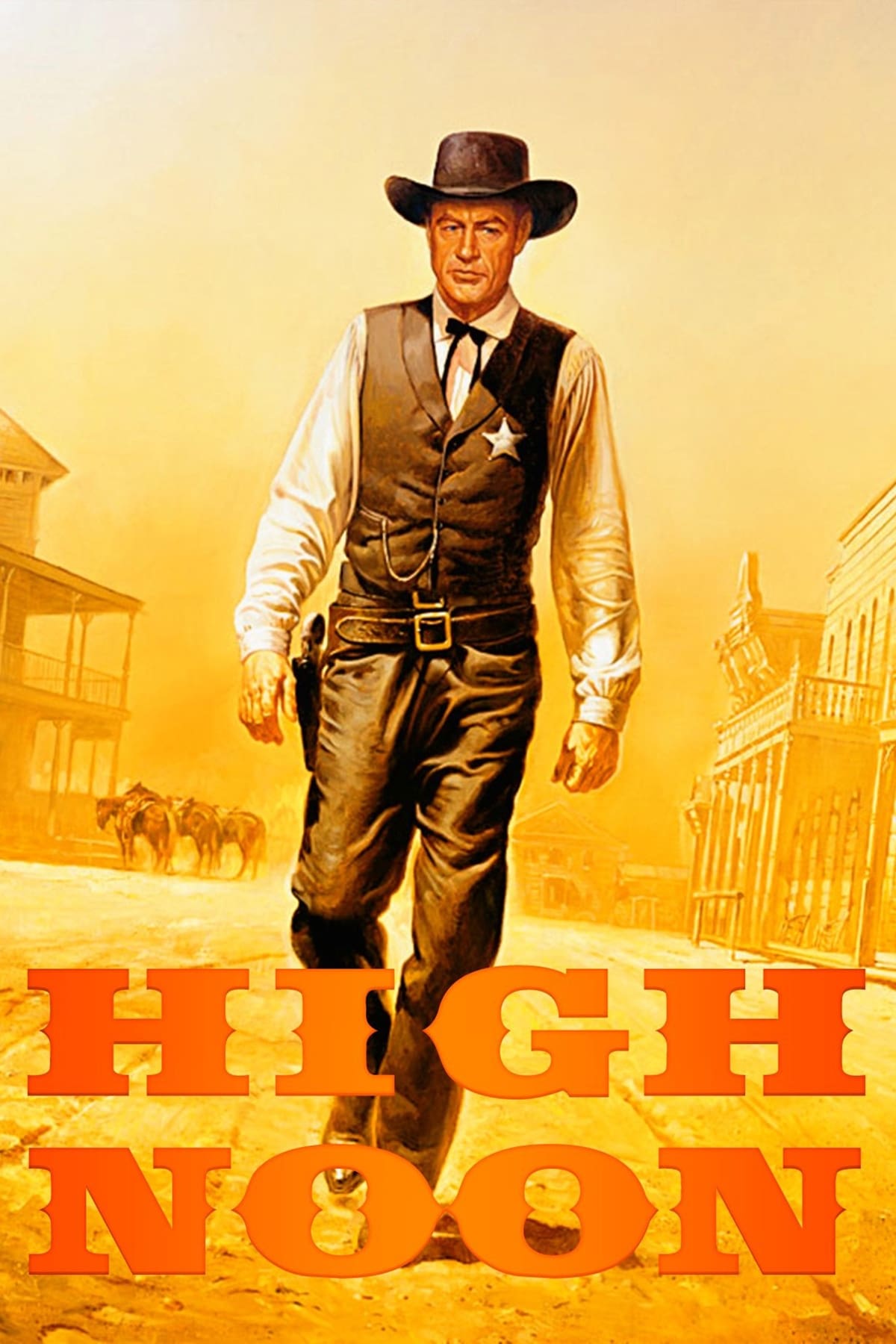
The midday showdown unfolds on empty streets after the noon train delivers a four man gang to the edge of town. Will Kane moves between alleys, a livery, and a freight yard while trying to keep sight lines short enough to avoid crossfire, and the fight turns when an ally fires from an unexpected position and breaks the encirclement.
The film’s real time structure places clock faces throughout the build up so every insert of the railway platform and town square reinforces where the duel will happen. Camera placements stay low and close when Kane crosses open ground, then climb for overheads that show how far he must travel to reach cover, and the final quiet after the last shot emphasizes the methodical way the positions were reduced.
‘Open Range’ (2003)

The town gunfight begins with a single close range head shot that immediately resets every shooter’s plan and then expands across a main street where doorways and wagon wheels provide partial cover. Charley and Boss move in coordinated steps that keep one firing while the other advances, and as distances open up the exchange shifts to a rifle for longer shots down the block.
Kevin Costner kept the scene free of background score so the report of each weapon and the time required to reload are clear to the ear. The sound of black powder and the crack of supersonic rounds are distinct, and the mix preserves echo and thunder to give a sense of street width and building height, while the camera favors medium frames that let the audience see hands and feet as shooters trade ground.
‘3:10 to Yuma’ (2007)
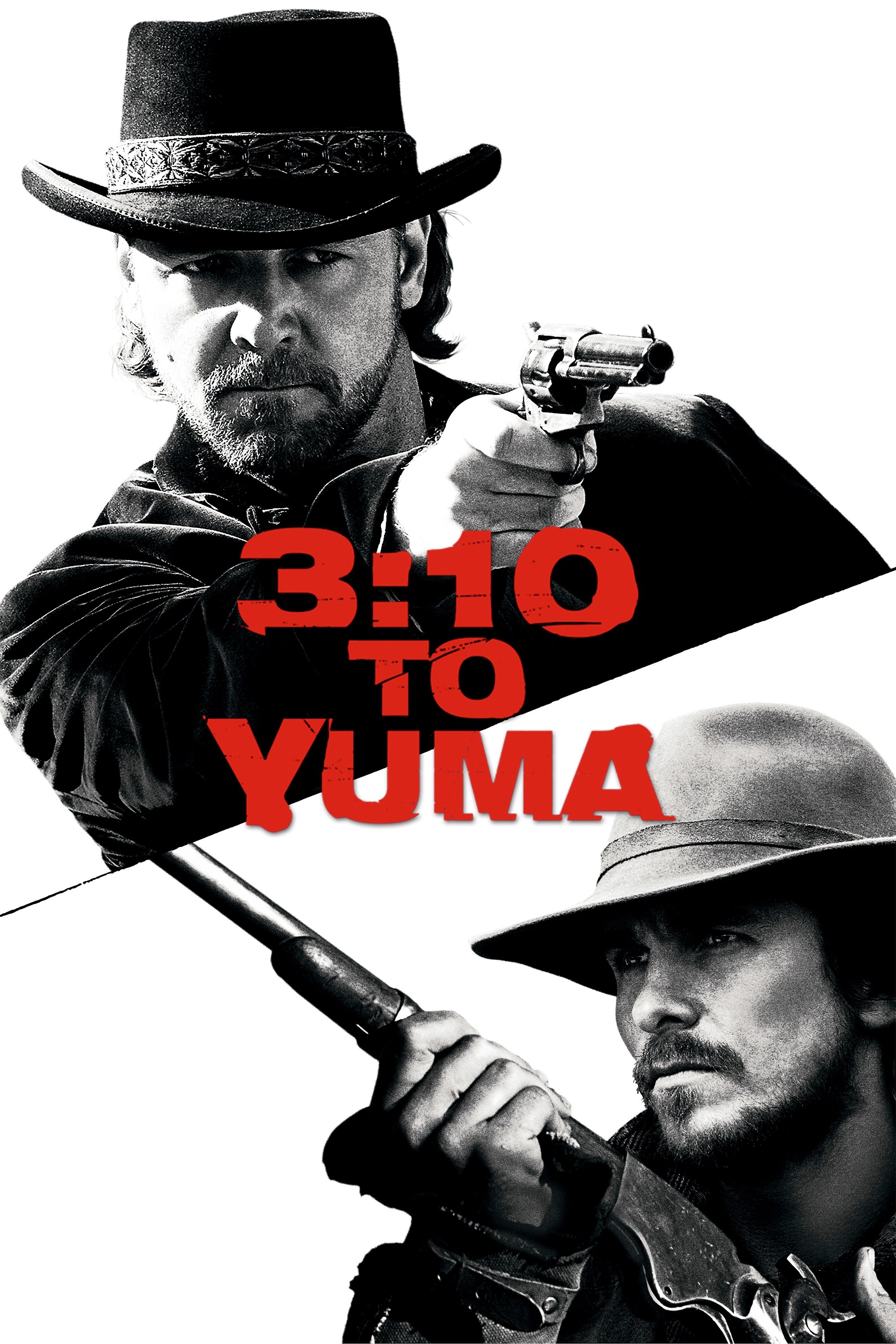
The sprint through Contention to the station stacks shooters on rooftops, balconies, and in alleys while two men try to cross town before a scheduled departure. The path is an S shape that takes them past a hotel, through a stable, and along a rail line, and every turn exposes them to a new angle where the escorting deputies cannot cover both flanks at once.
James Mangold staged practical runs with horses and squibbed storefronts so glass, dust, and splinters mark where bullets land. The sequence uses period revolvers and lever action rifles that carry limited rounds, and the sound team lets the rhythm of shots and pauses match the dash between pieces of cover until the final platform exchange.
‘Tombstone’ (1993)
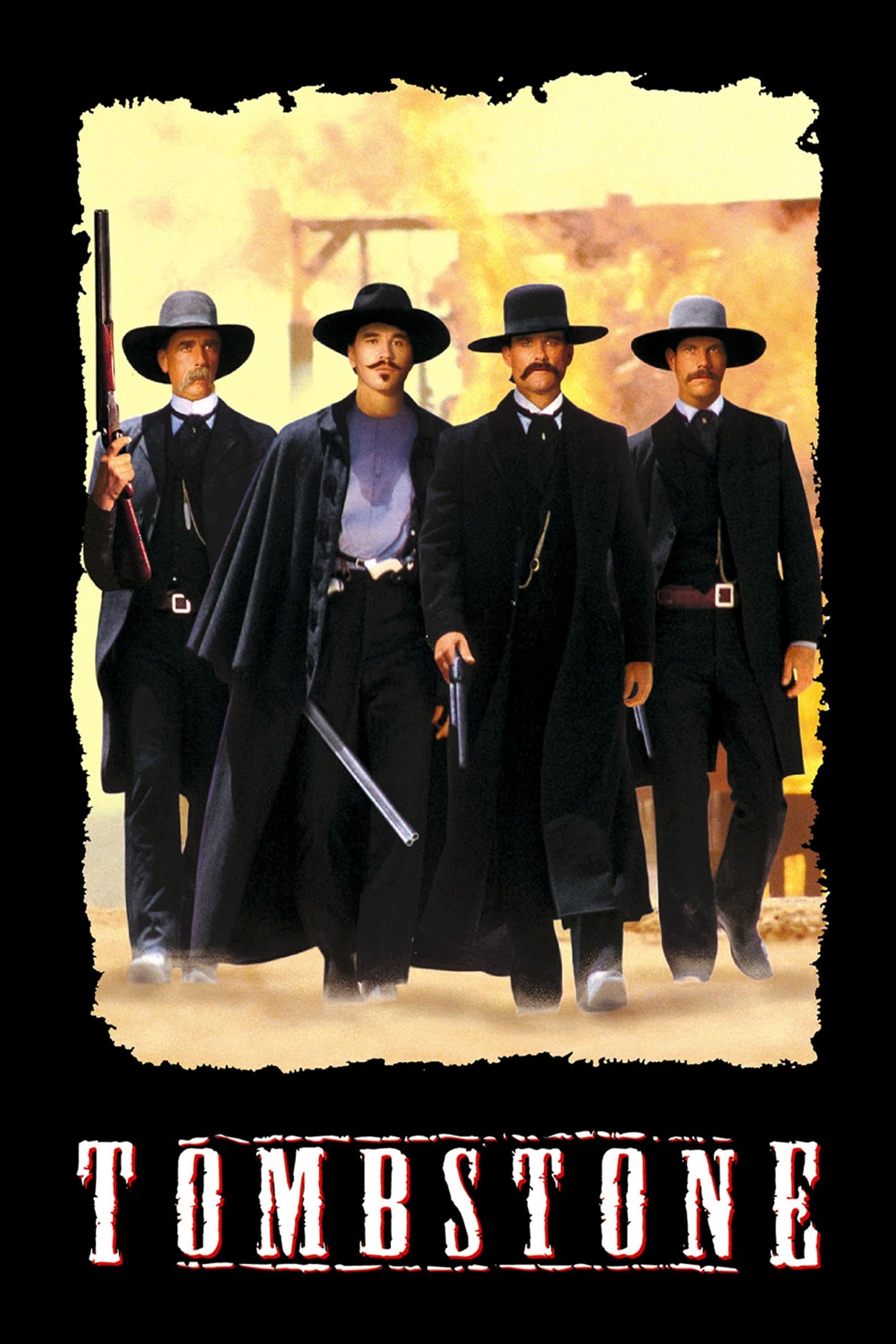
The re creation of the O K Corral gunfight lines the Earp party and the Cowboys at short range in a narrow lot where misfires, a dropped shotgun, and a quick change of position shape the outcome. The distance is small enough that misses matter as much as hits, and the exchange ends in well under a minute of screen time once both sides are fully committed.
Costume and prop teams supplied coach guns, double action revolvers, and nickel plated sidearms that match known period examples, and the staging places the action in a lane bounded by fences and a stable for clear sight lines. Filming on built western streets lets dust and smoke hang in the air, which helps the audience track who fired last and from where.
‘For a Few Dollars More’ (1965)
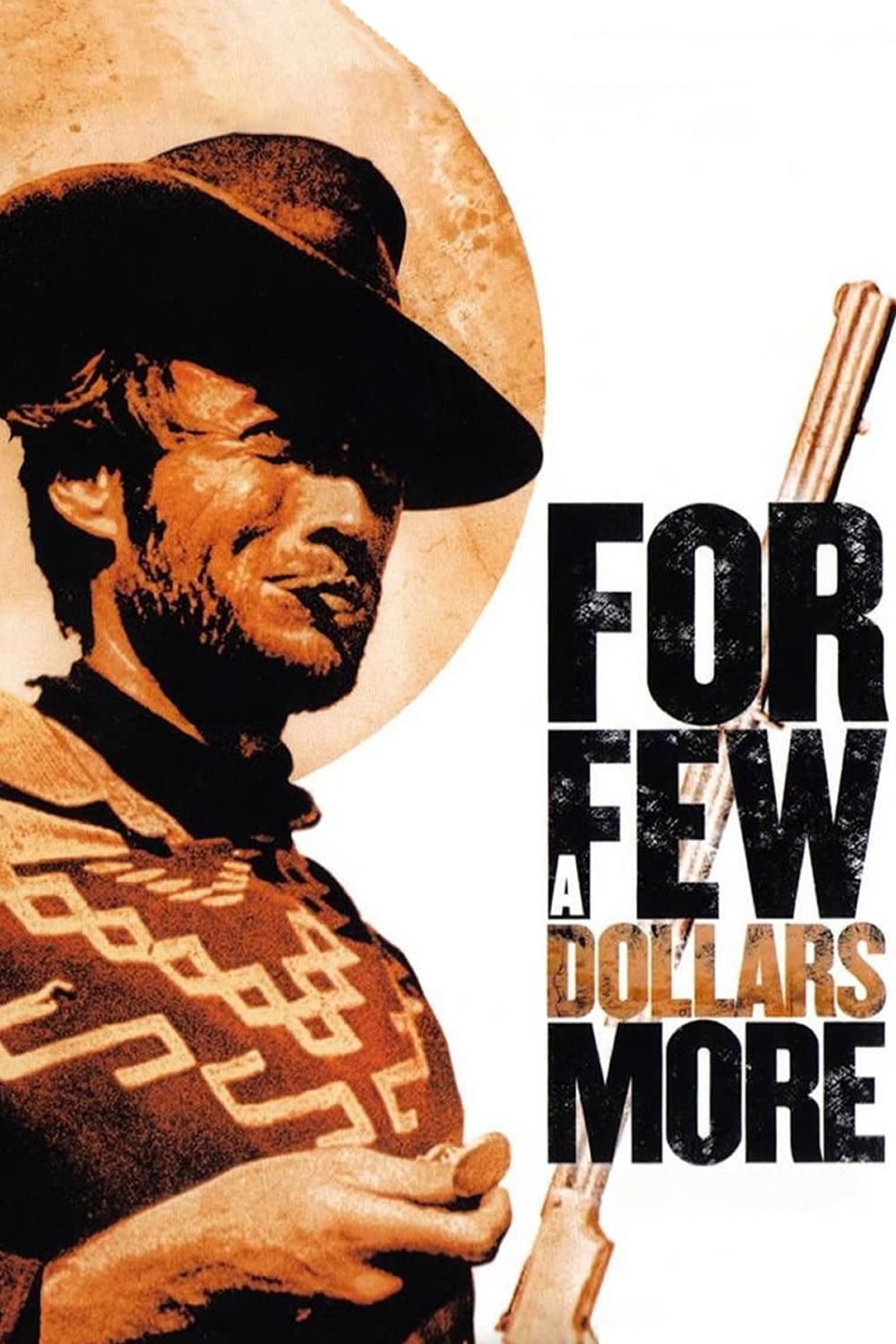
The plaza duel hinges on a pocket watch melody that fixes the timing of the draw, and the space is marked by a bell tower, arcades, and an open center where distance is dictated by the time it takes the music to run out. When the watch stops the men move, and a third shooter influences the outcome by changing the odds at the exact moment of engagement.
Sergio Leone cuts from hands to eyes to holsters in a steady pattern that teaches viewers how to read his shots, then he pays that off with a clean exchange that shows muzzle flash and impact in the same axis. The set’s straight lines and a long stone wall help maintain orientation, and the costume contrast between dark coats and pale dusted ground keeps the figures visible against the background.
‘A Fistful of Dollars’ (1964)
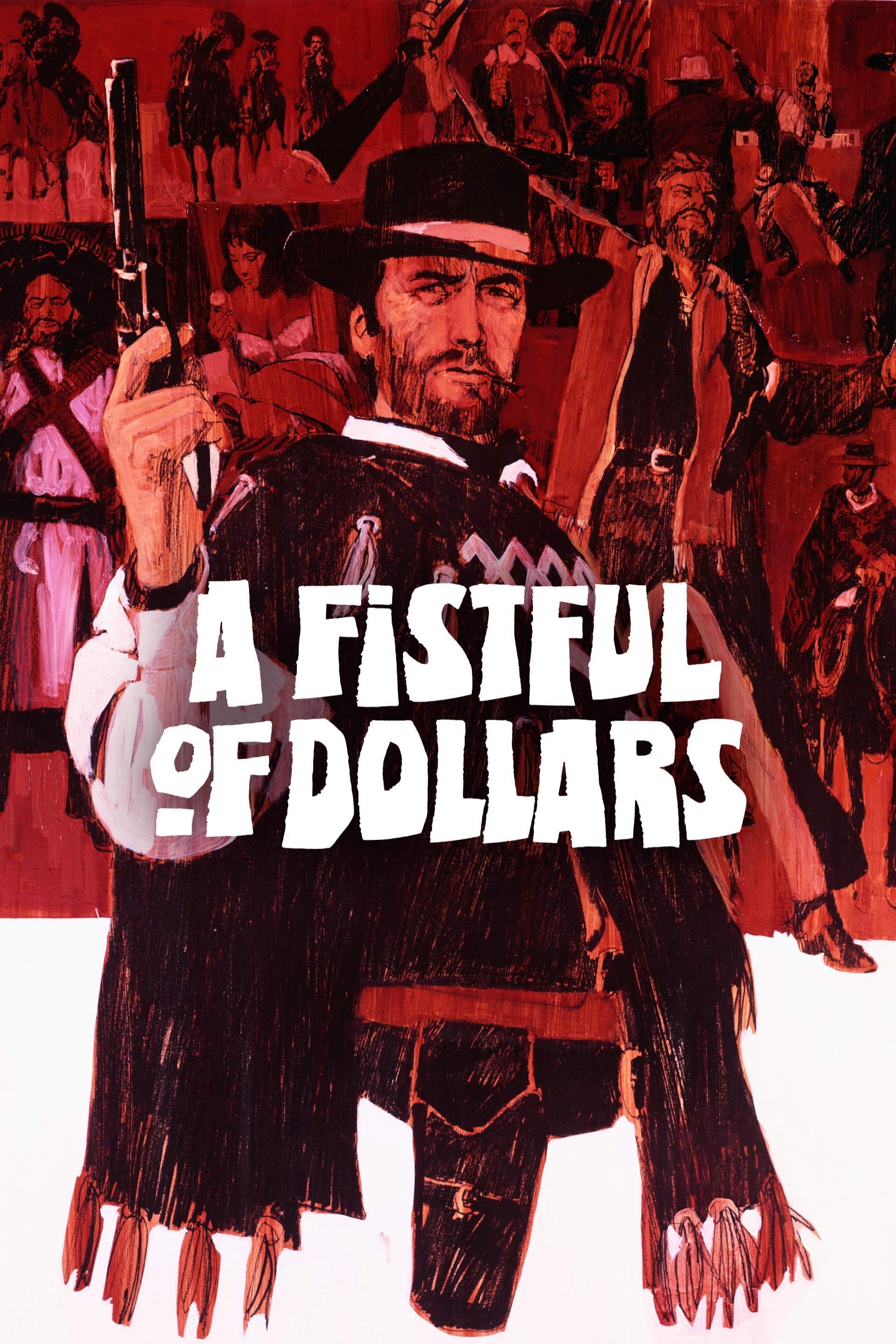
The final street confrontation depends on a concealed metal plate under a poncho that soaks up revolver rounds and lets the wearer walk steadily forward while the opposing gunman wastes his cylinder. The trick only buys a few seconds, and the shooter uses that time to close distance and fire accurately once the other man must reload in the open.
The camera holds long enough to show ricochets sparking off the plate and bullets chewing adobe, and the sound emphasizes the difference between impact on steel and impact on earth. When the ruse is complete the return fire lands with visible dust and debris at the target’s feet, and the framing makes the exchange read in one straight line down the main street.
‘Shane’ (1953)
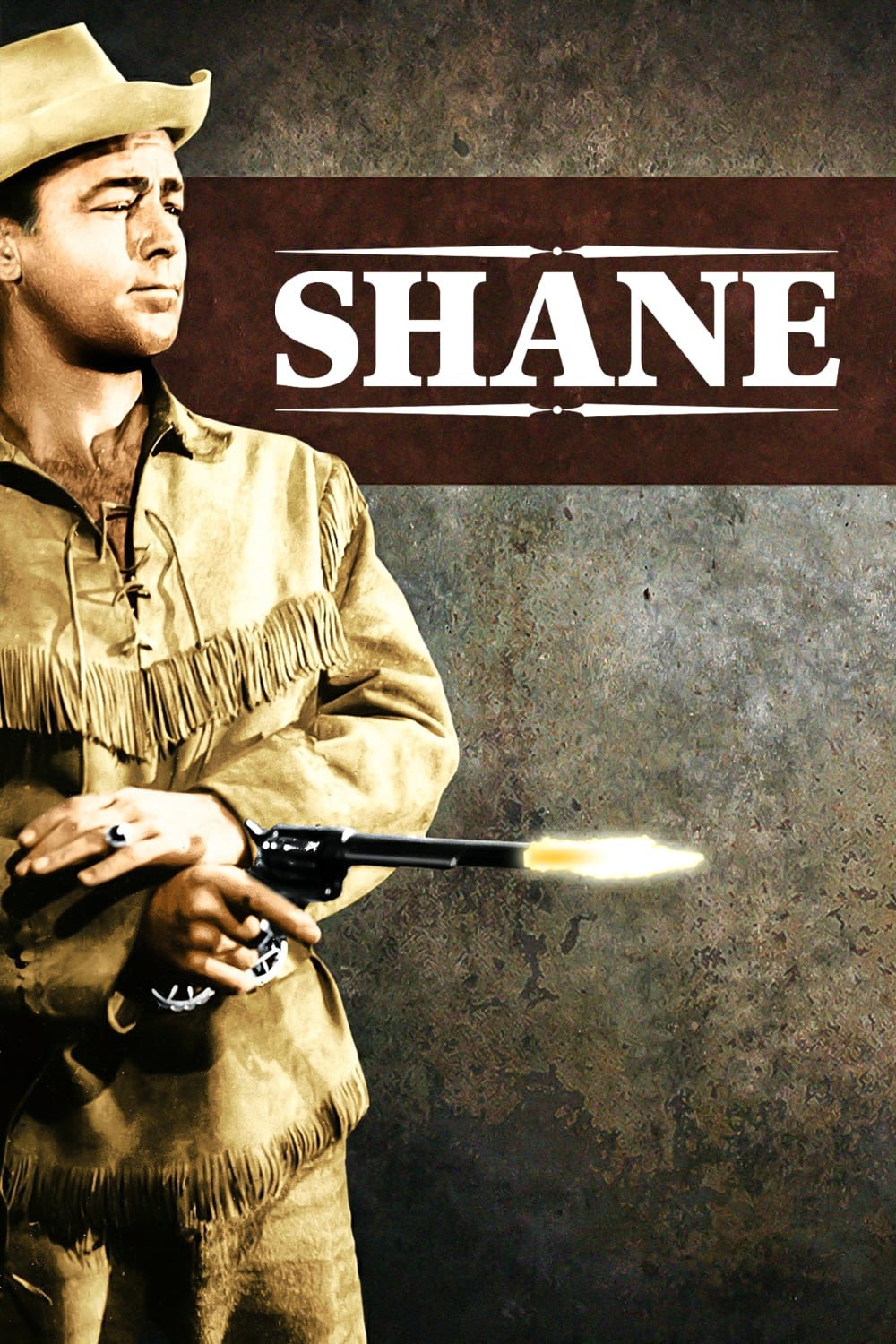
The saloon duel between Shane and Jack Wilson is arranged so that both men stand just far enough apart to force a full draw and a clear sight picture. The moment the bartender steps back the shooters commit, and the first hit drops Wilson while follow up shots control the rest of the room before anyone can recover from the shock of the initial blast.
Loyal Griggs photographed the exchange with a simple cross axis that keeps the audience oriented, and the sound department recorded a heavy gunshot that punches through the quiet of the wooden room. Stunt work includes visible yank lines on bodies to sell the violence of impact, and the cut to wide shows how the set’s narrow dimensions make any miss dangerous to bystanders.
‘Rio Bravo’ (1959)
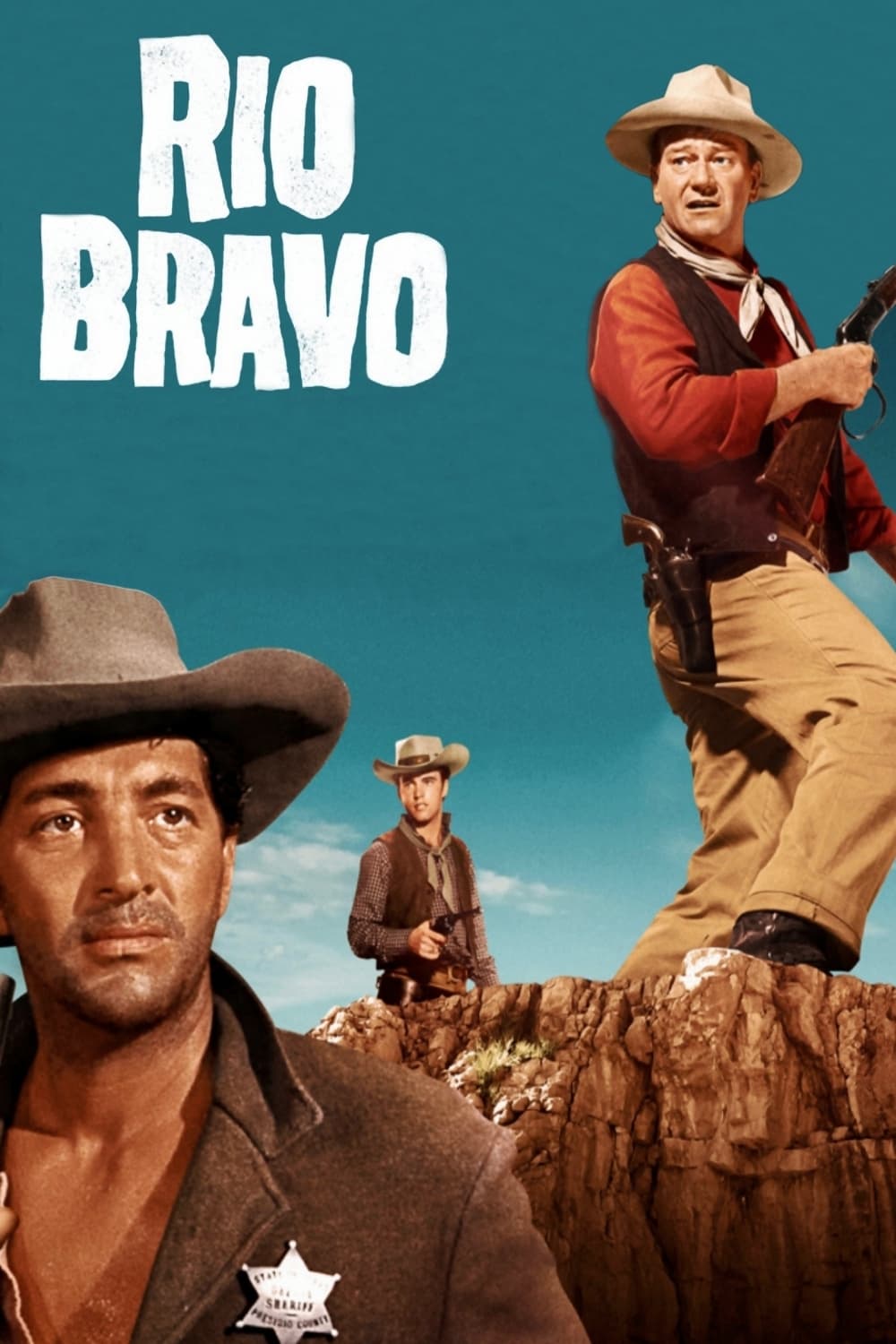
The closing fight stages lawmen and allies across a livery and a warehouse where explosives and rifles decide who controls the open ground. The heroes toss lit dynamite to flush opponents from cover, then time rifle shots to set off the charges as they land near wagons and barricades.
Howard Hawks plays the action in clean wide frames that show hands, fuses, and the arc of each throw so the audience can follow cause and effect. The sound distinguishes the small crack of revolvers from the heavier report of rifles and the boom of the blasts, and the editing gives each toss a setup and a payoff before cutting to the next move.
‘Butch Cassidy and the Sundance Kid’ (1969)

The final shootout in Bolivia confines the pair to a courtyard with one exit that is already covered, and the pattern of fire from surrounding soldiers shuts down any long run for safety. Short bursts from the heroes keep the closest shooters back, but the number of rifles trained on the doorway makes the situation unsustainable once their ammunition dwindles.
George Roy Hill staged the ending so viewers can see positions on rooftops, at windows, and behind low walls before the last exchange, and the sound bed layers Spanish commands with the crack of Mauser style rifles. The concluding freeze leaves the geometry of the trap in mind, since the last wide frame shows every angle ready to fire on the open doorway.
‘Django Unchained’ (2012)
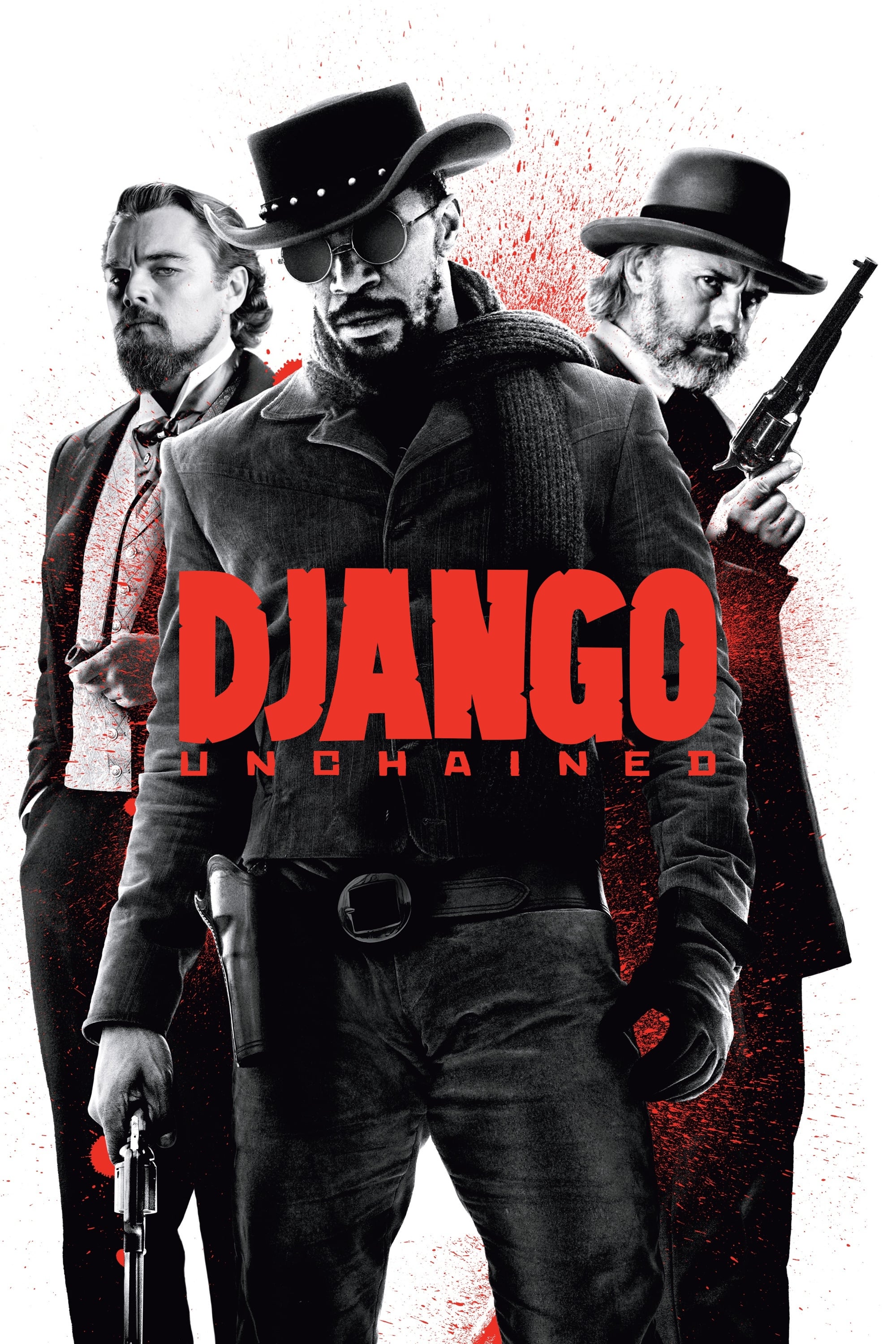
The shootout at Candyland erupts in a parlor and spills through hallways where door frames, stair landings, and pillars create choke points. Django reloads on the move and uses a fallen body as cover while gunmen try to pin him from two directions, and furniture turns to splinters under sustained fire.
The production wired walls and fixtures with hundreds of blood and dust hits so each bullet seems to strike wood or flesh with visible effect. Robert Richardson’s camera holds in medium shots that catch both the shooter and the impact in one view, and the mix keeps the pop of handguns distinct from the thump of a long gun in the hands of a defender on the landing.
‘The Long Riders’ (1980)
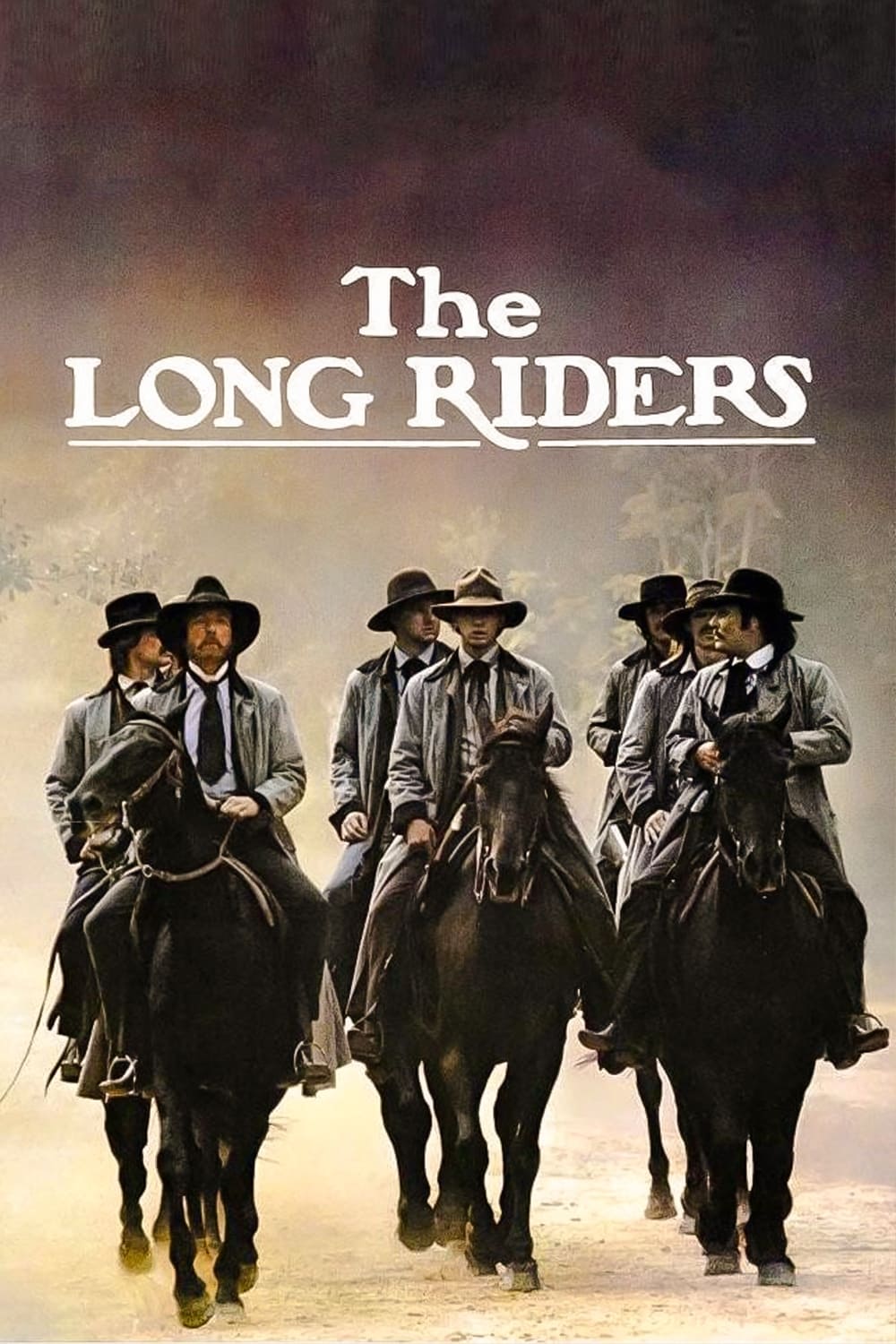
The Northfield raid gunfight begins when townspeople return fire from windows and rooftops as the outlaws exit the bank. Horses stumble on wooden sidewalks and through narrow alleys while shotguns and rifles hammer the gang from multiple angles, and the retreat turns into a dragging escape down a main street that funnels them into concentrated fire.
Walter Hill used slow motion and practical squibs to show entry and exit wounds in the same shot, and the camera often tracks alongside a rider so the audience can feel the length of a block under fire. Casting real life sets of brothers to play sibling outlaws adds clarity in the chaos, since matching faces help track who is where as the riders scatter.
‘The Magnificent Seven’ (1960)

The final defense of the village divides fighters across walls, rooftops, and the central street while a mounted force tries to break through in waves. The seven assign positions that create overlapping fields of fire, and riders attempting to cross the open square get trapped between two lines that adjust as ammunition and manpower drop.
John Sturges photographs the battlefield like a grid so that each cut re establishes where shooters stand relative to the next set of attackers. The mix layers hoofbeats, shouted orders, and rapid rifle fire, and the editing gives each loss and each small win clean screen time before the next wave hits so the audience never loses track of the village layout.
‘Pat Garrett & Billy the Kid’ (1973)
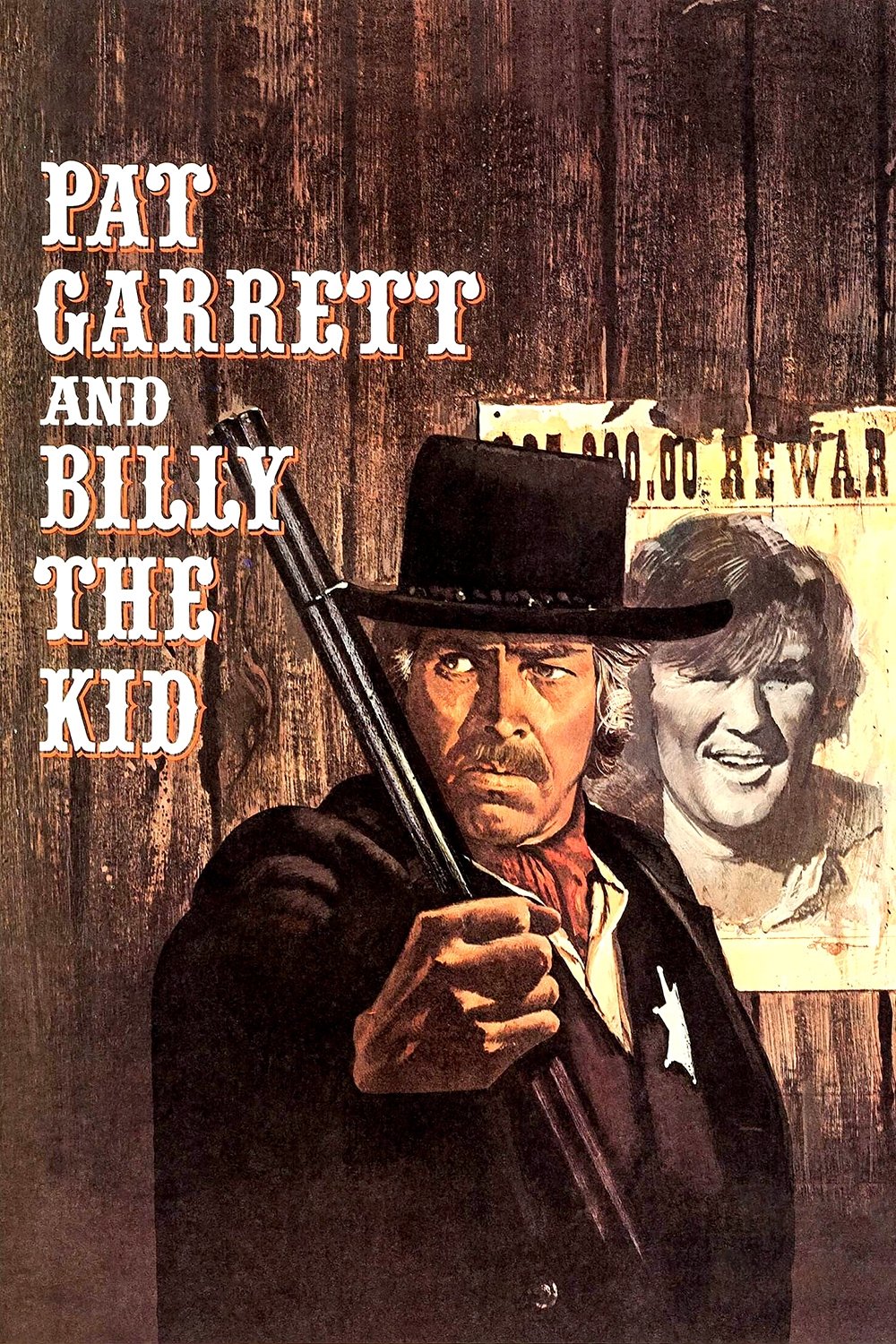
The standoff at the end plays out inside a house where rooms connect through doorways that turn into fatal funnels. Billy moves quietly and keeps his muzzle low as he crosses thresholds, while the opposition tries to hold angles that do not expose them to a straight shot from a parallel room.
Sam Peckinpah uses lamplight and shadows to mark corners and blind spots, then holds shots long enough for the viewer to see a barrel clear a jamb before the sound of a shot. The geography remains consistent through the exchange, and the final footfalls on wooden boards tell you where everyone stands even before the camera shows the position.
Share your favorite western gunfight in the comments and tell us which scene you think belongs on this list.