Actresses Who Spectacularly Killed Their Own Careers


Careers in Hollywood can swing fast when public comments, risky roles, or sudden offscreen choices collide with the industry’s short memory. The examples below show how a single interview, a poorly timed tweet, or the wrong project at the wrong time can shrink opportunities that once seemed endless.
Each entry focuses on specific decisions and traceable outcomes such as lost roles, canceled projects, contract disputes, or prolonged hiatuses. You will find timelines, titles, and concrete consequences rather than speculation, so you can see exactly what happened and how it affected future work.
Katherine Heigl
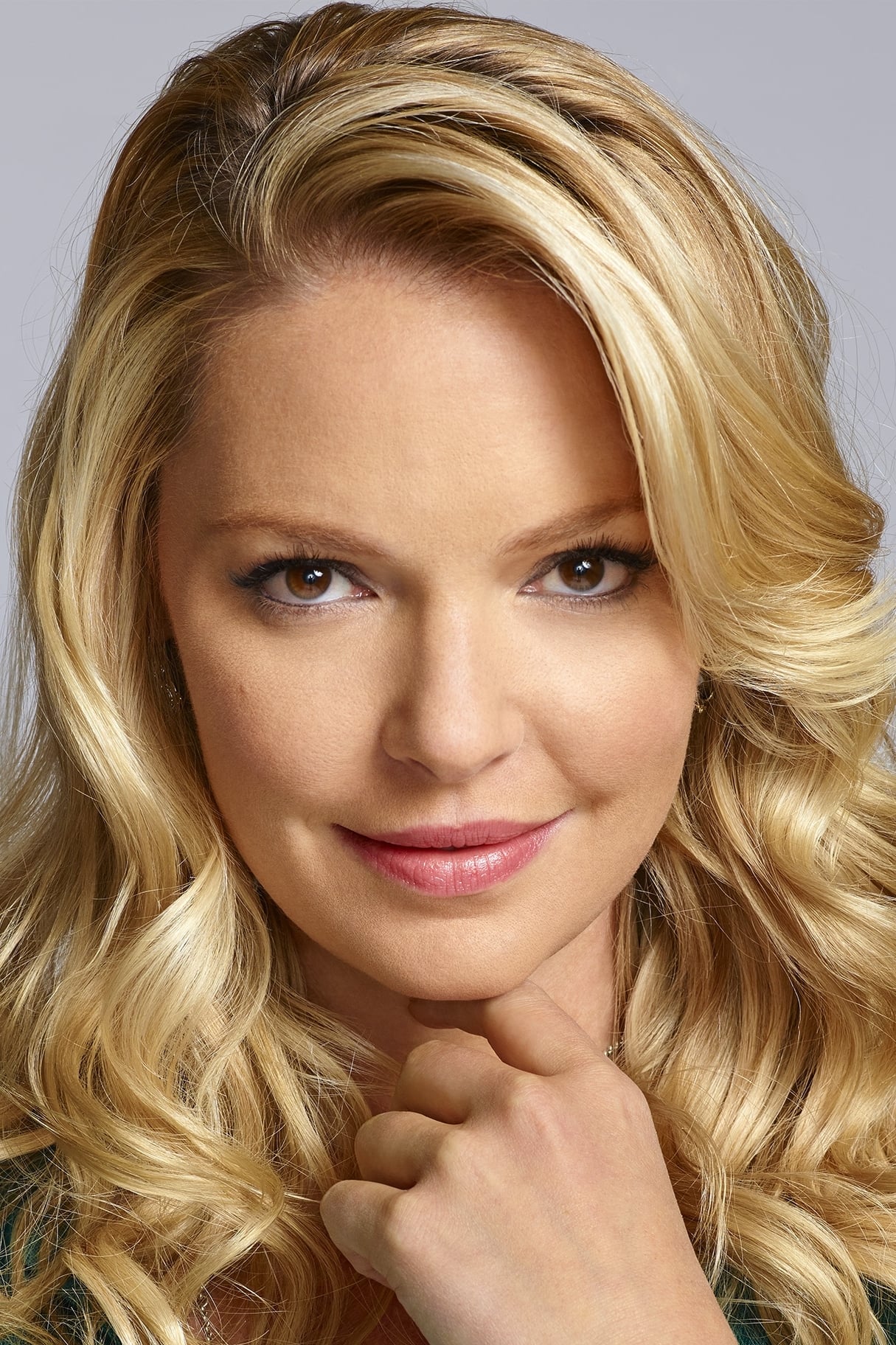
In 2008 she withdrew her name from Emmy consideration for her work on ‘Grey’s Anatomy’, stating the material did not warrant a nomination. The move followed a widely discussed interview about ‘Knocked Up’ and later public remarks about long TV hours, which collectively gave her a reputation that complicated new offers.
After requesting to be released from her ‘Grey’s Anatomy’ contract in 2010, several star vehicles underperformed and her slate shifted from major studio leads to smaller features and TV roles. Years later she rebuilt momentum with steady television work that included ‘Suits’ and ‘Firefly Lane’.
Megan Fox

During the promotion cycle after ‘Transformers’ she gave interviews that compared her director to authoritarian figures, and she did not return for the third film. The studio moved ahead on the franchise without her, and she missed out on the visibility that the next installment delivered.
She pivoted to a mix of supporting turns and genre projects before landing prominent roles again, including the ‘Teenage Mutant Ninja Turtles’ reboots. The gap from a departing blockbuster to smaller releases created a dip that took years to close.
Lindsay Lohan

A run of production troubles and legal issues during the late 2000s made insurers and producers wary, which cost her roles and stalled projects. Reports of missed call times and delays on films such as ‘Georgia Rule’ amplified those concerns.
She resettled overseas for stretches, took on stage work in London with ‘Speed the Plow’, and gradually reentered screen acting with television and streaming projects. The holiday film ‘Falling for Christmas’ marked a visible return after a long period of limited output.
Roseanne Barr
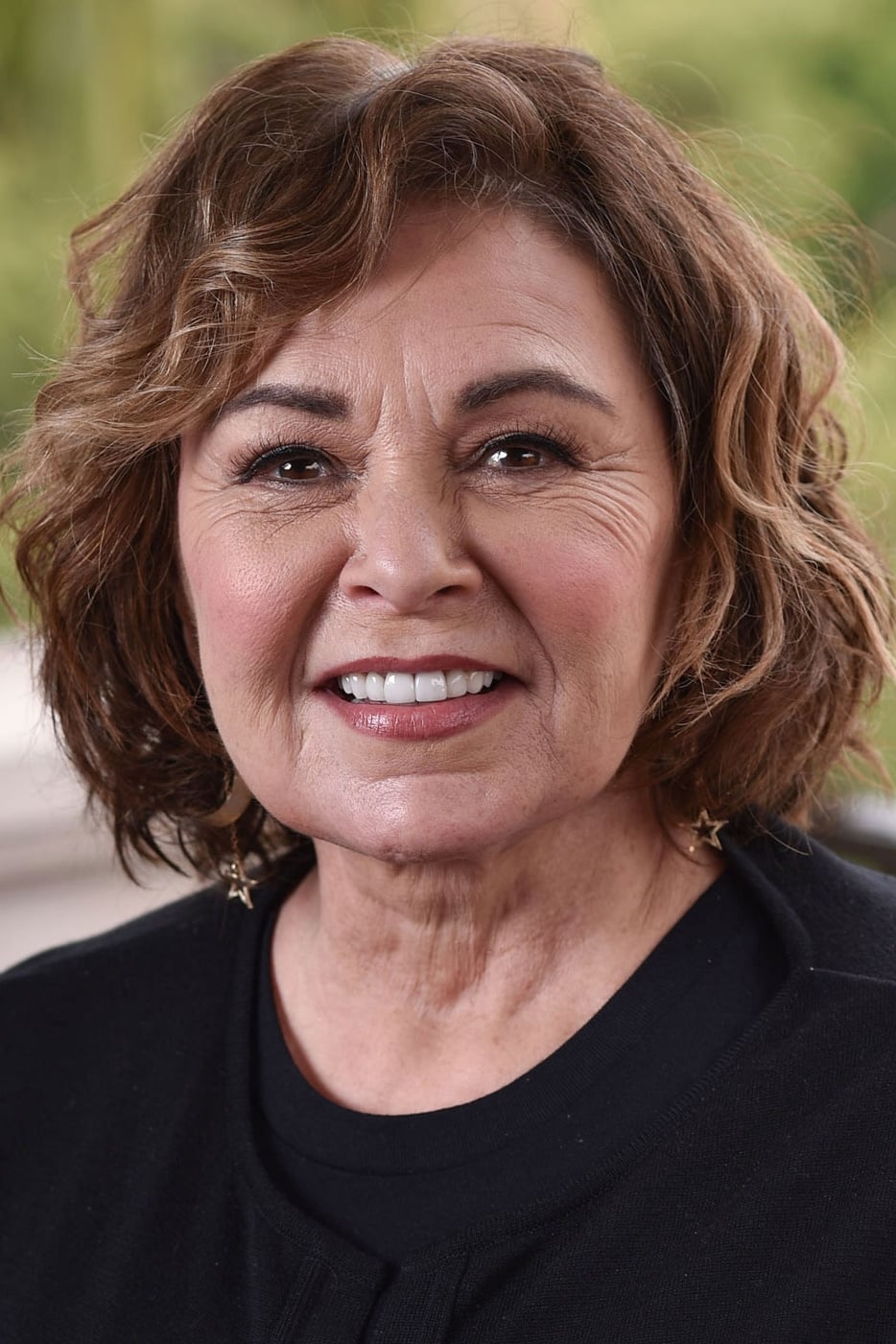
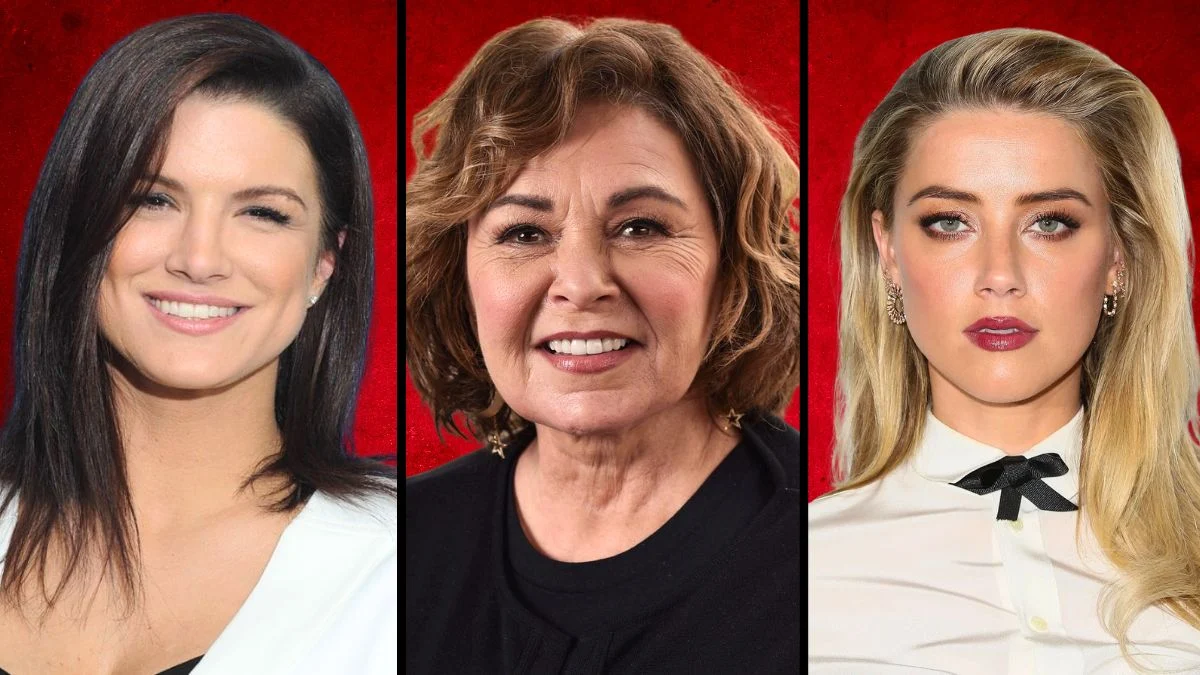
On a single morning in 2018 she posted a tweet that ABC called abhorrent. The network canceled ‘Roseanne’ that day and relaunched the series as ‘The Conners’ without her, ending a major primetime comeback.
She lost her network platform and related endorsements in the aftermath. Over time she returned to stand up and independent projects, but the flagship sitcom vehicle that had restored her profile was permanently out of reach.
Gina Carano
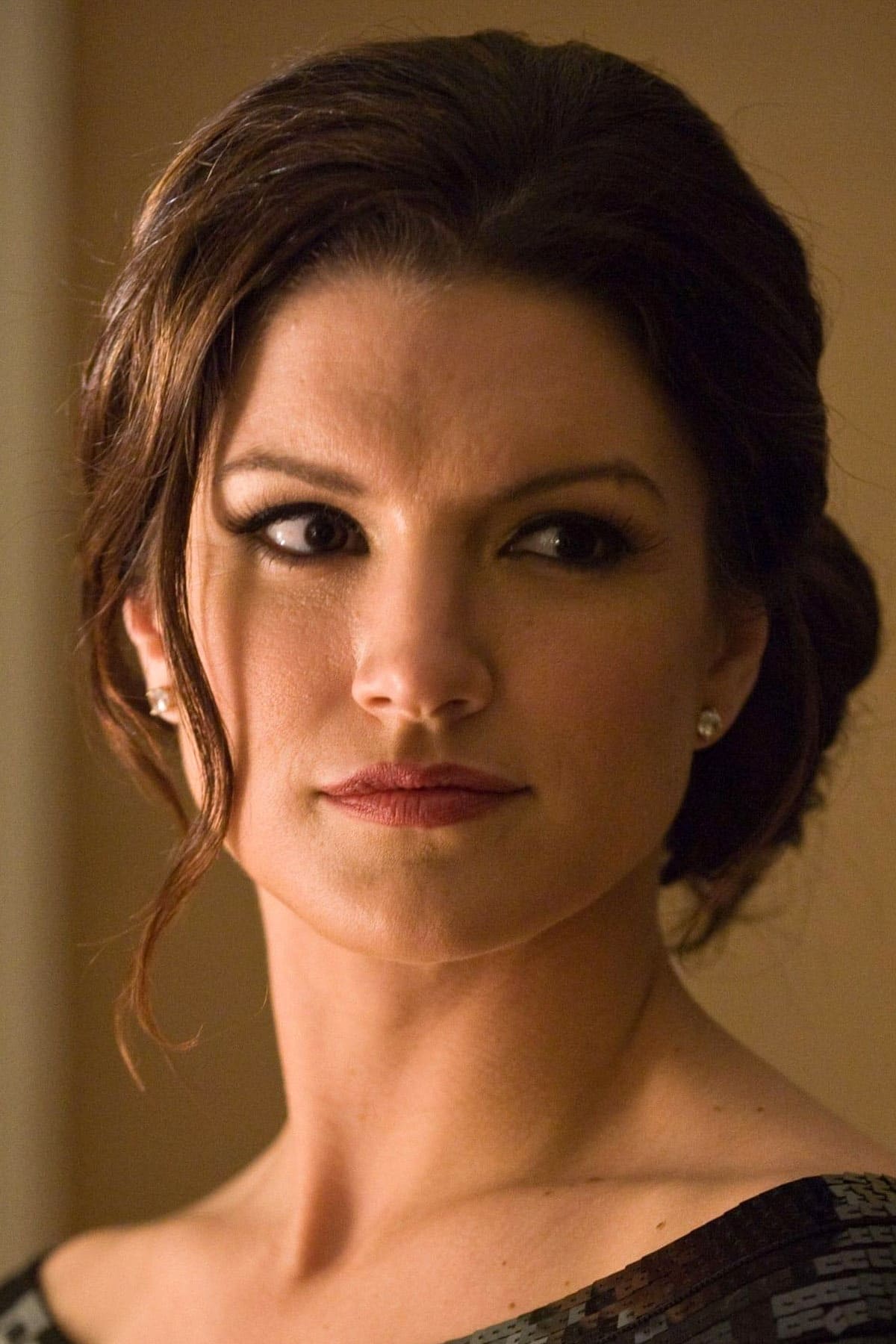
Social media posts in early 2021 prompted Lucasfilm to announce that she was no longer employed and that there were no plans for her to return to ‘The Mandalorian’. Talent representation changes followed, and planned franchise appearances were shelved.
She shifted to work outside the major studio system, partnering with independent financiers and releasing ‘Terror on the Prairie’. The break from a global streaming franchise reduced her mainstream screen presence immediately.
Winona Ryder
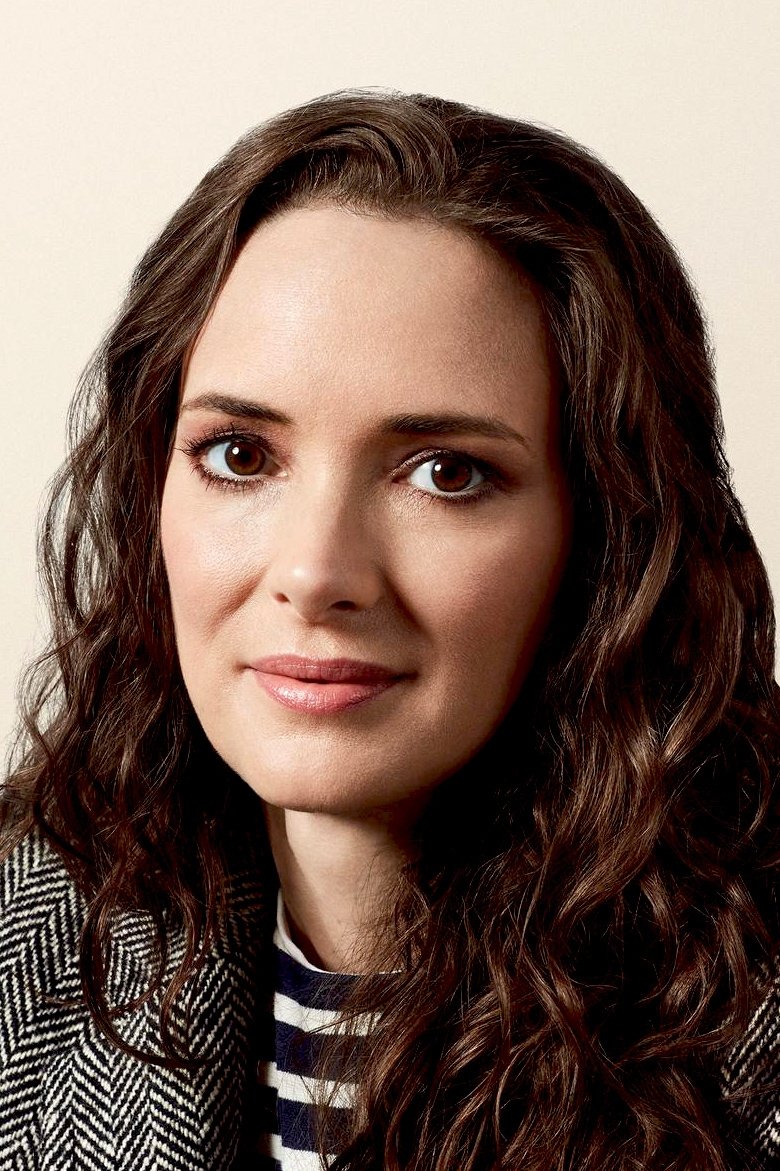
A 2001 shoplifting conviction led to a prolonged hiatus from major roles, with several years of sparse screen activity that interrupted the momentum from ‘Girl, Interrupted’ and ‘Autumn in New York’. Studio projects and award campaigns that had defined her earlier period went quiet.
Her return built in steps with supporting parts in ‘Star Trek’ and ‘Black Swan’, then expanded through the hit series ‘Stranger Things’. The early two thousands pause, however, shows how a single legal incident can put a prominent career on hold.
Lori Loughlin
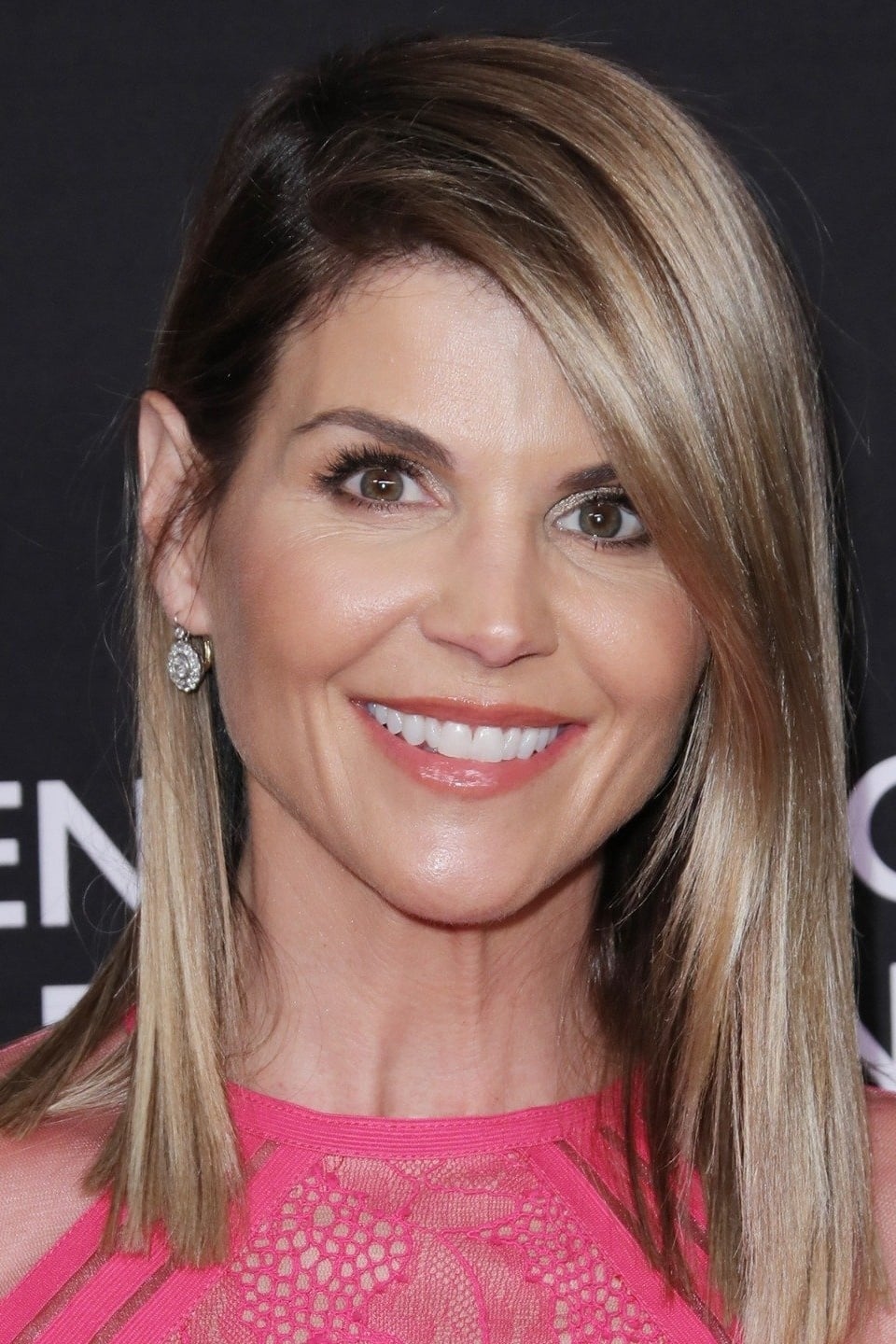
In 2019 she became involved in the college admissions case, which led Hallmark to halt content featuring her and Netflix to write her out of ‘Fuller House’. The network platforms that had anchored her later career closed quickly.
After serving her sentence she reappeared on screen through ‘When Hope Calls’ specials. Even with a return, the loss of steady, family channel employment marked a major break in continuous work.
Felicity Huffman
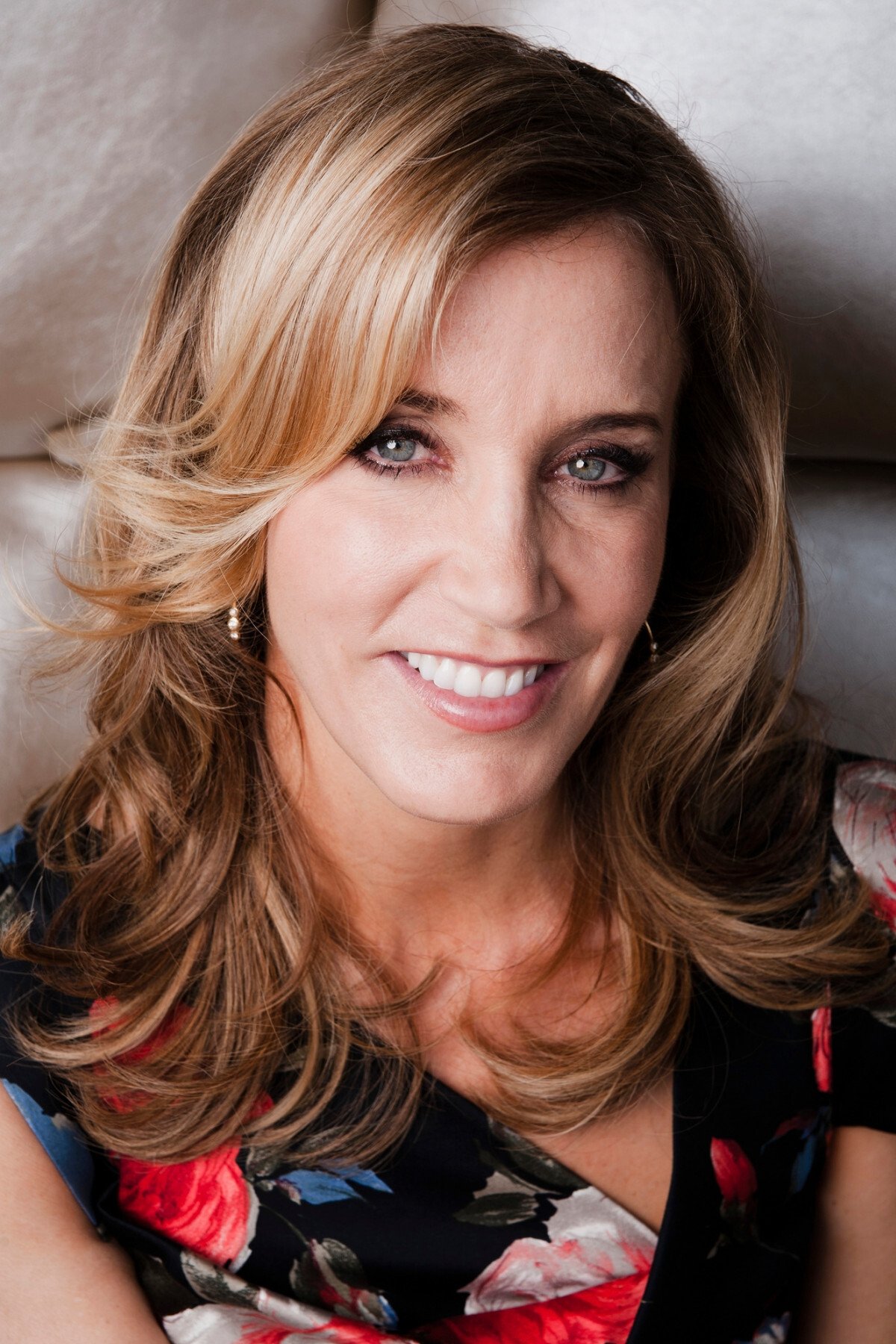
She pleaded guilty in the college admissions case in 2019 and served a short sentence, which resulted in stalled pilots and paused casting discussions. Several projects were reconsidered or shelved as she stepped back from public appearances.
She eased in with theatre and selective screen roles while rebuilding a schedule. The interruption shows how a single legal misstep reshapes near term casting and marketing plans even for an established performer.
Tara Reid
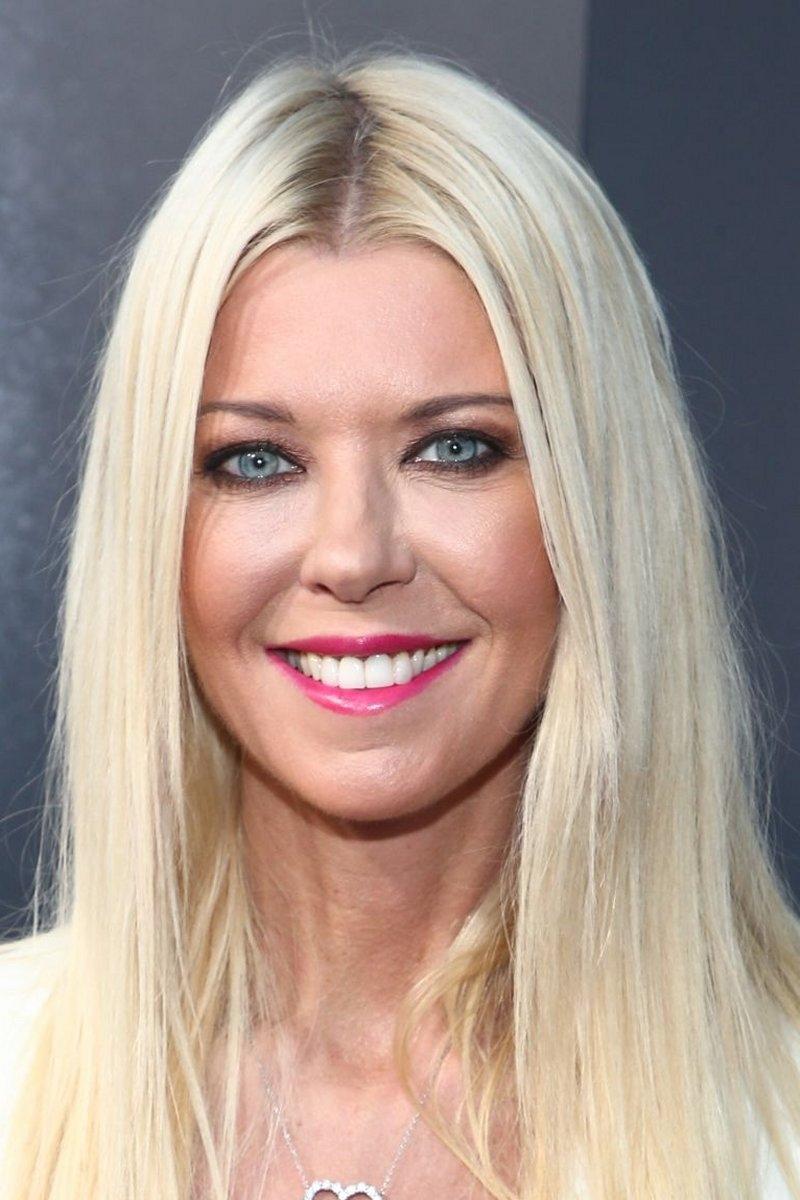
After early success with ‘American Pie’ and ‘Van Wilder’, a string of poorly received films such as ‘My Boss’s Daughter’ and ‘Alone in the Dark’ undercut her box office value. Tabloid attention around nightlife and set reliability magnified the downturn.
She remained active through cable movies and the ‘Sharknado’ franchise, which provided consistent visibility but at a lower tier of budgets and reach. The pivot from studio comedies to campy disaster titles became her new baseline.
Shannen Doherty
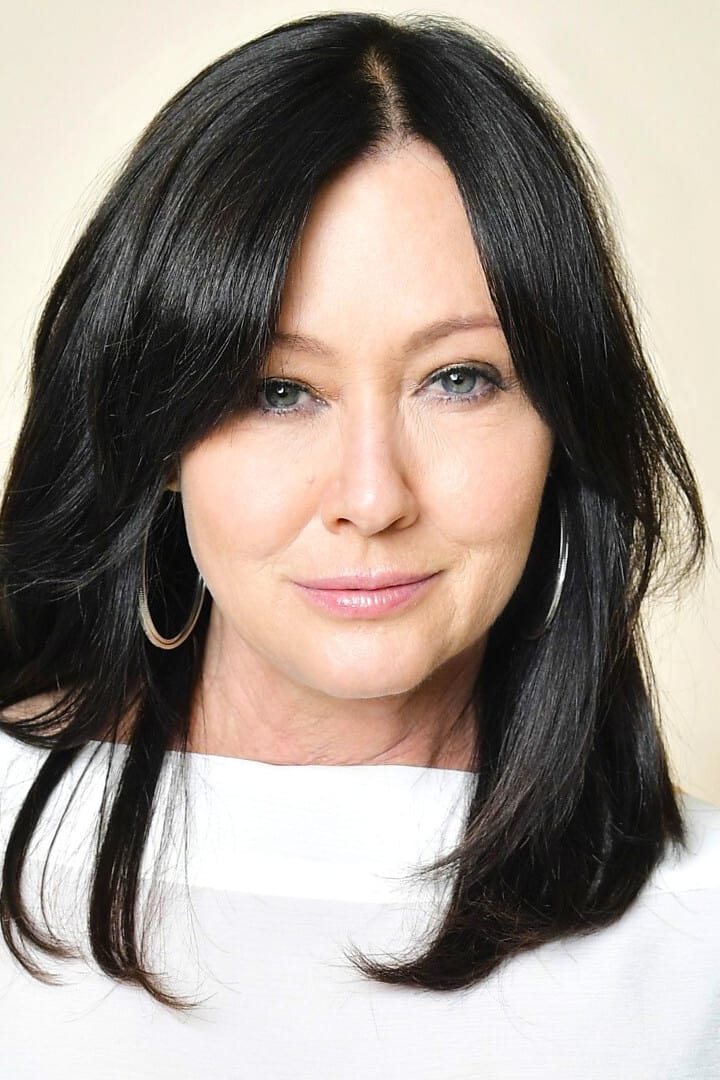
She exited ‘Beverly Hills, 90210’ in the mid nineties amid reports of on set friction and later left ‘Charmed’ after three seasons. The departures created a pattern that made producers cautious about long term commitments.
She kept working through TV movies, reality shows, and reunions, including ‘BH90210’. The earlier exits nonetheless reduced opportunities for multi season anchor roles at a critical point in her career.
Mischa Barton

She left ‘The O.C.’ in 2006 as the series continued without her, and subsequent films struggled to match that exposure. Industry perceptions about reliability and the weight of tabloid coverage further limited lead offers.
She resurfaced through reality TV on ‘The Hills New Beginnings’ and appeared in independent features. The gap between a breakout network hit and consistent follow up roles remained difficult to bridge.
Elizabeth Berkley
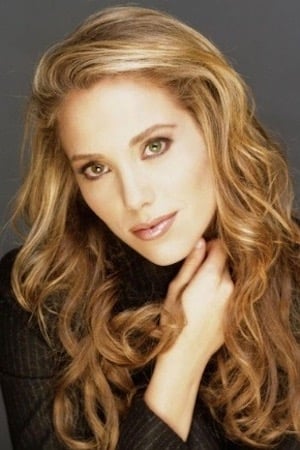
She accepted the lead in ‘Showgirls’, which was a high profile box office disappointment and critical failure. The film’s reception made casting directors hesitant about placing her in studio features.
She reoriented to television guest spots and stage work, developed the ‘Ask Elizabeth’ program, and later returned to the ‘Saved by the Bell’ world in the revival. The initial setback, however, defined her transition away from big budget films.
Jennifer Grey
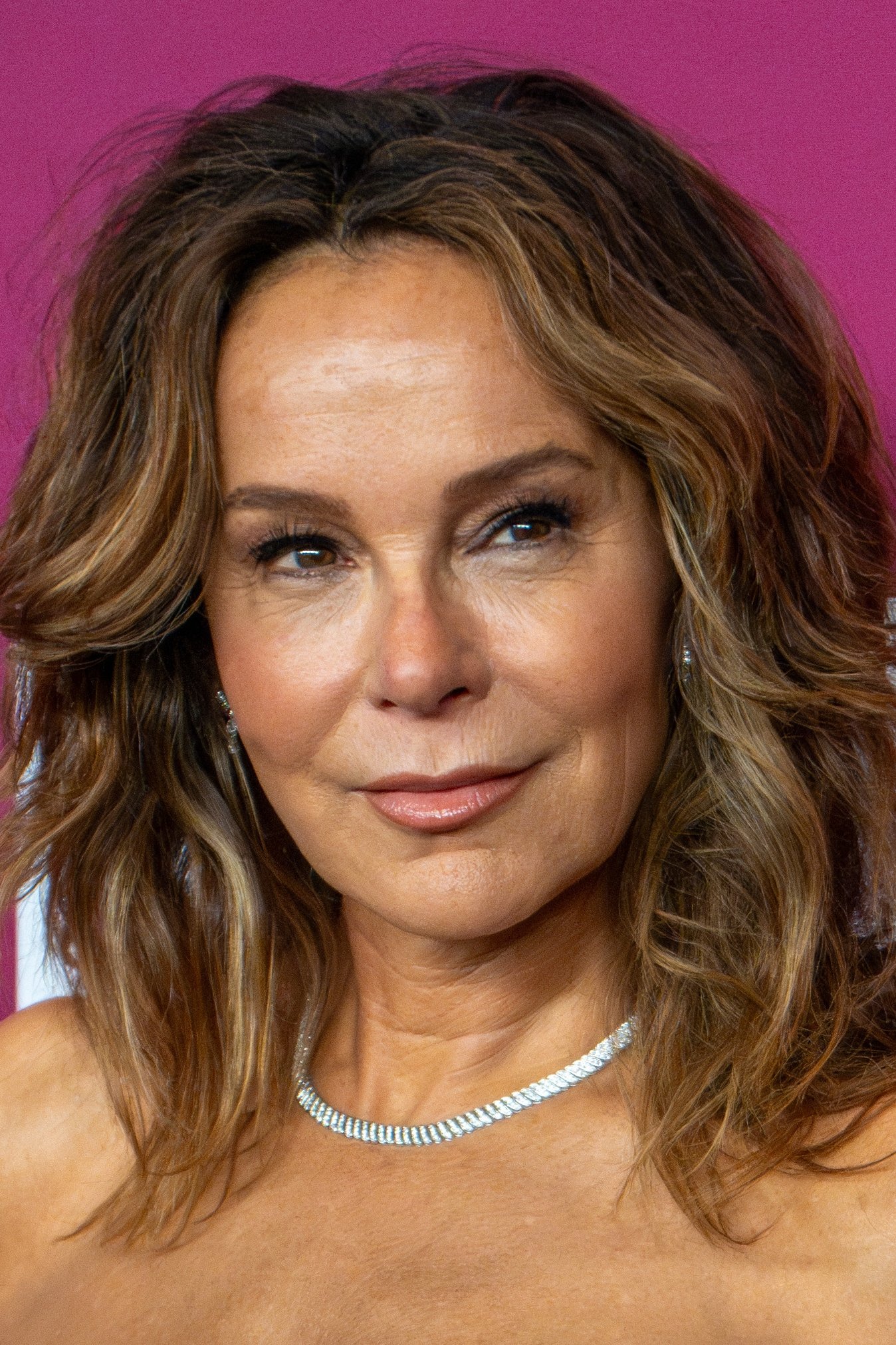
She underwent rhinoplasty after ‘Dirty Dancing’ and later said the change left people not recognizing her. Casting slowed as she no longer matched the familiar face that audiences and marketers knew from her breakout.
She rebuilt awareness with a ‘Dancing with the Stars’ win and steady television work. Even with subsequent roles, the immediate post surgery period illustrates how a change in appearance can alter career trajectories.
Alicia Silverstone
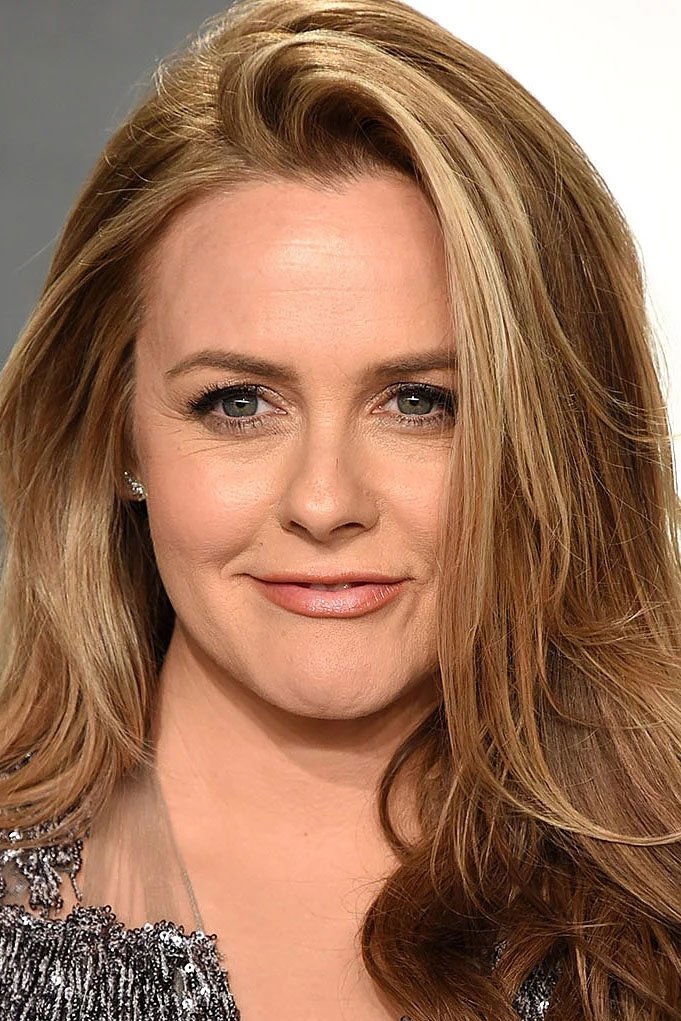
Following ‘Clueless’ she signed a major deal and then appeared in ‘Batman & Robin’, which drew heavy criticism and hurt her film momentum. She also faced public body shaming during promotion, which affected coverage and casting.
She continued with theatre, voice acting, and selective indie films, earning praise in ‘The Killing of a Sacred Deer’ and leading ‘American Woman’. The mid nineties downturn still shifted her path away from continuous studio leads.
Bridget Fonda

Her last screen credits came in 2002 before she stepped back from acting. A car accident in 2003 and a choice to prioritize private life kept her off sets for two decades.
She has since made public appearances without announcing a return to acting. The hiatus shows how a deliberate decision to stop can end a high visibility career even without industry conflict.
Kathy Griffin
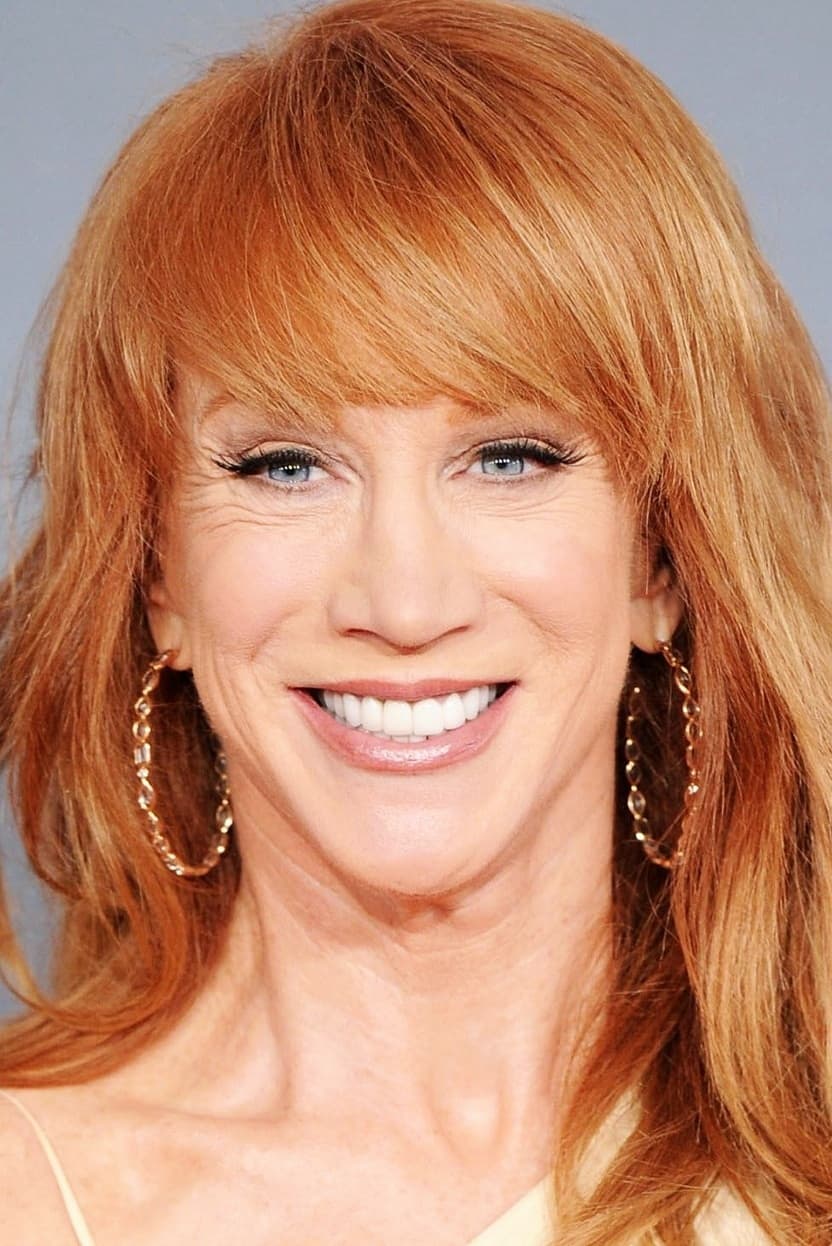
In 2017 she posted an image of herself holding a prop resembling the head of the sitting president, which led to the loss of a CNN New Year’s Eve hosting job and canceled bookings. Venues and sponsors distanced themselves quickly.
She later resumed touring and stand up releases while navigating fewer mainstream TV opportunities. The immediate cancellations demonstrated how a single photo can collapse broadcast and live event work in one cycle.
Fan Bingbing

In 2018 Chinese authorities disclosed a tax case that resulted in heavy fines and a period away from public view. Multiple domestic projects were paused and her endorsements disappeared.
She reappeared at international events and took roles in global productions such as ‘The 355’. The regulatory fallout in her home market nevertheless reduced her output for years.
Stacey Dash
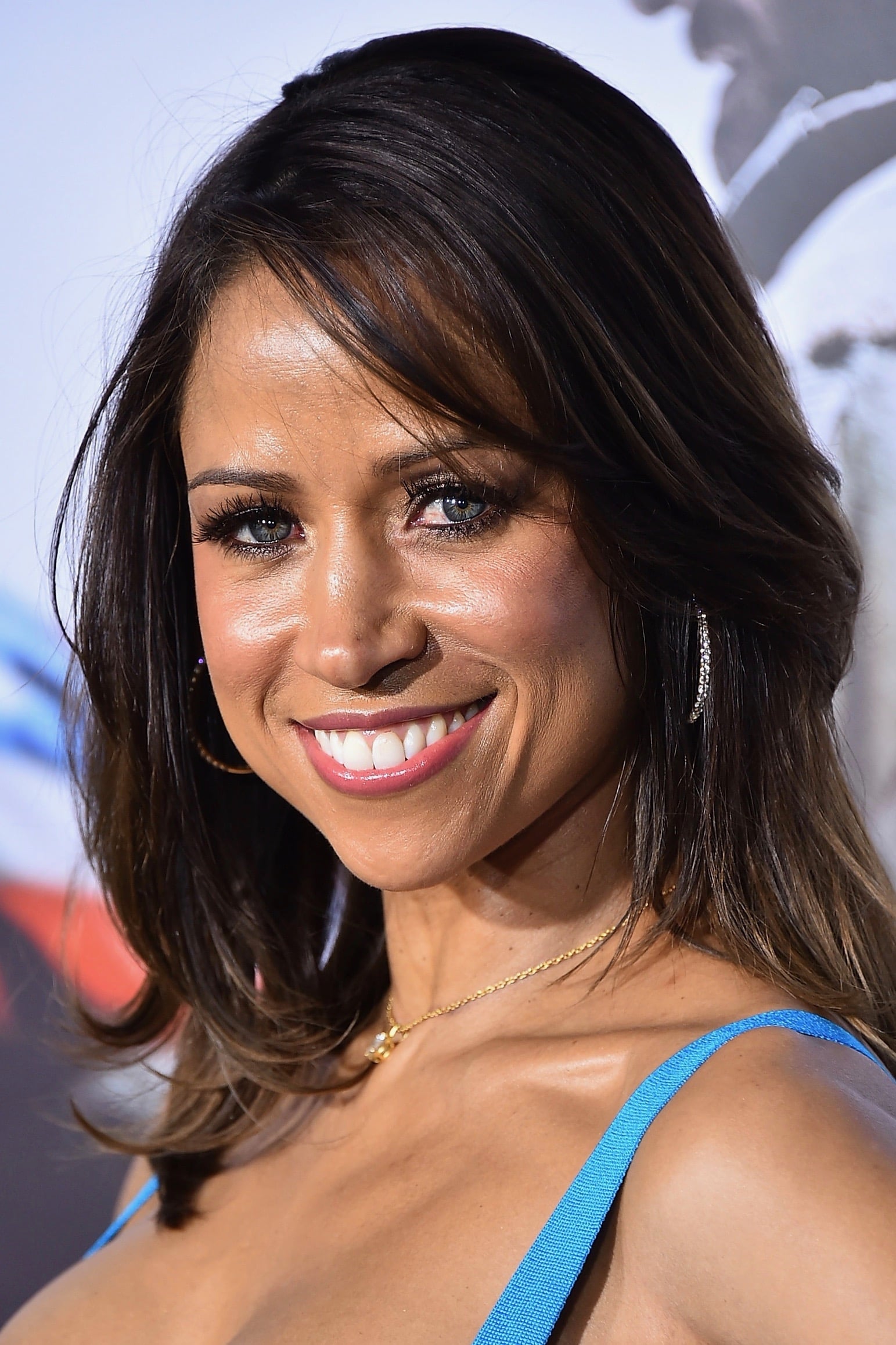
After ‘Clueless’ she worked steadily in film and television before becoming a political commentator with a high profile cable news contract. Public reaction to her on air positions made casting more complicated.
She later left the network and pursued new film roles and a brief political run. The detour into punditry shifted her brand away from acting and narrowed the projects available on her return.
Kim Basinger
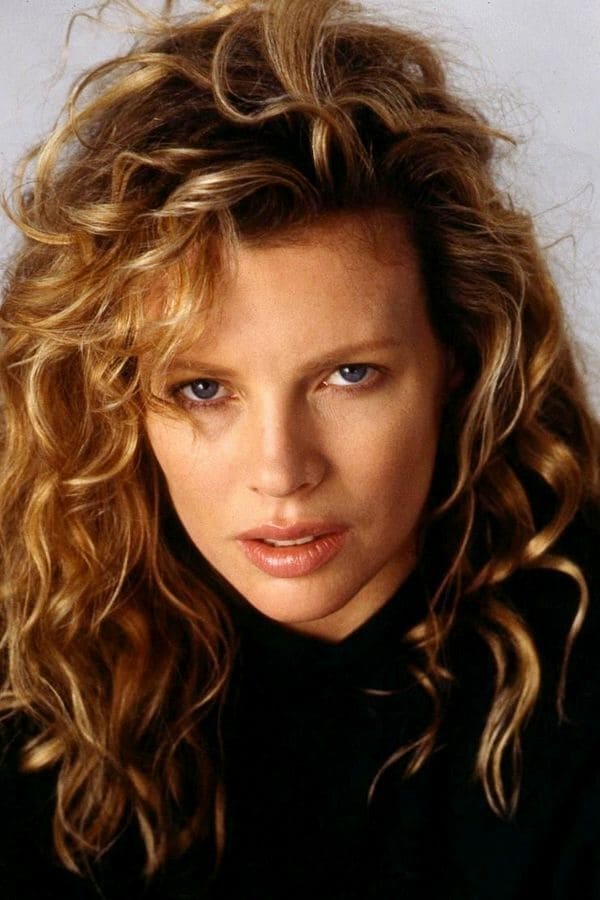
She agreed to star in ‘Boxing Helena’ and then withdrew, which led to a costly breach of contract verdict in 1993 and a bankruptcy filing. The legal fight hurt her momentum during a crucial stretch.
She rebounded with an Academy Award for ‘LA Confidential’ and continued to act, but the early nineties dispute closed doors and delayed projects at the time. The episode remains a textbook example of how contract decisions can ripple through a career.
Sean Young
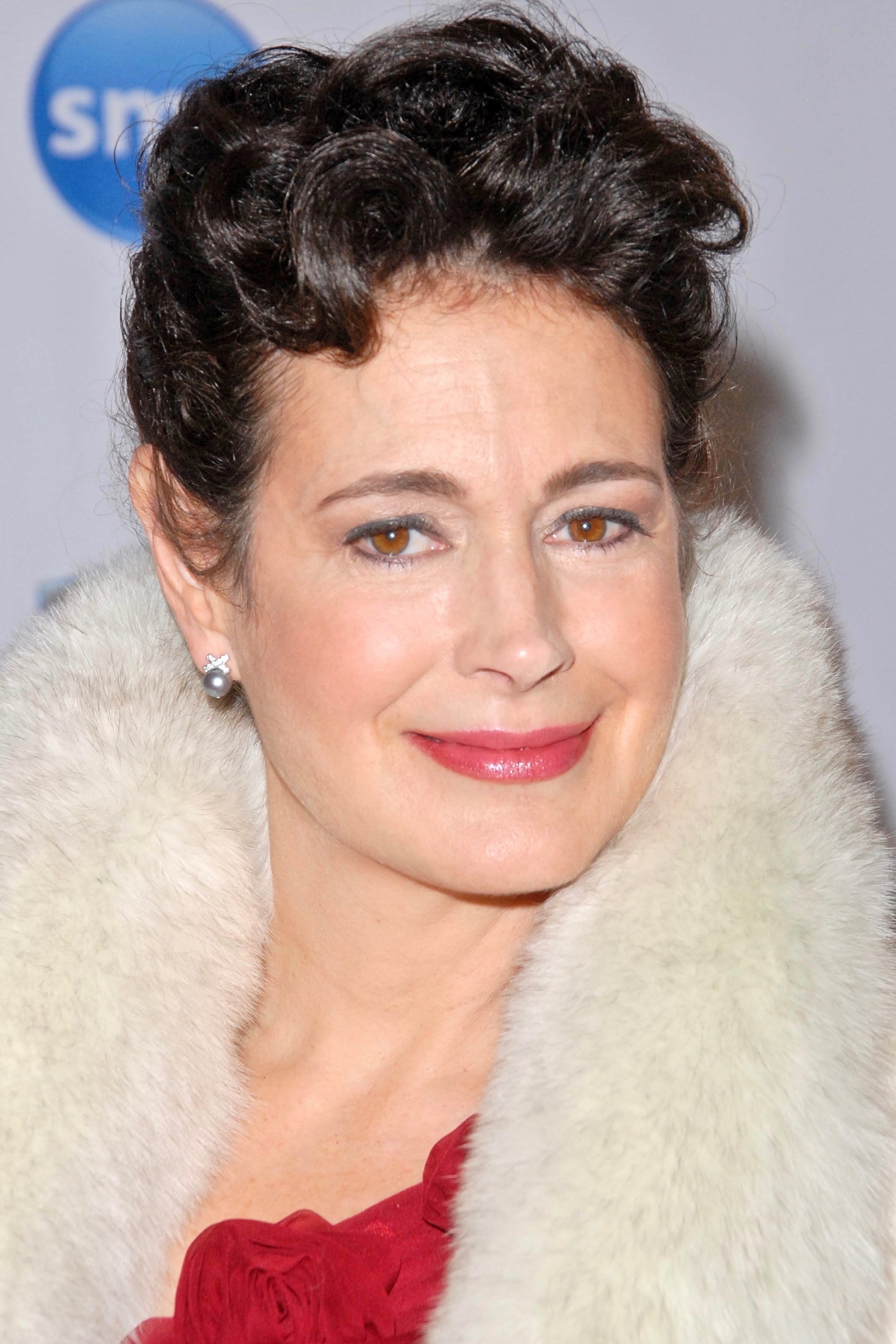
During the run up to ‘Batman Returns’ she very publicly campaigned for the role of Catwoman, including arriving at a studio lot in costume, which overshadowed her recent work. Studio executives and producers viewed the publicity as disruptive.
She continued to appear in independent features and occasional television episodes while large studio offers dwindled. The combination of aggressive role pursuit and widely covered incidents at industry events narrowed her casting lane.
Amber Heard

Public legal battles in the late 2010s and early 2020s brought intense media scrutiny and significant online backlash that touched ongoing studio relationships. During this period her franchise footprint contracted and her next projects shifted toward independent features as larger offers slowed.
She continued to work with a move to Europe and a slate that included smaller international films. The change in release scale and marketing support marked a clear drop from earlier high visibility roles connected to superhero and thriller brands.
Mo’Nique
After awards season for ‘Precious’ she publicly disputed expectations around unpaid campaigning and later criticized industry figures, which she said resulted in reduced offers from major studios. She then focused on stand up and limited screen work while projects that might have followed a supporting actor Oscar win did not materialize.
Years later she reentered studio pipelines with new partners following a high profile legal dispute over pay. The long gap between major scripted vehicles shows how promotional choices and contract stances can reshape an actor’s near term prospects.
Constance Wu
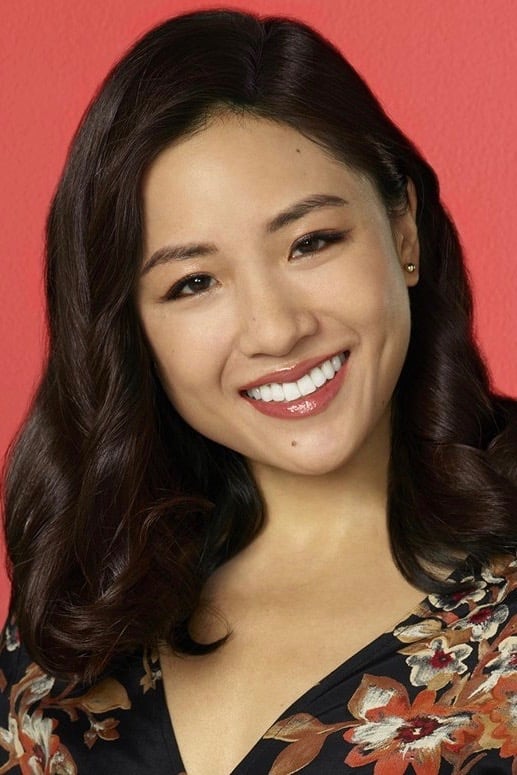
A series renewal announcement in 2019 prompted tweets that she later apologized for and described as an emotional response to scheduling conflicts. Backlash was swift and she stepped away from social media and parts of public life, which coincided with fewer immediate casting announcements.
She returned with voice work in family films and a lead in ‘American Born Chinese’ after publishing a memoir that clarified the episode. The pause around that renewal reaction illustrates how a single public message can interrupt momentum on the heels of a hit.
Ruby Rose
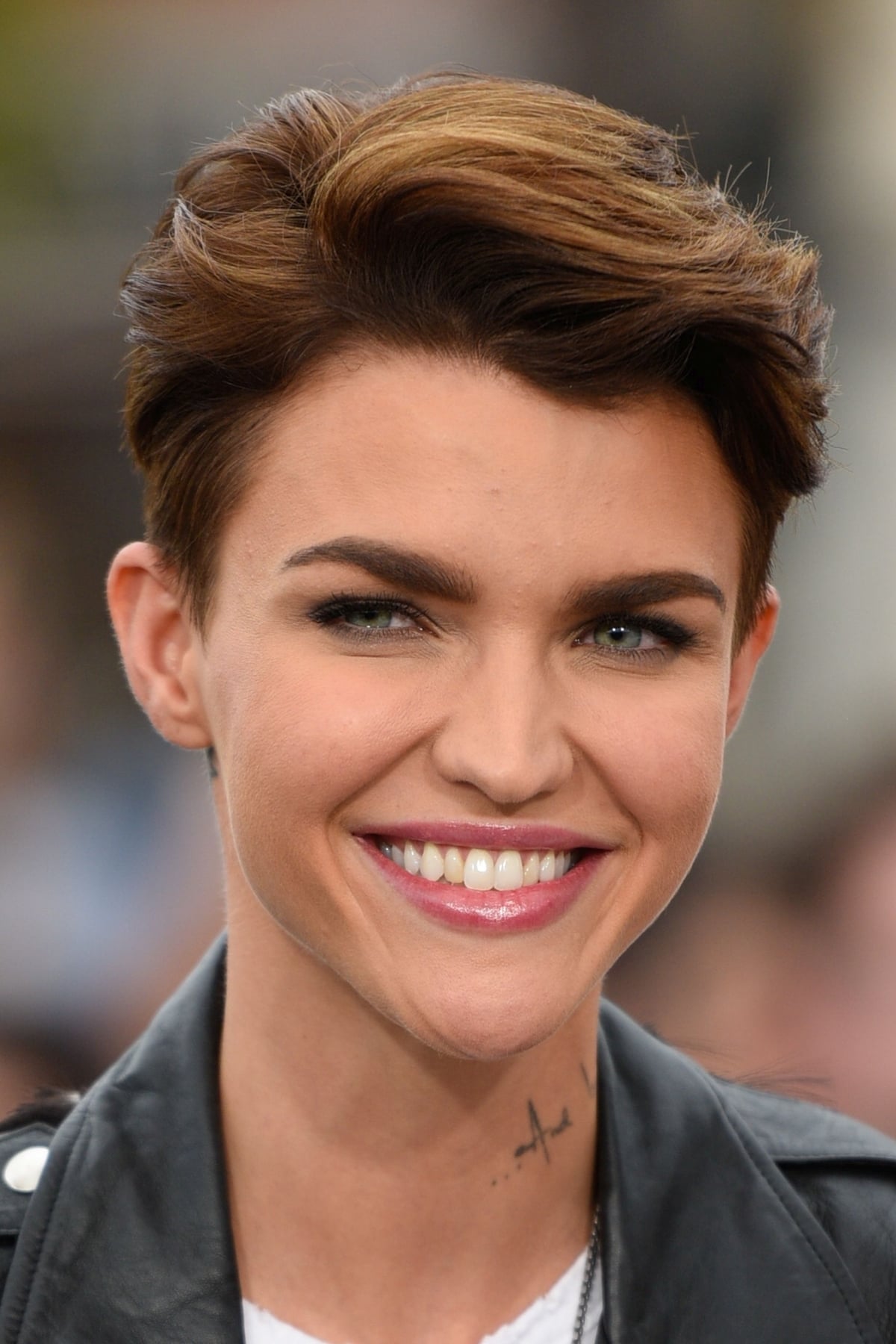
She exited ‘Batwoman’ after the first season and later described set injuries and workplace issues while the studio publicly disputed those claims. The network recast the lead and continued the series without her, ending a rare headlining superhero platform.
Subsequent roles arrived in independent action titles and ensemble projects rather than another broadcast headliner. Leaving a franchise at that stage reduced her weekly primetime exposure and the promotional reach that comes with it.
Nicollette Sheridan
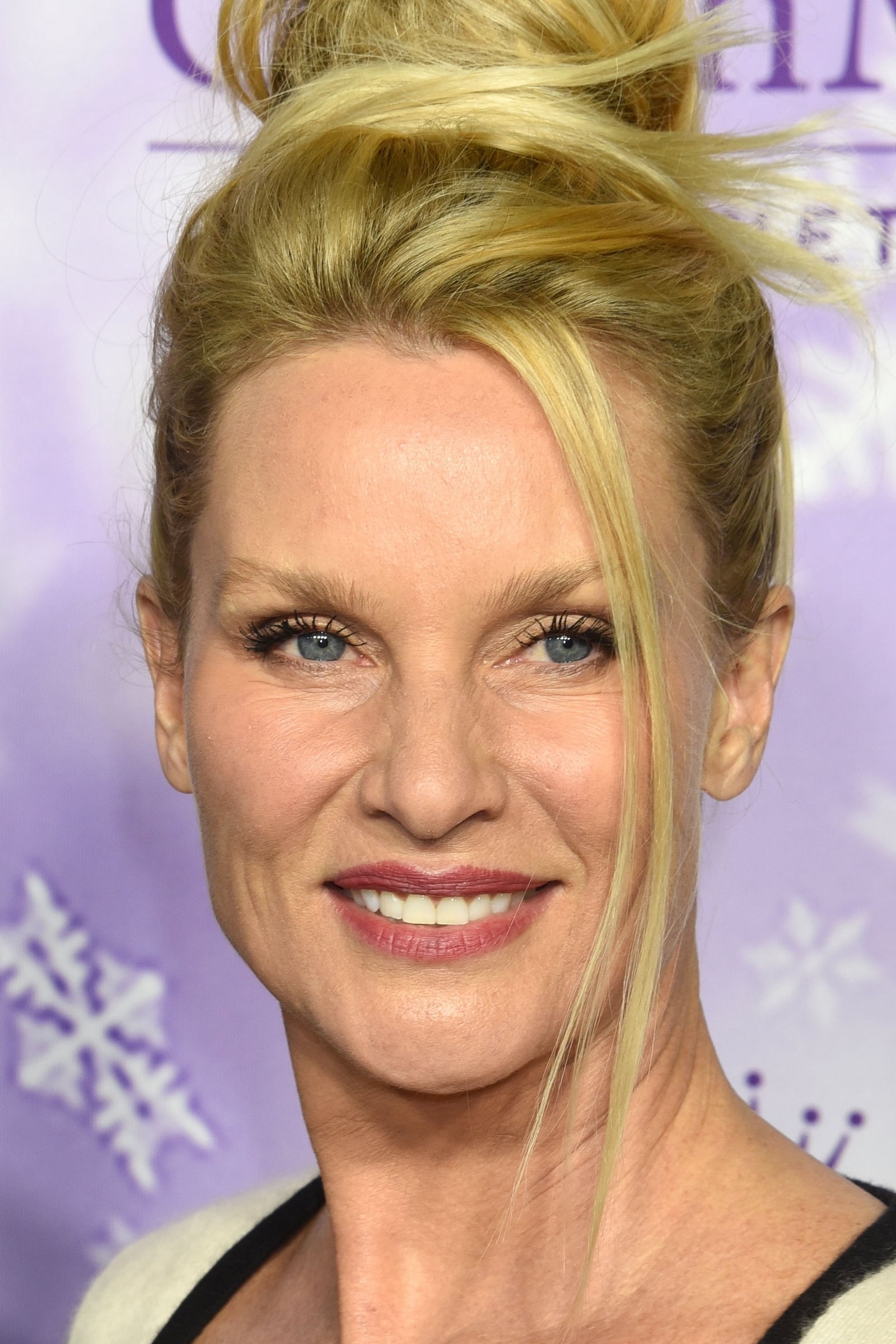
Her character on ‘Desperate Housewives’ was written out and she sued the showrunner and network, which led to years of litigation and a retrial that did not restore the role. The legal fight kept her in headlines while the series moved on without her.
She later booked parts on cable soaps and a network reboot, yet the departure from a top rated show closed off the steady attention that had come from a long running ensemble. The shift from a cultural phenomenon to scattered roles tracked with the unresolved dispute.
Asia Argento
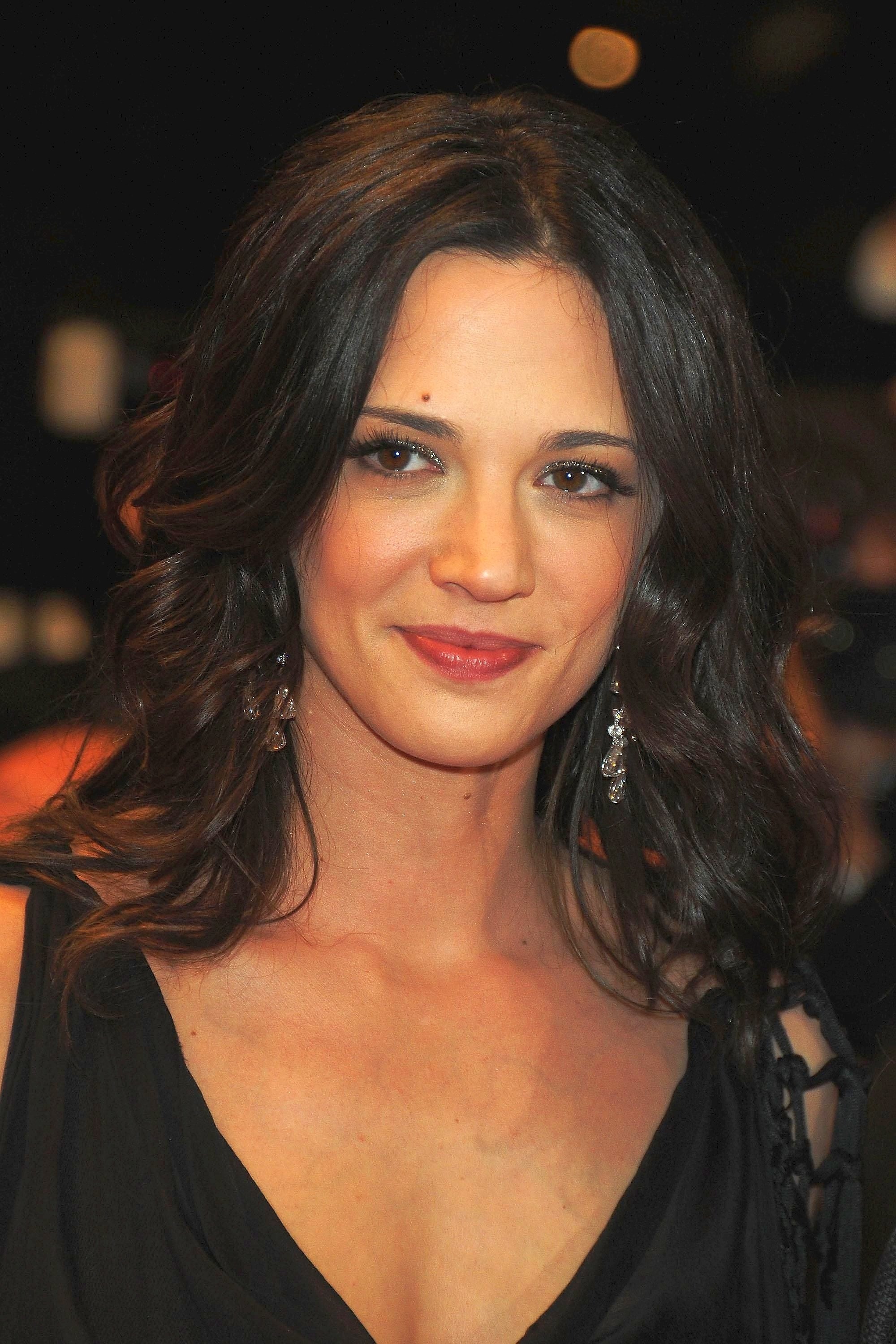
Reports in 2018 about a settlement involving a young actor led to her removal from the finale of ‘X Factor Italy’ and other television opportunities that had followed her prominent advocacy work. Sponsors and broadcasters reacted quickly and the projects paused.
She continued to work in European cinema and documentaries while keeping a lower profile in mainstream television. The consequences were immediate in the reality and competition space where reputational risk is closely monitored.
Bai Ling
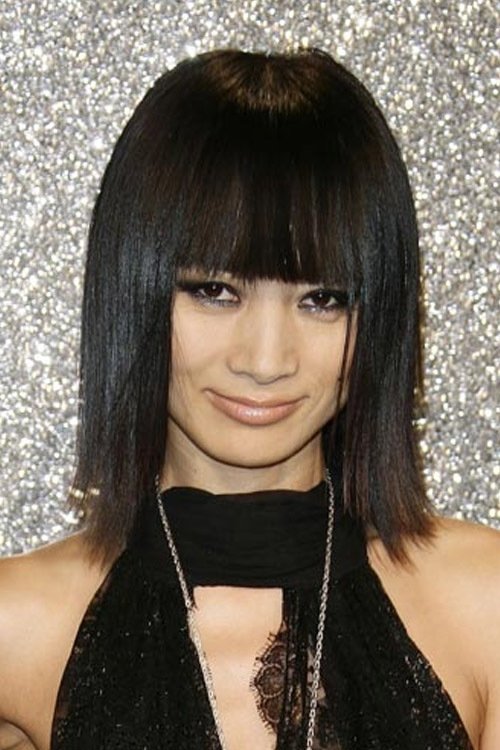
An arrest for shoplifting in 2008 generated negative coverage during an already uneven run of roles in studio films. Casting in larger projects slowed and she increasingly appeared in low budget features and reality programs.
She maintained a steady output with independent producers and festival fare. The tabloid moment and resulting perception issues made it harder to reenter big budget studio schedules that prize predictable publicity cycles.
Paz de la Huerta
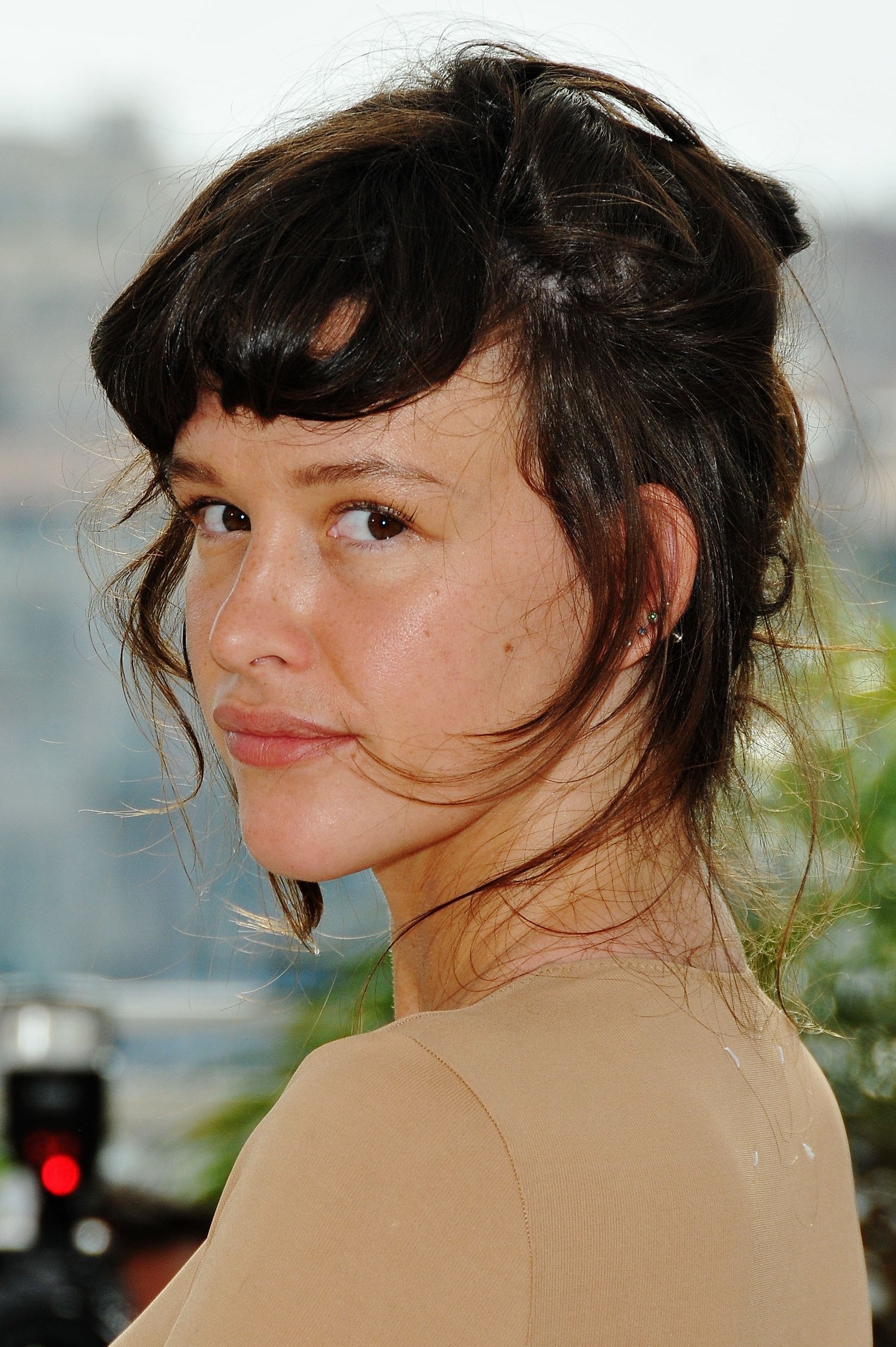
After two seasons on ‘Boardwalk Empire’ she did not return and later filed lawsuits tied to injuries and employment claims that were dismissed or unresolved for years. The litigation and on set reports from that period coincided with a sharp decline in high profile casting.
Her filmography continued in small independent releases and international projects. The combination of departures, legal battles, and fragmented credits created a long stretch without another prestige television anchor.
Jamie Lynn Spears
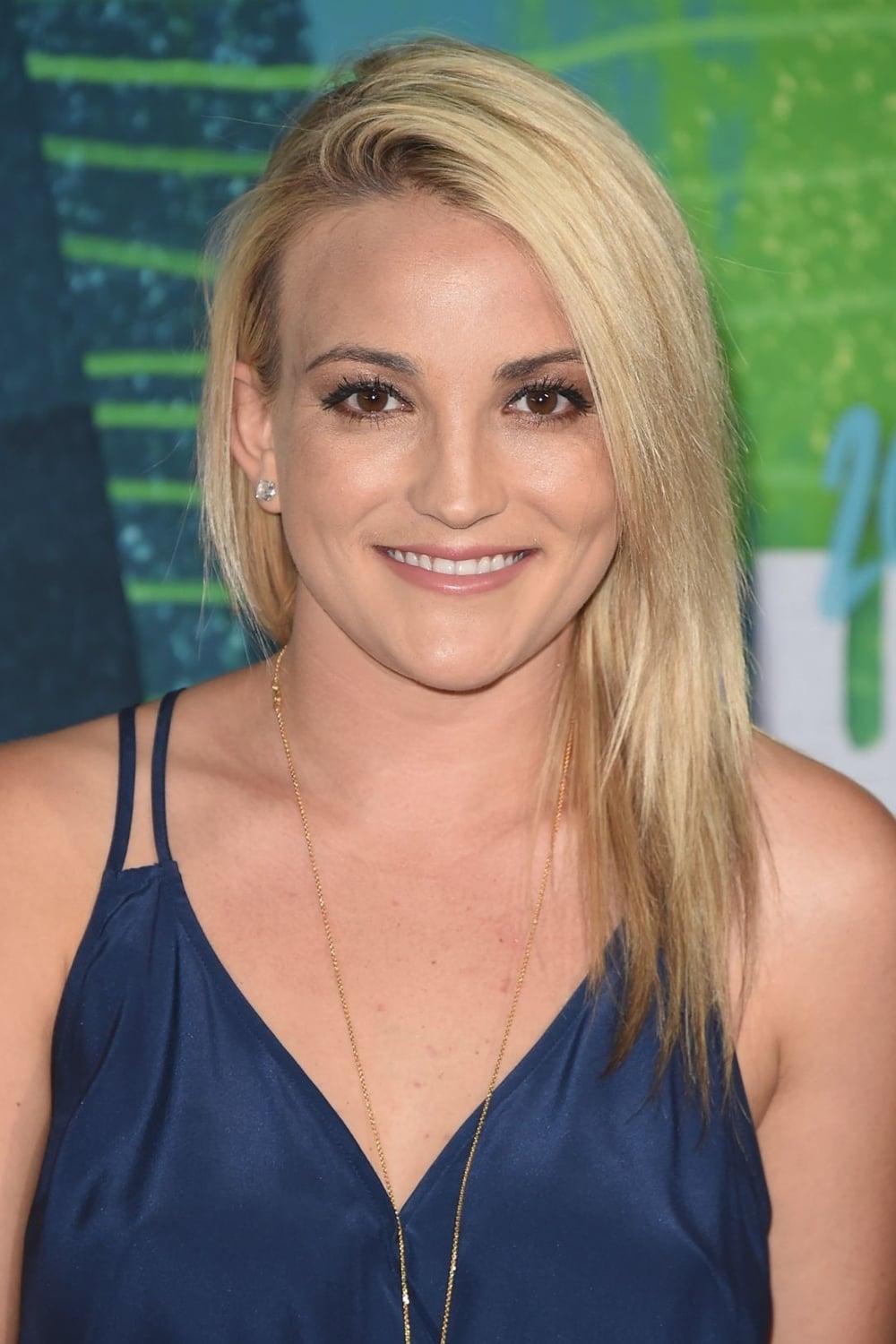
A pregnancy announcement in her teens coincided with the end of ‘Zoey 101’ and she stepped away from acting to focus on family life outside Los Angeles. The pause effectively removed her from a network spotlight that had been building through youth programming.
She later returned with guest spots and a supporting role in ‘Sweet Magnolias’. The years away from sets closed the channel that often carries young performers into adult roles and broader studio relationships.
Amanda Bynes
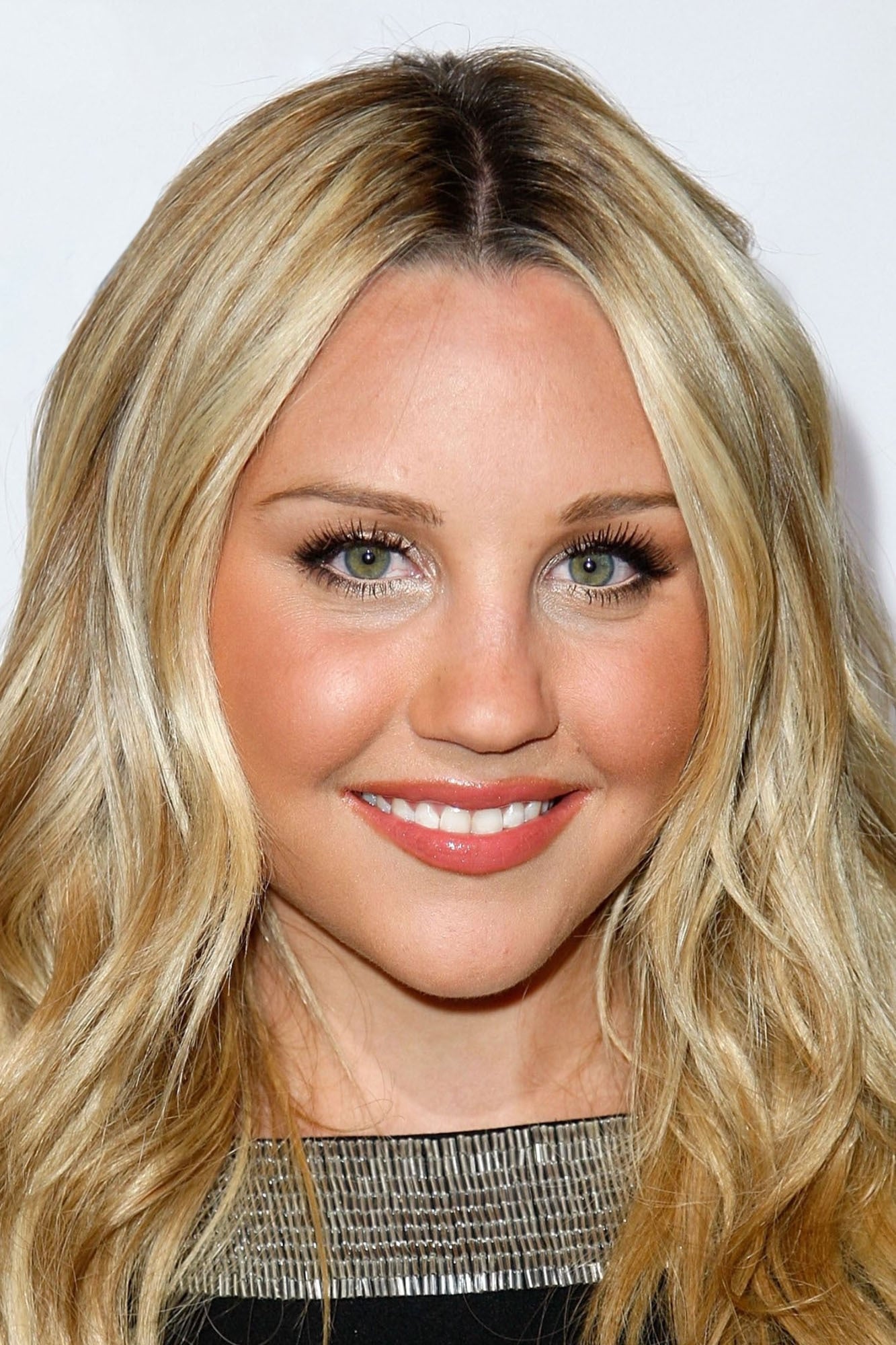
A self announced retirement from acting in the early 2010s was followed by legal troubles and a conservatorship that kept her out of film and television. The absence arrived just as she was transitioning from teen comedies into adult projects.
She pursued studies in fashion and explored audio projects while remaining largely off screen. The combination of public incidents and personal withdrawals ended a run that had included consistent studio comedies.
Zheng Shuang

A 2021 controversy over surrogacy arrangements was followed by a major tax investigation and a large fine in China. Broadcasters and platforms removed her past work and banned new appearances, which eliminated her presence in the country’s mainstream entertainment channels.
She has remained outside the domestic industry’s release pipeline while projects in progress were canceled. The regulatory actions produced an abrupt halt that extended beyond casting to distribution and credit listings.
Zhao Wei

In 2021 her name disappeared from credits on major Chinese streaming platforms and her online fan spaces were shut without an official public explanation. At the same time regulators scrutinized companies connected to her business activities.
Her screen appearances and public events halted as older titles were delisted. The sudden erasure from platforms effectively removed a long established star from the domestic market’s visible catalogs.
Kristen Stewart

In 2012 paparazzi photos and a public apology were followed by the studio decision to continue the ‘Snow White’ franchise without her as the returning lead. That change cut off a planned series that had been a major part of her studio slate.
She pivoted to independent films with directors known for festival premieres and limited releases. The move eventually rebuilt prestige, yet the immediate loss of a franchise showcased how a personal controversy can alter a studio plan overnight.
Courtney Love
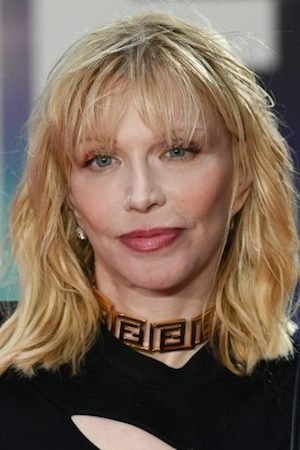
Legal issues and public incidents during the 2000s made studios cautious about insurance and reliability, which limited larger acting offers despite acclaim in ‘The People vs Larry Flynt’. Casting conversations often shifted to smaller roles and one off appearances.
She stayed active in music while taking select television arcs and independent films. The gap between early awards attention and later screen credits illustrates how offstage instability can narrow available scripts.
Dolores Hart
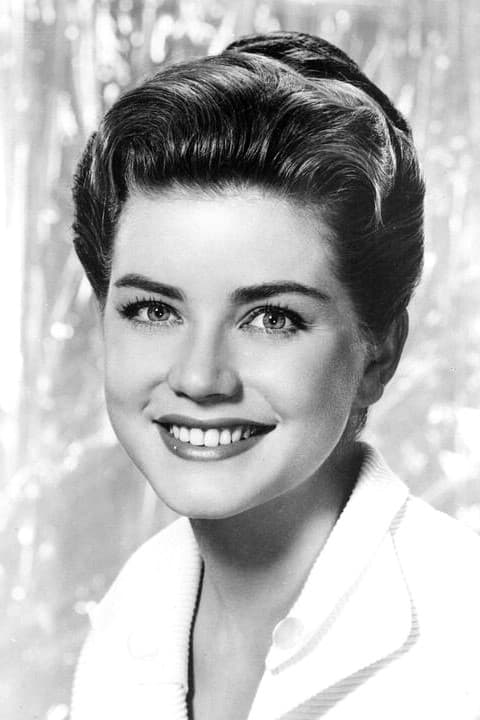
After starring in films such as ‘King of Kings’ and ‘Where the Boys Are’ she chose religious life in 1963 and left Hollywood entirely. The decision ended a career that had reached leading roles by her early twenties.
She later appeared in documentaries about her order but did not return to acting. The choice removed a rising name from studio rosters at a point when multi picture deals were common for young stars.
Grace Kelly
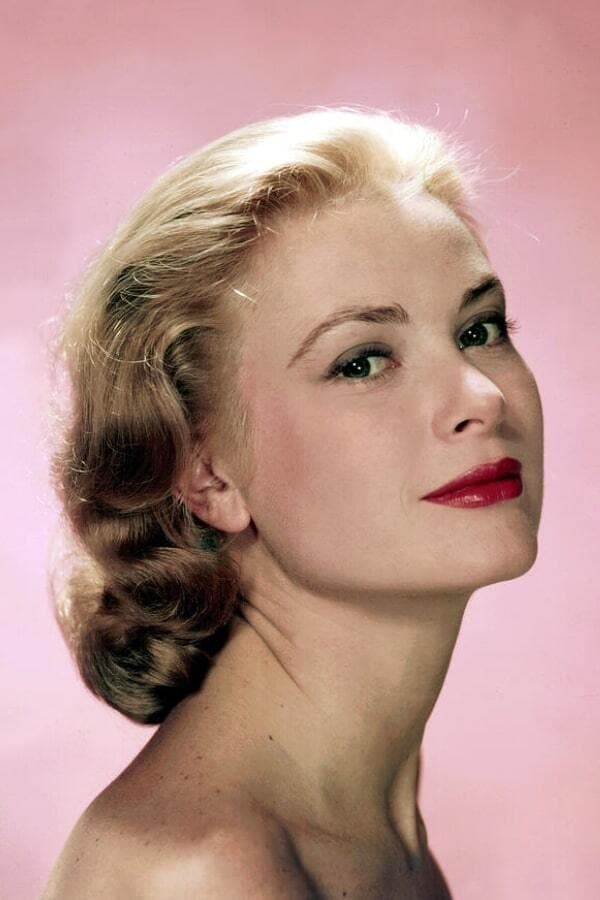
She left film at the height of her career to marry Prince Rainier III and take on royal duties in Monaco. Existing projects and negotiations paused as she stepped away from performance work.
Although there were later discussions about a comeback, official responsibilities kept her off screen. The transition from Oscar winning actor to princess effectively closed the door on future roles.
Taylor Momsen

While on ‘Gossip Girl’ she shifted focus to her rock band and reduced her screen time, then exited the series before its final season. Acting opportunities paused as she concentrated on touring and recording.
She returned for a brief finale cameo yet continued to prioritize music. Leaving a popular youth drama at that point cut off the standard path into new network pilots and film auditions that often follow a breakout role.
Mara Wilson
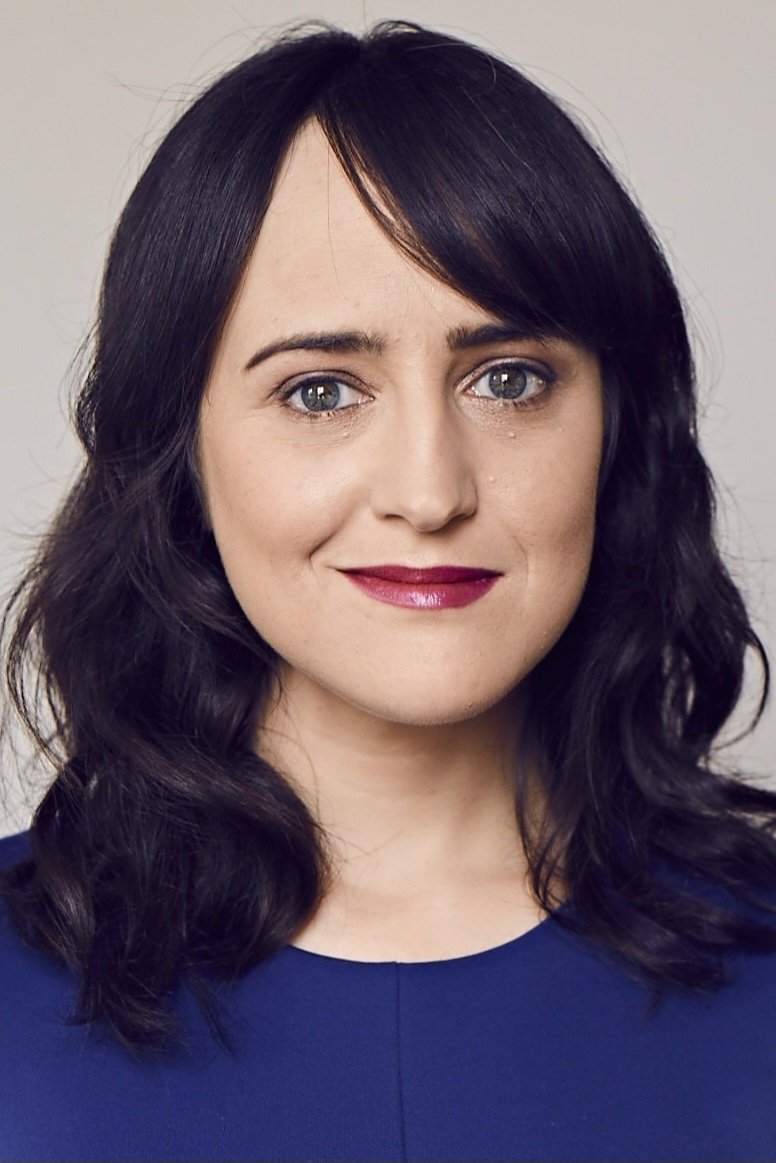
After early success in ‘Mrs Doubtfire’ and ‘Matilda’ she stepped away from on camera roles during her teens and later explained that the pressures of child stardom did not suit her. The decision closed a major studio pipeline during a key transition period.
She pursued writing and voice work and made occasional nostalgic cameos. Choosing a different creative path meant the steady family film casting of her childhood did not evolve into adult leads.
Mary-Kate Olsen
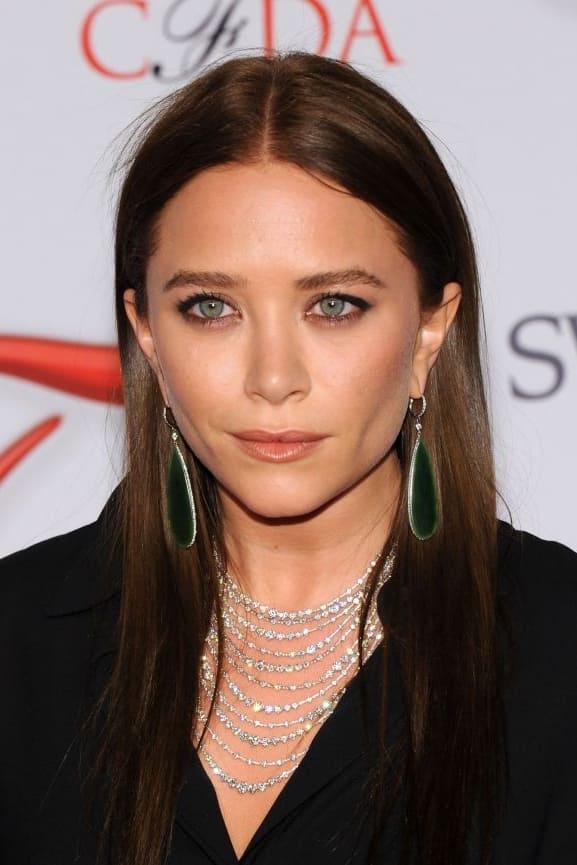
Following years of dual leads and direct to video hits she and her sister shifted their attention to building fashion labels. Acting offers continued but she rarely accepted them and then stopped altogether.
Her focus on design and business required long term commitments that conflict with production schedules. The deliberate change in priorities moved her off casting grids that once centered on her name.
Ashley Olsen
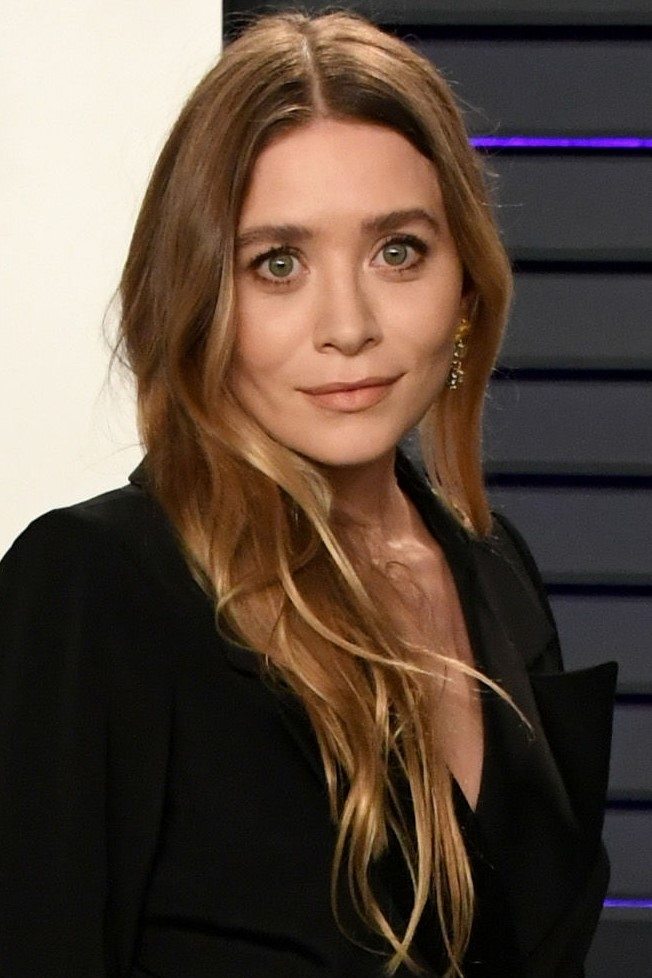
Like her sister she pivoted from acting to fashion and grew The Row into a respected luxury brand. On screen appearances became rare and then ceased.
The new career removed her from the rhythms of pilot seasons and film development. By stepping fully into design she effectively ended a decades long presence in front of the camera.
Share the cases you think had the most dramatic consequences and tell us in the comments which ones you would add or reconsider.