15 LGBTQ+ TV Characters Who Changed Storytelling

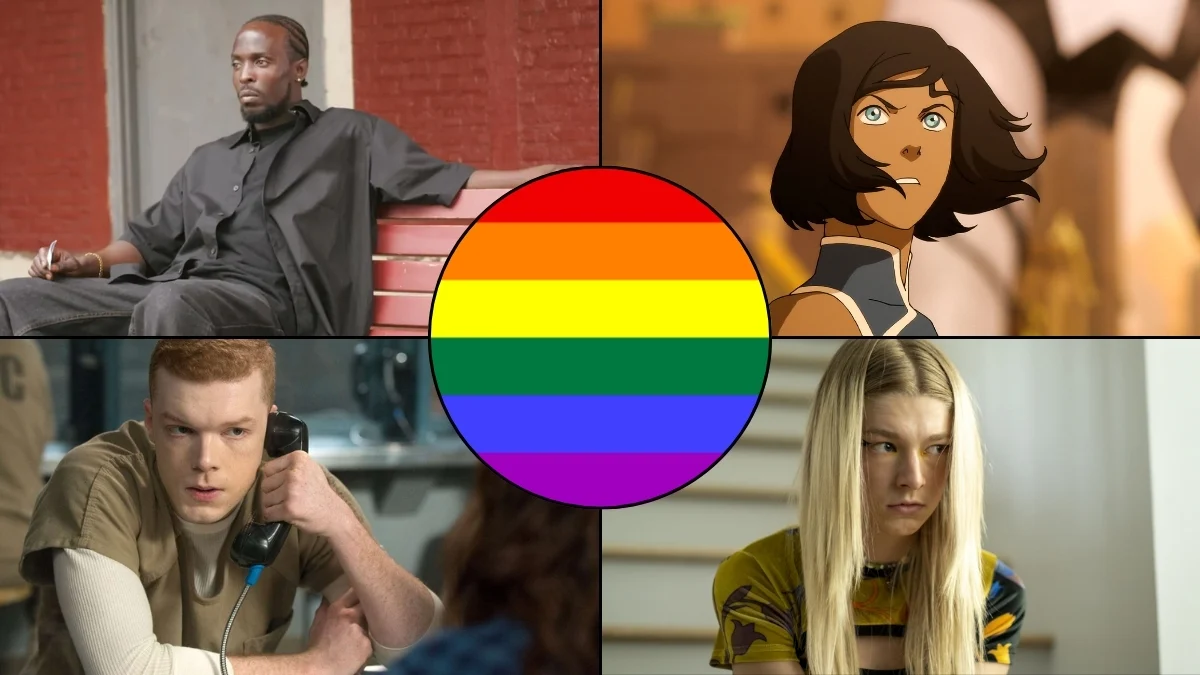

Television has spent decades expanding how it portrays queer and trans lives, and many of the biggest shifts can be traced to specific characters who pushed boundaries on mainstream screens. These characters didn’t just appear in the background—they drove plots, shaped genres, and helped networks and creators rethink what kinds of stories audiences would follow across drama, comedy, sci-fi, and animation.
From crime epics and medical series to teen dramas and animated adventures, the characters below introduced new kinds of arcs, language, and visibility to prime time and streaming. Their creators and performers collaborated to depict identity with specificity—through careers, families, faith, culture, and conflict—so that sexuality and gender weren’t a one-note reveal but a sustained part of character development and world-building.
Willow Rosenberg

Willow Rosenberg’s coming-out arc on ‘Buffy the Vampire Slayer’ placed a queer love story at the center of a supernatural series and tied it to the show’s larger themes of power and growth. The character’s relationships with Tara Maclay and later Kennedy were written as ongoing narratives rather than one-episode twists, with dialogue and scenes that treated desire, grief, and recovery as story engines.
The show’s writers used Willow’s arc to normalize sapphic romance in a genre that had largely sidelined queer characters, while also detailing consequences—ethical use of power, community support, and the mechanics of coping after loss. The performance became a reference point for later network shows when crafting serialized coming-out journeys for teen and young-adult characters.
Omar Little
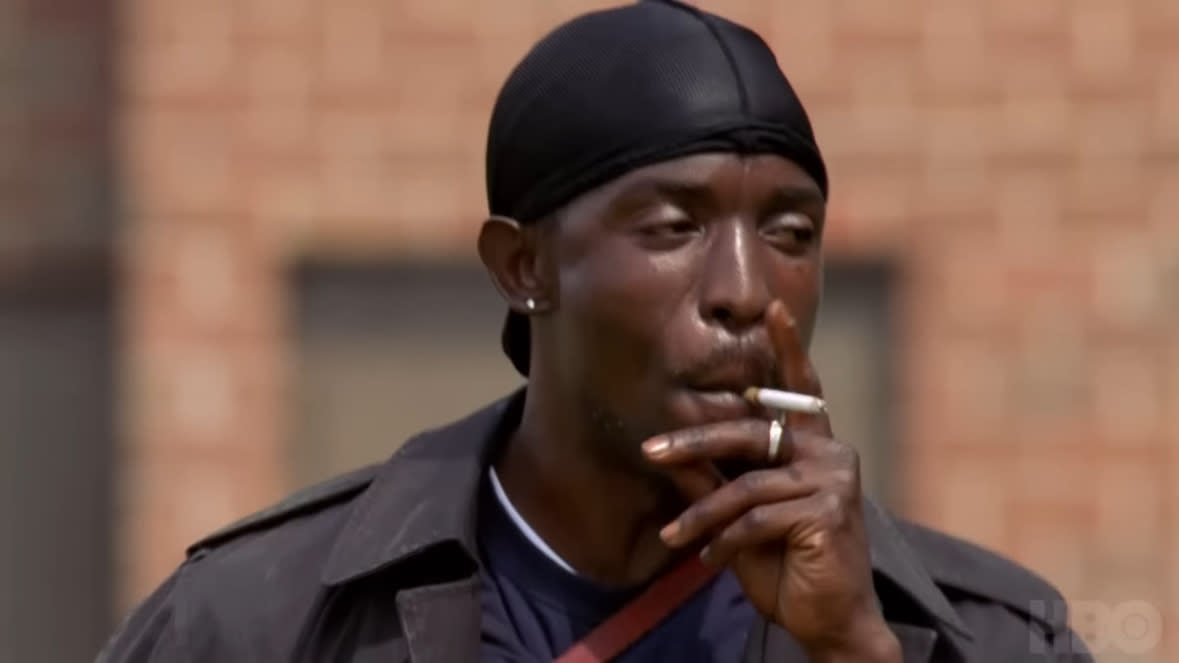
Omar Little on ‘The Wire’ integrated a gay identity into a crime-drama archetype—an outlaw who moved through street and courtroom ecosystems—without reducing him to a trope. His relationships and domestic life appeared alongside heists and vendettas, making intimacy part of the show’s detailed portrait of Baltimore’s institutions.
Writers positioned Omar as a figure whose rules and vulnerabilities shaped the plot across seasons, with key testimony, reprisals, and neighborhood codes connected to him. By embedding a queer character in the story’s moral and economic systems, the series expanded how prestige dramas could depict masculinity, community reputation, and survival.
Captain Raymond Holt

Captain Raymond Holt on ‘Brooklyn Nine-Nine’ centered a Black, gay precinct commander in a workplace sitcom, with episodes drawing on departmental politics, marriage, and mentorship. The character’s backstory covered career barriers and advocacy within the NYPD, using jokes and casework to surface institutional change and allyship.
Storylines used promotions, task-force postings, and professional rivalries to show how identity intersects with leadership. By making Holt’s home life and professional achievements recurring beats, the series demonstrated how a network comedy can structure character growth around policy, partnership, and team culture.
Sophia Burset
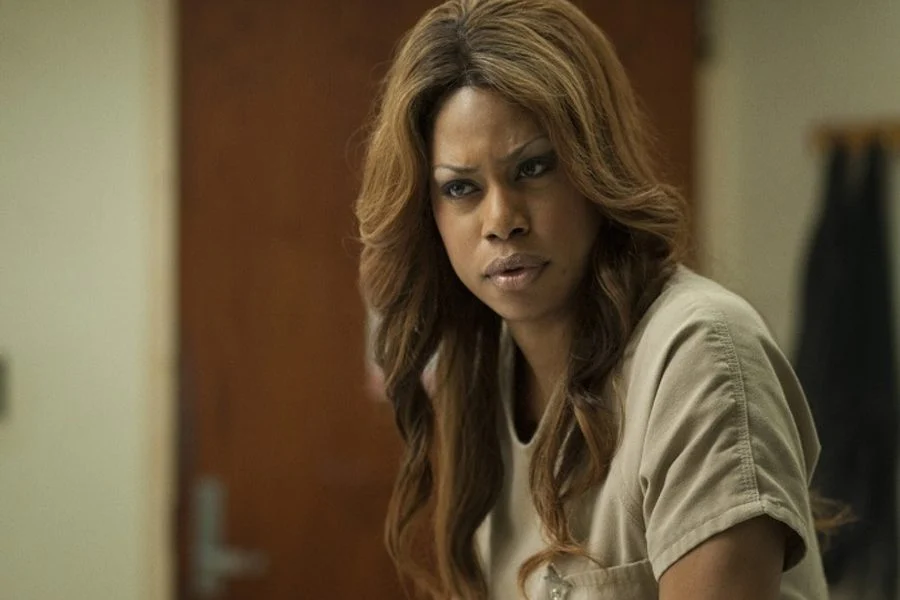
Sophia Burset in ‘Orange Is the New Black’ brought a trans woman’s incarceration experience into a serialized ensemble, with plotlines following access to healthcare, family relationships, and facility policies. The character’s work in the prison salon created a setting for dialogue about safety, dignity, and administrative procedures.
The show depicted specific hurdles—medical provision, segregation, and grievance processes—using Sophia’s perspective to track how institutional decisions affect everyday life. Casting a trans actress in a trans role also marked a production shift that influenced subsequent hiring and writers’ room practices across streaming drama.
David Rose
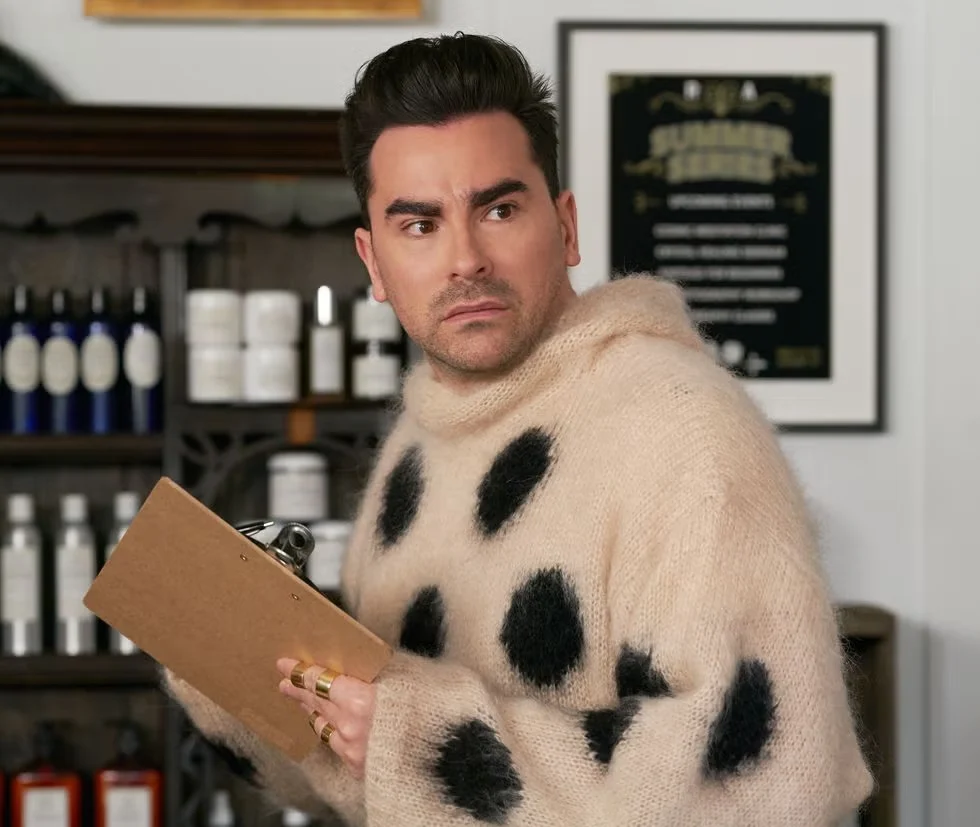
David Rose in ‘Schitt’s Creek’ framed pansexual identity through romance, entrepreneurship, and family dynamics in a small-town setting. His relationship with Patrick developed through business milestones, engagement, and wedding planning, allowing the show to map intimacy onto contract negotiations, holiday episodes, and musical performances.
The writing used David’s professional growth—inventory, branding, and financing at the general store—to parallel personal stability, treating queerness as integrated with aspirations rather than as a conflict engine. This structure offered a template for later comedies that build inclusive arcs around work, love, and community rituals.
Callie Torres
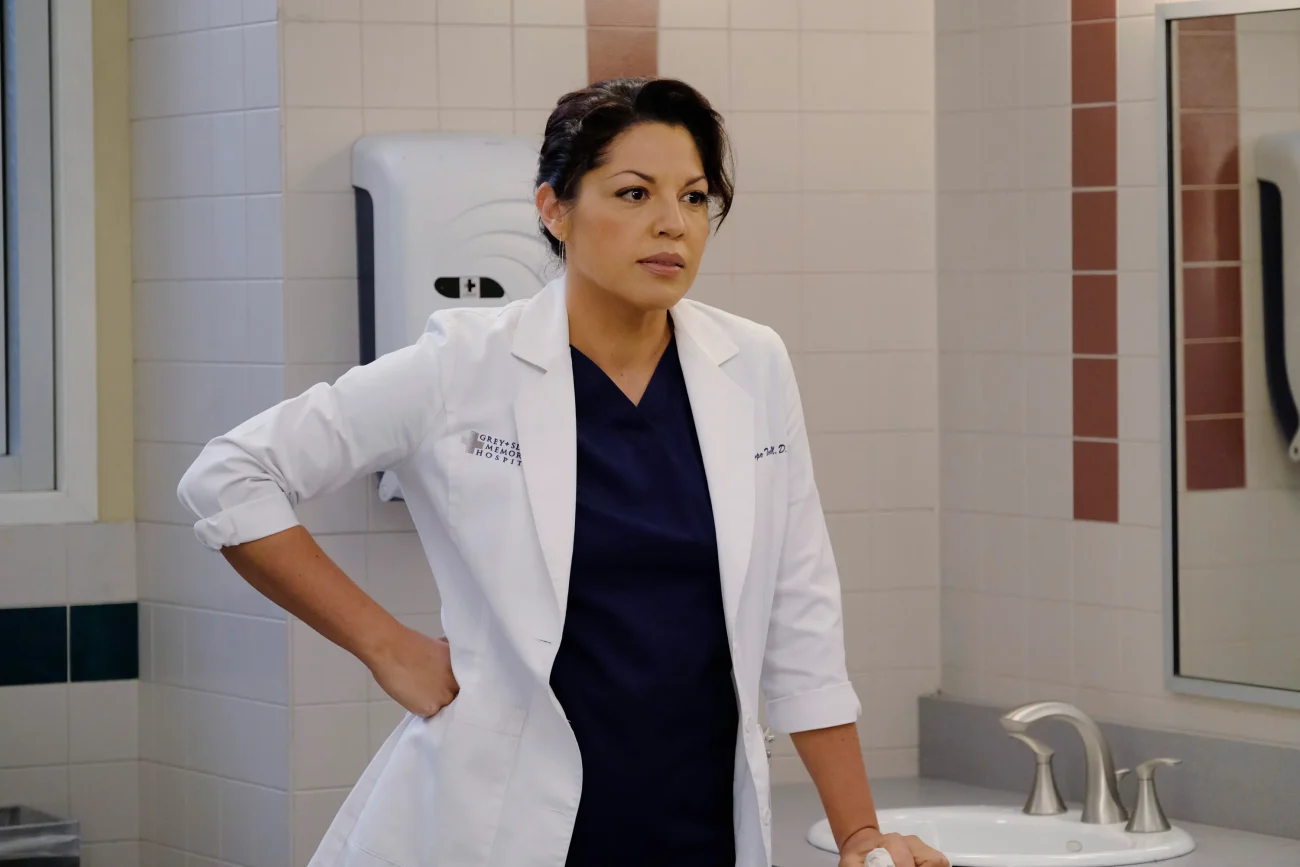
Callie Torres on ‘Grey’s Anatomy’ delivered one of network TV’s longest-running bisexual storylines, interwoven with surgical specialties, research, and hospital governance. The character’s relationships spanned marriage, separation, and co-parenting, with custody and career moves driving season-long arcs.
By placing orientation alongside operating-room cases, grants, and board decisions, the series showed how identity plays out over years of professional development. The role has been cited in discussions of how medical dramas handle policy shifts around benefits, parental leave, and workplace equity.
Eric Effiong
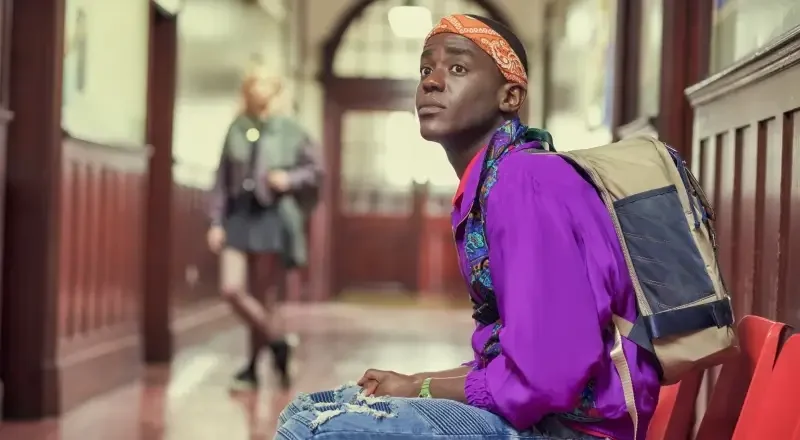
Eric Effiong in ‘Sex Education’ connected queer teenage life to school policy, faith, and migration narratives, using friendships and family scenes to explore acceptance and safety. Episodes tracked uniforms, dances, bullying responses, and disciplinary procedures as parts of Eric’s world, not side notes.
International travel, church community, and tailoring become anchors for self-expression, giving the show tools to depict negotiation between tradition and modern campus culture. By aligning Eric’s arc with administrative decisions and peer dynamics, the series provided a detailed model for teen storytelling that addresses identity and institutional design.
Jules Vaughn

Jules Vaughn in ‘Euphoria’ positioned a trans teenage girl at the center of a visual-driven drama focused on desire, consent, and digital life. The character’s friendships and romances unfolded alongside scenes of therapy, transition-related care, and online communication, grounding stylized sequences in concrete routines and choices.
Scripts connected Jules’s autonomy to the show’s broader examination of technology—text threads, location sharing, and social media—so that identity and platform behavior informed each other. This approach influenced how subsequent teen series structure episodes around phones, privacy, and real-time decision-making.
Nomi Marks

Nomi Marks in ‘Sense8’ integrated a trans hacker into a global sci-fi ensemble, linking identity to skills, chosen family, and trans-national stakes. The character’s plotlines included medical consent, legal documents, and activist networks, with action sequences tied to community resourcefulness and knowledge-sharing.
By weaving hospital scenes, pride events, and data work into chase and heist frameworks, the series demonstrated that inclusive characterization can drive genre mechanics. The show’s production also collaborated with LGBTQ+ consultants and location communities, influencing later sci-fi series to pair representation with on-the-ground logistics.
Blanca Evangelista
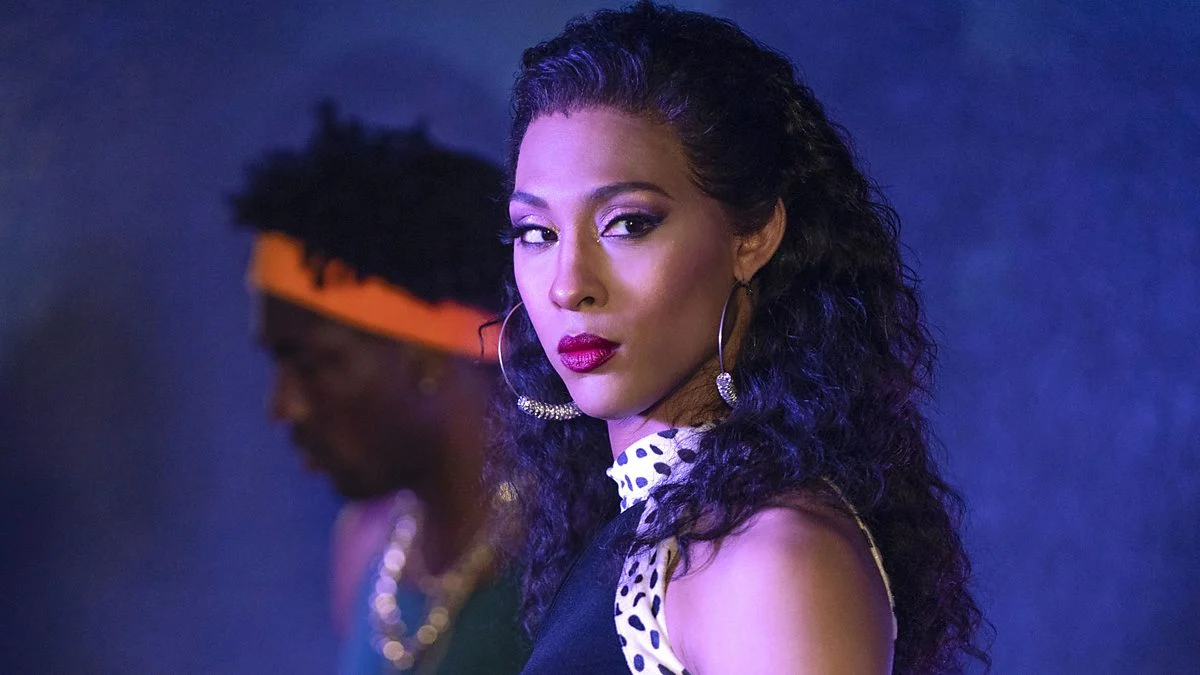
Blanca Evangelista in ‘Pose’ centered a house mother navigating healthcare, housing, and ballroom competition, connecting personal goals to New York’s social-service systems. Episodes followed clinic visits, apartment hunting, and workplace training, grounding ballroom triumphs in everyday procedures.
The character’s mentorship and house leadership created a narrative structure for introducing younger characters to resources, rules, and history. By tying victories on the floor to progress with landlords, employers, and doctors, the show mapped how community networks function alongside formal institutions.
Ian Gallagher

Ian Gallagher on ‘Shameless’ traced a working-class gay character’s journey through relationships, employment, and mental-health treatment. The series incorporated enlistment, emergency services training, and neighborhood organizing into his arc, showing how local economies and public services intersect with identity.
Diagnostic and medication storylines were built into seasonal plots rather than special episodes, using family dynamics and South Side settings to depict continuity of care. That structure helped other long-running dramas normalize ongoing treatment alongside jobs, friendships, and housing.
Korra

Korra in ‘The Legend of Korra’ moved a bisexual lead to the foreground of a mainstream animated action series, culminating in an explicitly queer relationship within the show’s final scenes and later official materials. Training, diplomacy, and recovery from injury formed the backbone of Korra’s story, with romance interwoven across arcs.
By articulating a same-gender relationship in a family-audience property, the series established a blueprint for subsequent animated shows to handle romance, character growth, and endgame partnerships while navigating broadcaster standards. Tie-in comics and creator commentary extended that canon beyond the screen.
Captain Jack Harkness

Captain Jack Harkness across ‘Doctor Who’ and ‘Torchwood’ introduced a pansexual action lead whose flirtation and commitment both served narrative ends—from recruiting companions to anchoring spinoff missions. Episodes tied his immortality and leadership to ethical questions about surveillance, triage, and cross-species diplomacy.
Because Jack’s attraction was treated as routine across human and alien contexts, the shows normalized fluid desire within long-running sci-fi continuity. Production used the character to bridge tone between family adventure and adult procedural storytelling, influencing franchise-building strategies that include queer leads.
Nick Nelson
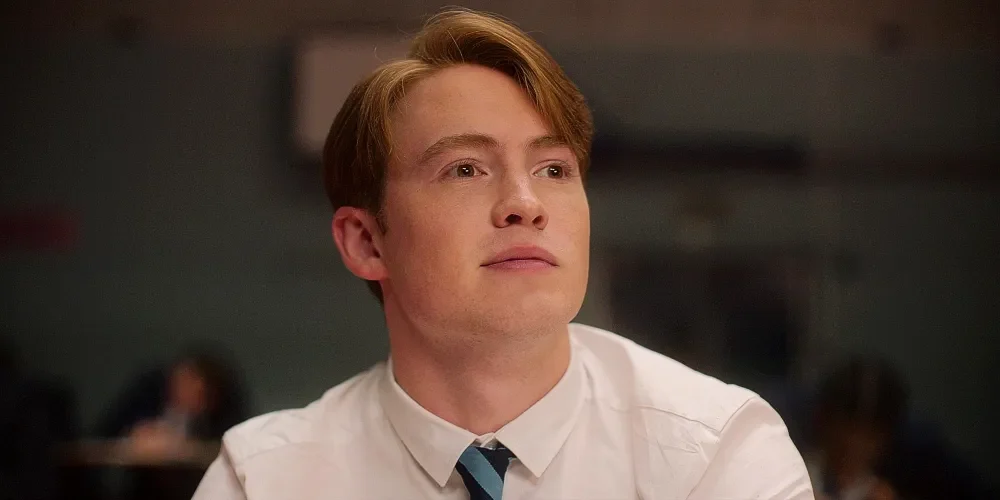
Nick Nelson in ‘Heartstopper’ centered a bisexual teen athlete navigating coming out through friendship groups, family conversations, and school activities. The show structured his discovery process around texting, study sessions, and team events, emphasizing logistics—who is told, when, and how—within gentle, serialized plotting.
By pairing a sports setting with affirming peers and clear procedures for disclosures, the series offered practical scripts for communication that teachers, parents, and students could recognize. Companion materials and cross-media art extended the character’s reach into classrooms and youth discussions.
Paul Stamets
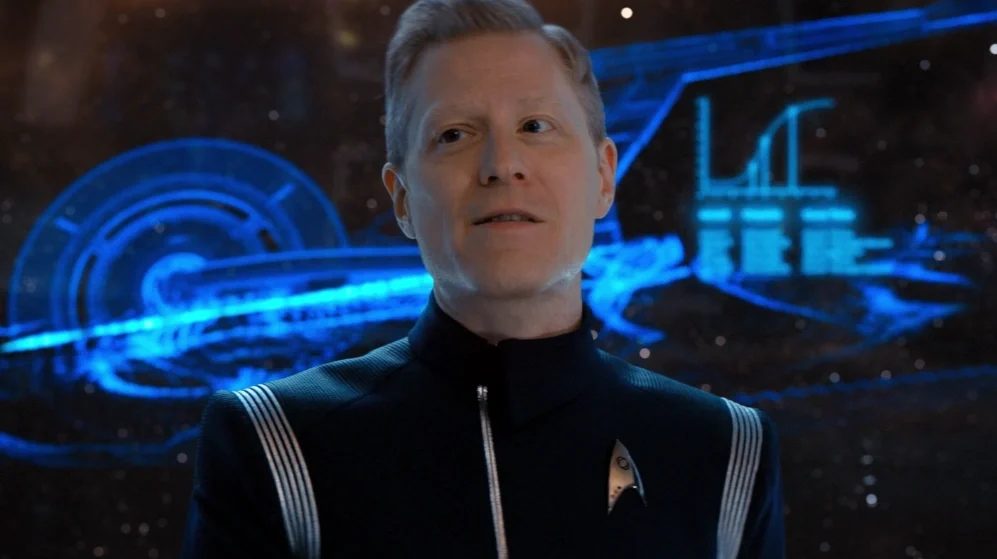
Paul Stamets on ‘Star Trek: Discovery’ introduced a gay senior officer whose relationship with ship’s doctor Hugh Culber unfolded alongside experimental propulsion research. The couple’s on-ship domestic scenes and professional collaborations placed queer intimacy in the middle of mission planning and scientific problem-solving.
Storylines used medical ethics, resurrection science, and chain-of-command challenges to keep the pair integral to season arcs, demonstrating how franchise sci-fi can align inclusive casting with lore expansion. Their presence also opened the door for additional non-binary and trans characters within the same universe, shaping future casting and writers’ room priorities.
Share the LGBTQ+ TV characters who impacted your own viewing in the comments.