Did You Know These 10 Things About ‘Dune: Part One’?

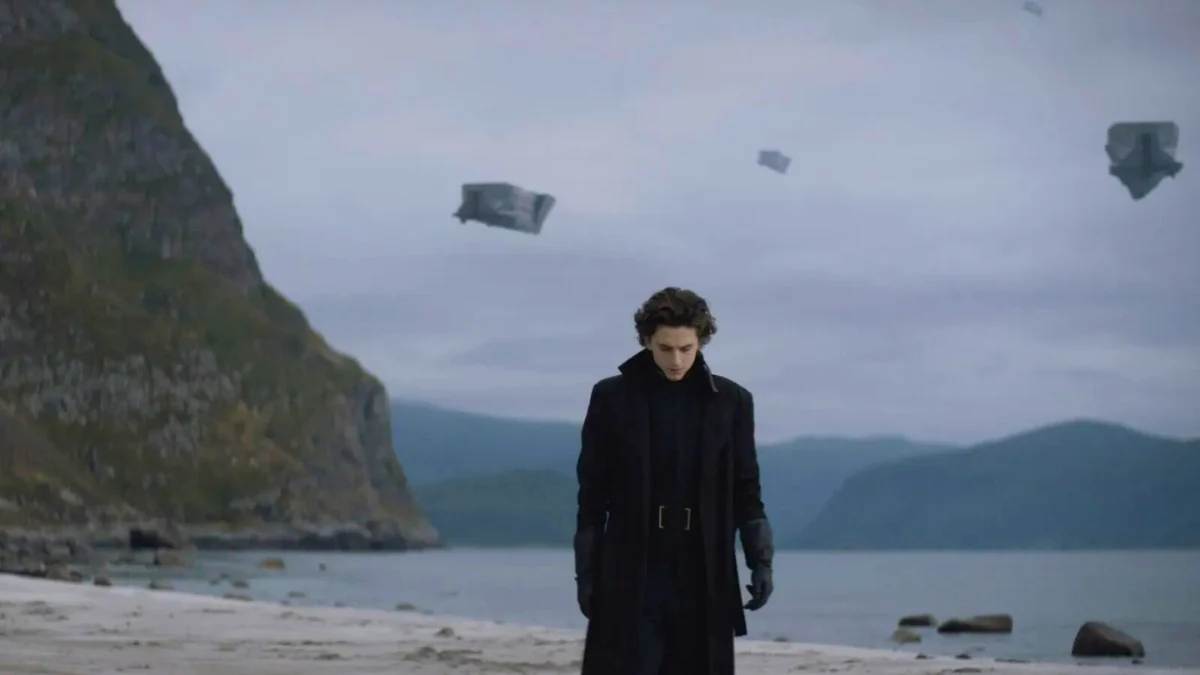

When ‘Dune: Part One’ premiered in 2021, it reintroduced audiences to Frank Herbert’s legendary sci-fi epic with a modern and visually breathtaking adaptation. Directed by Denis Villeneuve, the film covered the first half of Herbert’s 1965 novel, focusing on Paul Atreides’s journey as his family became entangled in the dangerous politics of the desert planet Arrakis. With its stunning visuals, massive scope, and star-studded cast, the movie became both a box office success and an award-winning critical favorite.
The film was celebrated for balancing intimate character drama with epic world-building, cementing itself as one of the most ambitious science fiction movies of the decade. Behind its sweeping deserts and colossal sandworms, there are plenty of fascinating details. Here are ten things you might not know about ‘Dune: Part One’.
Denis Villeneuve Demanded a Two-Part Adaptation
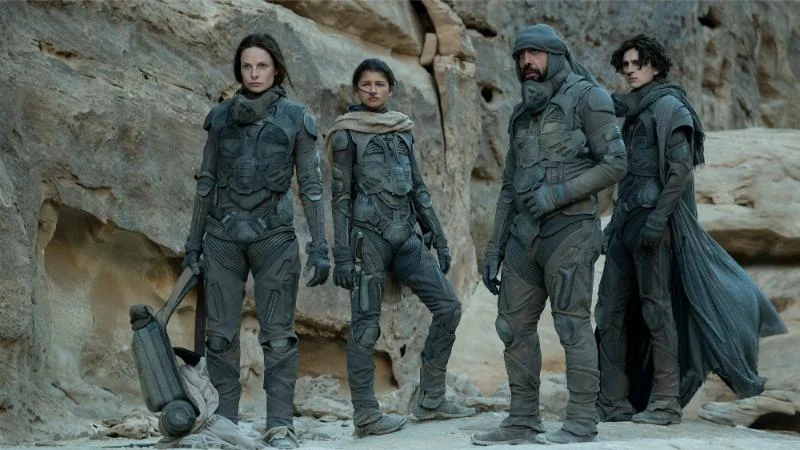
Villeneuve was adamant that Herbert’s novel could not be told in a single film. He structured the 2021 release as only “Part One,” focusing on the rise of Paul Atreides and the fall of House Atreides.
This choice gave space for character development and world-building, paving the way for the continuation in ‘Dune: Part Two.’
Filming Took Place in Harsh Desert Locations
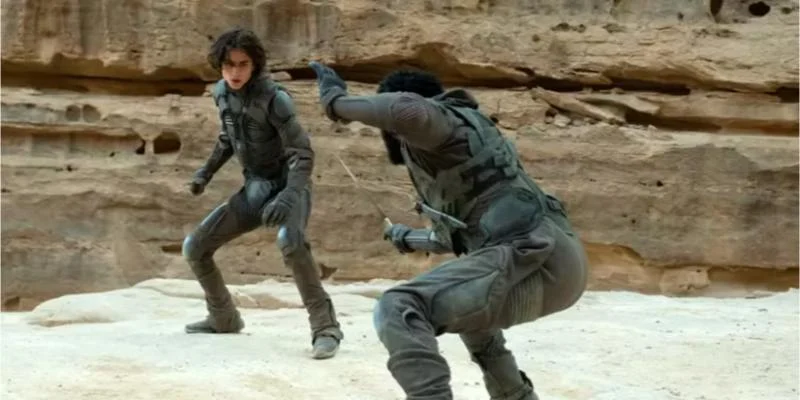
Much of Arrakis was brought to life using real desert locations in Jordan and the United Arab Emirates. Villeneuve wanted the environment to feel tangible and overwhelming.
The grueling desert shoots helped immerse the cast and crew, adding authenticity to the struggle of surviving in such a hostile world.
Timothée Chalamet Was the First Choice for Paul Atreides
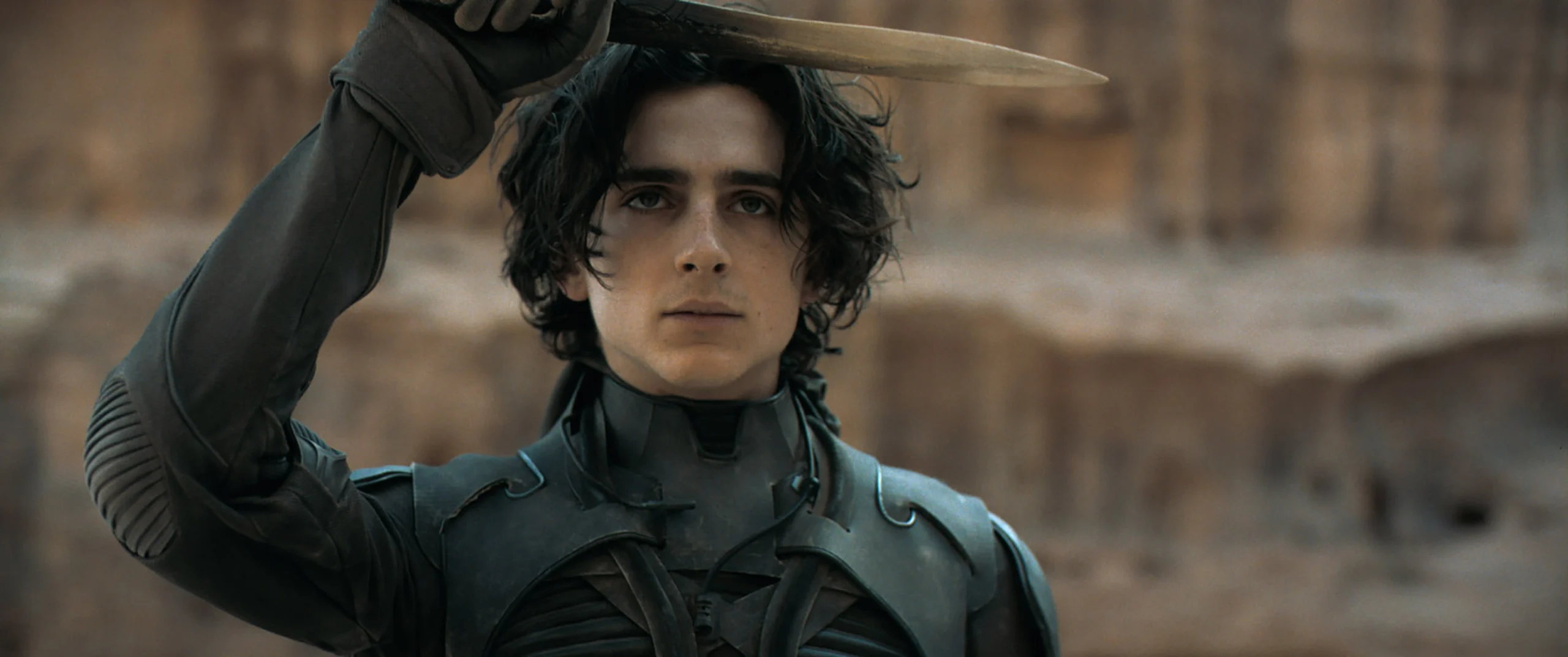
Villeneuve had Timothée Chalamet in mind from the start to play Paul. He admired Chalamet’s ability to blend youthful vulnerability with intensity.
Chalamet studied sword fighting, desert survival, and Herbert’s novels to prepare for the role, grounding his performance in both realism and myth.
Lady Jessica’s Role Was Expanded
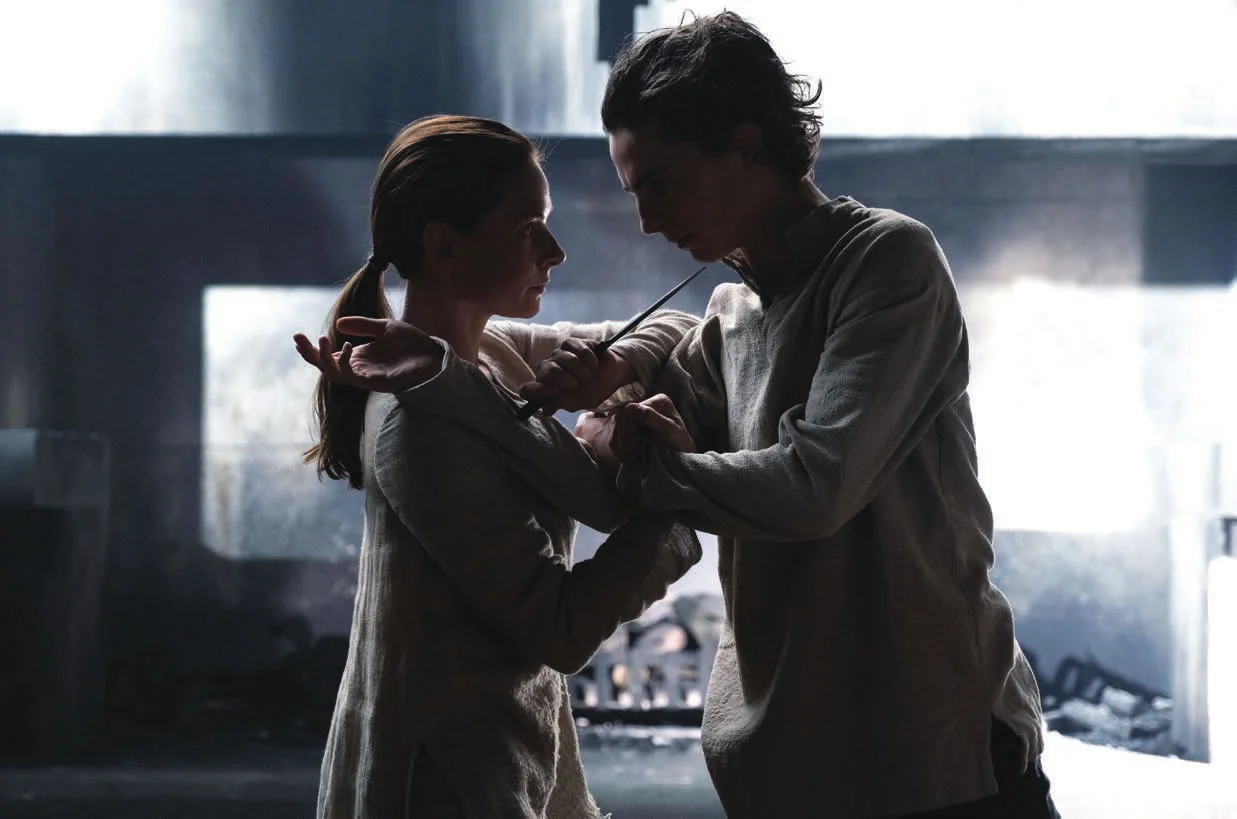
Rebecca Ferguson’s portrayal of Lady Jessica emphasized both her strength as a Bene Gesserit and her vulnerability as a mother. Villeneuve wanted her role to feel as important as Paul’s.
Her dual loyalties—to her son and to her secretive order—added complexity and emotional depth to the story.
The Ornithopters Were Inspired by Dragonflies
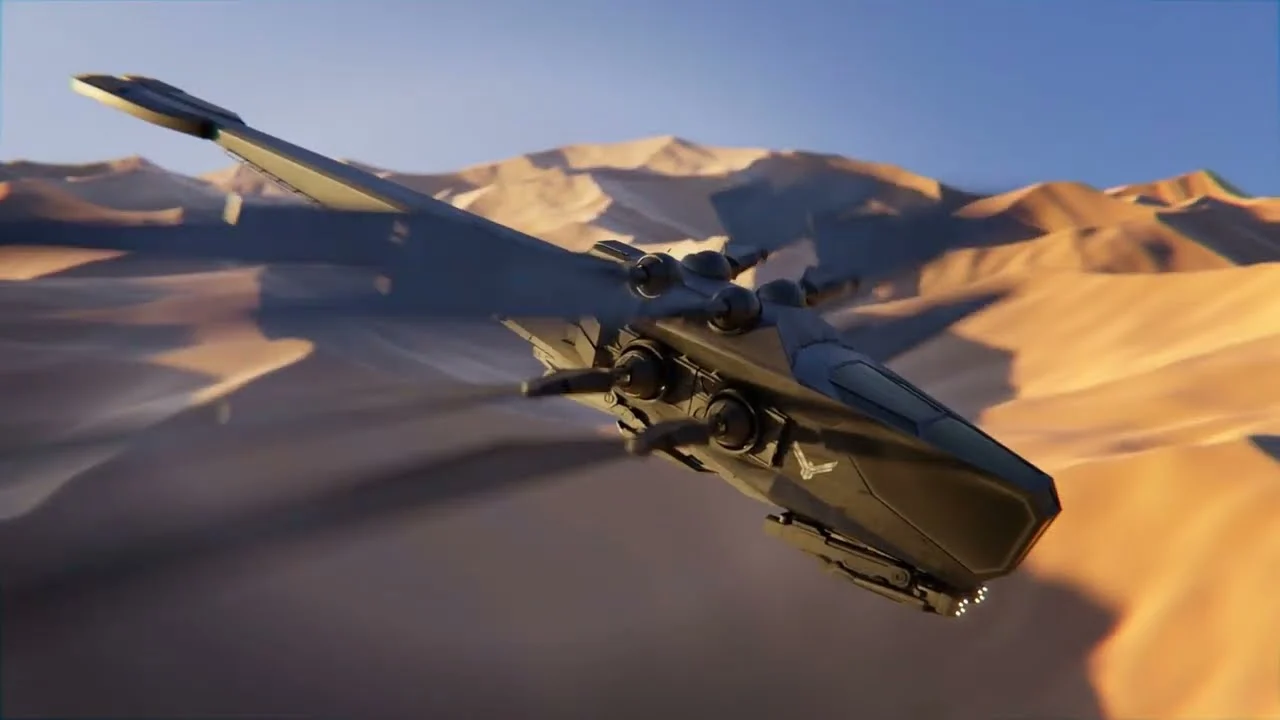
The insect-like ornithopters, with wings that beat like those of dragonflies, were designed to look functional and believable in a desert ecosystem.
Villeneuve worked closely with designers to ensure the machines felt grounded in real-world aeronautics while still futuristic.
Hans Zimmer Created an Otherworldly Soundtrack
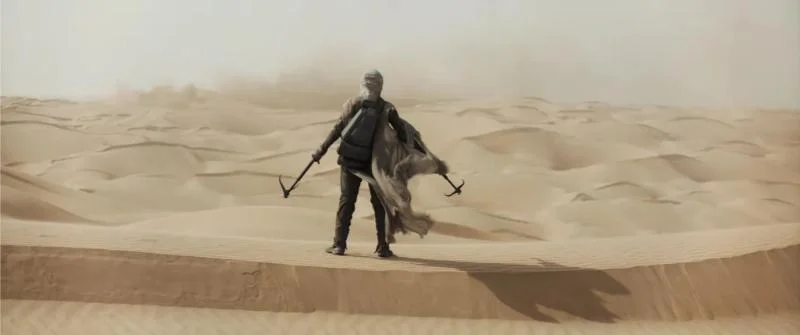
Zimmer, a longtime fan of Herbert’s book, turned down other projects to score the film. He used unusual instruments, throat singing, and experimental techniques to create alien-sounding music.
The soundtrack became one of the film’s most praised elements, adding intensity and mystery to the atmosphere of Arrakis.
The Sandworms Took Years to Design
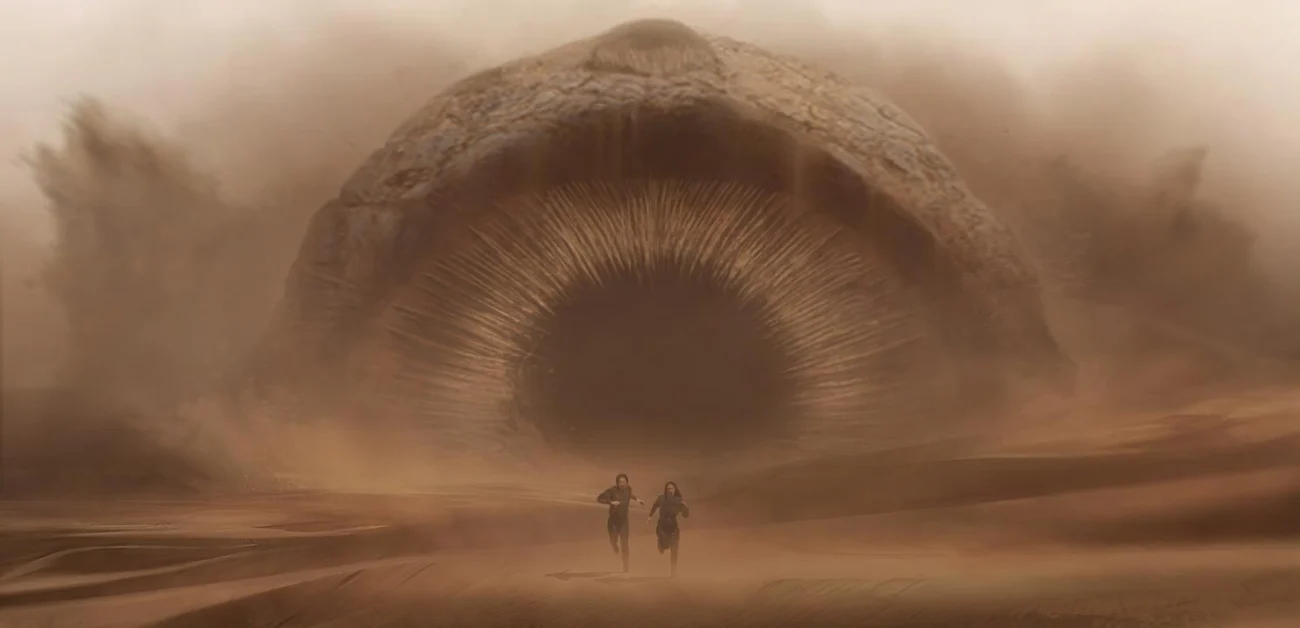
The colossal sandworms of Arrakis were carefully designed to feel both terrifying and majestic. Their textures were inspired by natural creatures such as whales and desert reptiles.
Their immense scale made them central to the film’s visuals, symbolizing the raw, untamable power of Arrakis.
Zendaya Appeared Mostly in Visions

Although heavily featured in trailers, Zendaya’s character Chani appeared mainly in Paul’s dreams and visions in Part One. Her role was intentionally limited to set up her importance in Part Two.
Her presence teased Paul’s destiny with the Fremen and his deeper connection to the desert planet.
The Harkonnen Villains Were Redesigned
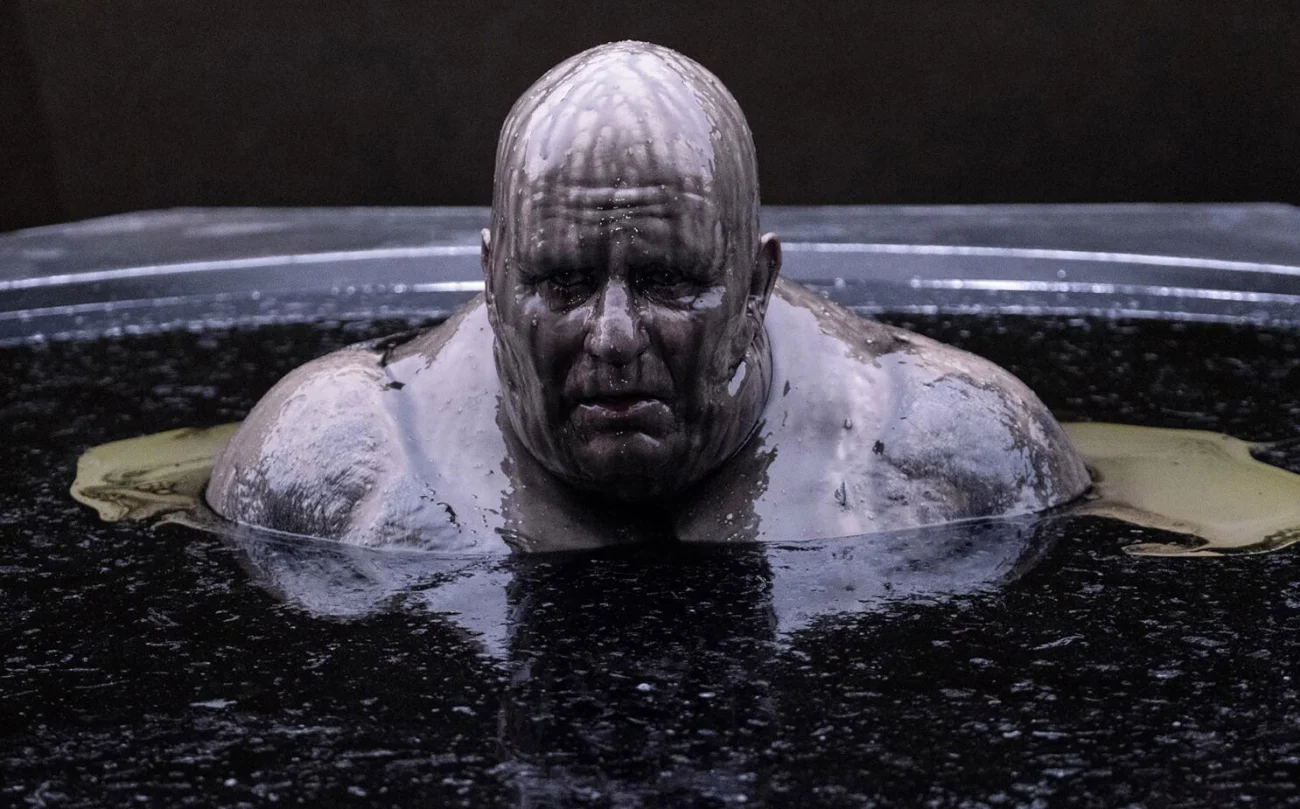
Stellan Skarsgård’s Baron Harkonnen was reimagined as a more grounded and grotesque villain, with practical effects and prosthetics creating his immense size.
The Baron’s eerie presence and quiet menace stood in contrast to the flamboyant villainy of earlier adaptations.
The Film Swept the Technical Oscars
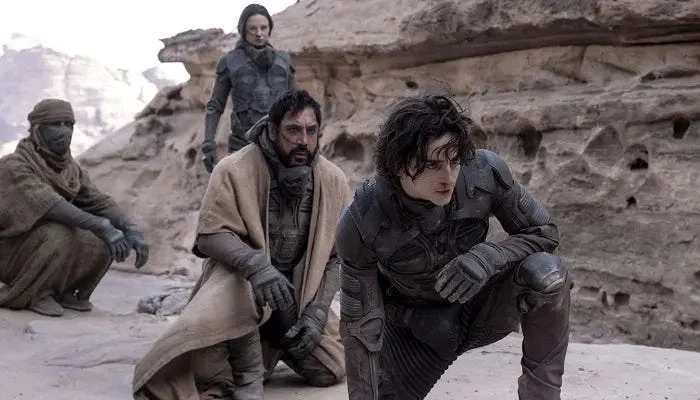
‘Dune: Part One’ won six Academy Awards, including Best Cinematography, Best Editing, Best Visual Effects, Best Production Design, Best Sound, and Best Original Score.
Its technical achievements highlighted how Villeneuve combined practical effects, real locations, and groundbreaking CGI to bring Herbert’s universe to life.
What fact about ‘Dune: Part One’ did you find the most surprising? Share your thoughts in the comments!