Top 20 Anime That Deserve Live Action Movies



Some stories already feel cinematic before any camera rolls. Anime has delivered worlds that are richly built, characters with clear goals, and plots that move with the rhythm of a great feature. The right projects bring finished arcs, memorable visuals, and production friendly details like contained locations or practical effects that can stand beside heavy digital work.
This list gathers series and films with proven audiences, clean hooks, and strong narrative engines. Each entry notes creators, studios, and release facts along with details that matter when planning a feature such as episode counts, existing spin offs, awards, and the kinds of sets or effects a production would actually need.
‘My Hero Academia’ (2016–2024)

This series adapts Kohei Horikoshi’s manga and follows a training academy for young superheroes inside a regulated society. The anime is produced by Bones and spans multiple seasons with theatrical spin offs, a large cast of recurring teachers and students, and arcs that resolve around sports events, internships, and rescue missions that use urban locations and school facilities.
A live action feature has been announced with major producers involved, and the franchise already supports merchandising, games, and exhibitions. The world rules limit power levels through stamina and licensing which makes stunt work and practical choreography central while visual effects focus on signature abilities and crowd scenes rather than full time spectacle.
‘Demon Slayer: Kimetsu no Yaiba’ (2019–2024)
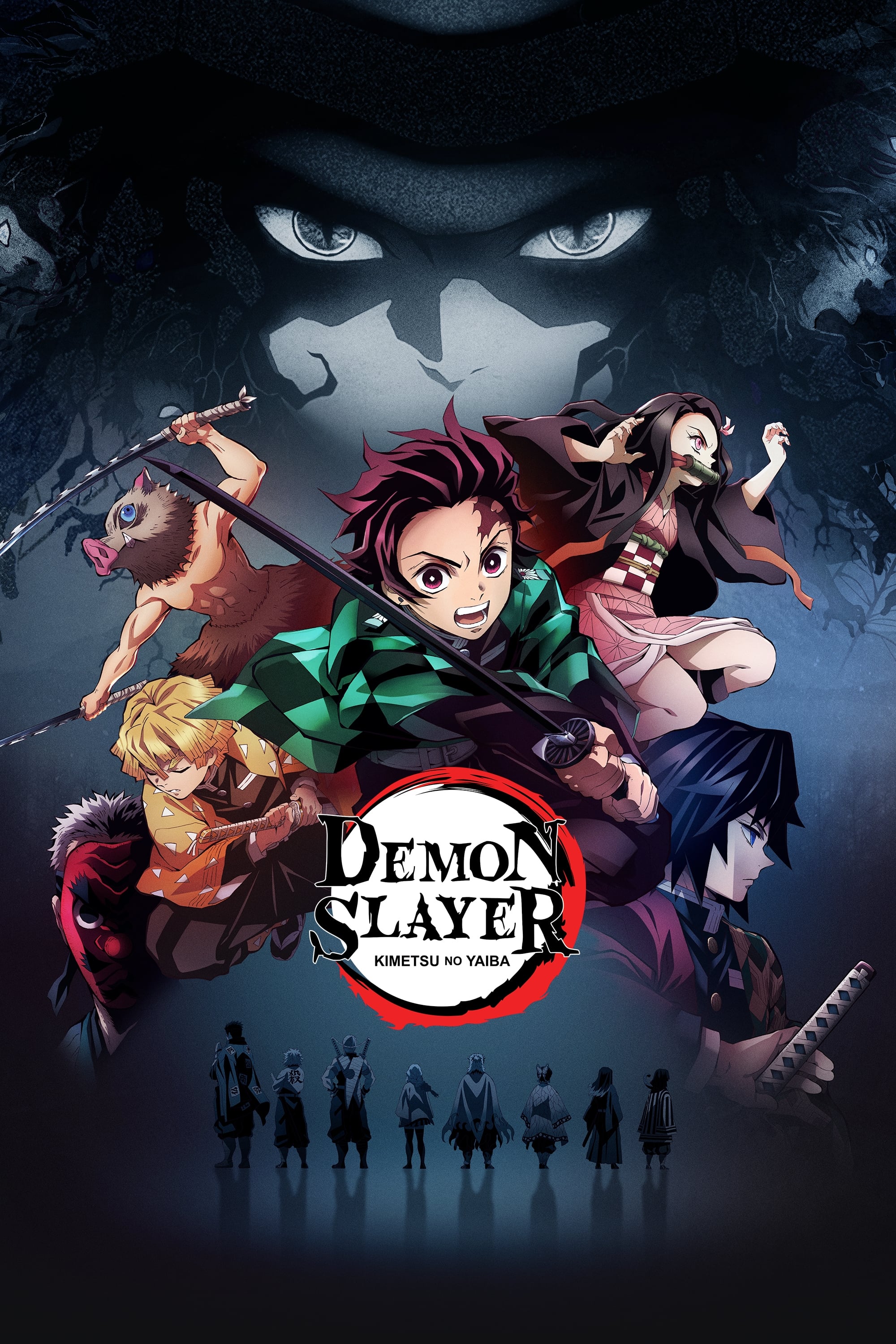
Koyoharu Gotouge’s story follows a demon hunting corps in Taisho era Japan and centers on family bonds and sword forms that map cleanly to staged combat. Ufotable’s anime became a global hit and its theatrical entry set records for a Japanese film worldwide while seasons continue to adapt major arcs with distinct regions, mansions, mountains, and urban districts.
The series uses recognizable ranks within the corps and a clear ladder of antagonists which supports a feature length mission with a defined beginning and end. Costumes, props, and sets draw on historical references which simplifies research and production design while effects work highlights breathing styles and environmental elements like mist, flame, and water.
‘Jujutsu Kaisen’ (2020–2023)

Based on Gege Akutami’s manga, this series tracks a modern sorcery school that battles curses born from human negativity. The anime by MAPPA includes a prequel film titled ‘Jujutsu Kaisen 0’ that succeeded in theaters and built out a larger timeline with consistent lore such as binding vows, domains, and item classifications.
Those systems give screenwriters measurable stakes and let a film select a single case file or a tournament arc with fixed locations like campuses, detention sites, and arenas. The story features visible mentor roles and rival teams that support ensemble casting and choreographed set pieces while visual effects focus on domain expansions and creature work that can be scaled to budget.
‘Vinland Saga’ (2019–2023)
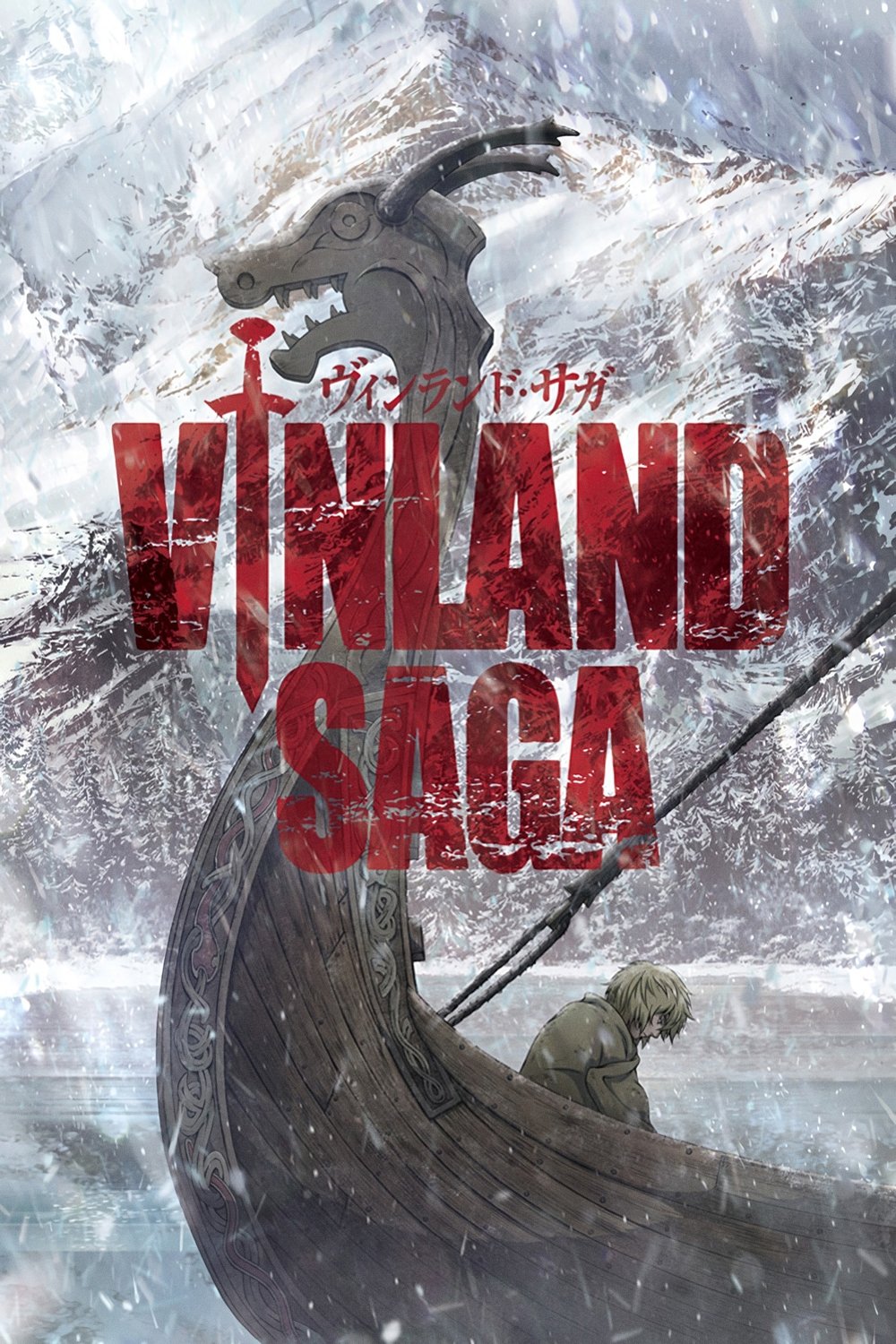
Makoto Yukimura’s historical epic follows Thorfinn across Iceland, England, and continental Europe during the Viking Age. The anime began at Wit Studio and continued at MAPPA with arcs that include mercenary campaigns, farm labor, and political intrigues that draw from documented sites and customs.
The show’s reliance on ships, villages, and fields makes location shooting practical and keeps effects grounded in weather, water, and period combat. Awards for the manga include the Kodansha Manga Award for General Manga which signals strong critical support and a readership that values character growth alongside warfare.
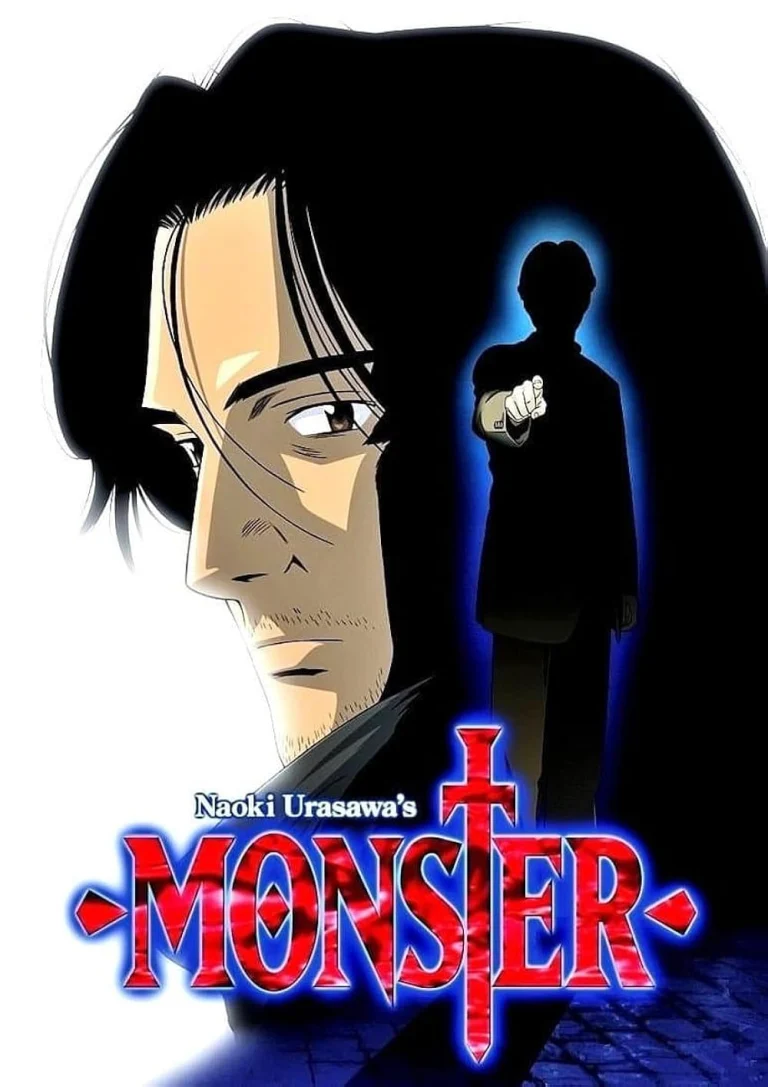
‘Monster’ (2004–2005)

This Madhouse adaptation of Naoki Urasawa’s thriller runs for seventy four episodes and follows a neurosurgeon who pursues a former patient across Europe after a series of murders. The story moves through hospitals, police stations, apartments, and border towns with case files and interviews that build tension through investigation rather than spectacle.
The rights were previously explored for television by major creatives which underscores the material’s flexibility. A feature can select one of the investigation strands set in Prague or Germany, condense side characters who share functions like information leaks or moral tests, and shoot largely on real streets with minimal effects.
‘Psycho-Pass’ (2012–2019)
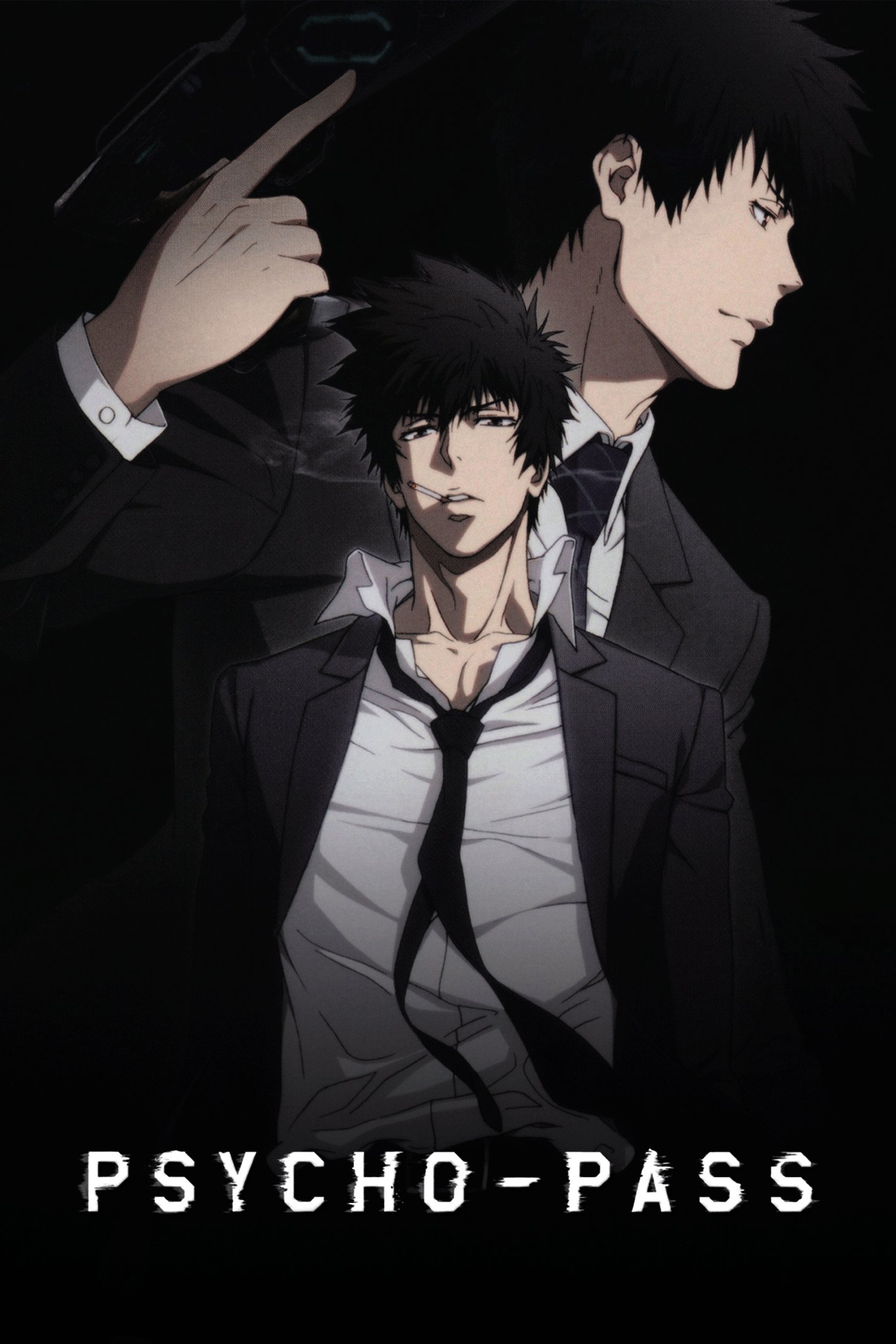
Created by Gen Urobuchi with animation by Production I G, this science fiction series imagines a near future where a system assesses mental states and authorizes law enforcement action. The franchise includes multiple seasons and films that expand jurisdiction rules, crime coefficients, and the role of inspectors and enforcers.
A film can focus on a single case where the system conflicts with local laws which allows a defined city district and a manageable set of interiors such as control rooms, warehouses, and transit lines. Props and costumes follow a uniform style that simplifies wardrobe while effects center on weapon discharge, holographic interfaces, and city signage.
‘Code Geass: Lelouch of the Rebellion’ (2006–2008)
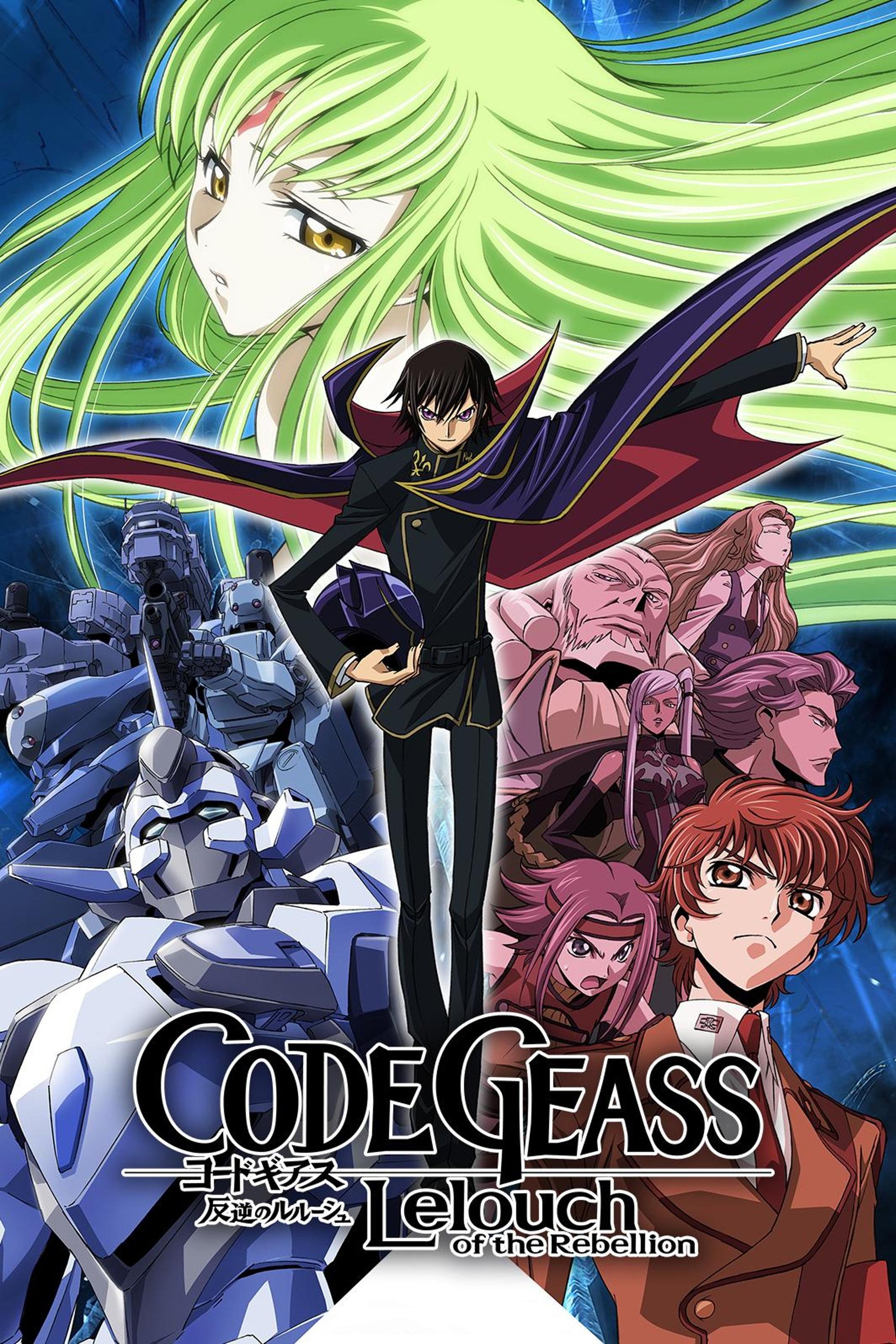
Sunrise produced this series about rebellion, mecha strategy, and a supernatural command that compels obedience. The anime released compilation films and a continuation feature that organize major arcs around school life, covert cells, and battlefield operations with identifiable fronts and royal estates.
Mecha elements scale from cockpit interiors and partial builds to wide shots that rely on digital work. Political factions and student settings provide human scale drama that carries a feature even with limited robot screen time, and the recognizable masks and insignia support marketing and prop design.
‘Berserk’ (1997–1998)
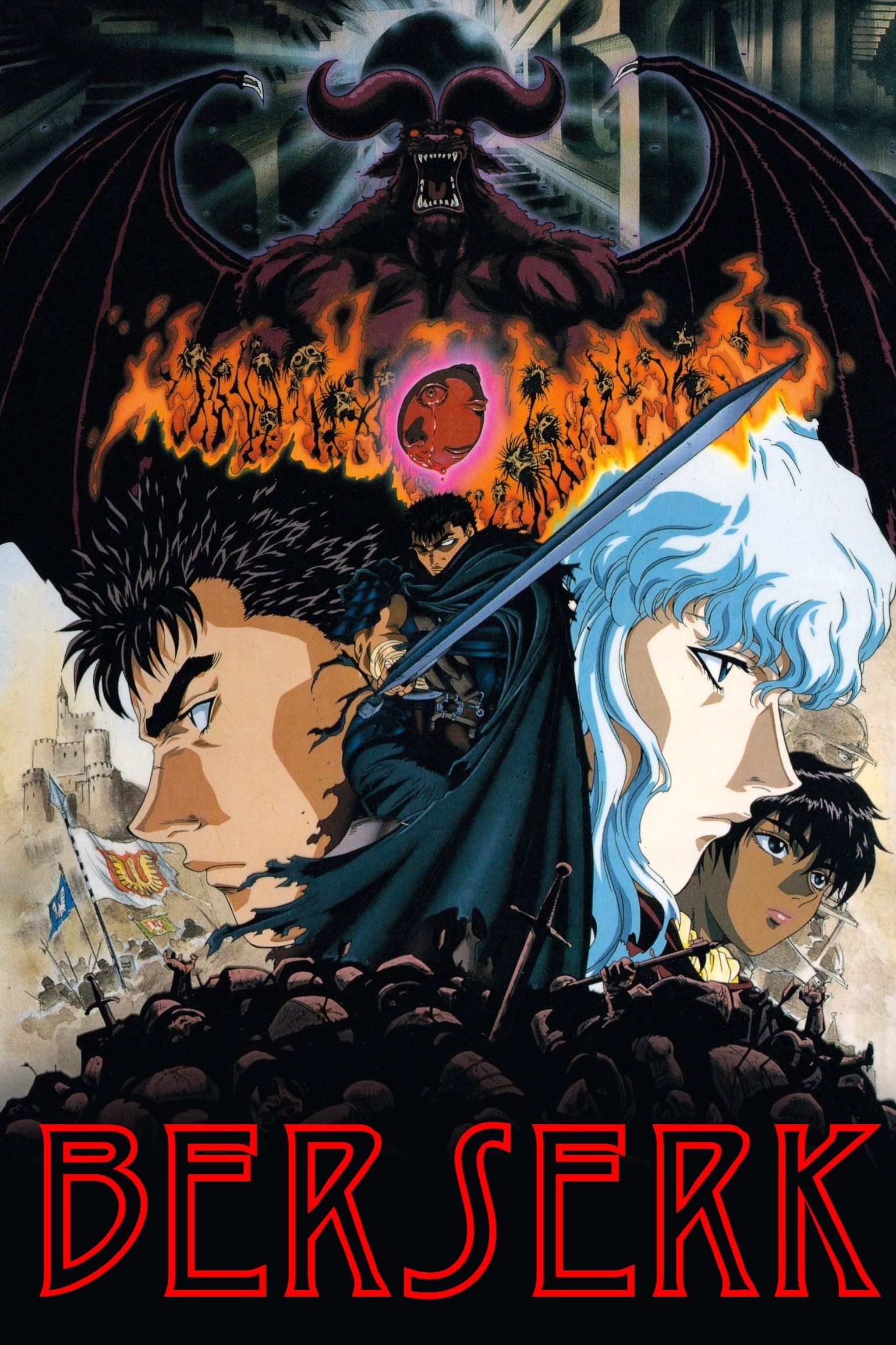
Kentaro Miura’s dark fantasy follows the Band of the Hawk through medieval campaigns before a catastrophic turning point. The original anime covers the Golden Age arc while later films retell those events with updated visuals, and subsequent series pursue the aftermath with new companions and locations.
Production favors castles, camps, forests, and city streets that can be assembled on stages and in outdoor locations. Practical armor, blades, and siege equipment handle much of the action while creature effects can be concentrated in a final sequence, allowing a feature to prioritize performances and grounded combat until the climax.
‘Trigun’ (1998)
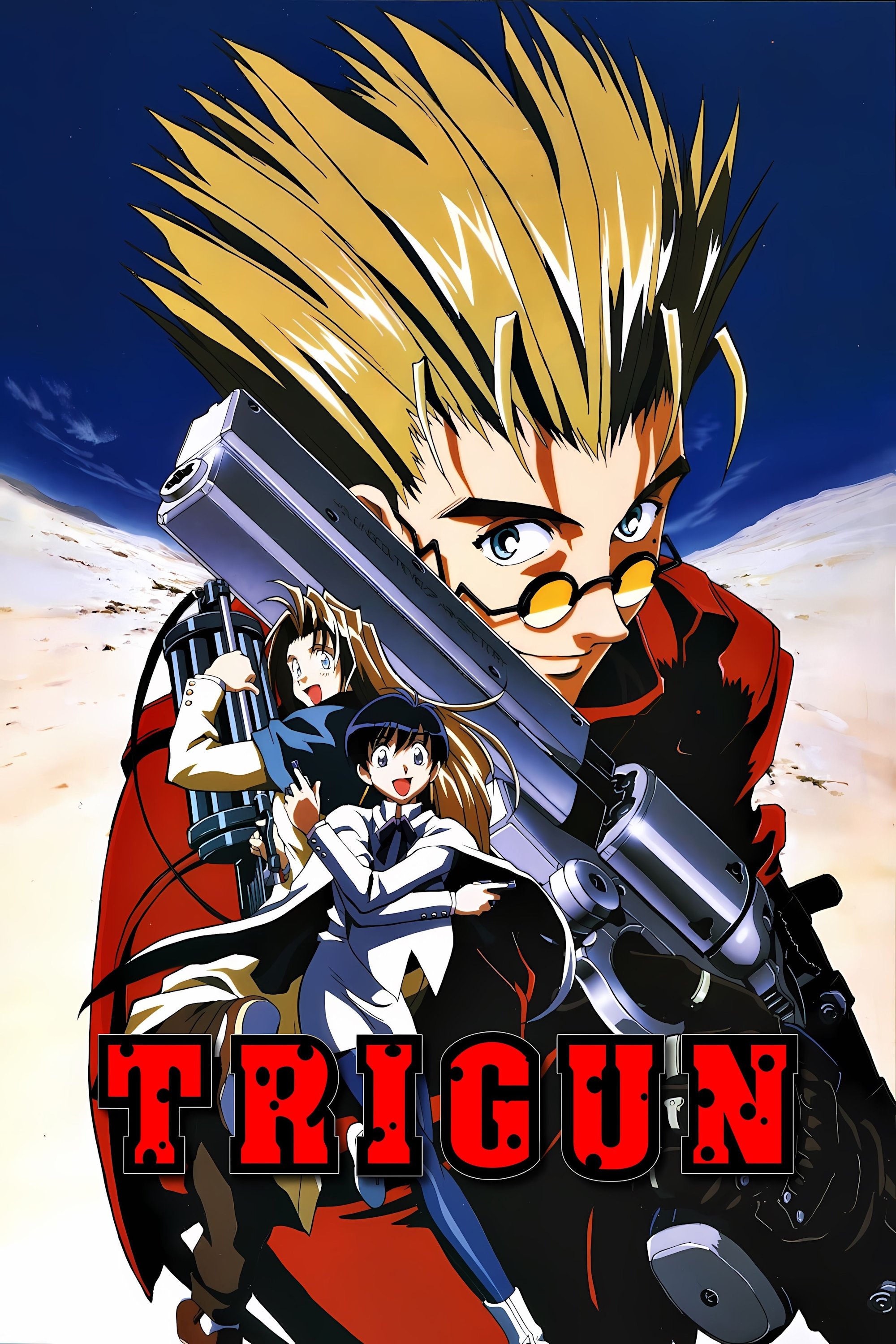
Yasuhiro Nightow’s work centers on a gunman with a huge bounty who crosses a desert planet marked by colonial towns and corporate power. The anime delivered a self contained theatrical film and later returned with ‘Trigun Stampede’ which reimagined designs and explored the setting’s technology and geology.
A feature can use frontier settlements, trains, and industrial plants that echo classic western staging with science fiction detail layered through props and set dressing. The twin brother conflict and the mysteries around energy plants give a clear plot spine while action scenes rely on shootouts, chases, and controlled explosions.
‘Black Lagoon’ (2006–2011)
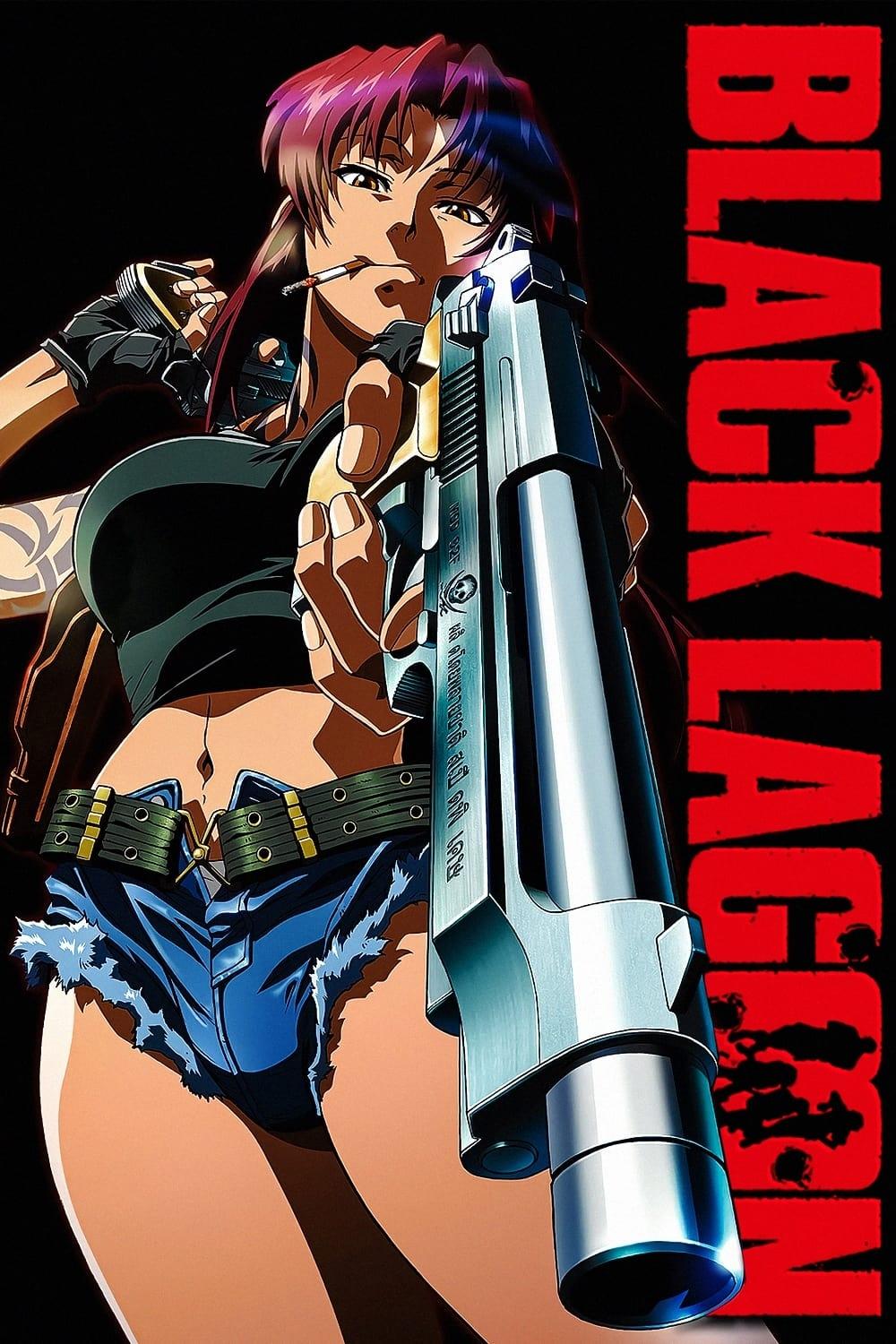
This series follows a small crew that runs deliveries and extraction jobs in a criminal port city. Madhouse animated the show and an original video animation continued the story with a five episode arc that focused on a single client and a relentless pursuer.
Filming can center on docks, bars, mansions, and jungle outskirts that exist in many regions with film friendly infrastructure. The show’s job based structure supports a one mission feature with a defined timeline, and the arsenal and vehicles are rooted in real models that experienced stunt teams and armorers already manage.
‘Samurai Champloo’ (2004–2005)

Directed by Shinichiro Watanabe, this Edo period road story pairs two swordsmen and a waitress searching for a person with a sunflower scent. Episodes move through inns, festivals, checkpoints, and rural villages with guest characters tied to local disputes.
A film can select a stretch of the journey and use historical towns and countryside already used by Japanese period productions. The soundtrack legacy shows how music integrates with action, and training for stylized swordplay and break inspired movement fits within existing stunt programs for period pieces.
‘Haikyu!!’ (2014–2020)

This sports anime adapts Haruichi Furudate’s manga and follows a high school volleyball team through practice, training camps, and official tournaments. Production I G delivers matches with clear court geography, rotations, and tactics that translate to live filming with multi camera coverage and choreography.
The franchise has arena events and recent animated films that cap major arcs which helps define a feature length bracket like a regional final. Real teams and venues exist for scouting, uniforms and equipment are standardized, and the cast size aligns with ensemble sports films that balance starters and bench roles.
‘Kuroko’s Basketball’ (2012–2015)

Based on Tadatoshi Fujimaki’s manga, this series follows rival schools and a team built around a playmaker who specializes in misdirection. The anime includes high profile showdowns with signature skills, clear rivalries, and gym settings that allow controlled lighting and repeatable blocking.
A feature can focus on a single winter cup run with a handful of opponents and an emphasis on training montages and time out strategy sessions. Costumes, props, and locations remain simple while camera rigs capture speed and verticality, and the soundtrack can lean on contemporary styles that match the series tone.
‘Dr. Stone’ (2019–2023)

This science adventure series from Riichiro Inagaki and Boichi follows rebuilding civilization after a global petrification event. The anime by TMS Entertainment structures progress through specific inventions such as glass, antibiotics, and radio which gives a production tangible milestones and educational beats.
Locations include forests, rivers, caves, and a village that evolves across arcs which suits modular set construction. Practical effects support tools, furnaces, and chemical reactions, and visual effects assist with wide shots of reclaimed cities and the petrification phenomenon that brackets the story.
‘Hunter x Hunter’ (2011–2014)

Madhouse adapted Yoshihiro Togashi’s manga with arcs that shift from an exam to auctions, a tower, and an extended campaign with specialized powers. The power system uses contracts and restrictions that define costs and abilities which helps a film keep rules clear for audiences.
A feature can choose the exam or Yorknew City arcs which concentrate on urban sets, underground markets, and tournament floors. The core group forms a balanced ensemble and the tone ranges from adventure to thriller, and that flexibility lets casting and design lean into grounded textures while reserving visual effects for key abilities.
‘Naruto’ (2002–2017)

Studio Pierrot adapted Masashi Kishimoto’s manga across the original series and ‘Shippuden’ with storylines that cover academy years, village politics, and international conflicts. The franchise spans hundreds of episodes and multiple animated films with a broad roster of clans, techniques, and mentors.
A feature can focus on a mission during the Chunin Exams or a retrieval operation which reduces locations to arenas, forests, and hideouts. Costuming follows clan motifs and hidden village symbols that are easy to reproduce at scale, and wire assisted movement and enhanced photography handle martial arts while visual effects highlight select jutsu.
‘Neon Genesis Evangelion’ (1995–1996)
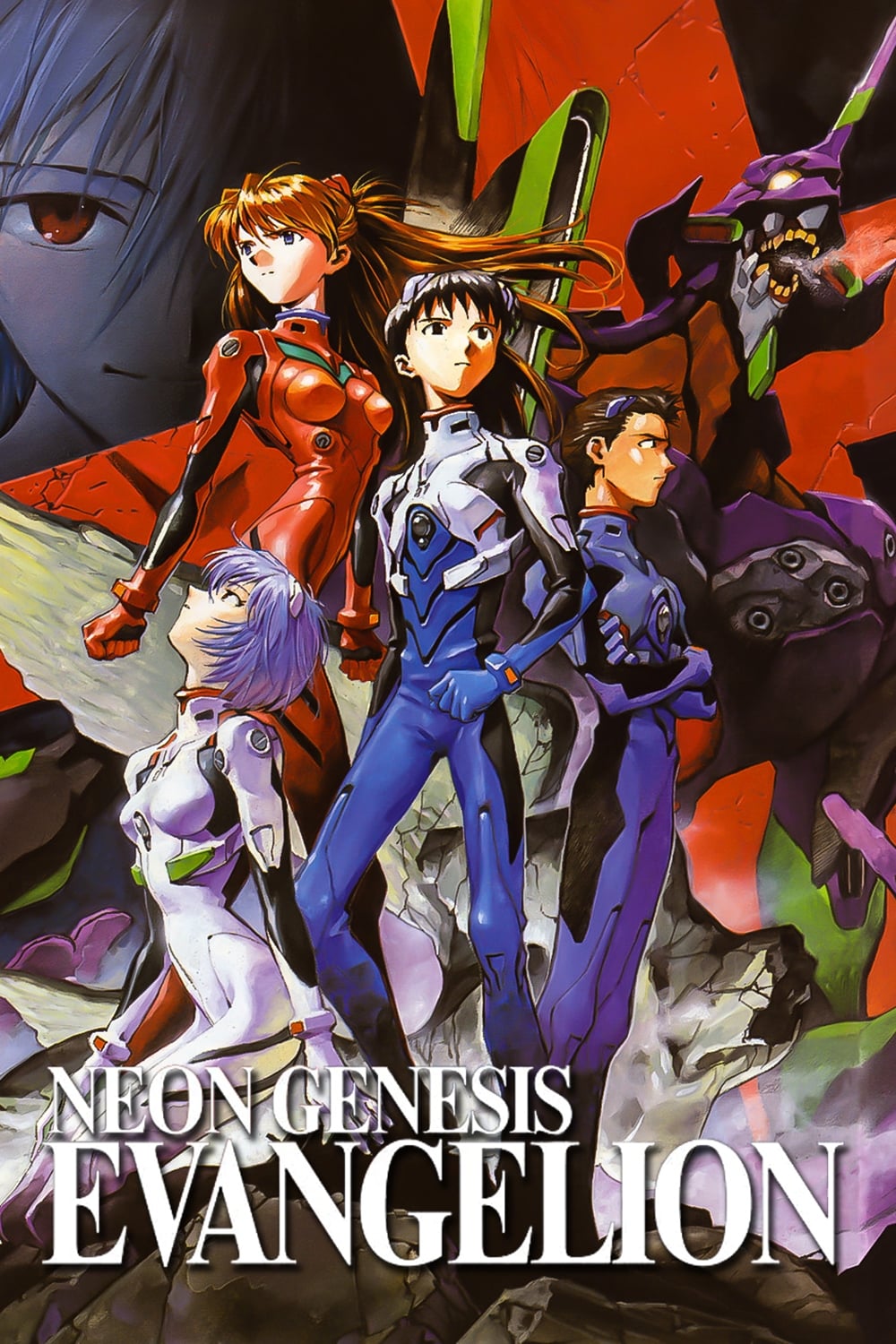
Gainax produced this landmark series about teenagers piloting biomechanical giants against beings called Angels while dealing with psychological pressure and secrecy. The franchise later released a cycle of films that reinterpreted the story and expanded visuals and settings.
Live action staging can use command rooms, shelters, and hangars that fit within existing industrial locations. City defense protocols and evacuation drills support crowd management plans for filming, and effects work focuses on selective encounters with Angels while cockpit scenes and suits anchor performances.
‘Akira’ (1988)
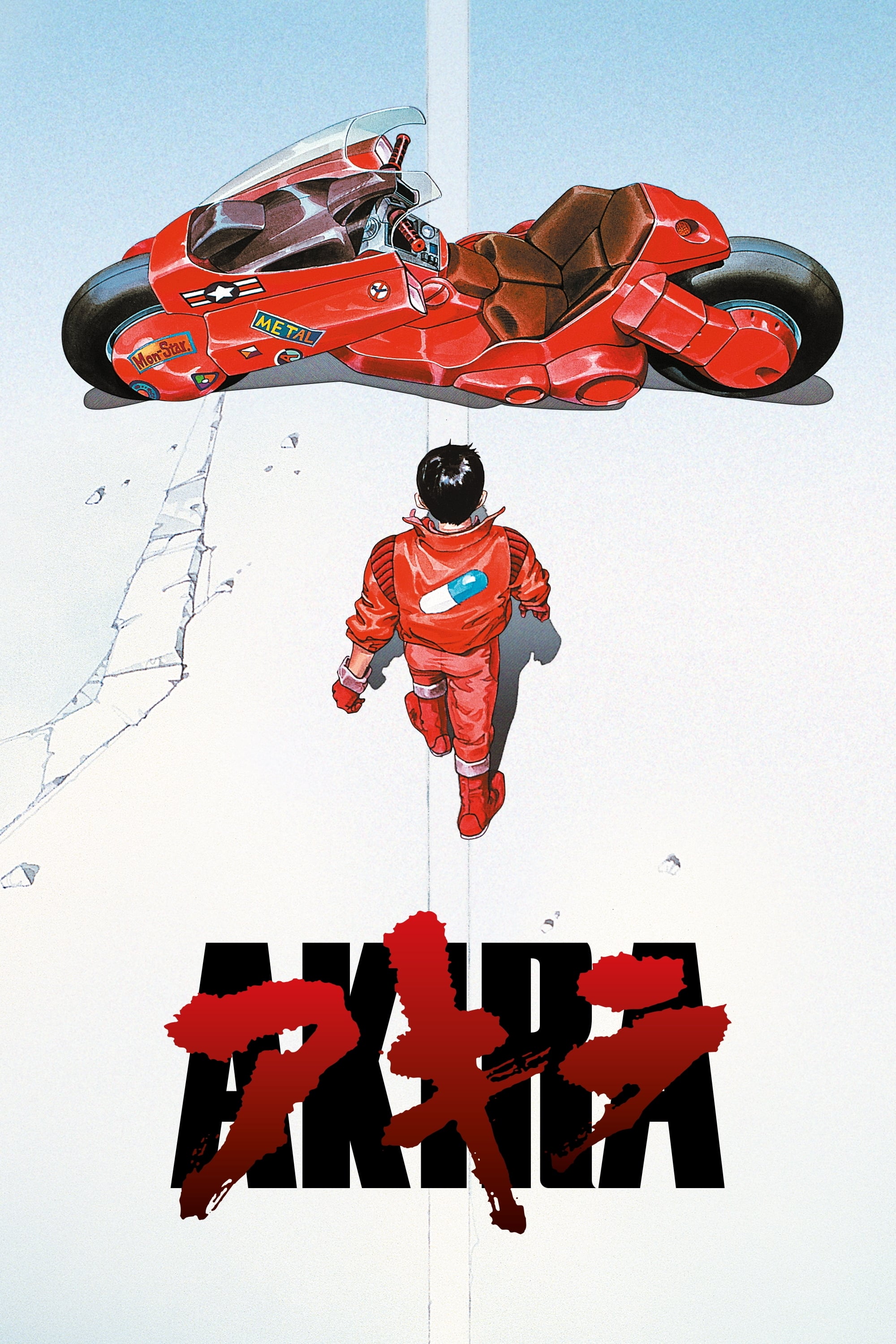
Katsuhiro Otomo directed this anime film set in a rebuilt Tokyo after a catastrophic event that involved psychic powers. The narrative follows a biker gang conflict that escalates into government experiments and urban destruction, and the movie’s layouts remain a reference point for animators and filmmakers.
Rights for a live action version have moved through development with well known studios, and the source material includes manga volumes that expand characters and institutions. Production design leans on bikes, military facilities, and neon drenched streets, and controlled miniature work and digital tools can replicate the iconic collapse and energy effects.
‘Ergo Proxy’ (2006)
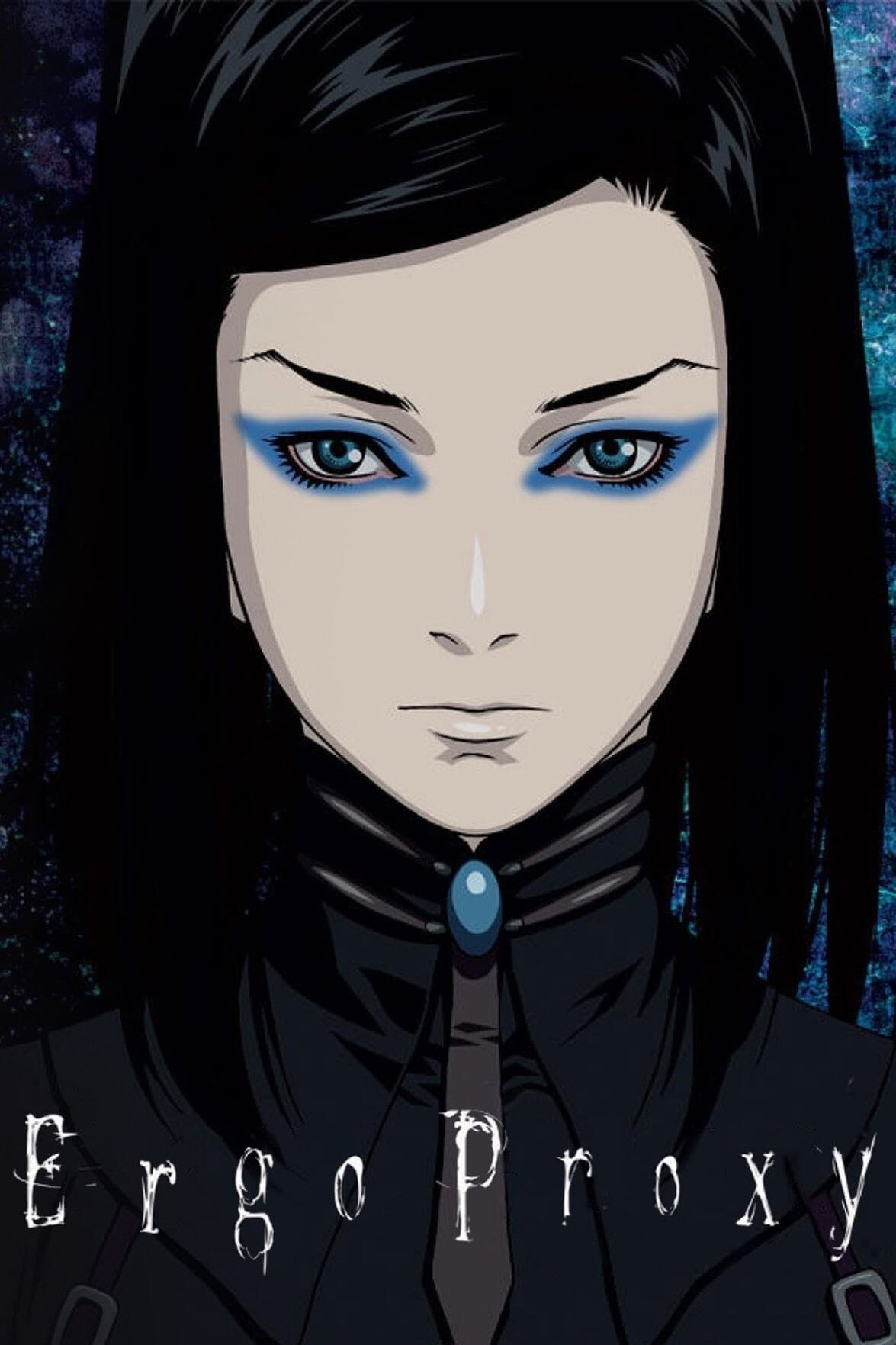
Manglobe produced this science fiction series that mixes philosophy and detective work inside domed cities and wastelands. The plot follows a young inspector and an advanced android as they explore questions around identity and control with episodes that move through labs, housing blocks, and tunnels.
A film can set most scenes in a single city with a handful of exterior excursions which keeps sets and schedules focused. Costume design favors uniforms and worn civilian styles while effects support atmosphere, displays, and creature forms that appear sparingly, allowing sound design and lighting to carry tone.
‘Frieren: Beyond Journey’s End’ (2023–2024)

This adaptation of Kanehito Yamada and Tsukasa Abe’s manga follows an elf mage who outlives her party and retraces their path to understand what their time together meant. Madhouse animated the series with careful attention to changing seasons, small towns, and quiet interiors that support dialogue and reflection.
Awards for the manga include a major bookstore prize which helped drive readership before the anime premiere. A feature can choose a single leg of the journey and intercut present travel with brief memories, which reduces cast size and locations while preserving the theme through letters, keepsakes, and revisited landmarks.
‘Rurouni Kenshin’ (1996–1998)

This historical series adapts Nobuhiro Watsuki’s manga about a former assassin who vows never to kill and wanders during the early Meiji period. The story moves between rural clinics, inns, and city streets with duels that emphasize footwork and weapon forms.
The period setting uses kimonos, swords, and signage that are already maintained by rental houses and studio backlots. Arcs introduce antagonists with personal ties and clear goals such as protecting a dojo or stopping a scheme which shapes a two hour plot with training, escalation, and a final duel.
Share the anime you would put on the big screen in the comments.