Top 20 Celebrity Crybabies

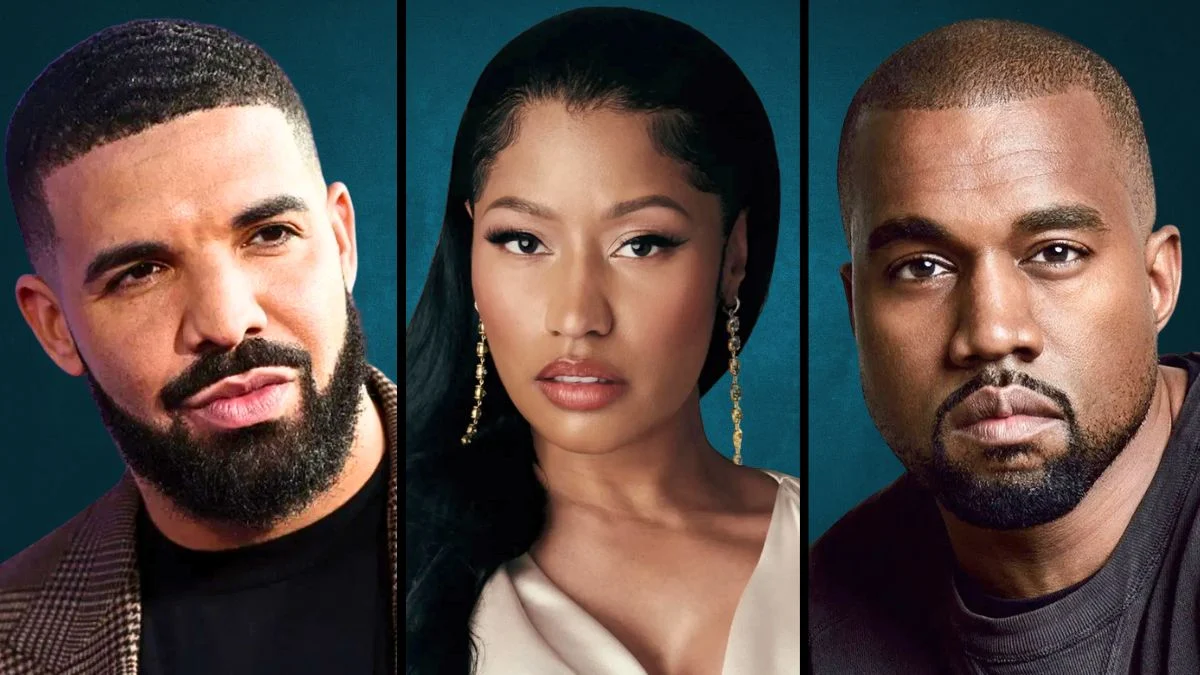

Celebrity life unfolds in public, which means frustration often shows up on timelines, red carpets, and press tours. Awards categories spark disputes, contract terms get aired online, and scheduling conflicts become headline news. The pattern is easy to spot when the same names keep returning to the conversation after calling out institutions, colleagues, or coverage.
This list looks at stars who repeatedly turned grievances into public talking points. Each entry focuses on documented examples like industry protests, award show standoffs, social media rants, or disputes with networks and studios. The goal is simple, to show what happened, when it happened, and how it played out in the entertainment business.
Ye
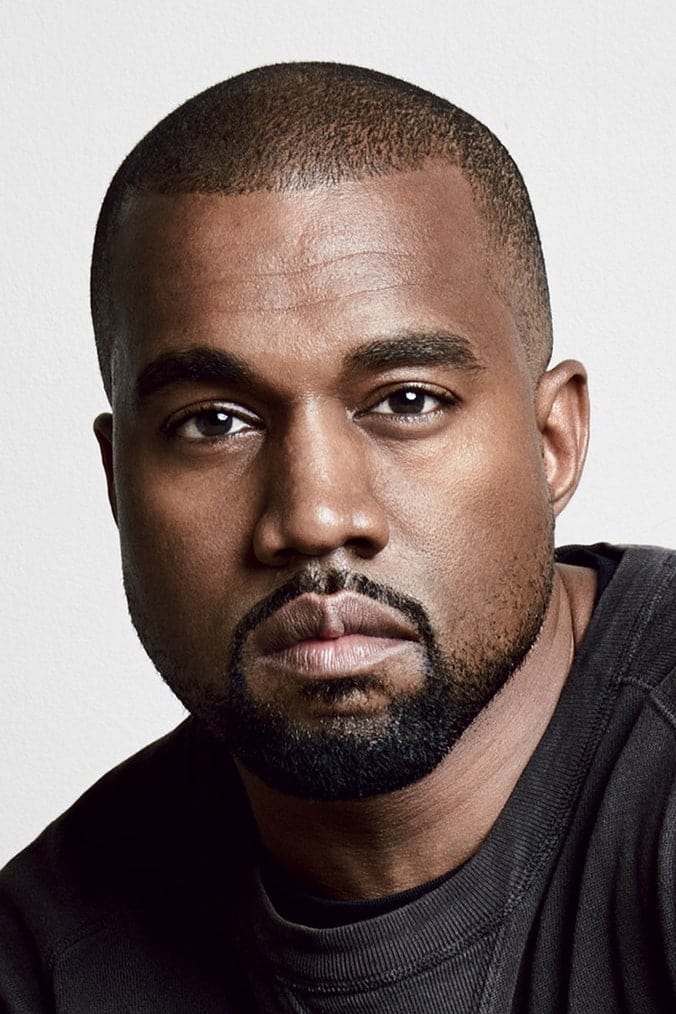
Ye, also known as Kanye West, has a long record of public disputes with award shows and media coverage. He criticized voting processes, questioned nomination choices, and used televised moments to object to results at major ceremonies. He posted detailed complaints about how institutions treat his work and raised objections about release schedules and category placements.
He also took label conflicts public by sharing contract details and negotiating positions online. These episodes generated widespread attention, led to industry responses about transparency, and influenced later conversations about how nominations and contracts are handled.
Drake
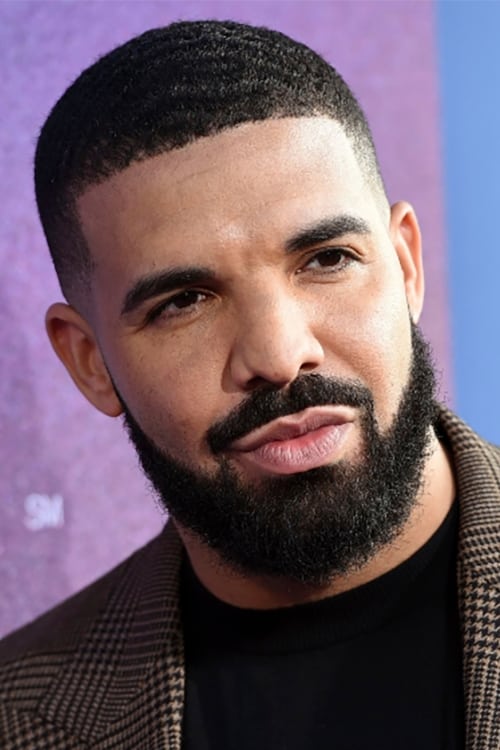
Drake has used award stages and social media to push back on trophy culture and category choices. He delivered an acceptance speech that questioned the value of awards for popular artists and later withdrew submissions during a high profile cycle, which put pressure on organizers to explain their processes.
He also addressed streaming era rules and eligibility criteria in interviews and posts. These actions prompted discussions inside the industry about whether award systems should evolve to better reflect consumption data and genre fluidity.
Justin Bieber
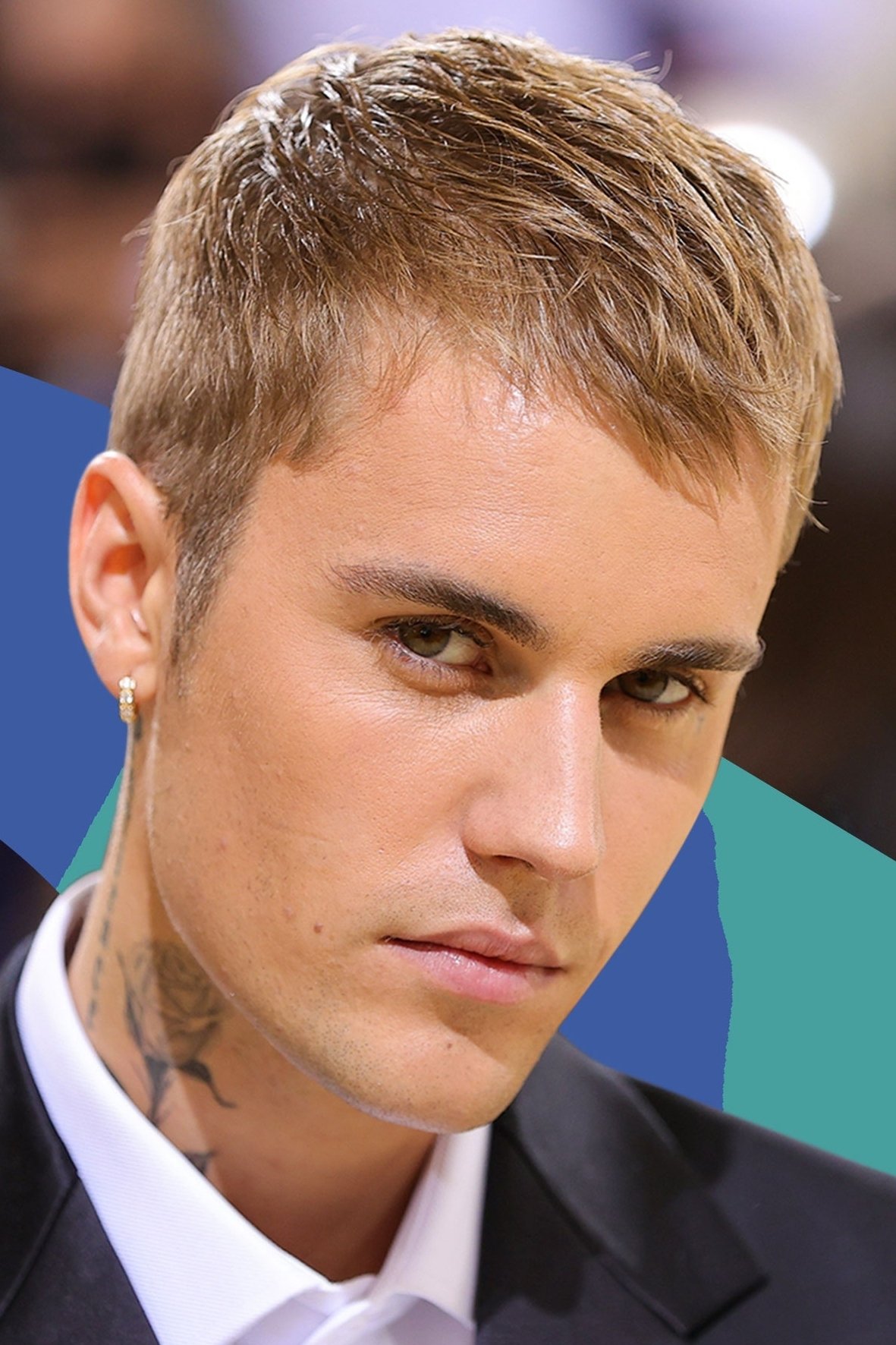
Justin Bieber publicly objected when one of his albums was placed in a different category than he expected. He posted a detailed note about the record’s sound, production choices, and intended genre, and he asked why it was being judged in a separate field from similar music.
The post sparked a wider debate about how committees define genres and how artists can challenge a classification. Labels and producers weighed in with examples of cross genre projects, and the conversation encouraged clearer documentation of category standards.
Nicki Minaj

Nicki Minaj has repeatedly raised concerns about awards decisions and media framing. She highlighted nomination patterns she viewed as inconsistent and documented performance slot negotiations that did not materialize as promised.
Her posts often included dates, screenshots, and side by side examples of similar songs placed in different fields. The result was a recurring public audit of gatekeeping, where fans compared past rulings and built timelines to track how policies were applied.
The Weeknd
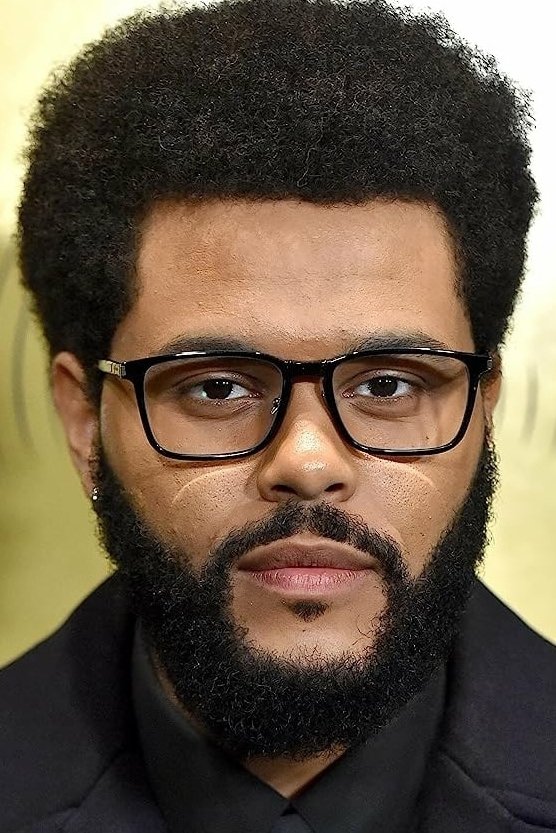
After a complete shutout during a year with major commercial success, The Weeknd announced that he would not submit future work to a particular awards body. He called for reforms around secret committees and asked for a more straightforward voting system.
The boycott prompted rule changes and public statements from organizers about how nominations are compiled. It also encouraged other artists to reassess whether to participate, which kept the spotlight on process transparency.
Ariana Grande
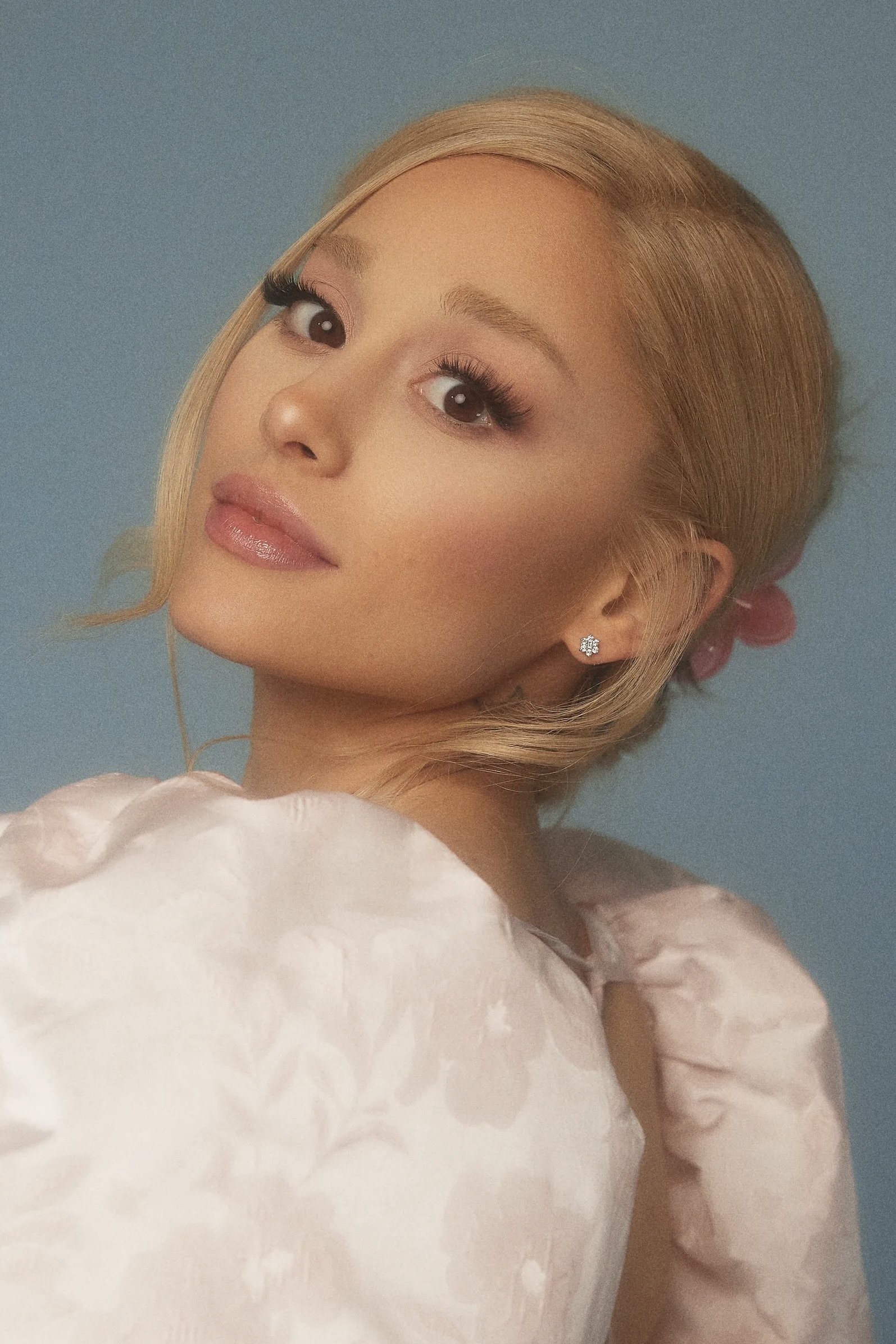
Ariana Grande canceled a planned award show performance after a dispute over song selection and creative control. She published a short explanation that referenced rehearsal issues and approvals, and she released the track independently on her own schedule.
That decision led to an online discussion about whether producers should dictate set lists and what happens when an artist’s rollout plan conflicts with show requirements. It also showed how a single scheduling disagreement can reshape an entire broadcast narrative.
Taylor Swift

Taylor Swift’s business disputes became case studies for masters ownership and re recording rights. She described the terms surrounding her early catalog, explained why she did not control those recordings, and announced a plan to re record in order to regain control over future licensing.
She previously removed her catalog from a service to argue for better compensation and later restored it when policies changed. Those moves turned complex contract topics into mainstream talking points and influenced how younger artists approach deal structures.
Charlie Sheen
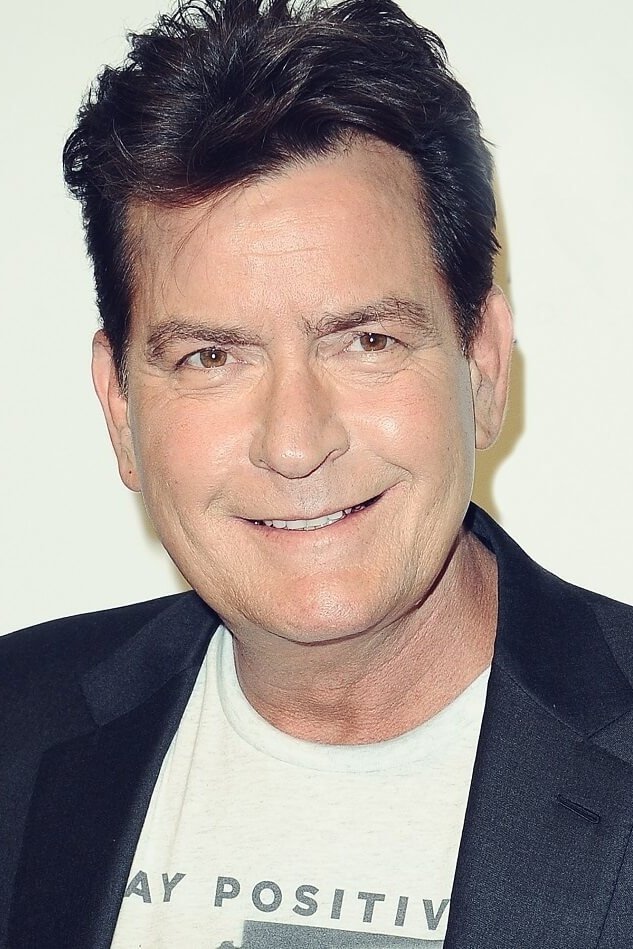
Charlie Sheen clashed publicly with the creator of ‘Two and a Half Men’. He criticized production leadership during interviews, the studio terminated his contract, and the show returned with a new lead after an extended hiatus.
The conflict generated legal filings and settlement reports, along with ratings data that tracked audience interest before and after the cast change. It remains a prominent example of how behind the scenes disputes can reshape a long running TV hit.
Piers Morgan
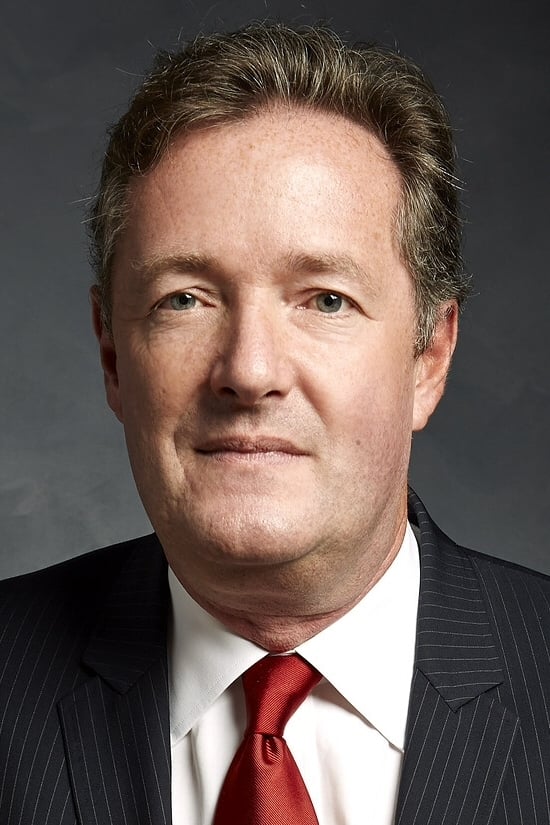
Piers Morgan criticized guests, colleagues, and editorial decisions across print and broadcast platforms, then exited ‘Good Morning Britain’ after refusing to retract comments during a high visibility controversy. The departure followed viewer complaints and an investigation by the regulator that documented audience responses.
He moved to a new program and continued publishing columns that challenged media norms. The sequence highlighted how audience feedback, compliance rules, and host autonomy intersect on live television.
James Corden
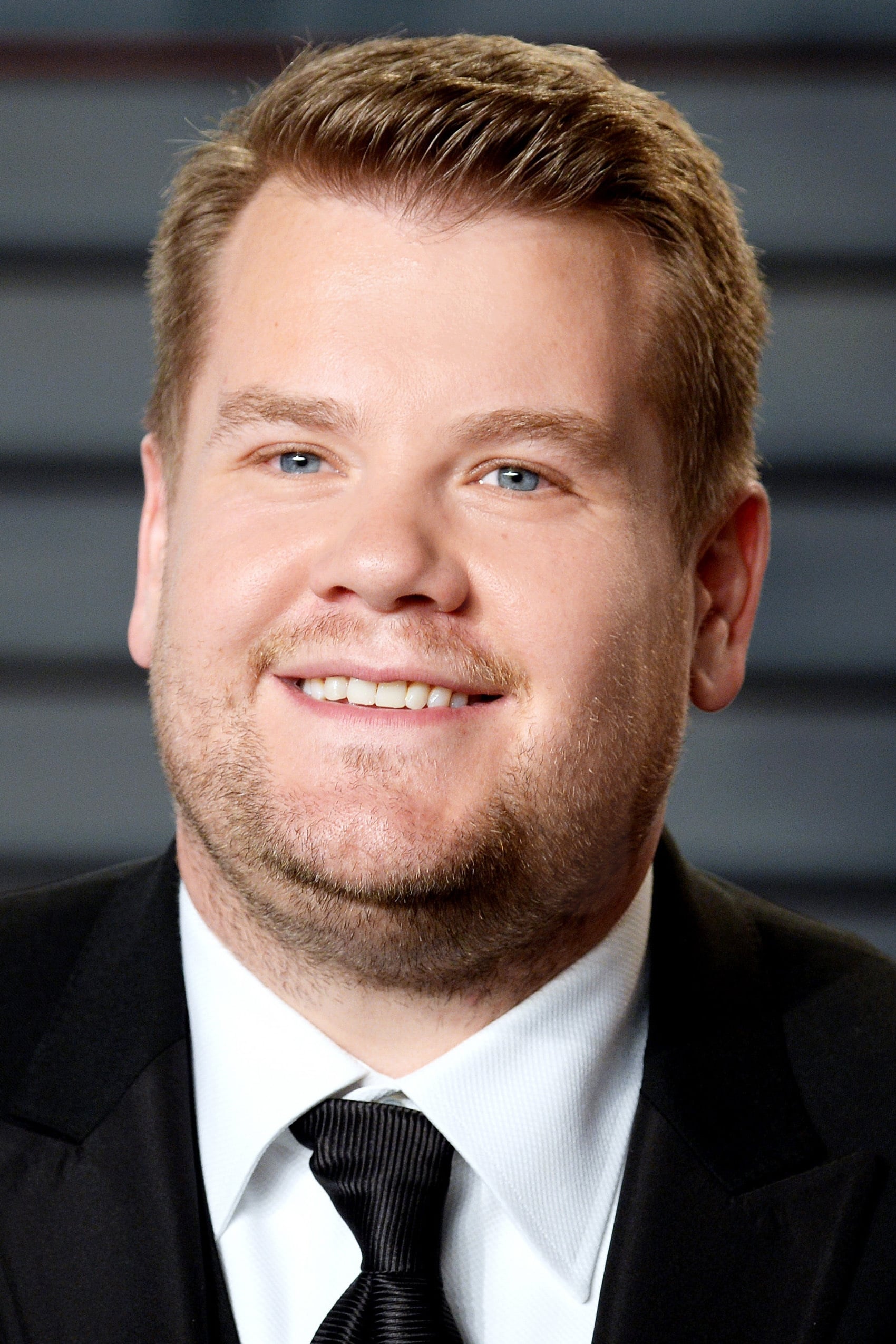
James Corden’s behavior at a New York restaurant led to public posts from the owner and a ban that was later reversed after an apology. He discussed the incident in his show monologue and in interviews, which kept the story active for multiple news cycles.
The episode triggered broader reminders about service industry treatment, especially when public figures are involved. Restaurant staff accounts and management statements shaped the narrative and offered a timeline of what occurred.
Doja Cat
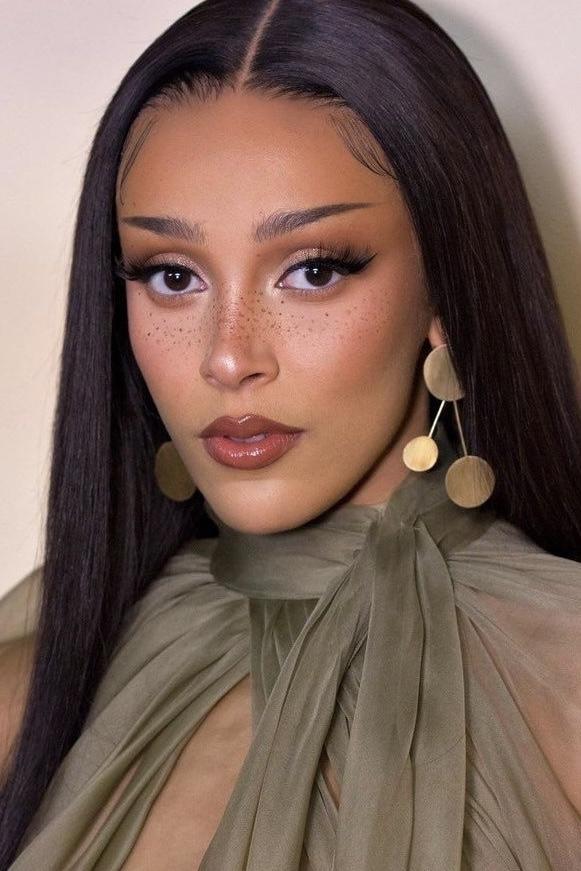
Doja Cat’s canceled show in Paraguay sparked a heated exchange with fans online after severe weather disrupted a festival. She posted messages about expectations around meet and greets and performance obligations during unsafe conditions, then briefly said she would quit music before resuming touring.
The back and forth prompted conversation about weather cancellations, artist safety, and communication standards during emergencies. Festival organizers later issued updates that clarified contingency plans for future events.
Halsey
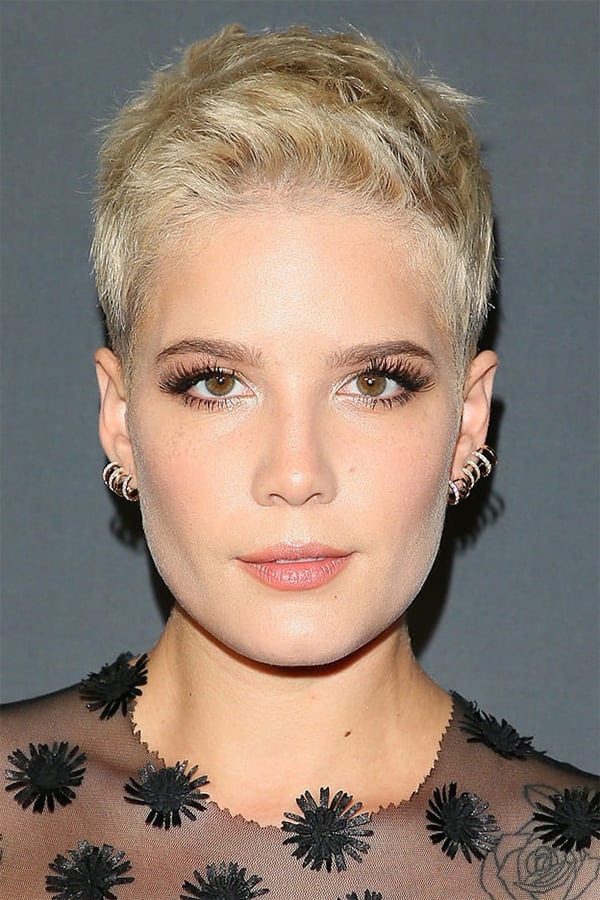
Halsey shared that a label delayed a single until it had a strong viral moment on a short form platform. She posted metrics, internal expectations, and examples of finished songs that remained on hold pending a marketing milestone.
The disclosure turned promotional strategies into a public debate. It also encouraged other artists to share similar screenshots and pushed labels to explain how digital signals influence release timing.
Lorde
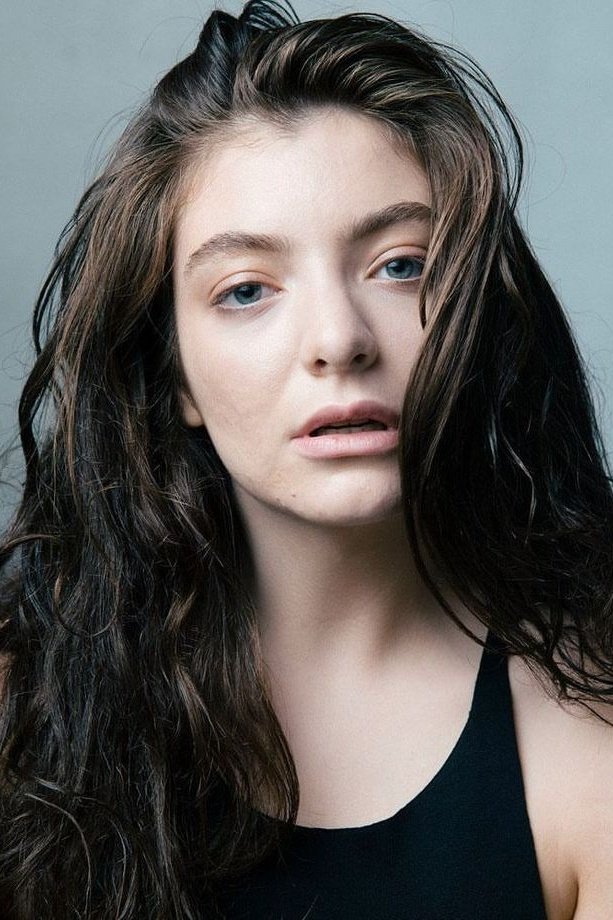
Lorde did not receive a solo performance slot during a year when every male album of the year nominee was offered one. Reports described negotiations for a group segment that did not align with her vision, and she declined the arrangement.
The coverage led to questions about parity in broadcast bookings. Fans compared segment lengths, stage placement, and set design across artists, which kept pressure on producers to document how slots are assigned.
Zayn Malik
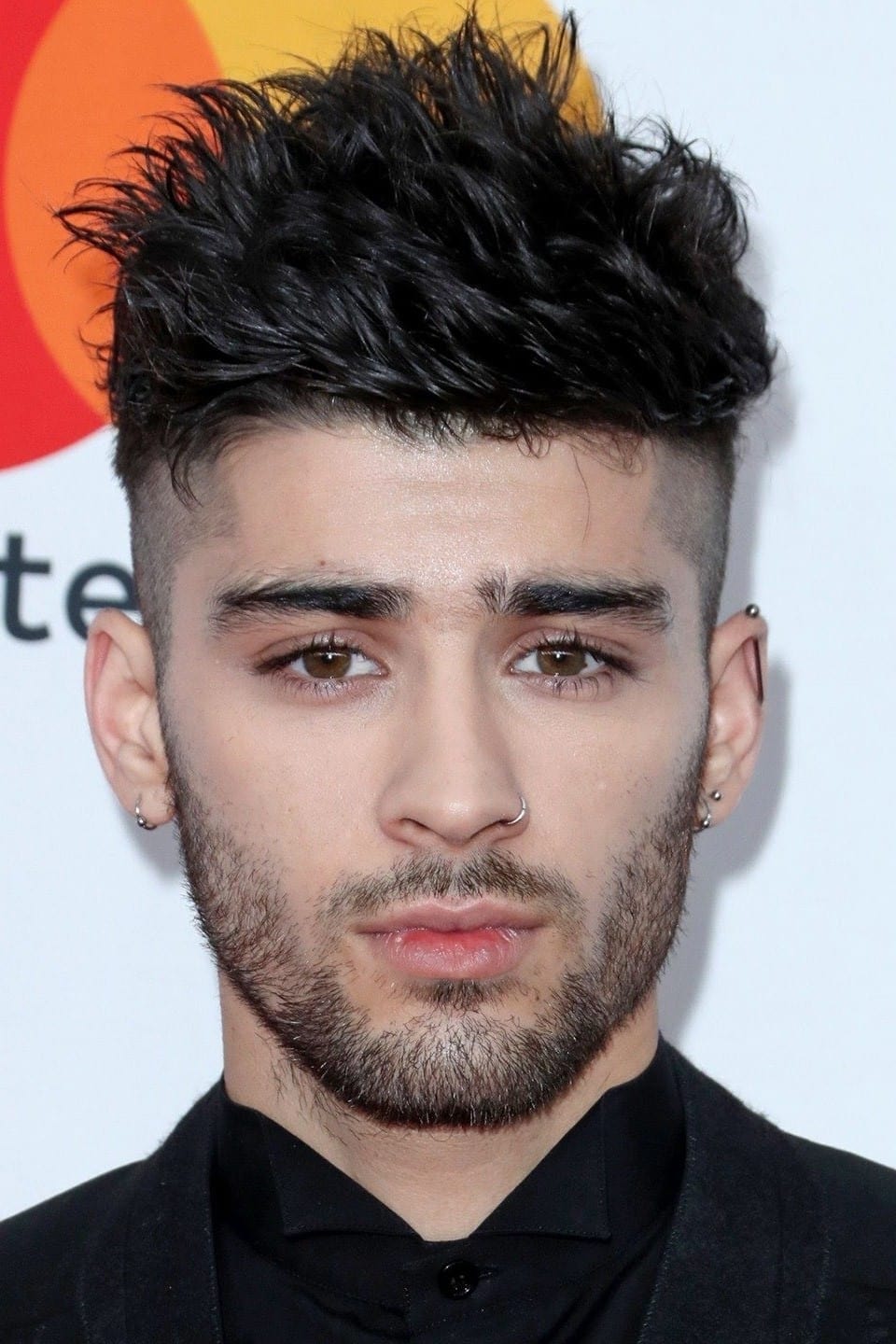
Zayn Malik criticized the nomination process for a major awards body and urged reforms for transparency and eligibility. His posts called for clearer rules and better access for artists who are not campaigning.
The comments drew statement responses and analysis from trade outlets that explained submission windows and voting calendars. The thread became a quick reference for fans trying to understand how deadlines and categories work.
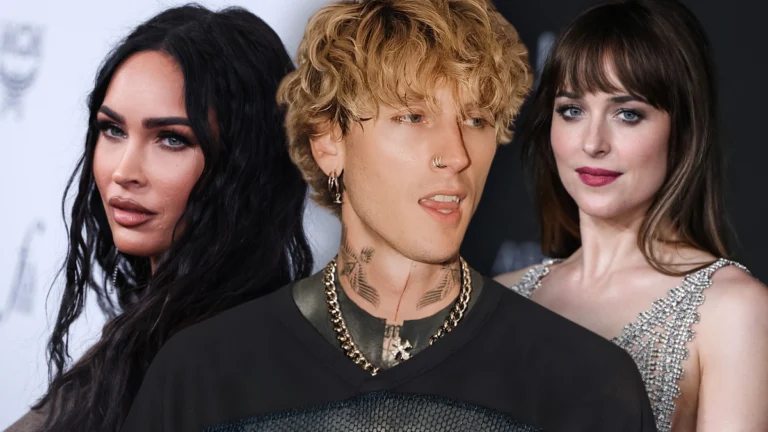
Machine Gun Kelly
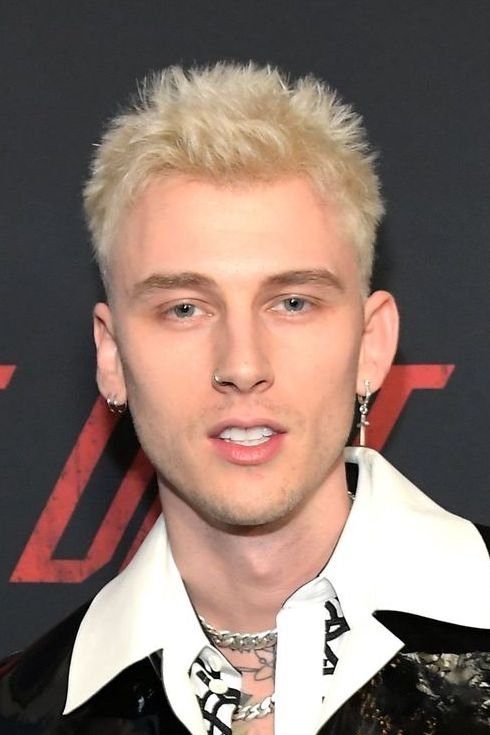
Machine Gun Kelly posted about coming up short in a close awards race and described the emotional hit of a near miss. He later spoke about focusing on the audience in the room and on building a stronger body of work for the next cycle.
Interviews recapped how he shifted from a public vent to a performance centered message. The arc mapped the typical post show pattern where a loss becomes press material for a new tour and release plan.
Madonna
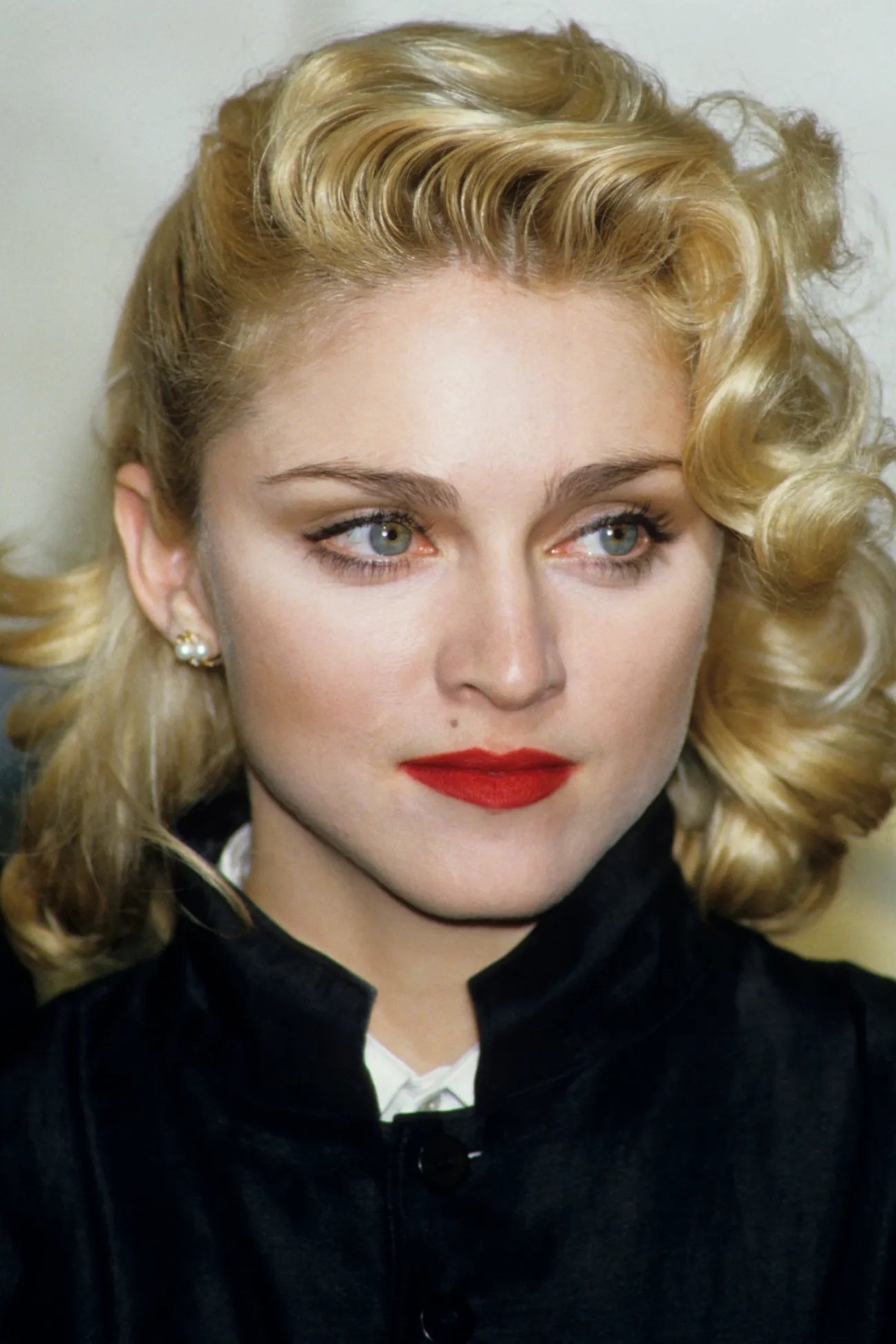
Madonna responded to comments about her appearance after a televised awards segment and framed the reaction as ageism and misogyny. She posted behind the scenes photos that showed the lighting and camera angles used during the broadcast.
Her response broadened the conversation to how older women in entertainment are treated during live events. It also prompted outlets to review coverage choices like close ups and reaction shots for similar segments.
Mo’Nique
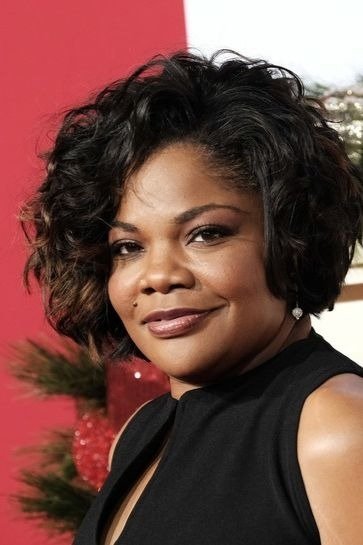
Mo’Nique disclosed a low initial offer for a stand up special and asked fans to boycott a streaming platform. She filed legal action that challenged pay equity and later announced a settlement, followed by new projects.
The dispute centered on negotiation leverage and precedent. By making opening terms public, she encouraged comedians to share ranges and pushed platforms to justify how they set rates for performers with similar credits.
Tyrese Gibson
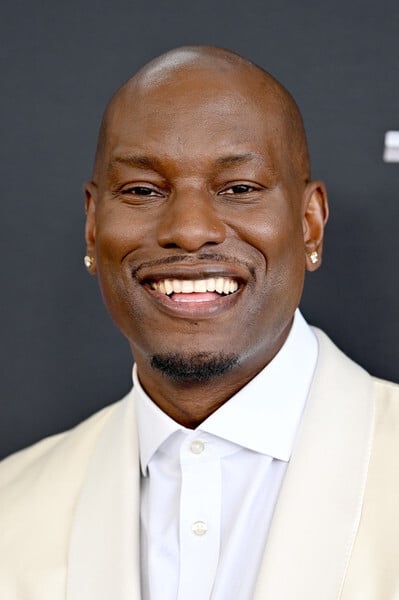
Tyrese Gibson publicly criticized the scheduling of ‘Fast & Furious 9’ after ‘Hobbs & Shaw’ moved ahead. He posted that the shift affected ensemble cast plans and used social media to call out colleagues by name.
The posts brought an internal franchise calendar into the open. Box office timelines and release calendars became part of the conversation, showing how spin offs can alter a shared universe schedule.
Azealia Banks
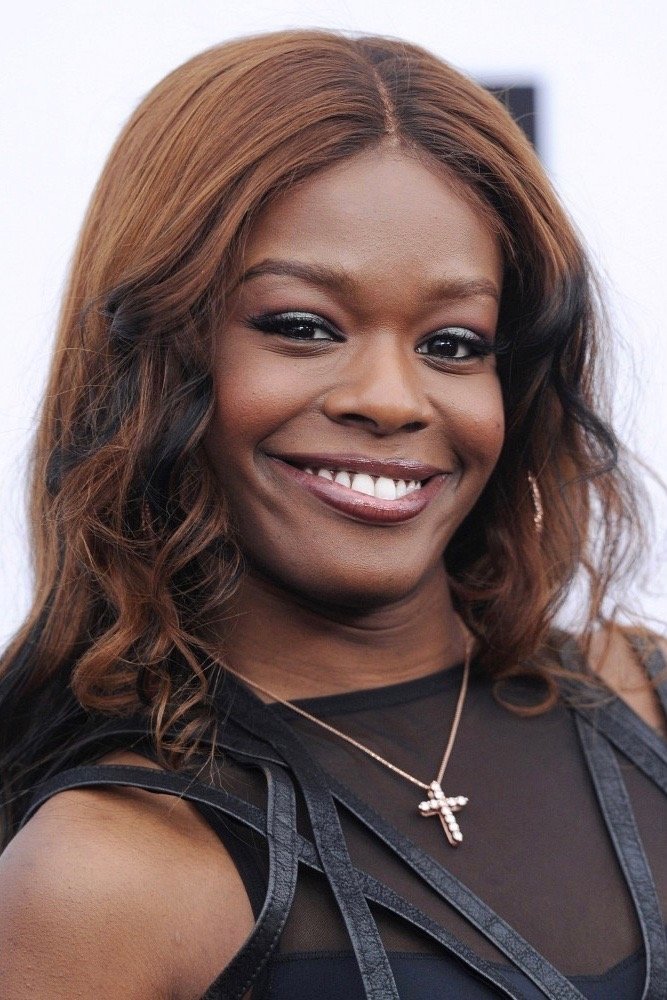
Azealia Banks has documented label disputes, tour clashes, and artist feuds in long social media threads. She often posts receipts like emails and screenshots, which turn private negotiations into public case files.
These episodes are frequently followed by platform suspensions and new accounts that restart the cycle. Industry watchers track the posts for insights on producer splits, rights splits, and promotional obligations.
Elon Musk
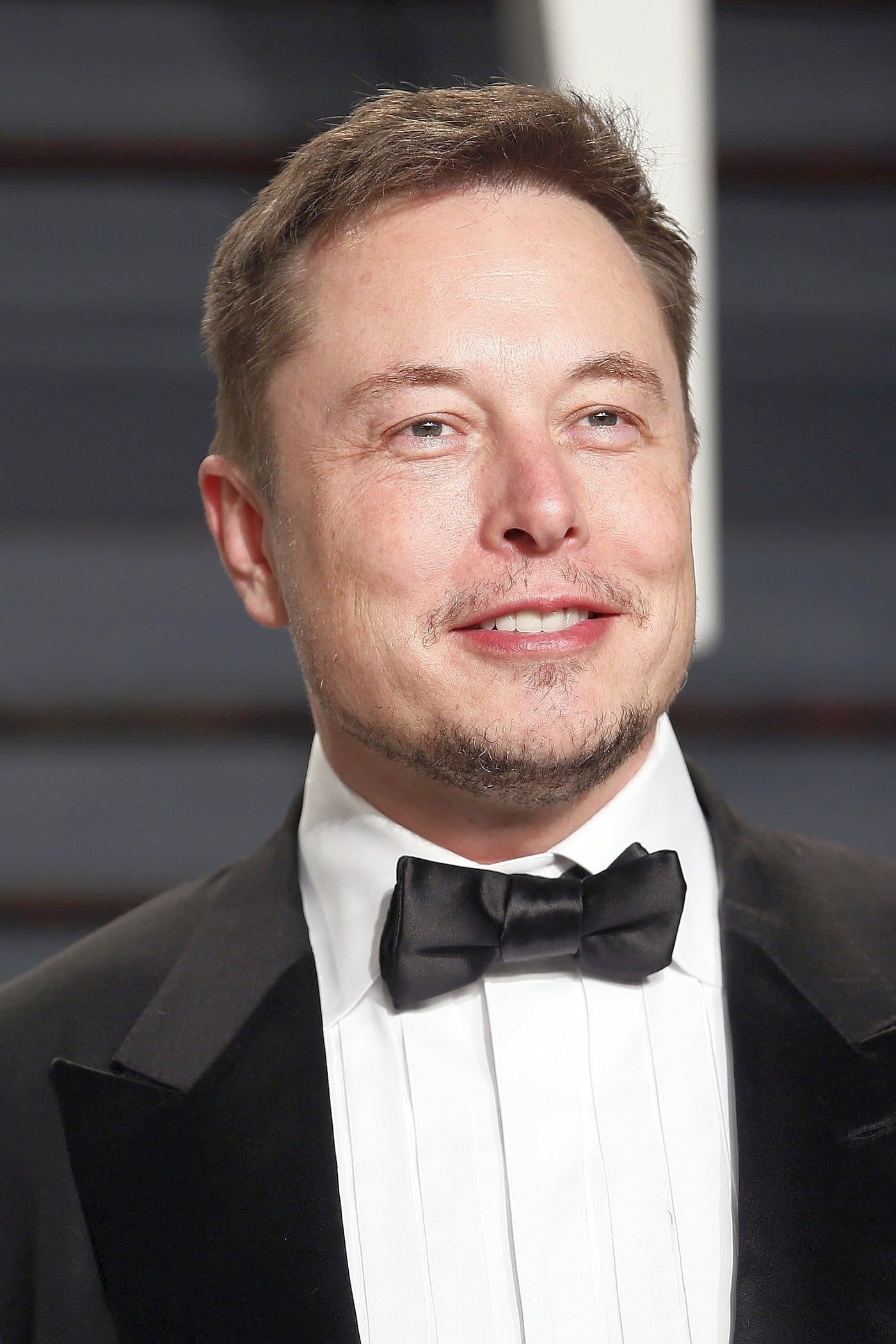
Elon Musk uses his platform to criticize media coverage, app store fees, and regulatory decisions that affect his companies and personal brand. He posts in real time during policy fights and product rollouts, which keeps the narrative moving hour by hour.
His complaints often trigger responses from agencies and corporate partners that clarify rules and timelines. Investors and reporters then build threads that document version changes, approval steps, and the outcome of each dispute.
Share your picks for the most memorable celebrity complaints in the comments and tell us who you think should be added to the list.