Top 20 Worst Video Games Ever



Some games arrive with big ideas and bigger marketing, only to end up as case studies in what can go wrong during development. From rushed deadlines and outdated technology to missing features and broken systems, these titles left players with headaches instead of happy memories.
This list looks at notorious releases that drew widespread criticism for technical problems, design choices, or misleading promises. In many cases patches and reworks helped a little, but the original launches still stand as cautionary tales for studios and fans alike.
Big Rigs: Over the Road Racing
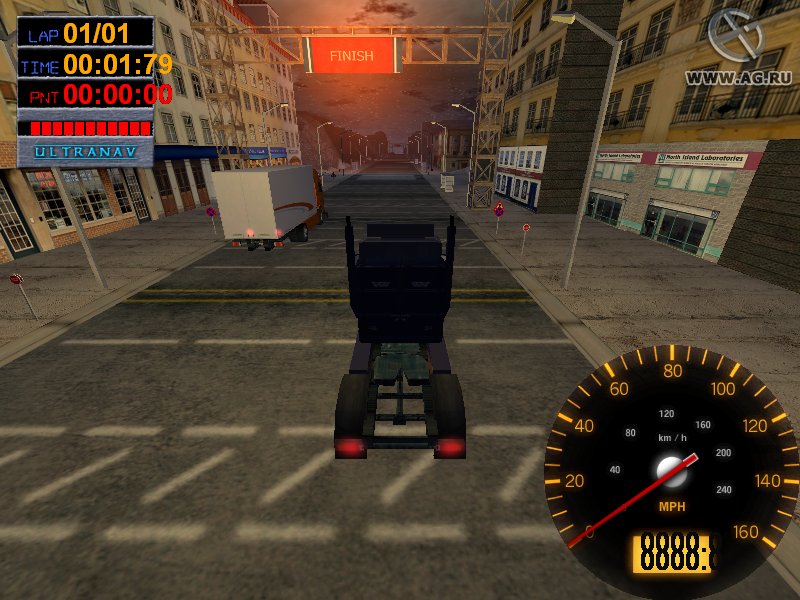
Released on PC in 2003, this trucking game shipped with unfinished systems that barely functioned. Opponents often failed to move, collision detection rarely worked, and races could be won by reversing through the environment without obstacles slowing the truck. The victory screen text became a meme and turned the game into a symbol of rushed development.
Players reported entire features that seemed absent, including proper physics and track limits. With no meaningful challenge or progression, the software behaved more like a broken test build than a commercial product that had passed quality checks.
Superman 64
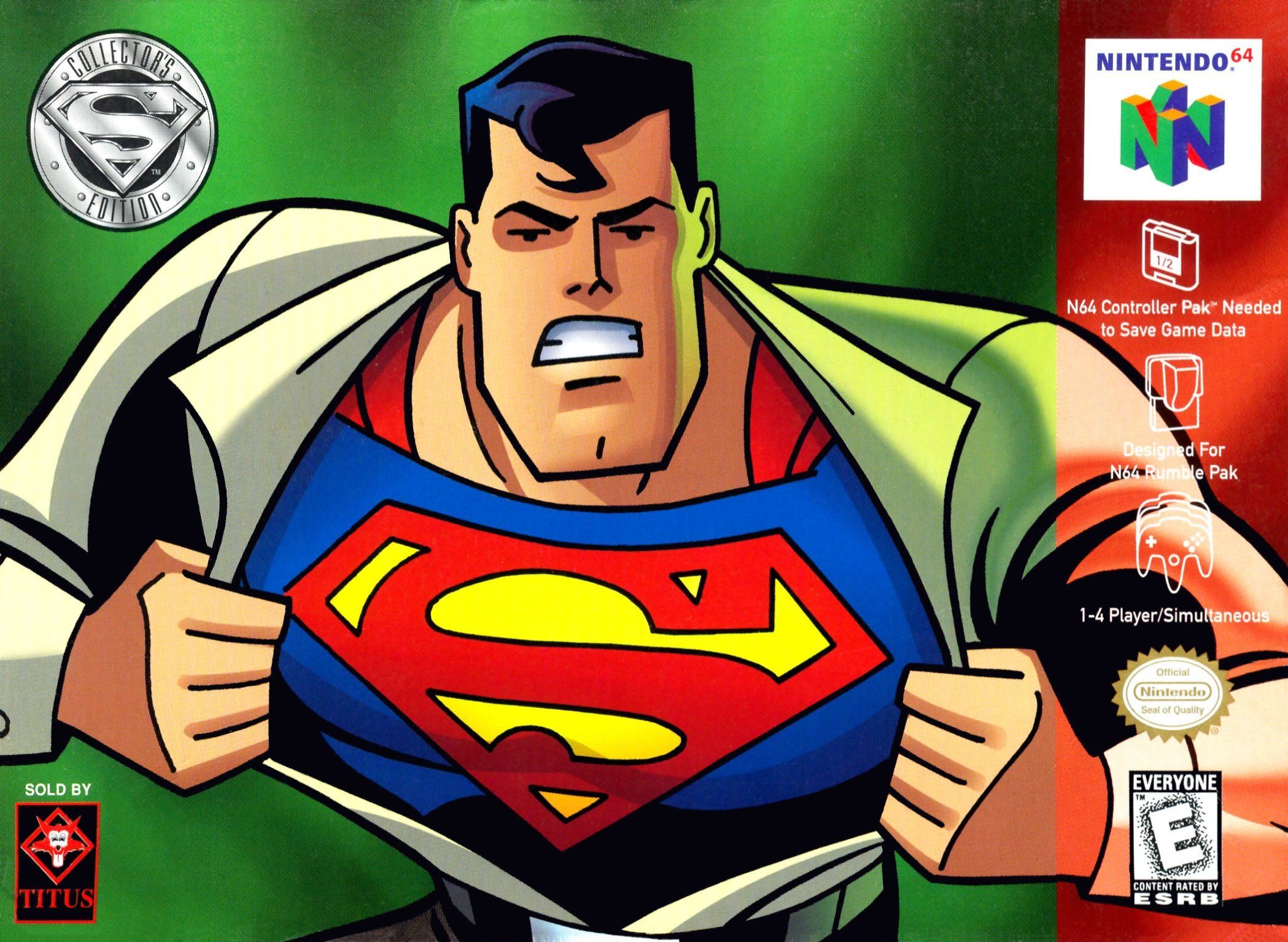
Arriving on Nintendo 64 in 1999 from Titus, this adaptation placed players in a fog filled world where flight through rings dominated the structure. The heavy use of distance fog hid draw distance limitations and made navigation confusing, while the camera and controls fought against basic movement.
Technical issues appeared across missions, and collision problems frequently interrupted progress. The final result struggled to deliver the feeling of superhero power that the character suggests, which made the shortcomings even more glaring to anyone who tried to finish the story.
Ride to Hell: Retribution
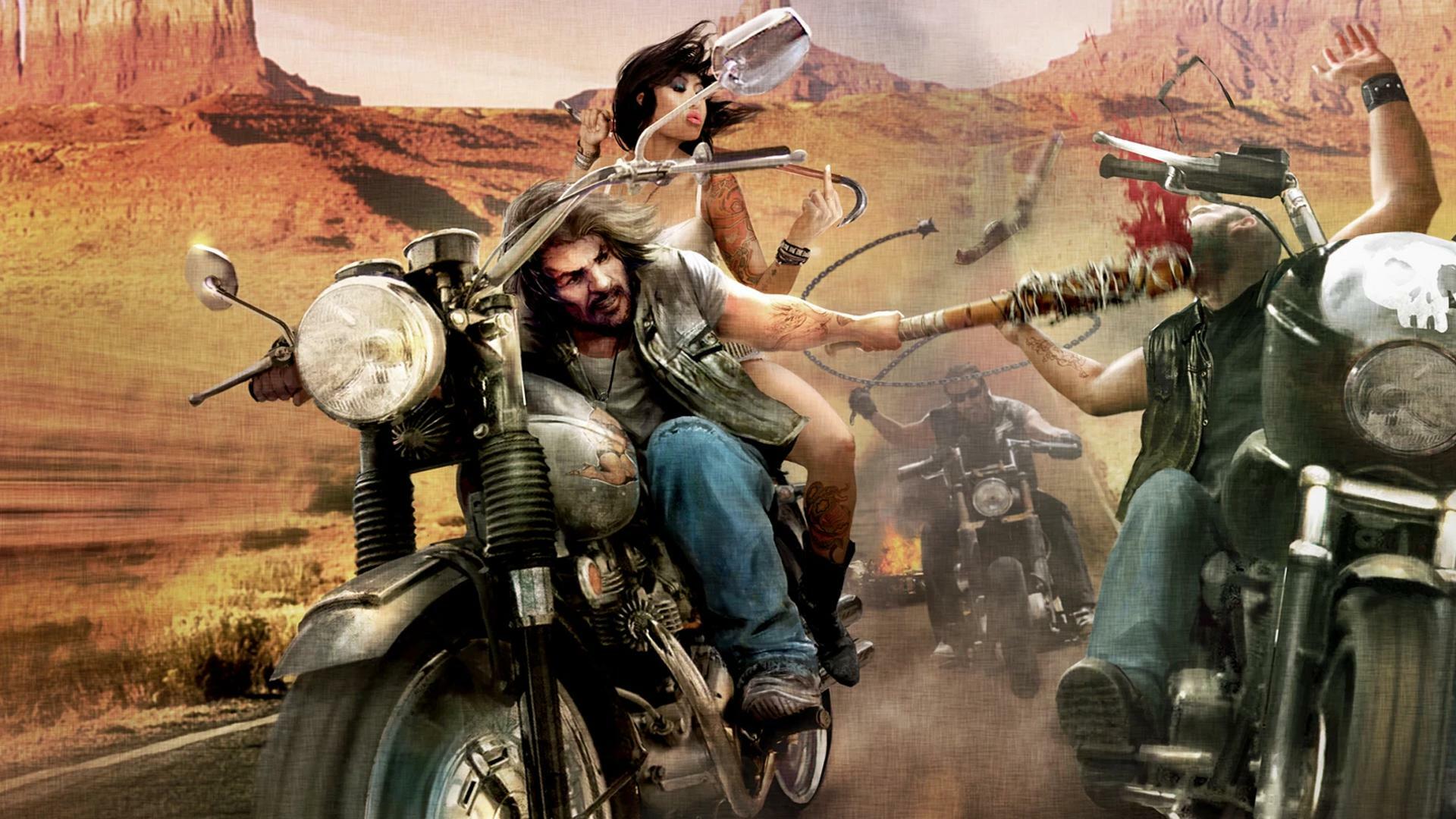
Launched in 2013 on PC, PlayStation 3, and Xbox 360, this biker themed action game became known for severe bugs and erratic combat. Enemies behaved unpredictably, stealth sequences failed to register inputs consistently, and driving segments slipped between framerate drops and physics problems.
Narrative presentation leaned on abrupt scene transitions that did not align with gameplay outcomes. Quick time events triggered inconsistently, checkpoints were unreliable, and audio mixing made dialogue hard to follow, which compounded the frustration during longer missions.
E.T. the Extra-Terrestrial
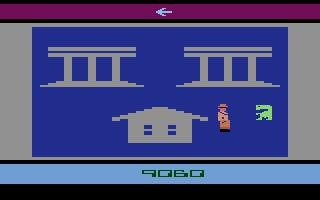
This Atari 2600 release in 1982 was developed on a compressed timeline that limited testing and iteration. The resulting maze like maps recycled visual elements, pits captured the character repeatedly, and objectives were poorly communicated, especially for younger players who made up much of the audience.
Retail returns were significant, and unsold cartridges later became part of a widely reported landfill excavation. The episode influenced discussions about quality control in the early console era and showed how a famous license could not guarantee a smooth release.
The Lord of the Rings: Gollum
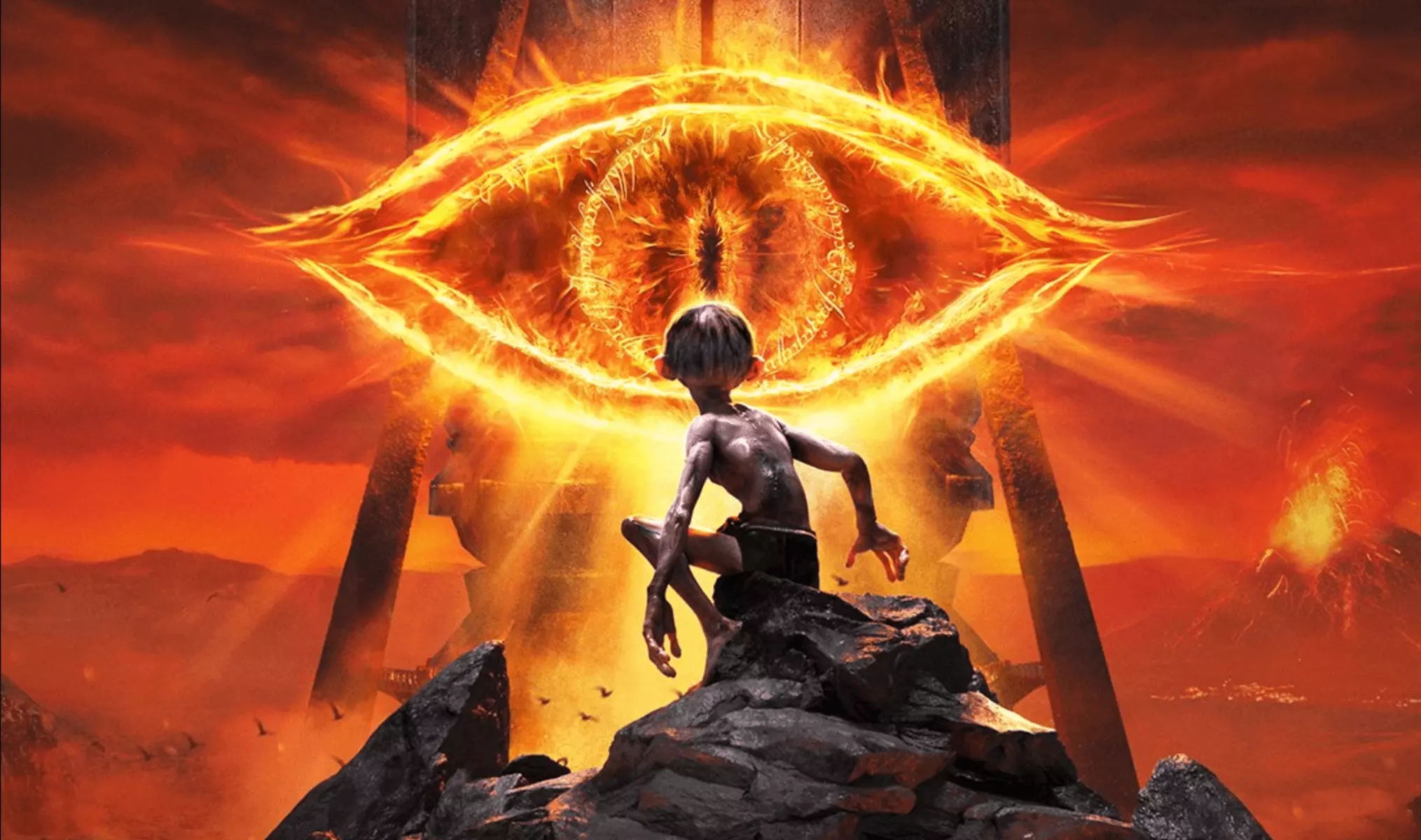
Daedalic’s 2023 adventure launched on PC and modern consoles with performance issues on a range of hardware. Players encountered crashes, texture pop in, and pathfinding mistakes during stealth sequences, which made scripted set pieces difficult to complete as intended.
The publisher issued an apology and post launch patches, and the developer shifted company strategy after the release. The project highlighted the risks of complex artificial intelligence in stealth focused design when production timelines leave little room for polish.
Balan Wonderworld
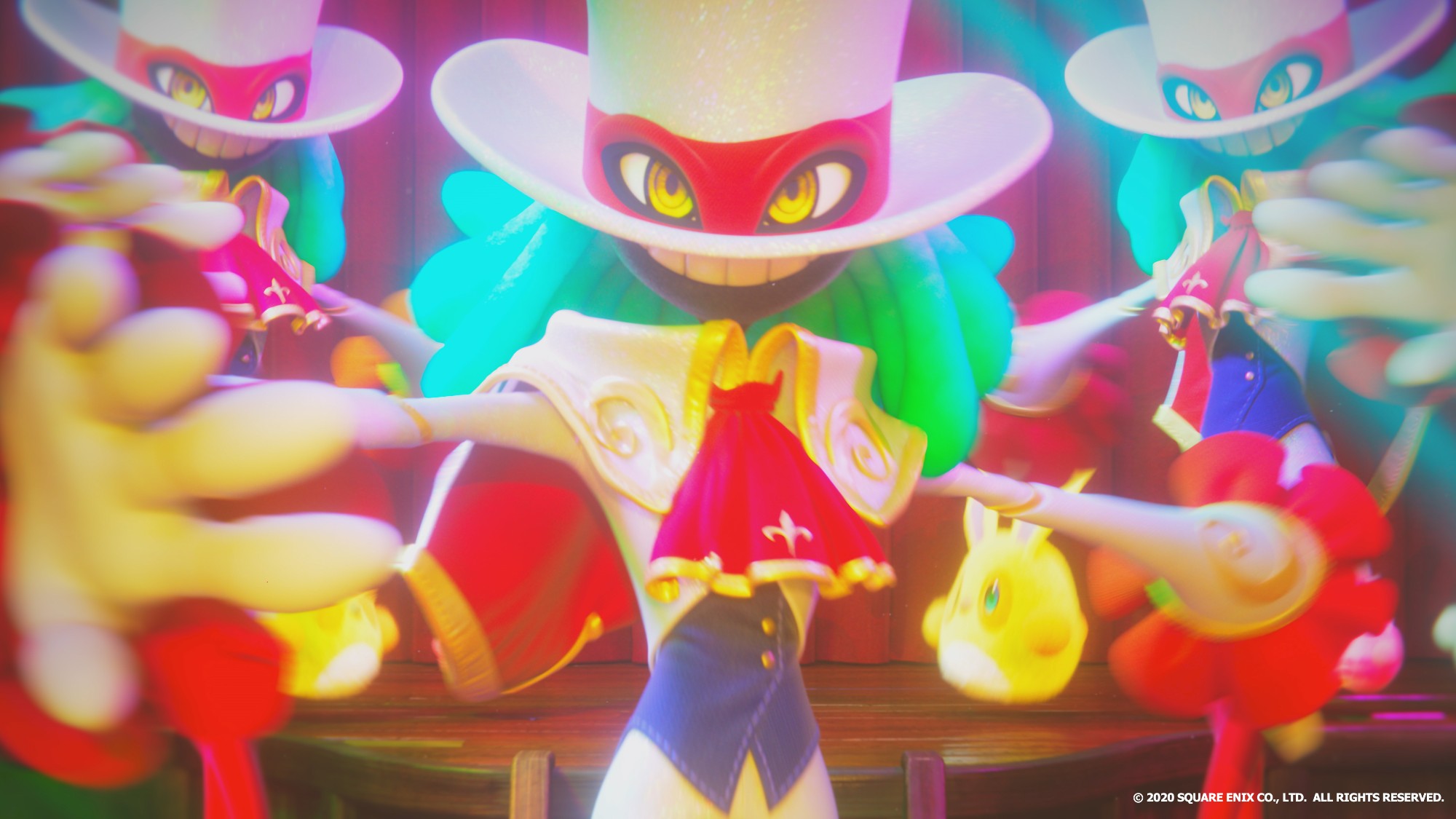
Square Enix released this platformer in 2021 with a one button ability system that limited variety across dozens of costumes. Several abilities overlapped in function, movement felt sluggish, and early levels repeated simple tasks, which made progress feel similar from stage to stage.
A flashing visual in a boss fight prompted a safety patch on the first day to reduce the risk for players with photosensitive conditions. Although later updates improved stability, the core structure remained unchanged, and the game did not match expectations set by its veteran creators.
Sonic the Hedgehog 2006
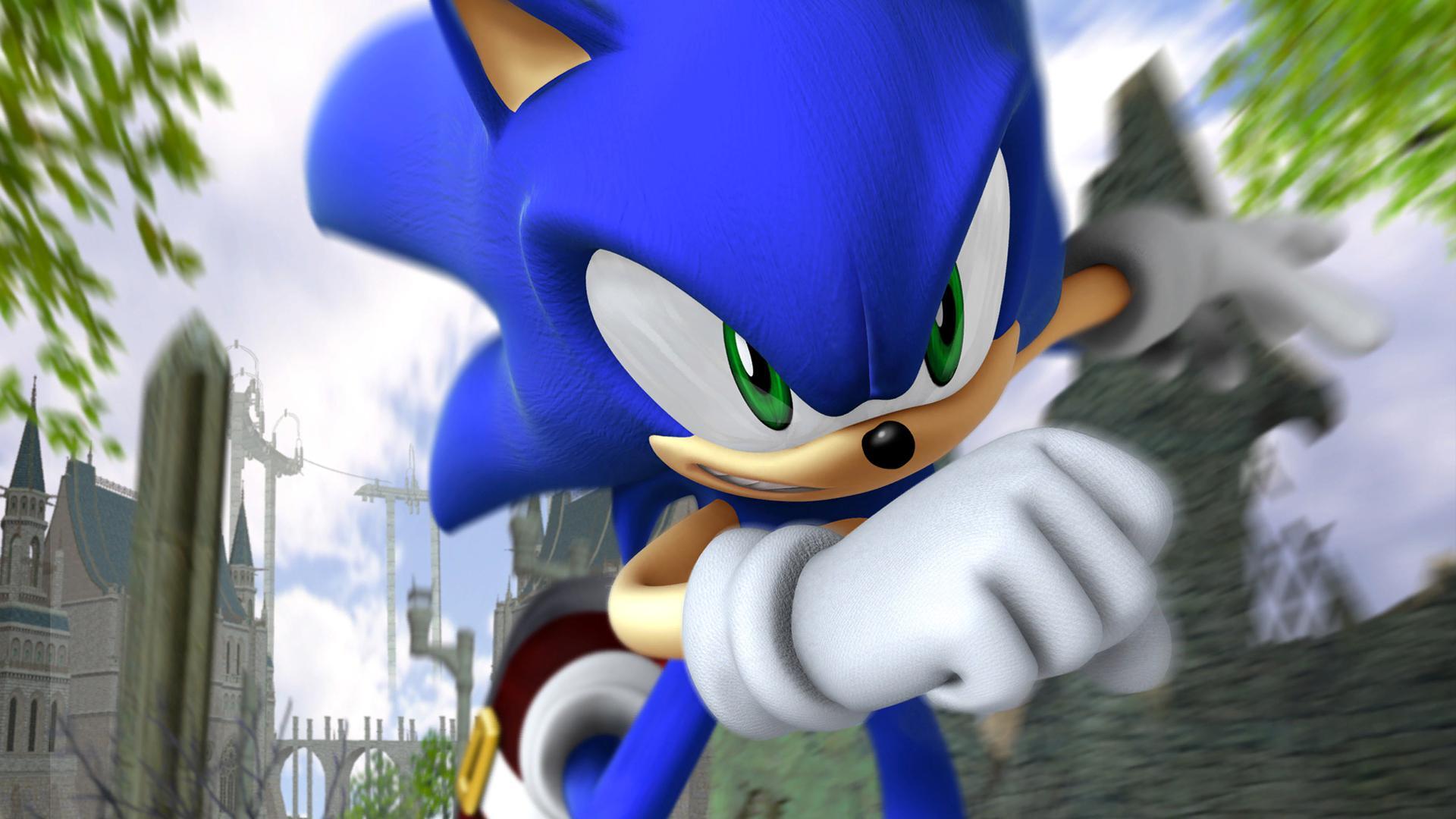
This anniversary entry launched on PlayStation 3 and Xbox 360 in 2006 after a difficult development period. Long loading screens interrupted short scenes, physics glitches sent characters through geometry, and the camera often failed to track action in tight spaces.
Multiple playable characters introduced varied mechanics without consistent refinement, so sections shifted from fast platforming to awkward combat and back again. The release became a lesson in how compressed schedules can undermine even a well known series.
Bubsy 3D
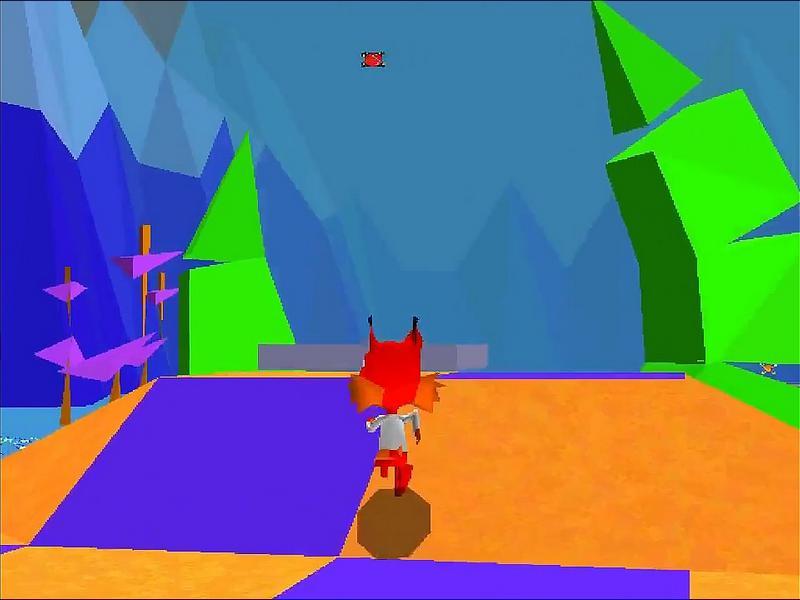
Appearing on PlayStation in 1996, this early 3D platformer used tank like controls and a flat shaded art style that confused depth perception. Enemies and pickups blended into simple environments, and jump arcs lacked clarity, which caused frequent falls and retries.
The fixed camera offered little help in lining up landings, and checkpoints sat far apart for the time. Arriving during a period of rapid progress in 3D platforming, the game compared poorly to peers that solved these navigation problems more effectively.
Daikatana
Ion Storm’s shooter finally reached PC in 2000 after engine changes and multiple delays. By the time it shipped, level design and enemy behavior looked dated next to newer releases, and companion characters struggled to pathfind around hazards, which stalled progression in tight corridors.
The project’s high profile marketing raised expectations that the shipped build could not meet. Patches addressed crashes and scripting errors, yet core systems remained tied to an earlier generation, leaving the final product out of step with the market.
Duke Nukem Forever
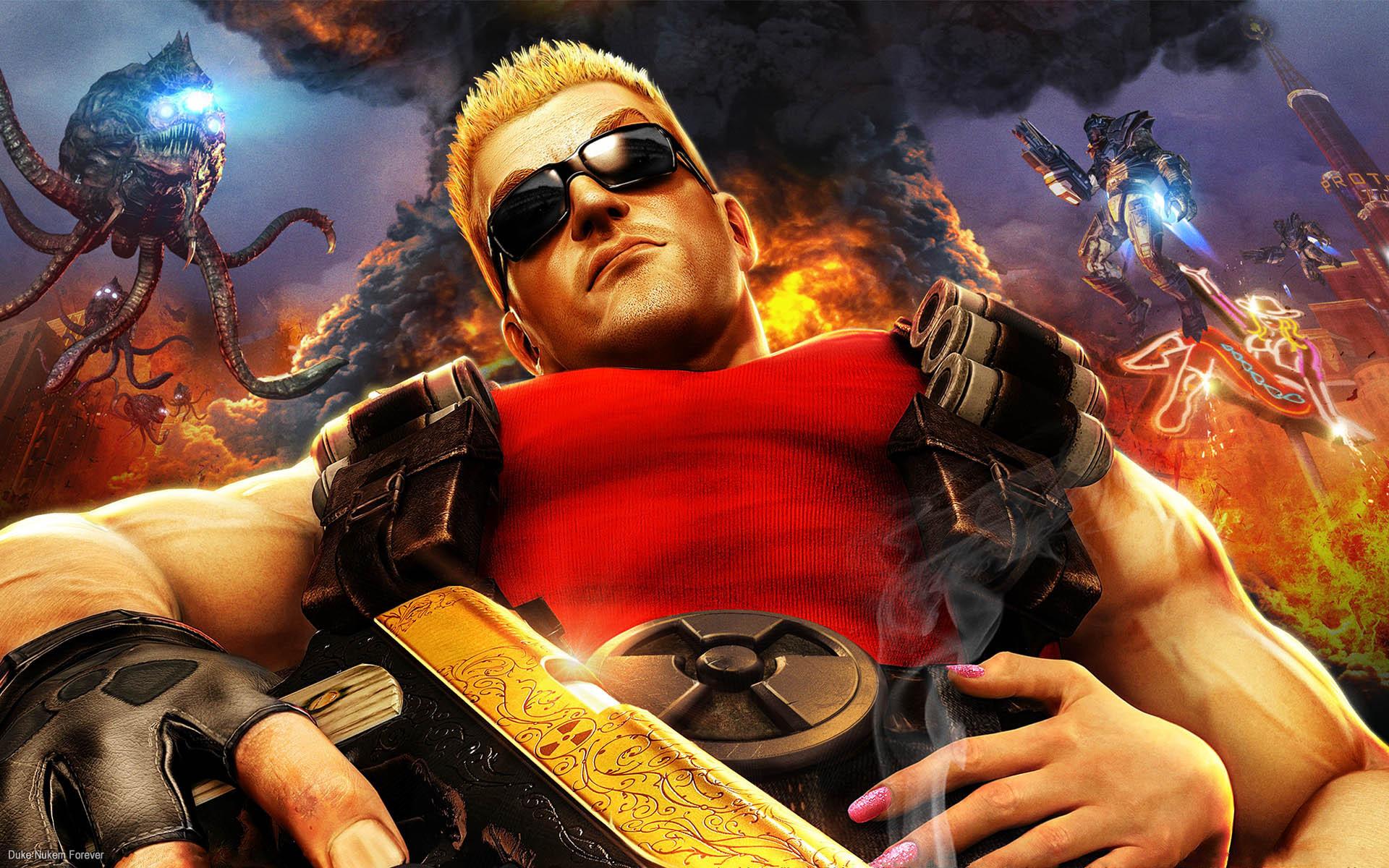
After a famously long development cycle, this sequel arrived in 2011 on PC and consoles with mechanics that felt stuck in the past. Long loading times followed brief deaths, cover interactions lacked feedback, and weapon limits clashed with the series identity of chaotic variety.
Content stitched together from various production phases created uneven pacing and tone. The result showed how shifting teams and technology can cause a project to lose focus, even when a character has strong name recognition.
Aliens: Colonial Marines
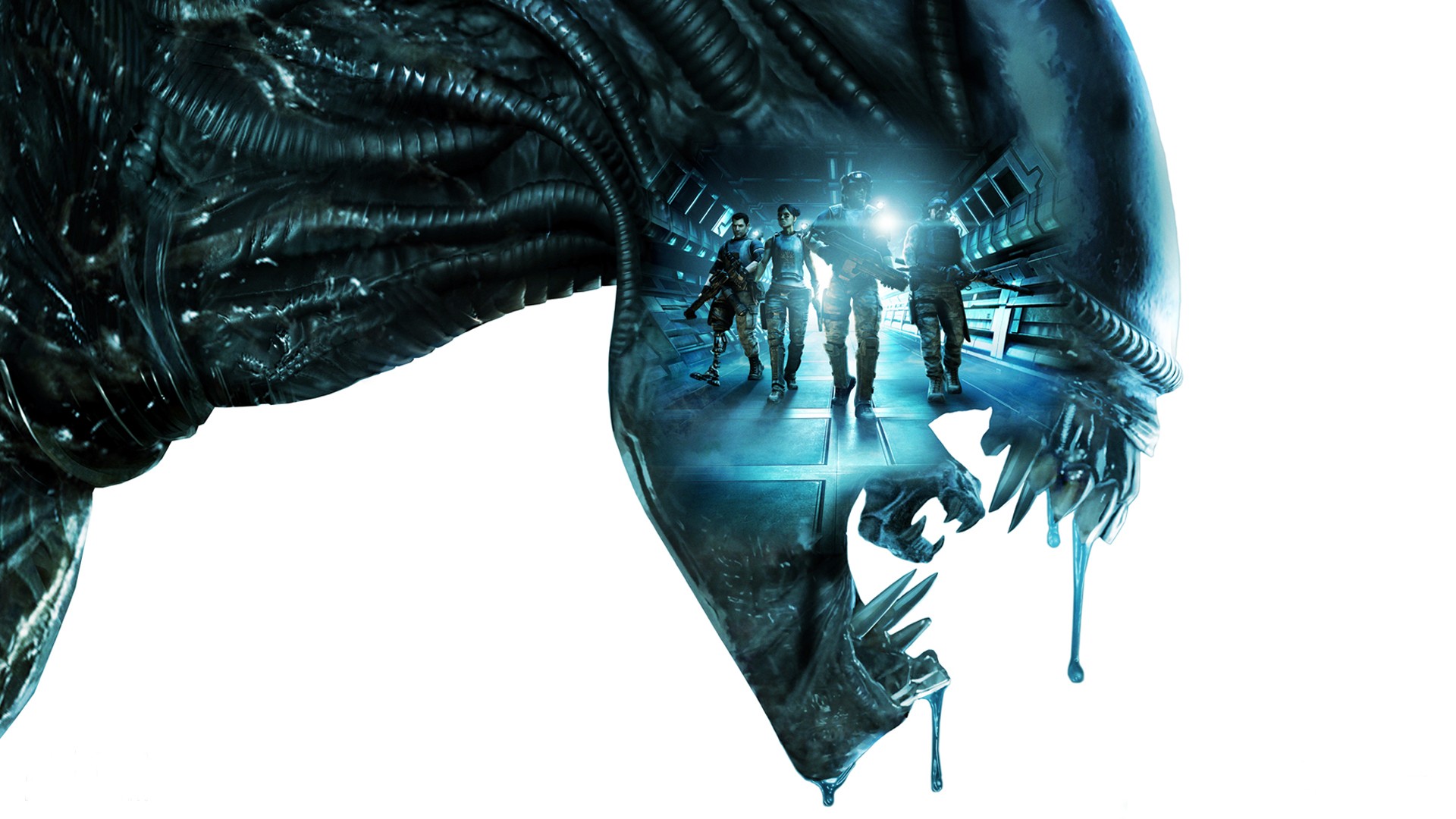
Published in 2013, this shooter faced criticism for enemy artificial intelligence that failed to pressure players as shown in previews. Visual effects and lighting looked different at launch than earlier demonstrations, which sparked debate about communication around features during promotion.
Legal complaints and community fixes followed, and later patches improved stability. The episode prompted ongoing conversations about hands on previews, review embargoes, and how studios present vertical slices compared with final builds.
Postal III
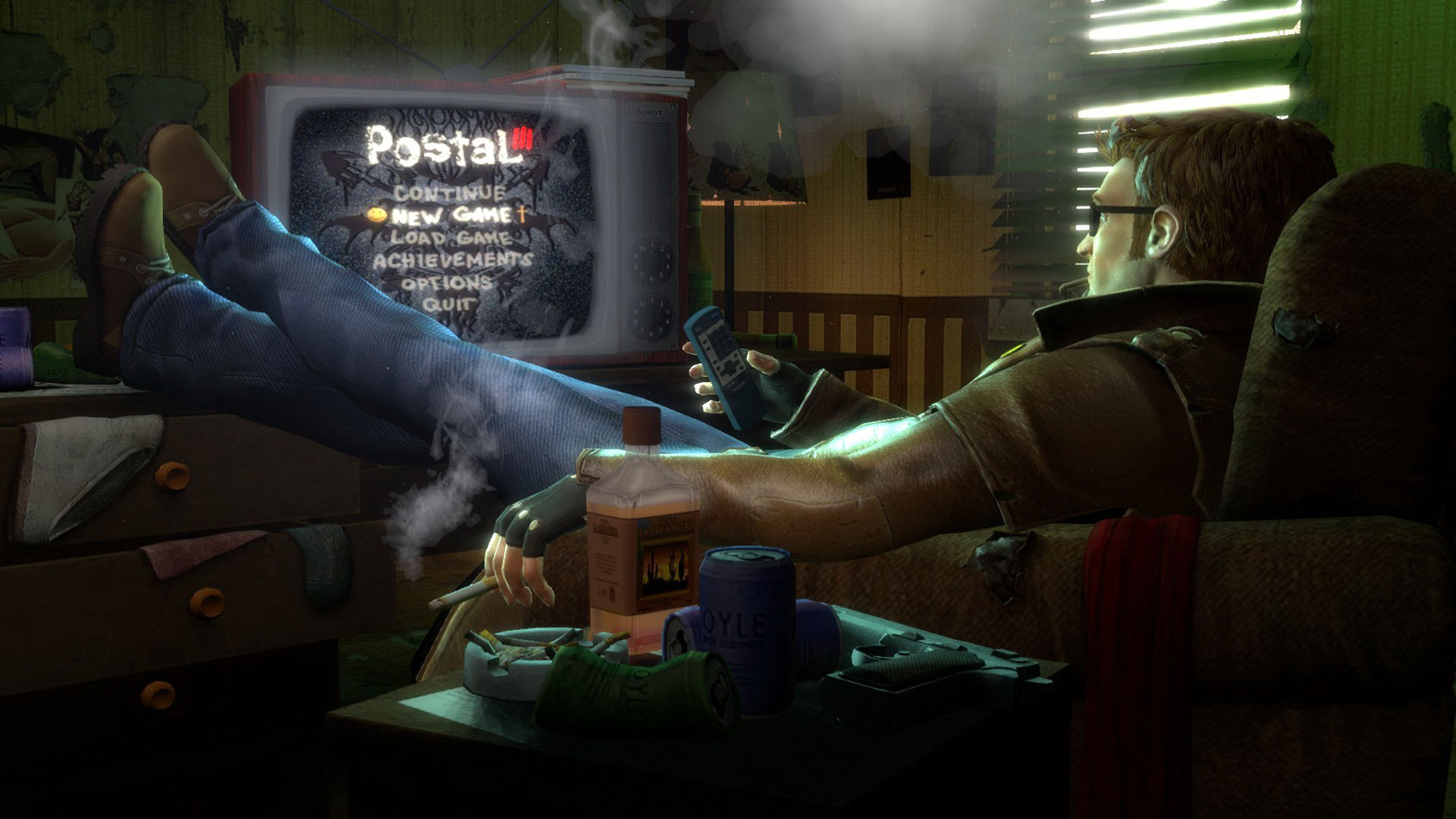
This 2011 entry, developed with external partners, arrived on PC with erratic performance and frequent crashes. Mission scripting stalled during objectives, and input lag affected basic shooting, which forced restarts and corrupted save files for some players.
The creator later distanced the company from the release, and availability changed over time. The situation illustrated the risks of outsourcing core technology and the importance of maintaining internal control over quality assurance.
Alone in the Dark: Illumination
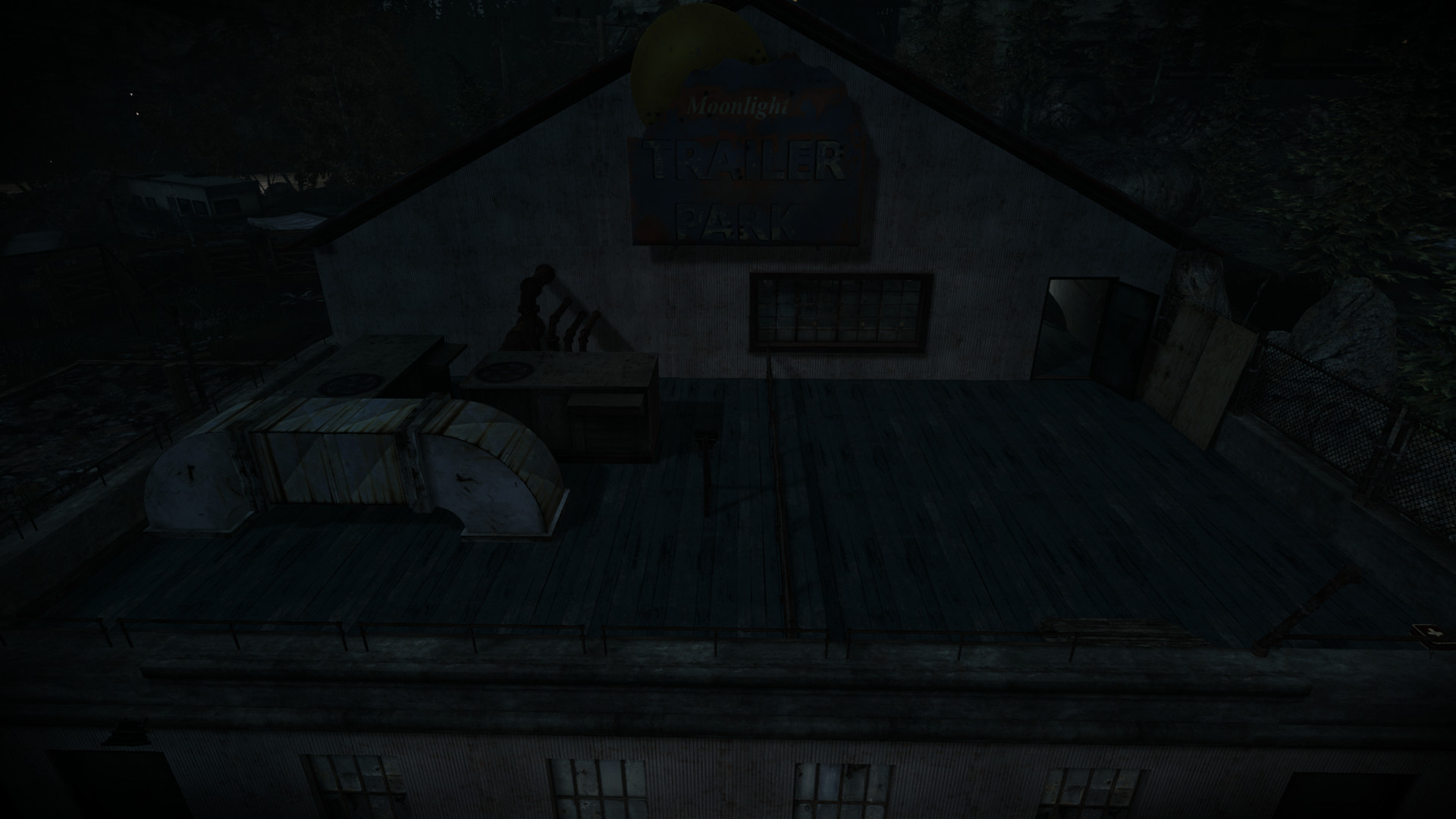
Atari’s 2015 release shifted the classic survival horror series toward cooperative shooter design on PC. Technical problems were present at launch, matchmaking worked inconsistently, and enemy behavior repeated simple patterns that offered little tension.
Environmental storytelling took a back seat to horde style combat, and level objectives recycled switches and generators across maps. Fans of the brand found few of the atmospheric elements that defined earlier installments, which limited long term interest.
Tony Hawk’s Pro Skater 5

This 2015 reboot arrived with a very large first day patch that was required to access much of the content. Physics interactions felt unreliable, which affected trick lines and combo routes, and servers struggled under the online emphasis that underpinned progression.
Level creation tools and skater customization offered options, yet frequent bugs interrupted sessions and erased achievements. The game’s reception led to a pause for the series until a later remaster rebuilt trust with a more polished approach.
WWE 2K20

Launched in 2019 after a change in primary developer, this wrestling title shipped with widespread glitches. Character models clipped through the ring, hair and clothing reacted unpredictably, and referee logic desynced with match flow, which disrupted competitive play.
Online modes suffered from instability and disconnects during large lobbies. Post release support fixed many issues, but the initial state impacted yearly momentum for the franchise and prompted a break in the annual schedule.
Warcraft III: Reforged

Blizzard’s 2020 remaster updated art assets while removing or altering several features that had been shown before release. Custom campaign support changed, competitive tools were scaled back, and the new client replaced access to the classic version, which limited player choice.
The terms for user created maps were updated in a way that drew attention from modding communities. Although patches restored some functions, the initial changes affected long standing workflows for creators who had supported the game for years.
SimCity 2013

This city builder launched in 2013 with an always online requirement that overloaded servers during the first week. Players sat in queues to access single player city management, and saves failed to sync reliably between sessions, which led to lost progress.
Region simulation used small city plots that encouraged shared infrastructure, yet traffic and agent systems struggled under larger populations. An offline mode arrived later, but the early experience damaged trust in connected requirements for traditionally solo genres.
No Man’s Sky
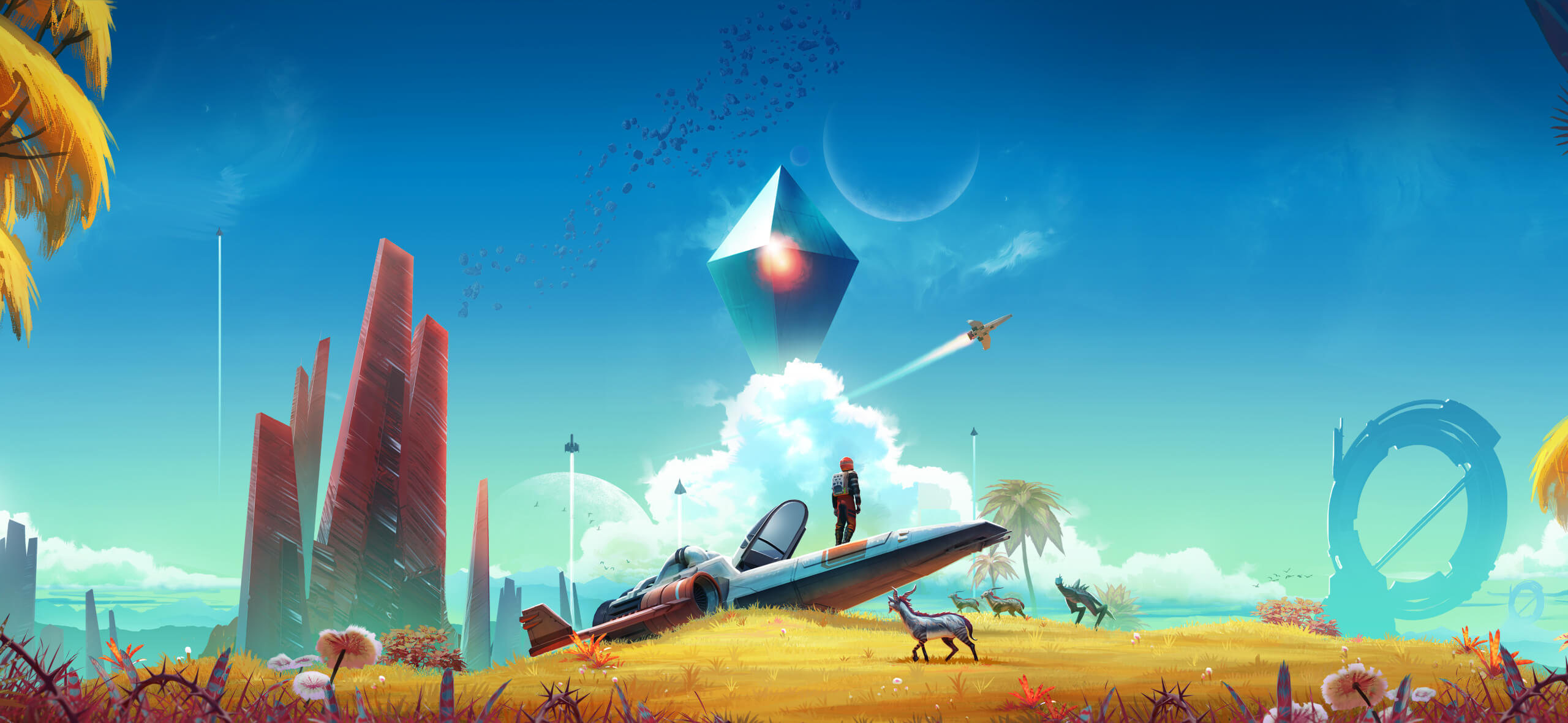
Hello Games released this exploration game in 2016 with procedural planets and vast travel. At launch many expected features were not present, including clear multiplayer interactions and certain trading and survival systems, which created a gap between previews and reality.
Over time the studio delivered major free updates that added base building, true multiplayer, vehicles, and story content. The turnaround is notable, though the initial release still stands as a reminder of how ambitious communication can backfire when timelines are tight.
Cyberpunk 2077
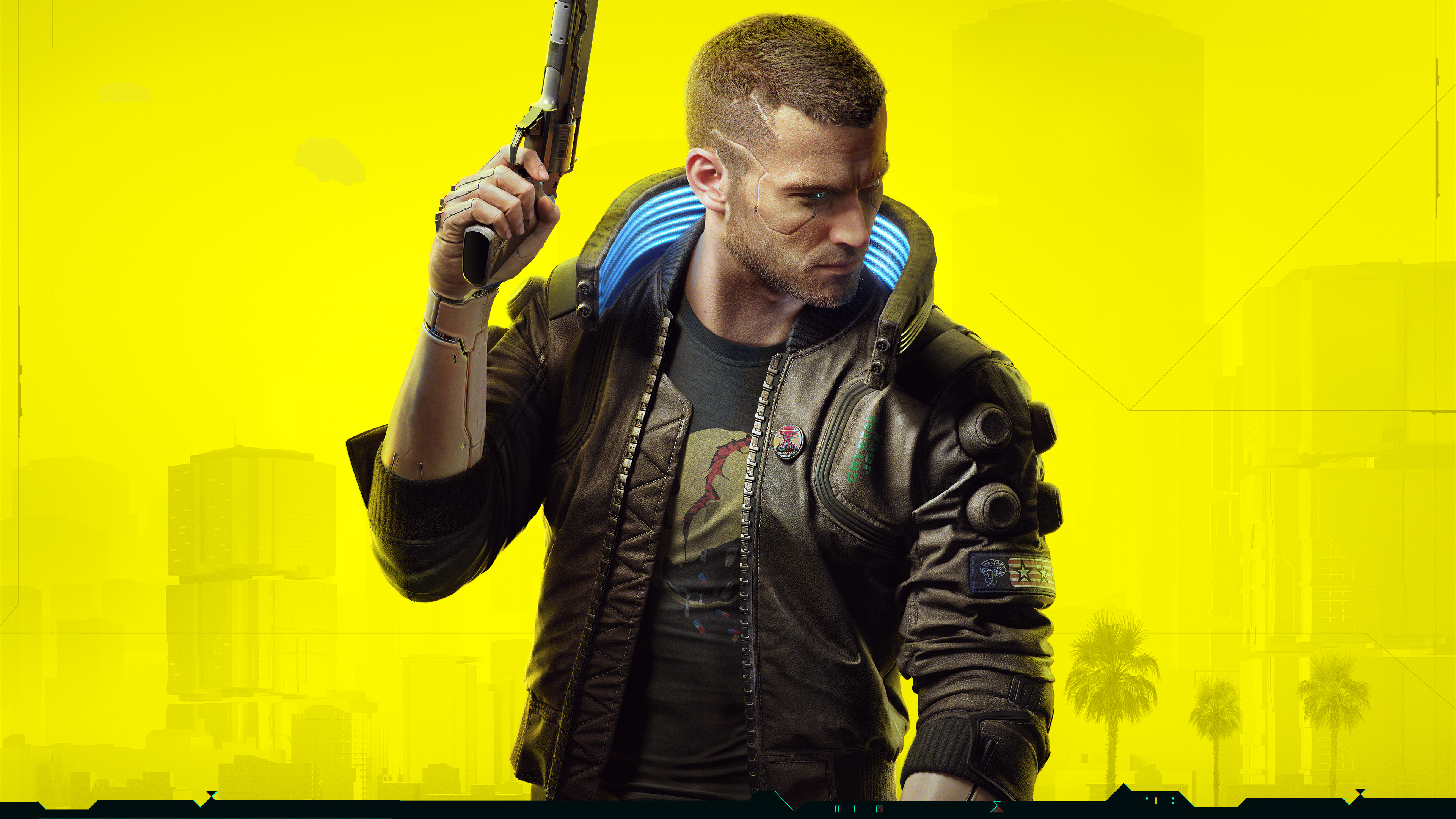
CD Projekt Red launched this role playing game in 2020 with significant performance problems on base consoles. Bugs affected quests, physics, and police response systems, and the game was temporarily removed from the PlayStation digital store, which made headlines across the industry.
Large patches improved stability, and later updates overhauled perk trees and combat systems. An expansion arrived with further revisions, but the original console release remains one of the most visible examples of a high profile game struggling on older hardware.
The Quiet Man

Released by Square Enix in 2018, this short action title blended live action scenes with gameplay while removing most sound during the first run. The design choice left players without audio cues for combat timing or story context, which caused confusion about objectives.
A free update later added sound in a second playthrough, yet the brawler mechanics stayed limited and encounters repeated similar patterns. The project is frequently cited when discussing how experimental presentation needs strong communication to support player understanding.
Share the games you would add or swap in the comments so everyone can compare notes on the most disappointing releases they have played.