10 Worst ‘James Bond’ Movies, Ranked

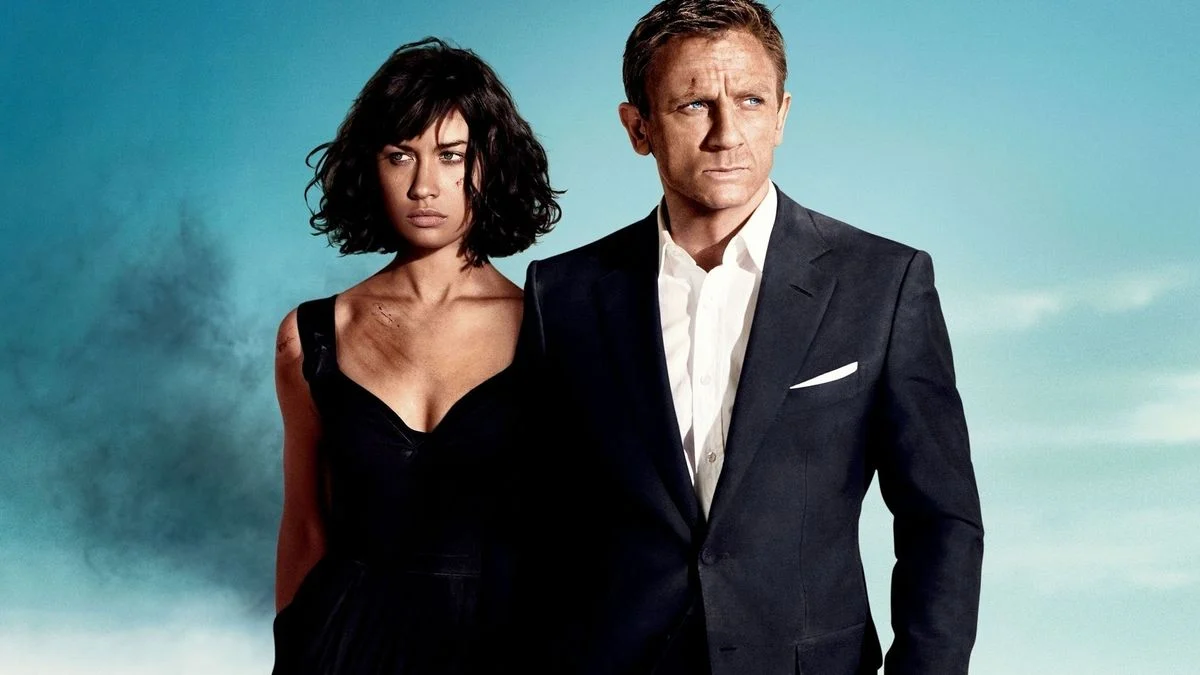

Across more than two dozen adventures, the official ‘James Bond’ series has taken 007 from Caribbean casinos to snowbound mountaintops and even into orbit. The films have featured six lead actors, a revolving gallery of allies and villains, and a mix of gadgets, stunts, and globe hopping locations that helped define modern action cinema. Behind the scenes the series has passed through distinct creative eras, with producers, directors, and writers shaping how the character looks, fights, and investigates from one mission to the next.
This list focuses on entries that landed below the high watermark set by the franchise at different points in its history. You will see shifts in tone, experiments that pushed the formula, and production choices that stand out when compared with the most celebrated installments. Each entry includes concrete details on plots, characters, locations, set pieces, music, and other elements that help place the film within the broader world of Bond.
‘Die Another Day’ (2002)
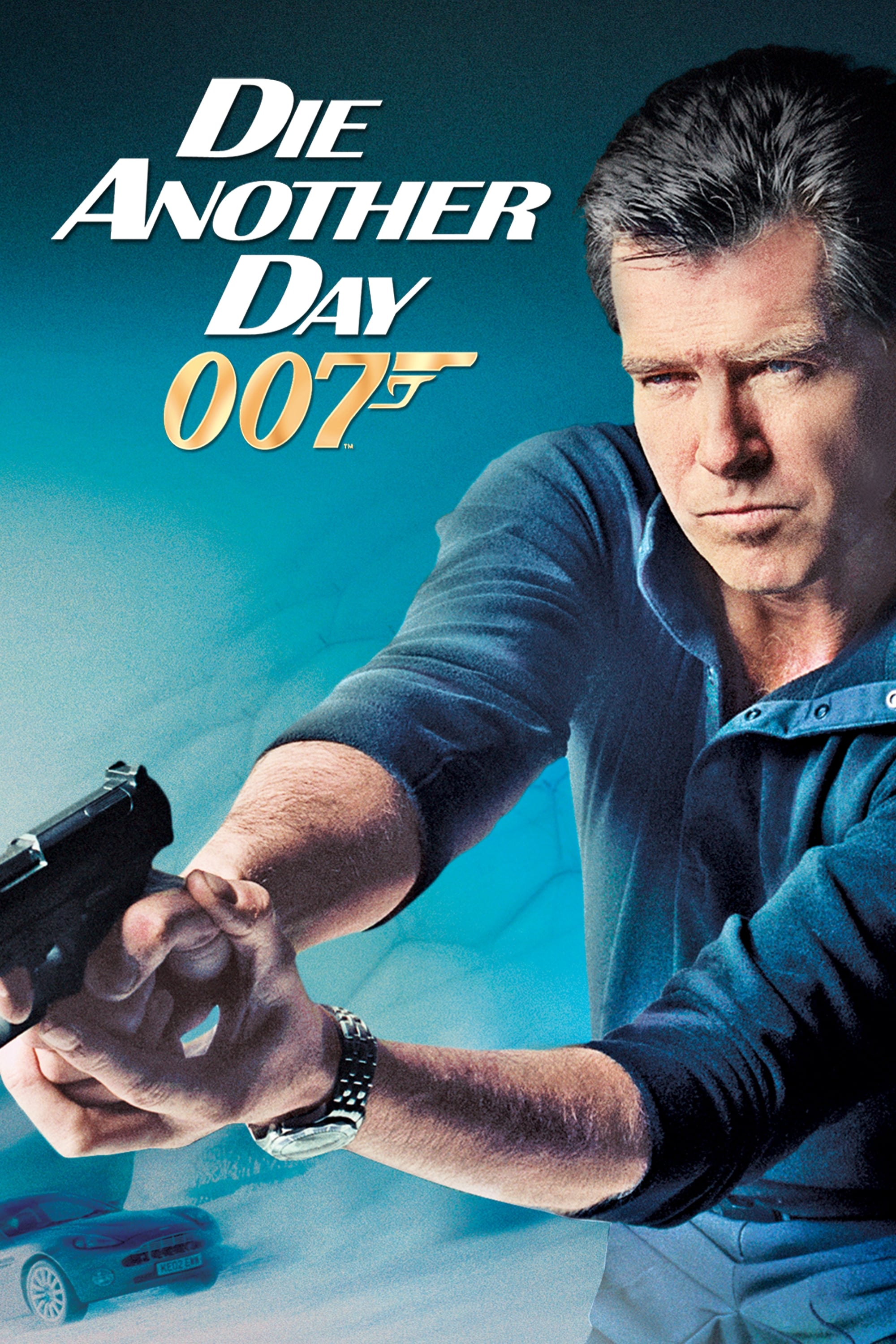
The story begins with an operation in North Korea and follows Bond through Hong Kong, Cuba, Iceland, and London as he tracks a terrorist financier and a British entrepreneur who controls a solar weapon called Icarus. Key characters include Jinx Johnson, Zao, and Gustav Graves, who presents a public persona that hides a deeper connection to the opening mission. Notable sequences include an ice palace infiltration and a duel on a cargo plane, along with the debut of the Aston Martin Vanquish and its adaptive camouflage.
Lee Tamahori directed, with Pierce Brosnan returning as Bond and Halle Berry joining as a fellow operative. The title song was performed by Madonna, who also makes a brief appearance. The film marked the twentieth official entry in the series and featured Q branch inventions across multiple scenes. It performed strongly at the global box office and closed out one era before the series moved in a new direction with a different lead and a grounded style.
‘Moonraker’ (1979)
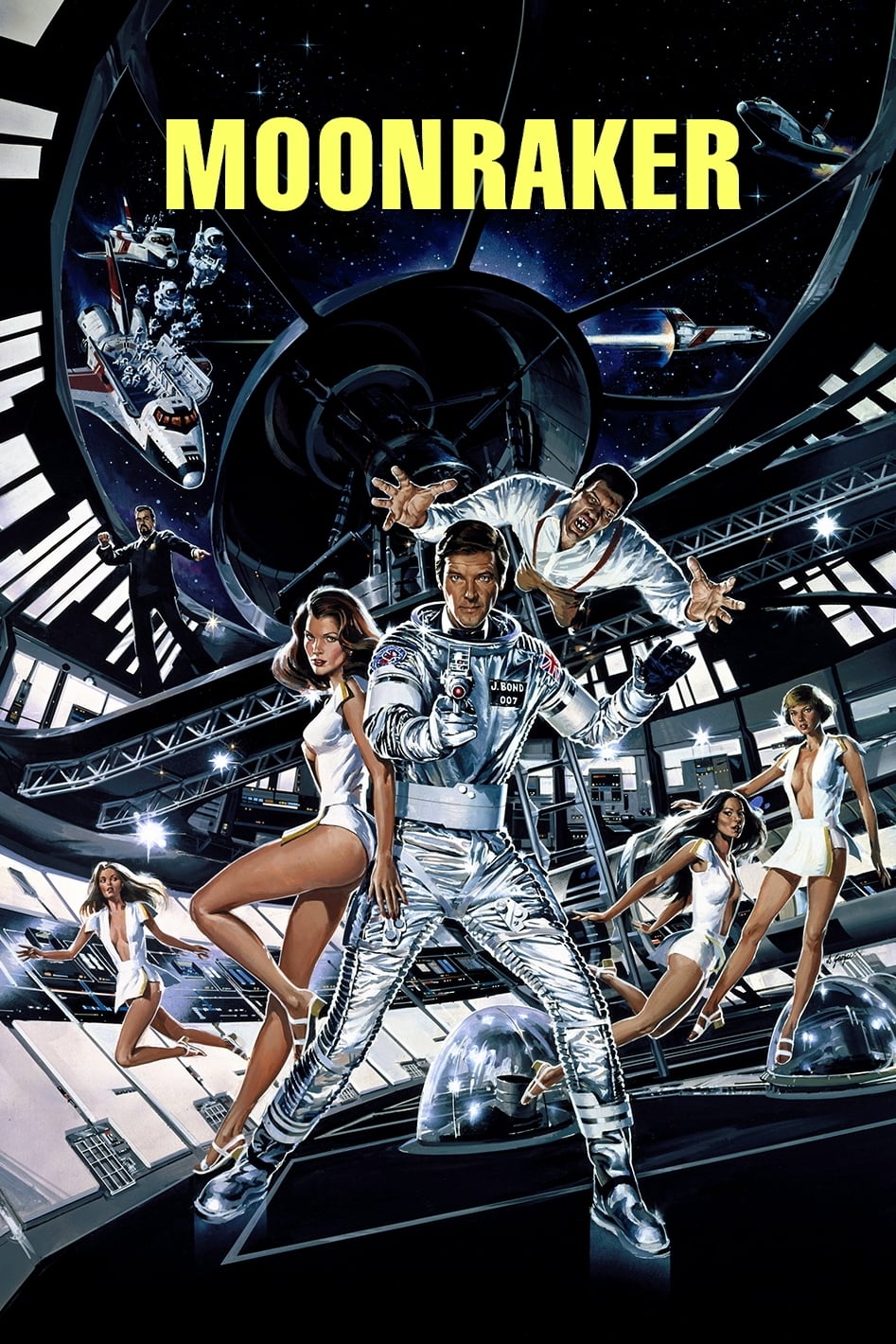
Bond investigates the theft of a space shuttle and uncovers industrialist Hugo Drax’s plan that involves a hidden space station and a deadly toxin derived from a rare orchid. The mission takes him from California to Venice, onward to Rio de Janeiro and the Amazon, and finally into orbit. The film brings back the steel toothed henchman Jaws and pairs Bond with Dr. Holly Goodhead, a scientist and undercover agent who plays a central role in the space bound finale.
Lewis Gilbert directed, with Roger Moore in the lead. The production leaned into large scale sets and model work for the space sequences and featured a title song performed by Shirley Bassey. Practical stunts in Rio and a gondola chase in Venice sit alongside wire work and visual effects in the final act. The release followed a surge in audience interest in space themed adventures and became one of the highest earning entries of its era.
‘A View to a Kill’ (1985)
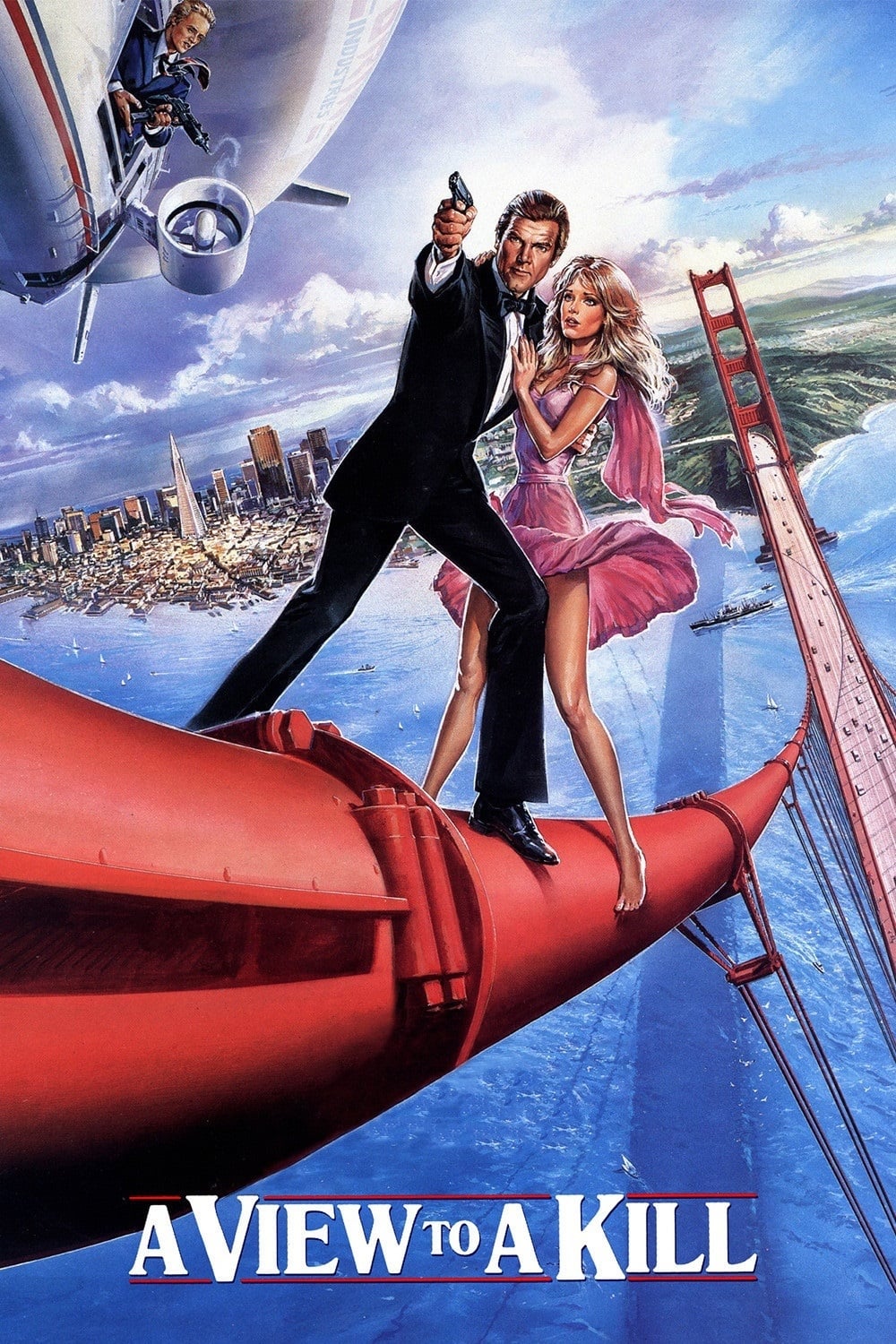
Bond tracks microchip smuggling that leads to industrialist Max Zorin and a plot to trigger geological events that would flood parts of California and disrupt global technology markets. The investigation moves from a pre title mission in snowy terrain to Paris and then to San Francisco. May Day serves as a formidable enforcer, and Stacey Sutton becomes Bond’s key ally as the plan targets the region around Silicon Valley.
John Glen directed, with Roger Moore in his final appearance as 007. The film features a title track by Duran Duran that reached major music charts and a climactic fight on the Golden Gate Bridge achieved through stunt work and optical effects. Grace Jones brought a distinctive presence as May Day, and the production used a mix of French and American locations. The film’s release capped a long run for its lead actor and set the stage for a new chapter.
‘The World Is Not Enough’ (1999)
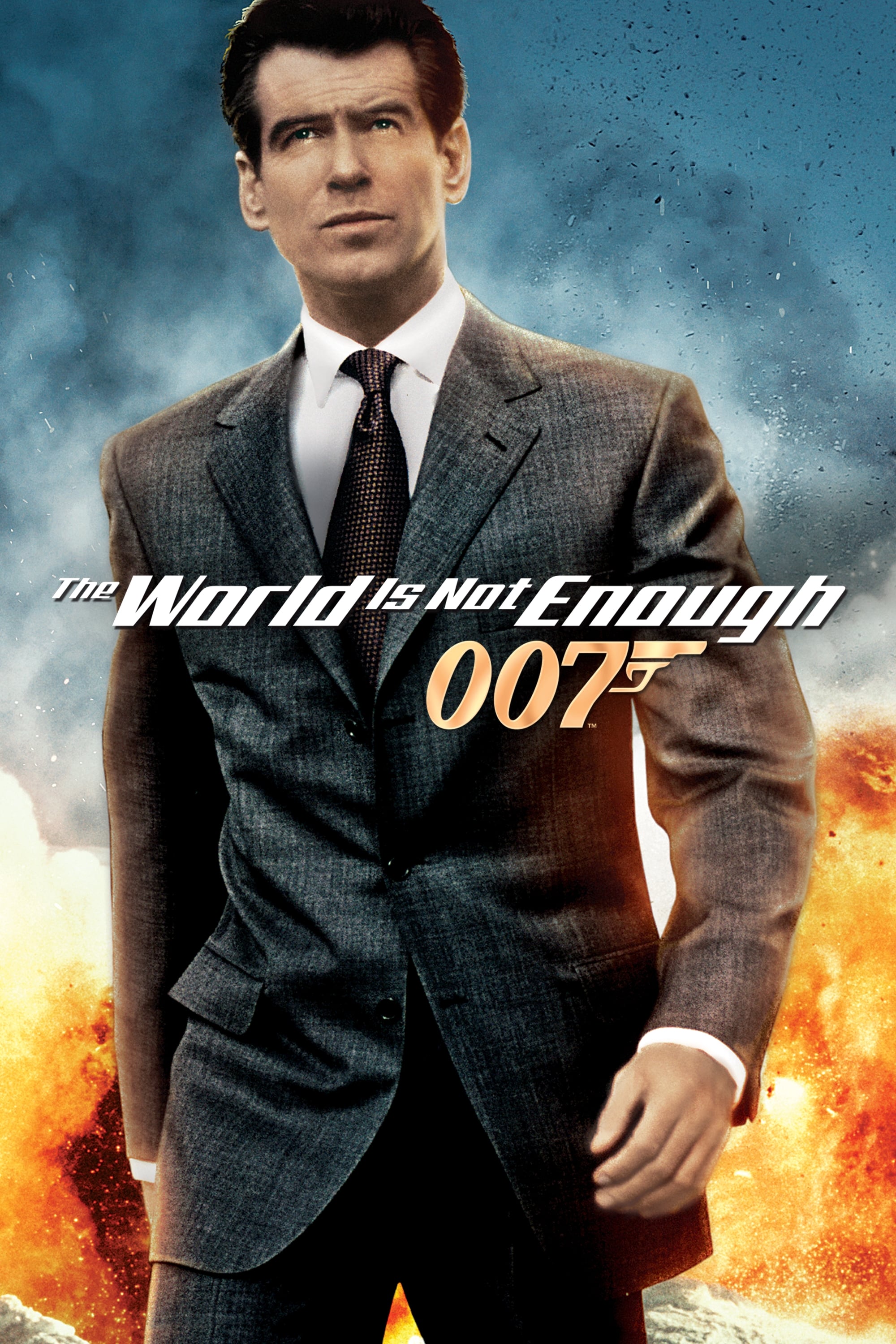
An attack on MI6 leads Bond to protect oil heiress Elektra King while investigating the terrorist Renard, whose injury prevents him from feeling pain. The narrative weaves through London and the River Thames, the Caucasus, and Istanbul as a plan involving pipelines and a nuclear device comes into focus. A high speed boat chase introduces the threat, and the finale centers on a submarine mission beneath the Bosporus.
Michael Apted directed, with Pierce Brosnan as Bond and Sophie Marceau and Robert Carlyle in pivotal roles. Denise Richards appears as Dr. Christmas Jones, who joins the operation during a sequence at a former nuclear facility. The title song was performed by Garbage. The film includes the final appearance of Desmond Llewelyn as Q and a handover to John Cleese as his successor, which provided an in world transition for the gadget department.
‘Tomorrow Never Dies’ (1997)
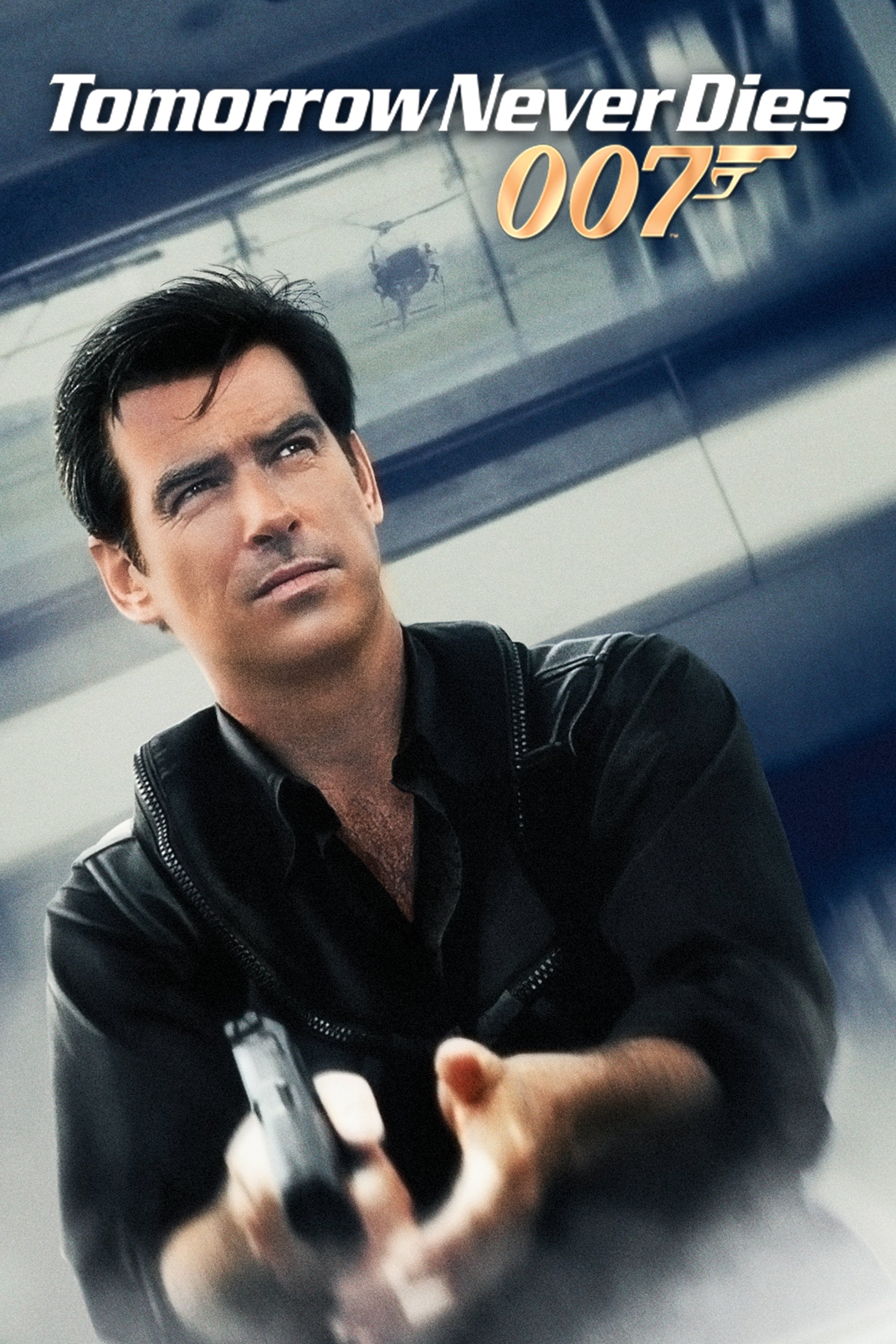
Bond uncovers a scheme by media mogul Elliot Carver to manipulate global positioning signals and provoke conflict between nations in order to expand broadcast influence. The mission takes Bond to Hamburg, Saigon, and the South China Sea, where a stealth ship and a captured British vessel become central locations. Chinese agent Wai Lin partners with Bond and brings her own tactics and equipment to the operation.
Roger Spottiswoode directed, with Pierce Brosnan alongside Michelle Yeoh and Jonathan Pryce. The score blends electronic textures with orchestral themes, and the title song was performed by Sheryl Crow with another track by k d lang featured in the end credits. A remote driven BMW sedan features in a parking garage set piece, and production filmed key sequences in Thailand to stand in for Vietnamese settings. The film continued the series trend of technology centric plots tied to contemporary concerns.
‘Octopussy’ (1983)
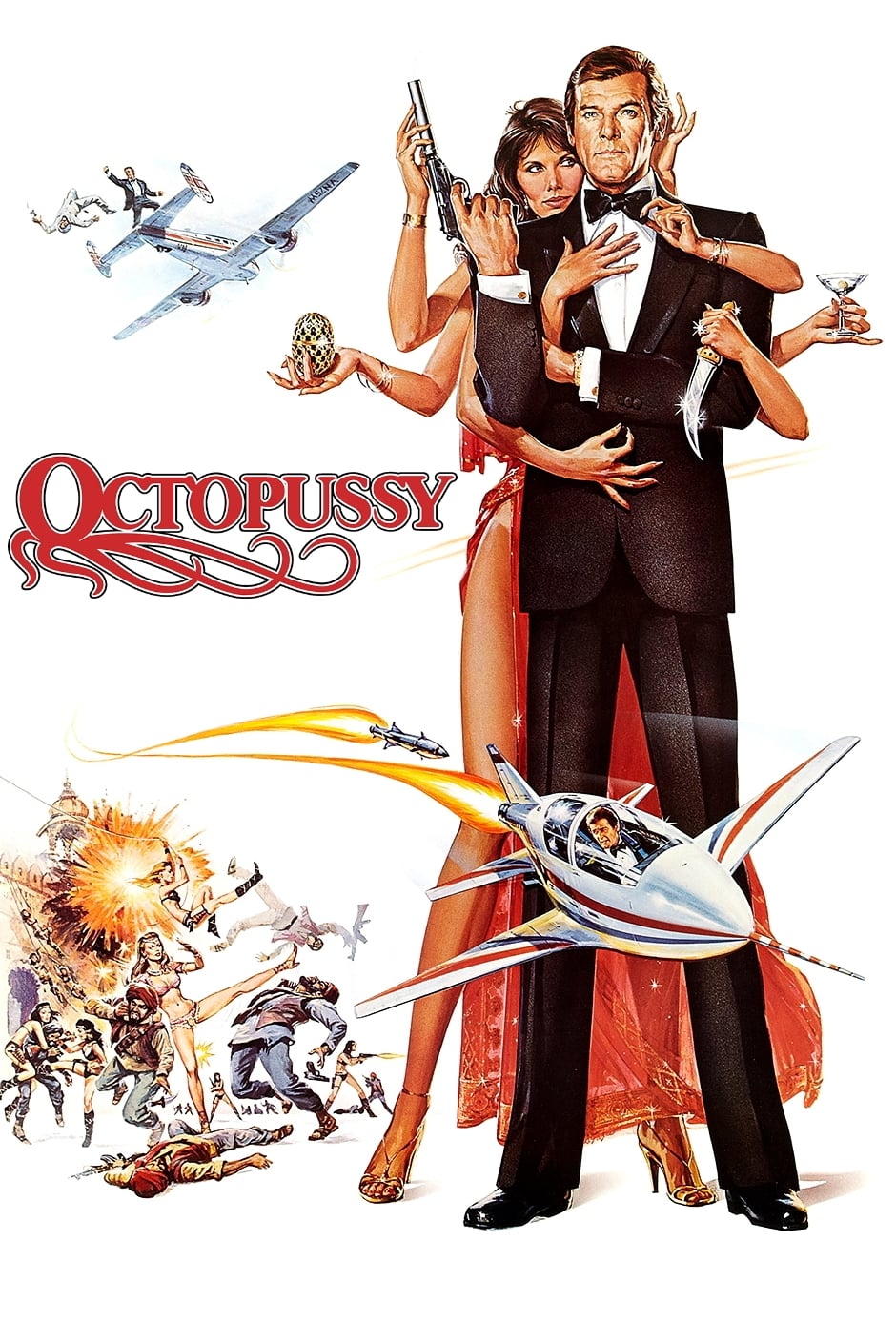
A jeweled egg linked to a smuggling ring draws Bond into a conspiracy that connects an exiled Afghan prince and a renegade Soviet general. The trail leads through London to India and then to West Germany, where a traveling circus and a military base become key to a plan that uses a device to destabilize allied defenses. The title character leads a private organization that operates from an island compound and commands her own cadre of operatives.
John Glen directed, with Roger Moore and Maud Adams in central roles, and Louis Jourdan and Steven Berkoff as principal antagonists. The production shot extensively in Udaipur, using palaces and lakeside locations for set pieces and chases. The title song All Time High was performed by Rita Coolidge. The film shared its release year with an unrelated Bond project starring a former series lead, which created a unique moment in franchise history.
‘Diamonds Are Forever’ (1971)
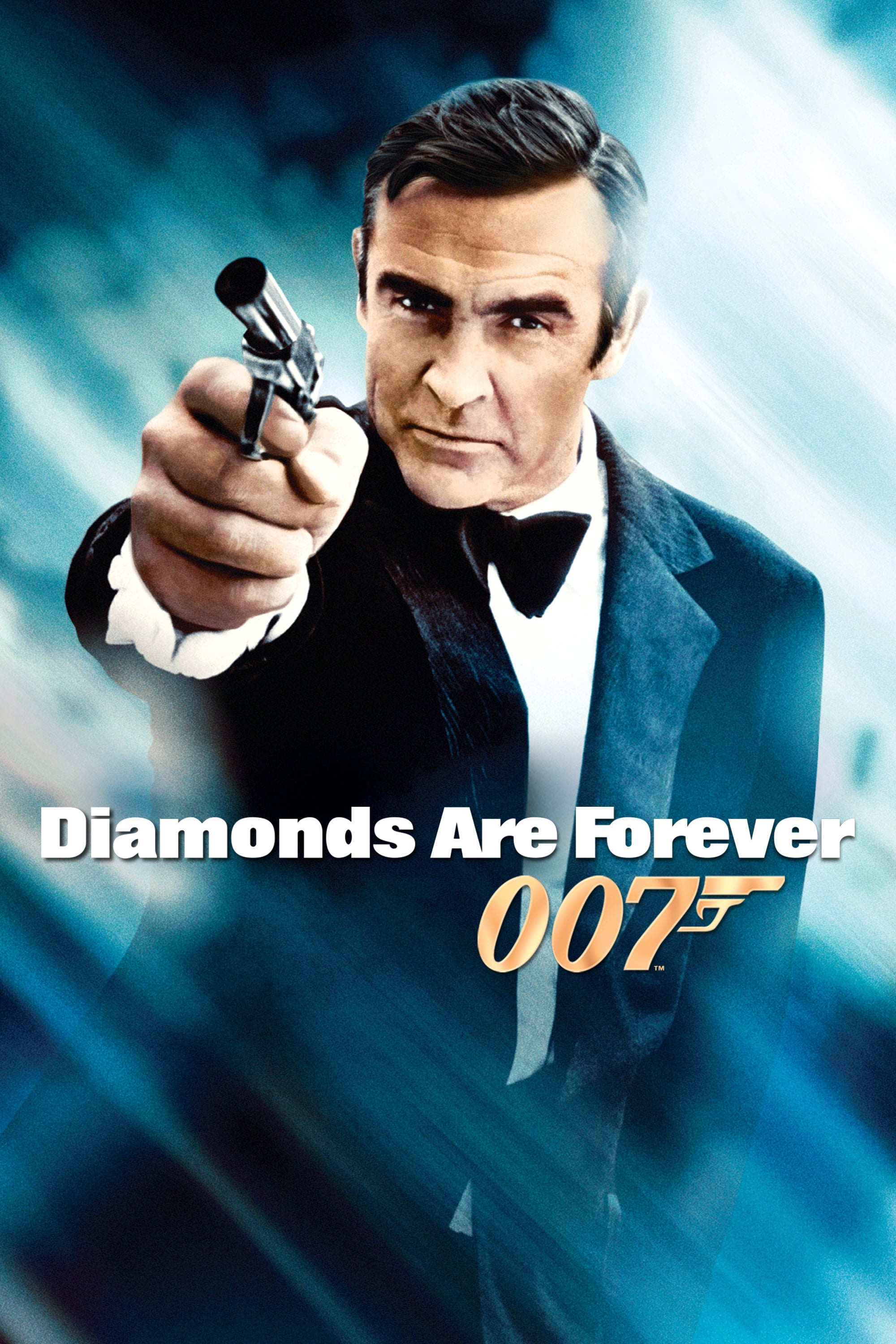
Bond infiltrates a diamond smuggling pipeline that stretches from Amsterdam to Las Vegas and uncovers a satellite weapon that focuses a laser on strategic targets. Tiffany Case becomes his main contact inside the operation, while Mr. Wint and Mr. Kidd serve as distinctive enforcers who appear at key moments across the mission. The climax plays out on an offshore platform with a battle that brings the plot into the open.
Guy Hamilton directed, with Sean Connery returning to the role after a one film gap. Jill St. John co stars, and Charles Gray portrays Ernst Stavro Blofeld in multiple guises. The title song Diamonds Are Forever was performed by Shirley Bassey. The production made extensive use of Las Vegas locations, including casinos and hotel exteriors, and worked with local authorities to stage night shoots and street level chases.
‘Quantum of Solace’ (2008)
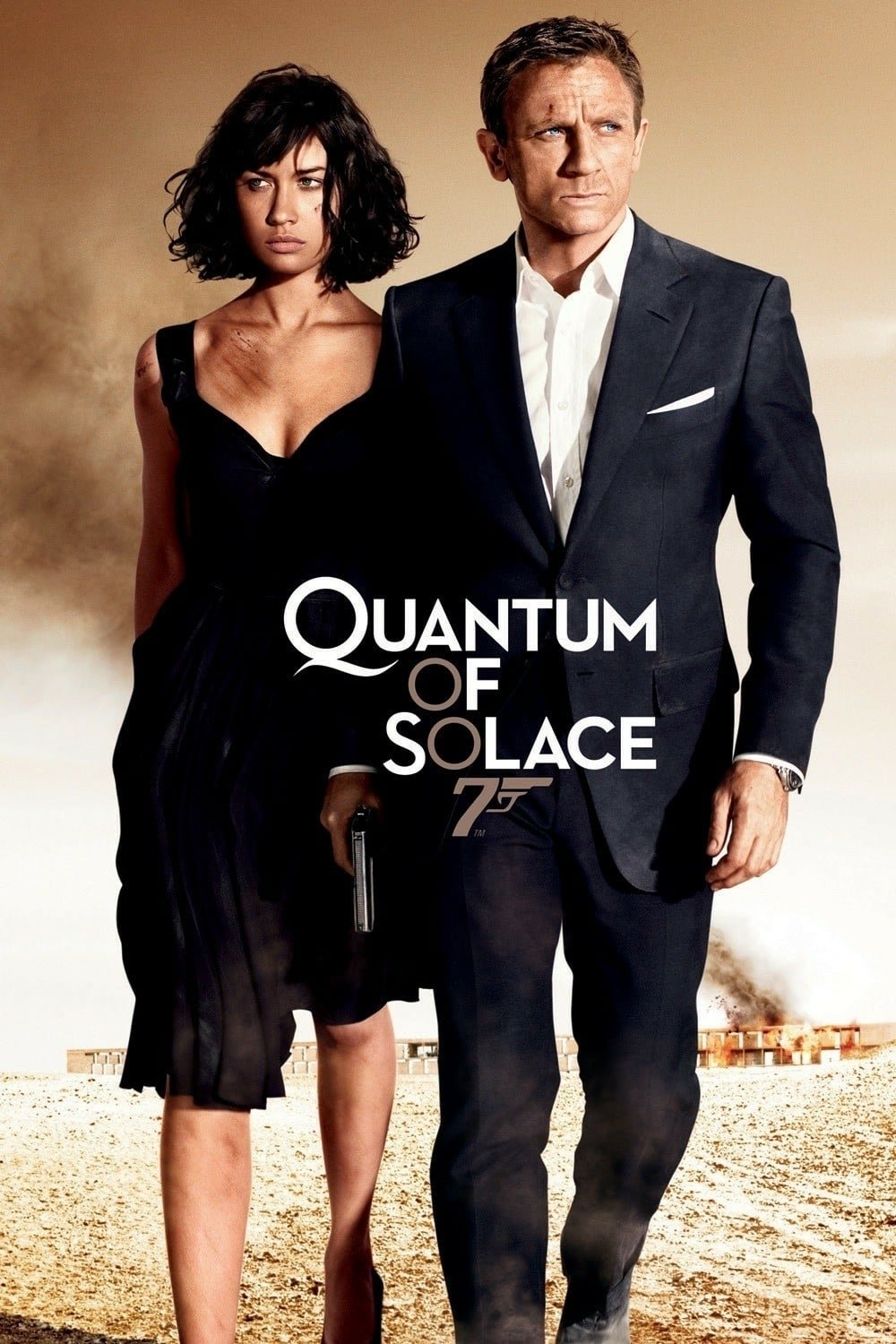
The narrative begins immediately after the events of ‘Casino Royale’ and follows Bond as he traces the operations of a secretive organization through Italy, Austria, and South America. Dominic Greene fronts a scheme to control a nation’s water supply while using an environmental nonprofit as a cover. Camille Montes drives her own mission that converges with Bond’s objectives during an aerial sequence and a desert compound showdown.
Marc Forster directed, with Daniel Craig returning as Bond and Olga Kurylenko and Mathieu Amalric in key roles. The production staged action across Siena, Bregenz, Panama City, and the Atacama region. The title track was performed by Alicia Keys and Jack White. The film has the shortest runtime in the series up to that point and was developed during a period affected by a writers strike, which influenced how revisions were handled during shooting.
‘The Man with the Golden Gun’ (1974)
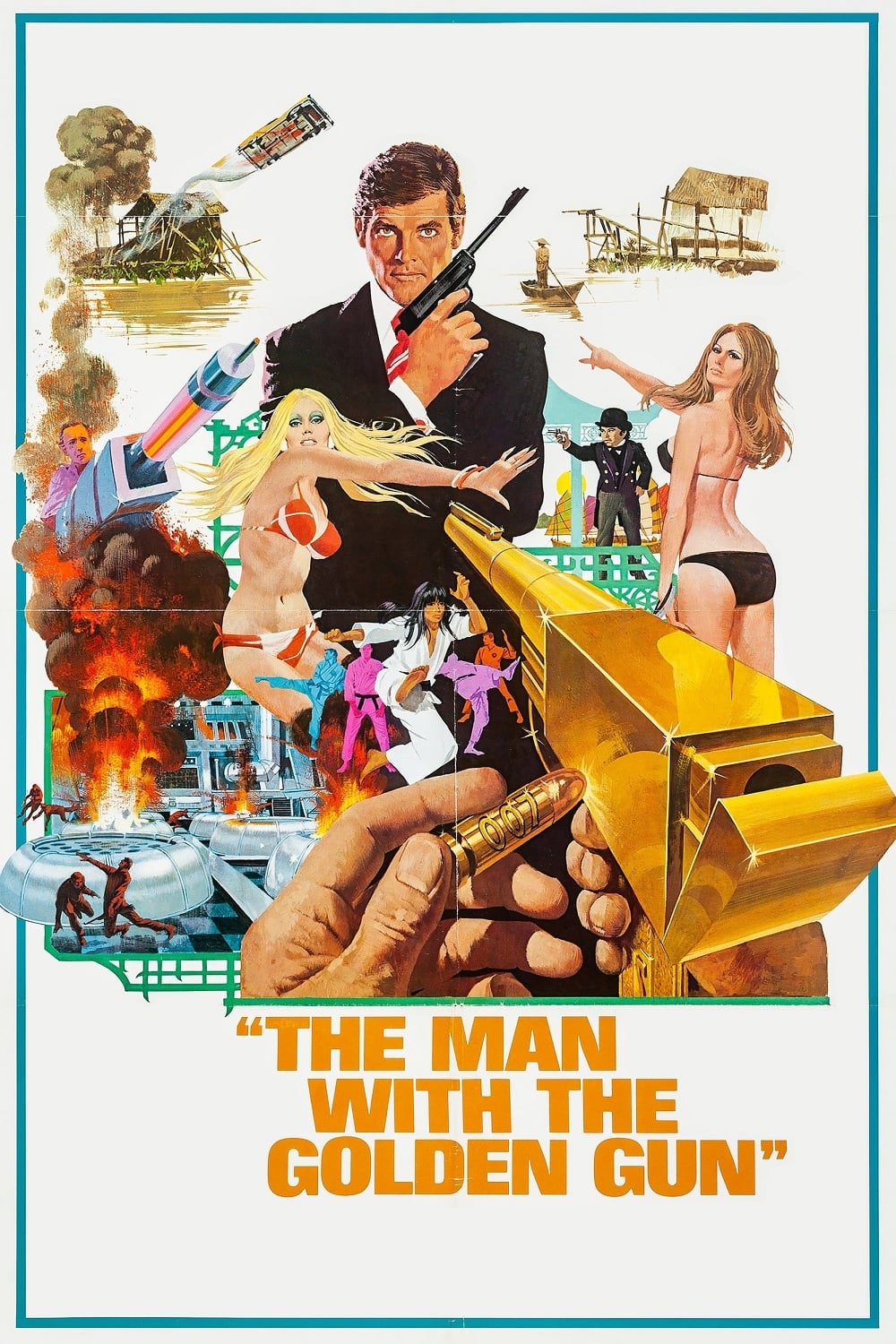
Bond faces Francisco Scaramanga, a high priced assassin who uses a custom weapon and invites 007 to a duel on his private island. The plot connects to a device called the Solex Agitator, which relates to solar energy research and draws multiple parties into competition for control. Bond’s path runs through Macau, Hong Kong, and Thailand, with a finale inside a funhouse environment filled with mechanical traps.
Guy Hamilton directed, with Roger Moore, Christopher Lee, and Hervé Villechaize leading the cast. Britt Ekland appears as Mary Goodnight, who assists and complicates Bond’s efforts in equal measure. The film features a barrel roll car jump executed as a single take stunt, which was planned with computer modeling to map out the rotation. The title song was performed by Lulu, and the score applies a recurring musical motif for Scaramanga’s presence.
‘Spectre’ (2015)

Bond follows a trail from Mexico City to Rome, Austria, and Morocco and discovers a leadership figure who connects the villainy from the previous three missions under the name Spectre. The plot includes a surveillance program called Nine Eyes and a data center in the desert that houses the organization’s records. Key figures include Madeleine Swann and the assassin Hinx, whose encounters with Bond anchor multiple action sequences on roads and trains.
Sam Mendes directed, with Daniel Craig, Léa Seydoux, and Christoph Waltz in central roles. The title song Writing’s on the Wall was performed by Sam Smith and won major awards in the music category. The production created the Aston Martin DB10 specifically for the film and staged its opening during a Day of the Dead celebration using a continuous shot that moves from street level to a rooftop. The release became one of the highest grossing entries in the series and continued the larger story arc that began with ‘Casino Royale’.
Share your picks for the weakest 007 outings in the comments and tell us which missions you would swap in or out.