Top 20 Games Facing Potential Ban by Executive Order

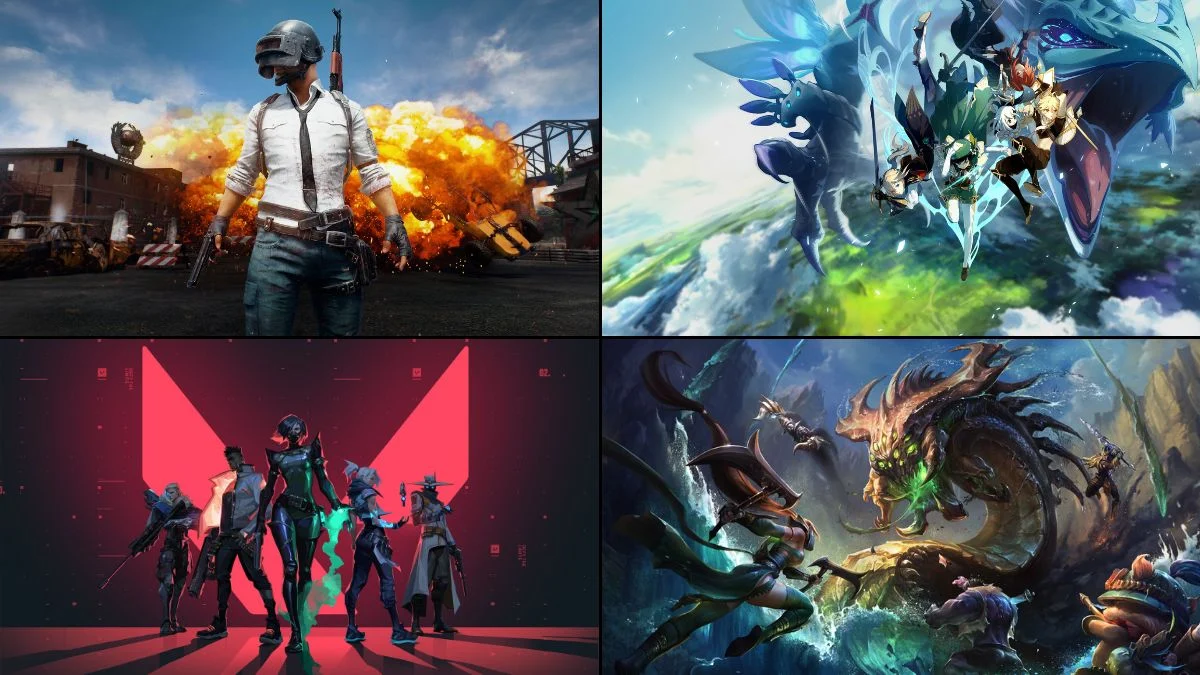

Executive actions can restrict apps and online services when governments cite national security, data protection, gambling concerns, or risks to minors. Orders like these usually target how data moves across borders, the presence of real money features, and whether a company has ownership or operational ties in places a government considers sensitive. They can also require companies to change practices, divest assets, or exit a market rather than disappear worldwide.
The games below include factors that commonly draw scrutiny such as cross border data flows, always online systems, voice and text chat, user generated content, anti cheat software, and real money elements like loot boxes and skins trading. Each entry explains the publisher or ownership structure and the specific mechanics or systems that regulators often evaluate when they consider executive action.
Genshin Impact

This action role playing game is developed and published by HoYoverse, also known as miHoYo, a company founded in Shanghai with global offices and server regions in North America, Europe, and Asia. It runs on PC, PlayStation, and mobile, with a single account used across regions and a steady pipeline of downloadable updates and events.
The game uses a gacha style character and weapon system with randomized drops and premium currency. It requires an online connection, includes in game chat, stores cloud saves, and uses analytics and telemetry, all of which bring data transfer and monetization practices into scope for policy makers.
Honkai Star Rail

This turn based role playing game is also published by HoYoverse and operates across multiple regions with live service updates. Players log into a unified account system and progress is tied to always online servers.
Monetization centers on a gacha system for characters and gear along with time limited banners. Cross region infrastructure, cloud saves, and event tracking create data flows that regulators may assess alongside spending protections and age gating.
PUBG Mobile
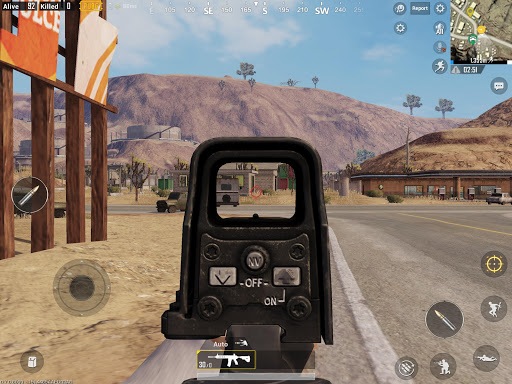
This mobile shooter is developed by Lightspeed and Quantum Studios and published by Tencent under license from Krafton. It uses a global account system, seasonal battle passes, and frequent content updates that keep devices connected to live servers.
The game sells cosmetic items through loot style crates and limited time offers and includes voice and text chat. Its large user base, competitive scenes, and real time matchmaking raise questions about data routing, moderation, and spending safeguards in markets that review such features.
Call of Duty Mobile
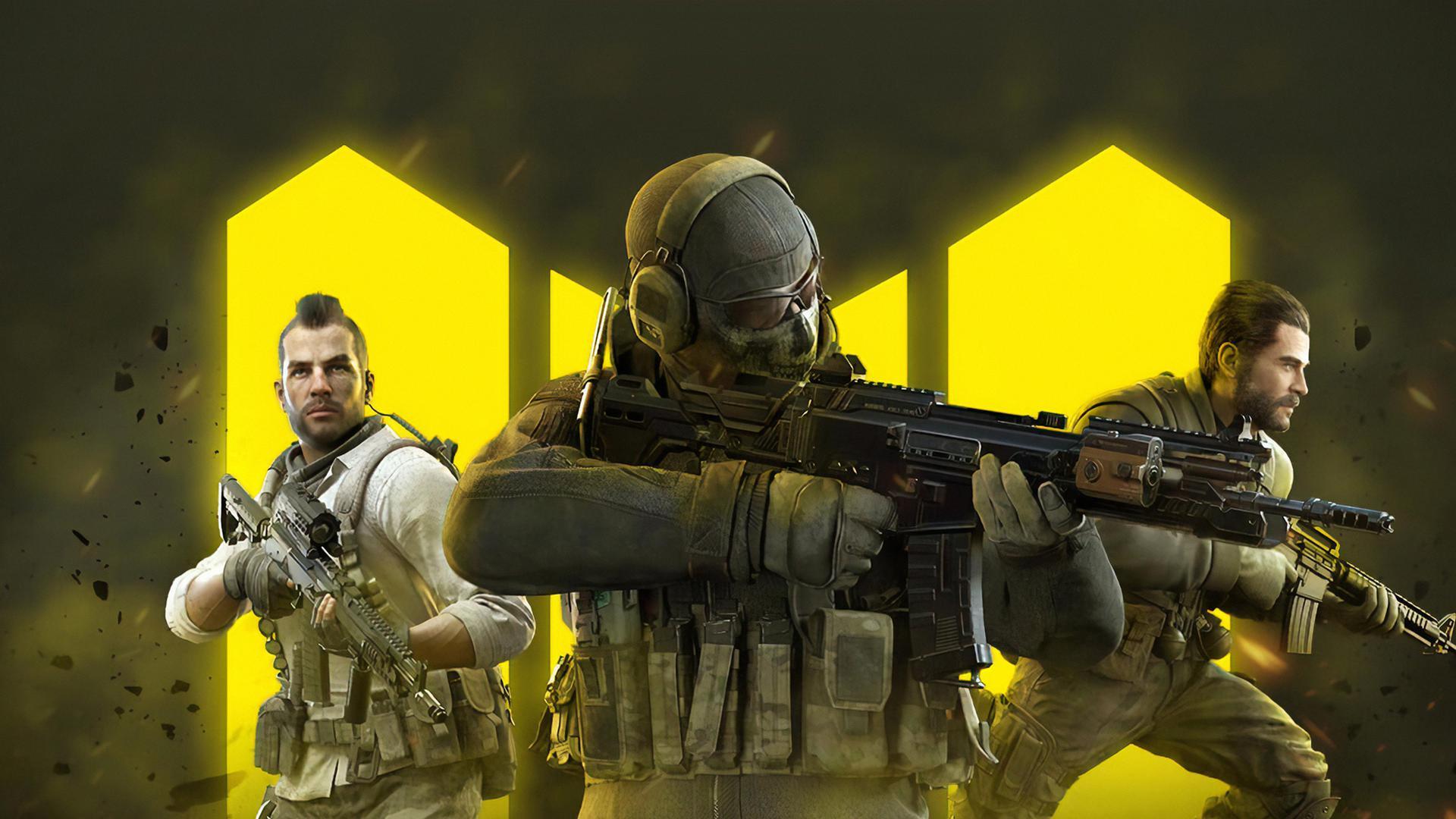
This mobile entry in the franchise is published by Activision with development support from TiMi Studio Group. It relies on online services for progression, ranked play, and seasonal content and ties accounts to external sign in options.
Players can purchase battle passes and randomized item bundles while using voice and text chat in matches. Executive reviews of mobile ecosystems often look at partner relationships, data collection for telemetry and advertising, and real time communication features that require careful moderation.
Arena of Valor
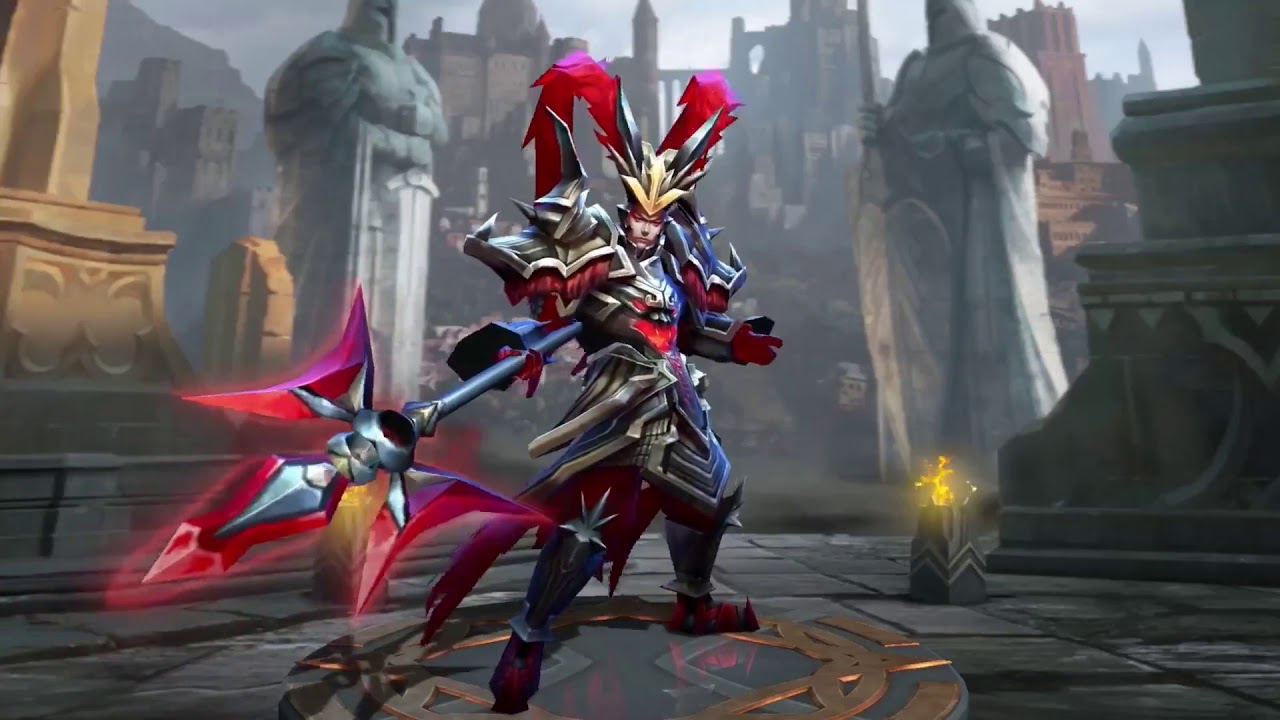
This multiplayer online battle arena title is published by Tencent for international markets. It features linked accounts, cross region events, and live balance patches that rely on constant connectivity.
Cosmetics and hero unlocks are sold through direct purchase and chance based systems. The combination of in app purchases, competitive chat, and data handled across regional servers aligns with common review criteria for online games.
Honor of Kings
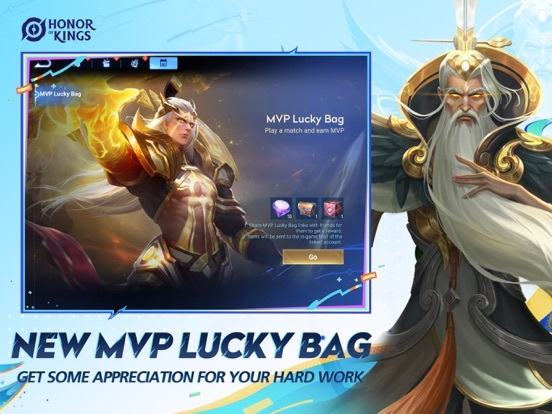
This is the original domestic version of the Tencent multiplayer online battle arena that has expanded internationally. It operates through live events, ranked seasons, and an account framework that travels with the player.
The store offers cosmetics and other unlocks, some through limited time or randomized offers. Always online operation, social features, and spending systems are typical areas of attention in markets that examine player protections and data handling.
League of Legends
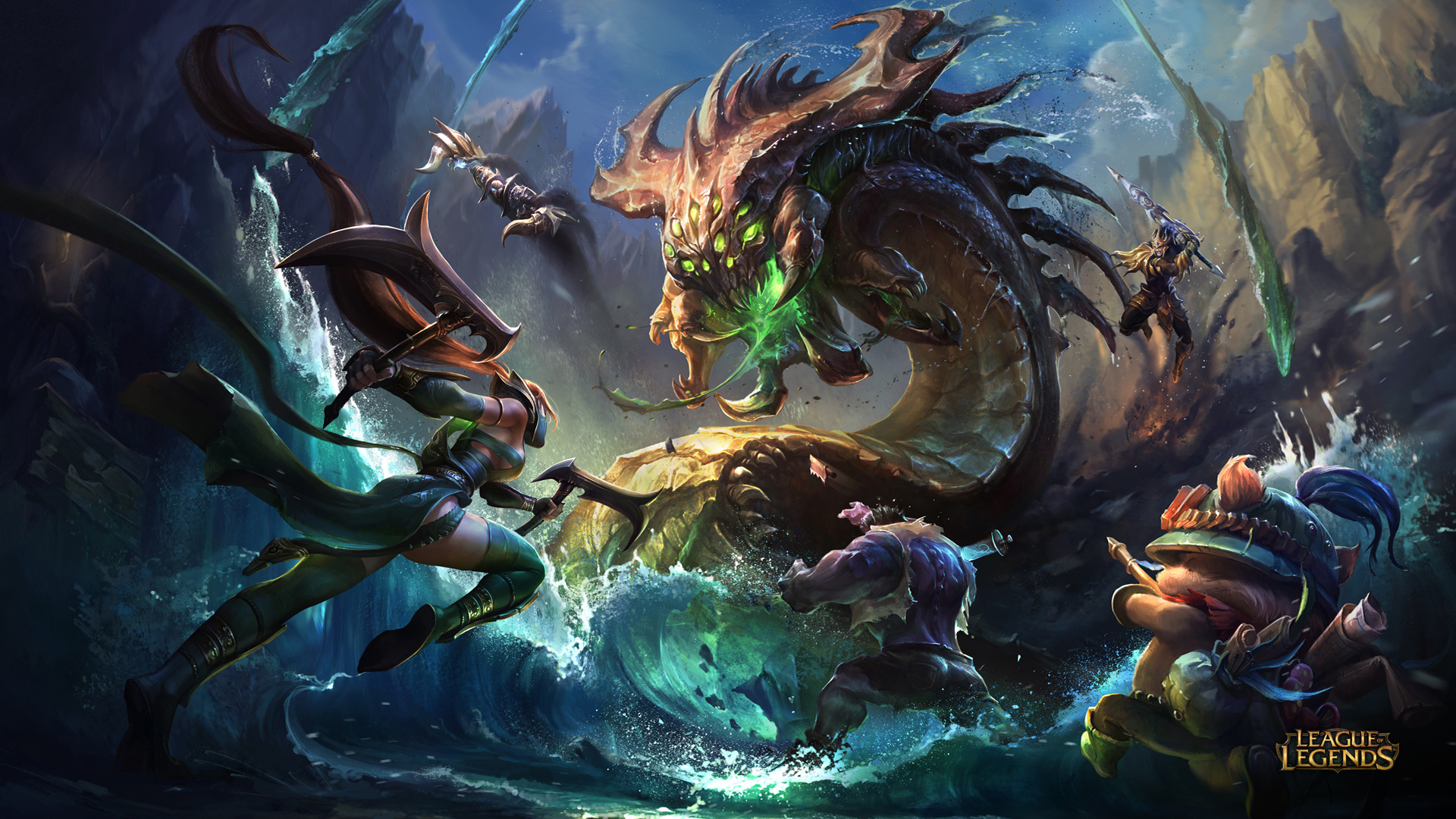
This PC multiplayer online battle arena is developed by Riot Games, a company fully owned by Tencent. It uses a global platform approach with regional publishing, a live patch cadence, and competitive ranked modes.
Players buy cosmetic skins, event passes, and loot style capsules. Voice and text chat, anti cheat, and cross region operations place the game within standard policy topics such as moderation, telemetry, and data residency.
Valorant
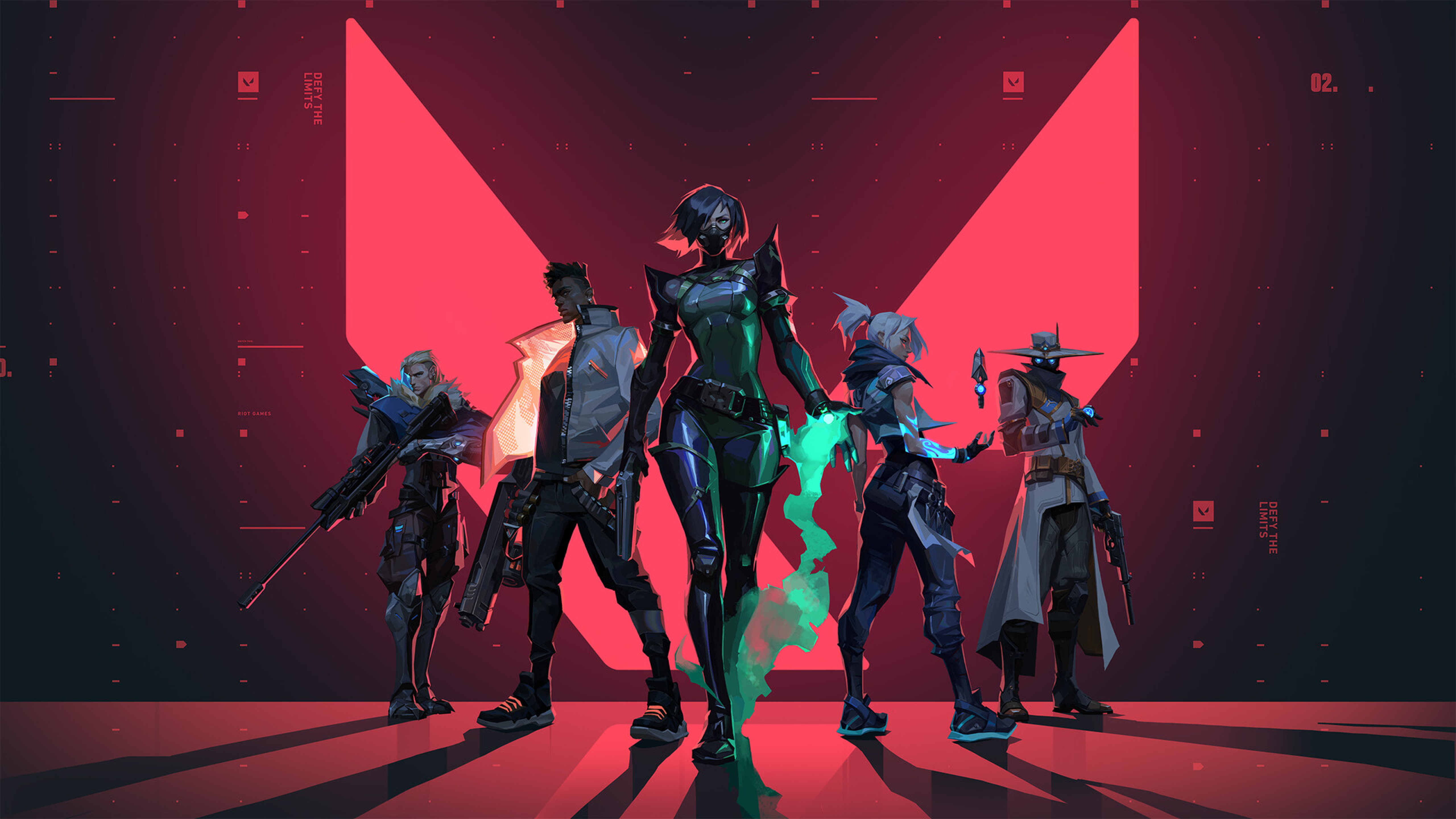
This team based tactical shooter is also developed and published by Riot Games. It requires an always online connection, maintains ranked ladders, and updates on a regular schedule.
The game uses an anti cheat system that operates at the kernel level and runs when the computer starts, which is frequently reviewed by security and privacy teams. Its store features cosmetic items and event passes, and its voice and text chat require robust compliance and moderation.
Fortnite

This large scale shooter and creation platform is published by Epic Games and runs on PC, console, and mobile. It uses a single Epic account for cross platform progression and relies on constant online connectivity for events and updates.
Players buy cosmetic skins and a seasonal pass and can build and publish custom experiences inside the game. Voice chat, parental controls, and user generated content moderation are central operational areas that regulators often evaluate along with any cross border data transfers.
Clash of Clans
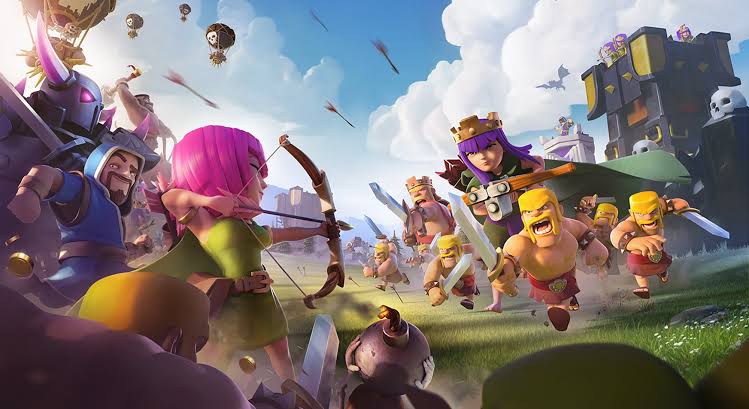
This mobile strategy game is published by Supercell, a company majority owned by Tencent. It uses a persistent online village, clan membership, and seasonal events with a steady stream of updates.
Monetization includes time accelerators and cosmetic items with cloud based saves tied to player accounts. The combination of social clan features, analytics, and international infrastructure places it within common review frameworks for mobile services.
Clash Royale

This real time mobile strategy game is also published by Supercell and uses a shared account ecosystem. It runs seasonal ladders and events that depend on live service updates.
The store sells chests, cards, and cosmetics with random reward elements. Ranked matchmaking, chat features, and data used for progression and personalization are standard factors considered in mobile game assessments.
Free Fire

This mobile battle royale is published by Garena, part of Sea Group, a company in which Tencent has been a significant shareholder. It operates through live seasons, regular balance changes, and a global account system.
Players purchase cosmetics, event passes, and luck based spins for limited items. Voice chat, large scale matchmaking, and monetization that includes chance elements bring the title into policy areas that address youth spending and data protection.
Mobile Legends Bang Bang

This mobile multiplayer online battle arena is published by Moonton, which is owned by ByteDance. It runs regular ranked seasons and community tournaments that rely on live maintenance and updates.
The game sells hero skins and event items including chance based offers. Account linking, social features, and cross region server operations present the typical blend of data and moderation topics that regulators review.
Warframe
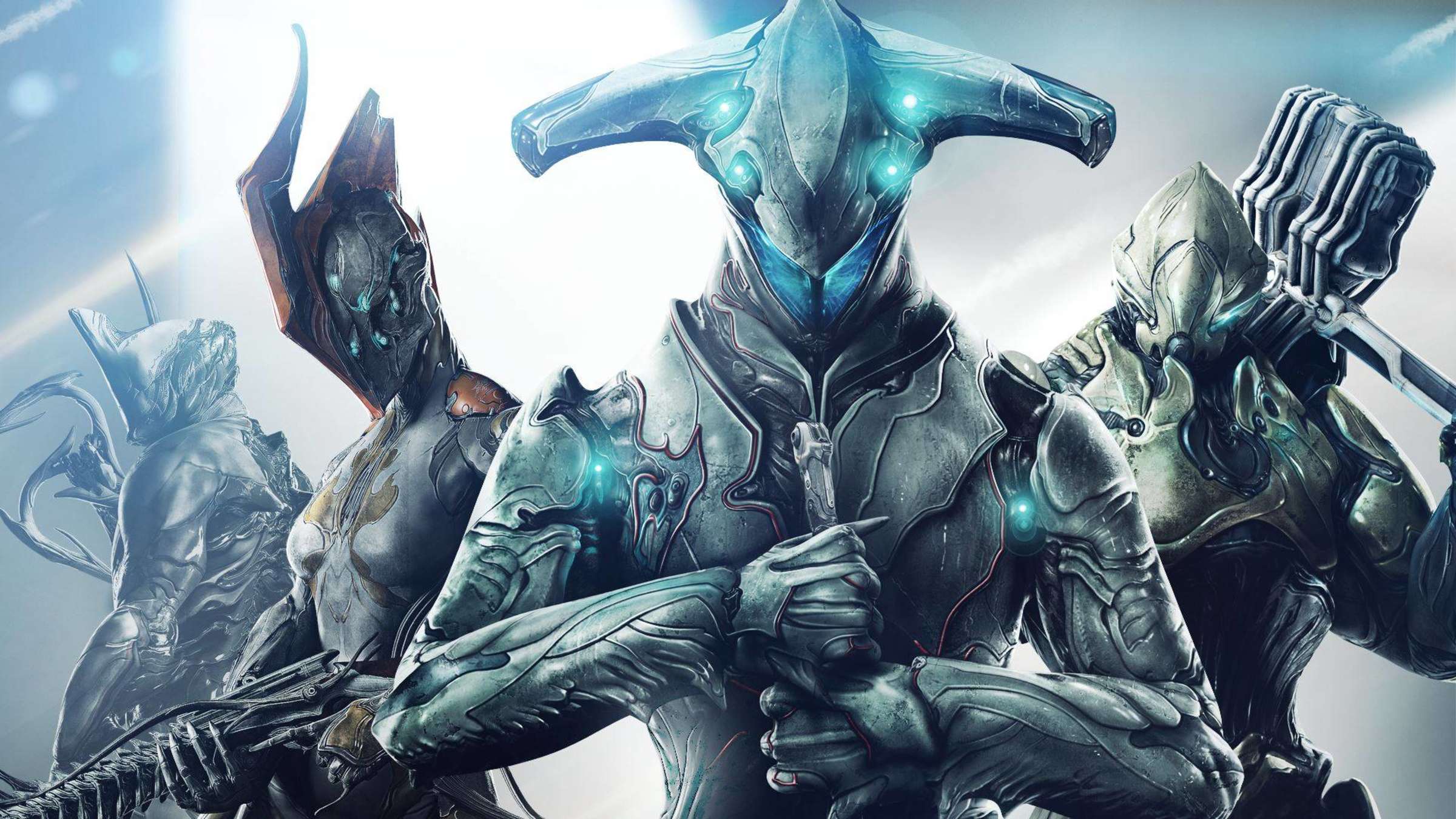
This cooperative action game is developed by Digital Extremes, which is owned by Tencent through prior acquisitions. It runs as a live service on PC and console with frequent content updates and cross save features.
Revenue comes from the sale of cosmetics, convenience items, and randomized relic systems for gear parts. Persistent online play, chat, and anti cheat, plus account data that may travel across regions, are recurring areas of interest for policy reviews.
Path of Exile
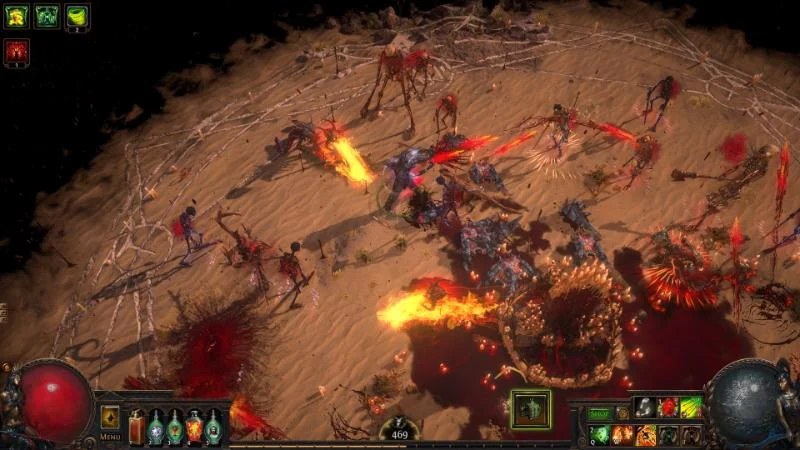
This action role playing game is developed by Grinding Gear Games, a studio majority owned by Tencent. It uses a live economy with leagues that reset progress and encourage seasonal play.
Players purchase stash space, cosmetics, and support packs while trading items through community tools. Always online systems, economy integrity, and data use for analytics and anti fraud are typical topics in compliance and enforcement discussions.
PUBG Battlegrounds

This PC and console battle royale is published by Krafton and operates separate regional versions. It maintains ranked modes, a live item economy for cosmetics, and regular updates that require constant connectivity.
Voice and text chat and anti cheat are core services. Markets that assess cross border data flows and competitive integrity often review how these systems operate and where player data is processed and stored.
CrossFire

This long running first person shooter is developed by Smilegate in South Korea with Tencent publishing in China. It supports massive audiences through regional servers and frequent content drops.
The game sells cosmetics and offers ranked and competitive modes with in game chat. Operational partnerships, payment processing, and data movement between regions are standard items for government reviews.
World of Tanks

This online armored warfare game is published by Wargaming, which operates globally with regional subsidiaries. It uses an always online model with seasonal events and a persistent account that tracks progression and purchases.
Players buy premium vehicles and cosmetic items and join clans with text and voice communication. Anti cheat technology, moderation practices, and international server infrastructure align with common criteria for executive level scrutiny.
War Thunder

This combined arms combat game is published by Gaijin Entertainment and runs as a live service on PC and console. It features realistic vehicle data, player to player communication, and regular content updates.
The game sells premium time, vehicles, and progression items and relies on telemetry and anti cheat to protect competitive play. Governments that review online titles often examine how sensitive data, chat logs, and game files are handled and where that information is stored.
Roblox

This platform lets users create and play games while using a single Roblox account across devices. It includes extensive social features such as chat, voice, groups, and commerce inside user created experiences.
Robux purchases unlock content and avatar items and developers can monetize their creations. Because it centers on user generated content and a large youth audience, reviews typically look at moderation tools, age verification, parental controls, and data management practices.
League of Legends Wild Rift

This is the mobile and console adaptation of the PC multiplayer online battle arena from Riot Games. It uses cross region servers, live patches, and a unified account system to deliver ranked and casual play.
Monetization offers cosmetic skins and event passes without pay to win mechanics in core modes. As with other live service titles, executive reviews commonly focus on chat, anti cheat, data flows, and spending controls for younger players.
Share which titles you think should be on this list in the comments.