20 Anime Series That Would Make Perfect Open-World Games

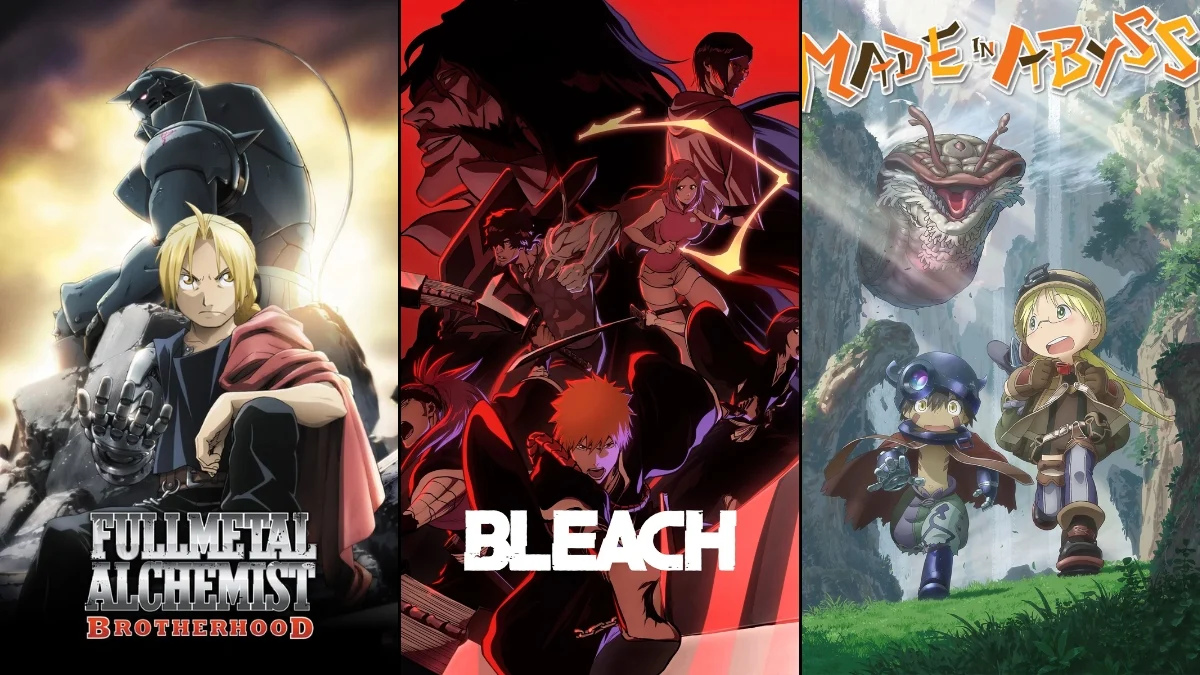

Open-world games thrive on rich geography, layered systems, and a steady stream of activities that make every corner of the map feel alive. Anime is packed with worlds like that—sprawling nations, labyrinthine cities, dangerous frontiers, and organizations that give structure to exploration, combat, and progression.
The series below feature clear regional layouts, travel infrastructure, factions with rules, and mechanics—like energy systems, guilds, ranks, or bounties—that translate cleanly into quests and player growth. Each entry sticks to concrete details about the setting, power systems, and in-world structures that are directly useful for imagining how free-roaming play would work.
‘One Piece’ (1999–present)
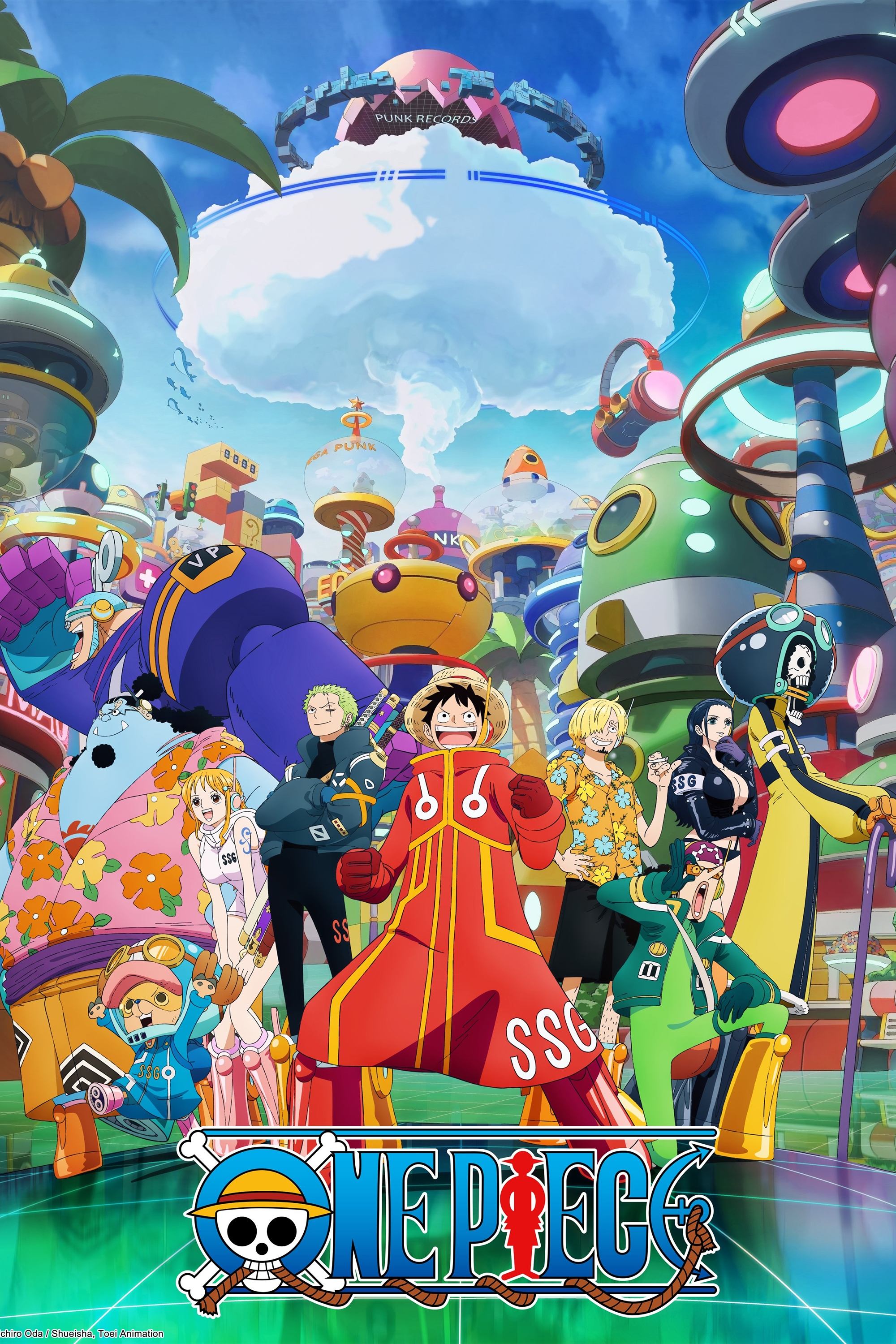
The world of ‘One Piece’ is divided by the Red Line and the Grand Line, with the Calm Belt framing seas full of Sea Kings and weather hazards. Pirates, Marines, and the World Government anchor a bounty economy, while islands function as self-contained biomes with unique climates, cultures, and laws; navigation relies on Log Poses that calibrate to each island chain.
Devil Fruits define ability archetypes—from Paramecia and Zoan to Logia—while Haki adds advanced combat layers like Observation and Armament. Shipbuilding, crew roles, and upgrades appear through vessels like the Going Merry and Thousand Sunny, and story structures such as the Seven Warlords, the Yonko, and Revolutionary Army create factional territory and escalating endgame regions.
‘Naruto Shippūden’ (2007–2017)
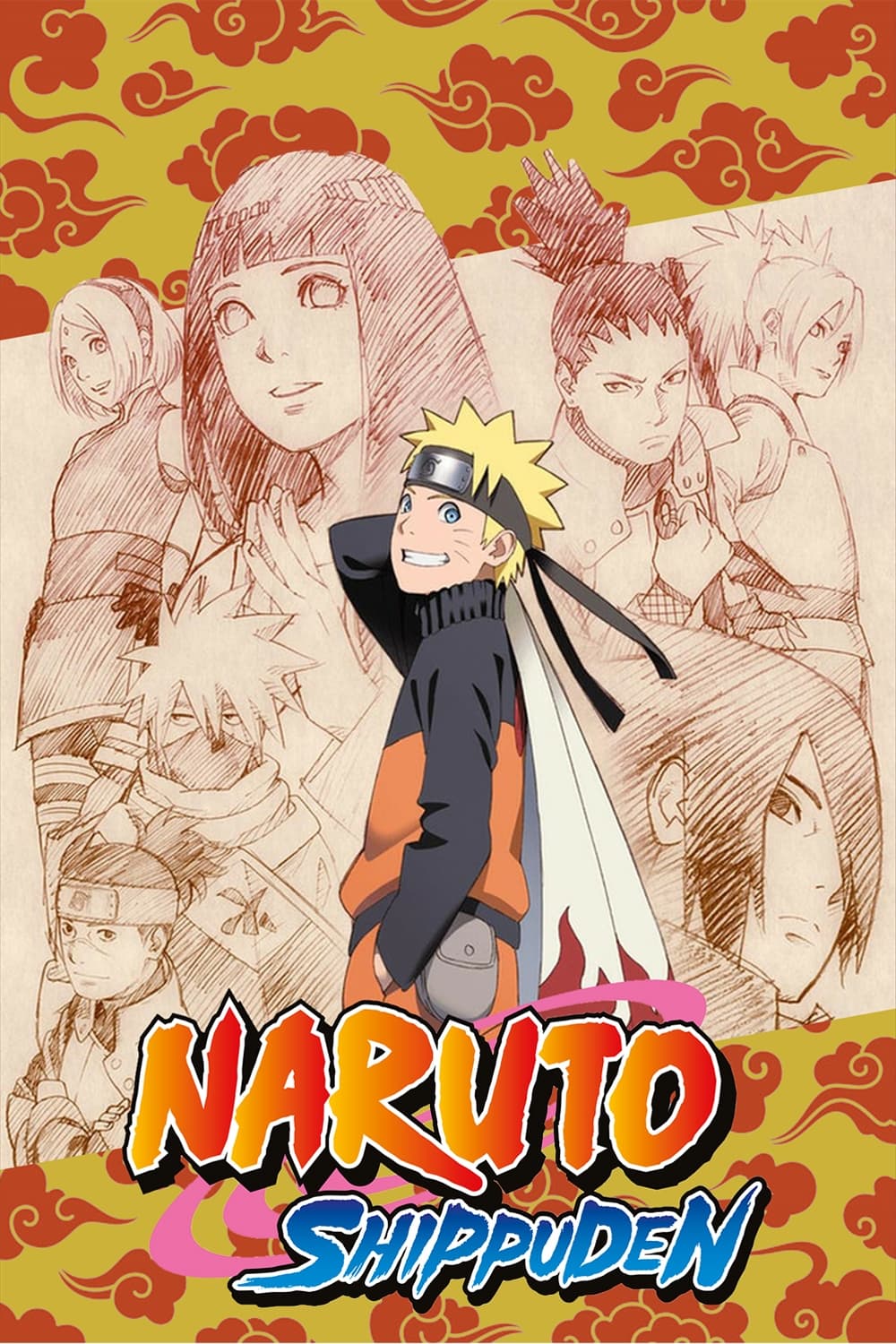
‘Naruto: Shippuden’ maps its world across the Five Great Shinobi Countries and their Hidden Villages, with borders, customs, and military alliances that affect mission access and travel routes. The Akatsuki’s cross-border activity, the Tailed Beasts, and the Chunin and Jonin rank structure provide a clear ladder for difficulty and progression.
Chakra underpins all techniques—Ninjutsu, Taijutsu, Genjutsu—with elemental affinities and Kekkei Genkai bloodline limits creating distinct skill trees. Contracts with summon animals, the ANBU’s covert operations, and formal mission categories (D–S Rank) establish repeatable systems for quests, stealth, and boss-tier encounters.
‘Bleach’ (2004–2012)
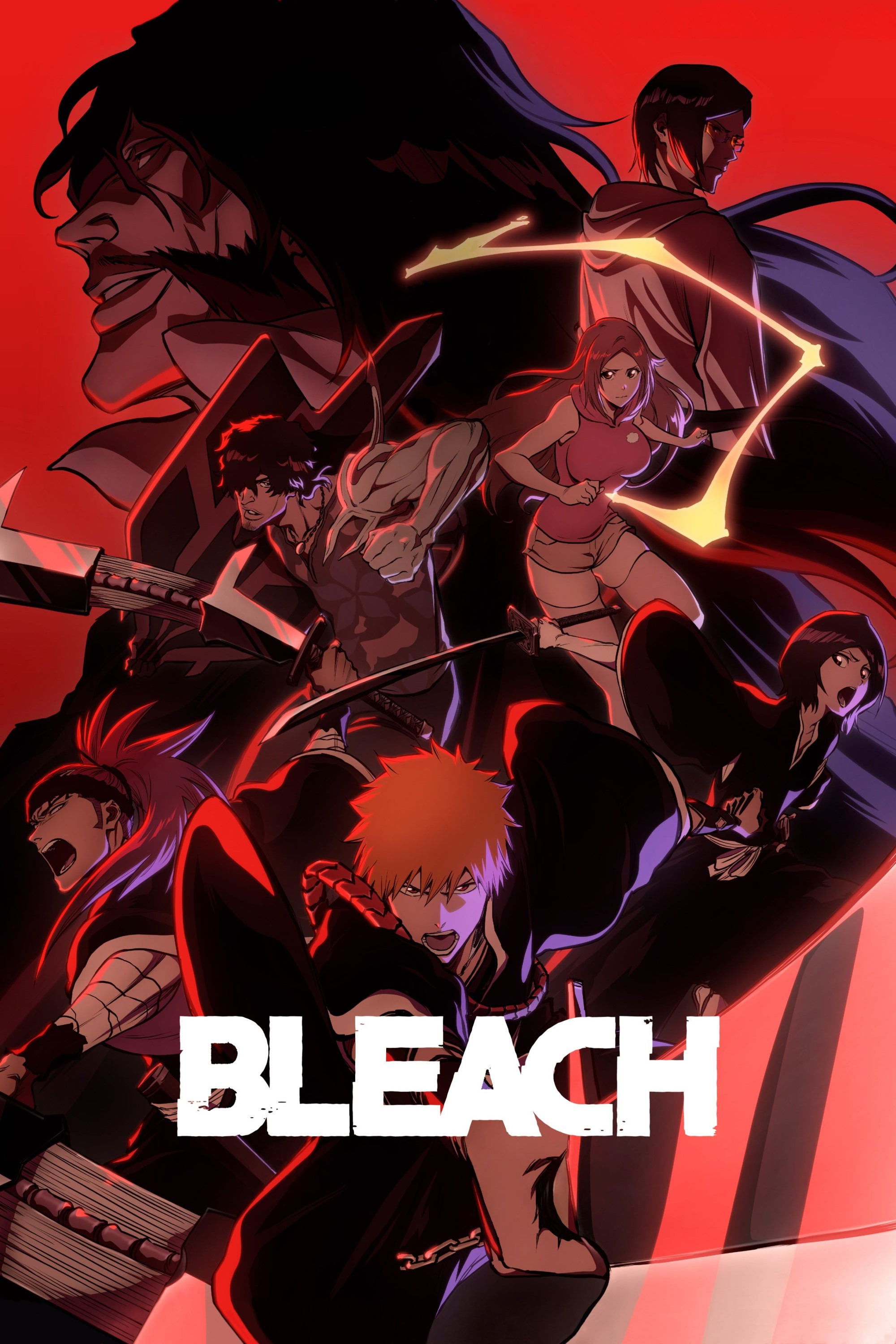
‘Bleach’ operates across three main realms: the Human World, Soul Society, and Hueco Mundo, each with their own governance and traversal methods such as Senkaimon gates and Garganta. Soul Society’s Seireitei and the surrounding Rukongai districts form a hub-and-spoke city with squad barracks, training grounds, and courts.
Zanpakuto releases (Shikai, Bankai) define capability milestones, while spiritual pressure (Reiryoku) functions as a measurable resource for combat strength. Hollows and Arrancar populate tiered enemy ecosystems, and the 13 Court Guard Squads offer role-based specializations, from stealth operations to research and healing.
‘Attack on Titan’ (2013–2023)
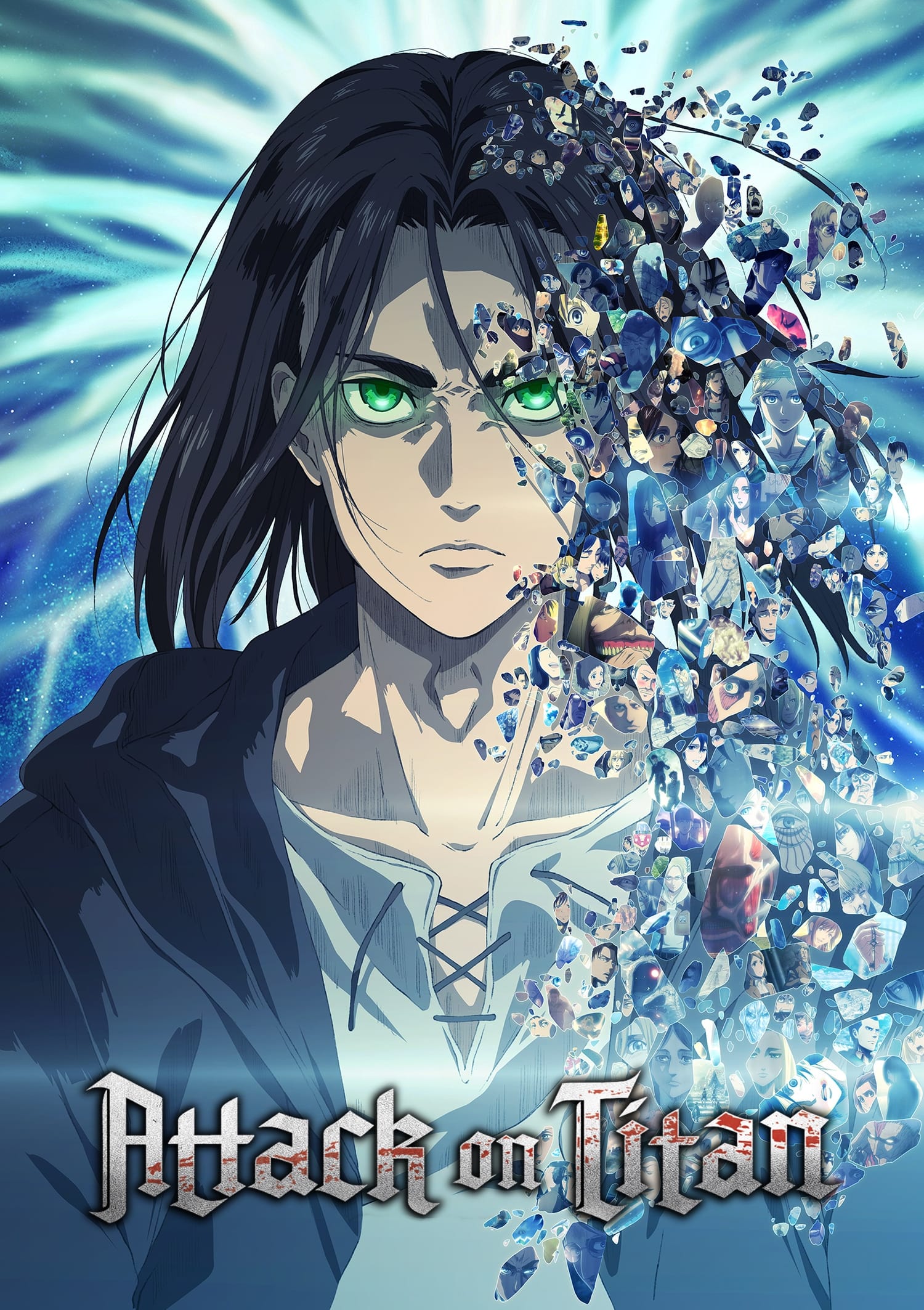
‘Attack on Titan’ begins within the triple-walled settlements of Paradis—Maria, Rose, Sina—with districts, farmlands, and forests placed between them as dangerous traversal zones. Later arcs expand to Marley and overseas territories, adding port cities, internment zones, and battlefronts with distinct technology levels.
Infantry uses Omni-Directional Mobility gear with steel wires, gas, and replaceable blades, creating equipment durability and resupply needs. Military branches—the Scout Regiment, Garrison, and Military Police—define patrols, wall defense, and urban policing, while Titan classifications and body-part targeting formalize boss mechanics.
‘Demon Slayer: Kimetsu no Yaiba’ (2019–present)
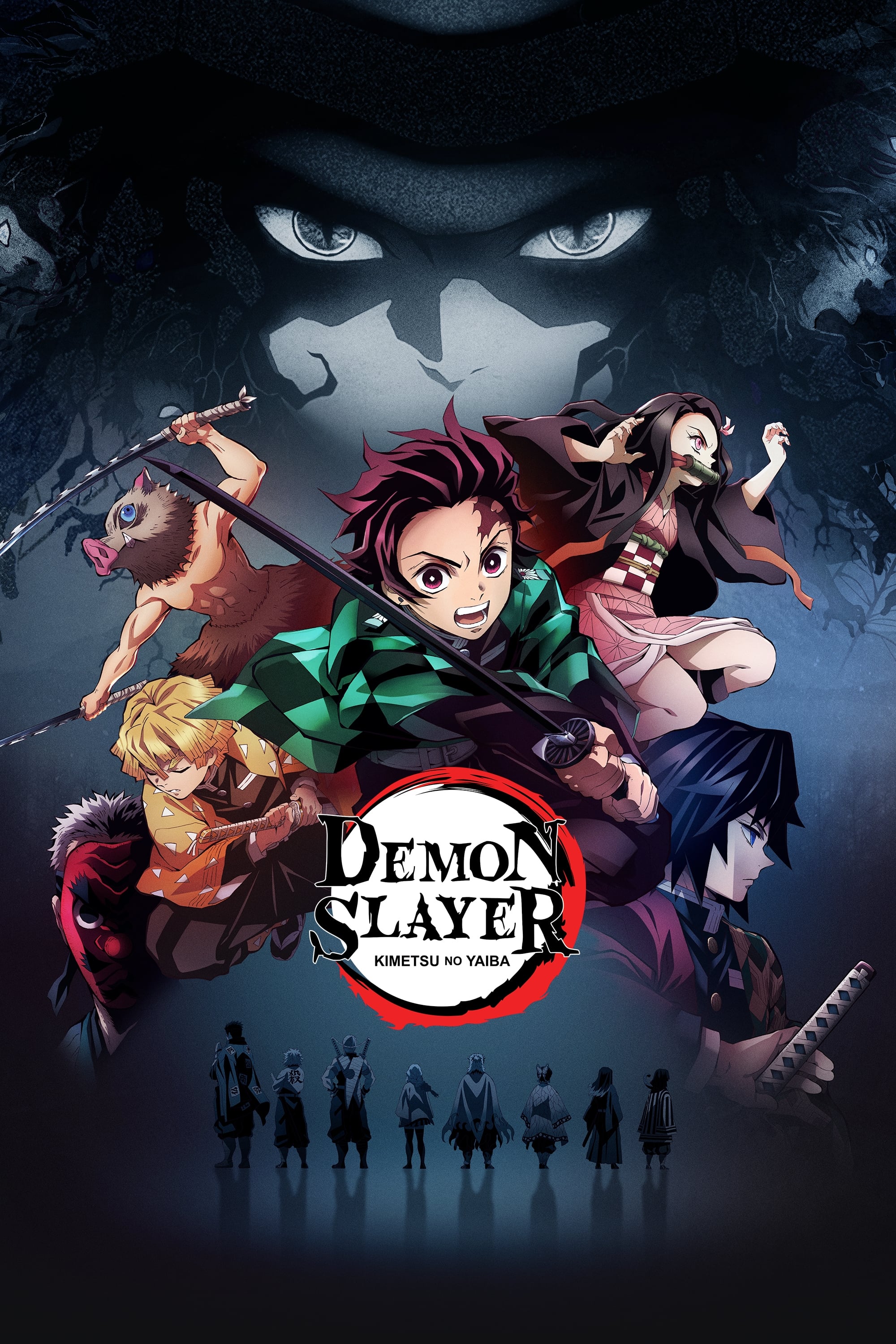
Set in Taisho-era Japan, ‘Demon Slayer: Kimetsu no Yaiba’ moves across mountain villages, forested roads, and urban districts linked by regional trains and safe houses marked with wisteria crests. The Demon Slayer Corps organizes missions, medical support, and resource networks, with Hashira leadership coordinating high-risk operations.
Nichirin swords, color changes, and Breath styles set combat archetypes, while demons use Blood Demon Arts with clear counters and weaknesses. The Infinity Castle reconfigures space into shifting corridors and arenas, and the Kasugai crow system coordinates reconnaissance, dispatches, and post-mission reporting.
‘Fullmetal Alchemist: Brotherhood’ (2009–2010)
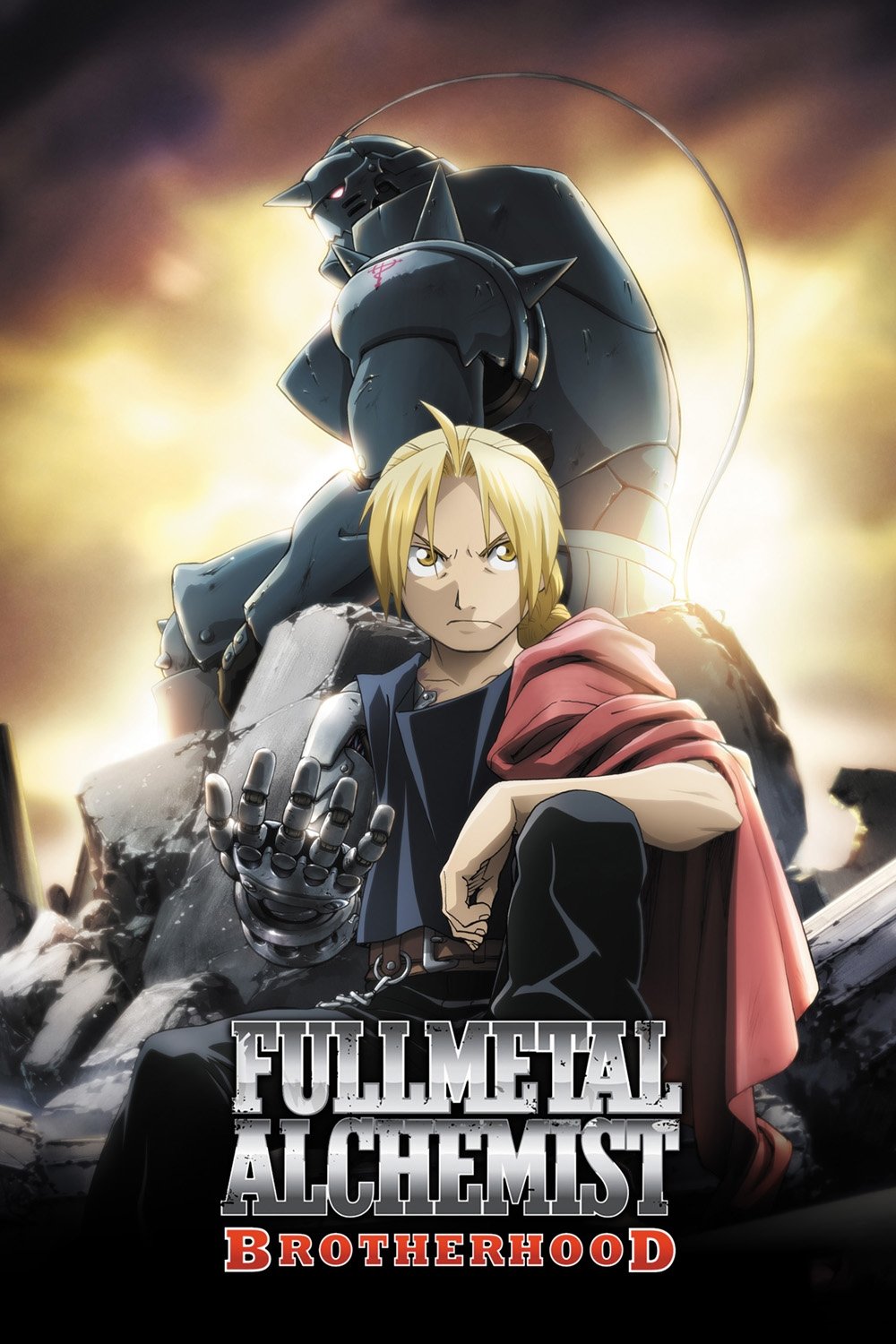
‘Fullmetal Alchemist: Brotherhood’ spans the militarized nation of Amestris with rail lines connecting cities like Central, East City, and Rush Valley, plus borders with Drachma, Aerugo, and Xing that affect diplomacy and travel. State Alchemists work under formal ranks and codes, with requisitions and research divisions visible in day-to-day operations.
Alchemy follows transmutation-circle rules and equivalence, while specialized branches—bio-alchemy, alkahestry from Xing, and array-based engineering—serve as craft and skill trees. National conspiracies, the homunculi, and regional conflicts like the Ishval campaign introduce evolving enemy types tied to political regions and fortified locations.
‘Dragon Ball Z’ (1989–1996)

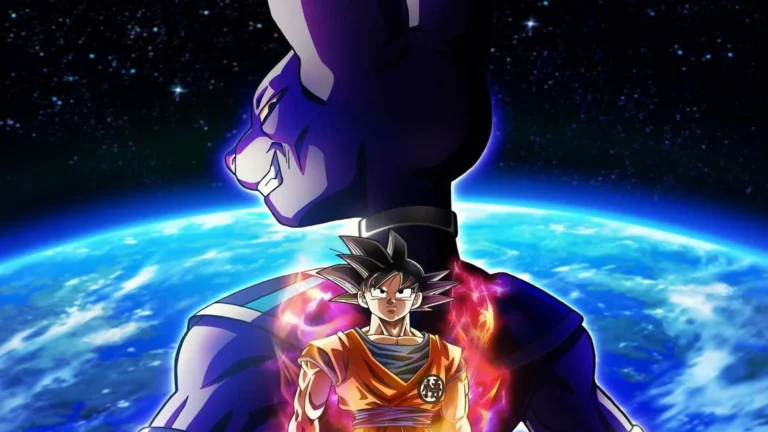
‘Dragon Ball Z’ covers Earth’s cities and wilderness, the afterlife’s King Kai world, and alien worlds like Namek, each with distinct gravity, fauna, and technology levels. Capsule Corp provides portable gear and vehicles, while locations such as West City, Kame House, and Kami’s Lookout act as hubs.
Ki manipulation enables flight, ranged attacks, and transformations that follow clear thresholds. Artifacts like the Dragon Balls create high-stakes scavenger loops with radar tools, and training venues—the Hyperbolic Time Chamber and gravity rooms—formalize character progression and time-based challenges.
‘Sword Art Online’ (2012–present)

‘Sword Art Online’ focuses on massively multiplayer virtual worlds with defined rule sets, beginning with the floating castle Aincrad’s 100 floors of biomes, towns, and bosses. Subsequent worlds expand into fairy flight mechanics and shooter systems, each with clear itemization, crafting, and party roles.
Guilds, player housing, and skill proficiencies establish economic and social loops, while governance systems and anti-cheat safeguards shape law enforcement and crime mechanics. Cardinal system administrators, quest flags, and floor guardians offer structured progression with discoverable secrets and field dungeons.
‘Pokémon’ (1997–present)

‘Pokémon’ presents region-based maps—Kanto, Johto, Hoenn, Sinnoh, Unova, Kalos, Alola, and Galar—linked by routes, caves, waterways, and towns with gyms and Pokémon Centers. Field traversal uses bicycles, surfing, flight, and terrain abilities introduced across regions.
Species typings, moves, abilities, and status effects create a predictable combat framework, while Pokédex registration and badges serve as progression gates. Organizations like Team Rocket and later villain teams provide criminal networks and lairs, and contests and tournaments add non-combat advancement paths.
‘Inuyasha’ (2000–2004)

Set primarily in the Sengoku period, ‘Inuyasha’ follows travel between villages, forests, and mountain shrines, with landmarks like the Bone-Eater’s Well connecting eras. The Shikon Jewel shards function as collectible artifacts that influence demon behavior and territorial conflicts.
Named yokai, traveling monks, and demon slayers form recognizable factions with practices and weaponry, including the Tessaiga’s forms and purification techniques. Talismans, sutras, and spiritual barriers introduce puzzle and traversal elements, while rival groups contest shard-rich areas and sacred sites.
‘Yu Yu Hakusho’ (1992–1995)
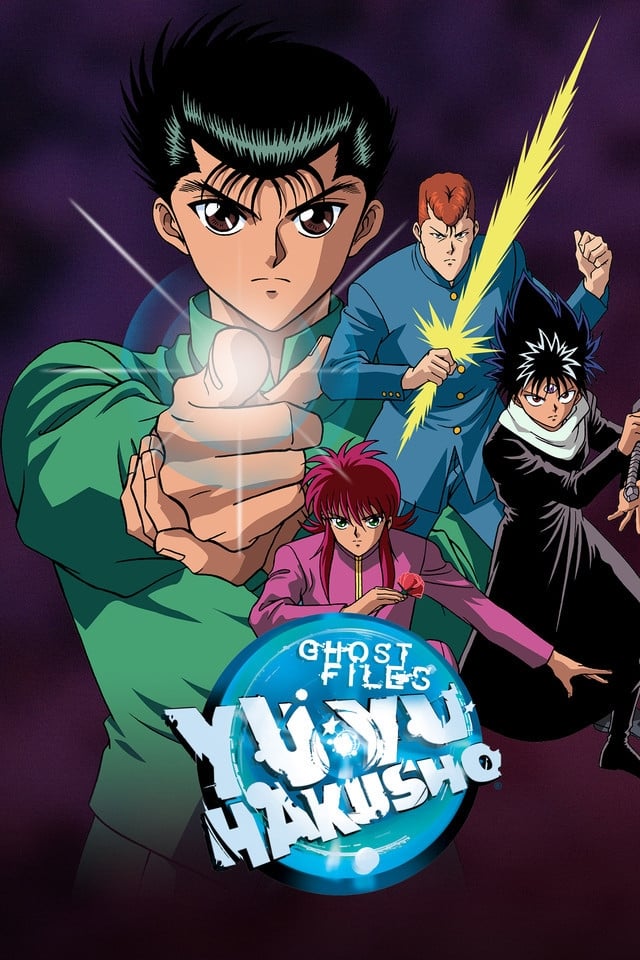
‘Yu Yu Hakusho’ is split across the Human World, Spirit World, and Demon World, with portals and checkpoints regulating movement. The Spirit Detective role assigns investigations, arena events, and extradimensional excursions, while organized crime and yokai syndicates control territories.
Spirit Energy training opens ranged attacks and defensive techniques, with artifacts and cursed items adding modifiers. Tournaments, infiltration arcs, and demon hierarchy zones create predictable difficulty curves, and the Reikai bureaucracy adds rules for permits, escorts, and post-mission processing.
‘JoJo’s Bizarre Adventure’ (2012–2022)
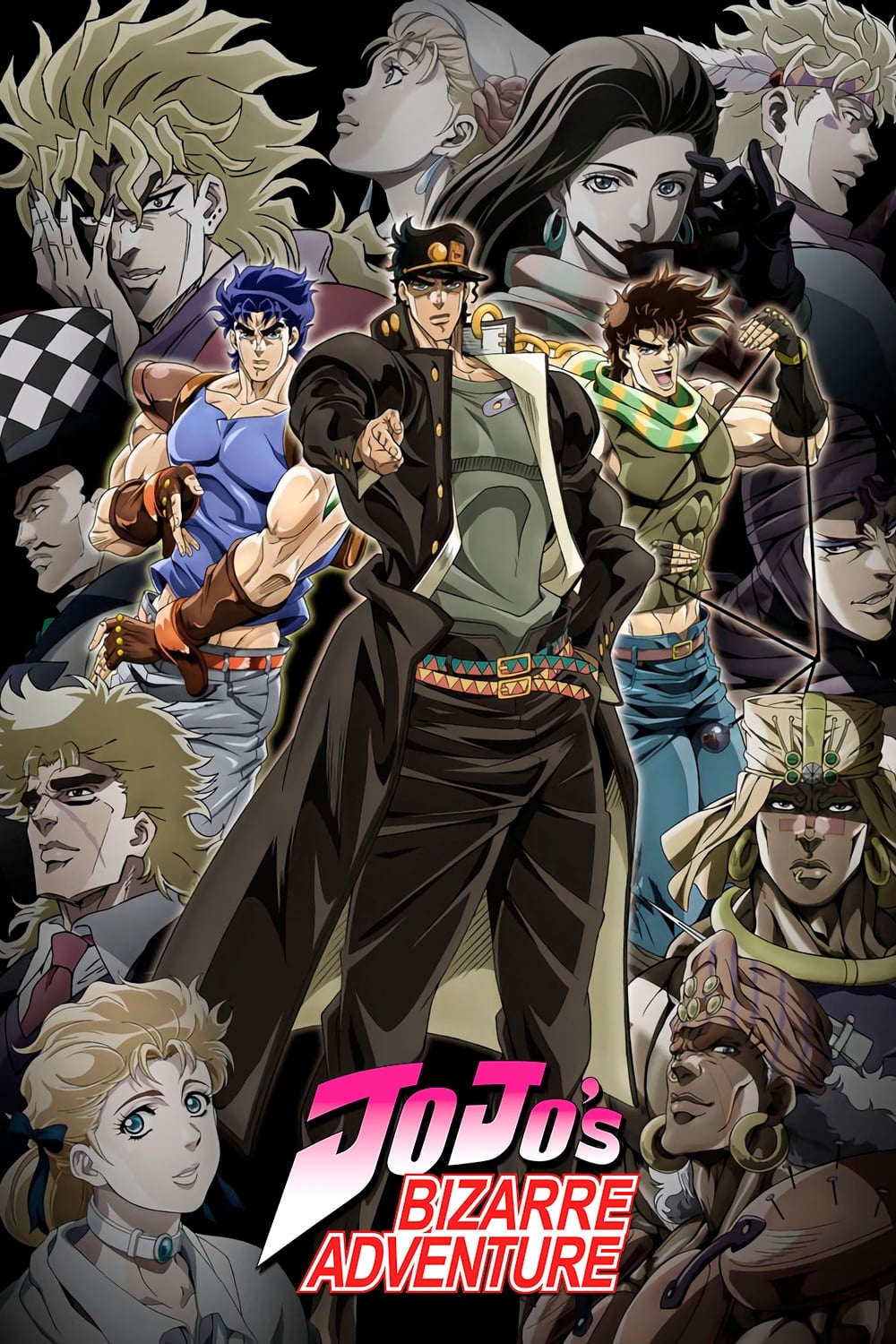
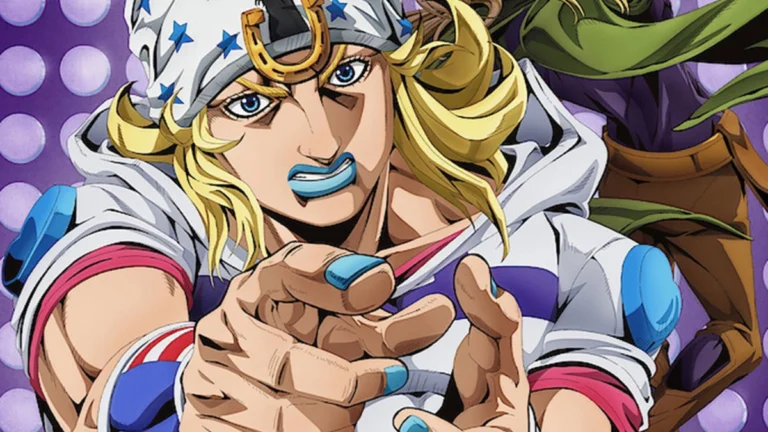
‘JoJo’s Bizarre Adventure’ traverses multiple countries and eras, from 19th-century England and Italy to modern Japan’s Morioh and Naples’s criminal underworld. Each part uses travel itineraries, city districts, and safehouses that segment exploration into neighborhoods and routes.
Stands provide discrete ability sets with clear constraints—range, power, and activation conditions—producing unique encounter designs. Factions like Passione, Speedwagon Foundation, and police forces manage territory, while collectible clues, oddities, and Stand-related items anchor investigative side activities.
‘Made in Abyss’ (2017–present)
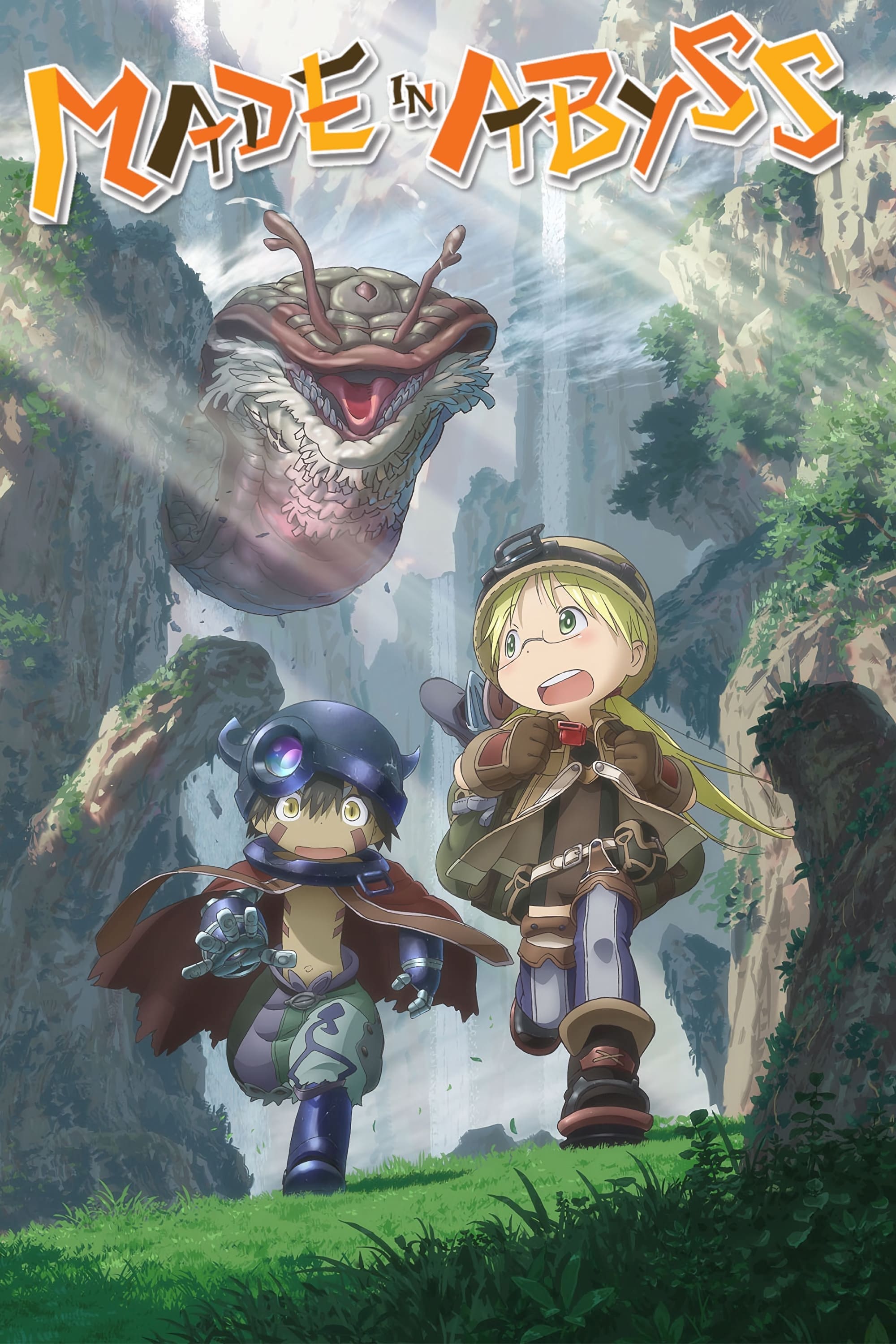
‘Made in Abyss’ centers on the Abyss, a vertical ecosystem divided into layers with unique biomes, relic types, and the ascending “Curse of the Abyss” that applies increasing debuffs. Orth serves as the surface hub with guild halls, markets, and whistle-ranked delvers who need permits.
Relics, field notes, and cave creature behaviors are cataloged by delver ranks—red, blue, moon, black, and white whistles—mapping cleanly to difficulty tiers. Camps, lifts, and descent routes require resource planning, while layer guardians and sealed zones create fixed boss arenas and restricted areas.
‘Fairy Tail’ (2009–2019)
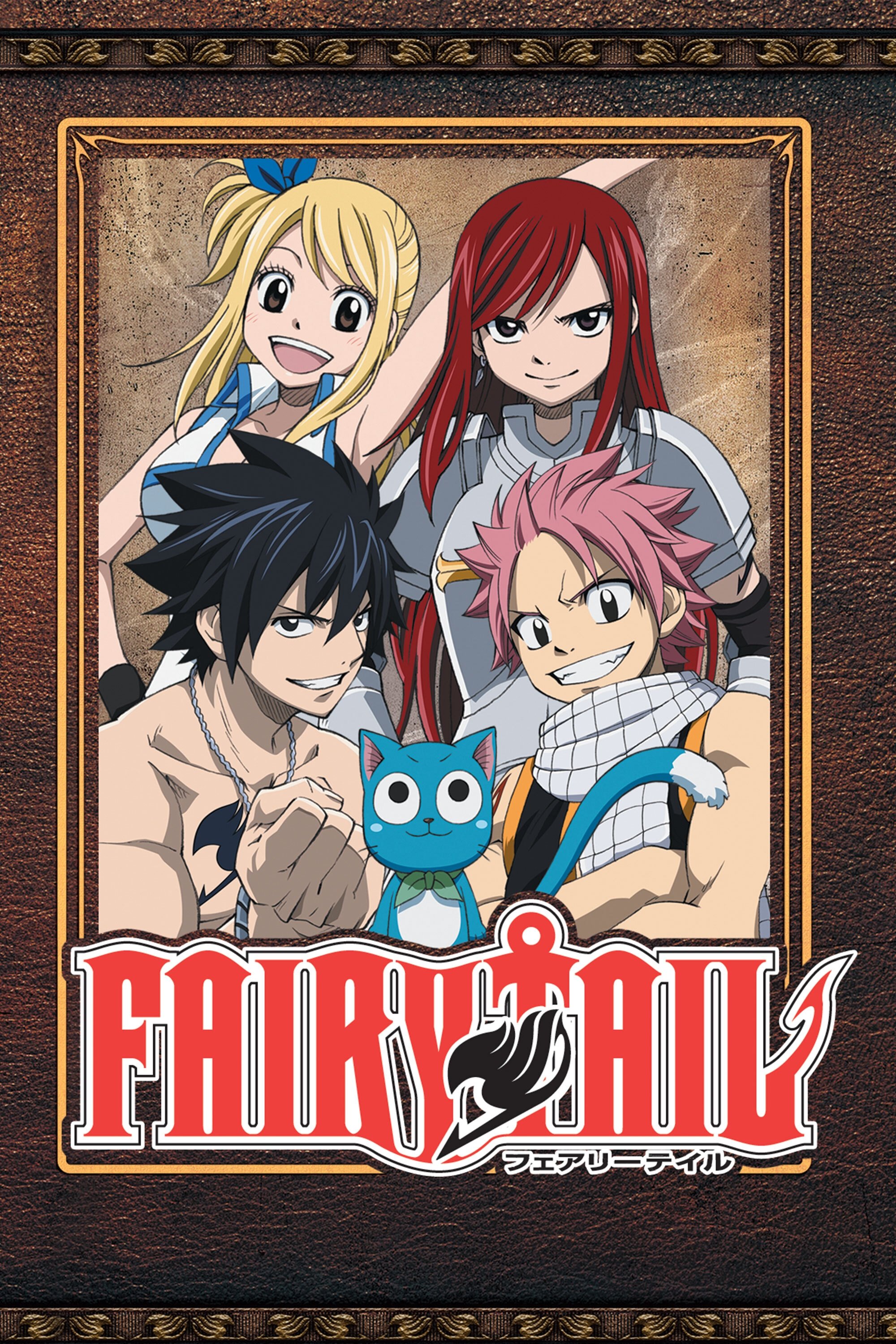
‘Fairy Tail’ takes place in the Kingdom of Fiore, a continent with cities, guild halls, and trade routes that support job boards and legal charters. The Fairy Tail guild hall functions as a social and logistical hub, with S-Class exams and master assignments managing advancement.
Magic systems include elemental and takeover magic, celestial contracts, equipment enchantments, and dragon slayer forms with defined resistances and costs. Dark guilds and alliance pacts shape factional regions, while festivals, Grand Magic Games, and inter-guild quests introduce scheduled events and arena content.
‘Gintama’ (2006–2018)
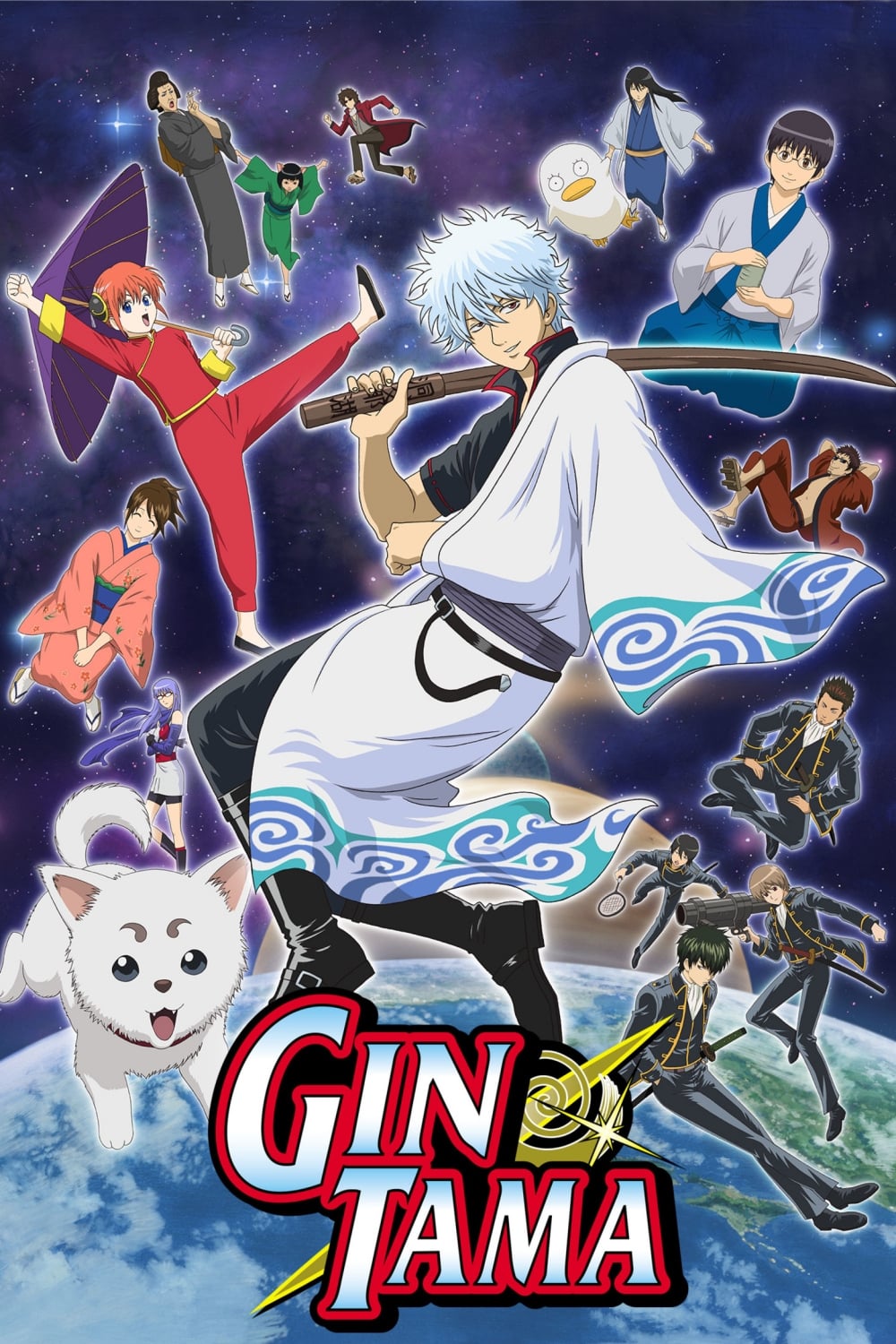
Set in an alternate Edo under Amanto alien rule, ‘Gintama’ features districts with police presence, yakuza zones, and restricted tech areas governed by a sword ban. Key organizations include the Shinsengumi, Mimawarigumi, and various alien factions, each controlling resources and checkpoints.
Odd Jobs Yorozuya work requests range from domestic chores to high-risk escorts, reflecting a city-wide gig economy. Public baths, snack bars, and smithies serve as service hubs, while policy shifts, purges, and faction wars temporarily change access to neighborhoods and facilities.
‘Hunter x Hunter’ (2011–2014)
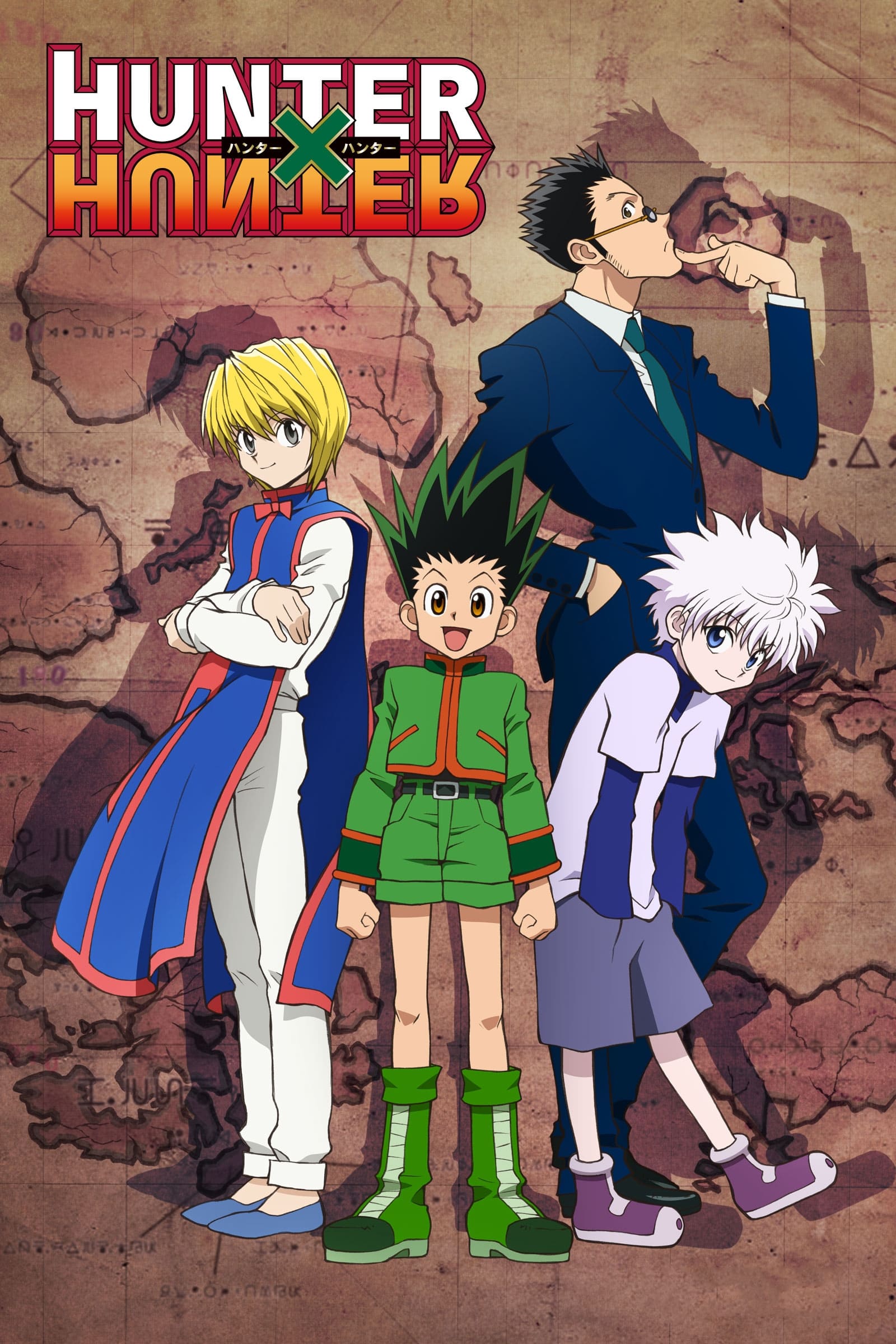
‘Hunter x Hunter’ covers exam sites, Heavens Arena, Yorknew’s auction district, Greed Island’s game world, and the East Gorteau front during the Chimera Ant conflict. Hunters receive licenses granting access to restricted areas, travel discounts, and information markets.
Nen categorization—Enhancement, Emission, Manipulation, Transmutation, Conjuration, and Specialization—defines growth paths and counters. Contracts, conditions, and oaths regulate power trade-offs, while organizations like the Hunter Association and Phantom Troupe set bounties, territories, and raid targets.
‘One-Punch Man’ (2015–present)
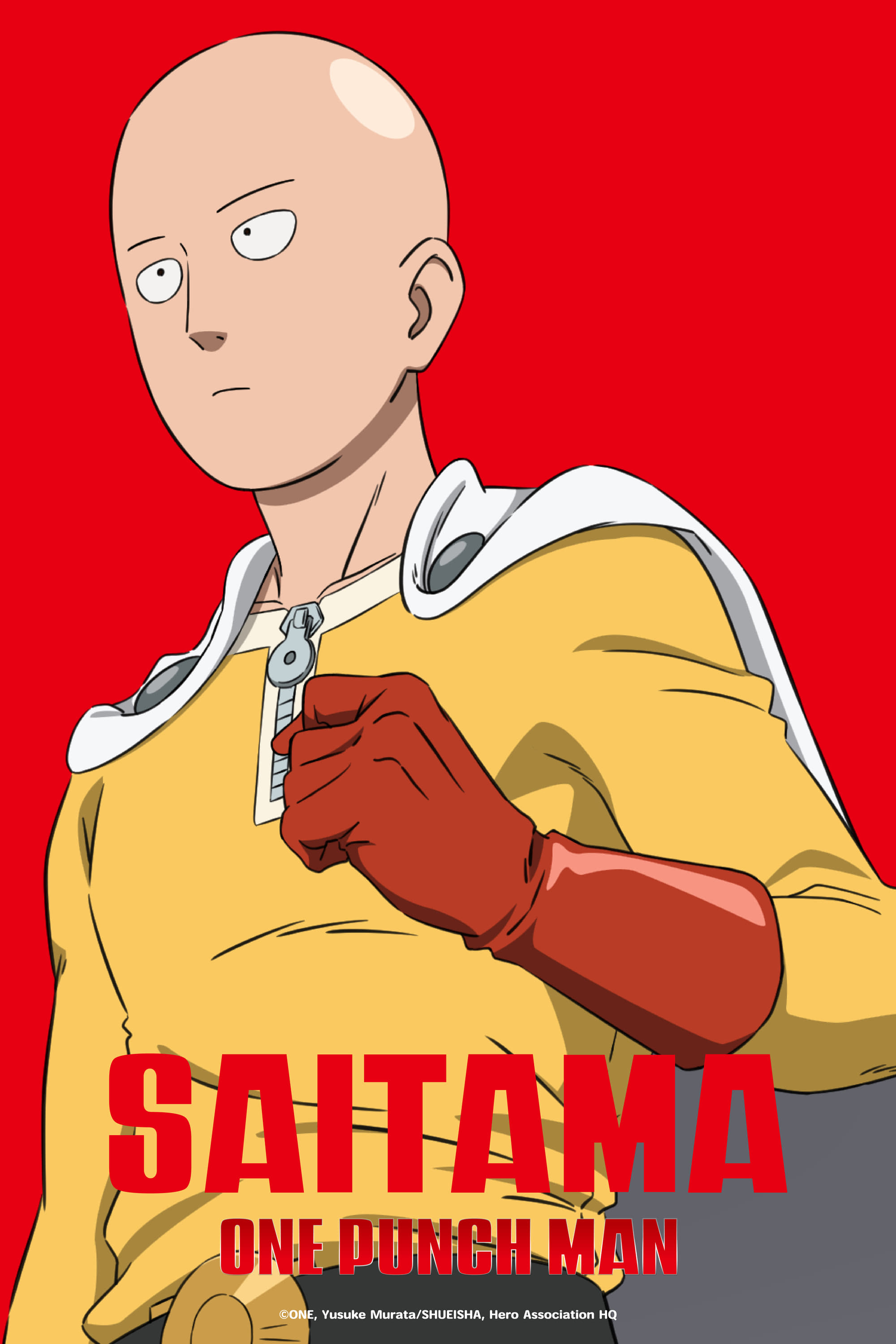
‘One-Punch Man’ divides its metropolis into lettered cities with disaster levels escalating from Wolf to God, tracked by the Hero Association. Response teams, evacuation routes, and resource depots are geographically mapped, and damage assessments feed funding and rank evaluations.
Hero classes—C through S—gate mission access and rewards, while weapon specialists and esper users form recognizable builds. Monster Associations establish underground bases and sieges, and public perception metrics influence sponsorships, patrol routes, and priority assignments.
‘Vinland Saga’ (2019–2023)
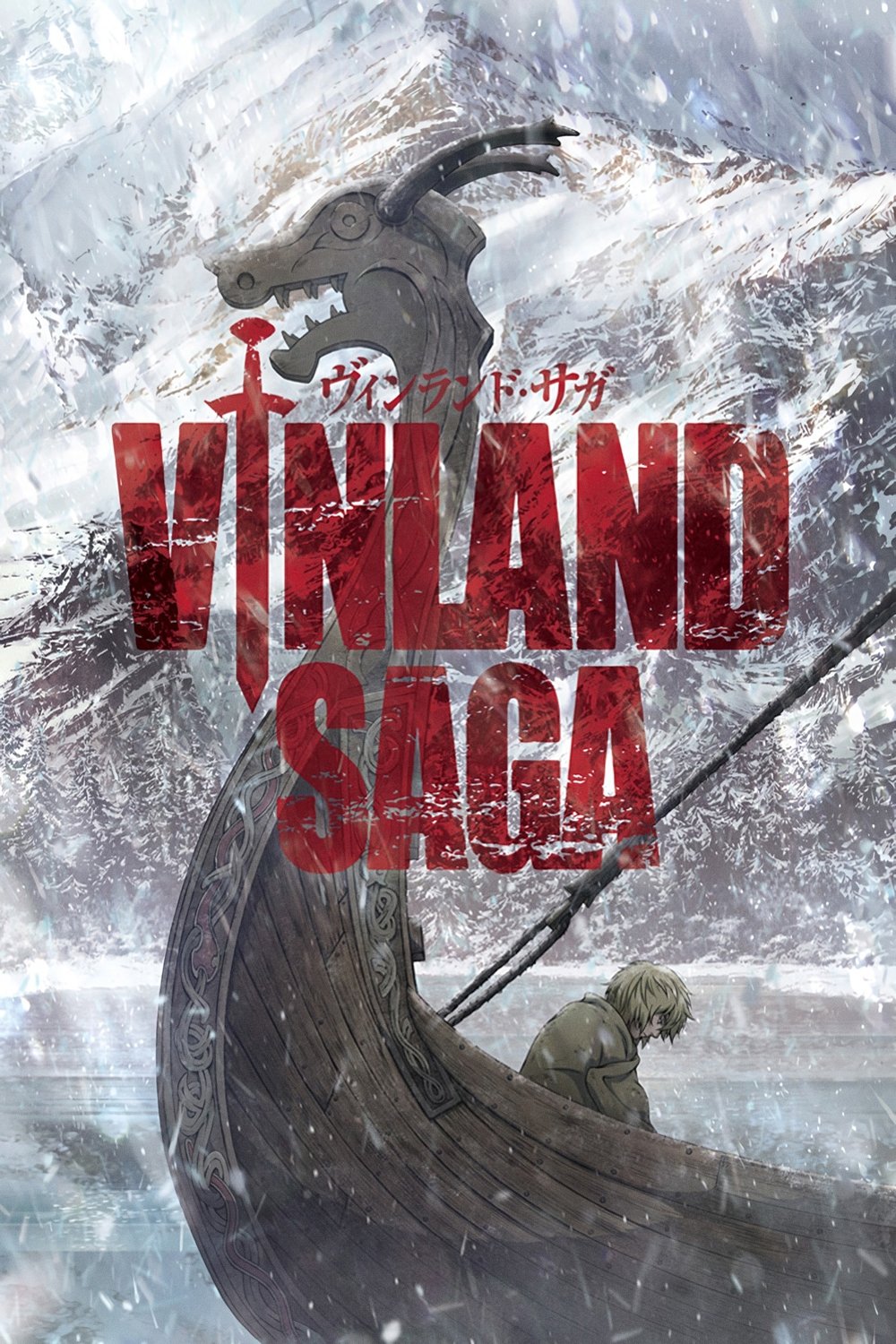
‘Vinland Saga’ plots routes across Iceland, England, and Denmark, detailing villages, forts, and trade harbors along rivers and coasts. Longships determine navigation and logistics, with weather, tides, and supply lines affecting movement and campaign planning.
Historical factions include Danish war bands, Anglo-Saxon lords, and mercenary companies, each controlling territories and taxing roads. Farming settlements, slave markets, and frontier homesteads add economic layers, while duels, sieges, and raids follow documented tactics and equipment.
‘My Hero Academia’ (2016–present)
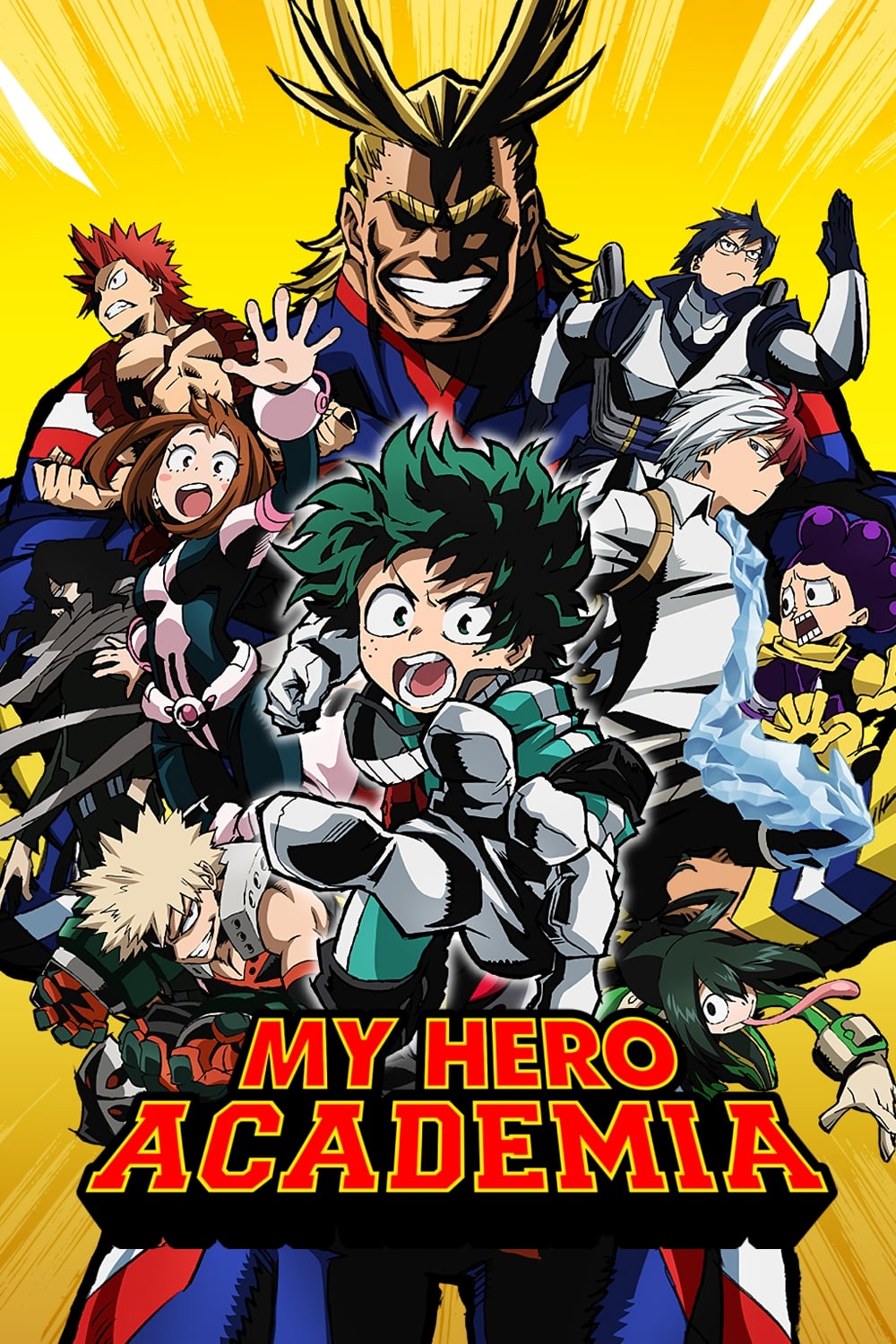
‘My Hero Academia’ situates hero life across Japanese cities with U.A. High as a training hub that links internships, patrols, and licensing exams. The Public Safety Commission regulates hero activity, and municipal agencies coordinate disaster response and villain suppression.
Quirks organize ability archetypes with clear limitations and support gear from companies like Detnerat enhancing performance. Hero rankings, internships, and agency work define progression, while villain groups, prison facilities, and evacuation sites structure high-risk zones and multi-phase incidents.
‘The Seven Deadly Sins’ (2014–2021)
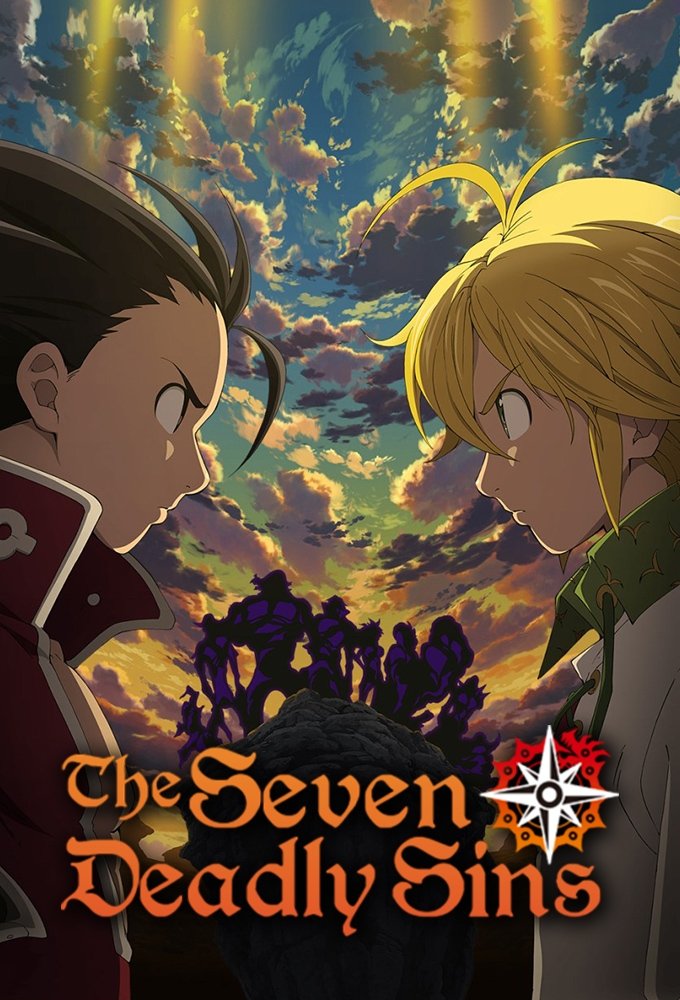
‘The Seven Deadly Sins’ spans Britannia’s kingdoms—Liones, Camelot, and neighboring realms—with holy knight orders controlling routes and fortresses. Sacred sites, druid groves, and demon clan strongholds serve as dungeons with lore-driven guardians and relics.
Magic classifications cover abilities like Full Counter, curse manipulation, and elemental spells, with sacred treasures acting as unique equipment tied to wielders. Traveling taverns, wanted posters, and royal decrees form a mobile quest framework, and conflicts among demons, goddesses, giants, and fairies define regional threats and alliances.
Share which worlds you’d most like to roam first in the comments!