15 Unsolved Celebrity Deaths

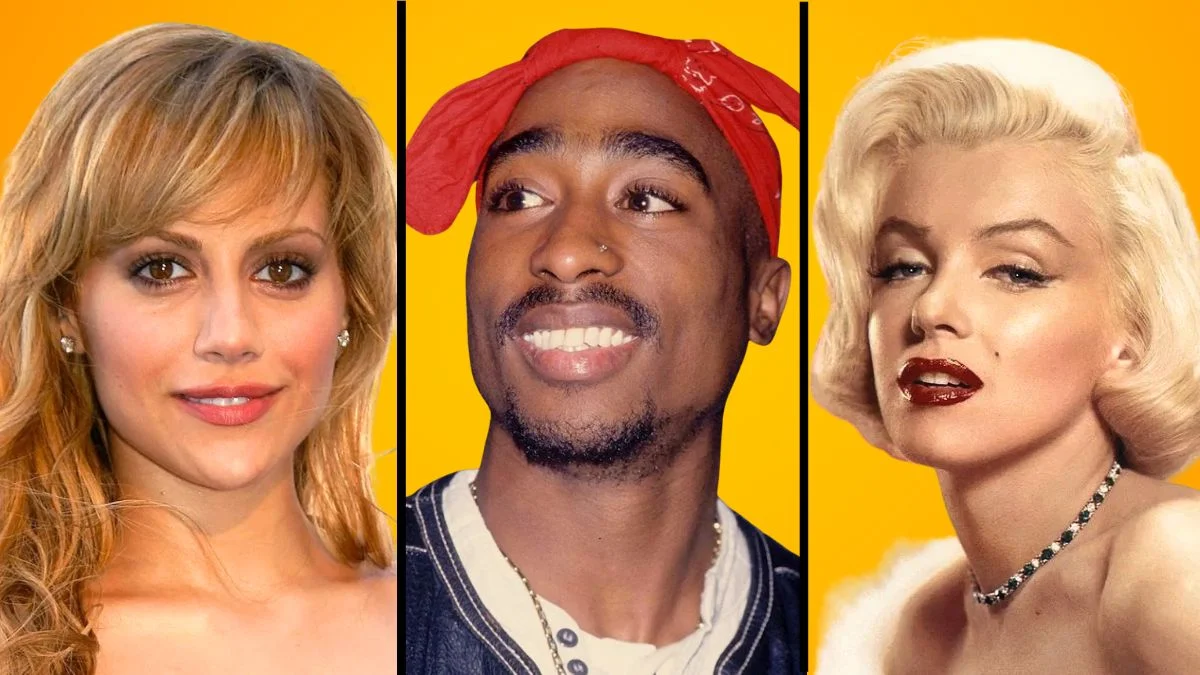

Some deaths become more than headlines because the facts never fully align. In those cases investigators collect statements, examine physical evidence, and review timelines, yet key questions remain without definitive answers. Families and fans are left with official documents that explain part of the story but not all of it, and with case files that show how difficult it can be to close a high profile investigation.
This list looks at fifteen celebrity cases where the circumstances are still disputed or unresolved. Each entry focuses on what is documented about the person’s final hours, the formal rulings, and the follow up work by law enforcement. You will also see where inquiries were reopened, evidence was reexamined, or new witnesses came forward, and why those steps still have not produced a final conclusion.
Natalie Wood
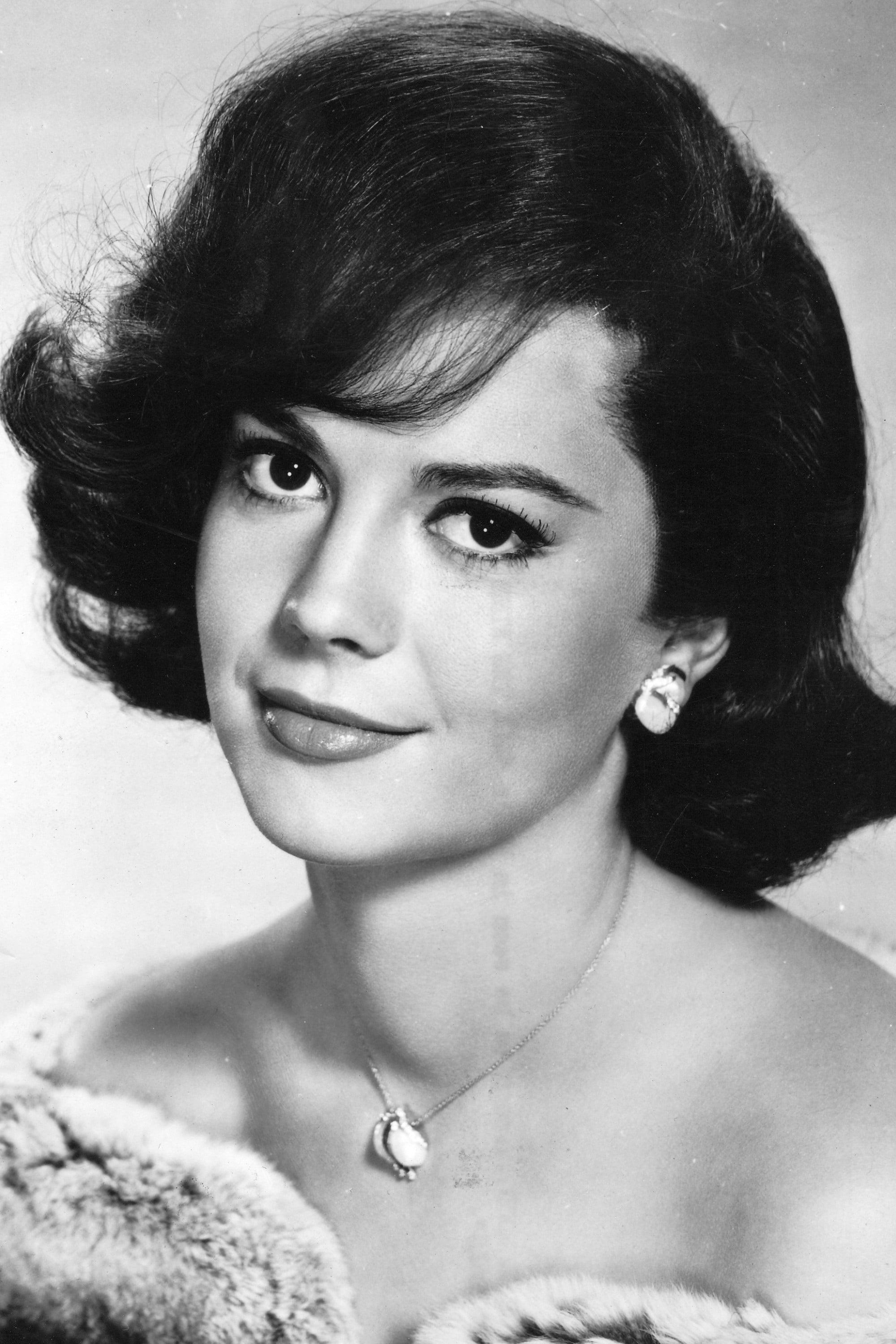
Natalie Wood died on November 29, 1981 after disappearing from a yacht off Santa Catalina Island in California. The original autopsy cited drowning and hypothermia, and investigators documented bruising that was consistent with a fall into the water. She had been aboard with Robert Wagner and Christopher Walken, and a small inflatable dinghy was later found beached.
Los Angeles County authorities reopened the case in 2011 to review witness statements and forensic details. The coroner amended the manner of death to “drowning and other undetermined factors,” noting unanswered questions about how she entered the water and the timing of events on the boat. The investigation has remained open with periodic public appeals for additional information.
Tupac Shakur
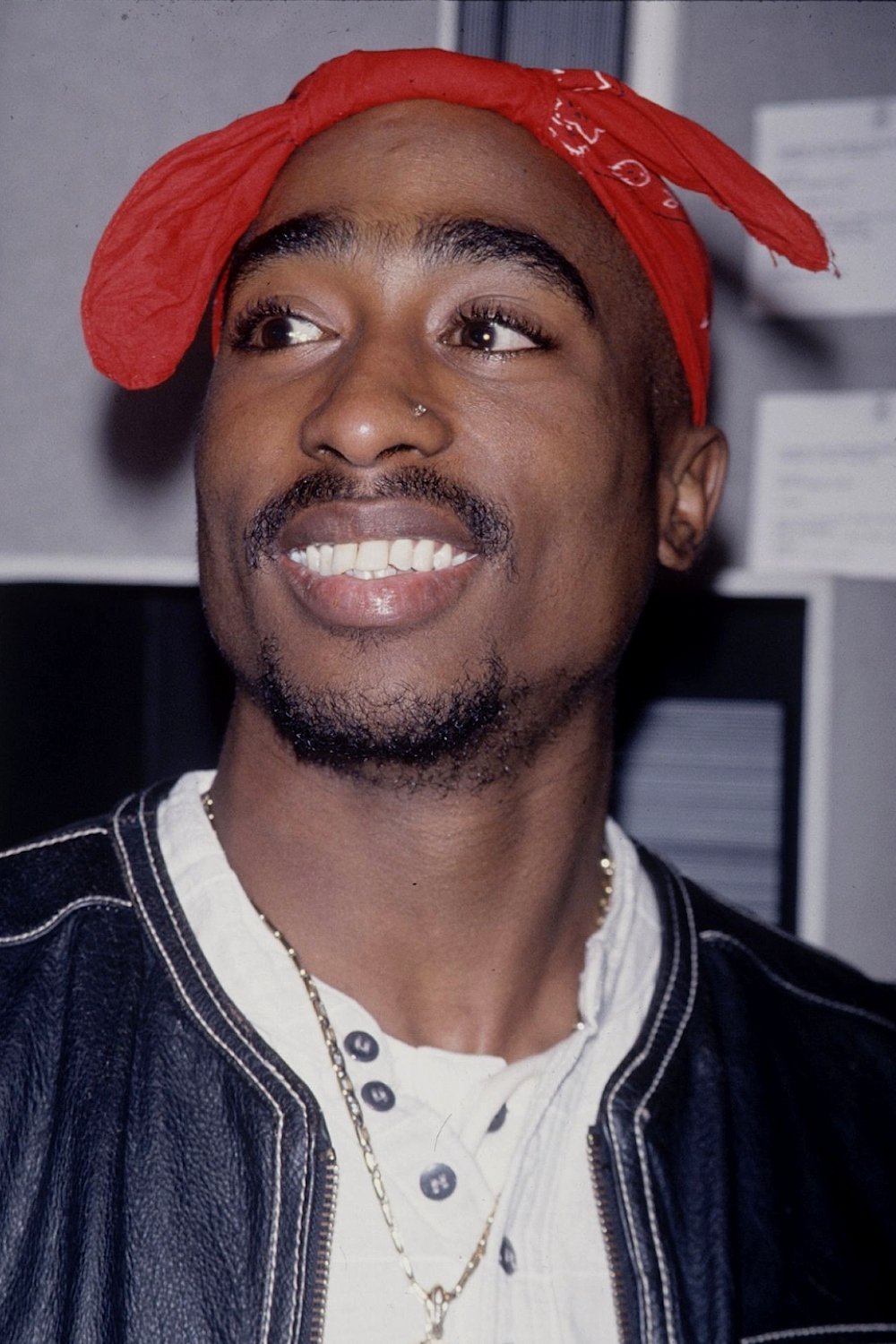
Tupac Shakur was shot on September 7, 1996 in Las Vegas and died six days later from multiple gunshot wounds. Detectives collected ballistic evidence and surveillance timelines from the post fight traffic stop corridor where the shooting occurred. Key witnesses were uncooperative or unreachable, which limited immediate progress.
The case remained cold for years until investigators publicly detailed new accounts and grand jury activity. An arrest was announced in 2023 in connection with the shooting, and court proceedings have continued. A final legal resolution has not been reached, so the broader case history remains incomplete.
The Notorious B.I.G.
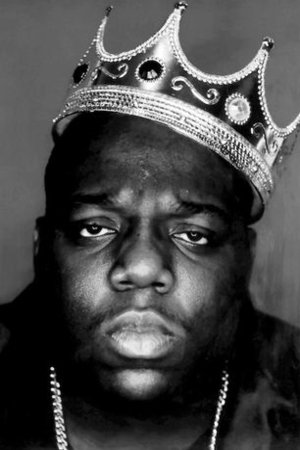
Christopher Wallace was shot and killed on March 9, 1997 after leaving a music industry event in Los Angeles. Investigators mapped the motorcade route, took statements from dozens of attendees, and compared ballistic evidence with other incidents. No weapon was recovered at the scene and the shooter fled in a vehicle that was never found.
Multiple civil actions and internal reviews examined the handling of the investigation and the potential links to other crimes. Despite tips, task force work, and federal involvement at various points, prosecutors have not brought charges in the case. The official homicide investigation remains open with no conviction.
Elizabeth Short
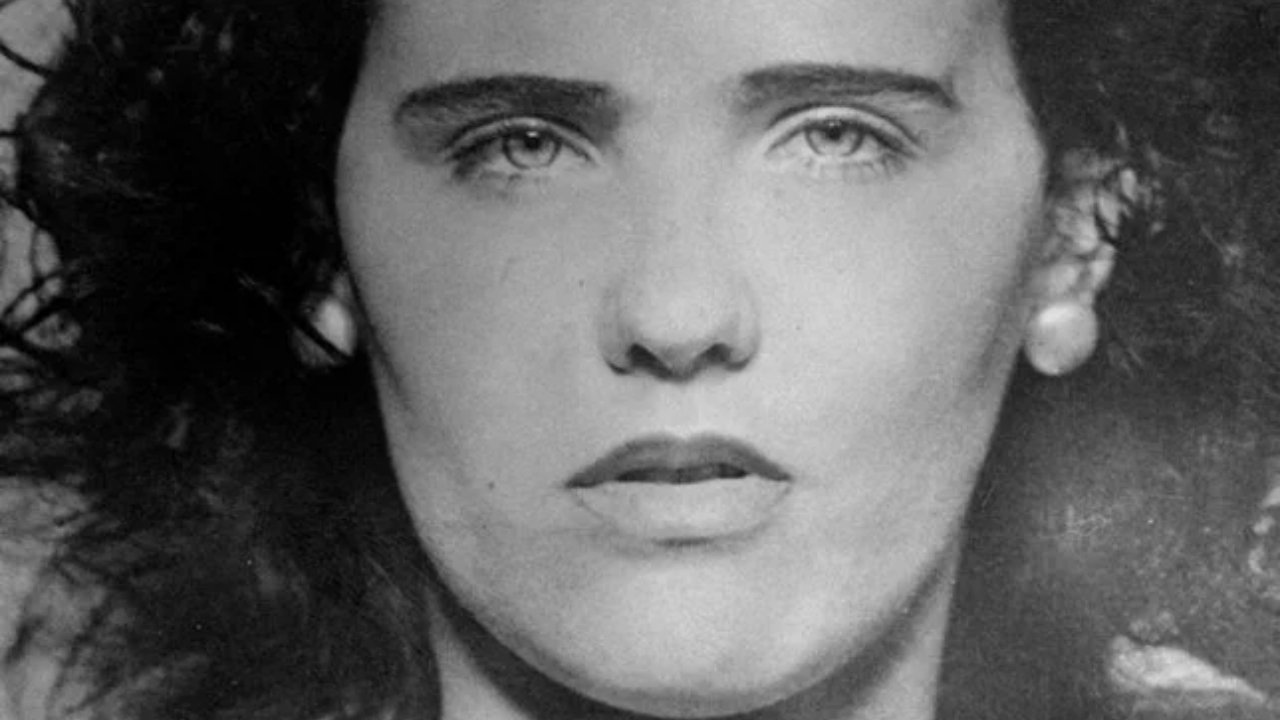
Elizabeth Short was found murdered in Los Angeles on January 15, 1947. The discovery site was processed for prints and footprints, and the body showed signs of postmortem staging that suggested a careful attempt to remove trace evidence. Detectives interviewed associates, compared letters sent to newspapers with known samples, and reviewed suspects with medical training.
Despite a large suspect pool and national attention, physical evidence was not sufficient to secure a charge. Over decades investigators and researchers have compared the case details with other crimes and assessed leads preserved in archival files. The original homicide remains officially unsolved.
Marilyn Monroe
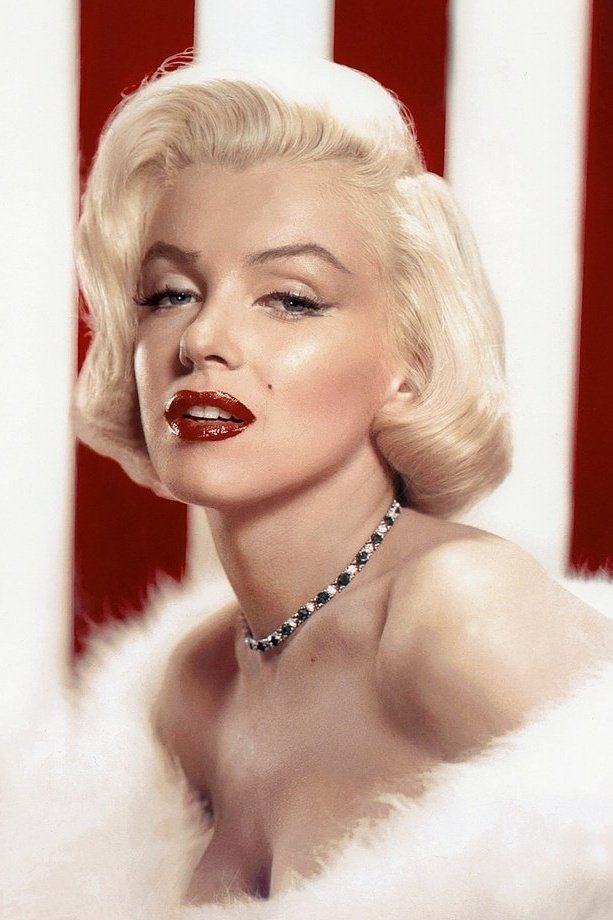
Marilyn Monroe was found dead at her home in Brentwood on August 5, 1962. The autopsy and toxicology reported acute barbiturate and chloral hydrate poisoning, and the death certificate recorded probable suicide. Investigators documented empty medication bottles, phone records, and a locked bedroom, which matched the initial conclusion.
Questions persisted about the timing of calls, the completeness of the toxicology documentation, and whether resuscitation efforts could have altered findings. A formal review by authorities decades later did not change the original manner of death but acknowledged gaps that could not be resolved with the available records. The lingering disputes keep the circumstances under continued public scrutiny.
Brittany Murphy

Brittany Murphy died on December 20, 2009 at her home in Los Angeles. The coroner determined pneumonia with iron deficiency anemia as the primary factors, with multiple medications listed as contributory. Investigators documented the scene, reviewed medical history, and compared prescription records with toxicology levels.
After her death there were questions about environmental conditions inside the residence and the rapid decline in her health. A subsequent independent review commissioned by family raised issues about potential exposures, but the official manner of death was not changed. Without new verified evidence, authorities did not reopen the case.
George Reeves
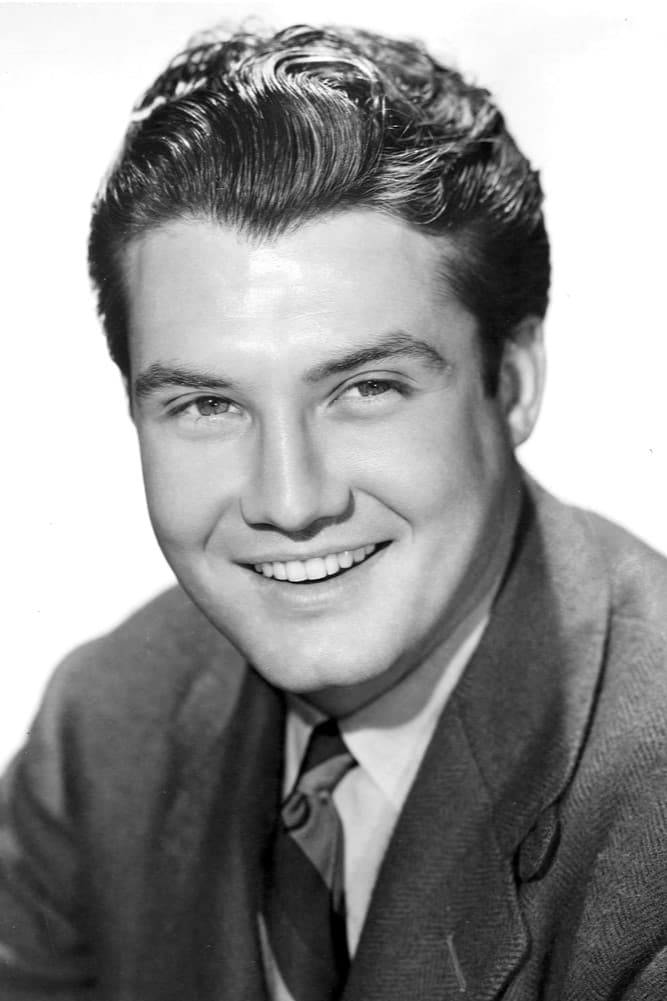
George Reeves died on June 16, 1959 from a gunshot wound in his Beverly Hills home. The scene included a handgun and bullet trajectory consistent with a self inflicted shot, and the death was ruled a suicide. Witnesses in the house gave statements about his movements that evening, including his time in an upstairs bedroom.
Inconsistencies about fingerprints on the weapon, the position of shell casings, and the timing of calls to police prompted debate. A later review did not produce new forensic proof to alter the ruling, and critical physical evidence no longer exists for retesting. The questions remain because the documented facts allow for more than one interpretation.
Bob Crane
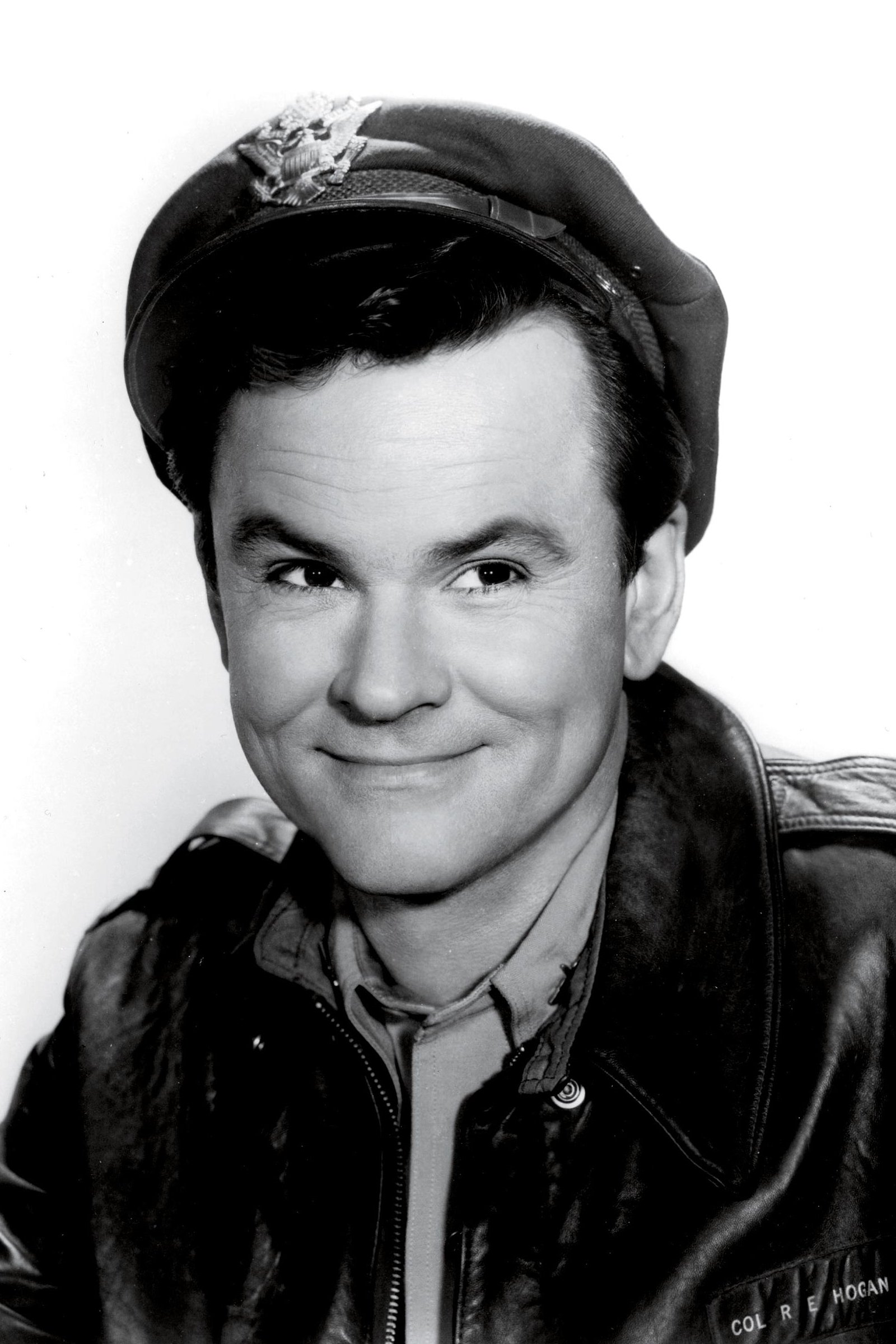
Bob Crane was found bludgeoned to death on June 29, 1978 in Scottsdale, Arizona. Investigators collected blood evidence, photographed the scene, and noted the absence of forced entry. Attention focused on an acquaintance who had traveled with Crane, and a possible weapon was connected through testing years later.
A prosecution was brought in the early 1990s after advances in blood analysis, but the jury acquitted the defendant, and no one else has been charged. The case file contains contested expert interpretations that cannot be definitively resolved with current evidence. The homicide remains officially unsolved.
Sam Cooke
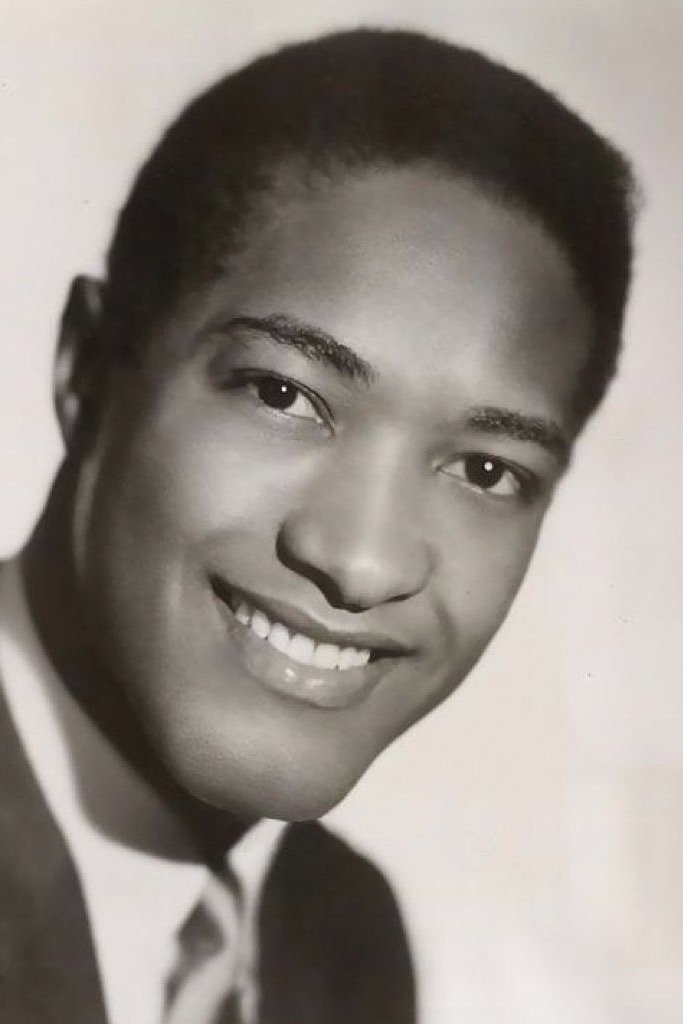
Sam Cooke was shot and killed on December 11, 1964 at a Los Angeles motel. Police documented a struggle inside the office, recovered the handgun, and took statements from the manager and a witness. A coroner’s inquest found the shooting to be justifiable homicide based on the testimony and physical evidence presented.
Family members and researchers later pointed to inconsistencies in the accounts and the sequence of events leading to the confrontation. Requests to reexamine evidence have not produced a change in the official conclusion, and some materials are no longer available for modern testing. The case remains a source of dispute because the surviving records leave key details contested.
Elliott Smith
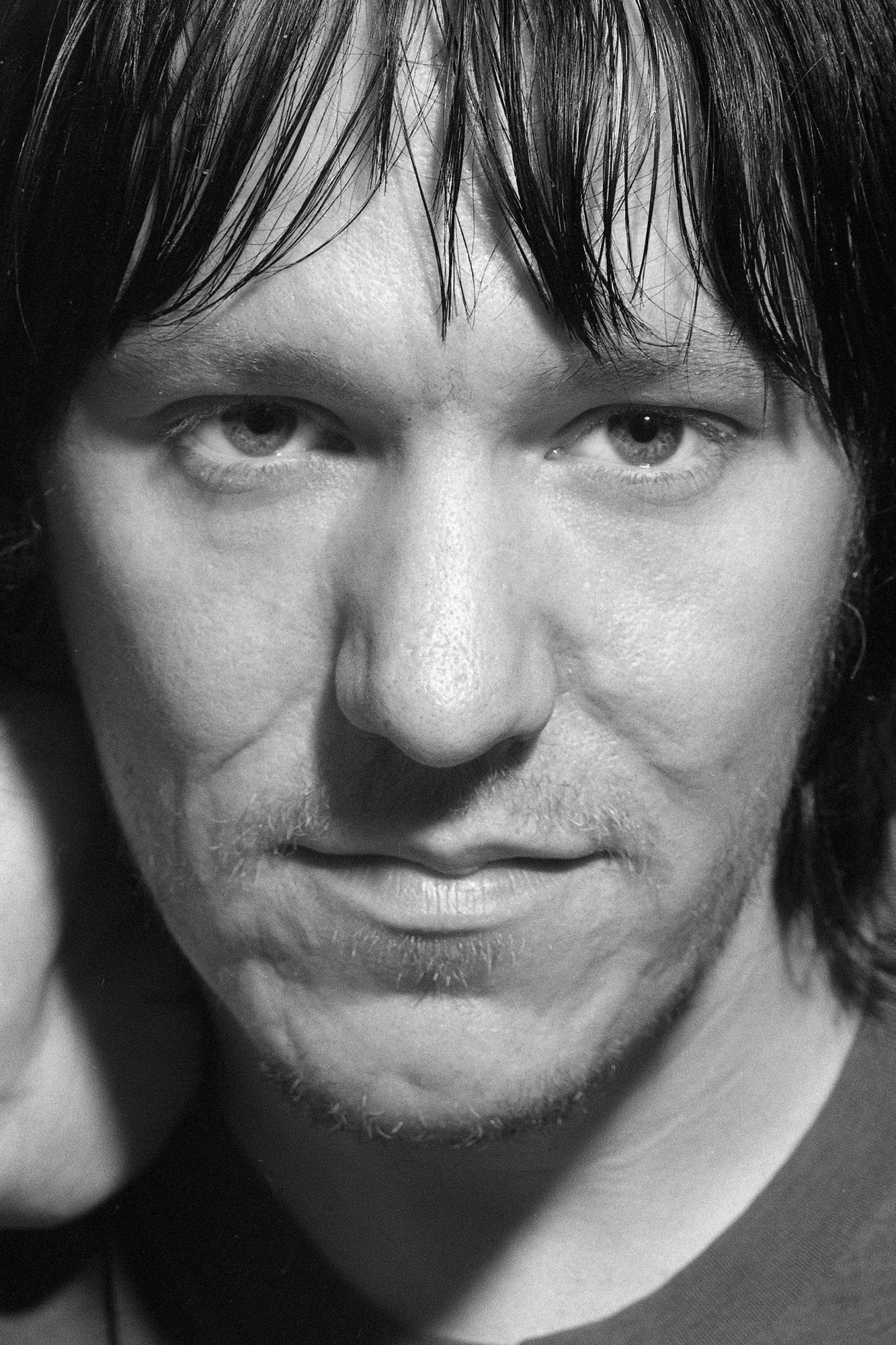
Elliott Smith died on October 21, 2003 from stab wounds at his Los Angeles residence. The coroner classified the manner of death as undetermined after examining wound characteristics, clothing, and the absence of definitive defensive injuries. Investigators reviewed 911 calls, scene photographs, and statements from the only other person present.
Because the physical findings did not conclusively support either homicide or suicide, authorities could not close the case with a final determination. The file has stayed open without sufficient new evidence to change the undetermined ruling. That status keeps the circumstances unresolved in official records.
Thelma Todd
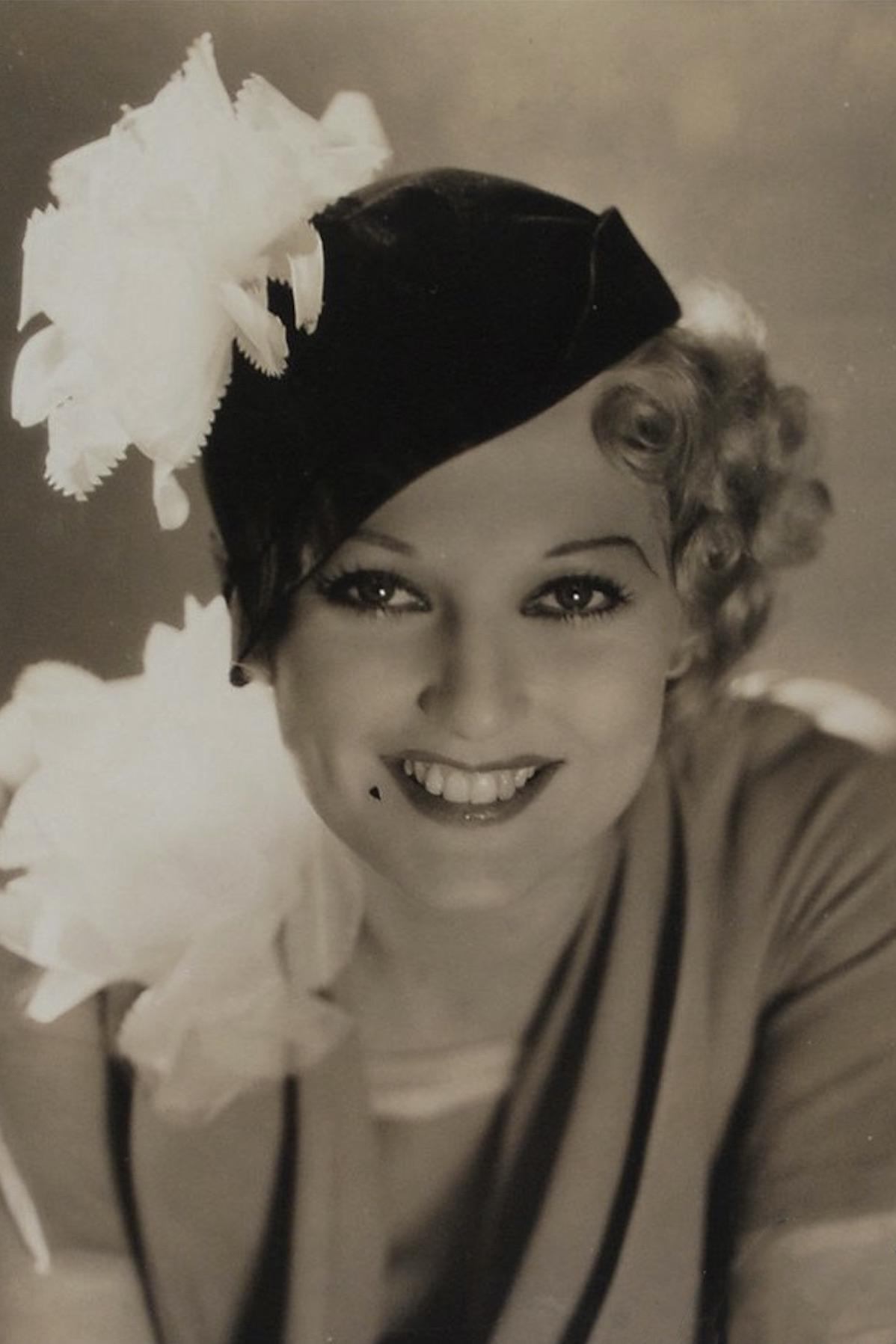
Thelma Todd was found dead on December 16, 1935 in a car inside a garage in Los Angeles County. The autopsy cited carbon monoxide poisoning, and investigators documented a late night timeline that included her restaurant on Pacific Coast Highway. There were no signs of a struggle at the discovery site.
A coroner’s jury returned a verdict of death by accidental causes with recommendations for further investigation. Conflicting accounts about her movements after a public appearance and access to the garage left uncertainties that were never settled. Without additional forensic evidence, the case was closed without a definitive explanation.
Amelia Earhart
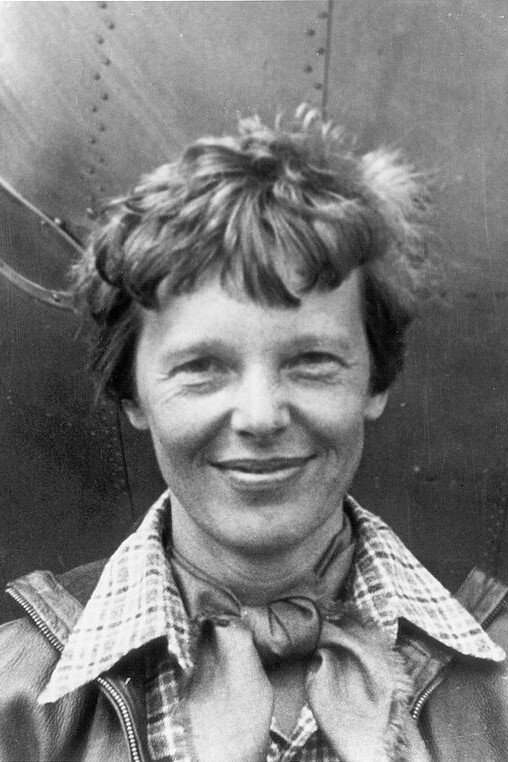
Amelia Earhart disappeared on July 2, 1937 during a flight toward Howland Island in the central Pacific. Radio logs, fuel calculations, and search grid maps show how close the aircraft may have come to the intended destination before contact was lost. A massive search by the U.S. Navy and Coast Guard found no trace at the time.
Subsequent expeditions have surveyed nearby islands, reviewed photographic archives, and analyzed artifacts that might be linked to the flight. None of the recovered items has been conclusively proven to belong to Earhart or her aircraft. The disappearance remains one of aviation’s most studied unresolved cases.
Glenn Miller
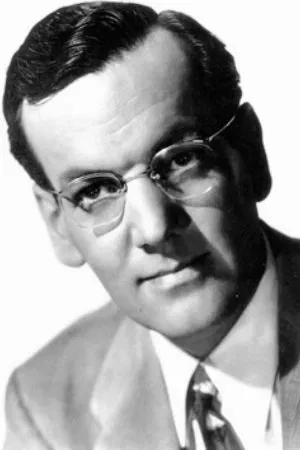
Glenn Miller vanished on December 15, 1944 while flying from England to France during World War II. Military records indicate the small aircraft departed in poor weather, and the route crossed areas with limited wartime search capability. No flight plan deviations or distress calls were documented in official logs.
Over the decades researchers have explored explanations that include weather, mechanical failure, and accidental jettisoned ordnance in training zones. Extensive reviews of wartime records and later ocean searches have not yielded verified wreckage. The U.S. military lists the bandleader as missing in action with the cause undetermined.
Jean Spangler
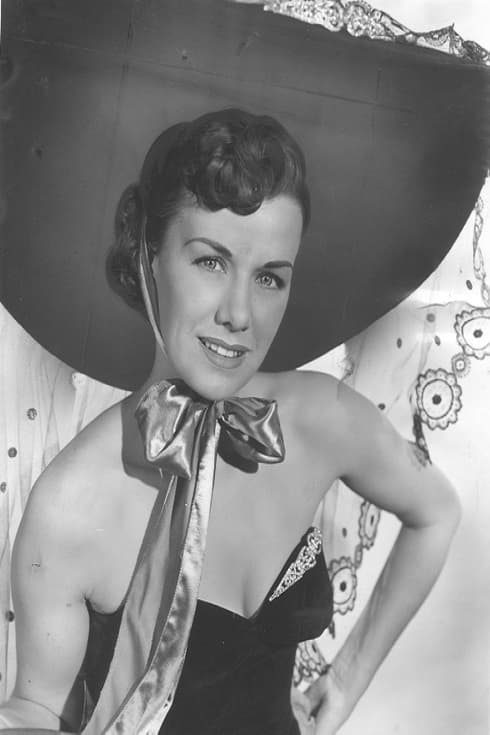
Jean Spangler, an actress and model, disappeared on October 7, 1949 after leaving her Los Angeles home. Police recovered her purse in Griffith Park with a note fragment that referenced a “Dr.” and a meeting. Investigators interviewed colleagues, former partners, and industry contacts to establish a timeline.
Connections to entertainment figures were examined, and possible sightings were logged without confirmation. Without a body, forensic evidence, or confirmed communication, authorities could not advance the case to charges. The missing person investigation remains open with no verified resolution.
Thomas H. Ince
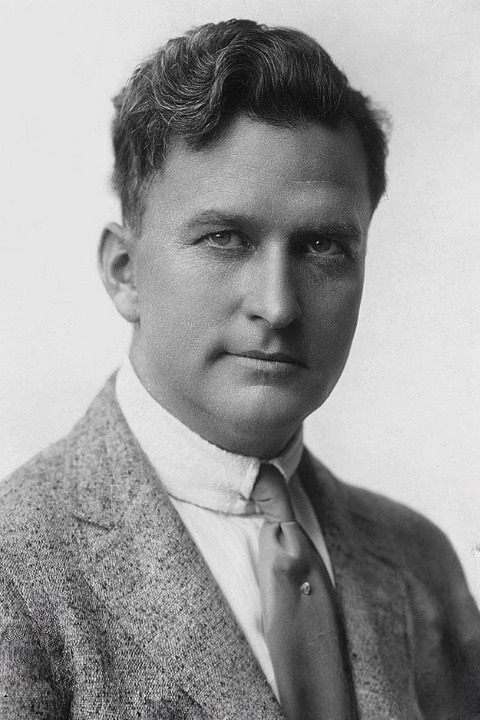
Thomas H. Ince, a prominent film producer, fell ill aboard a yacht off the California coast in November 1924 and died shortly afterward. Contemporary reports listed acute indigestion or heart issues, and a death certificate was issued rapidly. Statements from guests and crew about the onboard events were limited and inconsistent.
Newspaper accounts and later examinations highlighted the lack of a full autopsy and the swift handling of the remains. Because early Hollywood record keeping was incomplete and witness accounts conflict, investigators lack the evidence needed to reconstruct events with certainty. The circumstances of his death remain disputed.
Have a case you think should be on this list or details you want to add, share your thoughts in the comments.