Hardest Video Games of All Time, Ranked



Some games test your reflexes. Others test your patience, your planning, and your ability to learn from failure. The ones on this list do all of that at once. They punish mistakes, hide surprises around every corner, and ask you to master systems that seem simple until they suddenly are not.
This countdown focuses on hard facts about how each game plays and why it is tough. You will find mechanics that hit hard, modes that turn the screws, and rules that never bend. If you want a challenge that teaches you through repetition and smart adaptation, these are the titles that keep players grinding until everything finally clicks.
25. Super Mario Bros The Lost Levels

The game increases enemy density and removes many safe jumps from familiar layouts. Poison mushrooms look like power ups but shrink or defeat Mario on contact, and wind gusts alter jump arcs on outdoor stages.
Warp zones sometimes send you backward in world count rather than forward. Later castles require precise platform cycling and hidden block knowledge, which forces careful scouting and memorization.
24. The Lion King

Enemy hitboxes extend beyond the sprite edges, which means contact damage triggers earlier than expected. The monkey puzzle in level two requires exact roar timing to change throw routes, and vine swings punish any early release with instant failure.
Continue limits are strict, and health pickups are scarce in later stages. The stampede section scrolls toward the player with randomized hazard lanes, so movement cues must be learned by their tells instead of the full pattern.
23. Contra
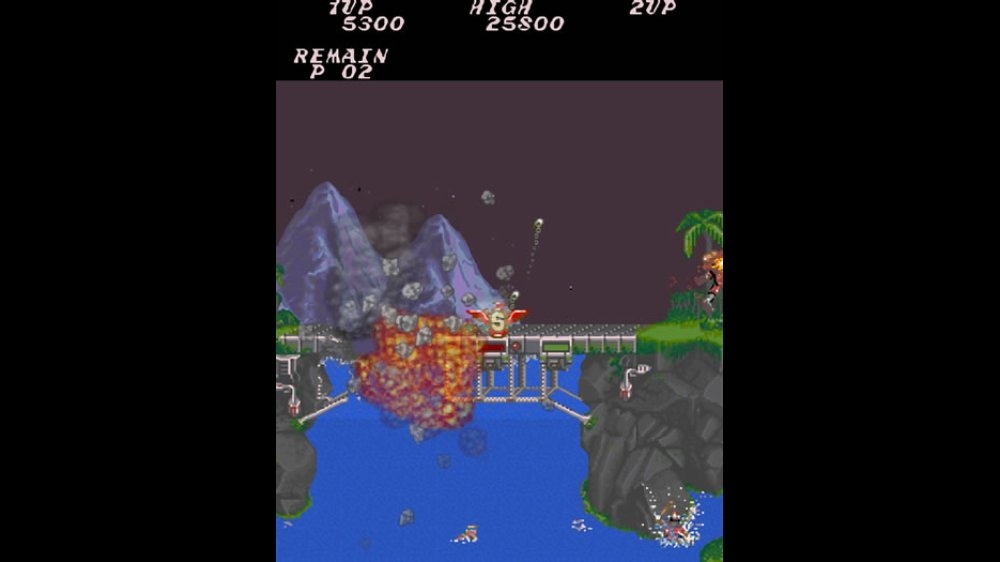
One hit ends a life, and default weapon fire has limited coverage against diagonal threats. The spread gun changes survival odds but is easily lost on death, forcing players to protect power up possession through entire stages.
Enemy projectiles blend into detailed backgrounds, making visual tracking important on vertical climbs. Boss cores open only during short cycles, so players must plan positioning early to land damage during safe windows.
22. Ghosts n Goblins

Arthur loses armor after a single hit and fights in his underwear with the same damage output but higher risk. Projectile arcs from the lance and dagger must be matched to enemy approach angles, and ladder transitions leave the player vulnerable.
The game requires two complete loops to see the real ending. The second loop upgrades enemy speed and frequency, and certain weapon drops become mandatory for late boss vulnerability, which forces selective pickup management.
21. Battletoads
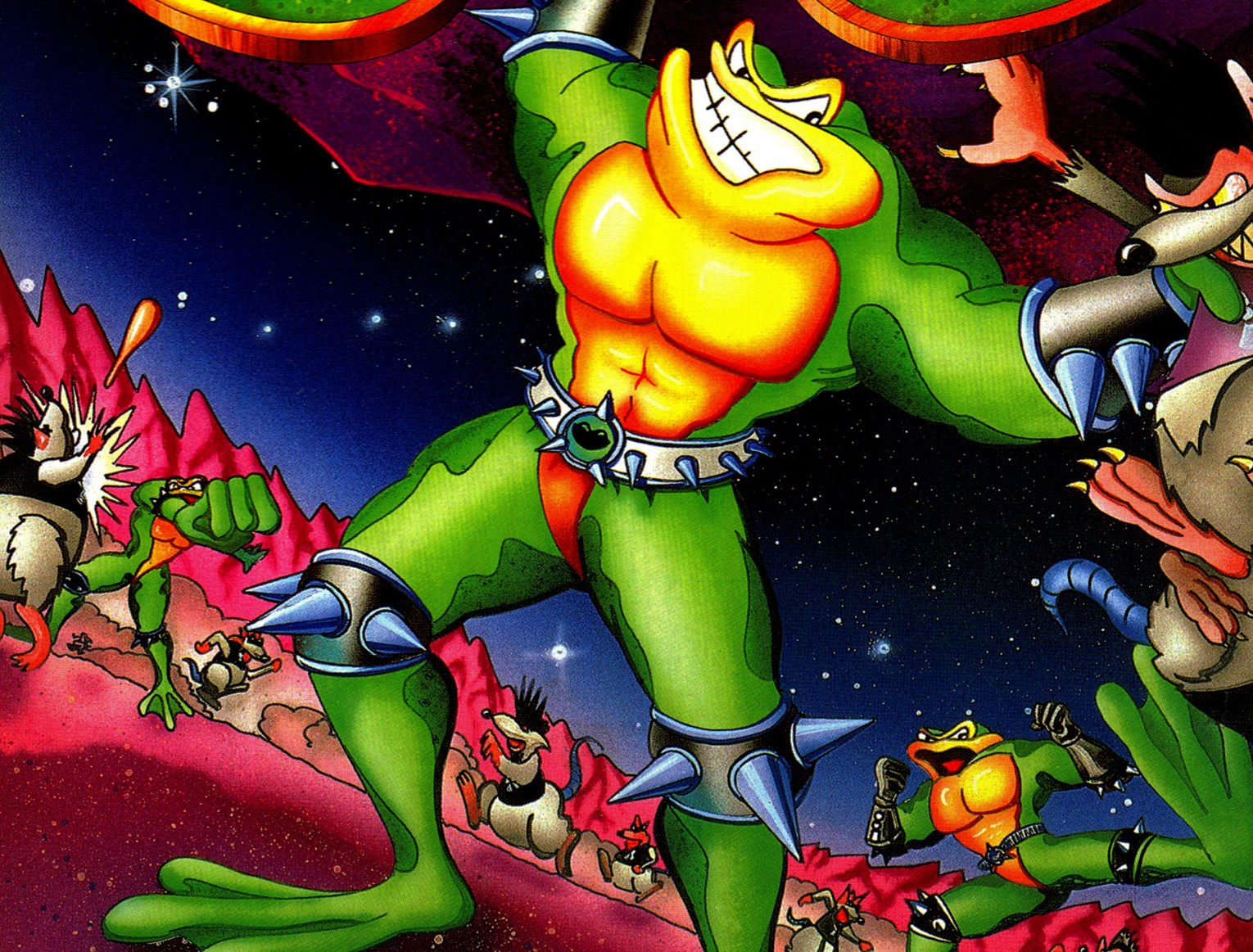
Co op mode enables friendly fire, which means partners can remove each other’s lives during crowded encounters. The Turbo Tunnel demands flawless obstacle memorization while speed ramps reduce reaction time across successive checkpoints.
Later levels mix new mechanics without rehearsal, like snake climbing with moving safe zones and instant death pits around narrow platforms. The game offers limited continues, so each failure erases a large block of progress.
20. Mega Man 9
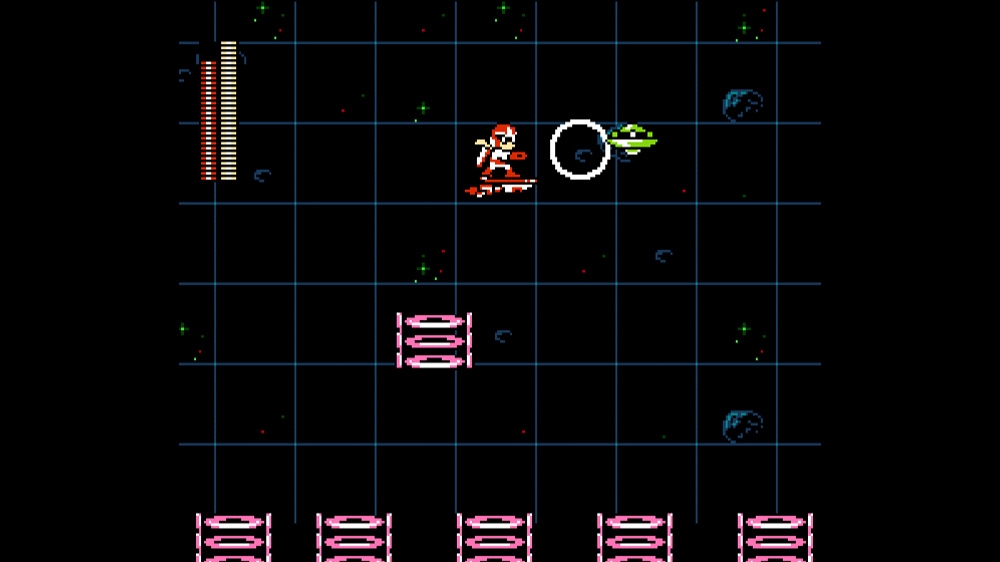
Robot Master stages stack precision platforming with enemy placements designed to intercept jump peaks. Concrete blocks and disappearing platforms require rhythm counting, and the buster only run raises boss health and reduces damage windows.
The challenge modes track no hit clears and time trials, which push full stage optimization. Energy management matters because special weapons solve very specific hazards, and wasteful shots leave you stuck at the hardest checkpoints.
19. Ninja Gaiden NES

Bird enemies spawn at screen edges and knock the player into pits with a single hit. The timer pressures forward momentum, yet enemy placement encourages patience, creating a tension that punishes both rushing and waiting.
If you die at the final bosses, the game sends you back several checkpoints through stage six. Subweapon selection before a boss door decides the fight, so carrying the right pickup through respawn loops is essential.
18. Cuphead

Boss encounters are multi phase and change attack patterns mid fight, which forces real time adaptation rather than simple memorization. Parry mechanics restore super meter, so survival and damage output depend on proactive risk taking.
Run and gun stages add coin routing for upgrades, and weapon choices alter pattern solutions. Expert mode increases projectile speed and reduces damage windows, making precise positioning and dash timing mandatory.
17. Super Meat Boy
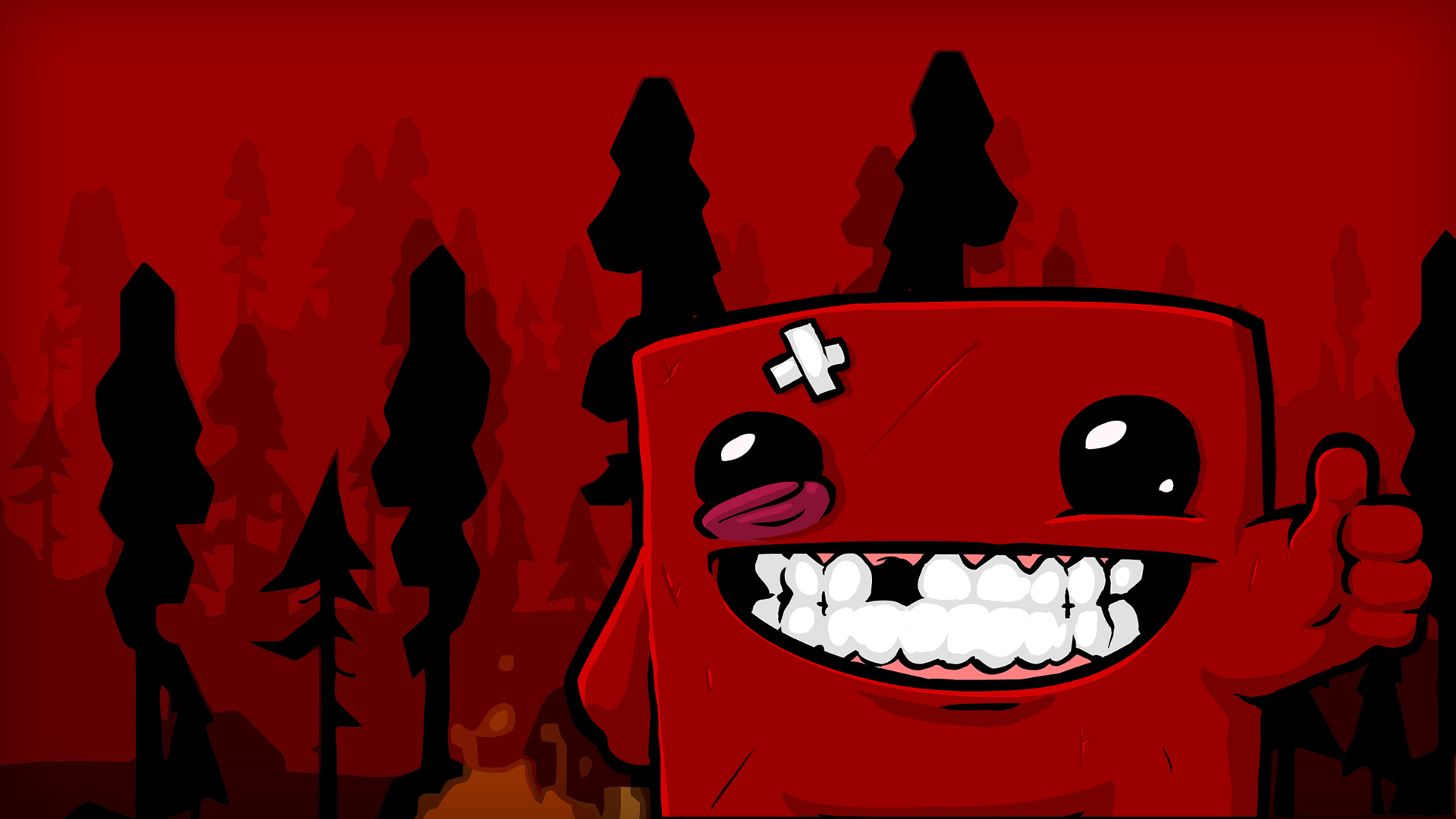
Levels use instant respawns and short runs to encourage iterative learning. Wall jumps and momentum carry over edges, so the fastest lines require edge buffering and direction swaps that must be frame tight.
Dark World variants mirror stages with increased hazard density. Warp zones and no death achievements raise the bar further, as a single mistake invalidates perfect run goals across long sequences.
16. FTL Faster Than Light

Combat relies on pausing to queue volleys that break shields and disable critical rooms in a single cycle. Enemy ships scale with sector level, so scrap spending on weapons, engines, and defenses must follow a strict upgrade curve.
The flagship has three phases and hard counters common builds with drones, missile volleys, and super shields. Crew skills level slowly, and losses are permanent, so boarding plans and oxygen control require careful door micro.
15. XCOM Enemy Unknown on Impossible Ironman
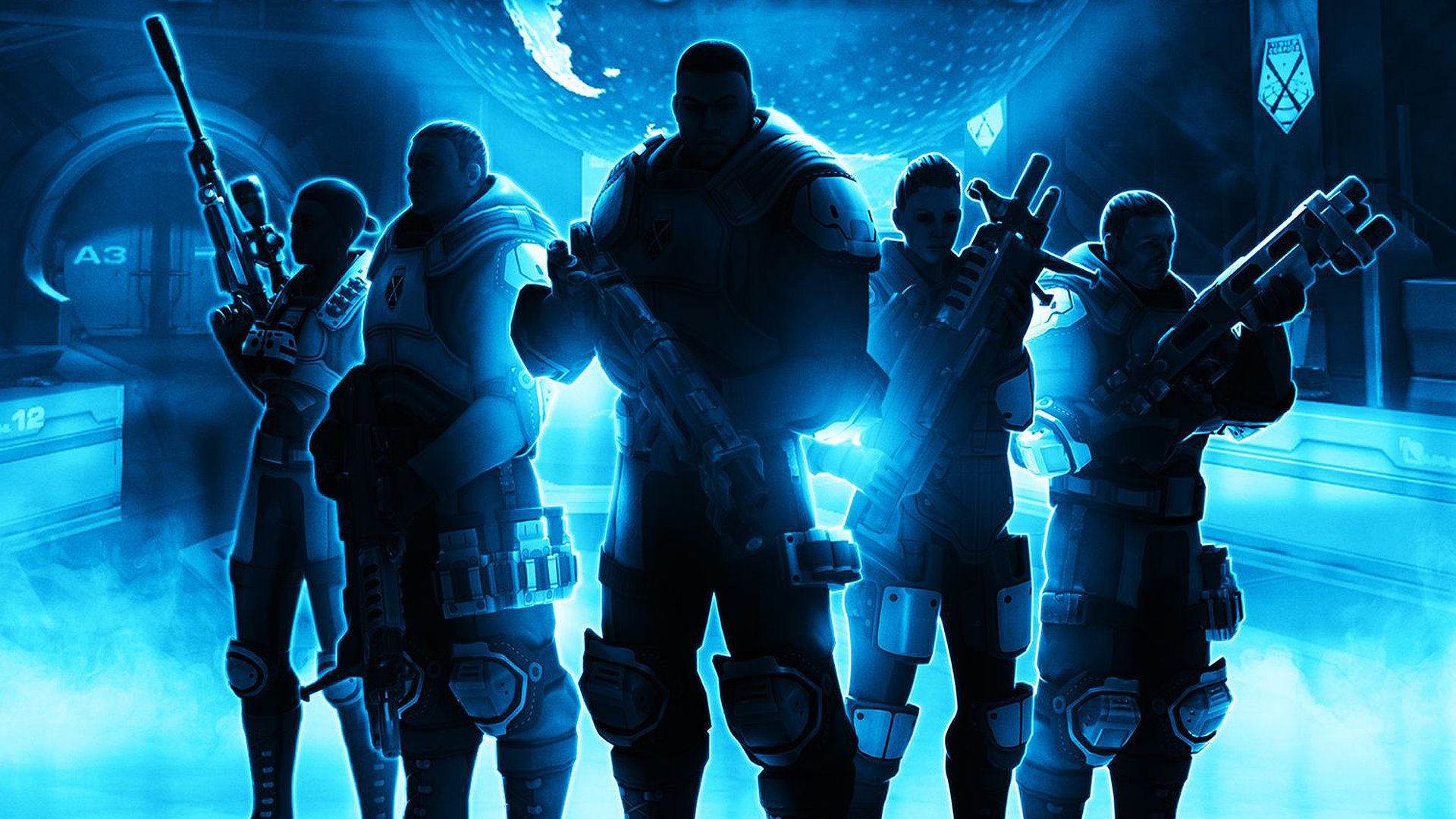
Hit chances include aim penalties from cover, elevation, and distance that often reduce reliable shots below comfort levels. Soldiers panic on critical injuries and can take actions that break a safe formation.
Ironman saves lock in outcomes, which removes reload scouting and forces acceptance of bad rolls. Satellite timing, base layout, and continent bonuses determine funding and intercept coverage, so early strategic errors cascade into late defeats.
14. Darkest Dungeon
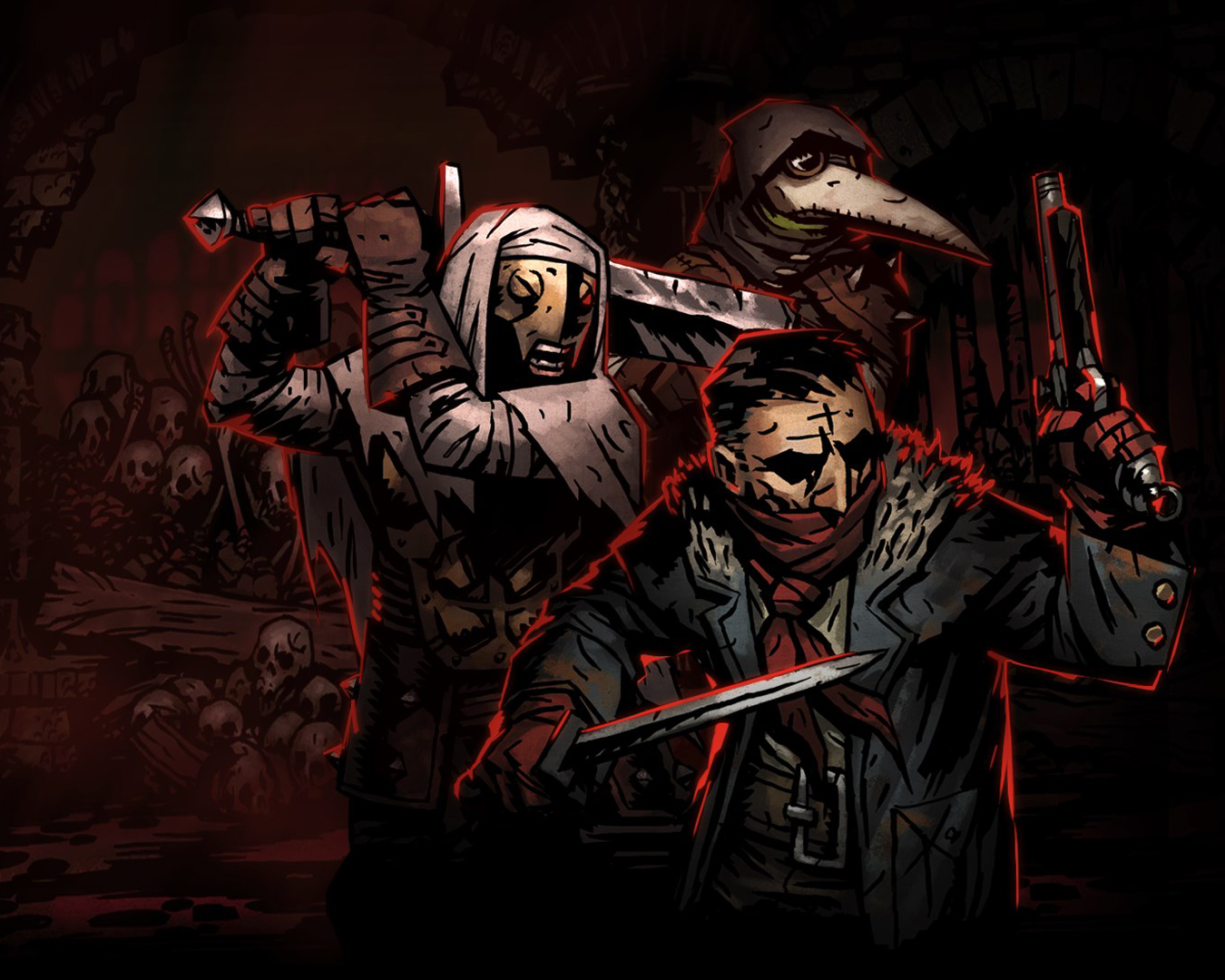
Stress acts as a second health bar that triggers heart attacks and negative quirks when it fills. Light levels change scouting, surprise chances, and damage taken, so torch management becomes part of every corridor decision.
Heroes can refuse orders when afflicted, and retreating from a run adds more stress to the roster. The final dungeons require exact team compositions with specific resistances and movement control skills to handle shuffle mechanics.
13. Hollow Knight

Enemy tells are readable yet stack in boss arenas that restrict movement. Nail reach upgrades and charms reshape builds, and wrong choices limit survivability during long gauntlets that offer few heal windows.
The Pantheon of Hallownest compresses dozens of bosses into one marathon with minimal recovery. Geo loss on death encourages careful routing to retrieve shade currency before taking on riskier areas.
12. Devil May Cry 3 Dantes Awakening
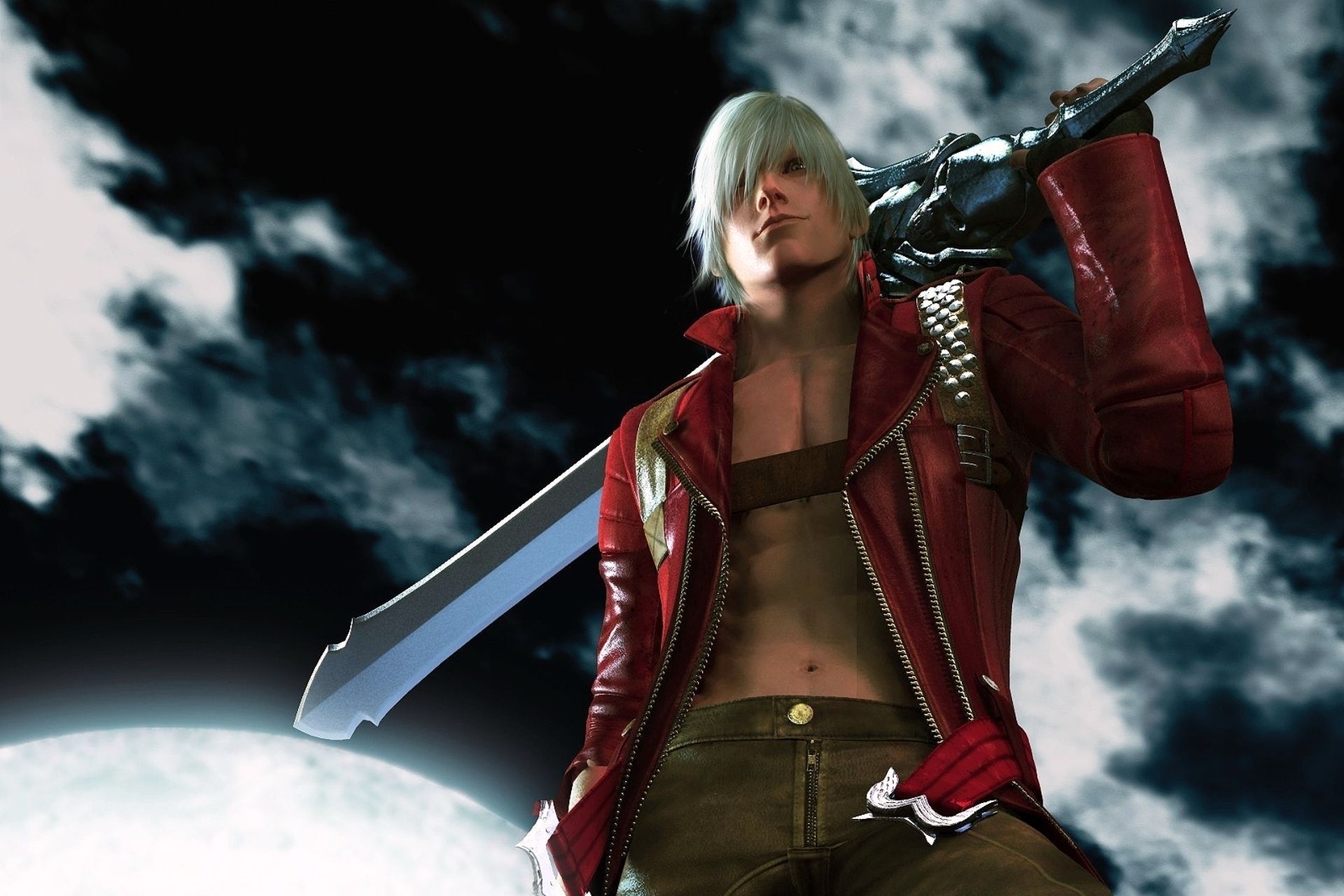
Style ranks require constant attack variety and no damage taken to maintain score, which pushes aggressive play. Enemy types punish spam by guarding, teleporting, or parrying, and bosses counter predictable strings.
The original release raises enemy health and damage while reducing item effectiveness. Weapon switching and style swapping mid combo are essential to control mobs, and jump canceling keeps airborne targets locked in place.
11. Ninja Gaiden Black
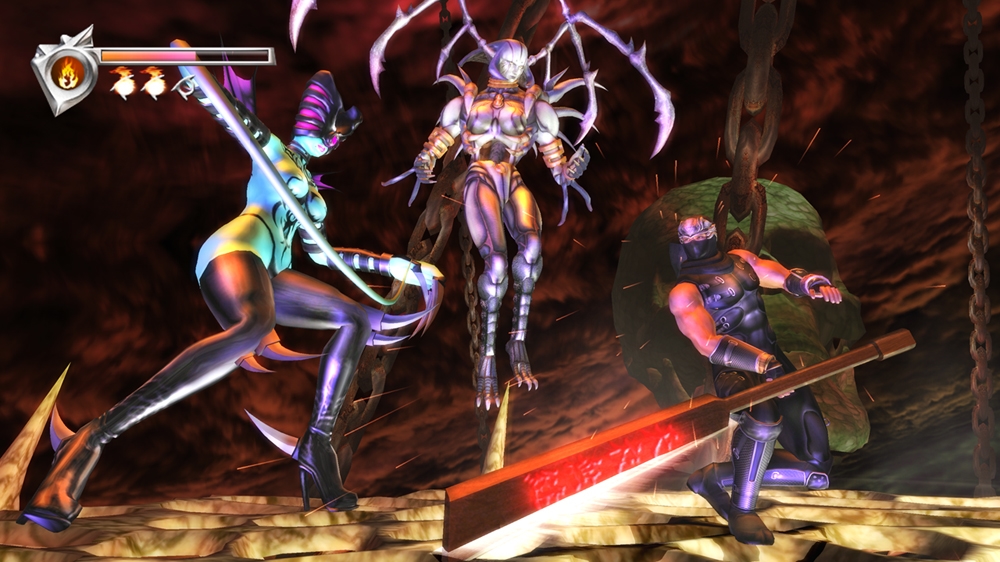
Enemy AI reacts to defense with grab breaks and guard crush attacks. The camera demands manual control during fast target swaps, so positioning and lock on discipline decide whether you escape surrounding mobs.
Higher difficulties add new enemy types to earlier chapters and upgrade basic foes with new strings. Essence management funds health items and weapon upgrades, and improper absorption timing wastes the damage boost from on kill orbs.
10. Spelunky 2
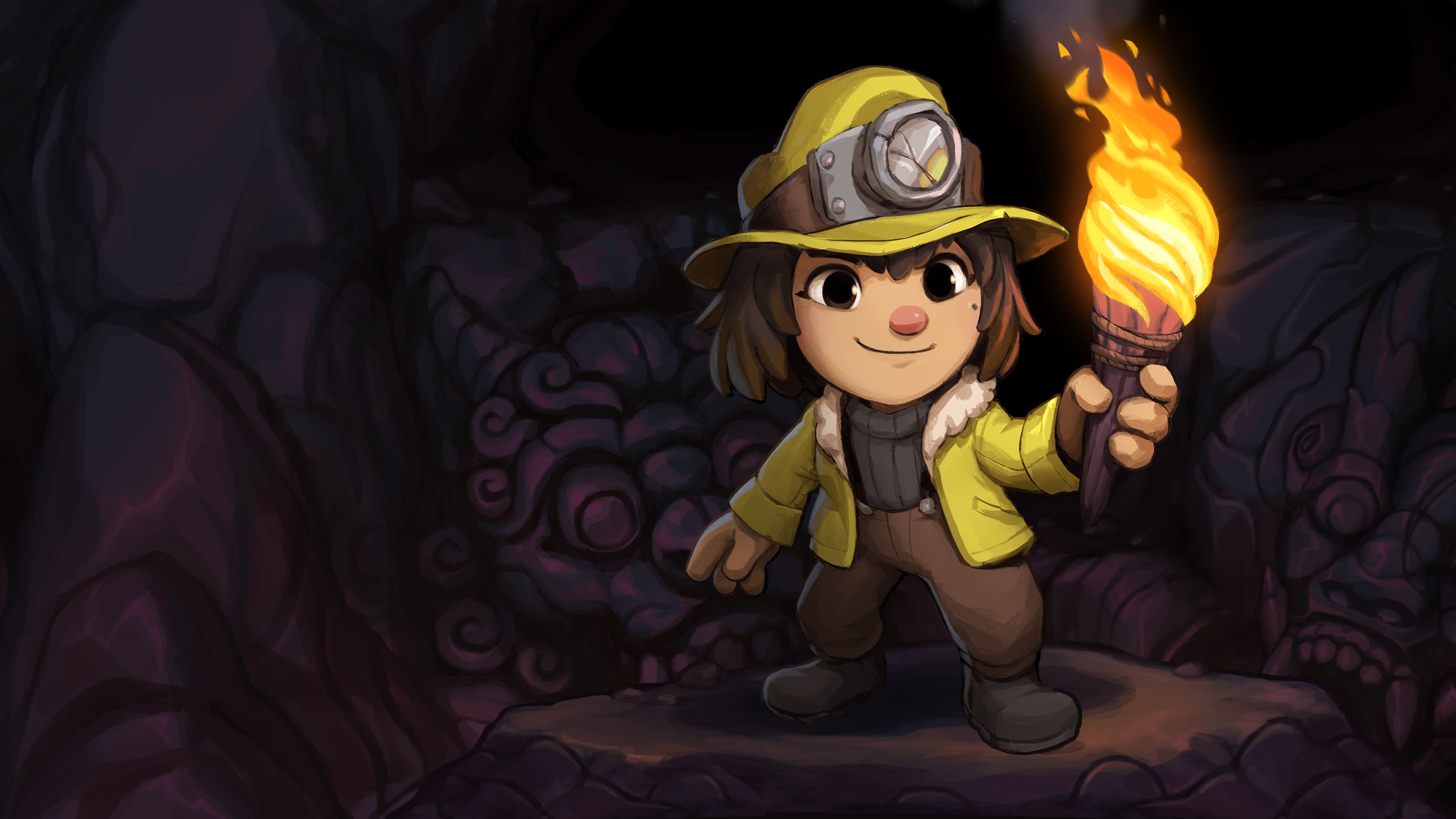
Procedural levels combine traps with enemies that trigger each other, creating chain reactions that can end a run instantly. Mounts, lava physics, and liquid flow add variables that change the safety of routes between sessions.
Secret paths lead to the true final challenges and require specific items carried across multiple worlds. Shortcuts help practice, but the best endings demand a full run with precise resource use and boss specific tools.
9. Demons Souls

World tendency shifts enemy health and damage in response to player deaths, which changes drop rates and access to hidden paths. Stamina governs both offense and defense, so overextending leaves the character open to guard breaks.
Level design supports farming but punishes carelessness with long runs back to boss doors. Magic builds can feel strong, yet certain areas include resistances and narrow arenas that negate range advantages.
8. Dark Souls
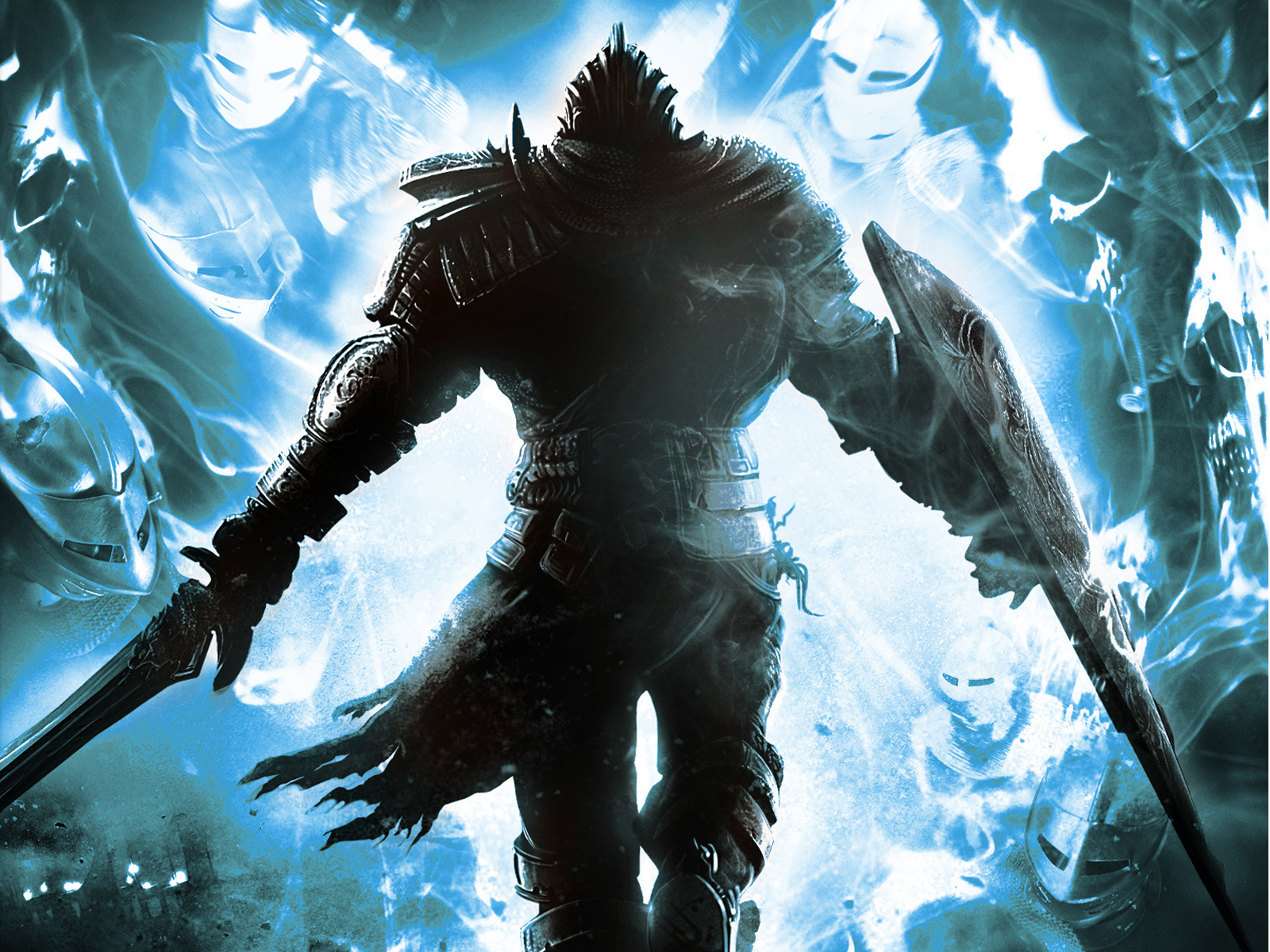
Invincibility frames on rolls tie to equip load, so armor decisions directly change dodge windows. Bonfire placements create long corpse runs that encourage cautious progress through new zones.
Bosses use delayed swings to bait early rolls and punish panic inputs. Humanity and kindle mechanics determine Estus counts at key checkpoints, which means resource preparation before a fight often decides the outcome.
7. Elden Ring
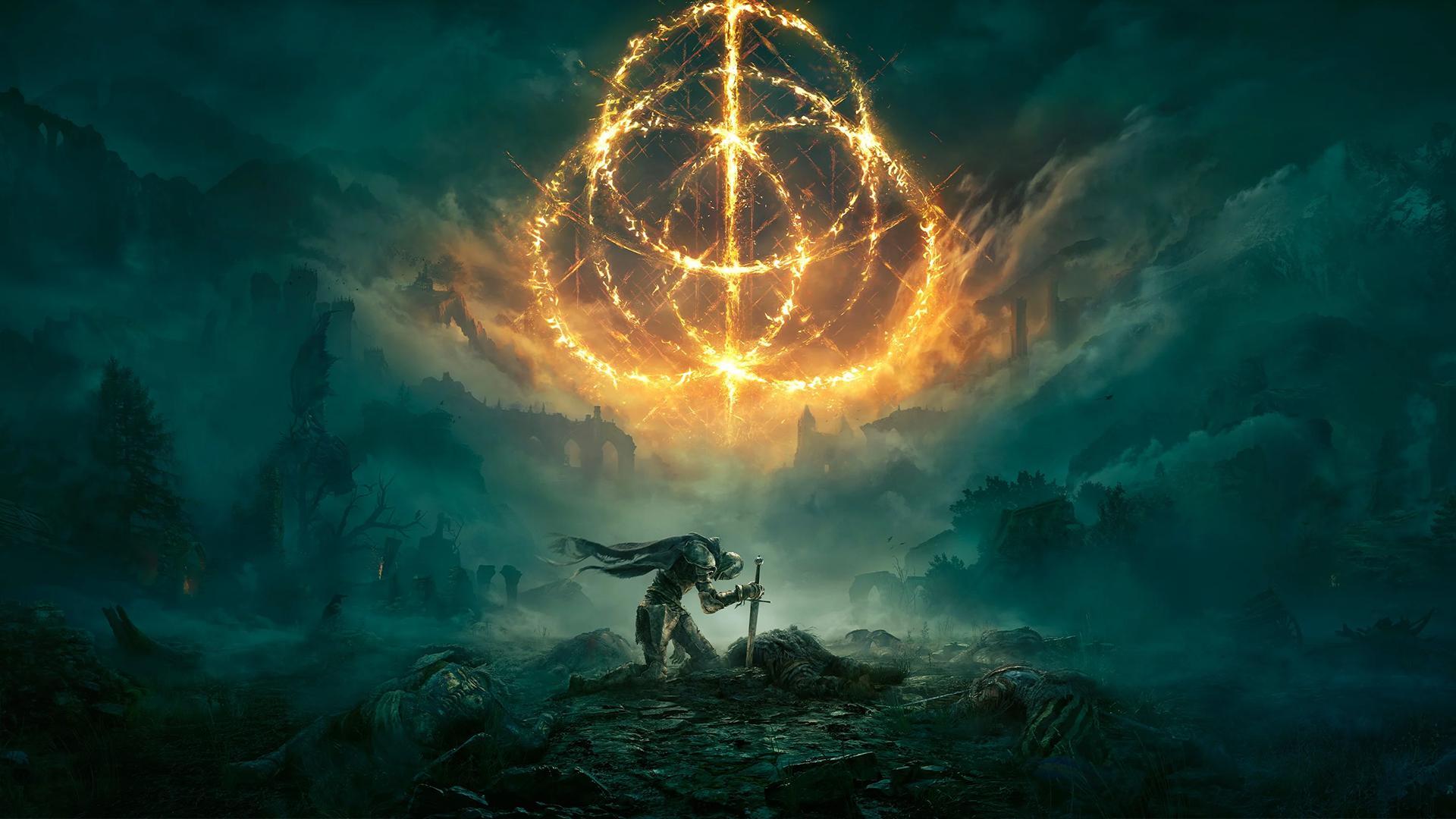
Open world freedom lets players overlevel or walk into late zones early. Enemy density and field bosses near roads force routing decisions, and horseback combat alters hitboxes and stamina use.
Optional dungeons hide upgrade materials behind traps and multi enemy ambushes. Certain late game bosses chain multi hit combos that require learning exact roll timings, and spirit ash choices can change phase pacing and aggro control.
6. Bloodborne
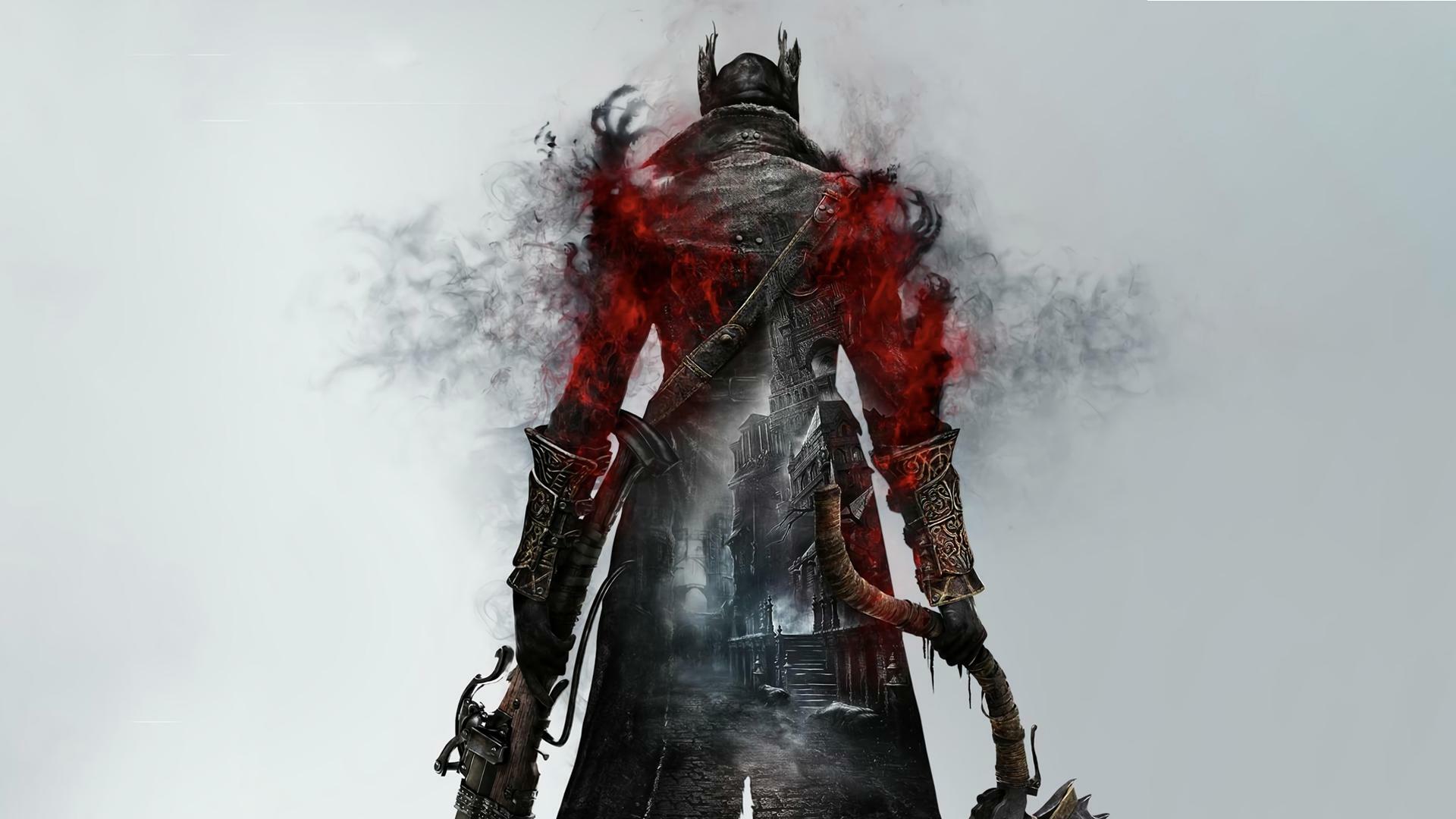
No shields means forward movement and counter aggression through the rally system to regain health. Firearms trigger visceral windows on precise parry timing, which turns reaction speed into a core defensive tool.
Areas stack status effects like frenzy that build while line of sight is maintained. Chalice dungeons add randomization and cursed modifiers that halve health, forcing perfect dodge discipline against familiar bosses.
5. Sekiro Shadows Die Twice
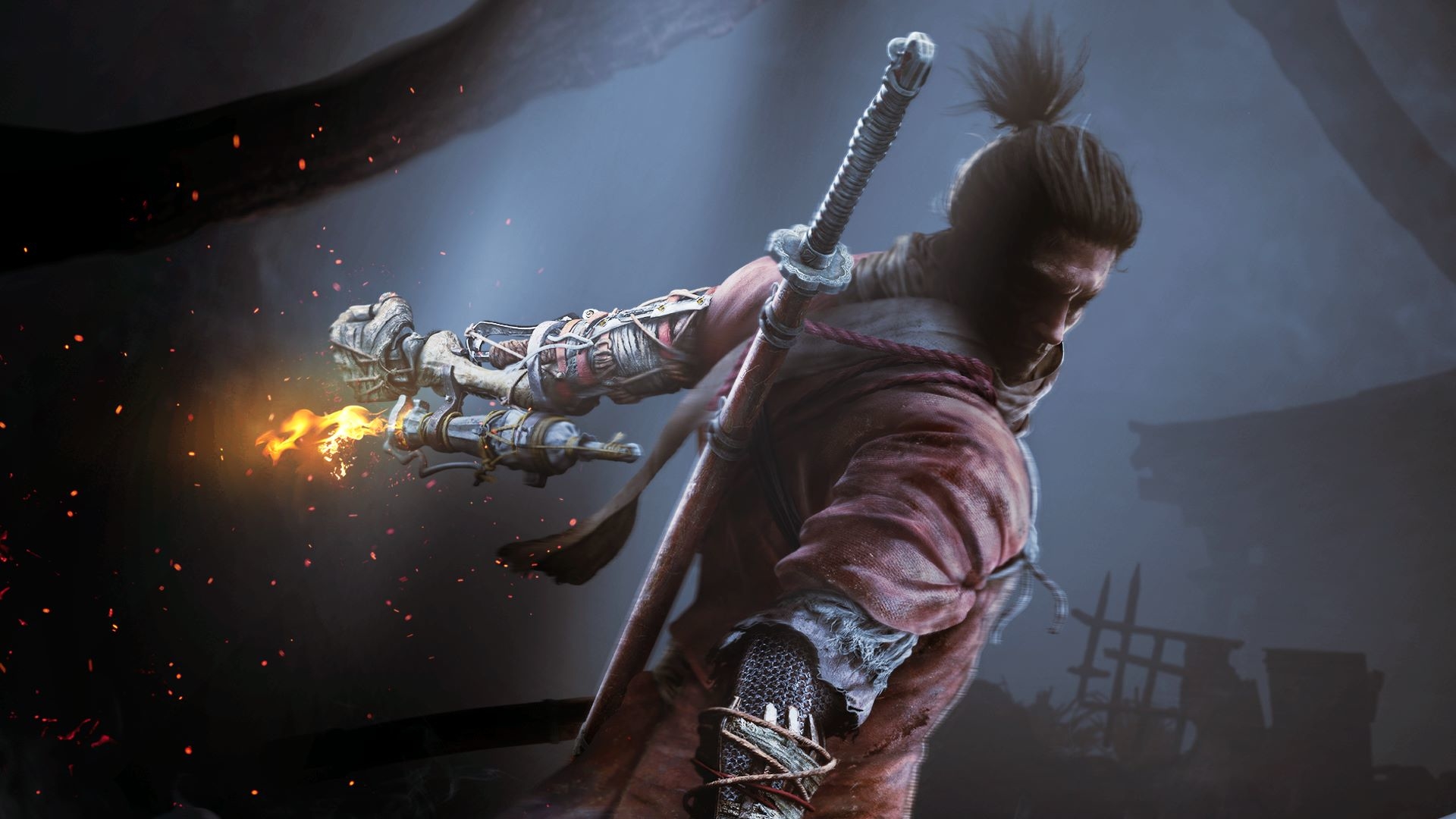
Combat relies on posture pressure rather than pure health damage. Perfect deflects fill enemy posture bars quickly, yet a single missed input opens the player to lethal strings that reset momentum.
Bosses mix perilous sweeps, thrusts, and grabs that require specific counters, so reading kanji prompts and switching responses on the fly is mandatory. The final gauntlet uses multi phase duels that only break after sustained deflect consistency.
4. F Zero GX
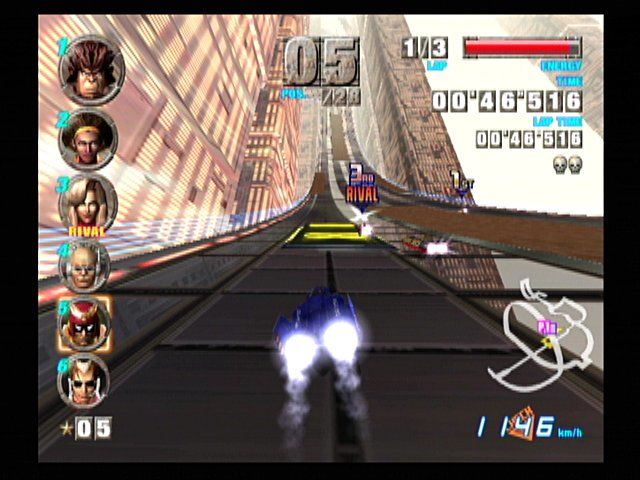
Story mode on very hard raises opponent aggression and rubber banding, which demands boost management down to the final lap. Tracks like Chapter 7 include thin rails with instant failure for any wall touch at max speed.
Custom machines allow fine tuning of body, boost, and grip, and wrong builds make certain chapters functionally impossible. Time attack ghosts push perfect slide control, side attacks, and snaking without overheat.
3. Getting Over It with Bennett Foddy
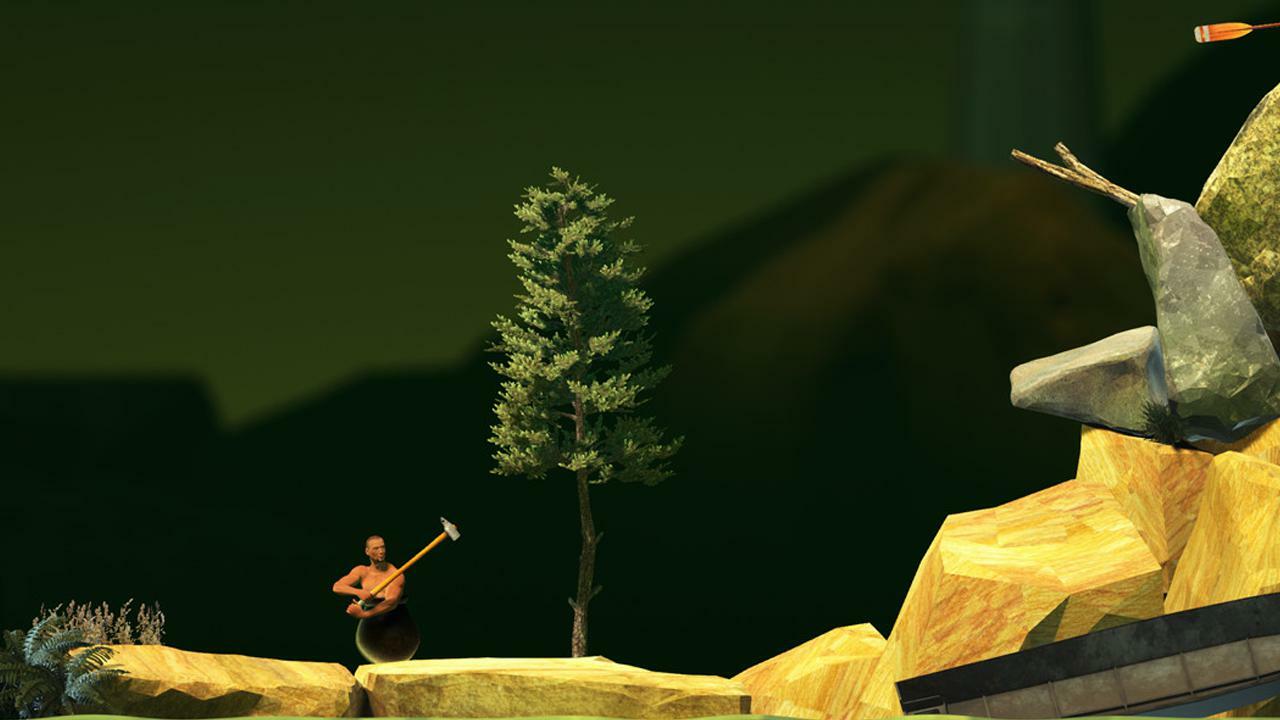
Movement uses a single analog swing that converts hammer arcs into momentum. Small errors often invert progress and send the player back to earlier sections without checkpoints or safety nets.
Collision geometry encourages controlled micro pushes rather than full power swings. Consistency comes from muscle memory built through repeated climbs, and there are no upgrades or shortcuts to reduce the required precision.
2. I Wanna Be The Guy
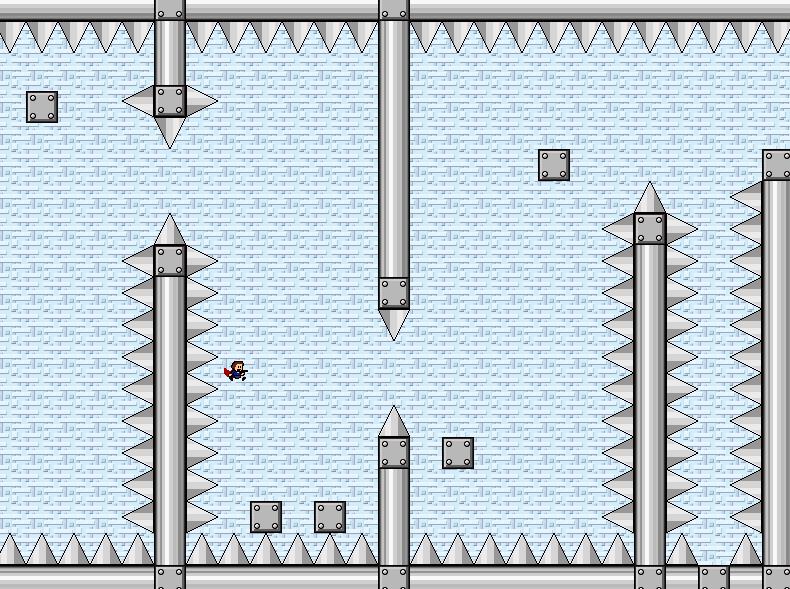
Level design hides instant kill traps that trigger after seemingly safe landings. Projectiles reverse direction, floors vanish, and bosses remix patterns from classic games with additional bullet density.
Checkpoints are sparse and often placed before long hazard chains. The engine demands pixel perfect jumps and tight timing on spike corridors, and learning safe tiles usually requires deliberate trial and error.
1. Mushihimesama Futari Ultra
Ultra mode multiplies bullet counts until the screen fills with overlapping patterns. Hitboxes are small but require absolute pathing, and point blank positioning is needed to finish bosses within enrage timers.
Scoring mechanics push players to stay near enemies for counter mode while maintaining chain stability. Survival runs still face final phase patterns that combine aimed volleys with static curtains, leaving only razor thin lanes that must be read in real time.
Share the games that gave you the toughest time in the comments.