How Games of Chance Shape Fantasy and Sci Fi Literature

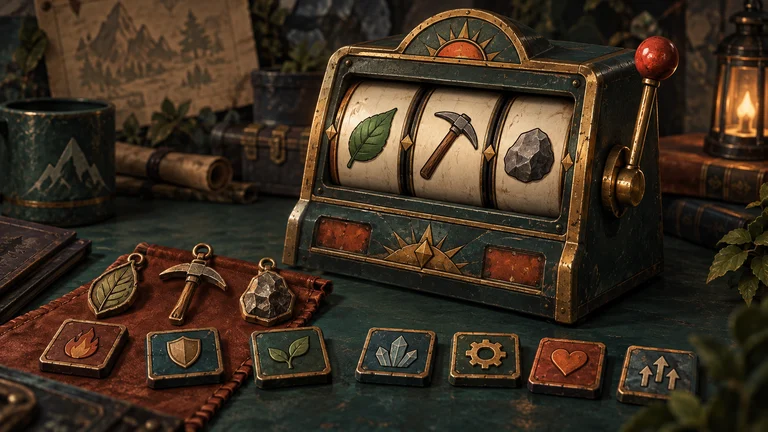
Games of chance have been a part of human society for thousands of years, and it’s no wonder they often find themselves in fantasy and science fiction environments. Medieval taverns with games of dice and high-tech space stations with sophisticated casinos are common in games, and these scenes of gambling are more than just flavor text. They’re symbols of themes of luck, fate, strategy, and humanity’s propensity for gambling against the unknown.
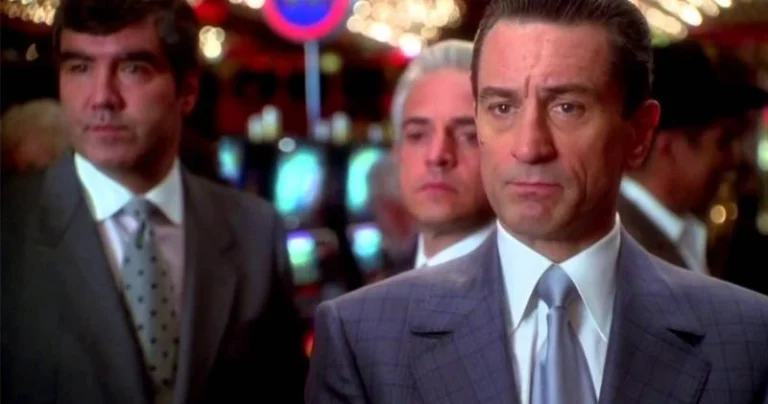
Even today, we see the same fascination present in life, either through traditional casino sequences in films or the popularity of online experiences such as blackjack online UK players often enjoy; they capture the timeless tension between chance and skill. This intersection of old practices and new re-inventions shows why stories across the board continue to absorb games of chance as effective storytelling devices.
Why Authors Turn to Games of Chance
Essentially, games of chance are all about the unknown. For authors, the unknown is like gold. A flipped card or a rolled die can alter a character’s fate, shift the power balance, or seal the fate of a whole story. Writers use these scenes as shorthand for risk, temptation, or moral choice. Gambling in fantasy is often linked to taverns or nefarious deeds in sleazy back streets.
These descriptions not only insert readers into the world’s culture, they are also plot twists where heroes meet allies or betrayal. In science fiction, games of chance become metaphors for higher societies and their excesses, either a gaudy casino on another planet or an illegal game that tests luck as well as intelligence.
The Symbolism of Luck and Fate
Part of the reason that gambling is so effective in speculative fiction is because it naturally symbolizes fate. Sci-fi and fantasy really struggle with concepts of destiny — is a hero’s path set out in advance, or do they create their own path? Games of chance symbolize that very struggle.
Take the roll of a dice in a medieval fantasy universe. It might seem random, but it can be described by the author as destiny to be realized. Then card games in worlds of the future can replay on a motif of chance, human decision, and illusion of control. These stories remind readers that regardless of how much magic or gadgetry fills the universe, luck remains universal.
Memorable Examples in Fantasy
Fantasy fiction is rich in iconic scenes where gambling defines people or propels the plot. Tolkien’s world includes chance in the form of riddles, particularly for Bilbo and Gollum. Not a card game, the riddle contest is equivalent in terms of high stakes and suspense to a game of chance. In other fiction, from Game of Thrones to The Witcher, dice games and card games appear to explain the harsh, unpredictable nature of tavern life.
These scenes bring life to fantasy worlds. Readers don’t just expect great battles and quests, but also the day-to-day distractions which make a world come alive. Gambling, with risk and reward, sits nicely in that vision.
Gambling in Sci Fi Settings
Science fiction advances games of chance to new daring terrain. Timeless templates are the cantina scenes in Star Wars, where card games like sabacc decide fates, or the flashy casinos in Battlestar Galactica and Star Trek. They’re not merely setting details — they highlight how, no matter the sophistication of a civilization, people never lose their gambling desire.
Science fiction writers often use casinos and games as social commentary. They can expose corruption, injustice, or human greed, but also serve as a forum for dramatic confrontations. A space station poker game at high stakes may say as much about a character as a battle against the alien foe.
Why Games of Chance Endure in Storytelling
The persistence of gambling tropes in science fiction and fantasy is all about being relatable. Everyone’s familiar with the suspense of waiting for the result of a game, be it dice, cards, or even a coin flip. Readers immediately identify with characters trapped in these situations because they reflect actual risks and rewards.
Also, games of chance allow authors to balance control over their tale with unpredictability. A story may be carefully plotted, but a single card game can add an element of surprise that sounds plausible and realistic. This mirrors life itself, where fate is so easily changed in an instant’s time.
Final Thoughts
From fantasy epics’ hazy saloons to science fiction novels’ holographic casinos, games of chance permeate speculative fiction. They permit imaginary worlds to be grounded in something everyone can identify with but also help to probe issues of fate, hazard, and the human impulse.
Whether dice are being tossed in a medieval tavern or futures bet in a far-off galaxy, these games remind us that regardless of environment, chance and fortune are forces beyond anyone’s control. That simple but enduring fact is why gambling still influences the way fantasy and sci-fi fiction gets its stories told — and why readers continue to keep coming back.