Top 20 Career Ruining Movies


Sometimes one movie changes everything for the people who made it. A project can arrive with big expectations, a major budget, and a starry cast, only to collide with poor reviews and weak ticket sales. When that happens, careers can stall, reputations can shift, and whole plans for future projects can get shelved.
This list looks at films that became turning points for their stars or creators, not because they launched something new, but because they closed doors. Each entry explains what the movie set out to do, how it landed with audiences and critics, and what happened next for the people involved.
‘Showgirls’ (1995)

This NC-17 drama was marketed as a bold crossover for a TV star aiming at big-screen credibility, with an experienced director and a major studio release. It opened wide, drew intense publicity, and quickly ran into harsh reviews and disappointing theatrical returns before finding a later afterlife on home video.
For its lead, the film’s release led to a sudden drop in mainstream casting opportunities and a long stretch of smaller roles and independent projects. The backlash also cooled studio interest in similar adult-themed productions for a time, reshaping how risqué material was financed and promoted.
‘Gigli’ (2003)
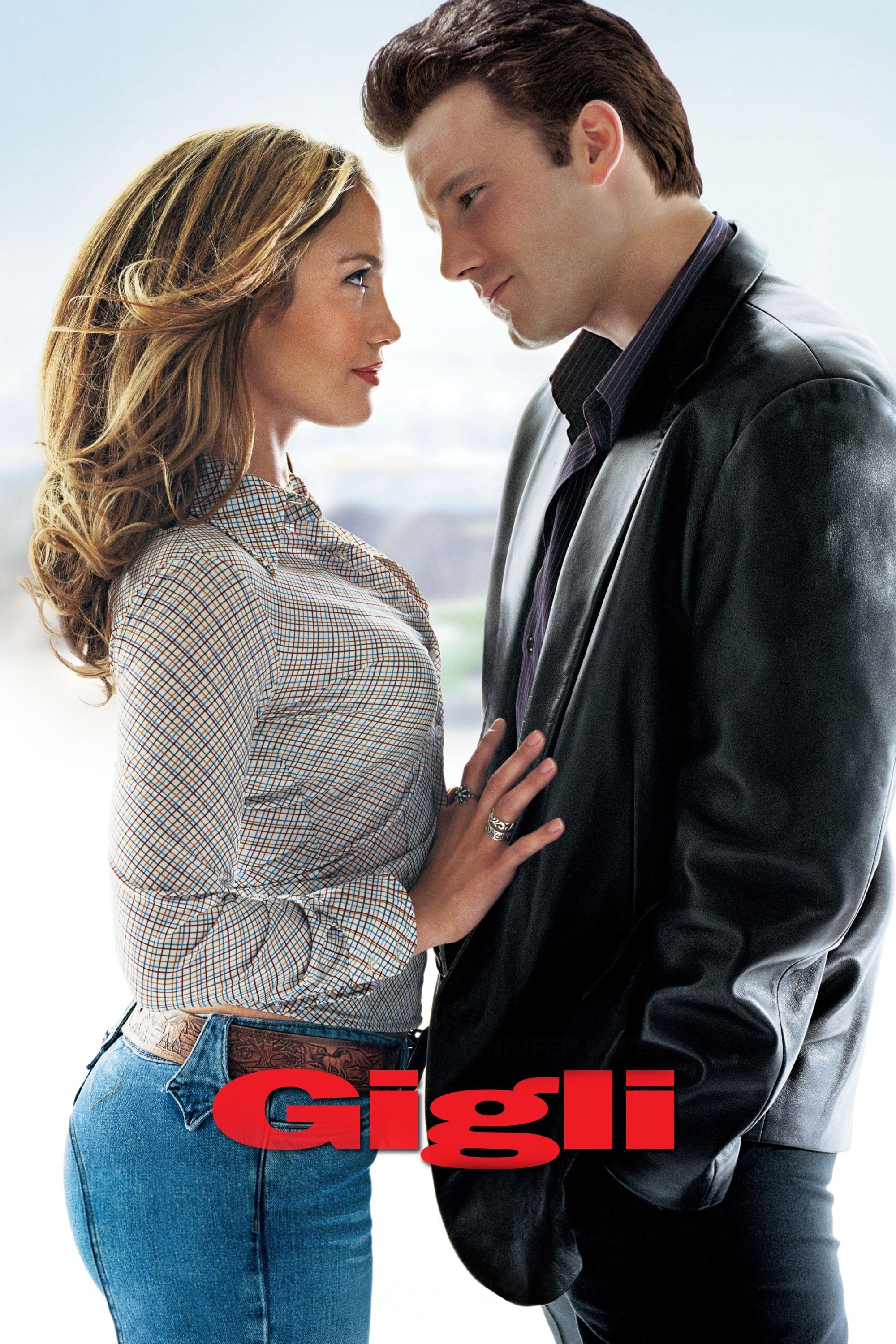
Positioned as a star vehicle for two high-profile leads, this romantic crime film underwent multiple rewrites and re-edits ahead of release. The finished cut arrived after months of tabloid attention and struggled to connect with audiences beyond the headlines.
Following its run, the director’s momentum with studios slowed and the male lead shifted toward fewer headlining parts for several years. The film also became a punchline in industry coverage, which complicated marketing for their immediate follow-ups and prompted course corrections in project choices.
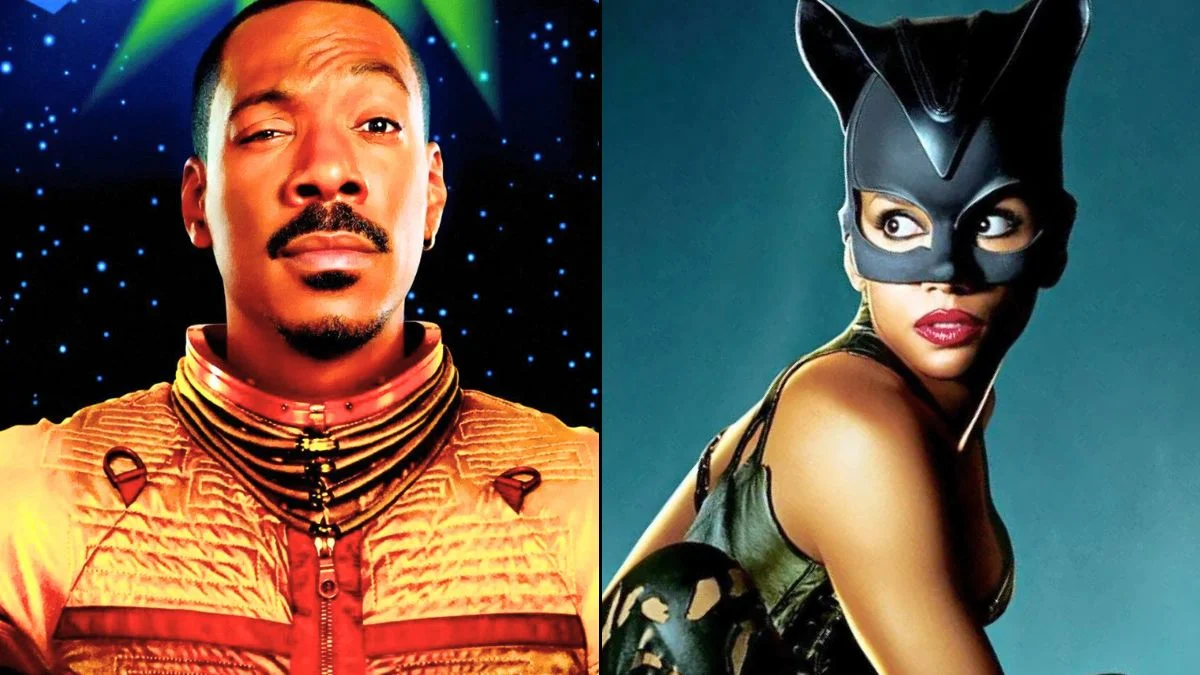
‘The Adventures of Pluto Nash’ (2002)
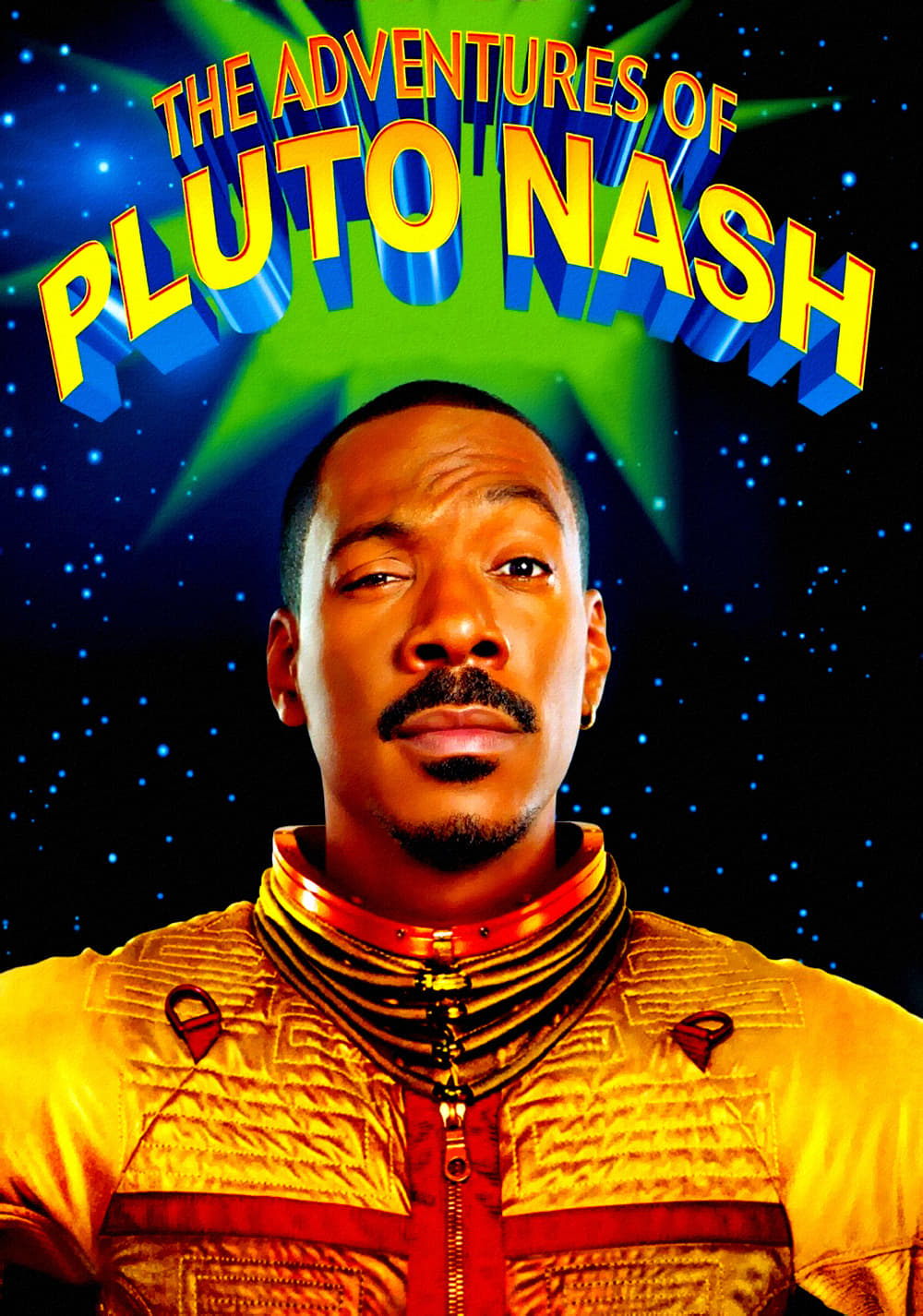
Shot with extensive visual effects work and a sizable budget, this sci-fi comedy was delayed several times before reaching theaters. Its rollout featured minimal promotion, and the movie opened to very low numbers relative to its cost.
The star, previously known for reliable box-office draws, saw a measurable dip in leading-role offers in the genre. The project’s performance also became a cautionary example for studios pairing expensive digital sets with broad comedy, influencing how similar films were greenlit in the early 2000s.
‘Cutthroat Island’ (1995)
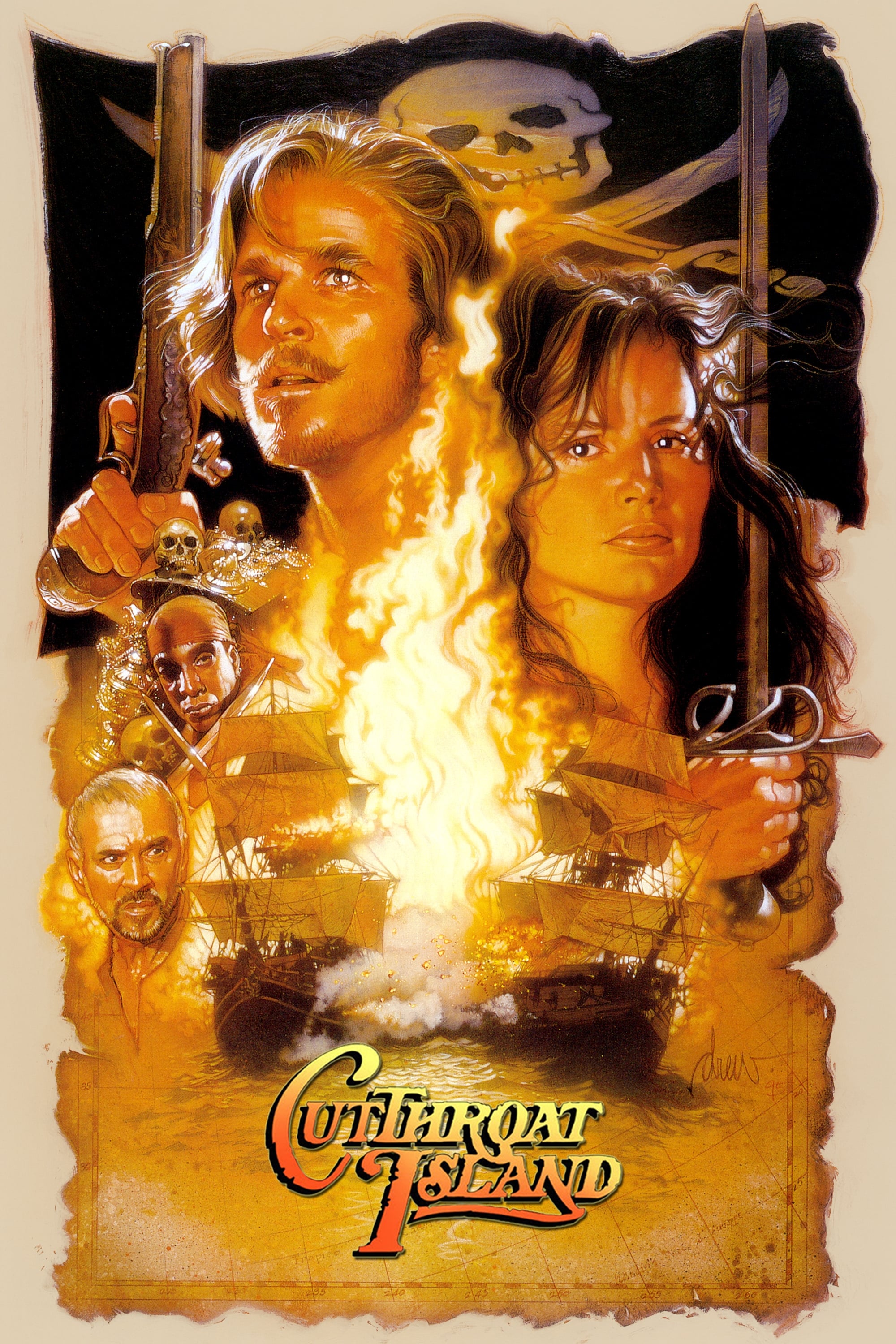
Intended to revive swashbucklers, this pirate adventure featured large-scale ship sets and extensive location work. Production setbacks and a high spend created pressure on the theatrical release, which underperformed against holiday competition.
Afterward, the director’s commercial clout diminished and the lead’s run of top-line studio roles slowed. The film’s losses contributed to the collapse of its distributor, and executives used the outcome for years as a reference point when evaluating big seafaring action pitches.
‘Heaven’s Gate’ (1980)
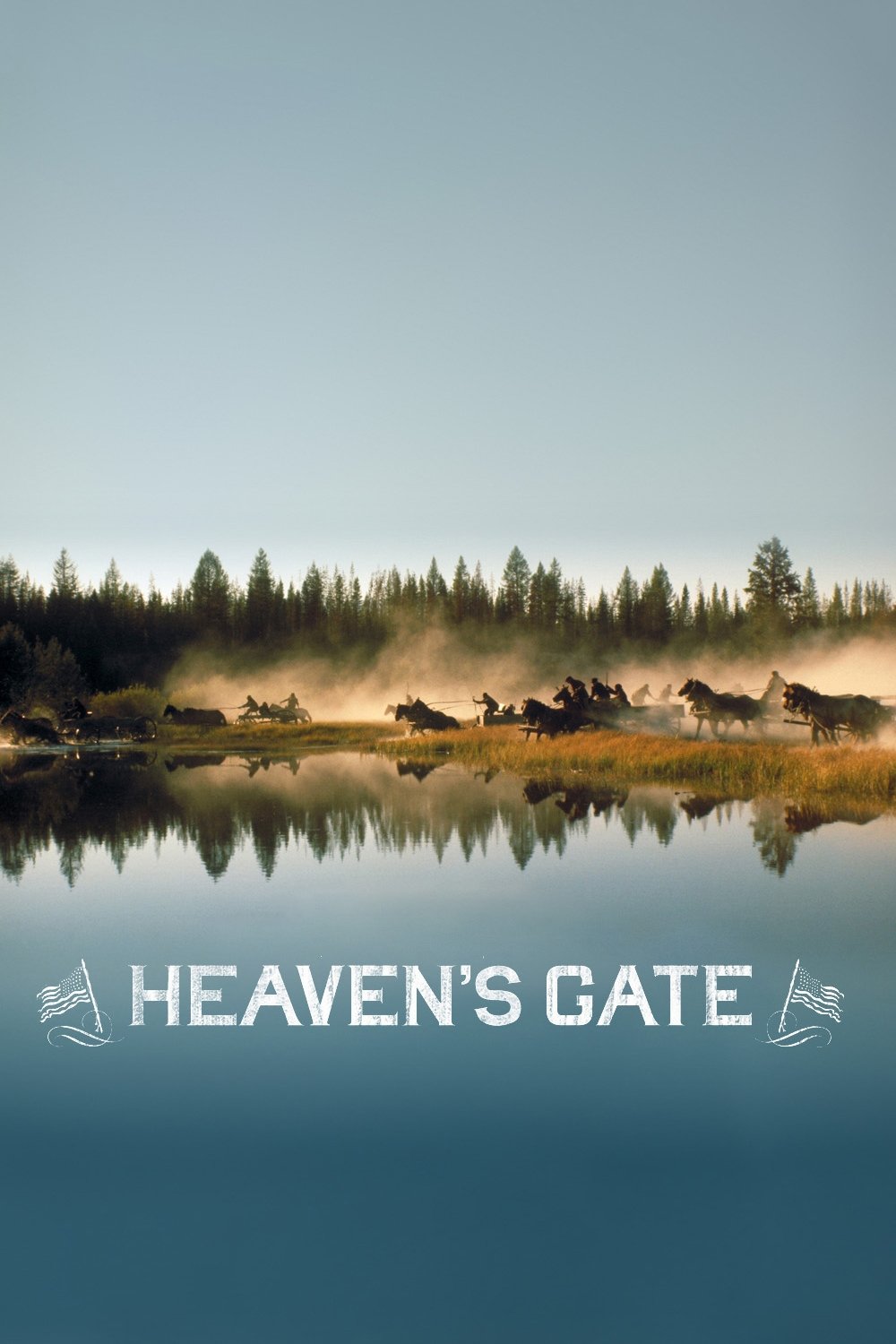
This epic western followed an Oscar-winning success and was granted unusual creative freedom, including lengthy shoots and elaborate set construction. Reports of overruns and a swelling runtime dominated press coverage before release.
The film’s reception triggered leadership changes at the studio and curtailed the director’s ability to secure blank-check budgets. The episode also ushered in tighter studio oversight on auteur projects in the 1980s, affecting how prestige epics were managed and edited.
‘The Love Guru’ (2008)
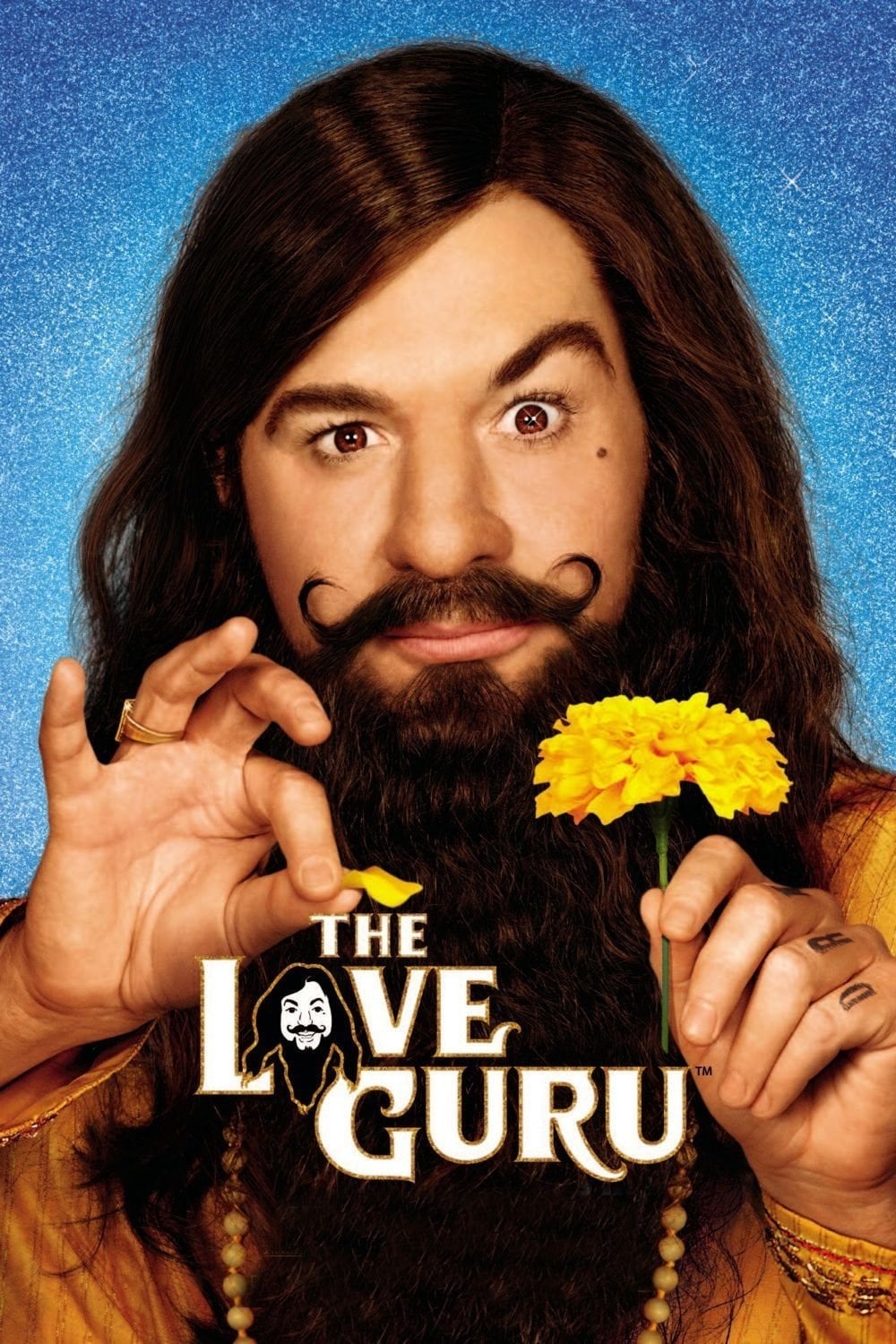
Built around an original character from a proven comedy headliner, this film leaned on celebrity cameos, sports tie-ins, and broad humor. Audience response and reviews were tepid, and word of mouth faded quickly after opening weekend.
The lead, who had anchored earlier hits, took a step back from frequent theatrical releases afterward. The project signaled a shift in audience preferences for studio comedies, prompting the star and collaborators to pivot toward voice work, television appearances, and selective returns.
‘Catwoman’ (2004)
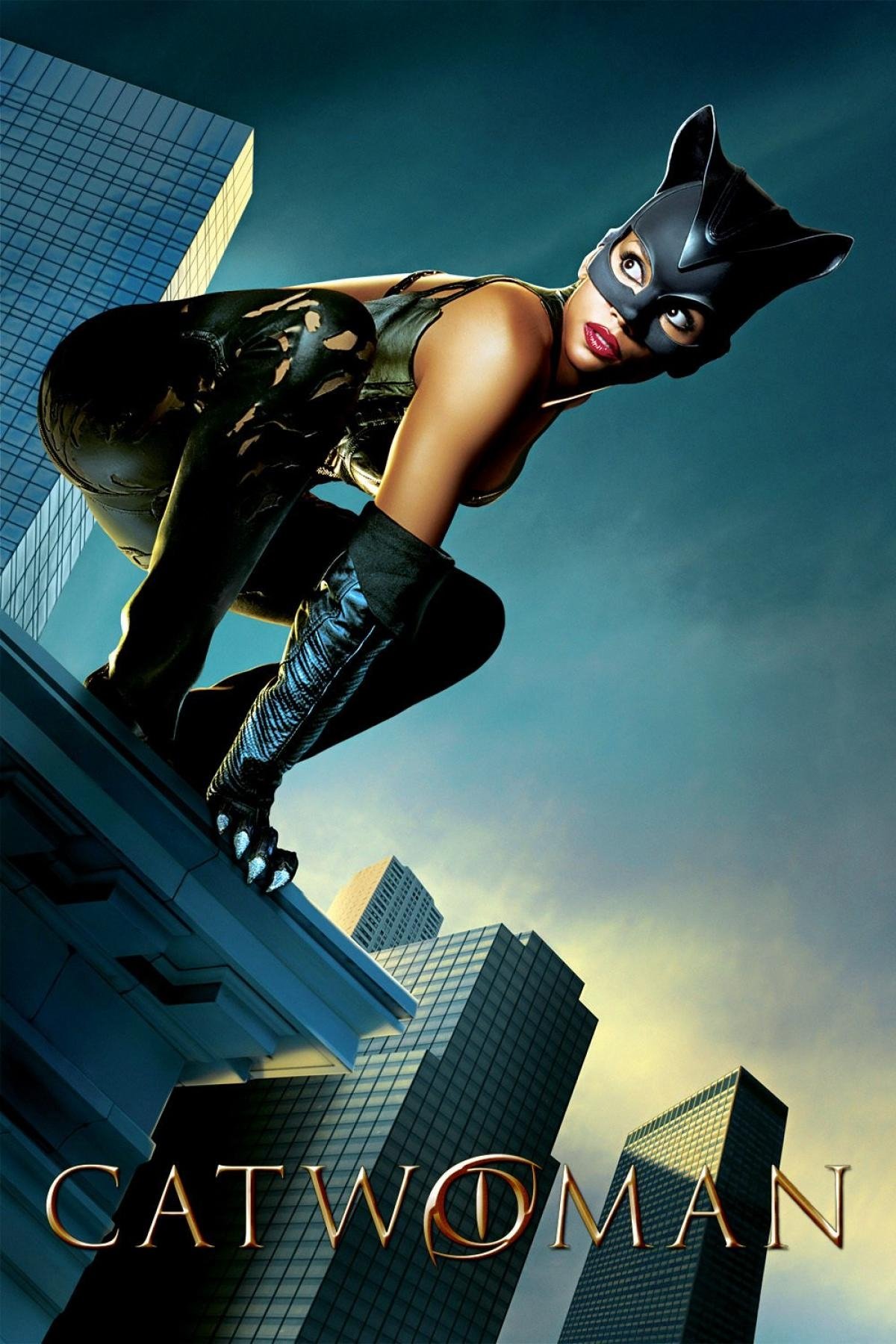
Launched from a well-known DC property, this standalone reimagining emphasized stylized visuals and a new origin. The movie received negative feedback for its script and tone, and its box-office results fell short of expectations for a superhero title.
Although the lead later rebounded in prestige projects, immediate offers for similar action vehicles declined. The director’s trajectory stalled, and the character’s big-screen future reverted to ensemble appearances rather than direct continuations of this version.
‘Movie 43’ (2013)
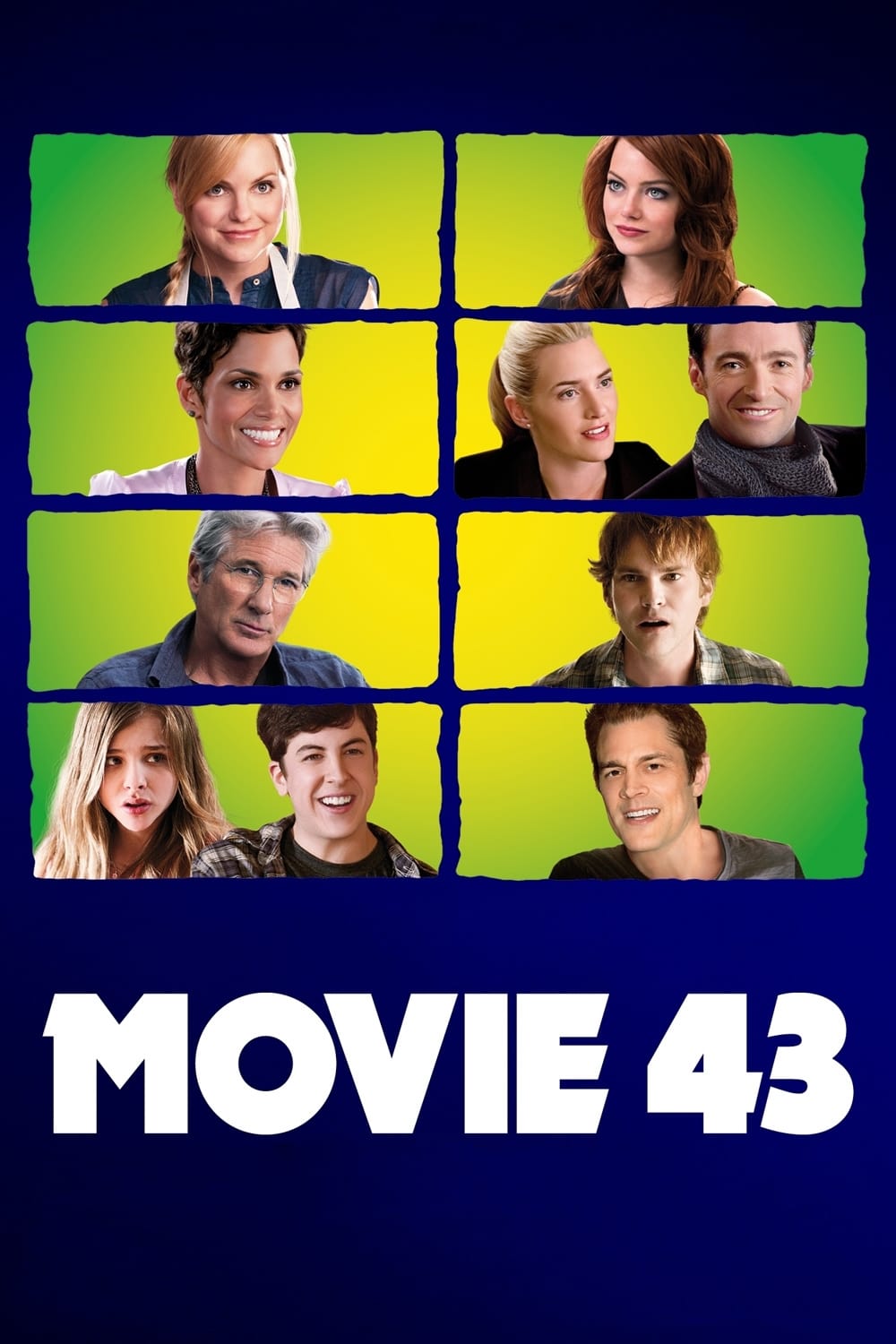
Assembled as an anthology of sketch segments from multiple directors, this film attracted an unusually large ensemble cast. Marketing highlighted the novelty of its participants, but critical response was overwhelmingly negative and audience turnout dropped rapidly.
Several actors distanced themselves from the project publicly, and a few directors saw studio trust in their comedic judgment questioned. The film became a shorthand in trade press for uneven multi-filmmaker experiments, which made financing similar anthology comedies harder to secure.
‘From Justin to Kelly’ (2003)
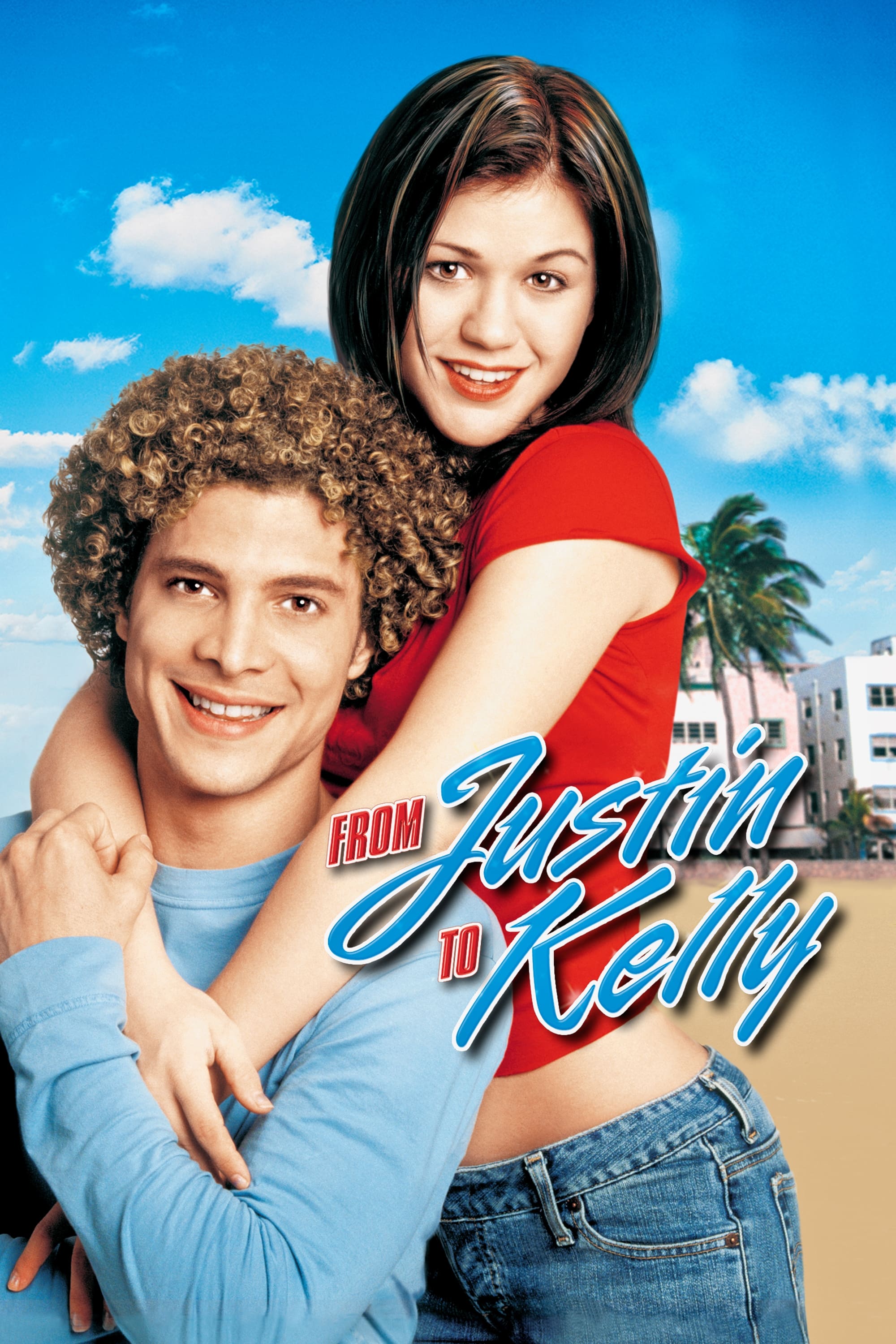
Designed to capitalize on a hit TV talent show, this musical paired two finalists in a beach-party storyline. Production moved quickly to align with the show’s momentum, but theatrical attendance was modest and critical reception was poor.
The female lead pivoted away from acting opportunities and concentrated on music, while the male lead pursued smaller screen roles. Studios used the outcome to reassess rapid-turnaround film tie-ins to reality TV, slowing plans for comparable projects.
‘The Postman’ (1997)
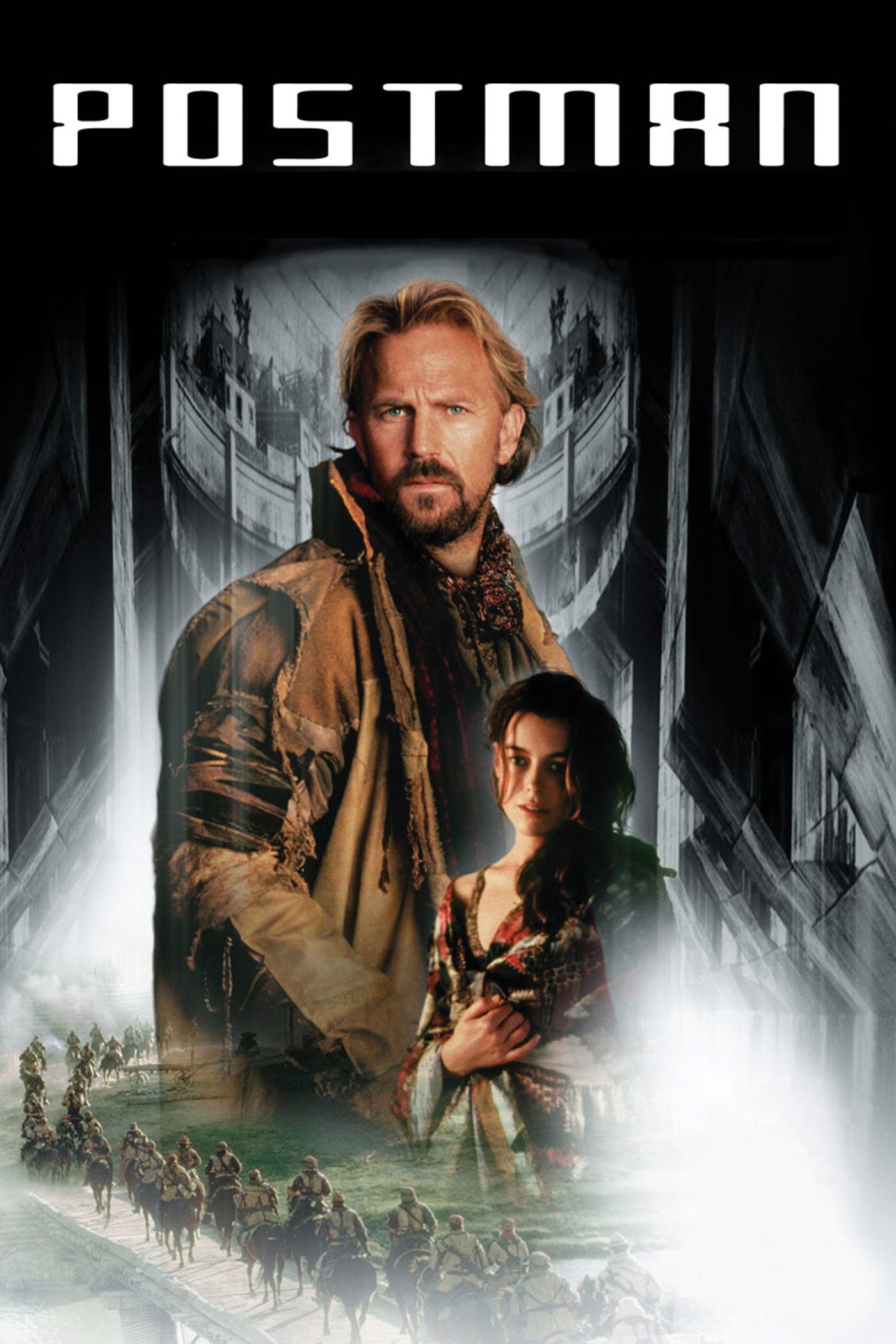
Following a prior dystopian epic from the same star-director, this film aimed for a sweeping, earnest tone with expansive locations and period elements. The release faced strong competition and drew critical pushback for its length and style.
In the aftermath, the star’s leverage for expensive auteur-led vehicles weakened, and development on similar passion projects met more resistance. The film’s result also encouraged studios to attach additional producers to large-scale dramas to balance creative control.
‘Battlefield Earth’ (2000)

Adapted from a well-known sci-fi novel, this production featured heavy makeup, tilted sets, and ambitious world-building on a constrained budget. Reviews were harsh and the movie’s earnings did not cover costs, despite ongoing media attention.
Key collaborators struggled to secure comparable genre financing afterward, and the cinematographer and director did not return to large studio features. The project became an industry case study in tone management for page-to-screen science fiction.
‘Howard the Duck’ (1986)
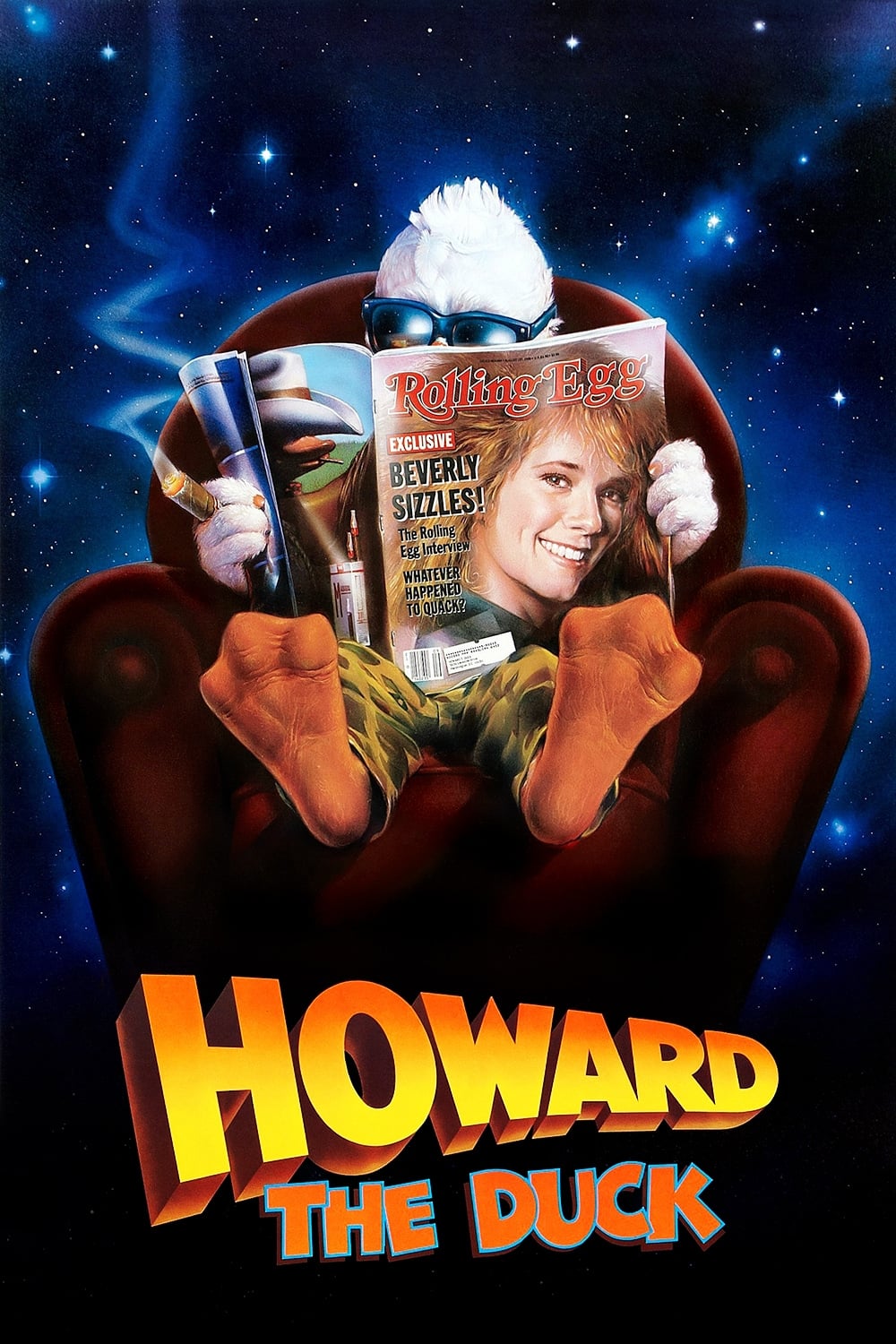
Based on a Marvel comic long before the modern superhero boom, this film mixed animatronics with live action and a quirky sensibility. The tonal blend proved difficult for broad audiences, and box-office performance fell short domestically.
The director’s feature opportunities narrowed and the producing team shifted focus away from similar live-action experiments. The movie’s outcome also tempered studios’ appetite for comic adaptations for several years until later successes revived the space.
‘Ishtar’ (1987)

This desert-set comedy brought together two major stars, a respected director, and an extensive overseas shoot. Media coverage emphasized budget issues, and the release struggled to overcome negative pre-release buzz.
Although the leads continued working, the director’s path to new studio projects grew more complicated. The film became a frequent reference in trade stories about costly comedies, affecting internal approvals for location-heavy humorous adventures.
‘Superman IV: The Quest for Peace’ (1987)

The fourth entry in a once-dominant franchise arrived with a reduced budget and heavy edits that shortened its runtime. Visual effects and story changes drew criticism, and global grosses declined significantly from earlier installments.
The result effectively ended that cycle of the character on film and curtailed the star’s ability to carry further big franchise entries. The producing company faced financial strain soon after, and the brand returned to the screen years later under different stewardship.
‘John Carter’ (2012)
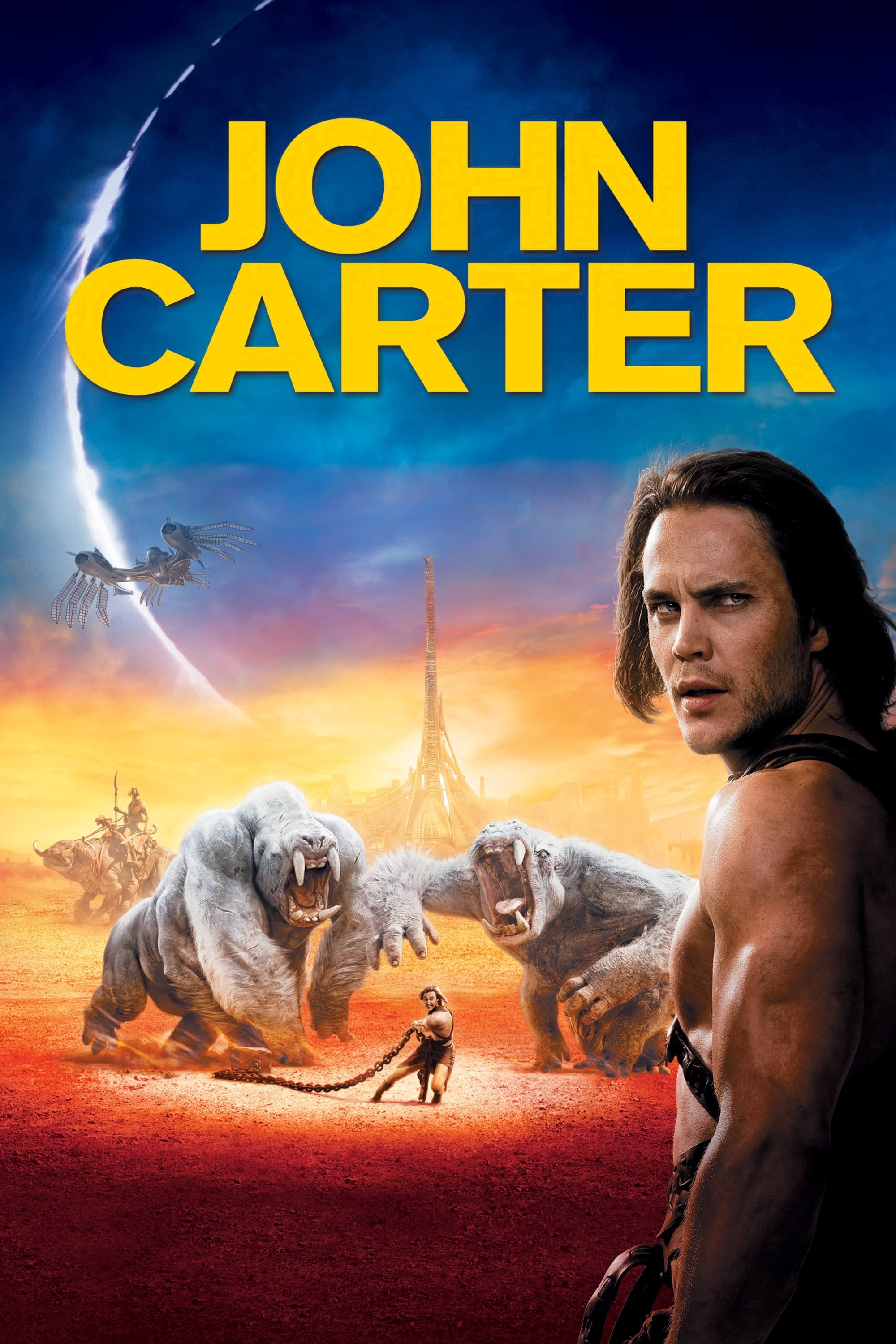
This adaptation of early pulp novels combined extensive CG, 3D releases, and a new live-action effort from an acclaimed animation director. Despite strong international play in some markets, overall revenue did not recoup the production and marketing outlay.
The director returned to animation and the studio abandoned planned sequels, closing the door on a proposed trilogy. The film also triggered executive turnover and became a benchmark for how title choices and campaign clarity can affect awareness.
‘The Last Airbender’ (2010)
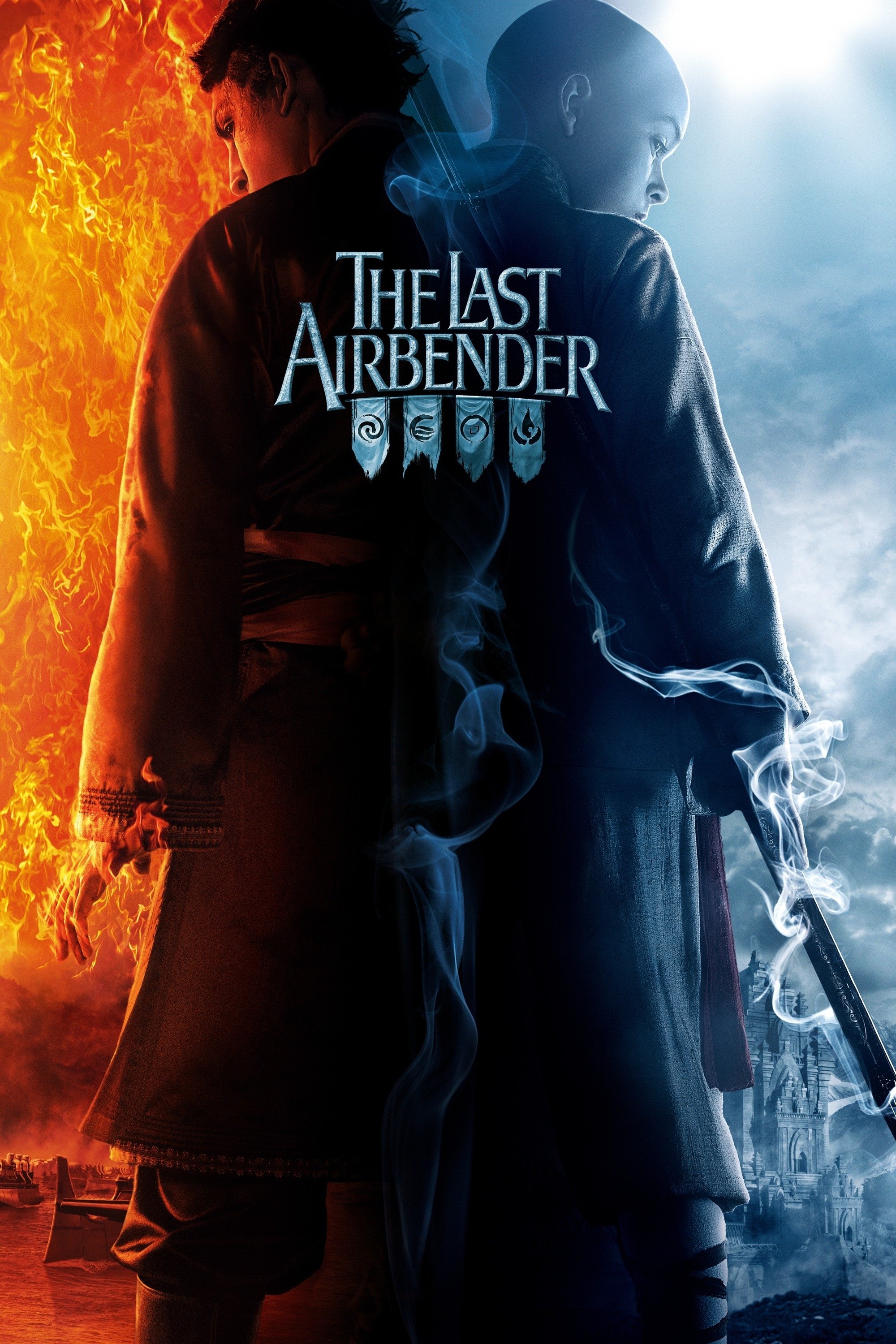
Drawn from a beloved animated series, this fantasy epic compressed a season of storytelling into one feature with heavy effects work. Fans criticized deviations and casting choices, while reviews were negative and the film’s legs weakened after opening.
The director’s reputation for prestige originals took a hit, and the studio halted further live-action installments in this version. Subsequent revivals of the property moved to other creative teams, resetting the franchise’s live-action approach.
‘Mortal Engines’ (2018)

Adapted from a popular YA novel, this steampunk adventure invested in large-scale world-building and elaborate VFX. Awareness proved challenging, and the movie underperformed during a crowded holiday corridor.
The first-time feature director did not receive immediate follow-ups at the same scale, and the studio stepped back from building a multi-film arc. The performance also cooled enthusiasm for mid-budget YA sci-fi without major star attachments.
’47 Ronin’ (2013)
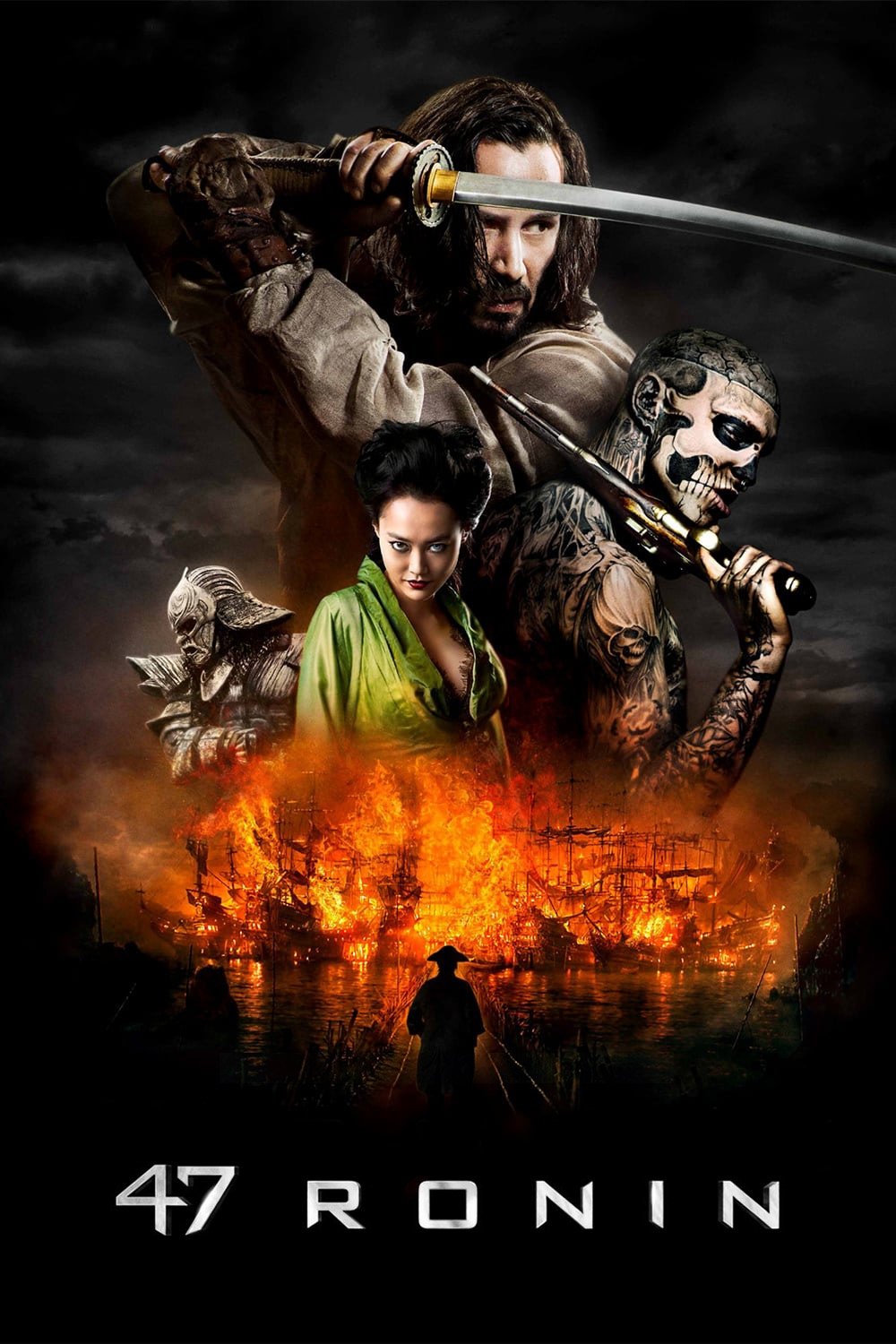
This samurai fantasy blended folklore with digital creatures and extensive reshoots that pushed costs upward. The release arrived after delays and found limited traction in North America, with overseas markets offsetting only part of the spend.
The director, making a debut, did not return to another major studio feature for years. The experience led studios to increase oversight on first-time filmmakers handling effects-heavy tentpoles, often pairing them with veteran producers earlier in development.
‘Mars Needs Moms’ (2011)
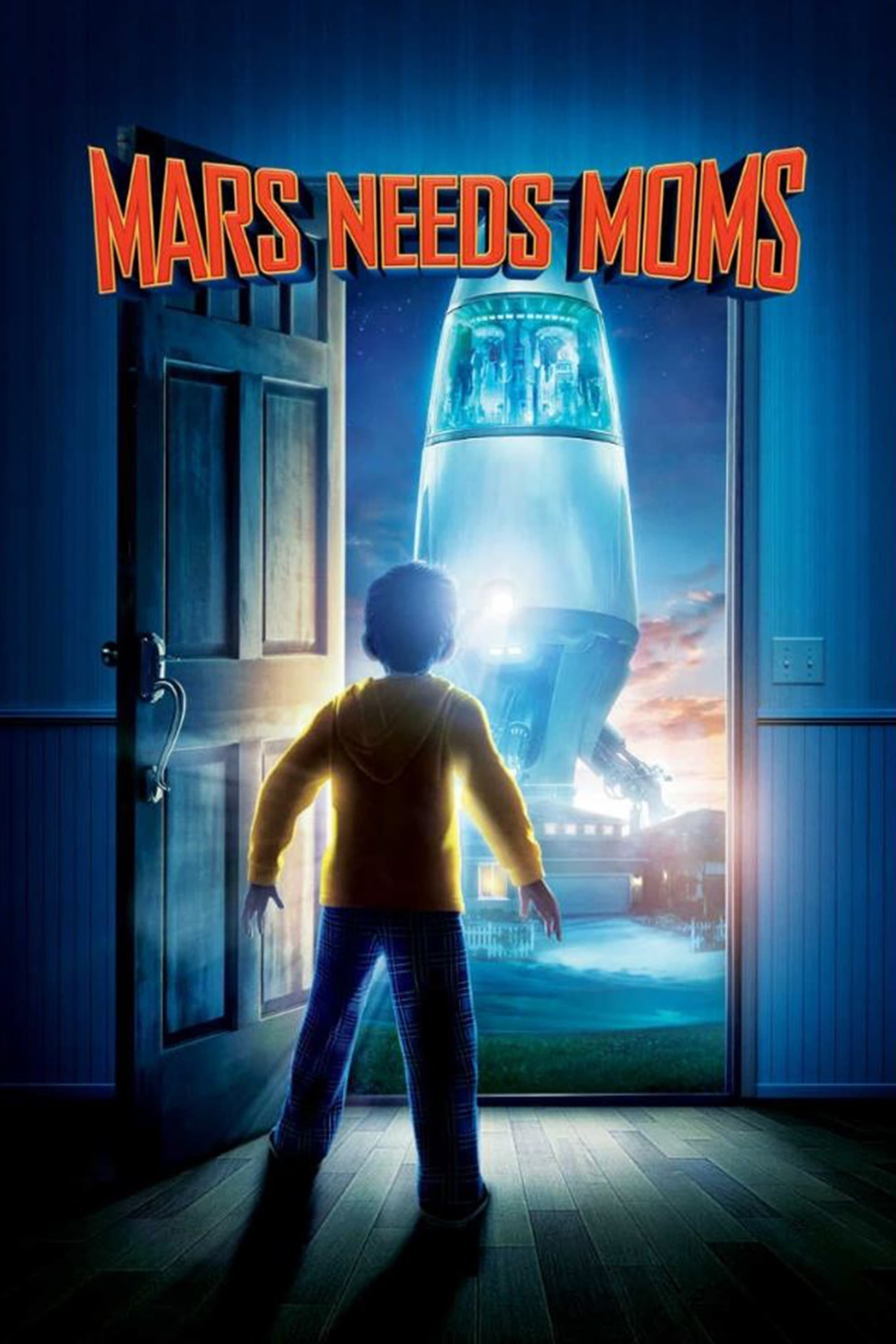
A motion-capture animation built within a specialty digital studio, this film drew family-friendly scheduling but faced skepticism about its visual style. The box office was unusually weak for a wide animated release.
Soon after, the producing company shuttered its digital arm and plans for similar motion-capture features were scrapped. Key creatives shifted to other formats, and studios reevaluated audience appetite for that specific animation look.
‘The Mummy’ (2017)
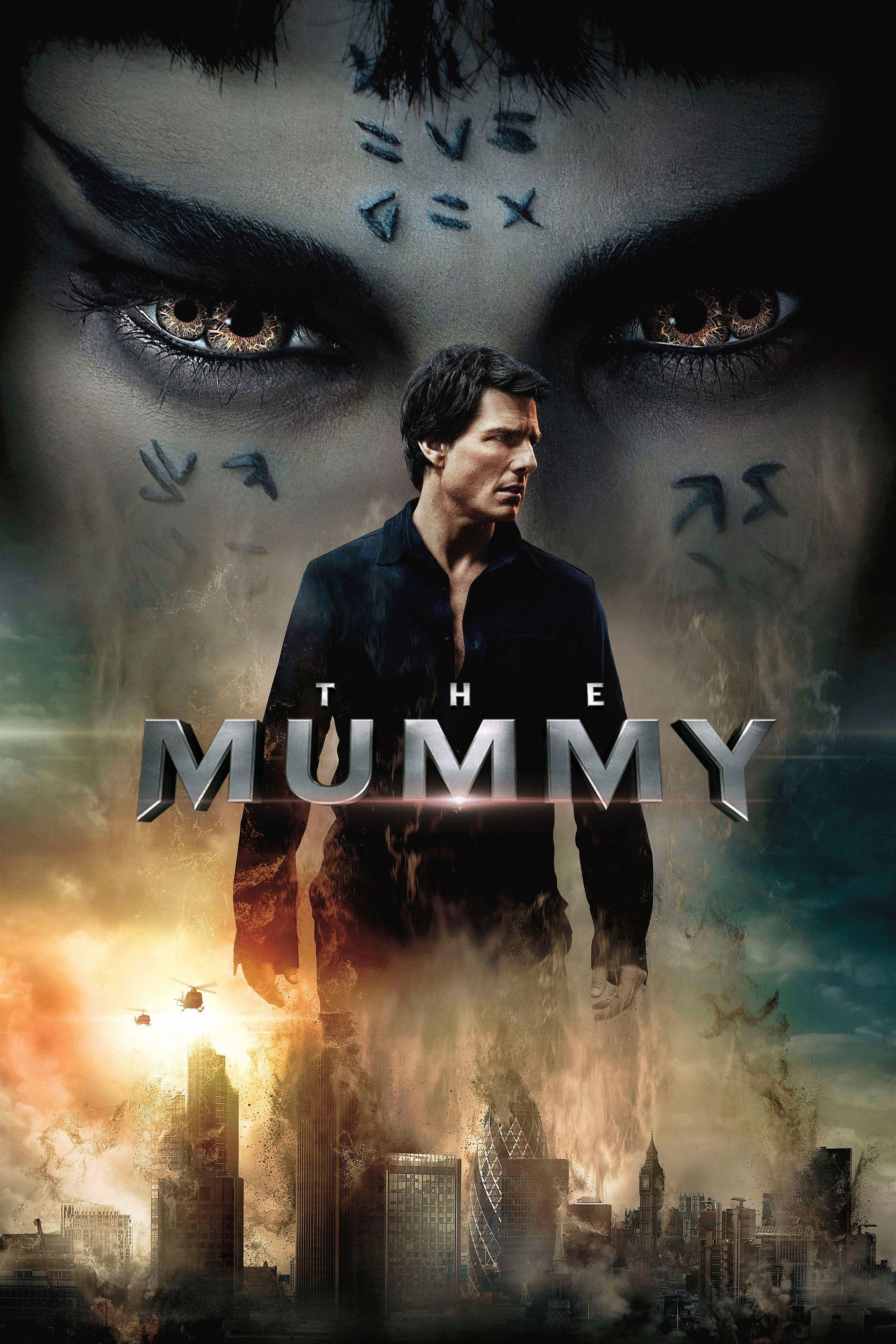
Envisioned as the first chapter in a shared universe of classic monsters, this reboot featured modern action staging and cross-film setup. Reviews were mixed to negative, and domestic grosses trailed expectations despite some international strength.
The studio paused and then abandoned the announced interconnected slate, with attached filmmakers moving on to unrelated projects. The director returned to television and producing, and subsequent monster titles were retooled as standalone stories with new creative leadership.
Share the one film you think changed a career the most in the comments.