15 Models Who Suck at Acting


Not every runway star finds the same rhythm on a film set. Plenty of models have tested the waters in Hollywood with splashy roles, only to discover that a famous face and a great walk don’t automatically translate to screen presence. Audiences remember the headlines and the hype, but what really sticks are the credits, the reviews, and the box office tallies that tell the story of how those performances landed.
This list looks at models whose acting turns drew poor reception, underperformed commercially, or became cautionary tales about crossing over too fast. You’ll see the projects they chose, how those films and shows were received, and what followed next in their screen careers, from award show infamy to quick pivots back to fashion or hosting.
Cindy Crawford
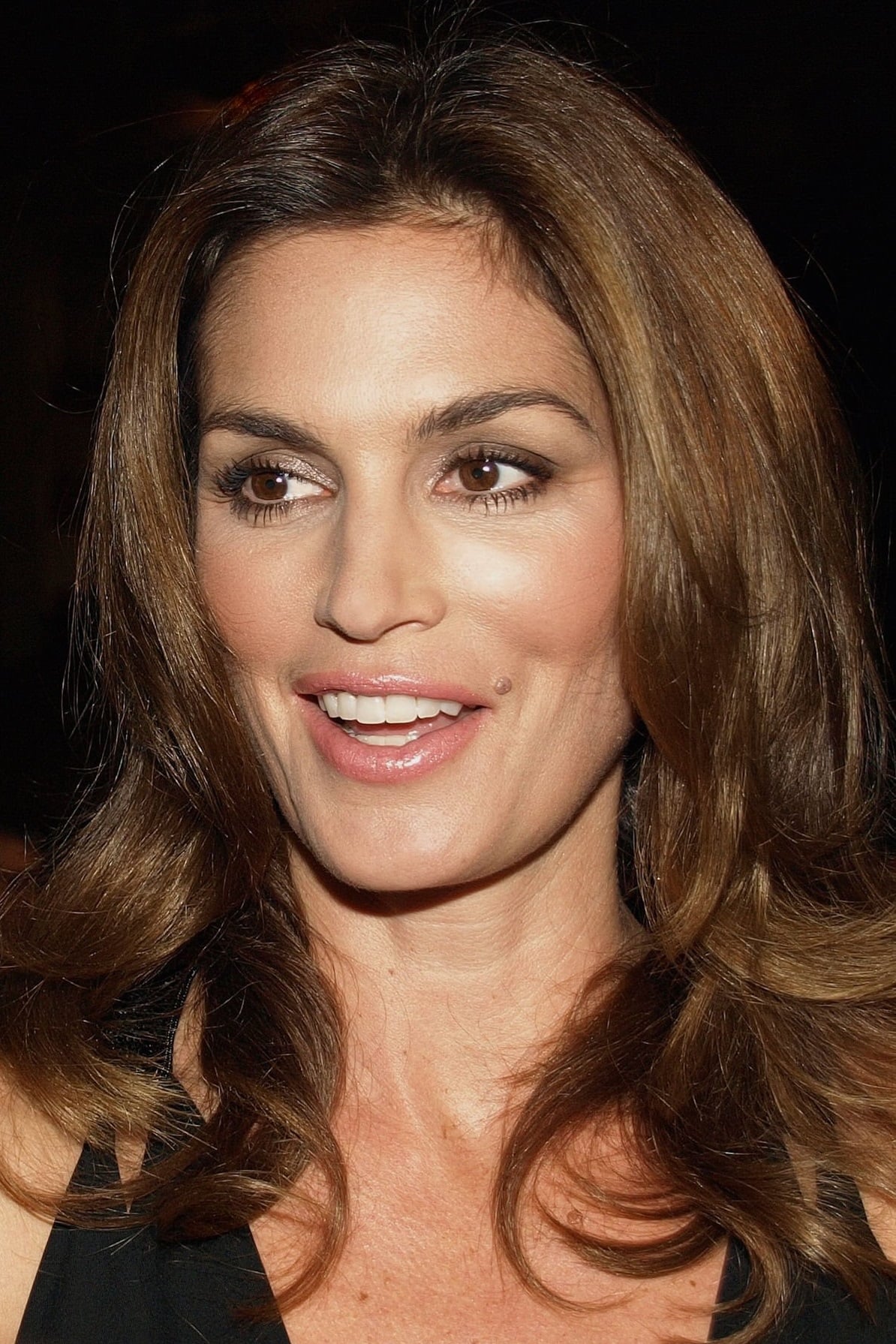
Cindy Crawford headlined the action thriller ‘Fair Game’, a high-profile studio release that opened with heavy marketing and a wide theatrical rollout. The film was criticized for its script, pacing, and performances, and it failed to recoup its production budget during its initial run. The weak box office and reviews closed the door on immediate leading-lady roles and left ‘Fair Game’ as her most cited screen credit.
Afterward, Crawford focused on fashion, business ventures, and presenting, where her brand continued to thrive. Occasional on-camera appearances leaned toward cameos and documentary features rather than narrative acting, reflecting a deliberate step away from starring roles following the film’s reception.
Paris Hilton
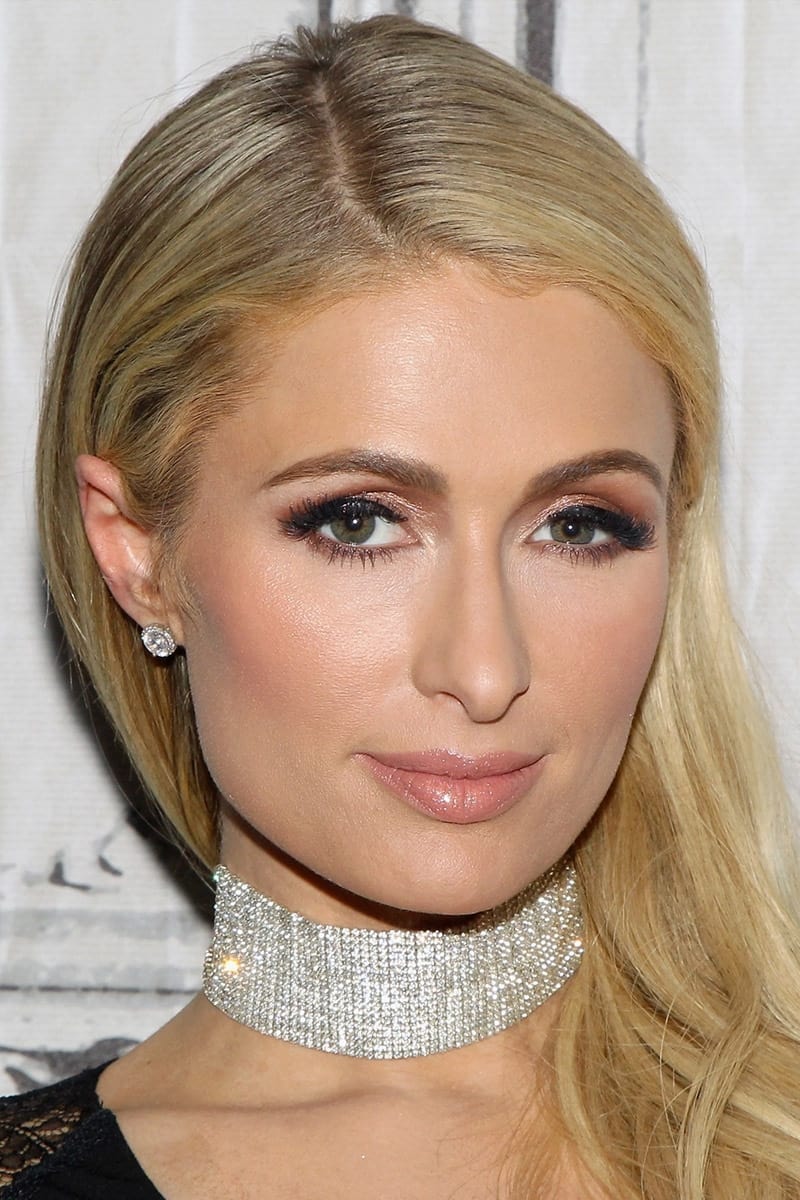
Paris Hilton starred in ‘The Hottie & the Nottie’ after earlier appearances in ‘House of Wax’ and various reality series. The romantic comedy drew extremely negative reviews and earned multiple Razzie Awards, including Worst Actress, which cemented its reputation as a critical low point. The movie grossed a tiny fraction of typical wide-release totals and became a fixture on worst-of lists.
Hilton’s subsequent screen work centered on reality television, guest spots, and producing rather than acting-led features. Music projects, DJ residencies, and branding deals took precedence, indicating a strategic move to platforms where audience response was consistently stronger.
Cara Delevingne
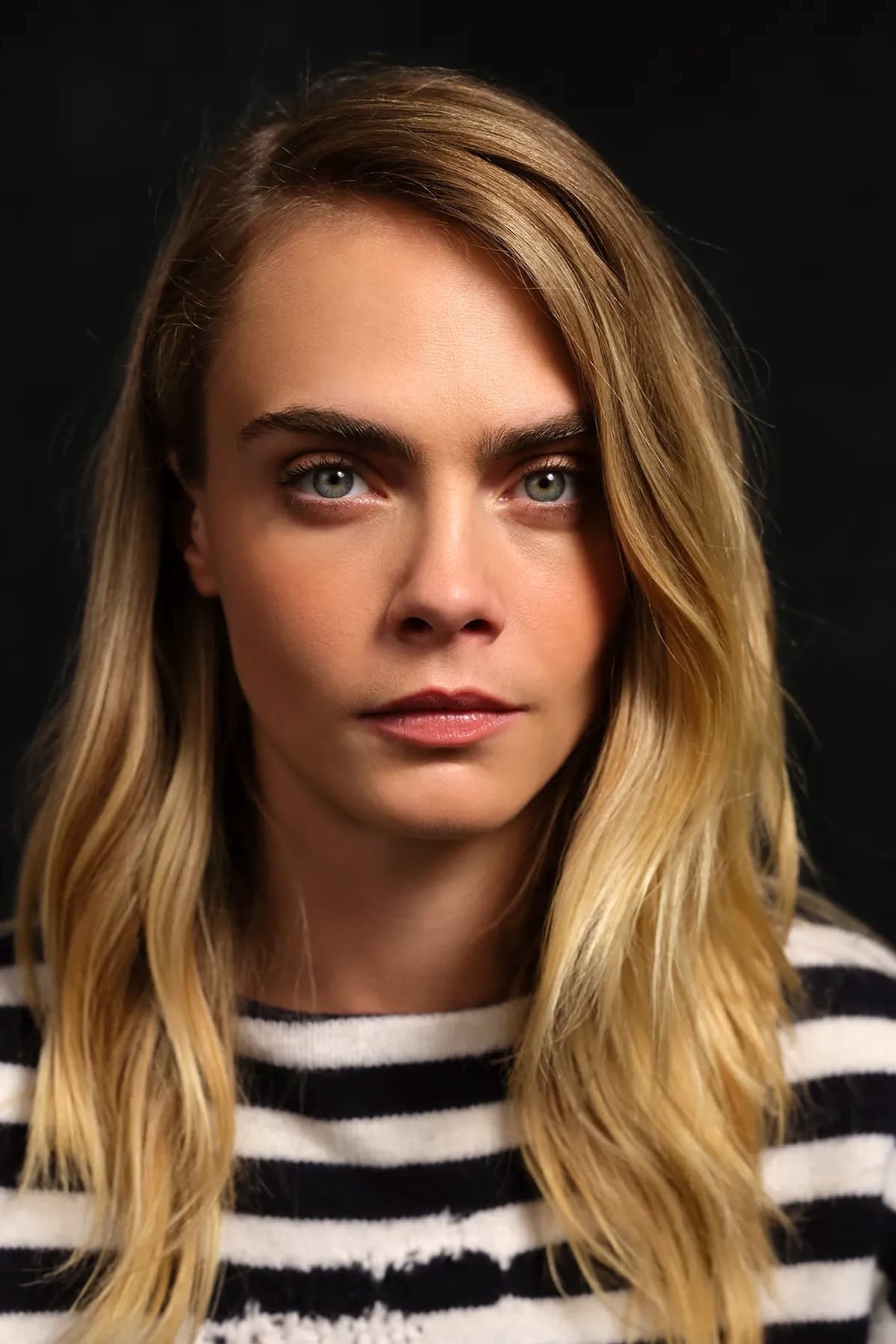
Cara Delevingne landed attention-grabbing roles in ‘Paper Towns’, ‘Suicide Squad’, and ‘Valerian and the City of a Thousand Planets’. While the projects were major releases, critical response frequently singled out thin character writing and uneven performances, especially in effects-heavy sequences. Box office results varied, with ‘Valerian’ falling short of expectations despite a sizable budget.
Following those outcomes, Delevingne diversified into television ensembles and limited series, balancing acting with ongoing fashion and beauty campaigns. Her later choices leaned toward supporting turns and genre projects rather than anchoring blockbuster tentpoles.
Kate Upton

Kate Upton appeared in comedies like ‘The Other Woman’ and ‘The Layover’, typically in roles built around her public persona. Reviews often noted underwritten parts and reliance on physical gags rather than character development. While ‘The Other Woman’ performed well commercially, critics were lukewarm on the ensemble’s chemistry and the film’s execution.
Upton’s filmography after these projects remained sporadic, with brief appearances and hosting or commercial work taking the foreground. The pattern shows a pivot to media and endorsements where her profile delivered more consistent results than narrative features.
Rosie Huntington-Whiteley
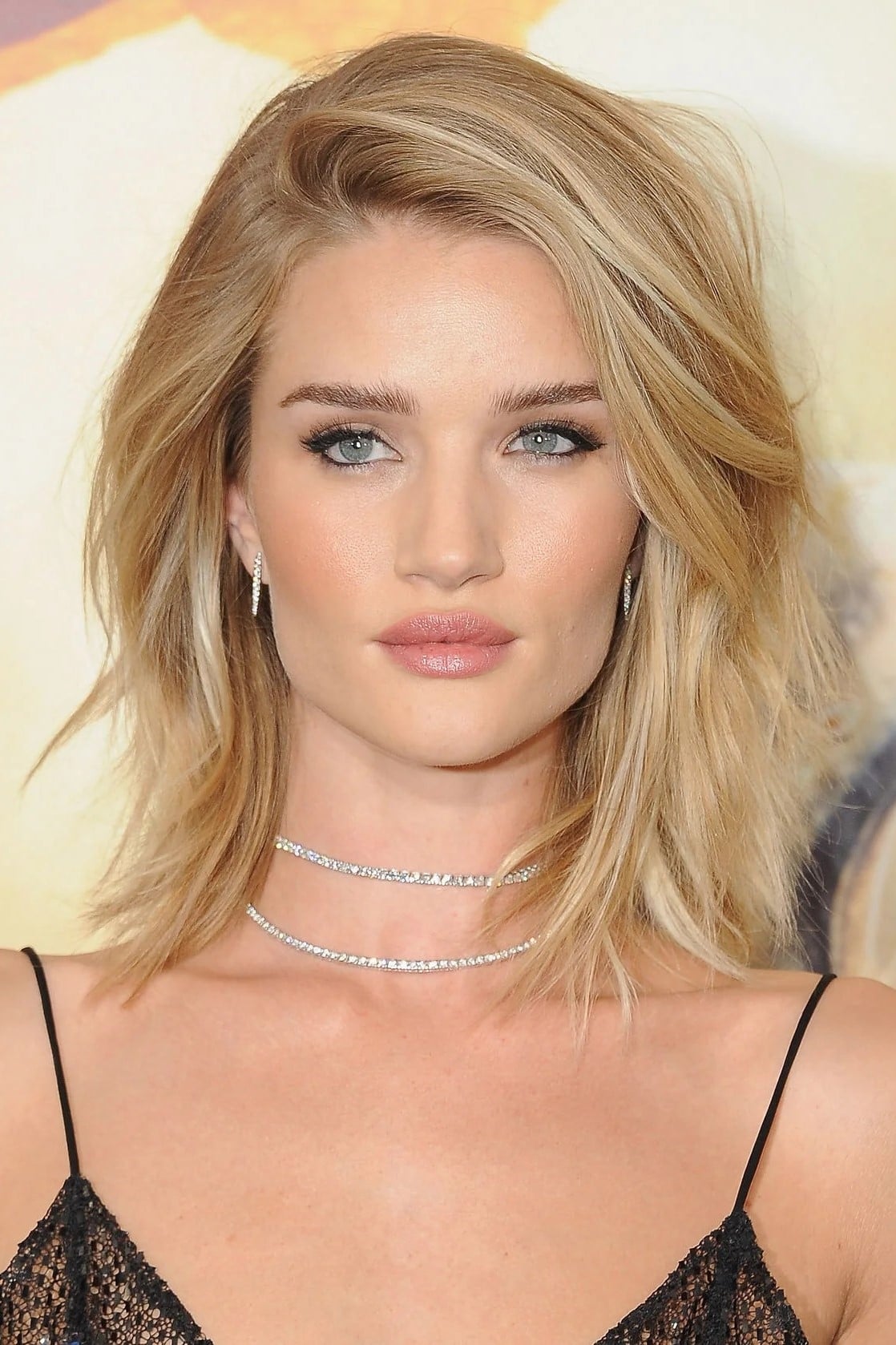
Rosie Huntington-Whiteley took over a prominent role in ‘Transformers: Dark of the Moon’ and later appeared in ‘Mad Max: Fury Road’. The ‘Transformers’ entry drew heavy criticism for dialogue and characterization, and reviews frequently mentioned limited range in key scenes. Although the film earned blockbuster numbers, its critical reception highlighted performance issues within the franchise’s spectacle-first formula.
After these high-visibility titles, she stepped back from acting and concentrated on fashion, beauty entrepreneurship, and brand collaborations. That shift left her filmography brief, with her on-screen legacy tied mainly to those two tentpole appearances.
Brooklyn Decker
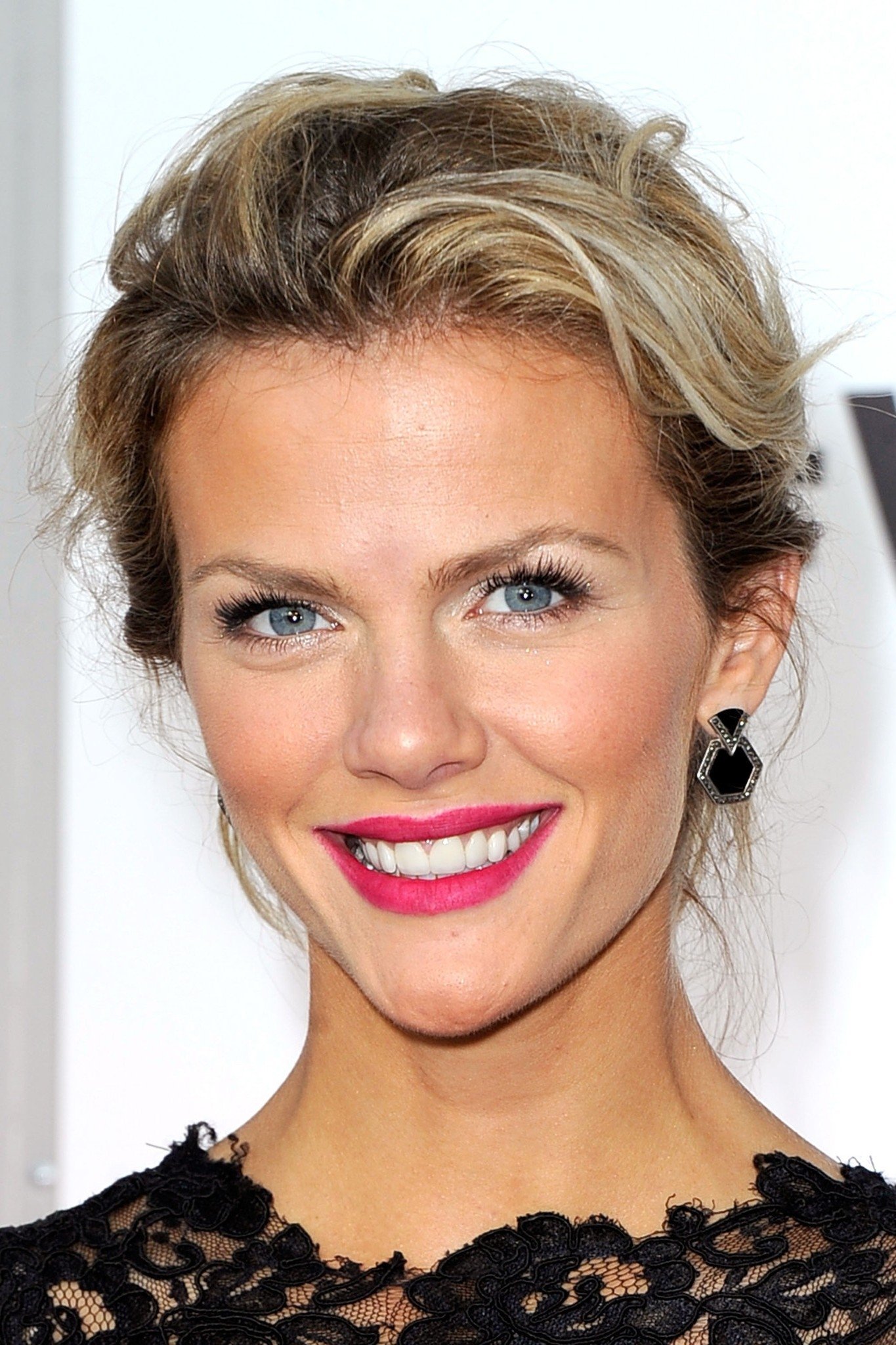
Brooklyn Decker moved from modeling to high-profile projects like ‘Battleship’ and the comedy ‘What to Expect When You’re Expecting’. ‘Battleship’ was marketed as a summer event movie but drew poor reviews and struggled domestically, with criticism directed at stilted dialogue and thin character arcs. International grosses mitigated losses, yet the film’s reception stalled momentum for several cast members.
Decker later found steadier footing in television with ensemble roles, but her early film efforts remain a case study in how blockbuster scale does not guarantee favorable notices. The contrast between box office hopes and critical outcomes shaped perceptions of her acting transition.
Gisele Bündchen
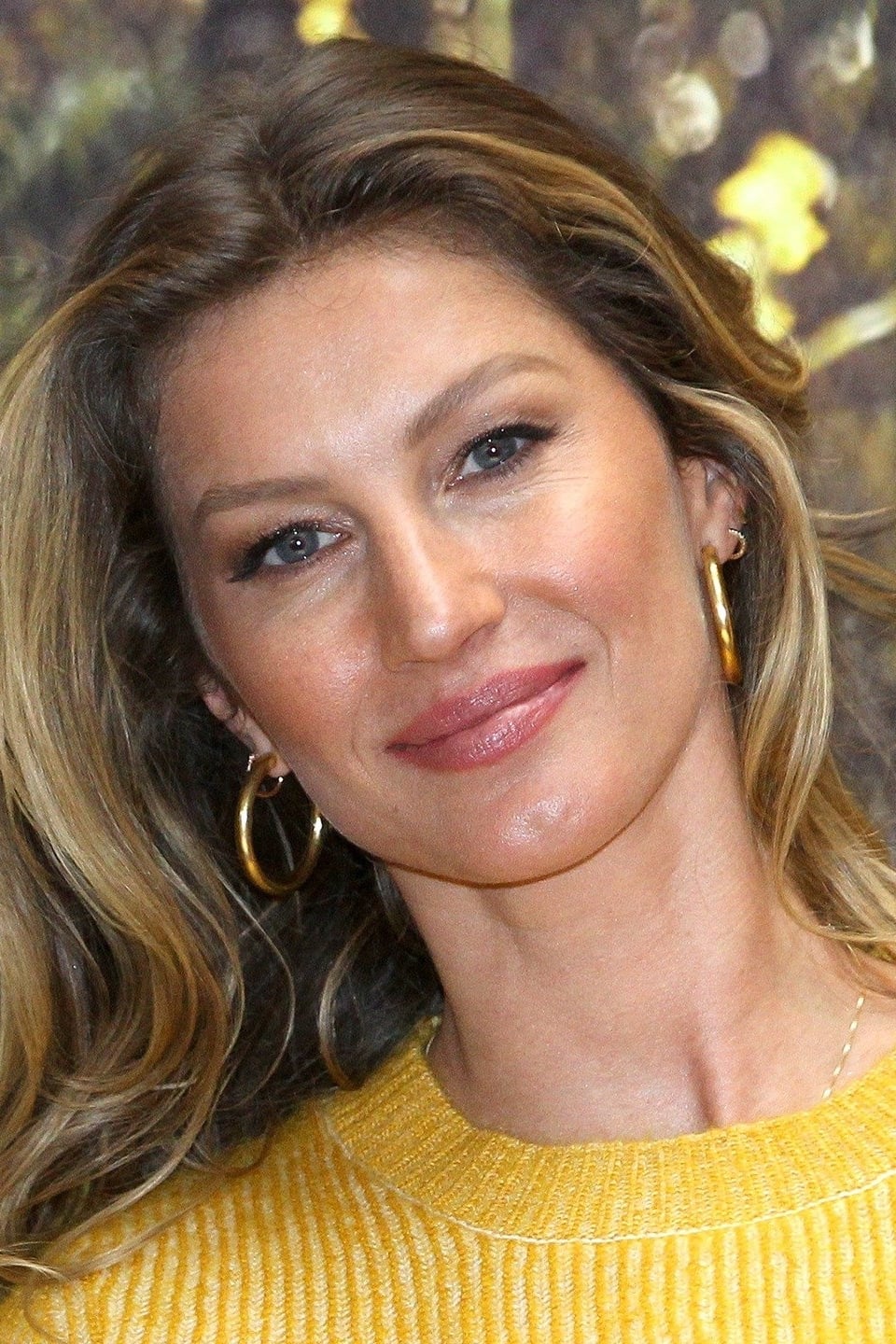
Gisele Bündchen made cameo and small supporting appearances, including ‘Taxi’ and a memorable fashion-world role in ‘The Devil Wears Prada’. ‘Taxi’ was panned by critics and posted soft numbers relative to expectations, and her brief turns were often framed as novelty casting rather than character-driven parts. The limited screen time did little to build credibility as a dramatic performer.
Bündchen concentrated on modeling, philanthropy, and business partnerships, areas where her influence remained unmatched. Occasional cameos continued, but there was no expansion into lead acting roles following the early film reception.
Naomi Campbell
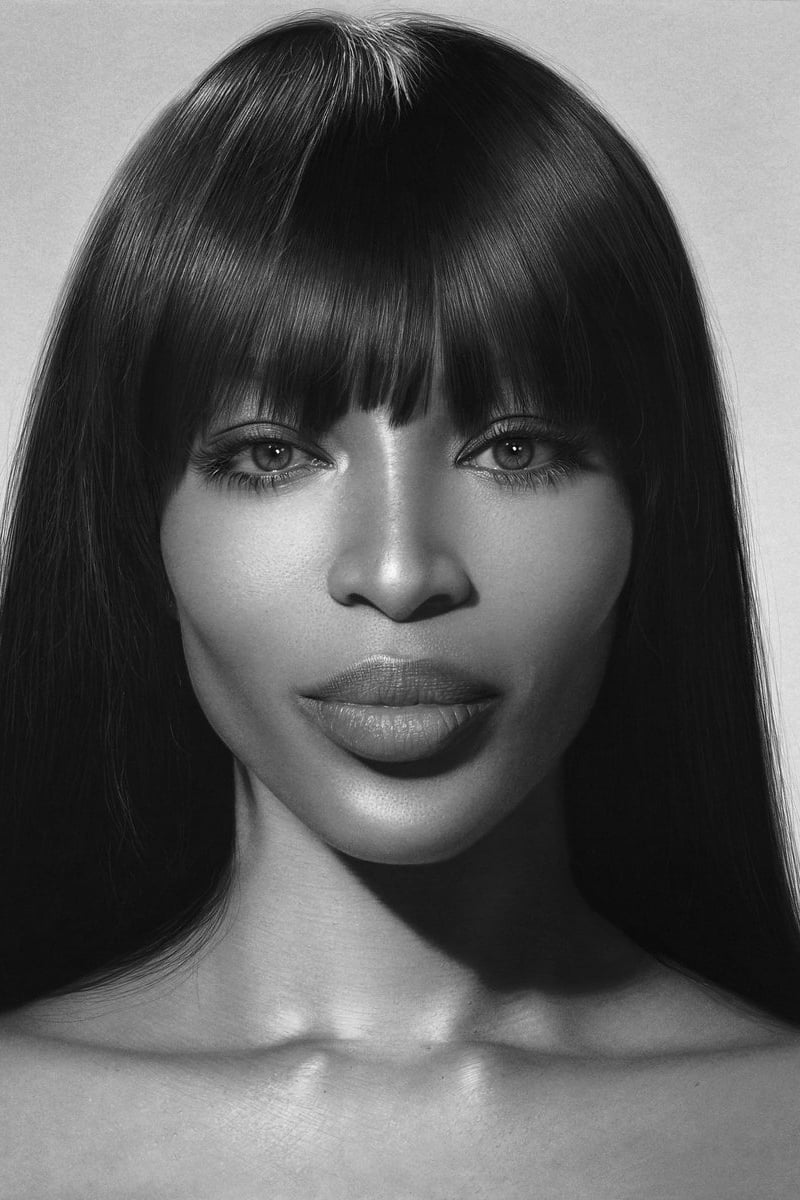
Naomi Campbell’s acting credits span guest appearances and supporting parts in titles such as ‘Miami Rhapsody’ and various television episodes. Reviews frequently treated her roles as extensions of her celebrity rather than substantive character work, and the projects did not generate awards or breakout notices tied to performance. The lack of a defining role kept her acting résumé secondary to her fashion achievements.
Campbell’s enduring impact stayed rooted in runway and cultural influence, with reality series judging and advocacy taking center stage. Her screen work functioned more as brand presence than as a sustained acting portfolio.
Claudia Schiffer
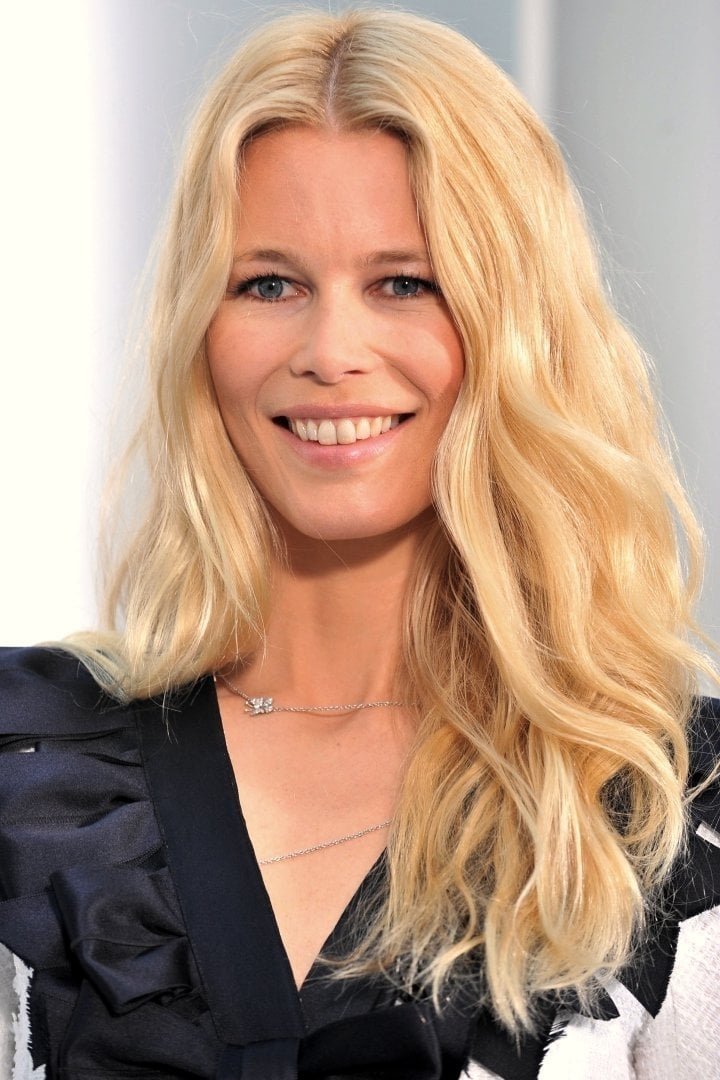
Claudia Schiffer showed up in small roles and cameos in films like ‘Richie Rich’ and ‘Love Actually’, typically playing fashion-adjacent characters. These appearances were brief and did not lead to larger, more demanding parts that might have established acting range. Critical conversation around those films focused on other leads, leaving her contributions as footnotes.
Schiffer shifted toward production interests and fashion leadership, including creative direction and collaborations. With no substantial dramatic turns to point to, the acting experiment remained limited and largely ornamental.
Bar Refaeli

Bar Refaeli’s screen credits include cameo-style roles and a handful of features and television spots that didn’t gain significant critical traction. Projects lacked strong festival presence or awards attention, and reviews did not single out her performances as standout elements. The result was minimal momentum toward more ambitious acting assignments.
Refaeli’s professional focus continued in modeling, entrepreneurship, and television presenting. Without a breakout role or a hit series, her acting résumé stayed peripheral compared to her fashion and media work.
Kelly Rohrbach
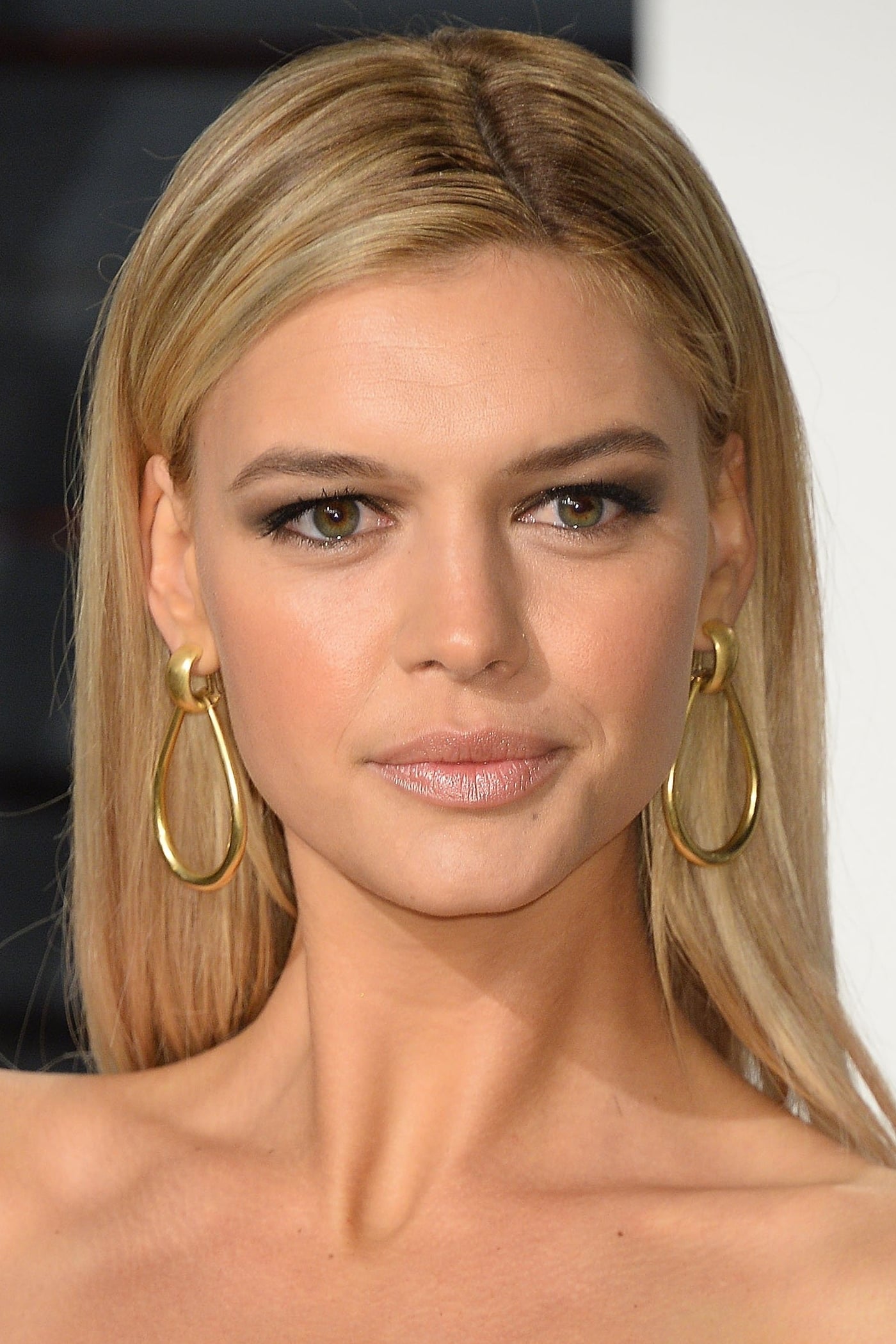
Kelly Rohrbach’s most notable acting showcase was ‘Baywatch’, a big-screen adaptation positioned as a summer comedy. The film received poor reviews for its script and tone, and performances were commonly described as constrained by formulaic humor. While the title recognition was high, the domestic box office underperformed relative to similarly branded reboots.
After ‘Baywatch’, Rohrbach’s acting roles tapered, with more emphasis on commercial campaigns and lifestyle ventures. The lack of a follow-up hit or acclaimed series kept her from building a sustained on-screen trajectory.
Emily Ratajkowski
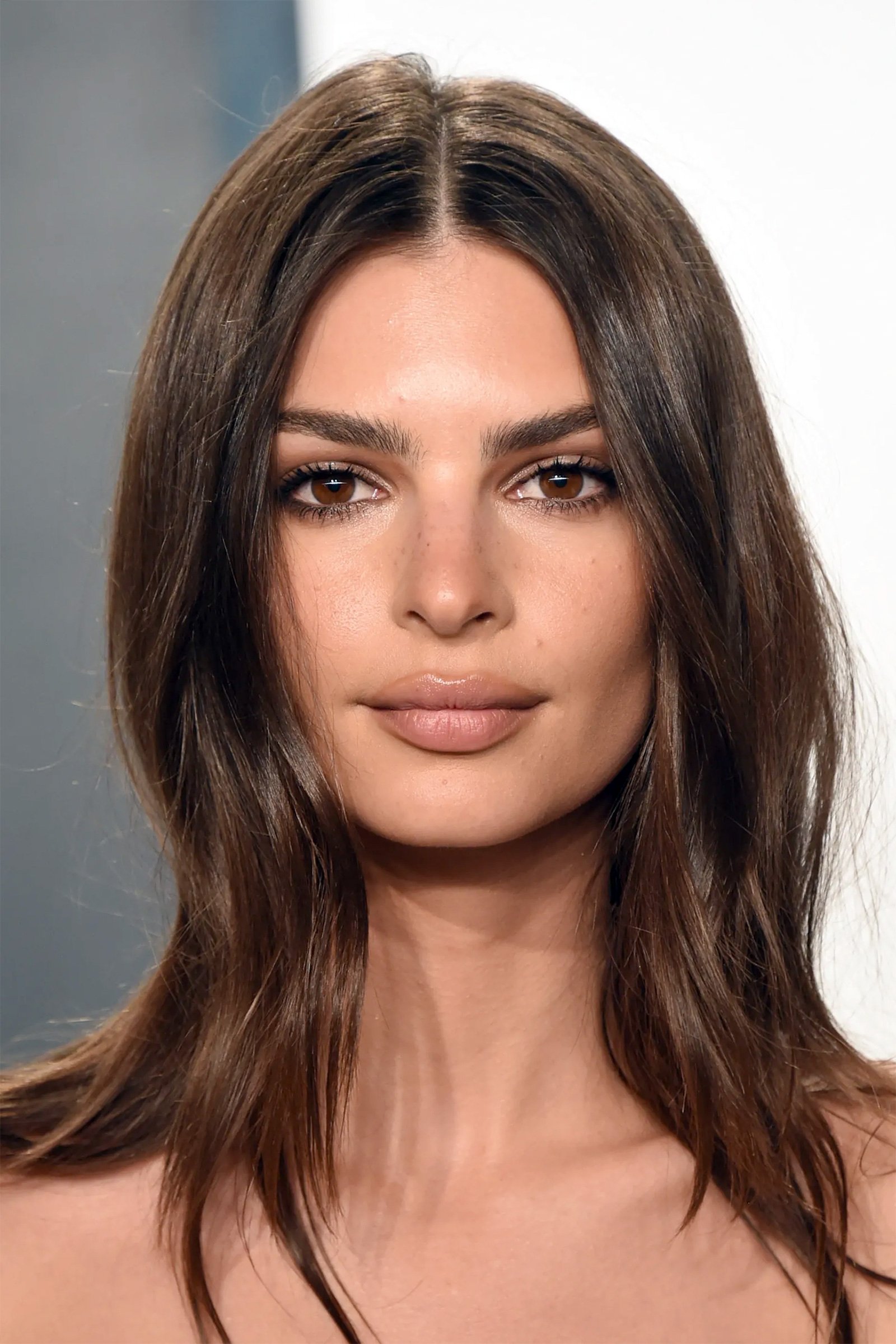
Emily Ratajkowski appeared in projects such as ‘We Are Your Friends’, ‘Gone Girl’, and several independent films. ‘We Are Your Friends’ opened to one of the weakest wide-release debuts of its year and drew critiques about thin character work, limiting any breakout impact from her role. Her other appearances tended to be short or in ensembles, offering limited space to establish range.
Ratajkowski expanded into authorship, podcasting, and fashion collaborations, areas that delivered larger audiences and engagement. The acting credits continued, but without a signature performance anchoring her film career.
Alessandra Ambrosio
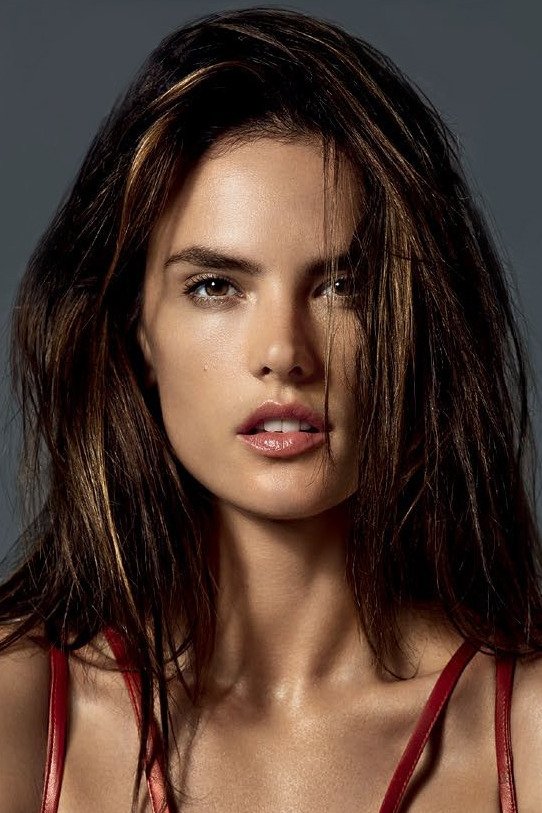
Alessandra Ambrosio’s film and television roles skew toward cameos and minor parts in titles like ‘Teenage Mutant Ninja Turtles: Out of the Shadows’ and various telenovelas and reality segments. These appearances generated media buzz but little critical discussion about performance. With limited dialogue and screen time, there was no springboard to more complex roles.
Her professional lane remained firmly in modeling, events, and brand building. The scattered acting credits functioned as extensions of her public image rather than steps toward a dedicated acting portfolio.
Irina Shayk
Irina Shayk’s acting includes a supporting turn in ‘Hercules’ and later cameo-level appearances. The ‘Hercules’ release sold itself on action and star power, and reviews focused on visual effects and the lead, leaving minimal attention to secondary performances. The film’s reception did not open doors to larger character-driven roles.
Shayk returned to fashion and high-profile campaigns, with film work staying occasional. Without a standout part or critical praise tied to performance, her on-screen efforts remained side projects.
Tyson Beckford
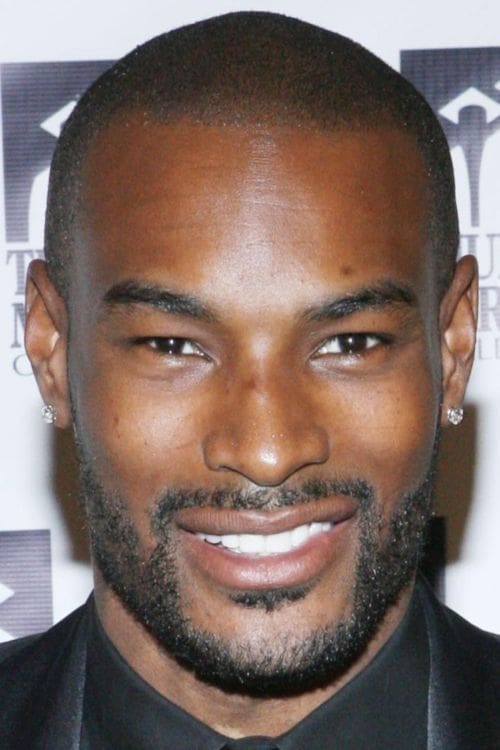
Tyson Beckford’s credits cover smaller films and television spots, including ‘Into the Blue 2: The Reef’ and guest roles across various series. These projects attracted modest audiences and limited critical notice, and his parts typically emphasized physique over character complexity. The work did not build toward prominent lead roles or award-caliber showcases.
Beckford continued to succeed in modeling, hosting, and live shows, areas where his presence drew consistent demand. His acting résumé never gained the breakout title needed to shift industry perception from fashion icon to established screen actor.
Heidi Klum
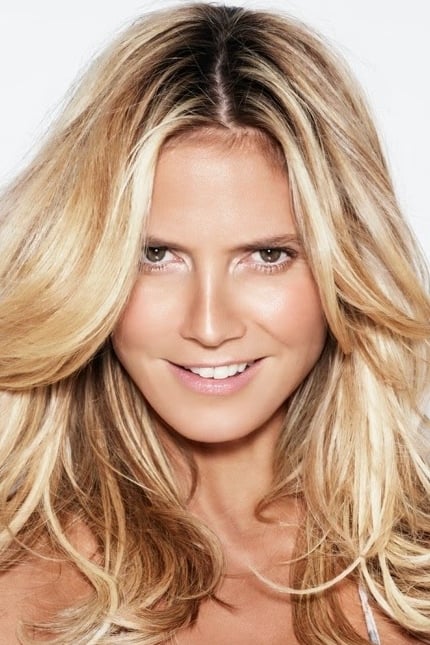
Heidi Klum appears frequently on television as a host and judge, while her narrative acting has been confined to cameos and brief roles in projects like ‘Blow Dry’ and assorted sitcoms. These appearances rarely extended beyond single-episode or self-referential parts, offering little opportunity for critical evaluation of performance. As a result, her acting footprint stayed light despite heavy screen visibility.
Klum’s primary impact remained in fashion television, production, and branding, where ratings and awards recognized her hosting and producing strengths. With no sustained run in scripted roles, her acting endeavors never developed into a distinct career track.
Share your thoughts below on which model-turned-actor you think deserved a better script or a different role, and tell us who we missed in the comments.