Here Are the Best Movies to Stream this Weekend on Peacock, Including ‘Lowriders’



Peacock’s latest weekly drop leans into Latin-American stories, Chicano history, and border-crossing journeys, with a mix of contemporary dramas, classic star vehicles, and stage-to-screen landmarks. It’s a lineup that spans East L.A. car culture, musical theater, and road odysseys, alongside beloved performances from Vicente Fernández and ensemble turns from Edward James Olmos and Daniel Valdez.
Below are ten films pulled directly from this week’s arrivals, ordered with the newest releases first. Each entry includes a simple plot primer plus key cast and crew, so you can scan fast and pick your next watch without needing to dig for details.
‘Lowriders’ (2017)
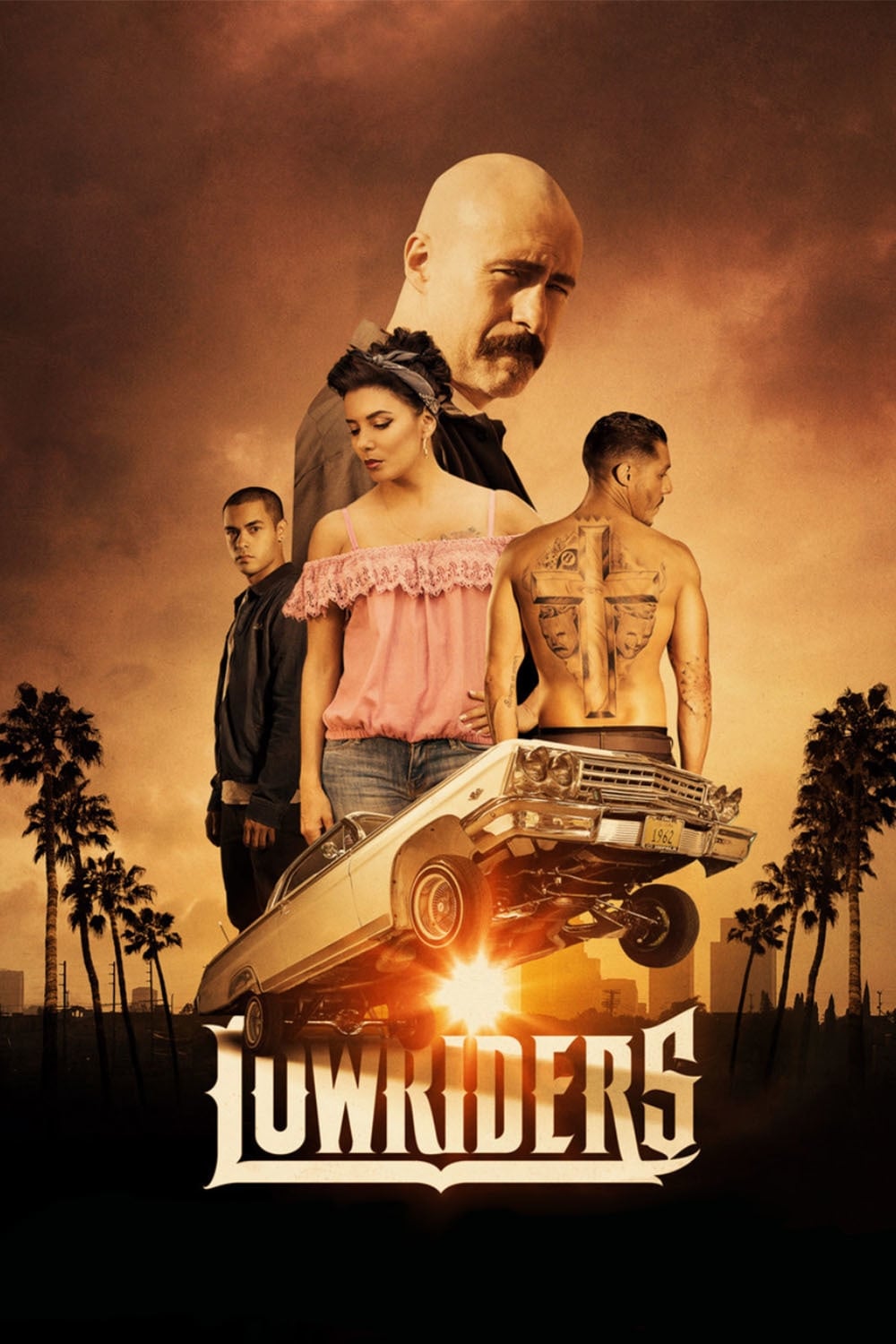
Set in East Los Angeles, ‘Lowriders’ follows graffiti artist Danny Alvarez as he’s torn between his estranged ex-con brother Ghost and their uncompromising father Miguel, a devoted car builder whose life revolves around the city’s lowrider scene. Gabriel Chavarria plays Danny, with Demián Bichir as Miguel and Theo Rossi as Ghost; Melissa Benoist and Tony Revolori appear in supporting roles.
The film is directed by Ricardo de Montreuil and written by Elgin James and Cheo Hodari Coker, with production from Blumhouse Productions, Imagine Entertainment, and Telemundo. Shot on location in Los Angeles, it uses real clubs, cruises, and competitions to anchor the family drama in the city’s car-culture traditions.
‘Sin Nombre’ (2009)
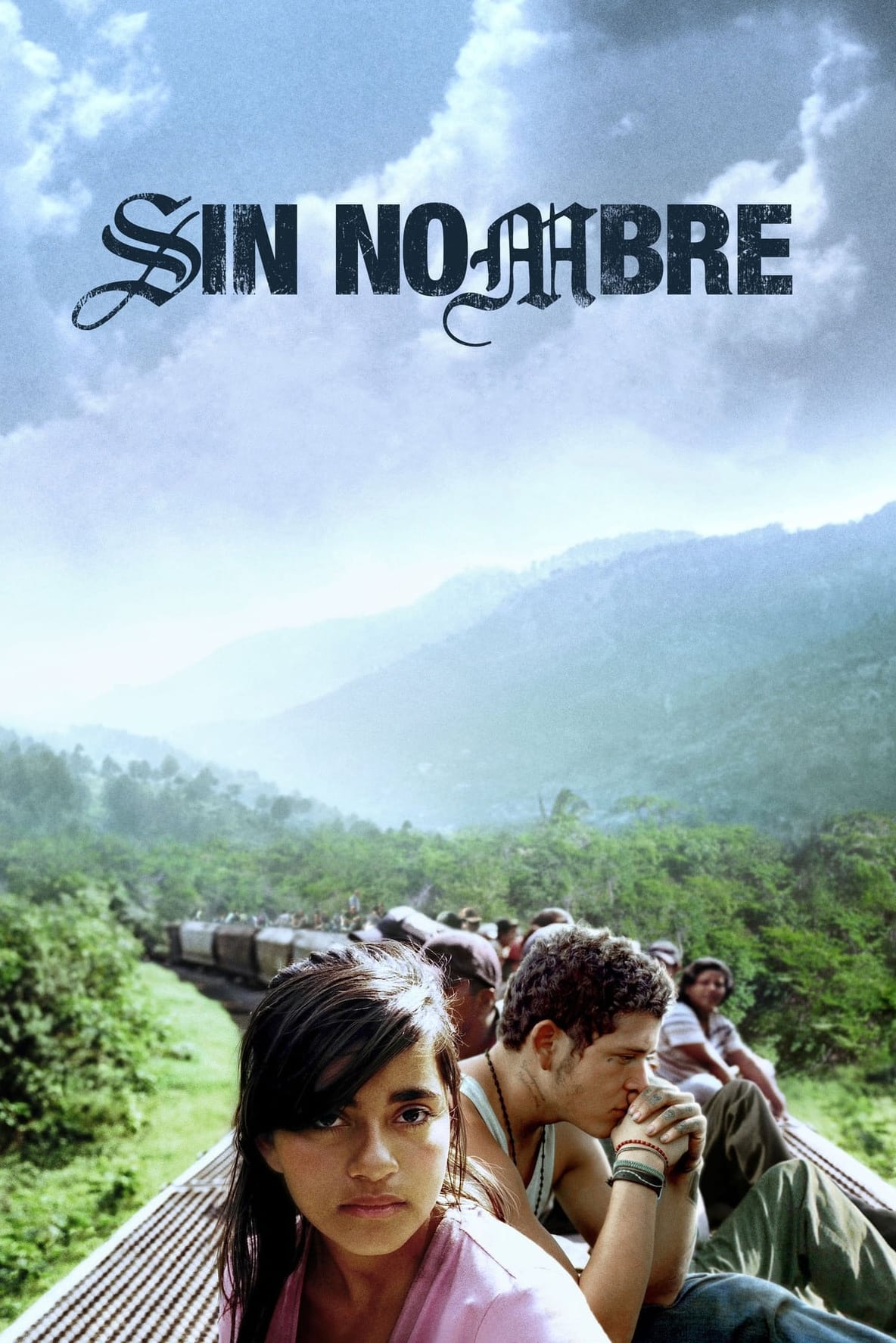
‘Sin Nombre’ follows Sayra, a Honduran teenager headed north toward the U.S., and Willy, nicknamed “El Casper,” a member of Mara Salvatrucha whose attempt to leave gang life collides with her journey atop freight trains. Paulina Gaitán stars as Sayra, with Edgar Flores as Willy and Kristyan Ferrer as Smiley; Tenoch Huerta appears as Lil Mago.
Written and directed by Cary Joji Fukunaga, the film features cinematography by Adriano Goldman and music by Marcelo Zarvos. Produced by Canana Films, Primary Productions, and Creando Films, it earned prizes for directing and cinematography at Sundance and became a touchstone of 2000s border-crossing cinema.
‘The Motorcycle Diaries’ (2004)

‘The Motorcycle Diaries’ chronicles the 1952 road trip undertaken by medical student Ernesto “Che” Guevara and biochemist Alberto Granado across South America, where encounters with poverty and injustice shape Guevara’s developing worldview. Gael García Bernal portrays Guevara, with Rodrigo de la Serna as Granado and Mía Maestro as Chichina.
Directed by Walter Salles from a screenplay by José Rivera, the production adapts Guevara’s memoir and Granado’s account. Eric Gautier serves as cinematographer, Gustavo Santaolalla composes the score, and the film’s original song “Al otro lado del río” won an Academy Award, highlighting its blend of intimate travelogue and political awakening.
‘American Me’ (1992)
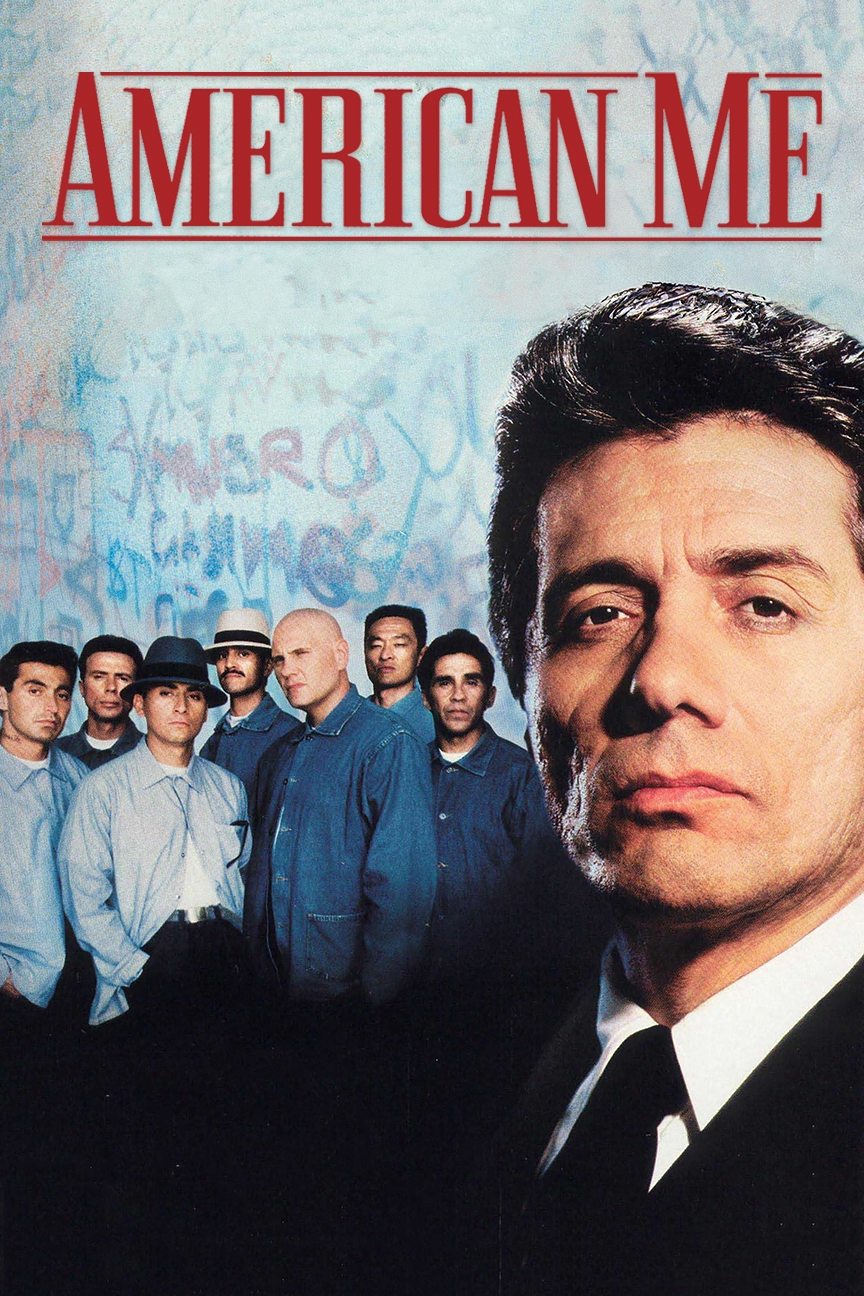
‘American Me’ spans decades in the life of Montoya Santana, tracing his rise within the California prison system and the ripple effects of gang violence on families and communities in Los Angeles. Edward James Olmos stars as Santana, with William Forsythe, Pepe Serna, and Evelina Fernández in key roles.
Olmos directs from a screenplay by Floyd Mutrux and Desmond Nakano, with cinematography by Reynaldo Villalobos and music by Claude Gaudette and Dennis Lambert. Distributed by Universal Pictures, the film’s cultural resonance has endured; it was selected for preservation in the U.S. National Film Registry, underscoring its historical significance.
‘Mi querido viejo’ (1991)
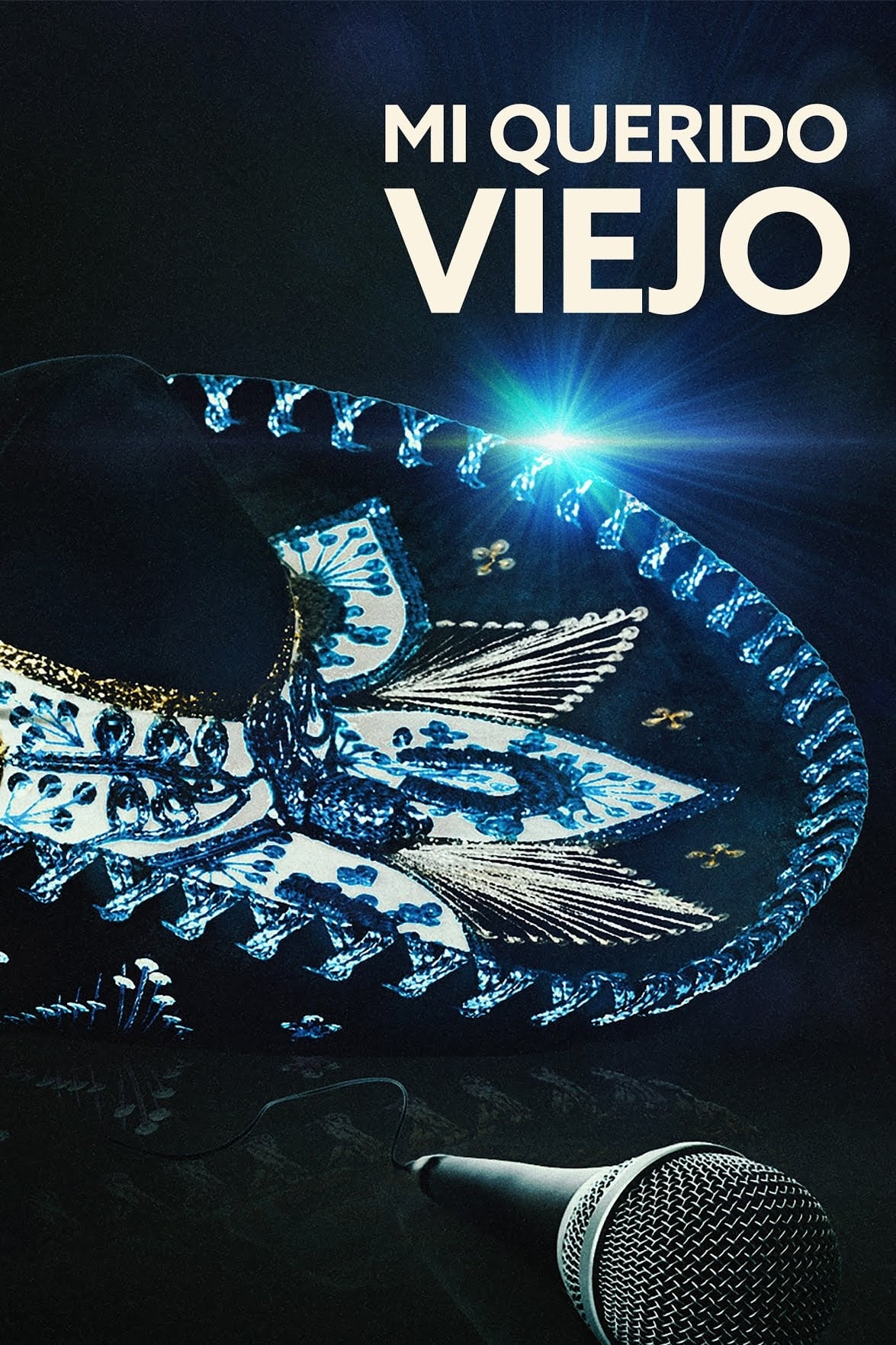
‘Mi querido viejo’ follows a famous singer whose marriage to a journalist collapses under the strain of his career, setting the stage for a father-son estrangement that slowly begins to mend. Vicente Fernández plays Luis Fuentes, with Alejandro Fernández as Rafael and Julieta Rosen as María Luisa; Manuel Ojeda appears as Apolonio Méndez.
Directed by Rafael Villaseñor Kuri, the drama features music by Manuel Esperón and production credits to Galáctica Films S.A. and Cumbre Films. Cast lists often include Stephanie Salas, and the feature’s concise runtime supports a character-driven story built around reconciliation and the costs of fame.
‘Get Out of My Room’ (1985)
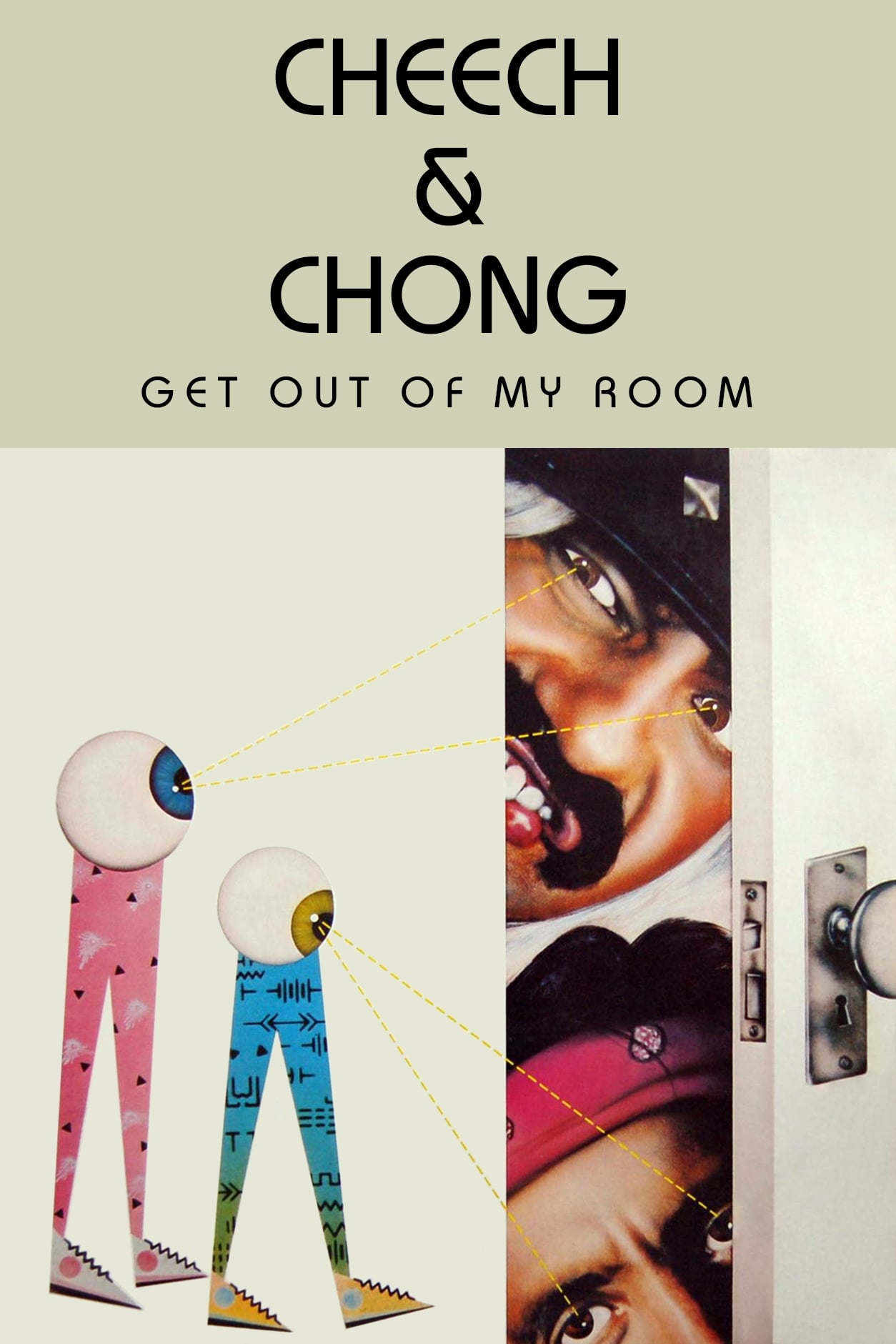
‘Get Out of My Room’ is a mockumentary-style video album anchored by Cheech & Chong, framed as behind-the-scenes footage of the duo scrambling to complete a “video album.” Its segments include music videos for ‘Get Out of My Room’, ‘I’m Not Home Right Now’, ‘Love Is Strange’, and ‘Born in East L.A.’ while weaving comedic interludes and faux interviews.
Written and directed by Cheech Marin, the project includes appearances by Cassandra Peterson, Beverly D’Angelo, John Paragon, Mary Woronov, and Alana and Leilani Soares. Released by Universal Pictures, it captures mid-’80s Los Angeles through sketch-comedy vignettes that bridge music-video style and improv sensibility.
‘Zoot Suit’ (1981)
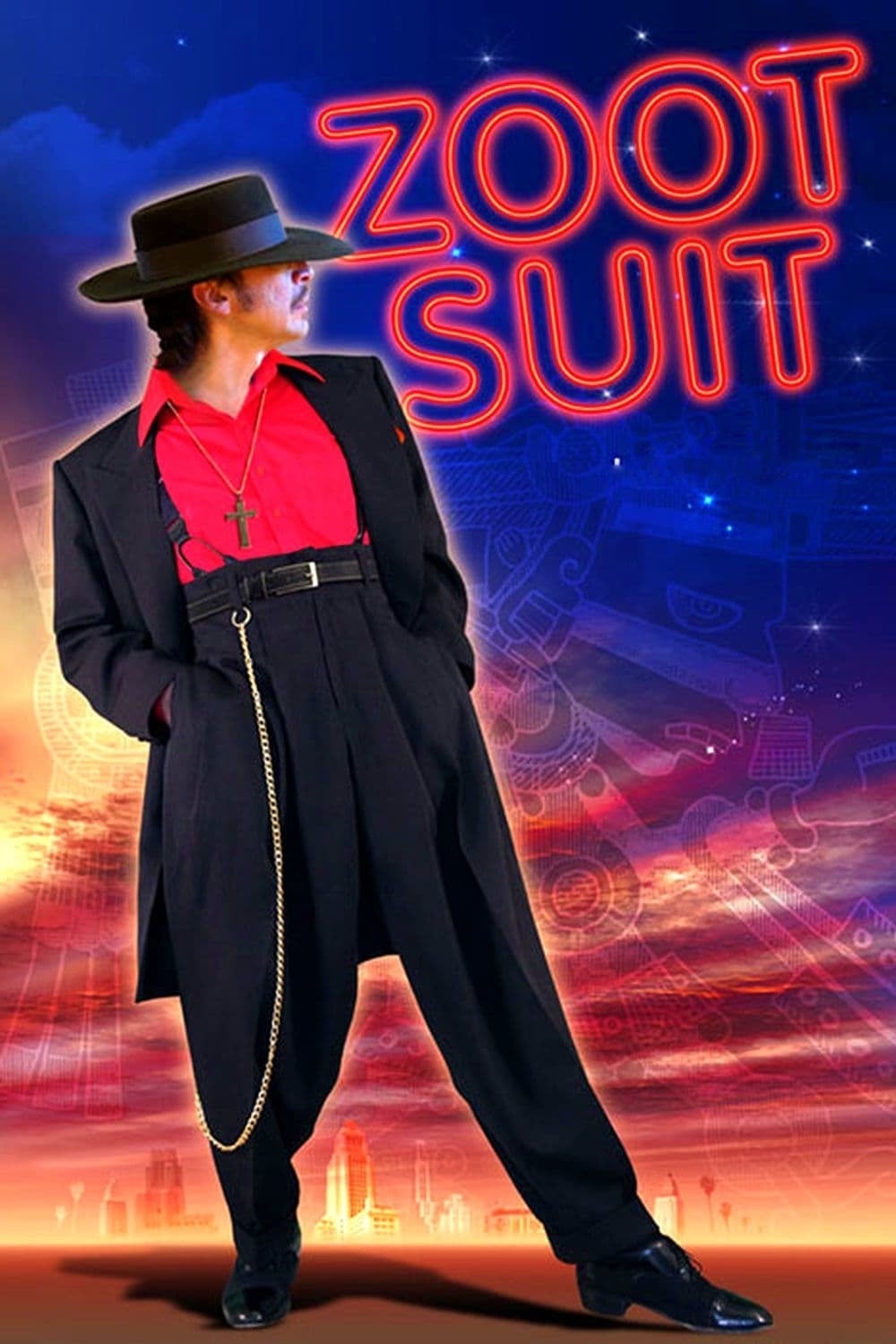
Adapted from Luis Valdez’s stage hit, ‘Zoot Suit’ dramatizes the Sleepy Lagoon case and the Zoot Suit Riots, blending courtroom proceedings with musical numbers to explore Mexican-American identity in 1940s Los Angeles. Daniel Valdez stars as Henry Reyna, with Edward James Olmos as the symbolic figure El Pachuco and Tyne Daly as Alice Bloomfield.
Written and directed by Valdez, with music by Daniel Valdez and Lalo Guerrero, the film was released by Universal Pictures. Recognized by the U.S. National Film Registry, it stands as a major stage-to-screen document that preserves Chicano theater aesthetics and mid-century history for a wider audience.
‘Coyote and Bronca’ (1980)
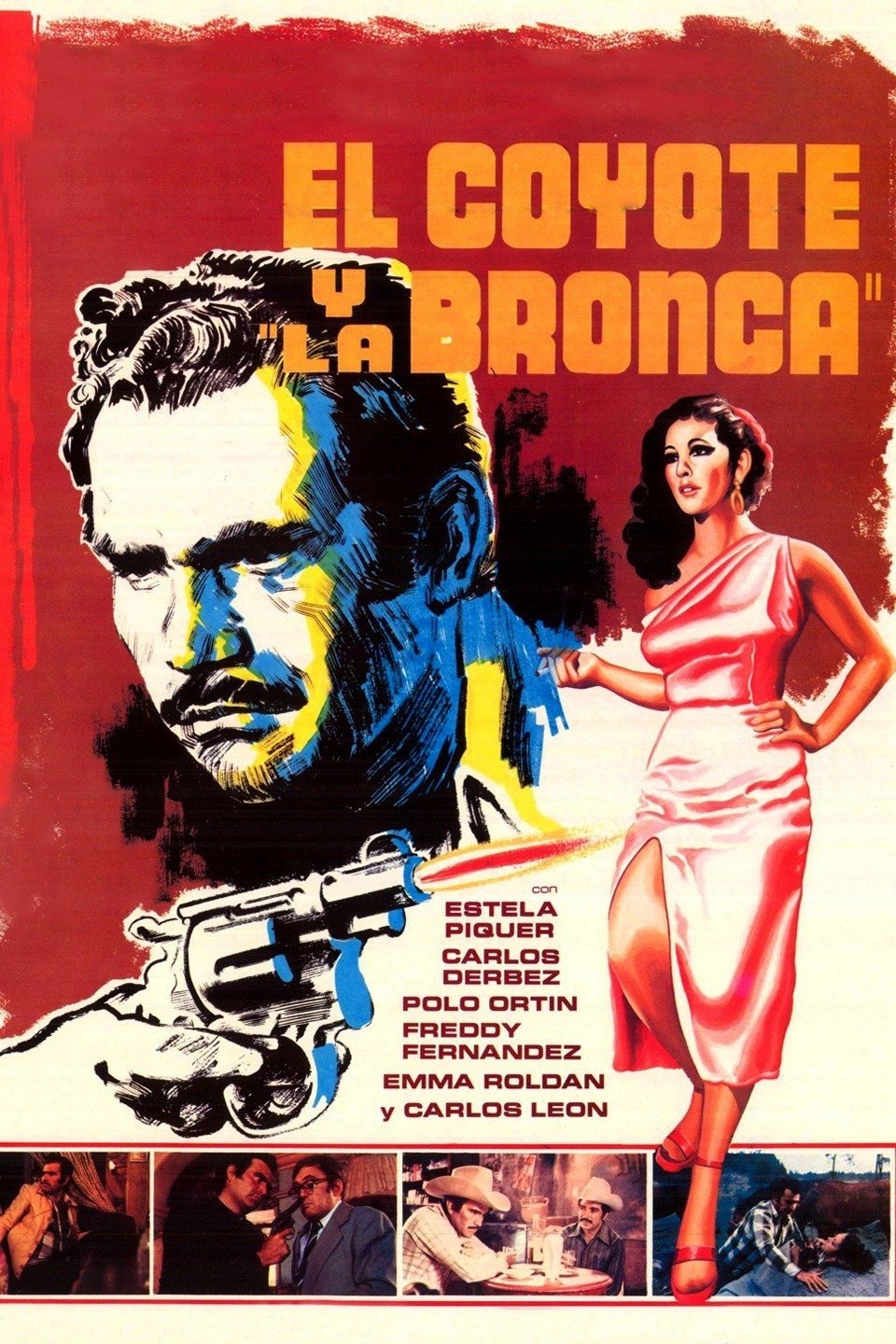
Known in Spanish as ‘El Coyote y la Bronca’, this drama centers on Juan “El Coyote” Mireles and María Trinidad “La Bronca,” whose attempt to leave a life tied to easy money and vice triggers violent pursuit. Vicente Fernández headlines opposite Blanca Guerra, with Gloria Marín and Angélica Vale in supporting parts.
Directed by Rafael Villaseñor Kuri from a script by Adolfo Torres Portillo, the film credits Ernesto Cortázar II with music and Xavier Cruz with cinematography. Produced by Cima Films, it’s frequently listed with a brisk, sub-100-minute runtime, emphasizing momentum and character conflict over spectacle.
‘El Arracadas’ (1978)
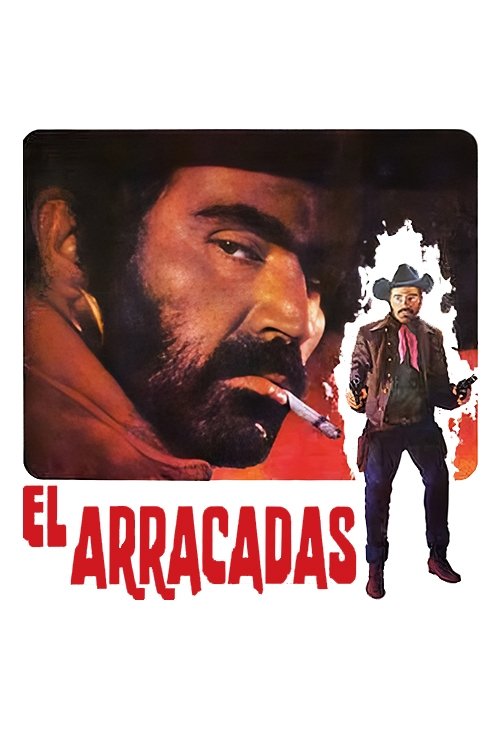
‘El Arracadas’ follows Mariano Landeros, who vows to avenge his father’s murder and reclaim the titular earrings—“las arracadas”—from the killer as proof of justice served. Vicente Fernández stars as Mariano alongside Mario Almada, Roberto Cañedo, and Patricia Rivera.
Directed by Alberto Mariscal from a screenplay by Adolfo Torres Portillo, the feature is photographed by Xavier Cruz and produced by Cima Films. Period materials note a runtime just over 100 minutes and shooting in Mexican locales such as Jalisco and Sonora, situating its revenge narrative squarely within regional Western traditions.
‘Entre monjas anda el diablo’ (1973)
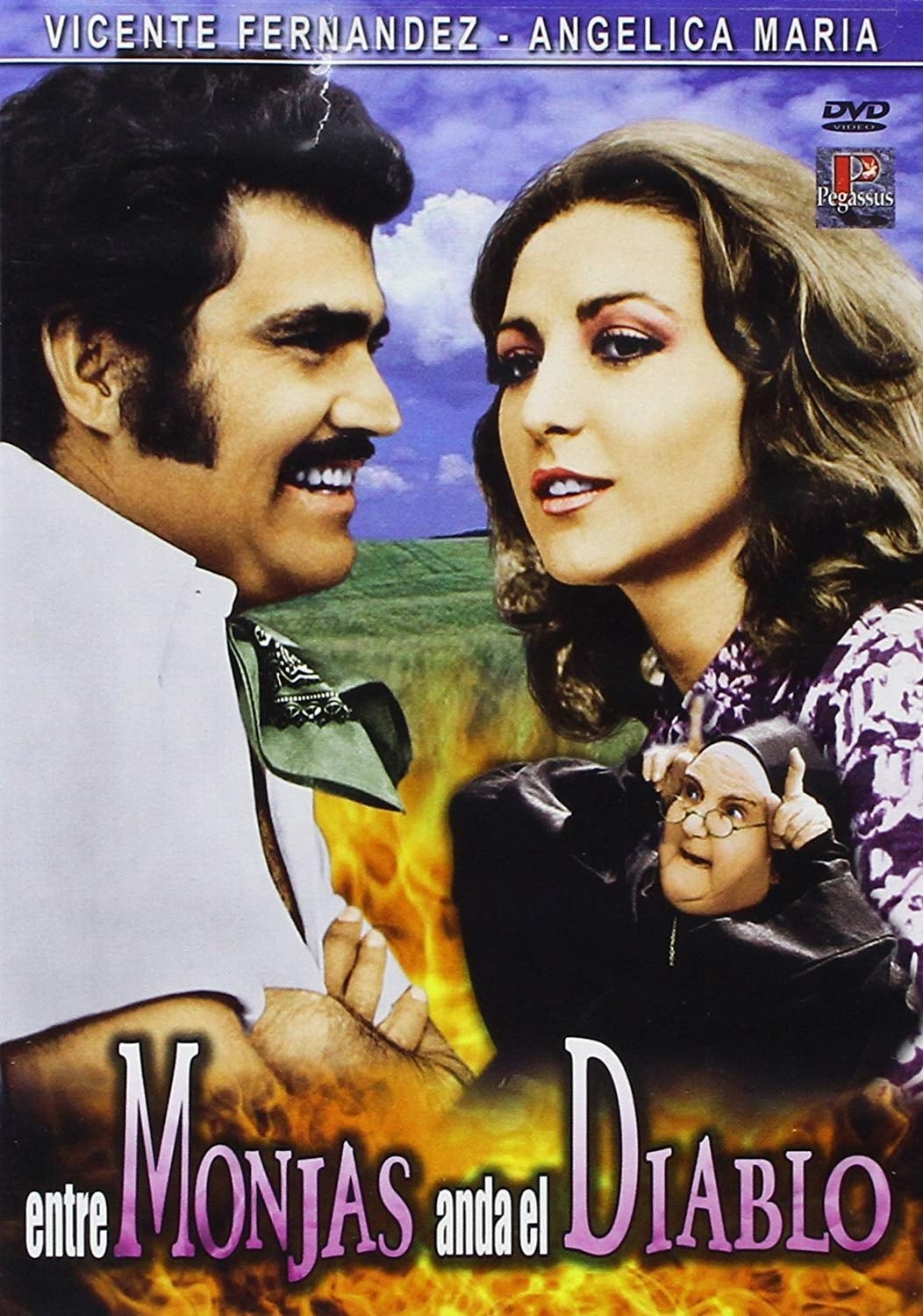
‘Entre monjas anda el diablo’ is a musical comedy about a cockfight regular nicknamed “El Diablo,” who falls for a young woman preparing to enter a convent, setting off romantic complications and comic set-pieces. Vicente Fernández stars with Angélica María, and veteran performers Sara García and Alma Rosa Aguirre appear in key roles.
Directed by René Cardona with a screenplay by Adolfo Torres Portillo and production by Gregorio Walerstein, the film’s listed runtimes vary by release, typically in the mid-80-minute range. Its blend of ranchera-inflected music, romance, and broad comedy showcases a popular strand of 1970s Mexican studio entertainment.
Share your weekend picks from this lineup—and any overlooked gems you’d add—in the comments!