Top 15 Racially Offensive Movie Characters

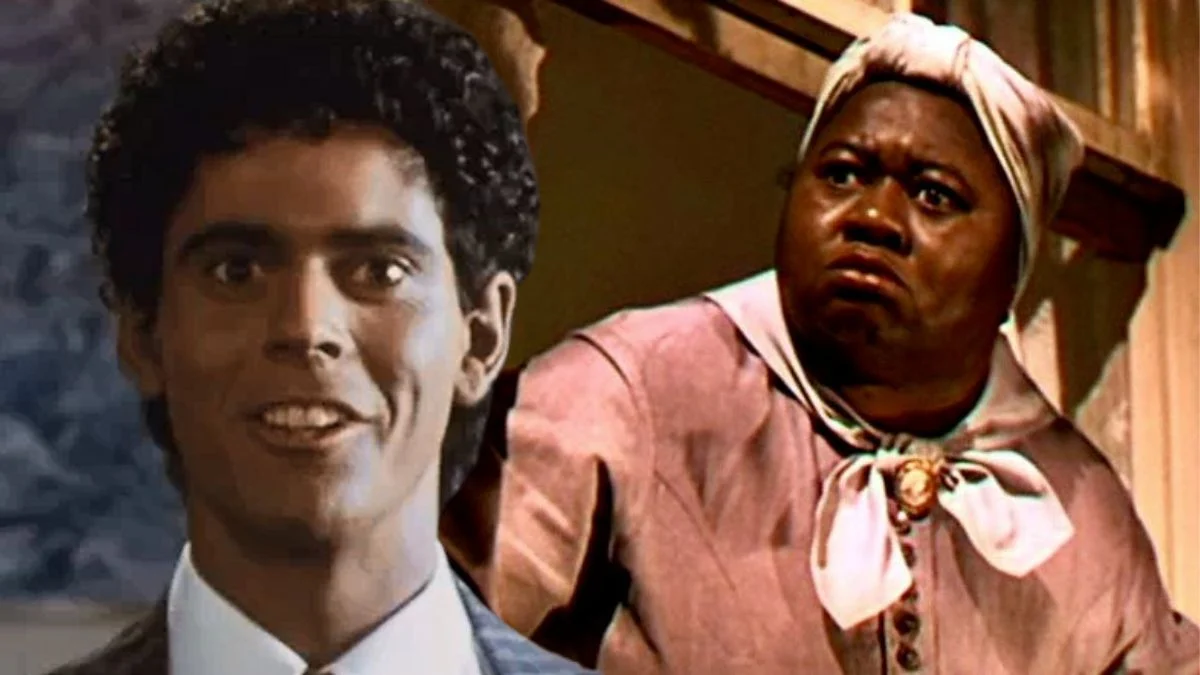

Conversations about representation tend to circle back to a handful of screen characters whose portrayals triggered wide criticism from audiences, scholars, and advocacy groups. These roles span different eras and genres, from studio era dramas to family animation to modern blockbusters, and they share one clear thread. Each became a touchpoint for how Hollywood shaped and sold images of race to mainstream viewers.
This list collects well known examples and outlines the basics for each one. You will find the character, the film involved, the performer if applicable, and a plain summary of the concerns that followed. It also notes where studios or platforms have added warnings, revised presentations, or pulled titles. For context, each entry quietly names the company that originally brought the film to theaters.
Mr. Yunioshi
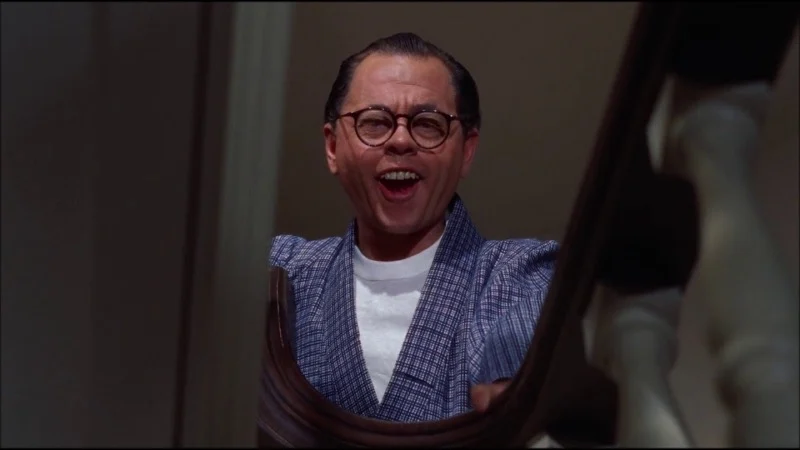
Mickey Rooney played Mr. Yunioshi in ‘Breakfast at Tiffany’s’ using makeup, prosthetic teeth, and an exaggerated accent. The portrayal has been cited in film scholarship and advocacy as an example of yellowface and of caricatured depictions of Japanese people in American cinema. Later television airings and home releases often drew renewed criticism whenever the film returned to circulation.
The film reached theaters through Paramount Pictures. Newer presentations sometimes include contextual notes that address the character and the broader history of stereotypical Asian portrayals in Hollywood.
Long Duk Dong

Gedde Watanabe portrayed Long Duk Dong in ‘Sixteen Candles’ as a transfer student whose scenes rely on heavy comic exaggeration. Asian American groups and many educators have pointed to the role as a shorthand for how eighties teen comedies normalized jokes rooted in ethnicity and accent rather than character development. The name itself became a cultural reference that critics have deconstructed in classrooms and media analysis.
Universal Pictures distributed the film to wide audiences. Later discussions around teen comedies frequently reference this character when outlining how studios and filmmakers have responded to concerns about who gets laughed at and why.
Jar Jar Binks

Ahmed Best performed Jar Jar Binks in ‘Star Wars The Phantom Menace’ using motion capture and voice work that some viewers linked to minstrel imagery and dialect humor. The character quickly became a central example in debates about alien caricatures that echo human stereotypes, especially in large franchise storytelling with global reach. Official materials and interviews have addressed the backlash and the intense attention directed at the performer.
The film was released in theaters by 20th Century Fox. Subsequent installments adjusted the character’s screen time, and franchise guides have added production context that records how audience feedback shaped future appearances.
The Crows
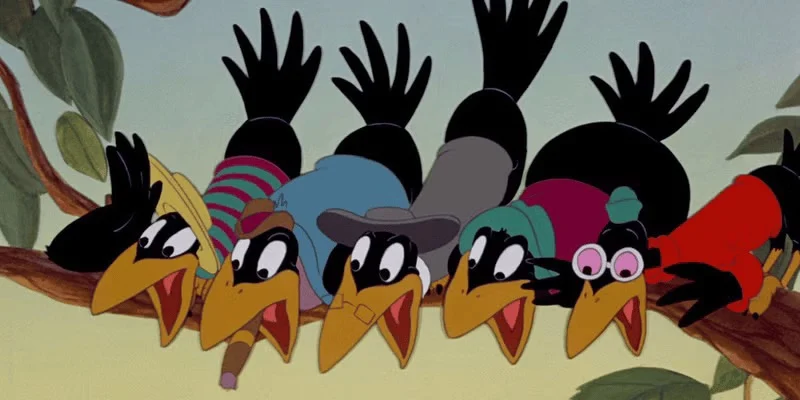
The flock of talking crows in ‘Dumbo’ speaks in a stylized vernacular and performs a musical number that scholars connect to minstrel show traditions. The lead bird is popularly referred to by a name that mirrors segregation era language, and animation histories have traced how voice casting and staging reflected norms of the period. The sequence remains a frequent case study in children’s media courses that evaluate representation in classic cartoons.
RKO Radio Pictures handled the film’s original theatrical distribution. Modern releases from the rights holder add content advisories and educational notes that explain why the scene appears with warnings rather than silent edits.
Uncle Remus
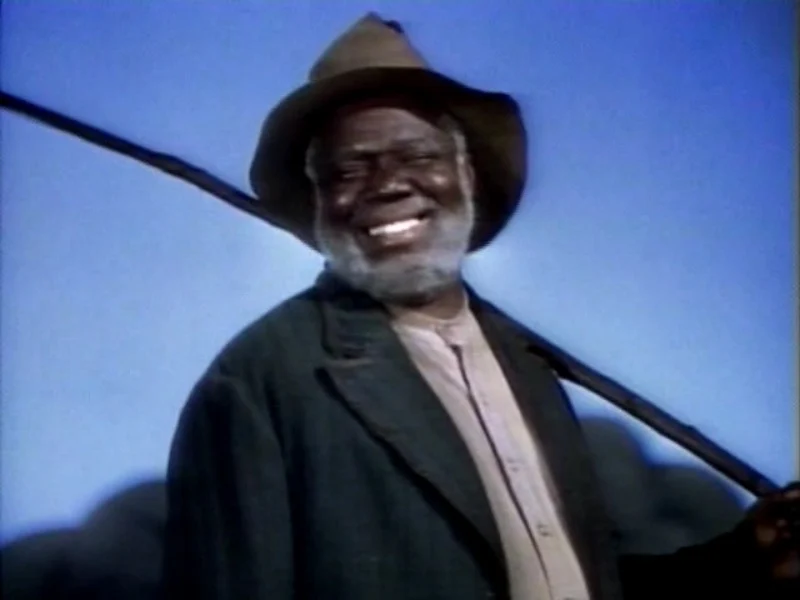
James Baskett’s Uncle Remus in ‘Song of the South’ presents a nostalgic view of plantation life that historians and civil rights organizations have challenged for decades. The film adapts tales collected by Joel Chandler Harris, and the framing has been criticized for romanticizing a social order tied to racism and exploitation. Baskett’s performance itself has been praised by some contemporaries, but the overall depiction remains a flashpoint.
The film originally reached cinemas via RKO Radio Pictures. The rights holder has kept the title largely unavailable on mainstream streaming services and often addresses the topic in corporate statements and archival notes.
Mammy
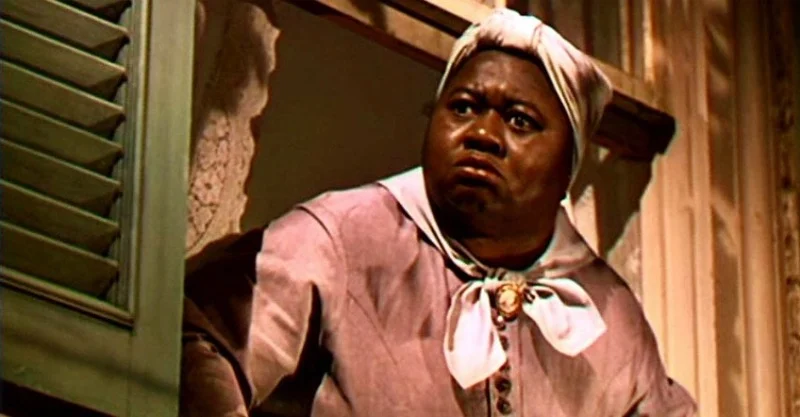
Hattie McDaniel’s Mammy in ‘Gone with the Wind’ is a house servant whose presence reflects conventions of the Lost Cause era in popular storytelling. Historians and cultural critics have written extensively about how the character fits into a pattern of roles that offered visibility while reinforcing a limited set of stereotypes. McDaniel’s Academy Award is often discussed alongside the constraints placed on Black performers at the time.
MGM released the film in theaters. Contemporary screenings and platform rotations commonly include introductions or disclaimers by film scholars that provide background on both the production and the reception history.
Fu Manchu
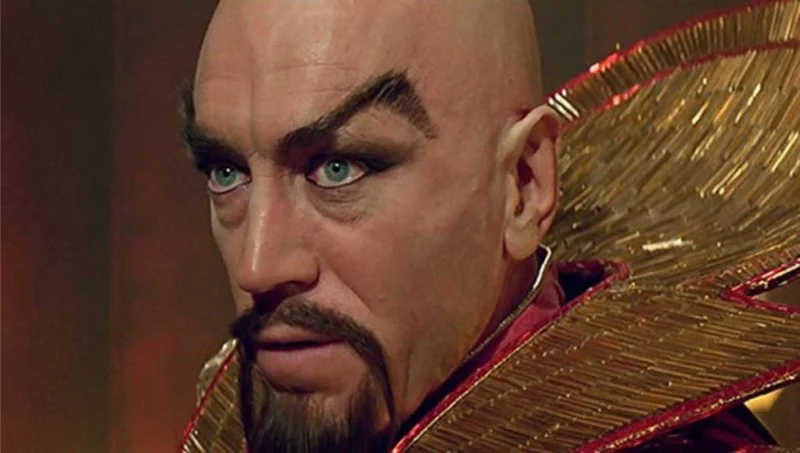
Boris Karloff’s Fu Manchu in ‘The Mask of Fu Manchu’ embodies the yellow peril archetype, with plotlines and dialogue that align the character with fears of Asian dominance and cruelty. Makeup and costuming emphasized exoticism, while the script framed the villain through tropes that scholars have mapped across novels, serials, and studio features. The role remains a reference point for how pulp villains influenced visual culture.
MGM distributed the feature. Archives and restorations of the film often come with curator notes that address the character’s lasting impact on stereotypes in Western media and how such images circulated through studio marketing.
Wang Lung
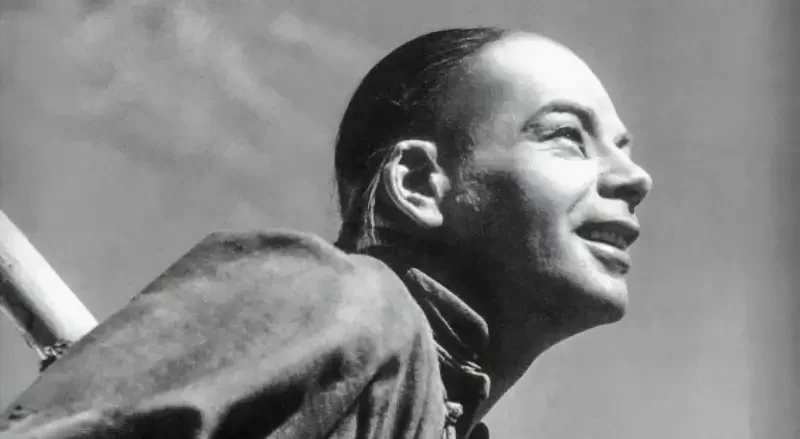
Paul Muni played Wang Lung in ‘The Good Earth’ using elaborate makeup to portray a Chinese farmer, and Luise Rainer played O-Lan under similar techniques. The production has been studied for its casting decisions, the blocking of crowd scenes, and the relationship between source material and on-screen representation. Scholars frequently cite the film when outlining the industry’s historical reliance on white actors for Asian roles.
MGM handled distribution to theaters. Museum retrospectives and repertory screenings typically include program essays that document casting policies of the era and how this film influenced later conversations about authenticity.
Hrundi V. Bakshi
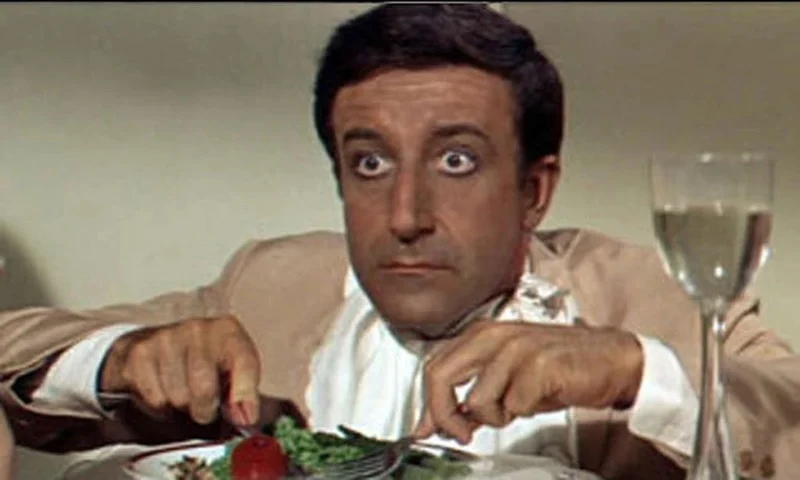
Peter Sellers appeared in brownface as Hrundi V. Bakshi in ‘The Party’, playing an Indian actor whose manner is used for extended comedy set pieces. Critics and historians have examined the accent, the costuming, and the narrative framing, connecting them to a broader lineage of brownface in English language cinema. The portrayal is regularly discussed in film studies courses on comedy and representation.
United Artists brought the film to theaters. Newer home media and festival notes often provide context about casting practices in this period and how audiences in different regions responded to the character.
Mark Watson
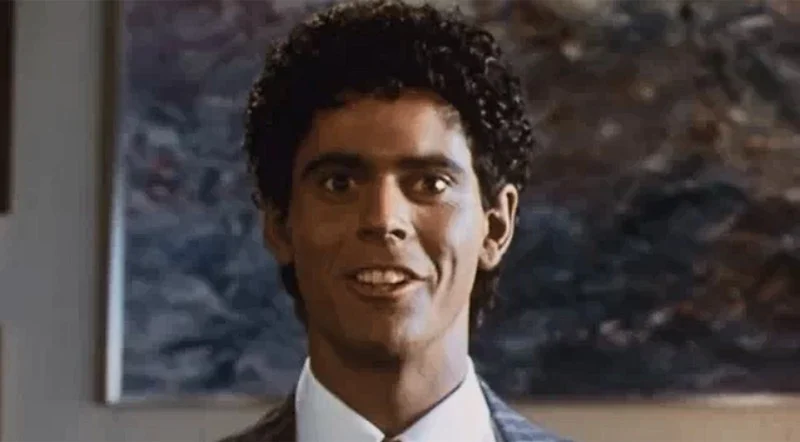
C Thomas Howell starred as Mark Watson in ‘Soul Man’, a student who takes medication to darken his skin in order to qualify for a scholarship meant for Black applicants. The plot device drew organized protest and academic critique, with particular focus on how the film treats systemic barriers as a setup for a gag. Commentaries and interviews have documented the production’s response to the controversy.
New World Pictures distributed the movie in the United States. Later video releases and broadcast airings frequently revived debate about the premise and led to panel discussions featuring scholars and advocacy groups.
Skids and Mudflap

The Autobot duo Skids and Mudflap in ‘Transformers Revenge of the Fallen’ speaks in a coded urban dialect and is written with jokes that critics read as stereotypical. One character even jokes about illiteracy, a line that has been widely cited in articles about representation in action franchises. The filmmakers addressed the response in interviews, and the pair did not continue as prominent figures in later entries.
Paramount Pictures released the film worldwide. Franchise retrospectives and art books have tracked how designs and character rosters evolved after audience feedback highlighted concerns with these two robots.
Tonto
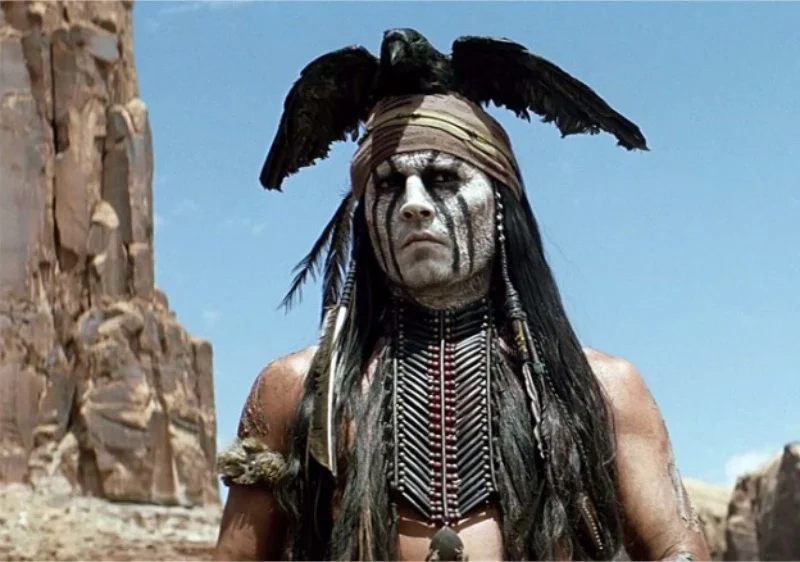
Johnny Depp’s Tonto in ‘The Lone Ranger’ was presented with face paint and costuming inspired by a painting that was not tied to a specific tribe, which Indigenous commentators flagged as a problem. Coverage centered on consultation processes, marketing imagery, and the long history of sidekick roles that overshadow Native voices. Industry panels and academic writing used the character to discuss authorship and representation in studio adventure films.
Walt Disney Studios Motion Pictures handled distribution. Press materials and later interviews recorded the production’s outreach efforts and the reception among Native critics and organizations.
Aang
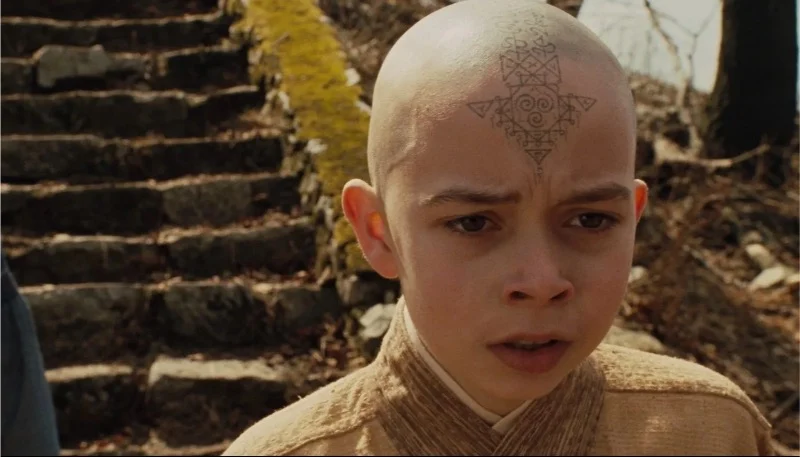
Noah Ringer played Aang in ‘The Last Airbender’, a live action adaptation that drew criticism for casting choices seen as whitewashing. Analysts compared the animated source with the film’s leads and supporting roles and documented fan campaigns that organized around representation concerns. The conversation has remained active in media studies as new adaptations are planned.
Paramount Pictures released the film into theaters. Studio era casting policies and modern guidelines have been discussed in trade coverage that often cites this production as a turning point in public awareness.
The Native Chief
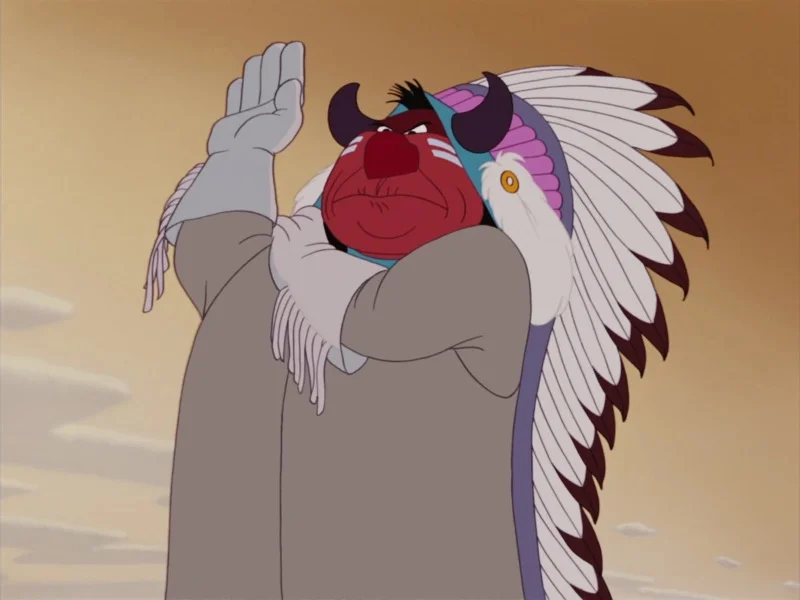
The depiction of the Neverland tribe in ‘Peter Pan’ includes the character commonly referred to as the Native Chief and a musical number that uses a slur in its title and lyrics. Educators and historians have identified the sequence as a teaching example of how children’s media once normalized reductive images of Indigenous peoples. Official guides and documentary materials trace the origins of the scene and its impact.
RKO Radio Pictures distributed the film on its original run. Current releases typically open with content advisories that explain why the sequence remains intact for historical record while being framed for modern audiences.
Jack Robin
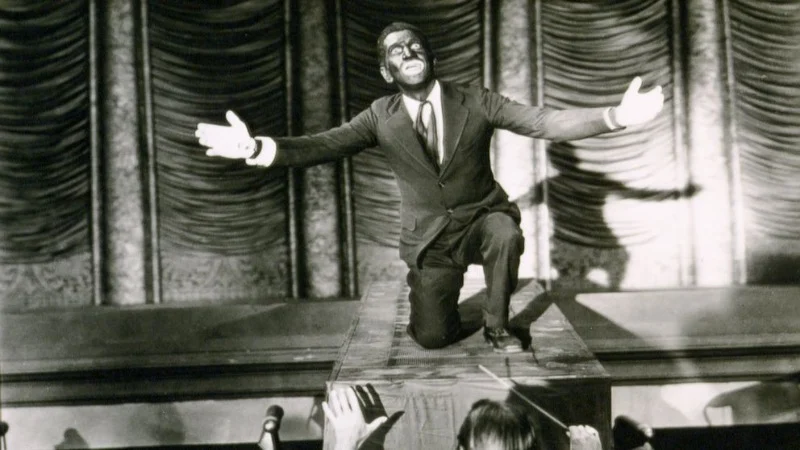
Al Jolson’s Jack Robin in ‘The Jazz Singer’ performs in blackface during key musical scenes, which scholars have situated within the transition from vaudeville to sound cinema. The film is historically important for sound technology and equally important as evidence of how blackface minstrelsy moved from stage to screen. Archives preserve production documents that clarify how these numbers were conceived and promoted.
Warner Bros. Pictures released the film widely. Museum screenings and academic courses often pair the movie with curated readings to address the mixed legacy of a title that advanced technology while enshrining a harmful practice.
Share your thoughts on which examples belong on this list and which ones you think we missed in the comments.