The Most Complex Movie Villains Ever Created



Some movie villains are built from more than evil plans. They carry histories that shape every choice, and the films around them give the space to show how those histories drive what they do. You learn where they came from, what they want, and how far they are willing to go, and the story keeps opening new layers that explain their moves without making them any less dangerous.
This list looks at villains whose films give concrete facts about their pasts, their methods, and the systems around them. Each entry focuses on what the character does on screen, how the narrative frames those actions, and the specific elements that make their wrongdoing so hard to predict or stop. You will also see a brief note on who released the film, mentioned simply for context.
Hannibal Lecter
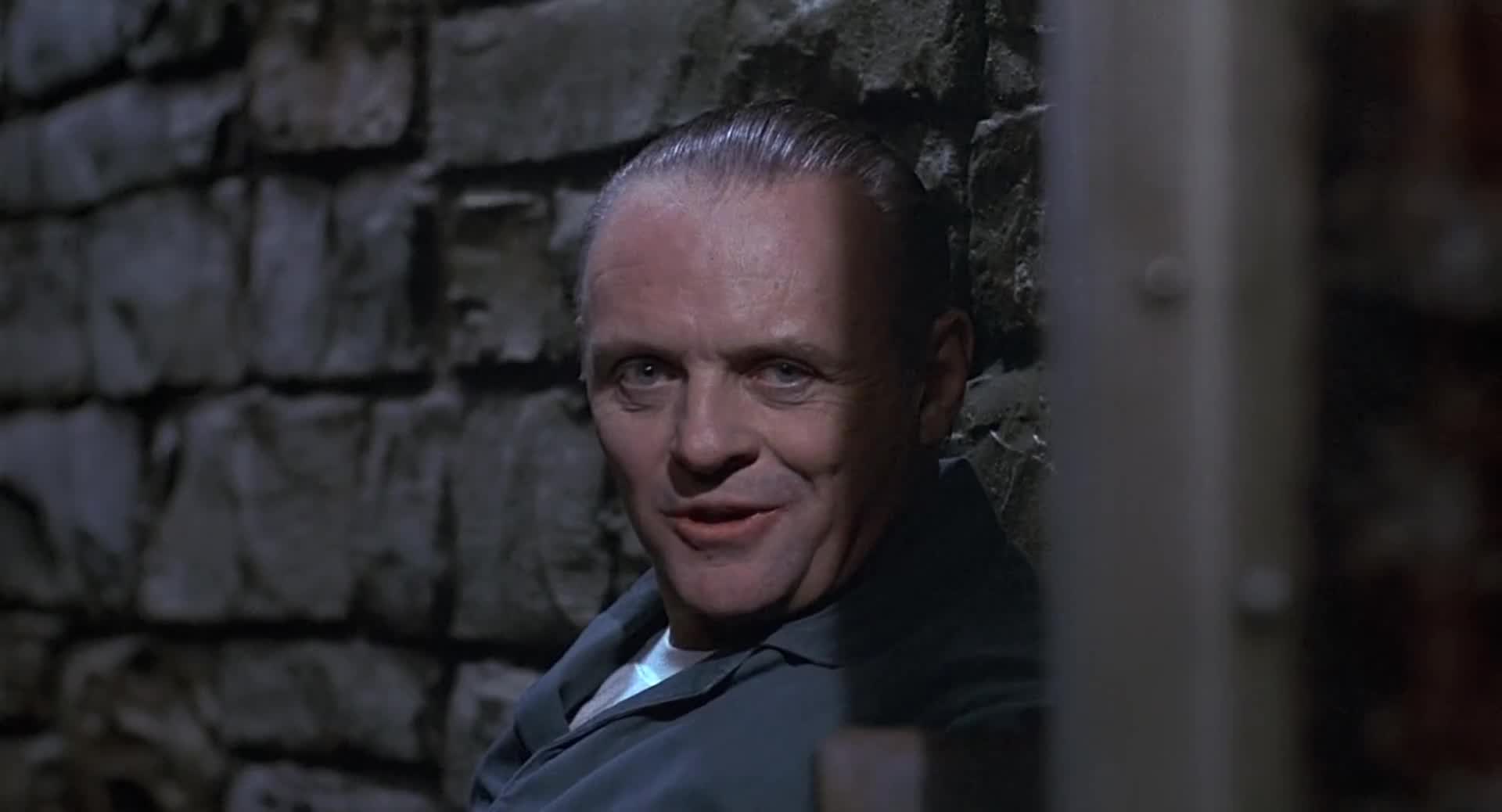
In ‘The Silence of the Lambs’, Hannibal Lecter works with an FBI trainee while being held in custody, and the case structure explains how he trades information for privileges. The film shows his background as a psychiatrist, his precise routines, and the way he studies people in interviews and uses small details to gain leverage.
His escape plan is laid out step by step through costumes, stolen items, and timing, and the investigation scenes show how he profiles both victims and investigators. The film was released by Orion Pictures, and the role’s impact is tracked in production records and release materials.
The Joker

In ‘The Dark Knight’, the Joker arrives with no confirmed origin and sets up crimes that force the city to make choices under pressure. The film tracks how he controls money, hires crews, and manipulates criminal factions, while the police and prosecutors try to map his patterns and fail to find a stable identity.
His interrogation scenes explain his approach to power, where he tests rules by turning every plan into a trap that triggers another crisis. The film was released by Warner Bros. Pictures, and distribution notes place the rollout alongside other major studio summer titles.
Darth Vader

In ‘The Empire Strikes Back’, Darth Vader commands a fleet and directs the hunt for a rebel pilot, and the story connects his orders to a larger chain of command. The film builds his history across scenes that note his injuries, his reliance on machinery, and his ties to a political order that uses fear to keep control.
His duel reveals a family connection that changes the goal of the pursuit from capture to conversion, and the film uses that turn to explain later decisions inside the empire. The movie was released by 20th Century Fox, and archival materials outline how the production coordinated effects and sound across divisions.
Anton Chigurh

In ‘No Country for Old Men’, Anton Chigurh tracks a stolen case across counties using a transponder and moves through the plot with rules that he enforces on strangers. The film explains his tools, from a captive bolt pistol to a suppressed shotgun, and lays out how he cleans scenes and keeps distance from evidence.
His coin tosses establish a ritual that decides outcomes in front of witnesses, and the script shows how he follows a principle rather than a paycheck. The film was released in the United States by Miramax and Paramount Vantage, and release data records its platform expansion across markets.
Amy Dunne

In ‘Gone Girl’, Amy Dunne plans a disappearance that assigns guilt to her spouse by leaving staged clues and financial markers. The film shows her preparation through diary entries, purchased items, and timed movements, and then follows the investigation as it collides with her script.
Her return resets the narrative through media control and legal boundaries that limit the reach of law enforcement. The film was released by 20th Century Fox, and distribution notes list the coordinated marketing with the studio’s fall slate.
Tom Ripley
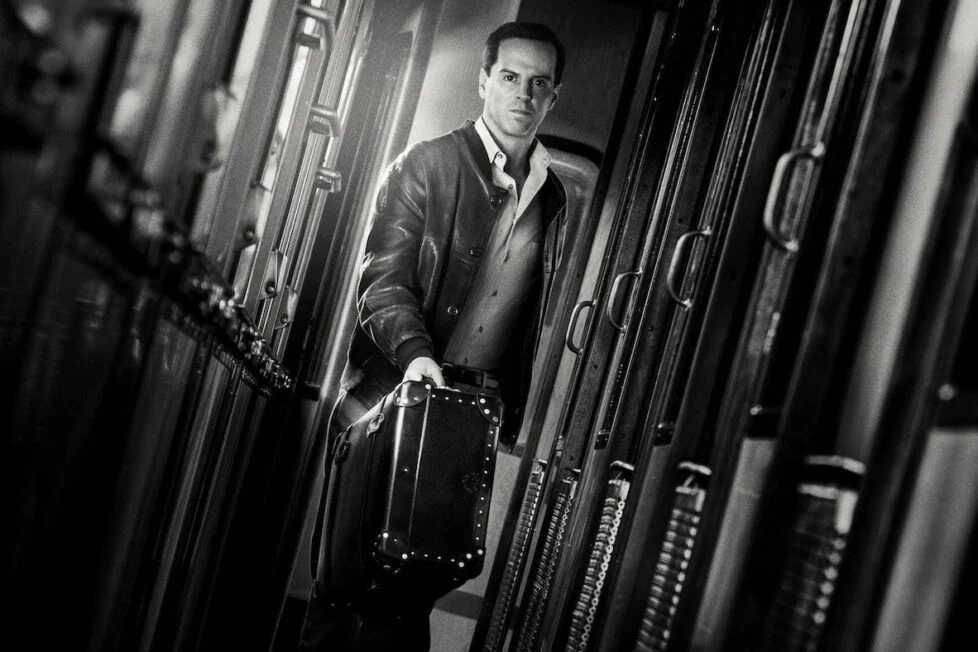
In ‘The Talented Mr. Ripley’, Tom Ripley builds new identities by copying mannerisms, forging signatures, and managing schedules that place him in the right rooms. The film details his training in music and social cues, the way he studies others, and the steps he takes to access wealth he does not have.
His careful handling of passports, apartments, and acquaintances lets him operate in close quarters without losing the trail of his own story. The film was released by Paramount Pictures, and production information documents the European shoot that maps his movements on screen.
Norman Bates

In ‘Psycho’, Norman Bates runs a motel near a highway and manages the business alone, and the film records his routines with visitors and his care of a nearby house. The investigation that follows a guest’s disappearance traces receipts, car records, and phone calls that connect back to the property.
The basement discovery explains the source of the voice heard in the house and documents the long period of concealment that shaped his behavior. The film was released by Paramount Pictures, and studio paperwork notes the budget approach that relied on a smaller crew.
HAL 9000

In ‘2001’ ‘A Space Odyssey’, HAL 9000 manages spacecraft systems, communicates with the crew, and monitors mission objectives loaded from Earth. The film shows how conflicting directives create a decision path that leads HAL to act against the astronauts to protect the assignment.
The shutdown sequence lays out each step the crew takes to cut memory functions while the computer reports system status in real time. The film was released by Metro Goldwyn Mayer, and distribution records include the roadshow strategy that accompanied its initial run.
Roy Batty

In ‘Blade Runner’, Roy Batty arrives on Earth with a limited lifespan and searches for a way to extend it by finding the makers who designed him. The film logs his team, their skills, and the addresses they visit, and it follows the detective assigned to find and retire them.
His final speech reflects data stored from the missions he served, and the rooftop sequence documents an act that alters the outcome of the pursuit. The film was released by Warner Bros., and production notes identify the multiple versions that reached different territories.
Hans Landa

In ‘Inglourious Basterds’, Hans Landa works as an investigator who interviews families, farmers, and theater staff, and he records testimony that he uses to plan arrests. The film shows his language skills, his reliance on paperwork, and his habit of marking time with small rituals during conversations.
His final negotiation explains how he measures outcomes and how he switches sides when terms match his interests. The film was released by The Weinstein Company in the United States and by Universal Pictures in international markets, and scheduling notes place its festival premiere alongside other competition titles.
Share which villain you would add to the list in the comments and tell us why their story stands out.