Celebrities Who Were Juvenile Delinquents

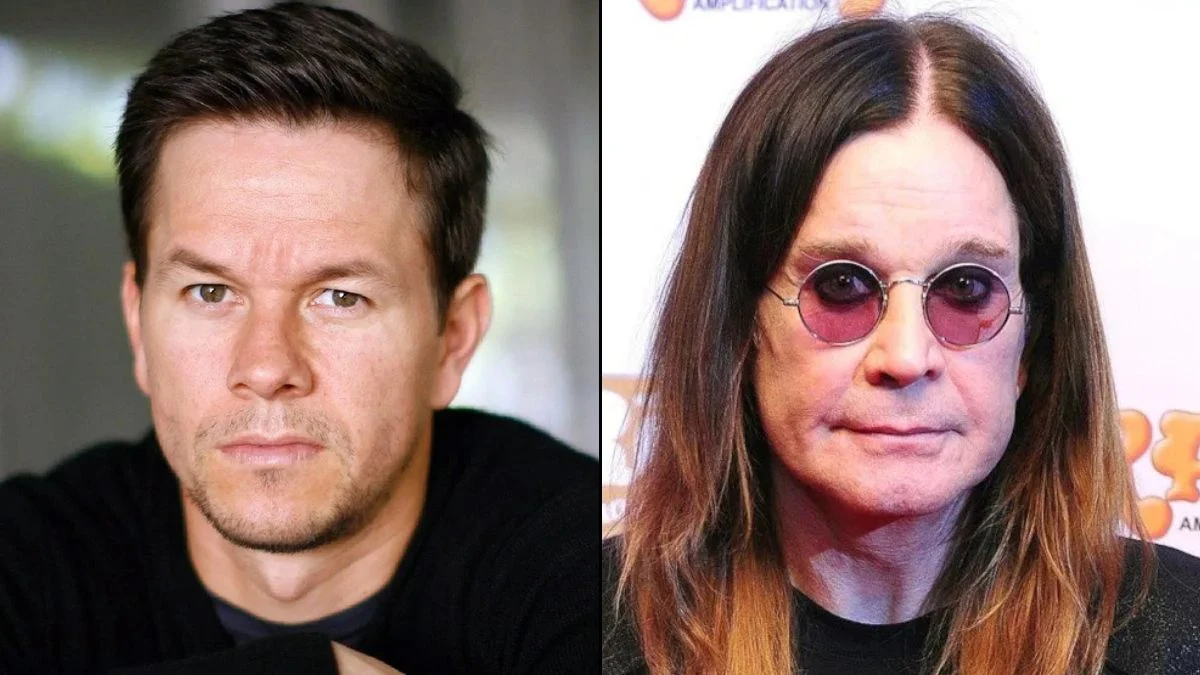

Growing up is messy, and for some famous names it included brushes with the law before the spotlight ever found them. These stories are not here to sensationalize anything. They show how early mistakes were part of longer journeys that eventually led to success in music, film, sports, and beyond.
You will see arrests, detention centers, reform schools, and hard lessons learned very young. You will also see turning points such as mentors who stepped in, programs that offered structure, and creative outlets that changed everything. Each entry sticks to the key facts so you can understand what happened and how these futures shifted course.
Mark Wahlberg
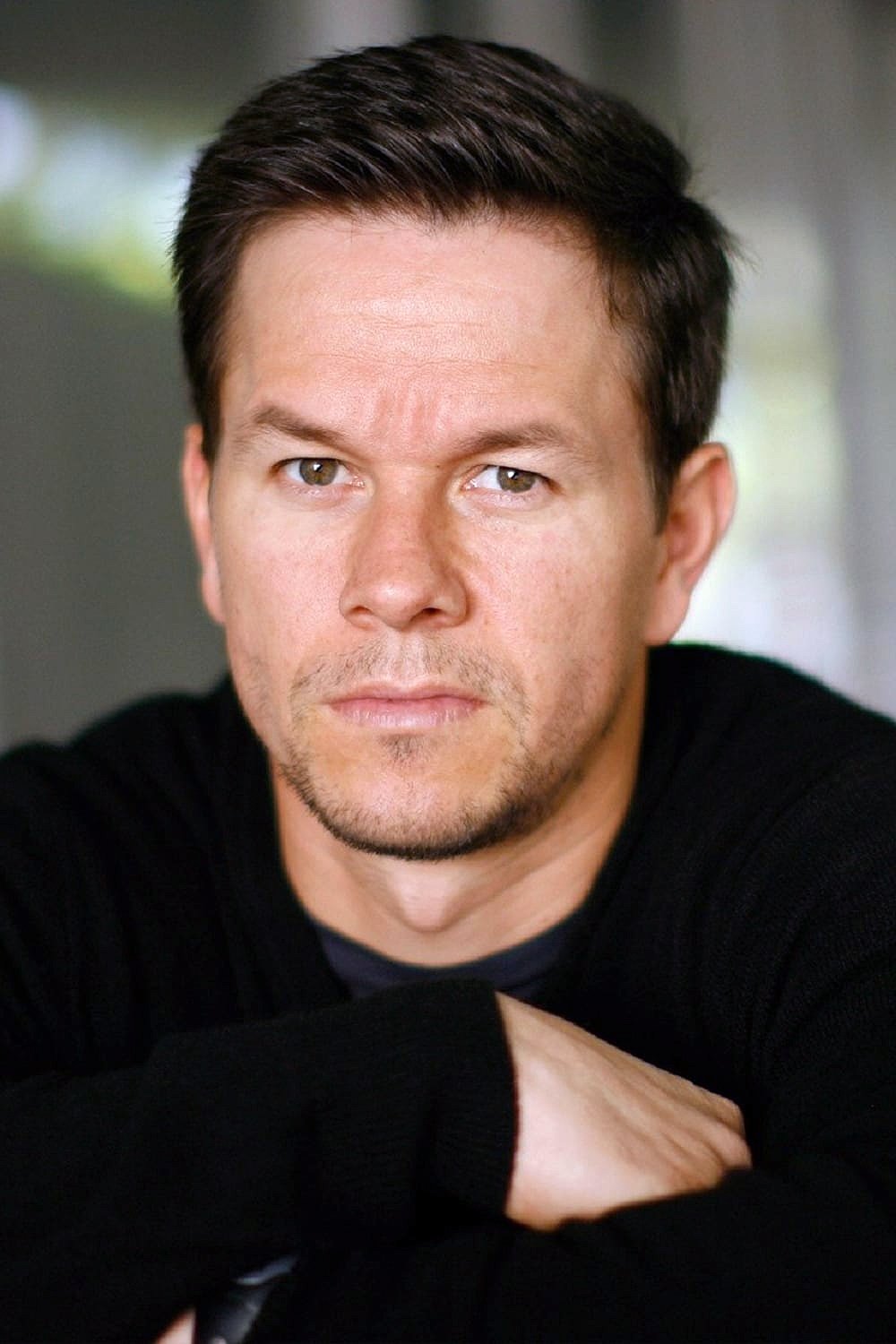
As a teenager in Boston he was involved in violent incidents that drew police attention more than once. At sixteen he was convicted of assault and received a two year sentence and served a portion of it in custody. Prior run ins as a minor had already set a pattern authorities knew well.
After his release he entered court ordered programs and probation that required reporting and compliance. He then moved into music and later acting and business, using work and routine to stabilize life that had been chaotic in his early teens.
Mike Tyson
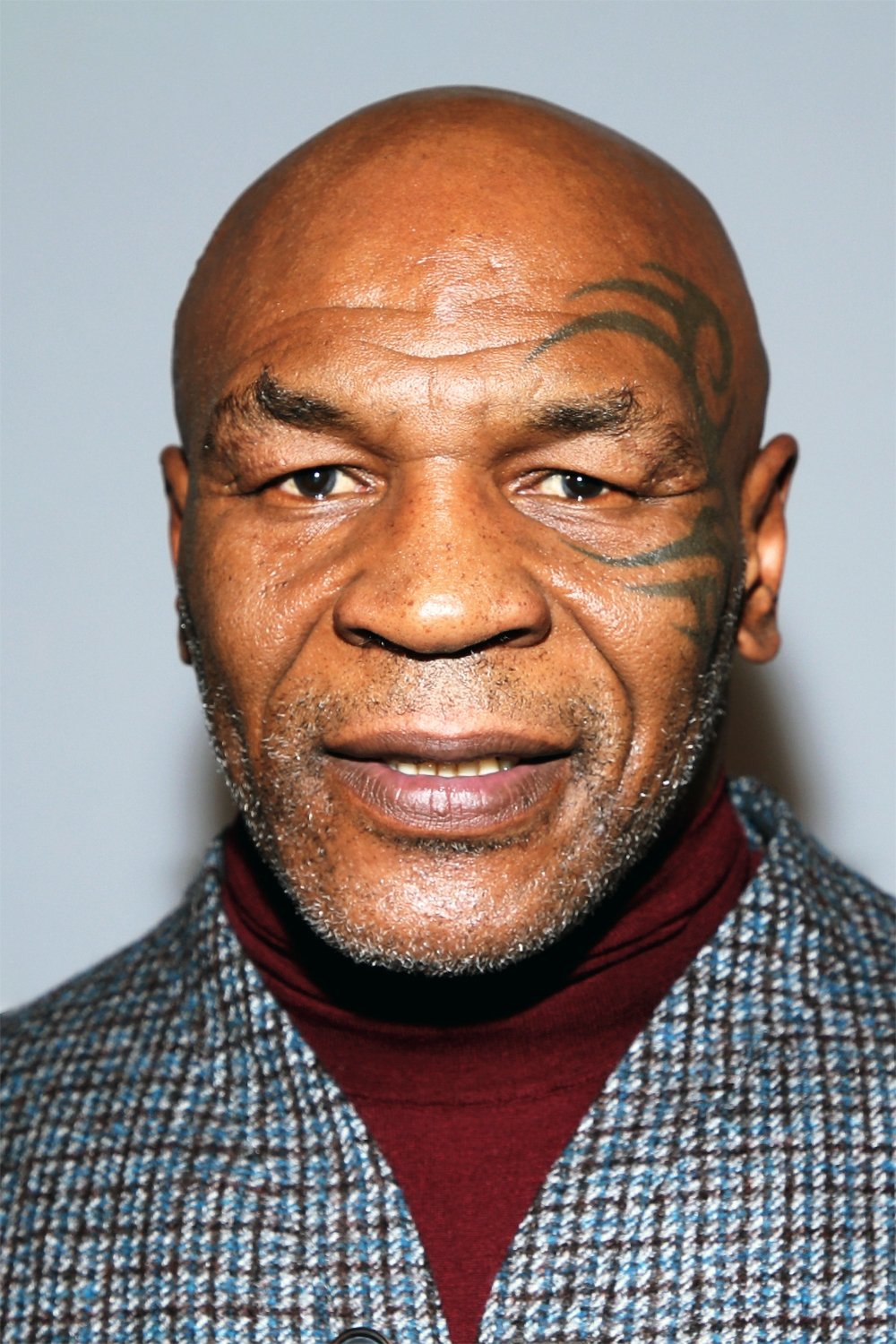
He grew up in Brownsville in Brooklyn and was arrested repeatedly as a child for street crimes. He was sent to the Tryon School for Boys which was a juvenile facility that combined schooling with strict supervision.
At Tryon a counselor introduced him to trainer Cus D’Amato who moved him into his home and gym. Daily training, a closed circle of adults, and amateur boxing competitions replaced the cycle of arrests that had defined his early years.
Danny Trejo
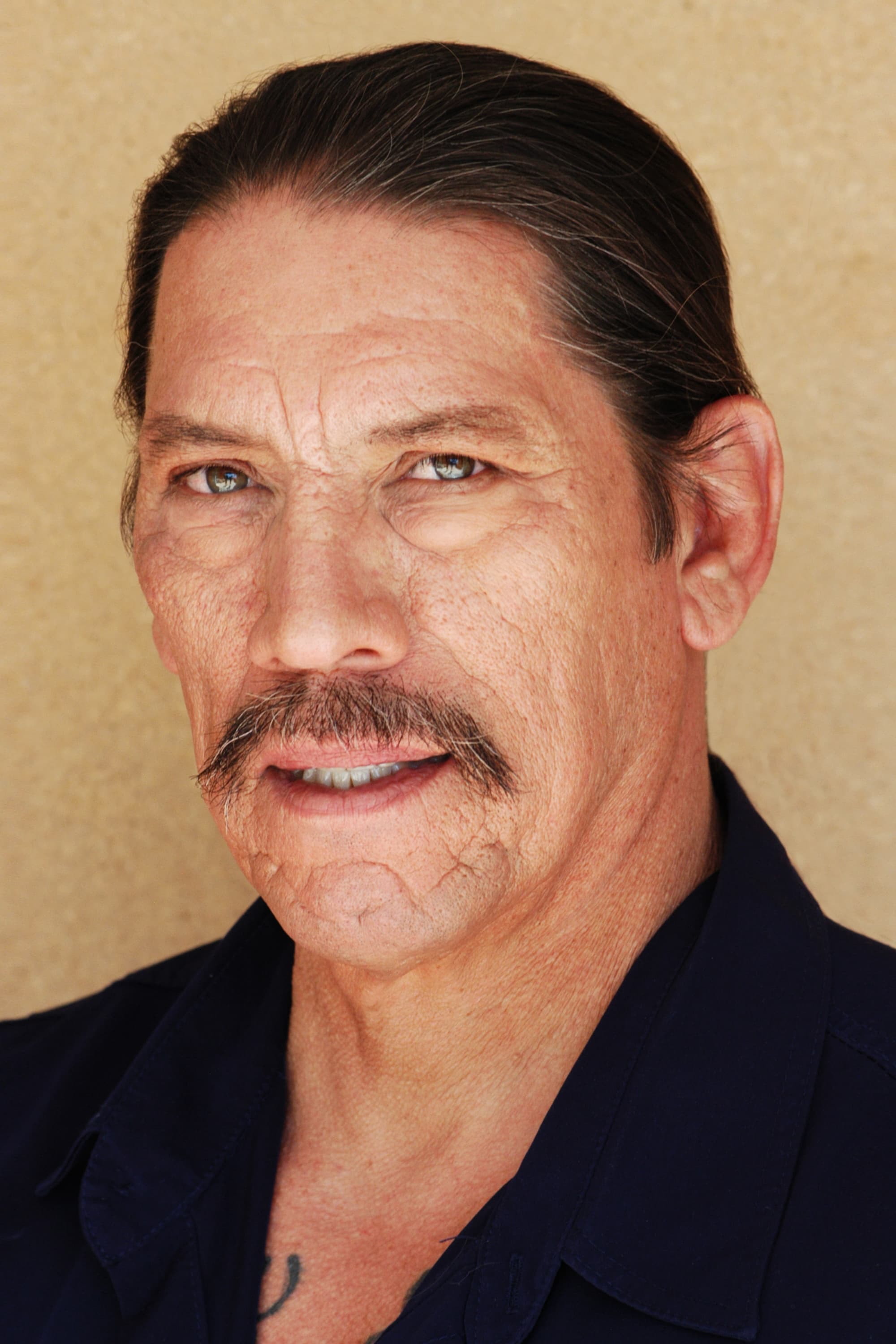
By his early teens he was using heroin and committing robberies that led to juvenile custody. He cycled through youth facilities and then state prisons as a young man where he learned boxing and completed drug programs.
While incarcerated he completed a 12 step program and began speaking at recovery meetings. After parole he kept mentoring at risk youth and later found film work, turning a background of custody and addiction into a steady career and community outreach.
James Brown
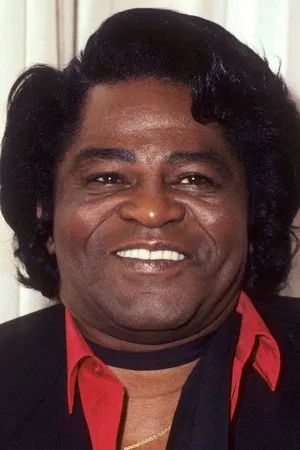
At sixteen he was arrested in Georgia for stealing clothes and was sent to a juvenile detention center. He remained there for several years with limited visitation and a strict daily schedule.
Inside he joined a chapel group and learned performance basics that later shaped his stage career. After release he returned for supervised visits and kept contact with mentors from the facility while building a life in music.
Billie Holiday
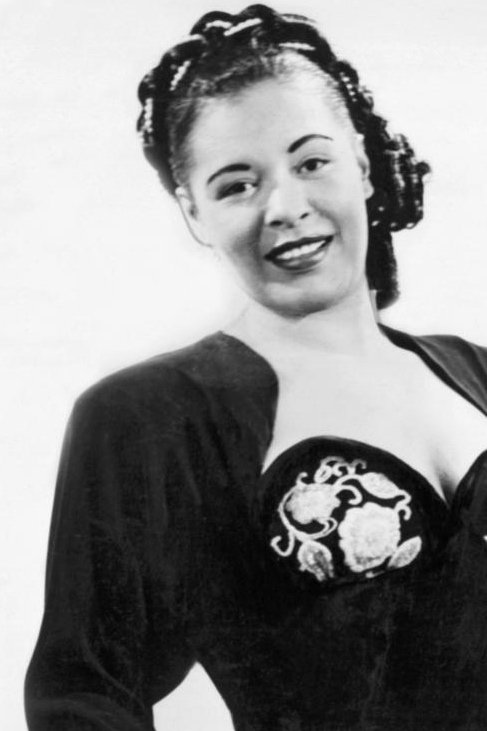
As a teenager in Harlem she was placed in the House of the Good Shepherd for truancy. After release she was arrested for prostitution and spent time on Welfare Island which handled many juvenile cases in that period.
Soon after she found work singing in neighborhood clubs where bandleaders gave her nightly stage time. That routine and income pulled her away from the streets and created a path that replaced the survival choices she had made as a minor.
Chuck Berry
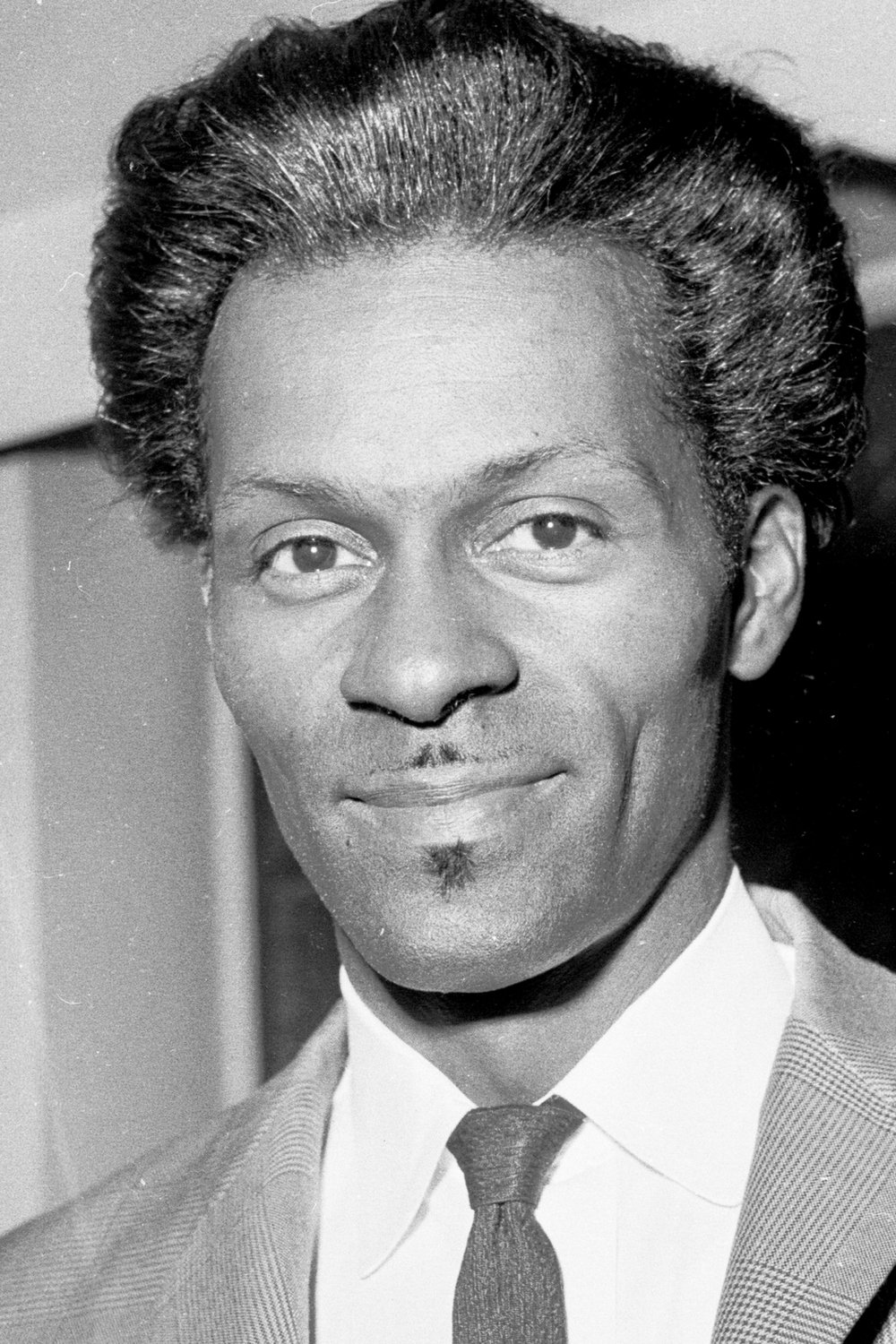
At eighteen he was convicted in Missouri for a series of armed robberies committed with other teens. He served time at the Intermediate Reformatory for Young Men where he joined a music group and learned to perform for audiences inside the institution.
He was released on good behavior and returned to St. Louis with a probation plan. Local band work and steady employment kept him within the conditions of supervision and helped him avoid the peer group that had led to the robberies.
Merle Haggard
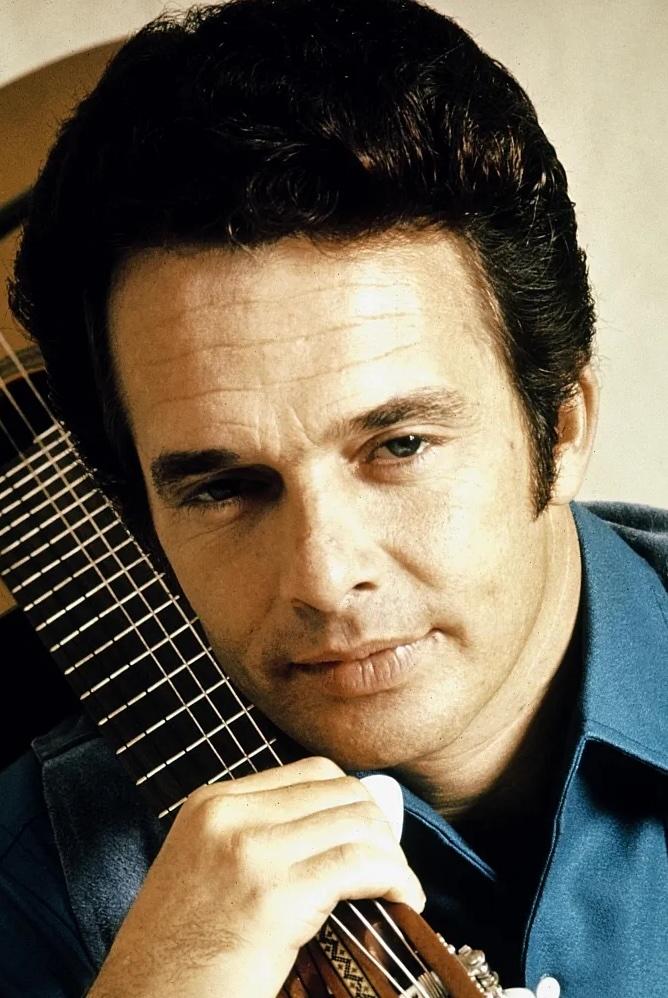
He ran away repeatedly as a teenager and was sent to juvenile hall for petty theft and break ins. Short stints in local facilities and failed escapes turned into longer sentences that kept him under state supervision before adulthood.
Teachers in custody taught him guitar and basic songwriting and urged him to play for other boys. After release he kept performing in small venues which gave him income and a schedule that reduced violations and kept him moving toward professional music.
Charles S. Dutton
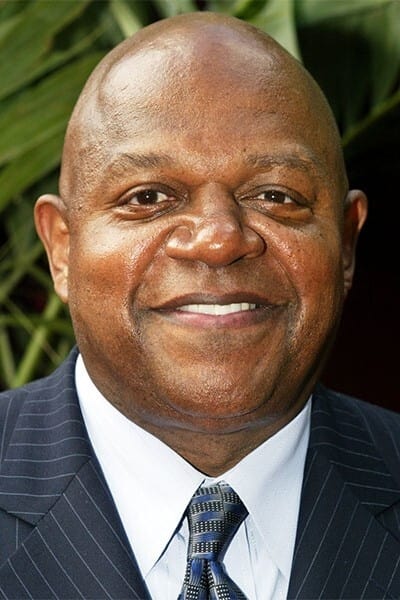
At seventeen he was involved in a fatal stabbing during a fight and was convicted of manslaughter. Time in custody included additional penalties for fighting which extended his incarceration into adulthood.
He discovered acting through a prison drama workshop and began reading plays under a literacy program. That training carried through parole and into formal study where instructors tracked his progress and helped him transition to stage and screen work.
Steve McQueen
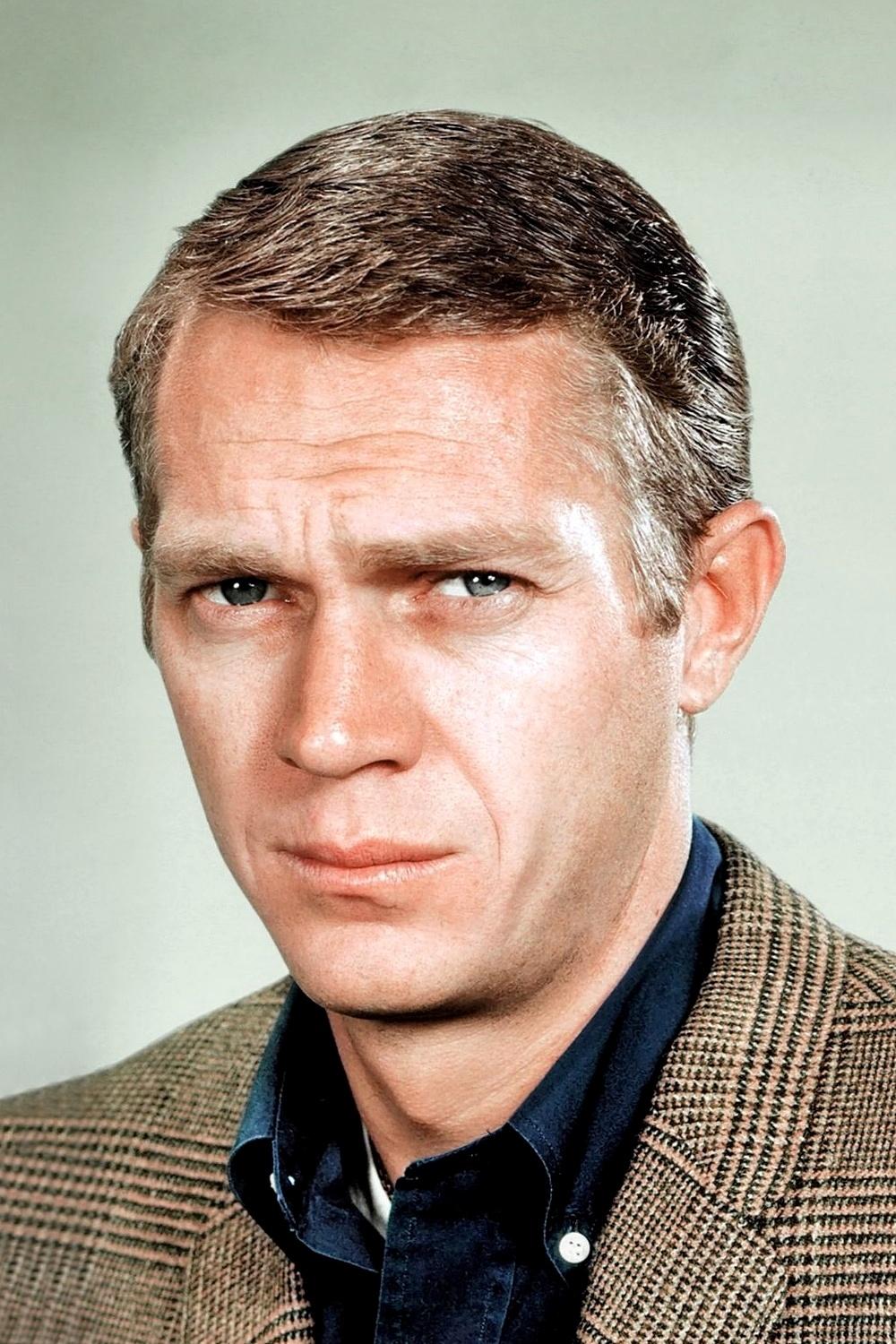
He spent part of his mid teens at the Boys Republic in Chino after repeated truancy and theft. The school emphasized chores, vocational classes, and peer led governance which required him to follow rules and attend workshops.
He later returned to the campus to support residents and fund scholarships. The structure he learned there helped him in the Marines and then in acting where discipline and routine were essential to steady employment.
Ozzy Osbourne
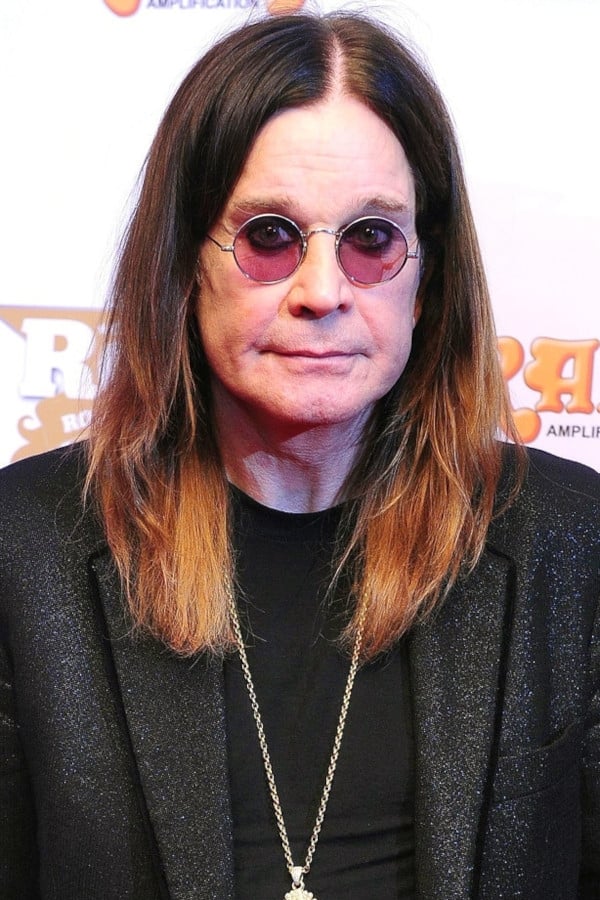
He left school at fifteen and was arrested for burglary as a teenager in Birmingham. After failing to pay fines he served a short sentence at Winson Green Prison which exposed him to stricter confinement than earlier warnings.
On release he worked a series of labor jobs while rehearsing with local musicians in off hours. The need to keep paid work and avoid further penalties pushed him to stick with bands and studio sessions rather than the petty crimes that had led to jail.
Allen Iverson
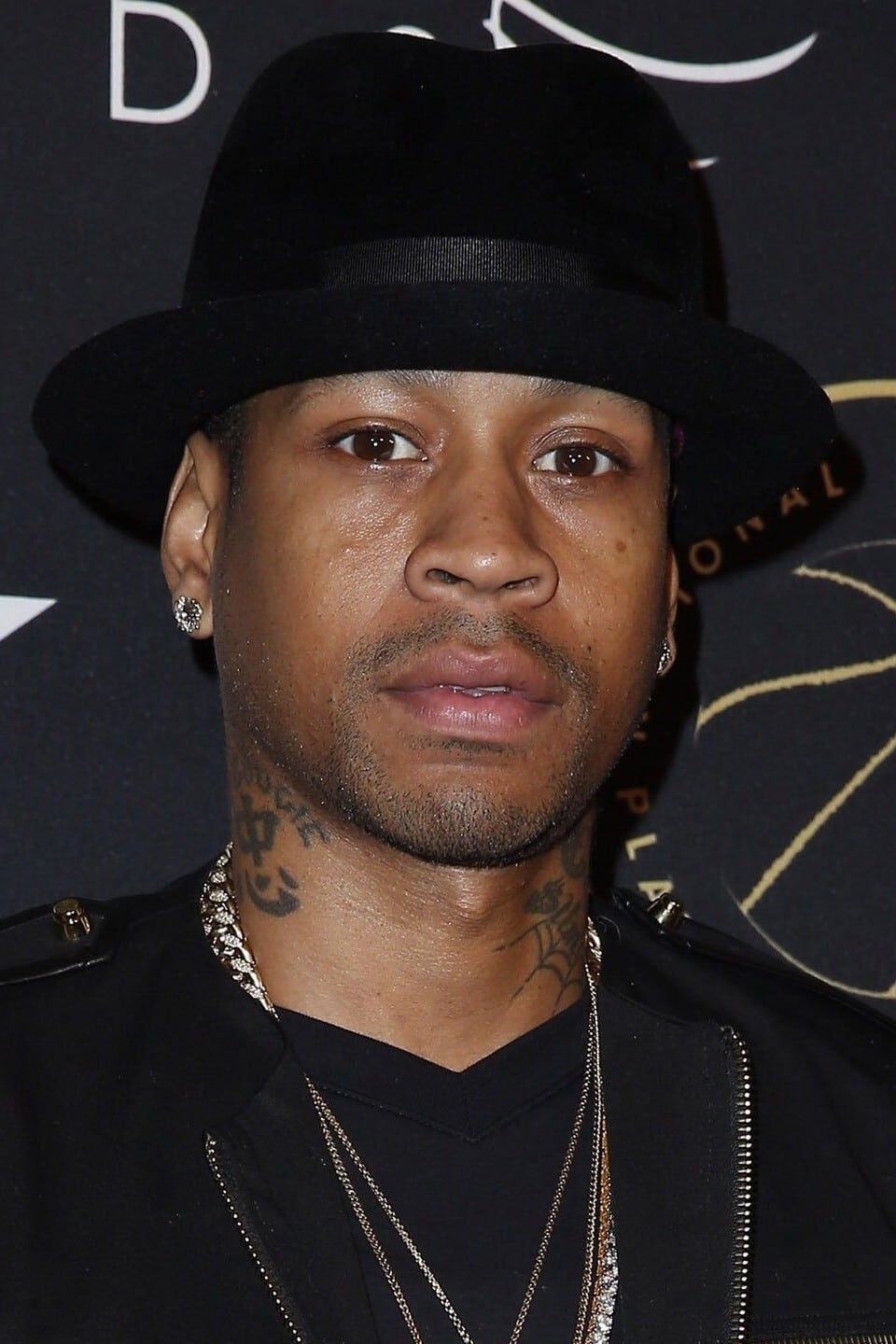
At seventeen he was arrested after a fight at a bowling alley in Hampton in Virginia and was convicted under a state statute used at the time for group violence. He served four months before the conviction was overturned on appeal and he was granted clemency.
A structured high school and then college athletics environment set daily expectations for classes and practice. That framework helped him complete eligibility requirements and move into a professional career under league supervision and team rules.
Chief Keef
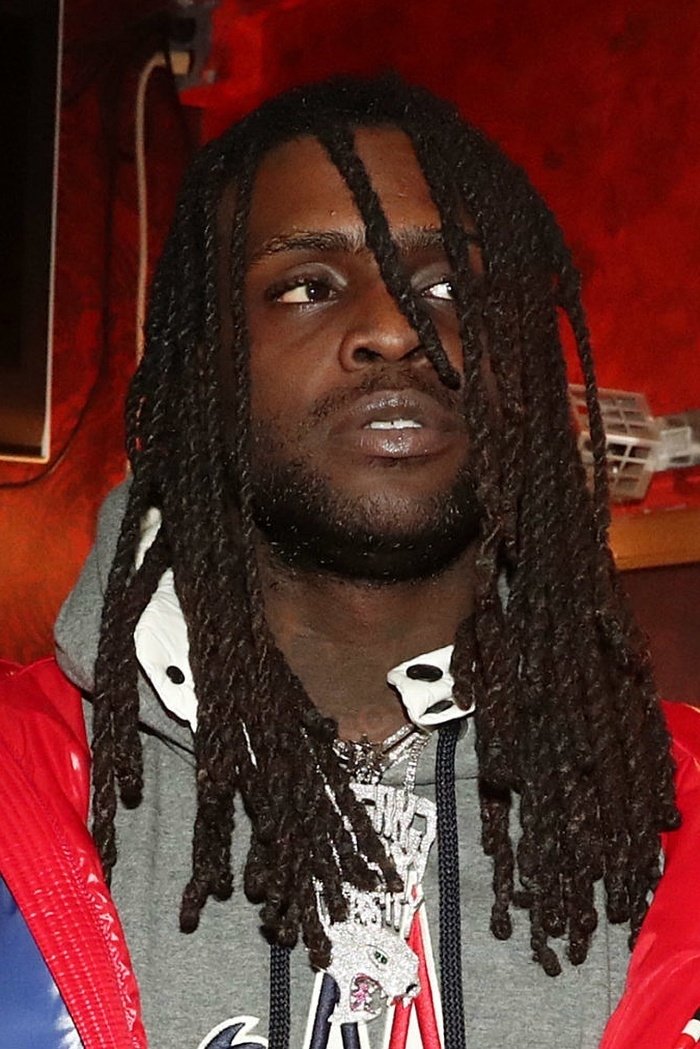
At sixteen he was charged in Chicago with aggravated unlawful use of a weapon and placed on house arrest with electronic monitoring. Court orders restricted school attendance and movement which kept him inside for long periods.
During that time he recorded and posted music from home which built an audience before he was an adult. Probation terms required check ins and curfews which he navigated while signing early industry deals that gave him a different routine.
Kodak Black

As a minor in Pompano Beach he was arrested multiple times on charges that included robbery, battery, and drug possession. He was ordered into youth programs and faced probation conditions that required schooling and counseling.
He continued releasing mixtapes while meeting court requirements and attending mandated classes. Those releases led to label interest and touring plans that had to be coordinated with curfews and travel permissions through the juvenile system.
XXXTentacion

He spent time in a youth detention center as a teenager after early violent behavior that brought repeated discipline at school and at home. Confinement introduced him to other young artists and to basic recording and writing routines.
After release he recorded songs that reflected that period and built a following online. He balanced new opportunities with probation terms and counseling which shaped how and where he could perform until he aged out of juvenile supervision.
DMX
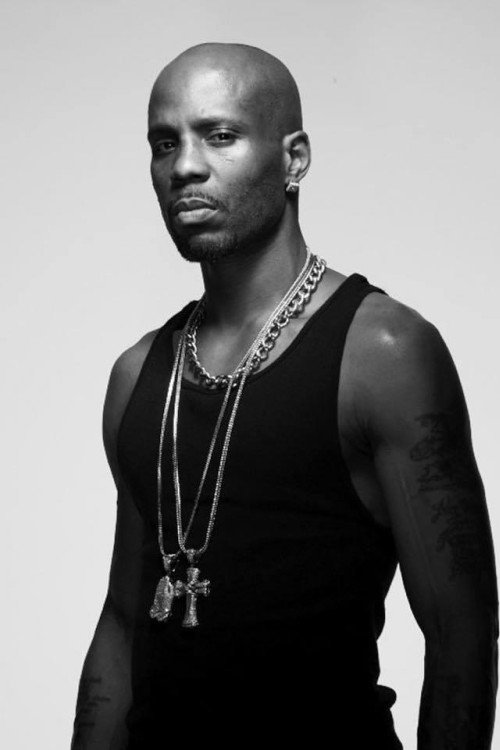
He cycled through group homes and juvenile detention in Yonkers after arrests for theft and street robberies during his teens. Facility staff noted his interest in beatboxing and encouraged performances at recreation hours.
Following release he took local studio sessions and small venue shows while still on supervision. Those appearances brought management interest that helped him switch from the offenses that had defined his early record to regular paid work in music.
Ice-T
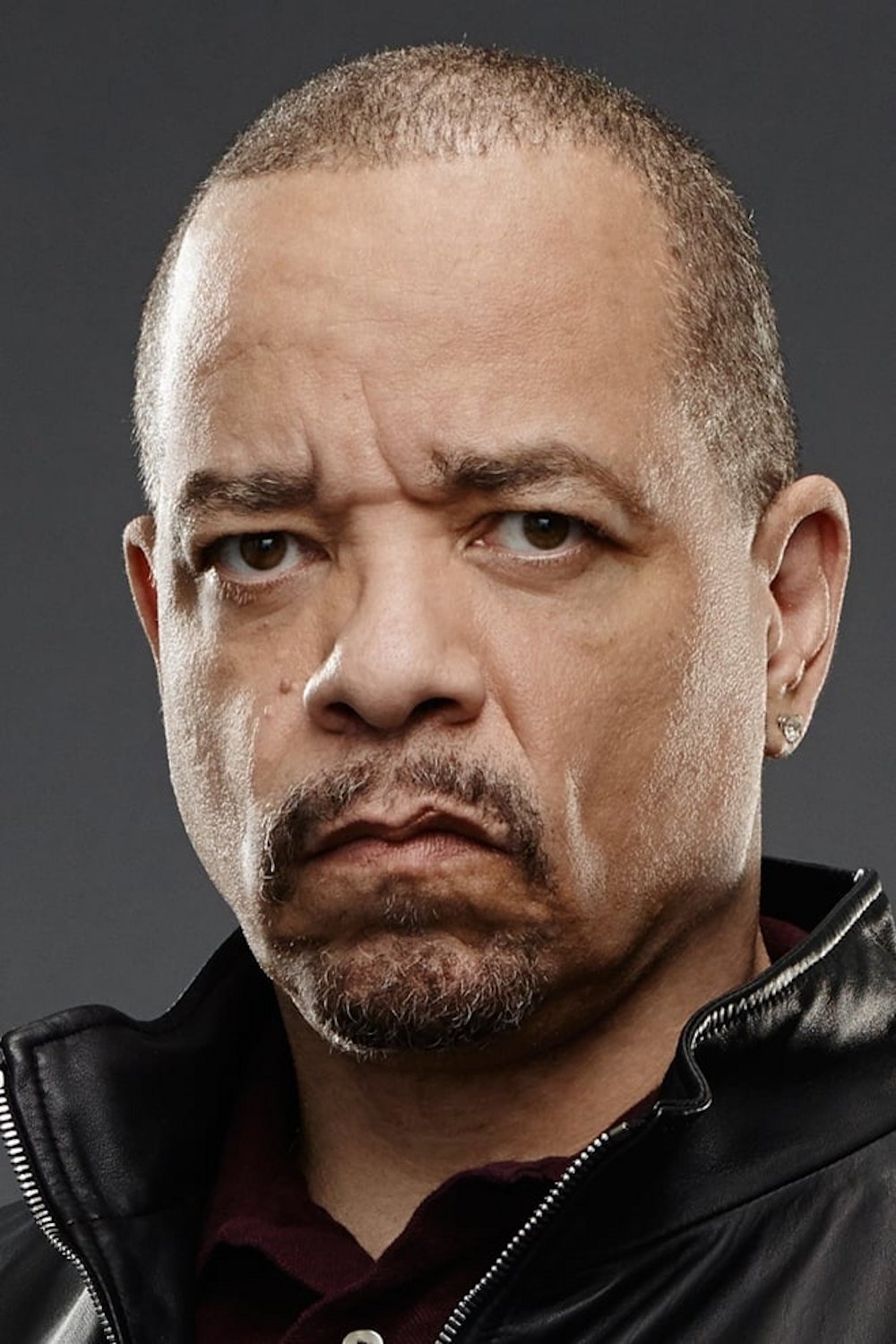
As a Los Angeles teenager he admitted to theft and hustling that put him at risk of prosecution. He enlisted in the Army at seventeen which provided housing, training, and steady pay during his first adult years.
After returning to Los Angeles he used performance as legal income while separating from the peer networks that had involved him in crime. Early singles and club shows built enough momentum to replace the activities that once brought police attention.
Eazy-E
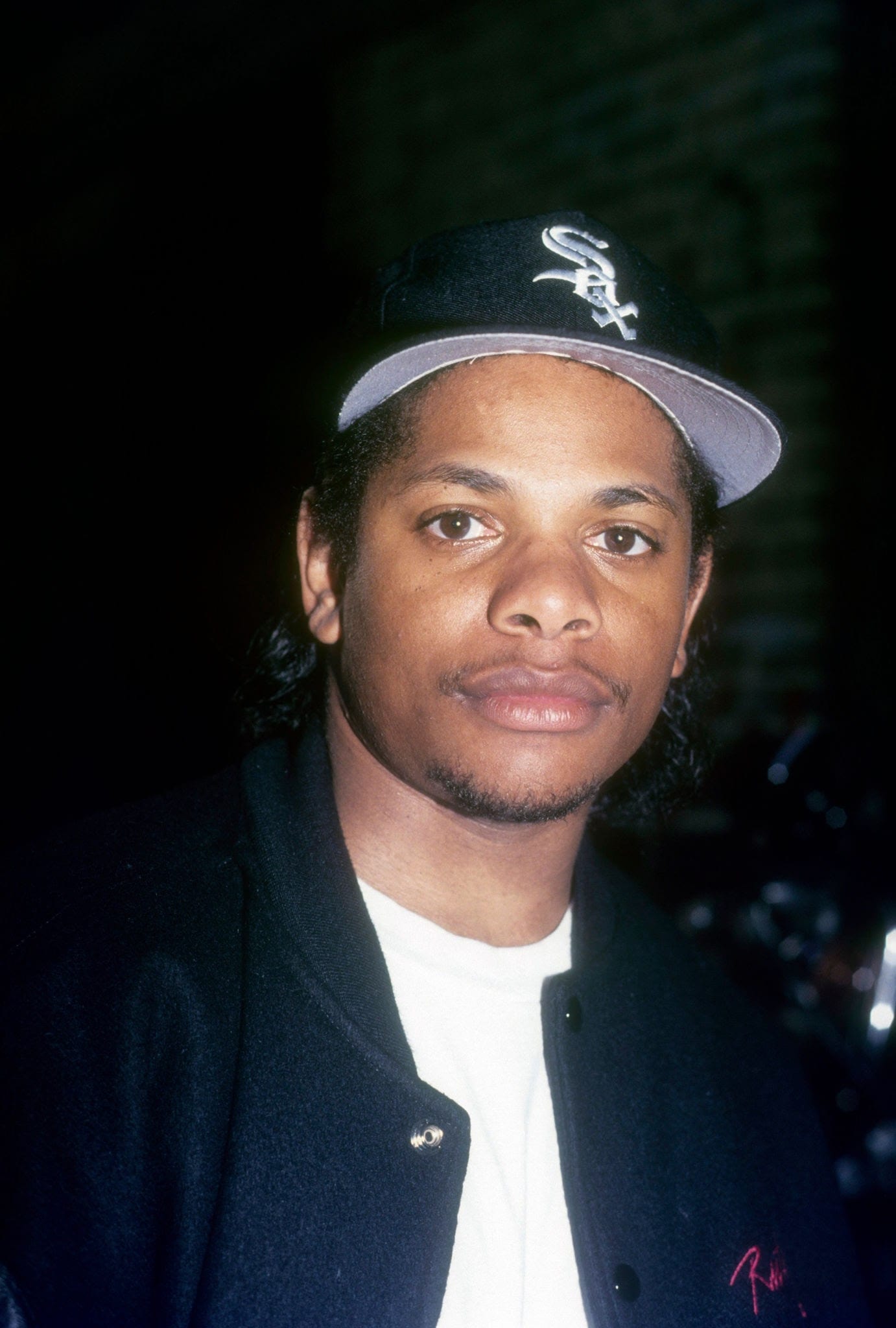
He left high school during his teens and has been widely reported to have sold drugs in Compton to make money. After the death of a close friend he shifted savings into a small label and studio setup that paid artists for local recordings.
That label activity formalized his income and put business records between him and the street trade. The studio became the base for the group work that followed and created a clear exit from the juvenile conduct that had defined those years.
The Notorious B.I.G.
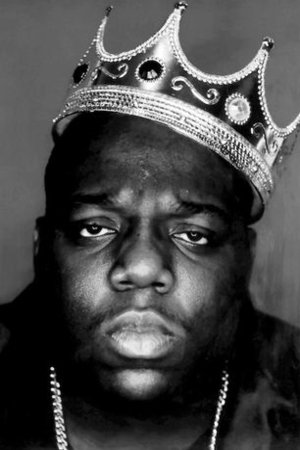
He began selling drugs at twelve in Brooklyn and was arrested at seventeen on weapons and later drug charges. He spent time in jail before release on bail which interrupted school and complicated his living situation.
A demo tape recorded during that period reached a local magazine and then a label office. Signed contracts and tour schedules replaced the corner routine and put him on probation compliant travel where officers and courts tracked his movements.
Shia LaBeouf
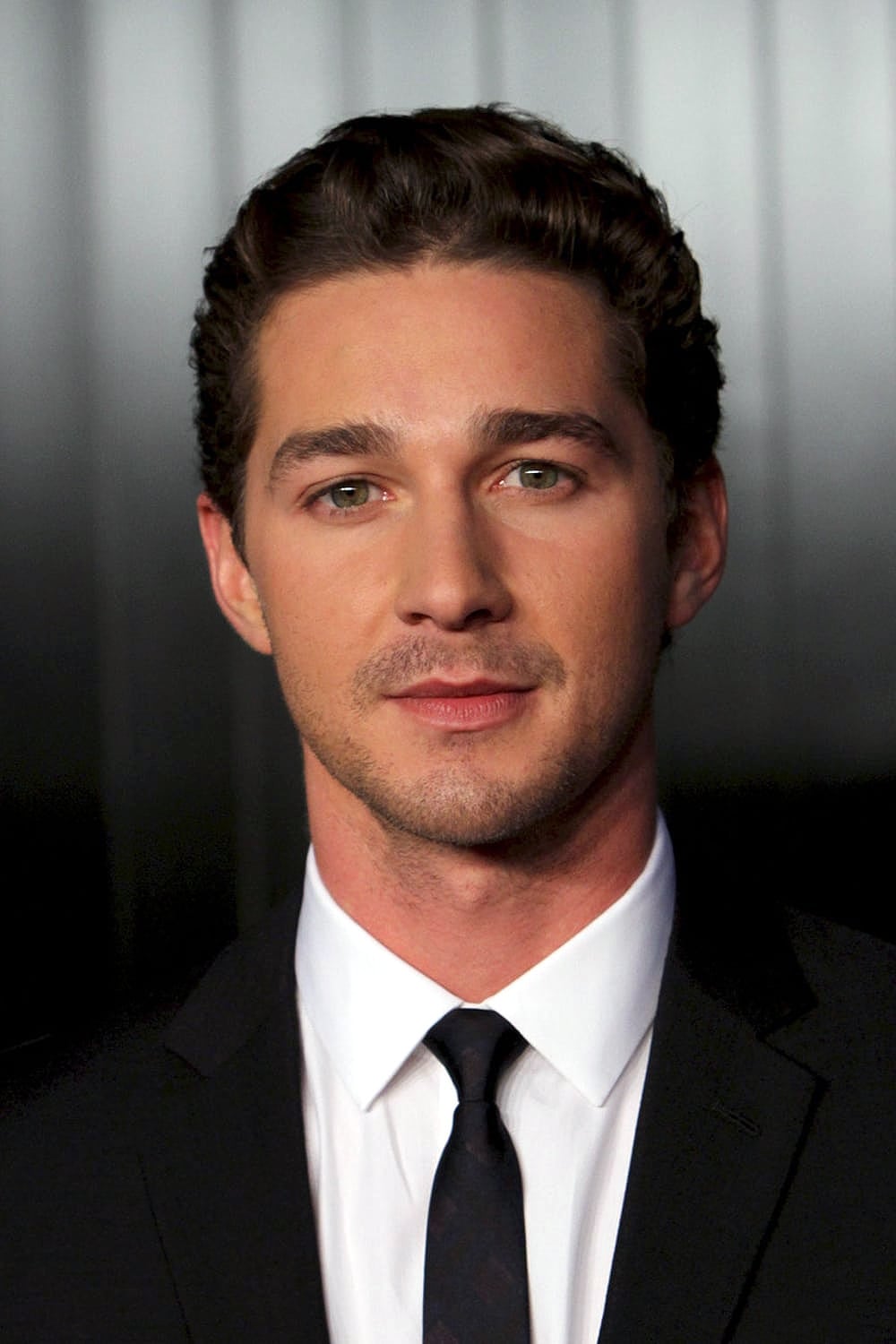
He has described shoplifting as a child in Los Angeles and being caught taking sneakers from a store. That behavior brought him into contact with security and set off family interventions to redirect his time.
Soon after he began performing stand up and found television work that paid consistently while he was still a minor. Set schooling and production call times kept him busy and reduced the unsupervised hours that had led to petty theft.
Jay-Z

He has spoken openly about selling crack cocaine in Brooklyn while still in his teens. He also described a shooting incident involving his older brother when he was twelve which marked a low point in his family life.
Music became steady income as he built a catalog and a small distribution network that functioned as a legal business. Touring and studio work added structure and created a path away from the choices that could have led to juvenile custody.
Share which stories surprised you most and tell us who else you think belongs on this list in the comments.