Top 10 Action Movie Clichés


Action movies keep returning to familiar beats because those beats work. They speed up storytelling, signal stakes in an instant, and let audiences track who is winning without slowing the pace. Filmmakers lean on these patterns to cut down on exposition and to keep the camera moving when every second counts.
These clichés also come from practical production needs. Limited shooting days, complicated stunts, and the need to sell a clear story across languages and markets all push creators toward simple visual and narrative shortcuts. The result is a shared toolkit that spans everything from punchy one liners to countdown clocks.
The one liner after the takedown
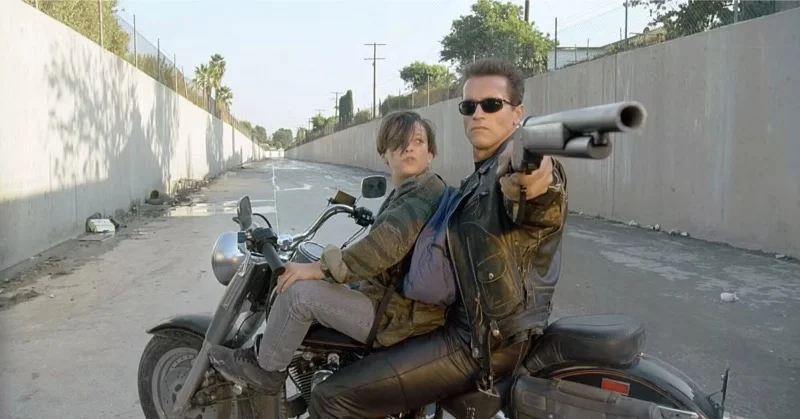
Writers use a short quip to mark the end of a beat so the audience knows the danger has passed and a new objective is about to start. The line also caps a stunt or fight with a verbal button that reinforces character branding. Stars whose personas rely on confidence or bravado often get these moments because they help with trailers and international marketing.
Studios sometimes place these lines where an editor can trim them out for regional versions. You can spot the clean insert by a quick cut to a medium close up and a quiet background plate. Classic examples pop up in films like ‘Commando’ and ‘Die Hard’ where the quip lands right after a decisive move.
The endless magazine
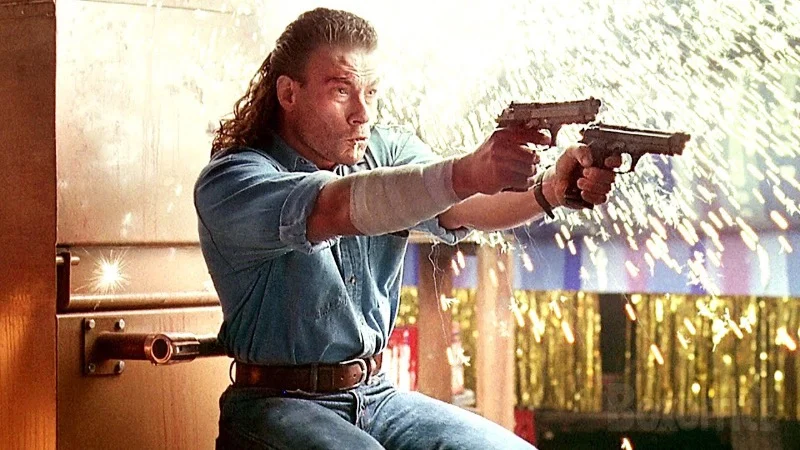
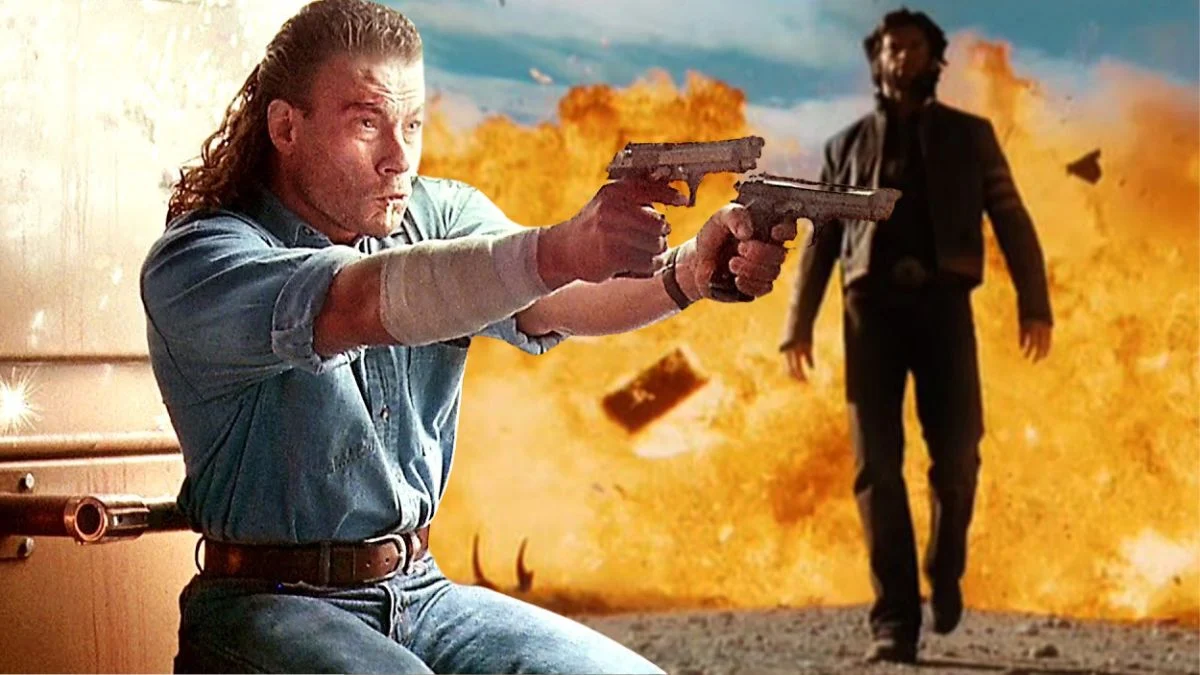
The hero fires far more rounds than the weapon can hold because counting reloads slows coverage and complicates continuity. Coordinating blanks, squibs, and muzzle flashes already adds enough technical overhead, so productions simplify by letting the firefight play as one continuous burst.
When realism is needed, armorers and stunt coordinators structure action around visible reload beats to sell authenticity. You see this in series like ‘John Wick’ where choreography is built around magazine swaps while other films such as ‘Rambo’ treat ammunition as an energy bar that depletes only when the plot demands it.
Cars that explode on impact
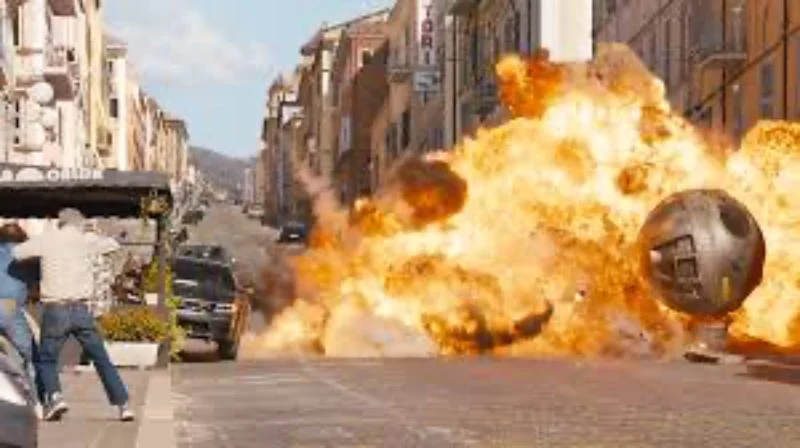
Explosions communicate finality and raise perceived danger without lingering on injuries. Practically, special effects teams sometimes rig fuel and air charges to create a safe but dramatic fireball that reads well on wide lenses. The burst gives editors a clean visual endpoint for a chase or collision.
In reality most crashes do not erupt into flames, but cinema favors the spectacular. Productions from ‘Bad Boys’ to ‘The Fast and the Furious’ use controlled detonations to end pursuits with a clear visual exclamation so the story can pivot to the next objective.
The red wire or blue wire dilemma
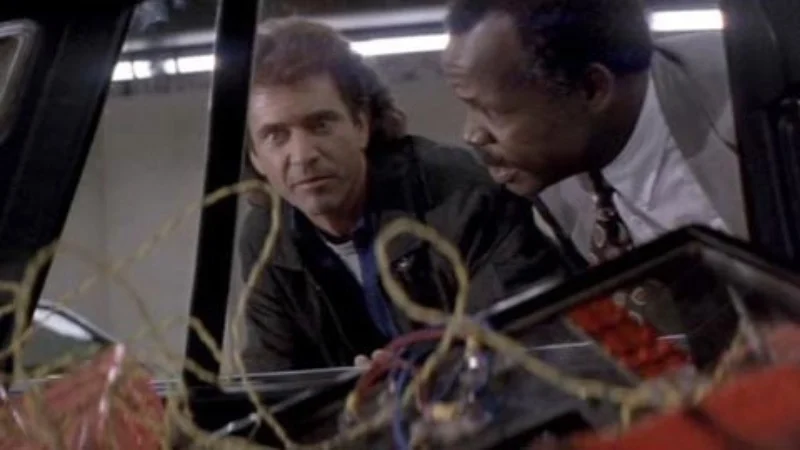
A color coded bomb choice delivers instant clarity under pressure. Viewers do not need technical knowledge to understand that one snip saves the day and the other ends it. The prop build often places colored leads prominently so the camera can grab inserts that play in any language.
This trope also lets editors milk suspense by cutting between the countdown and the hero’s decision. ‘Speed’ and ‘Lethal Weapon’ are well known for leaning on this setup because it compresses complex electronics into a simple, visual coin flip the whole audience can follow.
Villain explains the plan
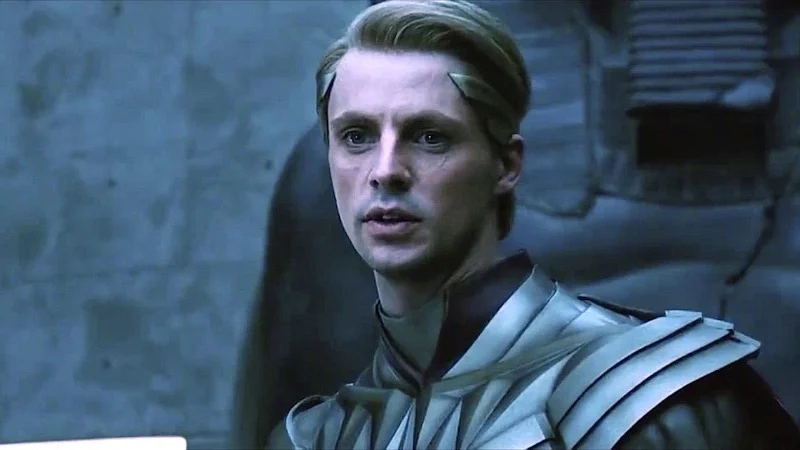
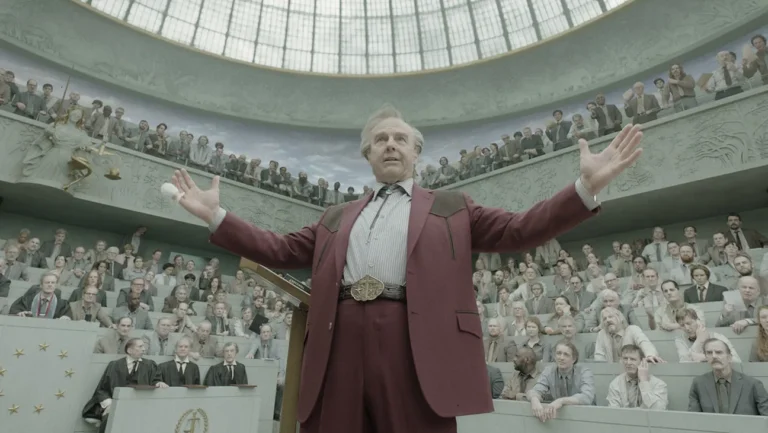
The monologue transfers information the hero and audience need without breaking into multiple dialogue scenes. It often happens after the hero is captured so the camera can stay on a single location while delivering backstory, stakes, and the twist that reframes earlier events.
Directors block these scenes to showcase the antagonist’s power and to set up the hero’s escape. Films like ‘The Incredibles’ even call out the pattern while works such as ‘Skyfall’ use the explanation to reveal a hidden agenda that drives the final act.
Outrunning the fireball
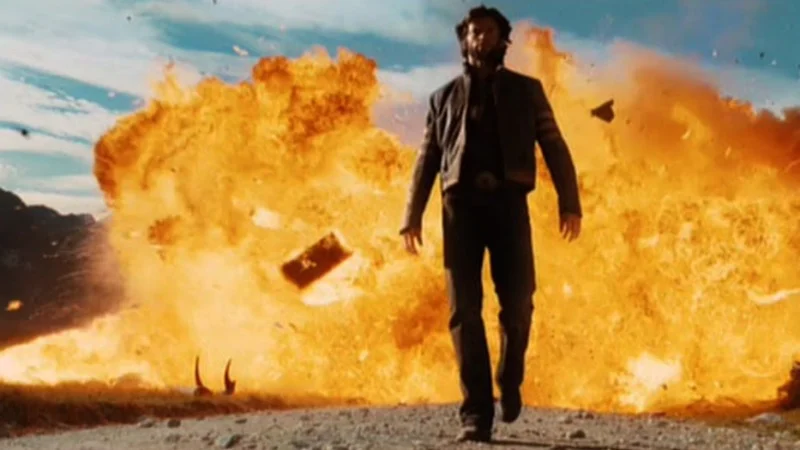
Placing a running figure in front of a blast creates scale and sells proximity to danger. On set the effect is built by timing air cannons, debris hits, and a controlled fire element behind the performer or a double. The camera lens compresses distance so the shot feels life or death while keeping talent safe.
This image is a staple because it plays clearly in silence and cuts into trailers with no context needed. You can spot it in ‘True Lies’ and ‘The Dark Knight Rises’ where the hero dives or sprints as the shockwave chases the frame.
The rooftop or cliff final fight
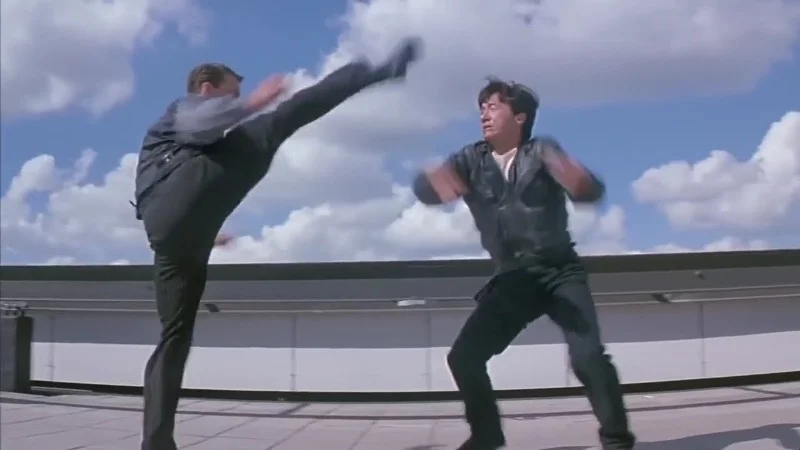
High places add natural stakes because a misstep equals defeat. They also provide open air light and clean sight lines for helicopters and drones, which helps second units capture dynamic coverage without building massive indoor sets. The height becomes a character that shapes how the fight is staged.
Many productions choose real locations for wind, texture, and horizon. ‘The Matrix’ stages showdowns across city rooftops to blend wire work with practical edges while ‘Mission Impossible Fallout’ pushes the finale to a sheer drop so the environment itself sets the win condition.
Henchmen waiting their turn
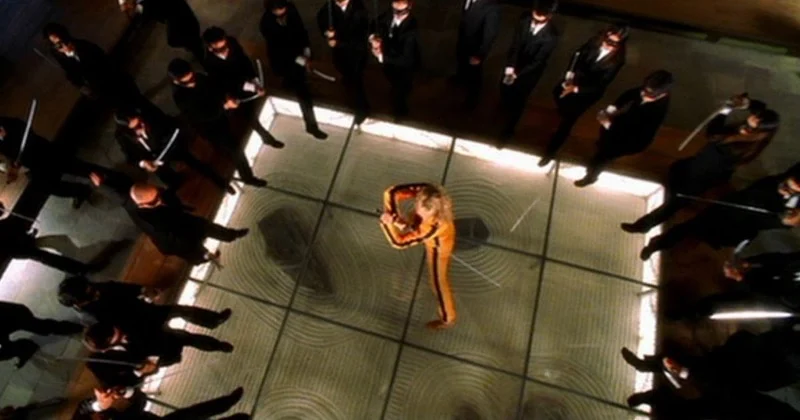
Choreography reads best when the camera can see distinct beats. Stunt teams stagger attacks so each move is legible and safe. If performers swarmed all at once the lens would lose the story and collisions would become harder to control, which raises risk and muddies the outcome.
Directors justify the rhythm by using geography, narrow doorways, or weapons with reach that naturally space opponents. You can watch this design in ‘The Raid’ where attackers funnel through tight spaces, and in ‘Enter the Dragon’ where framing and staging isolate exchanges for clarity.
Miraculously quick hacking
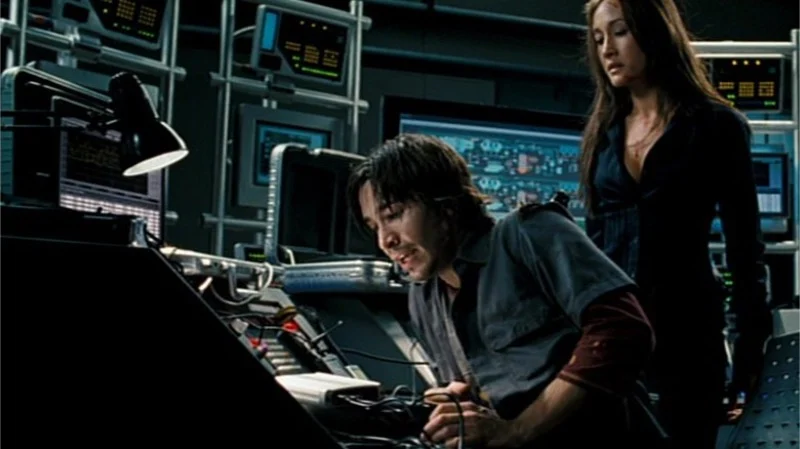
Instant access keeps momentum during time sensitive set pieces. Realistic intrusion takes minutes or hours, which stalls a chase or siege. Productions use graphical interfaces, progress bars, and snappy dialogue so the audience understands the obstacle and the solution in a few shots.
Technical advisors sometimes feed accurate terms to ground the sequence while the computer screen graphics are built by motion designers to avoid showing real exploits. From ‘Mission Impossible’ to ‘Skyfall’ the hack is edited like a lock pick so the plot can move without a detour.
Stormtrooper aim
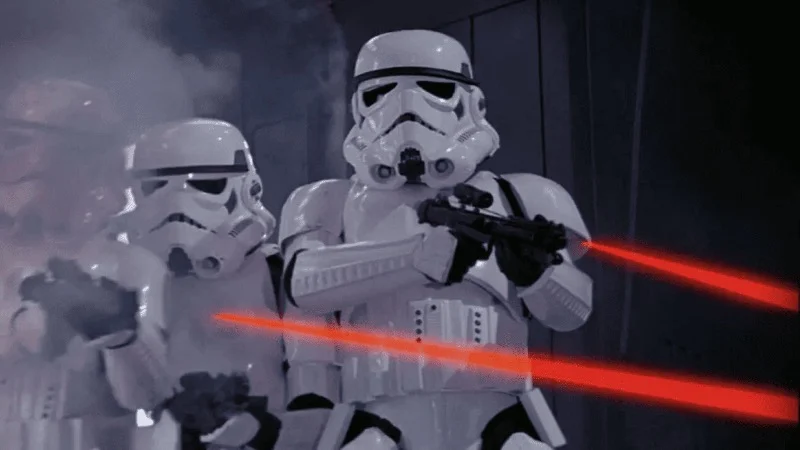
Enemies miss repeatedly to justify the hero crossing open ground or performing a key action. Extras and stunt players are directed to fire wide, and sound design layers ricochets and impacts to imply lethal pressure while leaving the lead untouched until the story calls for a hit.
This pattern keeps the hero proactive rather than pinned down and prevents scenes from becoming static. The nickname comes from ‘Star Wars’ but action films like ‘A Team’ and ‘Die Hard’ use the same idea so the protagonist can sprint, leap, and improvise while the environment sparks around them.
Share the clichés you spot most often and the clever subversions you enjoy in the comments.