15 Best Dragons from Movies and TV

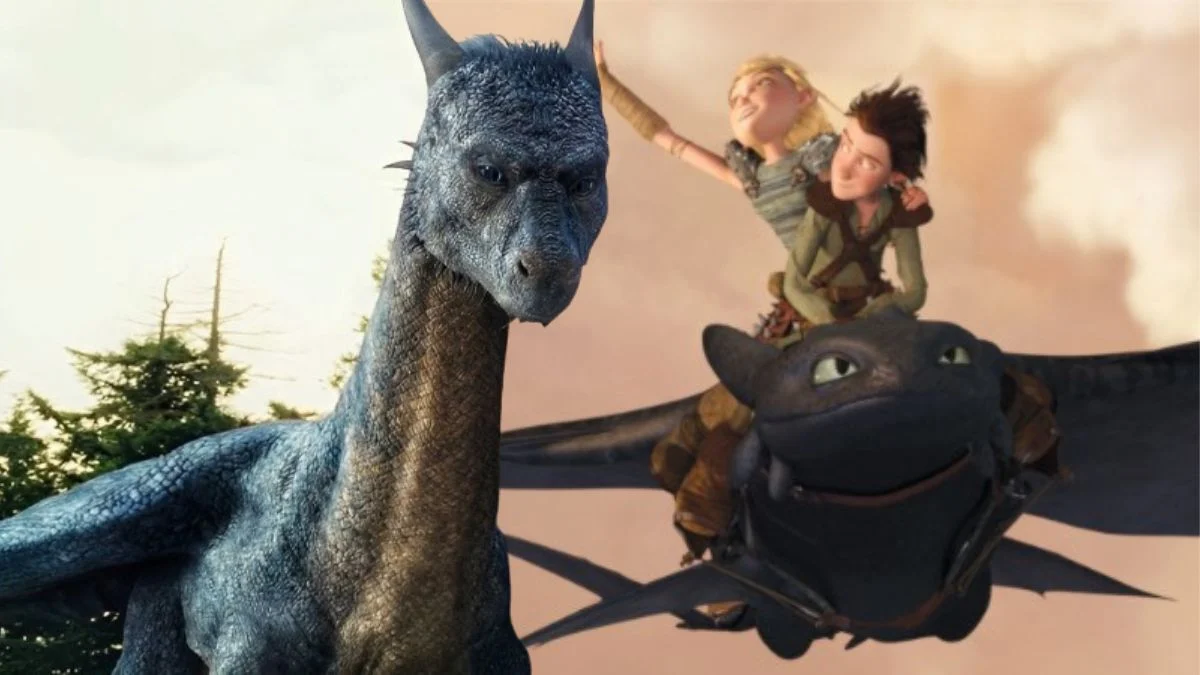

Dragons show up everywhere on screens because they carry centuries of myth and a lot of storytelling power. Some are guardians of treasure, some are forces of nature, and some are allies who change the fate of a world. Each one below stands out for clear reasons like distinctive design, specific abilities, and a defined role in a story that viewers can follow from start to finish.
To keep things simple, each entry lists where the dragon appears and what makes it important on screen. You will also see a quick note that mentions the movie’s distributor or the TV show’s network in a natural way, so you know where these stories originally reached audiences.
Smaug from ‘The Hobbit: The Desolation of Smaug’ (2013)
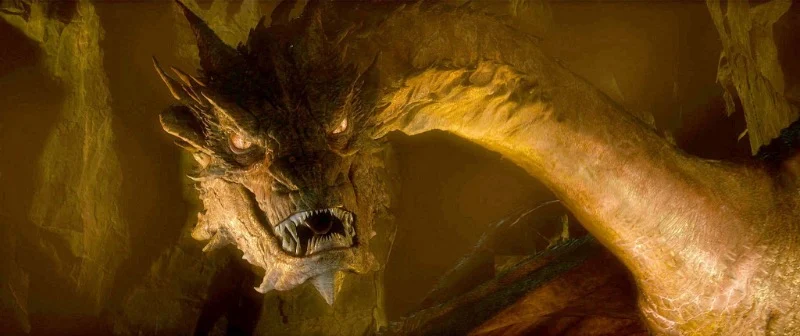
Smaug dominates the screen as the last great fire drake of the North, driven by a hunger for gold and a sharp mind for riddles and threats. The character’s voice and facial performance come from Benedict Cumberbatch using performance capture, and the dragon’s long, armored body and ember glow were shaped to move with predatory intent through the halls of Erebor. The film reached theaters through Warner Bros. Pictures.
Smaug’s major scenes include the stealthy conversation with Bilbo inside the mountain and the destructive flight over Lake-town. Fire breath, massive wings, and vulnerable underbelly scales define his abilities, while the missing scale over his heart becomes a specific plot point that hunters and dwarves try to exploit.
Toothless from ‘How to Train Your Dragon’ (2010)
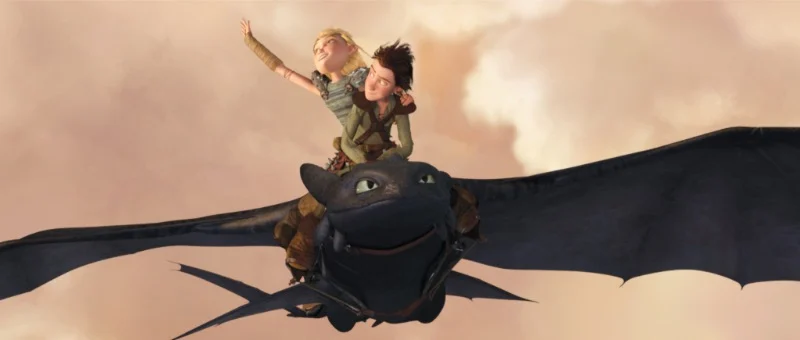
Toothless is the Night Fury at the heart of the story and the clearest example of a dragon built around flight dynamics and trust. The design uses a catlike face, retractable teeth, and a damaged tail fin that requires a handmade tail rig to function, which anchors the partnership between dragon and rider. The original film was released by Paramount Pictures.
Toothless fires concentrated plasma blasts and relies on coordinated flight with Hiccup to perform tight turns and speed climbs. The bond between them drives training sequences, aerial tactics, and village change, and it sets a template for how dragon riding works in that world.
Haku from ‘Spirited Away’ (2001)
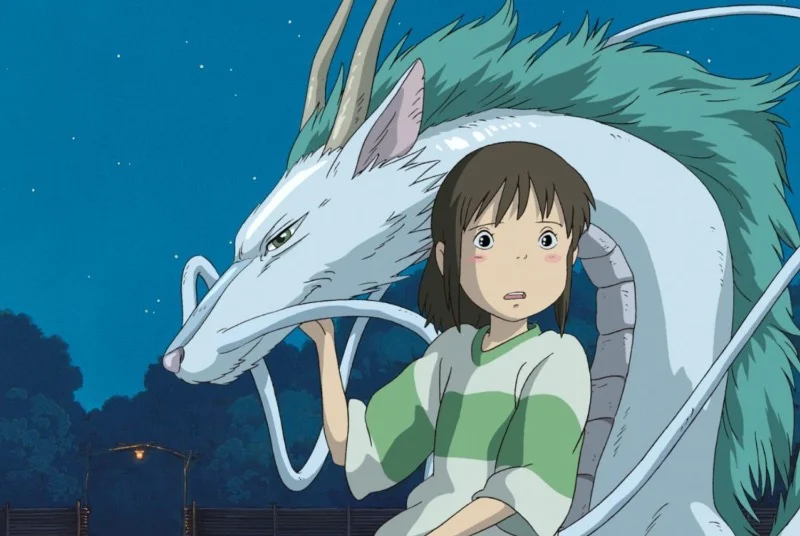
Haku appears as a river spirit who can transform into a long, serpentine Eastern dragon with white mane and antlerlike horns. He serves as an apprentice to Yubaba and acts as a guide through the bathhouse’s rules while hiding his true name, which is central to his story. The film’s Japanese release came through Toho.
In dragon form Haku moves like a ribbon through the air, with animation that emphasizes wind currents rather than wingbeats. His connection to the Kohaku River explains both his memory loss and his loyalty, and it frames his role as the protector who helps the protagonist return home.
Falkor from ‘The NeverEnding Story’ (1984)
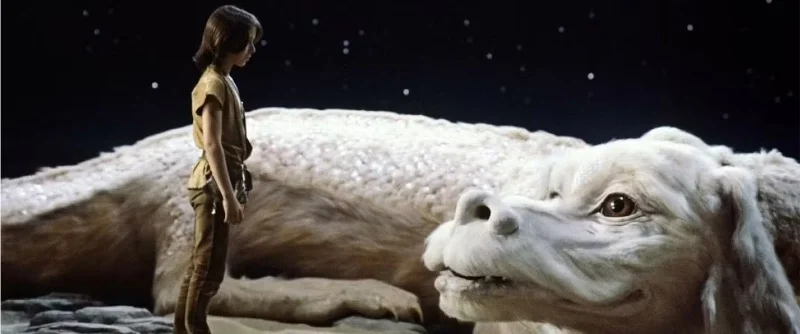
Falkor is the luckdragon built as a practical effects puppet with soft fur, scales, and an expressive face that can blink and smile. He carries Atreyu across long distances and embodies the idea that luck favors the brave when they act. The film reached American theaters through Warner Bros.
Falkor’s flight scenes combine full-scale animatronics with blue screen work to keep the rider visible and the dragon’s motions steady. He has limited offensive power on screen and instead serves as transport, encouragement, and rescue at pivotal moments, including the chase from the swamp and the final return.
Vermithrax Pejorative from ‘Dragonslayer’ (1981)
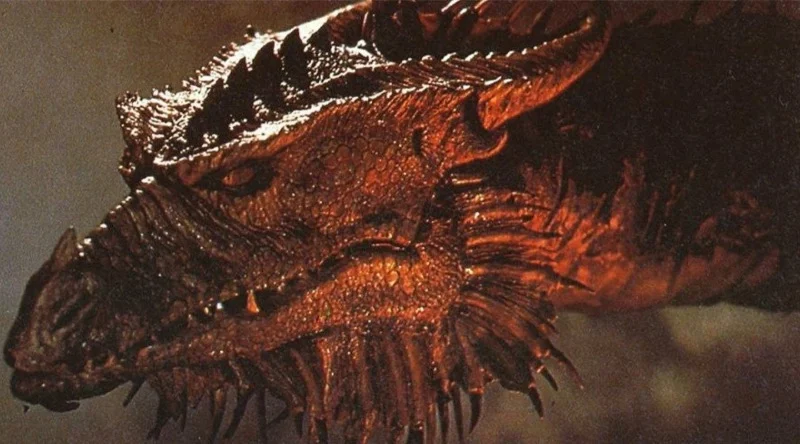
Vermithrax Pejorative is a study in creature craftsmanship, created with go motion and detailed model work that set a benchmark for dragon movement. The film positions the dragon as an ancient predator that demands tribute, which gives the story a clear objective for the apprentice sorcerer who takes up the challenge. The movie was released in the United States by Paramount Pictures.
The dragon’s anatomy features batlike wings, a heavy tail, and a narrow head that spits fire in sudden bursts. Close shots of talons, smoke, and damaged stone sell the scale of each appearance, while the final confrontation uses practical effects to put the hero in the same frame as the creature.
Maleficent (Dragon Form) from ‘Sleeping Beauty’ (1959)
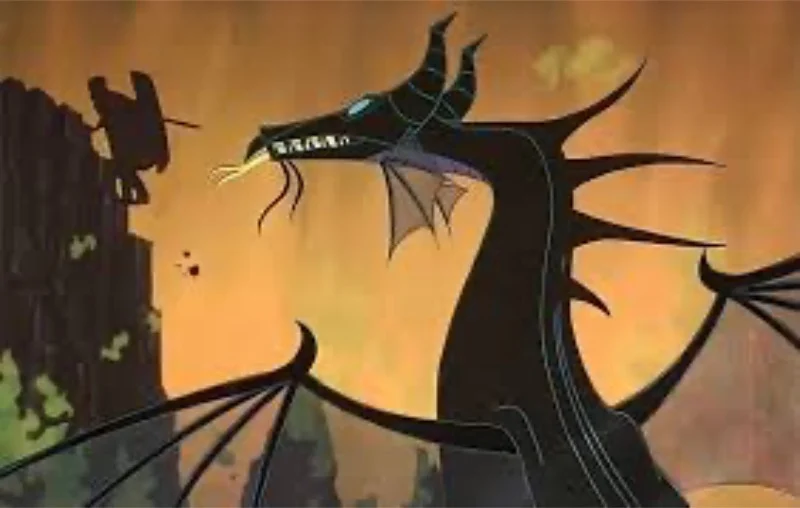
Maleficent’s dragon form is a transformation that turns a fairy antagonist into a towering, fire-breathing enemy with black scales and green flames. The sequence showcases hand-drawn animation at full scope with sharp angles and intense color to push the danger of the final battle. The film was released to theaters by Buena Vista Distribution.
On screen the dragon blocks paths with fire, shatters terrain, and forces the prince to rely on enchanted weapons and precise timing. The transformation clarifies the stakes by moving the conflict from magic tricks to a direct clash with a creature that fills the frame and actively hunts its opponent.
Saphira from ‘Eragon’ (2006)
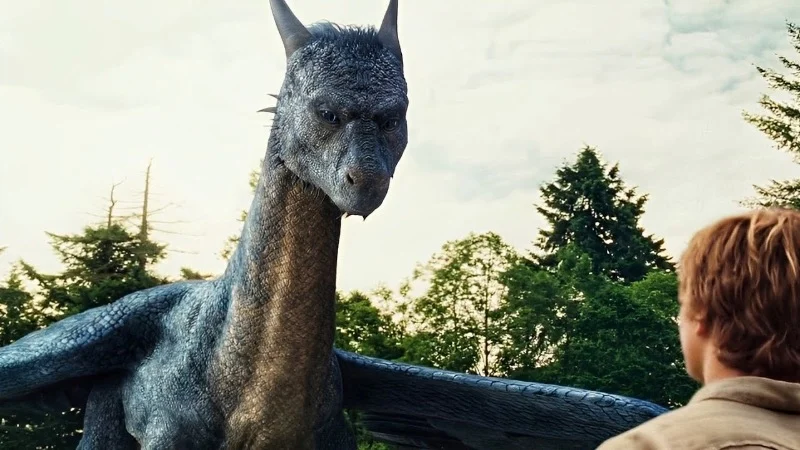
Saphira hatches from a stone-like egg and bonds telepathically with the young rider, which allows silent dialogue and coordinated combat. Her blue scales, feathered wing edges, and piercing eyes were designed to read clearly in wide shots and in close-ups where she communicates without spoken words. The film was distributed by 20th Century Fox.
Saphira breathes fire and performs fast dives and climbs that support swordplay on the ground and archery from the saddle. The story uses her growth from hatchling to full size to mirror the rider’s training, and it places their shared injuries and strengths at the center of each battle plan.
Hungarian Horntail from ‘Harry Potter and the Goblet of Fire’ (2005)
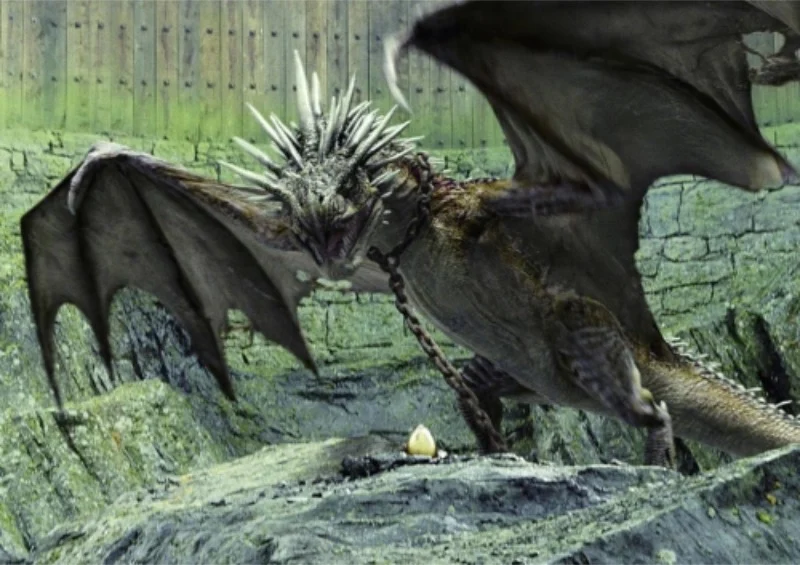
The Hungarian Horntail appears as the most aggressive of the tournament dragons, identified by black scales, bronze horns, and a spiked tail. It guards a golden egg and responds to threats with sweeping tail strikes and short fire blasts that force evasive flying. The film was released by Warner Bros. Pictures.
Its key sequence mixes close-quarters ground action with airborne pursuit across rooftops and towers. The scene demonstrates how the dragon navigates tight spaces with wing tucks and tail pivots, and it shows how the rider’s broom speed is limited by sudden wind shifts and the need to draw the dragon away from bystanders.
Shenron from ‘Dragon Ball’ (1986–1989)
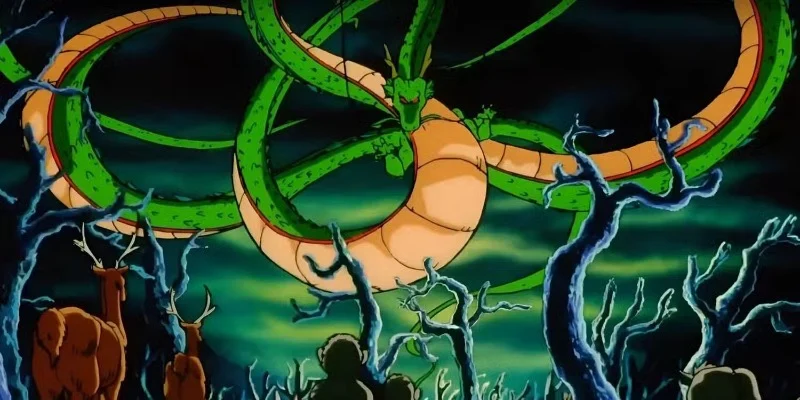
Shenron is the eternal dragon who appears when seven Dragon Balls are gathered, rising along a column of energy with a long, scaled body and glowing eyes. He grants a wish within clear rules that reset the Dragon Balls after use, which gives the series a repeatable structure for quests. The show aired in Japan on Fuji TV.
Shenron does not fight on screen and instead acts as a wish granter whose constraints shape strategy. Characters plan heists, rescues, or revivals around the summoning, and the dragon’s brief window of availability creates urgency as rivals race to reach the altar first.
Drogon from ‘Game of Thrones’ (2011–2019)
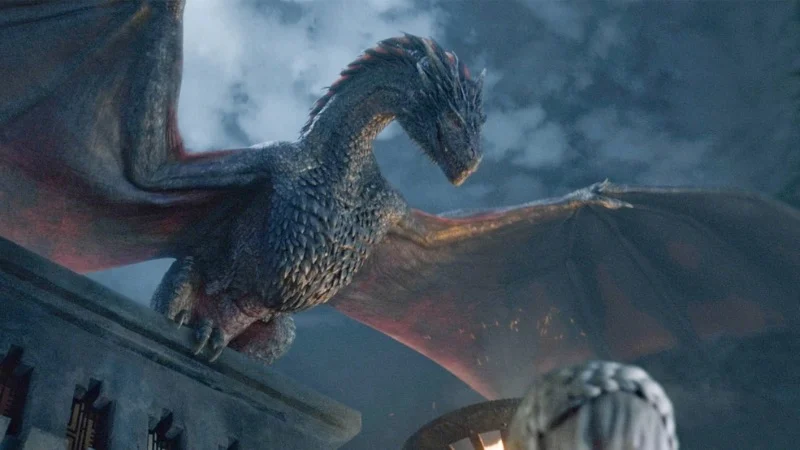
Drogon is the largest of Daenerys Targaryen’s three dragons, marked by black scales with red highlights and a long spined neck. The show develops his growth from hatchling to war mount, including training sequences that set commands for takeoff, landing, and controlled fire. The series aired on HBO.
Major set pieces place Drogon over cities, battlefields, and frozen landscapes, and they show the logistical impact of a dragon on supply lines, fortifications, and morale. The creature’s behavior follows simple cues like flocking to heat and food, which creates specific challenges for handlers and commanders.
Vhagar from ‘House of the Dragon’ (2022– )
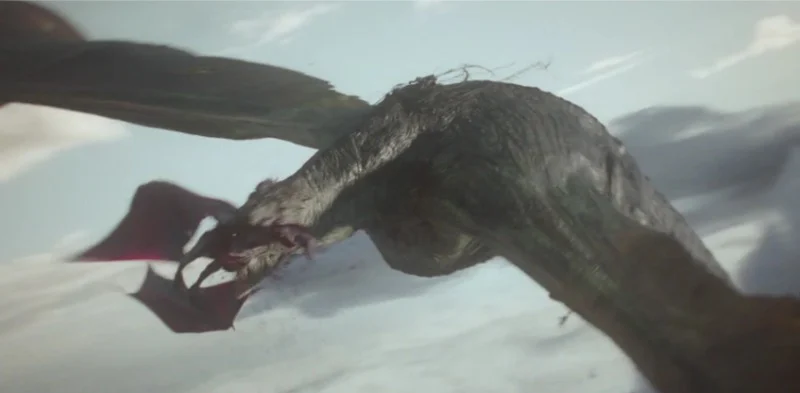
Vhagar is one of the oldest and largest living dragons, with thick scales, worn horns, and heavy wing membranes that lift a massive frame. Riders change across eras, and each rider’s bond with Vhagar influences alliances and risk on the battlefield. The series airs on HBO.
Flights with Vhagar emphasize weight and wind, with delayed turns and long climbs that suit her size. Engagements with smaller dragons show the tradeoff between raw power and maneuverability, which shapes how riders choose skies, weather, and altitude before they commit to a fight.
Caraxes from ‘House of the Dragon’ (2022– )
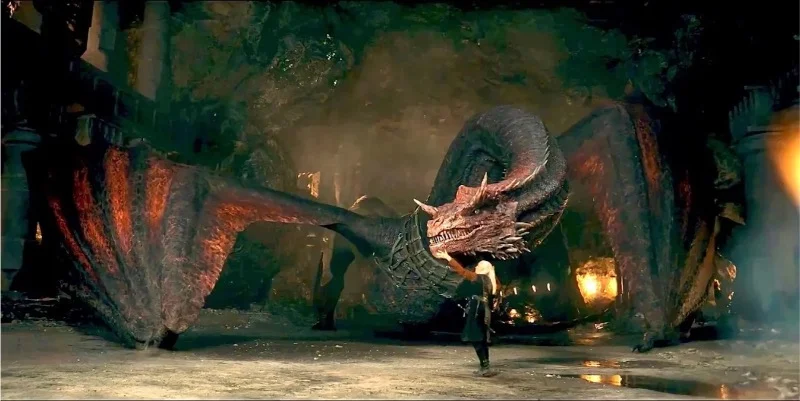
Caraxes, known as the Blood Wyrm, is the lean, long-necked red dragon that flies with aggressive, eel-like motions and a distinctive roar. He serves a rider whose tactics rely on speed and intimidation, and his body plan favors rapid changes in direction over brute force. The series airs on HBO.
Caraxes excels in skirmishes that require quick dives, split climbs, and sudden retreats into cloud cover. His scenes illustrate how a fast dragon can break formations and lure heavier opponents into mistakes, which becomes a practical lesson for commanders who plan with maps, scouts, and wind reports.
Sisu from ‘Raya and the Last Dragon’ (2021)
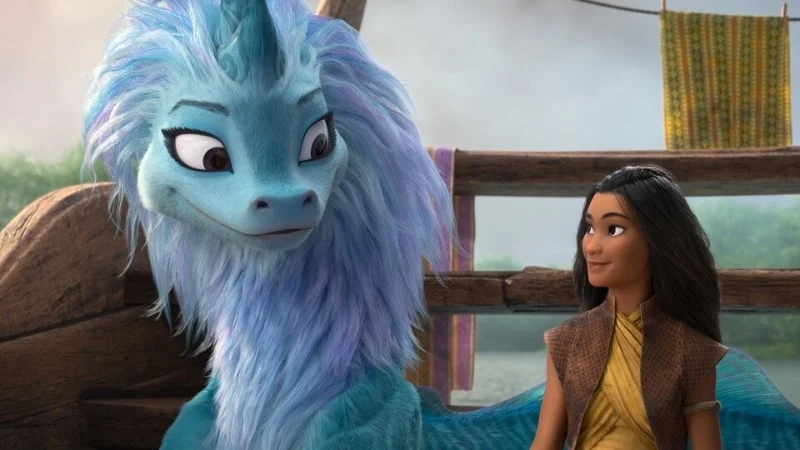
Sisu is a water dragon who can assume a human form and channel powers based on restored gem pieces, including fog creation and shape shifting. Her design blends soft fur with iridescent scales, which lets the character read clearly in daylight and rain. The film was released by Walt Disney Studios Motion Pictures.
Sisu’s abilities support a quest that moves across distinct regions, and each power addresses a different obstacle like pursuit, negotiation, or stealth. The story links her strength to trust among tribes, which turns her presence into a measure of progress as the team gathers allies and repairs old divisions.
Elliot from ‘Pete’s Dragon’ (2016)
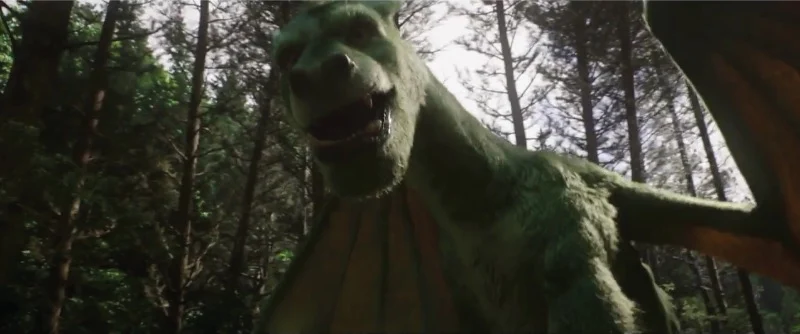
Elliot is an invisible friend who can fade from sight, breathe fire, and fly with broad, rounded wings that make gentle landings possible in small spaces. This version presents a furry, computer-generated dragon adapted for forest settings, while the original film combined hand-drawn animation with live action. Disney released both versions to theaters.
Elliot uses invisibility for protection and mischief, which creates set pieces where footprints, crushed foliage, and gusts of wind reveal his movements. His fire breath appears as short, controlled bursts that light signals or ward off danger, and his bond with Pete drives relocation and rescue plotlines.
Draco from ‘Dragonheart’ (1996)
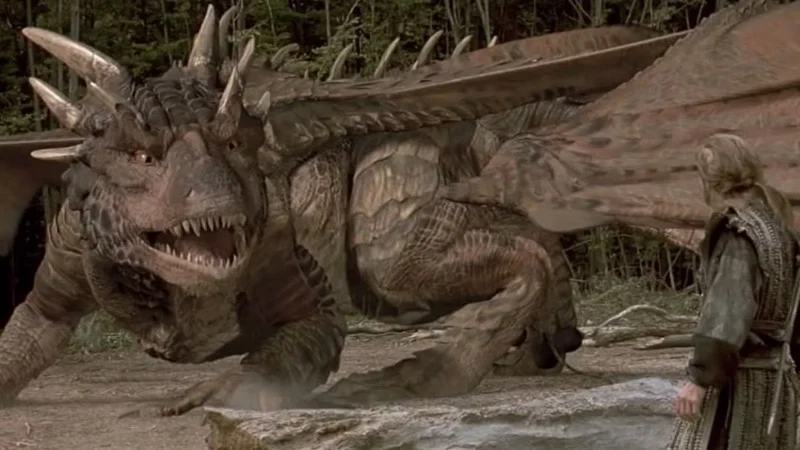
Draco is a fully digital dragon with textured scales, expressive eyes, and a voice performance by Sean Connery that helped establish the idea of a computer-generated creature acting as a lead character. The film was released by Universal Pictures.
Draco shares a heart link with a human character, which adds a specific rule to action scenes since injury to one affects the other. Aerial shots follow him through valleys and over lakes, and ground encounters highlight jaw strength, claw reach, and the limits of wingspan in tight ruins.
Tell us which screen dragons you would add to the list or swap in from your favorites in the comments.