Top 20 Anime for Wrestling Fans

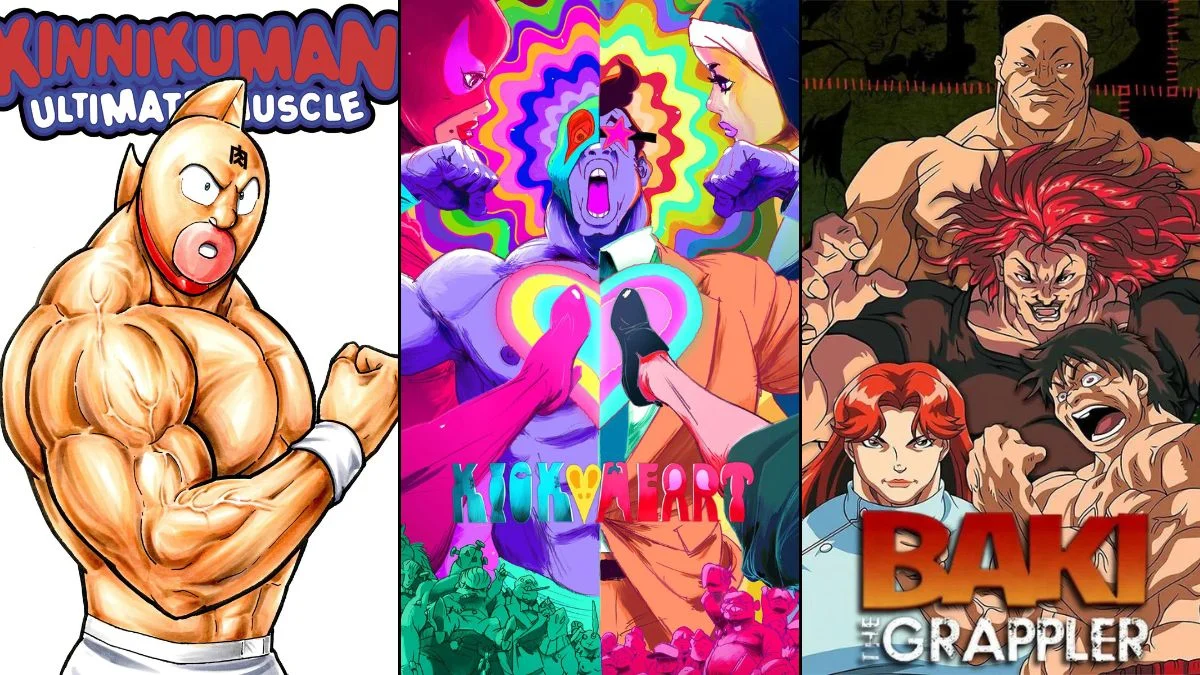

Wrestling fans look for big entrances, signature moves, and a crowd that lives for every slam. Anime brings that same ring energy with roaring arenas, colorful personas, and stories that move from training grind to title shot. Some series are built on pro wrestling while others focus on boxing, sumo, or anything goes fighting that uses throws and holds you will recognize right away.
This list rounds up anime that speak the language of the mat. You will find masked heroes, over the top finishers, gritty gyms, and tournaments where reputations are made under bright lights. Whether you want classic ring drama or modern combat spectacles, each pick offers action and detail that match what fans love about the squared circle.
‘Tiger Mask W’ (2016–2017)
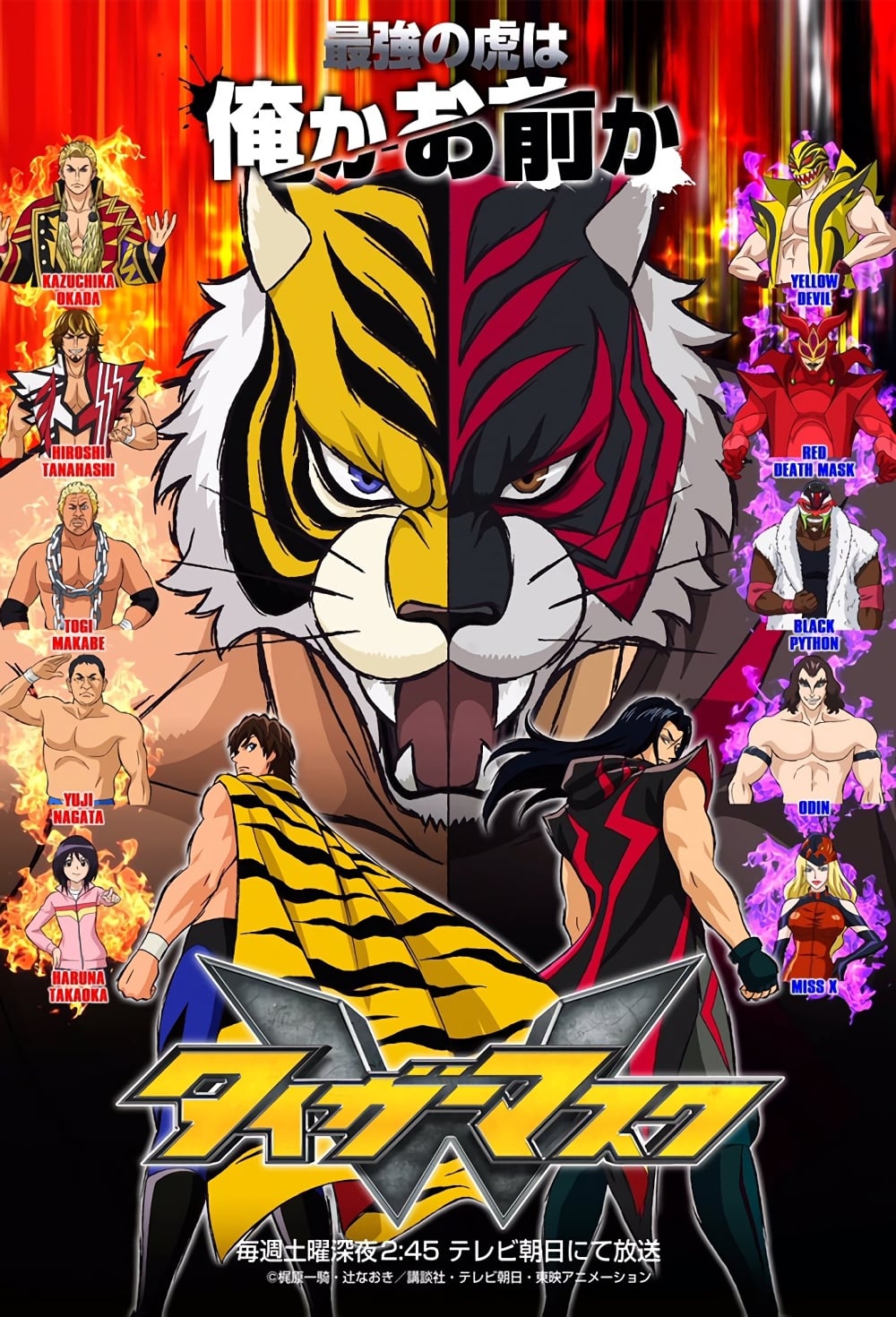
This sequel continues the legacy of the classic ‘Tiger Mask’ by following two trainees who adopt rival masks after a corrupt promotion injures their mentor. Real promotions and wrestlers appear as themselves, and matches use named finishers, rules, and booking angles that mirror televised pro wrestling.
The show stages feuds with weigh ins, tag bouts, and tournament blocks. It also shows how character work, mask lore, and merchandise keep a wrestler popular with fans between big cards.
‘Kinnikuman’ (1983–1986)
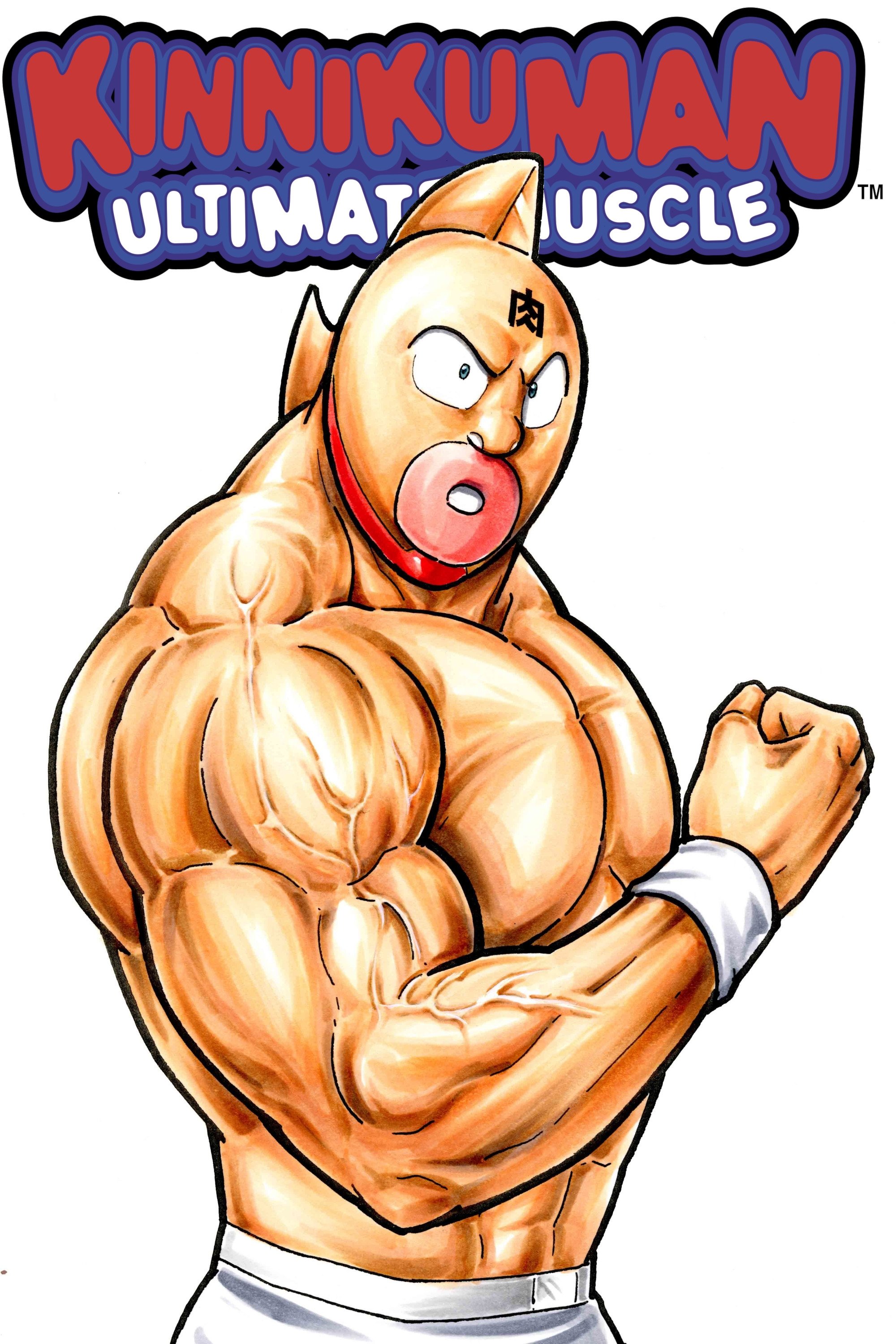
Based on the long running manga by the duo known as Yudetamago, this series turns pro wrestling into a universe spanning sport fought by superpowered Chojin. Ringside commentary, victory poses, and named techniques such as full nelson variations and piledriver twists are part of every bout.
Story arcs run like classic territory programs with rival factions, heel turns, and belts that move through tournaments. Many modern wrestling in jokes trace back to running gags and move names popularized by ‘Kinnikuman’.
‘Ultimate Muscle: The Kinnikuman Legacy’ (2002–2006)

A direct successor to ‘Kinnikuman’, this series follows the next generation led by Kid Muscle. The setting mixes comedy with long form feuds, and match rules echo TV broadcast formats with time limits and specialty matches.
Signature moves receive full introductions and counters are explained in detail. Training scenes highlight conditioning and gimmick development which shows how performers build crowd reactions before a finisher lands.
‘Wanna Be the Strongest in the World’ (2013)

This series focuses on a pop idol who switches careers to enter women’s pro wrestling after a rival humiliation angle. It treats the ring like a workplace with coaches, match agents, and a schedule that escalates from small halls to arena shows.
Moves are presented with attention to leverage and transitions from holds on the mat to rope work. Tap outs, ref decisions, and crowd heat are shown the way a weekly wrestling program would frame them.
‘Kemono Michi: Rise Up’ (2019)
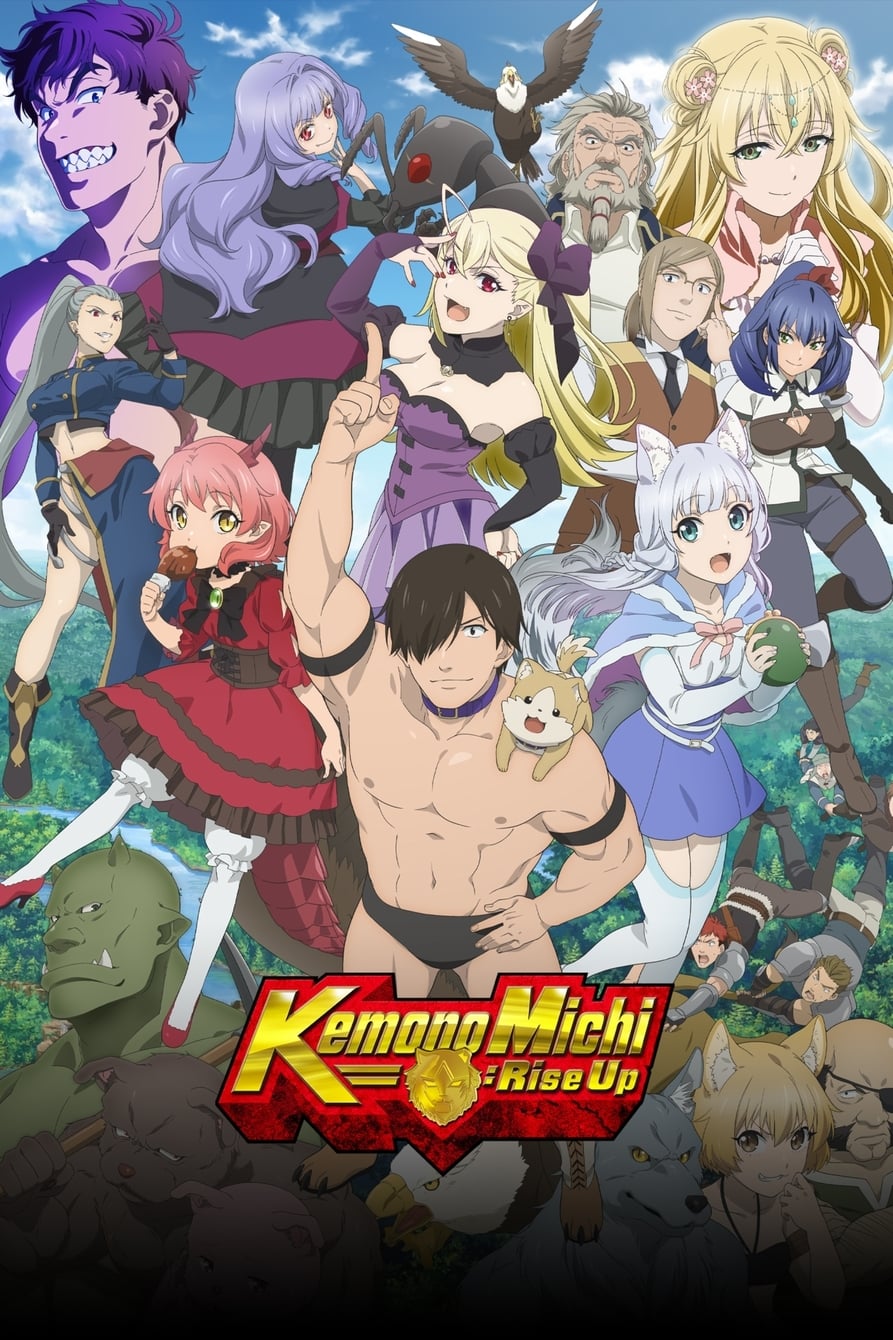
A masked pro wrestler is summoned to a fantasy world on the day of a championship match and immediately suplexes the princess. He then opens a pet shop and uses shoot style grappling on monsters and mercenaries.
The lead character’s background drives the action with shoot interviews, entrance music cues, and a respect for ring etiquette even outside a ring. Suplexes, pins, and chain wrestling spots are called out like a bout in front of a live crowd.
‘Metal Fighter Miku’ (1994)
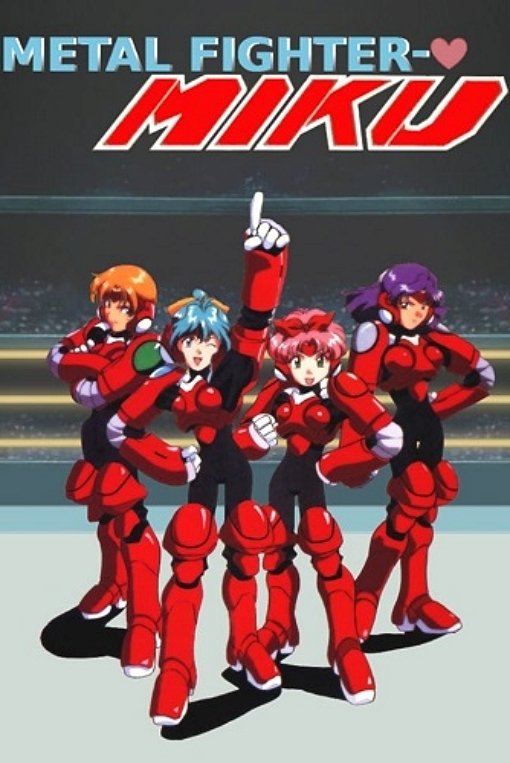
Set in a near future women’s league, this series features athletes who mix idol appearances with ring careers. Managers plan storylines and sponsorships while wrestlers build new finishers to climb the card.
Episodes include training camps, gym drills, and conditioning tests that lead into televised matches. Title scenes use press conferences, rankings, and contract signings that mirror real promotions.
‘Kick-Heart’ (2013)
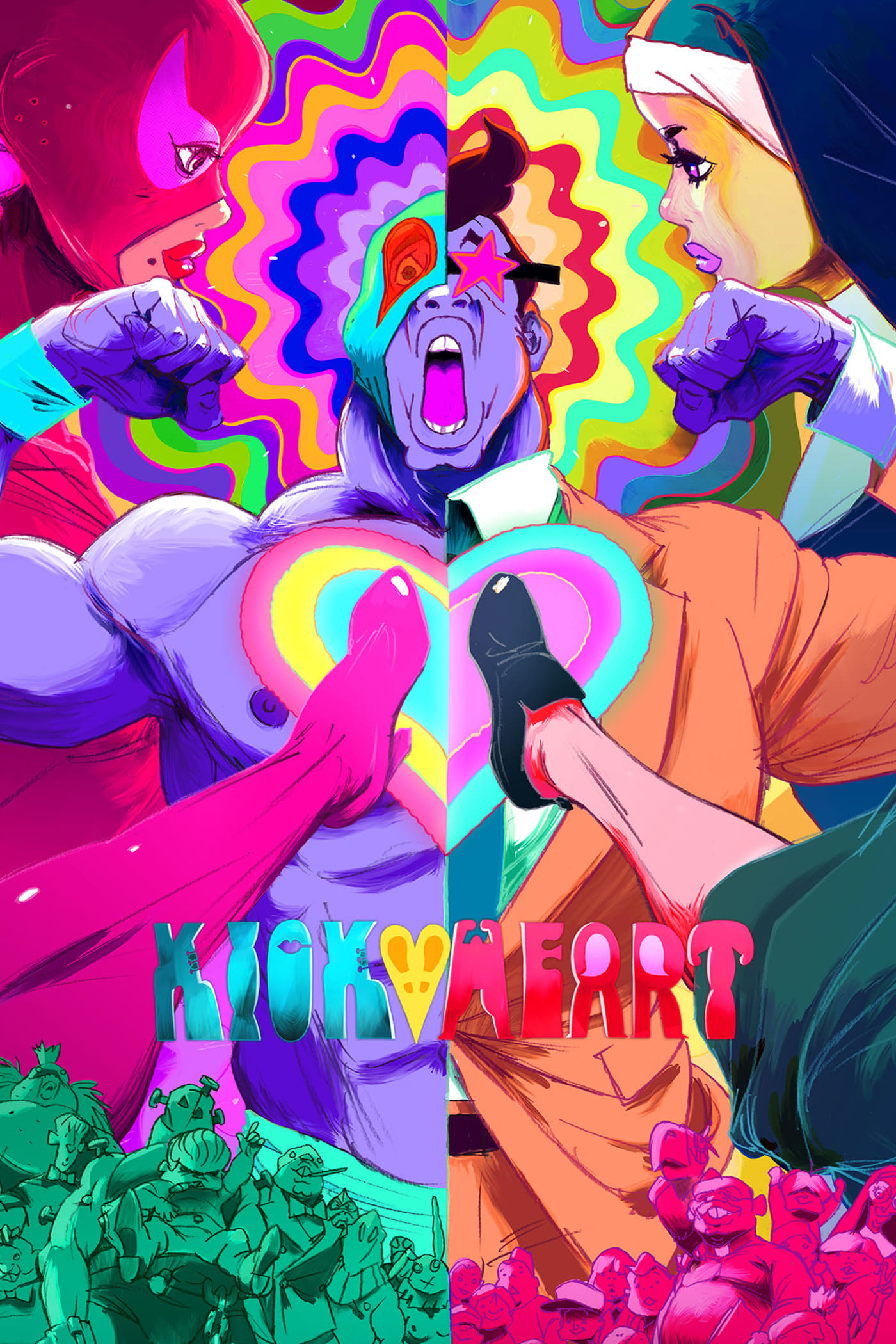
This short film centers on a masked wrestler who falls for a dominant masked rival. The story unfolds during a single event night with backstage vignettes, warmups, and a main event that tells a clear in ring narrative.
Its visual style highlights bumps, rope rebounds, and camera angles that match live wrestling production. For fans of lucha libre traditions, mask symbolism and identity play are front and center.
‘Plawres Sanshiro’ (1983–1984)
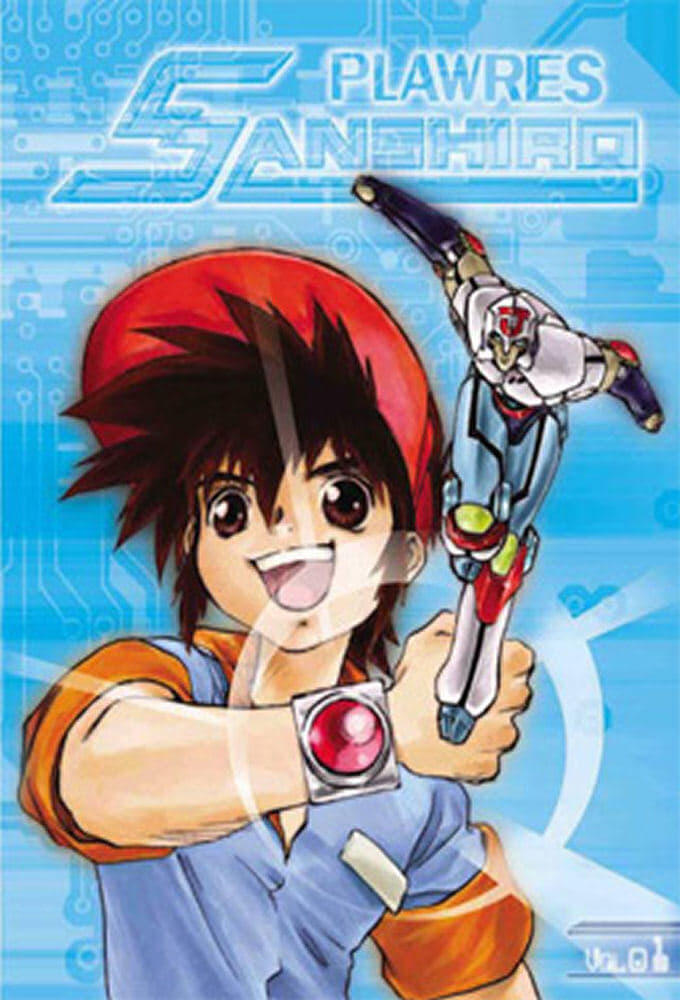
This series turns wrestling into a competitive robotics sport where miniature fighters battle in a ring. Coaches design frames, joints, and balance systems so their robots can lock holds and execute throws.
Tournament brackets, weight classes, and referee calls give each match a realistic structure. Strategy sessions focus on countering specific techniques which echoes how real wrestlers prepare for an opponent’s move set.
‘Baki the Grappler’ (2001)
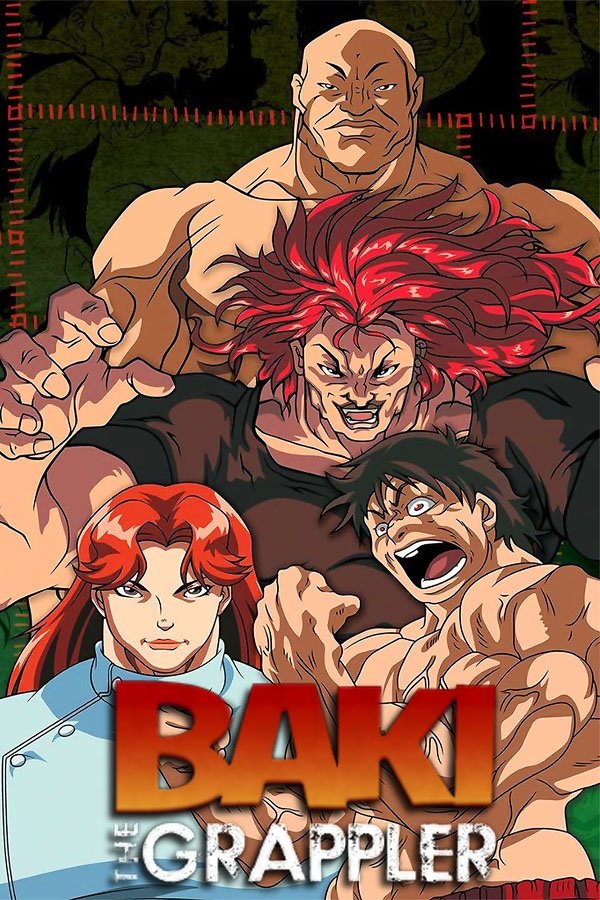
The original adaptation introduces underground arenas where fighters test styles like wrestling, judo, and catch. Holds, escapes, and clinch work are described with attention to anatomy and leverage.
The story tracks training cycles, cutting weight, and recovery between bouts. Rivalries build through rematches that show how game plans evolve to counter an opponent’s signature technique.
‘Baki’ (2018–2020)
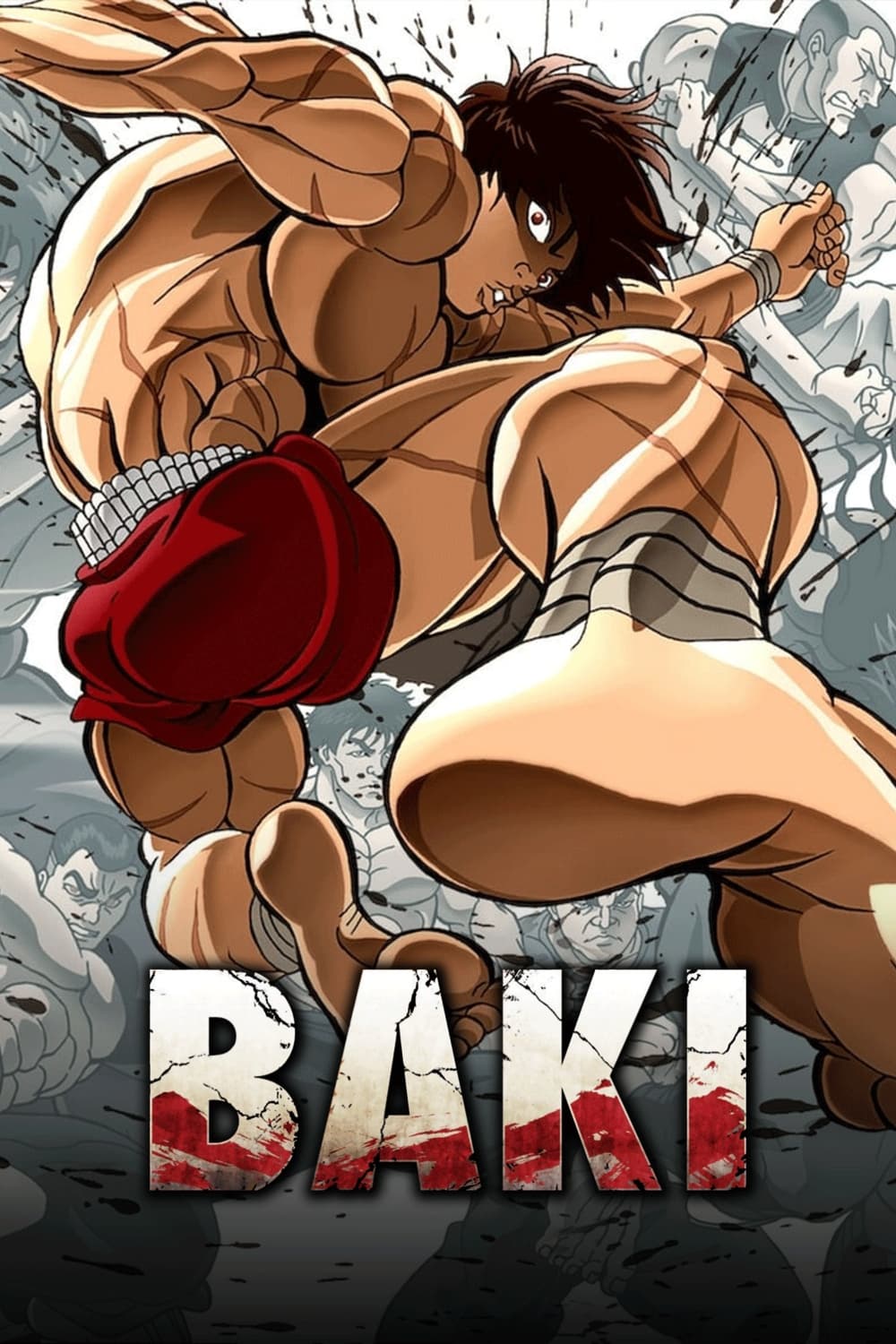
This continuation follows tournament and prison arcs with fighters who use submission chains, suplex throws, and pressure point breaks. The presentation pauses to explain how a hold traps a joint or collapses balance.
Events unfold like a series of marquee matches with announcers, rules briefings, and bracket updates. Fans of big fight build ups will recognize press coverage, challenges, and post match respect rituals.
‘Kengan Ashura’ (2019–2023)
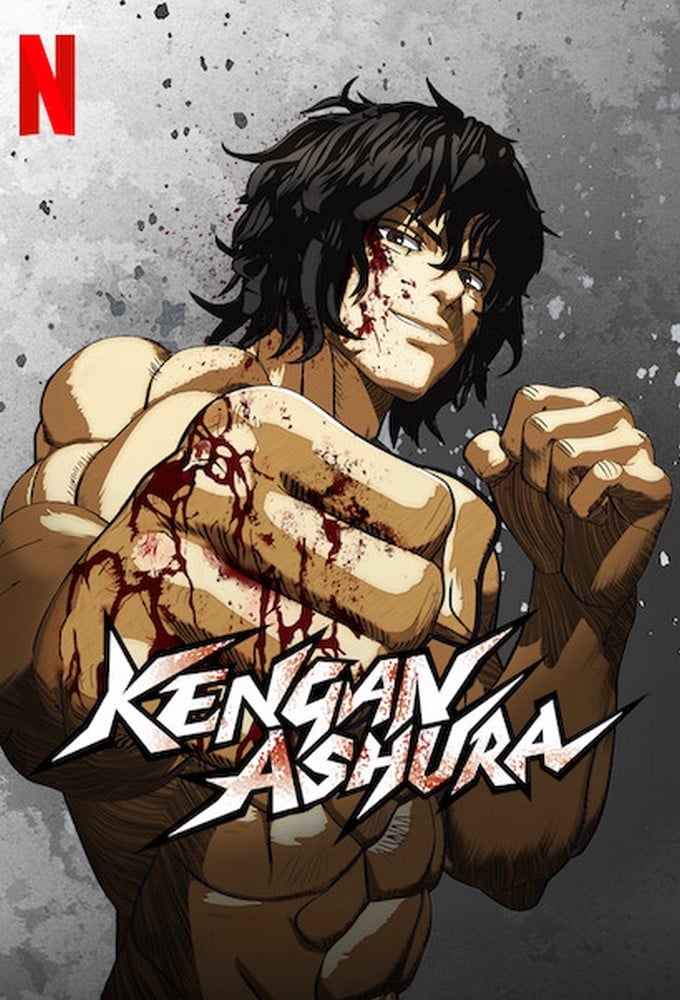
Corporations settle business deals by hiring fighters to compete in no weapons matches that borrow from wrestling, karate, and submission grappling. Bout rules and judging are presented with clarity before each fight.
Characters study tape and craft counters to specific suplex lines or choke setups. The main tournament follows seedings and rest periods, and it maps injuries across rounds the way real tournaments do.
‘MEGALOBOX’ (2018–2021)
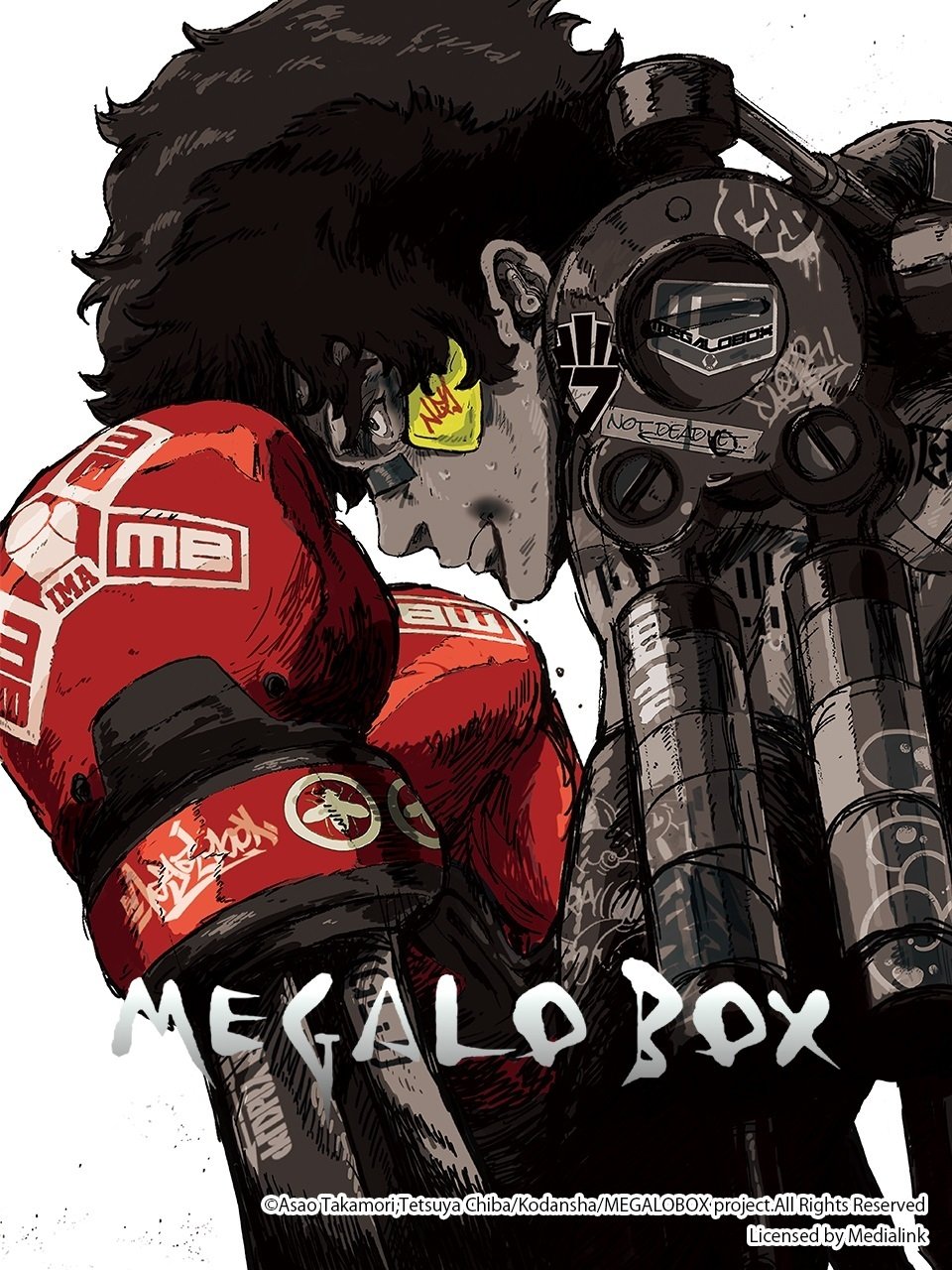
A tribute to classic boxing stories, this series adds mechanical gear that changes guard positions, power, and risk. The lead climbs from underground cards to sanctioned bouts through qualifiers.
It explains licensing, corners, and cut management along with training blocks and spar strategies. The sequel season tracks a veteran’s return and shows the toll of age and mileage between main events.
‘Fighting Spirit (2000–2014)
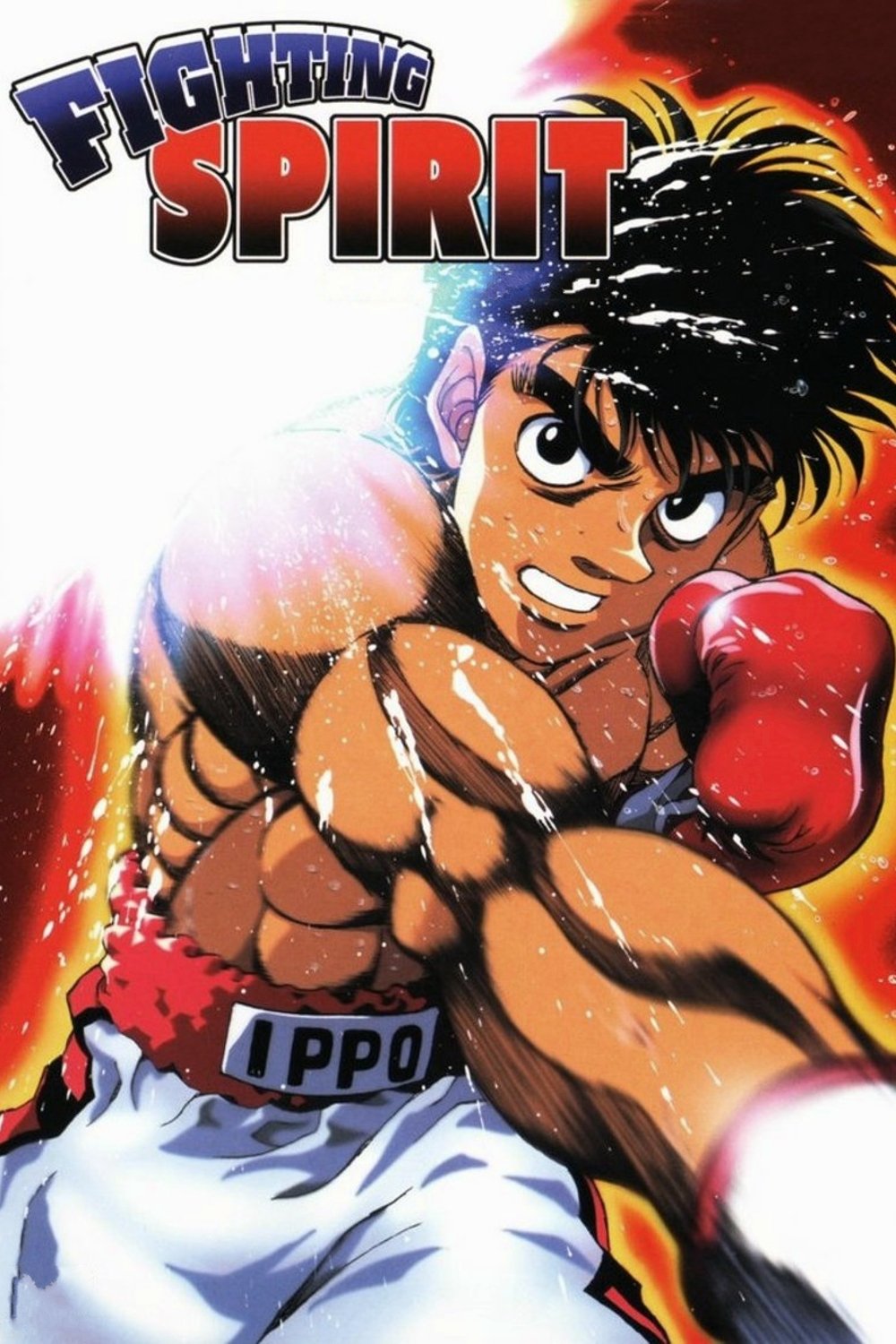
Built on a detailed boxing world, this series follows a shy student who learns footwork, timing, and ring generalship. Coaches break down stance, inside fighting, and counters to specific punches.
Tournaments, rankings, and title shots progress through regional to national levels. Weigh ins, judges’ scorecards, and stoppage calls are shown with the same realism fans expect from televised fight nights.
‘Hinomaru Sumo’ (2018–2019)
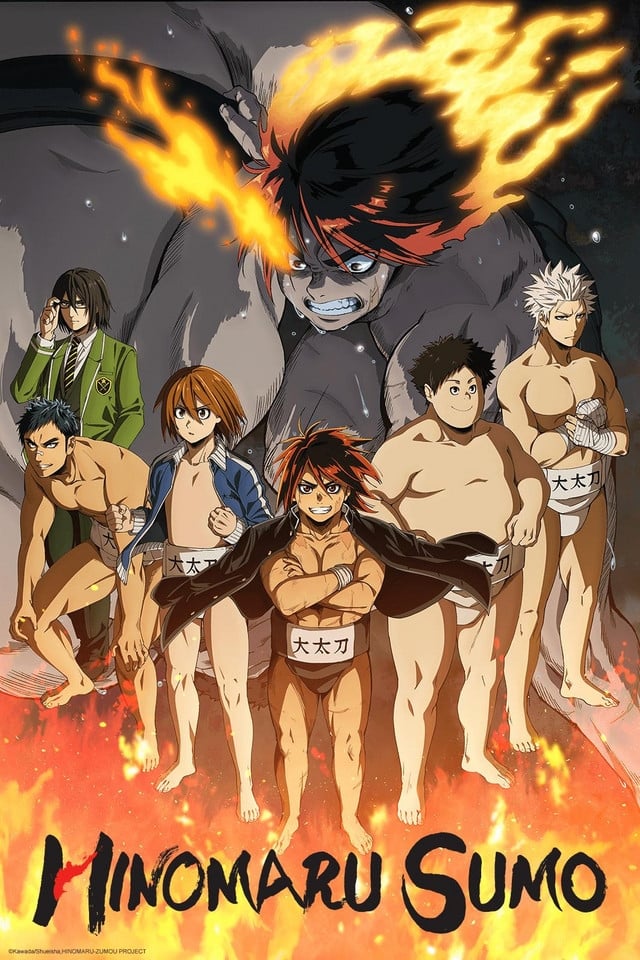
A compact high school wrestler aims for the top division in sumo, a sport built on stance, grips, and explosive throws. The show explains belt grips, ring out conditions, and tachiai starts in practical terms.
Training focuses on leg drive, center of gravity, and hand placement which mirrors grappling fundamentals. Team matches and individual tournaments track seeding, promotion, and ritual details that define sumo.
‘Rowdy Sumo Wrestler Matsutaro!!’ (2014)
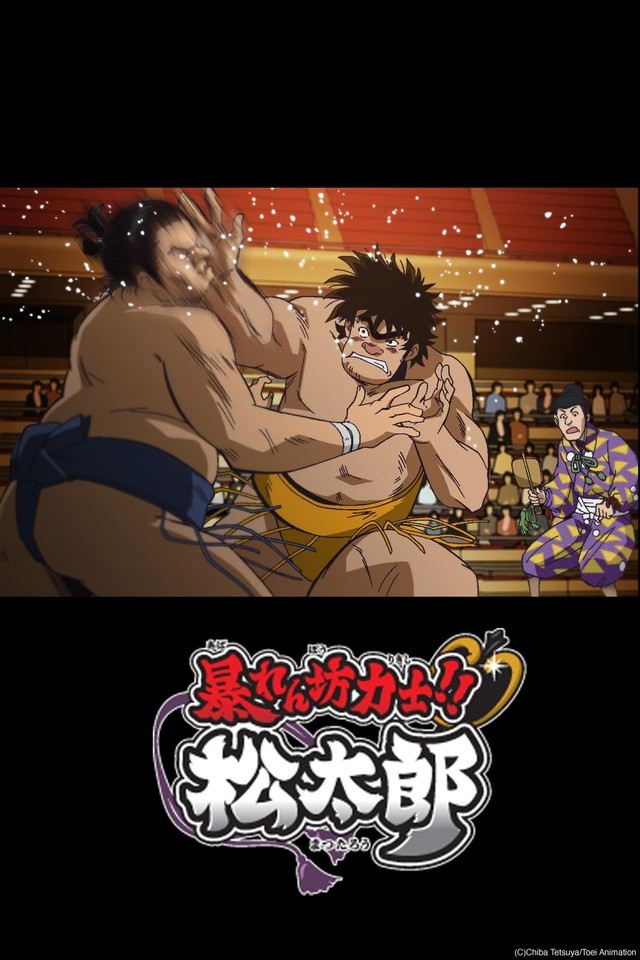
This series follows a brash adult newcomer who enters professional sumo without the usual discipline. The narrative covers stable life, strict routines, and the ranking ladder from lower divisions upward.
Rituals such as salt throwing, ring ceremonies, and referee signals are explained during matches. Career progress depends on consistent winning records which shows how traditional systems reward form and results.
‘Keijo!!!!!!!!’ (2016)

Set on floating platforms, athletes can only use hips and chest to knock opponents into the water. The sport borrows ring psychology with signature attacks, counters, and comeback spots.
Training covers balance, core strength, and edge awareness, all of which translate to grappling control. Competition arcs move through classes, qualifiers, and championships with rules briefings before each card.
‘Kenichi: The Mightiest Disciple’ (2006–2007)
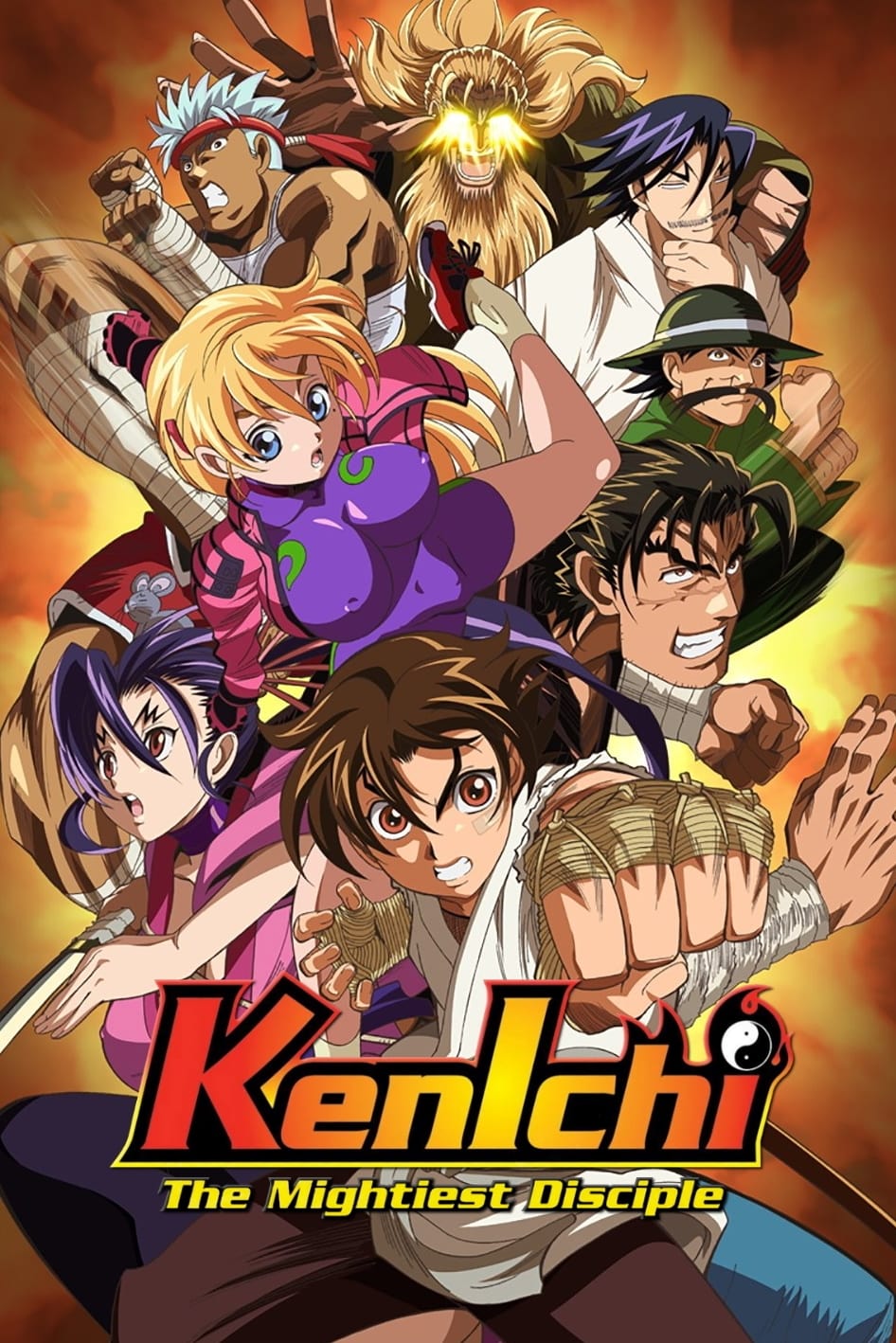
A bullied student trains under masters from multiple disciplines and learns throws, clinches, and submissions alongside striking. Techniques are broken down step by step with emphasis on stance and timing.
Story arcs build around dojo challenges that work like open fight nights. Matchups show how a grappler closes distance, finishes on the mat, and adapts when an opponent stuffs a takedown.
‘The God of High School’ (2020)
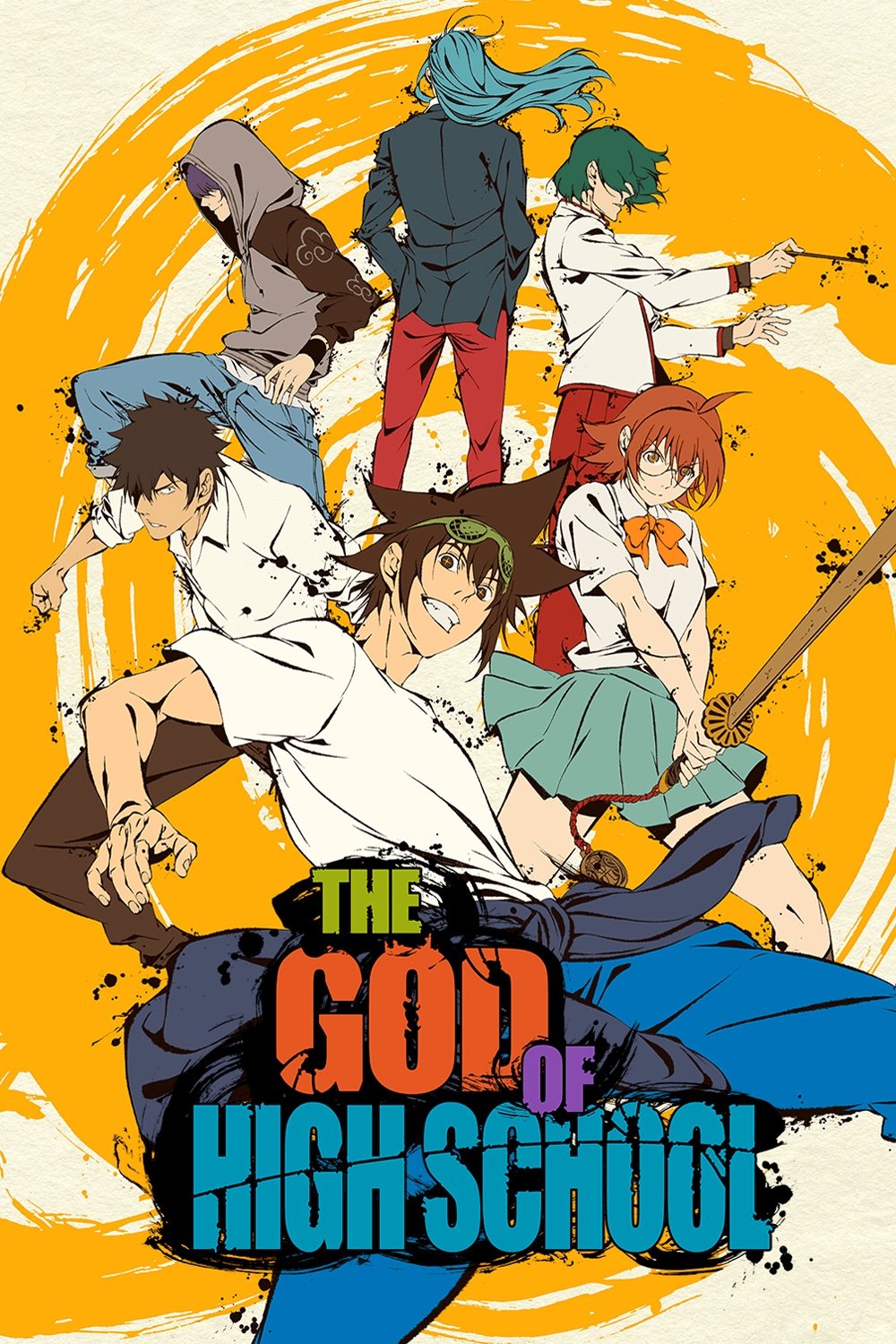
A nationwide tournament brings fighters together under unified rules while officials monitor illegal weapons or interference. Preliminary rounds lead to a main bracket that is updated on screen.
Styles range from traditional martial arts to supernatural power ups, but takedowns, counters, and pins are still scored within the match flow. Commentary and instant replays reinforce how decisions are reached.
‘Levius’ (2019)
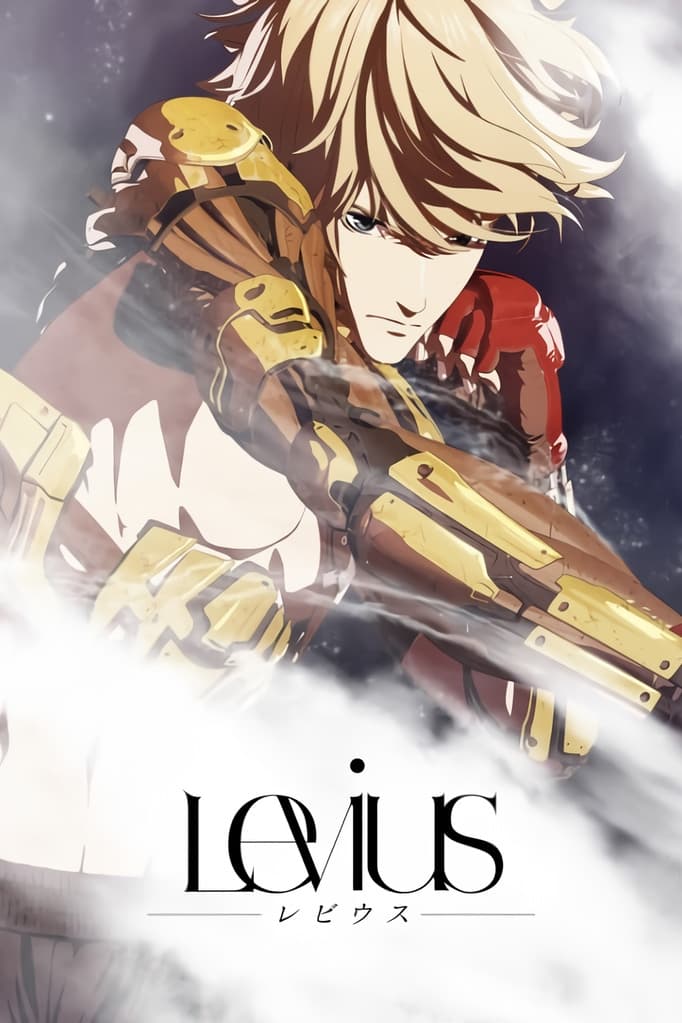
In an industrial era setting, fighters compete in regulated mechanical boxing with arm augmentations. The league defines weight classes, fouls, and medical checks before and after every bout.
Coaches map opponent tendencies and design strategies that account for reach, timing, and equipment limits. Promotion through the ranks follows clear records which makes each fight a step toward a title shot.
‘Air Master’ (2003)

A former gymnast turns street fighter and builds a style based on aerial control and body torque. Fights play out with throws, locks, and midair reversals described through slow motion breakdowns.
Underground events organize challengers, emcees, and referees to keep matches orderly. Scouting, stamina, and adaptation decide outcomes which mirrors how a wrestler learns to read an opponent during a match.
Share your own favorite picks for wrestling minded anime in the comments so other fans can build their watchlist.