Major Hollywood Directors Known for Critical Flops

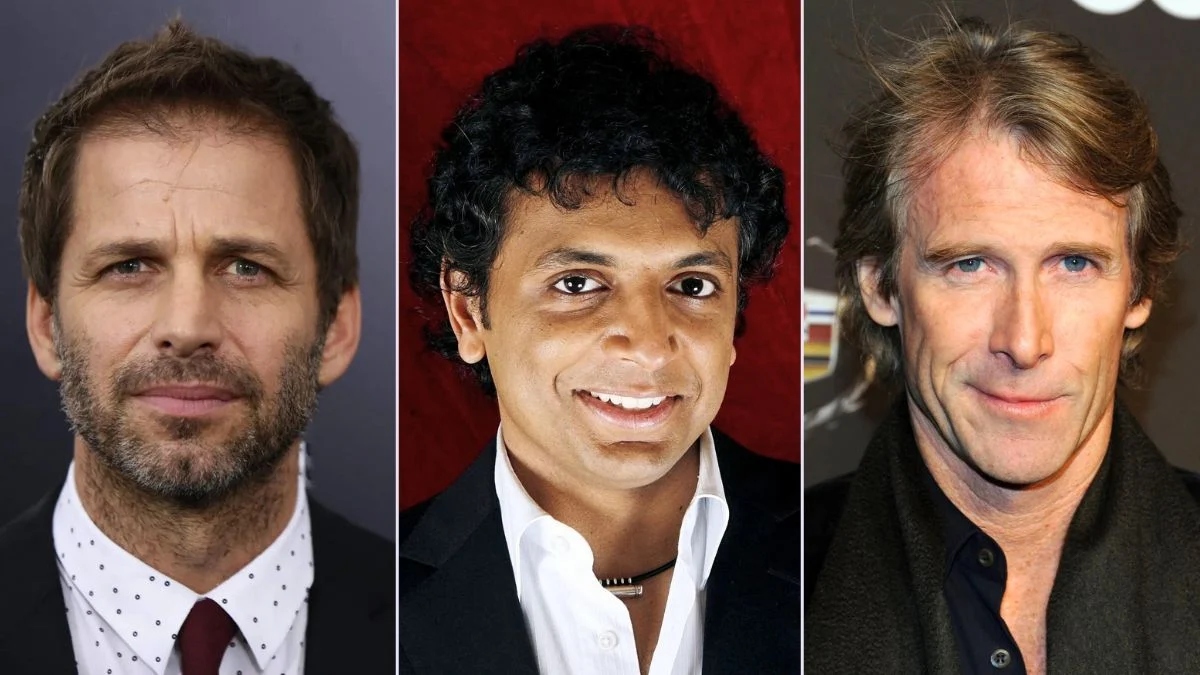

Big name directors attract huge budgets, marquee stars, and massive expectations. Even with all that muscle behind them, the results do not always land with critics. Some films arrive to red carpets and fanfare, only to meet chilly reviews and headlines about disappointing returns.
This list looks at major filmmakers who have delivered undeniable hits while also releasing titles that critics rejected. Each entry focuses on specific movies that missed the mark, what went wrong in the eyes of reviewers, and how those stumbles shaped later projects or reputations.
Michael Bay
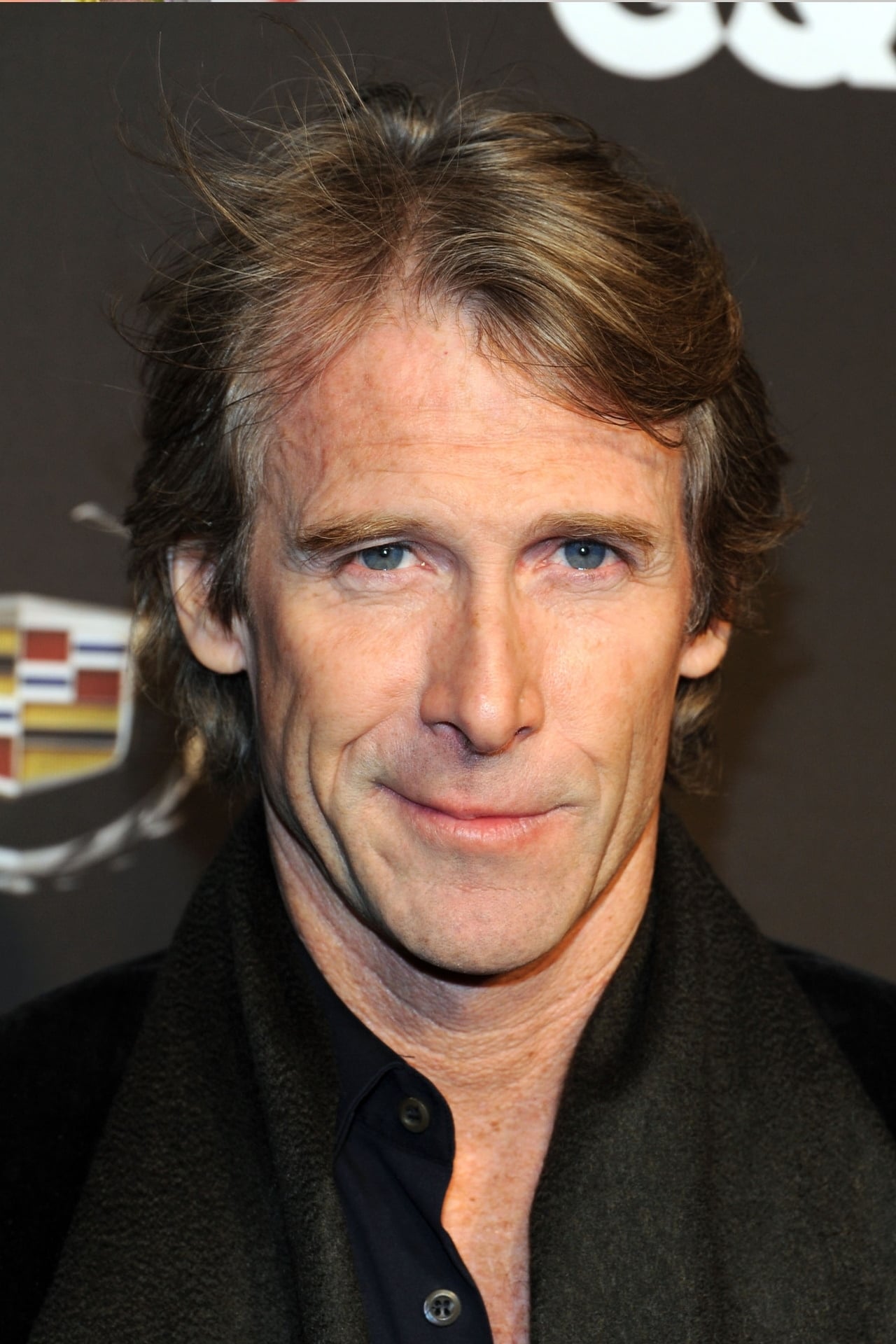
Bay’s large scale spectacles have drawn consistent criticism when story and character take a back seat to set pieces. Titles like ‘Pearl Harbor’ and later ‘Transformers’ sequels were called out by reviewers for thin plotting and heavy reliance on visual effects over coherent narrative. These films still sold plenty of tickets, which created a split between audience turnout and critical response.
Outside the core franchises, attempts to pivot did not always change that narrative. ’13 Hours’ and ‘Ambulance’ were positioned as leaner thrillers yet still drew notes about pacing and tone. Streaming entry ‘6 Underground’ added another example that high energy direction alone does not guarantee warm critical coverage.
M. Night Shyamalan

Shyamalan’s name became linked with twists, which magnified backlash when films did not meet expectations. ‘The Happening’ and ‘The Last Airbender’ drew intense criticism for performances, dialogue, and effects work that many reviewers found unconvincing. ‘After Earth’ followed with similar reactions that focused on storytelling choices and stilted delivery.
Those outcomes pushed a reset in scale and budget for later projects. He moved toward contained thrillers and self financed models that reduced risk. The shift showed how a director can recalibrate after high profile critical setbacks while still keeping creative control.
Zack Snyder
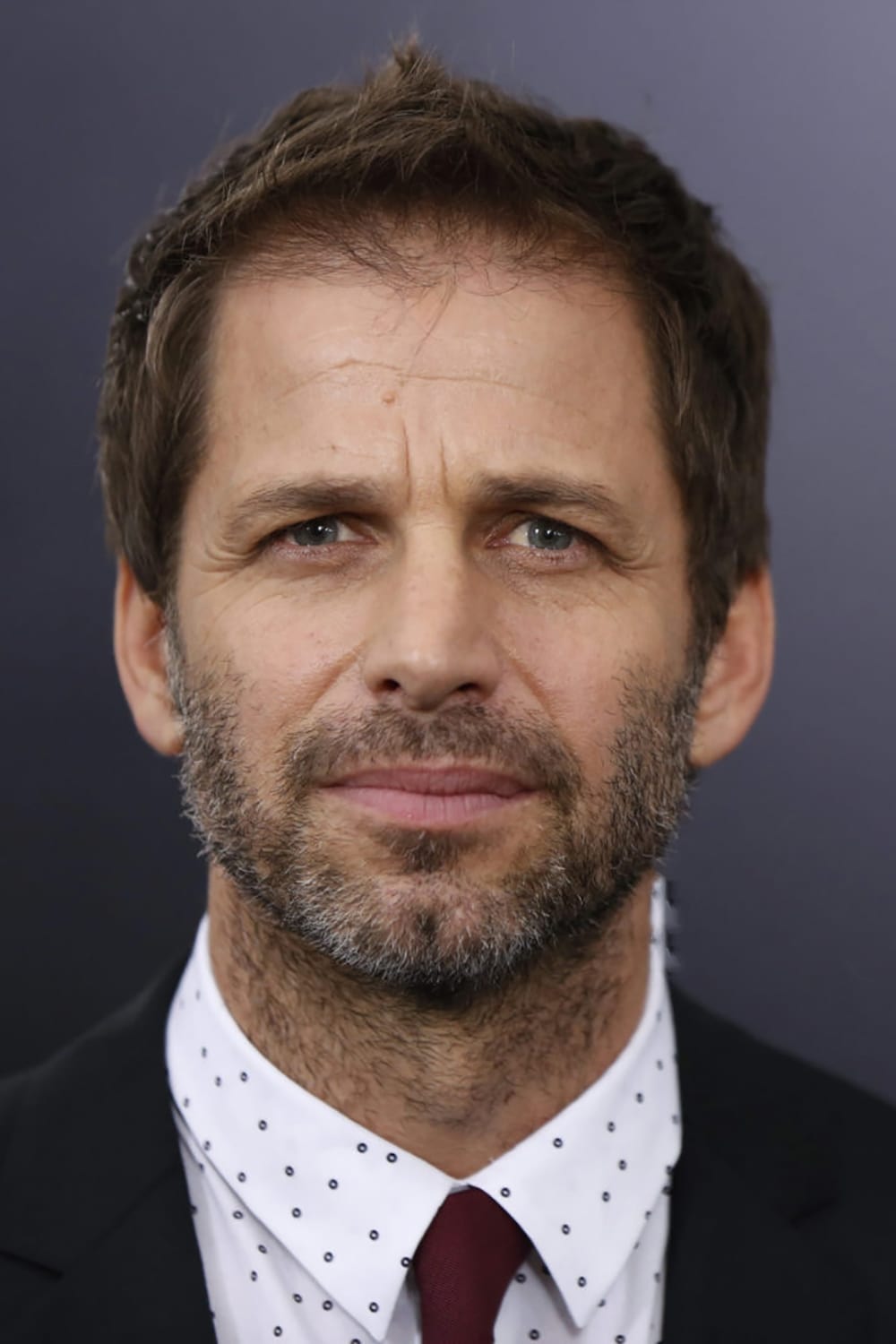
Snyder’s stylized approach has produced striking images alongside divisive receptions. ‘Sucker Punch’ became a frequent reference point for critics who questioned clarity of theme and character motivation. ‘Batman v Superman’ also faced heavy criticism for tone and structure despite strong interest from fans of the characters.
The pattern continued with original world building efforts. ‘Army of the Dead’ drew mixed notes and ‘Rebel Moon’ arrived to widespread negative reviews that cited script and world logic concerns. Those outcomes illustrate the gap that can open when visual ambition outpaces what critics view as cohesive storytelling.
Roland Emmerich

Emmerich’s disaster films often prioritize spectacle, which can strain critical goodwill when scripts feel secondary. ‘Independence Day Resurgence’ and ‘Moonfall’ were both criticized for recycled beats and implausible plotting. Reviewers also pointed to effects work that did not always blend smoothly with live action.
Outside the disaster lane, ‘Stonewall’ faced controversy that extended beyond craft notes, with criticism about historical framing and representation. The response underscored the increased scrutiny that arrives when a director known for spectacle tackles subjects rooted in lived experience and community history.
Ridley Scott
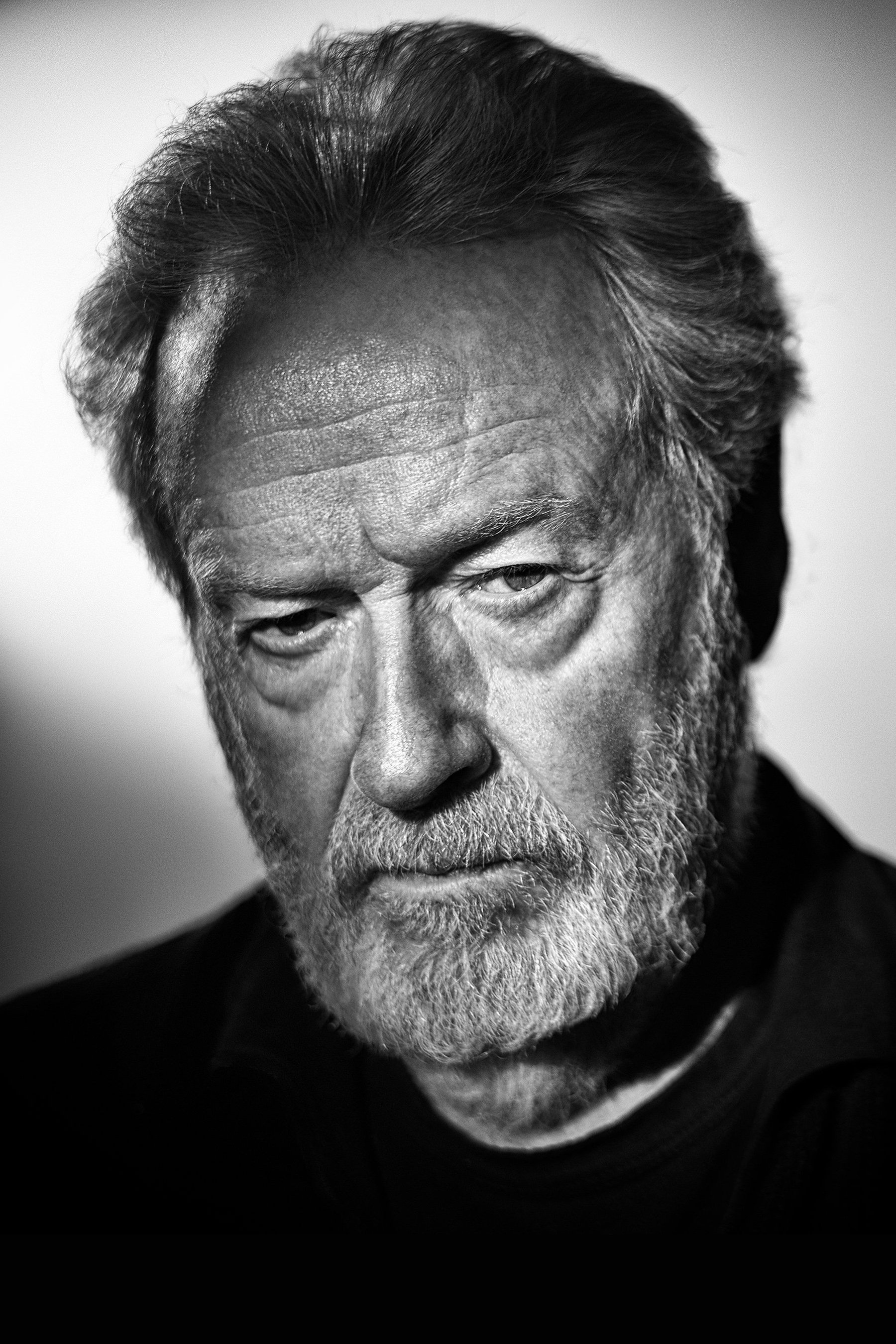
Scott’s prolific output includes prestige triumphs along with films that critics rejected. ‘A Good Year’ and ‘The Counselor’ were cited for tonal misfires and narratives that felt remote or opaque. ‘Exodus Gods and Kings’ added casting choices and visual strategy to the list of debated elements.
These reactions did not slow his pace. He continued alternating between historical epics and contemporary stories, yet the critical record shows significant swings. The variance demonstrates how a veteran filmmaker’s risk taking can deliver highs and lows within a few releases.
Francis Ford Coppola

Coppola’s reputation sits on landmark achievements yet several later titles missed with critics. ‘Jack’ drew dismissive reviews that focused on concept and tone. ‘Twixt’ was received as an experiment that struggled to find shape, and ‘The Cotton Club’ endured a troubled rollout that overshadowed the film for years.
‘One from the Heart’ also stands as a cautionary tale about scale and expense. The production’s ambitious soundstage work and stylization generated industry attention while reviews and revenue failed to justify the investment. These outcomes influenced how studios viewed director led passion projects with open checkbooks.
Steven Spielberg

Even the most celebrated directors collect a few critical misfires. ‘1941’ remains a well known example, drawing reviews that found the comedy overextended and uneven. ‘Hook’ also met mixed reactions, with commentary centered on length and sentiment that felt heavy to many critics.
These cases are notable precisely because they sit alongside a long run of successes. They show how a filmmaker working across genres can encounter pockets where tone, pacing, or expectations clash with critical standards. The lessons from those responses informed later choices about material and structure.
Brian De Palma
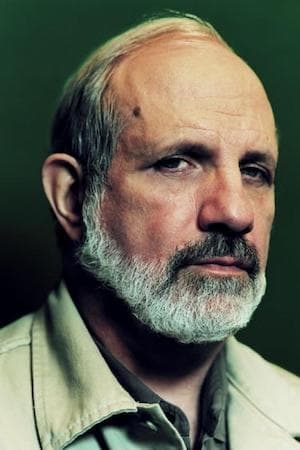
De Palma’s stylized thrillers have passionate defenders, but some high profile projects were battered by reviews. ‘The Bonfire of the Vanities’ became synonymous with miscasting and tonal mismatch in critical write ups. ‘Mission to Mars’ and ‘The Black Dahlia’ also drew sustained criticism for muddled storytelling.
The director continued to pursue genre pieces with elaborate set pieces and bravura staging. When the scripts failed to connect, critics emphasized that technical flourish could not offset narrative gaps. Those results cemented a reputation for volatile outcomes from project to project.
Guy Ritchie

Ritchie’s signature crime comedies hit a wall with several departures. ‘Swept Away’ faced harsh reviews that called out performance and tone. ‘Revolver’ struggled with audiences and critics who found the plotting confusing and the philosophy undercooked.
A return to studio scale action did not always smooth things out. ‘King Arthur Legend of the Sword’ was flagged for overstuffed plotting and heavy visual effects. The uneven response across genres highlighted how shifts away from street level capers invited closer critical scrutiny.
Ang Lee

Lee’s range spans intimate dramas and effects driven experiments, and the latter category prompted several critical stumbles. ‘Hulk’ was criticized for pacing and visual choices that did not land with reviewers at the time. ‘Billy Lynn’s Long Halftime Walk’ drew attention for its high frame rate approach, yet critics found the technology distracting from character.
‘Gemini Man’ extended that conversation, pairing cutting edge capture techniques with reviews that focused on script issues and flat characterization. These outcomes show how ambitious technical bets can backfire when the storytelling foundation does not persuade critics.
Kevin Costner

As a director, Costner followed a major success with projects that critics rejected. ‘The Postman’ became a frequent reference in discussions of overlong epics that miss their target. Reviewers focused on earnestness that felt heavy and world building that did not convince.
‘Waterworld’ carried production troubles that dominated coverage and reviews emphasized narrative and character concerns. Later western work sought to reclaim familiar terrain, yet the earlier setbacks remained part of the conversation around scale and editorial control in his projects.
George Lucas
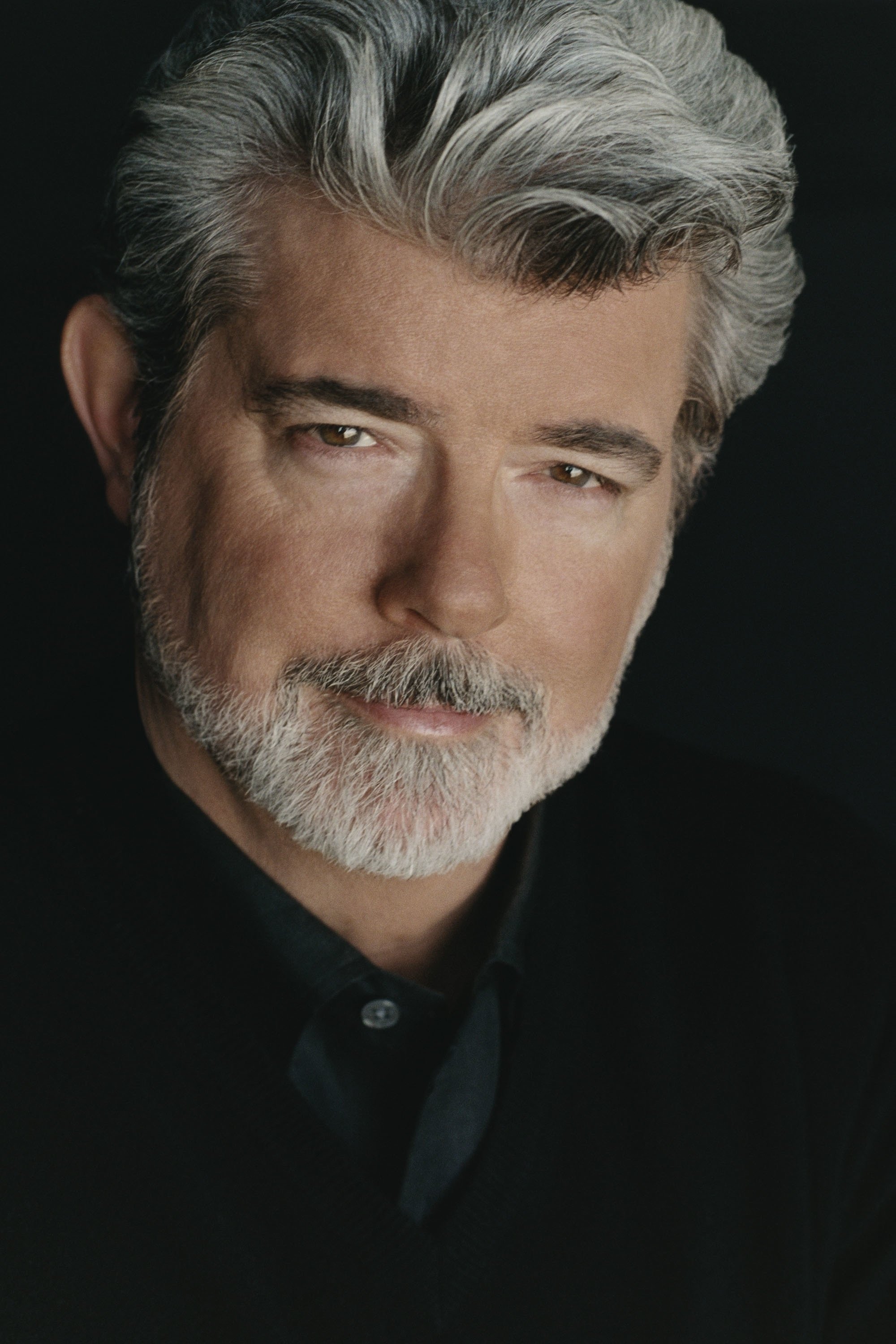
Lucas returned to a beloved universe and encountered a wave of critical pushback. ‘Star Wars Episode I The Phantom Menace’ and ‘Star Wars Episode II Attack of the Clones’ were criticized for dialogue, pacing, and digital effects that overwhelmed performances. The reception contrasted sharply with the original trilogy’s legacy.
Those reactions influenced franchise management and future creative roles. Subsequent entries passed to other directors while Lucas shifted focus. The critical record around the prequels became a case study in the risks of revisiting foundational properties with radically new technology and tone.
Joel Schumacher

Schumacher’s studio era includes titles that critics embraced alongside famous misfires. ‘Batman and Robin’ sits high on lists of superhero films that reviewers rejected, with commentary centered on tone and design choices that felt out of step with the genre’s direction. ‘Batman Forever’ also faced mixed notes that flagged similar concerns.
Outside capes and gadgets, ‘The Number 23’ drew poor reviews that cited plotting and performance issues. The pattern reinforced perceptions that the director’s glossy style needed tighter scripts to satisfy critics, especially in genres where tone is crucial.
Renny Harlin

Harlin’s action adventures delivered scale and stunts but not always favorable write ups. ‘Cutthroat Island’ became a notorious example discussed for its production cost and muted audience response, with critics pointing to thin characters and a lack of freshness. ‘Driven’ followed with negative notes on plotting and editing.
Later efforts aimed to recapture earlier energy with new casts and premises. Reviews often returned to the same concerns about story clarity and characterization. The track record shows how action craft can be overshadowed when critics find the narrative groundwork lacking.
The Wachowskis
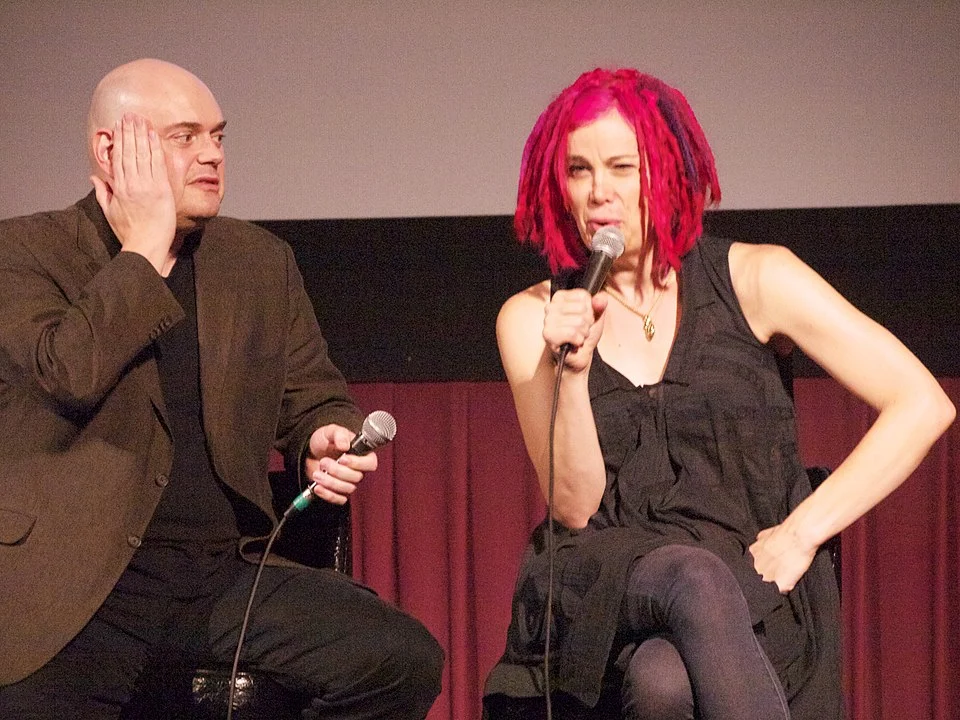
The Wachowskis pursued bold ideas that sometimes collided with critical expectations. ‘Speed Racer’ was initially dismissed for sensory overload and storytelling that failed to engage reviewers. ‘Jupiter Ascending’ received negative reviews that cited tonal swings and world building that felt incoherent.
‘Cloud Atlas’ produced a split reaction, with some critics praising ambition while many others flagged structural issues. The mixed and negative responses across these projects demonstrate the risks of expansive mythmaking without consensus on narrative cohesion.
Robert Zemeckis

Zemeckis experimented with performance capture and digital techniques across several films that critics did not embrace. ‘A Christmas Carol’ and ‘Beowulf’ drew notes about uncanny visuals and limited emotional connection. ‘Welcome to Marwen’ was received poorly, with reviews focusing on tonal balance and character portrayal.
A later return to live action and remakes brought another rough patch. ‘Pinocchio’ received negative reviews that cited flat storytelling and visual choices that failed to charm critics. The run of responses illustrates how technical curiosity can outpace what reviewers value in character driven tales.
Peter Berg
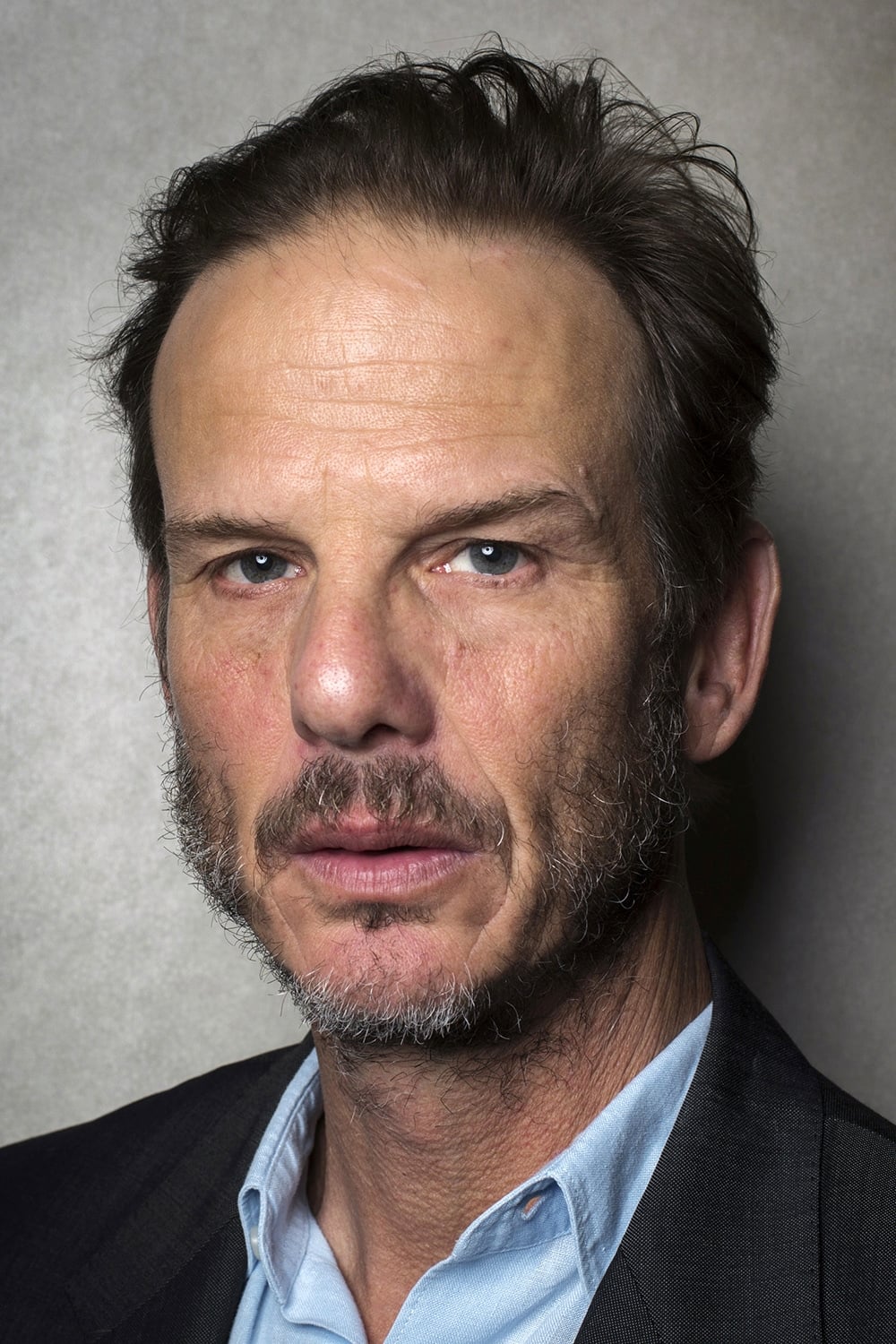
Berg alternated between grounded dramas and large scale action, with the latter drawing harsh reviews at times. ‘Battleship’ was criticized for derivative plotting and an overreliance on effects. ‘Mile 22’ faced negative notes that focused on editing, clarity of action, and thin characterization.
These outcomes stood in contrast to his fact based collaborations that found more critical favor. The split made clear that when Berg shifted toward board game adaptations or spy shootouts at scale, critics were quick to highlight narrative shortcomings.
Gore Verbinski
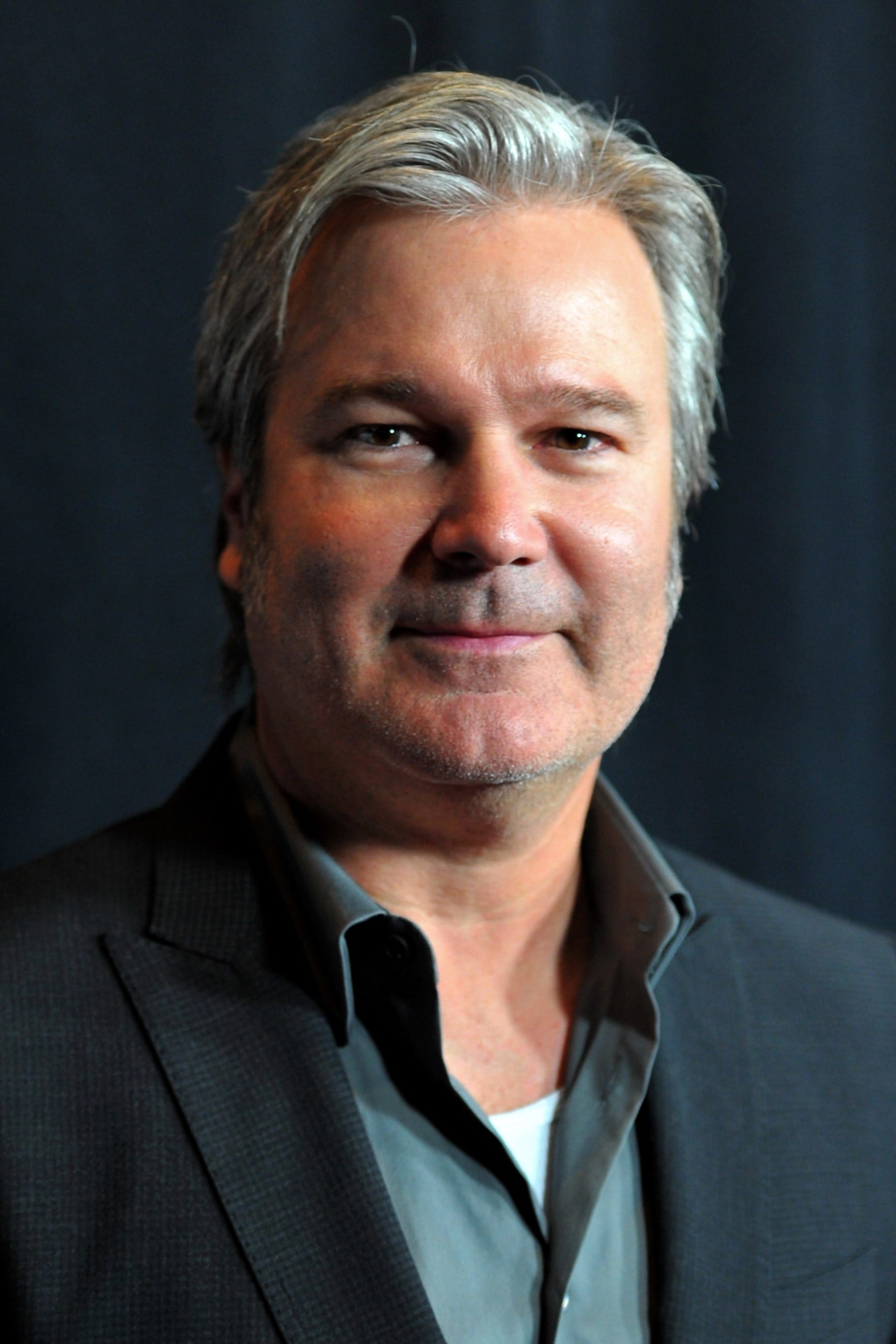
Verbinski’s post franchise choices produced a pair of high profile misses. ‘The Lone Ranger’ arrived with costly production headlines and reviews that criticized tone and length. ‘A Cure for Wellness’ drew negative responses that focused on story bloat and an ending that failed to satisfy reviewers.
The results affected studio appetite for similarly ambitious swings. Both films demonstrated how lavish design and committed performances cannot compensate when critics find the script unfocused. The reception also slowed momentum for original genre pieces at that budget level.
Andrew Stanton

Stanton made the jump from animation to live action with a project that struggled at every stage. ‘John Carter’ faced branding confusion, heavy effects work, and reviews that called out a muddled narrative. The film’s performance prompted a reassessment of marketing strategies for new space operas.
Plans for sequels were shelved after the reaction. The episode became a case study in the importance of clear positioning and audience education when launching an unfamiliar property. It also highlighted the gap that can appear when a respected storyteller shifts mediums under intense scrutiny.
Tom Hooper

Hooper’s musical adaptation arrived with significant star power and heavy digital work. ‘Cats’ drew scathing reviews that focused on visual design, effects integration, and tonal execution. The film quickly became a touchpoint for discussions about digital fur technology and its impact on performance.
The response influenced how future musical adaptations approached effects and staging. Distribution changes and awards season strategies were adjusted in the aftermath. The film’s reception serves as a reminder that technical choices in a musical carry heightened risk when they alter how audiences read actors’ faces and movement.
Share which directors and titles you think deserve a spot in the conversation in the comments.