Celebs Whose Past Actions Would Lead to Cancellation Today


Public standards have shifted fast, and behavior that once passed with a brief apology or a quiet settlement now draws louder scrutiny and more lasting consequences. Looking back at well documented incidents highlights how differently the entertainment world treats misconduct today compared to earlier eras.
This list focuses on actions that were recorded in court documents, police reports, sworn testimony, televised statements, or widely covered interviews. Each example summarizes what happened and what tangible consequences followed at the time, the kind of fallout that would likely be even more severe in the social media era.
Chris Brown
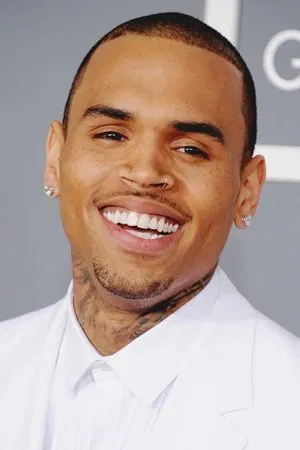
Chris Brown pleaded guilty to felony assault after an attack on Rihanna. The court ordered probation, community labor, and counseling, and a restraining order was put in place. The case stayed on the public record and was referenced in later legal filings and tour decisions.
His professional schedule was reshaped in the aftermath, with appearances adjusted or withdrawn during legal proceedings. Sponsor relationships and broadcast plans were reviewed as his compliance with court terms was monitored through probation and mandated programs.
R. Kelly
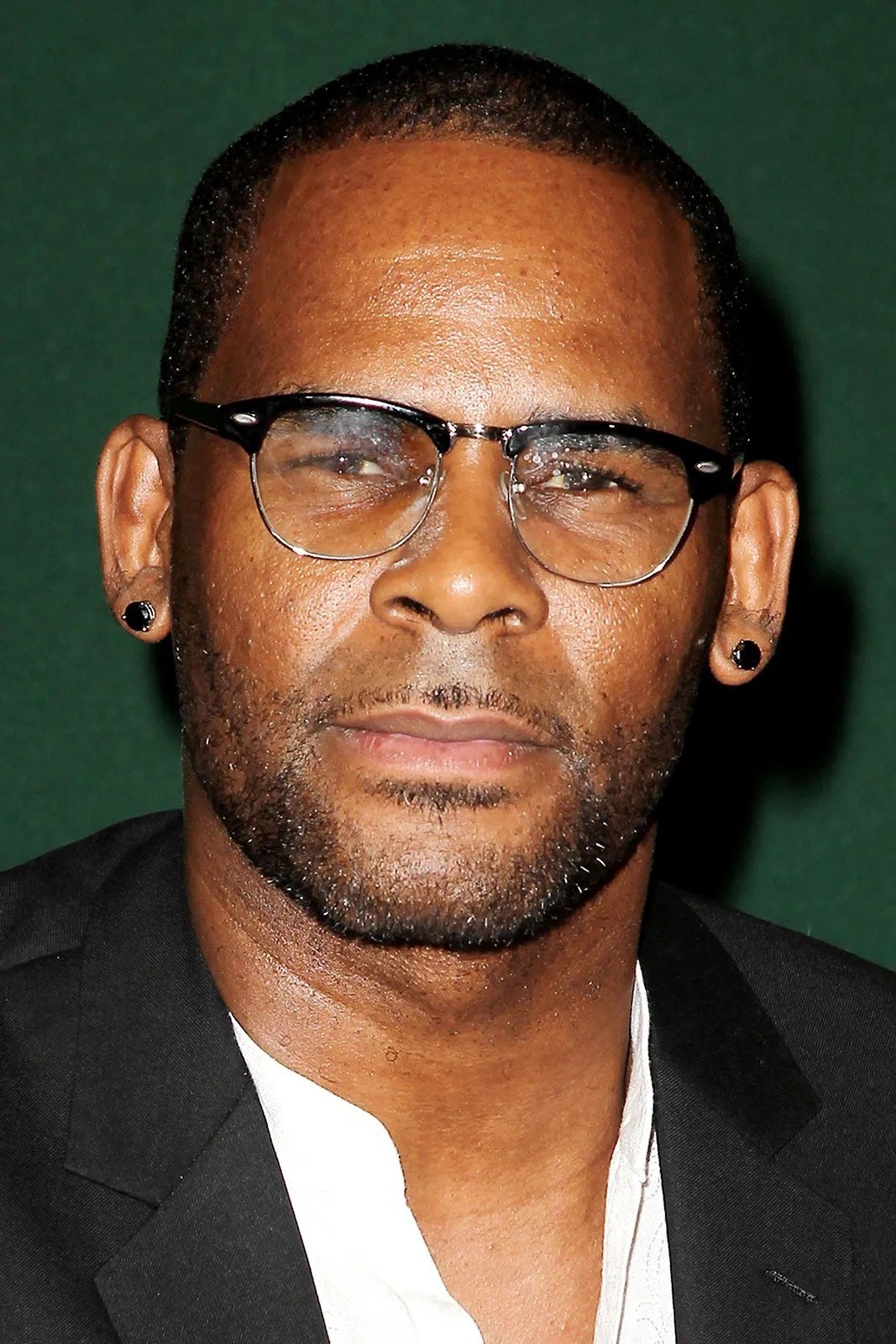
R. Kelly was convicted in multiple federal cases that detailed a long running pattern of crimes involving minors and coercion. He received lengthy prison sentences after trials that assembled years of investigative work and testimony.
The verdicts led to catalog removals from curated playlists, the cancellation of touring activity, and the end of long standing industry partnerships. Civil litigation from accusers resulted in additional judgments and liens tied to royalties and assets.
Roman Polanski
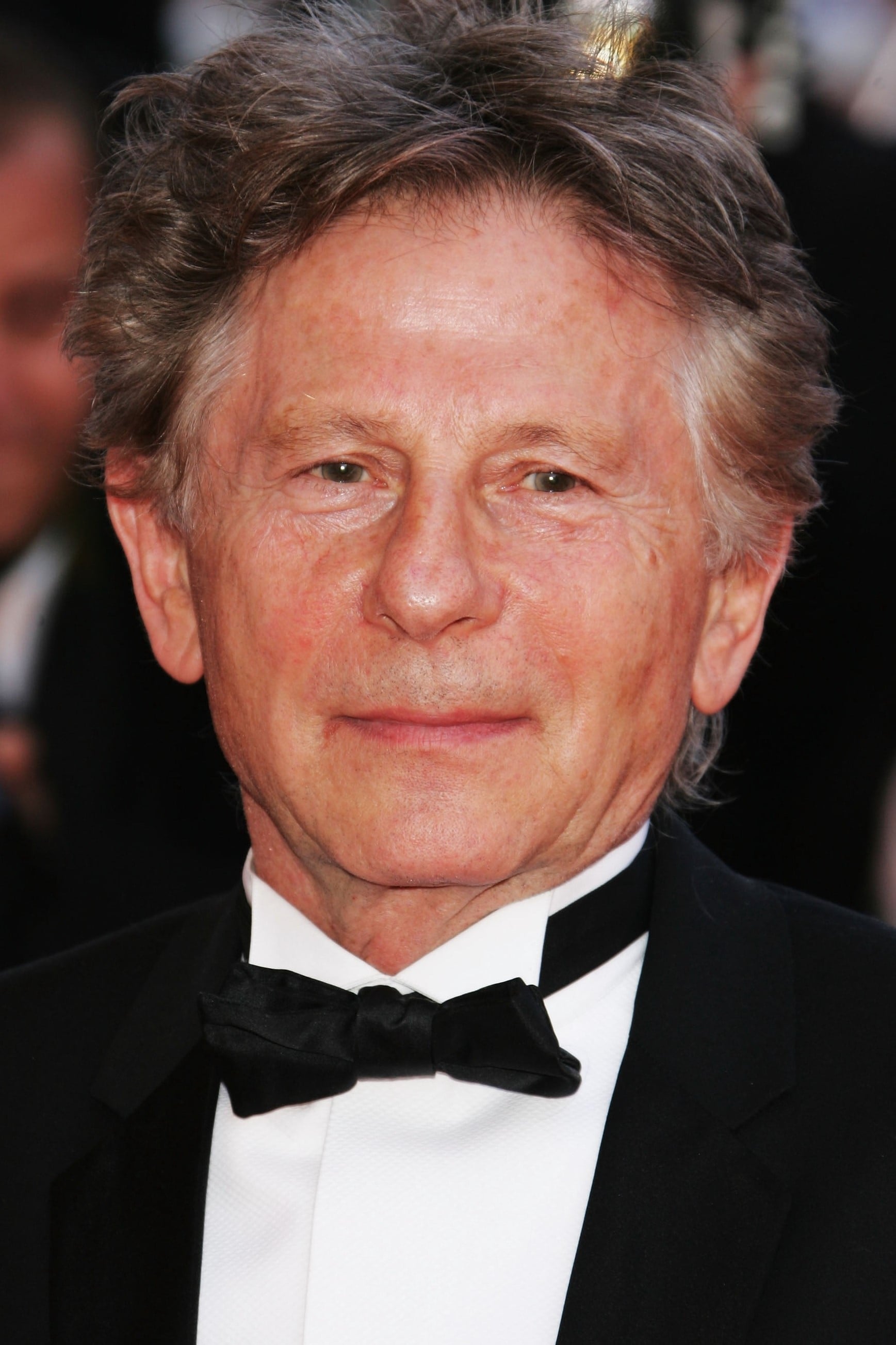
Roman Polanski pleaded guilty to unlawful sexual intercourse with a minor in a California case and then left the United States before sentencing. Courts in Europe handled repeated extradition requests and rulings, which kept the case active across jurisdictions.
Despite continued work abroad, the unresolved sentencing and a fugitive status in the United States limited his ability to travel and attend award ceremonies. Professional bodies repeatedly revisited eligibility rules, leading to expulsions and withdrawn invitations.
Mike Tyson
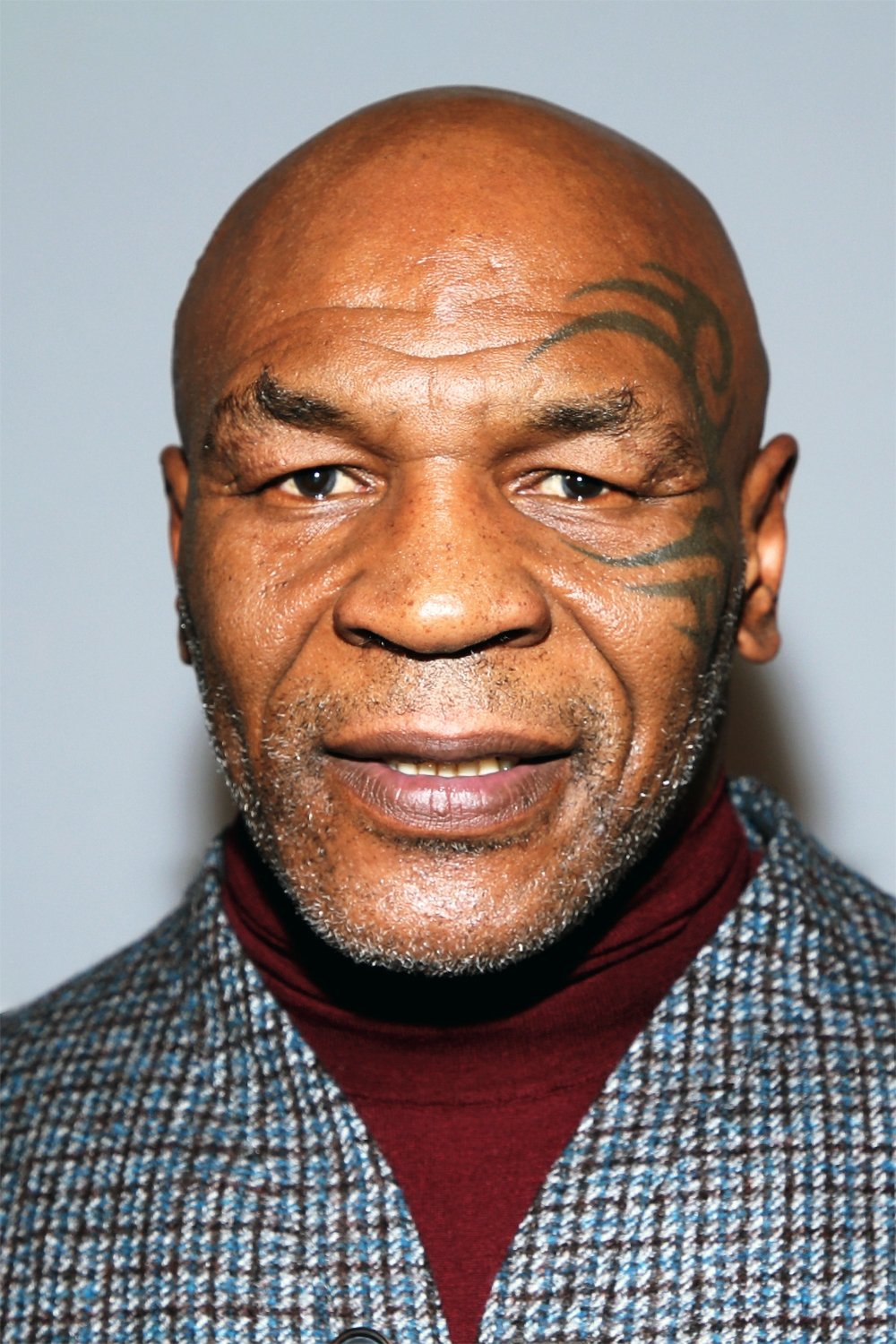
Mike Tyson was convicted of rape in a state court and served a prison sentence before returning to boxing. The conviction required registration and ongoing legal obligations after release.
Licensing commissions examined his status in public hearings before permitting future bouts. Endorsement deals ended, promotional plans were rewritten, and his competitive timeline was reshaped by parole and reinstatement conditions.
Mel Gibson
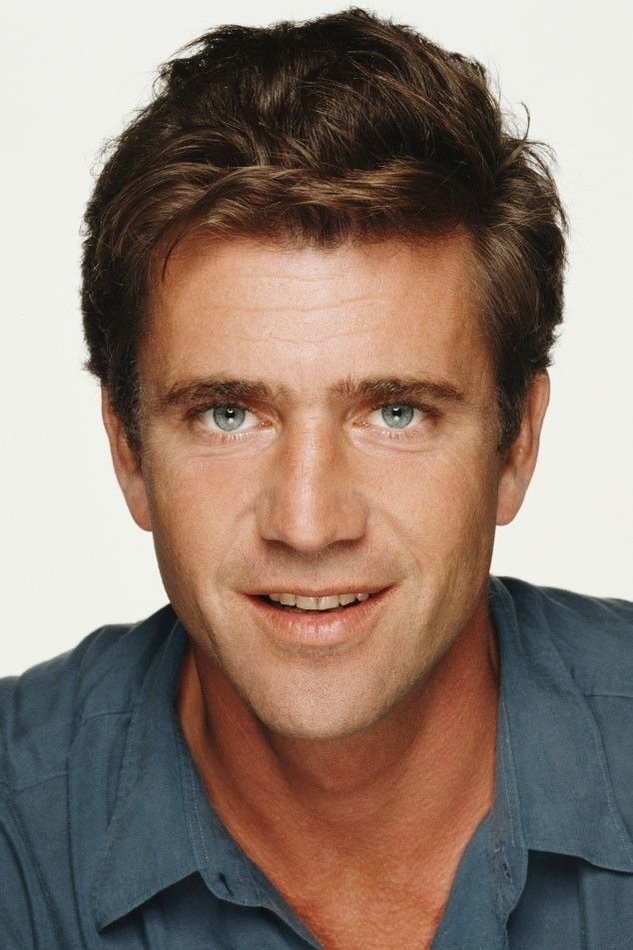
Mel Gibson was arrested for driving under the influence and recorded making anti Jewish remarks to law enforcement. He later entered a plea in a separate misdemeanor battery case involving Oksana Grigorieva.
Studios paused projects and agencies reassessed representation while he completed court ordered programs and community service. Industry groups and award bodies distanced themselves as distribution partners evaluated reputational risk before later collaborations resumed.
Jerry Lee Lewis

Jerry Lee Lewis married a 13 year old cousin once removed, a revelation that surfaced during a press tour and triggered immediate concert cancellations. Immigration and venue officials questioned documentation during travel, which disrupted the entire tour.
Radio programmers reduced airplay, record sales fell, and promoters withdrew offers for major stages. His career required years of rebuilding through smaller venues and genre specific circuits before a partial commercial recovery.
Sean Connery
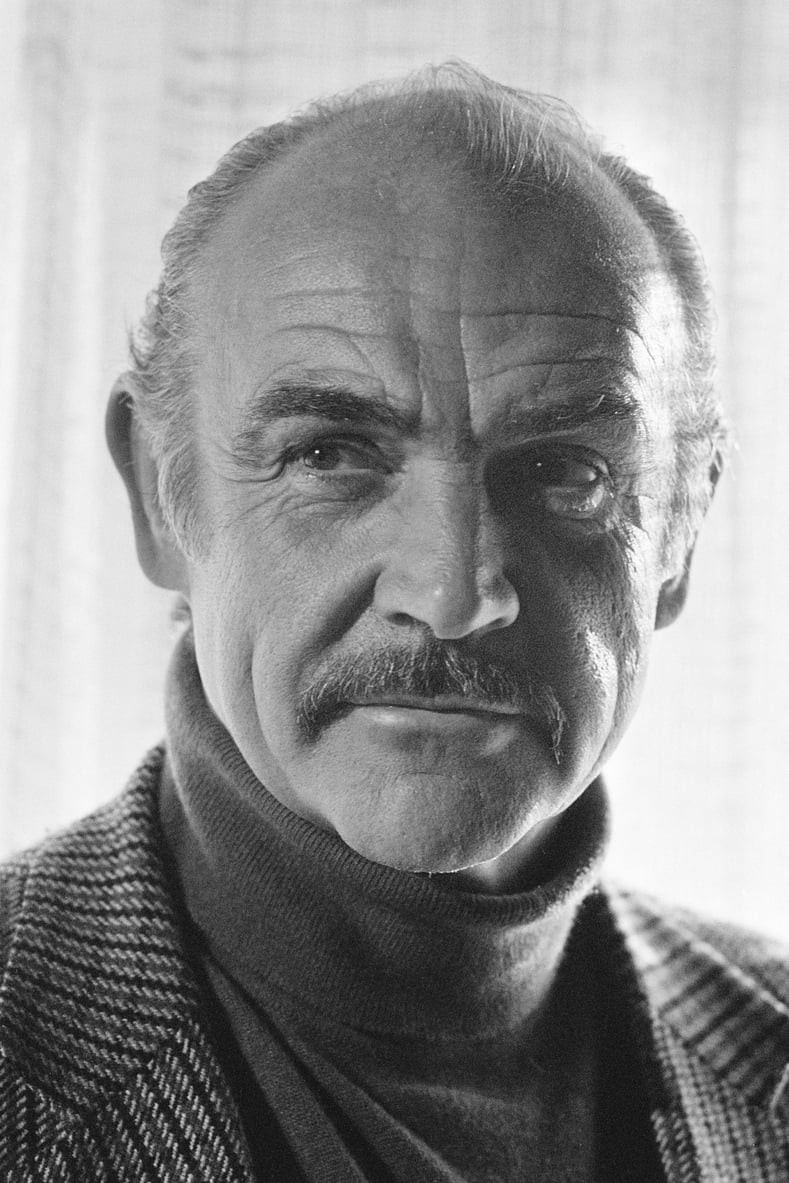
Sean Connery gave interviews in which he endorsed slapping women, comments that were printed and then broadcast again in later television segments. The remarks were repeatedly revisited in profiles and retrospectives.
Publicists and studios fielded questions whenever anniversary coverage surfaced those transcripts. Event organizers and charities weighed invitations against archived footage and quotes that continued to circulate in news packages.
John Wayne
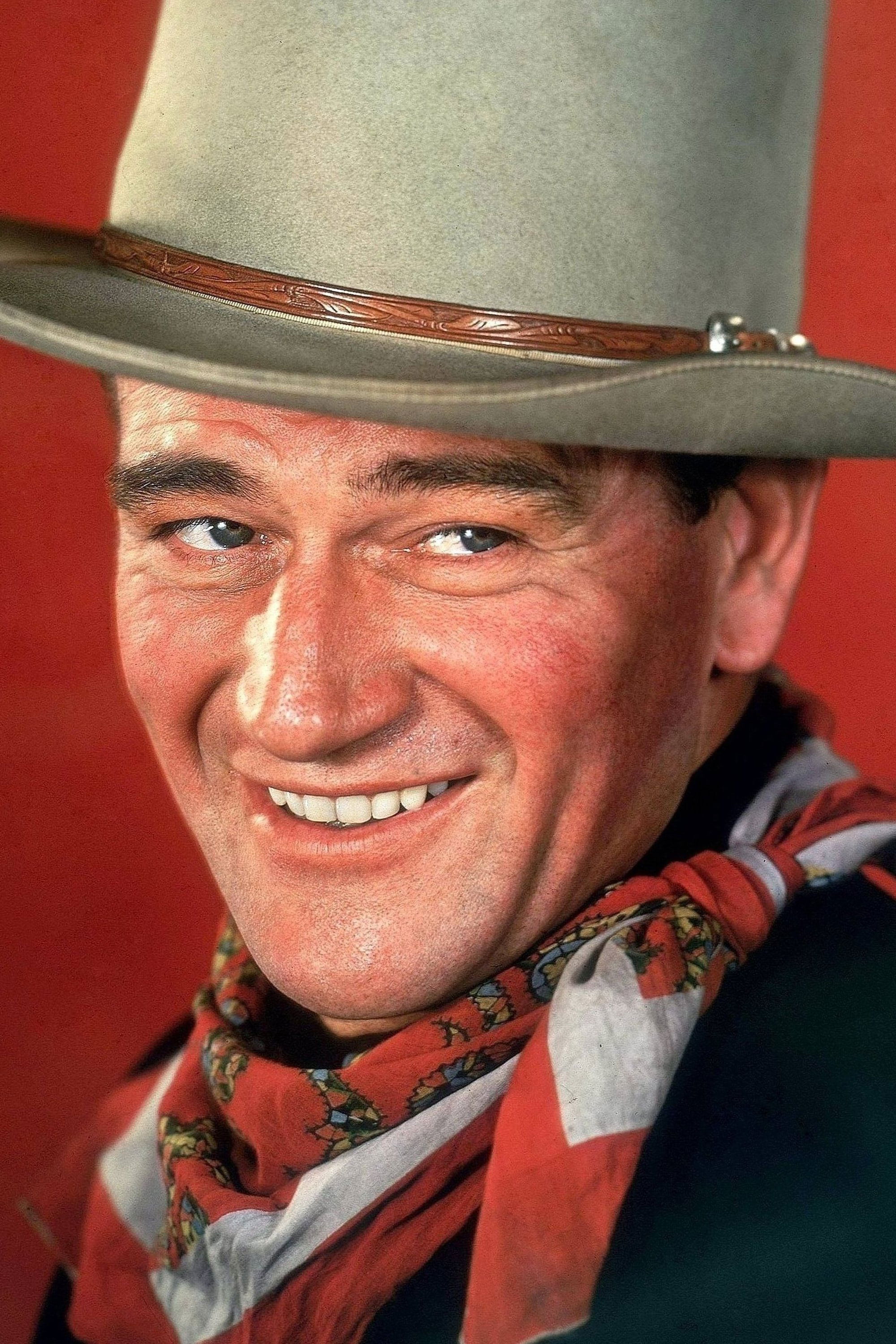
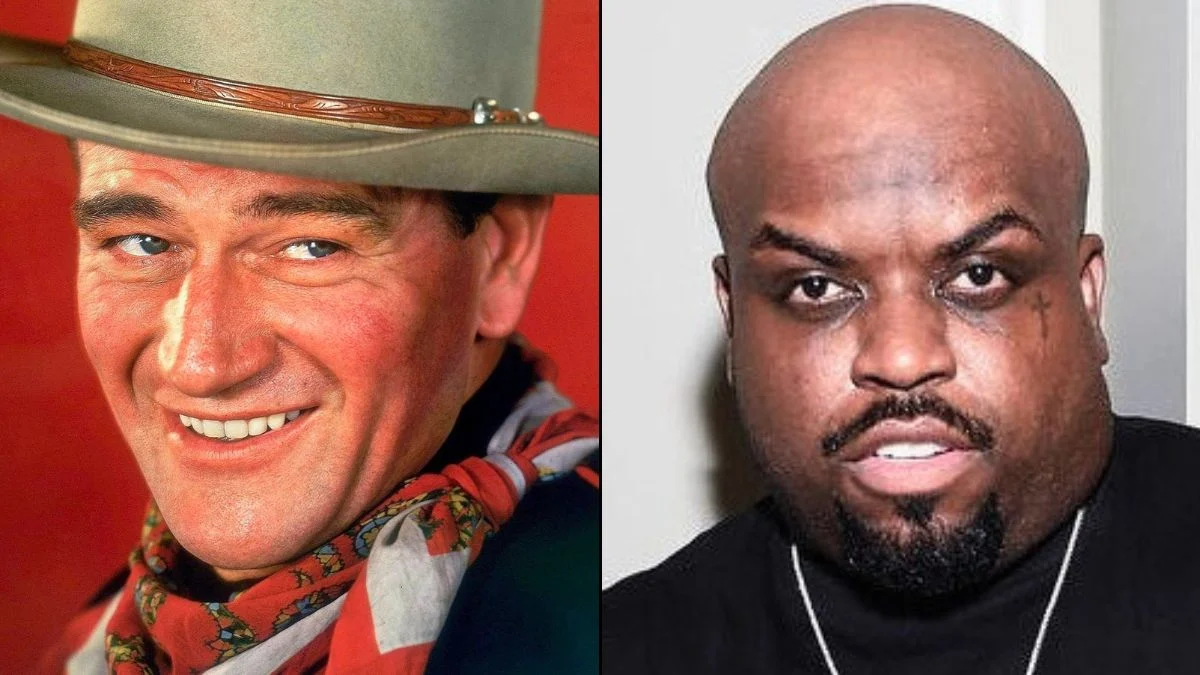
John Wayne’s interview in a national magazine contained racist and homophobic statements that have been widely reprinted. The archived conversation has been cited in campus and municipal debates over naming and commemoration.
Film festivals and institutions reevaluated tributes and honors as the remarks resurfaced in digital archives. Programming notes and museum displays added context while boards reviewed policies for dedications and award titles.
Mark Wahlberg
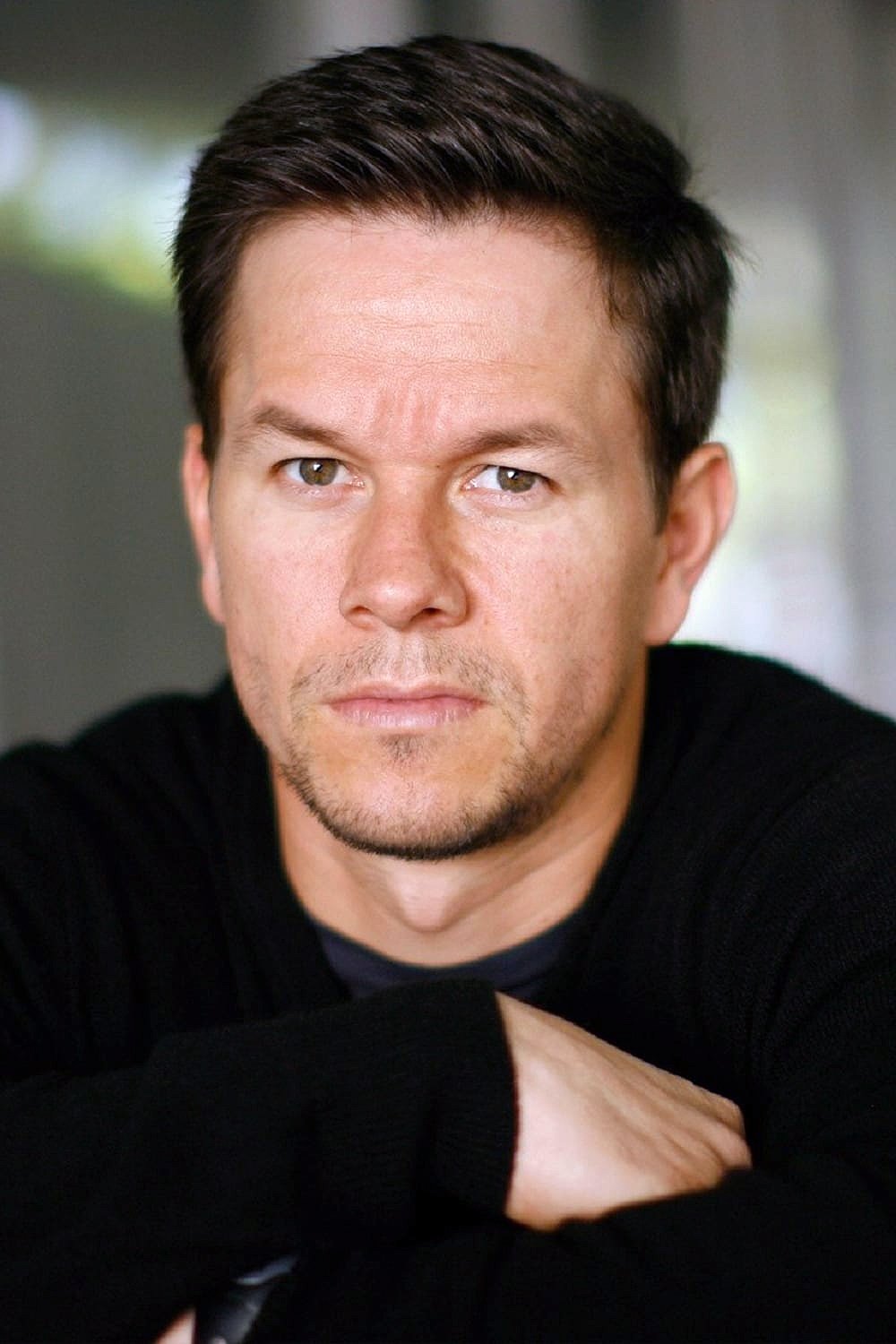
Mark Wahlberg was charged in separate incidents as a teenager and pleaded guilty to assault in one case, serving a portion of a sentence in jail. The criminal record and victim statements remain part of court archives.
He later filed a pardon application that brought renewed scrutiny to the original cases before the request was withdrawn. Background checks, insurance underwriting, and studio risk assessments incorporated those records during project planning.
Michael Richards
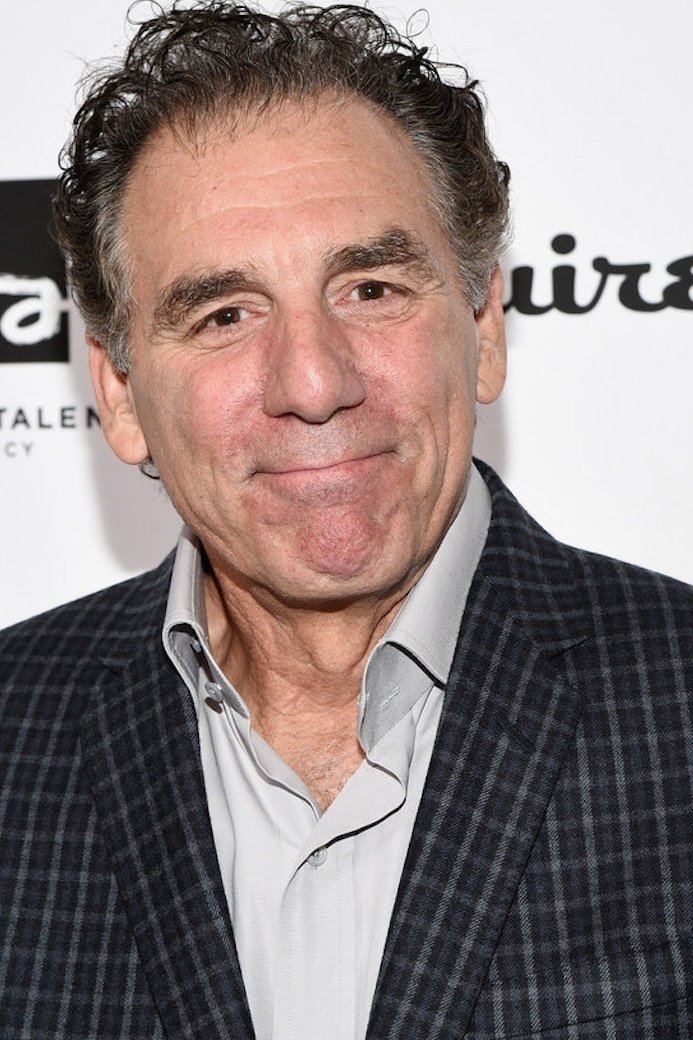
Michael Richards used a racial slur repeatedly during a stand up set that was recorded by audience members and circulated online. He gave a televised apology soon after as the clip continued to air on news programs.
Bookings were canceled and planned appearances were dropped as partners assessed audience reaction. Syndication of old episodes continued, but his live work and development projects stalled following the incident.
Paula Deen
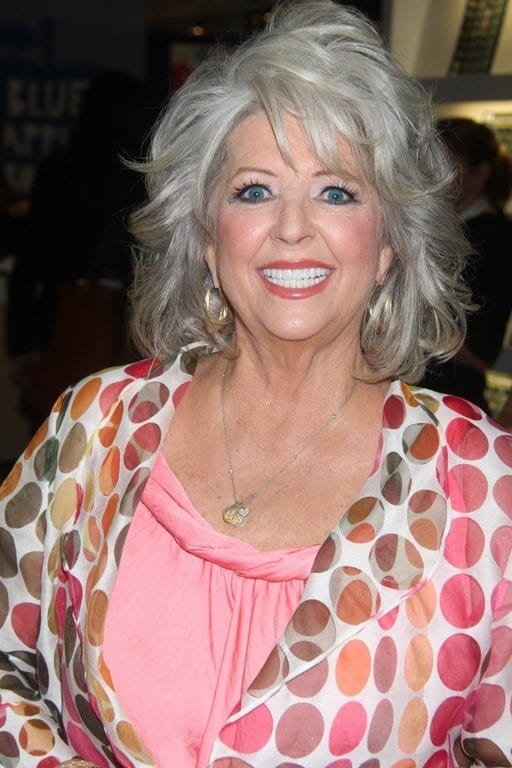
Paula Deen acknowledged in a deposition that she had used a racial slur in the past, testimony that became public during a lawsuit. The disclosure prompted swift reviews by corporate partners.
Her television contract ended, branded product lines were discontinued, and retailers removed items from shelves. Event appearances were canceled as sponsors evaluated statements, court filings, and consumer response.
Roseanne Barr
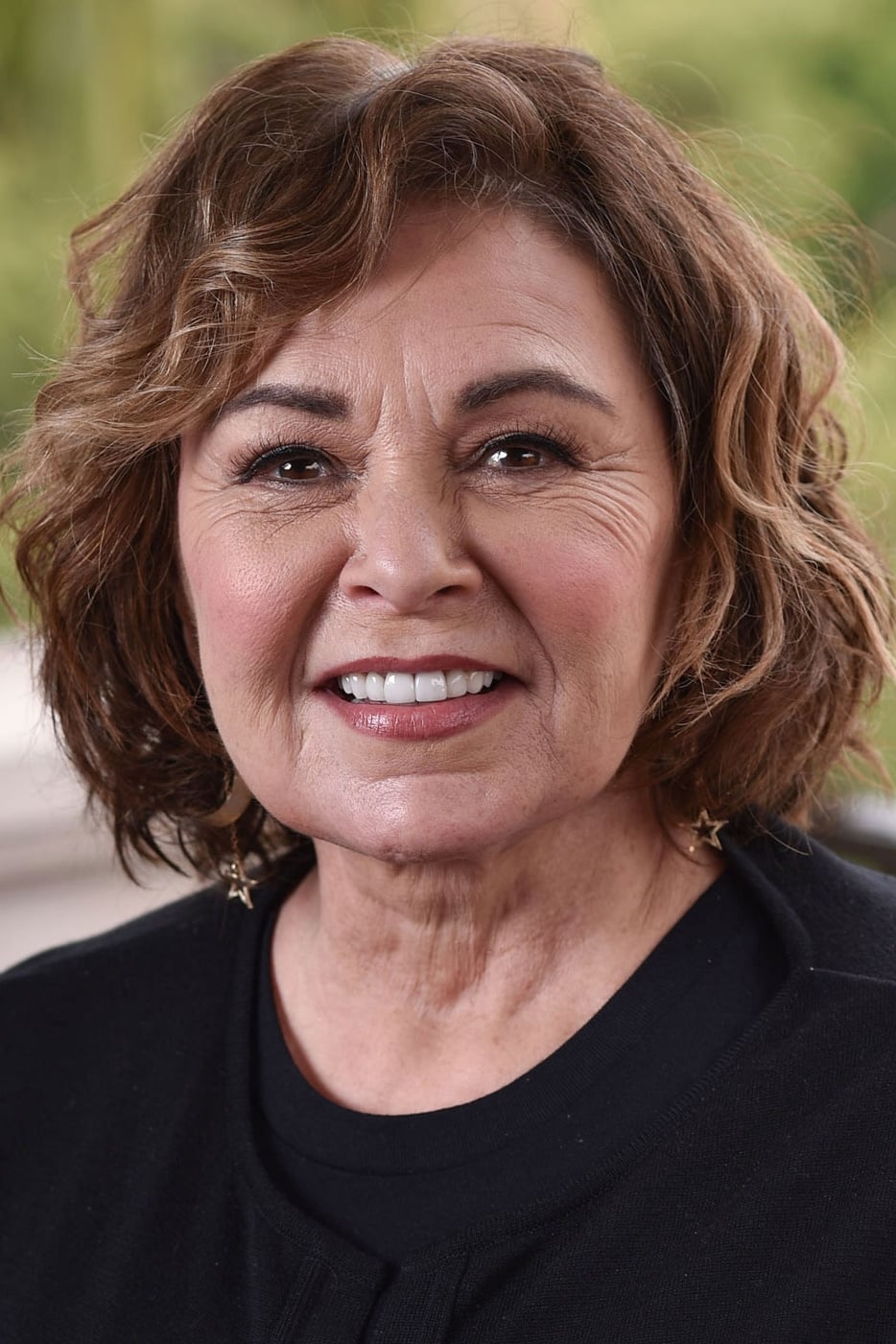
Roseanne Barr posted a tweet about Valerie Jarrett that networks and sponsors condemned as racist. The comment prompted an immediate response from the broadcaster that carried her revived sitcom.
The network canceled ‘Roseanne’ and proceeded with ‘The Conners’ without her participation. Talent contracts were renegotiated, writers’ rooms were restructured, and marketing materials were revised within days.
Cee Lo Green
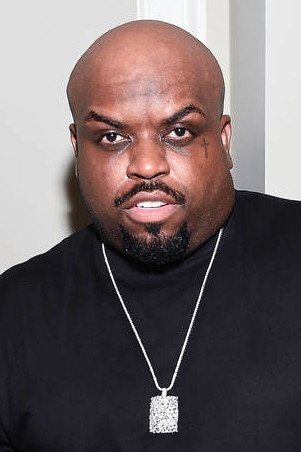
Cee Lo Green pleaded no contest to furnishing ecstasy to a woman and received probation and community service. He posted social media messages about consent that drew widespread criticism before he deleted them.
A planned season of ‘Cee Lo Green’s The Good Life’ did not proceed, and bookings were reevaluated by promoters. Award organizations and networks suspended opportunities while legal supervision and restitution were completed.
Hugh Grant
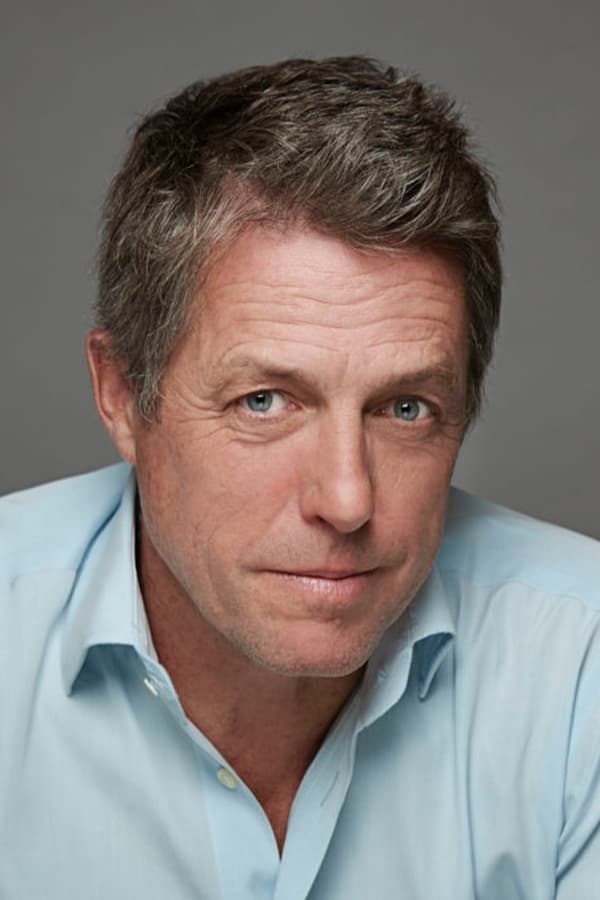
Hugh Grant was arrested for lewd conduct with a sex worker and later entered a plea that included fines and an education program. The arrest report and booking photo circulated widely.
Publicists reworked press tours for films that were scheduled around the incident. He issued a televised apology while studios adjusted advertising and late night appearances to address the story.
Winona Ryder
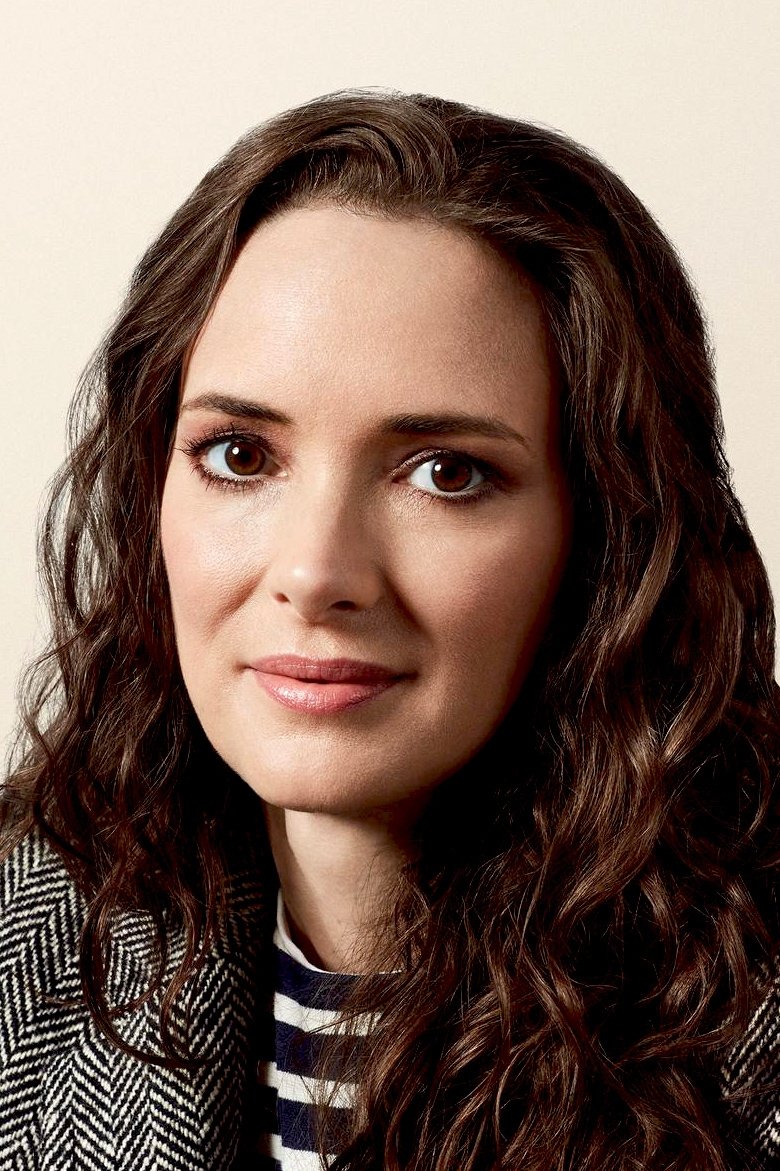
Winona Ryder was convicted of grand theft after a highly publicized shoplifting case. Sentencing included probation, fines, restitution, and community service with compliance supervised by the court.
Retail surveillance footage and trial exhibits were covered extensively, which affected endorsement opportunities. Studio scheduling and casting slowed until she completed her sentence and fulfilled restitution terms.
O. J. Simpson

O. J. Simpson was found liable in a civil court for wrongful death and battery related to the deaths of Nicole Brown Simpson and Ronald Goldman. He later received a prison sentence for armed robbery and kidnapping in an unrelated Las Vegas case.
Judgments in the civil case led to ongoing efforts to collect damages through assets and future earnings. Parole proceedings and release conditions structured his public activity for years following the criminal sentence.
Martha Stewart
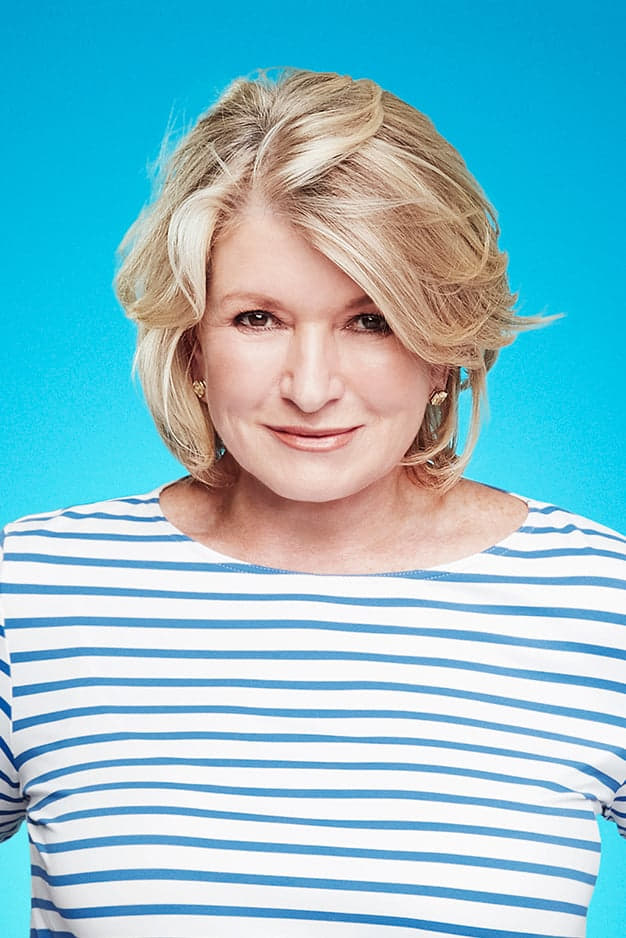
Martha Stewart was convicted of conspiracy, obstruction of justice, and making false statements in a case linked to a stock sale. She served time in federal prison followed by home confinement under electronic monitoring.
Corporate boards and media partners paused collaborations while she completed supervision and restructured her company. Licensing deals and television production adjusted timelines to accommodate restrictions and reputational reviews.
Charlie Sheen
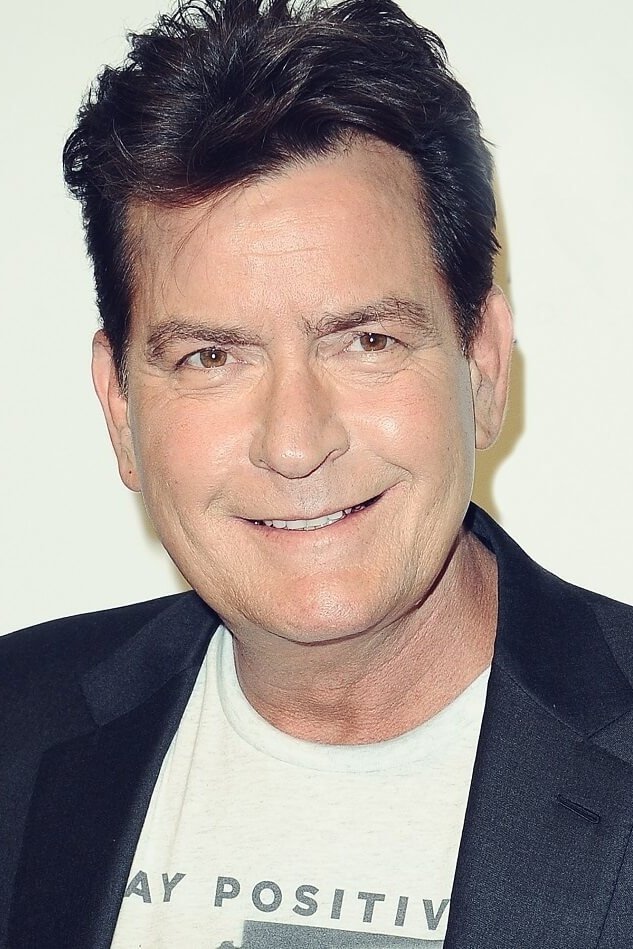
Charlie Sheen pleaded guilty to misdemeanor assault in a domestic case in Aspen. Within two years he was dismissed from ‘Two and a Half Men’ after a breakdown in relations with producers that followed public outbursts.
Syndication and contractual obligations were renegotiated while he exited the series. Insurance and completion bond requirements became a factor for future productions as teams evaluated workplace risk.
Bill Cosby
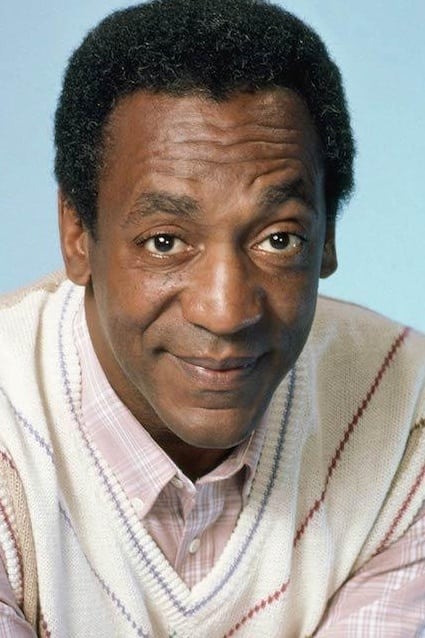
Bill Cosby was convicted of aggravated indecent assault in Pennsylvania, a conviction that was later overturned by the state’s highest court on due process grounds. In a separate civil trial in California he was found liable for sexually assaulting a minor in the 1970s.
Networks removed specials and colleges rescinded honors as lawsuits advanced in multiple jurisdictions. Professional associations expelled him and distributors reexamined licensing terms for older programs such as ‘The Cosby Show’.
Duane ‘Dog’ Chapman

Duane Dog Chapman was recorded using a racial slur in a private phone call that became public. The network that aired his reality series suspended production following the release of the audio.
Advertisers and retailers reconsidered tie in products as he issued apologies and gave interviews about the incident. Production resumed later with conditions set by the network and closer oversight of public communications.
Share your picks in the comments and tell us which past incidents you think would draw the strongest reaction today.