The Best Stand-Up Comedians Of All Time, Ranked

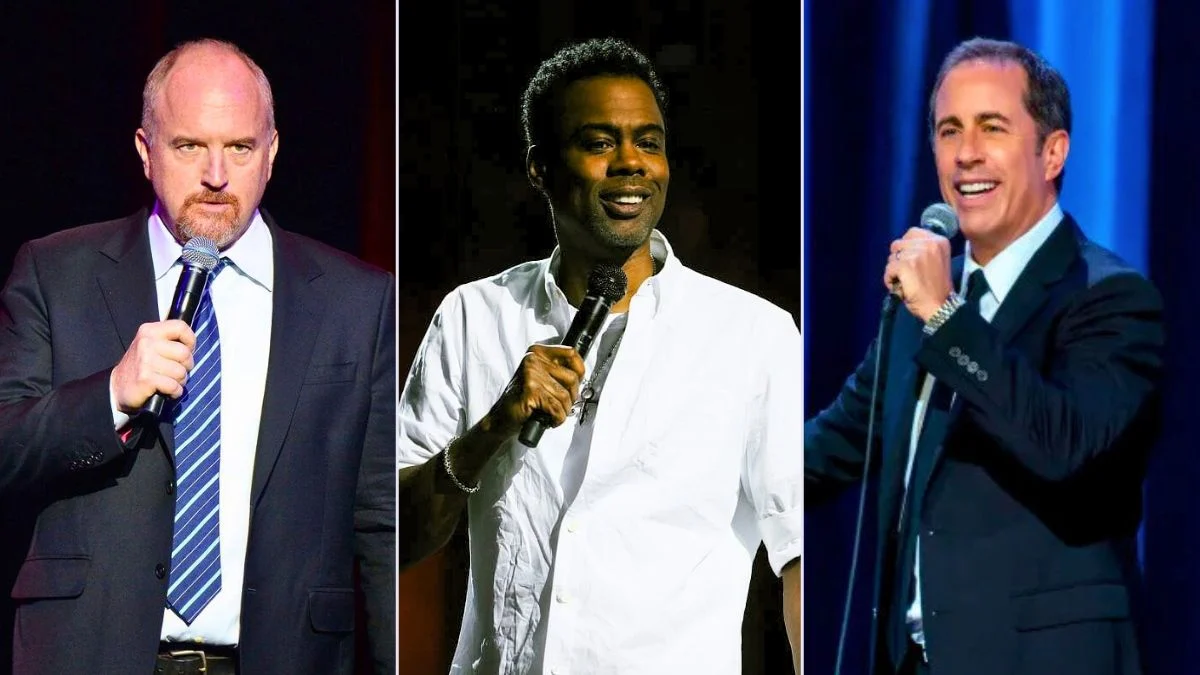

Stand up has shifted from smoky clubs to global arenas while keeping the same simple setup of a microphone and a point of view. Across decades, comics have shaped language, pushed legal boundaries, reset television, and filled shelves with albums and specials that still get replayed by new generations.
This countdown looks at recorded work, landmark specials, sold out tours, influential bits, and the ways these performers changed what stand up can be. You will find career milestones, awards, and concrete contributions that show how each name helped build the art form audiences know today.
20. Phyllis Diller
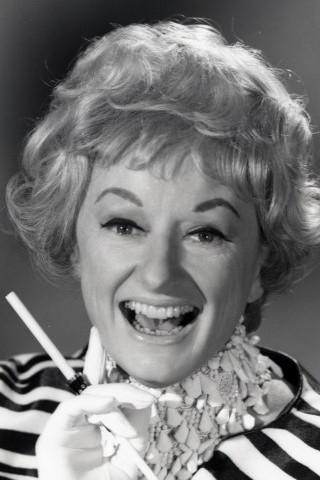
Phyllis Diller broke through in the late fifties with a rapid fire style and a signature stage look that set her apart in clubs that rarely booked women. She released early comedy albums, played major television variety programs, and headlined theater dates across the country while building a fan base that crossed age groups.
Her act used carefully written one liners and recurring characters, including jokes about the unseen husband known as Fang. She published books, voiced animated roles, and kept a heavy touring schedule well into later life, opening doors for comics who followed and showing club owners that women could sell tickets.
19. Bob Newhart

Bob Newhart’s debut record The Button Down Mind of Bob Newhart became a chart topping phenomenon in 1960 and earned major awards, a rare feat for a comedy album at the time. His telephone routines and stammering delivery were crafted with precise timing that worked on records, on television, and on stage.
He went on to star in hit series including ‘The Bob Newhart Show’ and ‘Newhart’ while continuing to perform stand up in theaters and casinos. He brought clean, structurally tight bits to mainstream audiences and proved that low key observational humor could thrive next to broader styles.
18. Sam Kinison
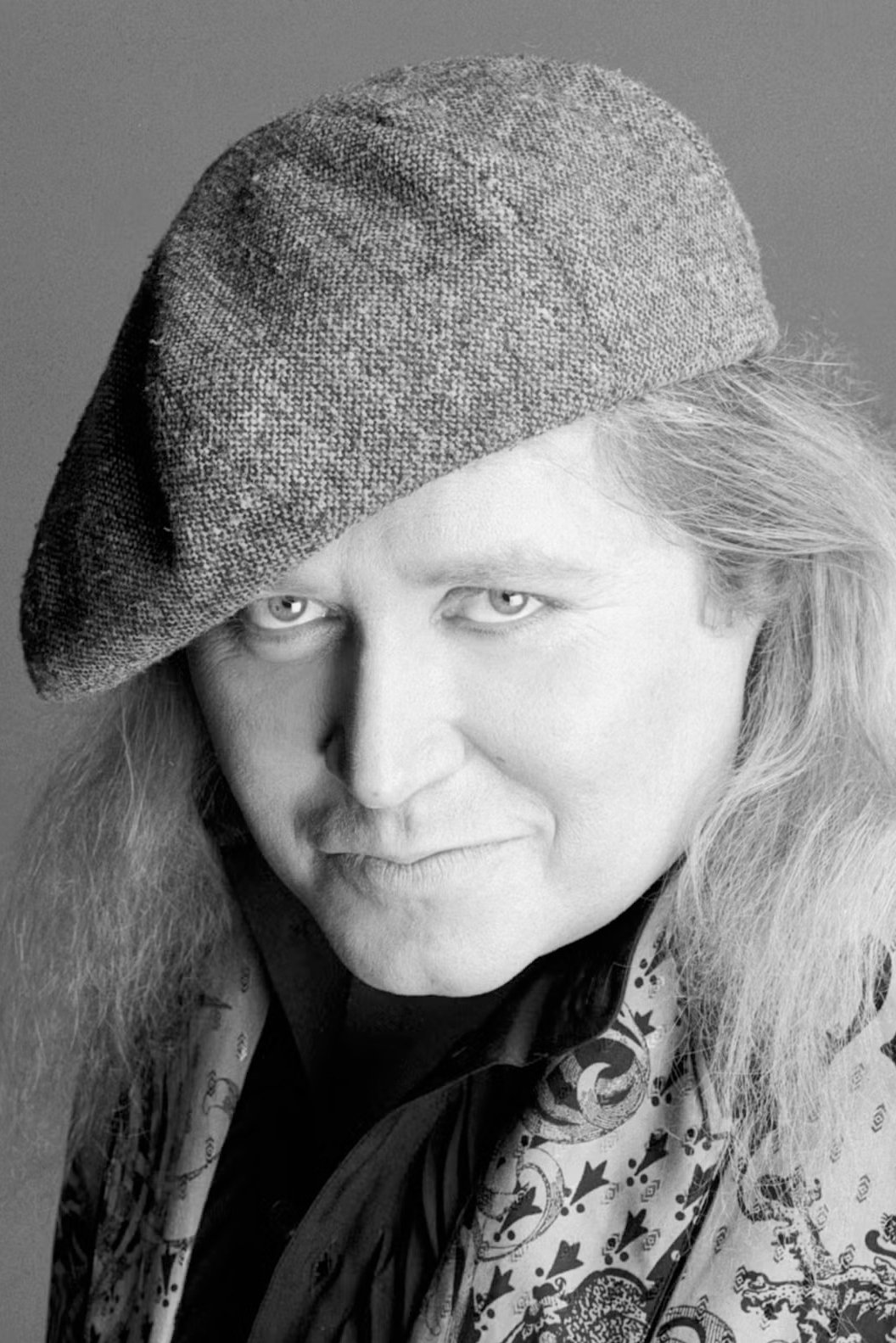
Sam Kinison began as a preacher and carried that intensity to the stage, building sets around a shout driven release that matched the rock venues he often played. He gained national attention with ‘HBO’ specials and late night television appearances that boosted club bookings across North America.
He recorded albums, toured with a full band, and crossed into music video rotation on cable channels. His career was cut short by a car crash in 1992, yet his records and televised sets continue to be studied for their pacing, stage presence, and use of silence before sudden volume shifts.
17. Mitch Hedberg
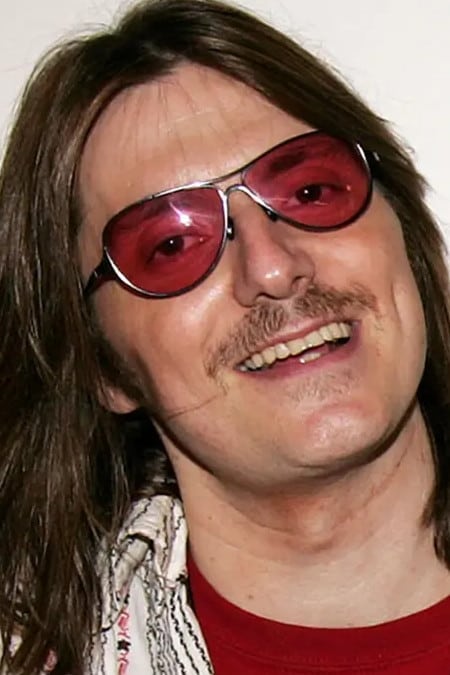
Mitch Hedberg released the indie album Strategic Grill Locations and followed it with Mitch All Together, both packed with short jokes that moved quickly from one premise to the next. His appearances on ‘Comedy Central Presents’ and late night shows turned those records into cult favorites that spread by word of mouth.
He built sets that relied on rhythm, misdirection, and unusual angles on everyday objects. Club and theater tours grew through the early two thousands, and posthumous releases collected unreleased material that maps how he refined lines on the road and in short television sets.
16. Norm Macdonald
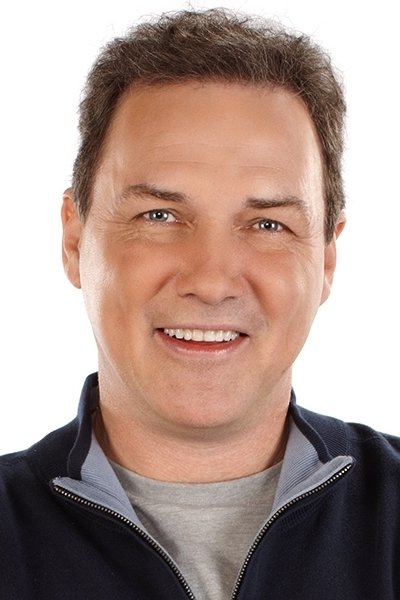
Norm Macdonald anchored Weekend Update on ‘Saturday Night Live’ during the mid nineties and later returned to long form stand up with theater specials and club runs. His specials, including Me Doing Standup, emphasized long stories, extended tags, and a commitment to punchlines that surprise after slow builds.
He wrote a best selling novel in the voice of a memoir and hosted talk shows that often turned into extended bits. A final special recorded at home and released in 2022 offered new material presented without an audience, giving fans a direct look at his writing and cadence.
15. Billy Connolly
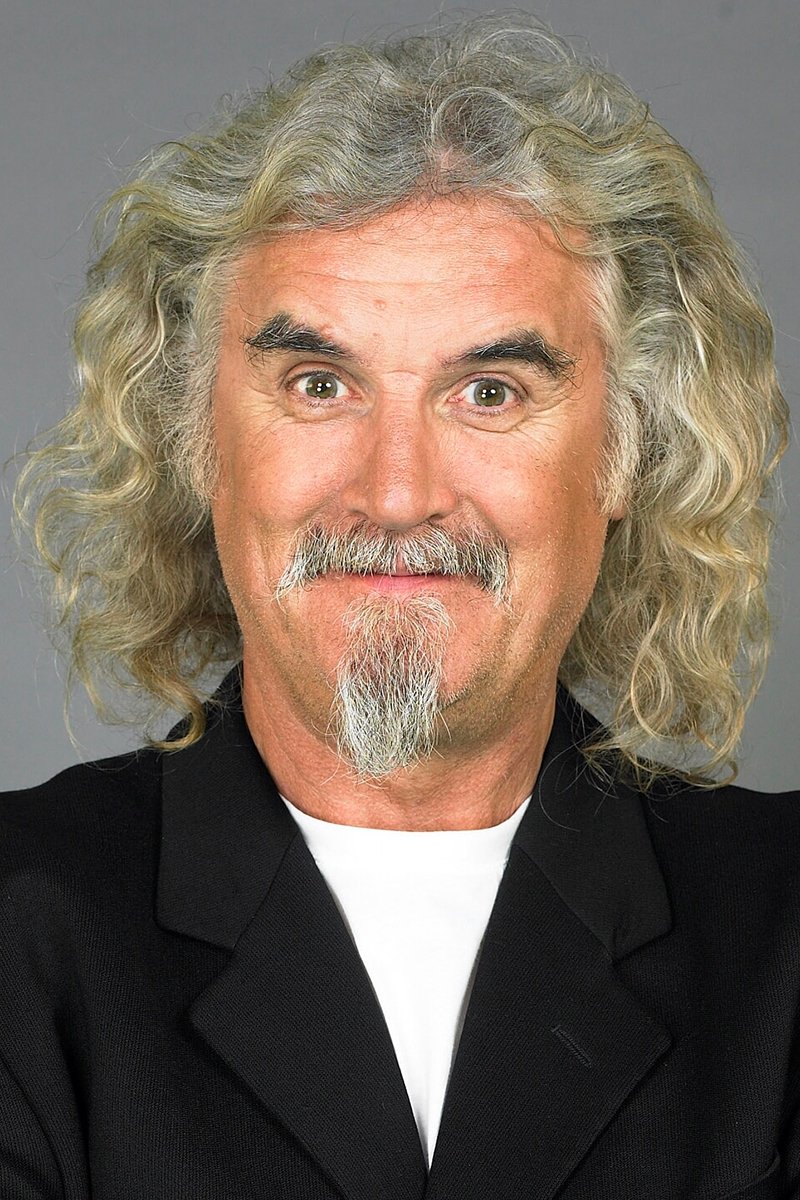
Billy Connolly brought Scottish storytelling to stages worldwide with long form narratives that mixed songs, autobiographical detail, and crowd work. His ‘An Audience with Billy Connolly’ broadcasts reached huge television audiences in the United Kingdom and helped him sell out multi night runs in major arenas.
He toured internationally across several decades and released best selling DVDs and books that documented the material. After a Parkinson’s diagnosis he stepped back from live performance while continuing to publish drawings and memoirs, leaving a large archive of filmed stand up for new viewers.
14. Don Rickles
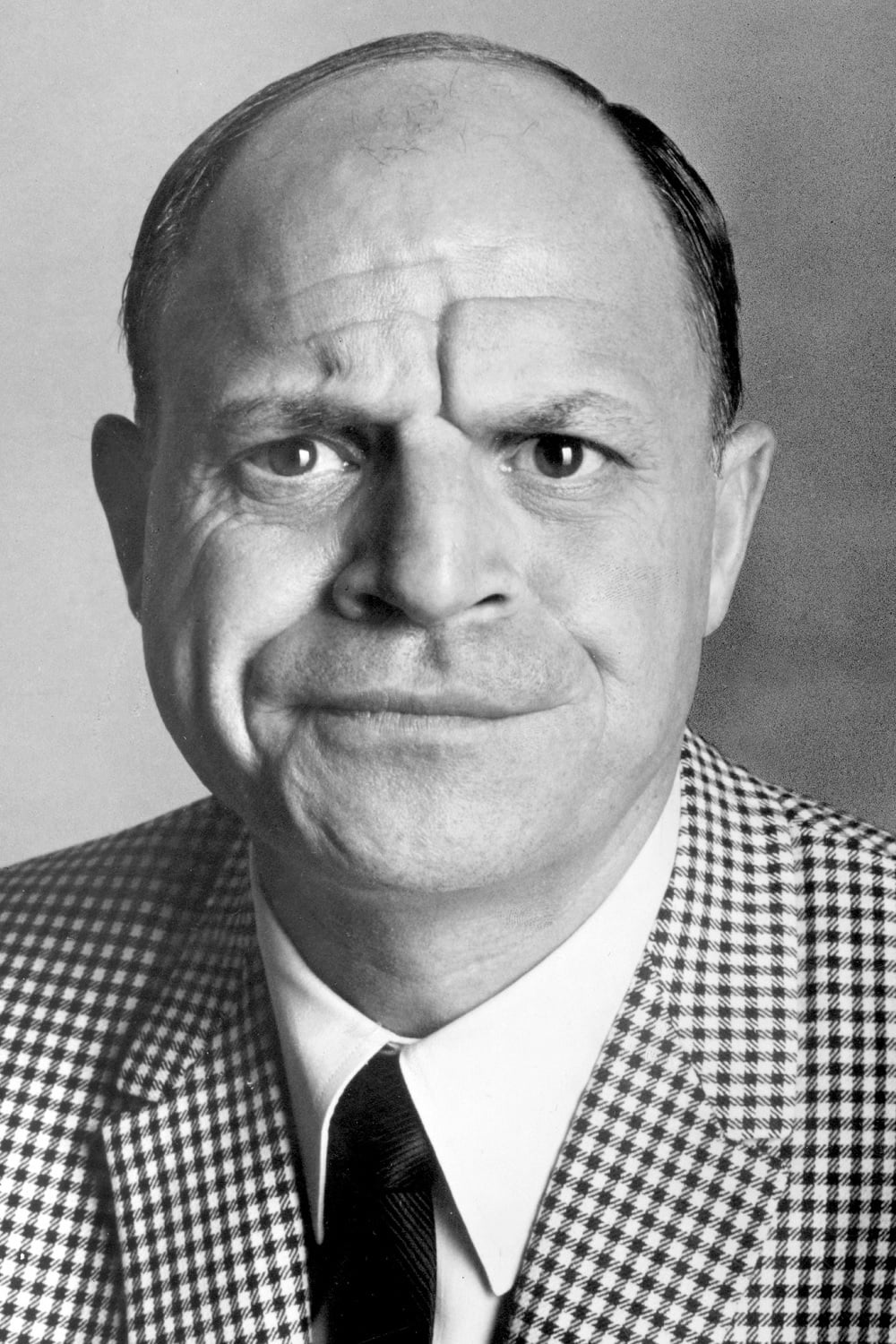
Don Rickles built a career on rapid insult comedy delivered in lounges, casinos, and theaters, then carried that style to ‘The Tonight Show Starring Johnny Carson’ and ‘The Dean Martin Celebrity Roast’. His club dates in Las Vegas ran for decades and drew return visits from fans who wanted to be part of the act.
He worked in film and television while keeping a heavy live schedule into his later years. A feature documentary and numerous late night appearances preserved the timing and crowd control techniques that younger comics study when learning to manage unpredictable rooms.
13. Rodney Dangerfield
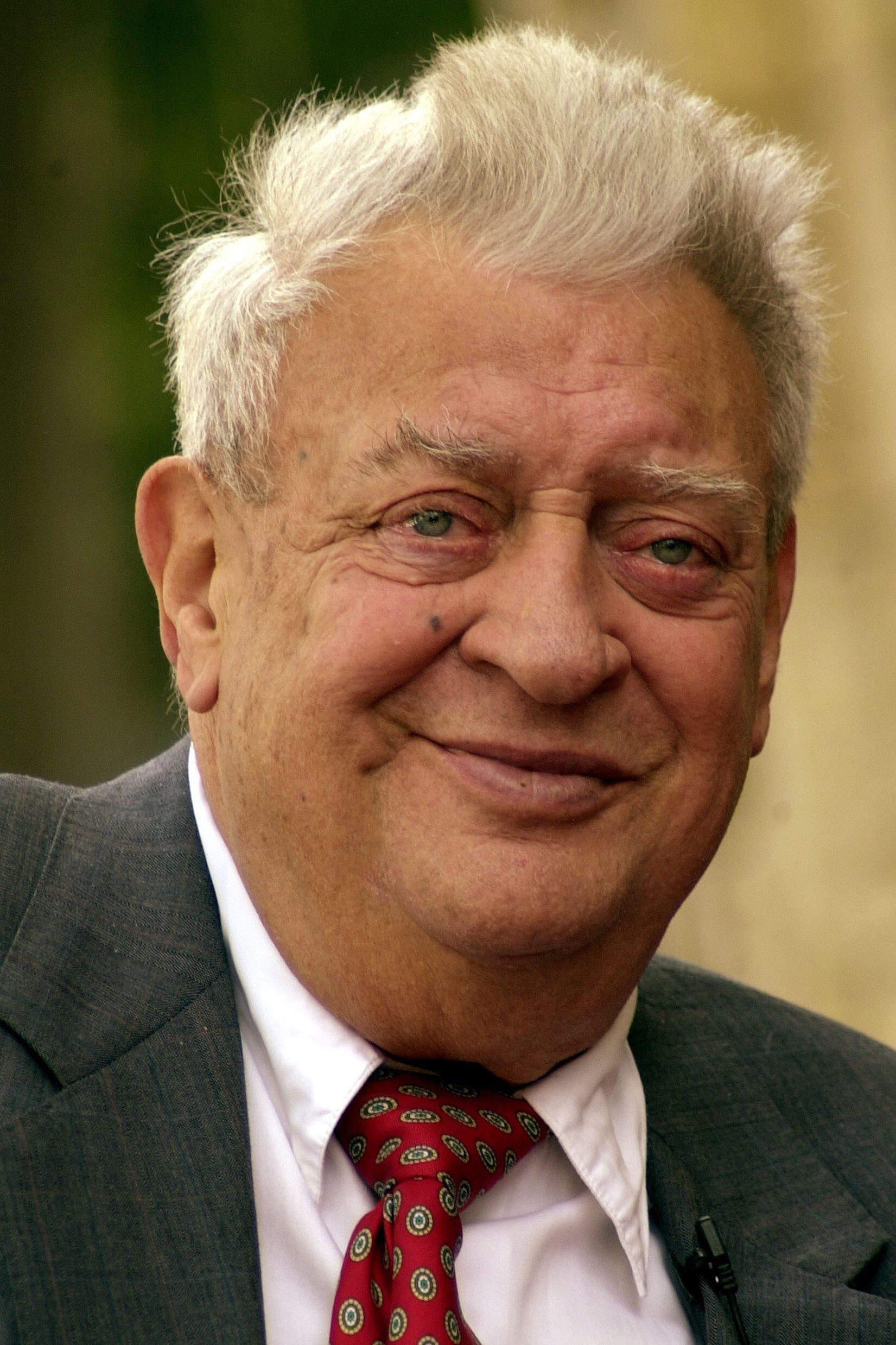
Rodney Dangerfield reopened his stand up career in the sixties after time away from show business, then launched the New York club Dangerfield’s in 1969. The venue became a showcase that introduced national audiences to rising comics through television specials filmed on its stage.
He recorded hit albums, headlined theaters, and moved into films including ‘Caddyshack’ and ‘Back to School’ without leaving stand up behind. His club gave stage time to performers who became stars, and his television specials served as a pipeline that brought new talent to viewers across the country.
12. Steve Martin
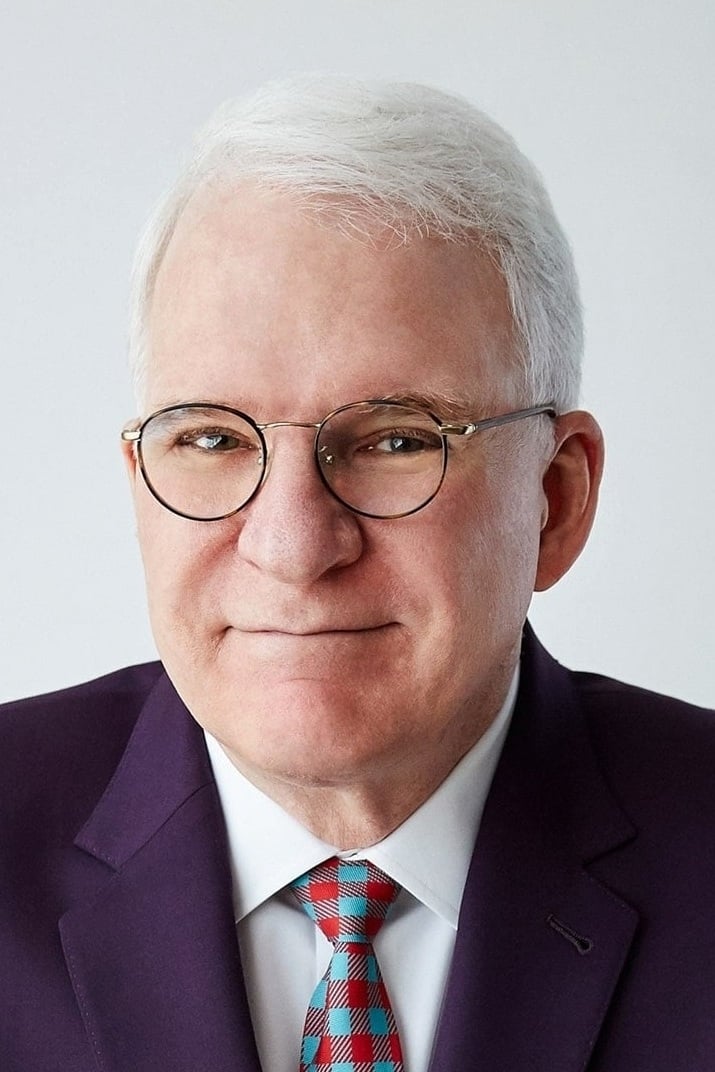
Steve Martin released arena sized comedy with the albums Let’s Get Small and A Wild and Crazy Guy, then took that momentum to national tours that sold out large venues. He mixed precision wordplay with physical bits, magic, and banjo performance, creating a stage show that felt like a full variety act.
After stepping away from stand up in the early eighties he returned to live comedy much later with theater tours alongside Martin Short. The Netflix special ‘An Evening You Will Forget for the Rest of Your Life’ captured that collaboration while he continued to record music and publish books.
11. Louis C.K.
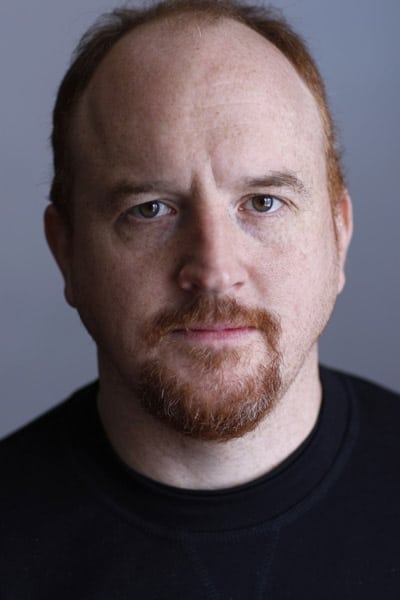
Louis C. K. changed distribution models by releasing ‘Live at the Beacon Theater’ directly from his website in 2011 at a low flat price, a move that many comics later adopted. He followed with annual specials, frequent club work that tested new hours, and tours that built material quickly.
He created the series ‘Louie’ and later the online drama ‘Horace and Pete’, both of which included extended stand up segments that blended with narrative storytelling. His stand up releases have won major awards, and his self produced platform continues to host new specials and audio recordings.
10. Jerry Seinfeld
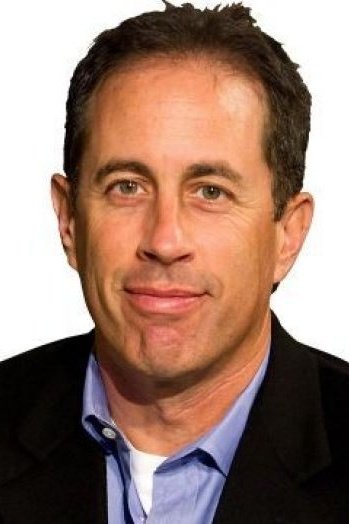
Jerry Seinfeld helped define mainstream observational comedy through club work that led to national television and then to the hit series ‘Seinfeld’. He recorded ‘I’m Telling You for the Last Time’ after retiring his old material, then continued to build new hours for theaters and streaming platforms.
He created ‘Comedians in Cars Getting Coffee’, which documented process conversations with peers while including short sets and club drop ins. Later specials such as ‘Jerry Before Seinfeld’ and ’23 Hours to Kill’ presented archival notebooks, new jokes, and the same clean structure that works in any venue.
9. Chris Rock
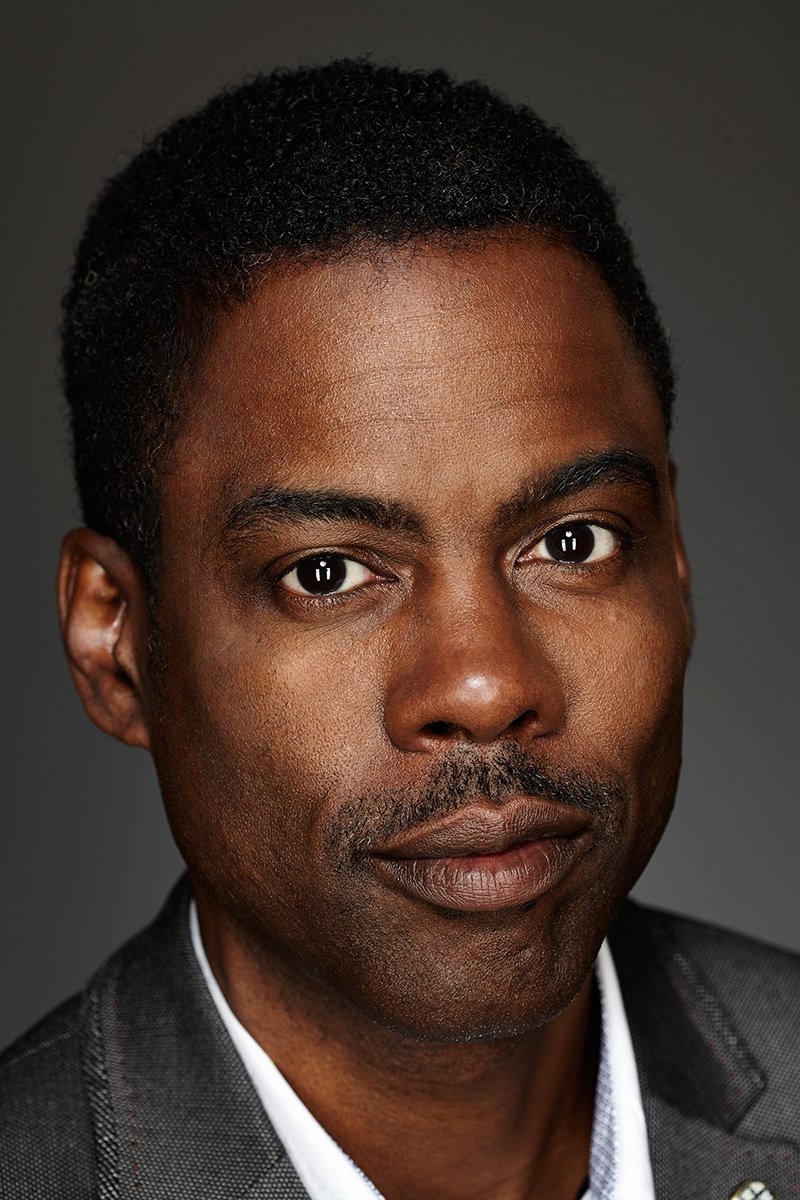
Chris Rock’s breakout ‘Bring the Pain’ in 1996 earned multiple awards and expanded his touring footprint from clubs to arenas. Follow ups like ‘Bigger and Blacker’ and ‘Never Scared’ kept that momentum with long tours, international dates, and heavy rotation on cable.
He has hosted the Academy Awards, released best selling books, and continued to drop new specials such as ‘Tamborine’ and ‘Selective Outrage’. The stage show remains a large scale production with new hours built through extended club workshops before moving to theaters and streaming.
8. Robin Williams
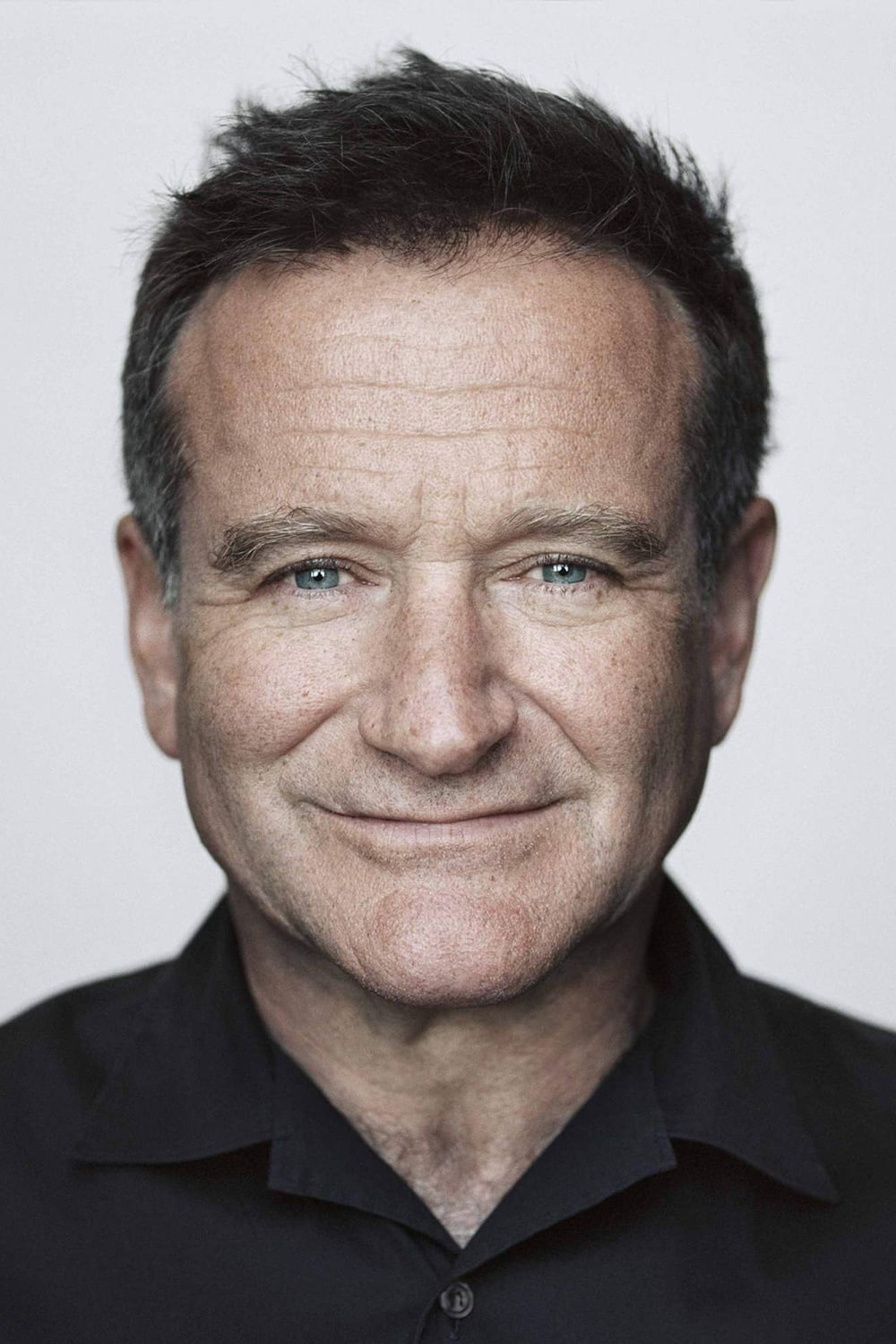
Robin Williams recorded the landmark ‘A Night at the Met’ during the mid eighties, capturing high energy riffs, character voices, and rapid transitions that matched his club reputation. He returned to stand up after long stretches in film with ‘Weapons of Self Destruction’, a sold out arena tour that became an HBO special.
Television and film work never replaced stand up in his schedule, and he regularly dropped into San Francisco and Los Angeles clubs to develop ideas. His archive includes multiple recordings, benefit performances, and tours that show how he shaped material in front of live crowds.
7. Bill Hicks
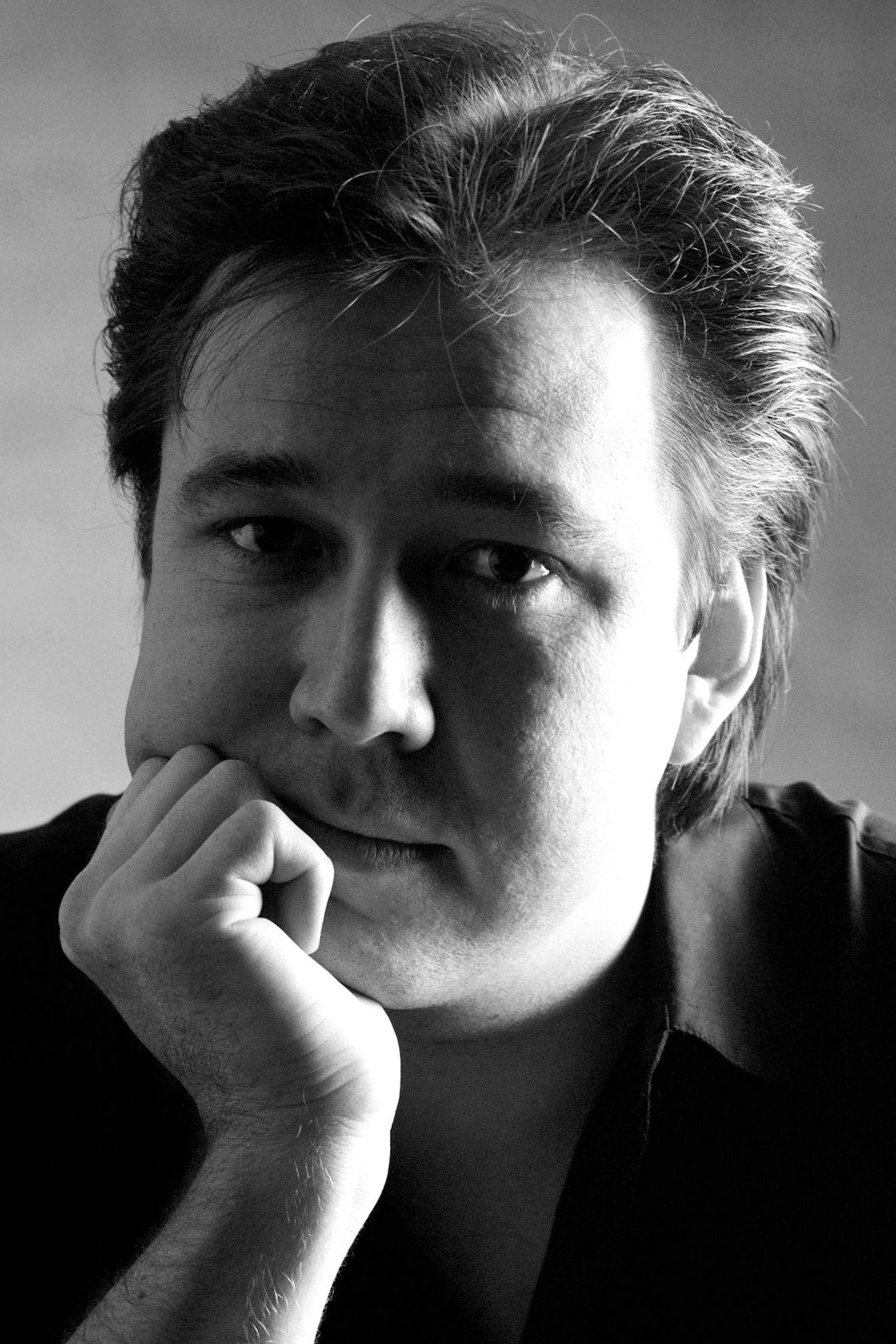
Bill Hicks filmed ‘Relentless’ and ‘Revelations’ in the early nineties after years of road work that began when he was a teenager. He released albums including Arizona Bay and worked through long thematic blocks that carried over from set to set.
A 1993 set taped for late night television was initially cut and later aired in full years after his death, adding to the recorded history of his work. Posthumous albums and documentaries gathered bootlegs and rare tapes, giving a clear view of writing practices and the evolution of key bits.
6. Joan Rivers
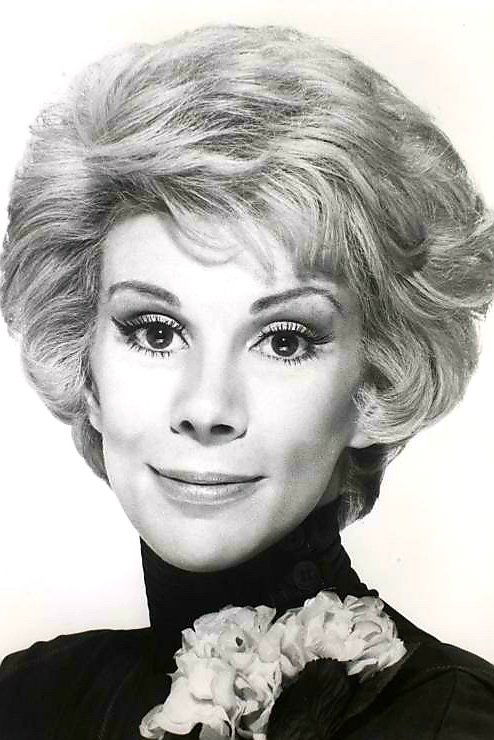
Joan Rivers became a frequent guest and guest host on ‘The Tonight Show Starring Johnny Carson’, then launched ‘The Late Show Starring Joan Rivers’ in 1986 as the first woman to host a network late night show. She followed with ‘The Joan Rivers Show’, a daytime hit that won major awards while she kept touring.
Her stand up included albums, concert films, and theater runs that stayed current through constant rewriting. She also built a media presence with red carpet coverage and ‘Fashion Police’, all while maintaining a calendar of live dates that put her back on stage week after week.
5. Eddie Murphy
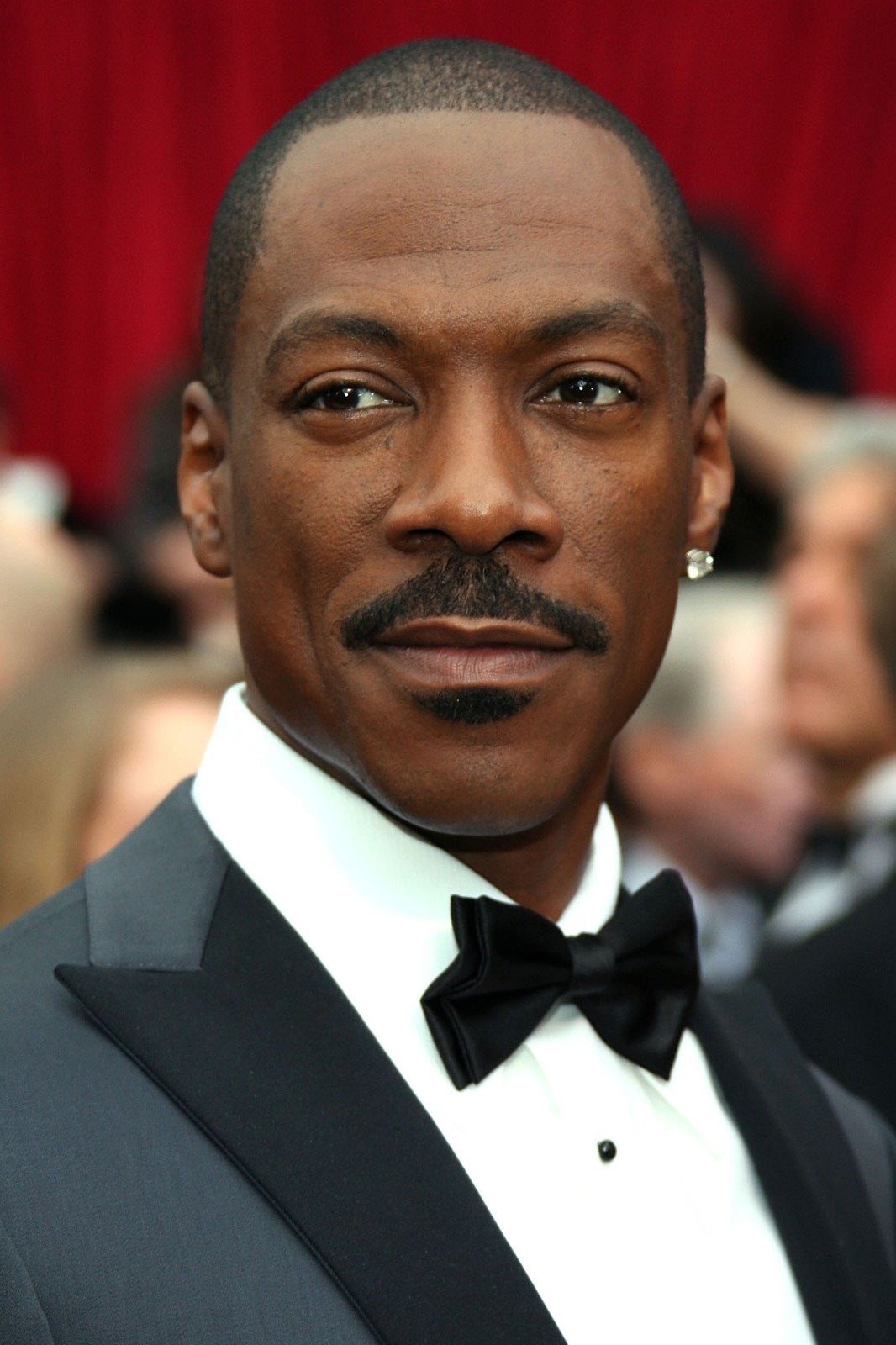
Eddie Murphy released the concert films ‘Delirious’ and ‘Raw’ while still in his early twenties and moved stand up into arenas in the mid eighties. He joined ‘Saturday Night Live’ at nineteen and helped rebuild the show’s audience with characters and monologues that fed directly into live tours.
Film stardom followed with hits that kept his name global while he paused stand up for many years. He later returned to host ‘Saturday Night Live’ and has discussed new stand up projects in interviews, with the classic specials and audio releases remaining staples for fans and students of the form.
4. Dave Chappelle
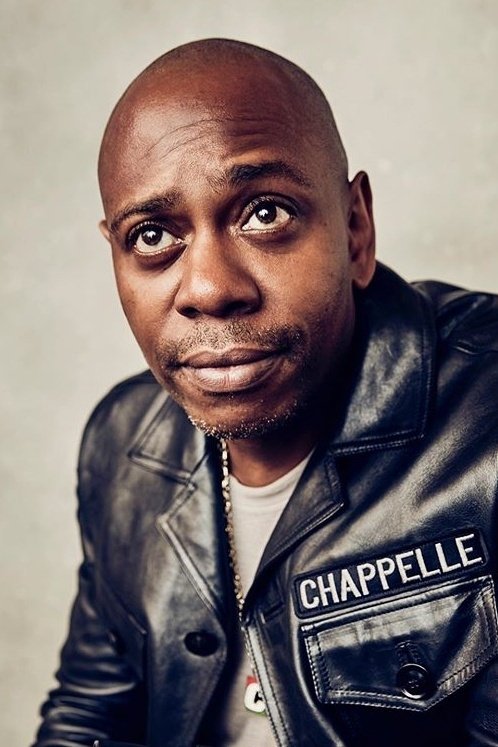
Dave Chappelle co created ‘Chappelle’s Show’ and used the series platform to tour heavily before stepping away at the height of its success. He returned to stand up with marathon club sets, unannounced drop ins, and long theater runs that built fresh hours at a fast pace.
Since 2017 he has released multiple Netflix specials including ‘The Age of Spin’, ‘Deep in the Heart of Texas’, ‘Equanimity’, ‘The Bird Revelation’, ‘Sticks and Stones’, and ‘The Closer’. He received the Mark Twain Prize for American Humor and continues to host large outdoor and arena events that showcase new material.
3. Lenny Bruce

Lenny Bruce recorded albums such as The Sick Humor of Lenny Bruce and became a central figure in free speech battles that reshaped what comics could say on stage. Arrests and trials in the early sixties documented the legal pressures around nightclub performances and the use of language in public.
A New York obscenity conviction from 1964 was posthumously pardoned in 2003, an event that highlighted the lasting impact of his cases. His club sets and recorded shows remain a primary resource for performers and scholars who study the legal history of stand up.
2. George Carlin
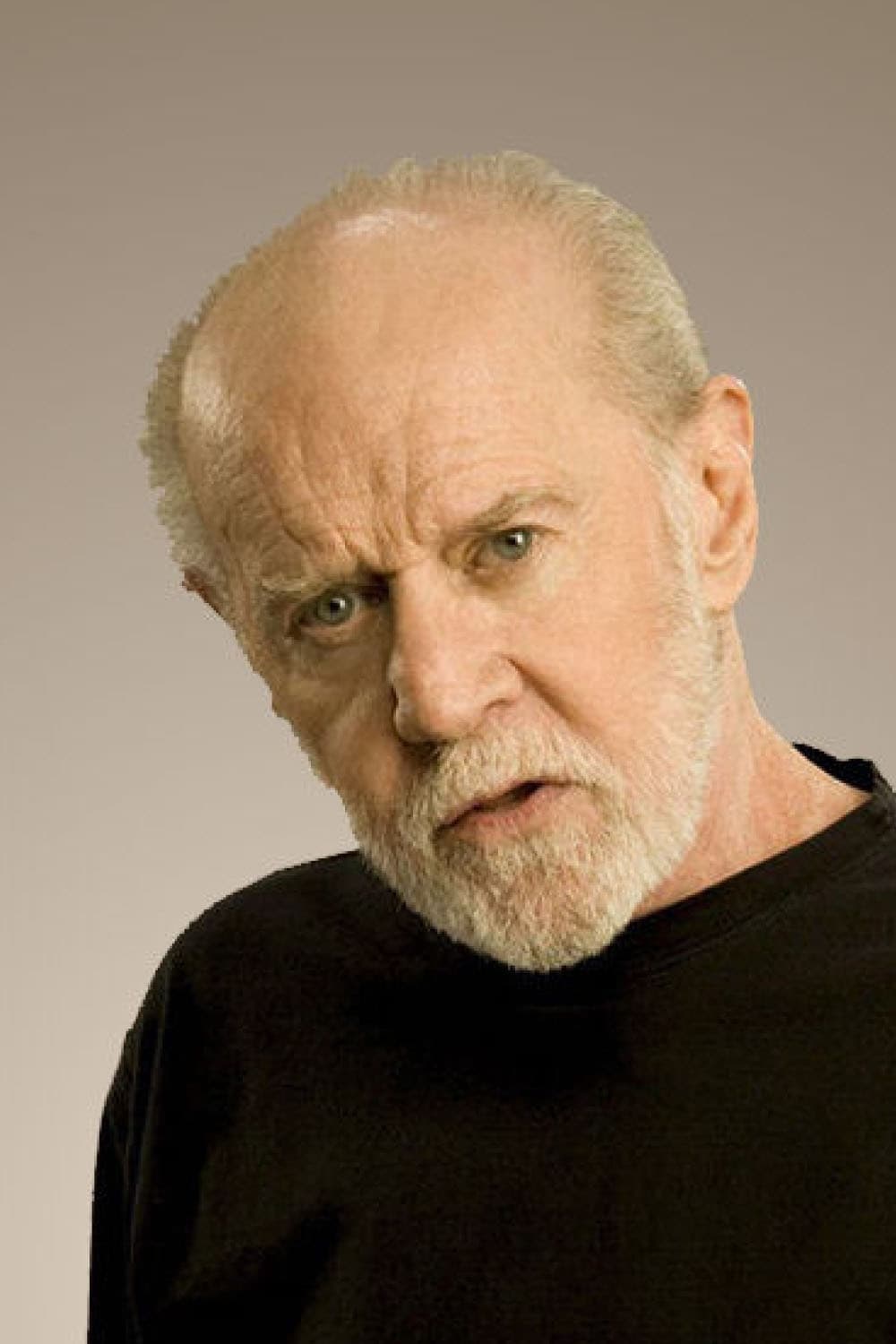
George Carlin released a long run of HBO specials that tracked changes in language, politics, and everyday life, creating a filmed record that spans more than three decades. His Seven Words You Can Never Say routine led to a Supreme Court case involving broadcast regulation and indecency standards.
He wrote best selling books and continued to tour with new hours late into his career, often recording a special and immediately beginning work on the next set. Multiple Grammy wins and the Mark Twain Prize recognized both the writing and the performance that defined his stage work.
1. Richard Pryor
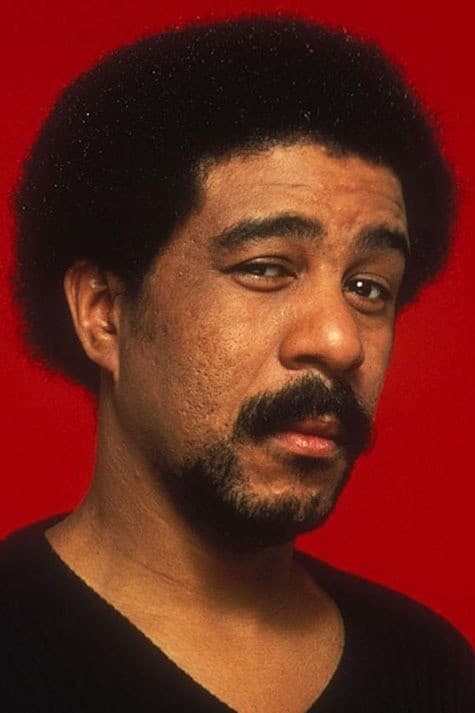
Richard Pryor’s concert films and albums, including ‘Richard Pryor Live in Concert’, ‘Live on the Sunset Strip’, and ‘…Is It Something I Said’, set records for sales and replays. He won multiple Grammy Awards for comedy recordings and wrote for television shows before moving into feature films without abandoning stand up.
He headlined arenas, taped landmark specials, and influenced club lineups for decades through the material captured on vinyl and film. His collaborations with other writers and performers, along with his tours across the United States and abroad, built a body of recorded work that remains central to stand up history.
Think someone else belongs on this list, share your picks in the comments and tell us who you would add or swap.