15 Best Movie Battle Speeches

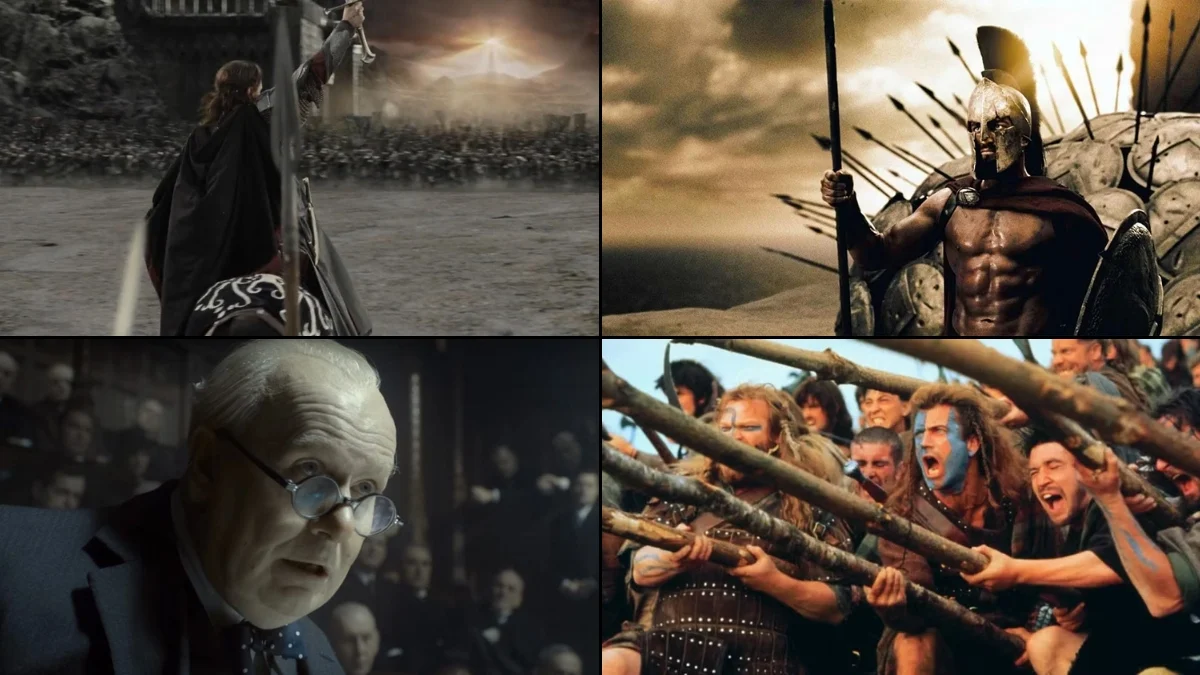

Great battle speeches do specific jobs in stories: they clarify stakes, align scattered characters behind a shared plan, and compress a film’s themes into a few lines before the action begins. They also tend to show who holds real authority—whether it’s earned on the field, bestowed by rank, or forced by circumstance—so you can track how a leader moves a crowd from hesitation to readiness in a matter of moments.
Below are fifteen film speeches delivered on the brink of combat. For each one, you’ll find where it lands in the story, who gives it, what immediate objective it serves, and a few production or script details that explain how the moment was built and why it functions so cleanly inside its film’s structure.
‘Braveheart’ (1995) – William Wallace at Stirling
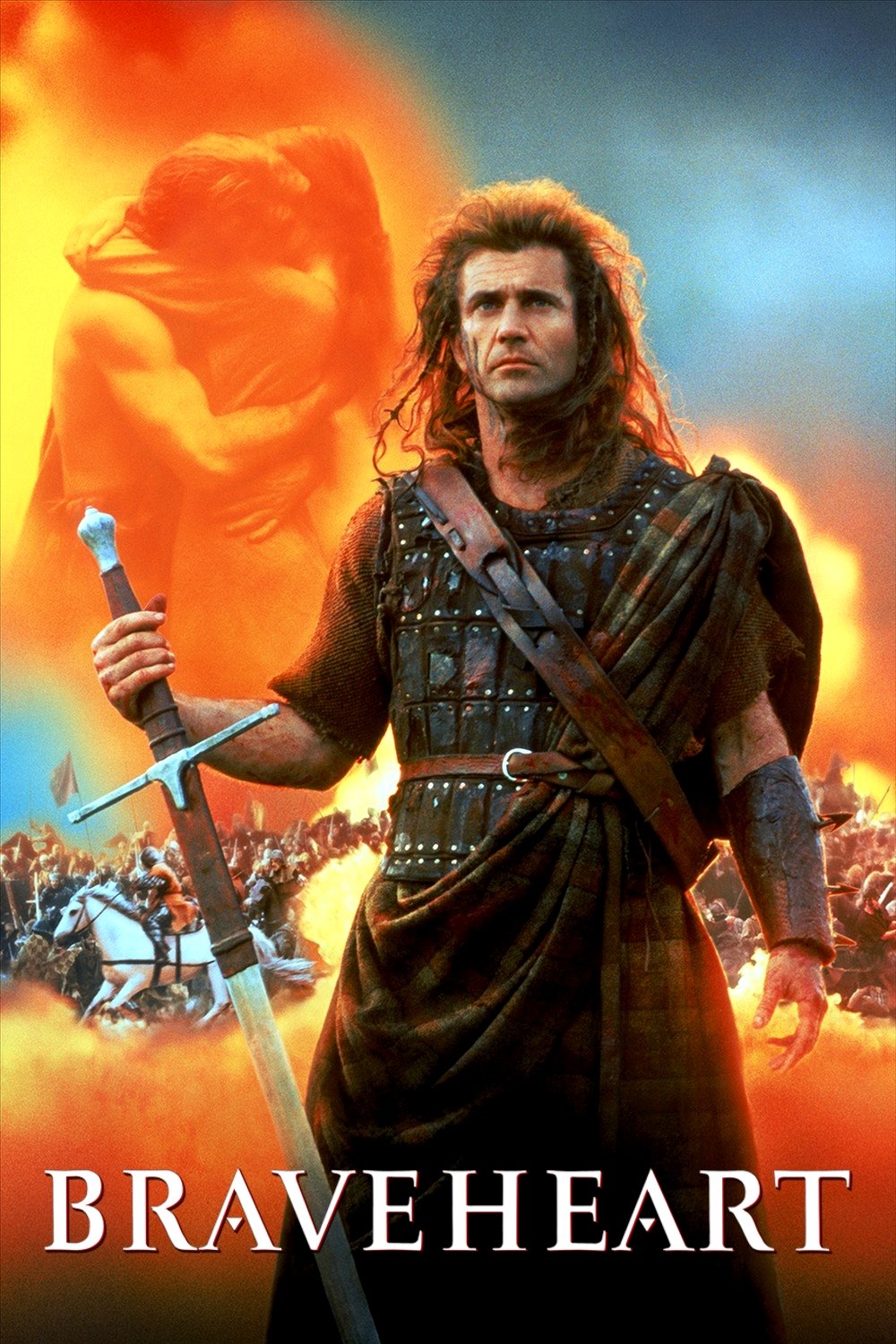
The speech occurs before the Scottish infantry meets English forces at Stirling, with William Wallace using plain, direct language to reframe the battle from a feudal levy into a fight over personal freedom. The lines are staged to play across ranks of common soldiers, and the moment’s blocking emphasizes distance closed as Wallace rides the line, ensuring the message reaches not just nobles but the men expected to absorb the first charge.
Behind the scenes, the oration synthesizes several historical sentiments into a single on-field address tailored to the film’s pacing. Its placement just ahead of the first large-scale clash signals a shift from local skirmishes to a national uprising, and the beat-to-beat cadence—jokes, challenge, permission, and promise—mirrors classic rhetorical structure used to stiffen morale before contact.
‘The Lord of the Rings: The Return of the King’ (2003) – Aragorn at the Black Gate
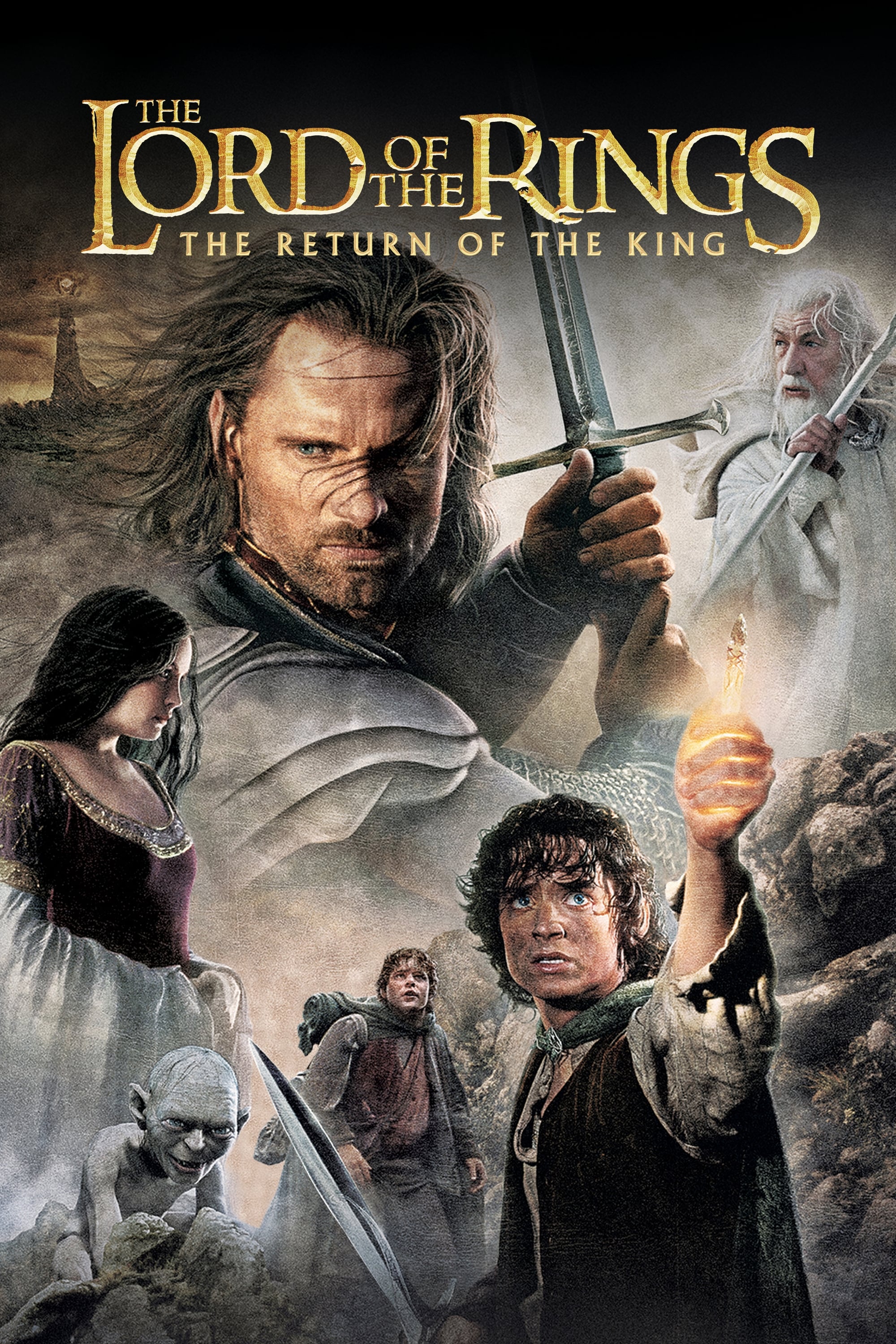
Aragorn’s speech takes place at the Morannon as a diversionary host confronts Sauron’s armies to buy time for the Ring-bearer. The language narrows from the vast sweep of Middle-earth to the immediate circle of friends, which keeps the address intimate even though it’s delivered to thousands, and the camera repeatedly cuts to the core fellowship to show alignment.
From a craft perspective, the monologue caps a sequence of earlier leadership beats for Aragorn, including his acceptance of lineage and command. The text borrows diction and rhythm from the source material while trimming to screen time, and Howard Shore’s scoring cues are timed to the final call to advance so the music carries the formation into motion without stepping on the words.
‘Independence Day’ (1996) – President Whitmore before the counterattack
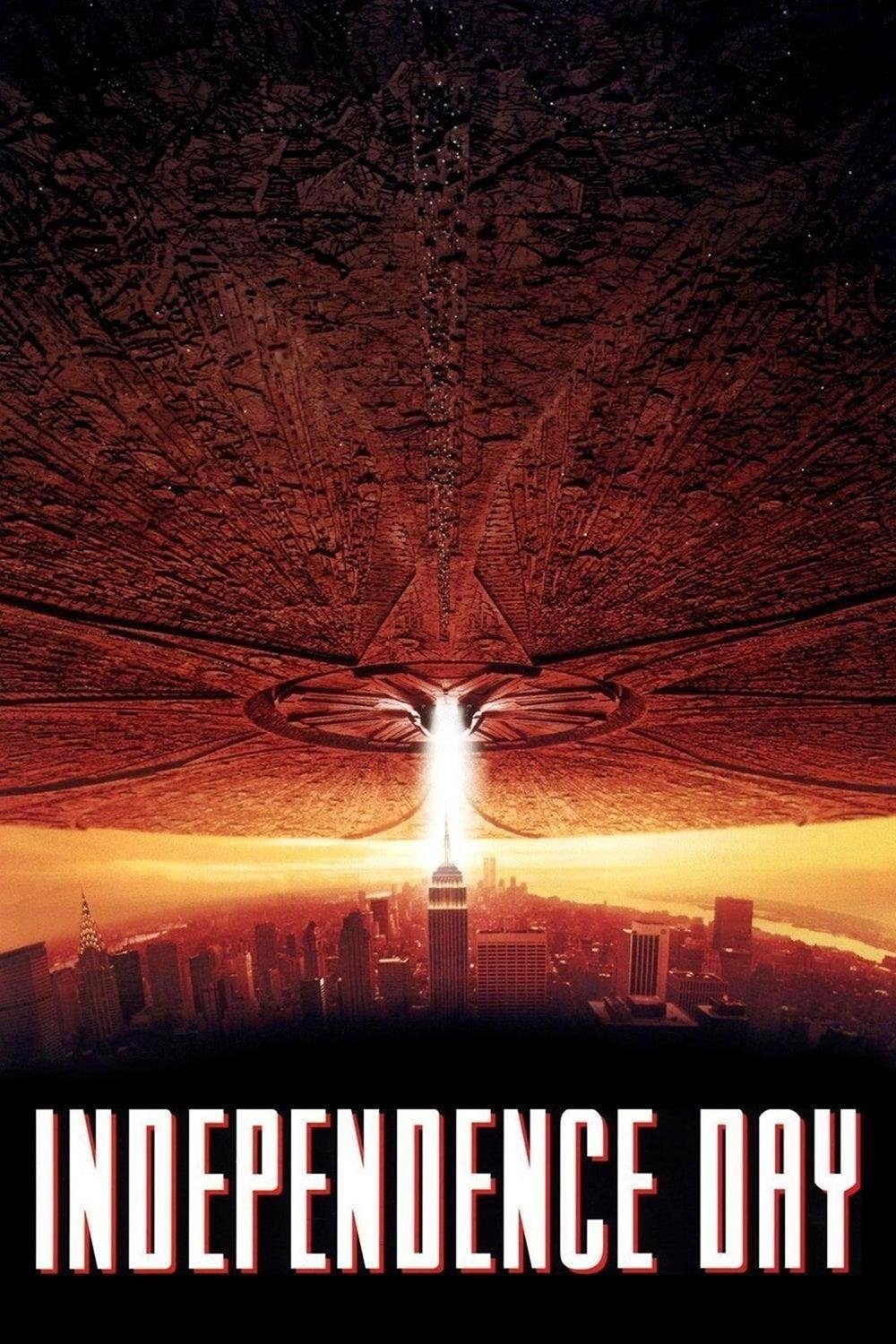
This speech is delivered on an airbase tarmac to a mixed audience of pilots and civilians as a last-minute force prepares to strike alien ships. The address resets the conflict from a national defense to a species-level stand, using accessible phrasing designed to be understood over flight-line noise and broadcast systems.
In production terms, the speech was written to motivate a montage of hurried preparations, so each sentence functions as a handoff to visual beats—arming, boarding, launch. The staging places the President among the pilots rather than on a distant platform, which visually collapses rank and supports the film’s “citizen-soldier” mobilization motif.
‘300’ (2006) – Leonidas before the final stand
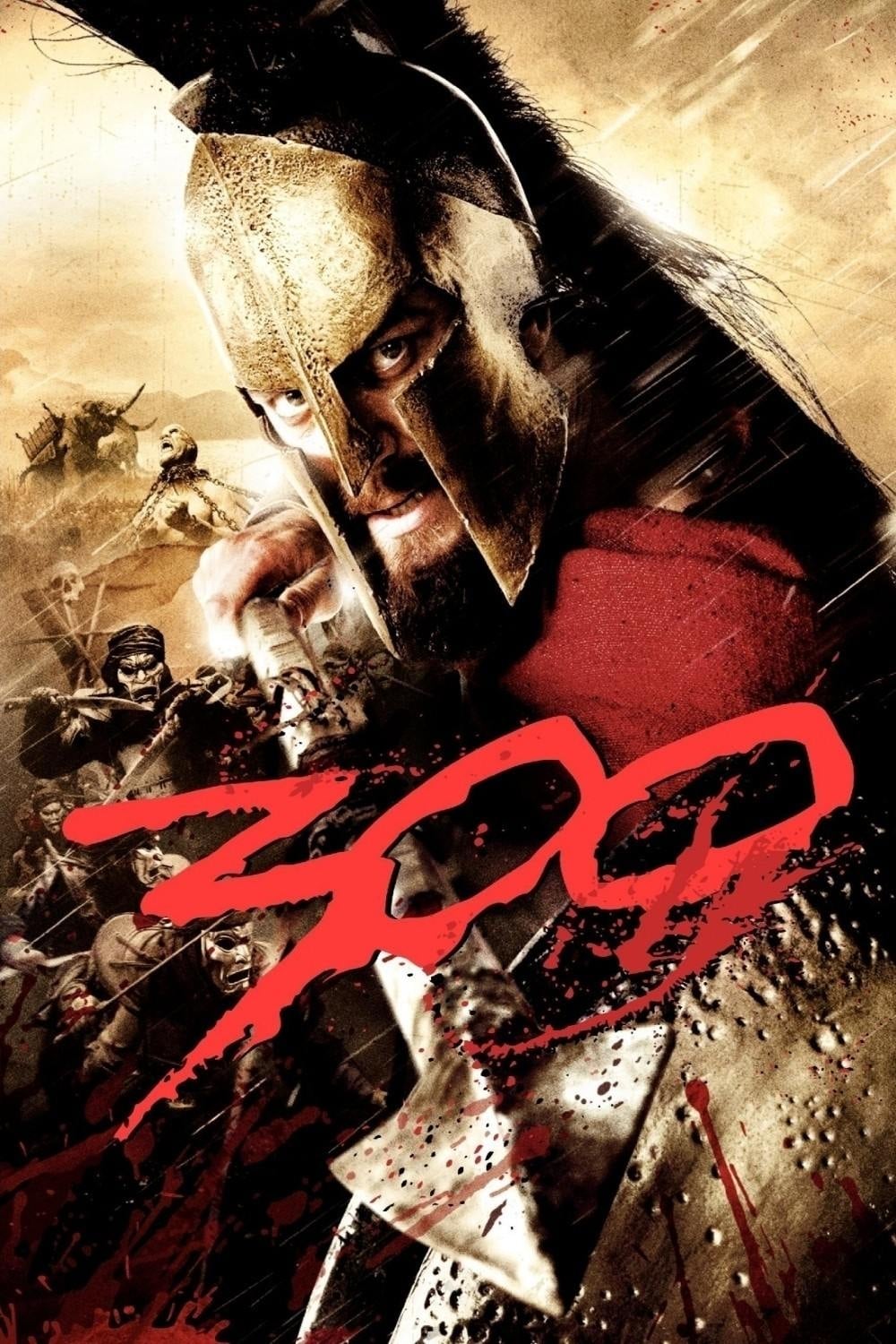
King Leonidas’s words come as the Spartan line braces for the last exchange at Thermopylae. The rhetoric leverages shared training and identity, invoking specific Spartan customs and battlefield expectations that the assembled hoplites already understand, which keeps the speech short and actionable.
The scene’s stylization frames the speech inside heightened visuals and compressed slow motion, so consonant-heavy lines cut through the sonic bed of drums and shields. Voice direction and close framing center Gerard Butler’s delivery against a deliberately desaturated palette, allowing the command phrases to function as rhythmic cues for the next phase of combat.
‘Gladiator’ (2000) – Maximus in the Colosseum tunnel
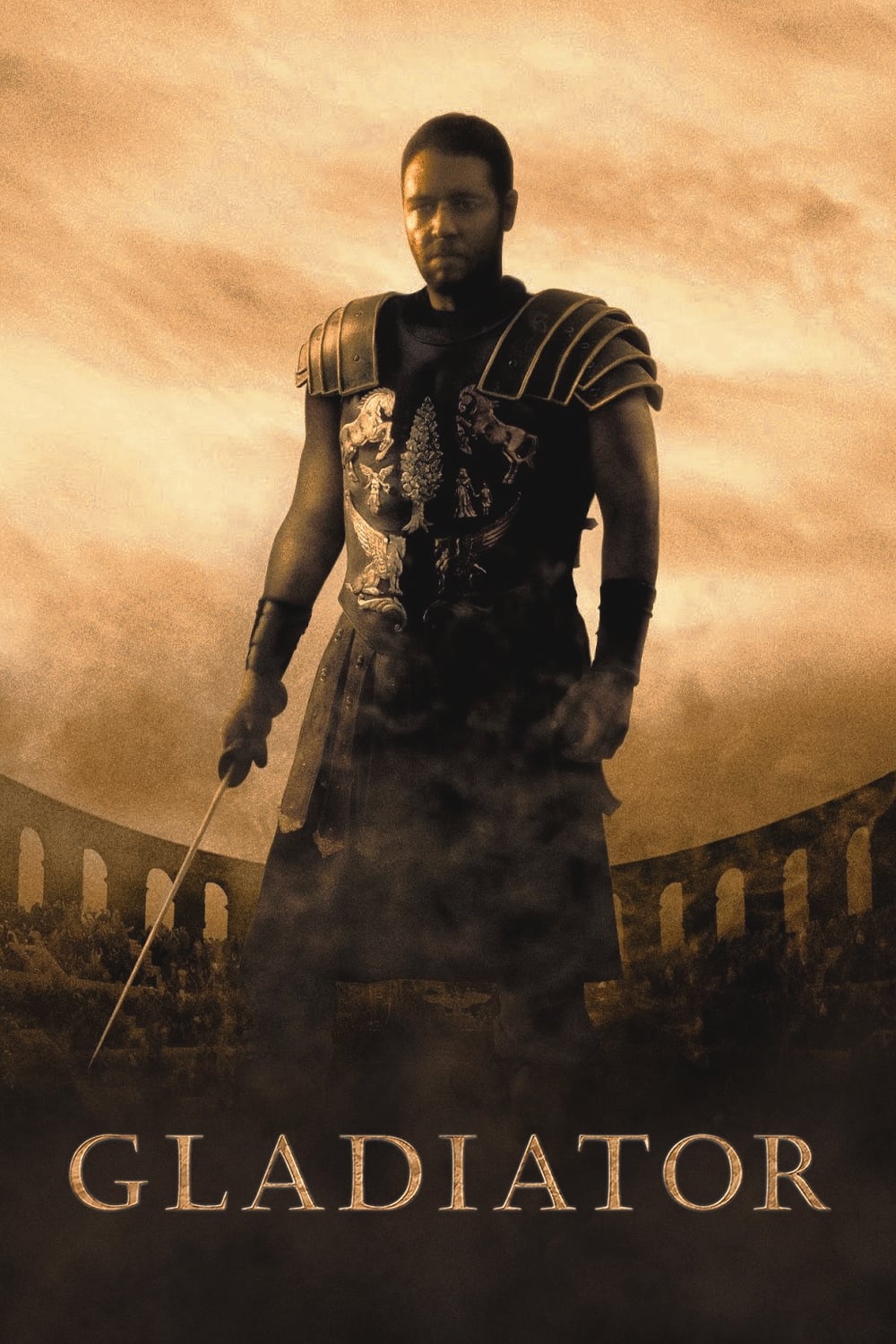
Maximus addresses a scratch unit of gladiators moments before they face chariots and archers in a staged “battle” recreation. The content focuses on formation discipline and mutual cover rather than inspiration, translating Roman field tactics to an arena setting to turn a group of strangers into a functioning shield wall.
The screenplay uses this speech to reveal Maximus’s identity through action: his authority emerges from practical orders that immediately produce survival. Sound design reinforces key commands with metal-on-metal responses, and the camera tracks out of the tunnel with the group so the verbal plan transforms directly into on-sand maneuver.
‘Henry V’ (1989) – St Crispin’s Day
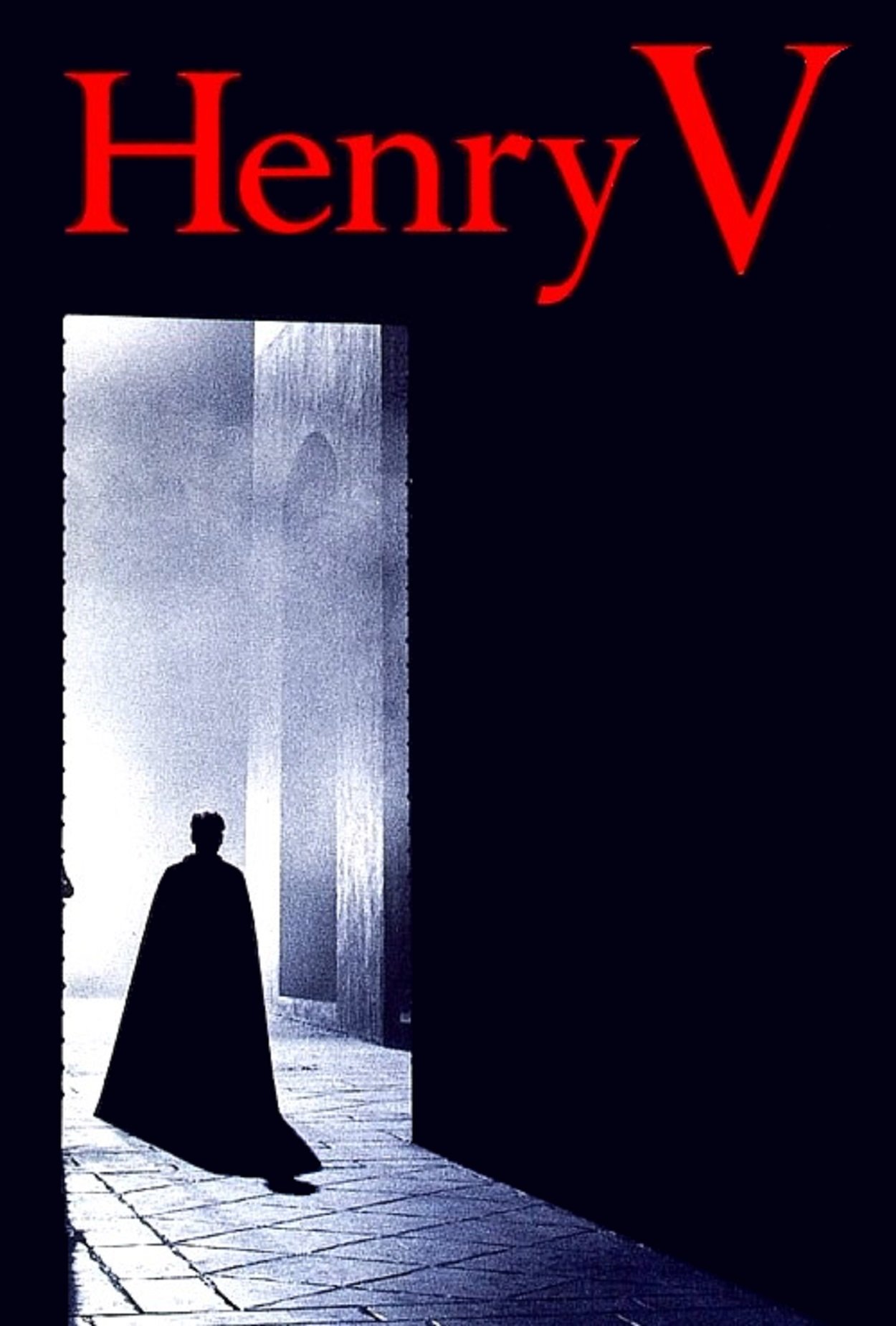
King Henry’s address takes place before the clash at Agincourt, concentrating on shared memory and the binding power of participation. The text compresses courtly language into direct appeals to rank-and-file soldiers, balancing lineage with the promise that experience in the line will equalize status after the battle.
Kenneth Branagh’s adaptation presents the speech in close quarters amid mud and fatigue, which grounds the lofty rhetoric in physical detail. The delivery’s pacing follows breath patterns suited to projecting outdoors without amplification, and the scene intercuts faces across social strata to underline how the speech’s audience is deliberately broad.
‘Patton’ (1970) – “Address to the Third Army”
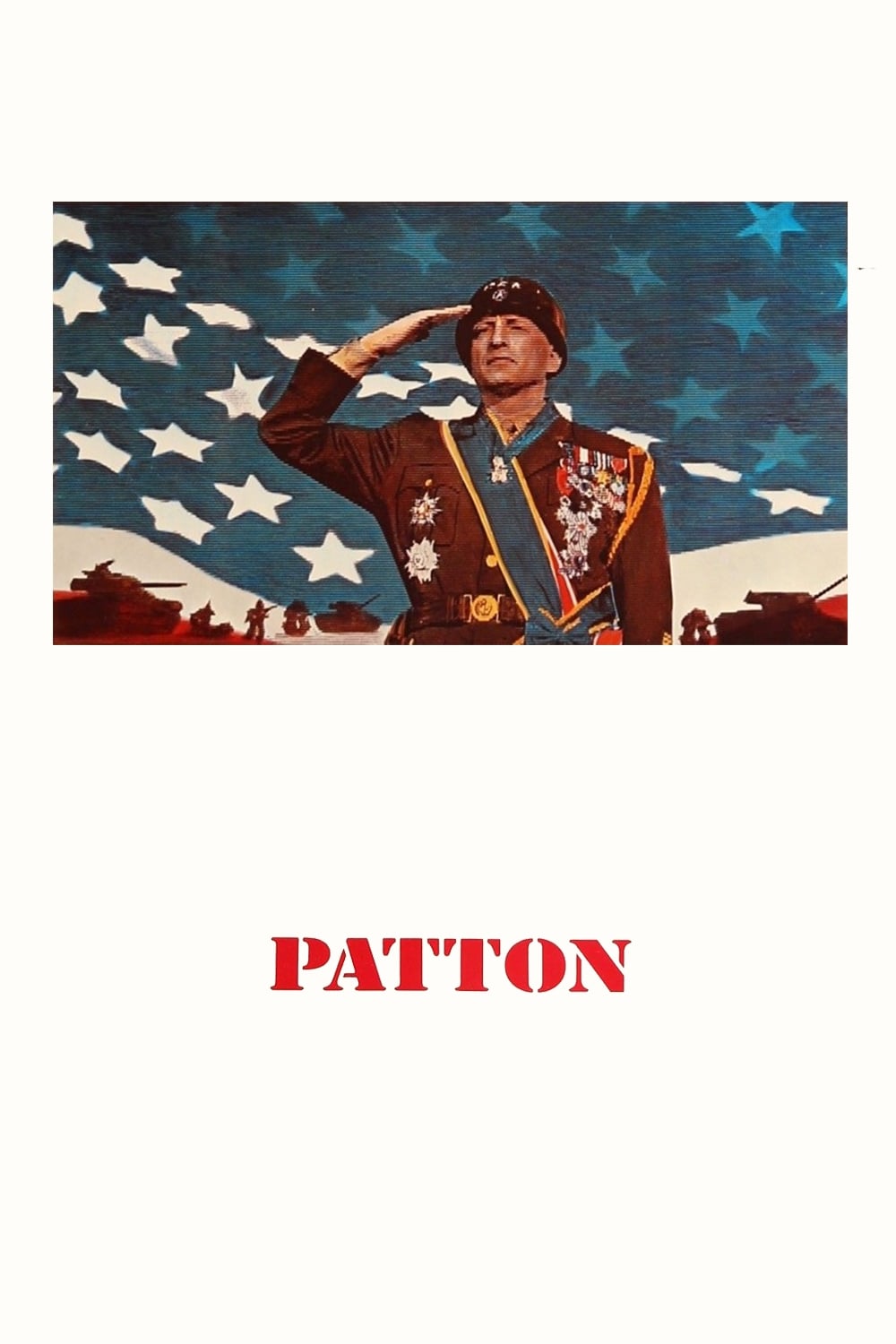
The film opens with General George S. Patton standing before a giant flag, speaking to troops about discipline, duty, and expectations ahead of campaign operations. The content outlines a command philosophy rather than a single tactical brief, using repetition and clipped phrases that suit a drill-hall cadence.
Production-wise, the monologue was assembled from documented remarks attributed to the real Patton, adapted for rhythm and length. The decision to place it at the start establishes tone and frames subsequent battlefield scenes as execution of the principles just stated, so the audience can map orders and outcomes back to this statement of intent.
‘The Last Samurai’ (2003) – Katsumoto before the final charge
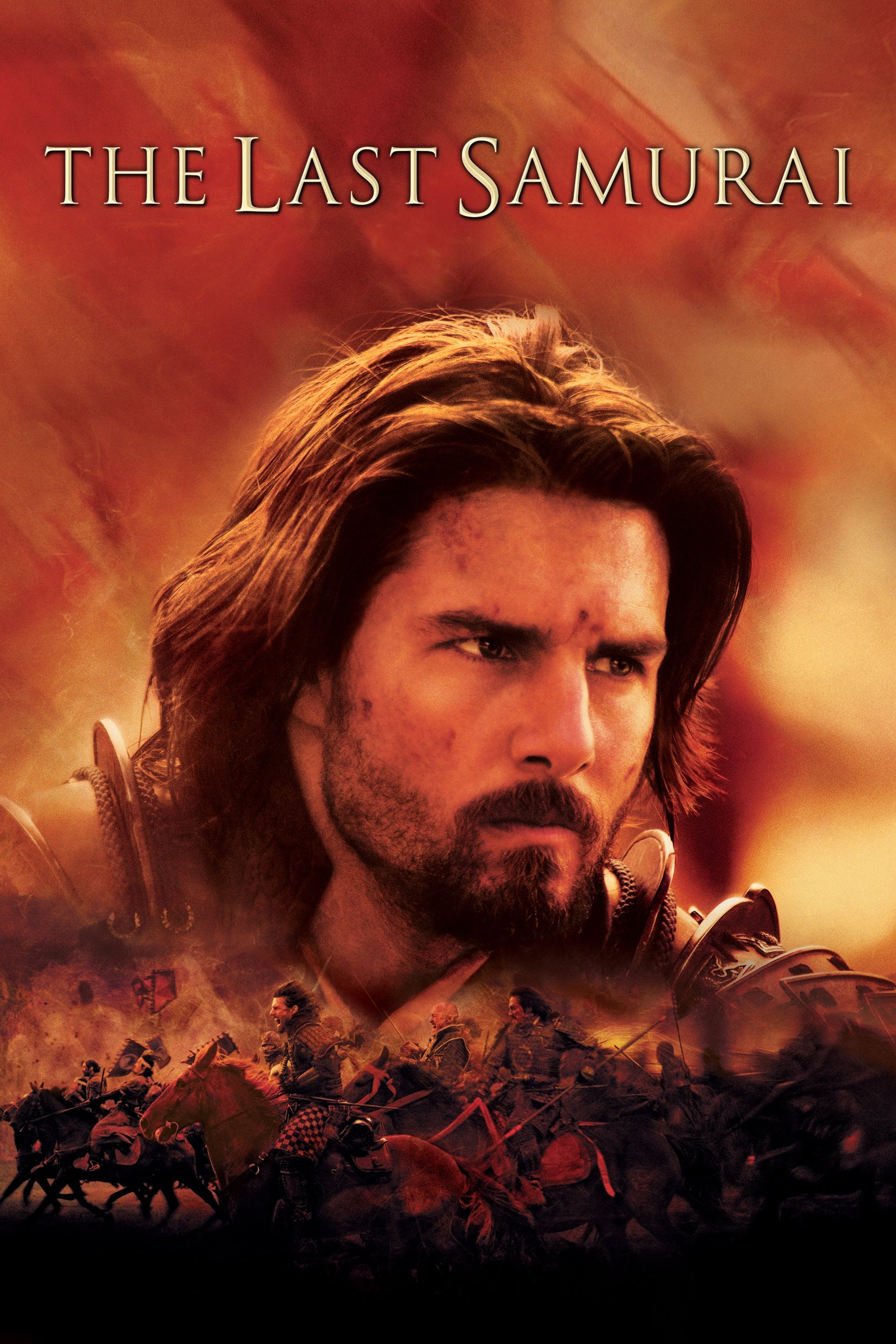
Katsumoto’s words precede a cavalry assault against a modernized force, with the speech centering on duty, honor, and clarity of purpose. The lines are spare, aimed at men who already share a code, so the emphasis falls on readiness cues and the moment of commitment rather than elaborate persuasion.
Cinematography positions the speaker amid banners and mounted retainers to embed the address within visual markers of clan identity. The production pairs natural sound—wind, leather, tack—with restrained scoring until the order to move, ensuring the spoken lines remain intelligible and unadorned as the formation gets underway.
‘Kingdom of Heaven’ (2005) – Balian on Jerusalem’s walls
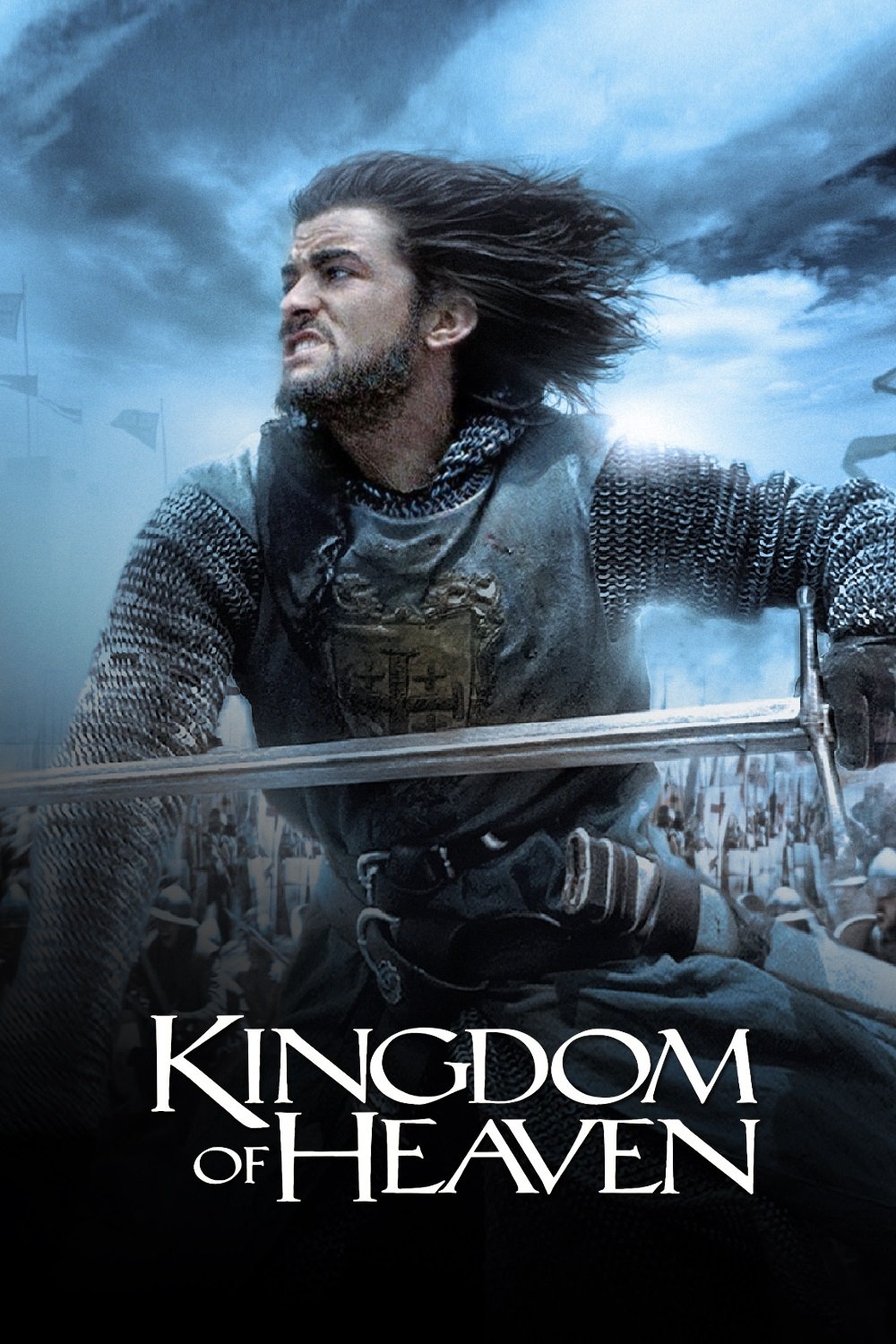
Balian addresses a mixed body of knights, militia, and townspeople preparing to withstand a siege. The speech inventories limited resources, outlines roles for non-combatants, and reframes defense of the city as defense of each other, which gives immediate meaning to assignments across the wall.
The script uses the address to weld disparate groups into a single garrison, and the blocking places Balian above a courtyard only long enough to be heard before he moves among listeners. Practical effects—dust, rope, and masonry—remain active during the speech so the audience reads ongoing preparation, keeping momentum intact as orders land.
‘Rogue One: A Star Wars Story’ (2016) – Jyn Erso to the strike team
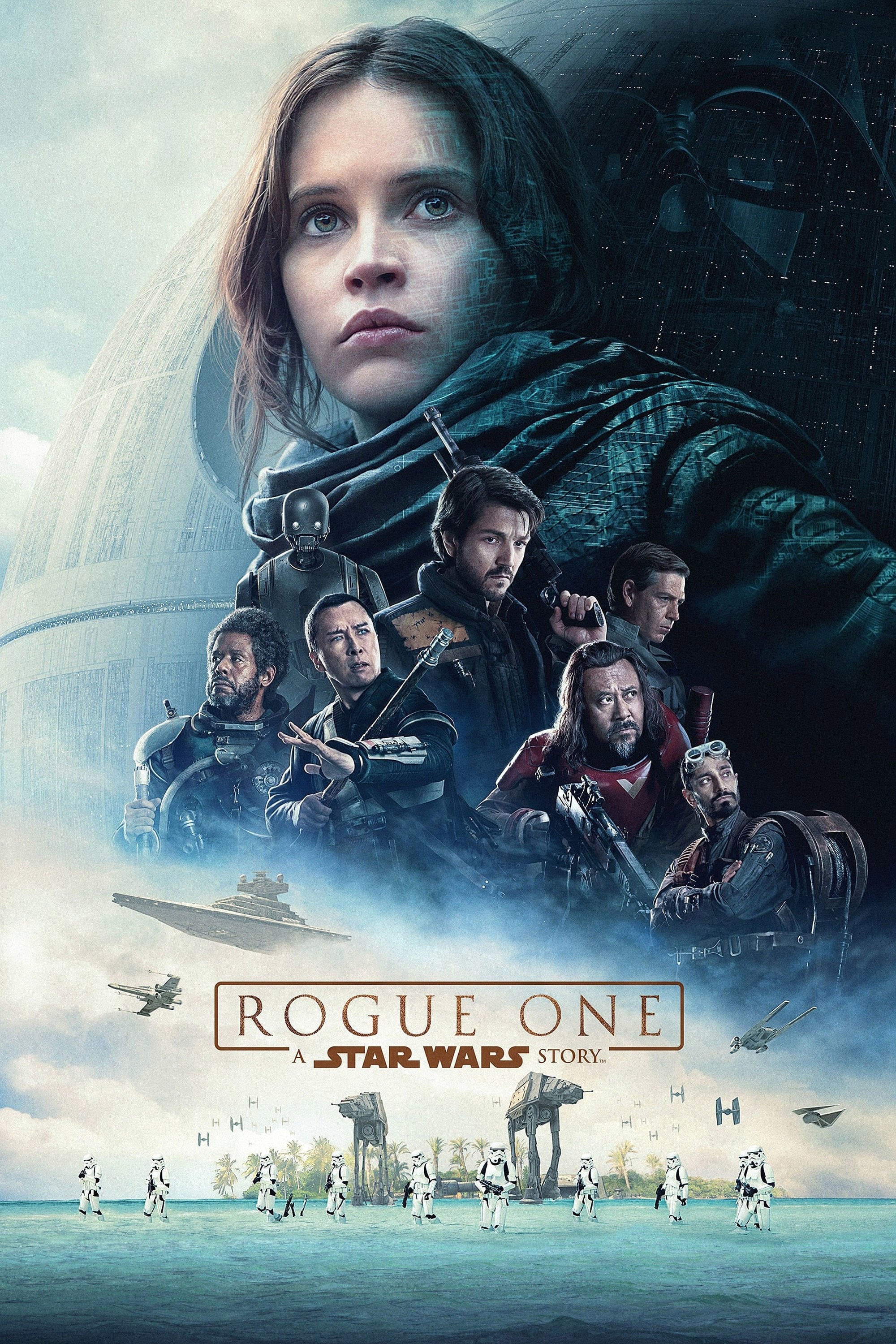
After a failed attempt to secure full political backing, Jyn speaks to a volunteer unit about infiltrating Scarif to obtain plans. The language converts a moral argument into an operational brief—objective, entry, uncertainty—so the team leaves with simple, measurable goals rather than abstract ideals.
Editorially, the scene bridges council debate and mission launch, so the speech is designed to be echoed by subsequent radio calls on the ground. Costuming and set design mark the group as an ad hoc element, and the address functions to formalize that status into a named team with a clear call sign and tasking.
‘Darkest Hour’ (2017) – “We shall fight on the beaches”
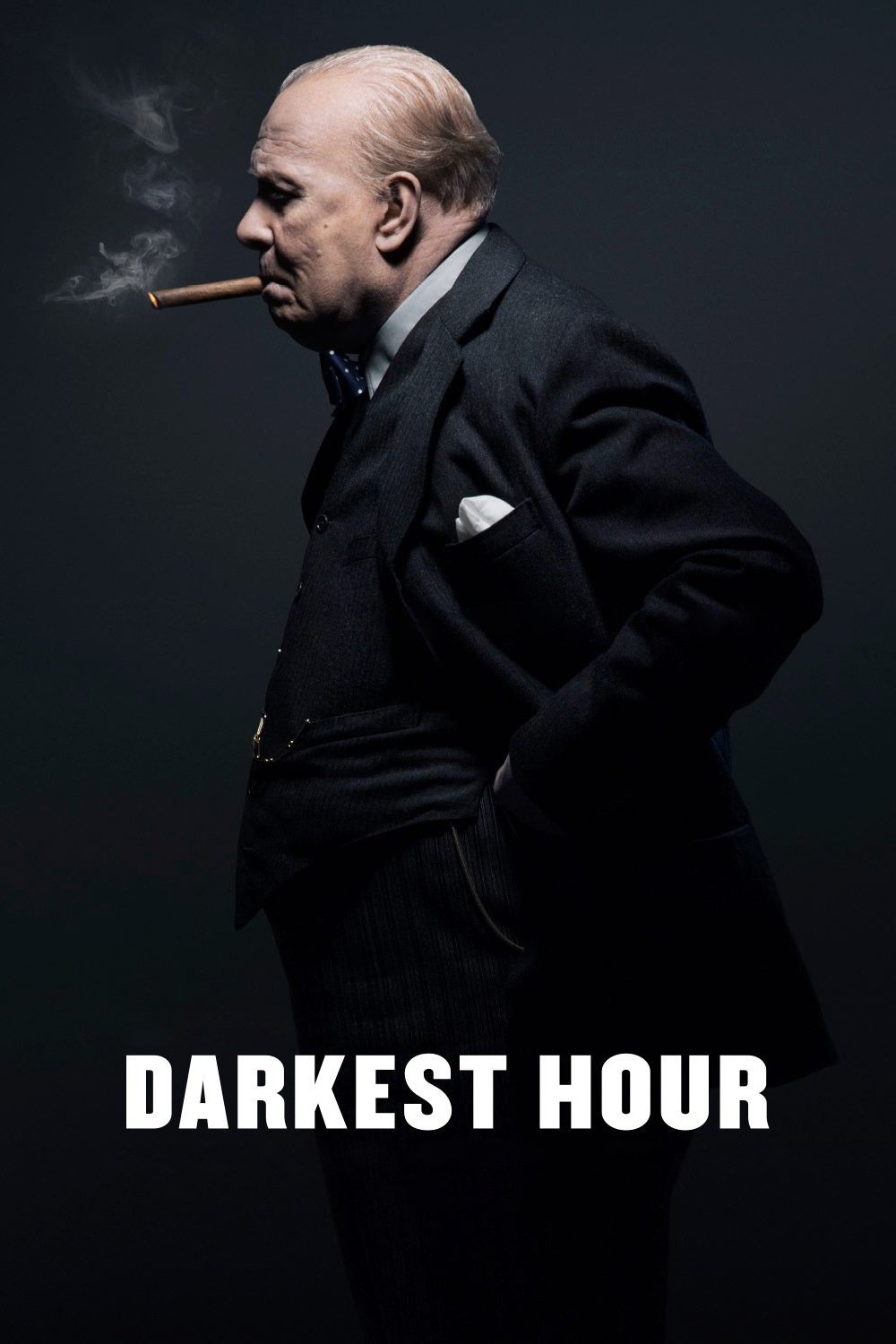
The film dramatizes Winston Churchill delivering his House of Commons address following the evacuation of a trapped army. The content enumerates defensive commitments across land, sea, and air, providing a geographic outline of the coming struggle that listeners can visualize without maps.
From a filmmaking standpoint, the sequence tracks the speech’s writing, internal debate, and delivery to show how language moves through institutions before it reaches the public. Microphone placement, chamber acoustics, and actor pacing are calibrated so the final oration reads as both a political act and a directive to the nation’s military apparatus.
‘The Avengers’ (2012) – Captain America’s field orders in New York
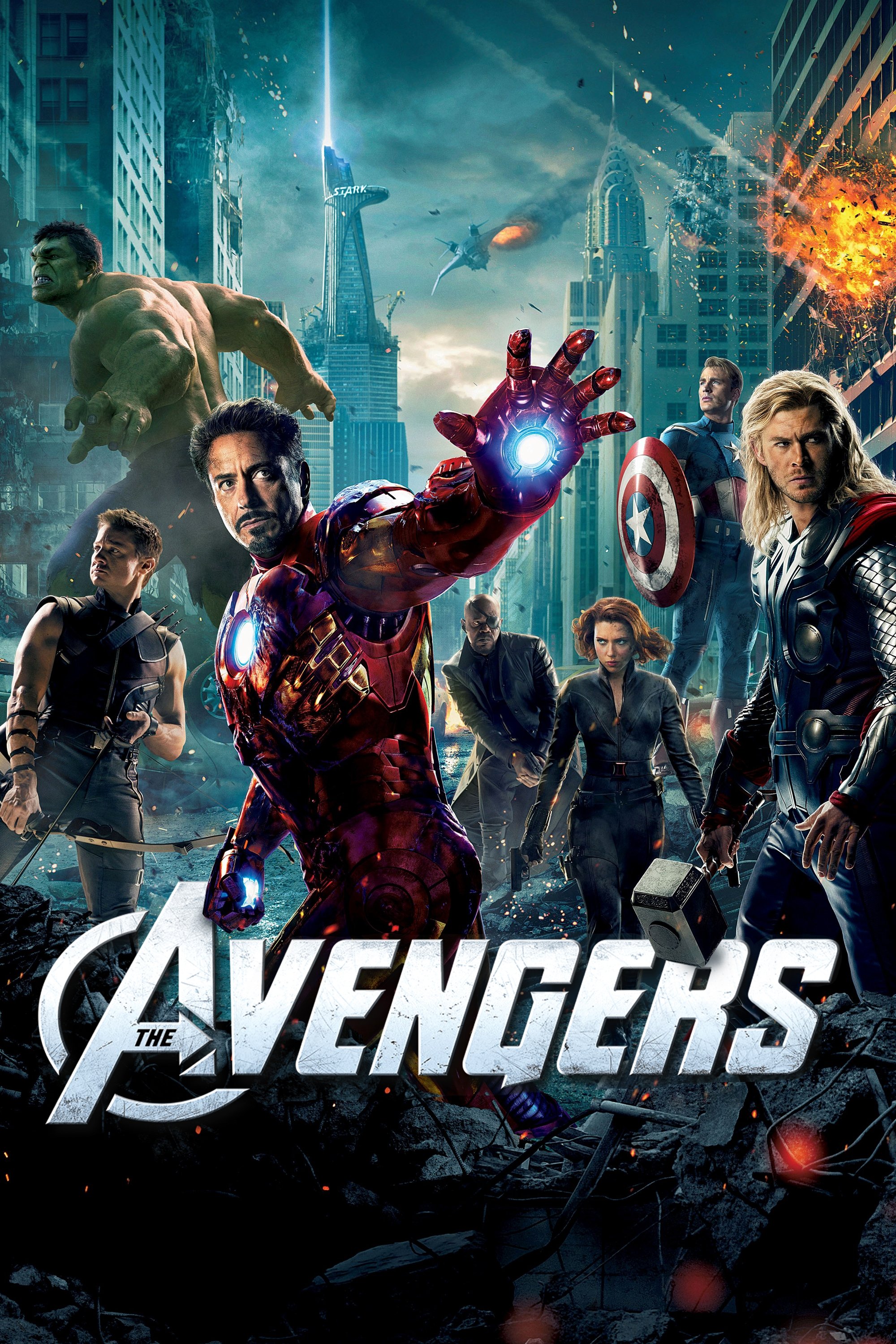
As an open portal releases hostile forces, Captain America issues quick assignments to a small team positioned at street level. The “speech” operates as a tactical matrix—area denial, crowd protection, vertical containment—mapping each Avenger’s capability to a sector and a task to stabilize the battlespace.
The scene demonstrates how command can work inside a superpowered unit without radios or a shared doctrine. Shot choices swing from close-ups during instructions to wide shots as each order executes, letting the audience confirm that a coordinated defense plan is in effect and that the city grid has been logically divided.
‘Troy’ (2004) – Achilles to the Myrmidons at the shore
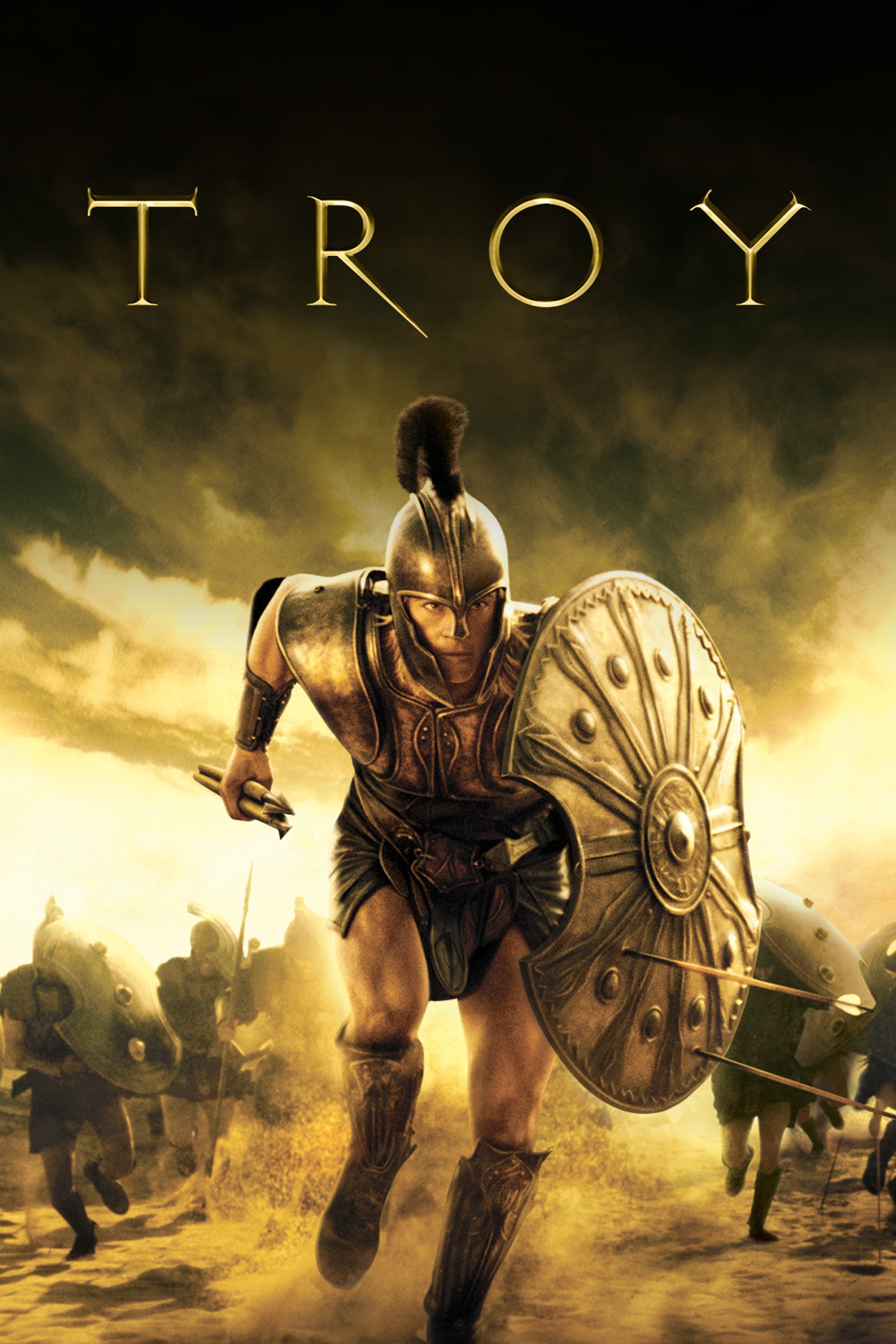
Achilles addresses his picked fighters before a beach assault, focusing on speed, formation integrity, and target priority. The content is lean and procedural—no florid rhetoric—built to get men from ship to wall with minimal confusion, and the commands are short enough to be heard over surf and armor.
Choreography supports the speech by tying each instruction to a subsequent movement—shield raise, sprint, ladder deploy—so viewers can map words to action. The costuming and insignia make unit cohesion legible on-screen, which helps the audience track the Myrmidons as a distinct element once the wider melee begins.
‘Pacific Rim’ (2013) – Stacker Pentecost before the breach mission
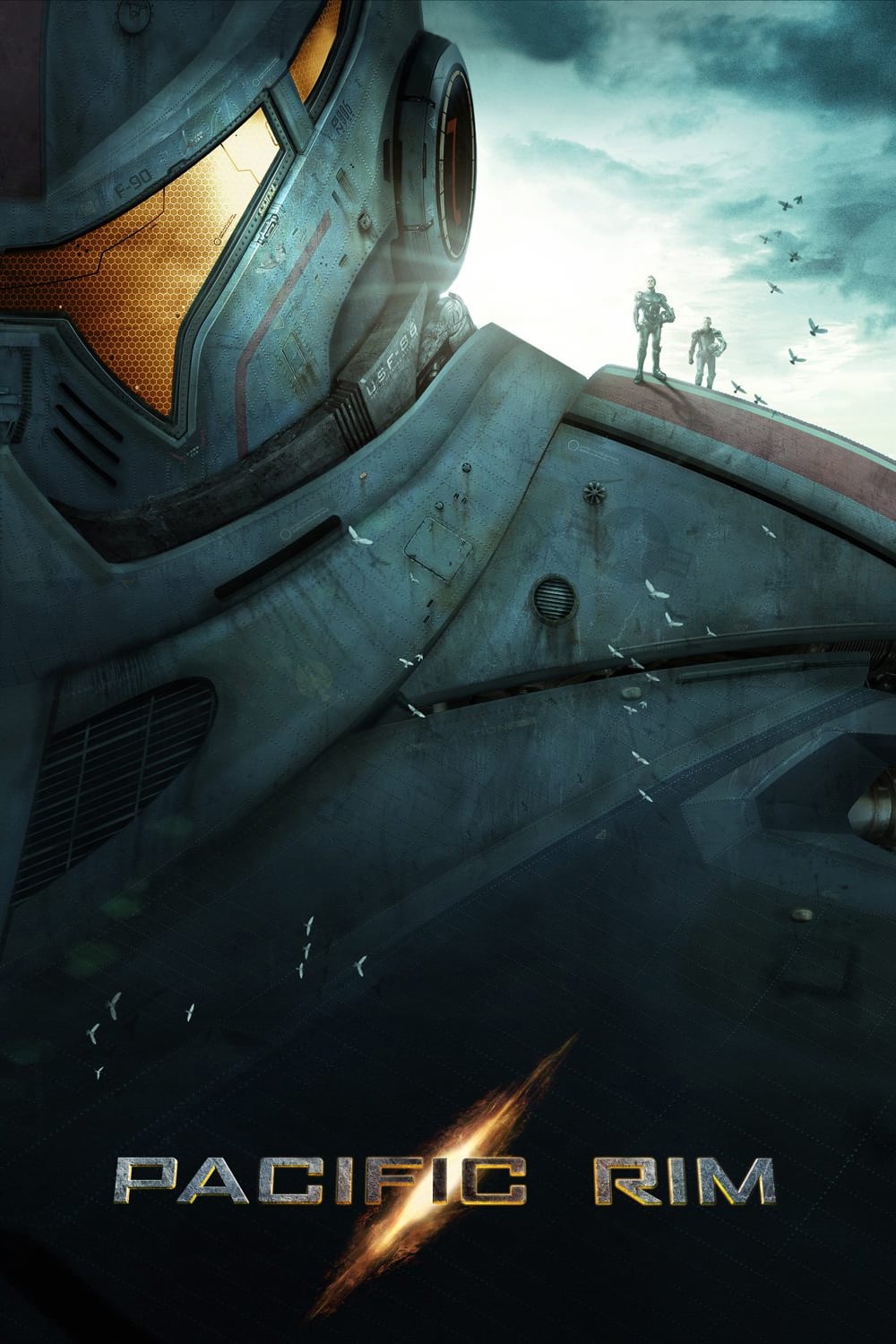
Marshall Stacker Pentecost’s address comes in a hangar moments before Jaeger pilots mount a final operation against kaiju emerging from an oceanic rift. The speech names the objective, defines the timeline, and uses unambiguous end-state language to remove doubt about mission closure.
Production design surrounds the speaker with operational noise—welders, cranes, hydraulics—so the lines had to be paced and miked to cut through industrial ambience. The writing lands on a memorable mission statement that becomes a call-and-response touchstone for the pilots, linking hangar briefing to underwater execution.
‘Master and Commander: The Far Side of the World’ (2003) – Captain Aubrey before boarding
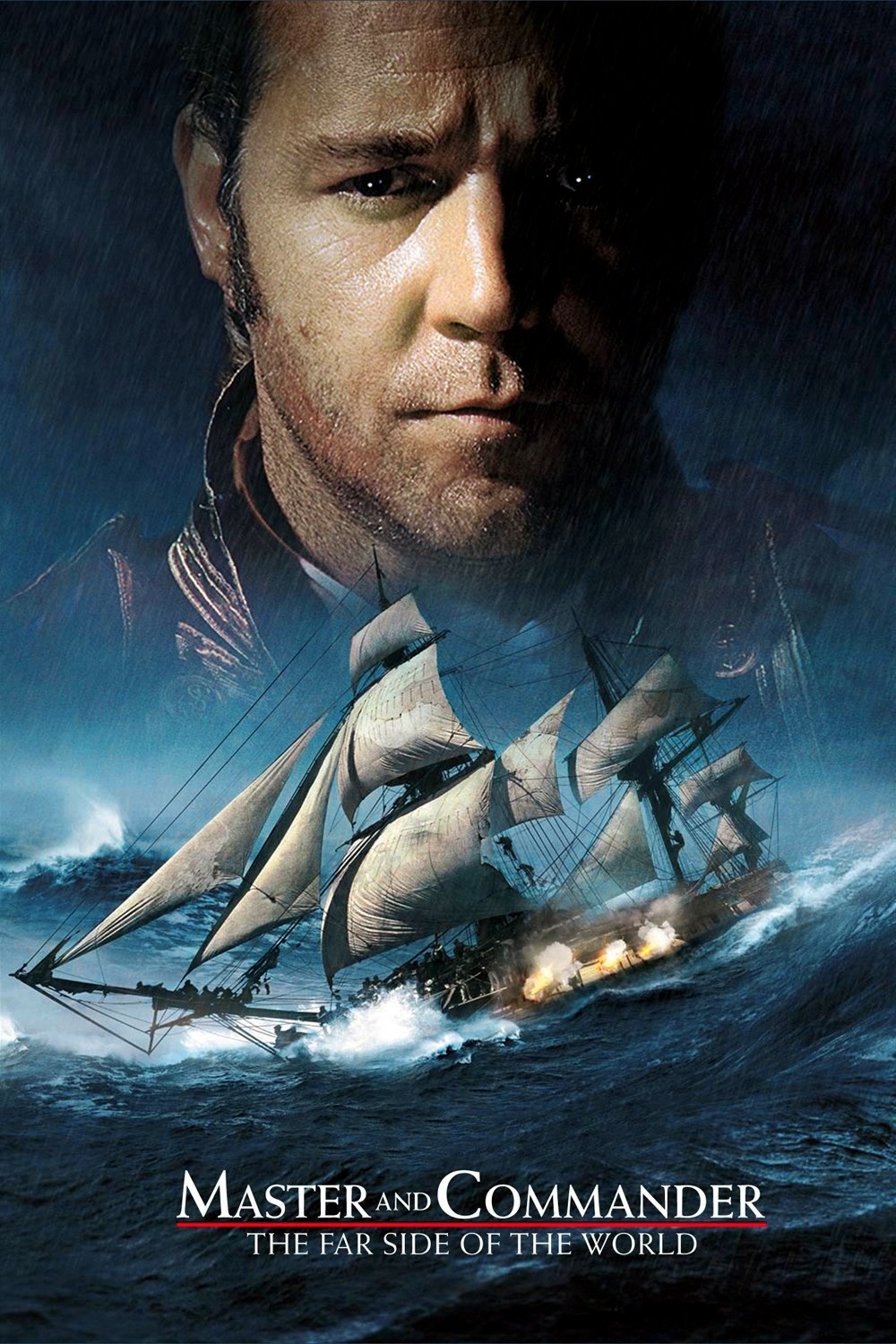
Captain Jack Aubrey speaks to his crew before attempting to take an enemy frigate by deception and close-quarters fighting. The address clarifies the ruse, sets rules for fire discipline, and reminds different decks of their immediate tasks—boarding parties, sharpshooters, gun crews—so each station knows the timing cues that will signal action.
Historically grounded nautical terminology is used throughout, but the lines remain plain enough for a modern audience to follow. The scene’s lighting and cramped framing put faces and rigging in the same plane, reinforcing that the ship itself is part of the plan, and the speech functions as the final checklist before the crew commits.
Share your favorite on-screen pre-battle speech in the comments and tell us which moment still gets you focused before the charge.