Practical Life Hacks We Learned from Movies and TV Shows



Pop culture doesn’t just entertain—it often slips in clever, repeatable tricks you can use in everyday life. From home security cues to kitchen systems, the smartest moments on screen can translate into routines that save time, money, and stress.
Below are ten practical takeaways inspired by famous scenes and characters. Each one is a small, teachable system you can adopt immediately, with clear steps, quick wins, and simple gear you probably already own.
‘Home Alone’ (1990)

Use layered, low-cost deterrents to make your home look occupied and harder to target. Put indoor lights on staggered timers, leave a radio or TV on a conversational volume near a front-room outlet, and keep exterior lights on at entry points with motion sensors. Add simple hardware: a dowel or security bar in sliding doors, longer screws in strike plates, and secondary window locks. Trim shrubs around doors and windows to remove hiding spots, and keep packages off the porch by enabling carrier holds or locker delivery.
Create a quick “leaving the house” checklist: lock all doors and windows, arm the alarm, close curtains that expose valuables, and put a visible deterrent on display (yard sign or camera). Photograph rooms for an inventory, record serial numbers of electronics, and store this record in the cloud. If you’ll be away, ask a neighbor to park in your driveway occasionally and collect mail; suspend deliveries to avoid the tell-tale pileup.
‘MacGyver’ (1985–1992)
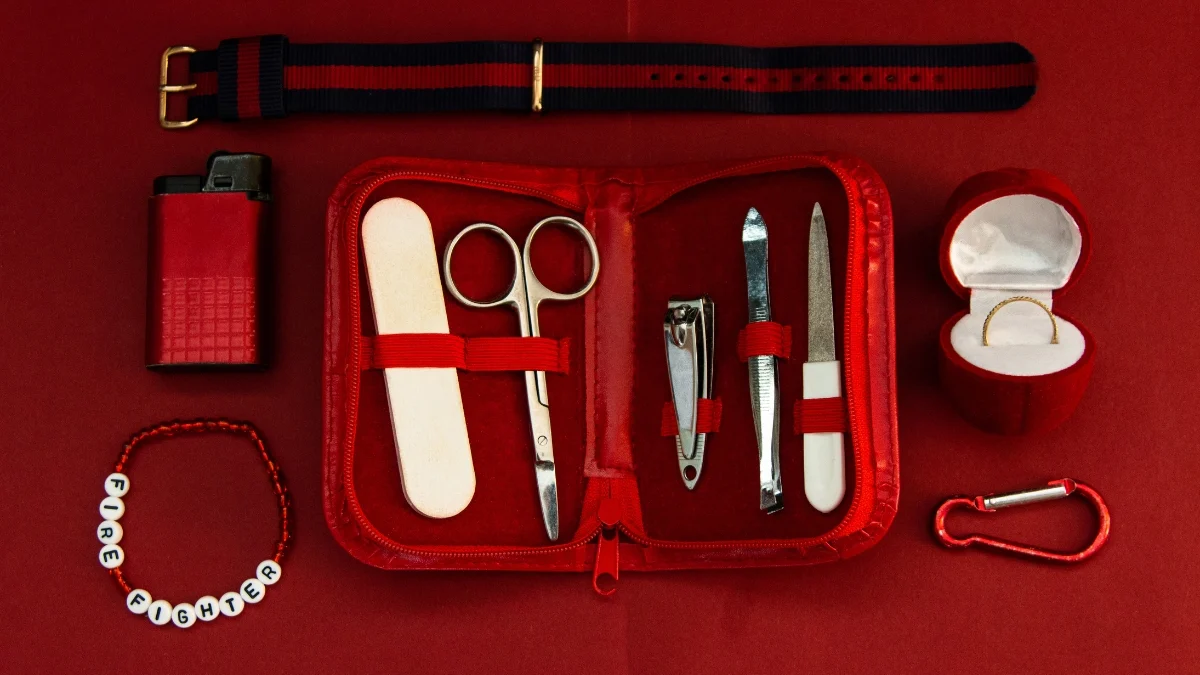
Build a minimalist everyday-carry kit that multiplies your options when something breaks. A small roll of duct tape, a few zip ties, a compact multitool, a mini flashlight, and a couple of safety pins cover dozens of fixes—from securing a loose bumper trim to fashioning a zipper pull. Add paracord for lashing or makeshift clotheslines, and a pack of adhesive bandages for quick first aid. Store it in a pouch that moves between your backpack, glove box, and suitcase.
Pair the kit with basic improvisation habits. Before throwing something out, note reusable parts: sturdy lids, rubber bands, and containers. When facing a problem, list constraints (time, tools, safety) and available materials, then prototype a safe, reversible fix first. Practice a few staples—duct-tape hinge, zip-tie bundle, and paperclip hook—so you can execute them quickly under mild pressure.
‘The Martian’ (2015)
When a task feels overwhelming, reduce it to solvable units and track progress visibly. Write a brief daily log of inputs (time, materials), outputs (what got done), and obstacles (what blocked you). Keep this log on paper or a simple notes app and review it each week to adjust plans. Use the “next clear step” rule: convert each goal into the smallest physical action you can do in under 10 minutes, and start there.
Manage limited resources with a simple allocation model. Set maximum daily usage for critical items—batteries, printer paper, pantry staples—and tally consumption against a weekly budget. Label containers with expected depletion dates and reorder points. For tricky projects, run a quick experiment first: test a small batch, measure results, and only then scale up.
‘Ocean’s Eleven’ (2001)

Protect yourself from social engineering by pre-establishing verification steps. Create a family or team code word you can use to confirm identity during phone calls or texts requesting money, access, or urgent favors. For service visits, ask for the technician’s name and appointment window ahead of time, and verify a company badge through the official number on the website—not one provided in a message.
Segment your accounts to limit damage from a single breach. Use a unique email alias for financial accounts, enable hardware or app-based two-factor authentication, and keep a distinct credit card for online purchases with transaction alerts turned on. When contacted unexpectedly, shift channels: hang up and call the public support line, or reply via the official app inbox. No legitimate request should require you to keep the call active while you act.
‘The Bourne Identity’ (2002)

Practice situational awareness that’s practical and repeatable. When you enter a space, note two exits, the nearest first-aid kit or AED if visible, and a landmark you can describe in an emergency. Keep your phone charged above 30% and store key emergency numbers as favorites. In transit hubs, stand with your back to a wall or solid fixture when checking your phone or tickets to reduce blind spots.
Travel with a streamlined safety kit: photocopies or digital scans of important documents, a small flashlight, a pen, a whistle, and a laminated card listing allergies and an emergency contact. Share your itinerary and location-sharing with a trusted person, and set periodic check-in reminders for long days. If something feels off, move toward staffed, well-lit areas and announce your need for help clearly to specific people (“You in the blue jacket, please call security”).
‘Cast Away’ (2000)
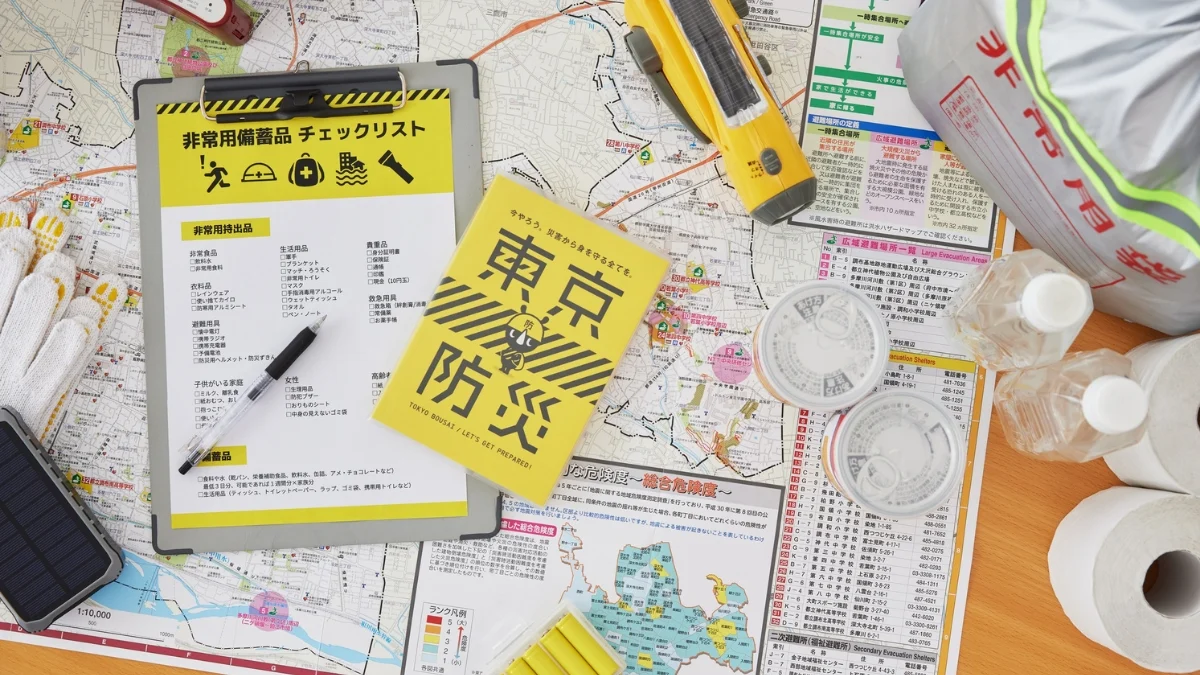
Maintain a compact emergency cache at home, in your car, and in your backpack. Include water pouches or a bottle, a high-calorie bar, a space blanket, a poncho, a basic first-aid kit, waterproof matches or a lighter, and a power bank with a charging cable. Add a small roll of contractor garbage bags; they serve as ponchos, improvised shelters, or dry sacks. Check and refresh perishable items twice a year.
Learn simple signaling and navigation basics. Store a whistle (three blasts for distress), a small signal mirror, and a permanent marker to write details on tape or paper. Keep a printed local map in your glove box and know a few fixed landmarks for orientation. In remote spots, download offline maps in advance and switch your phone to airplane mode between check-ins to conserve battery for emergencies.
‘Moneyball’ (2011)

Use lightweight data tracking to improve finances, fitness, or skill-building. Pick one metric that matters—spend per category, weekly workouts, or practice minutes—and log it daily in a spreadsheet or notes app. Set a baseline, define a modest weekly target, and review trends each Sunday. Automate data capture where possible with bank alerts or device counters to reduce manual entry and improve consistency.
Make decisions with simple rules you define beforehand. For money, impose a 24-hour hold on unplanned purchases above a set amount and pre-commit to a monthly transfer into savings on payday. For fitness, choose a minimum viable session you can always complete, like 10 minutes, to preserve streaks on busy days. Reassess rules monthly: keep those that help, adjust those that don’t, and archive the rest for future experiments.
‘Chef’ (2014)

Adopt mise en place to make cooking faster and cleaner. Before heat touches a pan, read the recipe fully, set out ingredients, wash produce, and pre-measure spices into small bowls. Sharpen your knife, clear counter space, and position a trash bowl for scraps to keep the workspace tidy. Start with textures that take longest—root vegetables, sturdy greens—and group quick-cooking items together.
Batch-cook “base components” for the week: roasted vegetables, a pot of grains, a protein, and a versatile sauce. Store in clear containers at eye level, label with contents and date, and assemble meals by mixing components rather than starting from scratch each night. Keep a running grocery list on your fridge or phone and restock staples in a fixed order to cut repeat trips.
‘Tidying Up with Marie Kondo’ (2019)

Declutter by category, not by room, to confront duplicates and free space quickly. Tackle clothes, books, papers, miscellany, then sentimental items, pulling everything in a category into one visible pile before deciding what to keep. Use uniform boxes or drawer dividers to assign every item a clear home and reduce re-clutter. Store vertically where possible so you can see and access items without digging.
Maintain order with short, recurring resets. Do a five-minute sweep each evening to return items to their homes, and a monthly audit to donate or recycle anything you didn’t use. Label shelves and bins to make the system visible to everyone in the household. For incoming items—mail, packages, souvenirs—apply a simple rule: process, assign a home, or discard on the same day.
‘Apollo 13’ (1995)

Use checklists for routine and high-stakes tasks to reduce errors. Write steps in the order you’ll do them, group them by location or tool, and add verification boxes for sign-offs. For recurring projects—trip prep, tax filing, equipment maintenance—store checklists in a shared folder so they’re easy to update. Pair critical checklists with a “read-back” practice: say items aloud as you verify them to catch misses.
Plan for failure modes with quick pre-mortems. Before starting, ask what could cause the project to fail, list the top three risks, and write a countermeasure for each. Stage backups: duplicate files to the cloud, keep spare batteries and cables in a dedicated pouch, and identify a fallback date or vendor. After completion, run a brief post-mortem to capture fixes while details are fresh.
Share the smartest on-screen hacks you’ve actually tried—or want to try—down in the comments!