The 10 Most Underrated Marion Cotillard Movies, Ranked (From Least to Most Underrated)


Marion Cotillard has built a career that moves easily between French cinema and international productions. She earned the Academy Award for Best Actress for ‘La Vie en Rose’ and later added César and BAFTA wins to a long list of honors. Along the way she has taken on historical epics, contemporary social dramas, animation, and a modern rock opera, often in multiple languages.
This list spotlights ten titles that did not dominate the spotlight despite significant craft and memorable roles. You will find festival competition entries, literary adaptations, and a few projects that became word of mouth favorites over time, all showing how wide her range really is.
‘The Last Flight’ (2009)
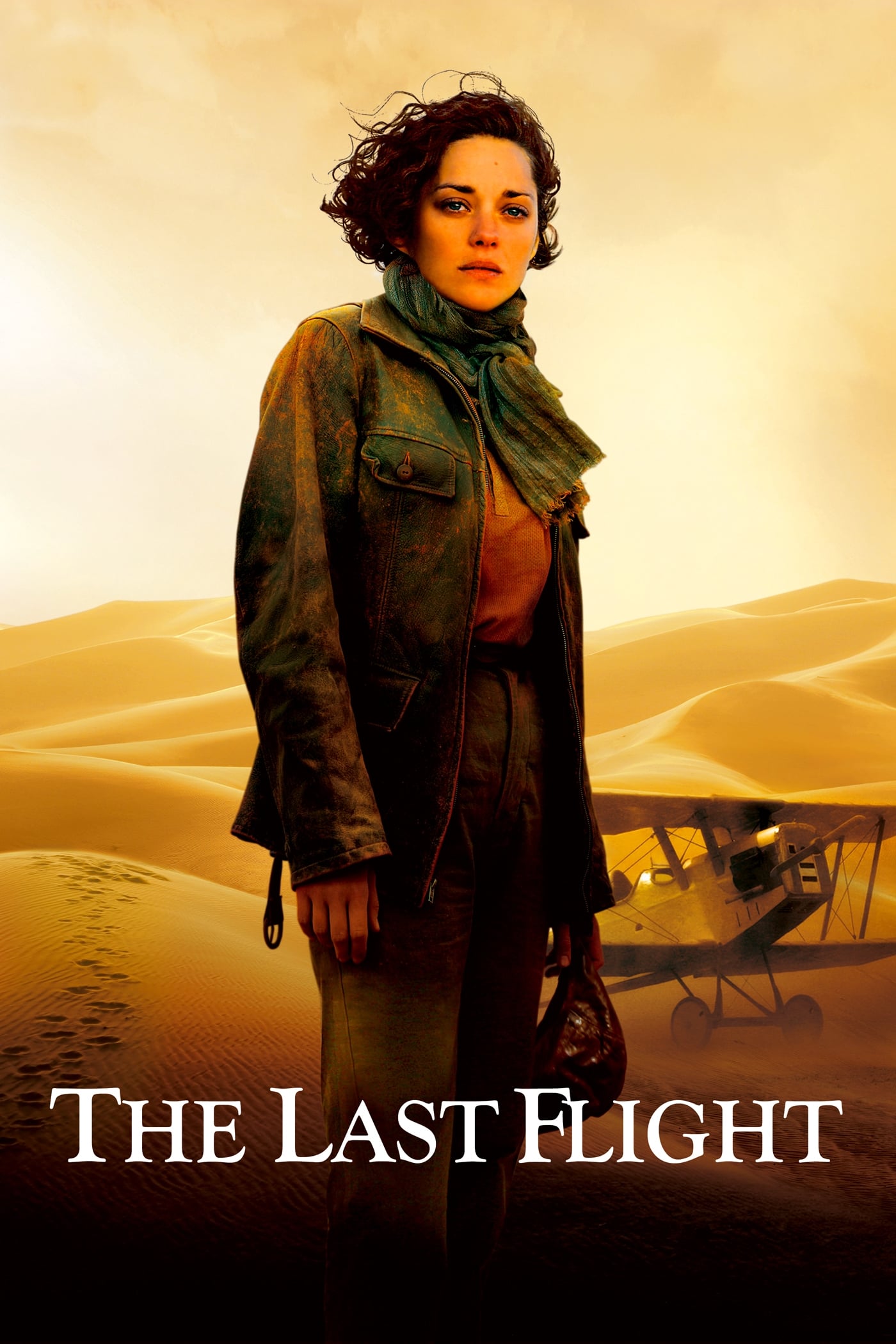
Karim Dridi’s desert adventure follows a French aviator searching the Sahara after the 1933 disappearance of British pilot Bill Lancaster. Marion Cotillard plays Marie Vallières de Beaumont, a character inspired by the real events surrounding the aviator’s final journey, and the story tracks the logistics of survival across remote dunes and shifting borders. The production filmed on location to capture the harsh terrain and period aviation details, including vintage aircraft recreations and desert convoy work.
The film pairs Cotillard with Guillaume Canet and situates their characters within Tuareg territories at a time of colonial patrols and sparse communication. The narrative uses radio silence, compass headings, and supply constraints to show how a rescue attempt would have unfolded in the early thirties, while the costume and prop design reflect interwar flying gear and expedition equipment.
‘Annette’ (2021)
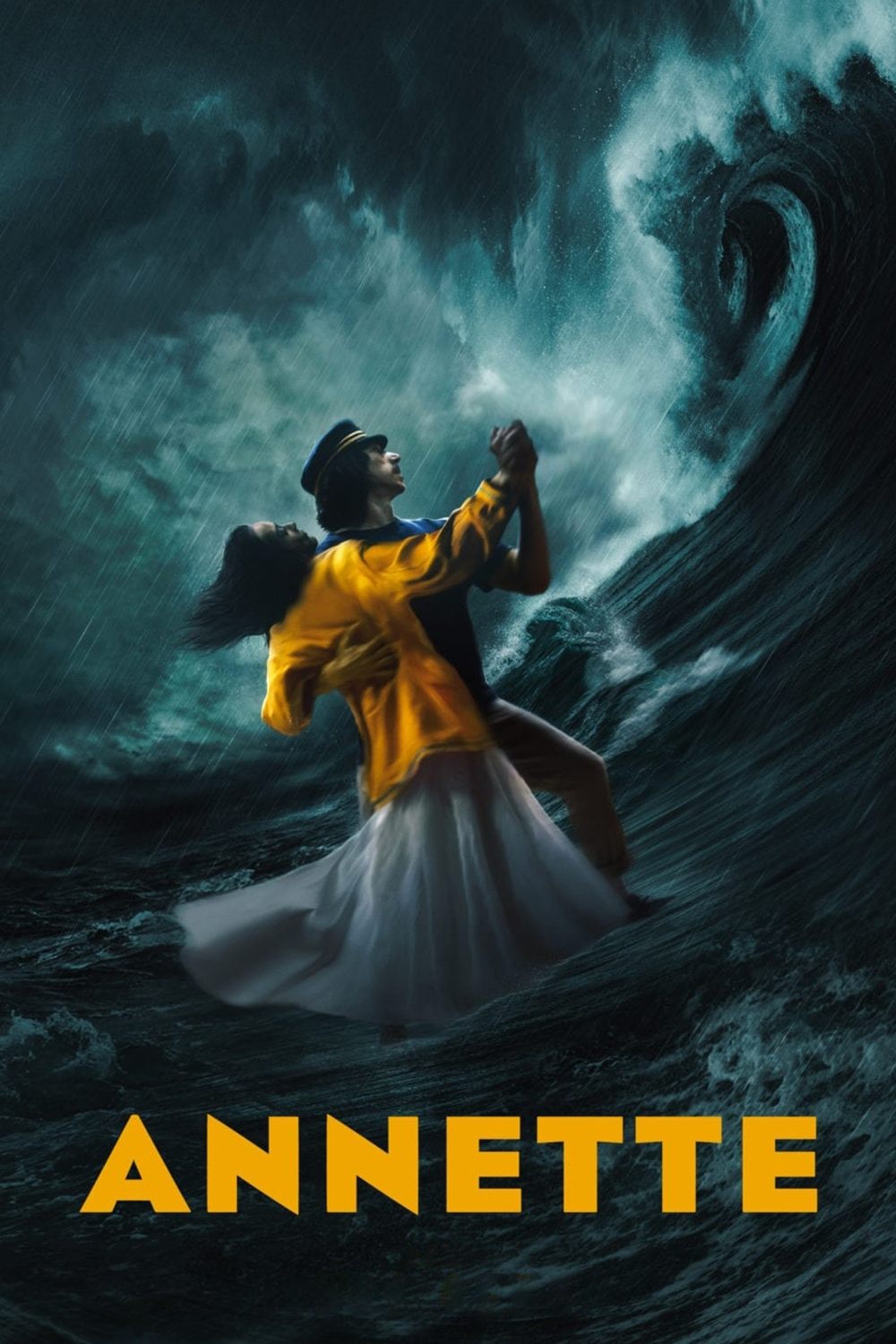
Leos Carax’s musical is built on original songs by Sparks and opened the Cannes Film Festival in 2021. Marion Cotillard plays the celebrated opera soprano Ann, whose career milestones and grueling performance schedule become part of the narrative structure through staged arias and rehearsal sequences. The film integrates concert staging with cinematic blocking, using full songs to convey plot turns and character revelations.
The production recorded vocals both on set and in studio, with performance scenes designed to mirror real opera house acoustics. The film received multiple César Awards recognition in France, including honors for music and direction, and it toured major festivals before streaming and theatrical rollouts introduced the soundtrack to a wider audience.
‘From the Land of the Moon’ (2016)
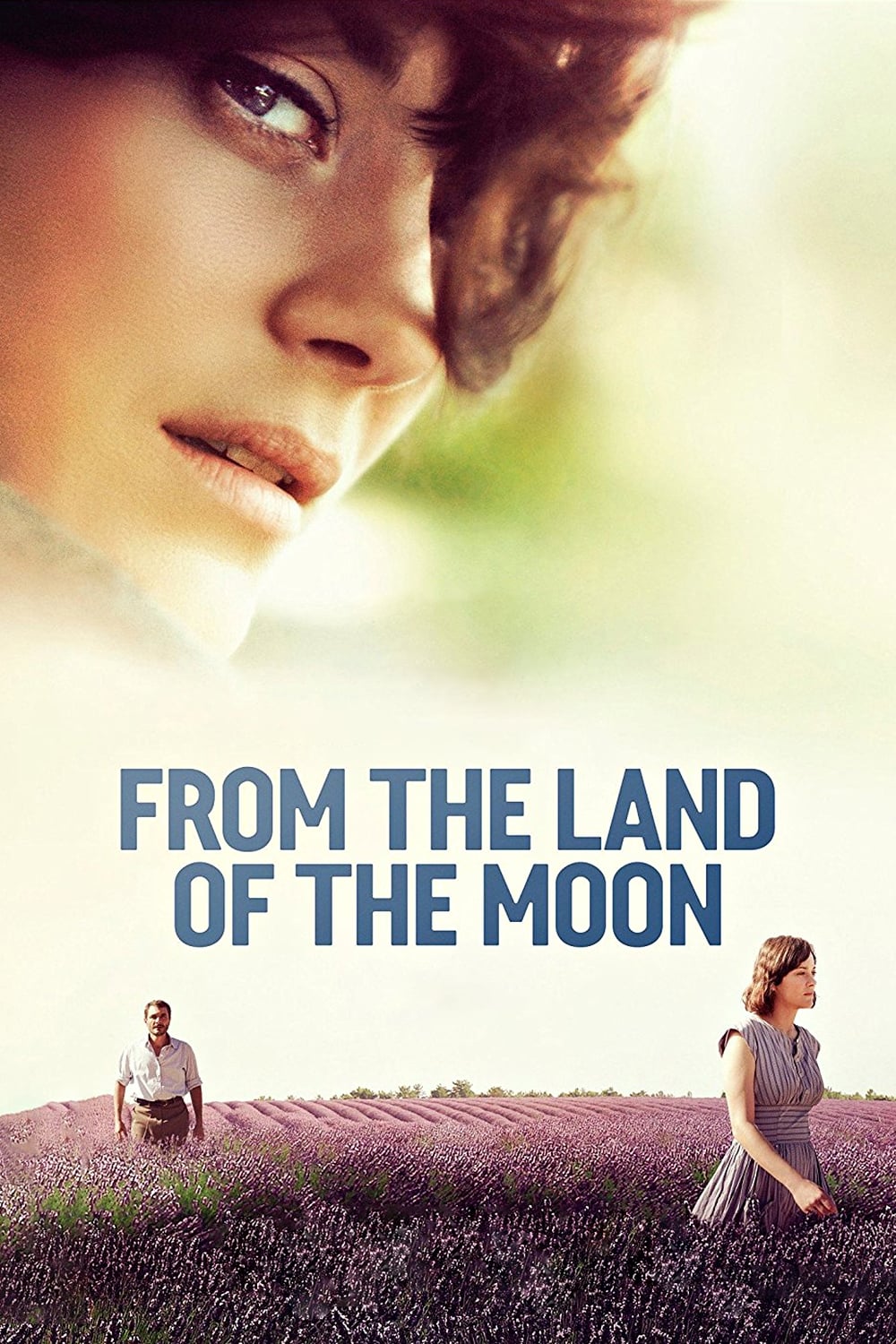
Adapted from Milena Agus’s novel, Nicole Garcia’s period drama centers on postwar France and follows Gabrielle, played by Marion Cotillard, through a marriage arranged for social stability and the medical treatments of the era. The story uses letters, clinics, and Alpine sanatorium settings to track how patients were moved and managed in the 1950s, including treatments for kidney stones and the rest cures then in fashion.
The film premiered in competition at Cannes and features location work that stretches from rural Provence to Swiss-border landscapes. Production design places emphasis on period interiors, from small village homes to medical wards, with attention to fabrics and furnishings that situate the action firmly in mid century provincial life.
‘The Immigrant’ (2013)
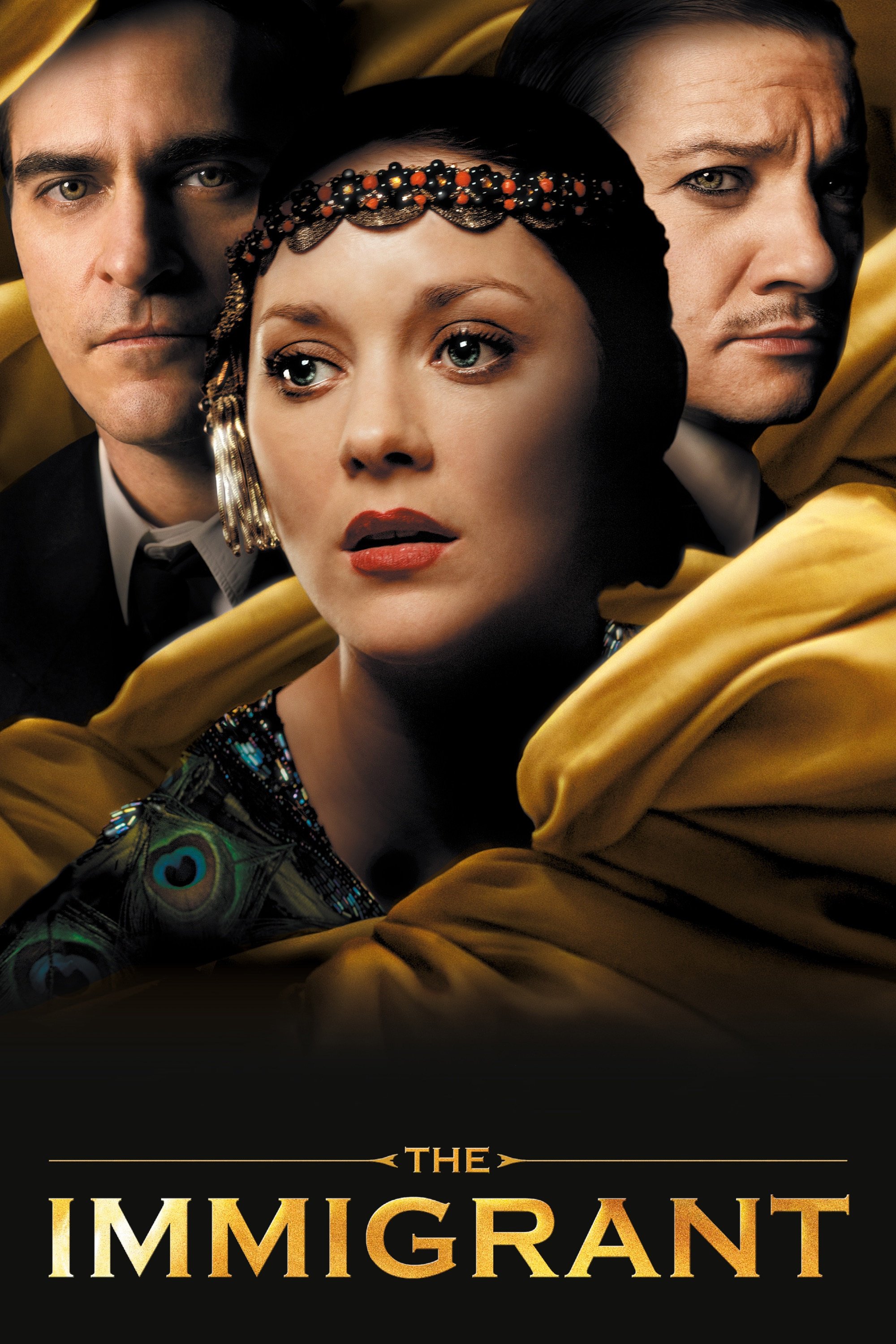
James Gray’s Ellis Island drama follows a Polish newcomer, Ewa Cybulska, portrayed by Marion Cotillard, as she navigates immigration processing in 1921 New York. The film reconstructs intake procedures, dormitory arrangements, and the medical inspections that determined whether arrivals could enter the city or faced quarantine. The narrative moves from Ellis Island to Lower East Side theaters and boarding houses, mapping a corridor of early twentieth century labor and entertainment.
The production used period lenses and lighting references to achieve a sepia toned palette, while costumes track Ewa’s transition through donated clothing and tailor shop alterations. Premiering in competition at Cannes, the film later earned nominations from several critics groups and craft guilds for cinematography and design.
‘Little White Lies’ (2010)
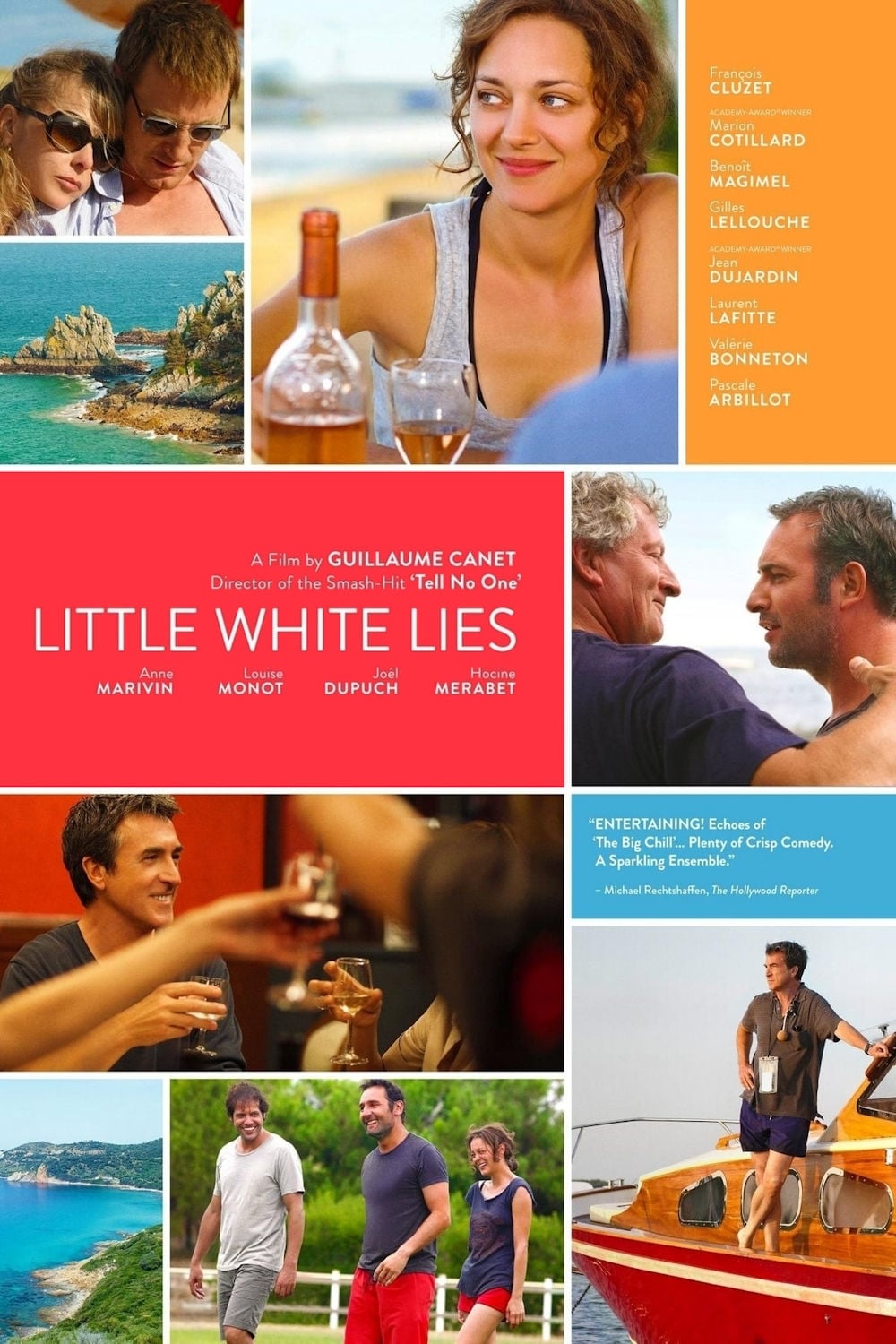
Guillaume Canet’s ensemble drama follows a group of friends who continue their annual seaside holiday after a serious accident leaves one of them hospitalized. Marion Cotillard’s character lives and works in Paris and arrives into a dynamic shaped by long held habits, shared apartments, and a beachfront restaurant routine. The film uses a vacation calendar to structure time, marking days with early swims, group meals, and late night conversations.
Shot largely in Cap Ferret, the production leans on real locations rather than constructed sets, giving the house, dock, and café spaces an authentic lived in feel. The film became a domestic box office hit in France and later led to a follow up entry that revisited the characters years later with the same core cast.
‘April and the Extraordinary World’ (2015)
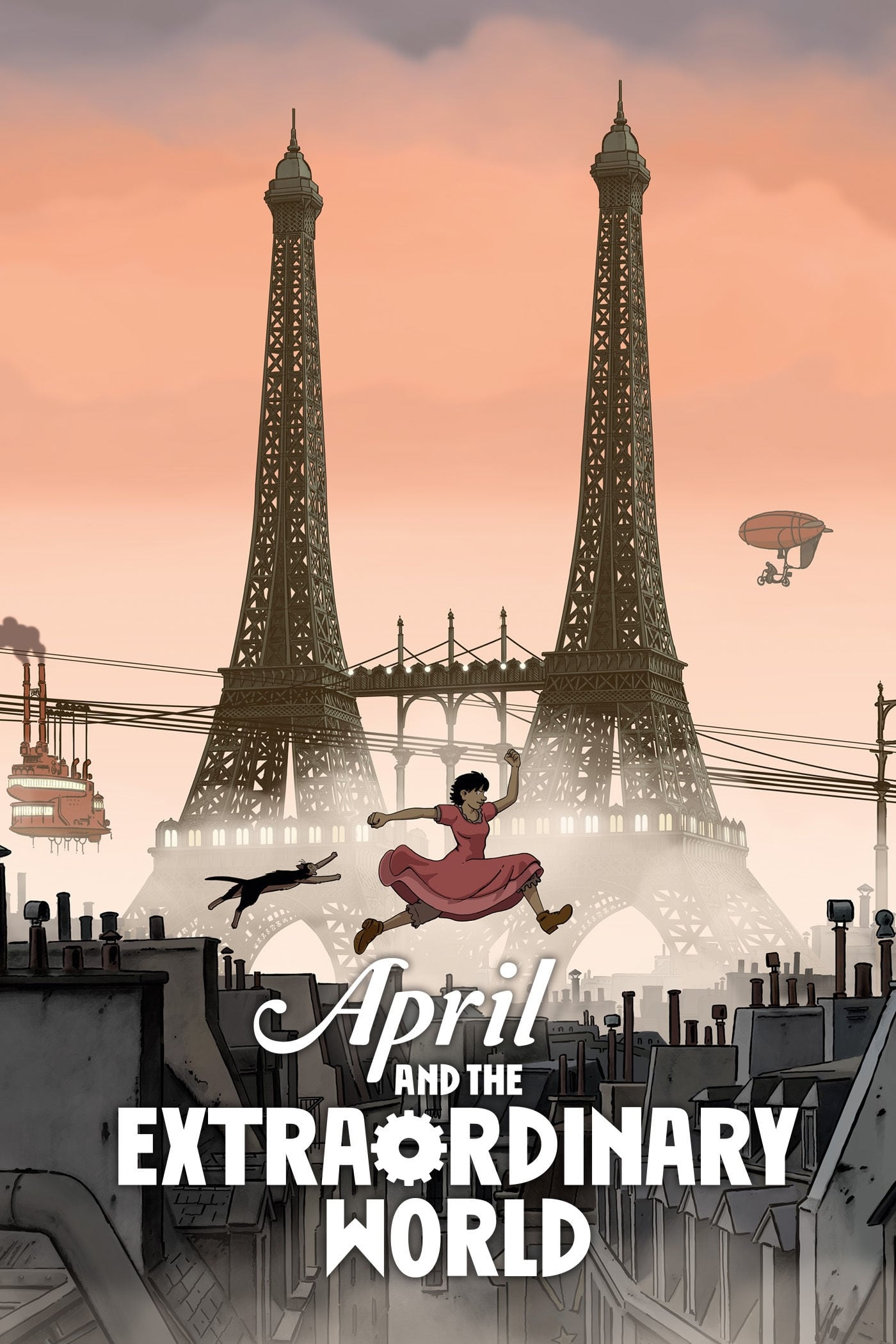
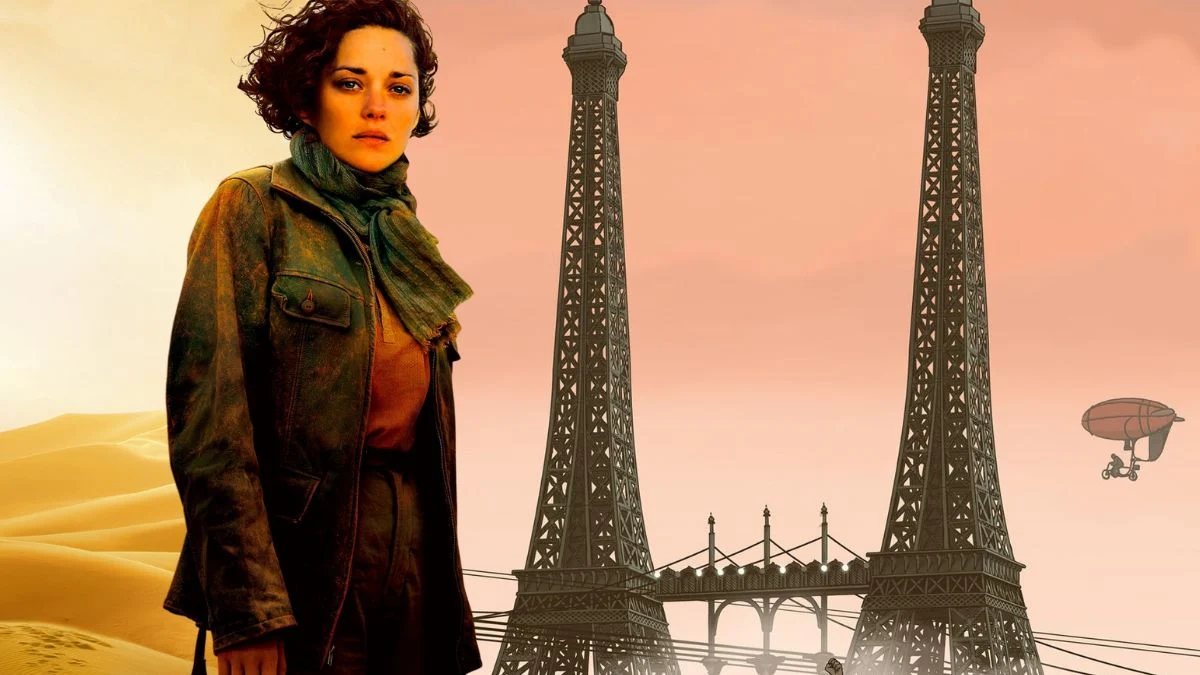
This animated feature imagines an alternate France where scientists vanish and steam powered technology remains dominant well into the twentieth century. Marion Cotillard voices April in the French language version, a young inventor who maintains a secret laboratory and searches for her missing parents. The film incorporates Jacques Tardi’s graphic style, with cityscapes that keep smokestacks, cables, and elevated rail lines at the forefront of the frame.
The production employed hand drawn aesthetics layered with digital compositing to create a consistent inked look for machinery and clouds. The film won the César Award for Best Animated Film and reached international audiences through festival circuits and specialty theatrical runs that introduced Tardi’s visual world to new viewers.
‘Love Me If You Dare’ (2003)
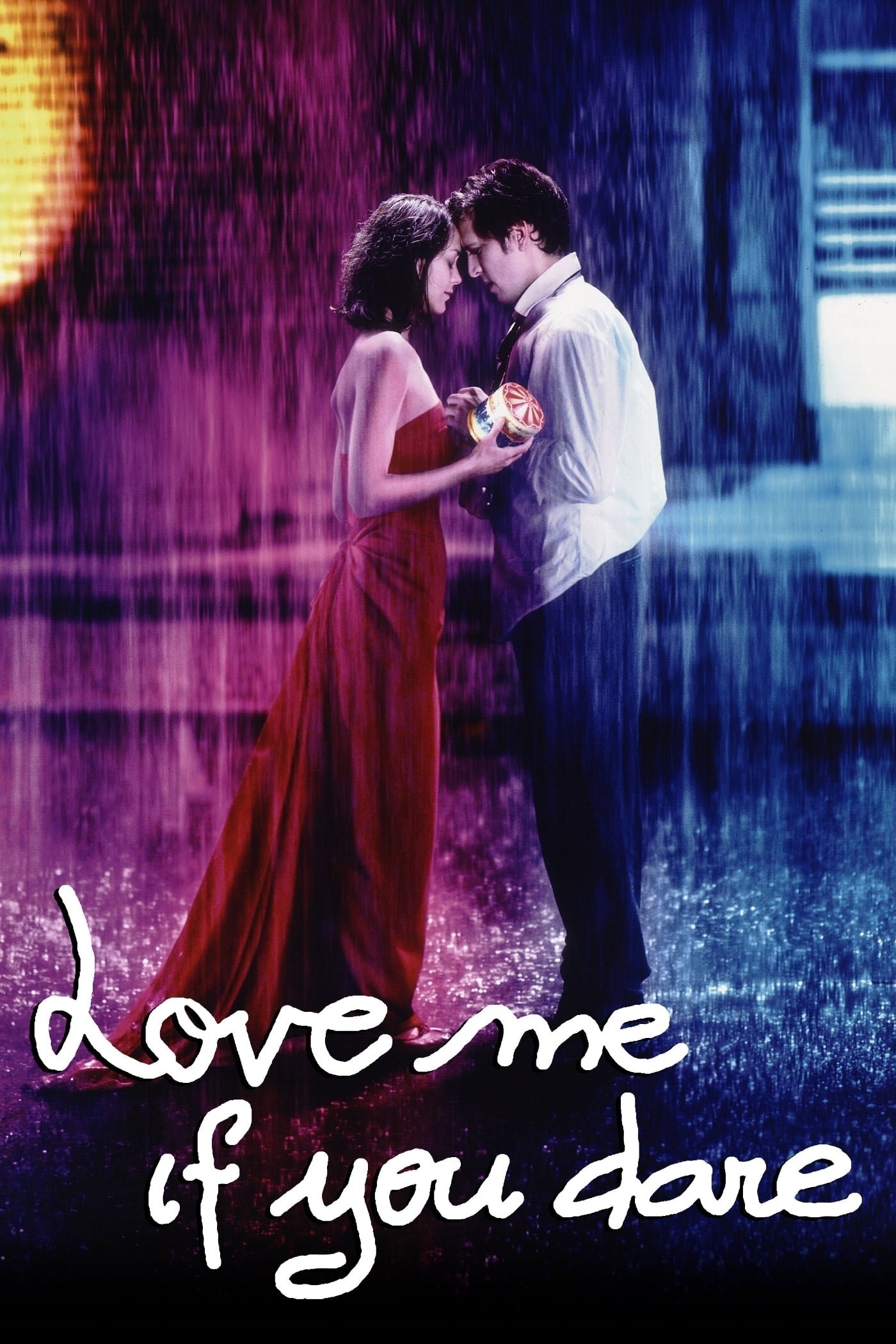
Yann Samuell’s romantic drama traces a decades long game between two childhood friends who exchange a metal tin as a token that binds increasingly risky dares. Marion Cotillard and Guillaume Canet play the pair across primary school, university years, and adult work life, with scenes that track holidays, train schedules, and classroom events to mark the passage of time. The film uses recurring props and set pieces to connect episodes, including the tin, a carousel, and a cardboard costume motif.
Production design favors saturated color palettes in dreamlike sequences and then shifts to muted urban tones when the characters face practical concerns. The soundtrack includes French pop standards that align with specific years of the characters’ lives, and the release helped raise both leads’ profiles in international markets as the film circulated on home video.
‘Two Days, One Night’ (2014)
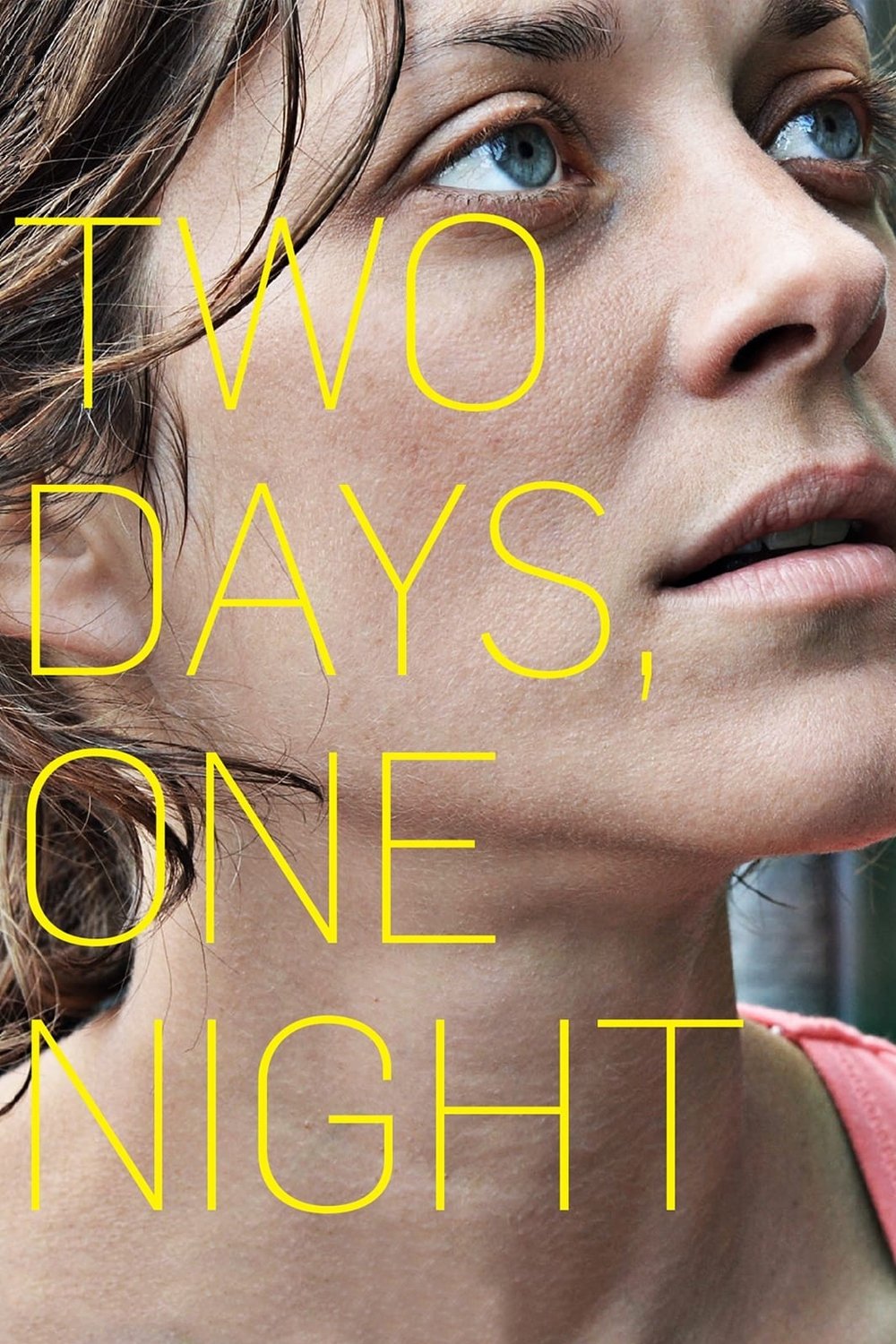
Jean Pierre and Luc Dardenne’s film follows Sandra, played by Marion Cotillard, as she visits coworkers over a weekend to ask them to reverse a vote that would eliminate her position in exchange for a bonus. The structure is precise, using a list of addresses and shift schedules to organize a series of conversations that move through apartments, factory floors, and bus routes. The film shows workplace procedures for temporary leave, manager approvals, and team ballots.
The production shot on location in Seraing, Belgium, with handheld cameras and natural light to match the Dardennes’ established approach. Cotillard’s role earned an Academy Award nomination for Best Actress and several European film prizes, and the film screened in Cannes competition before securing distribution in multiple territories.
‘Rust and Bone’ (2012)

Jacques Audiard’s drama adapts stories from Craig Davidson’s collection and connects two characters in Antibes through accident and recovery. Marion Cotillard plays Stéphanie, an orca trainer at a marine park, and the film details safety protocols, show choreography, and rehab regimens after a catastrophic incident. The parallel story follows a bouncer and bare knuckle fighter, and the production tracks gym training, security shifts, and fight nights as part of his routine.
Visual effects teams combined practical prosthetics with digital work to depict Stéphanie’s changed mobility, and the marine park sequences were filmed with real tanks and platforms to ground performance in physical space. The film premiered at Cannes and later received nominations from BAFTA, the Golden Globes, and the Césars for acting, writing, and technical achievements.
‘A Very Long Engagement’ (2004)
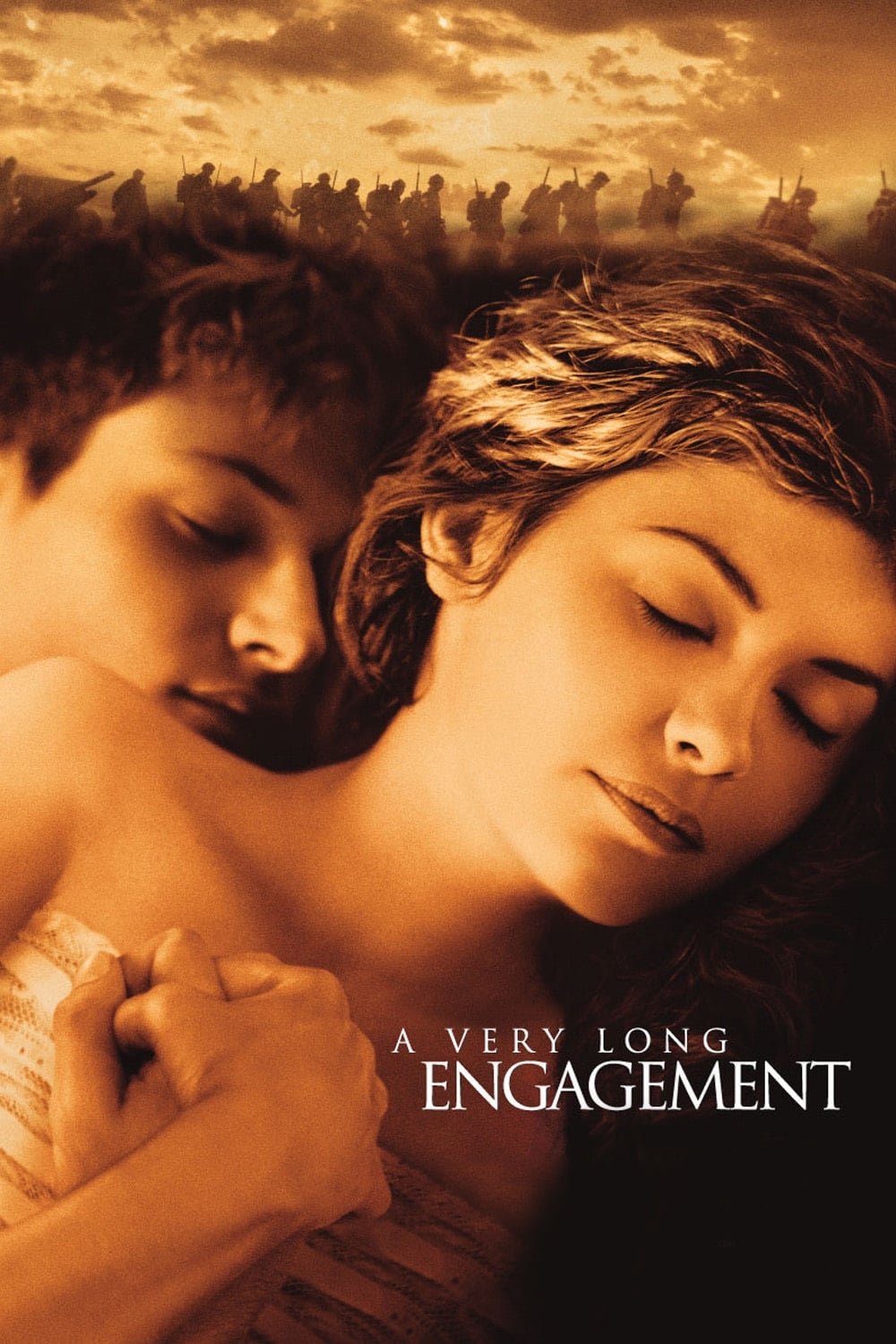
Jean Pierre Jeunet’s World War I era mystery adapts Sébastien Japrisot’s novel about a young woman who investigates the fate of her fiancé after he is reported killed in the trenches. Marion Cotillard appears as Tina Lombardi, a figure whose storyline intersects with military records, court documents, and witness accounts. The film reconstructs trench positions, military prisons, and postwar Parisian offices, using maps and letters to connect battles to later inquiries.
The production received Academy Award nominations for cinematography and art direction and won several César Awards for craft. Large scale sets recreated battlefield crater fields and front line dugouts, while the camera team used period glass and filtration references to evoke autochrome photography. The film’s release included both French and international distribution, bringing the story to a wide audience.
Share your picks for overlooked Marion Cotillard performances in the comments and let everyone know which titles you would add to the list.