20 Celebrities Banned from China

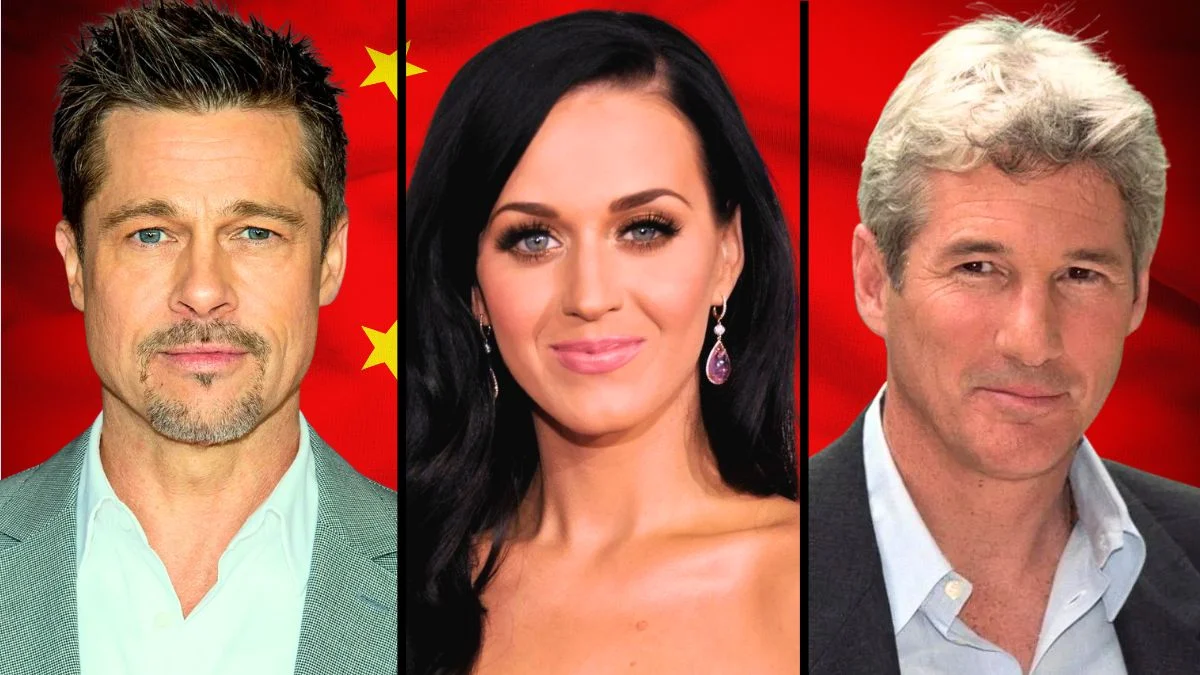

China’s approvals for concerts, film releases, and public appearances run through strict cultural and political vetting, which has sidelined a surprising number of global stars. Some were blocked after speaking up on sensitive issues. Others lost access because previous work touched on topics that remain off limits in the mainland market.
Below are notable cases where tours were canceled, music or shows were scrubbed, or visas were denied. In several instances bans were later relaxed or partially lifted, but each entry reflects a clear period when the artist could not perform or promote work in China because of official decisions.
Brad Pitt
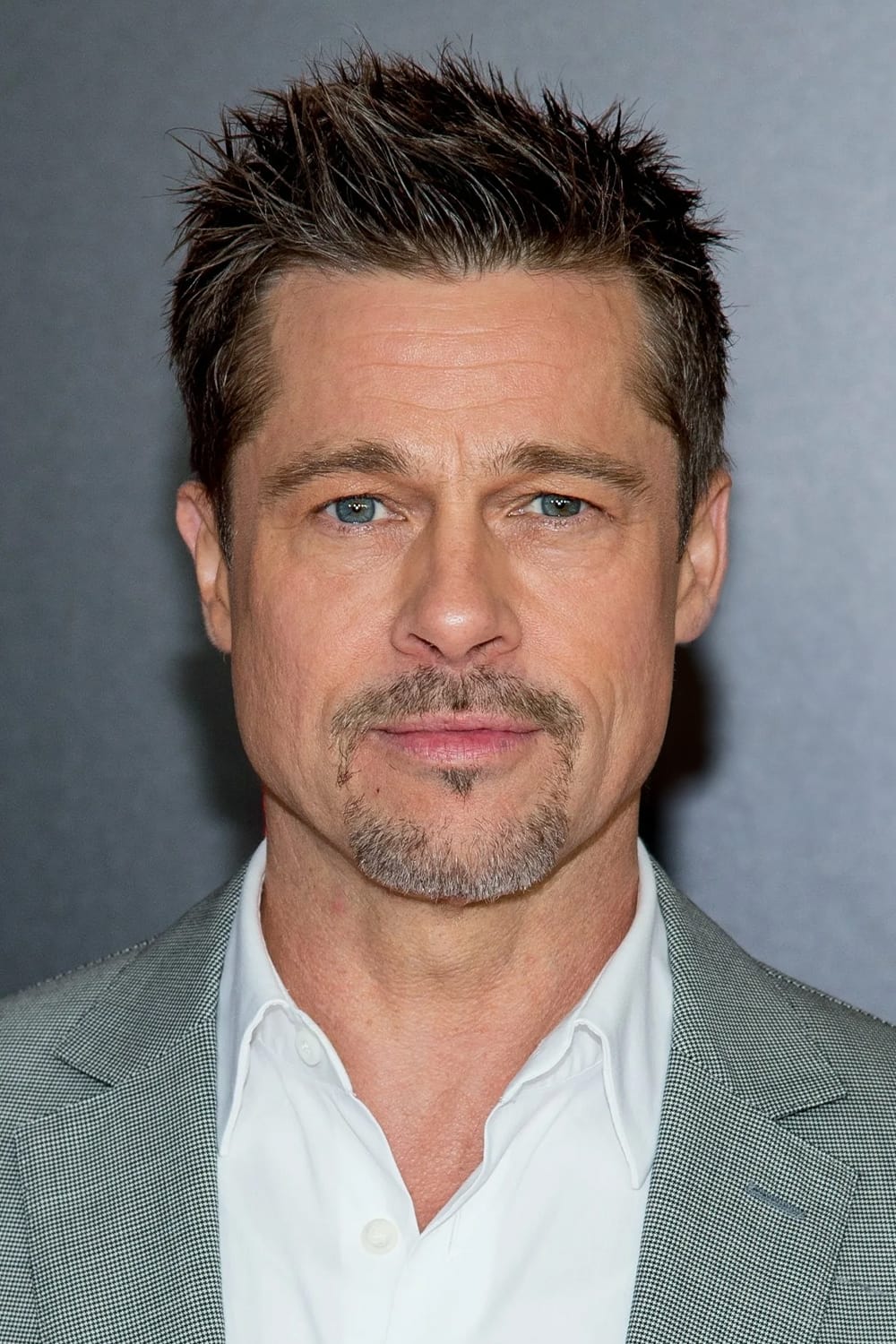
After starring in the film ‘Seven Years in Tibet’, Pitt was barred from entering China for years. The movie’s depiction of Tibet triggered a freeze that affected the actor as well as others tied to the production.
The restriction eased much later, allowing limited promotional activity in the 2010s. The lengthy gap illustrates how a single project associated with Tibet could shut a major star out of the market for a long time.
Richard Gere
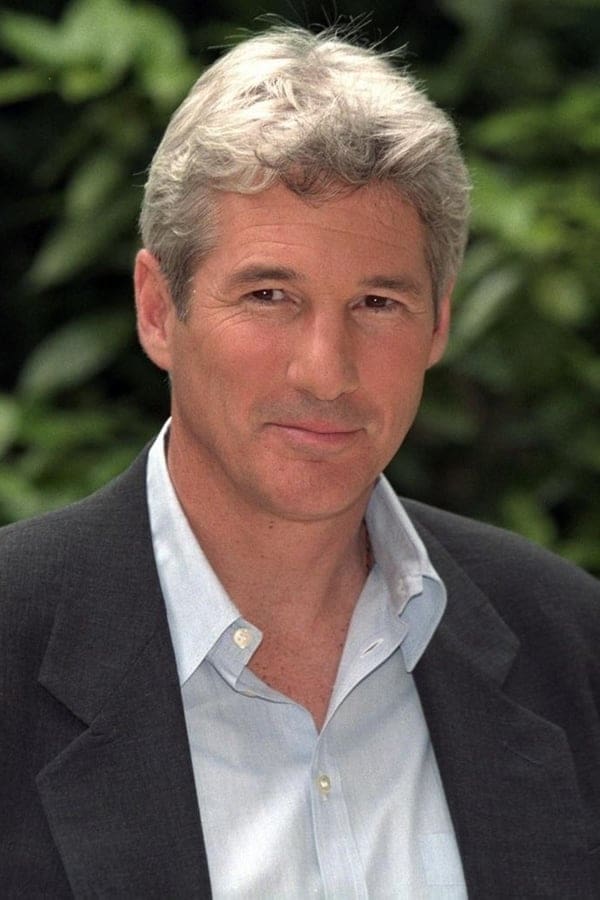
Gere’s decades of advocacy for Tibet led authorities to bar him from entering China and from participating in China-related studio projects. His public support for the Dalai Lama and involvement with Tibet organizations became a standing obstacle.
Studios with China business also steered clear of projects featuring him during that period. The combination of a travel block and commercial caution kept him out of the Chinese market for years.
Harrison Ford
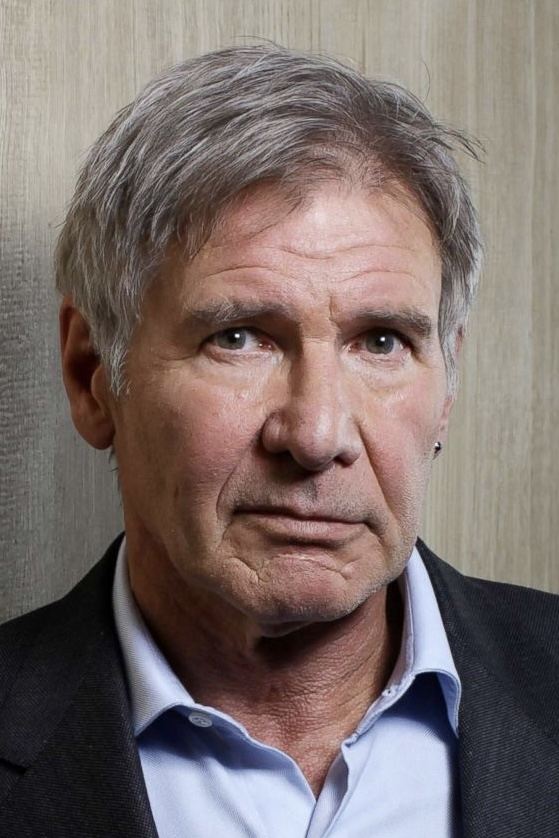
Ford spoke about Tibet in the mid-1990s and testified in the United States on human rights in the region. After that, he was not welcome to work or travel in China.
The restriction became a long running example cited in entertainment reporting. It showed how political speech could carry consequences that extended far beyond one event.
Martin Scorsese
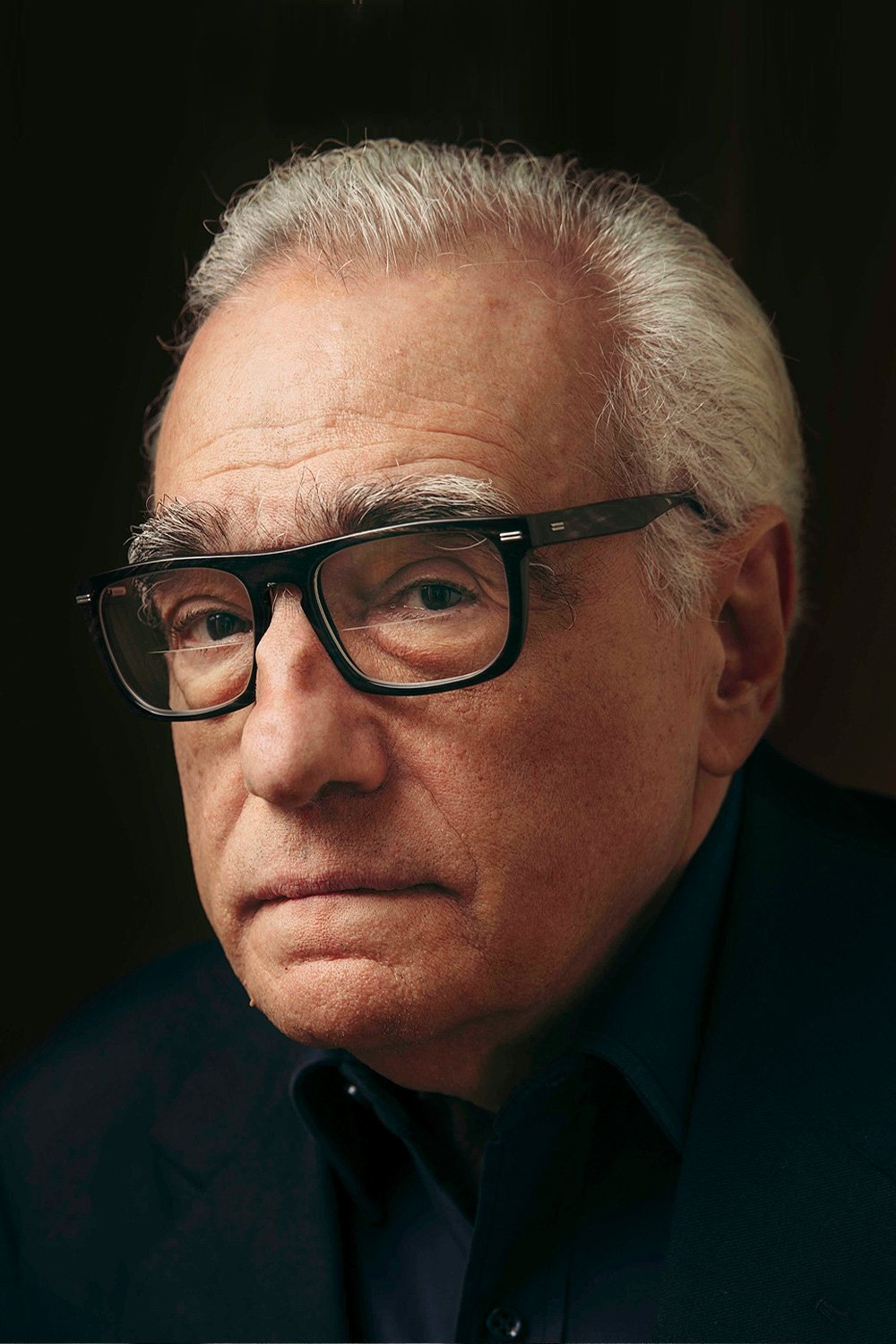
Scorsese’s film ‘Kundun’ focused on the Dalai Lama’s life. Following its release, he faced a lengthy ban on entry and collaboration in China.
Years later the stance softened and he appeared at events connected to China’s film industry. The initial prohibition still stands out for how strongly it was enforced across cinema distribution and professional access.
Jean-Jacques Annaud
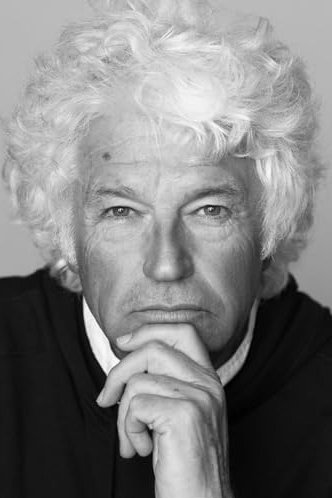
Annaud directed ‘Seven Years in Tibet’, which led to a prohibition on his work and travel in China. Industry partners avoided his projects there afterward.
More than a decade later he returned to make a Chinese-language film and the earlier ban was effectively lifted. His case shows both the severity of the initial block and the possibility of later rehabilitation through local collaboration.
Justin Bieber

In 2017 Beijing’s culture authorities announced that Bieber would not be permitted to perform in the country. The statement cited his conduct and said performance standards needed to be maintained.
The notice covered concerts rather than recordings. It meant tour stops in mainland cities were off the table until officials decided otherwise, making China an exception on his world routes.
Lady Gaga

After Gaga met the Dalai Lama in 2016, authorities blacklisted her. Mainland platforms pulled her catalog and blocked appearances.
The move aligned with existing rules on artists who engage with Tibetan issues. It affected music availability and potential live shows, cutting off promotion inside China for an extended period.
Katy Perry

Perry was denied entry to perform at a major fashion show in Shanghai in 2017. The decision followed attention to a 2015 Taipei performance where she waved a Taiwanese flag and wore a sunflower outfit associated with a student protest movement.
The visa reversal stopped a high profile broadcast appearance and associated events in mainland China. It also signaled how earlier onstage symbolism could be used to evaluate future access.
Selena Gomez

Gomez’s scheduled 2016 concerts in China were canceled after photos circulated of her meeting the Dalai Lama at a youth event. Local promoters removed dates from tour listings and ticketing sites.
The cancellations applied to Beijing and other planned cities. While her music remained available through international services, the live performances were blocked by authorities and venues.
Björk

During a 2008 Shanghai show Björk shouted “Tibet” while closing her set. Soon after, China announced tighter rules for foreign performers and warned that acts who touched on sensitive topics would be barred.
Her incident became a reference point for later denials of performance licenses. It showed how a single onstage message could trigger wider restrictions for artists across genres.
Maroon 5
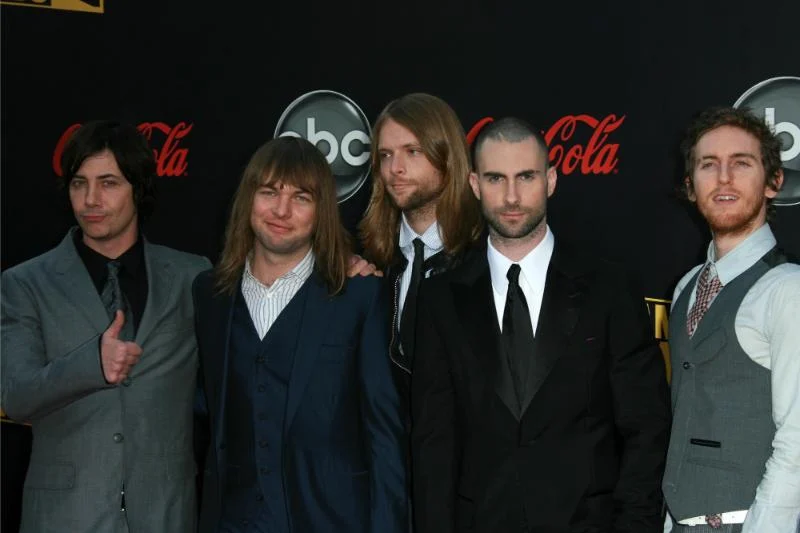
Two 2015 mainland concerts were abruptly canceled after a band member publicly wished the Dalai Lama a happy birthday. Local promotion pages removed the shows without an official explanation.
The cancellations were widely linked to political sensitivity around Tibet. The result was that the band’s China dates disappeared from the tour, with no replacement approvals issued that year.
Jon Bon Jovi

Bon Jovi’s first planned mainland shows were pulled in 2015. Chinese authorities did not provide a public reason, but previous use of imagery of the Dalai Lama during a concert was flagged by local media.
Tickets were refunded and logistics were unwound. The episode underscored how earlier stage visuals could lead to denied permits for later tours.
Oasis
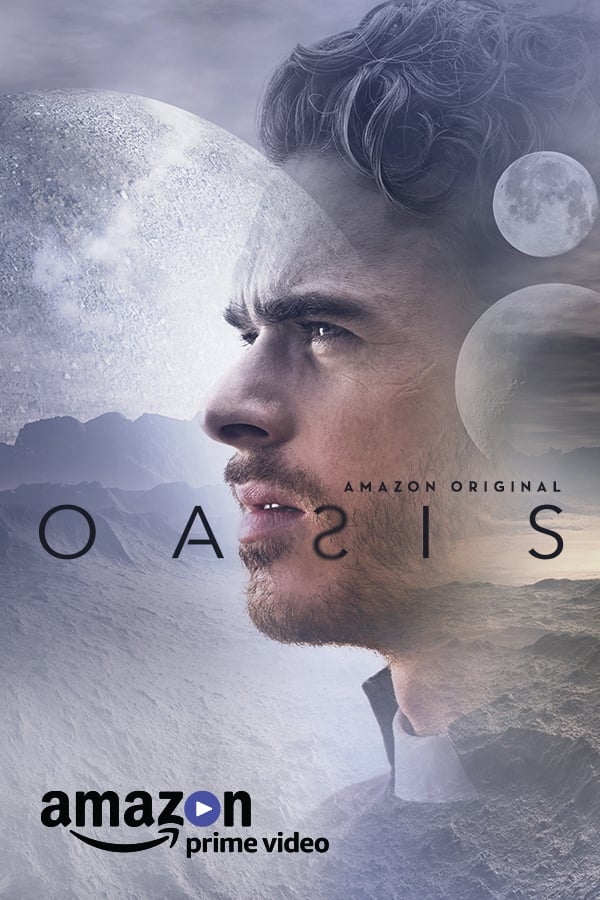
Oasis had Beijing and Shanghai dates canceled in 2009 after officials noted Noel Gallagher’s participation in a 1997 Tibetan Freedom Concert. The band’s statement said authorities had deemed them unsuitable to perform.
The move also affected future prospects for either Gallagher to obtain mainland performance approvals. It became a well known example of past political affiliation driving a present-day ban.
Zedd
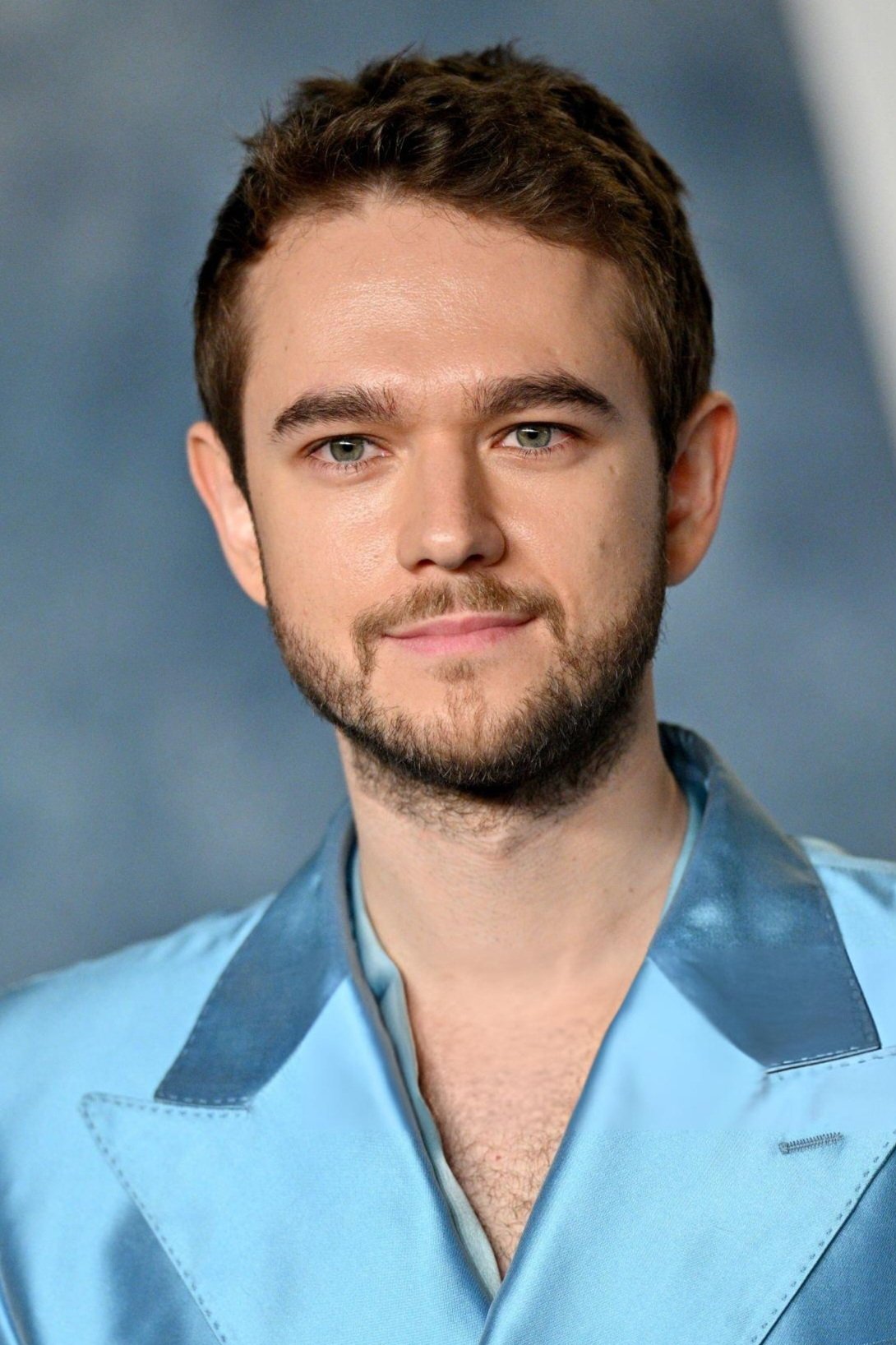
In 2019 Zedd said he had been permanently banned after he liked a ‘South Park’ tweet celebrating the show’s 300th episode. At the time, the show had been removed from Chinese platforms.
His team confirmed the ban notice. The action meant no touring or official promotion in mainland China, and it highlighted how even social media activity could trigger enforcement.
Keanu Reeves
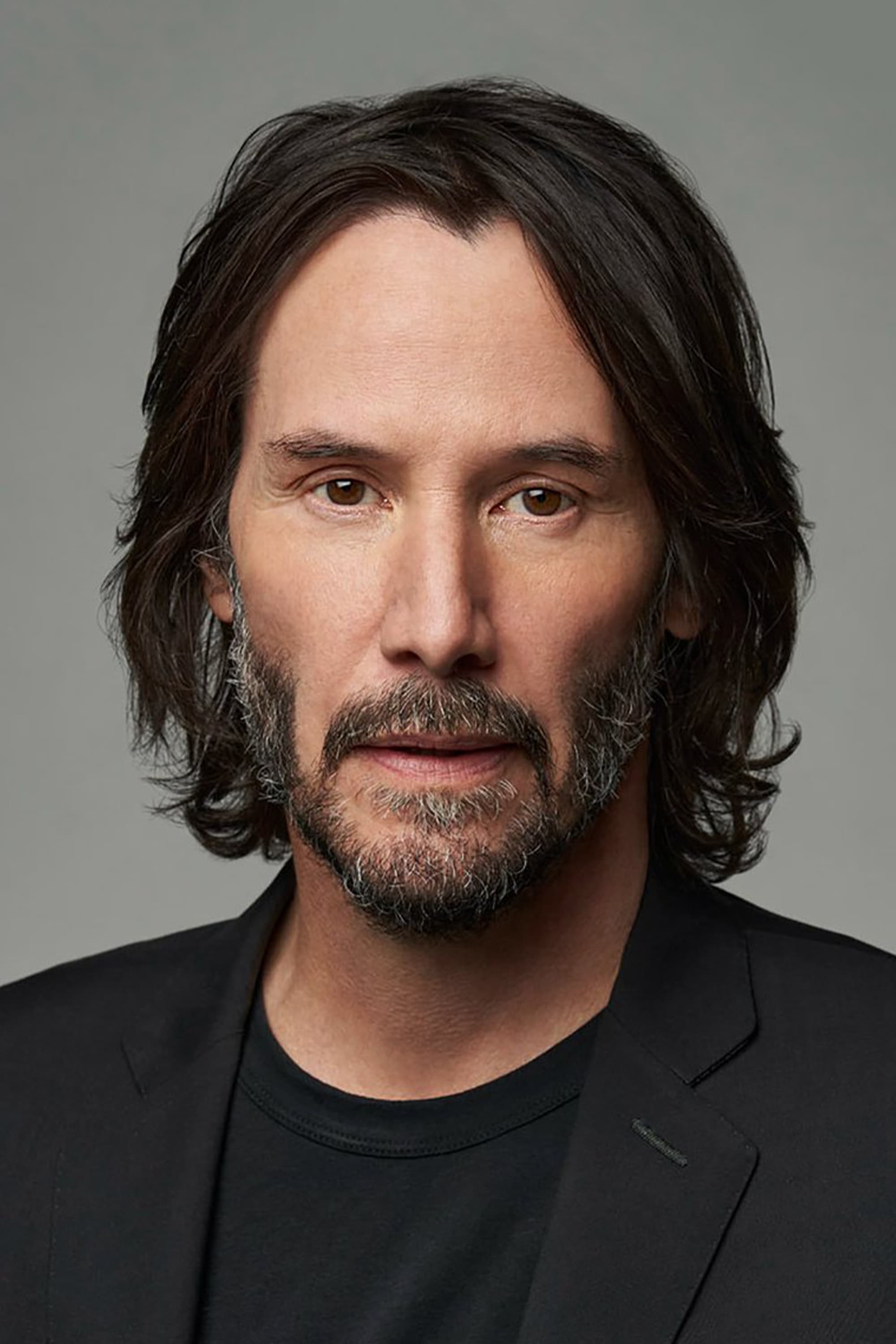
In March 2022 Chinese streaming services pulled most of Reeves’s films after he participated in a Tibet House benefit. The removals affected major video platforms across the market.
Although officials did not announce an entry ban, the takedown functioned as a broad blacklist in the digital space. It limited access to his past work for viewers inside China.
PewDiePie

In October 2019 the creator said his name and content were blocked on Chinese platforms after he discussed memes comparing China’s leader to Winnie the Pooh and spoke about Hong Kong protests. Searches inside Chinese services stopped returning his material.
The block meant fans inside China could not access his videos through regular channels. It was a content ban with practical effects similar to a personal prohibition.
Jay-Z

Authorities canceled a 2006 Shanghai concert, citing vulgar lyrical content as the reason. The decision halted what would have been his first major mainland show.
The cancellation reflected rules on live performances and language. It also showed that a ban could be grounded in content standards rather than geopolitics.
Miley Cyrus

In 2009 Chinese state-aligned outlets and officials reacted to a photo controversy by saying Cyrus would not be welcome. The episode followed widespread criticism over an image viewed as offensive toward Asians.
The position meant no concerts or promotional visits were approved at the time. The case is often cited in lists of entertainers blocked from entry after public backlash.
Sharon Stone

After Stone linked the 2008 Sichuan earthquake to “karma” in an interview, Chinese organizers and media cut ties. The Shanghai International Film Festival barred her, and brands halted campaigns in China.
Her films also faced informal distribution obstacles in the aftermath. The industry reaction functioned as a ban on appearances and business in the market for a period.
Kraftwerk
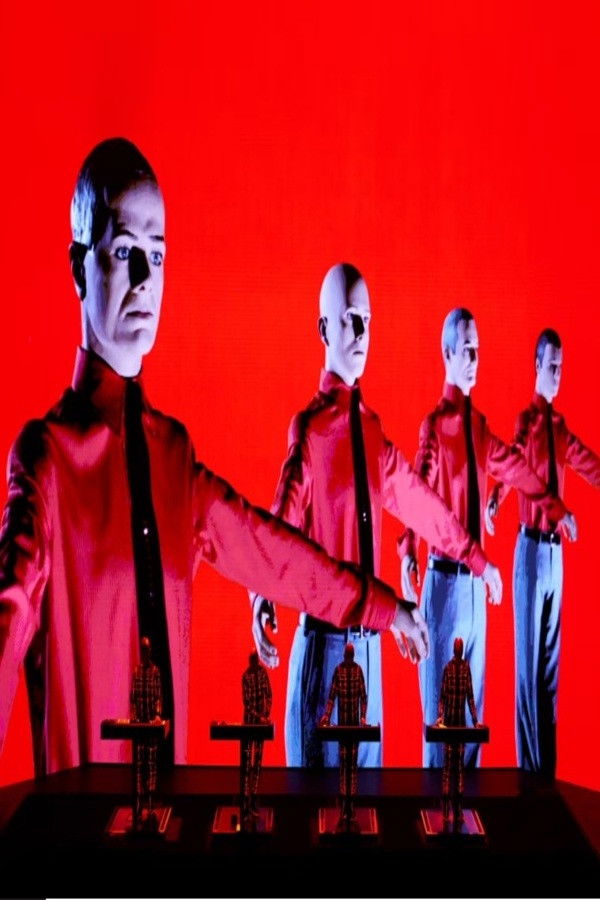
The German electronic group was denied visas in 2013 to perform at a Beijing festival because they had been billed for a 1999 Tibetan Freedom Concert, even though weather canceled that show and they did not play.
The visa decision stopped their China dates and served as a reminder that long past affiliations could still trigger present-day bans. It also demonstrated how approvals can be revoked close to showtime based on background checks.
Share your thoughts in the comments and tell us which entry surprised you the most and why.