20 Most Faithful Anime Adaptations of Manga, Ranked

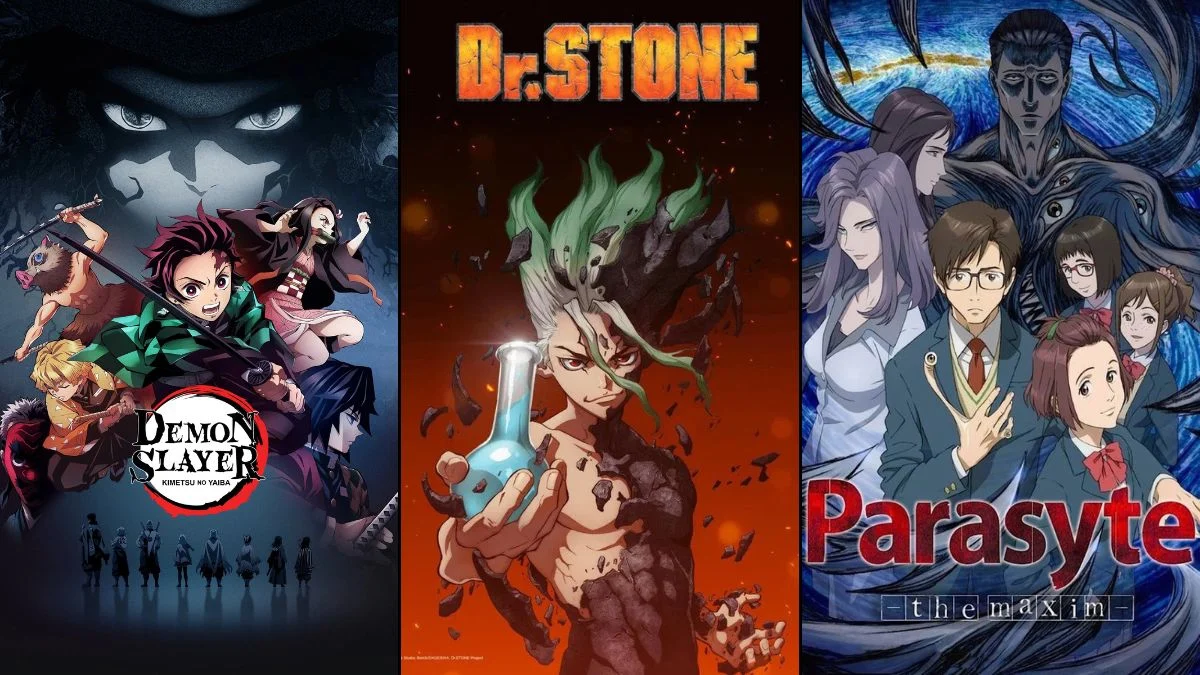

Faithful adaptations do more than retell a story. They carry over structure, tone, and pacing so viewers experience the same beats readers discovered on the page. When an anime keeps the same order of events, preserves key dialogue, and adapts volumes without skipping pivotal chapters, it helps new audiences understand why the original became a hit.
Studios also make choices about what to condense and what to show in full. The most faithful series keep essential arcs intact, avoid filler that changes outcomes, and translate visual tricks like panel compositions or narrator boxes into clear on screen storytelling. Here are the adaptations that stay closest to their manga roots.
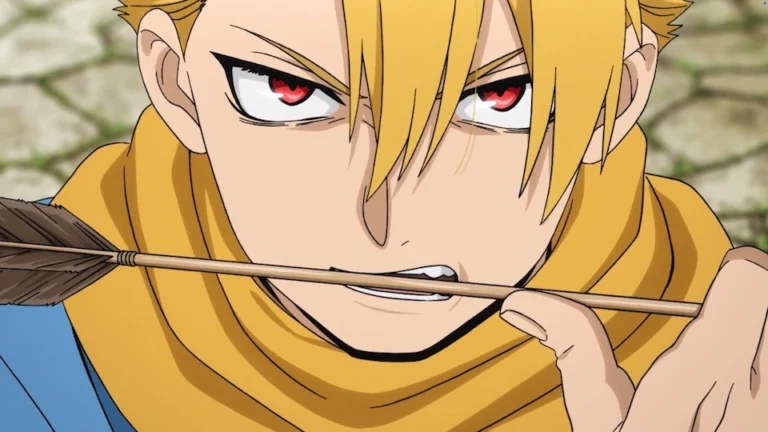
‘Golden Kamuy’ (2018–2023)
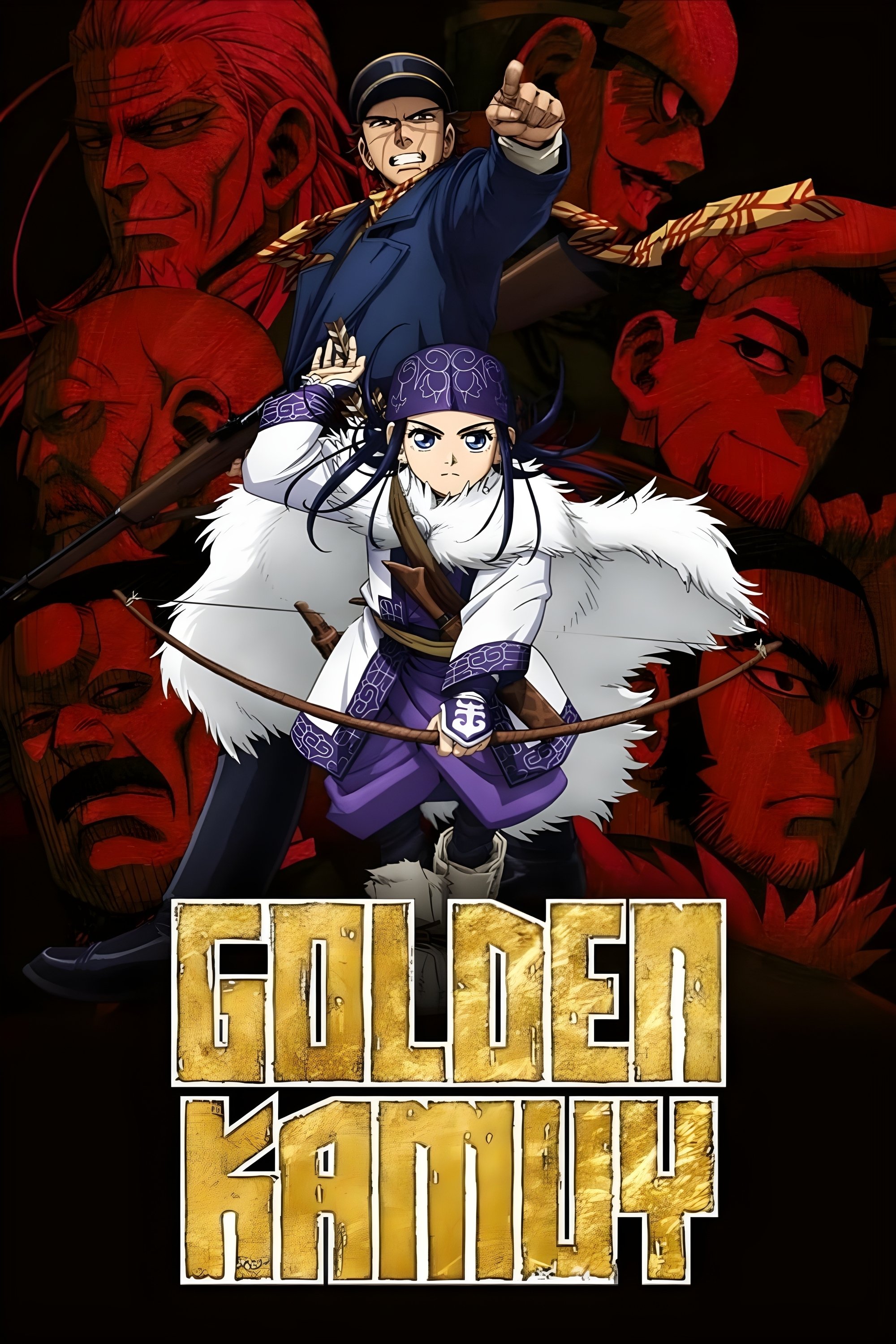
The anime adapts the survival treasure hunt as written, keeping the Hokkaido setting, the journey up to and beyond Abashiri Prison, and the ongoing code breaking thread. Real locations and events from the Russo Japanese War appear with accurate terminology, and the series preserves the manga’s cooking and tracking sequences that teach specific skills and recipes.
Cultural details are handled with care through consistent Ainu language, clothing, and tools, which the adaptation presents with on screen explanations. Character backstories arrive in the same order as the manga so shifting alliances and escapes line up with the original chapter flow.
‘Dr. Stone’ (2019–2023)
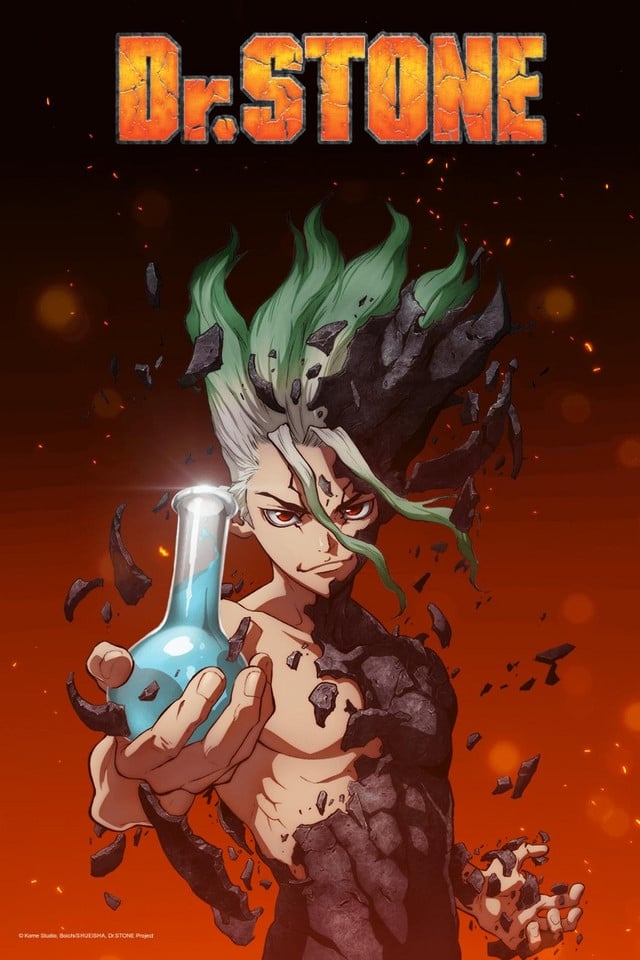
Core science builds remain intact, from soap and glass to electricity and antibiotics, with step by step processes shown as diagrams and narrated procedures. The adaptation follows the Stone World and Stone Wars arcs in sequence so every invention feeds the next milestone exactly as it does in print.
Dialogue keeps the same scientific terms and unit names, and the Treasure Island material lands with the same clues and devices that connect the broader mystery. Comic relief chapters are shortened rather than replaced so discoveries and power sources match the manga’s logic.
‘Chihayafuru’ (2011–2019)
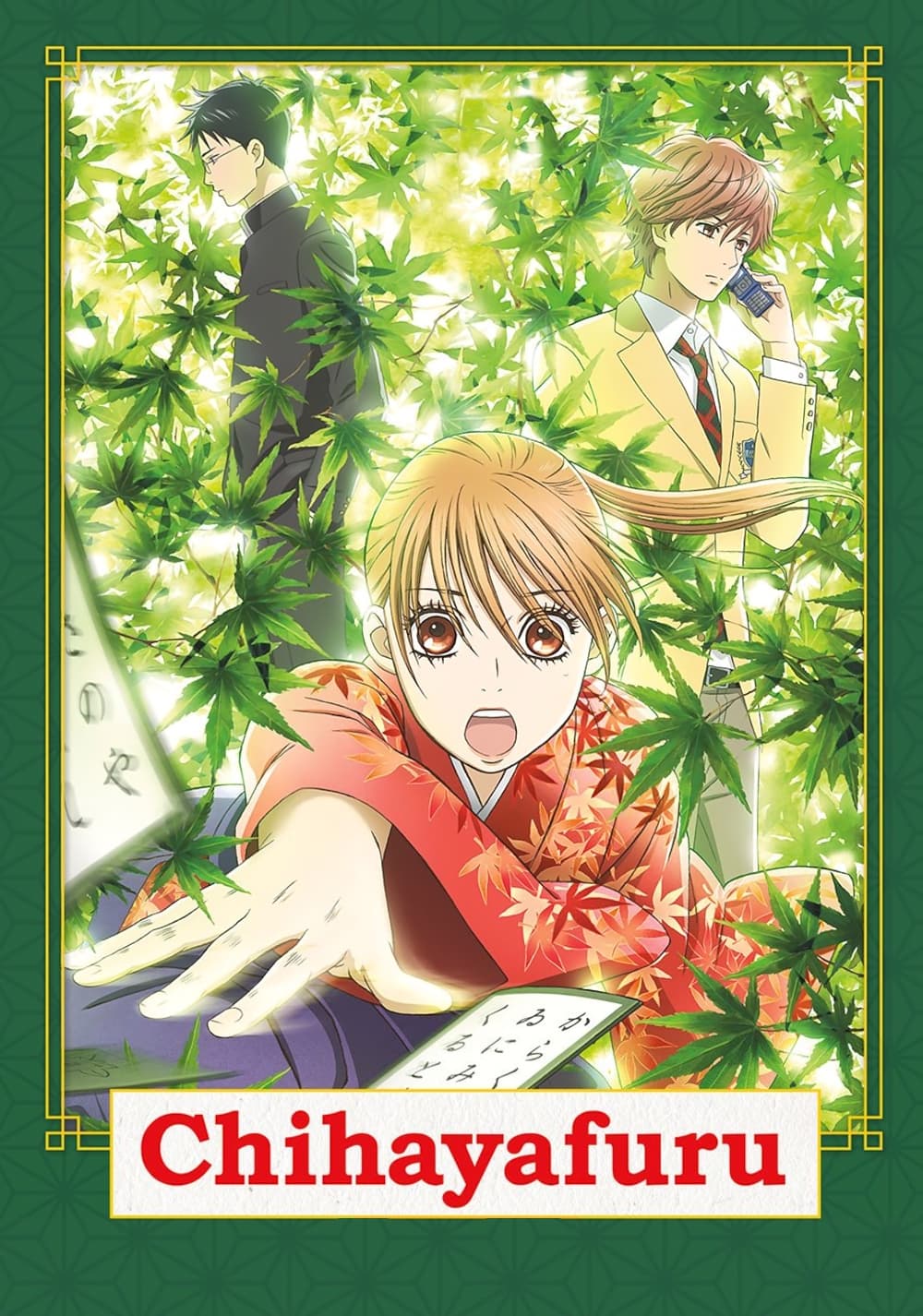
Tournament rules, card layouts, and scoring follow the official karuta format presented in the manga. The adaptation includes explanations of the Ogura Hyakunin Isshu so new viewers learn the same poem fragments and timing strategies that shape each match.
Story arcs arrive in the same order, including club recruitment, training camps, and national competitions. The bullying storyline and family threads are adapted with the same chapter beats so character growth tracks the original long term plan.
‘Bakuman’ (2010–2013)
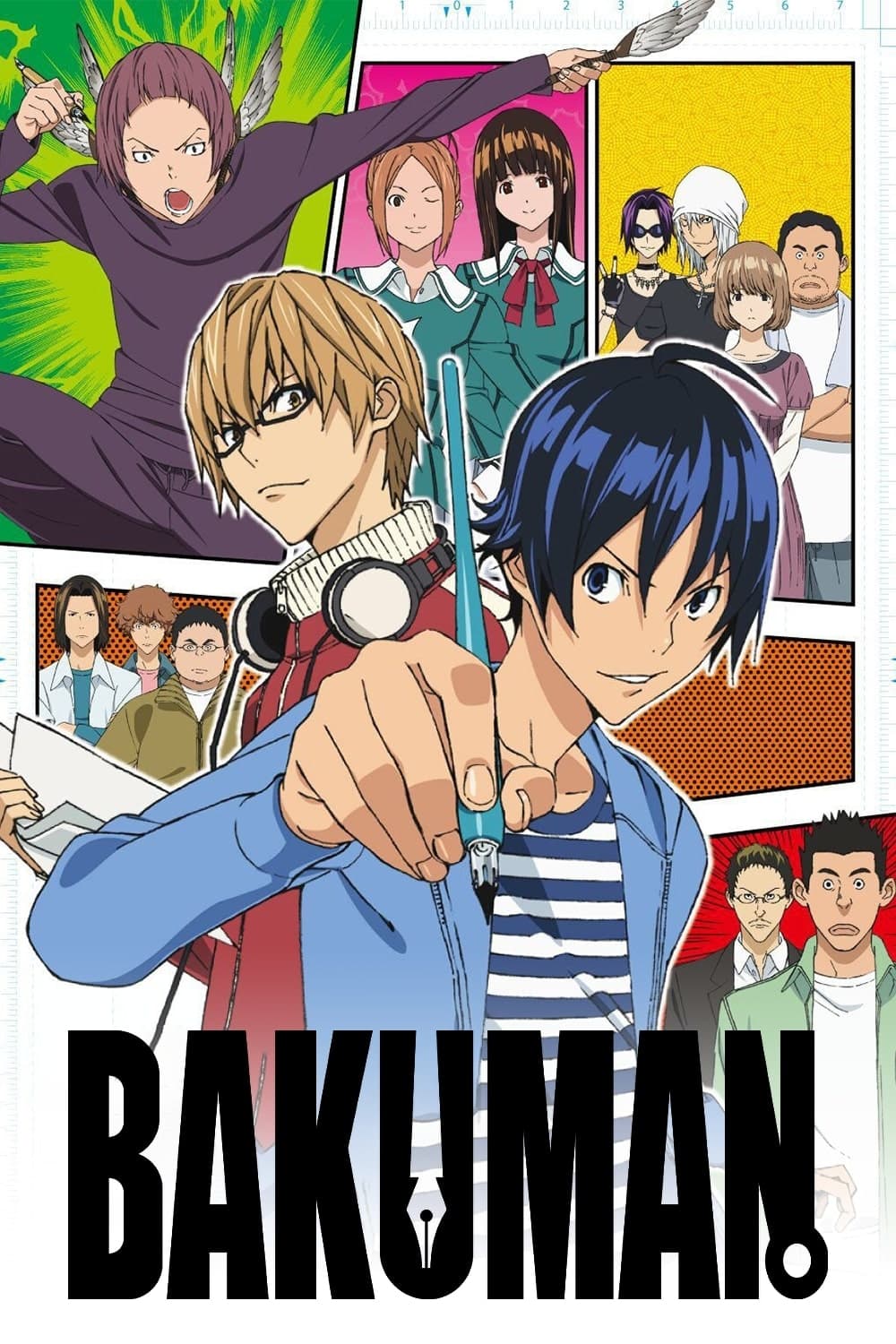
Publishing workflows from storyboards to serialization meetings are adapted chapter by chapter. The anime preserves real magazine cycles, reader survey mechanics, and production steps like name checks and deadline boards that the manga details.
Rivalries and coauthor dynamics follow the same calendar so new series launches and cancellations happen on the same weeks as in print. The show also keeps the nested manga titles and one shot contests that mark progress in the original.
‘Parasyte -the maxim-‘ (2014–2015)
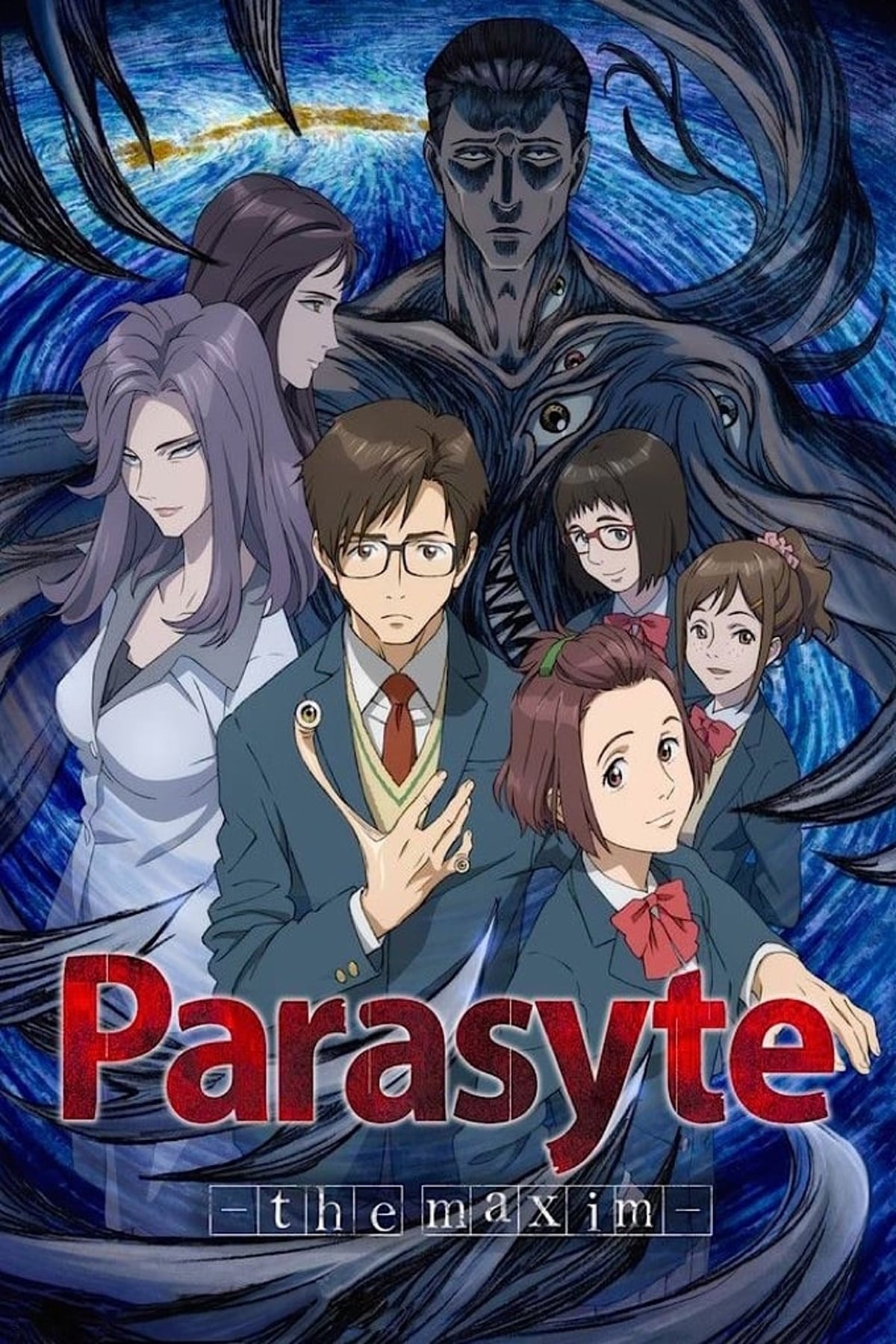
The story keeps every main transformation and confrontation while updating background technology to modern phones and media. Major arcs like the school incident and the Gotou thread appear with the same sequence of discoveries and revelations that drive the manga.
Biology terms and parasite behaviors retain the same rules, including limitations and feeding patterns. Where scenes are compressed, the adaptation preserves decisive choices and consequences so character relationships evolve on the same path as the source.
‘My Hero Academia’ (2016–2024)
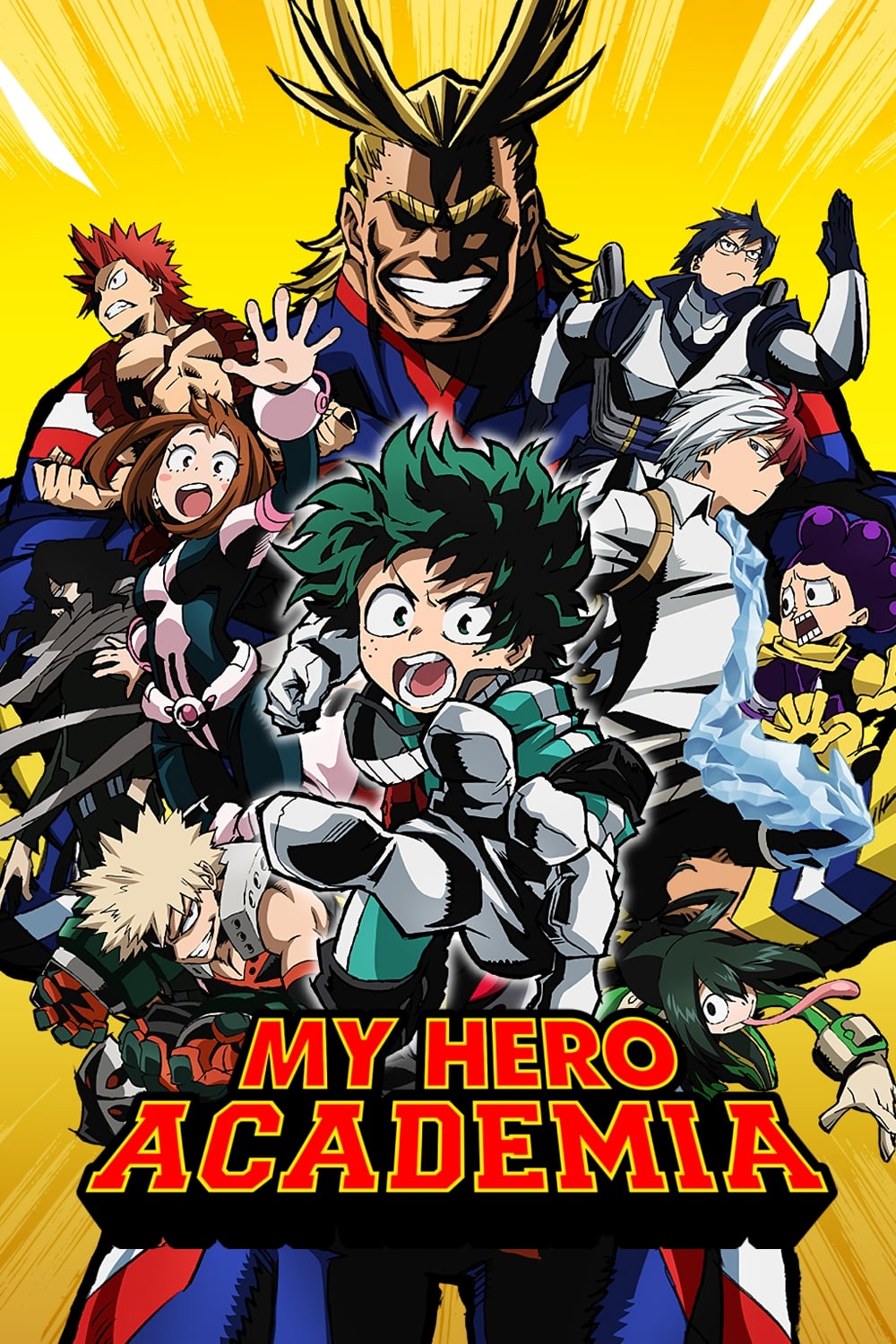
The anime follows the training and battle arcs in the manga’s order, beginning with entrance trials and moving through internships, school festivals, and large scale conflicts. Quirk names, rankings, and move sets are kept consistent so fights use the same techniques and counters described in panels.
World building details such as hero licensing, support gear development, and rescue procedures appear in the same progression. When shorter episodes add class moments, they avoid changing outcomes so key promotions and battles match chapter timelines.
‘JoJo’s Bizarre Adventure’ (2012–2022)
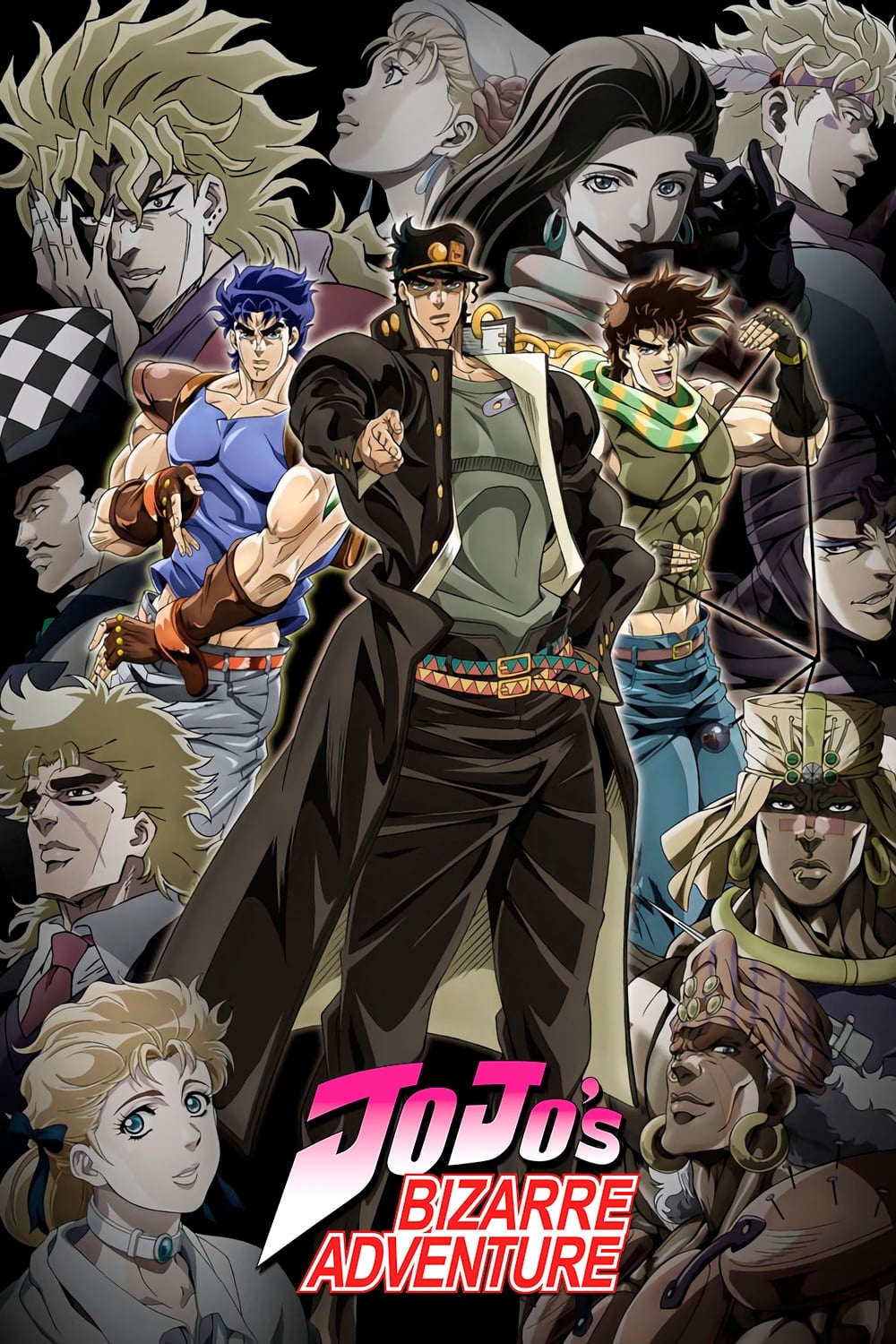
Parts adapt in order from Phantom Blood to Stone Ocean with stands, techniques, and location shifts preserved. Battle rules and victory conditions mirror the manga so reversals depend on the same clues and abilities introduced earlier.
Visual choices replicate sound effects and dynamic lettering by placing stylized text on screen. Color palettes vary by scene to echo the creator’s color pages, and chapter breaks translate into episode cliffhangers at the same turning points.
‘Demon Slayer: Kimetsu no Yaiba’ (2019–2024)
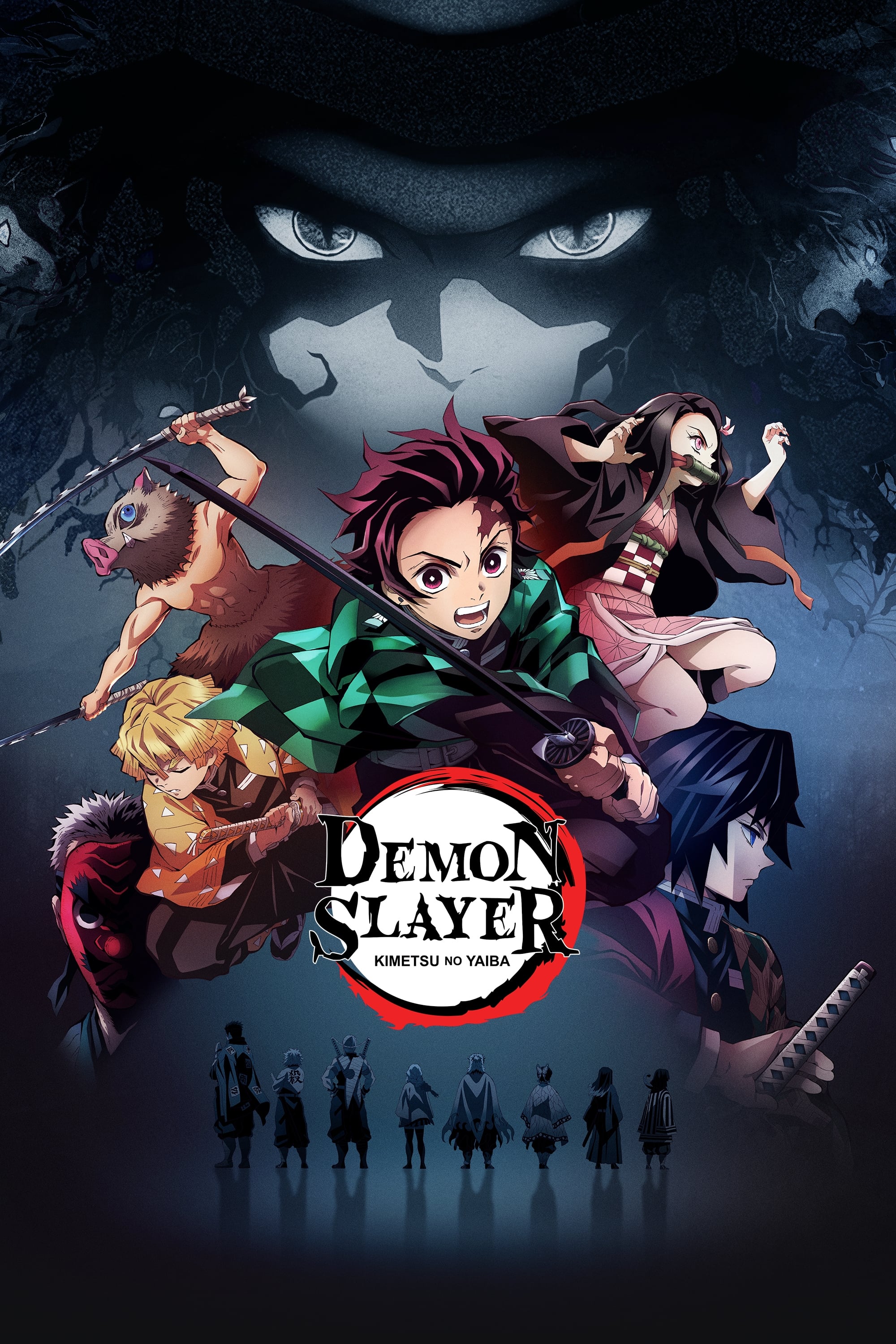
Arc order remains consistent from Final Selection through Drum House and Mount Natagumo, then into the Mugen Train and Entertainment District material. The Swordsmith Village storyline adapts the same clues and craft steps so weapon changes and training sequences align with the manga.
Breathing forms and demon abilities follow the original naming and usage rules. The feature film content is integrated into televised episodes without altering plot events, which keeps continuity with chapter numbering in the source.
‘Ping Pong the Animation’ (2014)
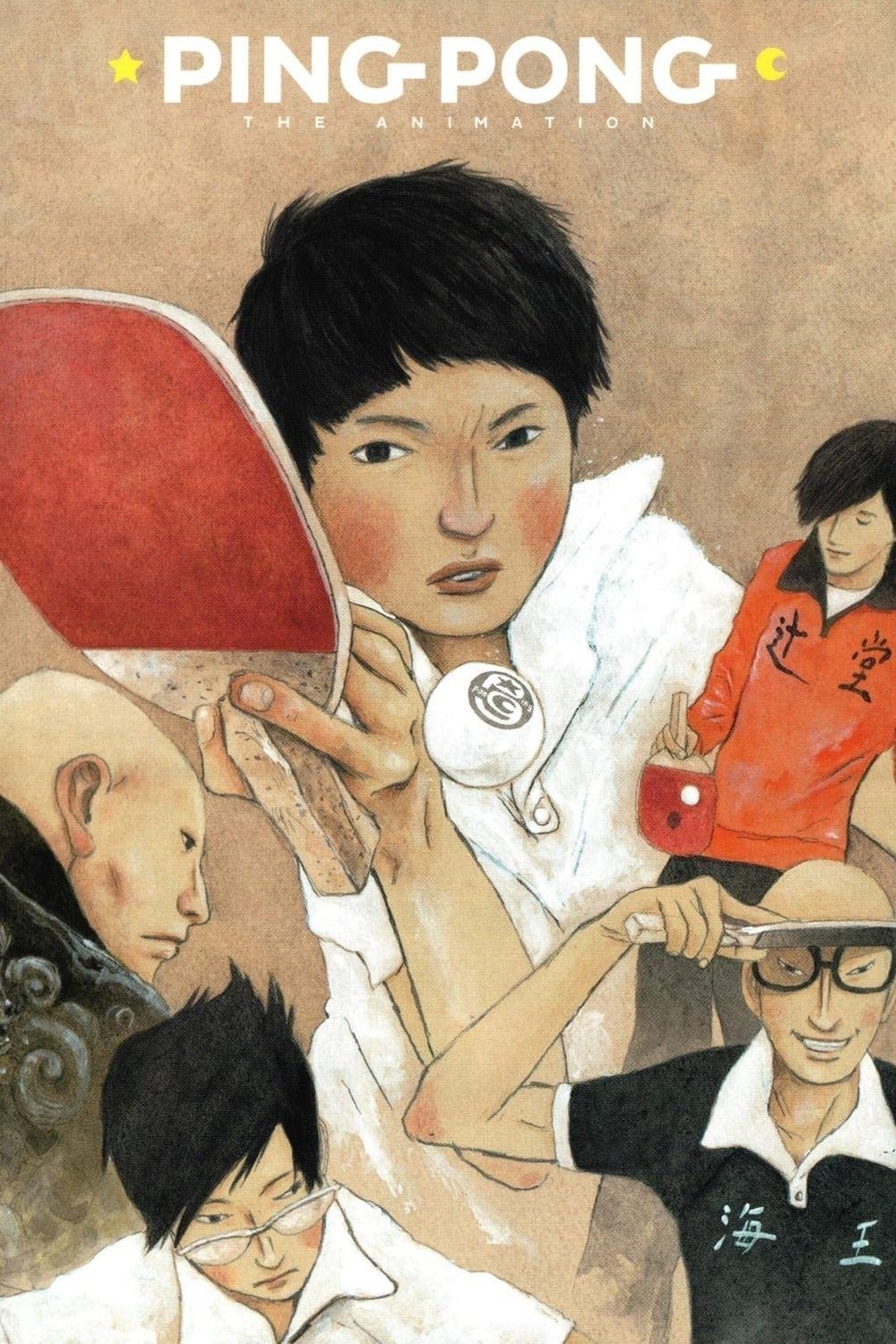
The five volume manga becomes an eleven episode series that keeps every decisive match and training beat. Character flashbacks appear at the same narrative points, ensuring technical adjustments and tactical shifts land with the original intent.
The adaptation also retains the author’s panel flow through elongated cuts and on screen text for calls and scores. Tournament structure and advancement brackets match the source so rankings and outcomes remain unchanged.
‘March Comes in Like a Lion’ (2016–2018)
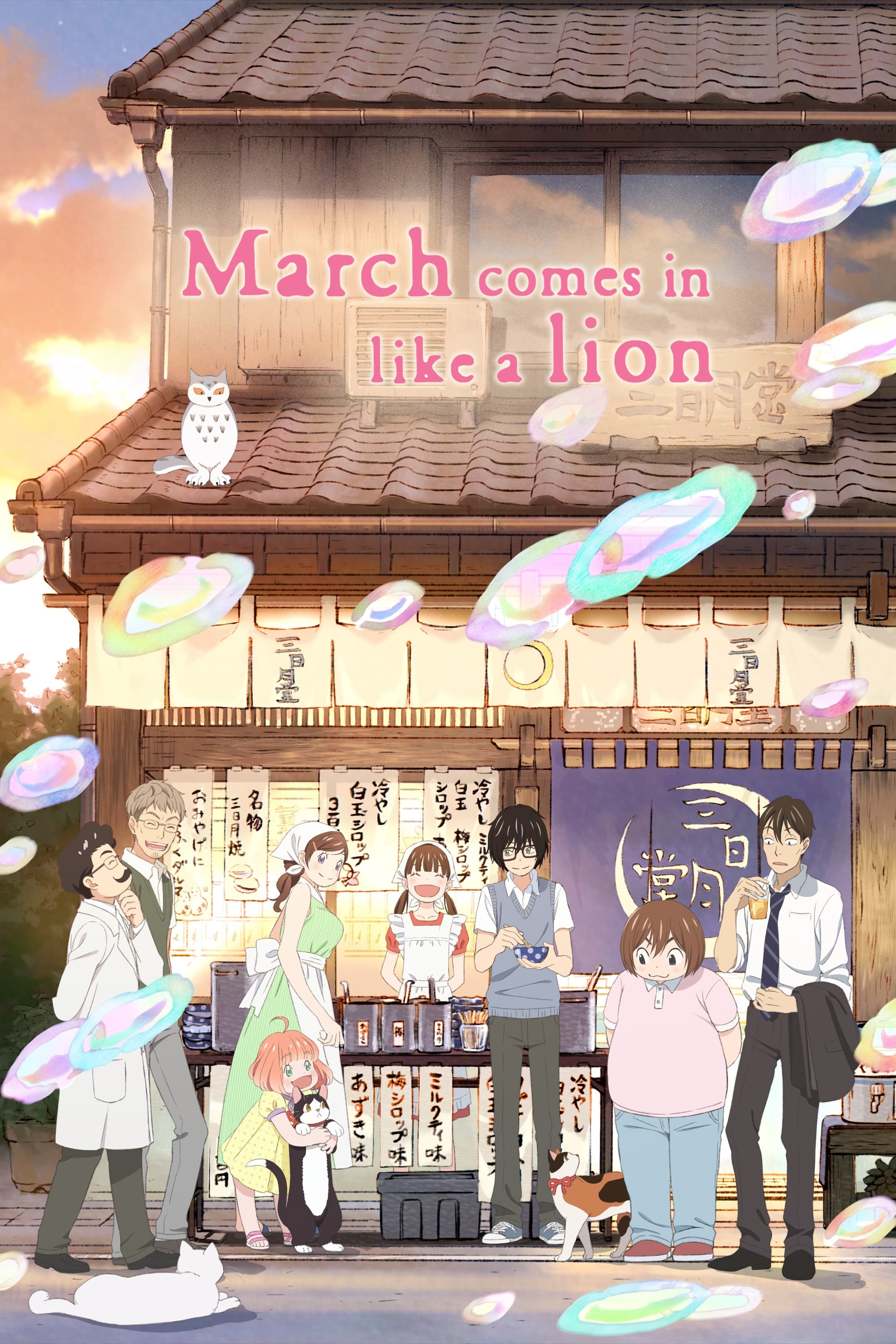
Shogi rules, titles, and match procedures are kept as the manga presents them, including naming conventions for ranks and time controls. The anime includes study sessions and classroom explanations that mirror chapter sidebars.
Arc order remains the same, from early league play to major title challenges. Family and school threads such as the bullying story appear with the same sequence and resolution so character decisions connect to later matches as planned.
‘Kaguya-sama: Love is War’ (2019–2022)

The adaptation preserves chapter style narration and on screen chapter cards that label each psychological battle. Gags that rely on text and rules are rendered with captions and diagrams so punch lines arrive from the same premises as in print.
Major events like the sports festival and cultural festival unfold in the original order, culminating in the same public confession sequence. Side couples and class elections enter at the same points so evolving relationships keep continuity with chapter numbers.
‘Mob Psycho 100’ (2016–2022)
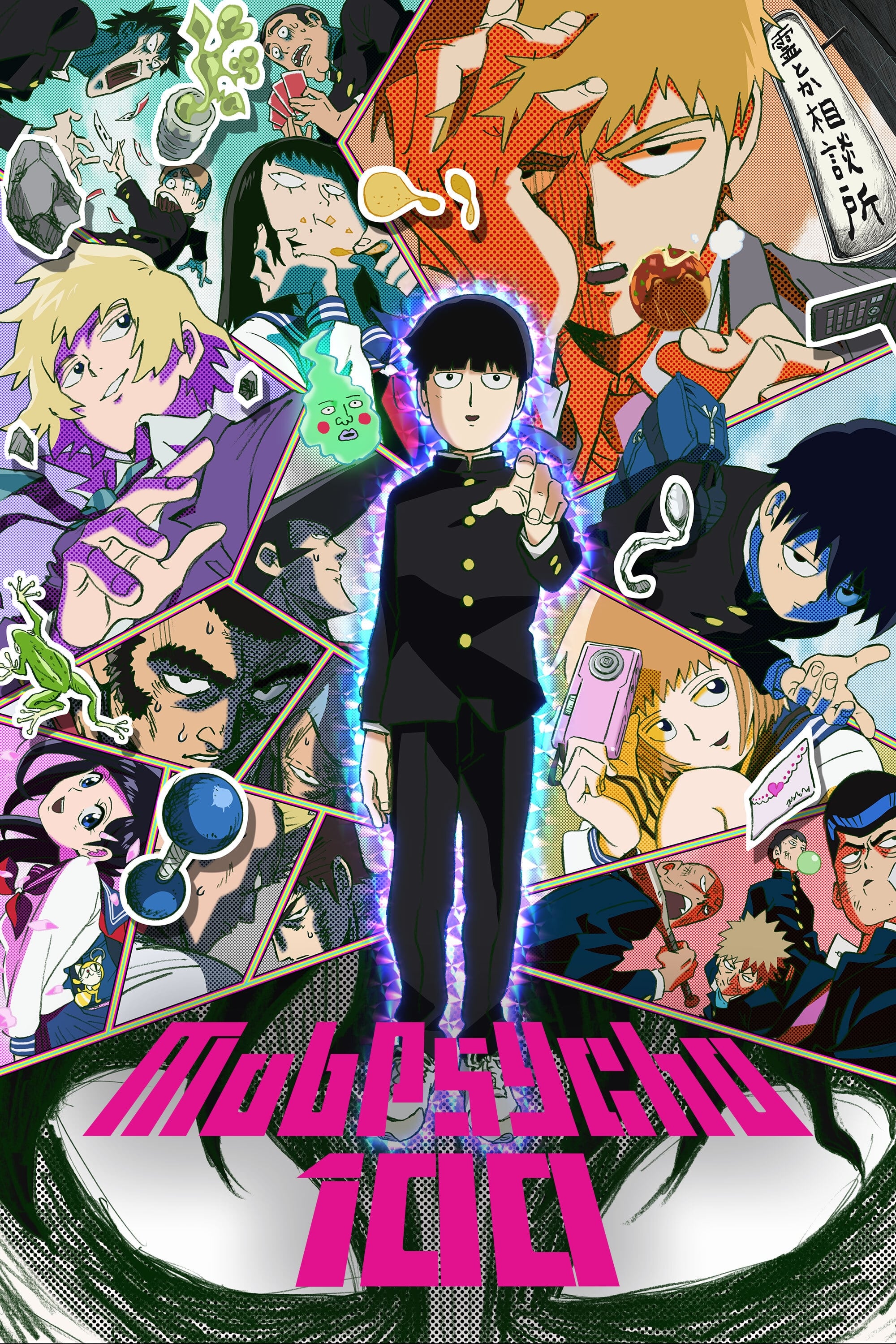
Arcs arrive in the manga’s sequence from school clubs to the Claw conflict and later citywide incidents. The Divine Tree material is included with the same setup and consequences so powers and limits match the written rules.
Character designs keep the simple shapes while action scenes expand timing without adding new abilities. When the story concludes, final decisions and relationships reflect the exact outcomes shown in the source chapters.
‘Berserk’ (1997–1998)
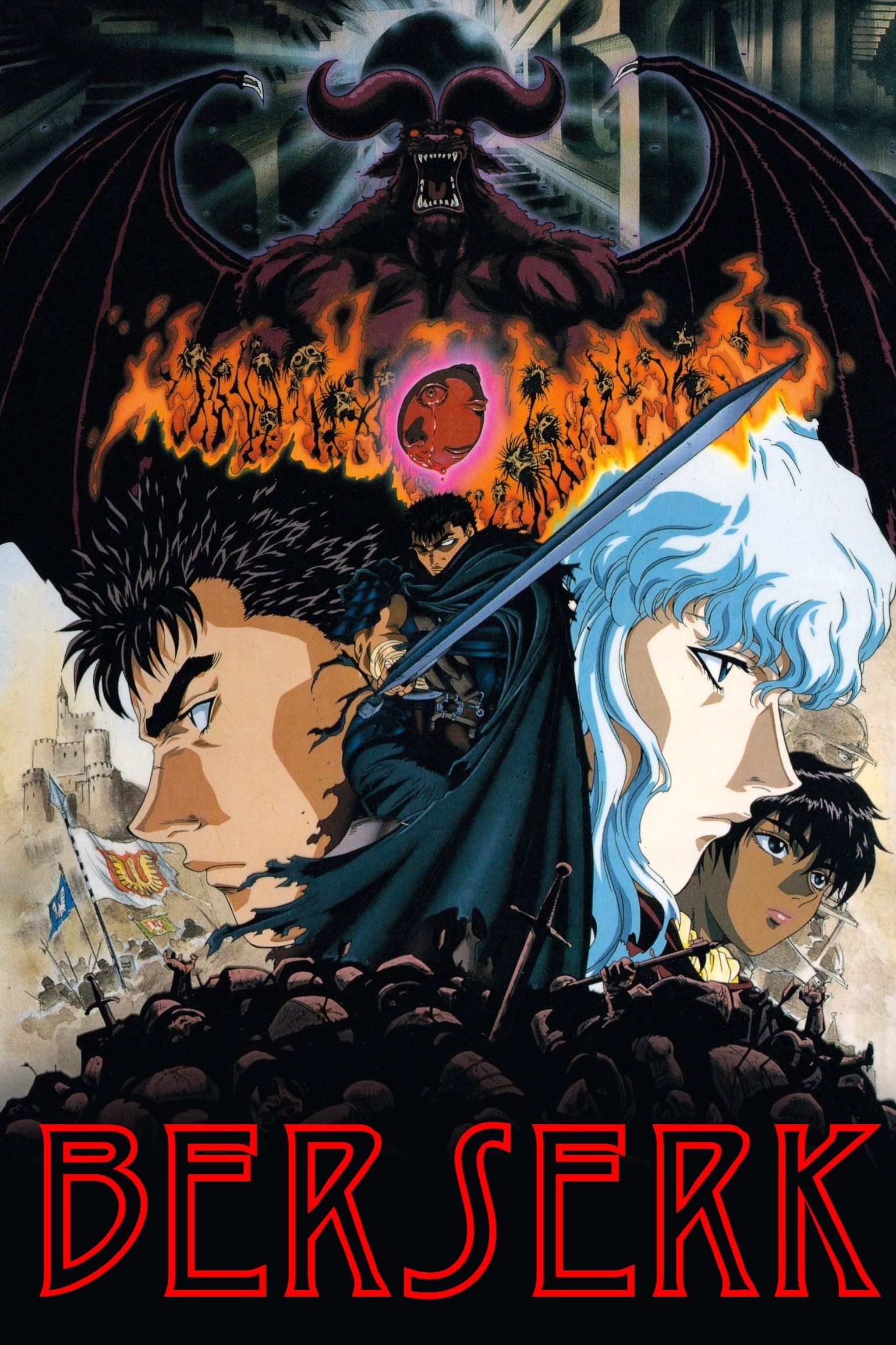
This adaptation covers the Golden Age arc from the first meeting with the Band of the Hawk to the Eclipse. The anime omits the early prologue and focuses on the same campaign milestones and duels that structure the manga’s rise and fall.
Battle choreography and military movements follow the source layouts, including the night raid and the siege that defines the turning point. Graphic elements are moderated for television while the sequence of betrayals and choices remains unchanged.
‘Haikyu!!’ (2014–2020)
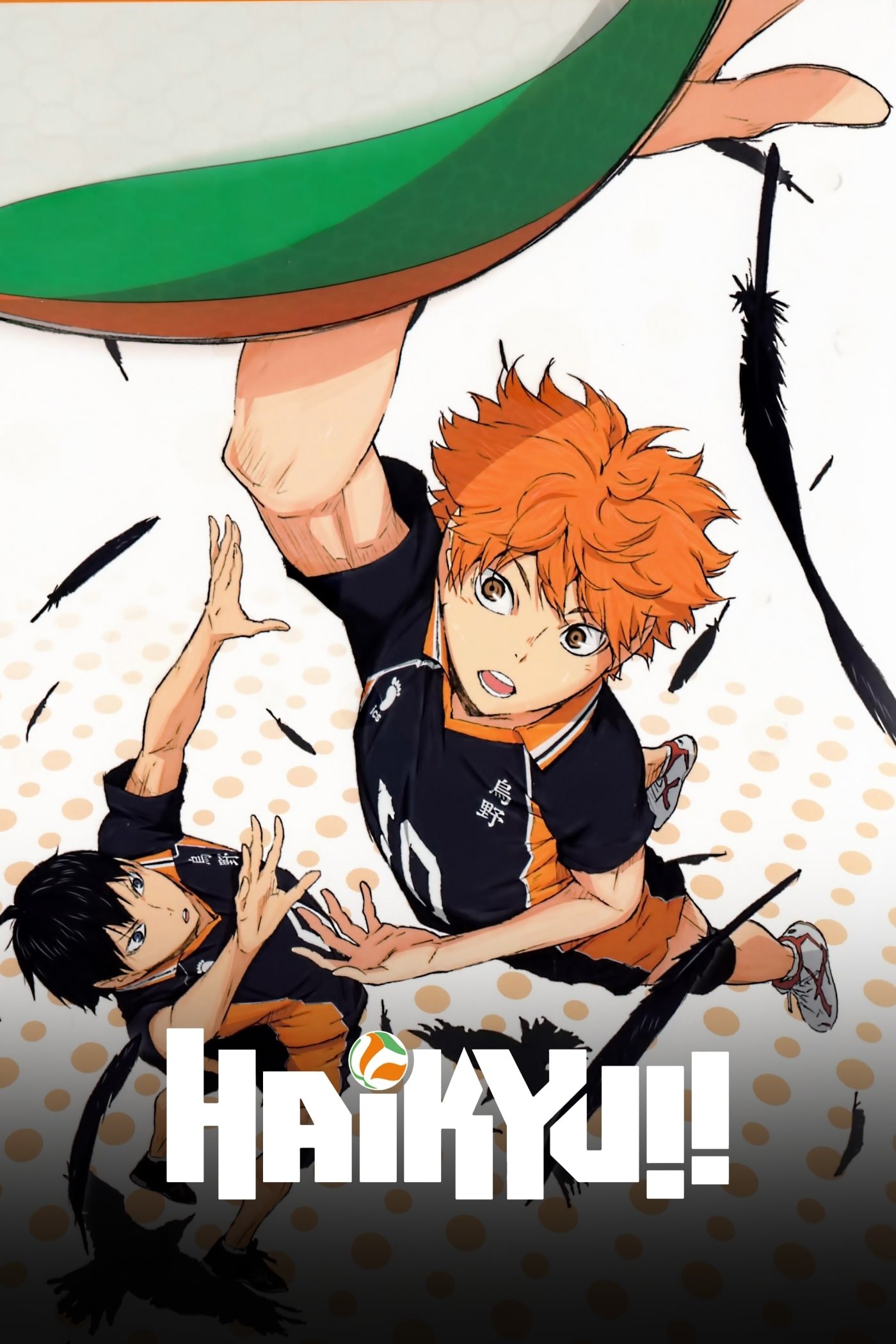
The series follows Karasuno’s climb in the manga’s order, including practice matches, prefectural qualifiers, and the Nationals bracket. Rules like rotations, libero restrictions, and timeouts are explained on screen to match the educational sidebars in the source.
Key matches are adapted rally by rally so tactics like tempo changes and serve formations line up with the printed diagrams. Character growth moments happen at the same points so new skills debut where they do in the chapters.
‘Vinland Saga’ (2019–2023)
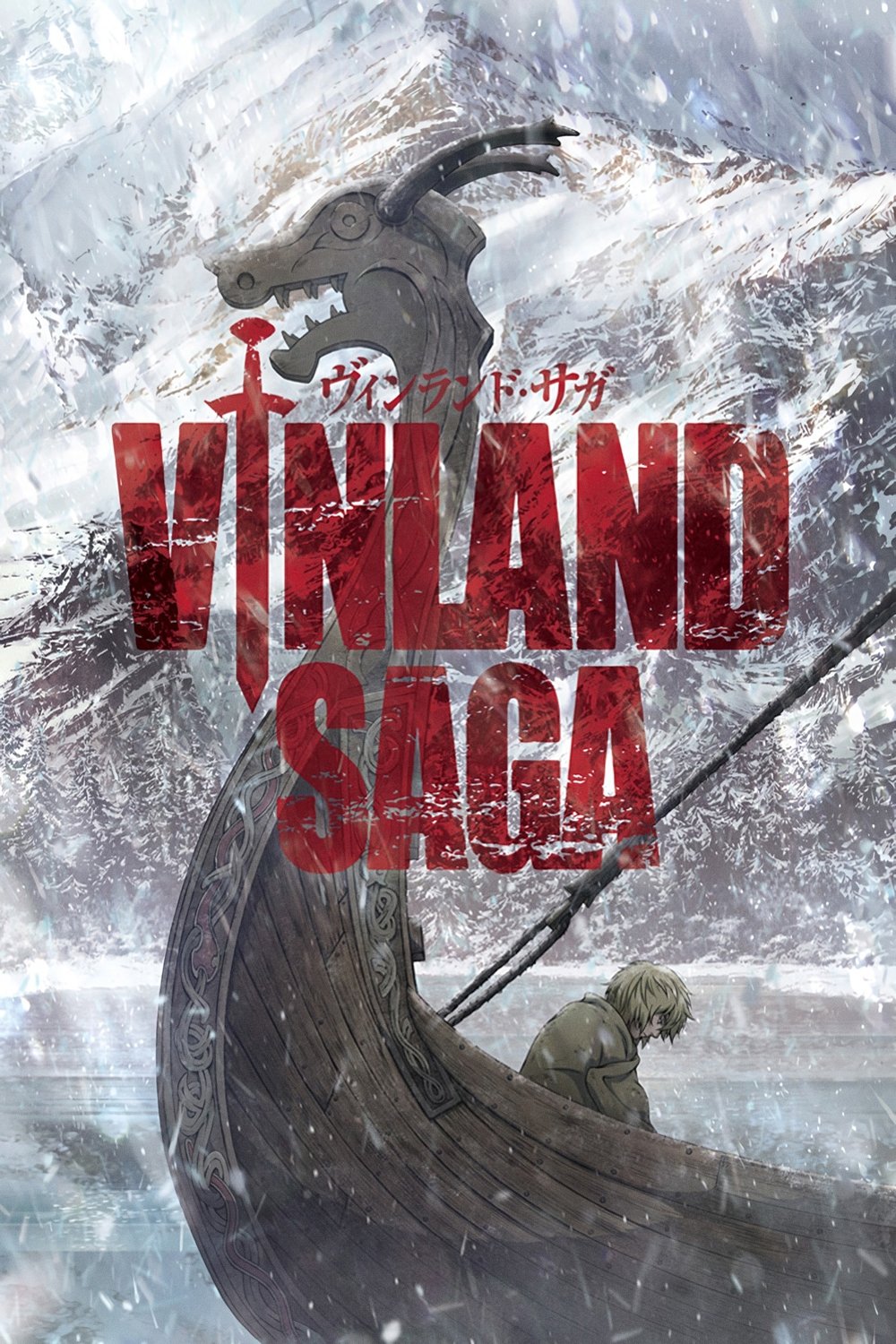
Arc order is preserved from the wartime campaign to the farm storyline with the same historical figures and locations. Linguistic details such as names and terms appear as in the manga, and the adaptation keeps the same chronology for journeys and confrontations.
Where quieter chapters deepen character development, the anime stretches scenes without altering events. The ending of each season lands on the same chapter milestones so the transition between arcs matches the book structure.
‘Monster’ (2004–2005)

The anime adapts the entire mystery from its German hospital opening through the cross border investigation without skipping side stories. Episodes include self contained tales like the library and orphanage threads at the same points as the manga.
Geography and timelines are preserved so characters meet in the same cities with the same clues. Dialogue that frames the moral questions remains intact, keeping the investigation and revelations in the same order.
‘Death Note’ (2006–2007)
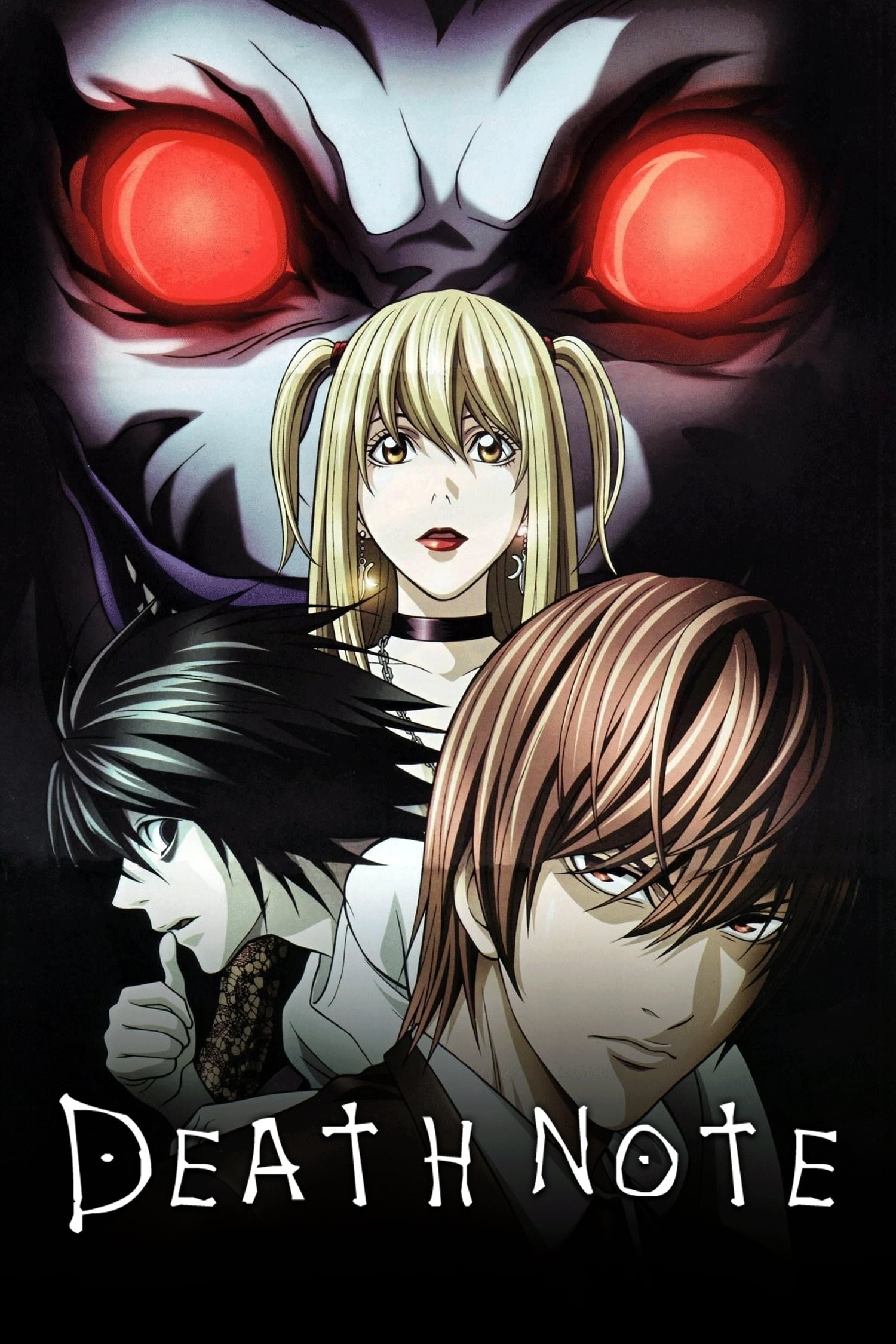
All notebook rules appear as listed in the manga and drive the same deductions. The Yotsuba investigation, the confrontations with new holders, and the final plan unfold with the same setups and payoffs.
The adaptation compresses minor detours while preserving every decisive move and countermeasure. Technology and surveillance steps are presented with the same constraints so timing and alibis match the printed logic.
‘Attack on Titan’ (2013–2023)
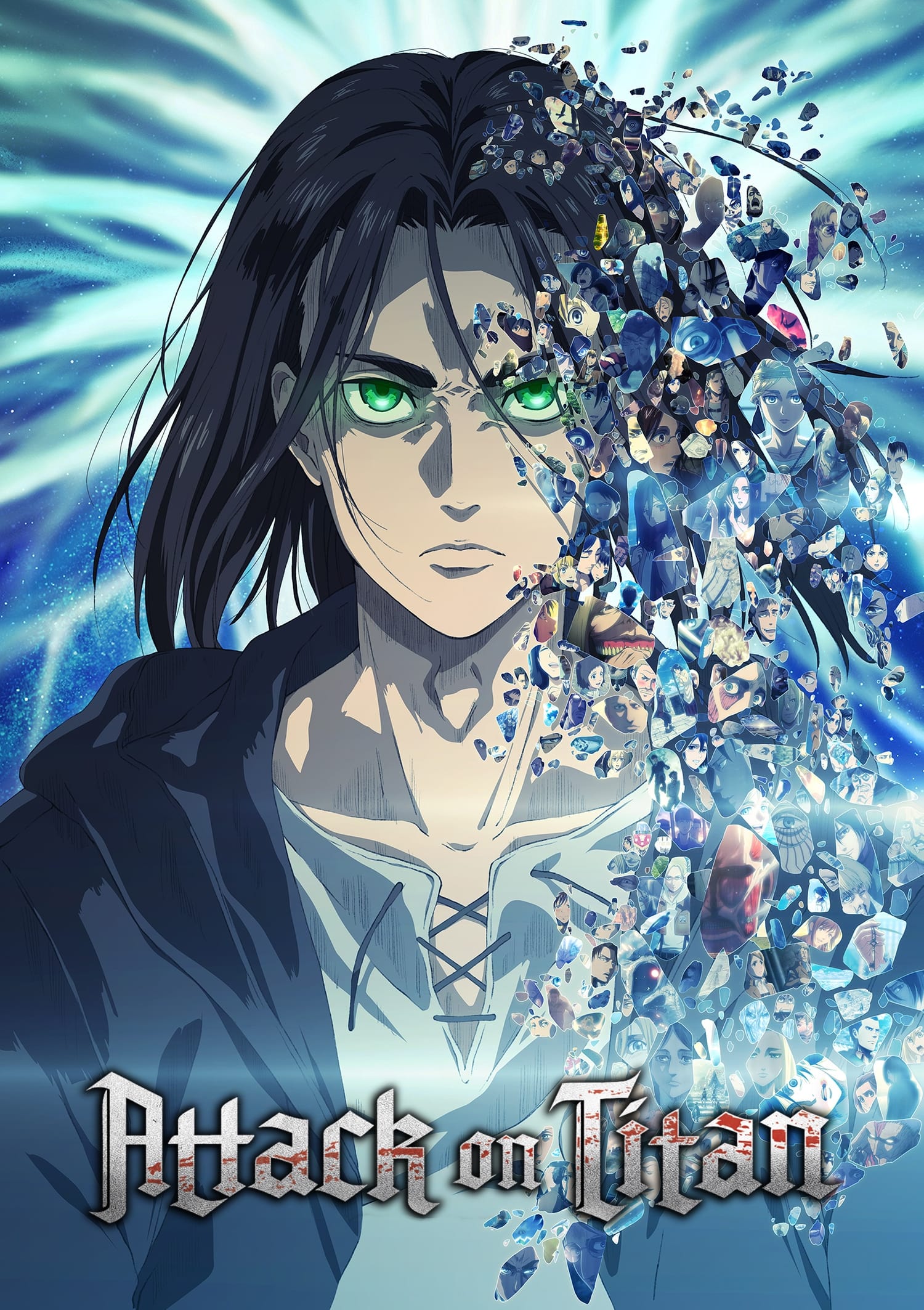
The adaptation follows the wall breaches, training, and expeditions in the same sequence, then moves through the basement reveal and later conflicts as arranged in the manga. Information drops and flashbacks align so mysteries resolve at the original chapter markers.
Battle strategies and titan abilities keep the same rules, and scene rearrangements maintain identical outcomes. Supplemental episodes cover side material without changing the main chronology, which preserves continuity to the conclusion.
‘Hunter x Hunter’ (2011–2014)
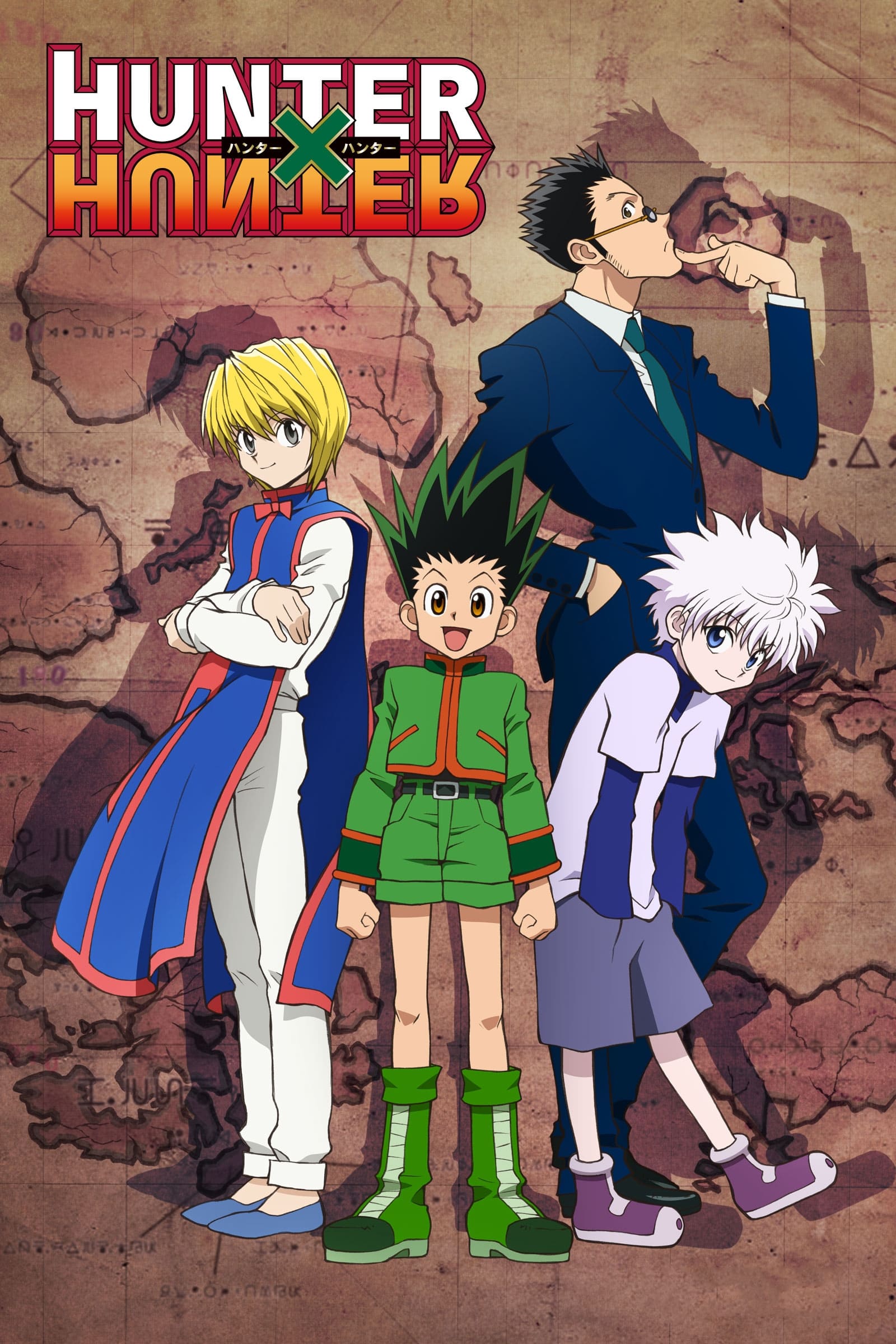
The story covers the exam, the family visit, the tower, the city arc, the game, and the chimera conflict, then the election, in the same run as the manga. Training systems, nen categories, and conditions keep their definitions and prerequisites so battles resolve through the same logic.
Filler is avoided to keep chapter pacing, while fight animation adds timing without changing techniques or costs. Character meetings and departures occur on the same dates in the story so later plots depend on the same promises.
‘Fullmetal Alchemist: Brotherhood’ (2009–2010)
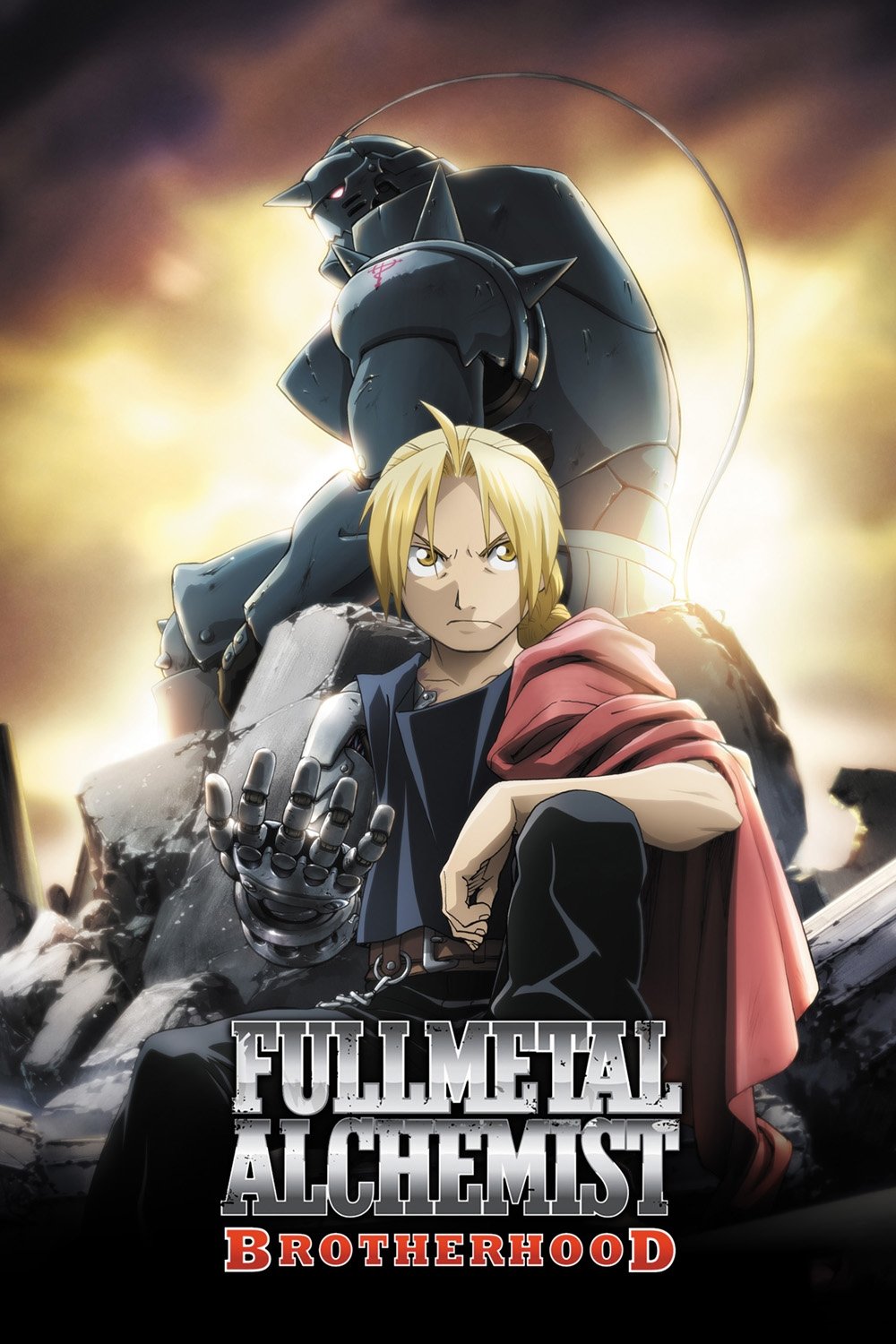
All twenty seven volumes are adapted in order from the early journey to the northern fortress and the promised day. The anime includes key flashbacks, research trails, and nationwide transmutation details that drive the final plan exactly as written.
Terminology, alchemical laws, and military ranks stay consistent with the manga. Side characters receive the same chapters so their roles in the climax match the book, and the epilogue reflects the same outcomes for every major thread.
Share your picks in the comments and tell us which adaptations you think stayed truest to the manga.