Top 20 Directorial Debuts in Film


A first feature often sets the course for a filmmaker’s voice, collaborators, and working methods. Debuts can reveal where a director comes from, the traditions they draw on, and the technical choices they trust when resources are limited. Looking across eras and countries shows how first films capture specific places, production models, and creative partnerships that echo through later work.
This list gathers first features that made a clear mark through craft, storytelling approach, or industry impact. Each entry highlights concrete details about how the film was made, where it premiered, who backed it, and what it led to afterward. The focus stays on verifiable context so you can see how each debut fit into its time and how it shaped the director’s path.
‘Citizen Kane’ (1941)
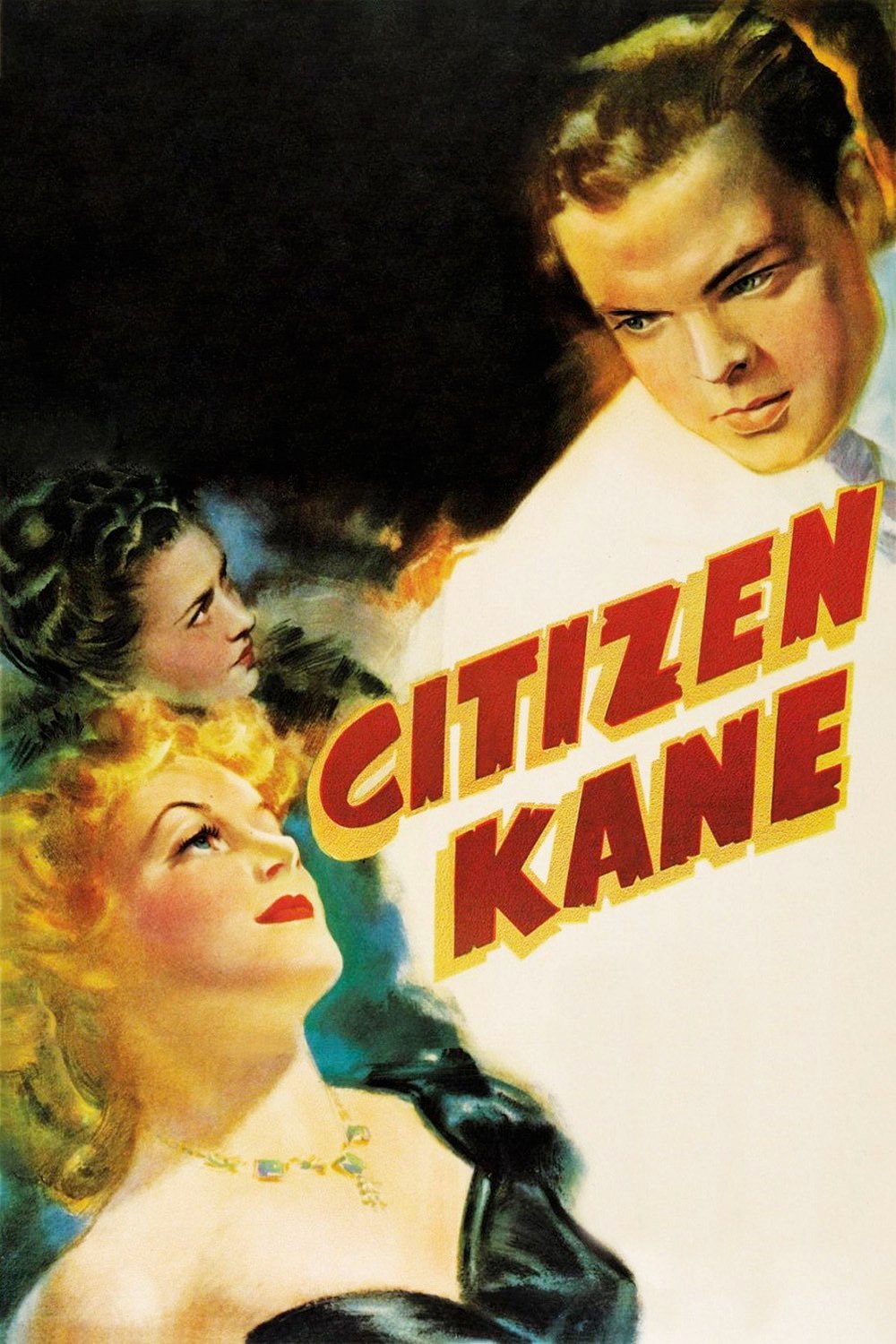
Orson Welles directed and co wrote this RKO release with Herman J Mankiewicz while working with cinematographer Gregg Toland on deep focus photography and creative sound design. The production used newspaper tycoon William Randolph Hearst as an inspiration for its central figure and employed matte work, optical printing, and innovative camera placements across studio sets.
The film earned multiple Academy Award nominations and won for original screenplay. Its release prompted public pushback from Hearst affiliated outlets and complicated marketing, yet the movie secured a long life in repertory circulation and preservation programs, establishing collaborators that Welles continued to draw from in later projects.
‘The Night of the Hunter’ (1955)

Actor Charles Laughton directed this adaptation of Davis Grubb’s novel with cinematography by Stanley Cortez and production through Paul Gregory Productions. The shoot built stylized river and farmhouse sets that blended expressionist lighting with rural American imagery and used extensive studio tank work for water scenes.
The picture underperformed on initial release but was later added to the United States National Film Registry. Its visual approach and children in peril narrative became a point of reference for filmmakers and educators, and it remained Laughton’s only credit as a director while his acting career continued on stage and screen.
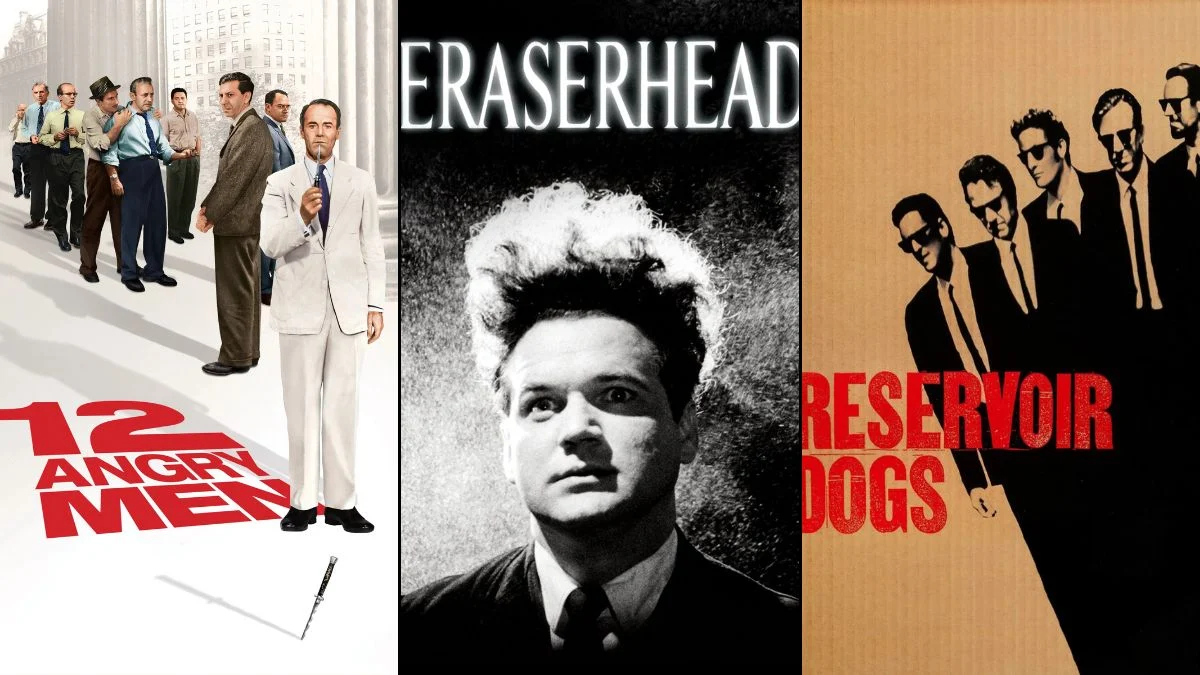
’12 Angry Men’ (1957)
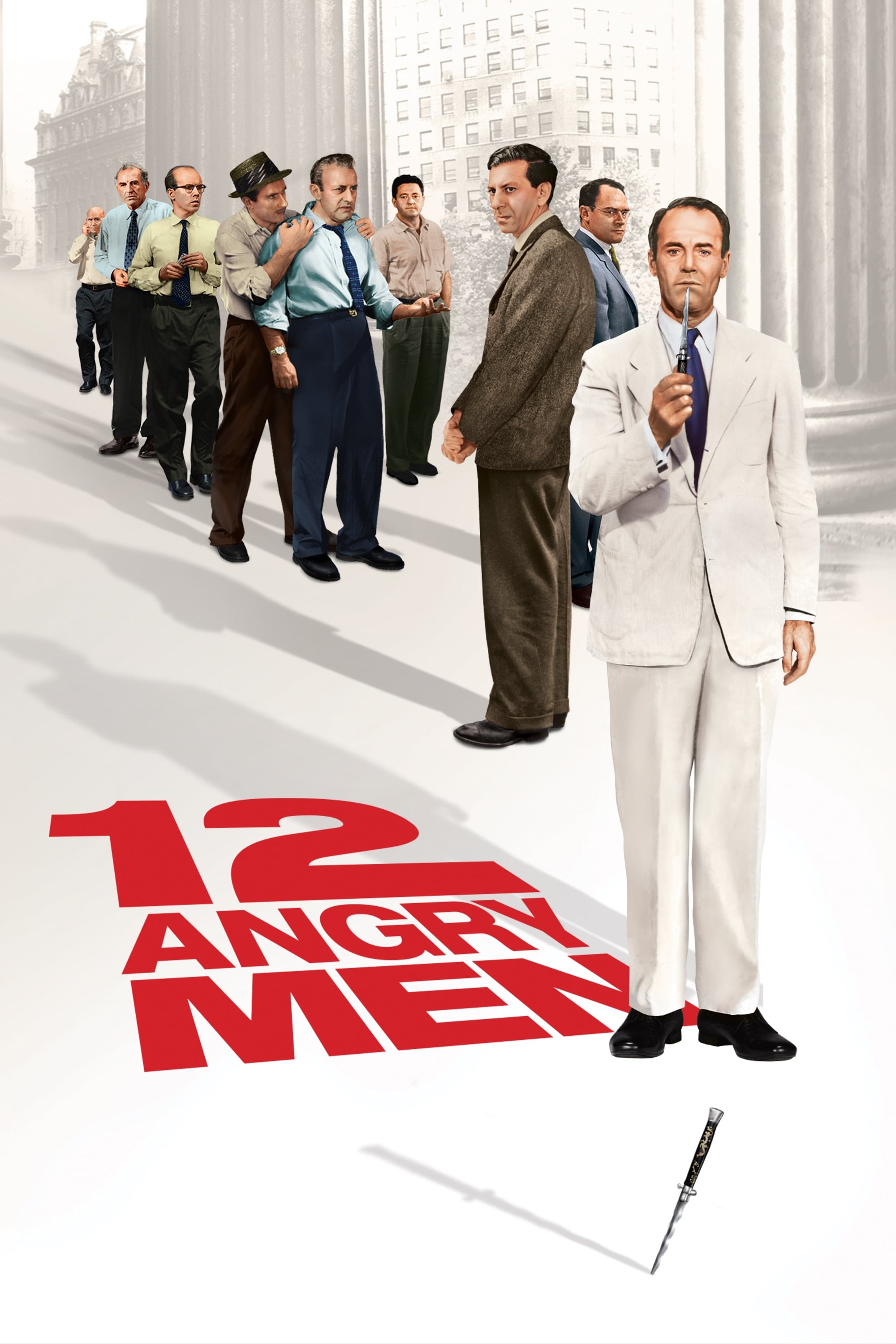
Sidney Lumet’s feature debut expanded a teleplay by Reginald Rose with Henry Fonda producing and starring. Principal photography took place mostly on a single jury room set with a lens and camera plan that gradually shifted to tighter focal lengths and lower angles to chart rising tension inside a confined space.
The film premiered internationally and won the top prize at the Berlin International Film Festival. It received Academy Award nominations in major categories and set up Lumet’s long working relationship with New York crews and actors, leading to future courtroom and procedural stories that relied on rehearsal heavy schedules.
‘The 400 Blows’ (1959)
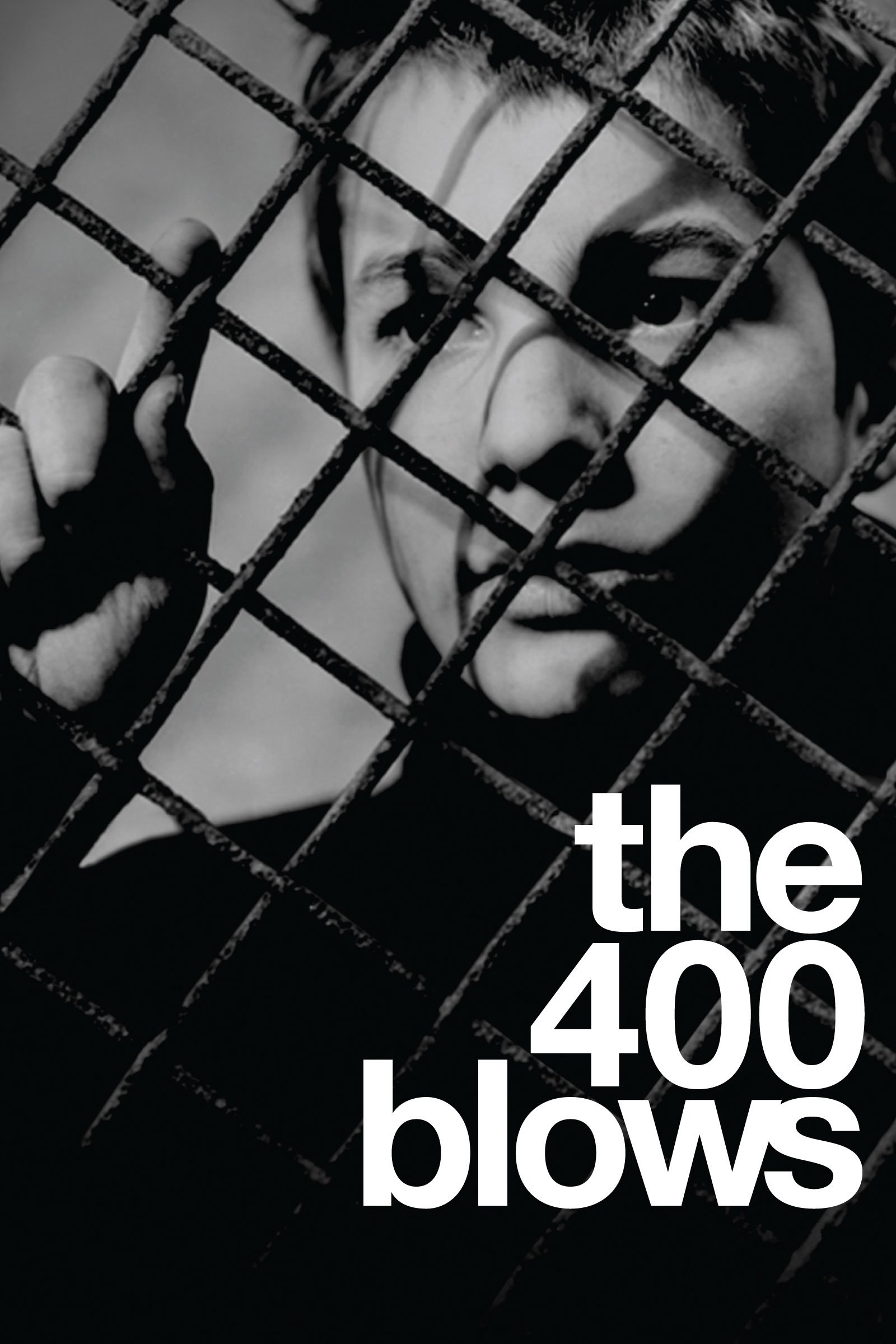
François Truffaut introduced the character Antoine Doinel with Jean Pierre Léaud in the lead and shot on Paris streets using lightweight cameras and natural light. The production captured schoolrooms, apartments, and juvenile facilities with a small crew, and it balanced scripted scenes with moments that look observational.
The film won the best director prize at Cannes and secured an Academy Award nomination. It launched a cycle of Doinel follow ups and linked Truffaut to the French New Wave infrastructure of magazines, critics, and friendly producers who supported quick turnarounds and location based shoots.
‘Breathless’ (1960)
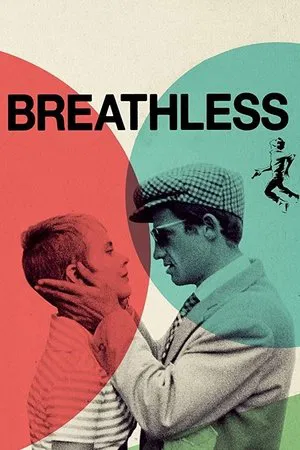
Jean Luc Godard worked with producer Georges de Beauregard and cinematographer Raoul Coutard to shoot largely handheld on real locations with minimal lighting. The team used jump cuts created in the editing room to compress scenes and kept production lean by recording much dialogue after principal photography.
The film’s release aligned with a surge of international interest in French New Wave titles. It established a continuing partnership for Godard and Coutard and helped normalize small crew street shooting for later independent productions that favored mobility and quick setups.
‘Badlands’ (1973)
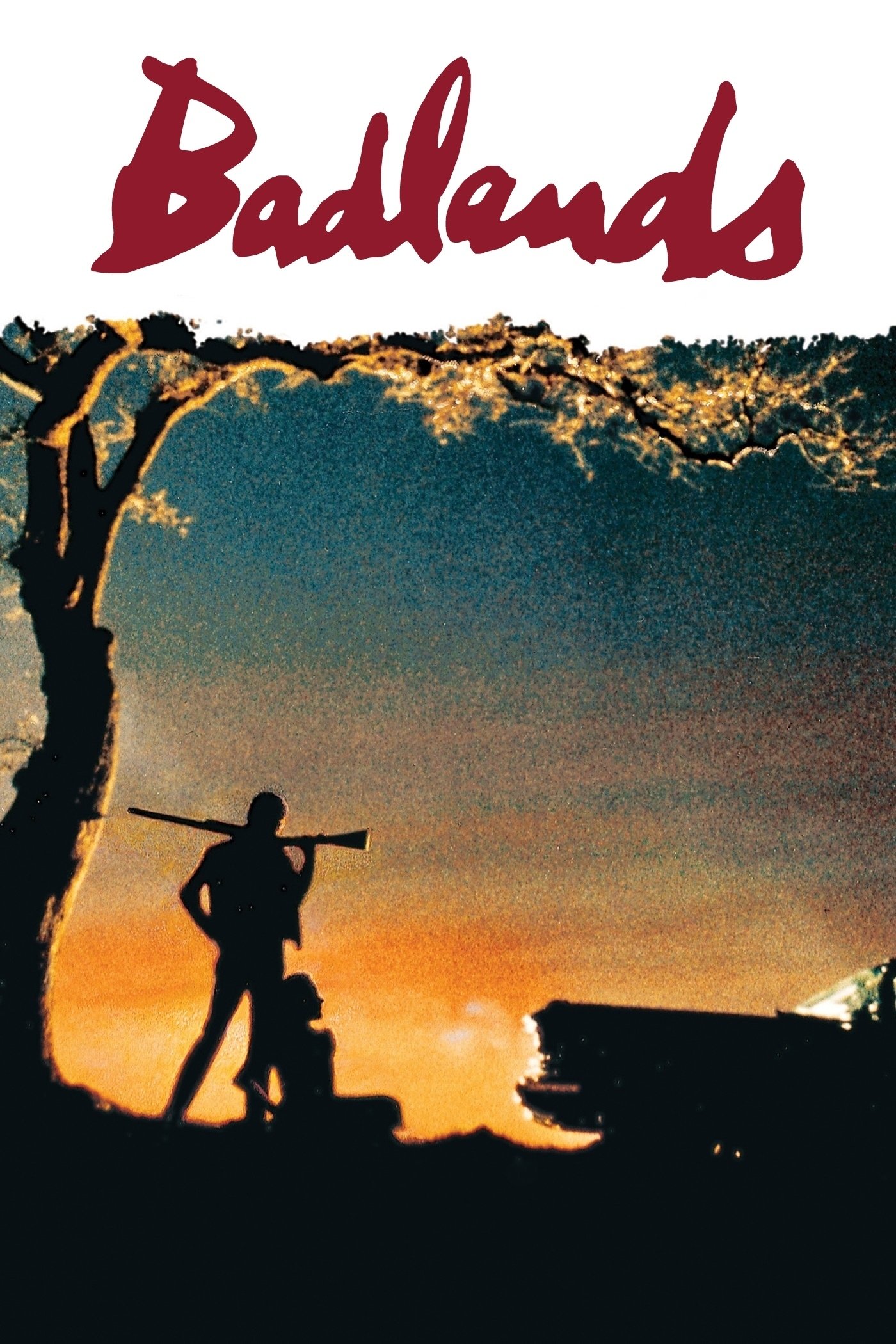
Terrence Malick based the story on a real world crime spree and filmed across Midwestern and Western locations with a modest budget. The production featured Martin Sheen and Sissy Spacek, used a compact crew, and emphasized golden hour exteriors along with careful voiceover planning during post production.
The film premiered at the New York Film Festival and gained distribution through a major studio. It positioned Malick for larger period work with returning collaborators in camera and design departments and introduced themes and visual habits he continued to develop in later features.
‘Eraserhead’ (1977)
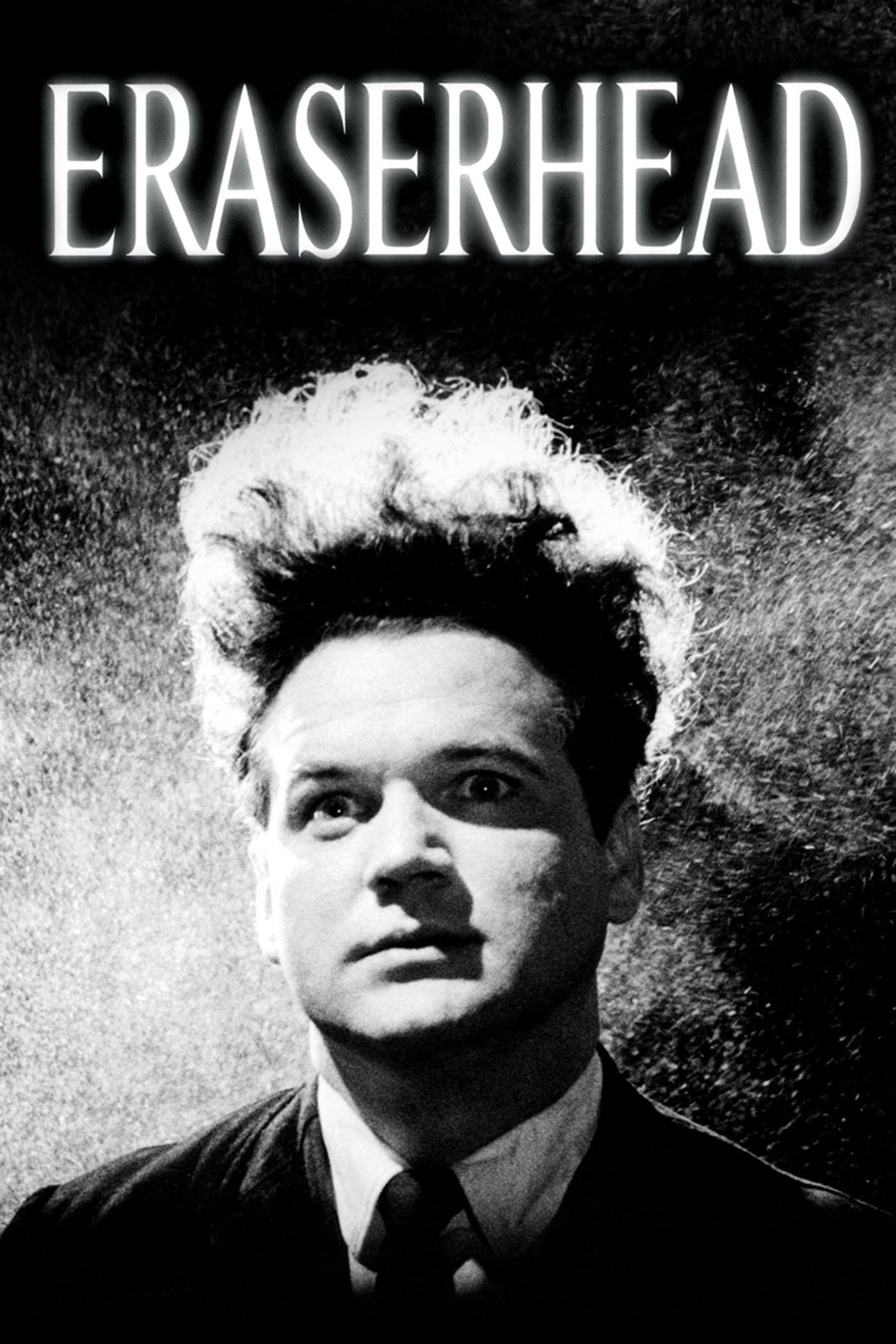
David Lynch assembled this black and white feature over several years with support from the American Film Institute’s Center for Advanced Film Studies. The production built industrial interiors on a limited stage footprint and created practical effects for the central creature using tightly guarded methods among a small team.
The film found its audience through midnight screenings in urban art houses and college circuits. Its long run on specialty calendars gave Lynch financial breathing room and industry contacts that led to studio backed projects while keeping many of the same craftspeople around sound and design.
‘Blood Simple’ (1984)
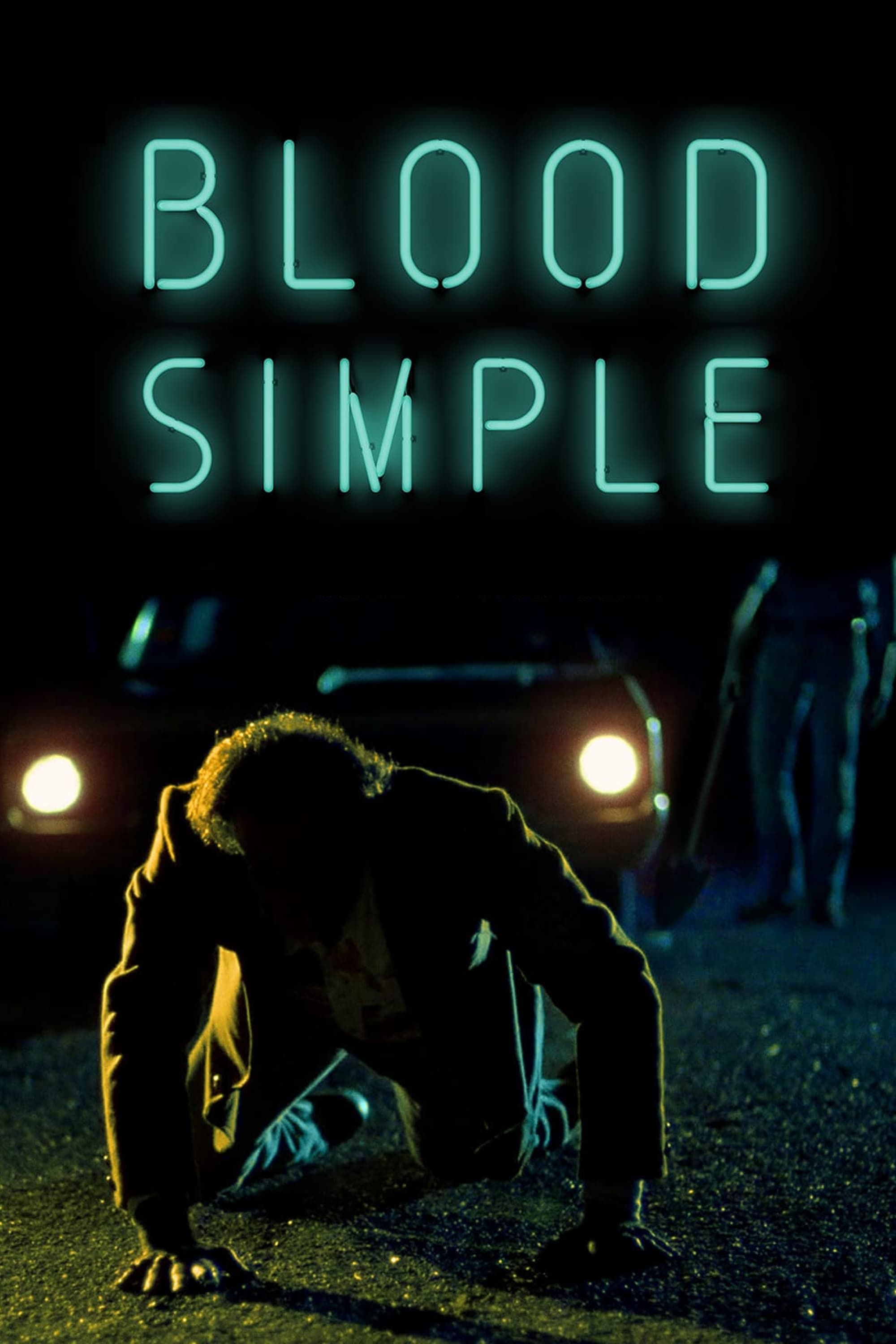
Joel and Ethan Coen raised financing from regional investors and shot on location with Barry Sonnenfeld as cinematographer. The production leaned on precise blocking, point of view framing, and practical makeup effects to build a modern noir around a Texas bar owner and a private investigator.
The film won the Grand Jury Prize at Sundance and secured wider release afterward. It introduced longtime collaborators in editing and camera departments and began a pattern of genre informed stories produced on controlled budgets that the directors refined over the next decade.
‘She’s Gotta Have It’ (1986)
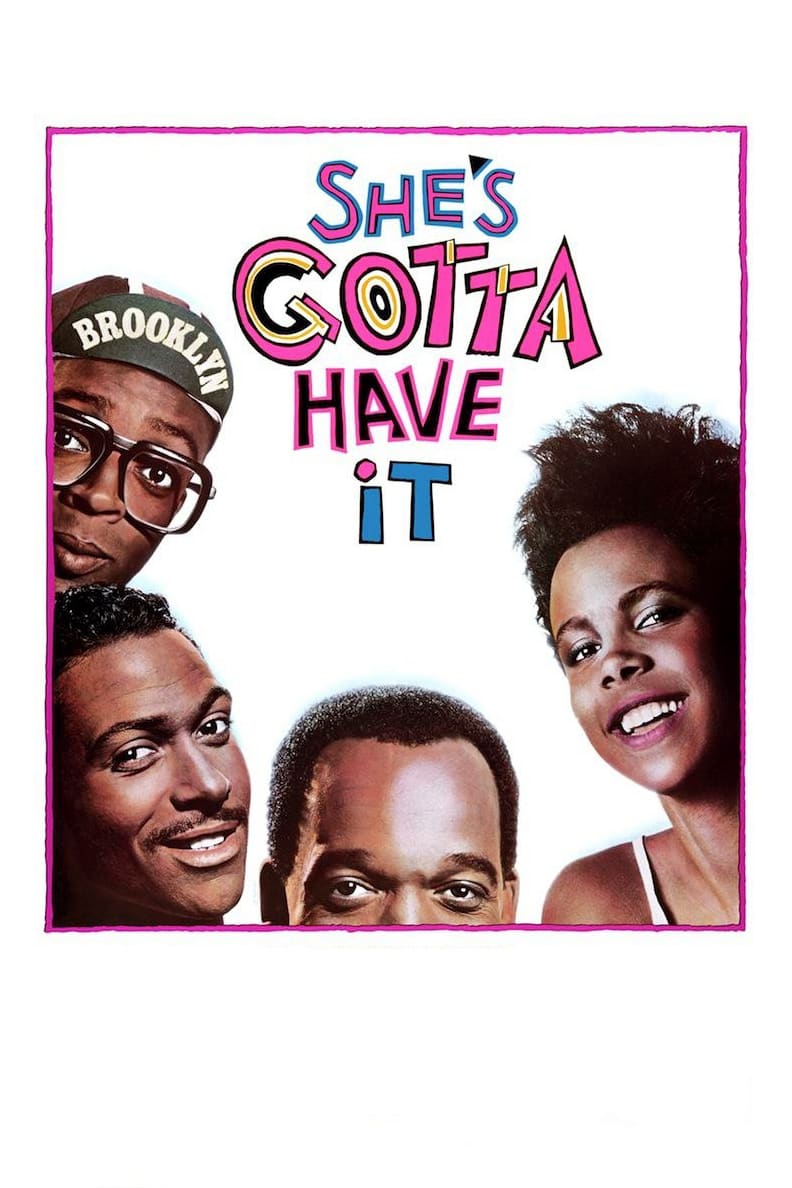
Spike Lee produced through 40 Acres and a Mule Filmworks and shot in black and white around Brooklyn with a small budget and a compact schedule. The crew used neighborhood locations, minimal lighting, and a mix of professional and first time actors, with Lee also appearing on screen.
The film earned many times its cost at the box office and traveled widely on the festival circuit. Its success gave Lee leverage for larger budgets and distribution support on subsequent films and provided a blueprint for independent production that foregrounded community resources and local crews.
‘Boyz n the Hood’ (1991)
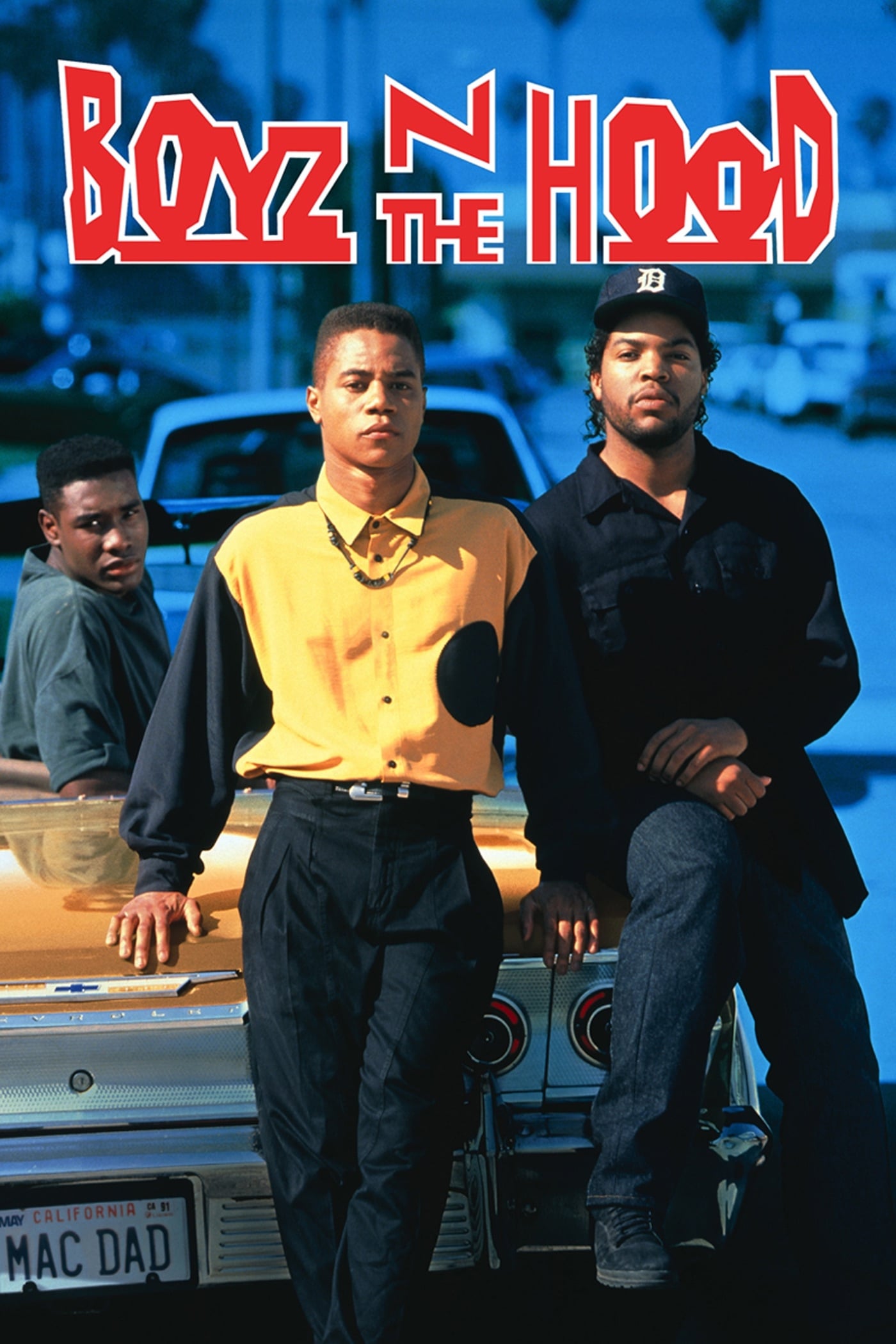
John Singleton wrote and directed this South Los Angeles set story with Columbia Pictures backing and with casting that included Ice Cube in his first film role alongside Cuba Gooding Jr and Morris Chestnut. The production worked on real streets and residential interiors and coordinated closely with community groups for logistical support.
The film earned Academy Award nominations for director and original screenplay, making Singleton the youngest person and the first African American nominated for directing. It led to further studio projects and underscored how place specific stories could travel globally through major distribution channels.
‘Reservoir Dogs’ (1992)
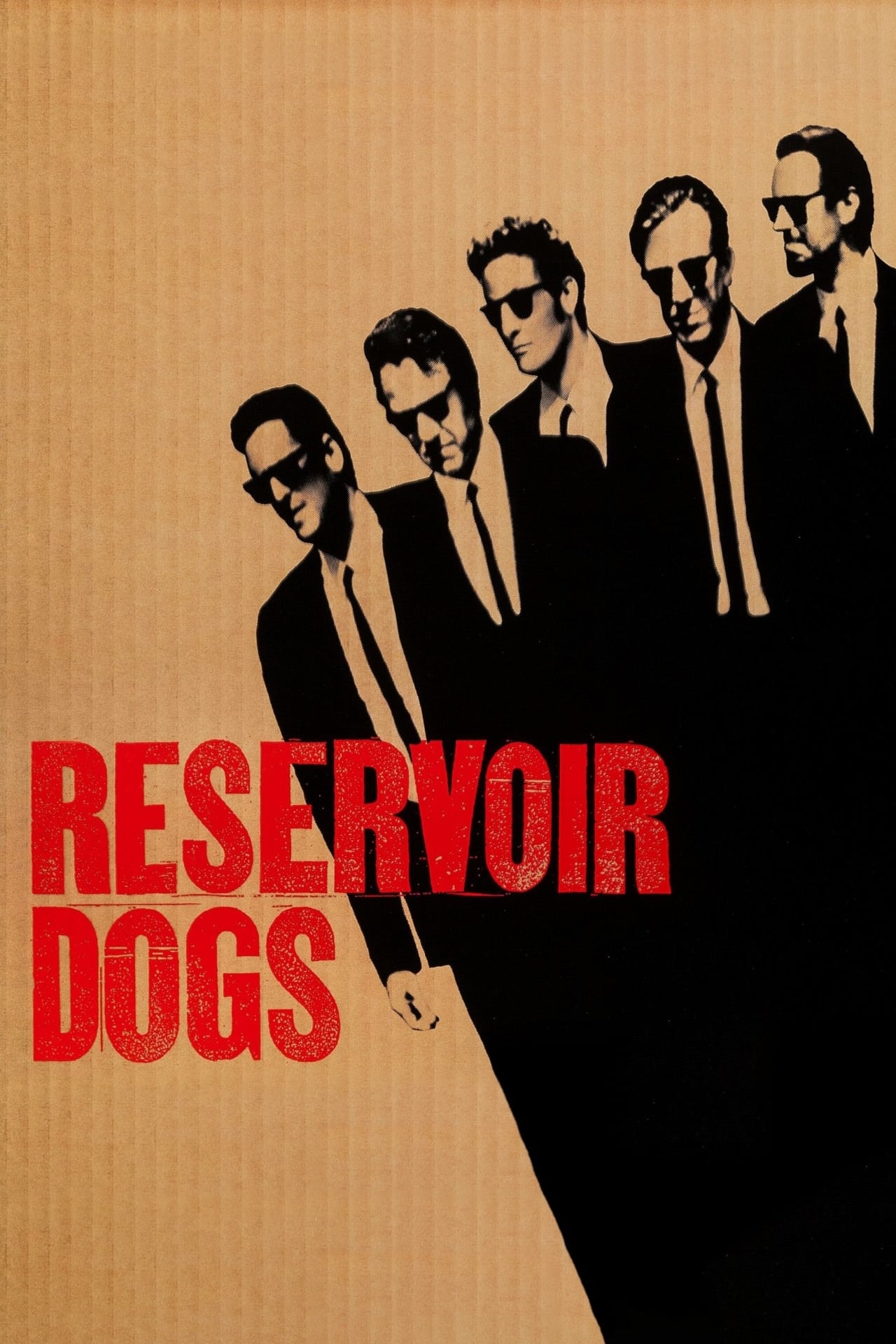
Quentin Tarantino made his first feature with a budget a little over one million and an ensemble that included Harvey Keitel, who also helped secure financing. The shoot used a warehouse and a few Los Angeles locations while building its heist gone wrong structure through nonlinear editing and a curated needle drop soundtrack.
The film premiered at Sundance and then screened at Cannes, which helped it land broader distribution. Its performance opened doors for a second feature with an expanded cast and larger backing and set up a continuing partnership with key producers and editors.
‘Pi’ (1998)
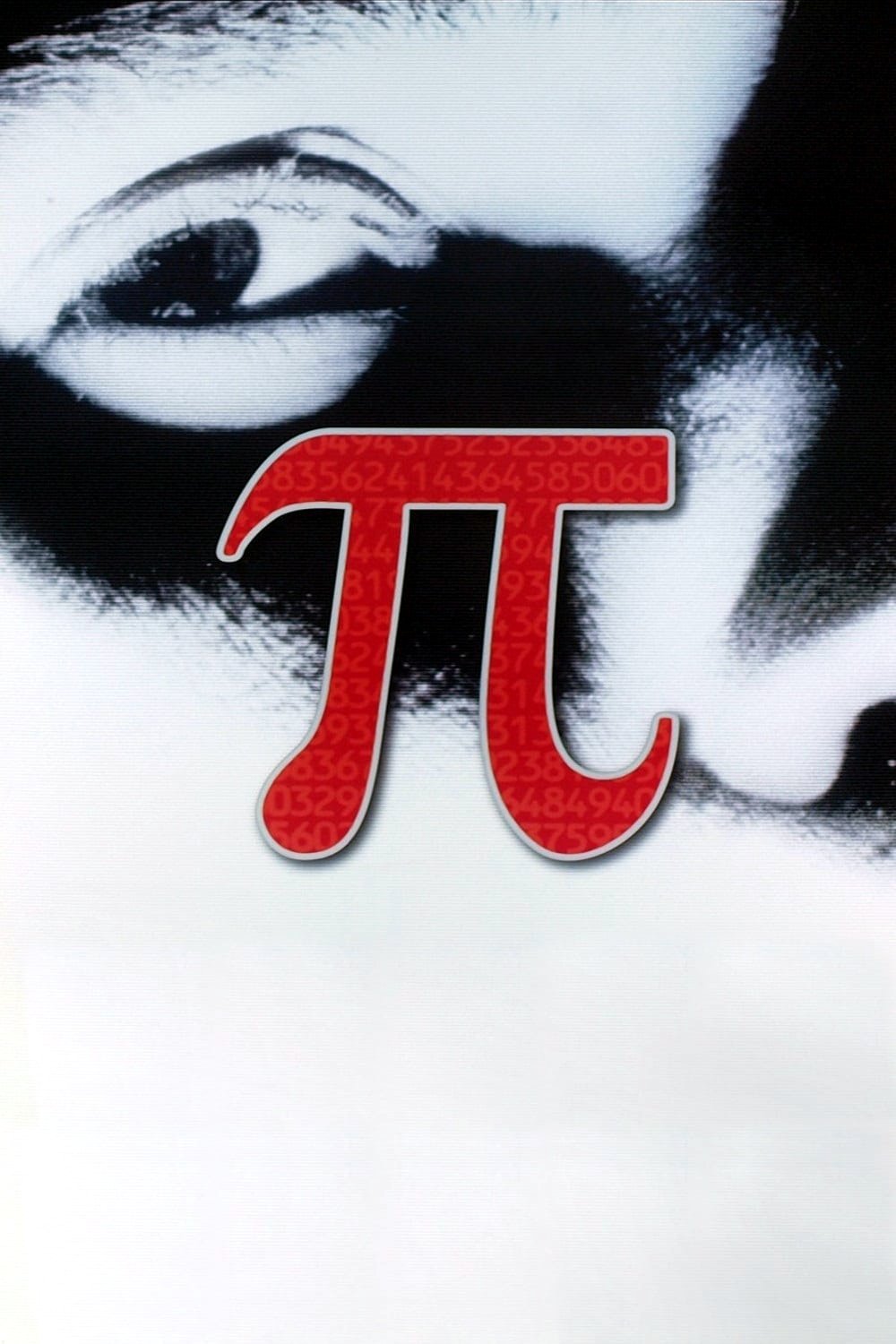
Darren Aronofsky self financed this black and white thriller on 16 millimeter film for a budget around sixty thousand. The shoot favored close quarters interiors, body rig shots, and harsh contrast lighting, and the team built sound design that emphasized the lead character’s subjective experience.
The film premiered at Sundance where Aronofsky won the dramatic directing award. It secured distribution and recouped its costs quickly, enabling a move to a larger feature with some returning collaborators in music, camera, and production design.
‘Following’ (1998)

Christopher Nolan shot this feature on weekends with friends and a budget reported in the low thousands. The team rehearsed extensively to minimize takes, used available light when possible, and recorded sound separately to keep the camera small and light for narrow London interiors.
Festival play led to distribution that brought the film to international home video and specialty theaters. The nonlinear structure and stripped down production workflow provided a template Nolan refined on later projects, helping secure financing and interest for ‘Memento’.
‘Being John Malkovich’ (1999)
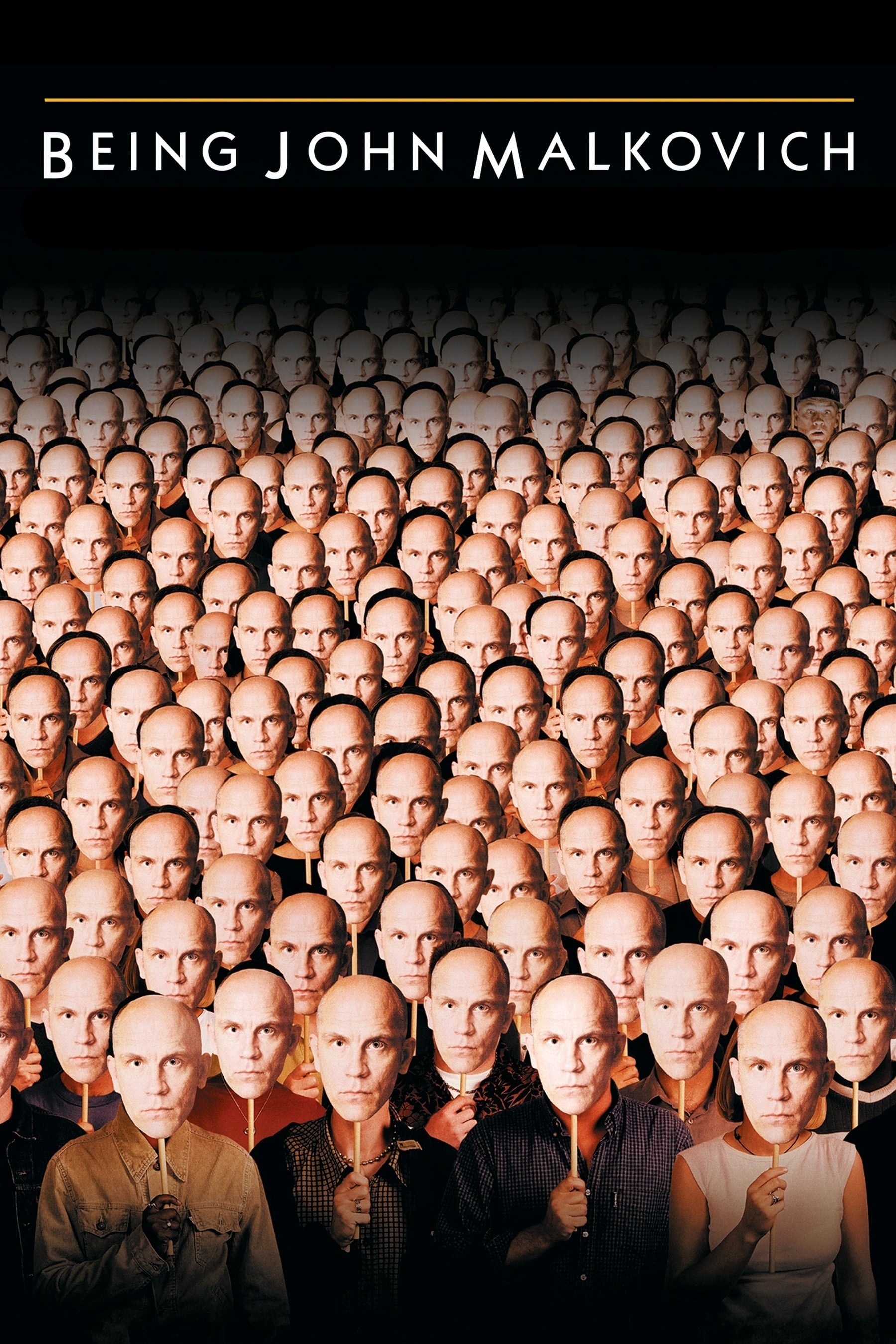
Spike Jonze directed from a Charlie Kaufman script and filmed largely in Los Angeles office spaces and warehouse sets, including the famous floor with a low ceiling. The production blended puppetry, practical gags, and visual effects to stage a portal concept that required careful coordination between departments.
The film earned Academy Award nominations for director, original screenplay, and supporting actress. It began an ongoing collaboration among Jonze, Kaufman, and many craftspeople in production design, puppetry, and effects that continued across advertising work and later features.
‘American Beauty’ (1999)
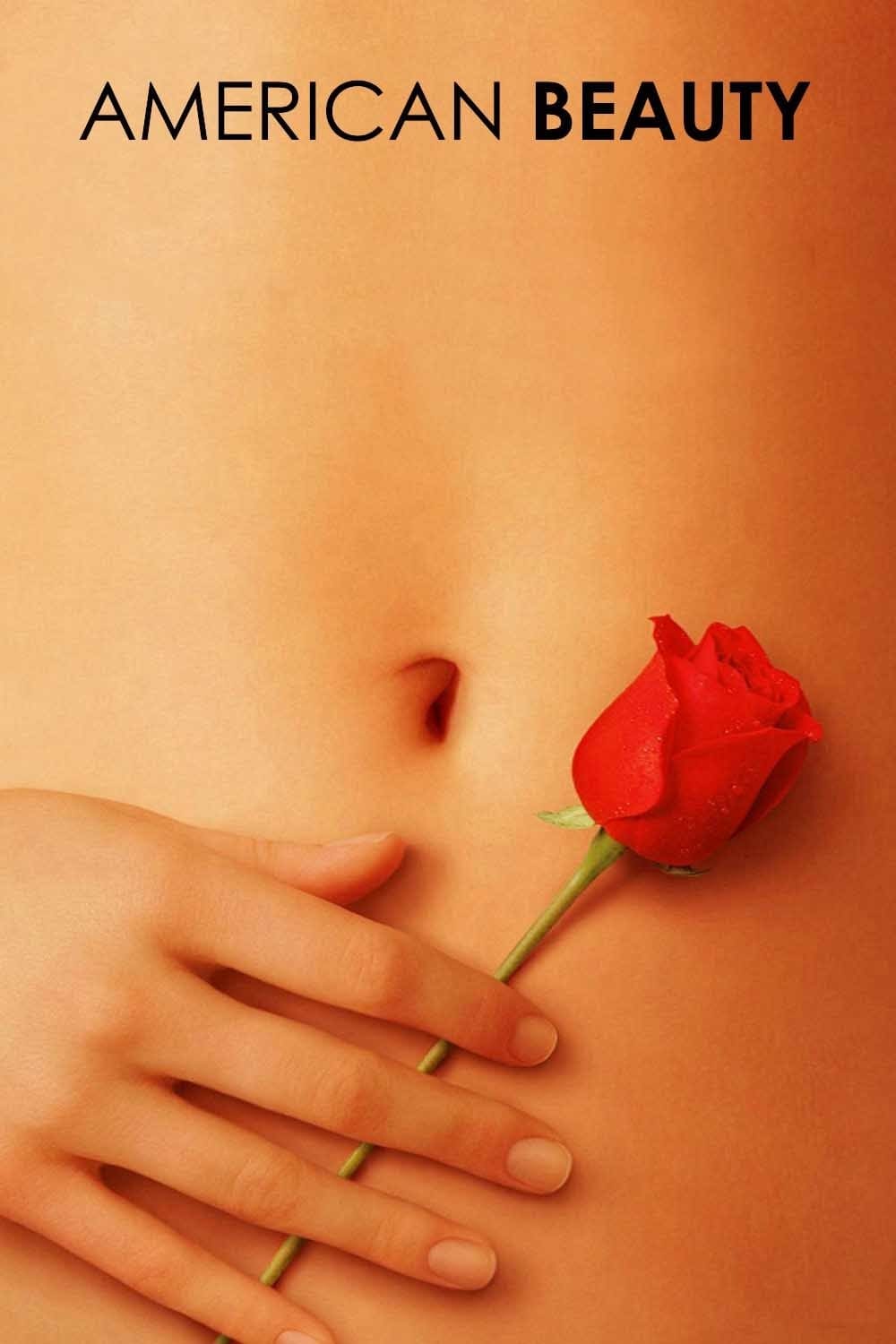
Sam Mendes worked with cinematographer Conrad L Hall and editor Tariq Anwar on a suburban drama produced and distributed by DreamWorks. The production balanced location shooting with soundstage work and relied on a distinct color palette and carefully storyboarded sequences supported by Thomas Newman’s score.
The film won five Academy Awards including picture and director. Its success placed Mendes in a position to lead event scale productions and kept several department heads in his circle for future films, while the movie continued to be used as a case study in cinematography courses.
‘Hunger’ (2008)
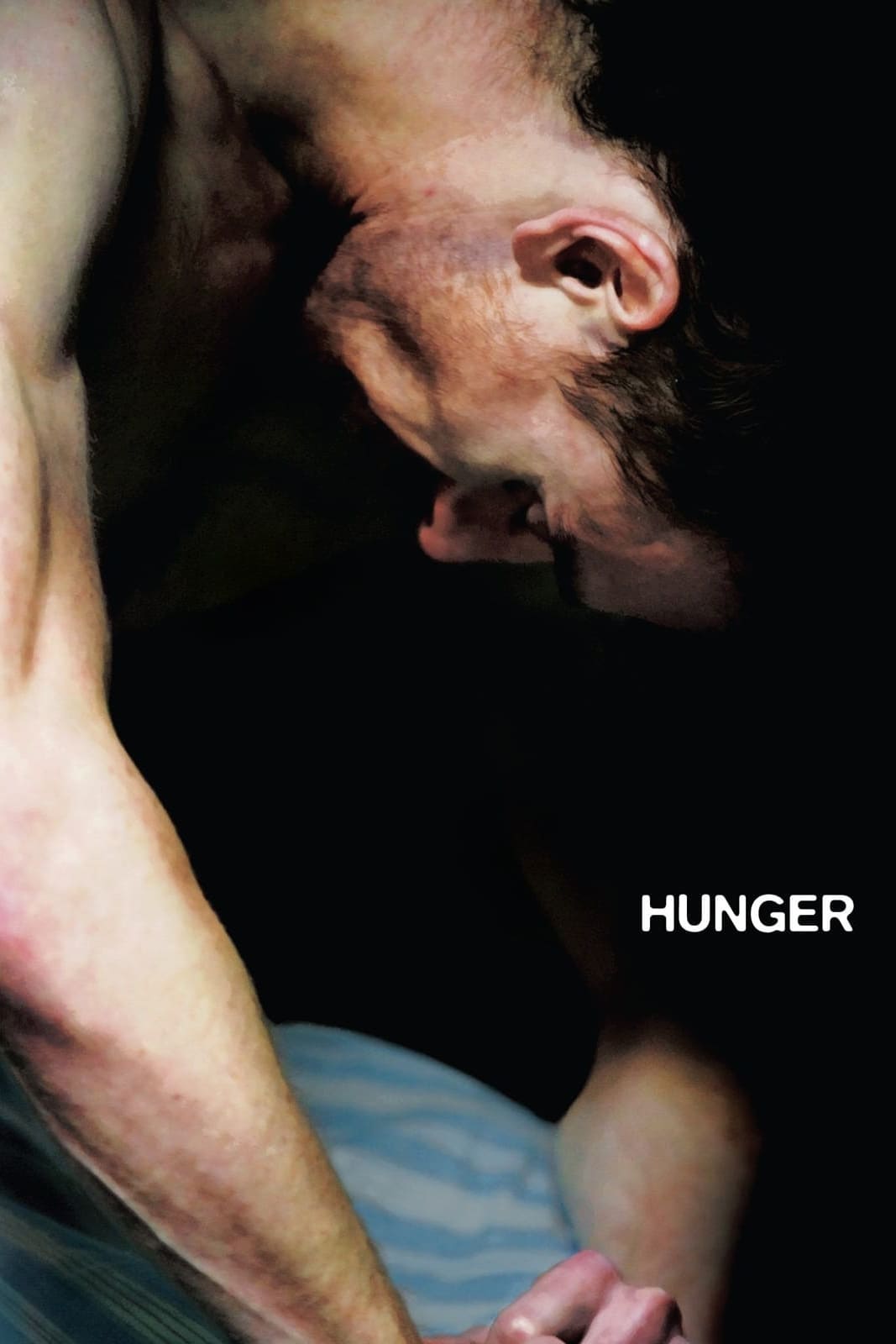
Steve McQueen’s debut is a prison drama about Bobby Sands with Michael Fassbender in the lead and with Enda Walsh co writing. The production used extended takes, precise sound recording for echoing corridors, and a long dialogue scene staged with minimal camera movement to emphasize performance.
The film premiered at Cannes and won the Camera d’Or for best first feature. It initiated McQueen’s ongoing collaboration with Fassbender and several craftspeople and set the visual and thematic ground for later work about institutions, bodies, and endurance.
‘District 9’ (2009)
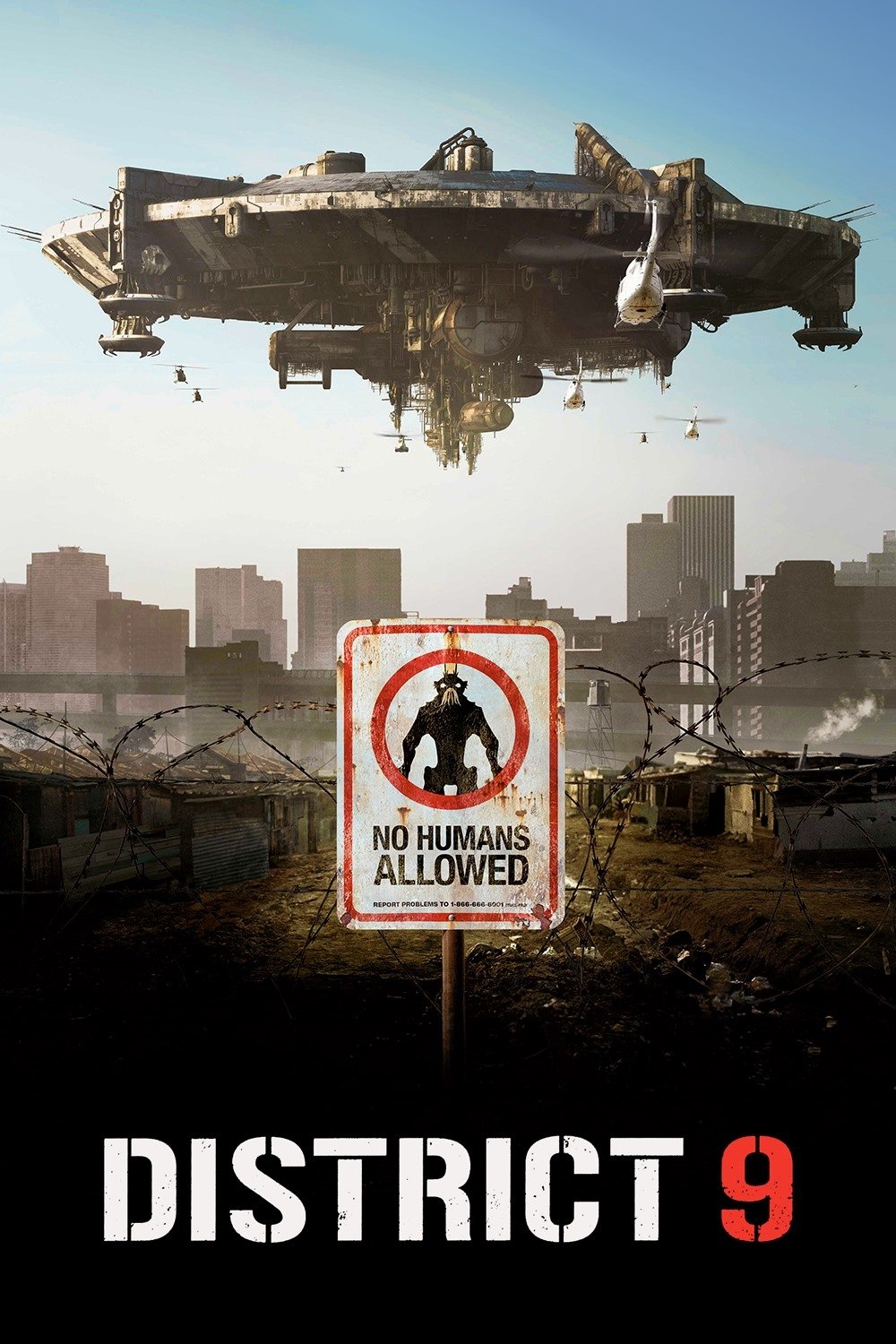
Neill Blomkamp expanded his earlier short ‘Alive in Joburg’ with producer Peter Jackson and shot in Johannesburg using a mix of documentary style camera work and extensive visual effects by Weta Digital and Image Engine. The production designed alien hardware and slum environments that meshed live action with computer generated creatures.
The film earned multiple Academy Award nominations including picture and adapted screenplay and grossed more than two hundred million worldwide on a comparatively moderate budget. It established Blomkamp’s preference for near future science fiction set in real urban spaces and continued partnerships with effects houses and actor Sharlto Copley.
‘The Babadook’ (2014)
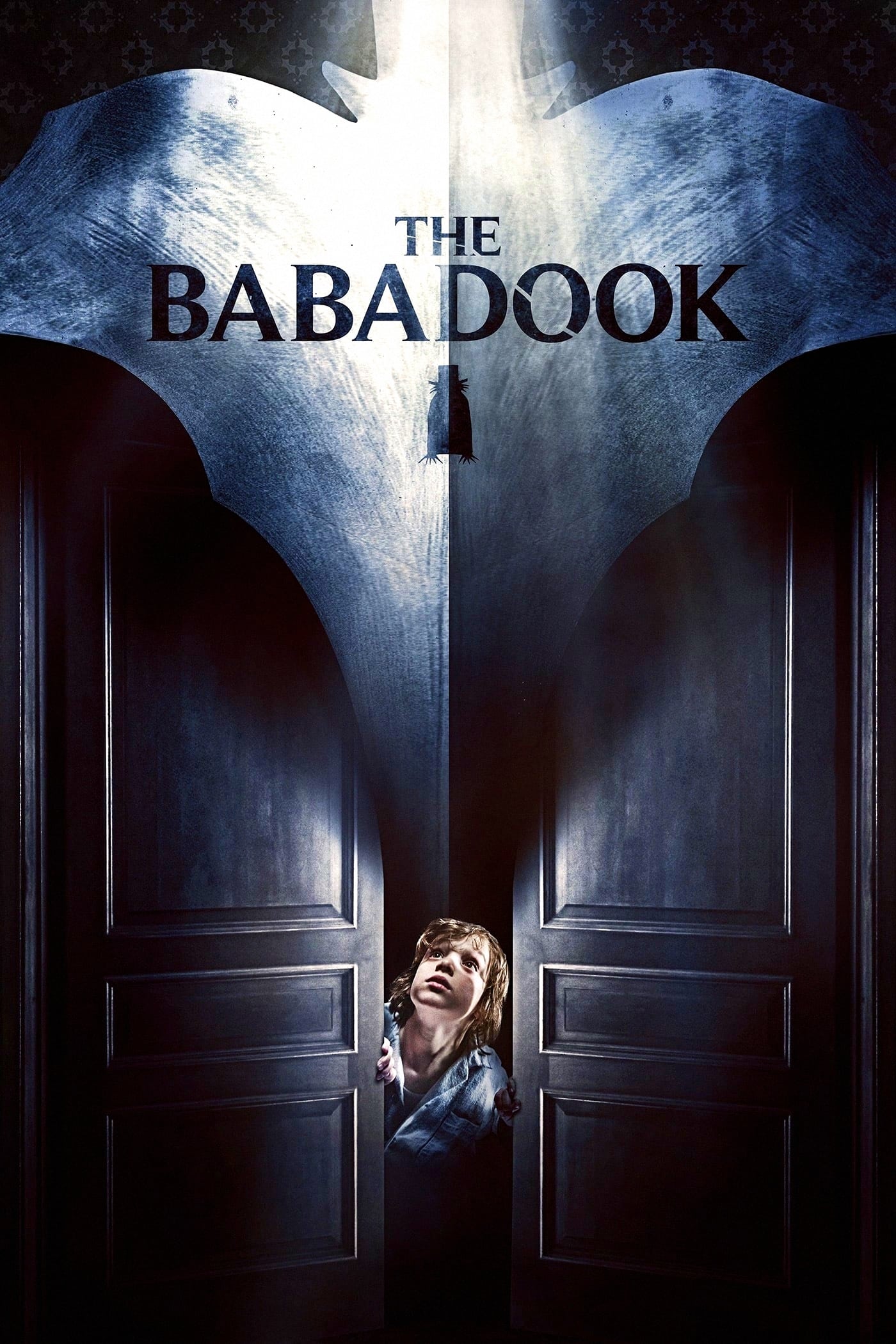
Jennifer Kent expanded ideas from her short ‘Monster’ and shot primarily in Adelaide with interiors built on soundstages to control lighting and color. The production featured Essie Davis and Noah Wiseman and created the title creature with practical effects, puppetry, and careful frame composition.
The film premiered at Sundance and played widely at genre and general festivals before moving to art house theaters and digital platforms. It brought international attention to Australian crews working in practical effects and gave Kent a platform for subsequent projects with larger budgets.
‘Ex Machina’ (2014)

Alex Garland wrote and directed this contained science fiction story with actors Alicia Vikander, Domhnall Gleeson, and Oscar Isaac. The production combined on location shooting in a Norwegian hotel with stage work and relied heavily on compositing to integrate robotics elements with live action performance.
The film won the Academy Award for visual effects and earned a nomination for original screenplay. It strengthened A24’s profile in science fiction distribution and cemented Garland’s collaboration with key department heads in visual effects and production design for later features and series work.
‘Get Out’ (2017)
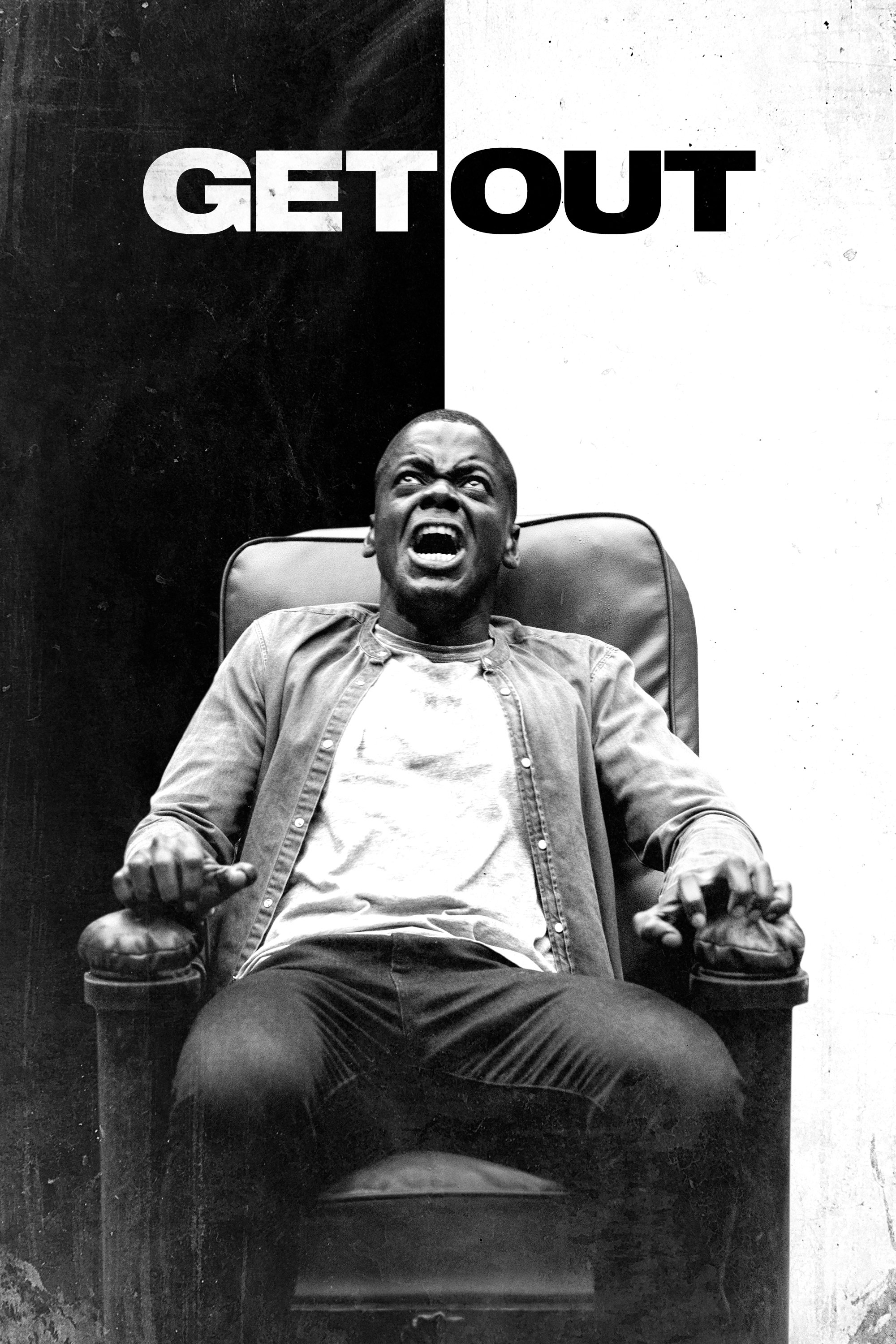
Jordan Peele wrote and directed for Blumhouse with principal photography in Alabama and Georgia and a production budget under five million. The film cast Daniel Kaluuya and Allison Williams and organized its suspense scenes around practical staging, daylight exteriors, and a strong music cue approach.
The release opened at number one domestically and passed a quarter billion dollars worldwide. It won the Academy Award for original screenplay and received nominations for picture, director, and actor, establishing Peele’s banner for future projects and a continuing relationship with Universal in wide distribution.
Share your own picks for standout first features in the comments so everyone can see which debuts you think deserve a spot.