Top 15 Badass Women in Anime


Anime has featured women who carry stories with skill, nerve, and a clear sense of purpose. They lead squads, stand at the front line, and solve problems that no one else can handle. You see them drive major arcs forward with decisions that change the course of their worlds, and the details of their training, abilities, and history show exactly how they do it.
This list brings together characters whose actions and track records speak for themselves. Each entry notes the series they come from and includes concrete milestones from their journeys. You will also find the studios that brought their stories to life, since the hands behind the animation shaped how these characters move and fight on screen.
Mikasa Ackerman from ‘Attack on Titan’ (2013–2023)
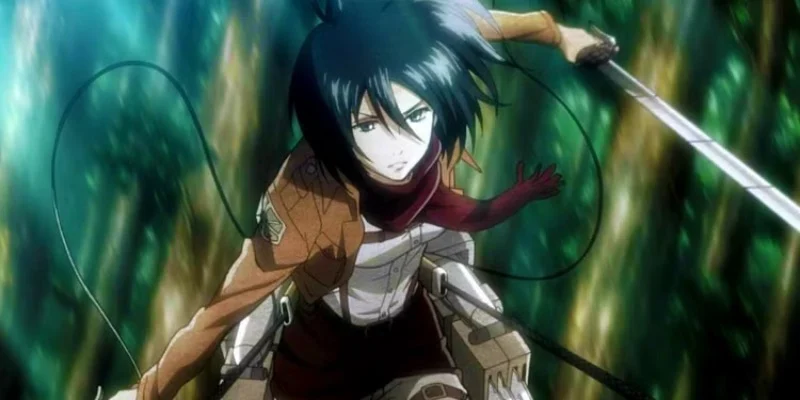
Mikasa graduates from the 104th Training Corps at the top of her class and becomes a core member of the Scout Regiment. The plot tracks her missions across the Walls, her work with vertical maneuvering equipment, and her role in operations from Trost to the final campaign. Her background as an Ackerman gives her unusual physical responses in battle, and the series documents how that lineage affects her choices and abilities.
The production starts at Wit Studio and later shifts to MAPPA, which keeps her combat movement clean and readable through large set pieces and crowded city fights. Across the seasons, staff highlights her speed and grapples with giants through careful layout and clear action timing, keeping her methods consistent with her training and rank.
Motoko Kusanagi from ‘Ghost in the Shell: Stand Alone Complex’ (2002–2005)
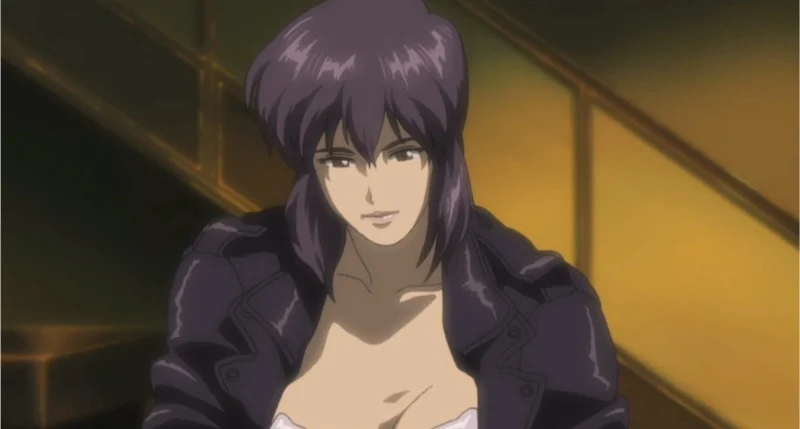
Major Kusanagi commands Section 9 while operating in a full cybernetic body. The narrative follows her investigations into cybercrime, political corruption, and identity theft, with episodes that show undercover work, net dives, and field tactics. Her leadership style appears in team briefings and coordinated raids, and her casework ties together stand alone incidents with the larger Laughing Man affair.
Production I.G handles the series and sets a grounded tone for tech, prosthetics, and urban surveillance. The studio maps her movements through hand to hand encounters, tactical shooting, and digital infiltration, and pairs that with clear UI design so viewers can follow how she gathers and verifies data.
Olivier Mira Armstrong from ‘Fullmetal Alchemist: Brotherhood’ (2009–2010)
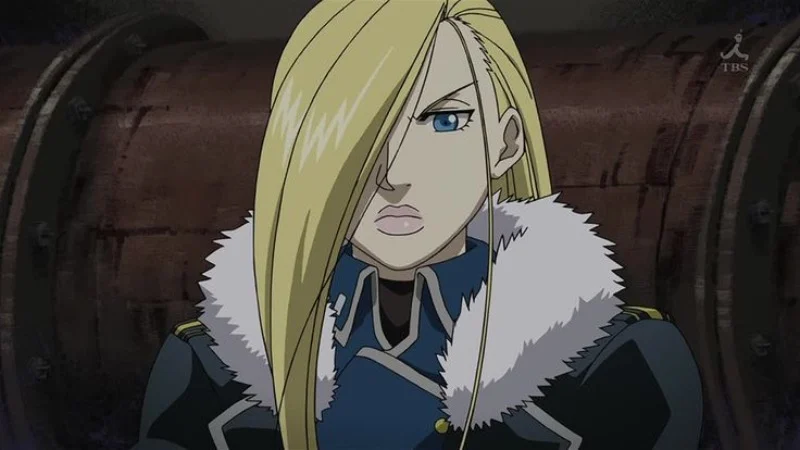
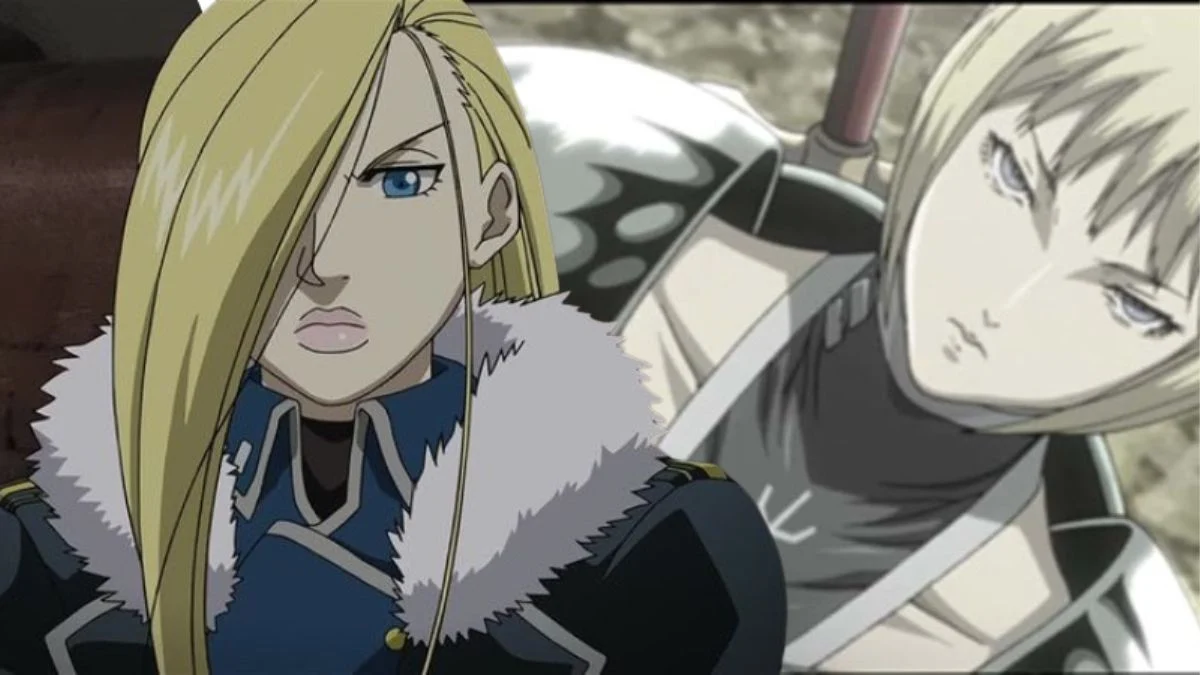
General Armstrong runs Fort Briggs and holds the northern border through harsh conditions and strict protocols. The story presents her chain of command, supply lines, and rules of engagement, along with her interrogation methods and strategic use of terrain. Her oversight of the Briggs soldiers appears in logistics, counterintelligence, and rapid response when homunculi and military threats converge.
Bones animates the series with careful attention to military scale and environmental factors like snow, wind, and low visibility. The studio stages fortress interiors, siege setups, and unit formations so her decisions read clearly, and it aligns her actions with the operational planning shown in the scripts.
Ryuko Matoi from ‘Kill la Kill’ (2013–2014)
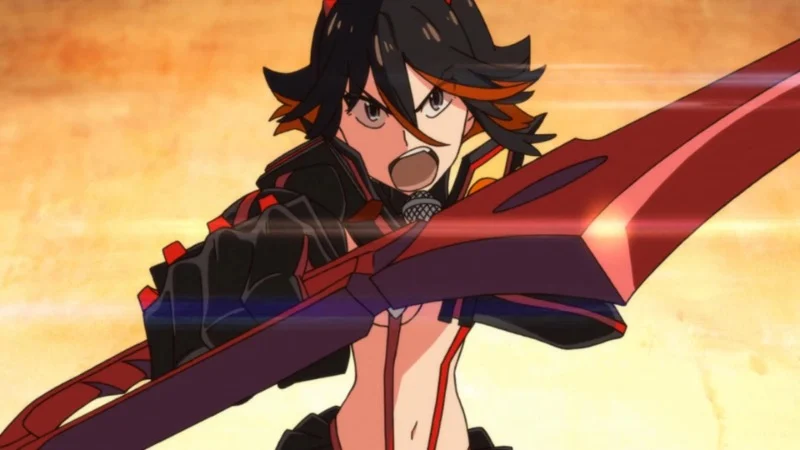
Ryuko enters Honnouji Academy to trace the truth behind her father’s death and fights through clubs and student council elites. The plot logs her synchronization with Senketsu, the learning curve for Life Fiber powers, and the escalation from campus duels to global stakes. Episodes document her gear upgrades, tactics against varied opponents, and the alliances that form around each major confrontation.
Studio Trigger produces the show and builds an elastic action style that still tracks the rules for weapons and uniforms. The team uses strong posing and clear cut timing so each attack reads, and it keeps power scaling understandable as Ryuko unlocks new techniques.
Clare from ‘Claymore’ (2007)
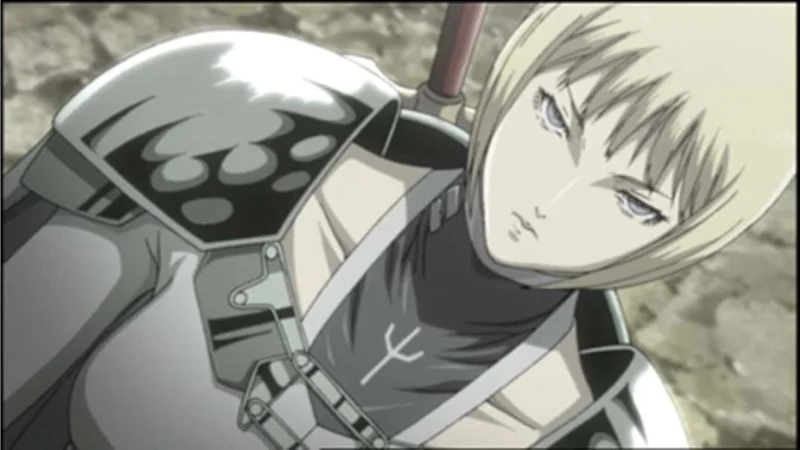
Clare works as a contracted warrior who hunts Yoma and deals with the risk of Awakening. The series walks through assignments across different towns, details her training, and shows the limits of her partial transformation. Her partnership with Raki and her pursuit of Priscilla set up long term goals that drive her route and the choices she makes during hunts.
Madhouse adapts the manga with a focus on anatomy, sword paths, and the speed of close quarter fights. The studio marks the switch between human control and Yoki release with consistent visual cues, which makes Clare’s restraint and power output easy to follow during extended battles.
Homura Akemi from ‘Puella Magi Madoka Magica’ (2011)

Homura’s story revolves around time manipulation and the consequences of repeating events. The episodes lay out the mechanics of her resets, the limits of her equipment, and the changes that accumulate across timelines. Her planning and resource gathering appear on screen through storage of weapons, intel sharing, and targeted interventions in key encounters.
Shaft produces the series with a stylized approach that still keeps rules for magic and time clear. The studio separates witches’ labyrinths from the real world with distinct art direction and uses that contrast to show how Homura adapts her strategies to each space.
Saber from ‘Fate/stay night: Unlimited Blade Works’ (2014–2015)
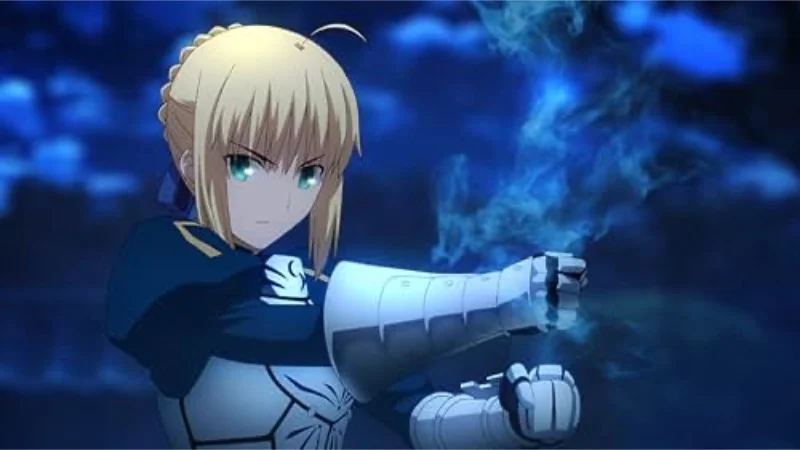
Saber enters the Fifth Holy Grail War as a Servant in the Saber class, bound by a contract with her Master. The narrative explains her Noble Phantasm and command seal mechanics, and follows formal duels, ambushes, and pacts between Masters. Identity reveals and command decisions sync with the larger rules of the War, including territory control and mana supply.
Ufotable animates the series with precise effects work for energy releases, blade trails, and bounded fields. The studio tracks stances and footwork so each clash reads, and it uses consistent visual language for Phantasm activation that reflects the lore.
Nobara Kugisaki from ‘Jujutsu Kaisen’ (2020–)
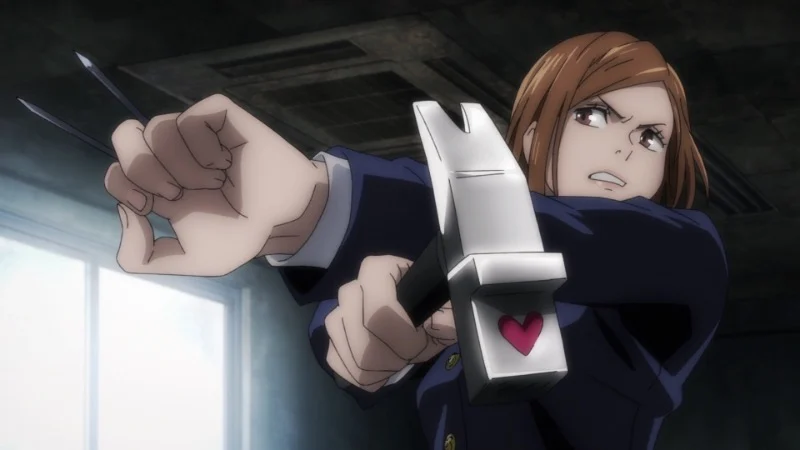
Nobara fights using a hammer, nails, and straw dolls tied to her Resonance technique. The story records her training at Tokyo Jujutsu High, the partner dynamics within her first year squad, and the way her cursed energy scales in street fights and special grade encounters. Her toolkit includes hairpin detonations and ranged links through effigies, which the series explains through clear cause and effect during key missions.
MAPPA produces the show and gives her close range exchanges a solid rhythm that lines up with sound design and impact timing. The studio uses camera placement that keeps nail trajectories and curse counters visible, which helps viewers read her setups and finishing moves.
Nezuko Kamado from ‘Demon Slayer: Kimetsu no Yaiba’ (2019–)
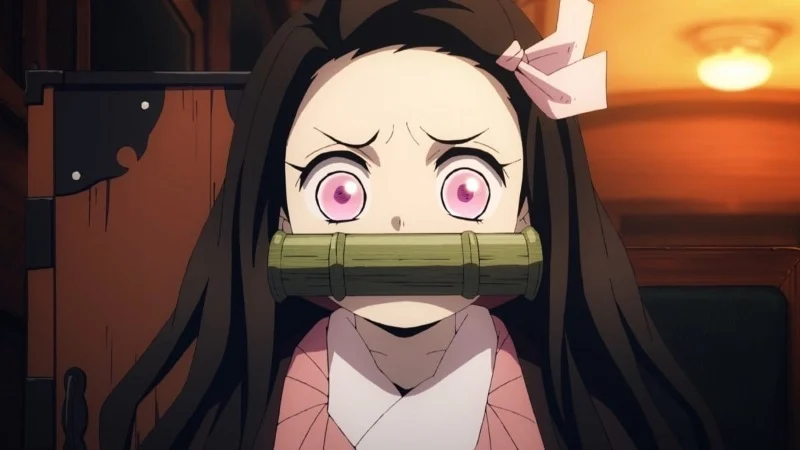
Nezuko survives demon transformation and fights while maintaining control through a bamboo muzzle and strict sleep cycles. The plot shows how her Blood Demon Art works, where her flames interact with poison and regenerative abilities, and how she supports the Demon Slayer Corps in cooperative fights. Training scenes and field missions present her growth in a measured way through clear checkpoints.
Ufotable builds the series with a blend of hand drawn animation and digital compositing that makes her movement and fire effects easy to distinguish in dark environments. The studio’s approach keeps her abilities consistent across arcs and integrates them with sword forms and team tactics.
Erza Scarlet from ‘Fairy Tail’ (2009–2019)

Erza’s Requip magic lets her switch armor and weapons mid battle to match threat levels and terrain. The series details her guild duties, mission logs, and tournament appearances, along with rules for requip storage and stamina costs. Her leadership within Team Natsu appears in planning sessions and in the distribution of tasks during multi front conflicts.
A-1 Pictures and Satelight launch the adaptation, and later seasons involve studios like Bridge and CloverWorks, which maintain continuity in her armor catalog and weapon effects. The production keeps transformations readable with on model design and clear sequencing so her gear changes never break the flow of action.
Yoruichi Shihouin from ‘Bleach’ (2004–2012)
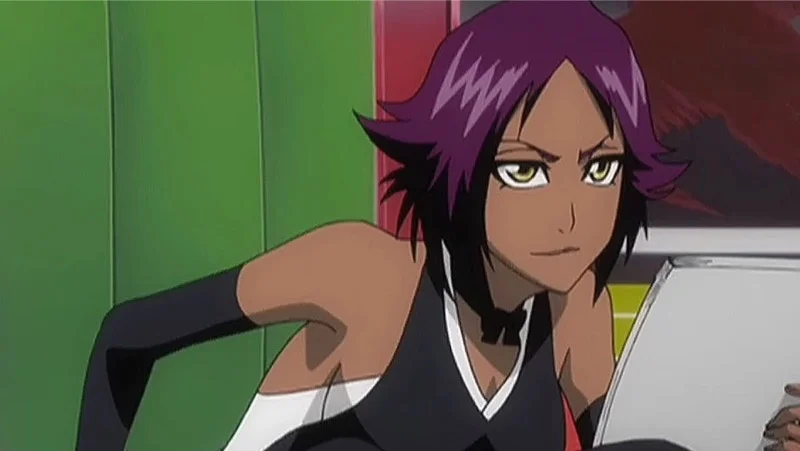
Yoruichi serves as a former captain and commander of the Onmitsukidō and returns to guide key operations in the Human World and Soul Society. The plot tracks her Shunpo mastery, hand to hand fighting style, and her role in infiltration and rescue missions. Training segments and historical ties to the Shihouin Clan give context for her expertise in stealth and Kidō.
Studio Pierrot animates the series and presents her movement with sharp smears and clean background pans that suit high speed travel. When the continuation arrives in later arcs, the production preserves her visual cues so her techniques remain easy to identify during new confrontations.
Tsunade from ‘Naruto: Shippuden’ (2007–2017)
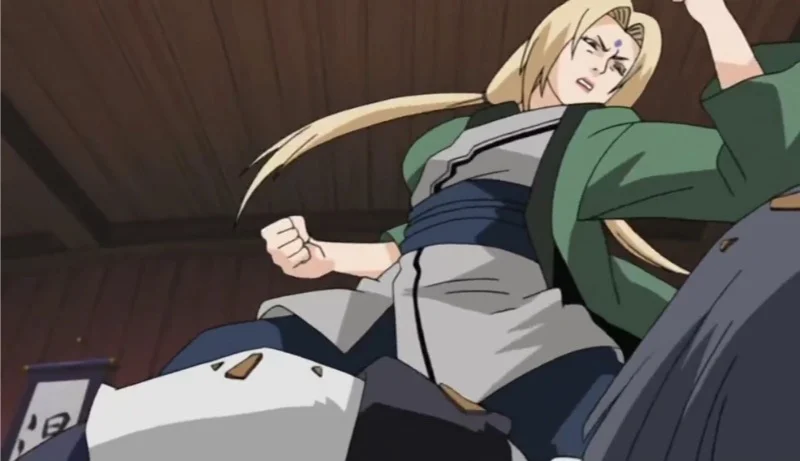
Tsunade steps in as the Fifth Hokage and stabilizes the village through medical corps expansion and strategic planning. Episodes show chakra control for superhuman strength, advanced healing methods, and field triage systems she establishes for the shinobi forces. Her work connects policy, training, and front line support during large scale battles.
Studio Pierrot keeps fights and medical ninjutsu legible through consistent hand signs, chakra effects, and clear staging. The staff balances council meetings and battlefield scenes so her decisions link directly to results on the ground, which keeps her role within village leadership concrete.
Revy from ‘Black Lagoon’ (2006)
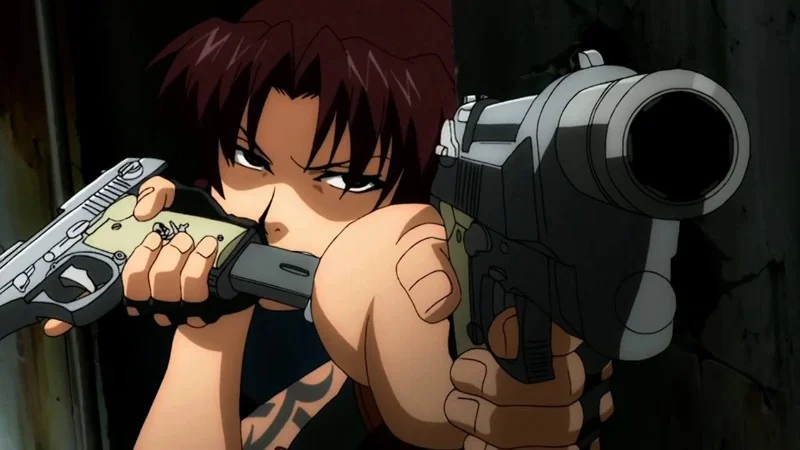
Revy operates as the Lagoon Company’s main gunfighter with a focus on urban and maritime shootouts. The story covers escort jobs, smuggling runs, and faction conflicts across the South China Sea, with careful attention to weapon handling and cover. Her partnership with Rock and Dutch appears in mission briefs and post op negotiations.
Madhouse delivers grounded action with clear muzzle flashes, recoil, and line of fire, and uses sharp layout so chases through alleys and ports stay easy to track. The studio’s approach gives each firefight a readable geography that matches the team’s planning and execution.
Kallen Stadtfeld from ‘Code Geass: Lelouch of the Rebellion’ (2006–2008)
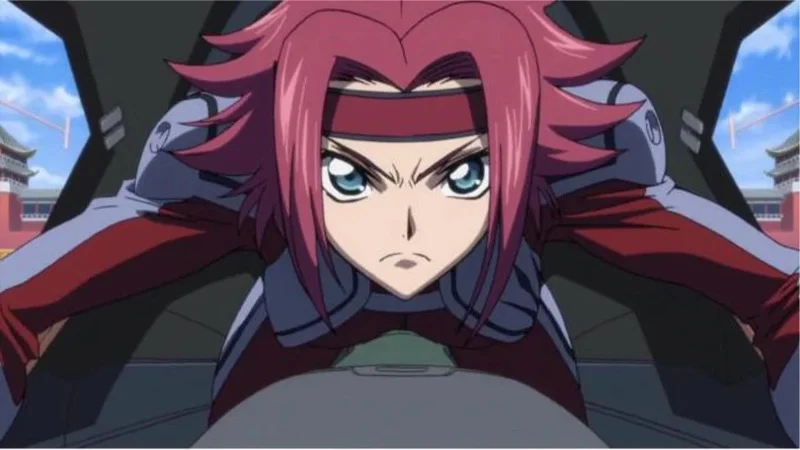
Kallen pilots Knightmare Frames for the Black Knights and excels in close quarters mecha combat. The series shows her operations from guerrilla actions to set piece battles, and follows upgrades from the Guren Mk-II to advanced models. Her school cover and resistance work create a documented pattern of intelligence gathering and rapid deployment.
Sunrise produces the mecha action with readable limb articulation, slash harken shots, and energy wave effects. The studio’s staging keeps cockpit cuts and battlefield maps in sync, which makes her maneuvers and frame enhancements clear during large formations.
Jolyne Cujoh from ‘JoJo’s Bizarre Adventure: Stone Ocean’ (2021–2022)
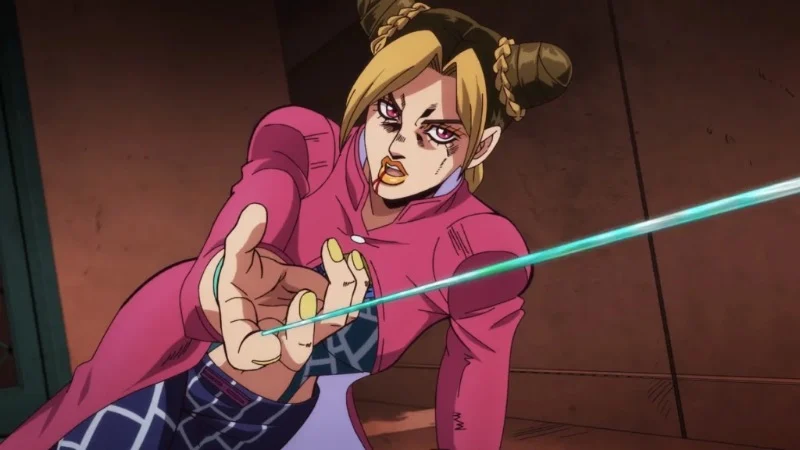
Jolyne awakens her Stand and learns to use string based abilities for offense, defense, and communication. The plot follows her prison transfer, team formation inside the facility, and the step by step understanding of enemy Stand rules. She applies her power to traversal, disguise, and area control, which the series outlines through inventive problem solving in confined spaces.
David Production adapts the arc with bold posing and strong motion lines that keep string paths and Stand effects visible. The staff uses consistent visual markers for ability activation so viewers can follow the logic of each exchange from setup to payoff.
Share your favorites and the moments that impressed you most in the comments.