Worst Video Game Reboots

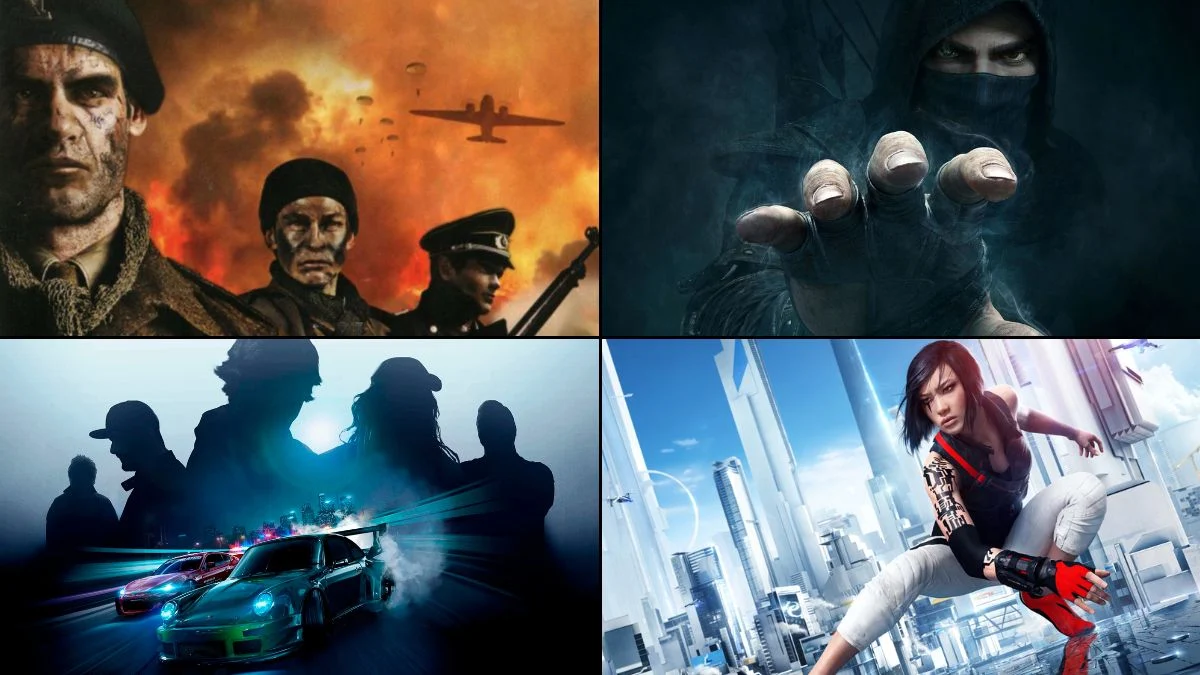

Reboots promise a clean slate that refreshes mechanics and tone while introducing a franchise to new players. When they miss the mark the result can be confused design choices, technical problems, or business models that clash with what made the originals work. This list looks at games that attempted a fresh start and ran into issues that are well documented in release notes, patch histories, platform updates, or later studio decisions.
Each entry focuses on useful details such as platforms, key mechanical changes, monetization shifts, and what happened after launch. You will find how features differed from the source material, how servers or modes were supported, and whether a reboot carried a series forward or left it dormant.
Sonic the Hedgehog
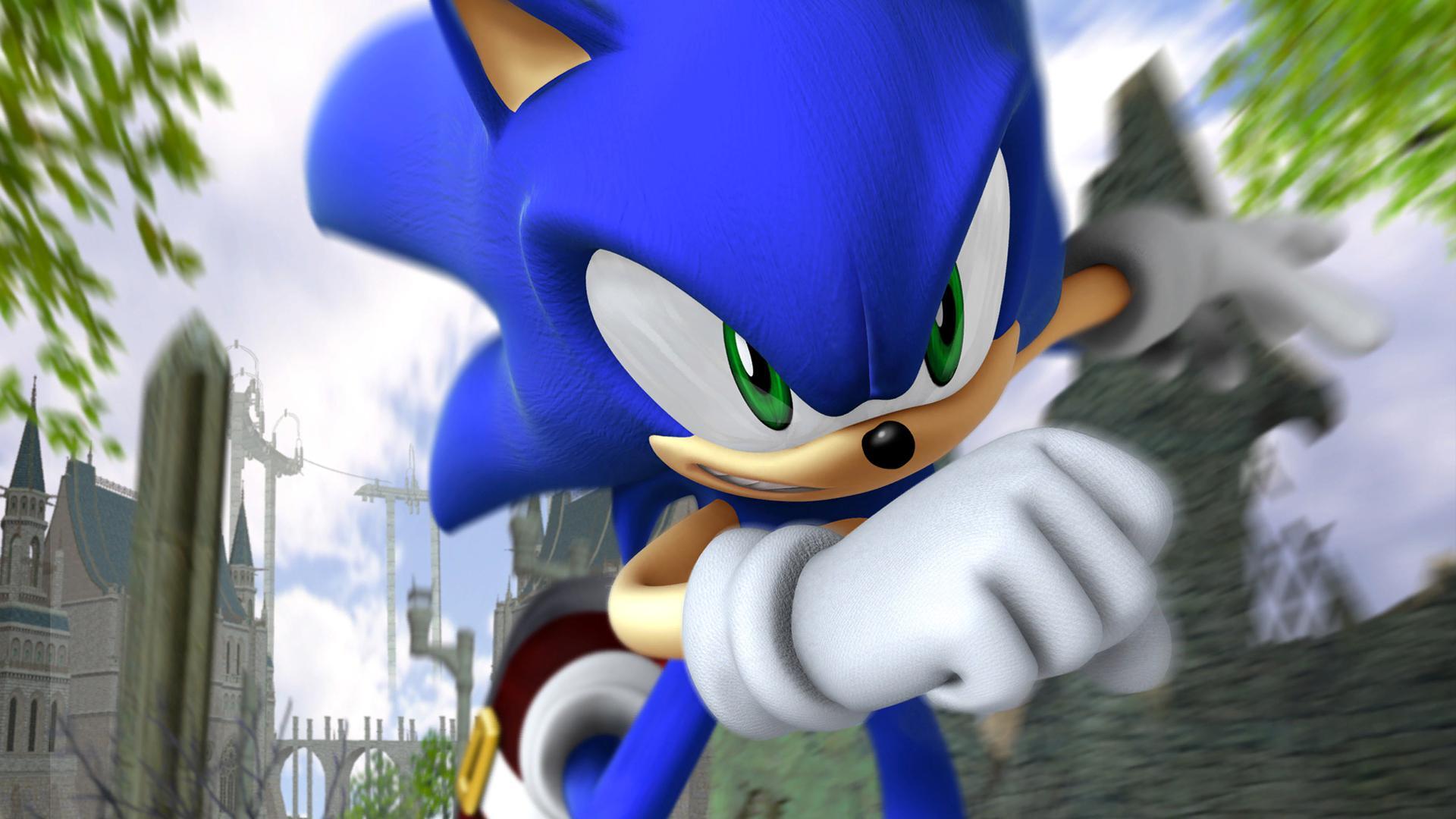
The 2006 release landed on PlayStation 3 and Xbox 360 and positioned itself as a full series reset with a new setting and timeline. It introduced the character Silver, used an adventure hub with NPC quests, and relied on frequent loading scenes that interrupted play. Physics and collision behaved differently from earlier entries which affected platforming consistency across its campaign routes.
Long level loads and scripting issues were widely documented in early patches and coverage. The Windows version that had been discussed did not arrive and story elements introduced here were not continued in later mainline entries which effectively left this continuity isolated.
Bomberman Act Zero
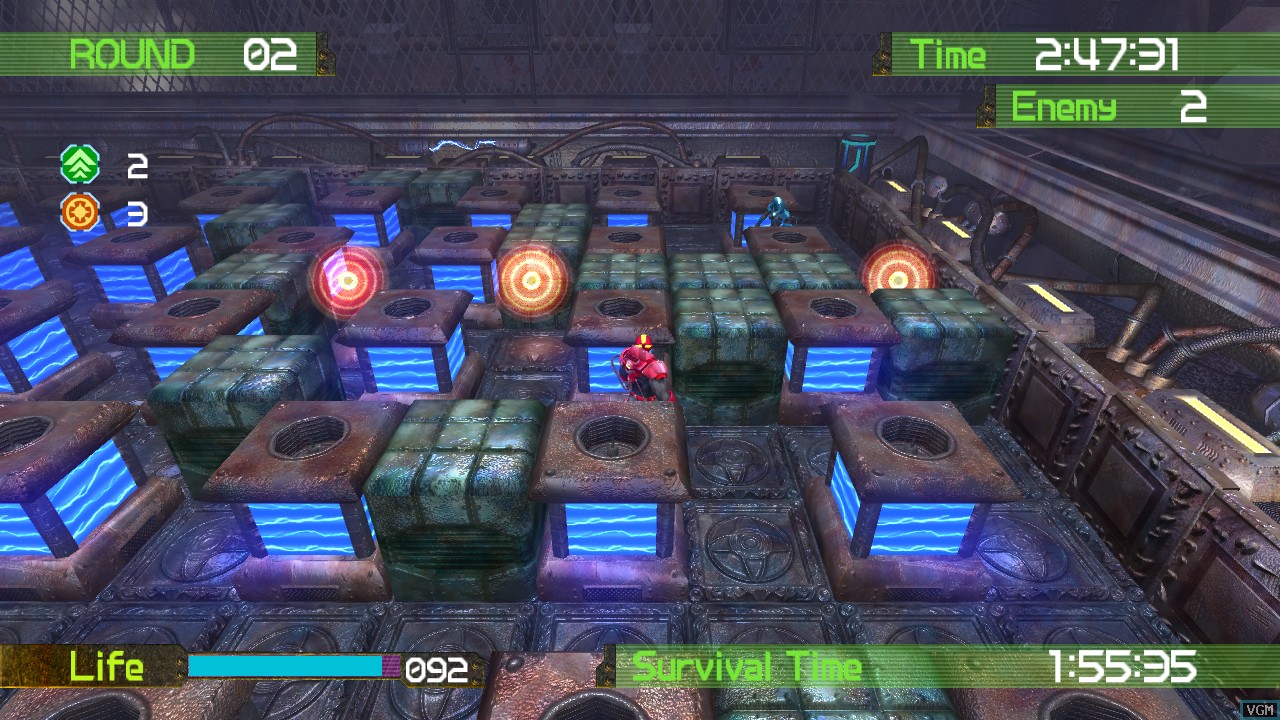
This Xbox 360 entry reimagined a light party series as a grim survival experience. The game centered play around a progression of single room arenas and a character upgrade system that replaced the colorful cast with armored avatars. The initial package leaned on ranked online play while limiting local friendly options that long time fans expected.
The reboot’s shift in tone was accompanied by a steep challenge structure with lengthy tower runs. Subsequent Bomberman projects returned to a brighter look and restored couch friendly modes which signaled that this take did not become the template for future releases.
Syndicate
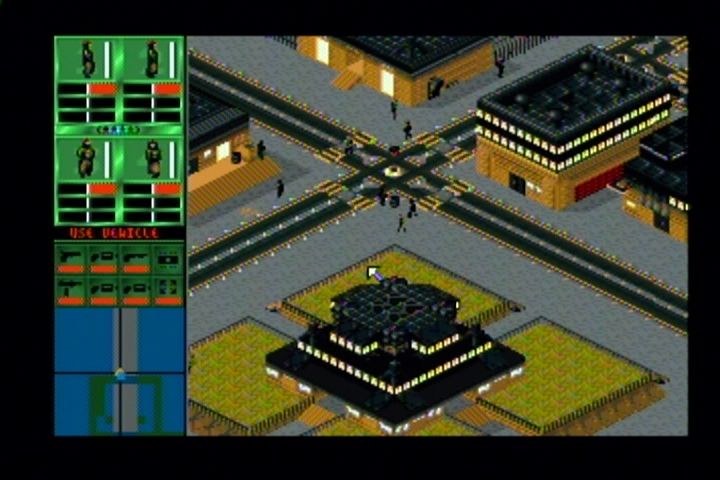
The 2012 reboot moved the series from isometric tactics to a first person shooter on PlayStation 3, Xbox 360, and PC. Core concepts such as corporate warfare and cybernetics remained but the experience focused on shooting, scripted set pieces, and a separate cooperative mode with progression.
This change in genre displaced systems like squad command and open ended infiltration that defined the originals. Sales and community activity settled quickly after release and the franchise did not continue in this form in the years that followed.
Dungeon Keeper

The 2014 mobile release reintroduced classic dungeon building with a free to play structure on iOS and Android. Construction timers, premium currency walls, and energy gates shaped basic actions such as digging tiles or placing rooms.
Player progression and combat were bound to monetization loops which replaced the old campaign pacing. External advertising and store page reviews drew regulatory attention in some regions and the series did not build a sustained live service audience from this version.
SimCity

The 2013 release used the original name for a modern reintroduction on PC with a regional simulation model and mandatory online connection at launch. City plots were smaller than in earlier entries and many services were regionalized which shifted strategy toward intercity cooperation.
Launch week server load prevented access and caused simulation desyncs which led to refunds in some storefronts and emergency capacity changes. Offline play was added in a later update and the developer shifted its focus to other projects rather than continuing this line with sequels.
Thief
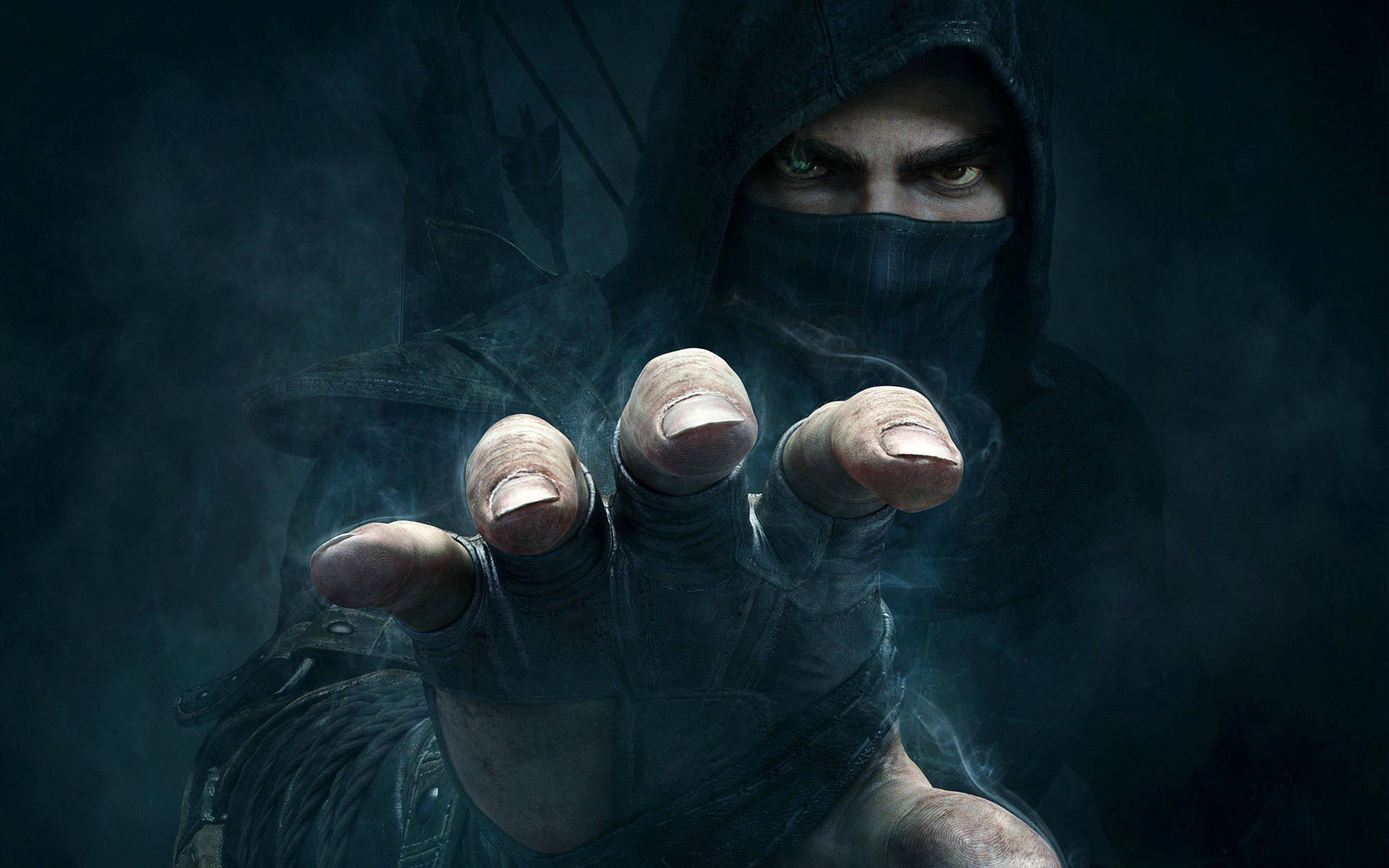
This 2014 title brought the stealth series back on PlayStation 4, Xbox One, and PC with a new continuity. The design introduced a vision overlay for environmental clues, a city hub with instanced districts, and a stealth system that leaned on light and sound meters rather than the older tool heavy approach.
Level segmentation and frequent corridor transitions changed how missions flowed compared to earlier sandboxes. Post launch updates addressed performance and input feel, yet the series did not immediately receive a follow up in this rebooted timeline.
Golden Axe Beast Rider
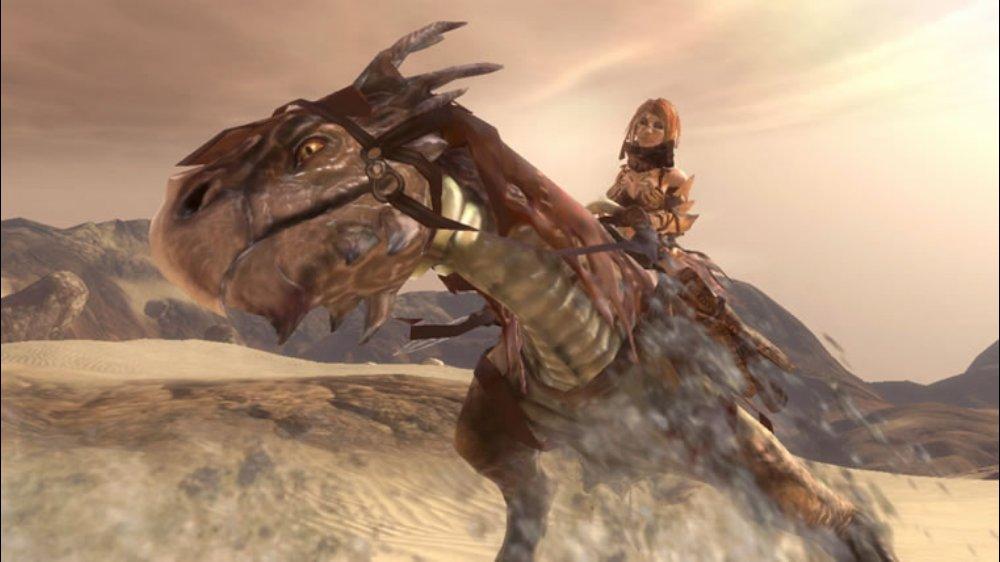
The 2008 revival on PlayStation 3 and Xbox 360 focused on a single hero named Tyris and removed traditional co op. Combat centered on combos, parries, and counter windows with frequent mounted sequences and quick time events.
This approach replaced earlier belt scrolling stages and shared screen teamwork. After release the brand went quiet in the console space for years and later references to Golden Axe in collections and mini systems favored the original arcade style rather than this direction.
Alone in the Dark Illumination
Arriving in 2015 on PC, this version reframed a survival horror staple as a four player cooperative shooter. Classes with distinct abilities took on waves of enemies across objective based maps while story material connected loosely to prior lore.
The pivot to online co op de emphasized resource scarcity and puzzle solving. Technical issues at release and limited post launch activity led to a short tail, and the next revisit to the brand pursued a different structure.
Commandos Strike Force
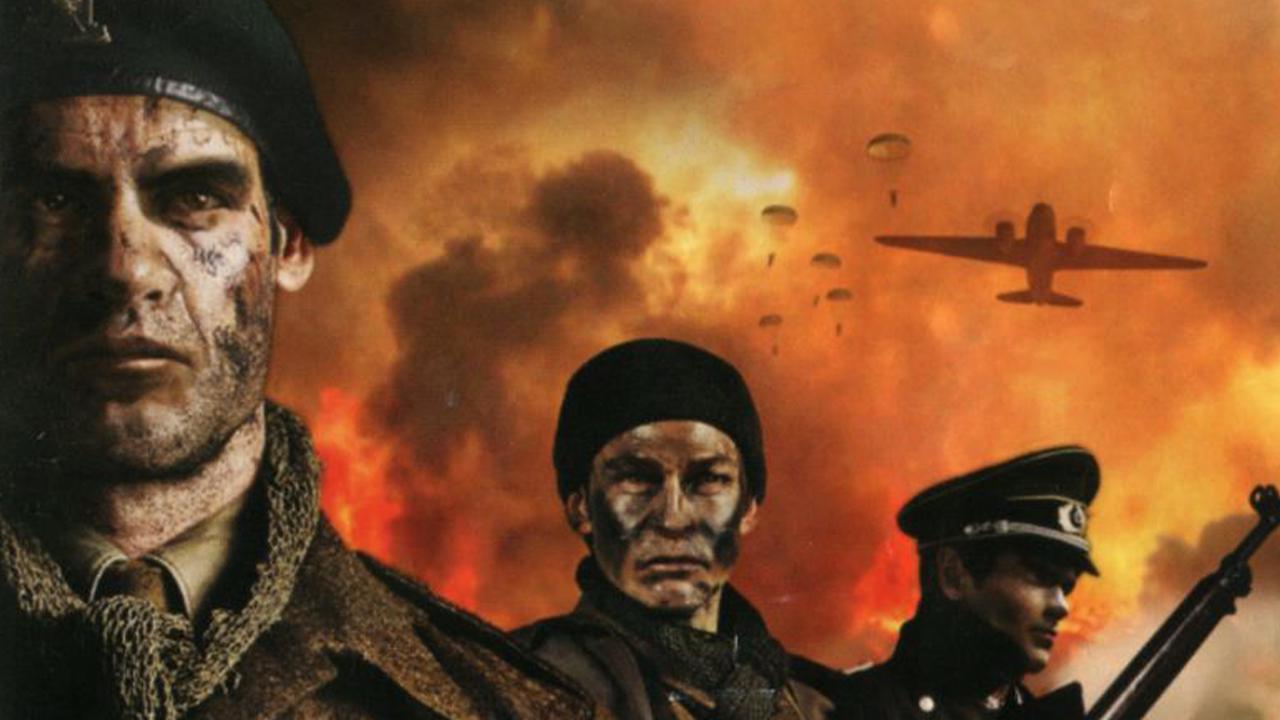
The 2006 project switched from real time tactics to a first person format on PlayStation 2, Xbox, and PC. Missions alternated between three specialists with firearms focused objectives and stealth takedowns in smaller zones.
This change removed the overhead planning layer and synchronized team puzzles that defined the original run. Reviews and sales did not position this approach for continuation and the franchise paused until later remasters of the classic entries.
Shadowrun
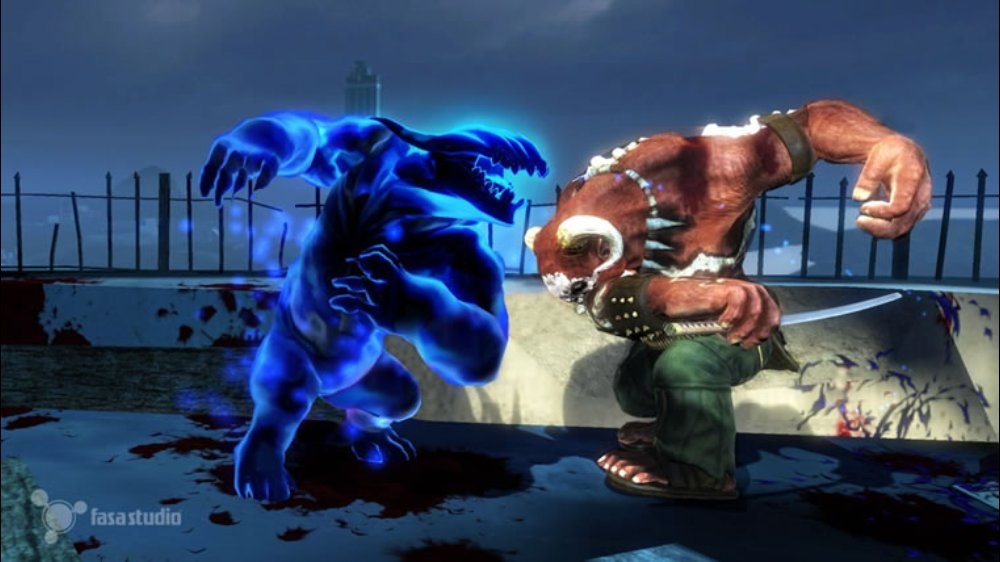
The 2007 entry on Xbox 360 and PC leaned entirely on multiplayer with cross platform play and no single player campaign. Races, magic abilities, and tech augmentations offered team roles in round based matches on compact maps.
By centering competitive play it set aside RPG progression and narrative that the tabletop line and earlier computer games featured. Population declined after the initial window and servers and updates scaled down without a content roadmap to extend longevity.
Turok
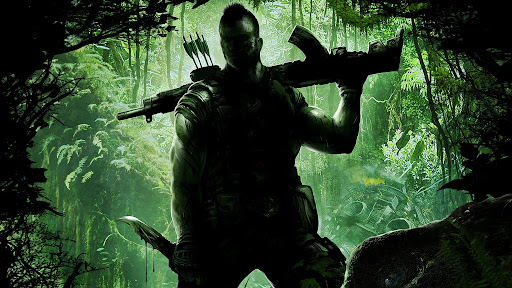
This 2008 release on PlayStation 3, Xbox 360, and PC opted for a new protagonist and timeline. Jungle arenas supported stealth or direct combat while dinosaurs served as both hazards and tools that could be lured into fights.
Several signature weapons and enemies from the previous run were absent at launch which changed the series identity. The reboot did not build into a continuing arc and the brand later reappeared through remasters of classic entries rather than a sequel to this version.
Mirror’s Edge Catalyst

The 2016 return on PlayStation 4, Xbox One, and PC rebooted the setting and offered an open city with time trial social features. Movement progression was tied to unlocks and combat relied on traversal driven strikes rather than firearms.
The expanded map reduced the tight bespoke route design of the original game. Post launch patches improved stability and time trial sharing but the series has not added another installment since this reintroduction.
Need for Speed 2015

This entry reset the brand on PlayStation 4, Xbox One, and PC with always online requirements and a night only city. A live action cast delivered a story about tuning and crew culture while handling models emphasized drift and style chains.
Rubber band systems and server dependency shaped solo play. Over several free updates the developers added manual transmission, new events, and cars, then moved on to the next release without turning this version into a long term platform.
Prince of Persia 2008
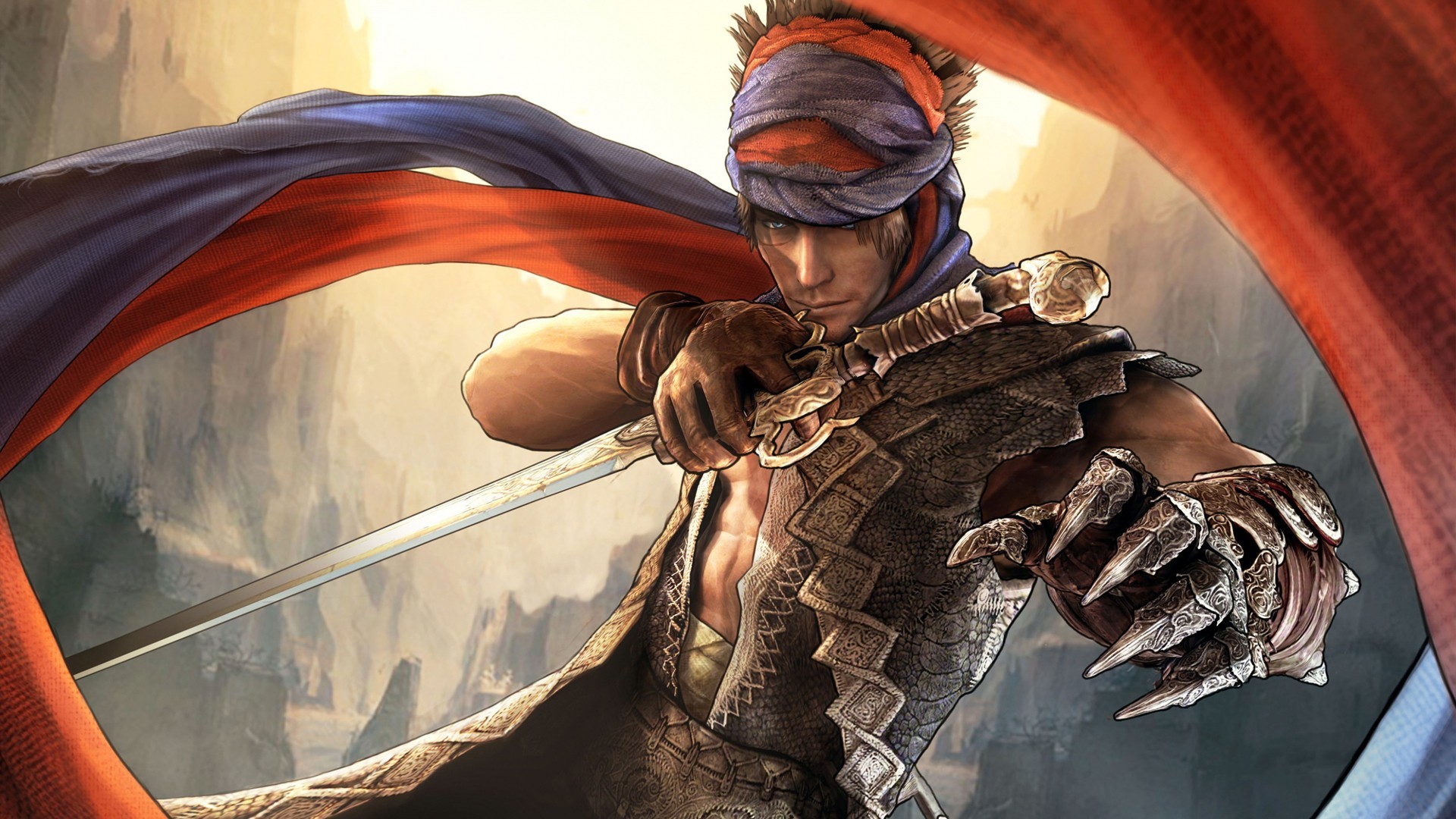
The reboot introduced a self contained story, a cel shaded presentation, and a companion character named Elika on PlayStation 3, Xbox 360, and PC. Platforming included a rescue mechanic that returned players to safe footing instead of game over screens.
Progression relied on collecting light seeds to unlock new paths which created repetition across areas. The follow up content arrived as a downloadable epilogue and the next main Prince of Persia projects did not continue this continuity.
Star Fox Zero
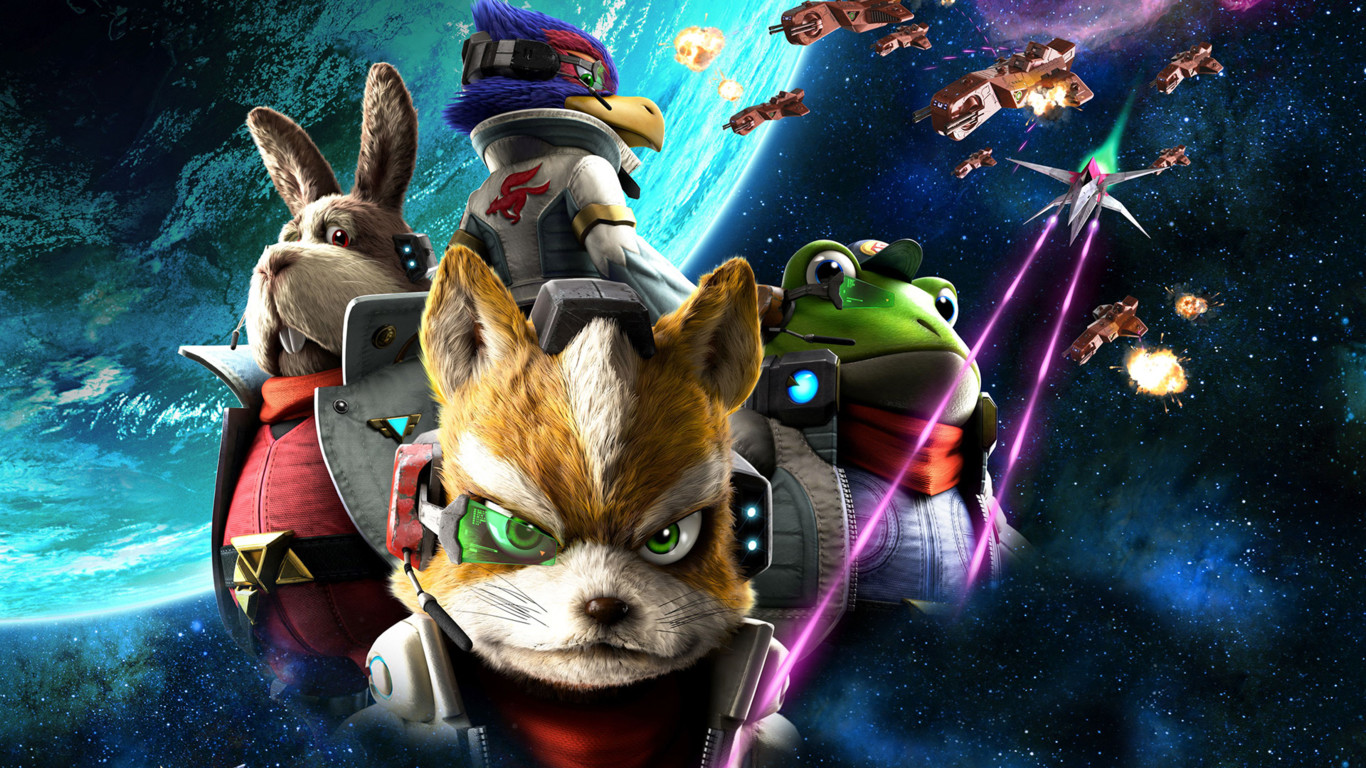
Launching on Wii U in 2016, this reimagining of a classic campaign used dual screen aiming with motion controls. The television showed the cinematic view while the GamePad displayed a cockpit camera that was required for precision shots.
The control scheme increased the learning curve for basic maneuvers and boss weak points. Optional co op split piloting and shooting across two players yet the approach did not carry into later series entries that returned to simpler inputs.
Front Mission Evolved
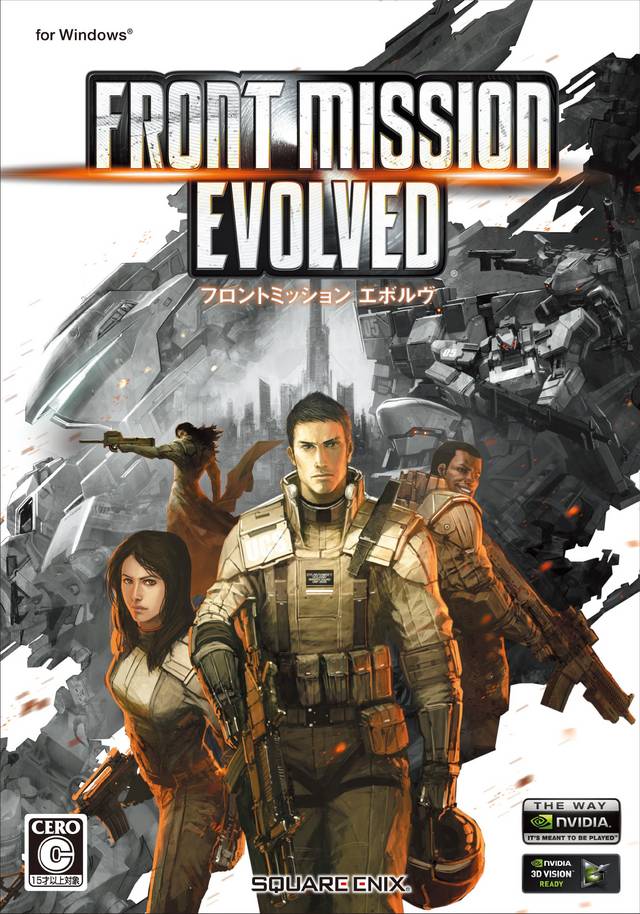
The 2010 release on PlayStation 3, Xbox 360, and PC transformed a tactical series into a third person action game. Players customized mechs called wanzers and fought through linear missions with on foot segments between battles.
This design removed the turn based layer and strategic positioning that defined earlier games. Multiplayer playlists and DLC arrived near launch and then support tapered off while the brand later resurfaced through remakes of the original tactics titles.
Final Fight Streetwise
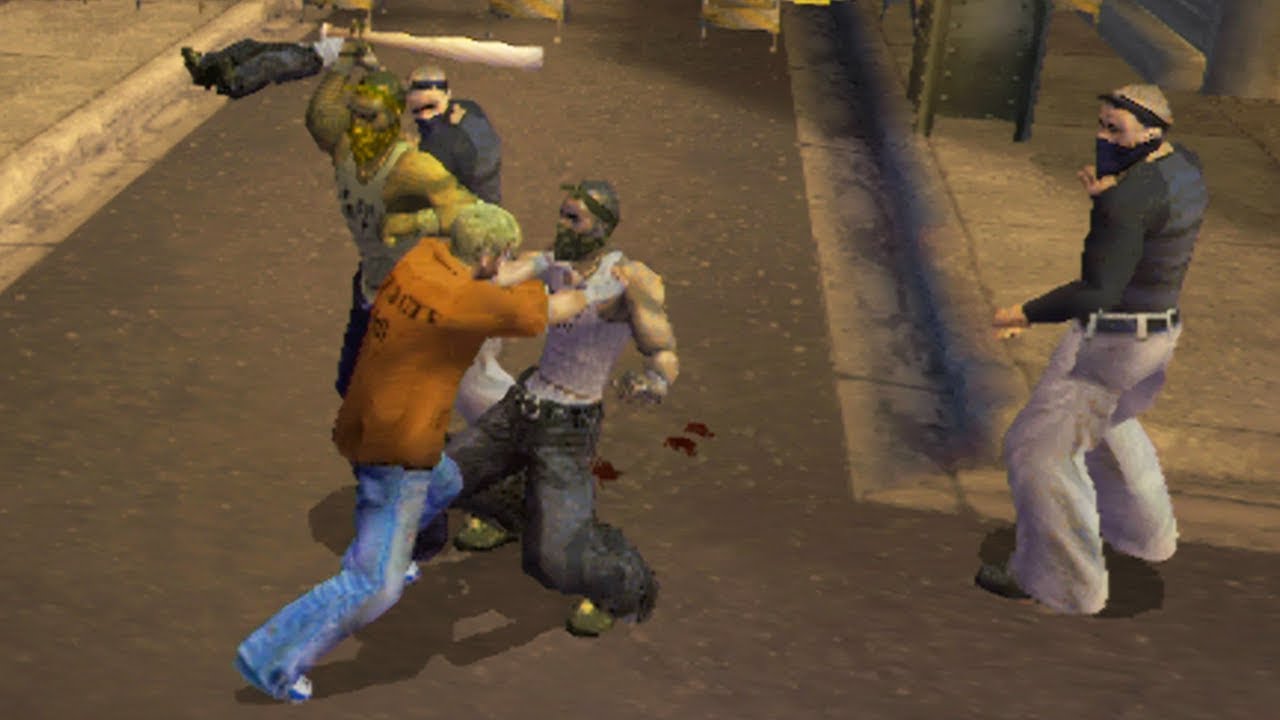
In 2006 the series came back on PlayStation 2 and Xbox as a 3D brawler with a hub, side jobs, and a darker tone. Combat used lock on targeting, counters, and skill upgrades rather than old school scrolling stages.
Presentation choices and structure moved away from arcade pacing. The studio behind this version closed soon after release and the brand returned to its roots through compilations and guest appearances in other Capcom projects.
NARC
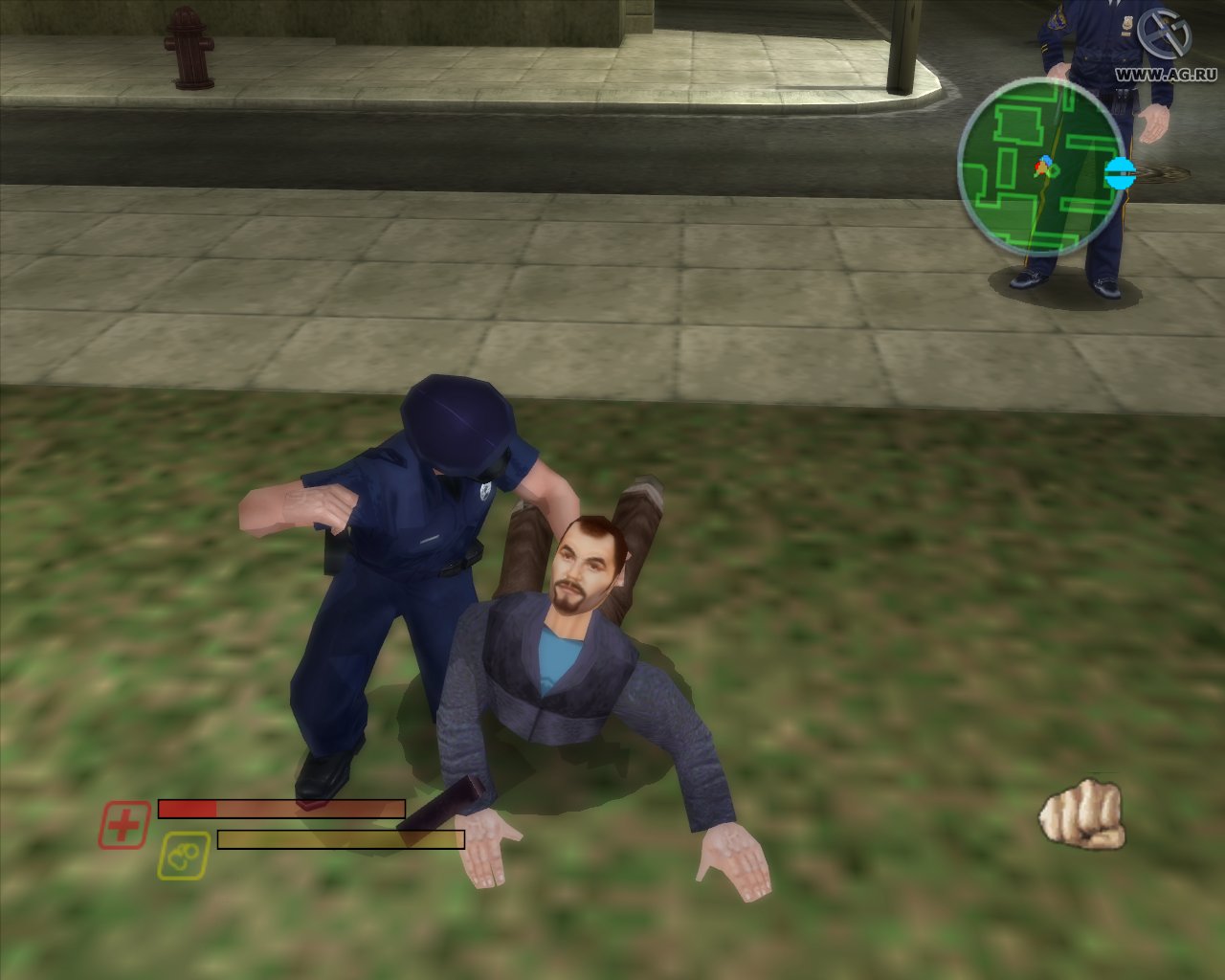
Midway revived its arcade property in 2005 on PlayStation 2 and Xbox with a modern third person design. It added a system where drug pickups granted temporary boosts while also risking negative effects and arrest penalties.
The campaign framed choices within missions that affected rating and access to gear. The game landed without a sequel and the property has since appeared mainly as retro content rather than a continuing rebooted series.
Ultima Forever Quest for the Avatar
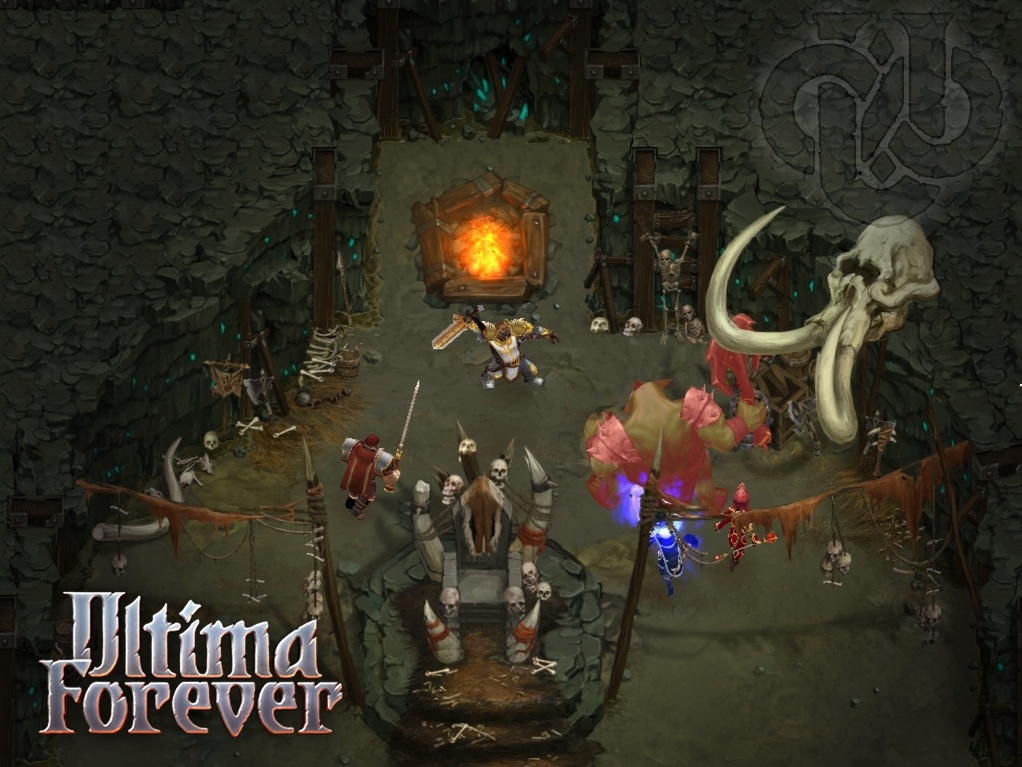
This 2013 mobile reimagining adapted the principles of Ultima IV to a touch interface with online requirements. Progress and crafting were tied to stamina and currency systems and dungeons were designed for quick session play.
The service operated for roughly a year before servers went offline which ended access to characters and items. The closure halted any expansion plans and the series has not returned in a comparable online mobile format.
Contra Rogue Corps
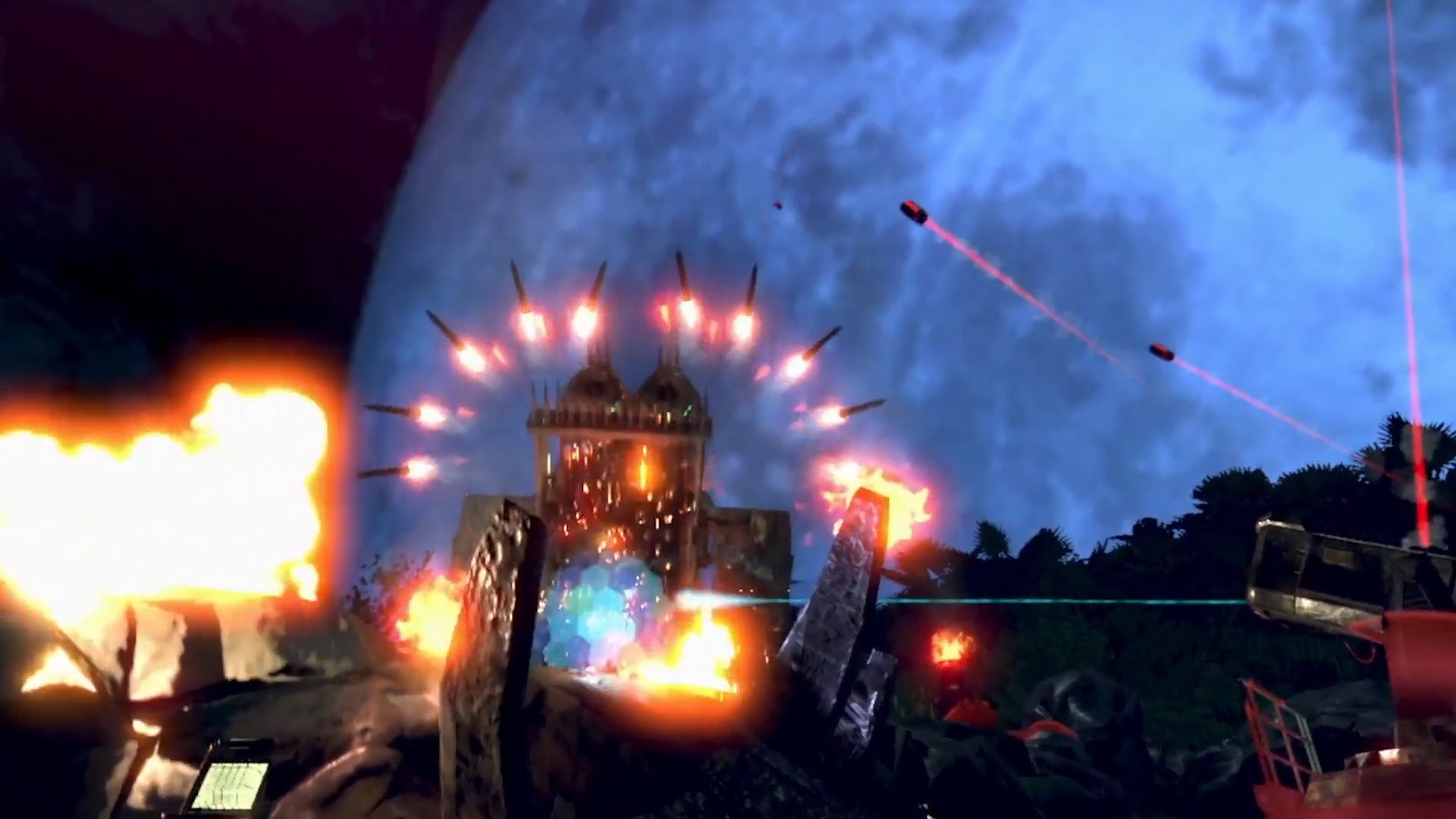
The 2019 revival on PlayStation 4, Xbox One, Switch, and PC opted for a top down twin stick structure with character classes. Gear scores, cooldown driven abilities, and upgrade crafting shaped progression rather than the classic pure run and gun loop.
Performance targets varied across platforms and online co op centered endgame replay. Later releases bearing the Contra name moved back toward side scrolling action which signaled a step away from this reboot’s direction.
Share your picks and personal experiences with these reboots in the comments so we can compare notes on what worked and what did not.