Did You Know These 10 Things About ‘Inglourious Basterds’?

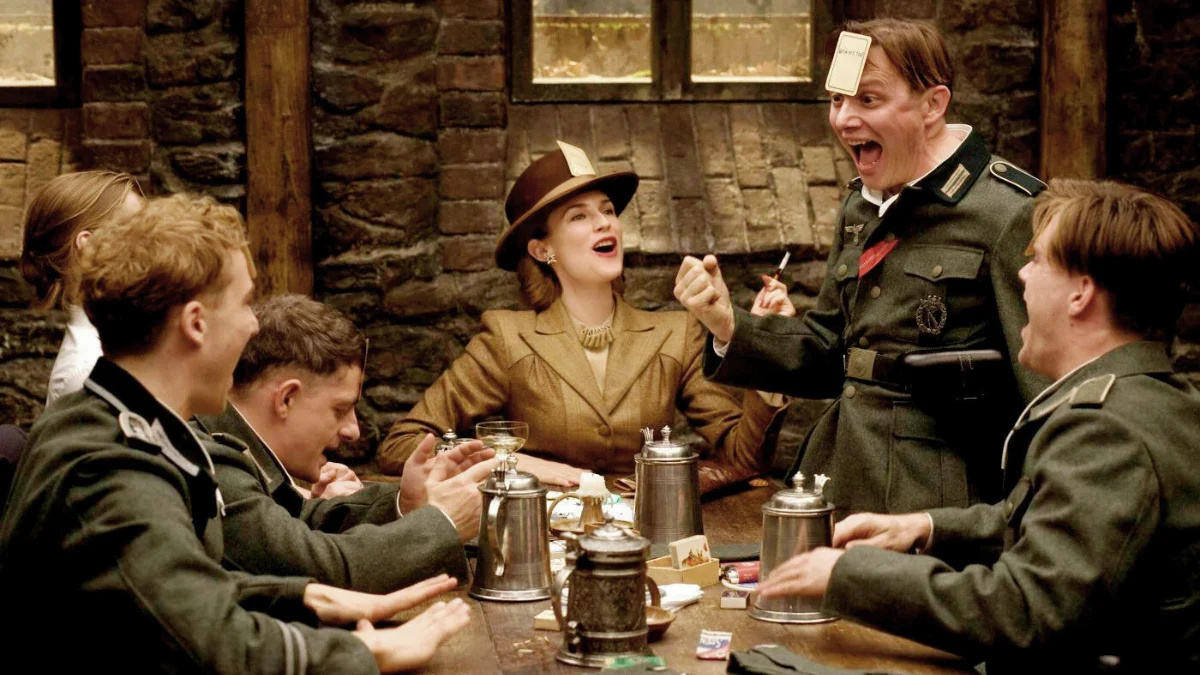

When ‘Inglourious Basterds’ premiered in 2009, it brought Quentin Tarantino’s unique style to the World War II genre. Mixing historical fiction with pulp storytelling, the film followed multiple intertwining plots, including a band of Jewish-American soldiers on a mission to terrorize Nazis, a French cinema owner seeking revenge, and the rise of the cunning SS officer Hans Landa. With sharp dialogue, dark humor, and shocking violence, it became one of Tarantino’s most celebrated works.
The film received critical acclaim and earned multiple Academy Award nominations, with Christoph Waltz winning Best Supporting Actor for his unforgettable role as Colonel Landa. Behind its stylish execution and alternate-history finale, there are many fascinating details that helped shape the film. Here are ten things you might not know about ‘Inglourious Basterds’.
The Title Was Intentionally Misspelled
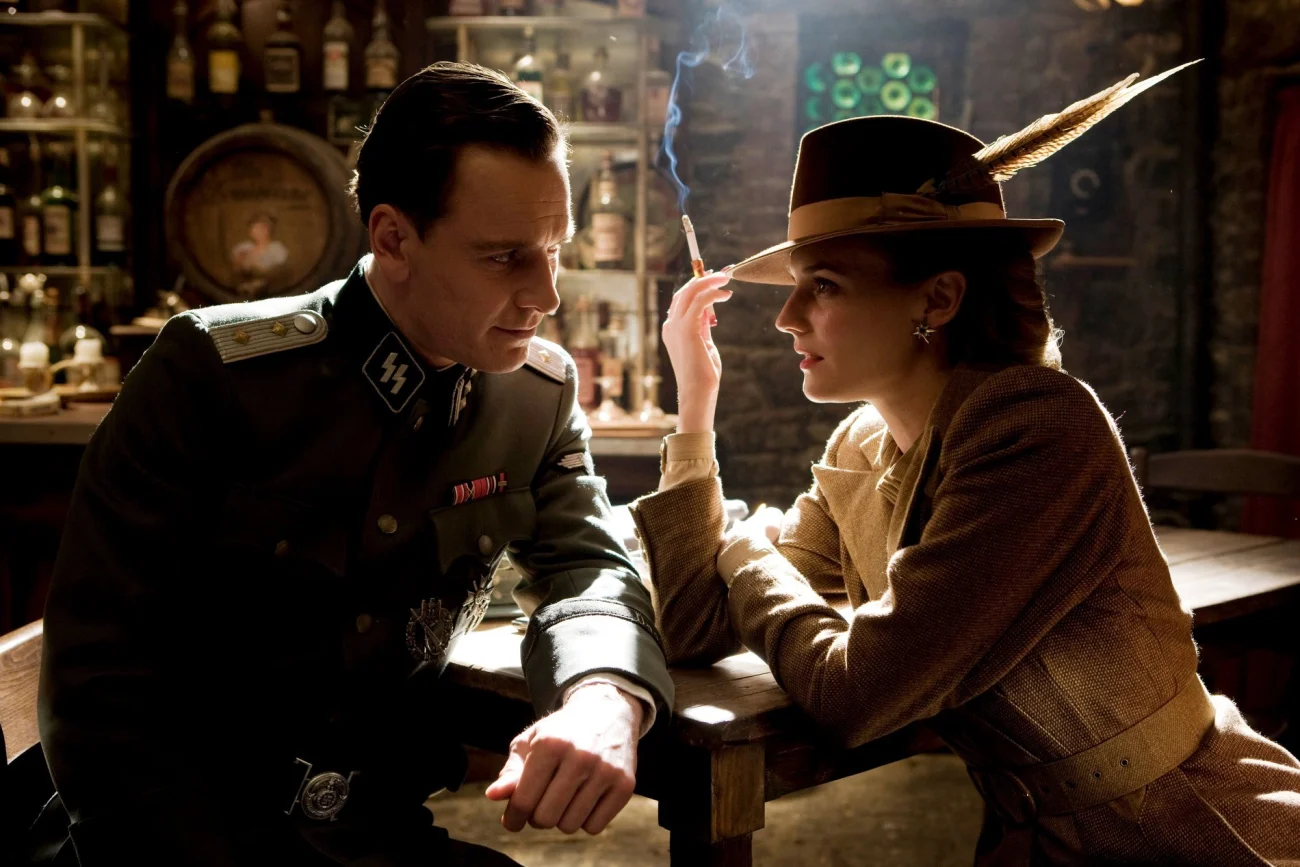
Tarantino has never fully explained the misspelling of “Inglourious Basterds,” though he has hinted it was done to give the film a unique identity.
The odd spelling made the title instantly recognizable and distinguished it from Enzo G. Castellari’s 1978 war film ‘The Inglorious Bastards,’ which loosely inspired Tarantino’s movie.
Christoph Waltz Nearly Didn’t Get Cast
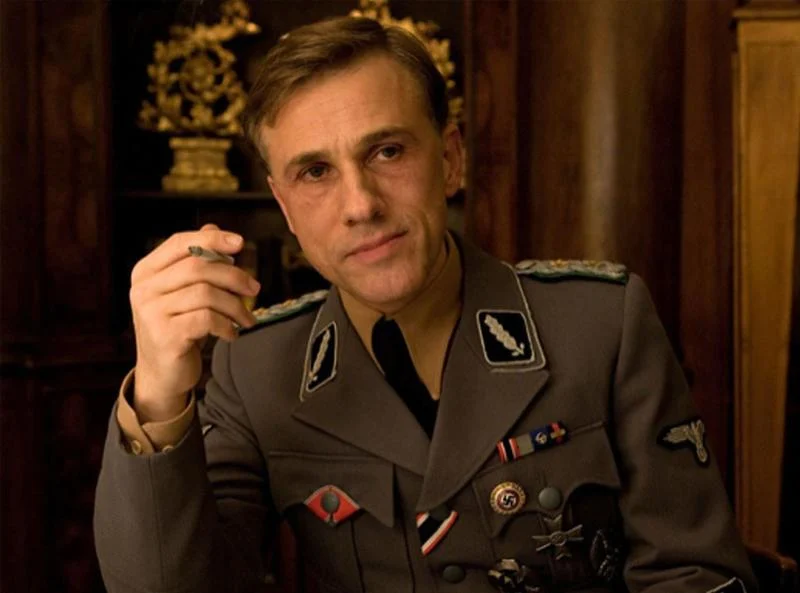
Tarantino struggled to find the right actor for Colonel Hans Landa, fearing the role was “unplayable.” Christoph Waltz eventually auditioned and blew everyone away.
Waltz’s performance earned him an Academy Award and launched him into international stardom.
Brad Pitt’s Aldo Raine Had a Unique Accent
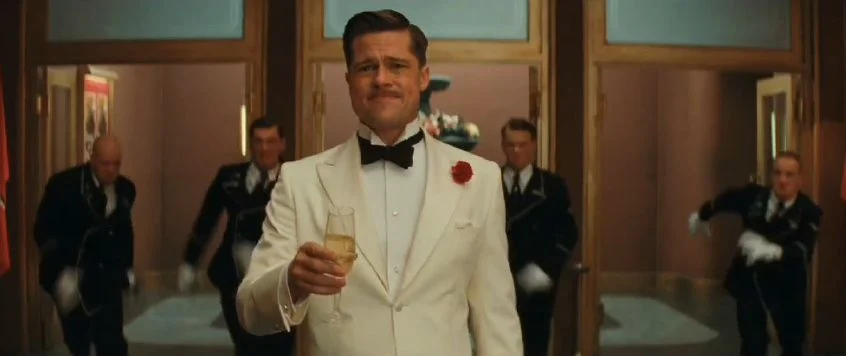
Brad Pitt gave Lieutenant Aldo Raine a thick Appalachian accent. Tarantino wanted the character to feel larger than life, almost like a folk hero.
The accent also added humor, especially in the scene where Aldo pretends to speak Italian.
The Opening Scene Took Weeks to Film
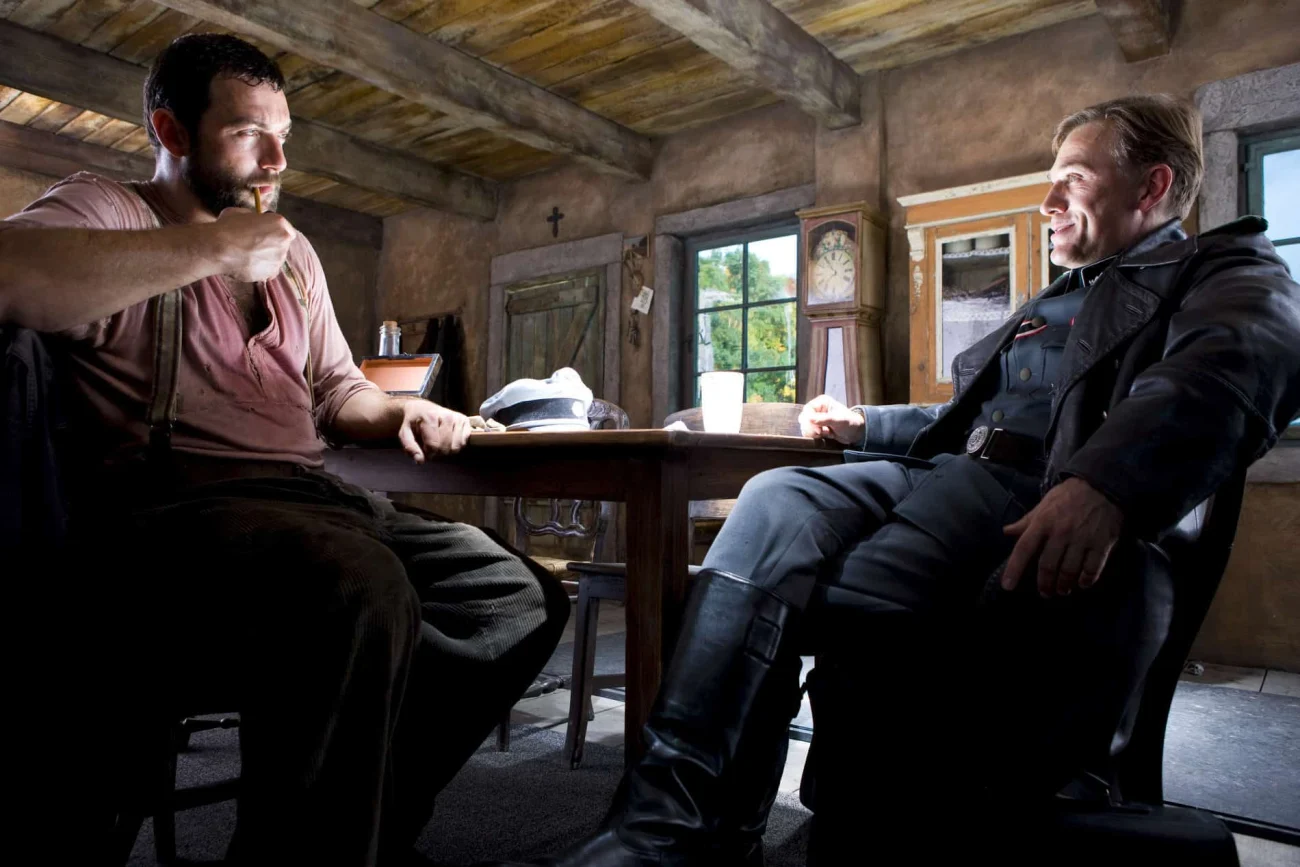
The tense farmhouse sequence that introduced Hans Landa was filmed over several weeks. Tarantino wanted to stretch the suspense, creating one of the most nerve-wracking openings in film history.
The combination of long takes, shifting languages, and Landa’s polite menace made it unforgettable.
Shosanna’s Story Was Inspired by Revenge Tales

Mélanie Laurent’s character, Shosanna Dreyfus, echoed themes of classic revenge cinema. Her plan to burn down her cinema full of Nazis became the film’s emotional centerpiece.
This storyline gave the film both personal stakes and a larger sense of poetic justice.
Eli Roth Directed the Propaganda Film Within the Film
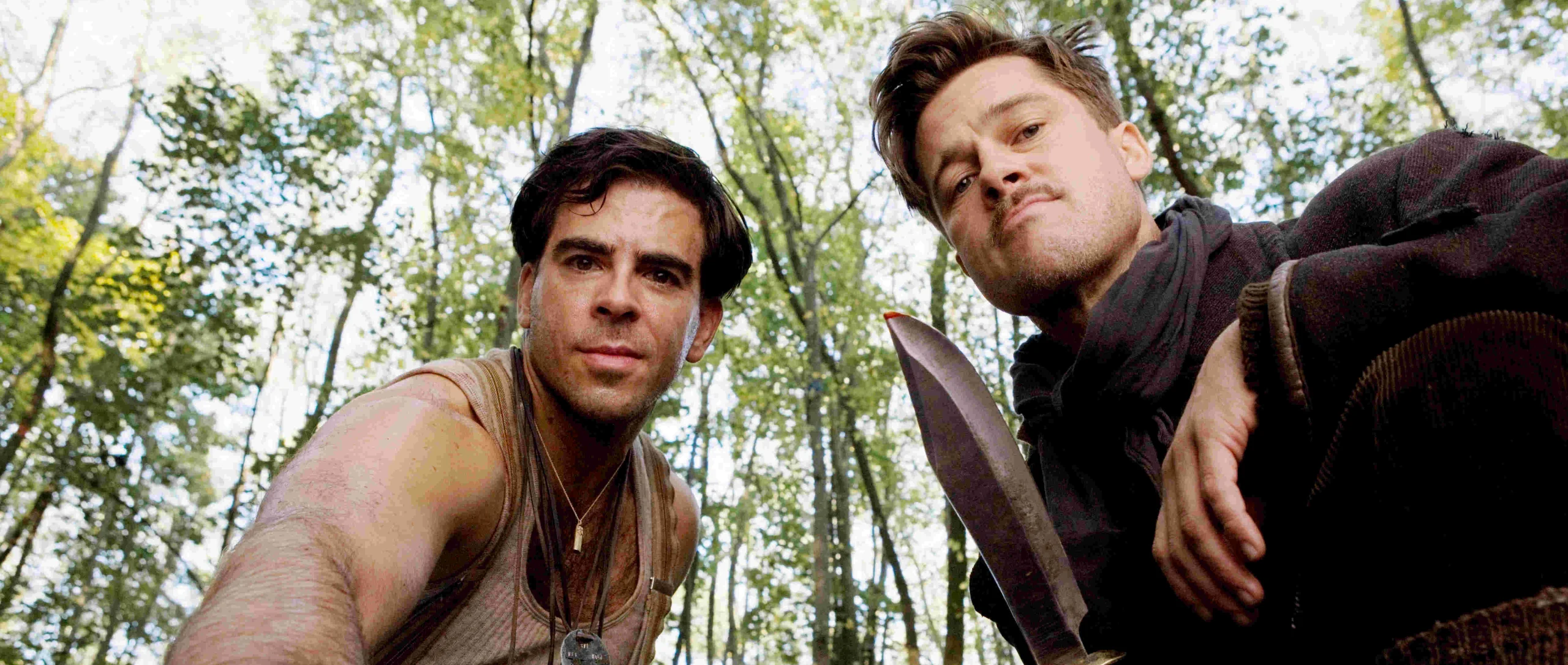
Eli Roth, who played Sergeant Donny Donowitz, also directed the fake Nazi propaganda movie ‘Nation’s Pride,’ which appeared within ‘Inglourious Basterds.’
This detail allowed Roth to contribute both on-screen and behind the camera, adding to the film’s layered storytelling.
Quentin Tarantino Considered Making It a Miniseries

The script for ‘Inglourious Basterds’ was originally much longer, and Tarantino considered turning it into a miniseries before trimming it down to a feature film.
He condensed the story into two and a half hours, focusing on the intersecting narratives that drove the final cut.
The Strudel Scene Was Rich with Symbolism

The café scene where Landa makes Shosanna eat strudel with cream was filled with subtle tension. Tarantino used food as a weapon, turning a simple dessert into a psychological trap.
The scene emphasized Shosanna’s fear and Landa’s unsettling control, building dread without violence.
David Bowie’s Music Was Used Unexpectedly
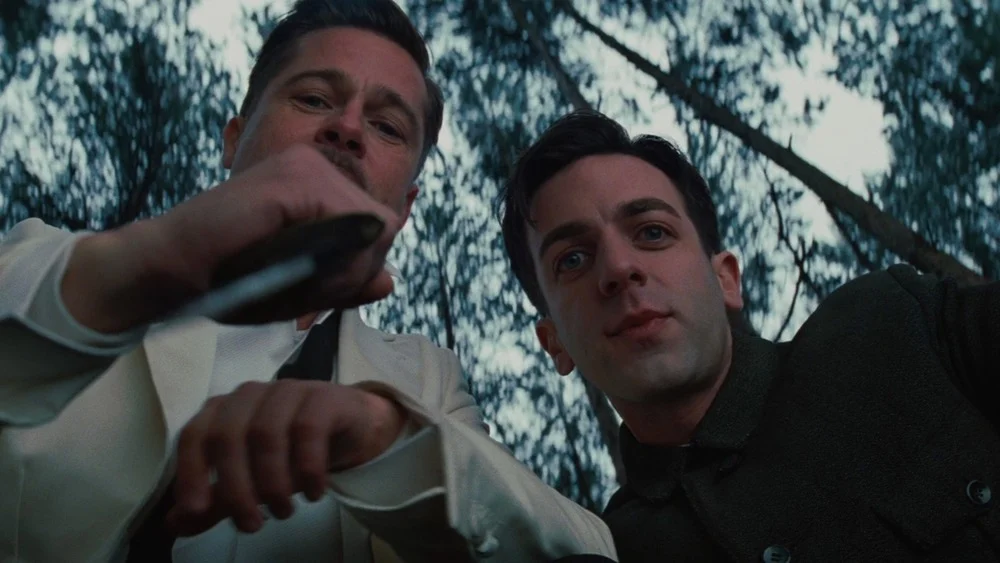
The film featured David Bowie’s song “Cat People (Putting Out Fire)” during Shosanna’s preparation for her revenge. Though anachronistic, it fit perfectly with the film’s bold, genre-blending style.
Tarantino often uses modern music in period settings, and this choice gave the sequence extra energy and emotion.
It Changed History in Explosive Fashion
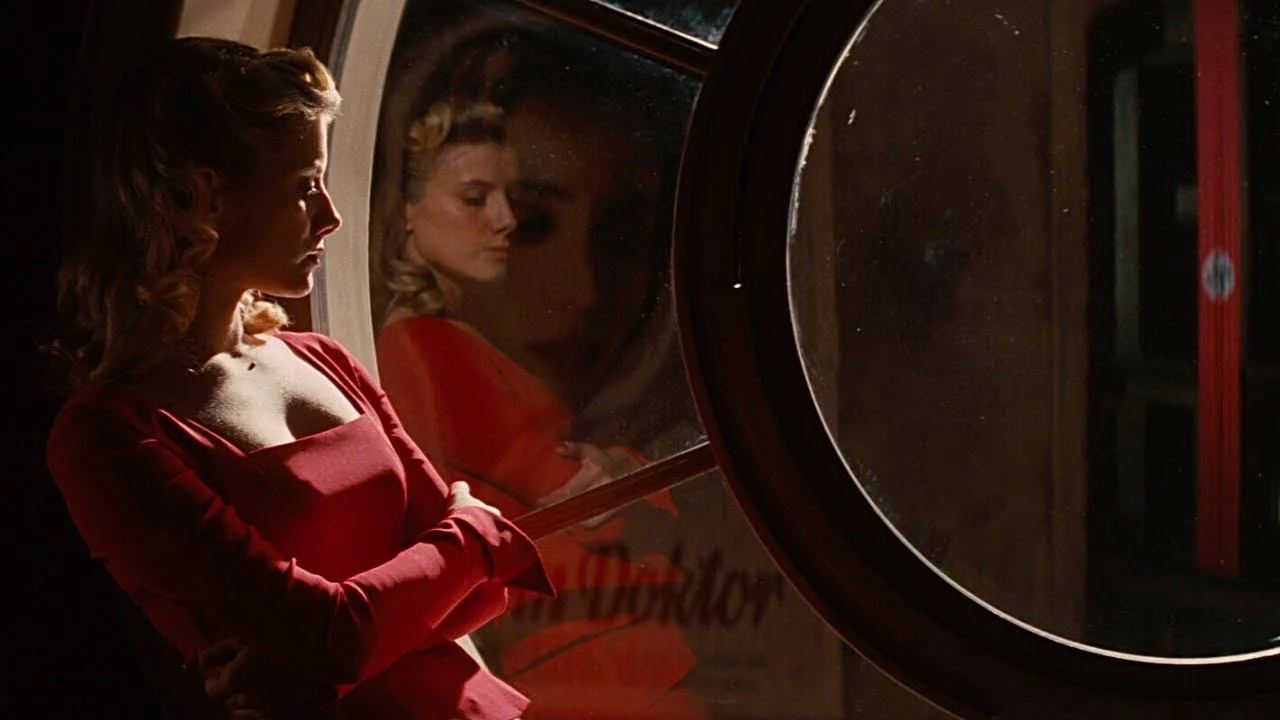
Unlike most war films, ‘Inglourious Basterds’ rewrote history by having Hitler and other Nazi leaders die in Shosanna’s cinema.
This bold alternate-history ending shocked audiences and became one of the film’s defining traits, showing Tarantino’s willingness to break convention.
What fact about ‘Inglourious Basterds’ did you find the most surprising? Share your thoughts in the comments!