Top 10 Video Game Franchises


Video game franchises shape how people play, connect, and collect stories across decades. The biggest series keep expanding with new entries, spin offs, and remasters, while staying clear about the characters, worlds, and mechanics that define them. These are the long running names that built dedicated communities, crossed platforms, and influenced entire genres through consistent releases and smart evolution.
From classic platformers and role playing epics to open world sandboxes and tactical shooters, each franchise below has a concrete footprint that reaches beyond a single hit title. You will find first release dates, key installments, trademark systems, and notable extensions into online services or other media that keep these universes active for new and returning players.
Super Mario
Nintendo introduced Mario as a playable hero in 1985 on the Famicom and NES with Super Mario Bros after the character first appeared in 1981 in an arcade game. The franchise centers on side scrolling and 3D platforming with clear level goals, power ups like the Super Mushroom and Fire Flower, and recurring characters such as Luigi, Peach, Bowser, and Yoshi. Mainline entries advanced movement and camera control through games like Super Mario 64, Super Mario Galaxy, and Super Mario Odyssey across successive Nintendo systems.
The series also branches into kart racing, party games, and maker style creation tools. Notable spin offs include Mario Kart, Mario Party, and Super Mario Maker, each built around straightforward mechanics and local or online multiplayer options that extend replay across handhelds and consoles in the Nintendo lineup.
Pokémon
Game Freak and Nintendo launched the franchise in 1996 on the Game Boy with paired releases that established catching, training, and battling as core loops. The main series features turn based battles, elemental types, and a structured journey across regional Pokédex collections with regular generational updates that add creatures, moves, and mechanics such as abilities and held items.
The brand expanded into trading cards, mobile games, and connected services that support transfers and storage. Television and film adaptations such as the long running ‘Pokémon’ anime and the live action movie ‘Detective Pikachu’ helped introduce regional starters and iconic characters to wider audiences while mainline games continued on handheld and hybrid Nintendo hardware.
The Legend of Zelda
Nintendo launched the first title in 1986 on the Famicom Disk System and NES with exploration, dungeon puzzles, and a focus on items that unlock new paths. The franchise follows Link, Zelda, and Ganon across timelines and regions with recurring artifacts like the Master Sword and the Triforce, while entries refine combat, traversal, and environmental problem solving.
Later releases introduced large free roaming maps, systemic interactions, and physics driven tools that encourage experimentation. The series also supports portable installments, remasters, and enhanced editions that adjust controls and presentation for newer platforms while preserving puzzle layout and signature musical cues.
Grand Theft Auto
DMA Design, later known as Rockstar North, started the series in 1997 with a top down crime game set across multiple cities. The franchise shifted to full 3D in 2001 and established open city exploration with story missions, side activities, radio stations, and a blend of driving and third person action that continued through successive console generations.
Grand Theft Auto Online added a persistent multiplayer component with heists, businesses, and regularly updated modes. The series has received expanded and enhanced versions that improve frame rate and visual fidelity, bringing older releases forward to newer systems while keeping progression structures and mission design intact.
Call of Duty
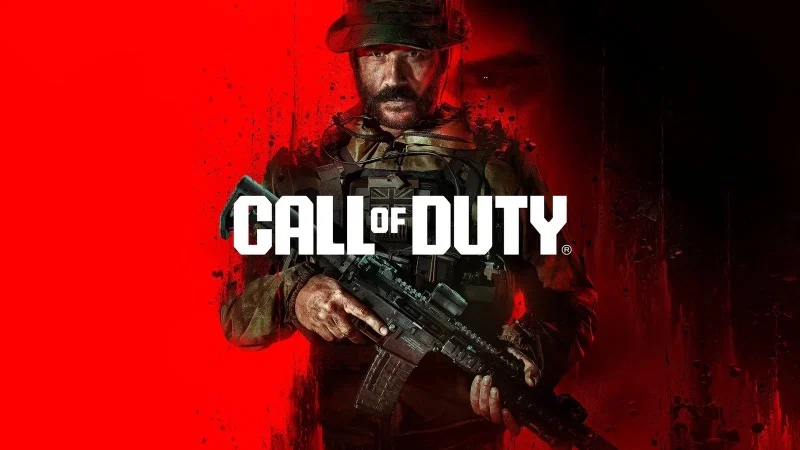
Infinity Ward and Activision debuted the franchise in 2003 with a World War II shooter on PC and consoles. The series adopted an annual release model with rotating studios and developed sub brands like Modern Warfare and Black Ops, featuring cinematic campaigns, competitive multiplayer playlists, and cooperative modes such as Zombies and Spec Ops.
The ecosystem now includes free to play entries and seasonal content that ties progression across games. Warzone introduced a large scale battle royale with cross platform play and shared weapon systems, while mainline releases continue to add movement updates, map rotations, and ranked rule sets that standardize competition.
Final Fantasy
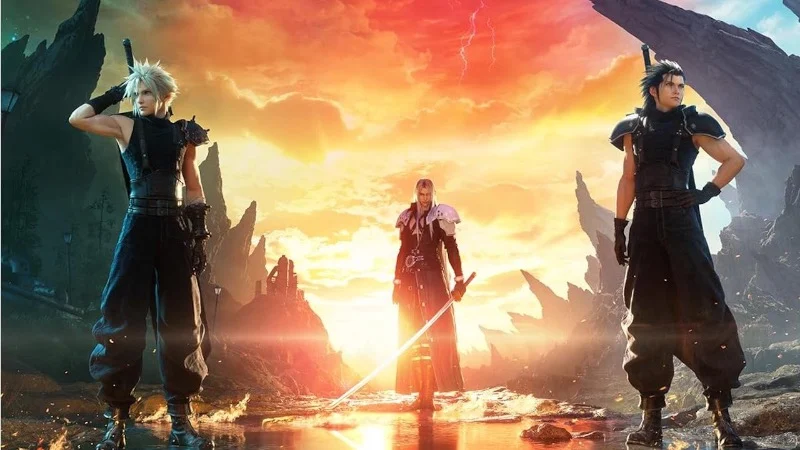
Square, now Square Enix, released the first game in 1987 on the Famicom and NES with turn based party combat and a focus on crystal lore. Each numbered entry introduces a new world, cast, and battle system, ranging from active time gauges and job systems to action oriented real time combat, while recurring elements include Chocobos, summons, and Cid.
The franchise spans numbered titles, direct sequels, and spin offs that apply tactical grids, rhythm gameplay, and massively multiplayer structures. Remasters and remakes revisit earlier entries with updated visuals and voice work, and online titles maintain long term content through expansions, raids, and seasonal events with persistent characters and economies.
Minecraft
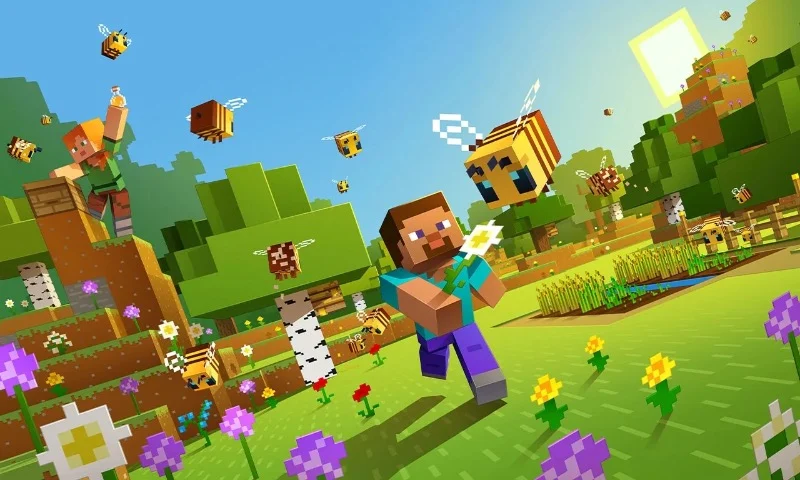
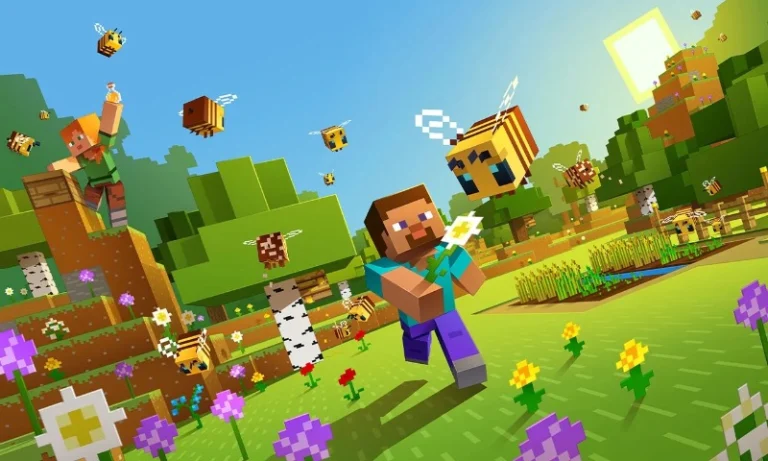
Mojang released the full version in 2011 after a public alpha and beta period, establishing a sandbox of blocks with crafting, survival, and creative modes. The core game supports procedurally generated worlds, redstone circuitry, and community made maps and servers, with cross platform play across consoles, PC, and mobile.
The franchise now includes Education Edition for classroom use, a dungeon crawler spin off, and an action strategy game that presents overworld factions and base building against hostile mobs. Marketplace content and regular updates add biomes, blocks, and mobs that integrate with existing save files while maintaining performance on a wide range of devices.
The Elder Scrolls
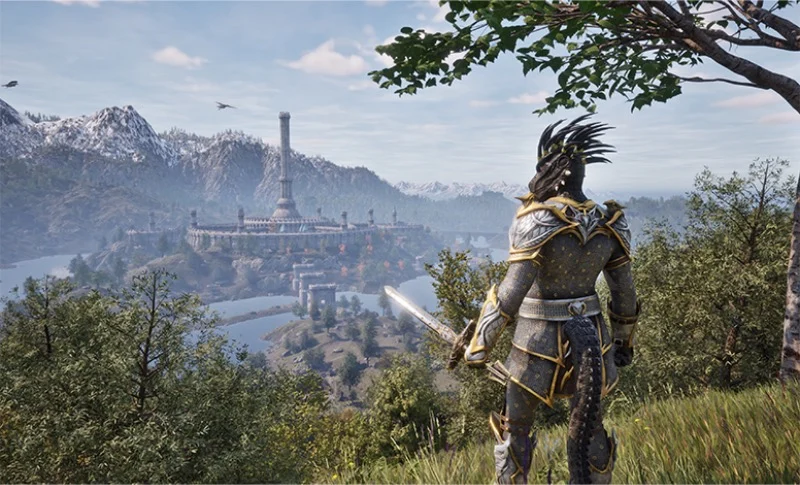
Bethesda Softworks began the series in 1994 on PC with a first person role playing game set in Tamriel. Later entries emphasized open ended character builds, faction questlines, and skill based progression that improves through use, while systems like alchemy, enchanting, and stealth enable multiple solutions to quests and encounters.
The franchise includes a long running online game with new zones, dungeons, and trial content released through chapters and downloadable packs. Mod support is a constant across PC releases and many console versions, enabling user created quests, visual upgrades, interface changes, and survival rules that extend the life of the main titles.
Resident Evil
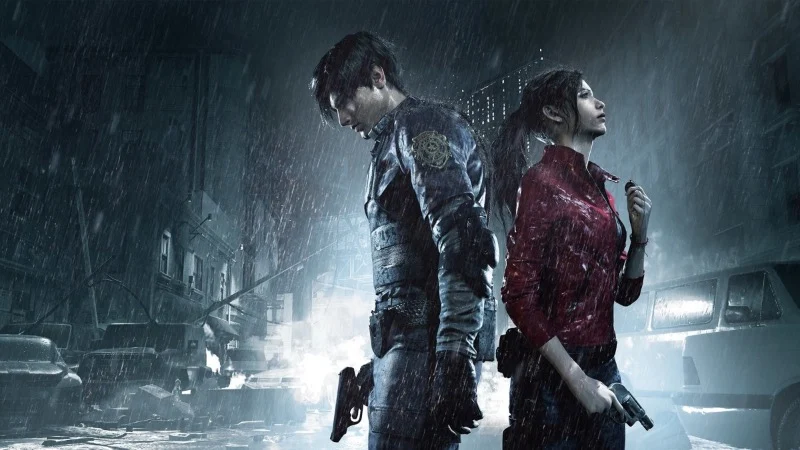
Capcom launched the franchise in 1996 on the PlayStation with a survival horror format that combined limited resources, puzzle locks, and fixed camera angles. The series shifted in 2005 to an over the shoulder view that influenced later action and horror entries while preserving inventory management and boss encounters tied to viruses and bio weapons.
Recent releases alternate between first person and third person perspectives and revisit earlier titles through full scale remakes with modern controls and reworked level flow. The brand also includes animated features and live action adaptations, as well as multiplayer experiments that introduce asymmetrical setups and co operative scenarios connected to the main storyline.
Sonic the Hedgehog
Sega introduced the character in 1991 on the Genesis with side scrolling levels built around momentum, loops, and collectible rings. The franchise later moved into 3D with entries that added hub spaces, multiple playable characters, and voice acting, while 2D styled releases continued with modern visual updates and refined physics.
Sonic appears in kart racers, party compilations, and crossover titles, and the series has received compilation collections with restored games and quality of life options. The character also stars in film adaptations such as ‘Sonic the Hedgehog’ and ‘Sonic the Hedgehog 2’, which helped introduce the brand to audiences beyond console and PC players.
Share your own top ten in the comments and tell us which franchise you think deserves a spot.