15 Most Epic Dragons in Anime


Dragons in anime come in every shape and purpose, from wish granters that reset entire worlds to ancient beings that steer myths and nations. They anchor major arcs, set the rules of magic, and push heroes to grow by forcing choices that matter. Many of them draw on folklore while others spring from card games, light novels, and shonen epics, which keeps their abilities and roles refreshingly different from one series to the next.
This list gathers dragons that drive plots through concrete actions like granting wishes, sealing calamities, or shaping battles with unique magic systems. You will see how each show frames its dragon inside clear rules such as summoning rituals, contracts, or transformation mechanics. Along the way, you will also notice the studios behind these stories because producers shape the look, pacing, and power systems that make these dragons memorable in the first place.
Shenron from ‘Dragon Ball’
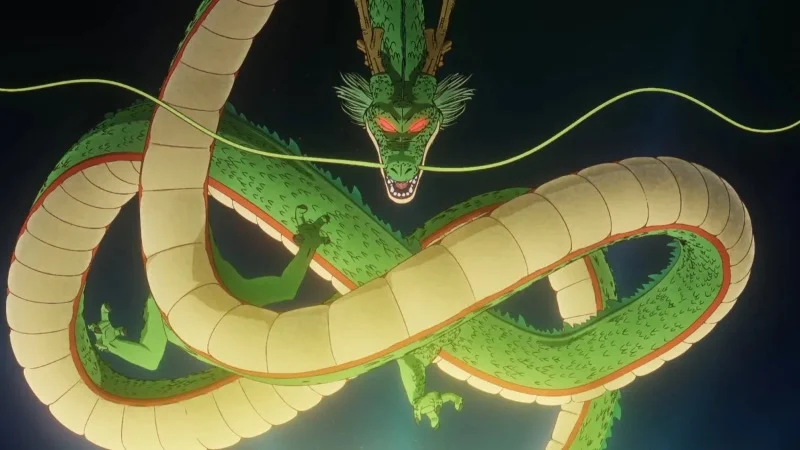
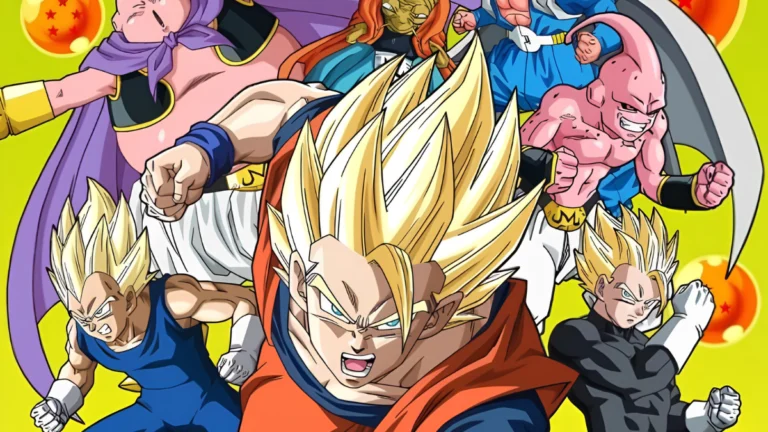
Shenron appears when all seven Dragon Balls are gathered and the correct summoning phrase is spoken. He grants multiple wishes depending on how the Dragon Balls are configured and is bound by the power of the deity who created or upgraded them, which is why limits change after new guardians take over Earth’s set. Revival rules, range, and repeat targeting follow strict constraints that the story references each time a plan hinges on a wish.
The anime adaptation from Toei Animation presents Shenron as a recurring mechanism that resets consequences while still obeying boundaries like travel distance, time since death, and creator power. The series details how wish wording matters and how the orbs scatter worldwide after use, which forces characters into globe spanning searches before the next summoning can even begin.
Super Shenron from ‘Dragon Ball Super’
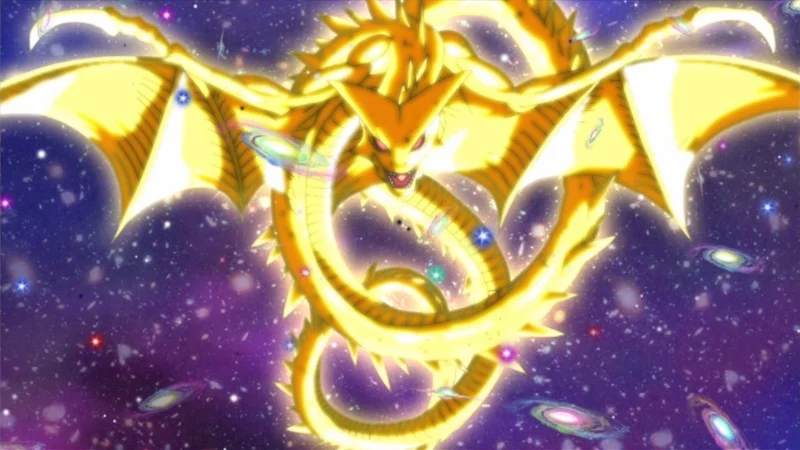
Super Shenron is called with the Super Dragon Balls that are planet sized and split between two universes. The summoner must speak in the language of the gods, and the dragon’s scope reaches across universes with no stated material limit, which is how universe scale reversals are possible once the orbs are gathered.
Toei Animation stages these wishes as event level pivots by showing how finding the orbs requires travel across twin universes and negotiation among deities. The production also establishes that the orbs disperse again after a wish, keeping the search loop intact while expanding the cosmology around destroyers, angels, and their rules.
Haku from ‘Spirited Away’
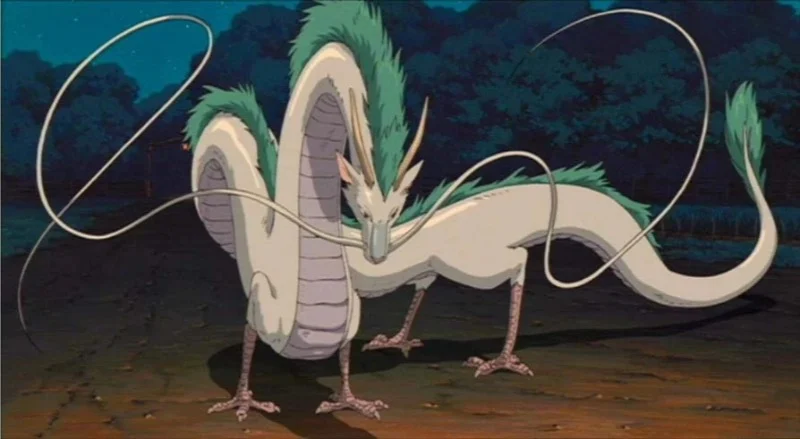
Haku is a river spirit whose true identity links to a waterway that was altered in the human world. He takes the form of a white dragon when he flies or fights and is bound by a stolen name, which explains his servitude and the contracts that govern the bathhouse. The story uses his dual nature to connect memory, place, and identity in a concrete way.
Studio Ghibli presents Haku’s dragon form with clear physical rules such as flight speed, maneuvering, and susceptibility to magic, while tying his healing and curse breaking to the restoration of his forgotten name. The production treats every transformation as the visible result of a contract or promise rather than a simple visual flourish.
Acnologia from ‘Fairy Tail’
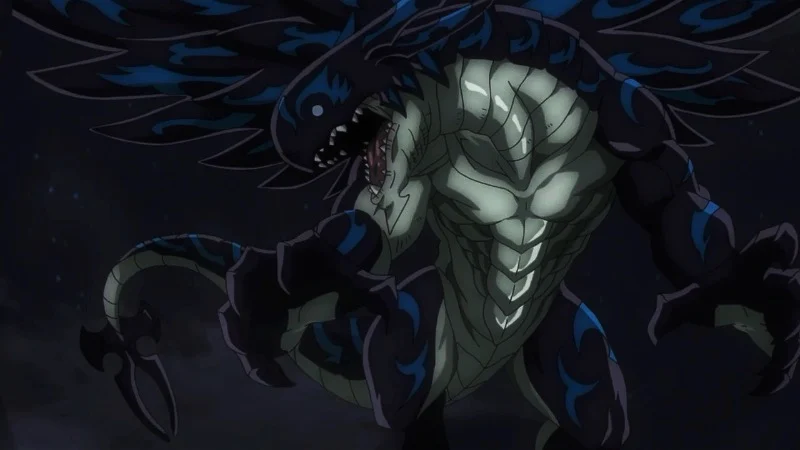
Acnologia began as a Dragon Slayer who overused dragon magic until his body changed into a dragon. He consumes magic itself, which lets him erase spells and fields that would stop a normal opponent, and he can switch between human and dragon forms to exploit different combat advantages. His presence anchors the long running mystery around vanished dragons.
The anime produced by A1-Pictures and later Bridge maps Acnologia to the Dragon King Festival and time travel threads, explaining why he targets specific mages and locations. The production makes his magic devouring ability a tactical rule that cancels barriers and lacrima, which forces guild strategies that do not rely on sustained spell output.
Igneel from ‘Fairy Tail’
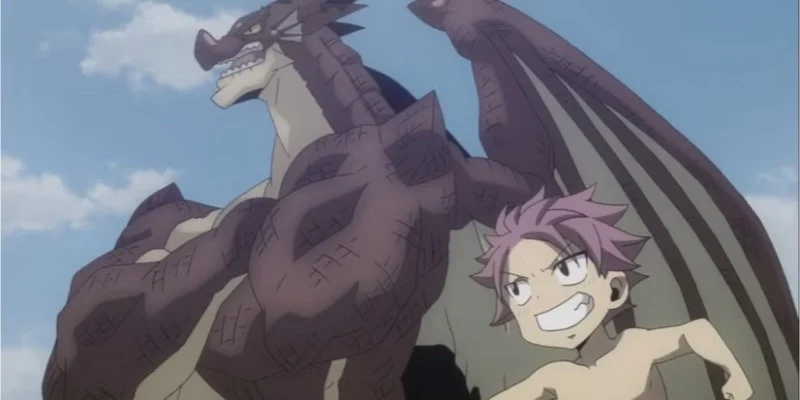
Igneel is the Fire Dragon King who raised Natsu and taught him Fire Dragon Slayer Magic. He disappeared at a key point in history and later reveals a protective plan that explains how certain Dragon Slayers survived and why their power matured the way it did. His influence defines the capabilities and limits of fire based techniques used by his foster son.
Under the same production lineage, the anime sets Igneel’s choices inside a system of seals, time displacement, and dragon hearts, which clarifies why he could intervene only under specific conditions. Those mechanical details make his appearances and final moves the payoff for rules explained across earlier arcs.
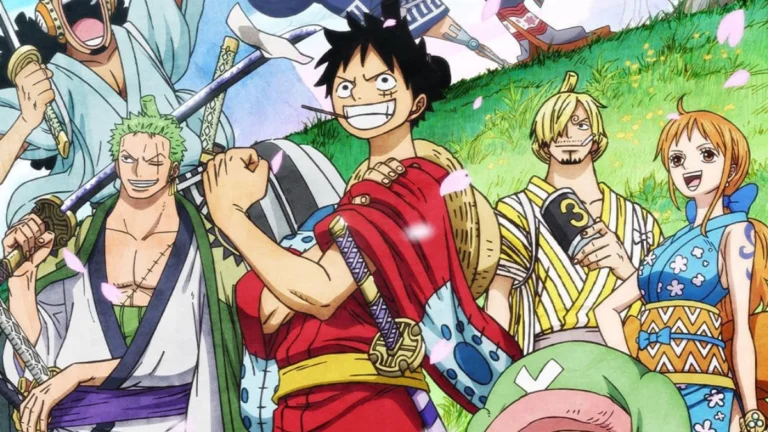
Kaido from ‘One Piece’
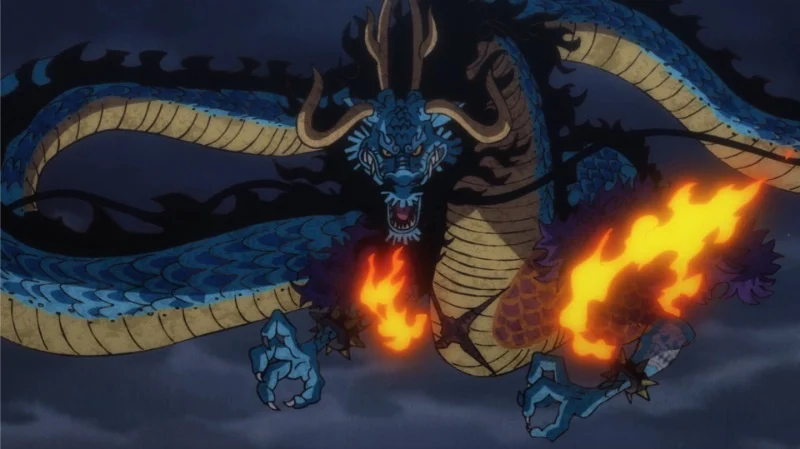
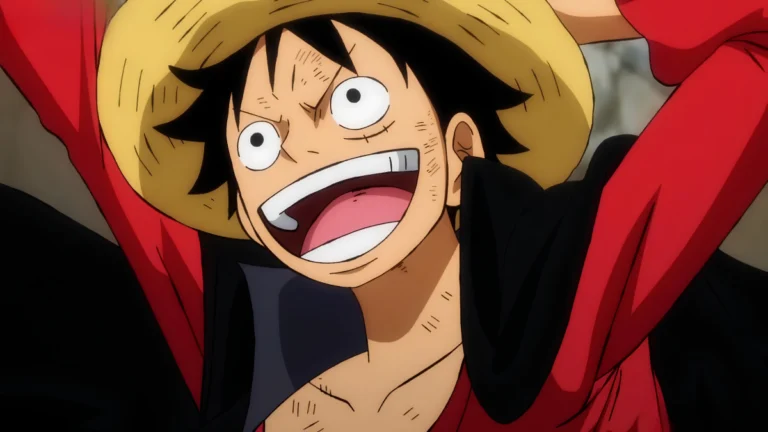
Kaido wields a Mythical Zoan that lets him transform into an azure dragon with flight, armored scales, and a heat beam called Boro Breath. He creates flame clouds that can lift massive structures and he shifts between beast, hybrid, and human forms to balance mobility, power, and defense during prolonged battles.
Toei Animation builds his dragon form into the geography of the Wano conflict by showing how flame clouds move an island and how weather shifts around him. The production treats transformations as stamina based choices, which clarifies why certain tactics force him to swap forms during the fight.
Great Red from ‘High School DxD’
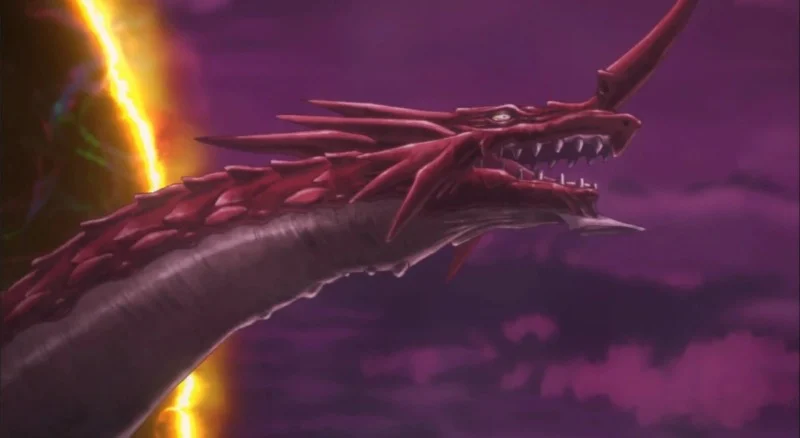
Great Red is the Dragon of Dragons who resides in the Dimensional Gap, a space that exists outside normal worlds. His scale of power shapes the balance among gods, devils, and dragon beings, and his movements affect artifacts tied to dragon souls that certain humans carry.
The anime produced by TNK and later Passione frames Great Red as a stabilizing yet unpredictable factor by linking him to dimensional travel and to the presence of other cosmic dragons. The production explains how proximity to him influences large scale magic, which gives context to alliances and confrontations that happen near the Gap.
Bahamut from ‘Rage of Bahamut’
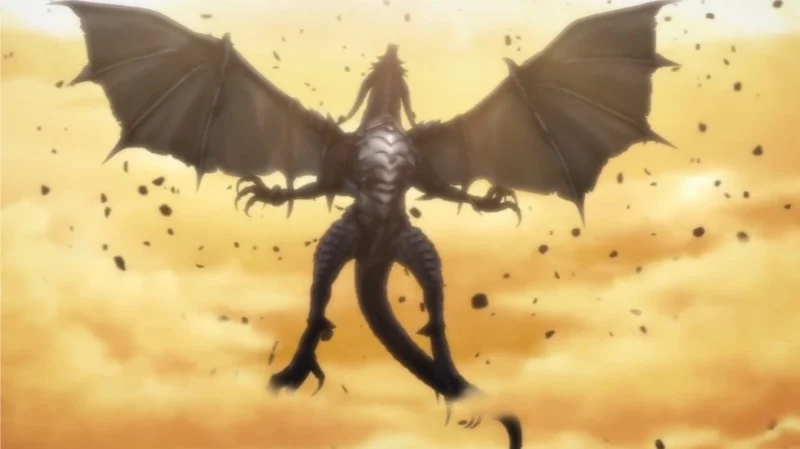
Bahamut is a primordial dragon sealed by gods and demons after a catastrophic rampage. Two keys maintain the seal, and the story tracks how those keys are stolen, fused, and used, which makes the release or containment of Bahamut a concrete, checkable process rather than a legend.
MAPPA produces the series with a clear rule set for how Bahamut awakens, how barriers fail, and how divine and demonic magic interact when the seal weakens. The show visualizes the countdown to release with maps, sigils, and key bearers, which turns the dragon into a time sensitive threat that all factions must address.
Blue Eyes White Dragon from ‘Yu Gi Oh!’
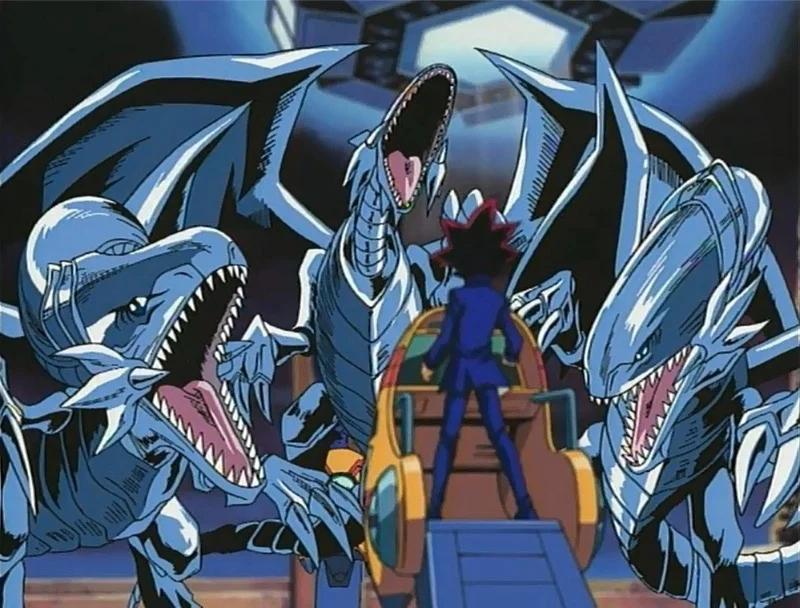
Blue Eyes White Dragon is Seto Kaiba’s signature monster with high base attack and support cards that let it fuse or evolve into stronger forms. The anime ties its origin to an ancient past that explains why only four copies existed and why Kaiba guards three of them.
Studio Gallop presents Blue Eyes as the anchor of a strategy built on tribute summoning, fusion, and later methods that remain consistent across duels. The production uses past life flashbacks to ground its rarity and to show why certain characters react to its appearance with specific tactics.
Stardust Dragon from ‘Yu Gi Oh! 5D’s’
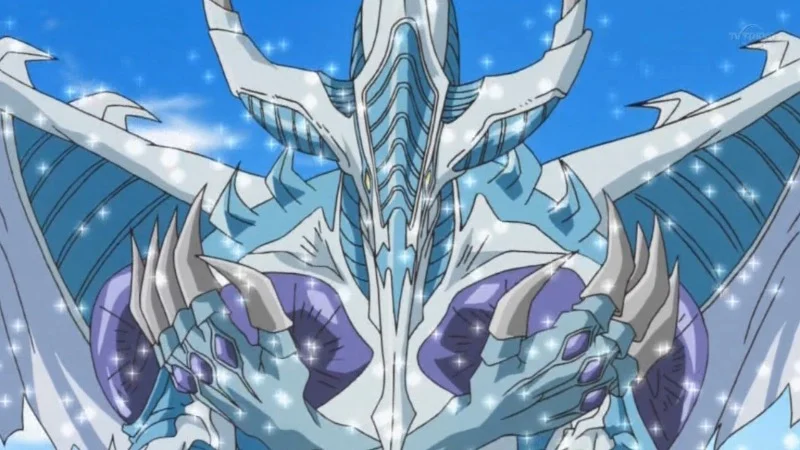
Stardust Dragon is Yusei Fudo’s Synchro Monster that tributes itself to negate and destroy effects that would wipe the field, then returns at the end of the turn. Its kit promotes timing based play that protects allies while setting up bigger summons on the next move.
Studio Gallop builds this monster into the rules of turbo duels by aligning its effect windows with speed counter mechanics and track conditions. The series also documents its evolutions into forms like Shooting Star Dragon, explaining the materials and steps required so viewers can track each upgrade.
Veldora Tempest from ‘That Time I Got Reincarnated as a Slime’
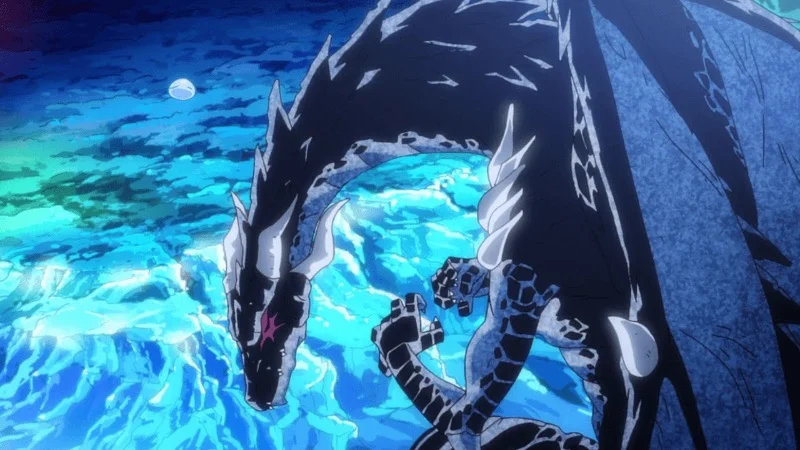
Veldora is the Storm Dragon who was sealed by a Hero and later befriends Rimuru inside a cave. Naming and analysis skills allow Rimuru to absorb the sealed entity and eventually release him, which explains Veldora’s later human form and his link to the defense of a growing nation.
Eight Bit produces the adaptation with a rules first approach to skills, naming, and unique titles, so Veldora’s return follows clearly defined mechanics. The anime shows how his aura changes regional threat levels and how his presence alters diplomacy, which grounds later battles and alliances.
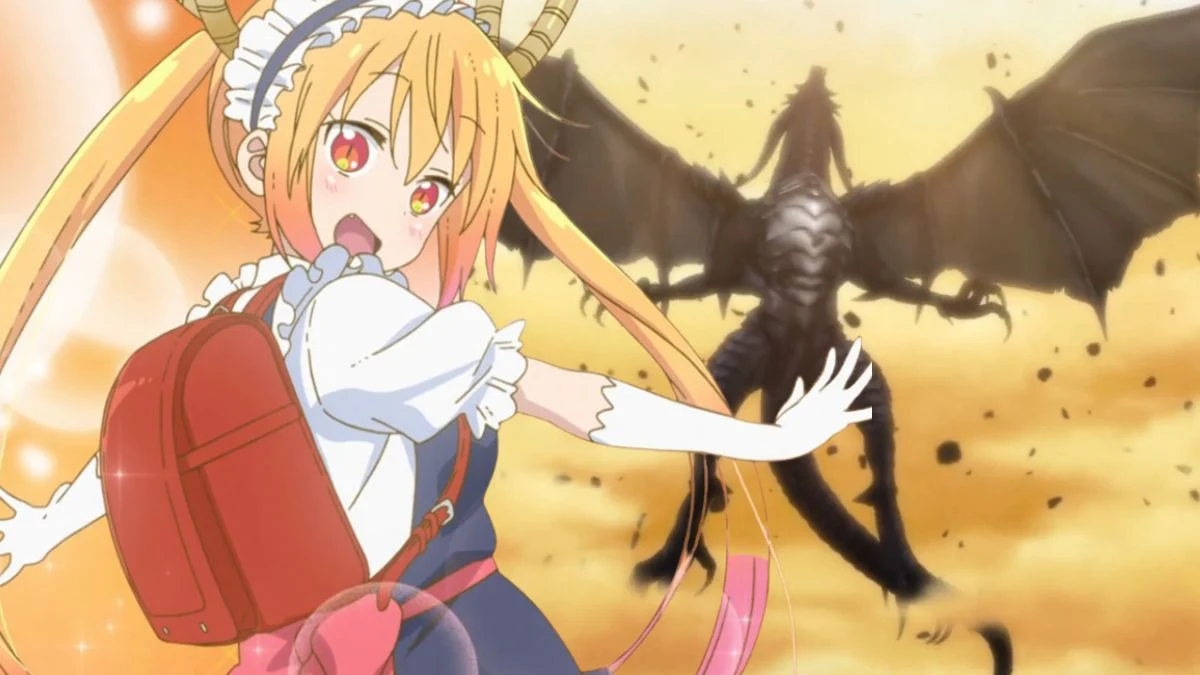
Tohru from ‘Miss Kobayashi’s Dragon Maid’
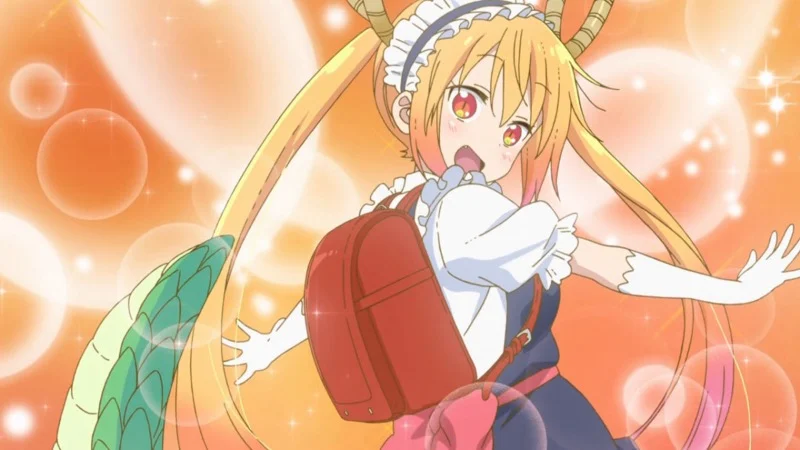
Tohru is a Chaos faction dragon who crosses into the human world and takes a maid form to live with Kobayashi. She can nullify magic, breathe fire, and return to a full dragon body when needed, while everyday life requires concealment and restraint that the show spells out through house rules.
Kyoto Animation presents the dragon society as rival factions with codes and taboos that explain why certain visitors appear and why Tohru’s father intervenes. The production uses that structure to define when and how Tohru may reveal her true form, which keeps her power consistent across comedic and serious moments.
Nevin from ‘The Ancient Magus’ Bride’
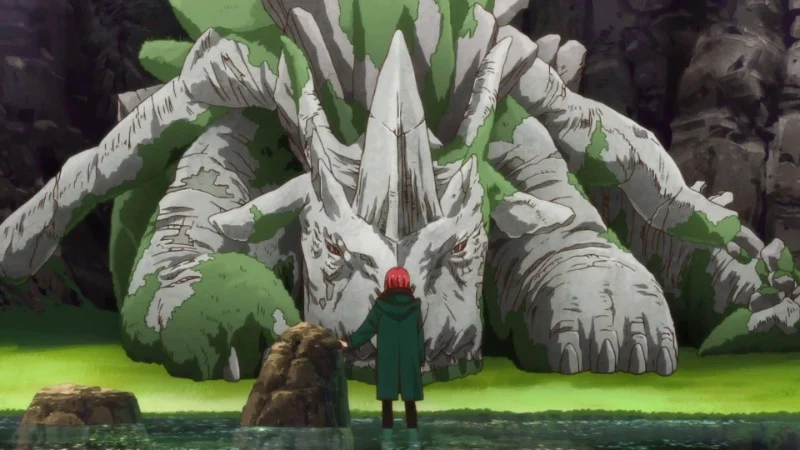
Nevin is an ancient dragon whose memories and essence are shared with a human protagonist during a visit to a hidden valley. His passing leads to a transformation that replenishes the land, and the series uses that cycle to explain how dragon remains and memories interact with human magic.
Wit Studio frames dragons as custodians tied to specific places, which is why poaching and misuse create lasting curses. The production details markets, alchemical practices, and guardians who protect dragons, turning Nevin’s farewell into the start of rules that govern later spells and consequences.
Masotan from ‘Dragon Pilot Hisone and Masotan’
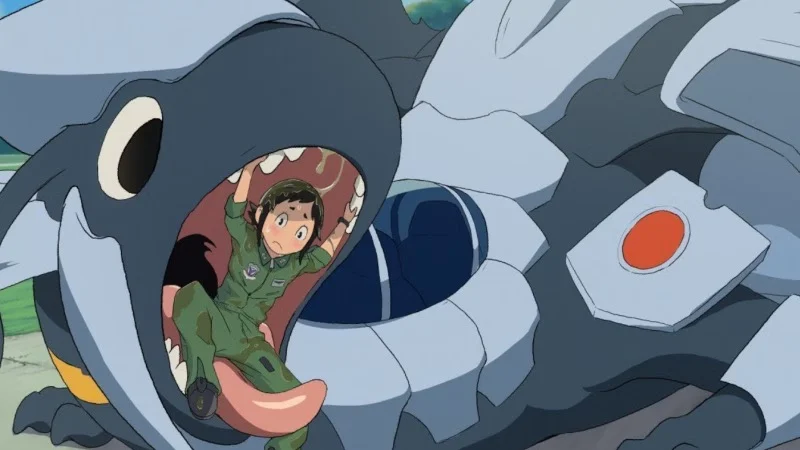
Masotan is an Organic Transformed Flyer that hides inside a modern aircraft shell and flies by swallowing the pilot, who maintains a bond through trust and ritual. The unit works within a formal command structure that records fuel, altitude, and flight limits like any other military asset.
Bones produces the series with a national ritual at its core where multiple OTF units coordinate to guide a colossal dragon called Mitatsu back to slumber. The anime treats every sortie as a mission with checklists, uniforms, and maintenance crews, which grounds Masotan’s fantasy biology in a procedural setting.
Rayquaza from ‘Pokémon’
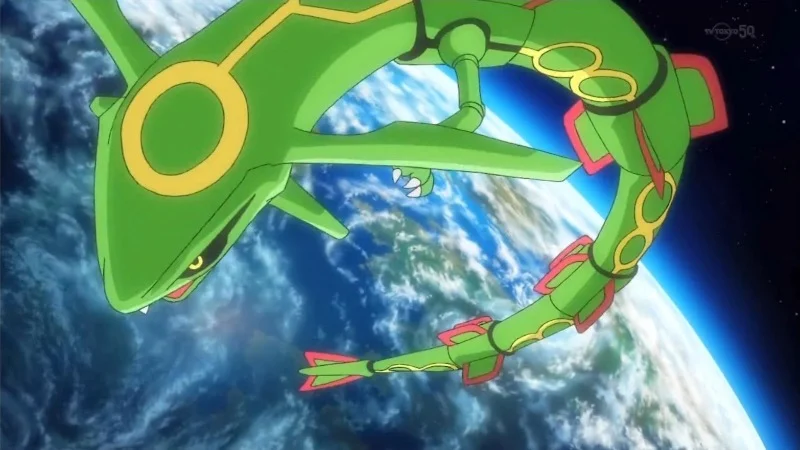
Rayquaza is a Legendary Pokémon that lives in the upper atmosphere and calms the clashes between land and sea titans. It can Mega Evolve without a Keystone by using energy from a signature move, which boosts its stats and changes battle flow in ways the show demonstrates across encounters.
The anime from OLM places Rayquaza in episodes and films where weather shifts, meteors, or other skybound threats appear, and it shows how trainers and scientists track the dragon through instruments and sightings. Those appearances detail flight patterns, energy bursts, and interactions with other Legendaries so viewers can follow clear cause and effect.
Share your favorite anime dragon in the comments and tell us which moment or ability made it stand out for you.