Worst Movies Based on a TV Series

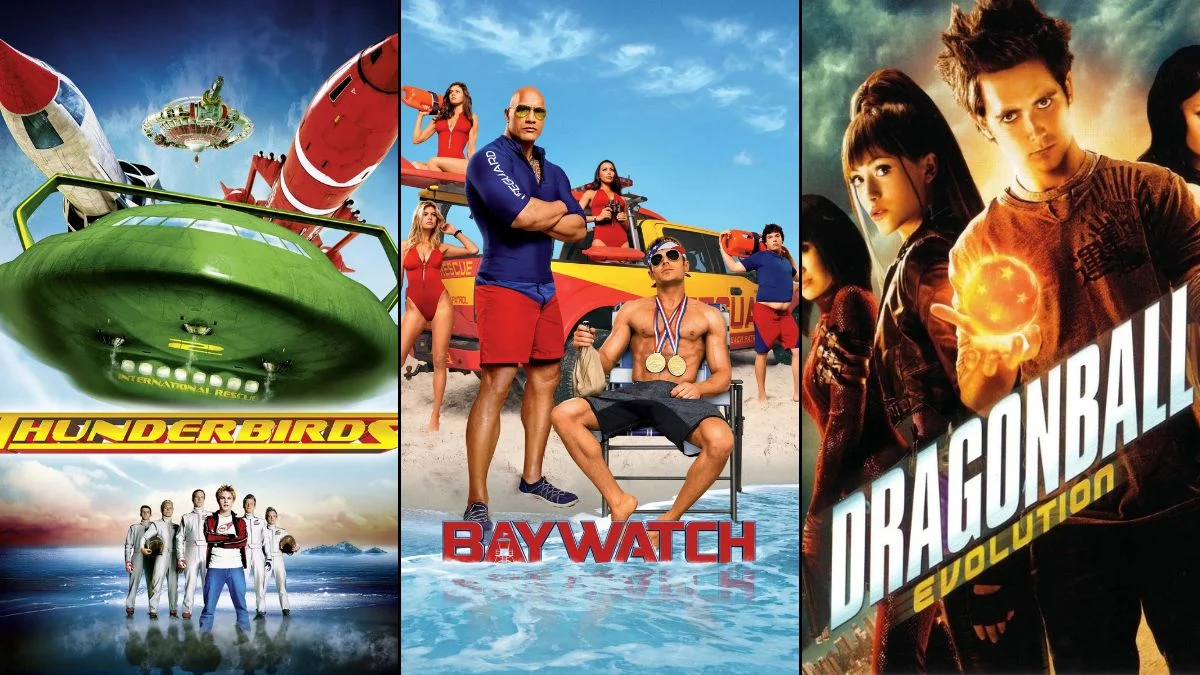

Bringing a beloved show to the big screen sounds simple, but the jump from episodic storytelling to a feature format can be tough. Some films struggled with tone and pacing while others changed characters and settings in ways that lost what made the shows click. Budgets often went up, box office did not always follow, and the gap between fan expectations and what landed in theaters could be wide.
This list looks at feature films adapted from television that ran into trouble once released. You will find details on directors, casts, budgets, release context, story choices compared to the original shows, and how audiences responded. It is a straightforward snapshot of what happened when these projects moved from the small screen to the multiplex.
‘The Last Airbender’ (2010)
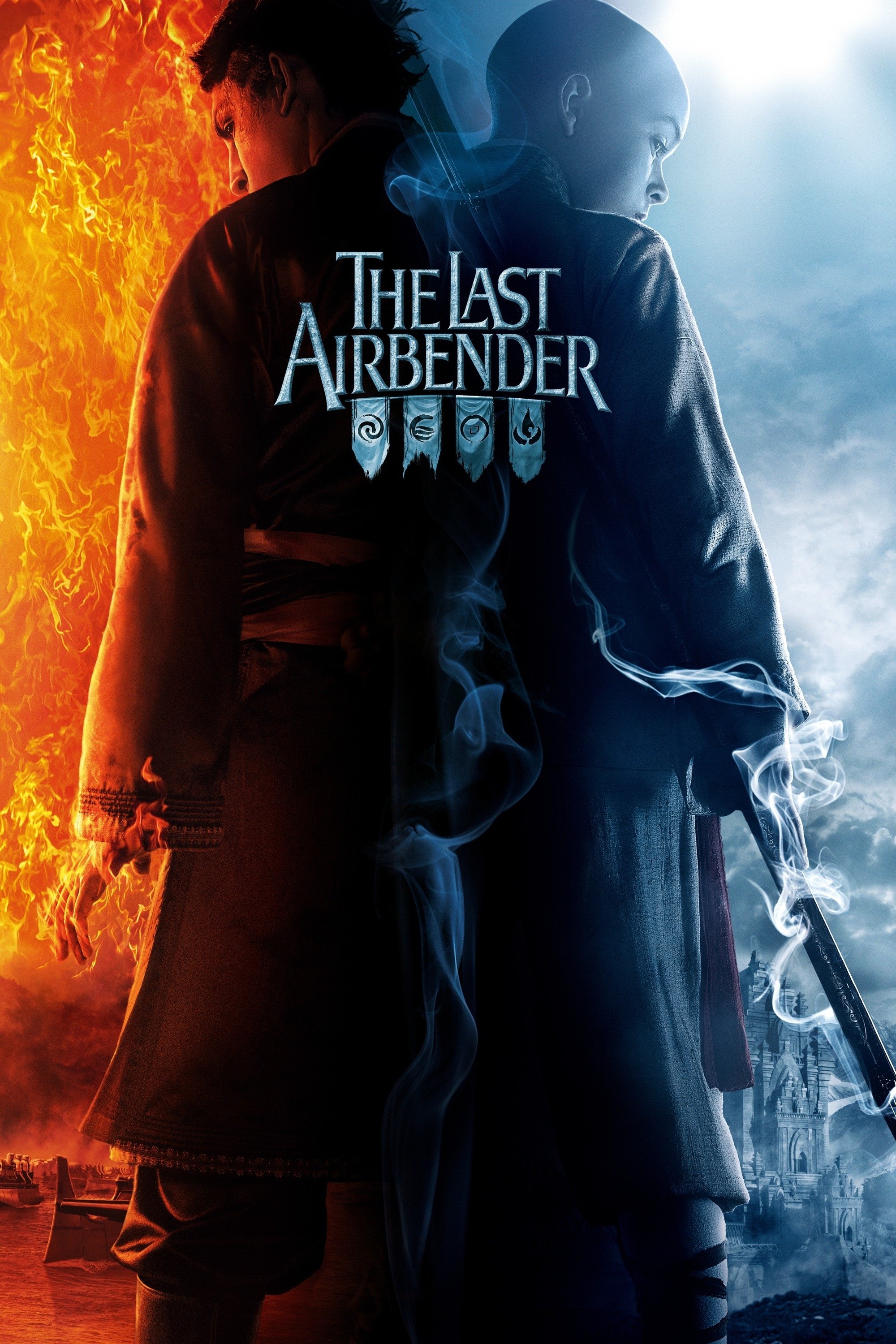
Directed by M. Night Shyamalan and produced with Nickelodeon Movies, this fantasy adventure adapts Book One from the animated series ‘Avatar: The Last Airbender’. The cast included Noah Ringer, Nicola Peltz, Jackson Rathbone, and Dev Patel, with a budget widely reported in the 150 million dollar range and a late stage 3D conversion. The story condenses an entire season into one film focused on Aang learning waterbending and traveling to the Northern Water Tribe.
The movie earned over 300 million dollars worldwide yet drew heavy criticism for its screenplay and effects choices, along with casting debates that followed the marketing campaign. Several Golden Raspberry Awards were handed to the production, and the planned sequels did not move forward. The film remains a case study in the challenge of compressing serialized worldbuilding from ‘Avatar: The Last Airbender’ into a single running time.
‘Dragonball Evolution’ (2009)
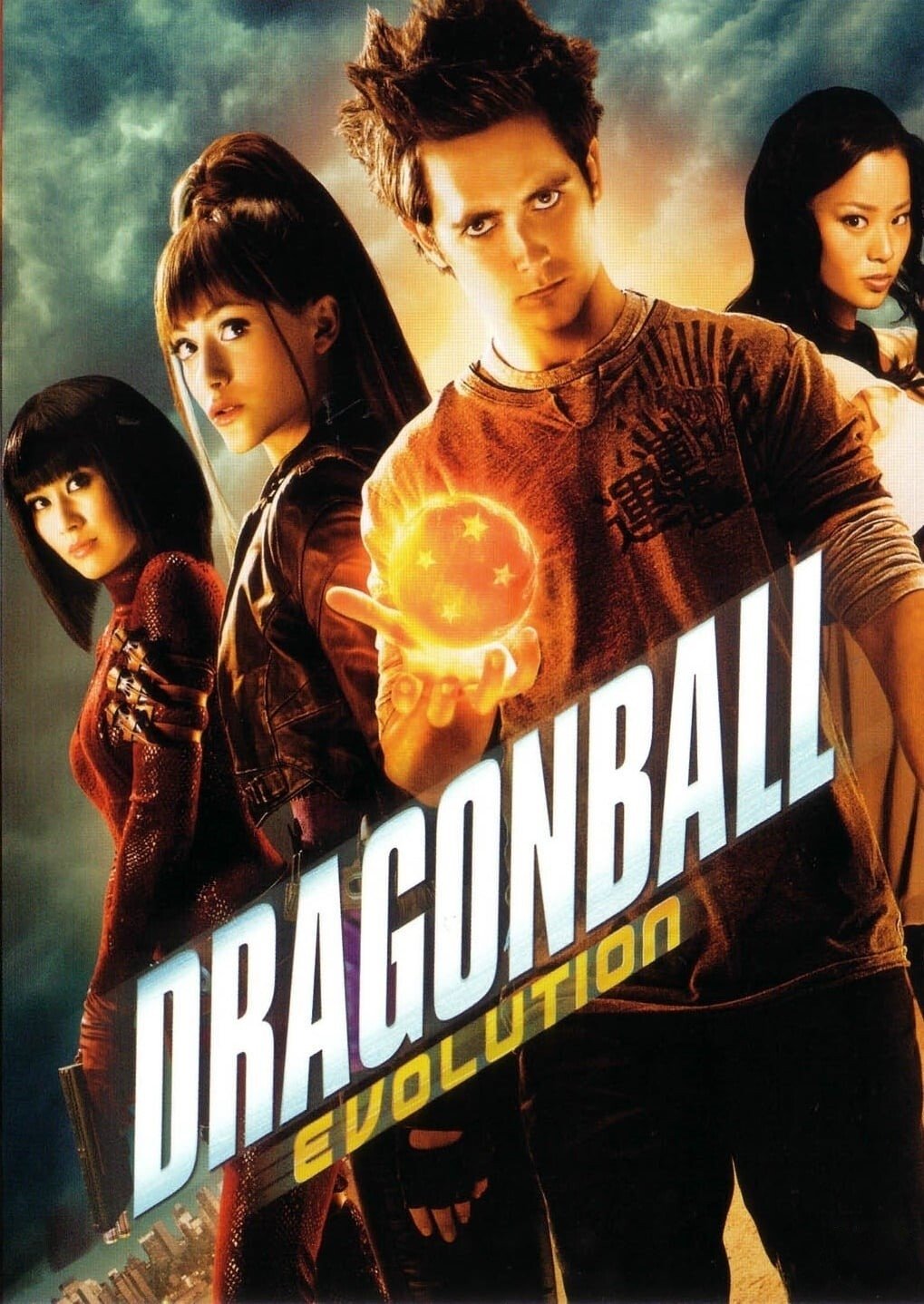
James Wong directed this live action take on ‘Dragon Ball’ with Justin Chatwin as Goku, Emmy Rossum as Bulma, Jamie Chung as Chi Chi, and Chow Yun fat as Master Roshi. The budget sat around a modest mid range for a studio release and the production modernized the setting to American high school life before moving into a quest for Dragon Balls. Creative changes included streamlined costumes and a shorter narrative that aimed for accessibility to newcomers.
The film released in spring across multiple territories and finished with a worldwide gross that fell short of franchise ambitions. The original manga creator later expressed disappointment with the adaptation choices. The project is often cited in discussions about how difficult it is to translate the style and energy of ‘Dragon Ball’ into a grounded live action format.
‘Thunderbirds’ (2004)
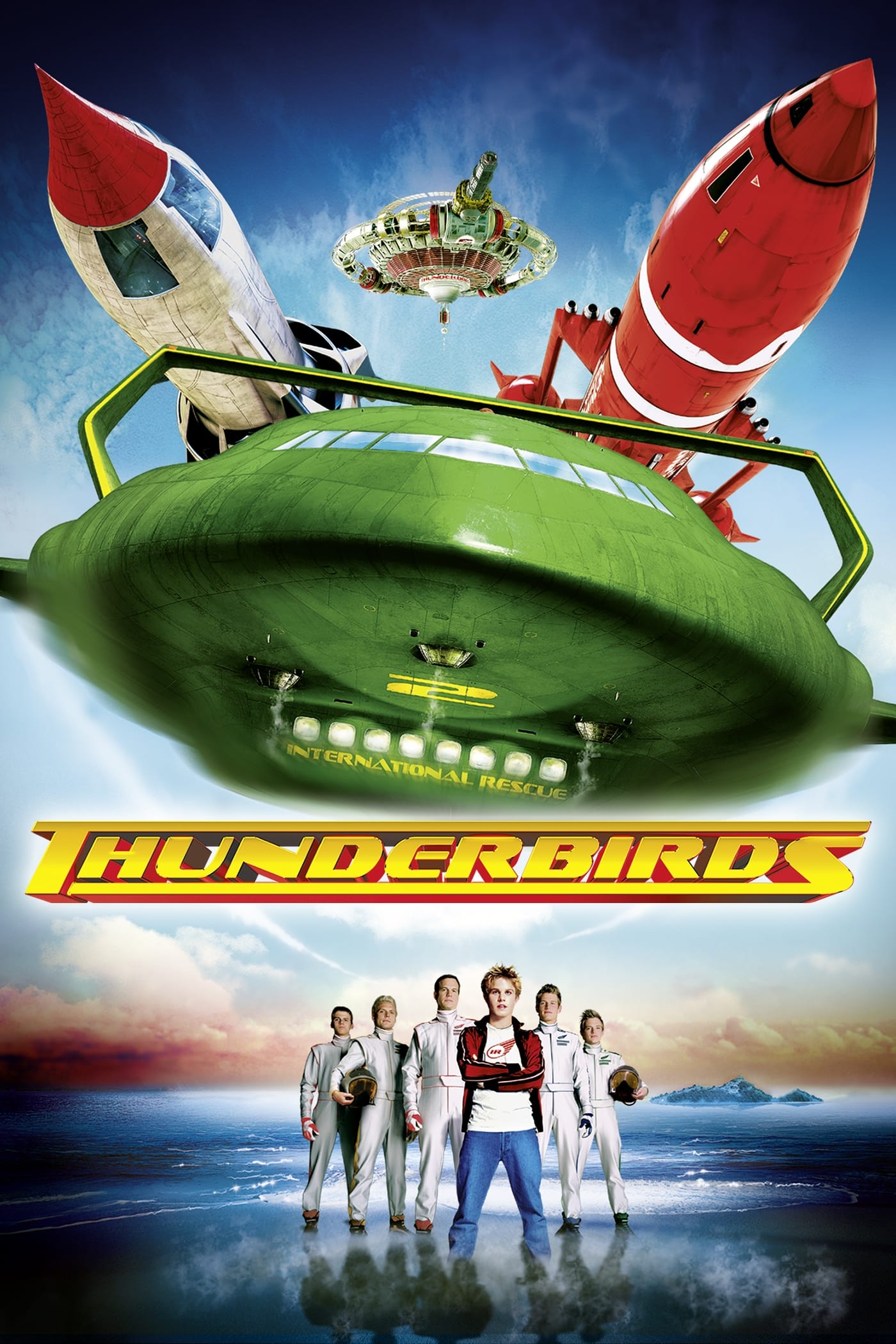
Jonathan Frakes directed this family adventure based on the 1960s series ‘Thunderbirds’. The plot centers on Alan Tracy during a school break as The Hood targets Tracy Island, shifting the focus to a younger lead compared to the ensemble feel of the show. Ben Kingsley, Bill Paxton, Sophia Myles, and Brady Corbet led the cast, and Working Title produced with a budget reported around the mid tens of millions.
Despite name recognition, the release opened to soft numbers and closed with a worldwide total well below costs. Merchandising and home entertainment were unable to bridge the gap. The movie’s youthful perspective and earthbound school elements contrasted with the original’s rescue mission structure that viewers associated with ‘Thunderbirds’.
‘The Mod Squad’ (1999)
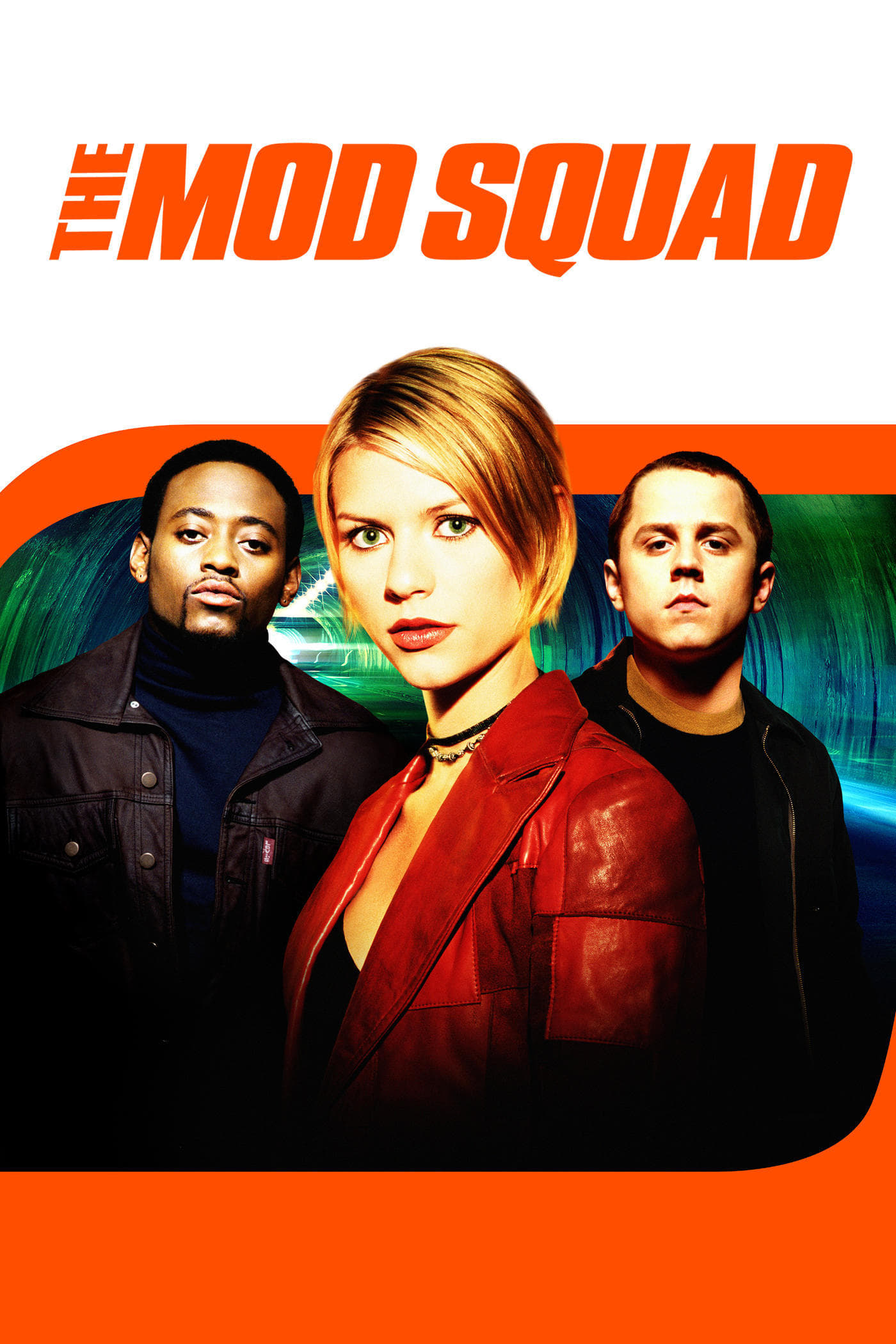
Scott Silver directed this remake of the late 1960s undercover series ‘The Mod Squad’. Claire Danes, Omar Epps, and Giovanni Ribisi played the central trio as they investigated a drug ring and police corruption plot in Los Angeles. The production updated the show’s youth outsider angle with contemporary music supervision and fashion, and it arrived in theaters in early spring.
The movie’s domestic gross landed far under its production spend, and international returns did not change the outcome. The release schedule placed it among stronger genre entries, which limited word of mouth. The darker tone and crime focus differed from the network era feel of ‘The Mod Squad’, which had relied on a balance of style and weekly case structure.
‘CHiPs’ (2017)
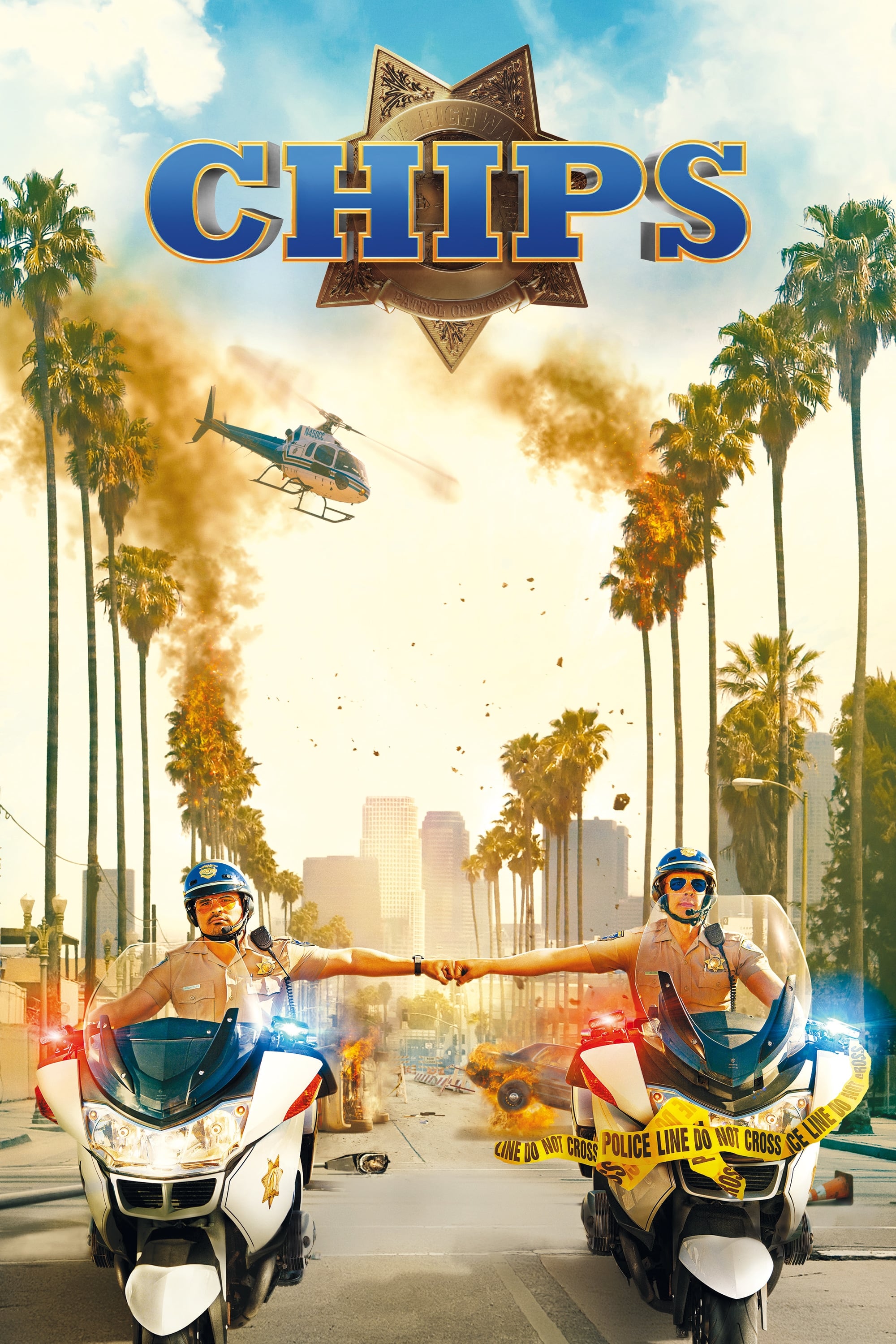
Written and directed by Dax Shepard, this R rated buddy action comedy reimagines ‘CHiPs’ with Shepard as Jon Baker and Michael Peña as Frank Poncherello. The plot follows an undercover operation into highway patrol corruption with motorcycle stunts filmed on Los Angeles freeways. The budget was kept relatively small for a studio action title and the film opened in early spring.
The worldwide gross ended close to the production cost, leaving little room after marketing and distribution. Audience polling noted a mismatch between nostalgic expectations for ‘CHiPs’ and the harder comedic approach taken here. The property had lived as a straightforward patrol adventure on television, which contrasted with the more adult tone used for the movie.
‘Baywatch’ (2017)
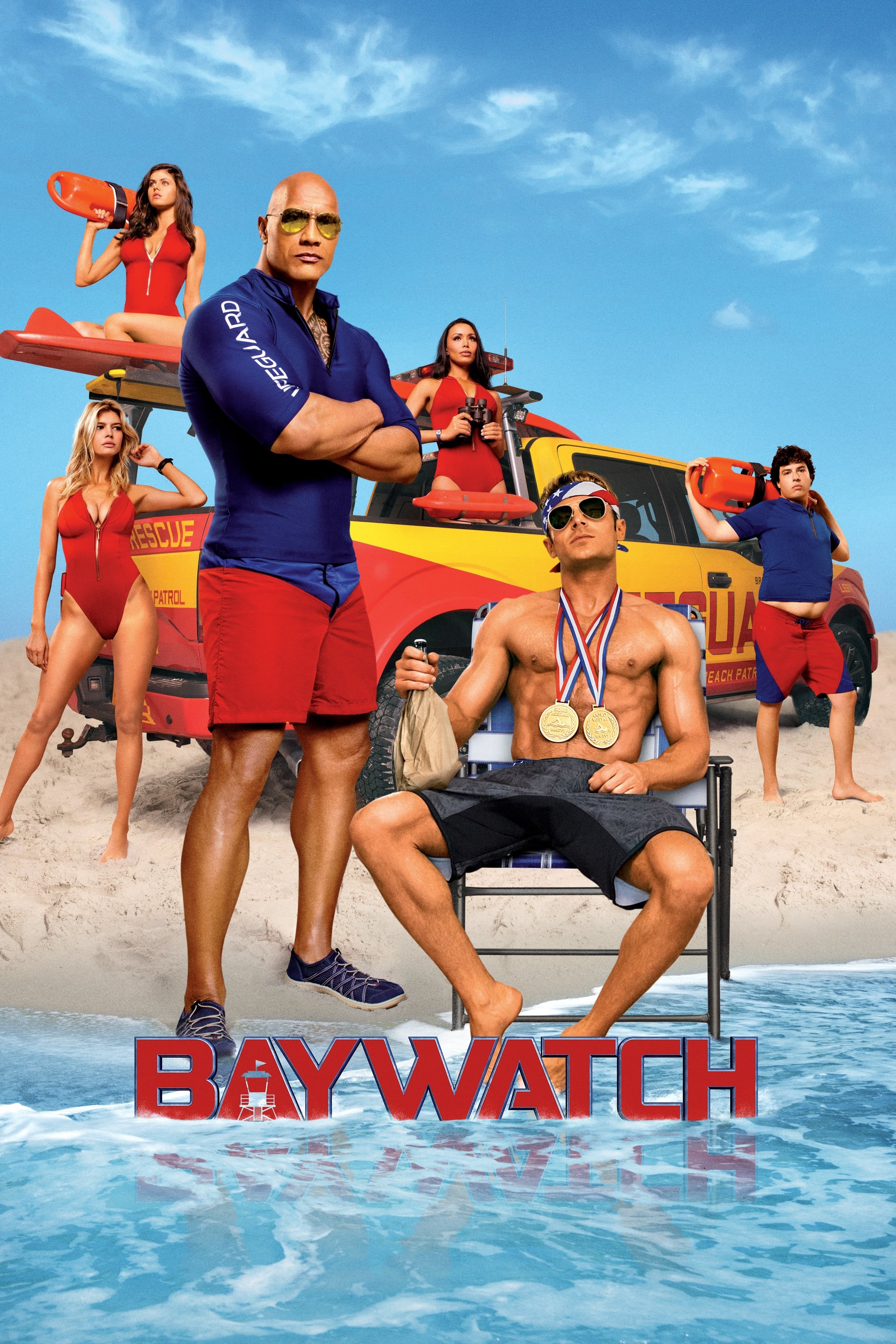
Seth Gordon directed this ensemble comedy based on ‘Baywatch’ with Dwayne Johnson, Zac Efron, Alexandra Daddario, and Priyanka Chopra Jonas. The story follows a lifeguard team uncovering a drug operation along the shoreline, with set pieces staged on beaches and marinas. The budget fell in the upper mid range for a summer comedy and the movie carried an R rating.
Global box office reached well over 100 million dollars but theatrical earnings were modest compared to cost. The film received multiple nominations at the Golden Raspberry Awards and became better known for marketing than for staying power. The original ‘Baywatch’ was structured around weekly rescues and interpersonal arcs, while the feature leaned into action comedy that shifted the focus.
‘Bewitched’ (2005)
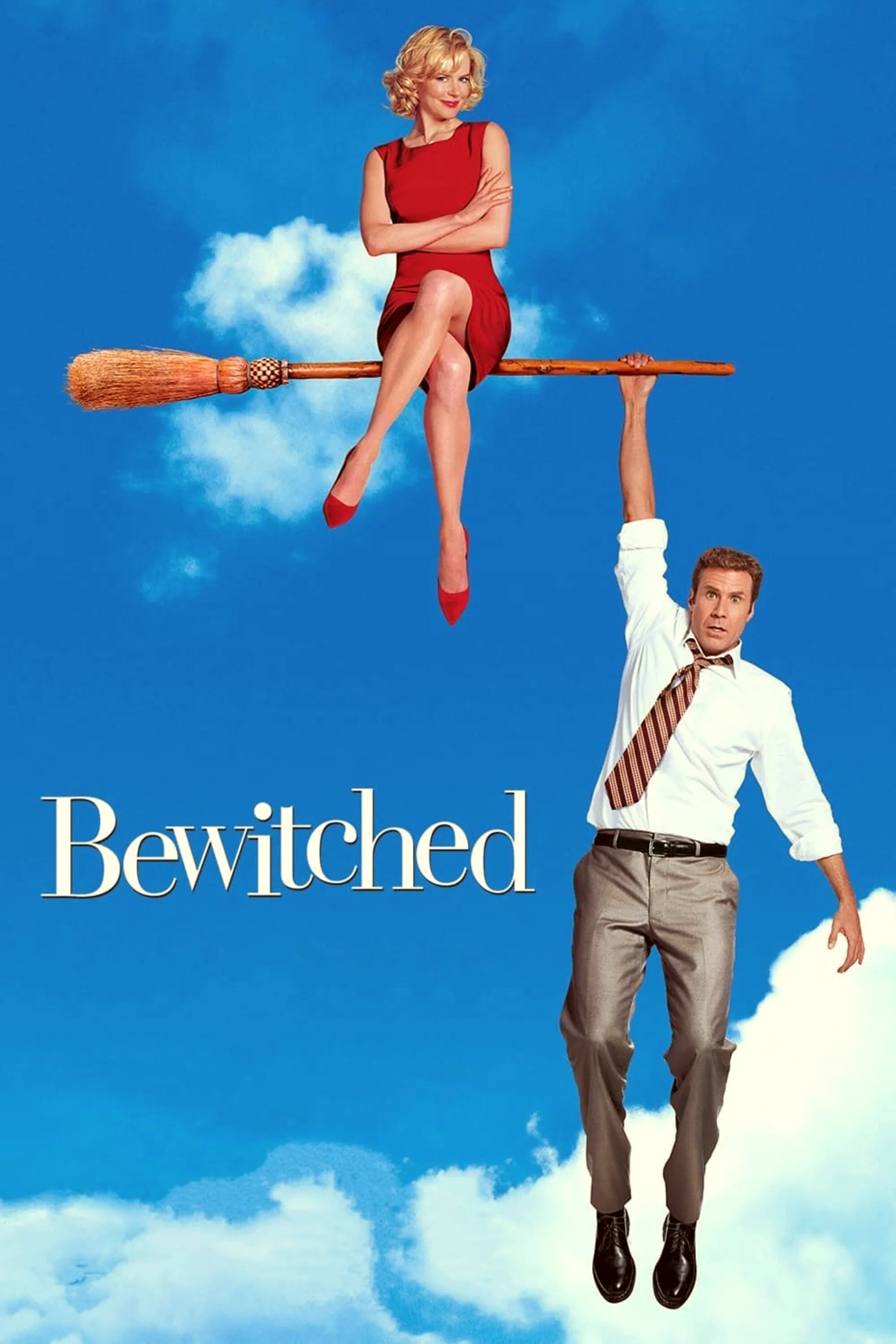
Nora Ephron directed this meta spin on ‘Bewitched’ starring Nicole Kidman and Will Ferrell. The film follows a television remake of ‘Bewitched’ within the story as a real witch tries to live a normal life opposite a sitcom actor who does not know her secret. Shirley MacLaine and Michael Caine appeared in key supporting roles, and the production shot across Los Angeles stages and neighborhoods.
The budget was high for a romantic comedy and international box office landed in the low hundreds of millions, which placed pressure on profitability after expenses. Viewers encountered a narrative that combined behind the scenes sitcom elements with the magical domestic setup that defined the original ‘Bewitched’. The blend of satire and fantasy proved difficult to position for fans of the classic show.
‘The Dukes of Hazzard’ (2005)

Jay Chandrasekhar directed this action comedy derived from ‘The Dukes of Hazzard’, with Johnny Knoxville and Seann William Scott as the Duke cousins. Jessica Simpson, Burt Reynolds, and Willie Nelson rounded out the cast, and the production featured extensive stunt driving and rural Georgia settings recreated for filming. The budget sat near the 50 million dollar mark and the soundtrack highlighted Southern rock selections.
The movie opened strong on debut weekend then fell quickly and finished a little over 100 million dollars worldwide. Music tie ins, including a high profile single, helped marketing but did not translate into long legs. The television series ‘The Dukes of Hazzard’ had emphasized lighthearted chases and community stories, while the feature amplified adult humor and big set pieces.
‘Jem and the Holograms’ (2015)
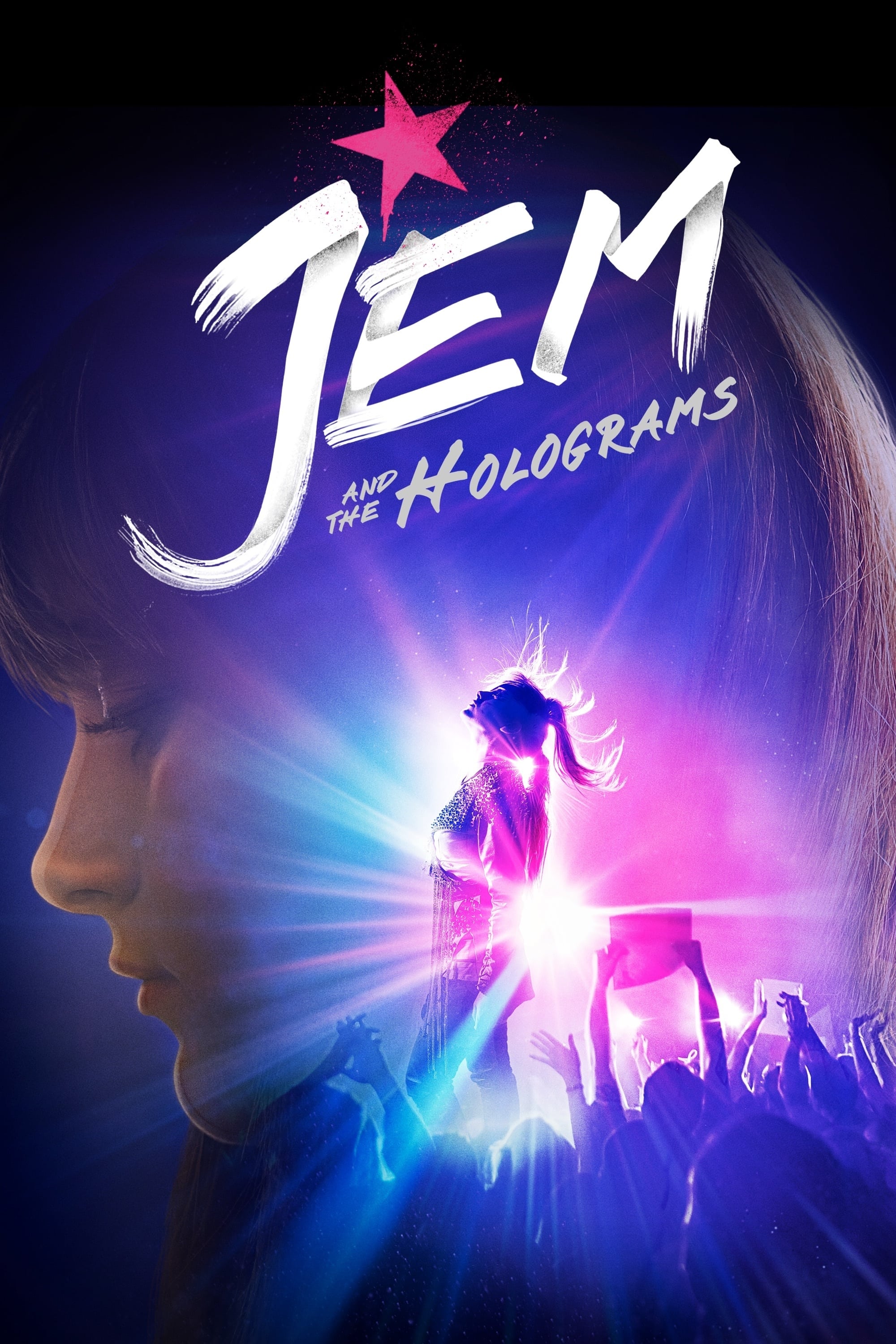
Jon M. Chu directed this music drama based on the animated series ‘Jem and the Holograms’. The film reframed the origin using viral videos and social media discovery, with Aubrey Peeples as Jerrica Benton and Juliette Lewis and Molly Ringwald in supporting roles. The budget was very low by studio standards and relied on practical performance footage and modest effects.
The release faced limited audience turnout and was pulled from many theaters shortly after opening, resulting in a worldwide total that did not recoup costs once marketing was included. The animated ‘Jem and the Holograms’ had centered on holographic stage personas and rival bands, while the movie focused on family dynamics and internet fame, which marked a significant shift from the show’s tone.
‘The Adventures of Rocky & Bullwinkle’ (2000)
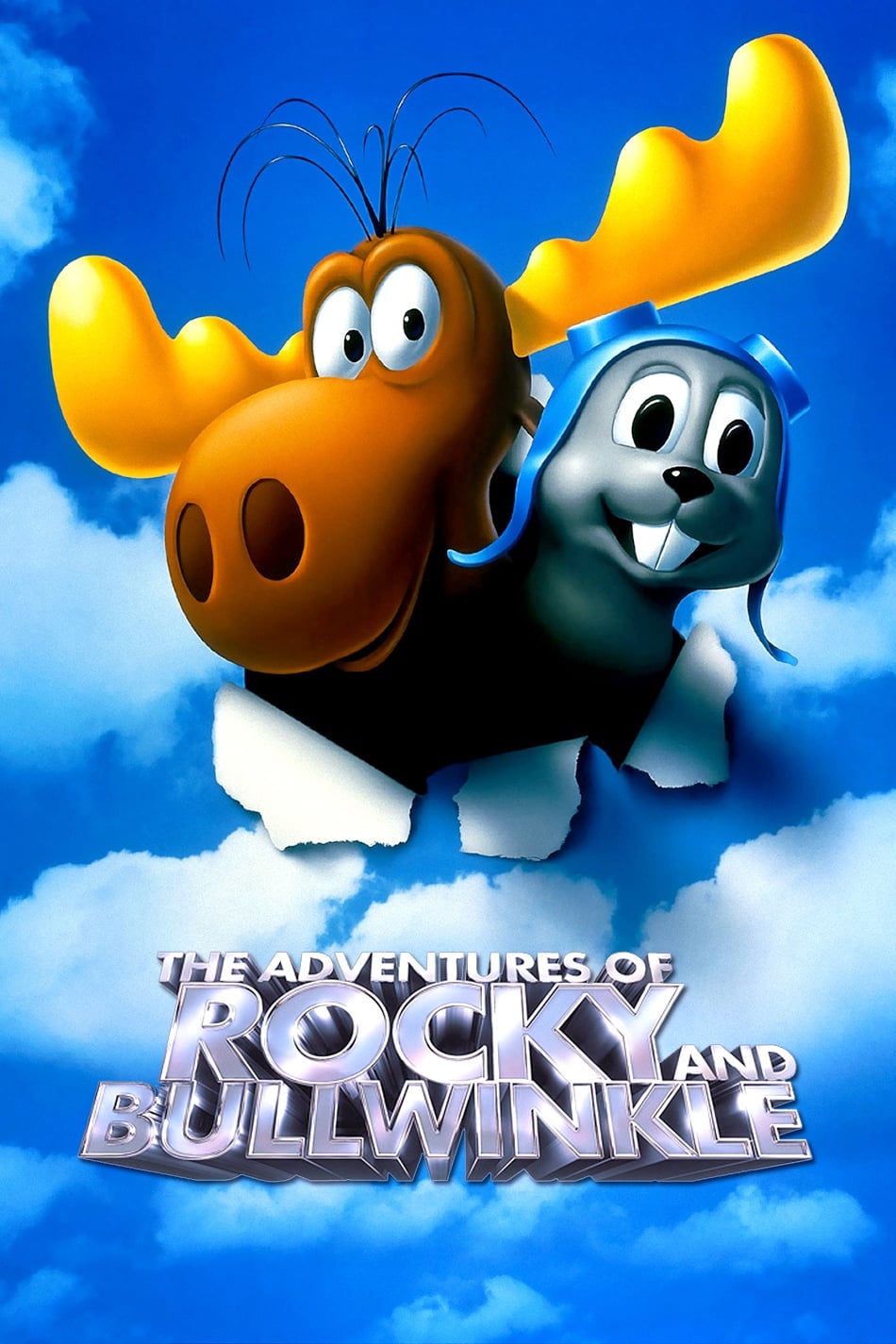
Des McAnuff directed this hybrid live action and animation feature taken from ‘The Rocky and Bullwinkle Show’. Robert De Niro, Rene Russo, and Jason Alexander played the live action villains with June Foray and Keith Scott voicing the animated leads. The production involved extensive compositing and digital work to integrate the animated characters into photographed sets.
The budget was sizable for the time and the global gross landed far below that figure. Marketing emphasized the nostalgia of ‘The Rocky and Bullwinkle Show’ along with the novelty of the hybrid approach, yet families gravitated toward other choices that summer. The television series had delivered short serialized segments, while the film required a single sustained plot, which changed the rhythm viewers associated with the property.
‘Car 54, Where Are You?’ (1994)
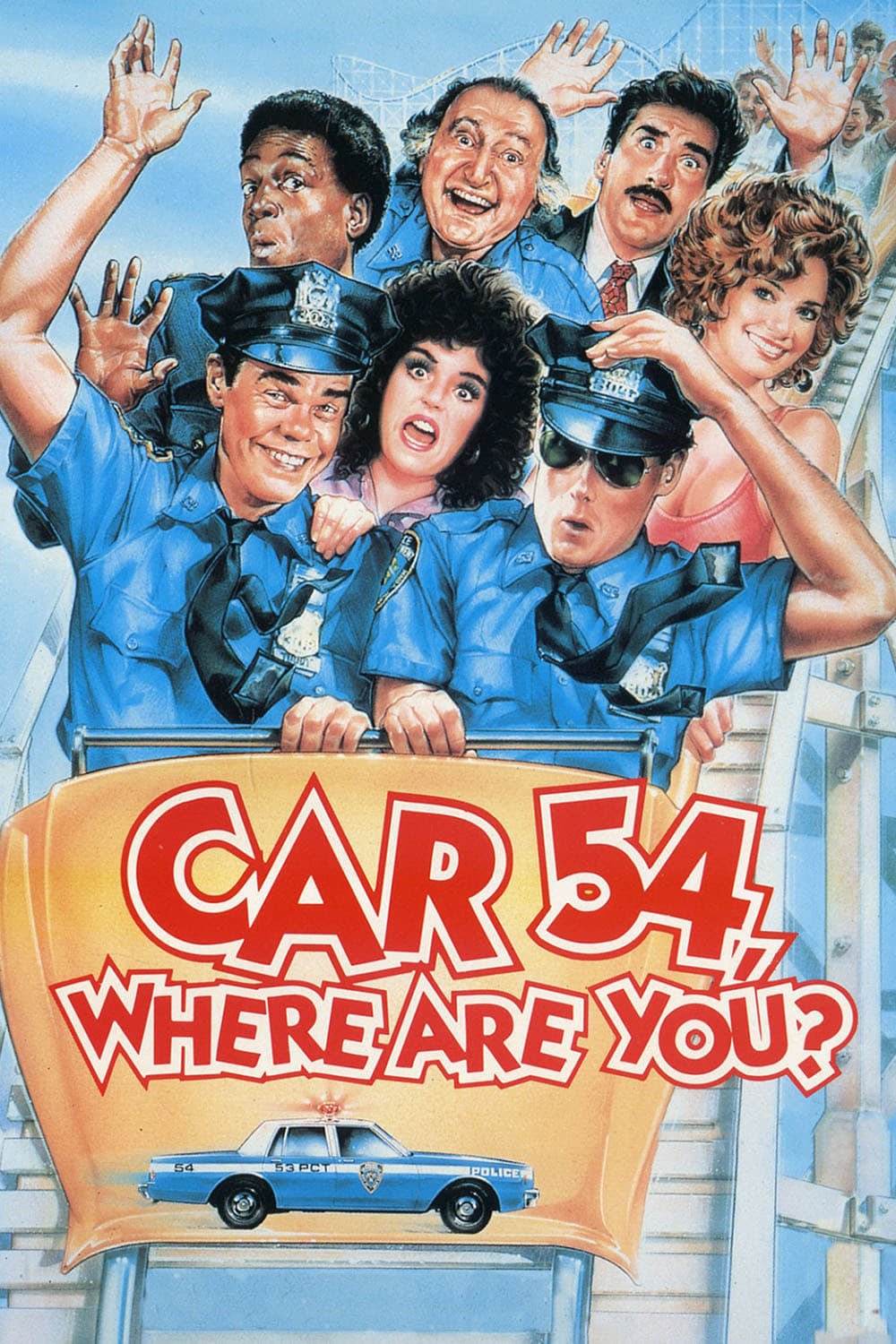
This adaptation of ‘Car 54, Where Are You?’ spent time on the shelf before a limited release. The cast included David Johansen, John C. McGinley, Fran Drescher, and Rosie O’Donnell, and the story followed precinct mishaps centered on police officers Toody and Muldoon. The budget was modest and the final cut reflected a compact shoot with location work and simple set pieces.
The film saw very small box office returns and played in a limited number of theaters. The original ‘Car 54, Where Are You?’ had been a black and white network sitcom with tightly written half hour episodes, which did not translate cleanly into a feature length narrative here. The distribution challenges further limited the movie’s ability to find an audience.
‘McHale’s Navy’ (1997)

Bryan Spicer directed this update of ‘McHale’s Navy’ with Tom Arnold, David Alan Grier, Debra Messing, and Tim Curry. The story follows a retired lieutenant commander who returns to help a misfit crew stop a terrorist plot in a tropical setting. The studio mounted a full scale production with location shooting, boat sequences, and practical explosions.
Theatrical performance fell far short of the production cost, and the movie left theaters quickly in the face of stronger spring competition. The original ‘McHale’s Navy’ relied on ensemble banter and small scale missions, while the film emphasized larger action beats, which moved it away from the show’s character driven humor.
‘Masters of the Universe’ (1987)
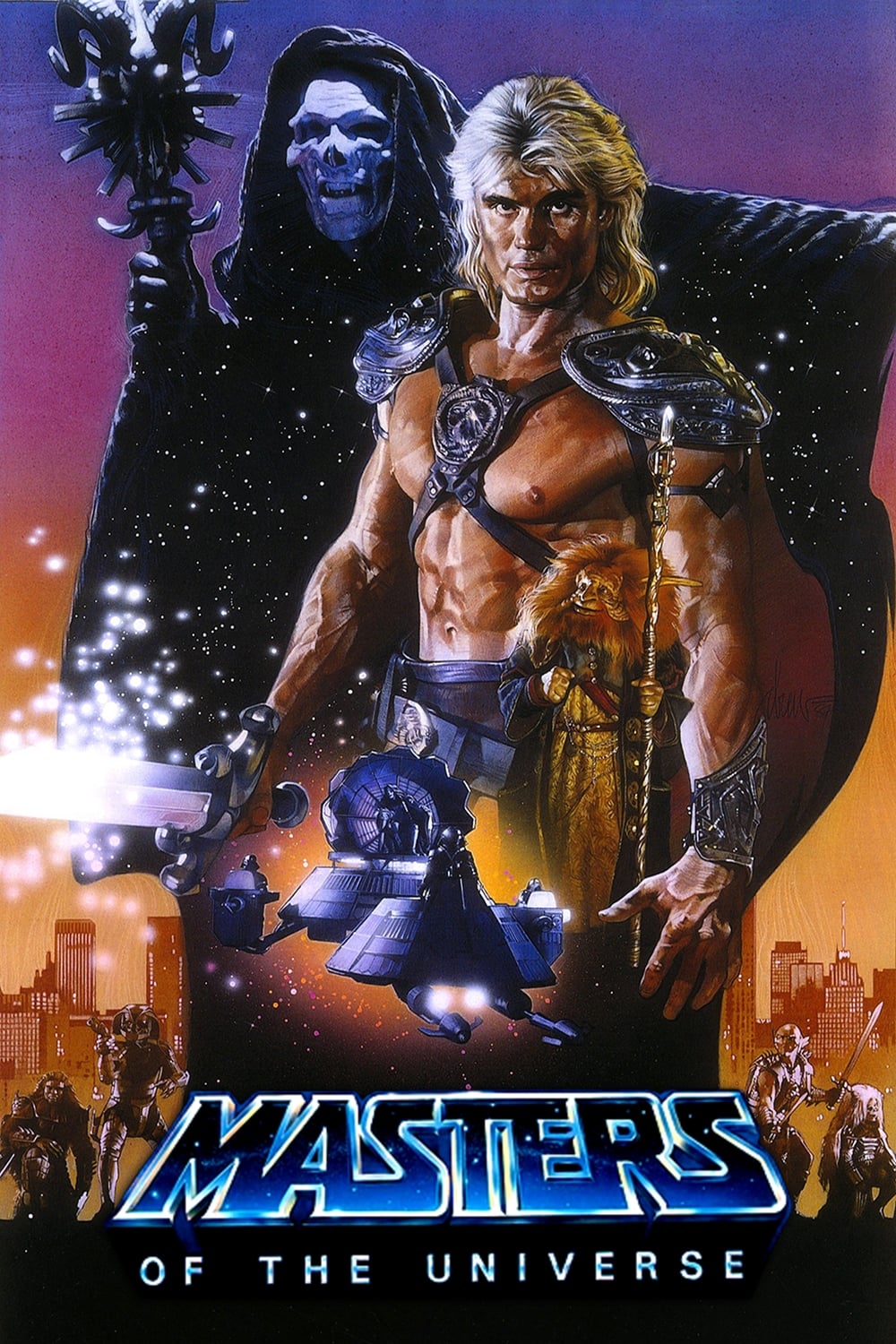
Gary Goddard directed this science fantasy film connected to ‘He Man and the Masters of the Universe’ with Dolph Lundgren as He Man and Frank Langella as Skeletor. Cannon Films produced during a period of financial strain and shifted much of the plot to present day Earth to manage costs, with Courteney Cox and James Tolkan in supporting roles. The production designed new costumes and props to translate animated designs into practical suits and makeup.
Released in late summer, the film earned under its budget and became associated with the end of a cycle for its distributor. Fans of ‘He Man and the Masters of the Universe’ noted the reduced time on Eternia and the focus on a cosmic key device that placed the characters in suburban locations. The movie later found a small cult following through home video circulation.
‘Inspector Gadget’ (1999)
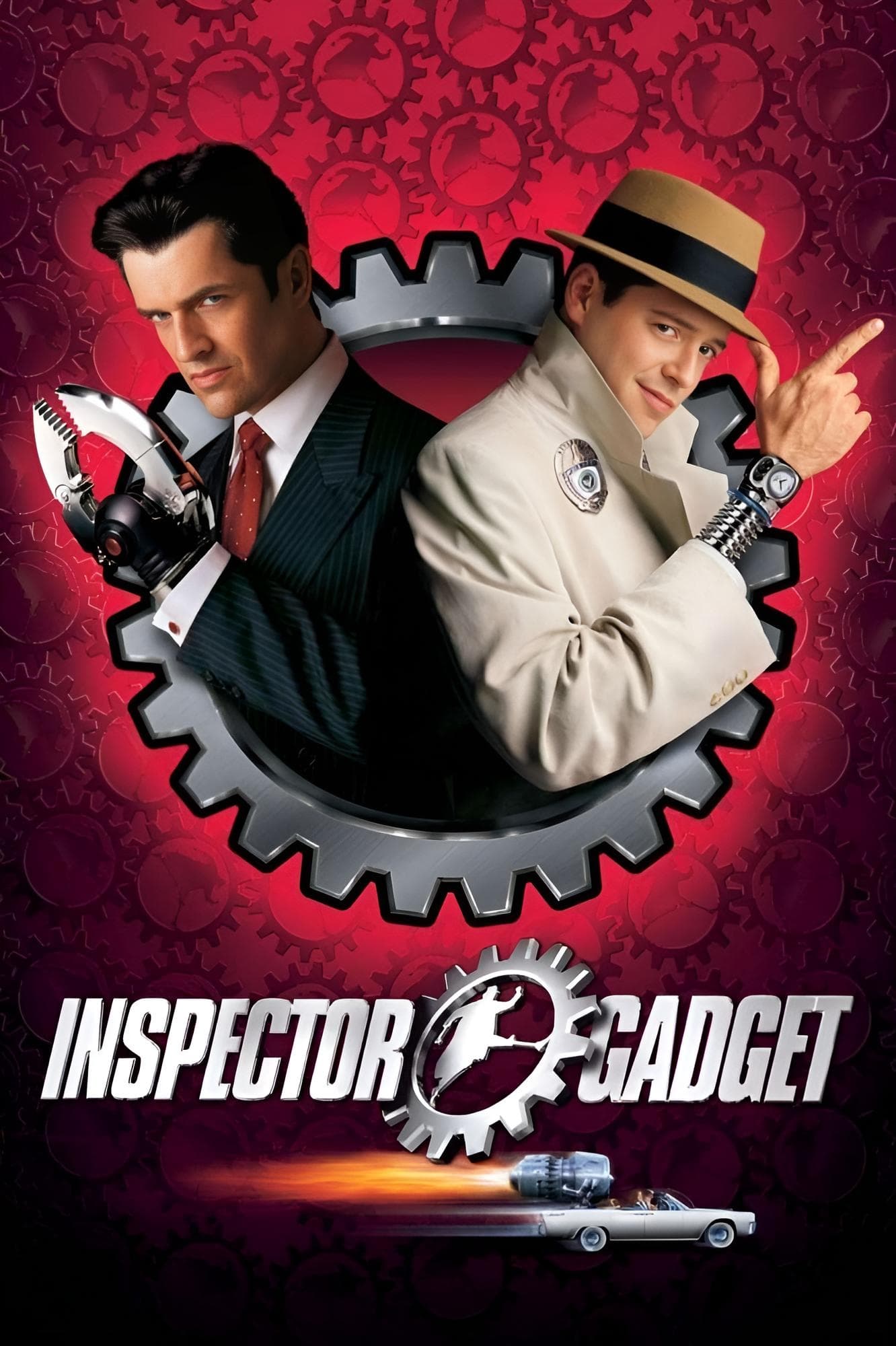
David Kellogg directed this family adventure based on ‘Inspector Gadget’, with Matthew Broderick playing both John Brown and the title character after his transformation. Rupert Everett portrayed the villain Claw and Joely Fisher played Dr. Brenda Bradford. The production used animatronics and early digital effects to depict the gadgets and a practical Gadgetmobile on set.
The movie earned over 100 million dollars worldwide on a budget reported around the mid to high tens of millions. A follow up titled ‘Inspector Gadget 2’ went straight to video with a different lead actor. While merchandising performed well, the film’s reception made the franchise pivot to the home market rather than continuing theatrically.
‘Sex and the City 2’ (2010)
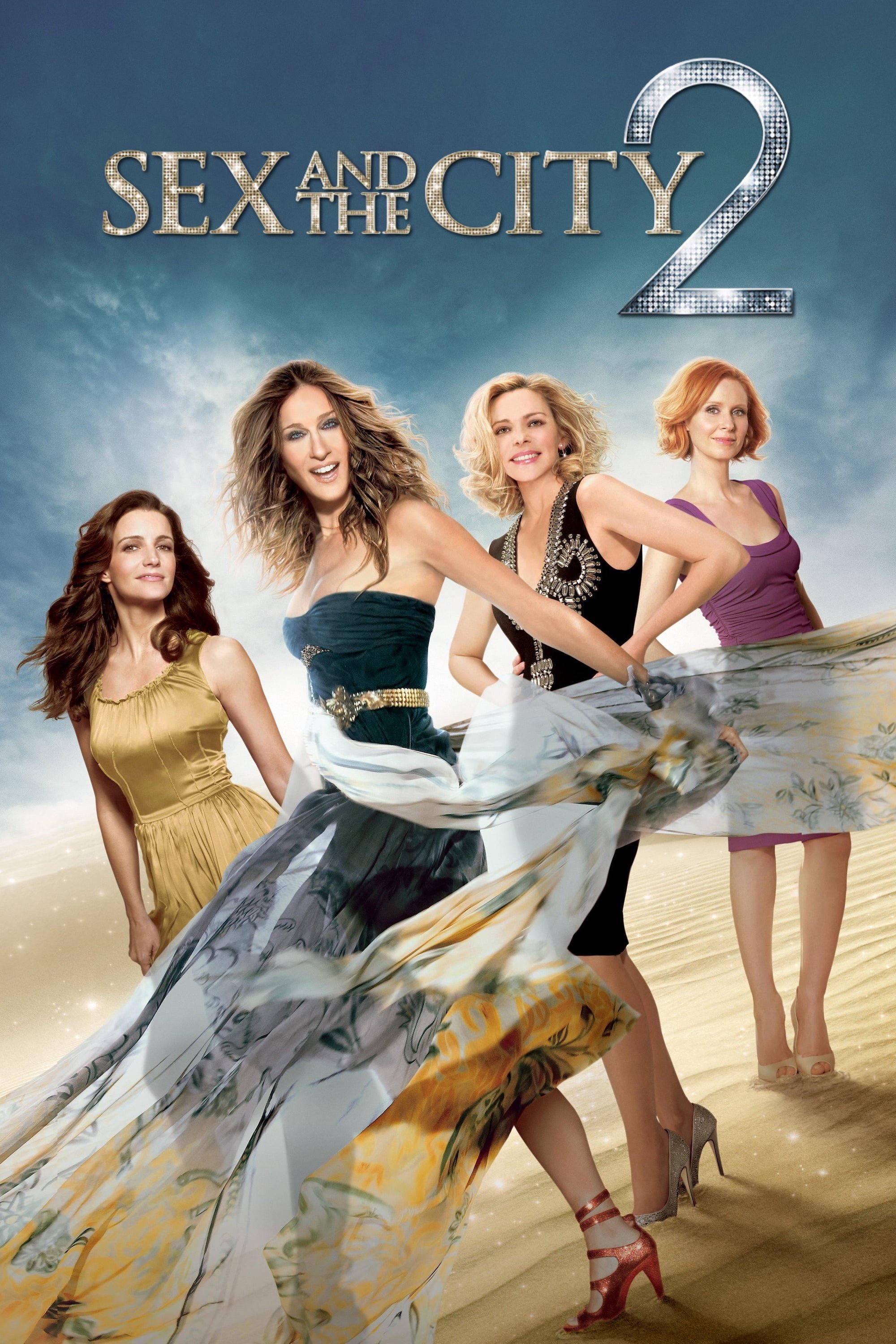
Michael Patrick King returned to direct this sequel based on ‘Sex and the City’, with Sarah Jessica Parker, Kim Cattrall, Kristin Davis, and Cynthia Nixon. The story sends the four friends on a luxury trip framed as a break from New York life, with production staging major set pieces in Morocco to stand in for Abu Dhabi. The budget rose to near 100 million dollars which placed it at the higher end for a comedy.
Global box office approached 300 million dollars but the release faced significant pushback from audiences and awards bodies that recognize underperforming studio titles. The tonal shift toward spectacle marked a change from the episodic structure and Manhattan grounded conflicts of ‘Sex and the City’. Talk of additional films slowed for years afterward, and the property later returned to television.
‘Lost in Space’ (1998)
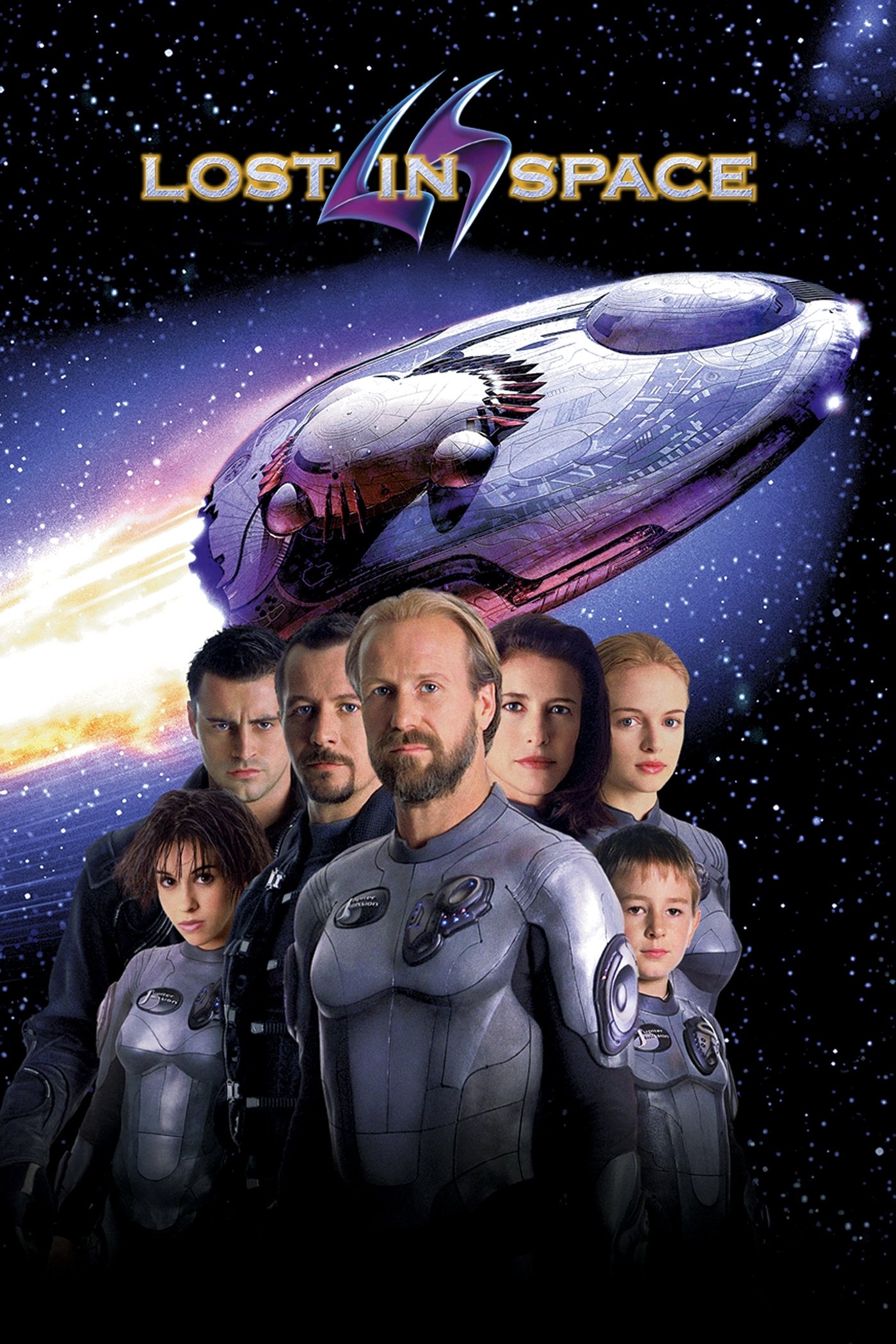
Stephen Hopkins directed this effects heavy version of ‘Lost in Space’ with William Hurt, Mimi Rogers, Heather Graham, Lacey Chabert, and Gary Oldman. The story follows the Jupiter 2 family mission into a time warp that complicates their route to a new colony, with extensive miniature and computer generated work used across space battles and alien environments. The film opened in spring and briefly topped the box office.
The budget was substantial for its era and the worldwide total did not push far beyond costs after marketing. The original ‘Lost in Space’ balanced family dynamics and weekly obstacles, while the feature attempted to build a darker serialized arc in one go. The brand later returned to streaming television with a full season structure that better suited the material.
Share the TV to movie letdowns you think belong here and tell us which entries disappointed you the most in the comments.