Top 20 Anime that Bombed Hard


Every anime season brings a few titles that fail to connect with viewers or buyers even when the concept sounds promising. Sometimes it is a risky new production method that does not land. Other times it is a tough broadcast slot, an awkward edit, or a rush to meet a date that leaves the story thin and the animation uneven.
This list rounds up projects that struggled for attention or goodwill despite name recognition, unusual premises, or ambitious plans. You will see short runtime experiments that could not fit their own plots, adaptations that missed what fans liked about the source, and originals that never found a clear direction once the first episode aired.
‘Skelter+Heaven’ (2004)
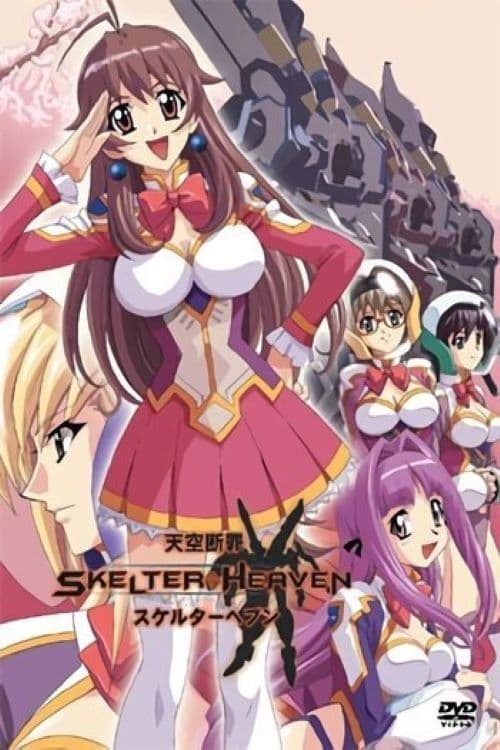
This direct to video release presents a near future setting where a defense unit deploys humanoid weapons against a mysterious threat. The runtime is brief which limits character development and world building, and the project relies on simple computer graphics for many shots.
Distribution was small and word of mouth never expanded beyond curiosity viewings. With no television run to build awareness and little ancillary merchandise, the title faded quickly after its initial disc release.
‘Mars of Destruction’ (2005)
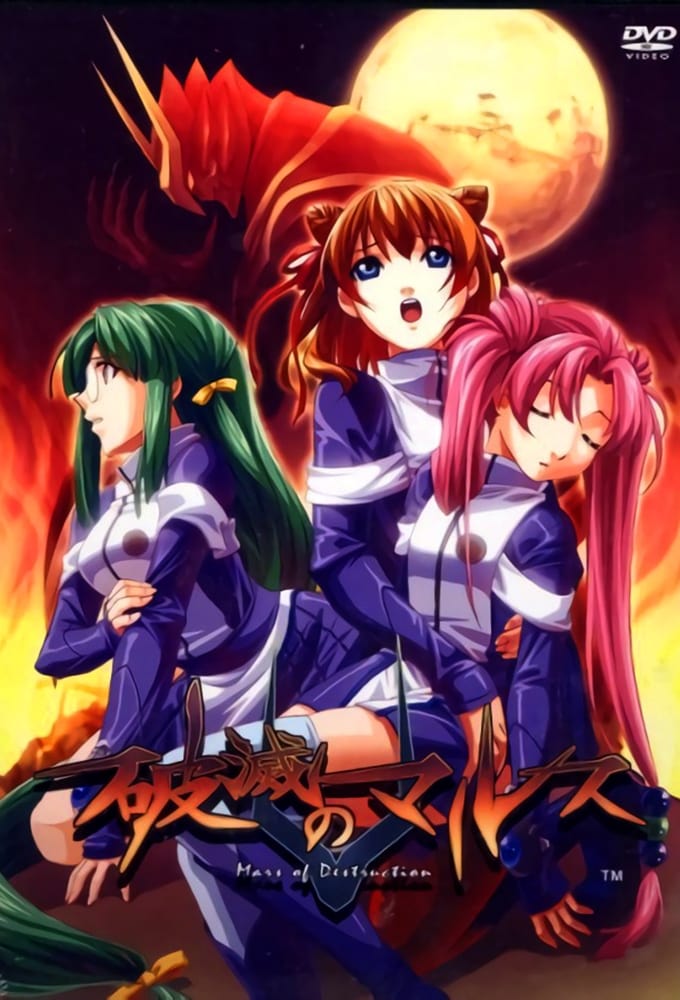
This original video animation follows a young man recruited to fight alien life forms using a special suit. The production uses a short format with minimal setup and rapid cuts between action scenes and brief exposition.
The OVA moved mostly through rental shelves and specialty shops and did not build a presence on television. With no follow up episode to clarify its plot points and limited marketing support, the release stalled in its first window.
‘Pupa’ (2014)
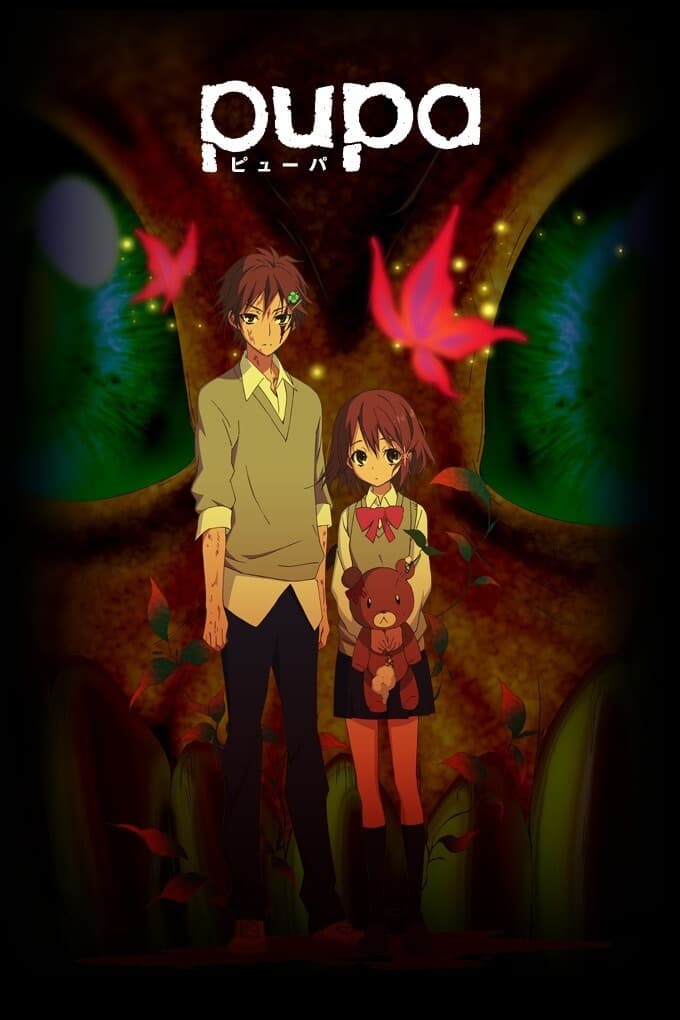
This adaptation takes a body horror manga and compresses it into very short episodes that run only a few minutes each including credits. The brief format forces the show to summarize complex scenes and leaves major arcs unresolved.
The broadcast used heavy censorship that obscured key imagery, while the home video release arrived later with a different presentation. The combination of short length and inconsistent content made it hard for viewers to stick with the series week to week.
‘Coppelion’ (2013)
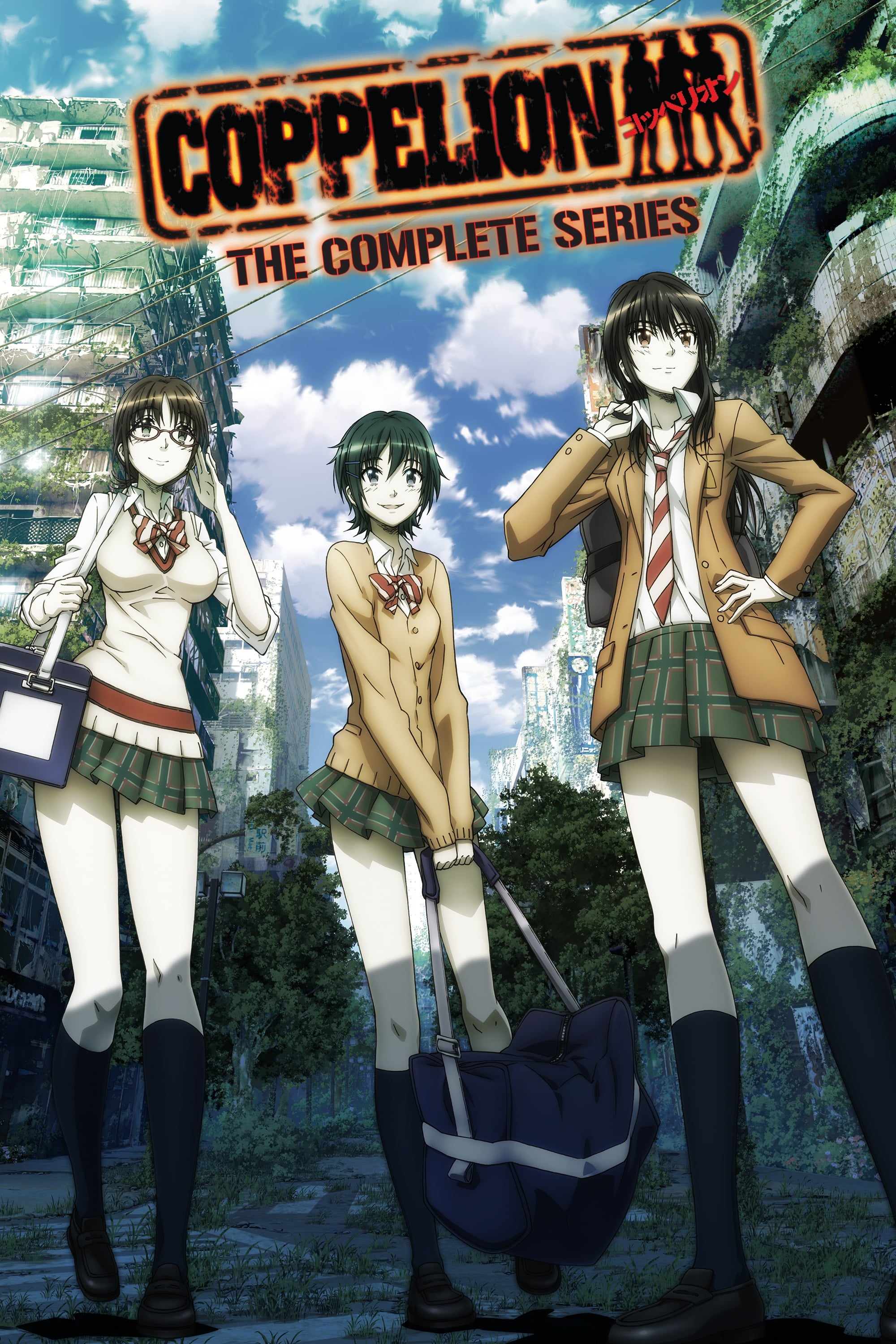
Set in an abandoned Tokyo after a nuclear accident, this manga adaptation was originally planned earlier but the real world disaster in 2011 led to sensitivity concerns. The eventual broadcast in 2013 arrived with heightened scrutiny of the subject matter.
The delay disrupted momentum built by early promotions and scheduling shifts hurt consistency across regions. Retail performance never caught up, and the show closed without the kind of tie in support that sustains post broadcast interest.
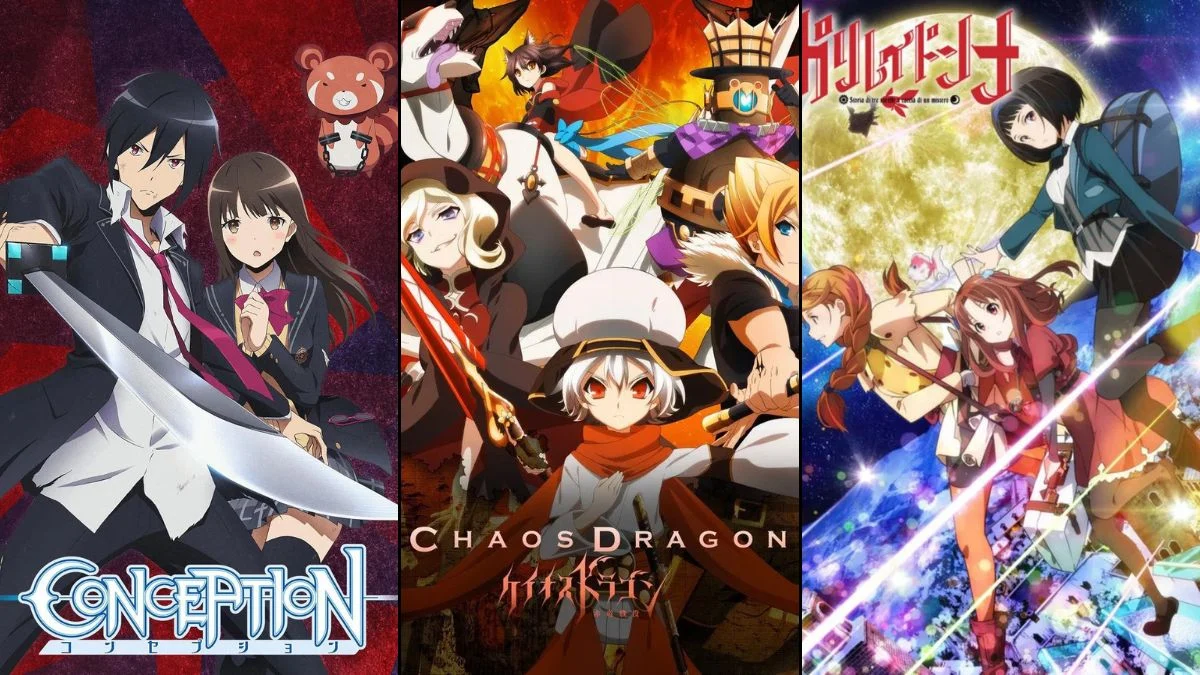
‘Galilei Donna’ (2013)
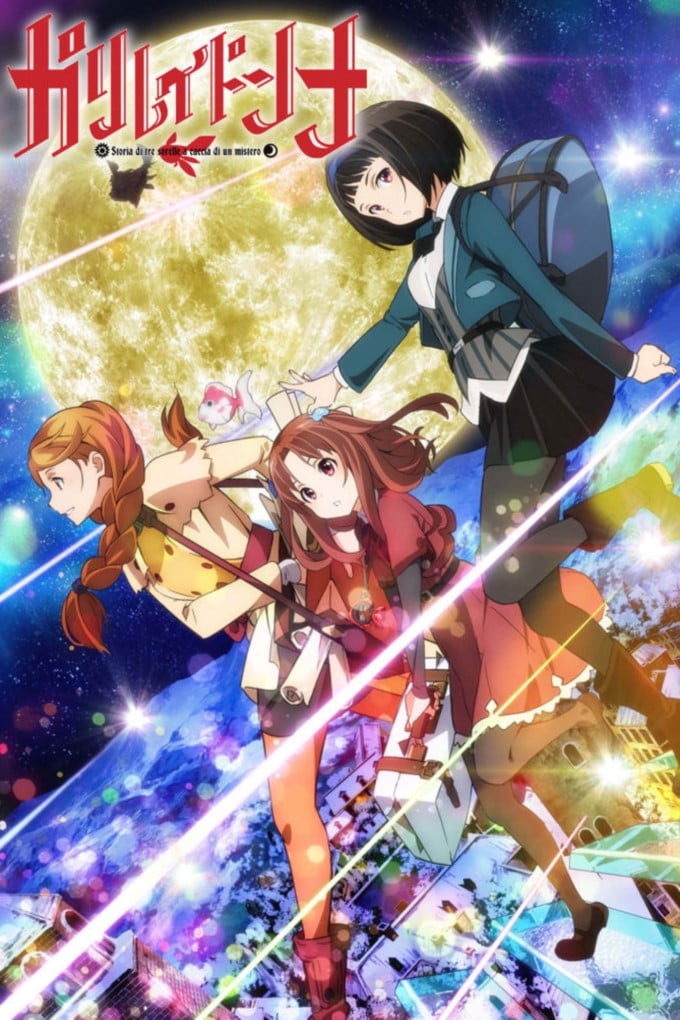
This original series launches with three sisters caught in a treasure hunt tied to the legacy of Galileo. It premiered on a prestige late night block known for experimental projects, which set high expectations for narrative payoff.
The run ended after a single cour with plot threads still open and little time for the cast to grow. Without a second season announcement or a clear sequel plan, the show could not convert curiosity into ongoing sales or streaming traction.
‘Glasslip’ (2014)
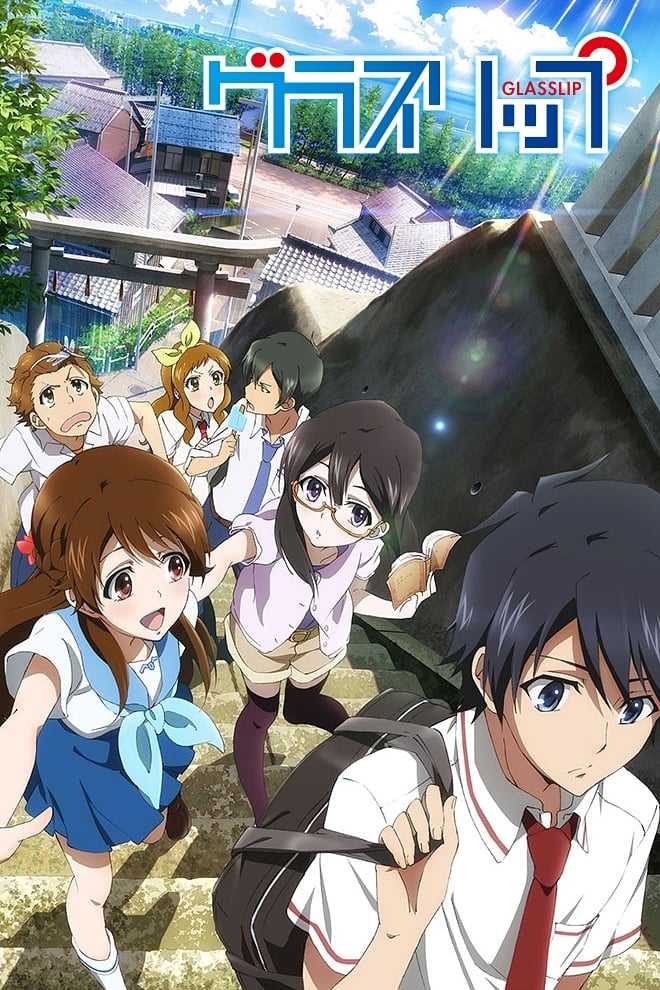
This original slice of life series follows high school friends in a coastal town with a light supernatural element. The production invests in scenery and quiet conversations while hinting at future visions that guide the characters.
Across its episodes the story circles around relationships without clear resolution and concludes with an ending that leaves many questions. Viewers who wanted a concrete payoff did not get one, and disc sales remained modest after the broadcast finished.
‘M3: The Dark Metal’ (2014)
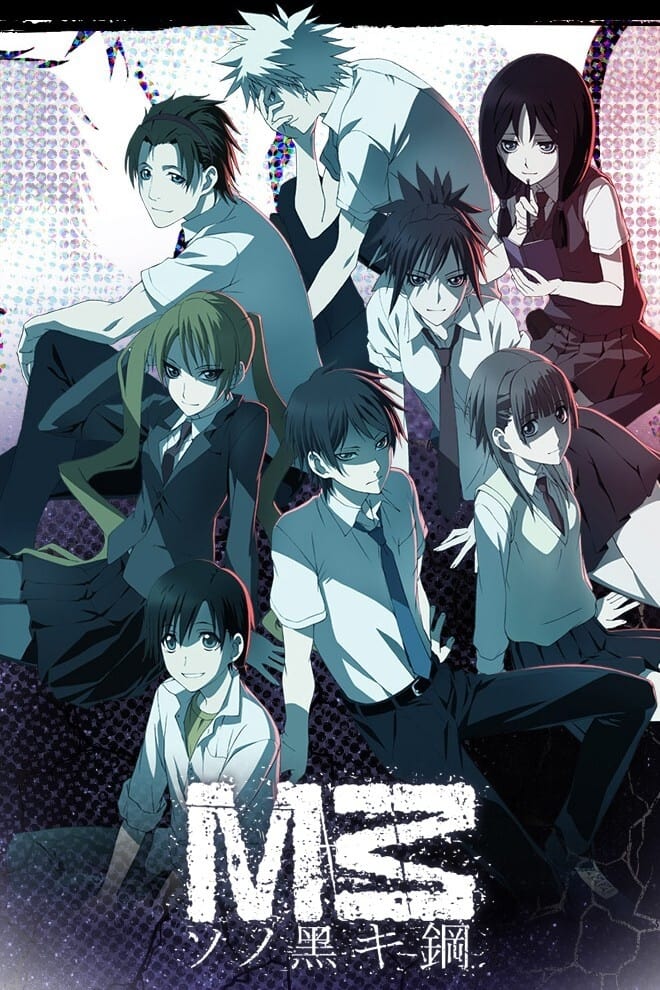
This mecha and horror hybrid introduces a group of students linked by a past incident as they pilot living weapons against a phenomenon called the Lightless Realm. The show runs for two cours and juggles mystery elements with large scale battles.
The extended schedule stretched resources and the pacing slowed in the middle weeks. A later push to explain lore left little room for character arcs to conclude cleanly, and the series closed without a lift from merchandise or music tie ins.
‘Chaos Dragon: Sekiryuu Sen’eki’ (2015)
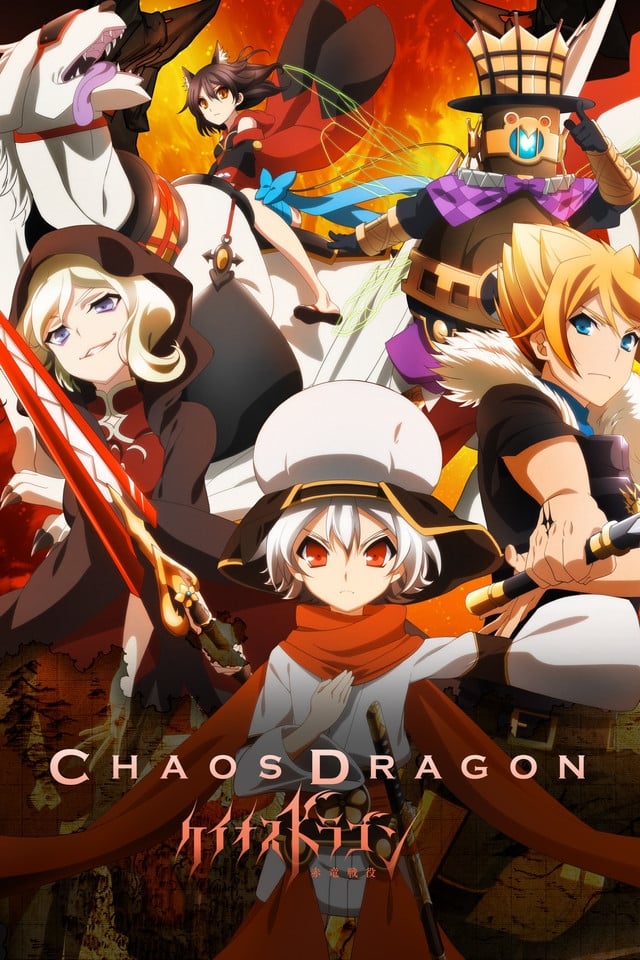
Based on a tabletop storytelling project created by a group of well known writers, this fantasy series arrived with strong name recognition. The anime condenses a sprawling world of shifting alliances and ancient powers into a single cour.
Major plot beats move quickly to fit the broadcast window and secondary characters receive limited focus. The compressed approach reduced rewatch value and the discs did not see the kind of lift usually driven by big franchise origins.
‘Ninja Slayer From Animation’ (2015)
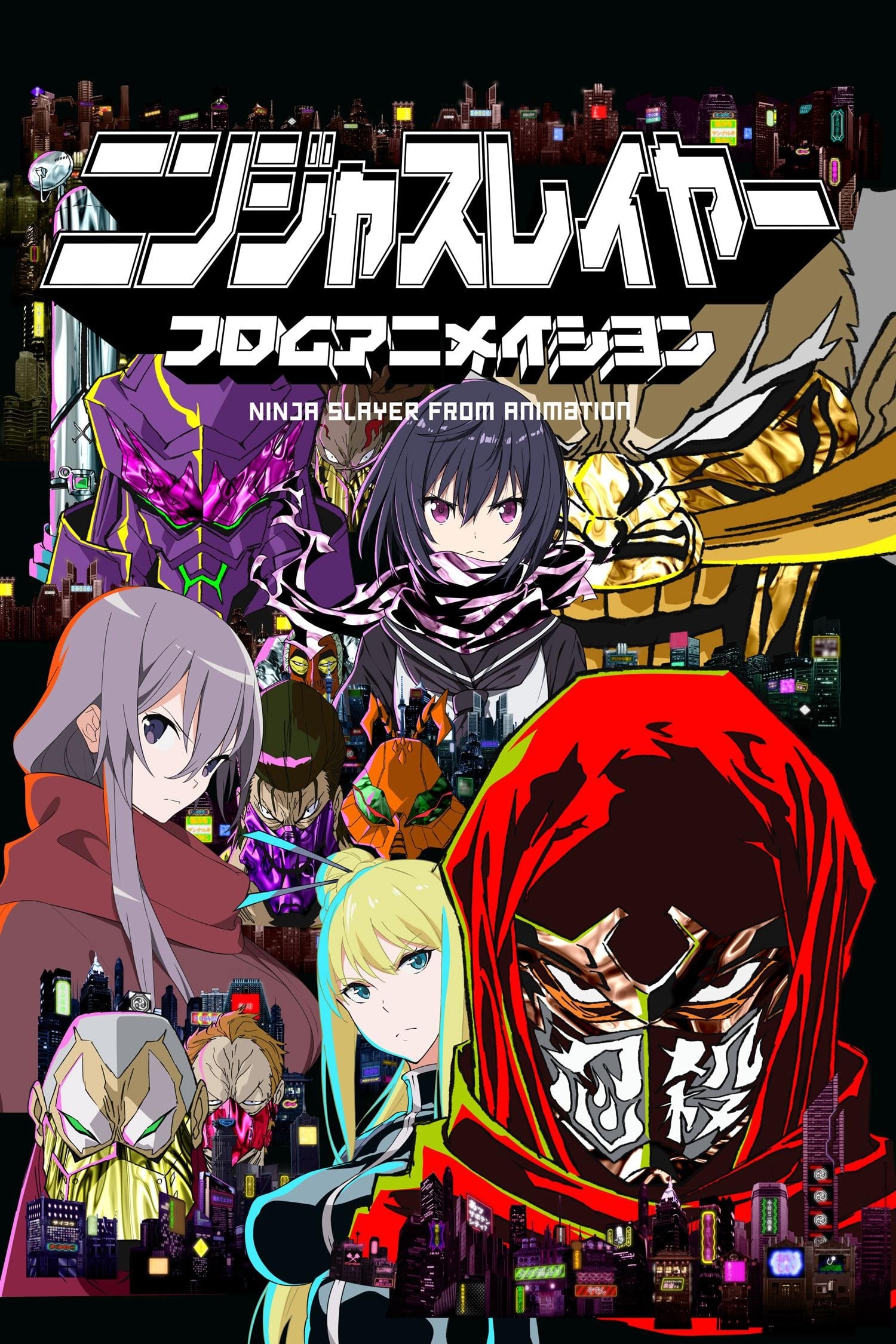
Adapted from a cult internet novel, this series premiered as a digital first release and later aired on television. The production uses an intentionally limited style mixed with bursts of drawn action and rapid fire dialogue.
The unusual rollout split the audience between web and TV versions and led to inconsistent episode experiences. Retail editions arrived after the initial buzz had cooled, and the project did not build a mainstream following despite a steady stream of episodes.
‘Big Order’ (2016)
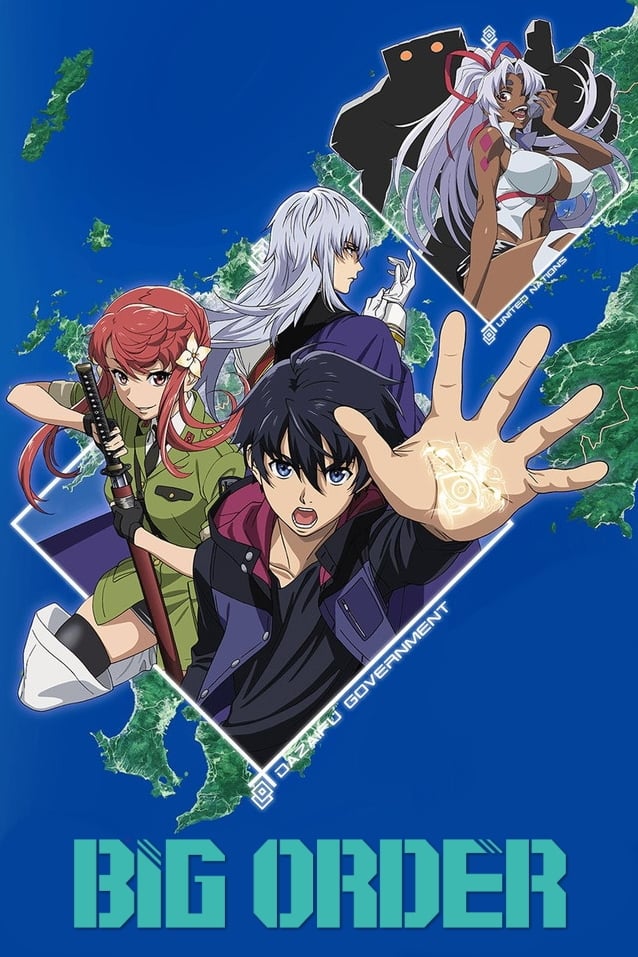
From the creator of the manga behind another popular series, this adaptation focuses on people who gain powers based on their wishes. The anime starts with a prequel episode and then jumps into a condensed retelling of early volumes.
The shift between original material and fast adaptation produced continuity gaps for viewers unfamiliar with the manga. The television run ended without covering later arcs and there was no immediate green light for continuation, which limited long tail interest.
‘Berserk’ (2016–2017)
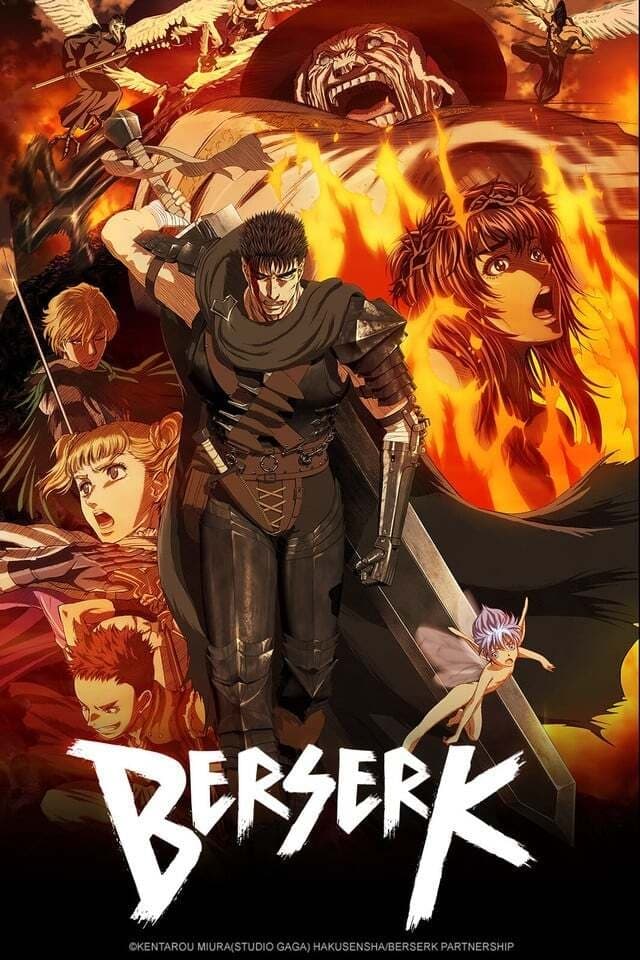
This continuation of the famed dark fantasy saga used a computer graphics pipeline with a small 2D layer on top. The approach allowed for complex camera moves and frequent battles but also created visible frame issues and strobing in motion.
Two seasons aired with key arcs from the Golden Age films as backstory, yet several fan favorite sequences received abbreviated treatment. With no confirmation of a next part at the time the broadcast concluded, momentum faded across both broadcast windows.
‘Hand Shakers’ (2017)
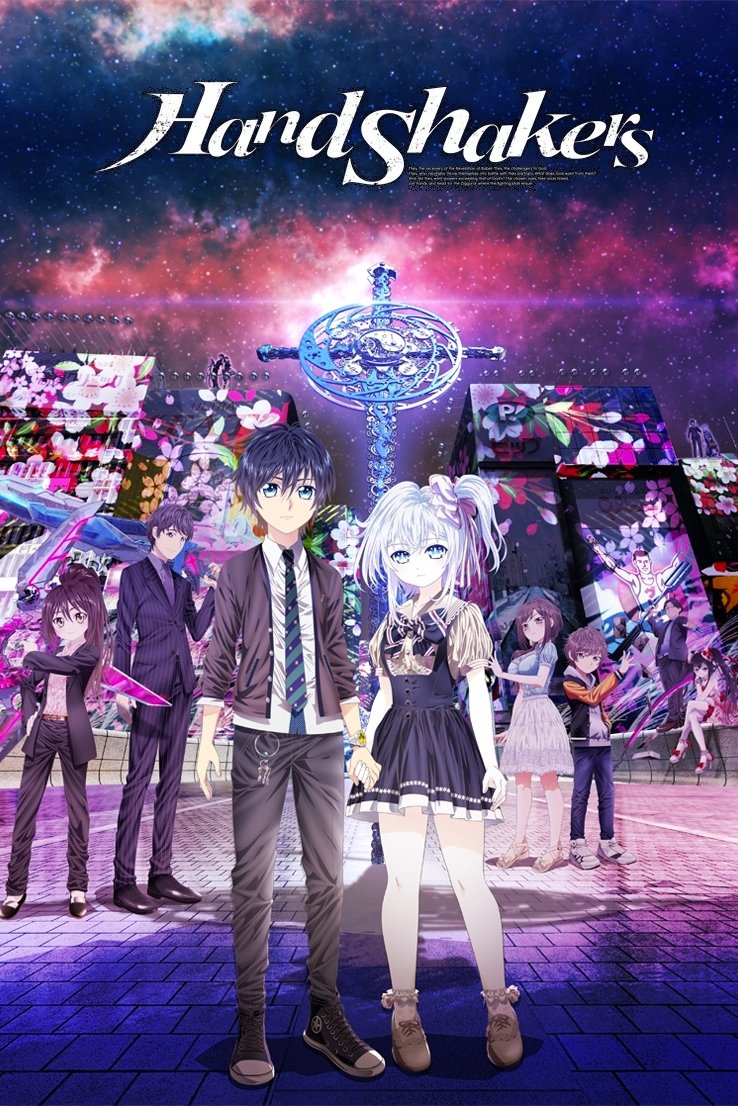
An original battle series set in Osaka pairs characters who fight in alternate zones called Ziggurats. The show showcases constantly moving cameras and reflective surfaces to create a distinctive look for every fight.
The visual concept demanded significant compositing and post work for each episode, which strained weekly schedules. The story closed after one cour and a later spiritual follow up did not revive interest in the original run, leaving discs and music releases with limited reach.
‘Ousama Game The Animation’ (2017)
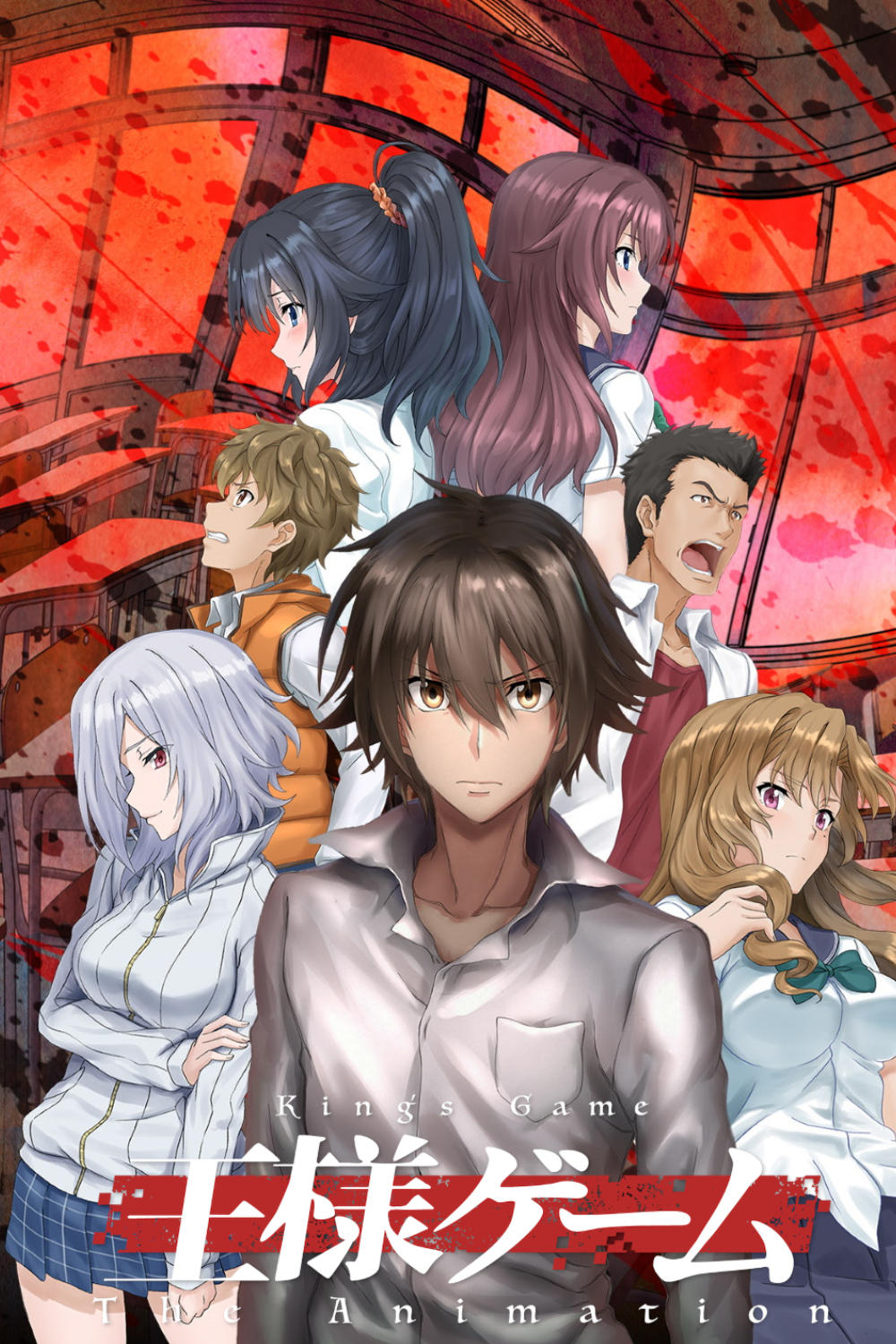
Based on a long running mobile phone novel and manga franchise, this adaptation weaves two timelines with overlapping casts. The structure shifts between a new deadly game and a prior incident through frequent flashbacks.
The constant timeline jumps made it hard to develop character motivations within a single cour. With only twelve episodes to cover multiple arcs, the show wrapped without the clarity that would encourage new viewers to pick up the source material.
‘Dies Irae’ (2017–2018)
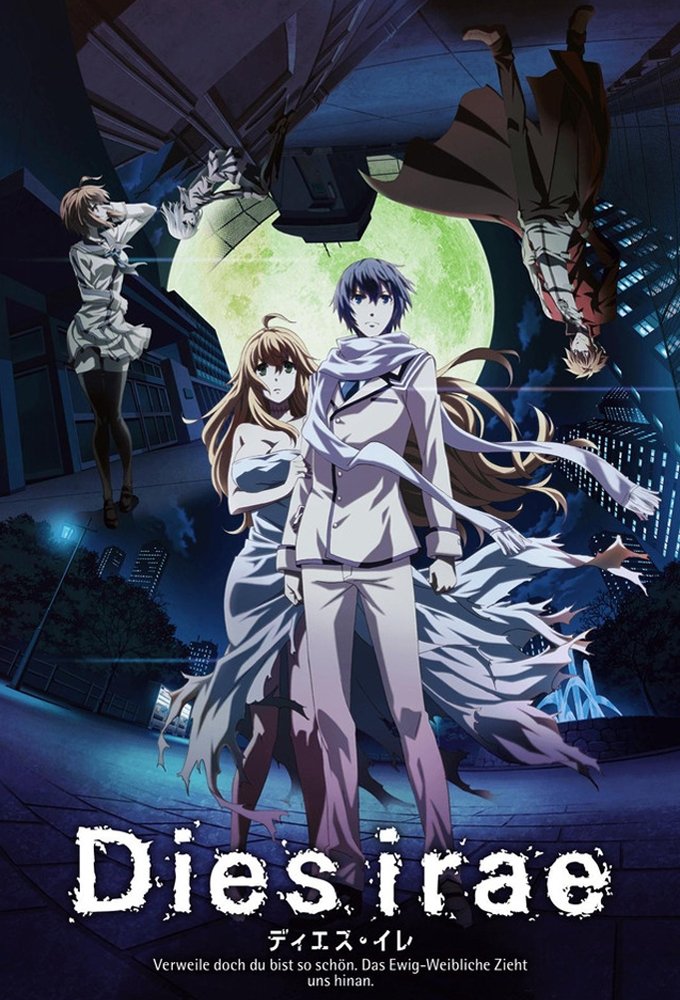
This visual novel adaptation began with a televised portion that introduced the premise and main cast. Additional episodes funded separately were released later to finish the storyline, which split the experience between broadcast and post broadcast windows.
The gap between parts made it challenging for casual viewers to follow the completed narrative. Retail editions compiled everything, yet the fragmented rollout limited the audience that saw the story in order from start to finish.
‘The Reflection’ (2017)

Co created by a veteran American comics figure and a Japanese director, this superhero project aired on public television. The art direction uses flat shading and bold outlines to mimic printed panels and gives each location a signature palette.
The show advanced a season long mystery but moved at a measured pace that relied on narration and quiet scenes. Without a second season to answer every thread, the series concluded with unresolved questions and little push for a home video upswing.
‘Conception’ (2018)
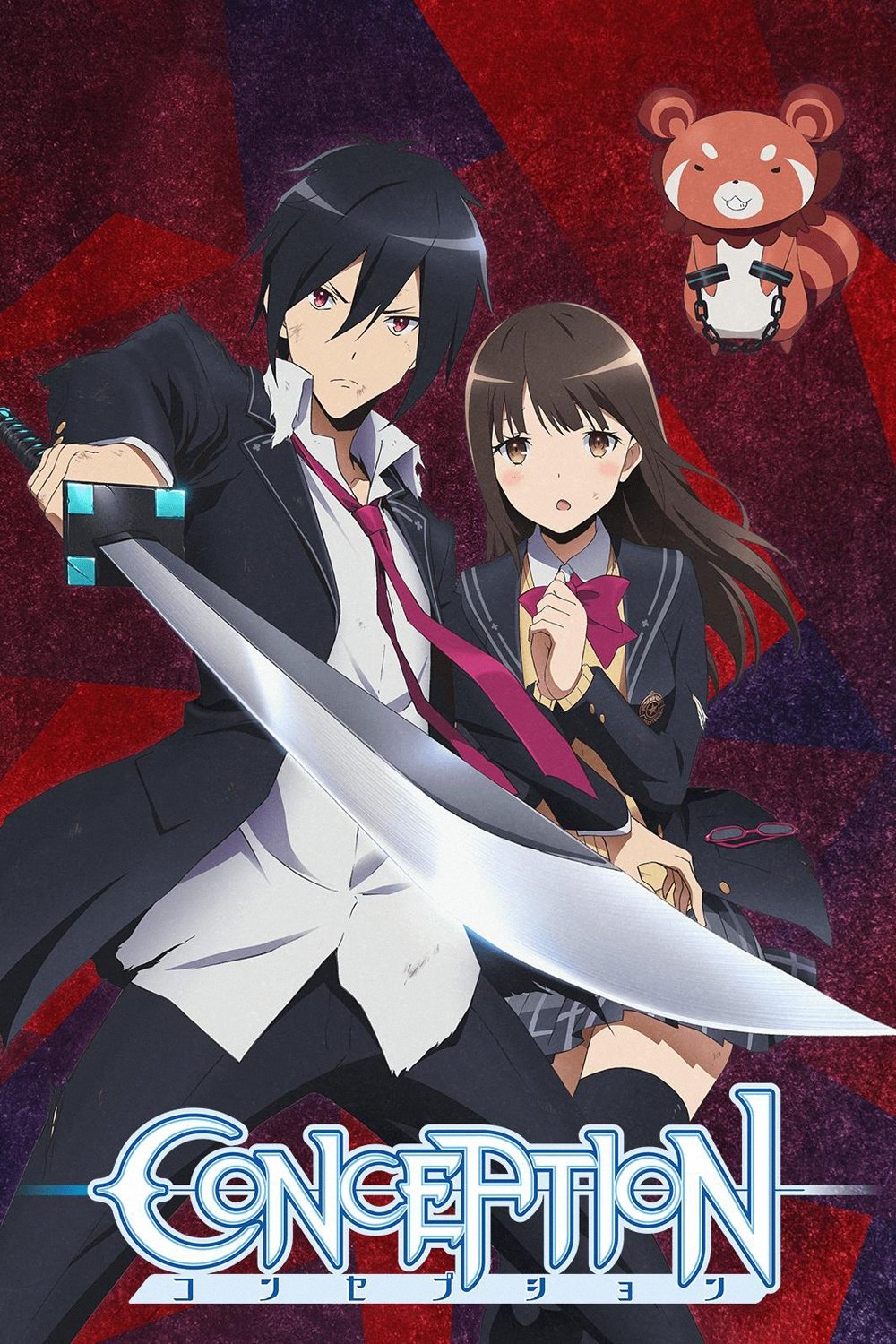
Adapted from a role playing game, this series follows a student transported to another world who must forge bonds with Star Maidens to create beings that fight impurities. The anime leans on an episodic structure that pairs the lead with a different heroine each week.
Game systems that work as mechanics prove hard to translate into television drama within a single cour. The show ended with a self aware finale, and there was no follow on project to extend the story or bring viewers back to the original game.
‘Doreiku The Animation’ (2018)
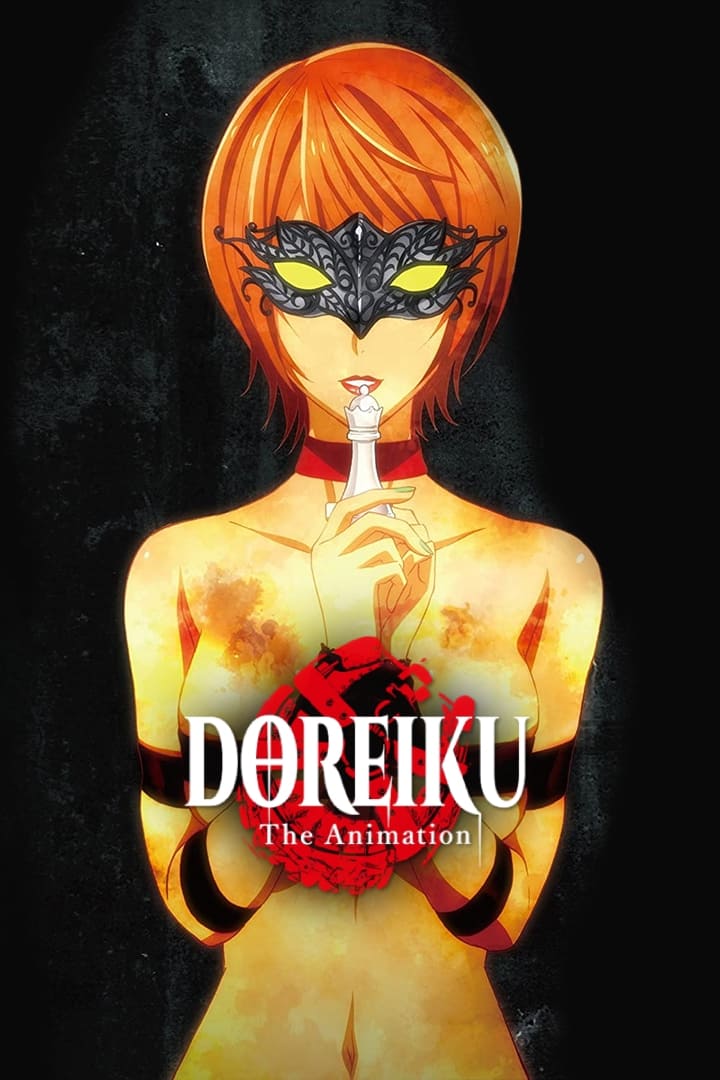
This adaptation explores a device called the SCM that can force obedience through a wager system. The plot introduces many participants with competing agendas and cycles quickly through confrontations and reversals.
The graphic premise limited broadcast options and late night placement reduced casual discovery. With little room to dig into backstories and motivations, the series closed as a one season experiment without strong after market support.
‘Gibiate’ (2020)
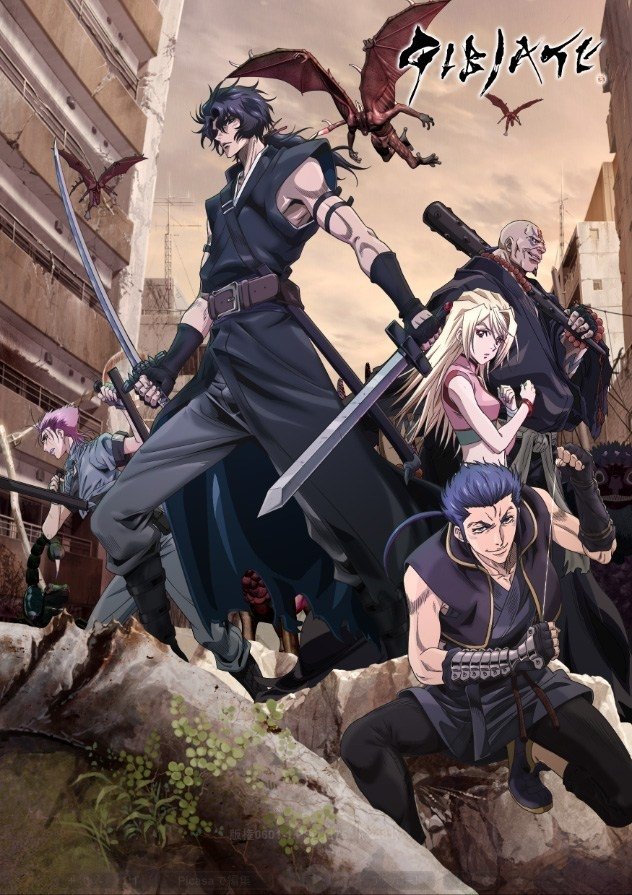
Announced as a global collaboration that brought together a celebrated character designer and a well known creature artist, this original series targeted a worldwide audience from the start. It premiered in the summer of 2020 when remote production was common across the industry.
The team attempted a mix of hand drawn and computer assisted shots during a difficult production climate. Visual inconsistency and schedule pressure were evident on air, and the title did not convert its high profile names into sustained viewer engagement.
‘Ex-Arm’ (2021)
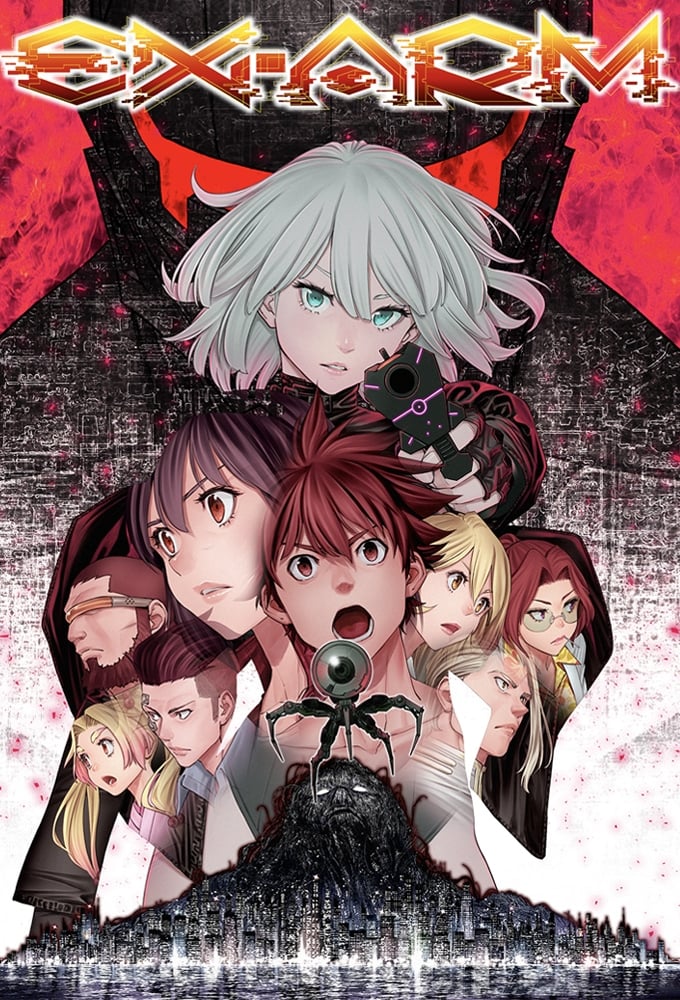
This cyberpunk adaptation pursued a live action style workflow with motion capture and heavy computer graphics. The studio handling the project had limited prior experience with television animation and relied on unconventional tools for compositing and lighting.
Promotional materials revealed the pipeline before release and preview reactions focused on the look rather than the story. The broadcast drew attention for technical reasons but could not build a stable audience and the series ended after a single cour.
‘Tesla Note’ (2021)
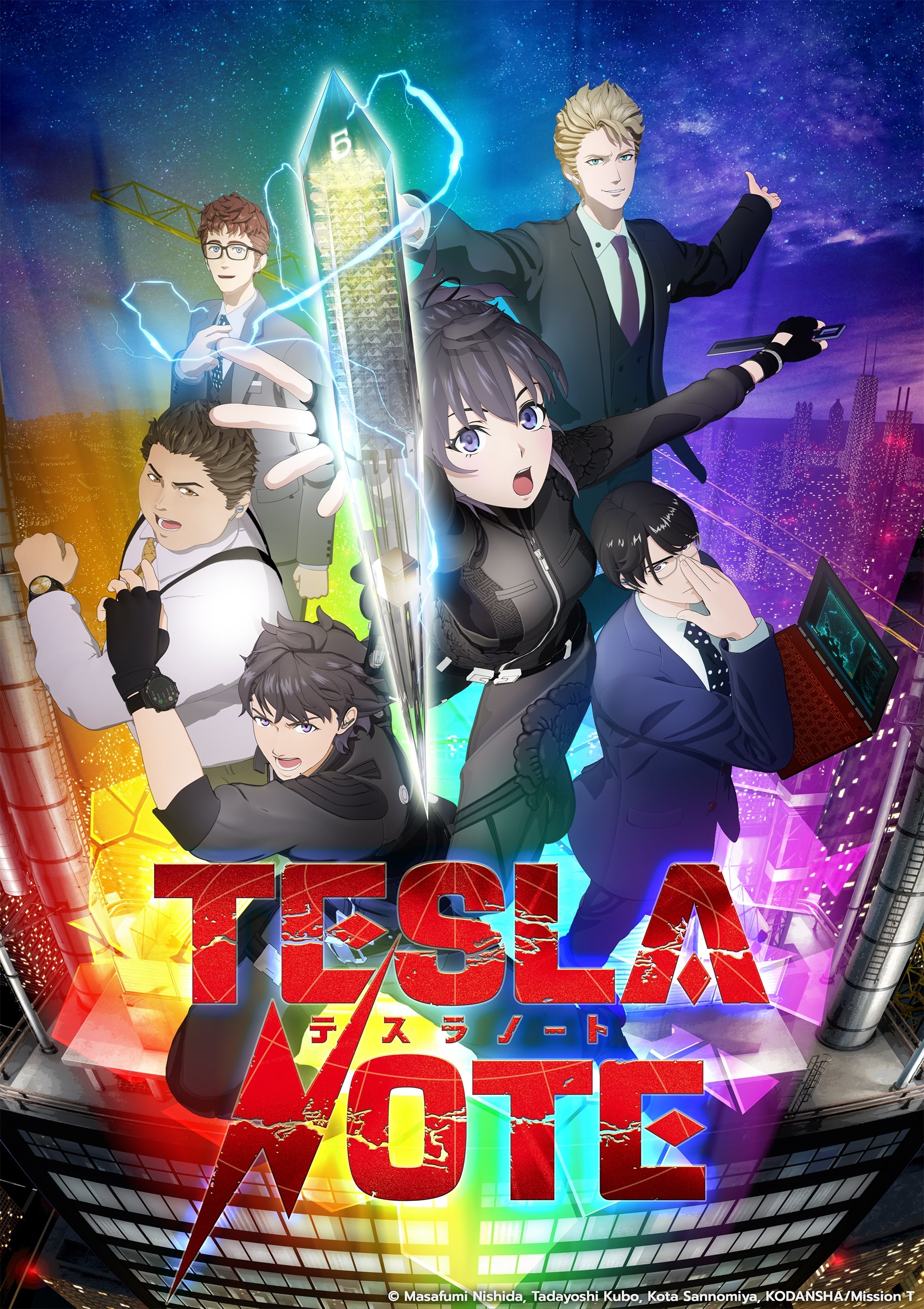
Based on a manga about secret agents chasing shards of Nikola Tesla’s legacy, this show used a hybrid approach that blended three dimensional models with two dimensional elements. The result varied from scene to scene and dialogue heavy sequences leaned on simple staging.
The fall schedule placed it against several high profile titles and the series struggled to stand out week to week. With limited buzz and no immediate continuation, the project wrapped quietly and did not generate a strong lift for the source material.
Share the titles you would add to this list in the comments so everyone can compare notes on anime that missed the mark.